Tag: electricity

  • 50 per cent refund for army officers in electricity bills

    50 per cent refund for army officers in electricity bills

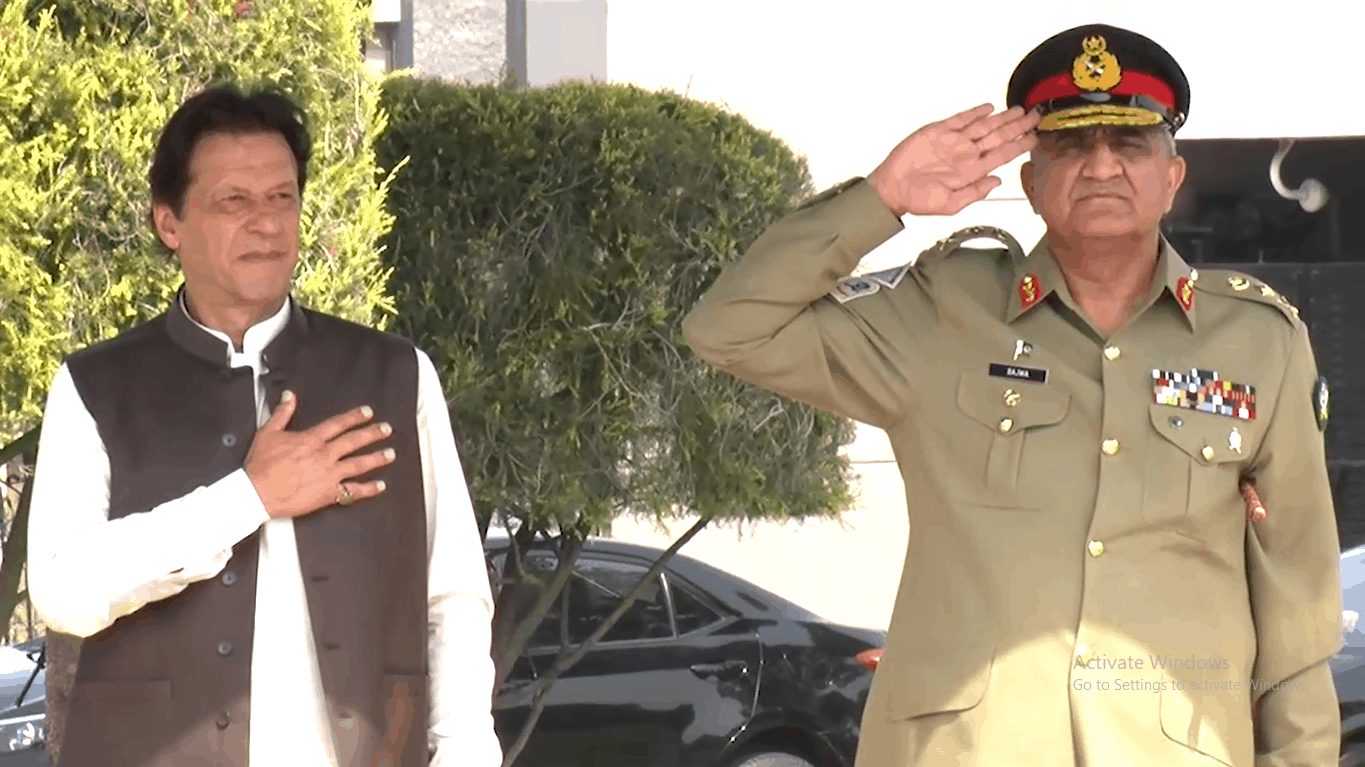
    General Headquarters (GHQ) has approached National Electric Power Regulatory Authority (NEPRA) for a 50 per cent rebate to commissioned officers on electricity bills, sources told Bussiness Recorder.

    Director Works and Chief Engineer (DG&CE) said, “Military Engineering Services (MES) is giving 50 per cent refund but on the basis of energy charges instead of variable unit charges. This has curtailed the electricity bills rebate to around 3.5 per cent instead of 50 per cent to Army officers.”

    Previously, a percentage of 50 per cent refund was set for the officers on electricity units consumed. Later, an amendment was made and the bills started to come in the name of the variable and other charges, i.e., variable charges, sale rates of electricity per Kwh, which covers the unit price.

    Last year, the Ministry of Defence (MoD) had drafted a summary for the Cabinet seeking a 50 per cent rebate to commissioned officers on electricity bills and sent it to the Finance Ministry for comments. The ministry of finance then asked MoD to approach NEPRA.

    Electricity prices have been increased about 60 per cent by the government. Another increase of Rs0.95 per unit for consumers is yet to be effective from February 1.
  • Electricity prices increase by Rs 4.30, petrol by Rs.6

    Electricity prices increase by Rs 4.30, petrol by Rs.6

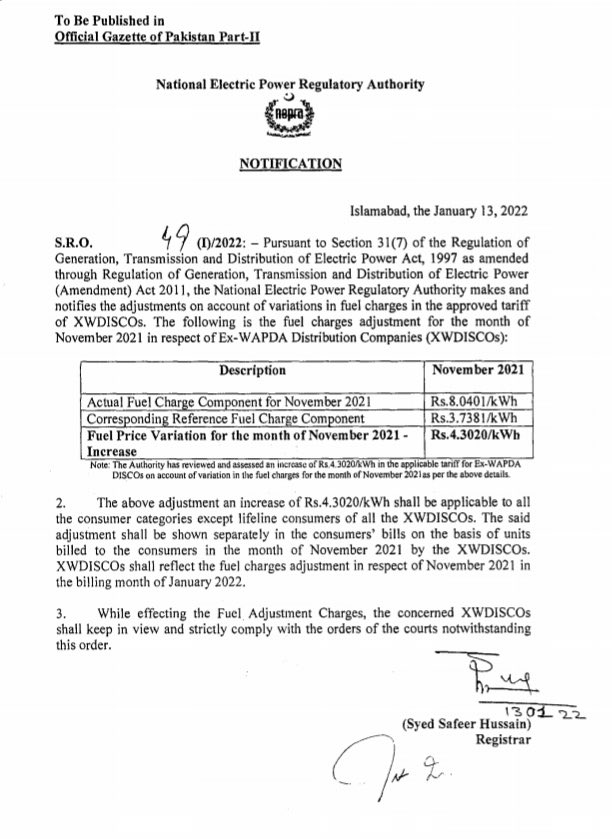
    The National Electric Power Regulatory Authority (NEPRA) has approved the decision to increase power tariff by Rs4.30 per unit on account of fuel cost adjustment (FCA) for November 2021.

    Image

    The adjustment will be shown separately in the consumers’ bills on the basis of units billed to the consumers in the month of November 2021 by the XWDISCOs.

    Similarly, the government is likely to increase the prices of petroleum prices by Rs6 per litre this month. However, the Ministry of Finance is yet to make the final announcement, reports Geo News.

    It is reported that the implementation will be effective from January 16 after consultations with Prime Minister (PM) Imran Khan. Recently, the government on the New Year’s eve had increased the prices of petroleum products to meet the petroleum levy target agreed with the International Monetary Fund (IMF).

    The news came after PM Khan’s statement when he asked his party’s spokespersons to inform the masses that there is no inflation in the country.

  • Pakistan breaks 70-year inflation record in three years: report

    Pakistan breaks 70-year inflation record in three years: report

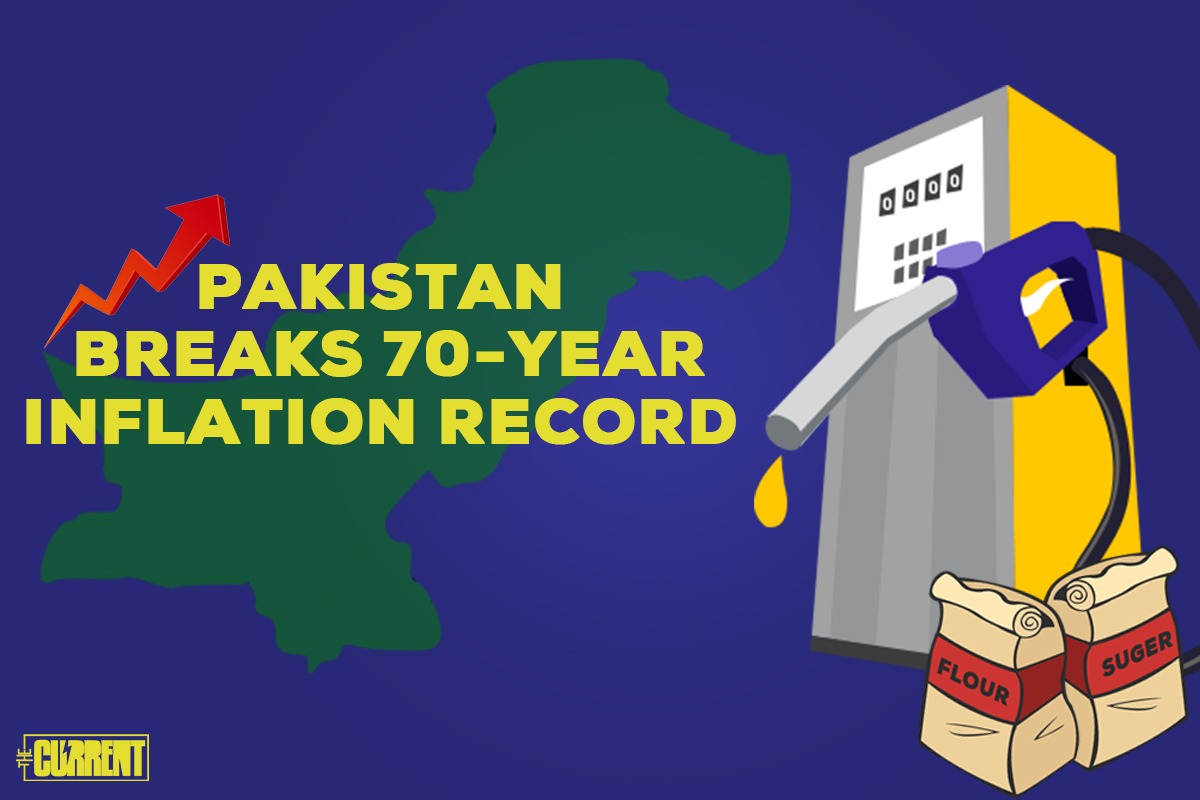
    Inflation in Pakistan has broken a 70-year record in the last three years, with food prices doubling, while the prices of ghee, oil, sugar, flour, and poultry have reached historic levels, reports The News.

    According to the Federal Bureau of Statistics (FBS) report, electricity rates have increased by 57 per cent from Rs 4.06 per unit to at least Rs 6.38 per unit, from October 2018 to October 2021.

    “By the first quarter of October, the price of an 11.67 kg cylinder of LPG had gone up by 51 per cent from Rs1,536 to Rs 2,322. Similarly, the price of petrol had gone up by 49 per cent in three years from Rs 93.80 per litre to Rs138.73 per litre,” says the report.

    “The price of edible ghee increased by 108 per cent to Rs 356 per kg.”

    “Sugar has increased by 83 per cent in three years and the price of sugar sold at Rs 54 per kg exceeded Rs100,” according to the report.

    “The price of a 20 kg bag of flour has gone up by 52 per cent to Rs1,196 in three years.”

    “The price of chicken remained at Rs 252 per kg from October 2018 to October 2021, however, chicken meat is being sold at Rs 400 per kg in the markets.”

    “The cost of chicken eggs has also increased by 47 per cent to Rs170 per dozen.”

  • Has Elon Musk trolled Pakistan for ‘no electricity’ while PM plans to meet Tesla executives?

    Has Elon Musk trolled Pakistan for ‘no electricity’ while PM plans to meet Tesla executives?

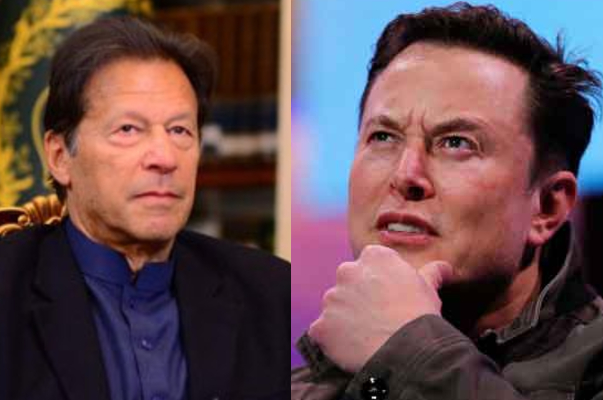
    With multiple media outlets reporting that Prime Minister (PM) Imran Khan will be meeting Tesla executives to discuss investment opportunities in the Pakistani Electric Vehicle (EV) market, the screenshot of a tweet by Tesla Chief Executive Officer (CEO) Elon Musk “mocking” Pakistan has started doing the rounds on social media.

    Tesla Inc is an American EV and clean energy company based in California. Its current products include electric cars, battery energy storage from home to grid-scale, solar panels and solar roof tiles, as well as other related products and services.

    PM Imran is reportedly due to meet Tesla executives as Pakistan announces its plans to promote EVs and India gears up to welcome the Musk-run company.

    However, the news of the premier’s meeting was followed by a screenshot of the tweet wherein Musk had purportedly taken a dig at Pakistan’s power shortage vows.

    “First bring electricity,” read the tweet that seems to be nothing more than a meme since it could not be found on Musk’s Twitter handle.

    As for the PM’s reported plans of meeting Tesla executives, the news came from renowned journalist Sabir Shakir via a video clip shared on Javed Afridi’s social media page.

    In the video, Shakir states that Afridi, who is a key stakeholder in MG Pakistan, has already had a couple of meetings with the officials at Tesla Motors. He said that the world’s largest and most prolific EV maker had already expressed interest in investing in the Pakistani automotive market.

    Pakistan’s new EV policy was introduced by the government late last year, wherein it had announced a number of benefits and incentives for both interested investors in the local EV sector and potential buyers.

    Reports say Afridi has been at the forefront of campaigning for EVs to be made the norm in Pakistan. Additionally, MG is also set to introduce the ZS EV in Pakistan, reportedly in the first quarter of 2021.

  • Every Karachiite will relate to Osman Khalid Butt’s hilarious Twitter exchange with K-Electric

    Every Karachiite will relate to Osman Khalid Butt’s hilarious Twitter exchange with K-Electric

    It’s that time of the year when Karachi’s electricity provider K-Electric is at the receiving end of Karachiites wrath. Over the past couple of the days, their standard reply to all complaints – “Responded in DM” – has become a joke.

    Recently, Osman Khalid Butt had a hilarious Twitter exchange with K-Electric and is something all citizens of Karachi will be able to relate to.

    It all started when Butt shaded KE at 5 am in the morning for not restoring electricity.

    KE responded with their usual reply to which Butt joked that given how many DMs have been exchanged they should just ask each other out at this point.

    Four hours later, electricity was still not restored.

    An hour later, Butt shared that K-Electric may take 15 more hours to restore electricity.

    “I may spontaneously combust with rage,” said the actor.

    Meanwhile, Butt’s followers including his colleagues really enjoyed his rant.

    https://twitter.com/ushnashah/status/1280405340970979328?s=20
  • Pak army to generate own electricity to reduce burden on economy

    Pak army to generate own electricity to reduce burden on economy

    Pakistan Army is all set to generate electricity for its garrisons and establishments across Pakistan to cut their expenditure on power which is estimated to be around Rs 15 billion for 240 MW (megawatt), a private news outlet has reported.

    As per reports, the Pakistan army is planning on harnessing renewable energy through solar parks with an aim to establish 1-5MW solar parks in each garrison. The pilot project will generate 40MW energy and no public money will be used on solar parks for 25 years.

    This step will reduce the burden on the Army’s budget as a huge portion of it goes to electricity payments to various electricity distribution companies, and the costs are rising due to increasing tariffs.

    The Defence Division has informed the federal cabinet that army possesses robust distribution systems, which means that it can easily shift to renewable energy alternatives.

    The division has sought the government’s approval for making the payment on account of purchasing equipment from private companies offering solar solutions, adding that it will be at least 20-30% cheaper than DICSOs.

    The cabinet was also informed that the stakeholders including Public-Private Partnership Authority (PPPA), Alternative Energy Development Board (AEDB), Power Division and Finance Division have also endorsed the electricity project.

  • PM Imran’s office likely to lose electricity over non-payment of bills

    PM Imran’s office likely to lose electricity over non-payment of bills

    The supply of electricity to the Prime Minister’s (PM) Secretariat is likely to be snapped over non-payment of bills running into millions, Khaleej Times has reported.

    According to reports, the Islamabad Electric Supply Company (IESCO) has also issued a notice in this regard as the secretariat currently owes the distributor over Rs4 million in power bills.

    “This is a recurrent problem with the secretariat. We will cut off the power supply if dues are not paid,” reports quoted sources in the IESCO as saying and added that the dues had not been cleared despite several reminder notices being sent.

    Meanwhile, the country’s annual fiscal deficit has reportedly risen to the highest in the last three decades at 8.9 per cent for the financial year 2018-19.

    Fiscal deficit is the difference between revenues and expenditures of a federal government. According to reports, the deficit that increased to 8.9 per cent of Pakistan’s gross domestic product in the financial year that ended in June, was recorded at 6.6 per cent last year.

    The figure that depicts the situation of the country’s crippling economy, coincides with one-year completion of the Imran Khan-led Pakistan Tehreek-e-Insaf (PTI) government.

  • Fact-check: Will your electricity bill cost you more between 7 pm to 11 pm?

    Fact-check: Will your electricity bill cost you more between 7 pm to 11 pm?

    We all get messages that go viral on WhatsApp and most of us do not believe them or we simply ignore them because that is the best thing to do because they do not have any authentic source. The Current just fact-checked one of such text messages.

    The message currently appearing on our phones read:

    Many of us did not consider this and some of us must have thought to block that person who sent this. BUT THIS IS CORRECT. Time to unblock that guy.

    The Peak hours from June to August are from 7pm to 11pm.

    It is on the official websites of Lesco and K-electric. You can find peak and off-peak hours for different times and months. Here are the websites:

    http://www.lesco.gov.pk/3000063

    https://www.ke.com.pk/customer-services/tariff-structure/

    You can not only check the peak and peak off hours at the official website of Lesco but also you can estimate your bill. Isn’t that amazing? You have to write units consumed during off-peak and peak hours. phase type, number of TV sets, arrears (if any). Fill all the columns and make an estimate of your bill.

  • ‘Country generating 1,392MW more electricity than in demand’

    ‘Country generating 1,392MW more electricity than in demand’

    Power Division of the Ministry of Energy has claimed zero shortfall of electricity in the country, reporting that some 1,392 megawatts (MW) are being produced against the total demand.

    According to Power Division spokesperson Zafaryab Khan, overall power demand in the country on Tuesday remained at 18,908MW, while 20,300MW of electricity are being generated.

    He further said the power distribution companies were implementing load management in Ramzan as per a previously announced schedule.

    The statement from the Power Division comes after hundreds of people reported being deprived of electricity during Sehri on the first of Ramzan in heatwave-struck Karachi.

    Unannounced power outages were reported in Malir, North Nazimabad, Liaquatabad, Gulbahar and other parts of the city’s district central.