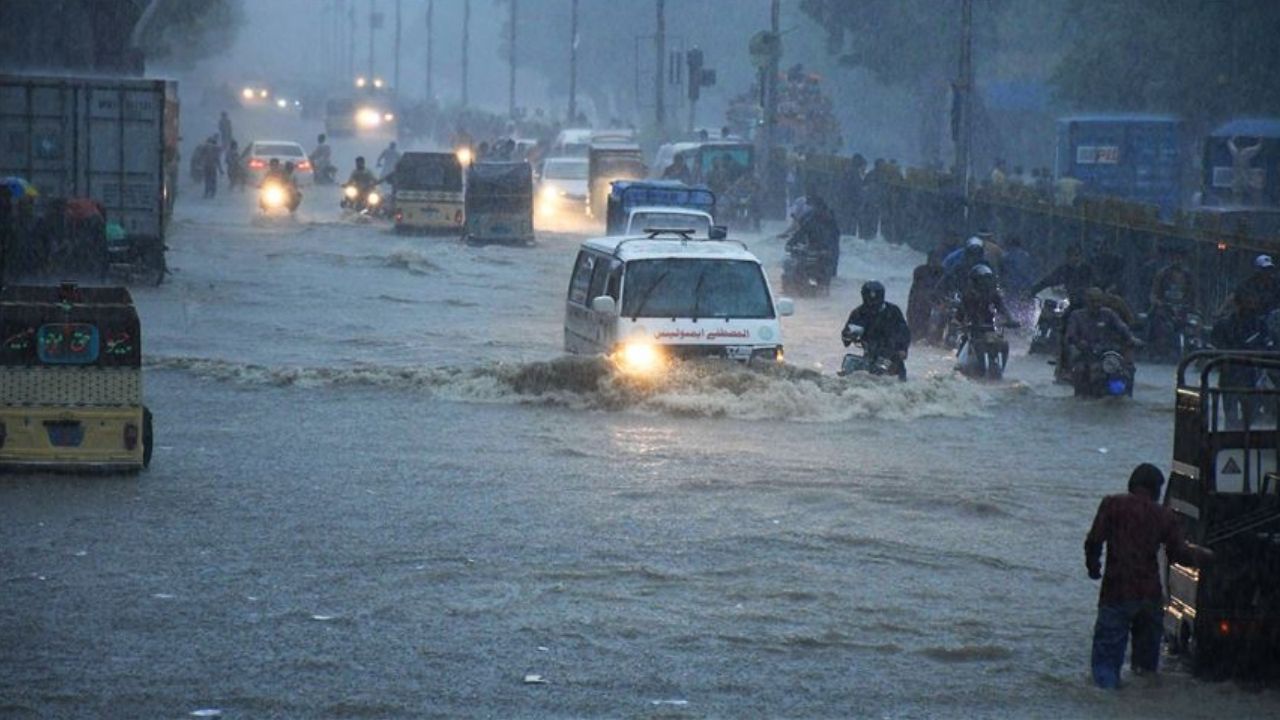
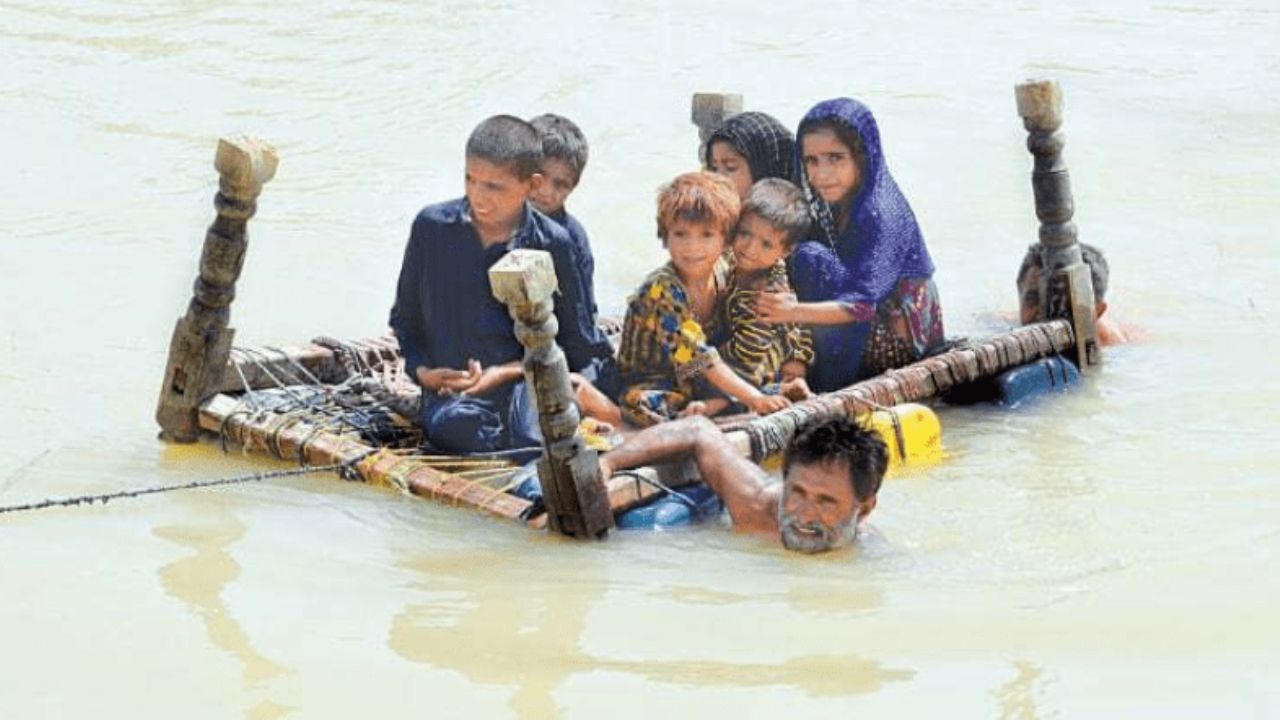
Tag: Gilgit Baltistan

  • ‘Didn’t think people would like it,’ Hasan Raheem shares Gilgit wedding details

    ‘Didn’t think people would like it,’ Hasan Raheem shares Gilgit wedding details

    Singer Hasan Raheem has shared details about his Gilgit wedding and celebrations, saying he didn’t think people would love them.

    In an interview with BBC Asia journalist Haroon Rashid, Hasan opened up about his traditional Gilgit wedding. At his mother’s request, he wore traditional cultural attire and through his wedding, the world got to see the rich traditions of Gilgit-Baltistan.

    On the wedding, Hasan wore traditional Gilgit-Baltistani clothing and performed a traditional dance, which was widely appreciated for its authenticity and cultural richness.

    He called his wedding week the best week of his life, adding that through his attire, dance and celebrations, people across the world learned about Gilgit-Baltistan’s wedding customs and cultural heritage.

    Hasan expressed special gratitude to his mother who encouraged him to wear the “shouqa” (a traditional coat).

    “I really liked my cap and the jacket I wore called Shuqa which was actually my father’s… gifted by my nana (maternal grandfather).” Decorated with a feather and called “shati”, he said the credit of his look goes to his mother.

    Hasan admitted that he didn’t expect people to appreciate his attire, traditions or dance as the traditional dance is usually performed by a select few within the community. “I wasn’t sure that people are going to like it but everyone loved it.”

    He shared that he was initially worried about how people would receive his dance, but after the videos surfaced online, the feedback was overwhelmingly positive with many commenting that they had never seen such a dance before and found it incredibly impressive.

    “I was surprised by the response. Before the dance went viral, I told his friends that if music didn’t work out, I’d pursue dancing instead.”

    When asked about expressing love for his wife, Hasan said that before bringing her on camera, he had many thoughts running through his mind, but he silenced them all, trusting that what he was doing felt right.

    He once again emphasised that his wedding week was the best of his life. Although he initially didn’t plan to share the wedding publicly, his mother asked him, “Should we confiscate the phones of all the wedding guests?” To which he said no. “I said to my mom, our relatives will not approve of the idea.”

    As a result, many videos of the wedding were filmed and later went viral on social media, giving the world a glimpse of the beauty of Gilgit-Baltistan’s culture.

    Hasan Raheem got married to Noor, a close relative, in August, with the celebrations lasting an entire week.

  • Child YouTuber Shiraz uses vlogging income for the best purpose

    Child YouTuber Shiraz uses vlogging income for the best purpose

    In a heartwarming display of community spirit and generosity, Pakistan’s youngest YouTuber Muhammad Shiraz, known for his popular channel Shirazi Village Vlogs, has used his income from the streaming platform for a truly noble purpose.

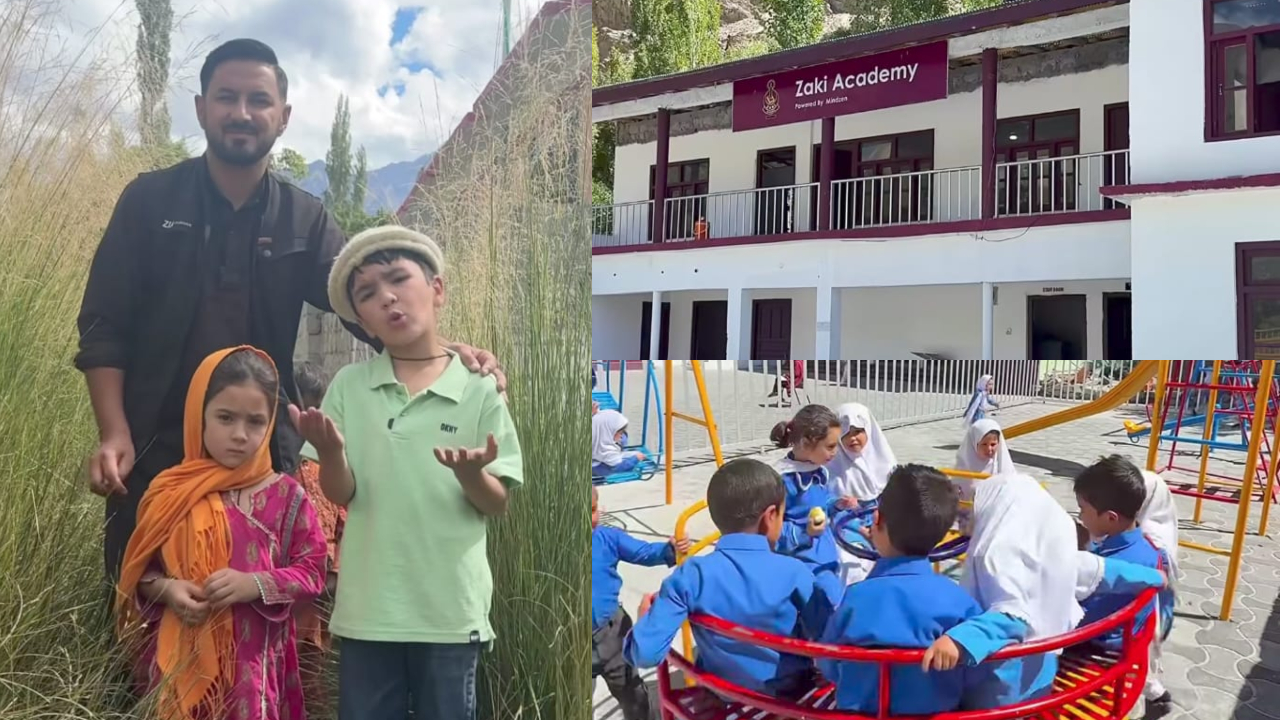
    The child vlogger has transformed a broken down school in his village into a modern educational facility in Gilgit-Baltistan, all funded through his earnings from YouTube.

    Shiraz, who rose to fame by sharing charming and relatable videos of his rural life alongside his father and younger sister Muskaan, has captured the hearts of millions around the world. With his content earning him the prestigious YouTube Gold Play Button, Shiraz has now turned his success into a meaningful contribution for his community.

    In a recent Instagram reel, Shiraz shared an older video showcasing the poor condition of a local school in his village. He then revealed the newly constructed building, now equipped with modern classrooms, a playground, and swings for children.

    “People ask what I gained from social media… We turned a broken village school into a modern one,” Shiraz wrote in the caption of the video, which quickly gained widespread appreciation online.

    The young content creator also used the opportunity to encourage fellow influencers to use their platforms and earnings to bring about positive change in their communities. “Work hard and help others,” he urged.

    Shiraz’s initiative stands as a powerful reminder of how digital platforms, when used purposefully, can bridge the gap between personal success and collective betterment, especially in remote regions like Gilgit-Baltistan.

    Shiraz has built a community with 1.8 million subscribers and over 85 million views on his channel.

  • GB tourism faces 90 percent decline amid climate disasters, conflicts: Report

    GB tourism faces 90 percent decline amid climate disasters, conflicts: Report

    Unprecedented climate disasters coupled with other challenges have triggered a steep decline in tourism to Gilgit-Baltistan this year, leaving the local economy reeling.

    Officials revealed that international conflicts, natural calamities, and related issues have caused a 90 percent drop in tourist inflows to the region.

    Only 270 foreign climbers came this year to attempt peaks including K2, Broad Peak, Gasherbrum-I, Gasherbrum-II, and Nanga Parbat, according to Sajid Hussain, assistant director at the GB Tourism Department. 

    This is a significant decrease from the more than 2,000 foreign trekkers and climbers who visited last year.

    He emphasized that many climbers were unable to accomplish their objectives due to severe weather conditions at the peaks. They were forced to stop their expeditions and stay in base camps before going home due to avalanches, rockfalls, and powerful winds.

    According to department figures, 40 climbers made it to the top of K2 this season, 25 made it to Nanga Parbat, and about a dozen managed to climb Gasherbrum-I.

    Iqbal Hussain, director at the GB Tourism Department, told an English daily that last year 24,000 foreign tourists without permits visited the region, along with one million domestic travelers. “This year, the situation is alarming as tourist arrivals, both international and domestic, have declined by 90 percent,” he said. 

    According to tour operator Asghar Ali Porik, several factors were behind the drastic reduction in foreign adventure tourists. “The legal battle between the GB To­­urism Department and tour operators over the hike in permit fees, the Iran-Israel conflict, tensions between Pakistan and India, and unpredictable we­ather conditions at peaks compelled many forei­gn climbers and trekkers to cancel their plans,” he noted.

    The slump has also left small businesses along the Karakoram Highway struggling. A tea stall owner said, “I have never experienced such a situation where you can go the whole day without a single client and return home empty-handed.”

    Hotel owners, shopkeepers, transporters, porters, and tour operators are facing similar losses.Gilgit Looms owner Haider Abbas claimed that his business had suffered greatly. He went on to say that despite having spent billions of rupees, he was now having trouble paying staff salaries and shop rent.

  • Flash floods, landslides leave 27 dead across GB, AJK and Bajaur

    Flash floods, landslides leave 27 dead across GB, AJK and Bajaur

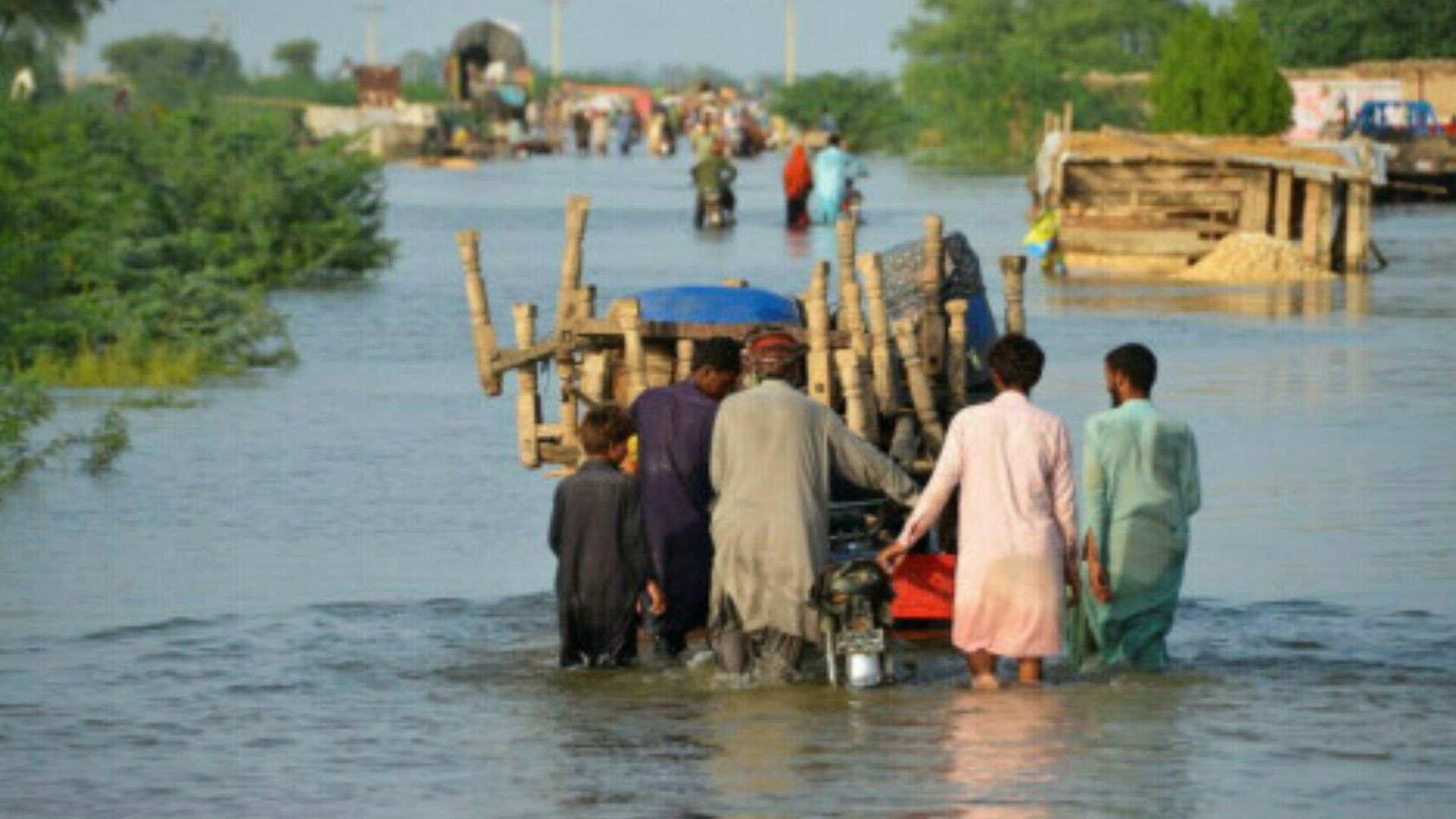
    Heavy rains this week have caused flash floods and landslides in Gilgit-Baltistan (GB), Azad Jammu and Kashmir (AJK), and Khyber-Pakhtunkhwa’s Bajaur area late Thursday, killing at least 27 people, including women and children.

    Three people, including a woman, were killed in Khalthi Valley, Ghizer, where many homes were buried under debris, according to GB government spokesperson Faizullah Faraq. 

    As rescue teams search the area, three more people are still missing.

    In Diamer’s Bonar, a brother and sister were swept away by floodwaters, while a child was injured in a landslide on Babusar road. Homes, schools, water tanks, and farms were all damaged by flash floods in Ghizer’s Yasin Thoi. 

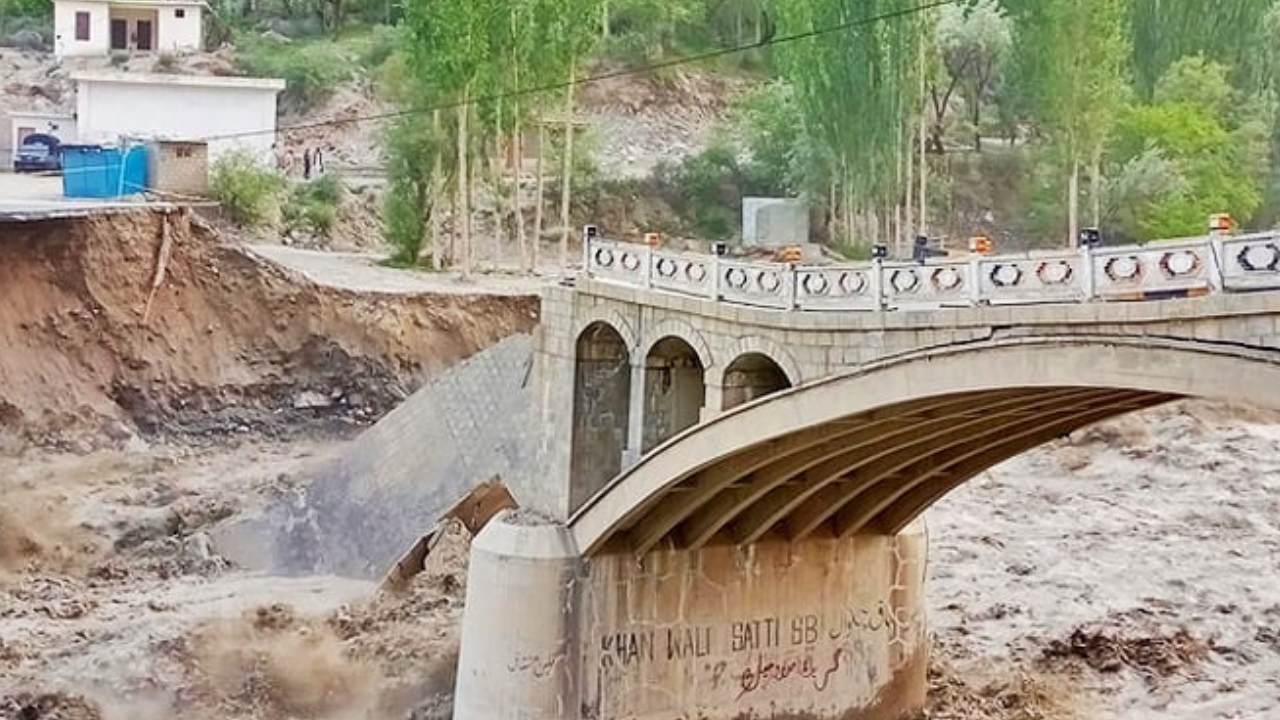
    Roads in Baltistan and Sadpara have been blocked by landslides, and Thor reported damage in the Diamer and Astore valleys. Traffic between GB and the rest of the country suffered delays in Kohistan due to a damaged bridge on the Karakoram Highway.

    Emergency measures have been imposed in several parts of GB, with the GB Disaster Management Authority (GBDMA) and Rescue 1122 on high alert. “This is a testing time for Gilgit-Baltistan,” said Faraq, adding that all available resources were being mobilised to help those affected.

    The State Disaster Management Authority (SDMA) reports that at least eight people have died and two more have been injured in AJK. In Naseerabad, Muzaffarabad, a cloudburst killed six members of one family.

    While floods in Samahni’s Bhimbar drain washed away a tourist car, heavy rain in the Bagh area forced rivers to overflow. All passengers were rescued.

    Water levels have also risen sharply in Jhelum Valley, Samahni, Hattian Bala and Neelum Valley. In Muzaffarabad and nearby areas, over 30 houses, shops and other properties have been damaged or destroyed, and mobile phone services have been suspended in several mountainous regions.

    AJK Prime Minister Chaudhry Anwar ul Haq chaired an emergency SDMA meeting, ordering the relocation of residents from riverbanks to safer areas. 

    He also approved financial aid for affected families and housing for those who lost their homes, along with emergency checkpoints to monitor water resources. 

    Public and private schools will remain closed on August 15 and 16 due to continued heavy rains and landslide risks.

    More than 700 tourists, including more than 300 women and children, were left stranded in Ratti Gali, Neelum Valley, after a cloudburst damaged parts of the road, according to AJK Information Minister Mazhar Saeed. 

    Bad weather has prevented their evacuation, and free accommodation has been arranged with help from locals.

    Heavy rains caused flash floods and landslides in Jabrrai and Salarzai, resulting in nine deaths and four injuries in KP’s Bajaur district. Villages were inundated, sweeping away homes and residents.

    This year’s monsoon has caused widespread devastation across Pakistan, with floods and landslides claiming more than 300 lives nationwide.

    From August 14 to 17, the Pakistan Meteorological Department (PMD) has issued a warning of more rain, wind, and thundershowers in Islamabad, AJK, upper Punjab, KP, and GB.

  • Protests in GB as Awami Action Committee leader, woman killed for ‘honour’

    Protests in GB as Awami Action Committee leader, woman killed for ‘honour’

    Gilgit-Baltistan (GB) Awami Action Committee Vice Chairman Javed Iqbal, also known as Javed Naji, has been shot dead in an alleged “honour killing” incident along with a married woman in Chief Minister (CM) Gulbar Khan’s home constituency.

    According to reports, the killing in the Tangir district marks the second incident of its kind in the area within a week, sparking outrage across the region.

    As per the FIR registered at Jaglot Police Station, Iqbal was at his house with his wife and children when two individuals, Afsar Khan and Dar Khan, shot him dead. The two accused later also killed a married woman. 

    On July 21, a man named Bareem from Frori village of the same area also reportedly shot and killed his wife – a mother of four – as well as a man in the name of “honour”.

    The incidents have provoked anger and condemnation from rights groups, political activists and the local community. Protests have erupted on social media platforms, demanding justice and protection for vulnerable citizens.

    The Human Rights Commission of Pakistan (HRCP) has also strongly condemned the killings, calling them “brutal” and pointing out that Iqbal was murdered in front of his wife, highlighting the sheer inhumanity of the act.

    “This marks the second such incident in Tangir within a week in which two women and two men were killed in the name of honour,” the HRCP said in its statement.

    “We demand an immediate and transparent investigation, swift prosecution of the perpetrators, and urgent action to dismantle the culture of impunity surrounding honour-based violence in Gilgit-Baltistan.” 

    Local political leaders and civil society organisations have echoed the HRCP’s demand, urging the authorities to take concrete steps to ensure justice and prevent further loss of life under the guise of so-called honour.

  • Gilgit declares emergency as floods hit Ghizer, Hunza

    Gilgit declares emergency as floods hit Ghizer, Hunza

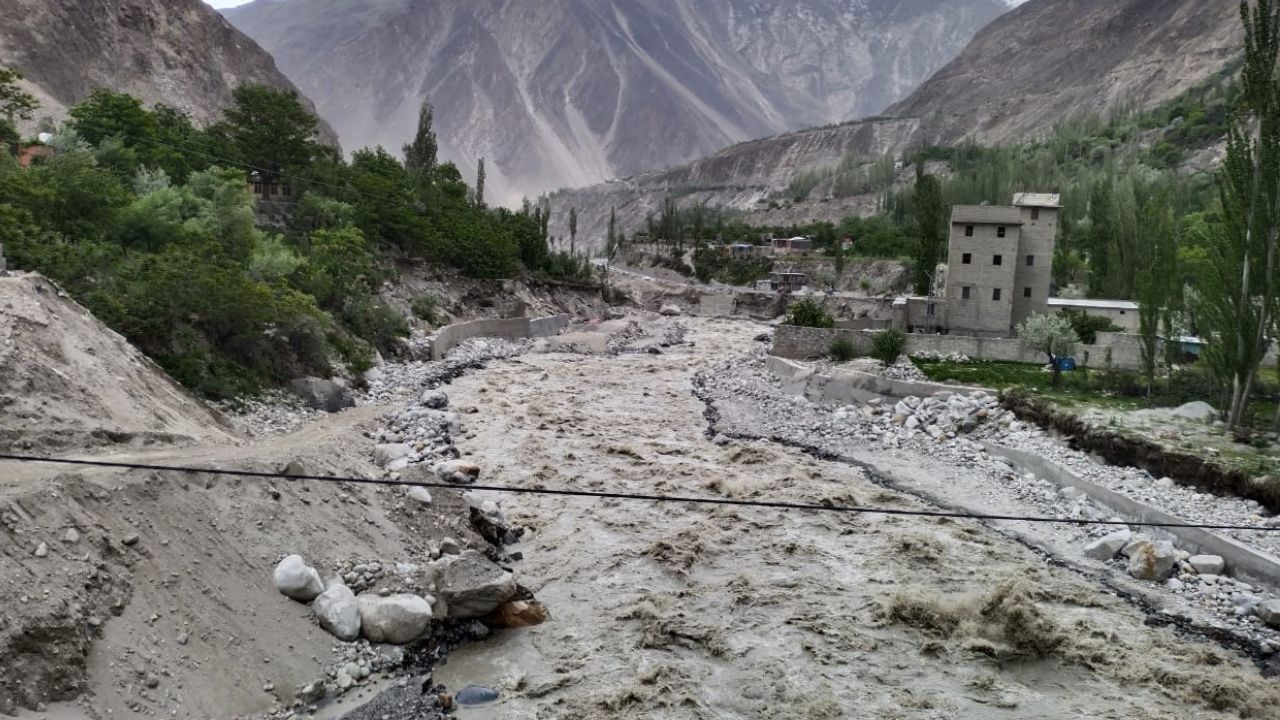
    The government of Gilgit-Baltistan has declared a state of emergency in 37 areas following flash floods caused by cloudbursts that affected Ghizer, Hunza, and various other districts. 

    The Gilgit-Baltistan Disaster Management Authority (GBDMA) reported that flooding in the Khatam village of Ghizer’s Gupis Valley obstructed the Ghizer-Shandur Road and caused damage to private properties and agricultural land. In Gojal, upper Hunza, locals observed damage to an irrigation channel in Ghalapan village, which served over 50,000 forest trees with water. 

    The Home Department issued a notice designating multiple areas as disaster-affected. This list includes 12 areas in Diamer, nine in Gilgit, five in Ghizer, four each in Skardu and Shigar, two in Ghanche, and one each in Nagar and Kharmang. Notable villages mentioned are Parri Bangla, Danyor, Bagrote, Biarchi, Thoi, Kondus, Haldi, Botogah, Gushay Darel, Qaimabad, and Torghon valley, among others.

    The notice indicated that due to heavy rainfall during the 2025 monsoon season, several villages had experienced losses, including human fatalities, livestock, homes, infrastructure, and crops. It added, “In the judgment of the Government, the circumstances demand action under the National Calamities (Prevention and Relief Act, 1958).”

    Government spokesperson Faizullah Faraq said in a media briefing that 10 people, mostly tourists, have died in the recent floods. Four were injured. Between 10 and 15 tourists remain missing, and search operations are underway. He confirmed that 22 vehicles were swept away and over 500 houses have been damaged.

    The government has set aside Rs440 million for emergency recovery efforts, which include the restoration of water, electricity, and road services. Relief supplies such as tents, blankets, kitchen kits, and food are being provided to families who have been displaced. The reconstruction of 509 homes is already underway.

    The estimated total damages are reported to be around Rs20 billion. Gilgit-Baltistan has been one of the regions most severely affected by flooding this monsoon season, with recurring incidents attributed to cloudbursts and glacial lake outburst events.

  • Dangerously high temperatures cause deadly floods in parts of Punjab, Hunza

    Dangerously high temperatures cause deadly floods in parts of Punjab, Hunza

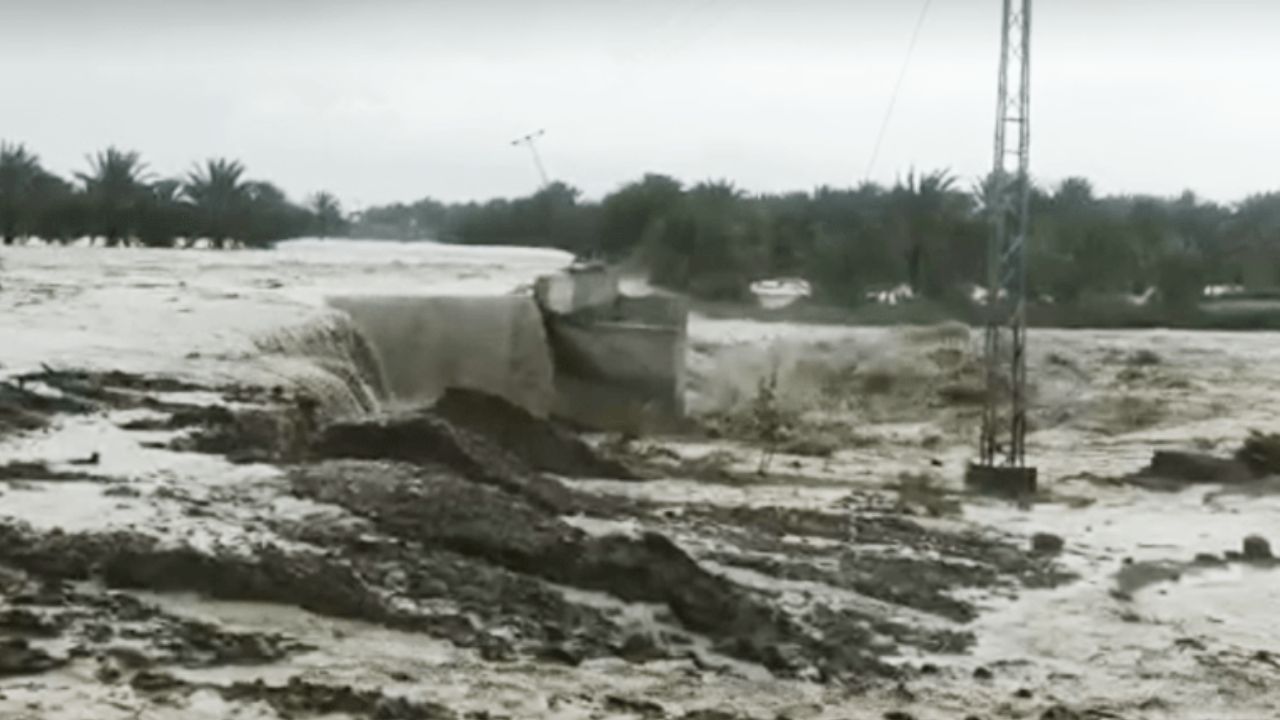
    Gilgit-Baltistan’s record-breaking temperatures are accelerating glacier melt, triggering devastating floods in several regions, cutting off communities, and damaging infrastructure.

    Glacial lake outburst floods (GLOFs) have destroyed homes, washed away roads, and put locals in dangerous situations.

    The Gilgit-Baltistan Disaster Management Authority (GBDMA) reports that temperatures in the region have reached dangerously high levels over the past week.

    According to GBDMA Director General Zakir Hussain, the situation is “unusual” this year. He noted that rivers and streams, especially in Diamer and Gilgit, are at a higher risk of flooding owing to the rapid glacier melt.

    Last week, Chilas recorded a maximum temperature of 48.5°C, the highest since July 17, 1997, when it reached 47.7°C. In Bunji, the temperature jumped to 46.1°C, the highest since July 1971.

    A flash flood hit the Gandlu-Muladad Padi area in Chilas on Tuesday, leading to the closure of the Karakoram Highway (KKH). Meanwhile, the Supultar nullah blocked access to Hoper Valley, and flooding in the Nagar area damaged the road to Nagar Khas Valley.

    The Chipurson Valley road in Upper Hunza was also rendered inaccessible due to overflowing rivers. In Ghanche, river erosion severely damaged Siachen Road in the Thugs and Bangilongba areas.

    Makeshift bridges were swept away by water in the Botogah nullah in Chilas, cutting off nearby villages. Both the Hamari and Supultar nullahs inflicted severe damage on roads, waterways, agricultural land, and public and private infrastructure in Nagar.

    Water and power supplies were disrupted in multiple areas.

    In the Hamorkhay area of Nagar Khas, ongoing erosion submerged trees and farmland, putting more than a dozen homes at risk.

    Similar destruction was reported in Chilas and Chipurson, where floods swept through homes and public property.

    A fresh GLOF event linked to the Shishper Glacier in Hunza’s Hassanabad nullah has again put the KKH and surrounding settlements at risk. As a precaution, four homes were evacuated.

    The local administration has issued a public warning against travel to affected areas due to the ongoing threat of flooding and land erosion.

    Relief and rescue operations:

    Authorities have mobilised machinery to clear blocked routes.  “Our first responsibility is to save the lives of people,” said GBDMA chief Zakir Hussain, adding that displaced families are being relocated to safer areas.

    Additionally, efforts are being made to repair critical irrigation systems that many residents depend on for farming. 

    GBDMA has requested monitoring equipment from the Space and Upper Atmosphere Research Commission (SUPARCO) to investigate glacier behaviour and determine the reasons for the increased rate of melting.

    The chief minister of Gilgit-Baltistan has asked district officials and relevant departments to remain vigilant and respond quickly in order to prevent further losses.


    Punjab’s urban flooding:

    While GB grapples with glacier-driven flooding, urban Punjab is battling a different crisis: waterlogged streets, blocked roads, and choked drainage following heavy monsoon rains.

    In Lahore, downpours left roads like Jail Road, Qurtaba Chowk, Liberty Chowk, and Lakshmi Chowk submerged.

    Jail Road received 46mm of rain while Qurtaba Chowk saw 43mm, according to the Met Office, with the city averaging 40mm overall.

    Water and Sanitation Agency (WASA) teams rushed in with pumps to manage flooding in low-lying areas. WASA Managing Director Ghufran Ahmad called for non-stop drainage operations, instructing teams to protect vulnerable neighbourhoods with full force.

    The province’s highest rainfall was 48 mm in Sheikhupura, while the city’s highest rainfall was 52 mm in Nishtar Town, Lahore.

    Following the intense downpour, the provincial government placed all disaster response agencies on high alert.

    PDMA Meeting:

    In Sialkot, the Provincial Disaster Management Authority (PDMA) held an emergency meeting, with DG Irfan Ali Kathia warning that the province could see 40–60% above-normal rainfall in the coming days.

    Riverbank areas near Head Marala are especially vulnerable, where the water flow has already reached 70,000 cusecs.

    Essential supplies have been sent to relief camps, and in anticipation of further rains, electrical poles are being reinforced.

    Special teams have also been dispatched to rural zones to safeguard livestock.

    Commissioner Naveed Haider Shirazi of the Gujranwala Division issued an order for the evacuation of structurally weak buildings, emphasising that no lives should be lost due to preventable collapses. Nearly 16 million residents in his division are considered at risk.

    Residents have been advised to limit travel and promptly report any signs of flooding or infrastructure damage.

    CM Maryam’s directives:

    All government agencies have been instructed by Chief Minister Maryam Nawaz Sharif to maintain vigilance throughout the monsoon season. 

    Traffic police, WASA, PDMA, Rescue 1122, and local government have been instructed to stay on the ground and help local residents.

    Commissioners and deputy commissioners have been instructed to monitor water drainage closely, and traffic police have been tasked with developing contingency plans to prevent gridlocks in waterlogged areas.

  • Torrential rains predicted in the coming week

    Torrential rains predicted in the coming week

    Torrential rains have been predicted in the country from August 14 to August 18.

    The weather department shared details of the new spell, saying monsoon winds from the West, Arabian Sea, and Bay of Bengal will affect the country. Heavy rains will descend in some places in Islamabad, Punjab, Sindh, Khyber Pakhtunkhwa, Balochistan, Gilgit-Baltistan, and Kashmir.

    There is a possibility of light rain in the coastal areas of Sindh during the evening or night of August 15 to August 18, according to the meteorological department.

    Additionally, rain continues in various districts of Balochistan, and the Meteorological Department has predicted a new spell of rain with wind and thunder in 16 districts from August 15.

    Meteorologists have also warned of strong winds and thunderstorms in the coastal areas of Khuzdar, Lasbela, Awaran, Kalat, Zhob, Barkhan, Musa Khel, Mastung, Sibi, Shirani, Kohlu, Bolan, Harnai, Nasirabad, Jafarabad and Makran during August 15 to 18. Intermittent rain and heavy rain in some places have been predicted.
    6.6 mm of rain was recorded in Barkhan and Kalat during the last 24 hours.

    Besides this, Monday was the hottest day in Nokundi, with a maximum temperature of 47 degrees Celsius.

  • Flash floods in KP, Balochistan, Gilgit claim a dozen lives

    Flash floods in KP, Balochistan, Gilgit claim a dozen lives

    Heavy rainfall across Khyber Pakhtunkhwa, Balochistan, and Gilgit-Baltistan on Sunday has resulted in at least 12 deaths and 21 injuries over the past 24 hours.


    The Provincial Disaster Management Authority (PDMA) of Khyber Pakhtunkhwa confirmed the 12 fatalities. According to PDMA, six people died in Karak district, and one each in Lower Dir, Charsadda, and South Waziristan districts. In Karak’s Lawaghar Algada area, four individuals were swept away by floods.

    In Tank district, a woman and her two children were killed, and four other family members were injured when their roof collapsed. The deceased have been identified as Asma Bibi, her daughter Sadia Bibi, and her son Waheed Ullah.


    Tank-South Waziristan road is closed due to flood conditions in local streams and nullahs. In Mansehra district, thousands of tourists and locals stranded in Kaghan and Manor valleys for six days could leave on foot after the Frontier Works Organisation constructed a temporary pavement on the Manor stream in Mahandri. Flash floods caused significant damage in the Kaghan and Manor valleys, including the destruction of the central bridge on the Mansehra-Naran-Jalkhad road. A woman and her son and approximately two dozen hotels, houses, and electric turbines were washed away in the floods.


    The district administration has advised tourists to avoid Kaghan Valley until conditions improve. An artificial lake formed at Mahandri due to large boulders blocking the Kunhar River flow is causing concerns, and authorities are debating whether to burst it or create spillways.


    In Mohmand district, a bridge on the Aqrab Daag to Shaheed Banda Daman link road near Babi Mohmand has been damaged. This has disrupted traffic between Aqrab Daag and Ekkaghund Bazaar, and authorities have closed the bridge.


    In Balochistan, the National Disaster Management Authority has warned of high to very high levels of flash flooding in several regions, including the Zhob, Kalat, Nasirabad, and Sibbi divisions and local nullahs in D.G. Khan. These floods could damage infrastructure and impact communities near these waterways.
    Northern regions, including the catchment areas of the Kabul River and its tributaries, have received substantial rainfall, potentially causing high flooding in Nowshera and its tributaries. Authorities have been instructed to prepare for the effects of these extreme weather conditions.


    In Gilgit-Baltistan, flooding from the Rahimabad nullah has damaged cultivated land, uprooted trees, and destroyed water supply channels downstream. The floodwaters have crossed the Rahimabad bridge on the KKH, though the bridge remains intact. The flood also blocked the Hunza river flow at Rahimabad village, causing land erosion in the Jutal, Nomal, and Faizanad areas. Additionally, flooding from the Jaglote Guru nullah has damaged a hotel and other properties, and the Babusar-Chilas Road at Diamer has been blocked and damaged. The Mushkay area has also significantly damaged land, private properties, and water supply channels.

  • Nawaz Sharif to resume political activities after Muharram

    Nawaz Sharif to resume political activities after Muharram

    Pakistan Muslim League-Nawaz (PML-N) president Nawaz Sharif has decided to restart political activities after the holy month of Muharram. Party insiders confirmed that the former Prime Minister is set to travel across the country to strengthen his political presence.

    Sharif will initially visit multiple districts in Punjab to mobilize the party at the district level and revive the party at grassroot level to support it in upcoming political challenges.

    Beyond Punjab, the former Prime Minister will also visit Gilgit-Baltistan, Azad Kashmir and other provinces of the country. Leaders of PML-N, including Rana Sanaullah and Anusha Rahman, will schedule Nawaz Sharif’s visits