Tag: Google

  • Too lazy to try on? Google’s new AI shopping feature allows you to try clothes before buying

    Too lazy to try on? Google’s new AI shopping feature allows you to try clothes before buying

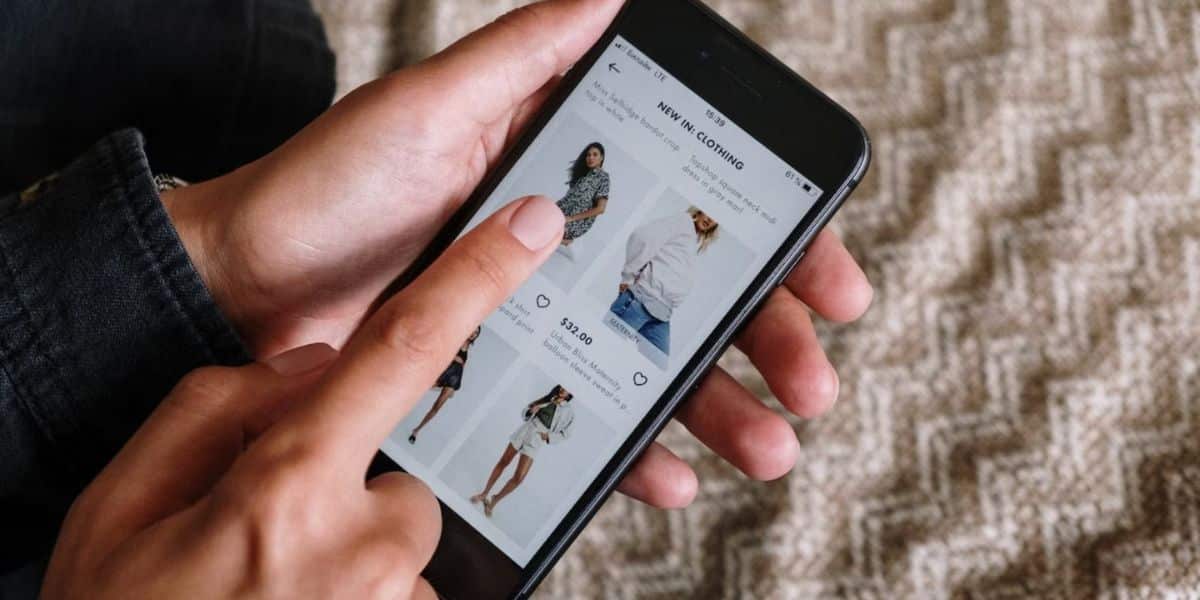
    Google has recently introduced a new shopping feature with the help of Artificial Intelligence (AI) which is currently only available to customers from the United States. With the help of images from real models that range in sizes from XXS to 3XL, the feature will allow customers to check sizes of clothes from all kinds of brands such as H&M, Anthrpologie and more.

    Through this feature, users can scroll through different body sizes, hair, ethnicities and skin tones, to find the one that resembles their own appearance and save it as their default virtual representation, thus making shopping much more easier.

    Verge reports that Google designed the feature to help shoppers who were disappointed with their online shopping experience, referencing to data that shared that 59 per cent users who used online shopping were disappointed with their clothing purchase because it looked quite different on their bodies as compared to what they expected it to be, while 42 per cent customers revealed that they did not find clothes fit to their taste.

    Google further added that although currently there is a selection of brands that allow this virtual try-on experience, soon it will expand to include men’s clothes and other apparel as well by later this year.

    Verge also adds that new filters will be added to Google Shopping like machine learning or visual matching algorithms which will allow customers to purchase cheaper alternatives similar to the clothes they are looking for across various clothes platforms.

  • Google’s skin search app to be launched in 2023

    Google’s skin search app to be launched in 2023

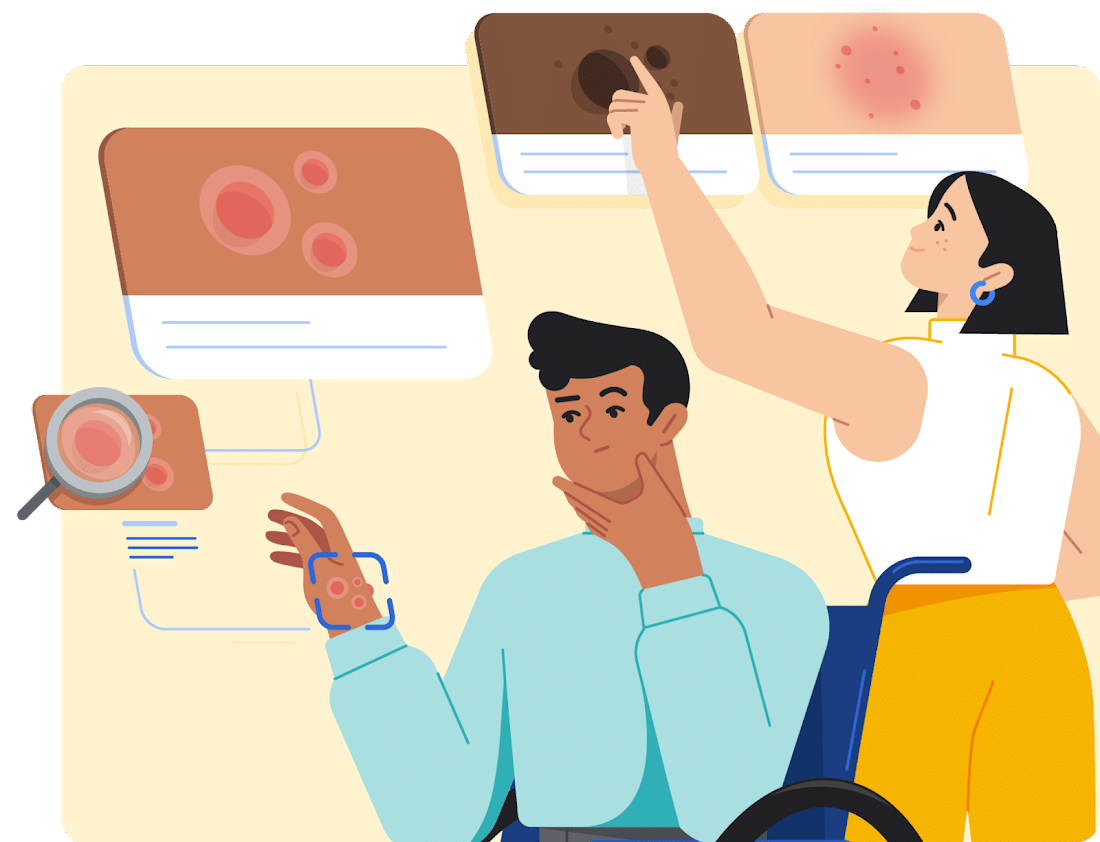
    In its 2023 Keynote, Google announced its CE marked Class 1 Medical Device DermAssist. It is a guided skin search app that helps users find personalized information about skin concerns through a fast and simple process.

    After receiving billions of skin-related searches each other, Google used its expertise in organizing information, artificial intelligence, and collaboration with partners to build DermAssist.

    How does it work?

    The process is simple: you upload up to three photos of your skin, hair or nail condition from different angles. Then you answer a few short questions about your symptoms, and DermAssist does the rest.

    Trained using millions of skin images, DermAssist can identify 288 skin, hair, and nail conditions and can identify more than 90% of the most commonly searched-for skin conditions. Furthermore, Google assures that DermAssist is being developed to work accurately across all skin tones, skin types, and more.

    Google’s research demonstrates that the underlying technology can help clinicians better identify skin conditions across all populations.

    DermAssist is the culmination of years of machine learning research, dermatologist-reviewed content, user testing, and product development.

    Would you keep going to a dermatologist once DermAssist is available on your Google browser?

  • This resurfaced advertisement about partition from Google India is moving Twitter to tears

    This resurfaced advertisement about partition from Google India is moving Twitter to tears

    An advertisement titled ‘Reunion’ made by Google India in 2013 has resurfaced on Twitter. The ad was about two long lost friends from India and Pakistan who are reunited with the help of their grandchildren.

    The advertisement revolves around two grandchildren who listen to their grandfathers recall being friends and living in Lahore, until partition took place, driving them apart. The grand daughter from India then tries hard to connect with the friend from Pakistan, and books tickets to get the two to unite.

    A twitter thread by an Indian twitter user asked followers about the best advertisements they had ever seen. In reply, a user shared the ad, moving Twitter to tears.

    The partition between India and Pakistan is still like an open wound. It is nice to remember that despite political tensions between the two countries, people remain united by love.

    “This never fails to bring a lump in my throat and moisten the eyes,” wrote a user.

    “Actual tears rolling down my eyes.” wrote another user.

    “Now why is Google making me tear up on a Friday afternoon”.

  • Google’s Bard is a more powerful, accurate AI chatbot than ChatGPT

    Google’s Bard is a more powerful, accurate AI chatbot than ChatGPT

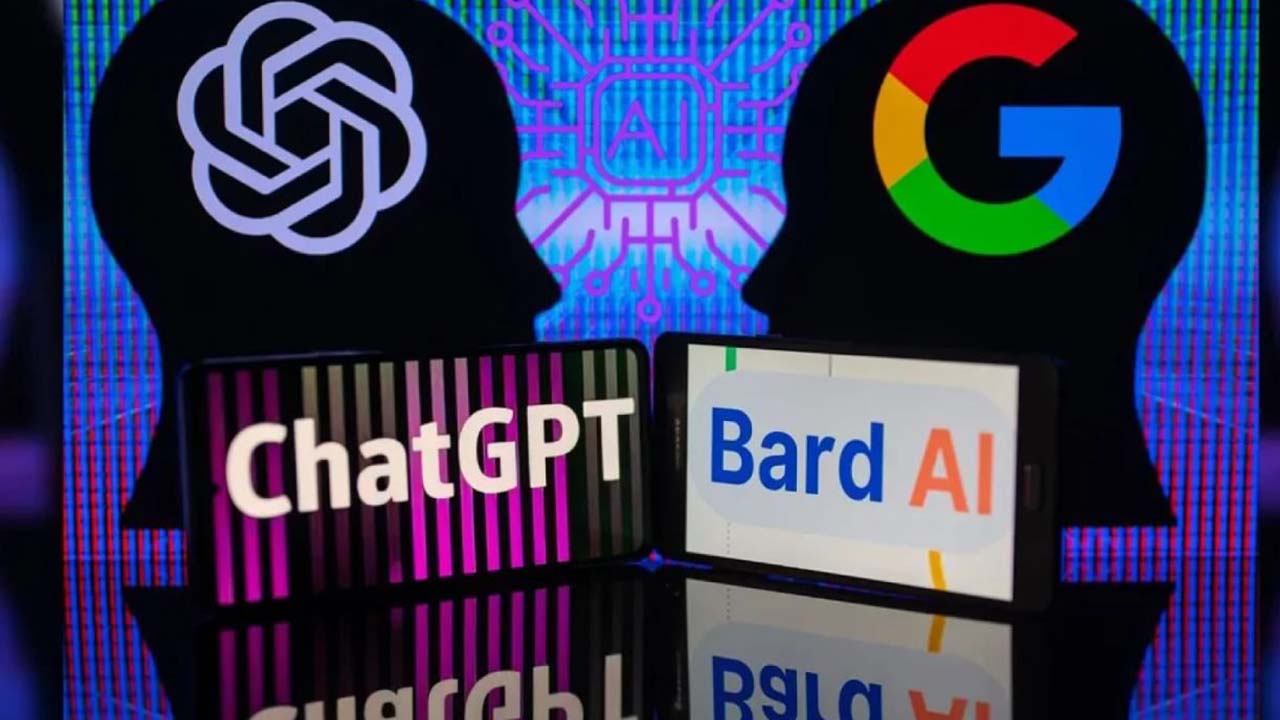
    Google has opened up access to Bard, its AI-powered chatbot, to English speakers in many parts of the world. The waitlist for access to the chatbot has been removed after two months of limited testing.

    Some people believe that Bard is simply a clone of ChatGPT, but this is not the case. Bard is much more advanced than ChatGPT, as it has access to the latest news and events. This allows Bard to provide more comprehensive and informative responses to users’ questions.

    Bard and ChatGPT 4 are both large language models, also known as conversational AI or chatbots. They are trained on massive datasets of text and code, and they can communicate and generate human-like text in response to a wide range of prompts and questions.

    However, there are some key differences between the two models.

    Bard

    1. Bard is trained on a massive dataset of text and code that includes information from the internet. This gives Bard a wider range of knowledge to draw from, and it allows Bard to answer questions in a more comprehensive and informative way.
    2. Bard is also able to access and process information from the real world through Google Search. This gives Bard a real-time view of the world, and it allows Bard to keep its answers up-to-date.
    3. Bard is designed to be informative and comprehensive. It is trained on a massive dataset of text and code, and it is able to access and process information from the real world through Google Search. This gives Bard a wide range of knowledge to draw from, and it allows Bard to answer questions in a comprehensive and informative way.

    ChatGPT 4

    1. ChatGPT 4 is trained on a massive dataset of text, but it is not trained on information from the internet. This means that ChatGPT 4 has a more limited range of knowledge, and it may not be able to answer questions as comprehensively as Bard.
    2. ChatGPT 4 is also not able to access and process information from the real world. This means that ChatGPT 4’s answers may not be up-to-date.
    3. ChatGPT 4 is designed to be creative. It is trained on a massive dataset of text, and it is able to generate human-like text in response to a wide range of prompts and questions. This makes ChatGPT 4 a good tool for generating creative content, such as poems, code, scripts, musical pieces, email, letters, etc.

    Bard and ChatGPT 4 are both powerful large language models. They can both communicate and generate human-like text in response to a wide range of prompts and questions. However, Bard has a wider range of knowledge, it is able to access and process information from the real world, and it is designed to be informative and comprehensive. ChatGPT 4 is designed to be creative. Ultimately, which model is better for you depends on your needs.

    It is currently unknown whether Bard will remain free. Google has not made any announcements about its plans for Bard’s pricing model. However, it is possible that Google may choose to make Bard a paid service in the future. This is because Bard is a very powerful and versatile tool that could be used for a variety of purposes, such as generating content, writing code, and translating languages. As such, Google may believe that it can charge a premium for access to Bard.

    On the other hand, Google may also choose to keep Bard free. This is because Google has a history of providing free access to its products, such as Gmail and Google Drive. Additionally, Google may believe that making Bard free will help to promote its other products and services.

    Ultimately, it is up to Google to decide whether Bard will remain free or not. However, it is likely that Google will make a decision about Bard’s pricing model in the near future.
  • Pixel Fold: Google’s first foldable phone to be unveiled next week

    Pixel Fold: Google’s first foldable phone to be unveiled next week

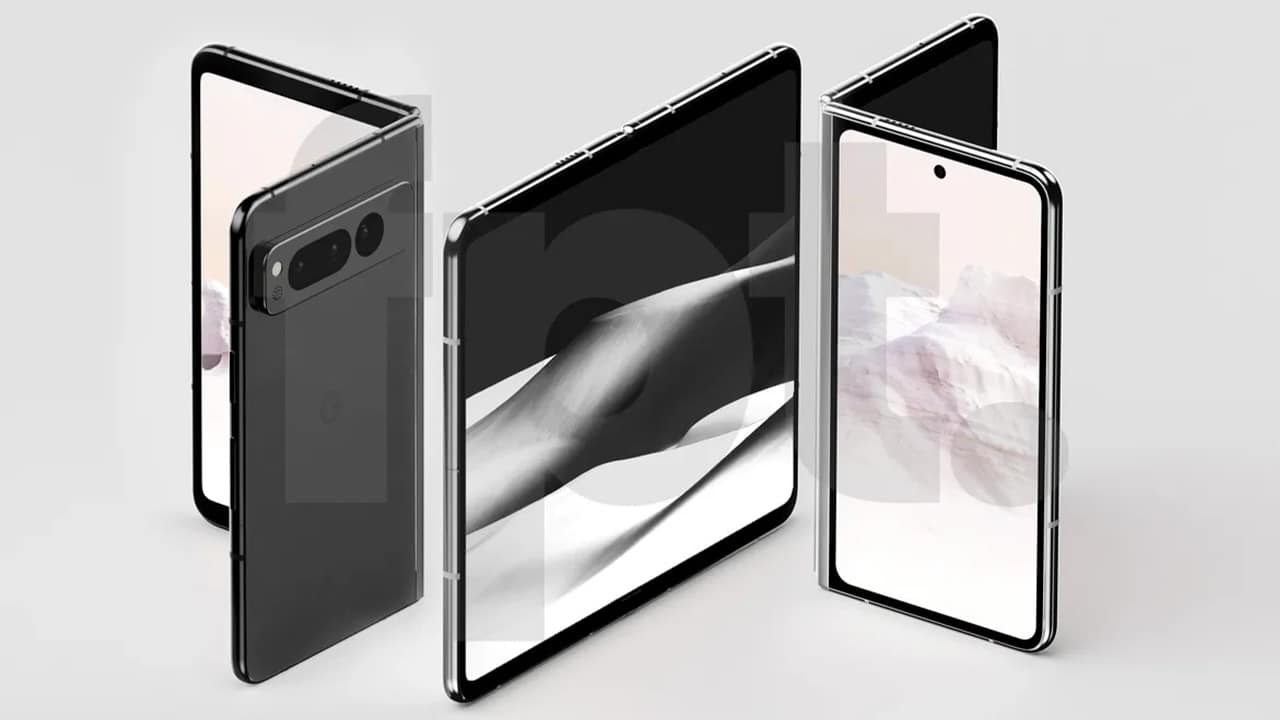
    Google will be introducing its first foldable phone, called the Pixel Fold, during the Google I/O 2023 event next week. The phone has a full-size outer display, which folds out similar to Samsung’s Galaxy Z Fold devices. While specifications for the Pixel Fold have not been announced, leaked marketing materials and a hands-on video show a triple camera setup, including a periscope lens similar to the Samsung Galaxy S23 Ultra.

    The Pixel Fold is expected to be a 5.8-inch phone that folds out into a 7.6-inch tablet, with a Google Tensor G2 processor paired with 12 GB LPDDR5 RAM. The phone is 10 ounces in weight and has the “most durable hinge on a foldable.” The outer display will measure 7.6 inches with a resolution of 2208×1840 pixels, with both panels capable of achieving a maximum refresh rate of 120 Hz.

    The rear camera setup will feature a 48 MP main shooter with an f/1.7 aperture, a 10.8 MP telephoto with five times optical zoom, and a 10.8MP ultra-wide with an f/2.2 aperture. While the official price has not been announced, it is expected to be over $1,700, similar to Samsung’s latest foldable, the Z Fold 4, which launched at $1,799.

    The Pixel Fold was expected to launch last year but did not make the cut for I/O in 2022. However, rumors about the launch have persisted, and Google has been focusing on teaching Android developers to make their apps operational on larger screens and foldable devices. In addition to the Pixel Fold, Google has also announced plans to launch a new Pixel device in India, likely the Pixel 7a.

  • YouTube Music finally adds real-time lyrics in collaboration with MusixMatch

    YouTube Music finally adds real-time lyrics in collaboration with MusixMatch

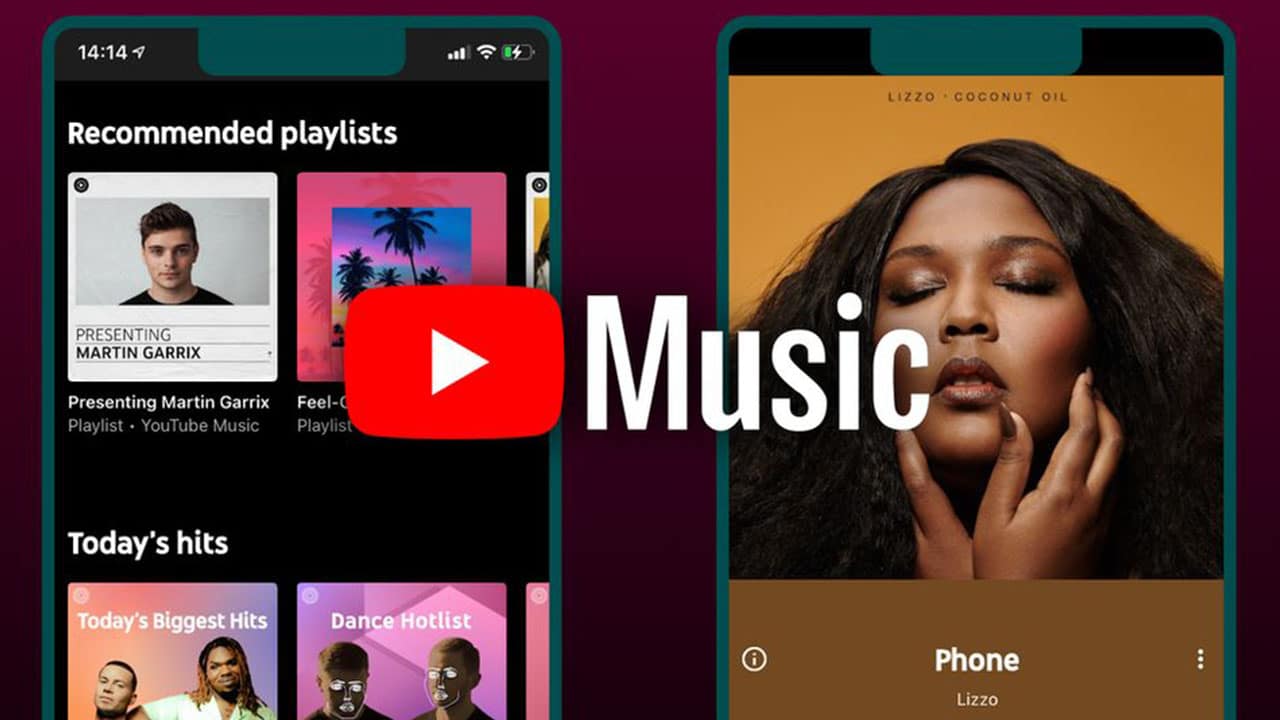
    YouTube Music has finally introduced an automatic real-time tracking feature for lyrics, catching up with competitors Spotify and Apple Music. Previously, lyrics were only available on Google’s streaming platform in a basic manual format.

    Now, any song with uploaded lyrics on YouTube Music will feature the new real-time tracking feature, which highlights lyrics as they are sung and enlarges the text size within the Lyrics tab of the app. The development of this feature was a collaboration between Google and MusixMatch, with LyricFind also contributing to real-time lyrics tracking.

    MusixMatch is also responsible for providing lyrics on Spotify, including in languages other than English. Although the feature has not been officially released yet, screenshots of the new feature have been seen on Android and iOS. Some Android users have even claimed to have already accessed the feature via app version 5.51.50.

    It seems that the feature is gradually being rolled out to different regions, so it’s recommended to keep your YouTube Music app up to date to ensure you don’t miss out. However, it’s worth noting that some regions may have to wait longer than others to get the new feature.

  • Samsung introduces AI-powered fridge with 32-inch smart touchscreen

    Samsung introduces AI-powered fridge with 32-inch smart touchscreen

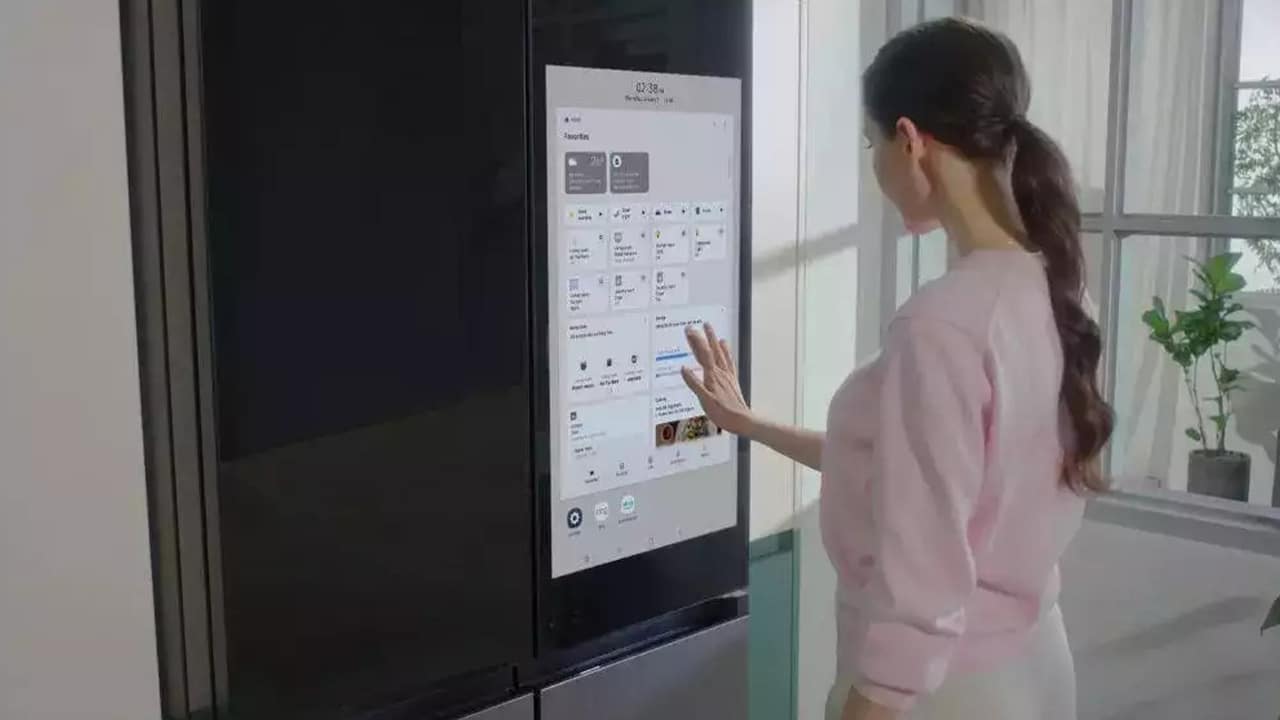
    Samsung has launched the “Bespoke Refrigerator Family Hub Plus,” its latest fridge with a built-in 32-inch HD touchscreen display.

    Its display, which can be used to watch films, prepare digital shopping lists for Amazon delivery, and operate SmartThings-compatible smart home gadgets, is substantially bigger at 32 inches than the 21.5-inch screen featured on earlier versions of Samsung Family Hub refrigerators.

    The Family Hub Plus, which was unveiled in a press release in Korean, comes with the free Samsung TV Plus service, which enables customers to view 190 TV channels in the US or about 80 stations in South Korea via the Samsung TV Plus app.

    The vertical orientation of the display also makes it ideal for viewing social media content like TikTok videos and YouTube Shorts. It also has a picture-in-picture (PIP) mode that allows you to watch films in a floating window while using the rest of the screen for other purposes.

    Along with the OneDrive integration that was previously present on Samsung’s Family Hub refrigerators, Google Photos users may now share material made on the Family Hub to any mobile device thanks to Samsung’s addition of support for the Google Photos cloud.

    The Family Hub Plus allows for the download and display of images from Google Photos. If you prefer to exhibit artwork and paintings rather than family photos, the Family Hub Plus now supports Samsung’s Bespoke Atelier app.

    The integrated SmartThings hub offers six SmartThings Home Life services: Air Care, Home Care, Pet Care, Clothing Care, Energy, and Cooking. It may be used to control and monitor various SmartThings devices.

    Other details (such the display refresh rate or resolution) as well as the cost and release date of Samsung’s new Family Hub refrigerator have not been made public.

  • Problem solved: Google can now read your doctor’s bad handwriting

    Problem solved: Google can now read your doctor’s bad handwriting

    If you can’t read what your doctor wrote, you are not alone. Many tech firms have attempted to solve this age old problem with little to no success. Well now, we finally have a solution.

    Google is having a go at translating those unfathomable texts.

    On Monday, the search giant announced at its annual conference in India that it is working with pharmacists to explore ways to decipher doctors’ poor writing.

    The feature is currently a research prototype and not ready for the public yet.

    Once it’s launched, Google will allow its users to either take a picture of the prescription given by their doctor or upload one from the photo library. Once the image is processed, the app deciphers the scribbles and will tell you what’s written on the prescription.

  • Google is officially registered as a company in Pakistan

    Google is officially registered as a company in Pakistan

    Google has opened a liaison office in Pakistan and registered with the Securities Exchange Commission of Pakistan (SECP), according to Brecorder.

    A spokesman for SECP stated that the company “has been registered as a foreign company” in Pakistan, while a Google representative also verified that the liaison office had been opened.

    A liaison office is a foreign company’s office set up to promote its products, offer technical support and advice, consider potential joint ventures, and promote exports.

    The Ministry of Information Technology and Telecommunication (MoITT), according to insiders, was in contact with foreign companies and made arduous attempts to attract them to Pakistan, but the businesses hesitated owing to the political unrest.

    However, there has been a breakthrough in this regard with Google and TikTok agreeing to set up offices in the country, while the talks between the ministry are ongoing with Meta.

  • Fact check: Google is not suspending Play Store in Pakistan but users won’t be able to buy apps with mobile balance

    Fact check: Google is not suspending Play Store in Pakistan but users won’t be able to buy apps with mobile balance

    Online rumours claiming that Pakistani Android users will be unable to use Google Play Store services are false and misleading, as users will be able to download and use free apps.

    The State Bank of Pakistan (SBP) stopped paying $34 million to international tech companies in order to reduce the outflow of dollars, so Android users in Pakistan won’t be able to purchase paid apps through mobile carrier billing.

    Carrier payments, or a method by which mobile users pay for paid apps using their mobile credits, will no longer be available.

    According to details, the SBP has halted payments totaling $34 million to foreign service providers, which would prevent mobile customers in Pakistan from accessing paid services through the Google Play Store.

    Details indicate that the SBP terminated Direct Carrier Billing (DCB). As a result, the payment to foreign service providers, including Google, Amazon, and Meta, has been suspended. It is important to note that Pakistani customers may only pay for applications or paid services with credit or debit cards.