Tag: home-life

  • Here’s who will be meeting the Royal couple

    Here’s who will be meeting the Royal couple

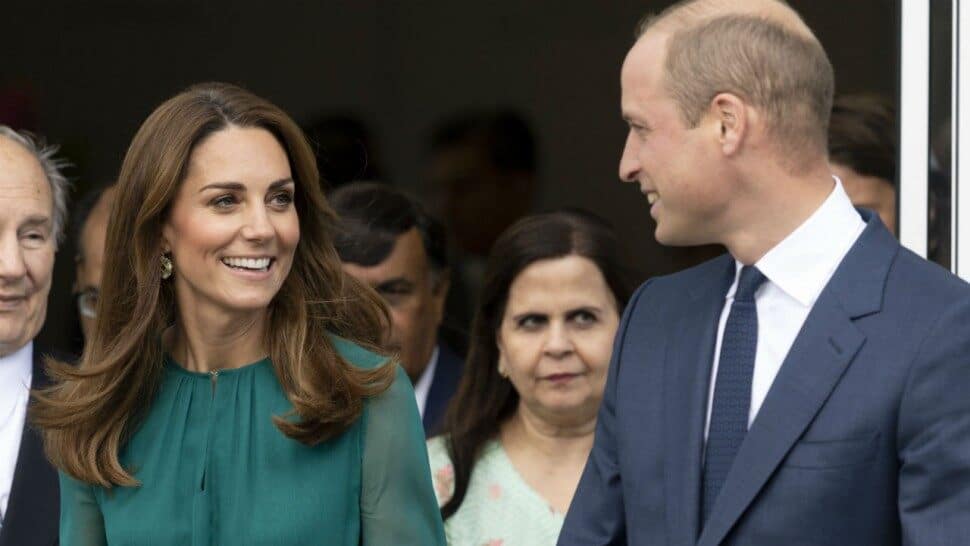
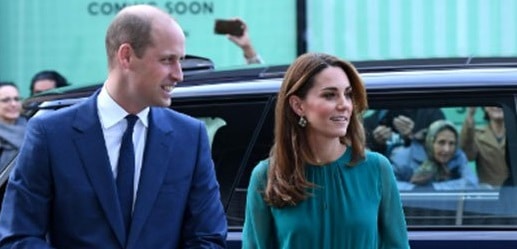
    With the Royals due in Pakistan, excitement levels in the country are high as everyone waits for the historic moment. Their schedule is being tightly guarded due to security reasons which means we don’t exactly know what is on their itinerary but media and social media has been lit with speculations of their four-day visit.

    Kensington Palace in an official statement had shared that the royal couple’s trip “will range from the modern, leafy capital of Islamabad to the vibrant city of Lahore, the mountainous countryside in the North, and the rugged border regions to the West.”

    UK envoy Thomas Drew said that Kate and William “hope to meet as many Pakistanis as possible during the course of the visit. They are looking forward to building a lasting friendship with the people of Pakistan.”

    While the full guest list has not yet been revealed, here’s who is expected to meet the Duke and Duchess, according to our social media sleuthing:

    Hina Butt

    PML-N MPA Hina Butt, in a Tweet, shared that she will be attending a reception in honour of the Duke and Duchess of Cambridge at the Pakistan Monument on Tuesday.

    Maheen Khan

    Fashion designer Maheen Khan recalled Queen Elizabeth II’s first visit to Pakistan and said that she looks forward to meeting “TRH the Duke and Duchess of Cambridge in person.”

    Khadija Shah

    In response to Maheen’s tweet, Khadija Shah of Elan said that she’ll also be there at the [under wraps] event.

    https://twitter.com/khadijah_shah/status/1183358920796131329?s=20

    Besides, Kate and William are scheduled to meet with Prime Minister Imran Khan and President Dr Arif Alvi on October 15.

  • Tight security arrangements for Kate & William’s Pakistan visit

    Tight security arrangements for Kate & William’s Pakistan visit

    The day has finally arrived. Prince William and Kate Middleton are expected to arrive in Pakistan Monday night and extensive security arrangements have been made for their visit.

    According to The Telegraph, more than 1,000 police officers will be deployed to ensure foolproof security to the Duke and Duchess of Cambridge. Details of the five-day trip, described as “the most complex” by Kensington Palace, have also been kept under wraps. Officials privy to the matter have said their itinerary will be tightly guarded by the military, with local media being informed of details at the last minute.

    The goal of such detailed arrangements is “to secure the Duke and Duchess of Cambridge as Pakistan hopes the visit can repair the country’s image.”

    Kensington Palace in a statement, earlier this month, had shared that the royal couple’s trip “will range from the modern, leafy capital of Islamabad to the vibrant city of Lahore, the mountainous countryside in the North, and the rugged border regions to the West.”

    The royal couple is also scheduled to meet Prime Minister Imran Khan and President Arif Alvi on October 15 after which they will visit Lahore and Chitral.

    Meanwhile, UK envoy Thomas Drew has said that the royal couple’s visit would show Pakistan as “a forward-looking country”.

    In a video message on Twitter, Drew said, “Most importantly, they hope to meet as many Pakistanis as possible during the course of the visit. They are looking forward to building a lasting friendship with the people of Pakistan.”

    Foreign Minister Shah Mehmood Qureshi while speaking on the royal visit said: “This is a goodwill visit, and they want to promote good relations between Pakistan, England and our new generation.”

    Kate and William’s visit to the Commonwealth’s second-most-populous country was announced in June and planned at the request of Britain’s Foreign and Commonwealth Office. It will be the first trip to Pakistan by members of the royal family since Prince Charles and Camilla, Duchess of Cornwall, travelled there in 2006.

  • Seminary caretaker ‘unleashes’ pet lion on worker

    Seminary caretaker ‘unleashes’ pet lion on worker

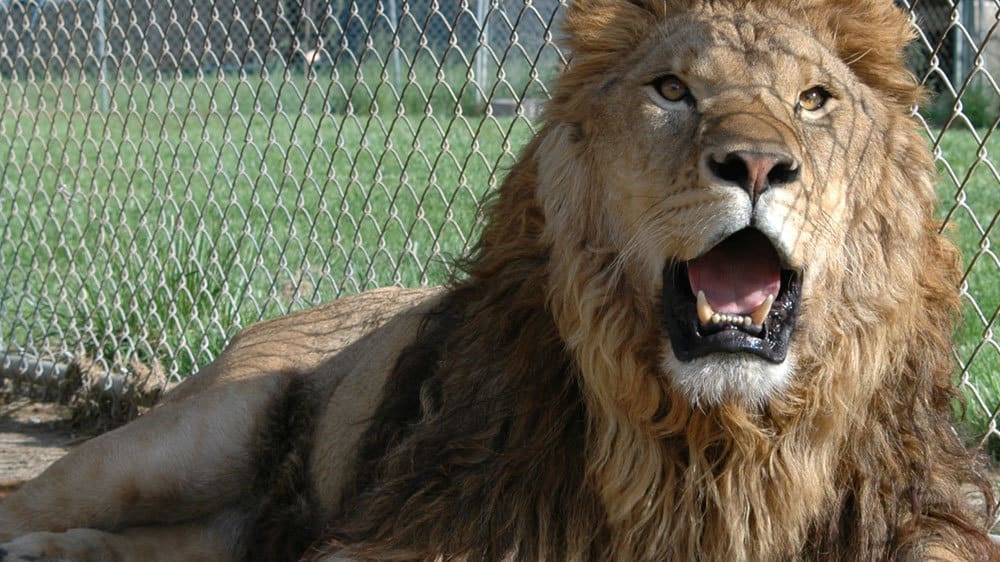
    A caretaker of a Shahdara seminary allegedly unleashed his pet lion on an electrician for demanding his wages.

    According to reports, the caretaker of Imambargah Sada-e-Imam Hussain Ali Raza had hired an electrician Mohammad Rafique to do some work at the Imambargah. After Rafique completed his work, he asked Raza to give him his wages but Raza asked him to come some other day.

    Later, the caretaker kept delaying the payment and finally when Rafique insisted, he got annoyed and unleashed his pet lion on him.

    The lion mauled the electrician’s arm and severely wounded him on his face. Rafique suffered multiple injuries in the incident.

    The complainant said that during the attack, the suspect and his three unidentified accomplices watched from aside and did nothing to rescue him. Upon hearing his screams and cries, some passer-bys rushed to the scene and managed to rescue him.

    The police after verifying the details said that a case was lodged against Raza under Section 324 of the Pakistan Penal Code for attempted murder. Though the incident happened more than a month ago, the complainant said he filed a case after the suspect refused to get his wounds treated as per his commitment and denied him the compensation he had been promised.

  • Cafe Rustic – A burger lover’s delight

    Cafe Rustic – A burger lover’s delight

    Nestled in a quiet corner in Shaheen Market, E-7 Islamabad is a tiny eatery called Cafe Rustic. According to the cafe’s Facebook page, the eatery is the “dream mixed with a perfect dash of passion, vision and perseverance” of two foodie friends. With Cafe Rustic, they hope to present a “handcrafted selection” of foods from around the world. Though the eatery has several options on the menu, it is their burgers that really stood out.

    Considering burgers are a staple diet of millennials, it was actually my teenage son who introduced me to this cosy, little cafe. Though I was content with my favourite joints in Islamabad, I decided to give this place a shot and I’ve been a regular ever since.

    I’m not really a big fan of chicken burgers, so I opted for their lamb burger and voila! I was sold. The patty was thick, juicy, with just right amount of toppings. And the best part is that the burger was not sloppy. Lamb burgers are tricky to make and not everyone can get them right, but Cafe Rustic managed to nail it with their offering. The size of the burger is also adequate and leaves you more than full.

    Watch how they make their lamb burger in this video:

    https://www.facebook.com/caferusticislamabad/videos/688691434935829/

    Meanwhile, my friend ordered their chicken burger and he was quite satisfied with it. According to him, the chicken burger was the right amount of juicy and full of flavour – it struck the right balance between mild and spicy – which was a winner. The bun was also great as it didn’t crumble.

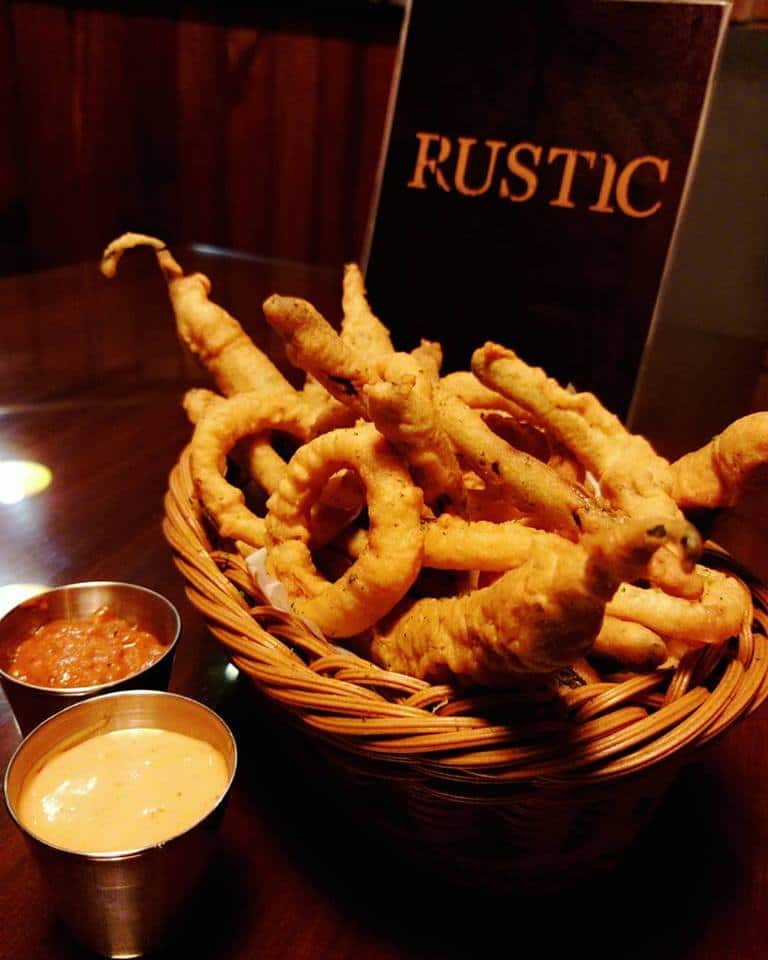
    Apart from their burgers, we also tried their fries. Cafe Rustic offers three different types of fries – Halloumi, Green and Sweet Potato – and each one of them has a unique flavour, are absolutely delicious and a must-try. Their Halloumi fries, in particular, are excellent- they are crunchy, fried to perfection, and have an amazing taste.

    Photo Credits – Momina’s Space

    As far as the drinks are concerned, once you’re done eating, you will definitely need their Peshawari Tea to wash down all the food and digest it. Other than that, their coffee is authentic and frothy – absolutely loved it.

    The only problem with the eatery is that it is small and there is not much place to sit which can be a little overwhelming and a nuisance, especially if you’re a bigger crowd.

    Nonetheless, the place is a must-try for everyone who loves their meat and is looking to try some succulent, gourmet burgers. Hope the owners can maintain the standards and their interest in keeping it alive.

  • Artists put up riveting performances on JPP’s event on ‘World Day against the Death Penalty’

    Artists put up riveting performances on JPP’s event on ‘World Day against the Death Penalty’

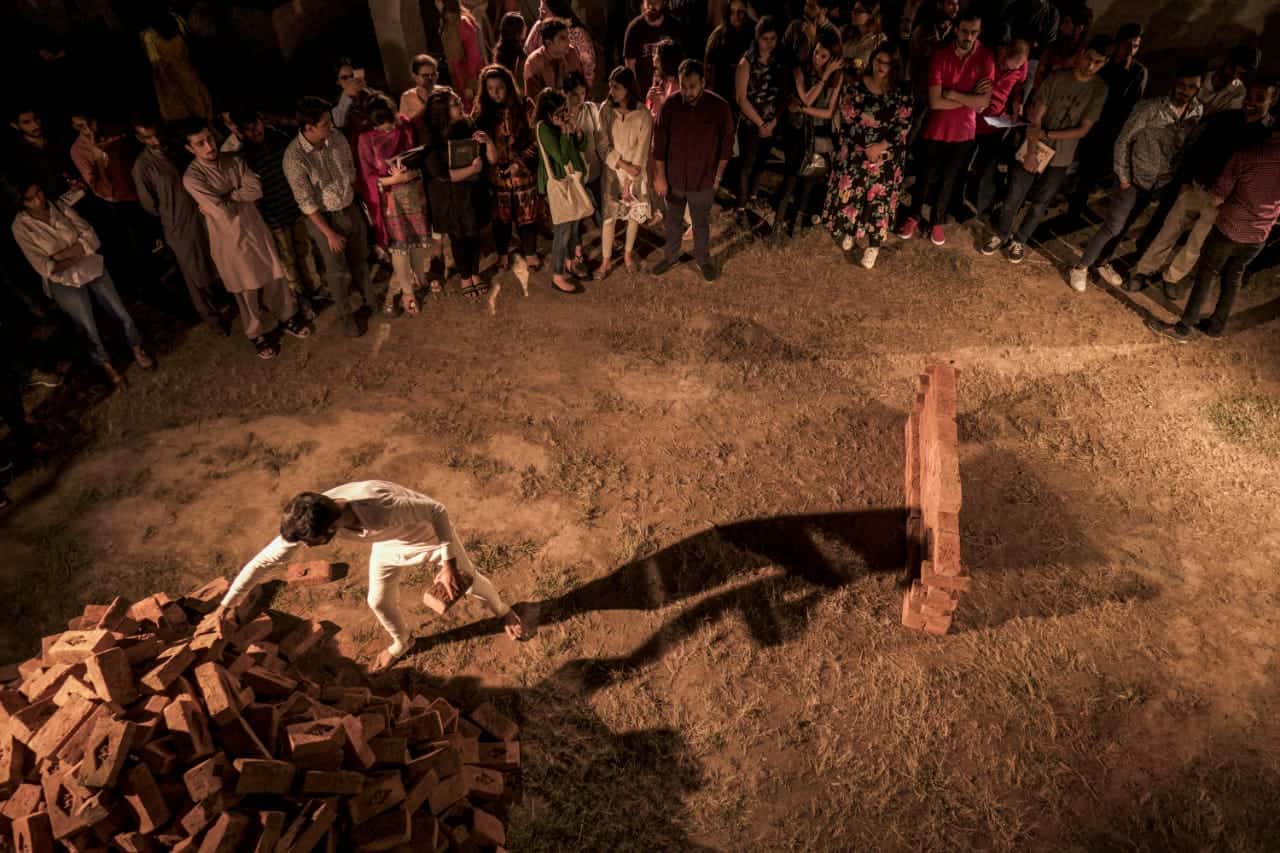
    Justice Project Pakistan (JPP) in collaboration with House Ltd and Highlight Arts observed World Day against the Death Penalty by organising an evening marked by riveting live performances by artists.

    The event, titled We’ve Been Waiting for You, was attended by a large number of students, artists, enthusiasts, the legal fraternity and members of the civil society.

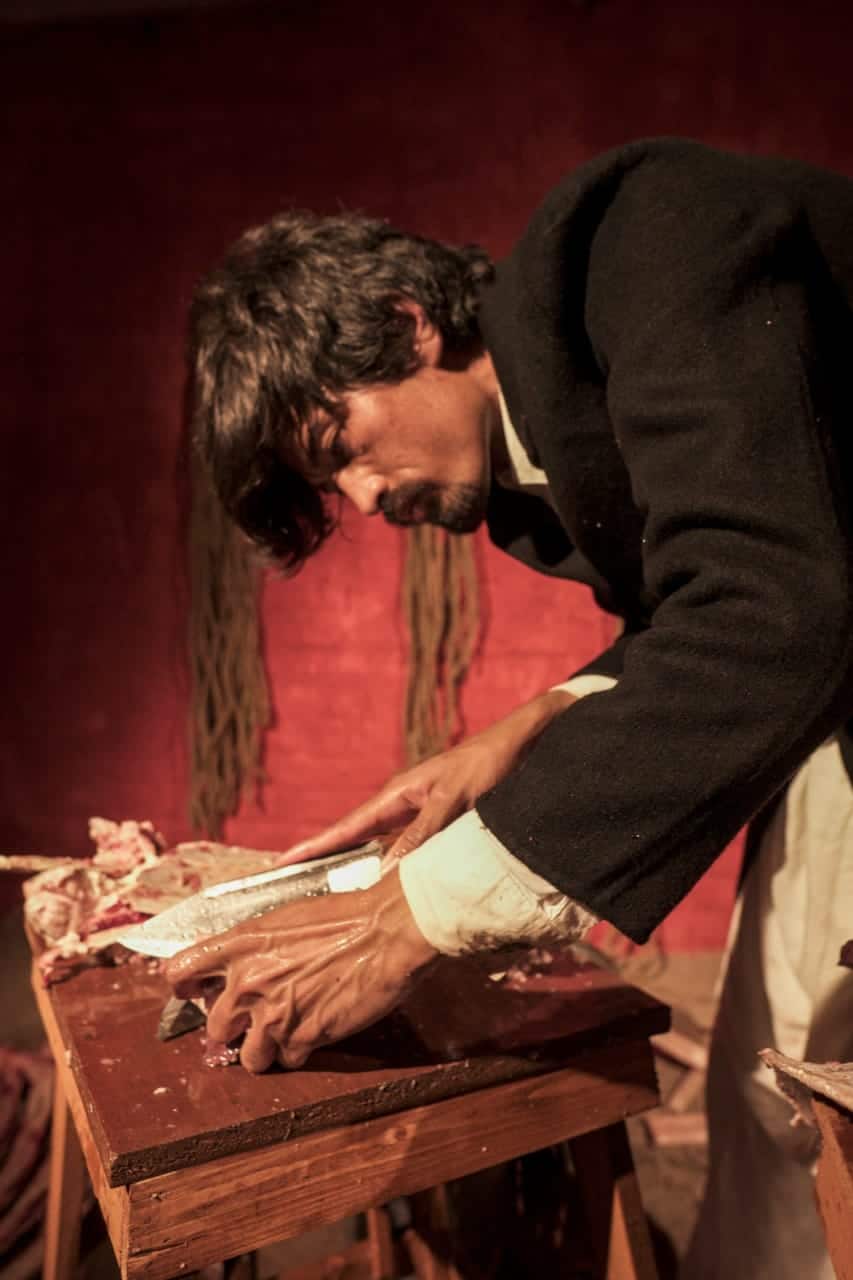
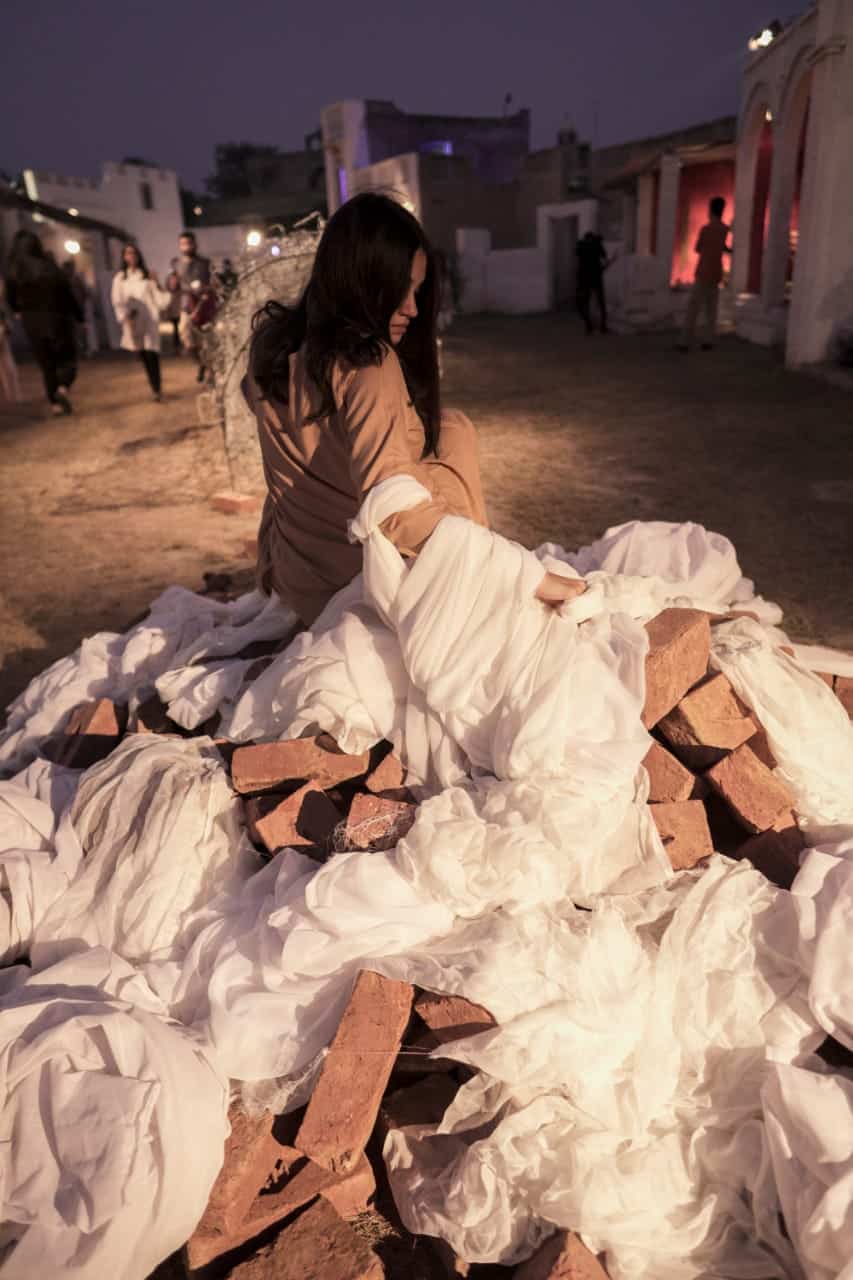
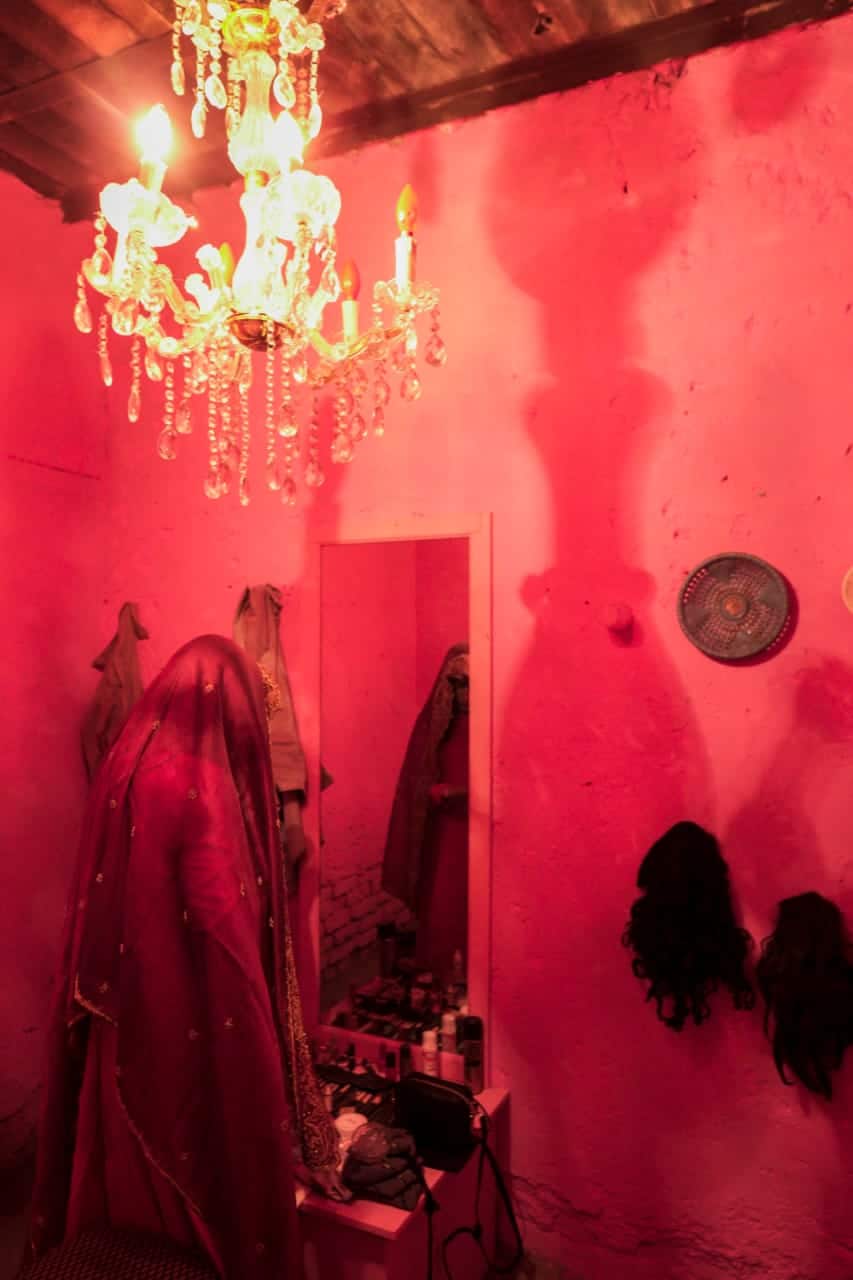
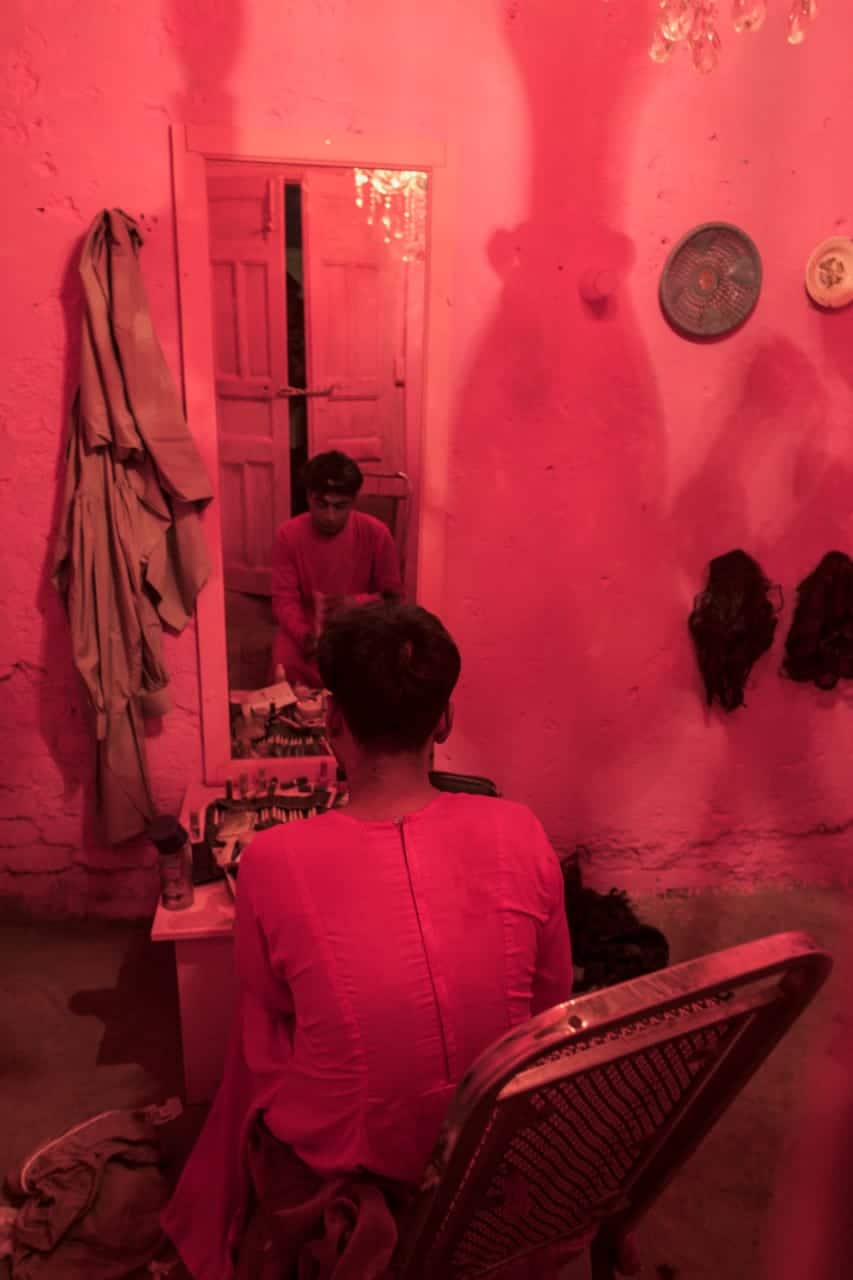
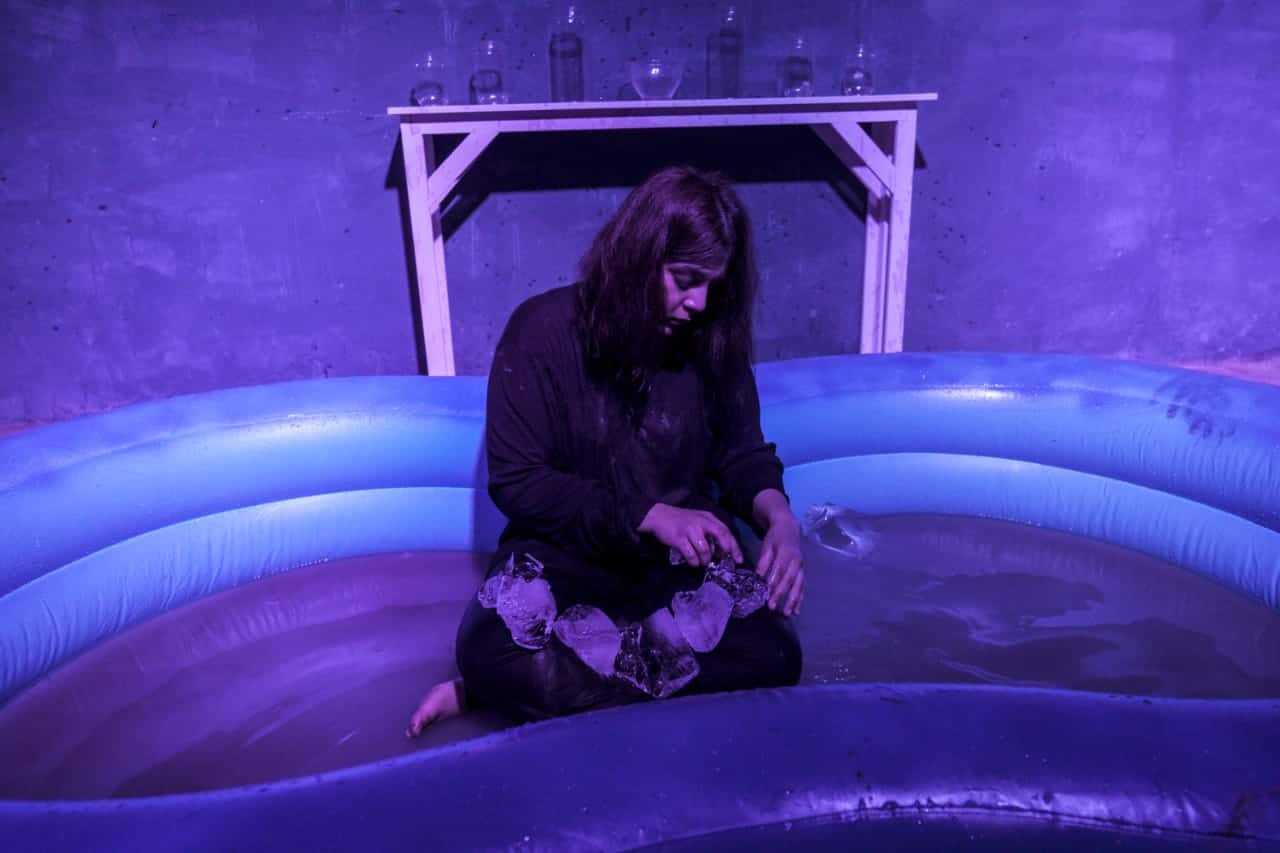
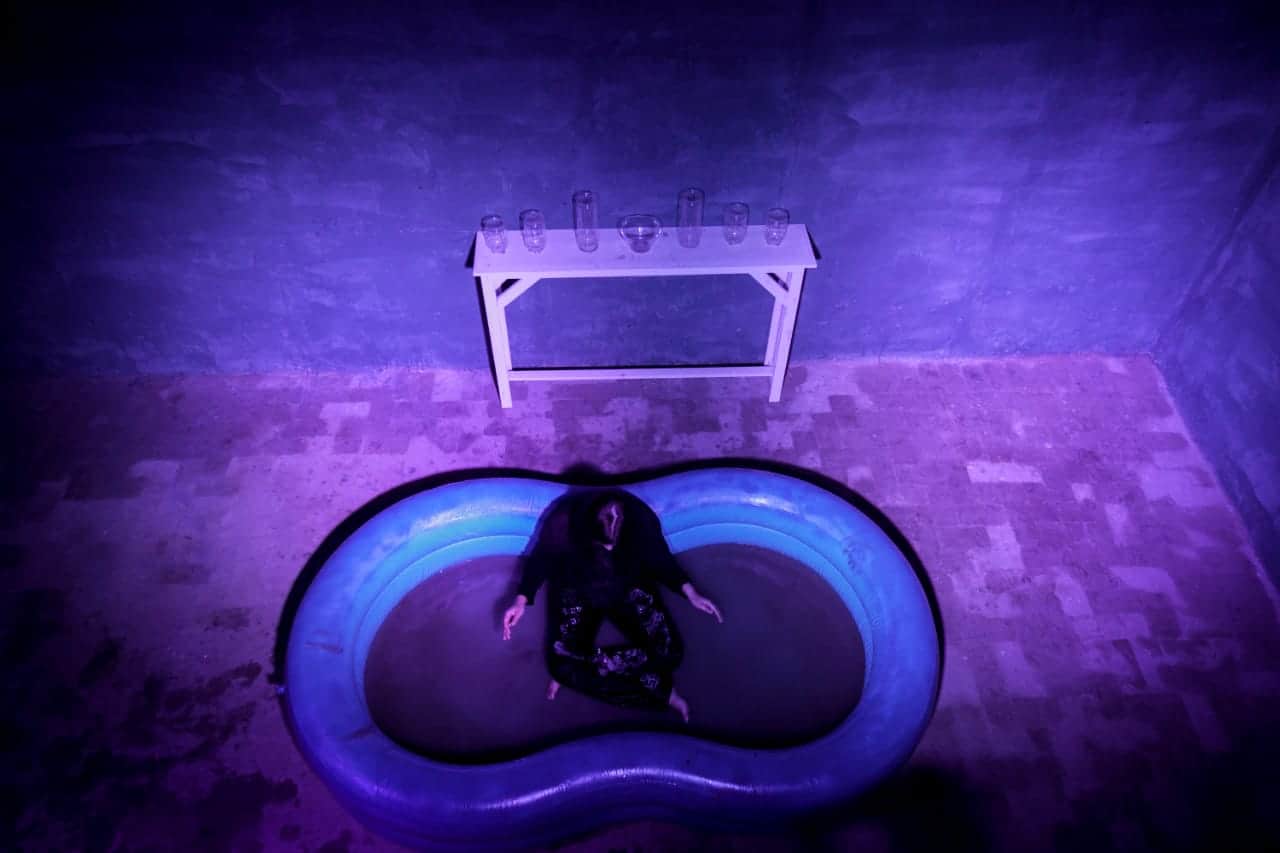
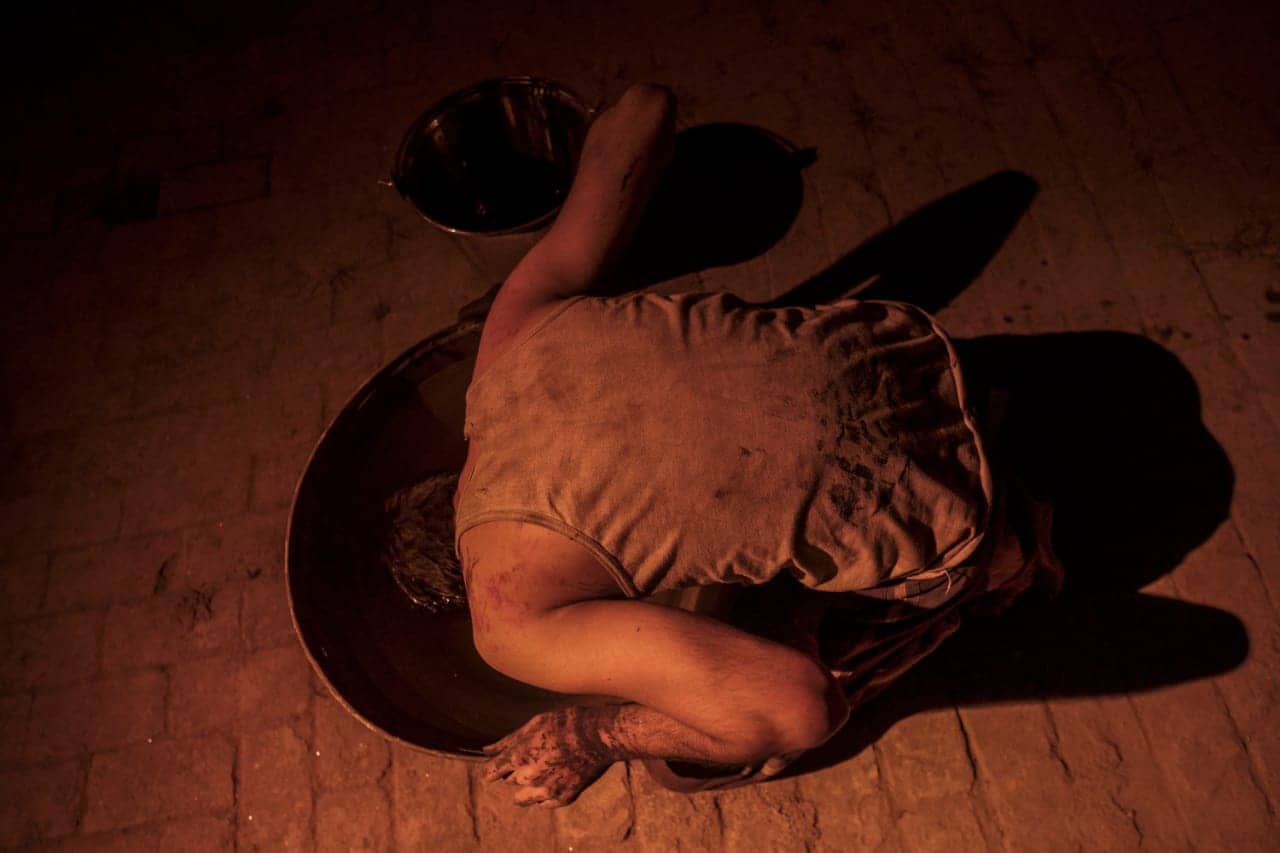
    11 artists put up live performances around the themes of death penalty, confinement and isolation in detention using their bodies. The artistes explored the idea of how prisoners saw themselves and how the outside world saw them. All performances took place side by side in different rooms of Bari Studios in Lahore.

    The performances were curated by Natasha Jozi and Ryan Van Winkle was the creative director. Performers included Mariam Waheed, Kanwal Tariq, Ahmed Khan, Baqir Ahmedi and Fatima Butt.

    JPP is a non-profit organisation based in Lahore that represents Pakistani prisoners facing harsh punishments at home and abroad. One of its key areas of work is to highlight human rights violations through public engagement campaigns, including documentary films, theatre and public art exhibitions.

  • ‘Women on Wheels’ to launch in Sindh

    ‘Women on Wheels’ to launch in Sindh

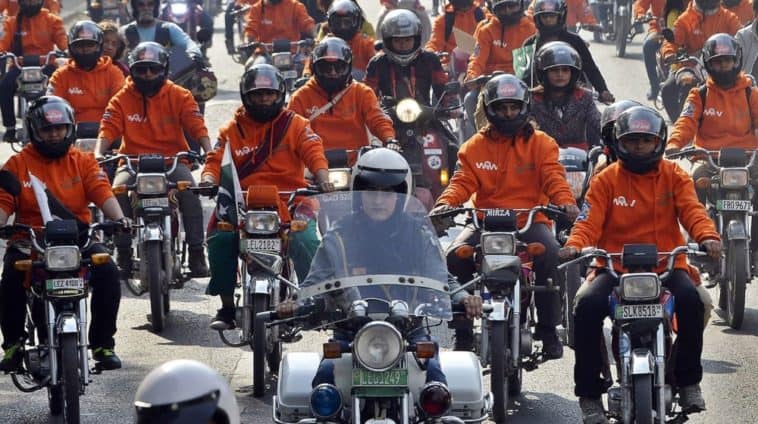
    In a bid to encourage women to use bicycles as a mode of transport, the ‘Women On Wheels’ campaign was officially launched in Punjab in 2016. What started with only 40 cyclists in Punjab, has now expanded and ready to make its way to Sindh before the rest of Pakistan.

    The project was originally an initiative of the Government of Punjab. It began with only 40 women and within a year the number of female motorists grew to thousands. All of them undertook complete training with the collaboration Unit on Law & Order and City Traffic Police.

    The initiative also included training women to get motorcycle driving licenses, distribution of pink scooters and pushing for support through civil society. The late Asma Jahangir was among the prominent public figures supporting the project.

    As its success grew and women in Punjab felt confident riding motorbikes on roads, Sindh is planning to adopt the project.

    With the project relaunch nationwide, it has not yet been revealed if the measures for implementation will remain the same.

    Salman Sufi, who spearheaded the initiative, also took to Twitter to share that he is relaunching the project in the coming month and that he hopes that PPP Chairman Bilawal Bhutto Zardari will support it in Sindh.

  • Man sentenced to eight years for sharing indecent photos of ex-fiancée

    Man sentenced to eight years for sharing indecent photos of ex-fiancée

    A cyber-crime court has handed an eight-year sentence to a man for posting his ex-fiancée’s indecent photos on social media and directed him to pay Rs500,000 in damages.

    As per reports, the case had been registered by the woman in the FIA’s cyber-crime wing. During the hearing, the woman told the court that she had been engaged to the suspect Sajjad two years ago but the engagement broke off after her family learnt about his criminal history. Sajjad, in anger, forced her to come to his house where he took pictures of her without clothes and then blackmailed her with them.

    The suspect threatened to kill her, post her indecent pictures on social media, and make them viral on the Internet.

    Later, when the woman got married to another man, Sajjad uploaded the same pictures on Facebook and shared them with her husband as well as her relatives, resulting in her marriage to end.

    Sajjad was sentenced eight-year jail and fine of Rs 500,000 in accordance with Pakistan’s Prevention of Electronic Crimes Act, 2016.

  • Elif Shafak’s ’10 minutes 38 seconds’ is thought-provoking, insightful and relevant

    Elif Shafak’s ’10 minutes 38 seconds’ is thought-provoking, insightful and relevant

    “We must do what we can to mend our lives, we owe that to ourselves – but we need to be careful not to break others while achieving that”.

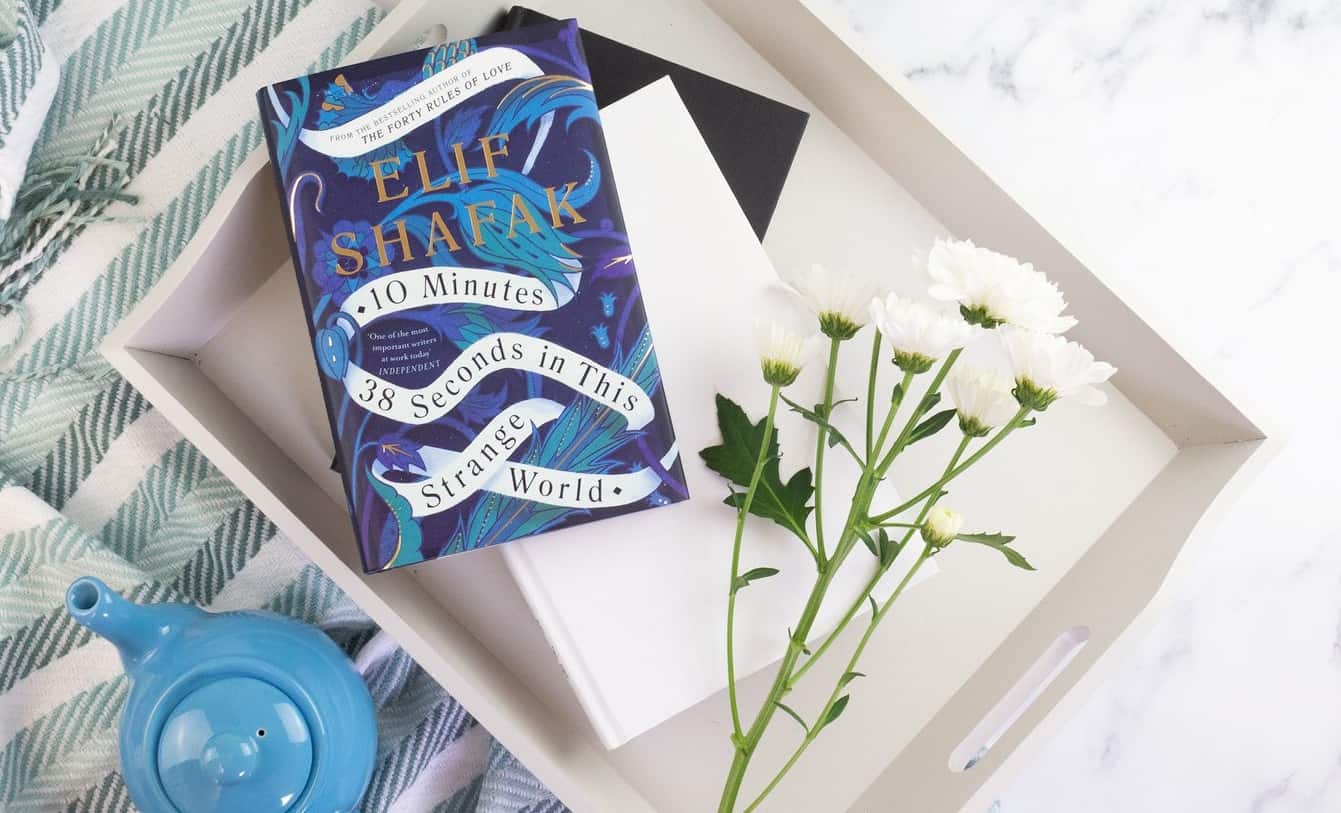
    The main theme in Elif Shafak’s new book 10 minutes 38 seconds in this strange world is kindness and tolerance, or rather the lack of them in this world.

    The novel follows the journey of a young girl Leila from her small rustic village in the backroads of Turkey, to the bright lights, fast lanes and seedy underbelly of Istanbul. Here she suffers unspeakable ordeals, but at the same time also befriends a motley crew of vagrants, all trying to find their way in this strange world. Each has a different story, a different background but what is common to all of them is that each one lives on the outskirts of society; never really accepted. Never really loved.

    Elif has weaved the story in the beautiful way she usually does. Her words pulse with spirituality and insightful meaning. She has taken up the cause of those who cant stand up for themselves and whom society shuns.

    What really stands out for the reader is that humanity and human emotions are the same everywhere, as is bigotry and prejudice even if they have different faces in different cultures. This world ought to be safe place for everyone regardless of race, religion or orientation.

    Do read this for all the various themes she has addressed and definitely for her prose.

  • The state of mental health in Pakistan

    The state of mental health in Pakistan

    World Mental Health Day – 10 October – is a day for global mental health education, awareness and advocacy. On 10/10 each year professionals, health care organisations, advocacy groups, international and national agencies and individuals aim to bring attention to mental illness and its effects on people’s lives.

    Over the years, as a therapist, I have observed an increase in awareness and focus by individuals and advocacy groups in Pakistan to highlight mental health challenges. Though that’s brilliant, it also serves as a reminder of the state of the mental health in Pakistan and the uphill challenges we have to face. A day of celebration and remembrance is gone by 11/10 but the suffering of someone facing psychological issues isn’t. And we’ve all got to think about it because there’s a high likelihood that someone you know is facing mental health issues: in your own home, your class, your gym, your club or at your workplace.

    Here are some things that would be useful for you to know to educate yourself on this World Mental Health Day:

    1. Stop stigmatising the topic

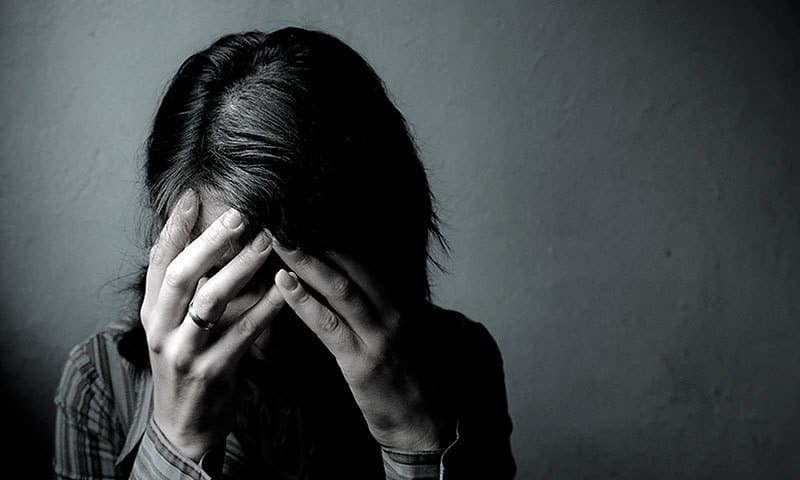
    With the topic being stigmatised, most individuals don’t seek treatment believing that this wasn’t meant to happen to them, or it must be something else e.g. supernatural, temporary, etc. It’s a lot easier to ascribe our ill mental health to causes outside of us than to believe that we’re losing our mind. So people conceal their inner life and wear a mask showing they’re ok. The person sitting next to you may be wearing one, and you won’t know. In the rare instances that individuals open up to friends, coworkers and family about struggling the men are told that they are meant to be stronger; the women are told to stop thinking too much and serve families; the children are told to stop wasting time and focus on their studies; and the elderly are advised to attend to God and be grateful.

    WHAT CAN YOU DO – If your brother, spouse, friend, co-worker seems distressed, irritated, gloomy, distracted, offer to listen to them if they’d like to share what’s bothering them. Don’t offer any advice, just listen to them and offer support and understanding. Validate their struggle and where you feel you can’t offer help, encourage them to seek professional help.

    2. Emotional and psychological wounds don’t always show

    Someone who was teased for their looks or weight, mocked for their grades, made fun of for their complexion, touched without their consent, humiliated in front of others or unfriended without explaining may seem okay on the outside, but even 20 years later be struggling very deeply as a consequence of it. We assume that someone who holds a degree, a job or having a family has come out okay, but there’s more to it than meets the eye.

    WHAT CAN YOU DO – If you’ve caused this kind of sorrow to your child or friend, take responsibility. Commit to being mindful of your words from now onwards. As a parent, don’t break your child’s bones or their self-esteem thinking this is for their best. It is not, and chances are you’re reliving the trauma of your own parents treating you this way, and this cycle has got to stop with your seeking help.

    As a friend, be a safe one, and not the jerk who’d be spoken about in my office 20 years later as the reason why someone quit university or didn’t aim higher in life. Be the friend that understood others when they were at our weakest.

    3. Anxiety, depression, trauma, eating disorders are medically as valid conditions as hepatitis, ulcers and cholesterol.

    Just like cholesterol can’t be exorcised away, and hepatitis cured by praying for it, anxiety, depression, trauma, eating disorders, etc also require attention. Mental illnesses especially psychosis, eating disorders, bipolar disorder and autism are understood to have biological roots. The estimated heritability for bipolar disorder, schizophrenia, and autism (80% or higher) is much higher than that of diseases like breast cancer and Parkinson’s disease.

    WHAT CAN YOU DO – Refer them to a proper mental health specialist and encourage them to seek treatment. Don’t act doctor to your friend who says nothing makes them happy and they don’t wish to live. You won’t try to cure someone’s cancer would you? Stop trying to treat mental health concerns if you’re not qualified to do so.

    4. A psychologist or therapist is not meant to give you medication

    This one’s straight – if they’re doing that, they are acting unethically, and that is considered a good ground for malpractice in countries abroad. Only a psychiatrist (someone who holds a medical degree as well as a training to diagnose mental illnesses) is authorised to prescribe medication and that too if needed.

    WHAT CAN YOU DO – If someone seeking help has severe symptoms (e.g. suicidal ideation and intent is strong, are hallucinating, have impaired functionality) they should first be assessed by a psychiatrist to determine if medication is necessary. For someone who feels they can work on their issues for weeks and months, a good starting point would be a therapist or psychologist.

    5. People recover from mental health issues

    Our brain over its entire lifespan is capable of changing and rewiring. Don’t assume that you visited a shrink 30 years ago and that didn’t help, and now it’s too late. Things have drastically changed since then, in terms of how and what we can do to help. Every year new technologies are emerging which promise better care, management, and treatments available.

    WHAT CAN YOU DO – It is human to be affected by pain. If you’re in pain, seek help. It’s never too late. I work with people in a broad age range, professions, classes, sexual orientations, ethnic backgrounds, status who have benefited from being in therapy.

    On this mental health day, let’s be more mindful of attending to the every day stuff that happens in our emotional lives as well as that of people whom we love and live with. Let’s not let these every day stressors become something more difficult. One day you’ll have to attend to them. So don’t wait for that. And if you or a loved one are in the midst of complicated emotional circumstances please seek help.

  • Raheela: The Girl Child

    It’s the International Day of the Girl and Pakistan is shamelessly on the bottom of the global ranking in empowering them. They face death; stunted growth; violence; child labour and limited or no access to education and medical care.

    I took a dirt road two hours away from Peshawar in 2017 to find out more about how young girls with no access to education can be brought back into the gig economy.

    I spoke to about a dozen young girls and recorded their interviews to put a report for the people who were working to change the traditional set up in the conservative Khyber Pakhtunkhwa (KP) district.

    I spoke to the adolescent girls learning vocational skills like tutoring, tailoring and computer skills. Some girls between 15 and 19 were clad in burqas, others in chadors and most, in a deep sense of shame. Their body language was subdued and their presence was mild like they were a bit too grateful for the donor support I had gone to assess.

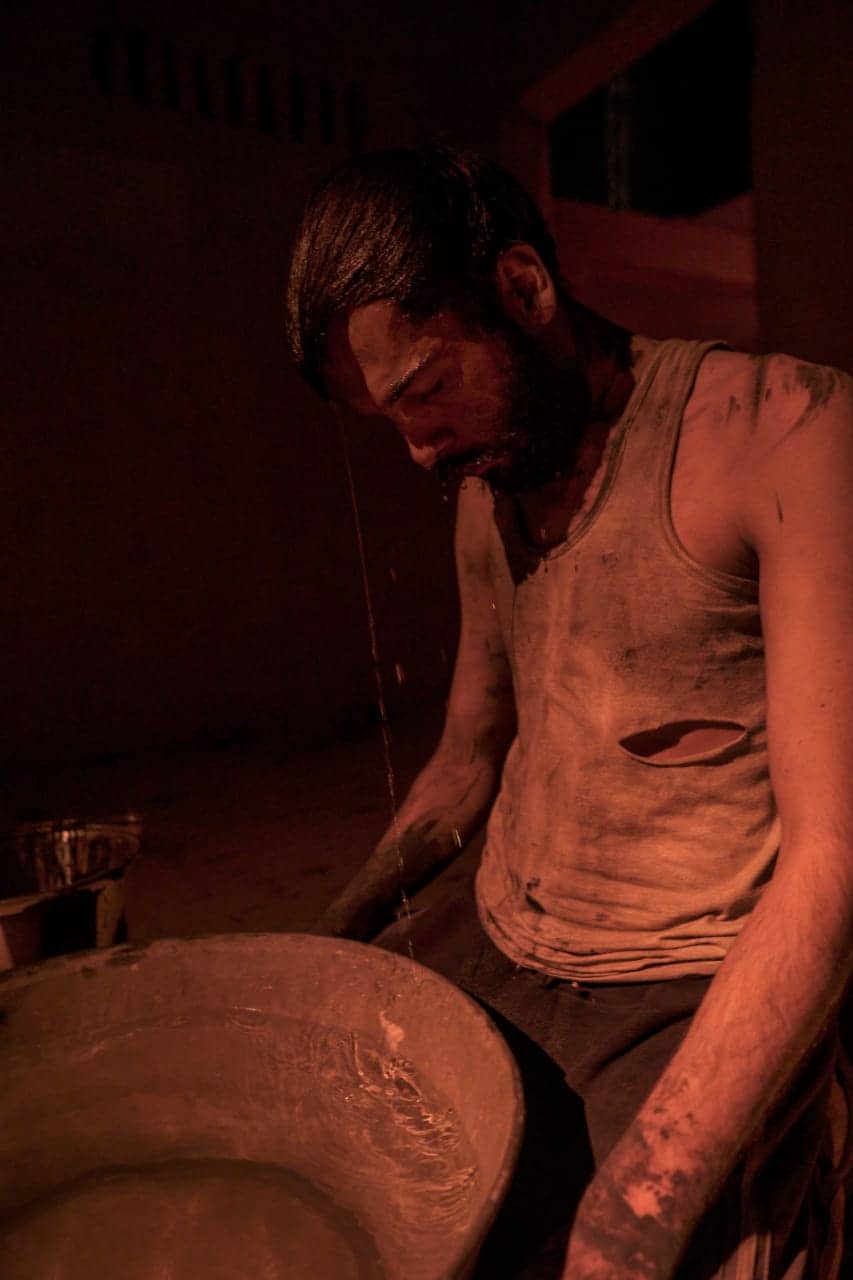
    Raheela was an unforgettable young girl. She was a Frida Pinto lookalike, big eyes and a chiseled jawbone with fierceness about her life story that both humbled and awed me. She was what we call a success story that we were to tout for more funding in the area of adolescent girls, where government support failed or was neglectful.

    Raheela had learned to make a lot of money over the past few months. She was given a grant to receive a brand new Singer sewing machine. The machine allowed her to sell clothes to local women that she sewed faster and better. She could now afford to send her younger siblings to school. That month, she made more money in thirty days than her drunk and abusive father made in a year.

    Many would consider this a success, but for Raheela, it meant a disrupted order of status quo that led her father to rage and episodic beatings.

    She looked at me to answer questions with a black eye that she unsuccessfully attempted to mask under a cheap concealer, three shades lighter than her wheat skin colour. I had to, so I asked her about the black-blue eye.

    Her face comes to me like a floating ghost when I hear politicians rattle their podiums and make big promises. When big men with power claim justice for the common people who are facing stagflation in the economy, I wonder if they really ever see Raheela.

    Am I ugly, bad and unworthy? She asked me in response.

    No.

    I said she was beautiful and good and worthy and that it was the people who exploited her that should be put away.

    She was not fearless, but she was incredibly brave.

    Today, we mark the International Day of the Girl Child, so I went back to my notes from that day I met Raheela.

    I often think of Raheela because she is far away from the cult of cool that many young adolescent girls her age are obsessed with. She cares more about how to hide her siblings when her father picks up the rod than she does about getting the corners of her wing eyeliner right. Her life is more immediate and her troubles are not imagined.

    Her face comes to me like a floating ghost when I hear politicians rattle their podiums and make big promises. When big men with power claim justice for the common people who are facing stagflation in the economy, I wonder if they really ever see Raheela. I wonder if they hear the tremble in her voice when she describes going back to a home where she faces chronic punishment for working to support her family. I wonder if they even know that in this country, girls are prematurely sexualised and prematurely made into grown-up adults when they are too young to even understand their own bodies.

    I’m going to dare to dream a world for her today because that is what the day calls for – after all the GirlForce is unscripted and unstoppable.

    If I could reimagine a world for Pakistan’s Raheela, I would dare to dream that she has a lot of hygiene. That she has access to sanitary pads that are biodegradable and safe. Many girls in the programme who enter puberty end up missing their vocational classes just because they are on their period. The norm is unsanitary cloth packs that leak and limit their mobility. I want a world where a period doesn’t signal young women’s child-bearing age, but an age that needs care and protection from people who have an exploitative mindset. Commercial sanitary pads are prohibitively expensive in rural areas and there is no education on how to maintain mobility during menstruation. As a result, menstruation is used as a weapon to ground Raheela.

    I often think of Raheela because she is far away from the cult of cool that many young adolescent girls her age are obsessed with. She cares more about how to hide her siblings when her father picks up the rod than she does about getting the corners of her wing eyeliner right.

    I would also imagine a world for her where the road to the vocational centre would not be planted with land mines of honour culture. Where the local village perverts won’t call her a slut for wandering instead of being invisible. I’d want local police to punish those men if they dare make her feel threatened. Instead, local police usually victim-blame young women who face eve-teasing and sexual harassment. Raheela was asked to go back home and fetch her abusive father before a legal complaint is lodged. She ended up not complaining and facing the men in her path day after day, passively.

    It would be rather nice if Raheela had a basic smartphone that allowed her to receive her stipend in a mobile wallet, safe from the drug-addiction ambitions of her father. A mobile wallet that allows her to buy her mother the medicines she needs to repair her mental health, her self-esteem and her social embarrassment for only giving birth to girls.

    Access to the internet would be great for Raheela. She could get socially connected to friends and family she trusts and can rely on. She could even search the latest fashion trends to remix in the clothes she designs and sells in larger cities. She could learn English, the language the internet uses and sharpen her Urdu skills using tutorials. She could search for entertainment and watch shows that give her respite from her reality. She could use YouTube to research how to manage money and do basic bookkeeping so her business can stay afloat longer.

    I’d want a world where Raheela knows that elsewhere in the universe, there are doctors who perform surgeries remotely; that holograms exist; that future jobs will focus on creativity and collaboration; that there are smart shoes that measure everything including steps. Most importantly, that she can protect her digital footprint and have her cyber world secure from prying eyes of men who can hurt her now or in the future. She could know her rights as a citizen. She would know then, that the state has promised to protect her, educate her for free and punish anyone who harms her physically. That would change her mindset.

    I want Raheela to know that clothes look better when you wear them on your back while standing up straight, chin up, shoulders back. Raheela is not ugly, not a bad person and she is not unworthy of this dream I have dreamed entirely on her behalf.

    I’d like to give her some representation in the local government, perhaps even as a citizen. She could understand that there are others like her suffering in the community and hold a town hall with them to support community involvement. Raheela could help create public pressure to have easier access to schools, transport, healthcare and plumbing by speaking up for more young women.

    I want Raheela to know that clothes look better when you wear them on your back while standing up straight, chin up, shoulders back. Raheela is not ugly, not a bad person and she is not unworthy of this dream I have dreamed entirely on her behalf.

    It’s the International Day of the Girl. Pakistan is shamelessly on the bottom of the global ranking in empowering them. Girls in Pakistan face death; stunted growth; violence; child labour and limited or no access to education and medical care.

    It’s too late for Raheela, by now she may have a few girls of her own, her father may have won at patriarchy and she may have lost at it. Can we please get this dream in a politician’s speech so it could maybe… maybe become a part of the cult of cool that some girls can never reach.