Tag: Iran

  • Jailed Iranian activist Narges Mohammadi wins Nobel Prize

    Jailed Iranian activist Narges Mohammadi wins Nobel Prize

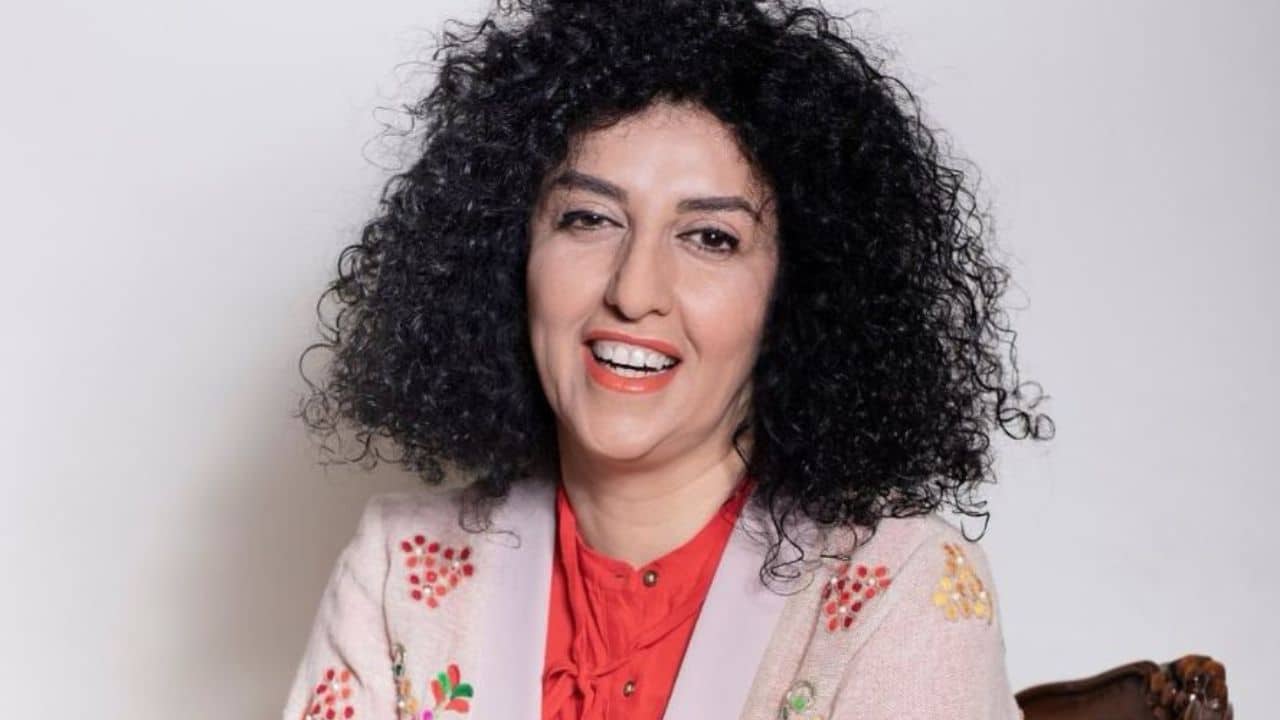
    A jailed Iranian women’s rights advocate, Narges Mohammadi, is the winner of the 2023 Nobel Peace Prize for her fight against the oppression of women and advocacy for social reform.

    She was awarded the prestigious prize on Friday, while she is till behind bars, for her efforts to promote human rights and freedom for all”, as stated by the Norwegian Nobel Committee.

    “Her brave struggle has come with tremendous personal costs. Altogether, the regime has arrested her 13 times, convicted her five times, and sentenced her to a total of 31 years in prison and 154 lashes,” head of the Norwegian Nobel Committee, Berit Reiss-Andersen, said in Oslo during the announcement.

    51-year-old Mohammadi is an Iranian human rights activist who has played a leading role in the campaign for women’s rights and the abolition of the death penalty in the country.

    She is currently serving a number of sentences in Tehran’s Evin prison, adding up to about 12 years of jail, including charges of spreading anti-state propaganda.

    Mohammadi is the deputy head of the Defenders of Human Rights Center, a non-governmental organisation led by Shirin Ebadi, the 2003 Nobel Peace Prize laureate.

    The New York Times approached her after she was named the winner. “I will continue to fight against the relentless discrimination, tyranny and gender-based oppression by the oppressive religious government until the liberation of women,” she stated.

    “I also hope this recognition makes Iranians protesting for change stronger and more organised. Victory is near.”
    On the contrary, Tehran has accused the Nobel committee of politicising the issue of human rights.

    “The action of the Nobel Peace Committee is political move in line with the interventionist and anti-Iranian policies of some European governments,” Nasser Kanaani, a spokesperson for Iran’s Foreign Ministry, said.

    “The Nobel Peace committee has awarded a prize to a person convicted of repeated law violations and criminal acts, and we condemn this as biased and politically motivated,” he added in a statement carried by state media.
  • Four Pakistani beggars went to Saudi Arabia under guise of Umrah

    Four Pakistani beggars went to Saudi Arabia under guise of Umrah

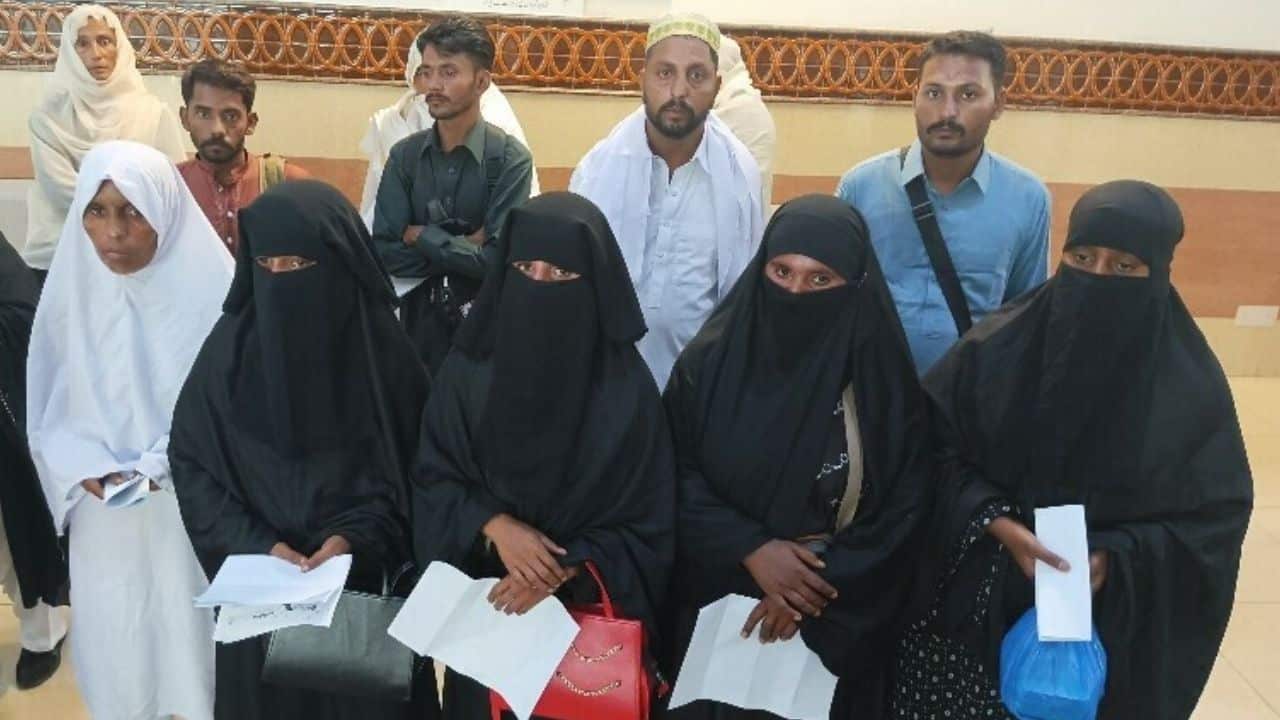
    The Anti-Human Trafficking Circle Lahore of the Federal Investigation Agency (FIA) has arrested four suspects who went to Saudi Arabia to beg under the guise of Umrah.

    Among the four suspects were two women and two men.

    According to the spokesperson of FIA, the accused were offloaded by FIA Immigration at Lahore Airport. They had reportedly gone to Saudi Arabia, Iran and Iraq several times to beg, and were to be received by Pakistani agents on arrival in Saudi Arabia.

    Half of the money earned through begging was to be given to the agent.

    So far, a case against the accused and the agents has been registered while investigations are underway.

  • Iran’s ‘morality police’ back in action 10 months after nationwide protests 

    Iran’s ‘morality police’ back in action 10 months after nationwide protests 

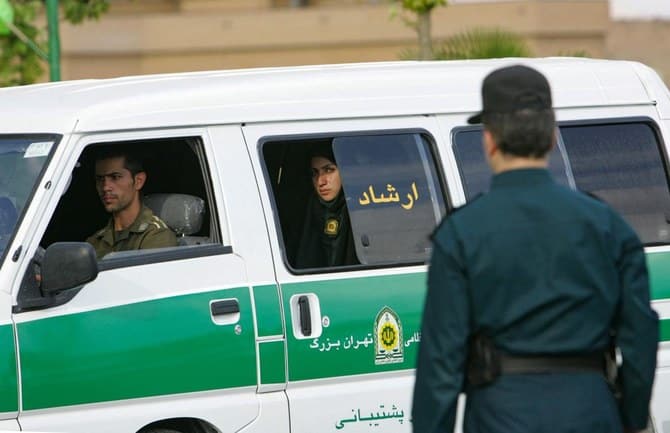
    Iran’s notorious morality police have resumed patrolling the streets of the country, after policing efforts had been scaled back following nationwide protests that broke out across the country last year. 

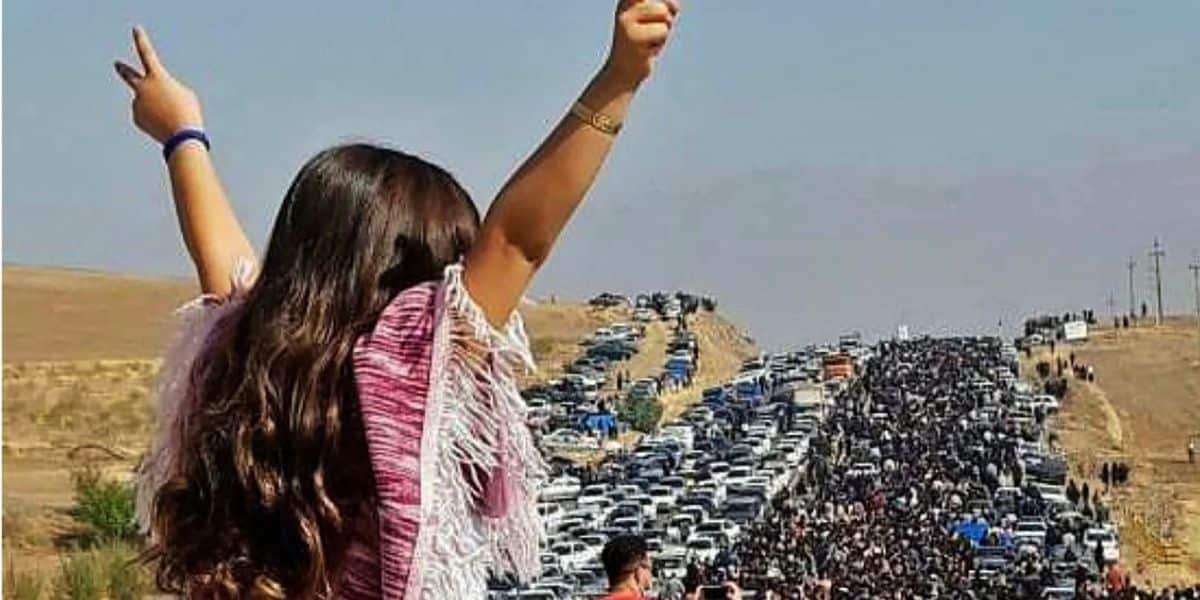
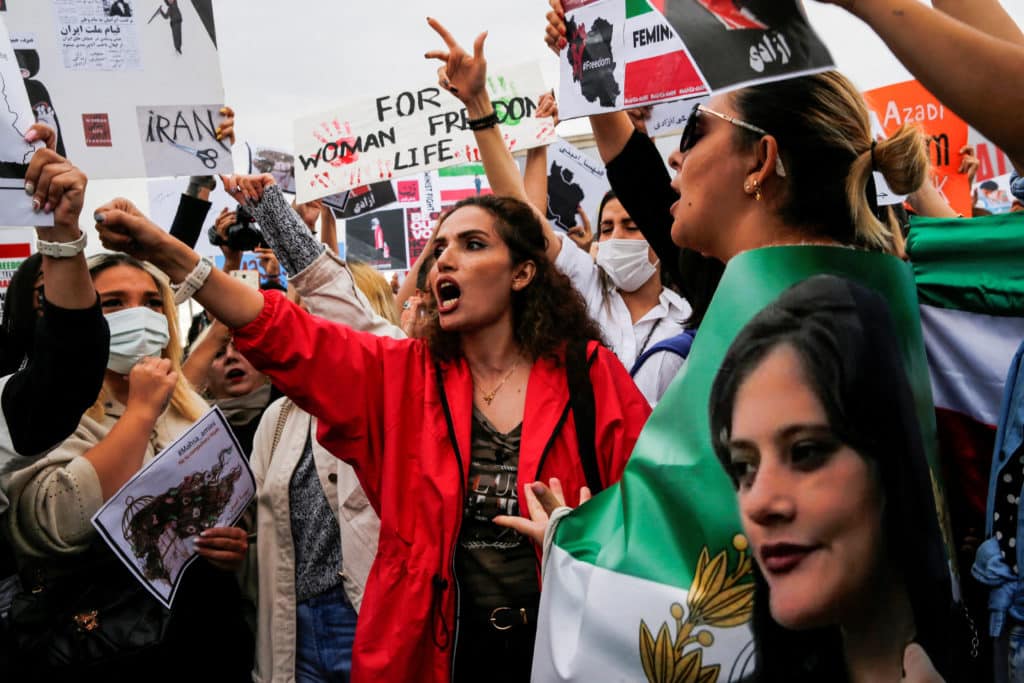
    Following the death of 22-year-old Kurdish woman Mahsa Amini while she was held in police custody, tens of thousands of Iranians took to the streets to protest, in what some analysts say was the ‘biggest challenge‘ posed against the government since the 1979 Islamic Revolution.

    During the mass protests, which lasted for months, the morality police were largely absent from Iranian streets, refraining from highly confrontational methods of enforcing mandatory hijab laws that were imposed shortly after the ‘79 revolution. There were even some reports – later denied – that they had been disbanded.

    The protests largely died down earlier this year, after a brutal crackdown in which more than 500 protestors were killed and nearly 20,000 detained by authorities. 

    Saeid Montazeralmahdi, the spokesperson for the Iranian law enforcement force, confirmed on Sunday that police patrols were now operational on foot and with vehicles to crack down on people whose head covering is not deemed appropriate in the Islamic Republic, according to Al-Jazeera.

    The Guardian reported that in Tehran, morality police has been seen patrolling the streets in marked vans.

    For the past few months, morality police have also been employing surveillance cameras with face-recognition software to identify hijab violators. The violators are given warnings, fines, or sent to appear in court.

    Mahsa Amini was detained last year on September 13th, on accounts of violating the draconian dress code law the Iranian government has in place, which mandates women wearing the hijab. According to authorities, Mahsa Amini was not wearing her hijab ‘properly’.

    Witnesses reported that she was beaten by morality police after her arrest in Tehran. The morality police maintain that Mahsa Amini suffered a heart attack and died. 

    Demonstrators initially gathered outside Kasra hospital in Tehran, where Amini was being treated. Human rights groups reported that security forces deployed pepper spray against protesters and that several were arrested.

    This year alone, there have been many high-profile hijab related incidents, including an incident in Mashadd, where a man dumped yoghurt on two women for not wearing the hijab properly. All three parties were arrested by authorities.

  • Iranian students harassed, given disciplinary hearings for refusing to wear hijab at university

    Iranian students harassed, given disciplinary hearings for refusing to wear hijab at university

    As women across Iran continue to protest against strict hijab laws, universities have taken stringent measures by suspending and initiating violent crackdowns against female students to suppress the uprisings, The Guardian has reported.

    More women have posted video recordings of themselves dancing or walking without the hijab, while several students spoke to the publication to reveal that at least 60 students have been banned from their university, called at disciplinary committee hearings and harassed on campus for not wearing the hijab.

    According to the Student Council of Iranian Universities, at least 40 female students have been conditionally suspended from their campuses for failing to follow the hijab rule. While The Human Rights Activists (THRA) in Iran reported that at least 64 students have been suspended and three expelled.

    Nine suspended activists told the publication that arrests of young women are on the rise, and they were warned of serious consequences if they did not adhere to the mandatory policy of wearing their hijab.

    “We’re being mass banned from the campus for refusing to wear a hijab, and in the past few days there has been a violent crackdown on us for peacefully sitting in protest,” said a student who was studying in a university in Tehran. She further revealed that security officials had violently thrown women out of classrooms.

    Another anonymous student from Mashhad spoke about her suspension for protesting on the 40th day of Mahsa Amini’s death:

    “I have been slapped with repeated temporary suspensions for protesting on the 40th day of Mahsa Amini’s death. Considering that I will be suspended again next semester, I will fall behind a whole year. I dream of studying abroad, but unfortunately, given the current situation, my future is dark.”

    Another student’s account revealed that sharing social media posts related to Mahsa Amini’s death could have severe consequences leading to being suspended and failing their courses, as violent crackdowns continue to rise in Iran.

    “Three days after I shared a post about death sentences, the university security team confiscated my phone after raiding our residence hall,” spoke a student from Tehran. “They also collected protest posters or anything related to the ongoing revolution and warned us of worse consequences.

    “I doubt the officers barging into our dormitories are from the university’s security team. I’ve never seen them before. The next day, I was temporarily suspended along with three of my friends.”

    Another student in Tehran revealed: “The university administration is acting like an extended arm of the Islamic Republic. I was preparing my applications for a master’s in the EU, but I fear I’ll neither receive a recommendation letter, nor will I receive the relevant grades necessary for my application. I’ve been warned by my university’s administration that I’ll get zero grades if I don’t apologise and retract my social media posts in support of the revolution.”

    Professors who support the protests have also been violently attacked or expelled from campuses.

    The protests in Iran began in September 2022 after the brutal death of 22 year old Mahsa Amini, who was severely beaten by Guidance Patrol officers for refusing to wear a hjijab. She later passed away in a hospital from her injuries. Since then, nation wide protests began through out Iran as the slogan ‘Zen, Zendagi, Azaadi’ was adapted as a protest against human rights violations committed by the Iranian government.

  • Finance Minister Dar assures no global sanctions for Russian oil purchase

    Finance Minister Dar assures no global sanctions for Russian oil purchase

    Pakistan’s Finance Minister, Senator Ishaq Dar, has provided reassurances that Pakistan will not be subjected to global sanctions for its purchase of Russian oil. Dar made these remarks during a briefing to the Senate’s Standing Committee on Finance, highlighting that both India and China continue to purchase crude oil from Russia despite existing global sanctions.

    Dar emphasised that significant progress had been made in November of the previous year regarding the procurement of Russian oil, and the government had diligently completed all necessary preparations before proceeding with the purchase. He further explained that Pakistan adhered to an approved procedure established by a committee comprising G7 countries for oil production from Russia.

    Dar acknowledged the instrumental role played by Foreign Minister Bilawal Bhutto Zardari in consulting and obtaining approval from the G7 countries prior to the procurement of Russian oil.

    In terms of payment, the finance minister disclosed that the Chinese currency Yuan would be used for settling the payment for the Russian crude oil. He expressed Russia’s satisfaction with this arrangement, noting that it would not only reduce shipping costs but also lead to a decline in crude oil prices.

    When questioned about border trade with Iran, Dar confirmed that the government intended to enhance such trade but clarified that petroleum products were not included in these border trade activities.

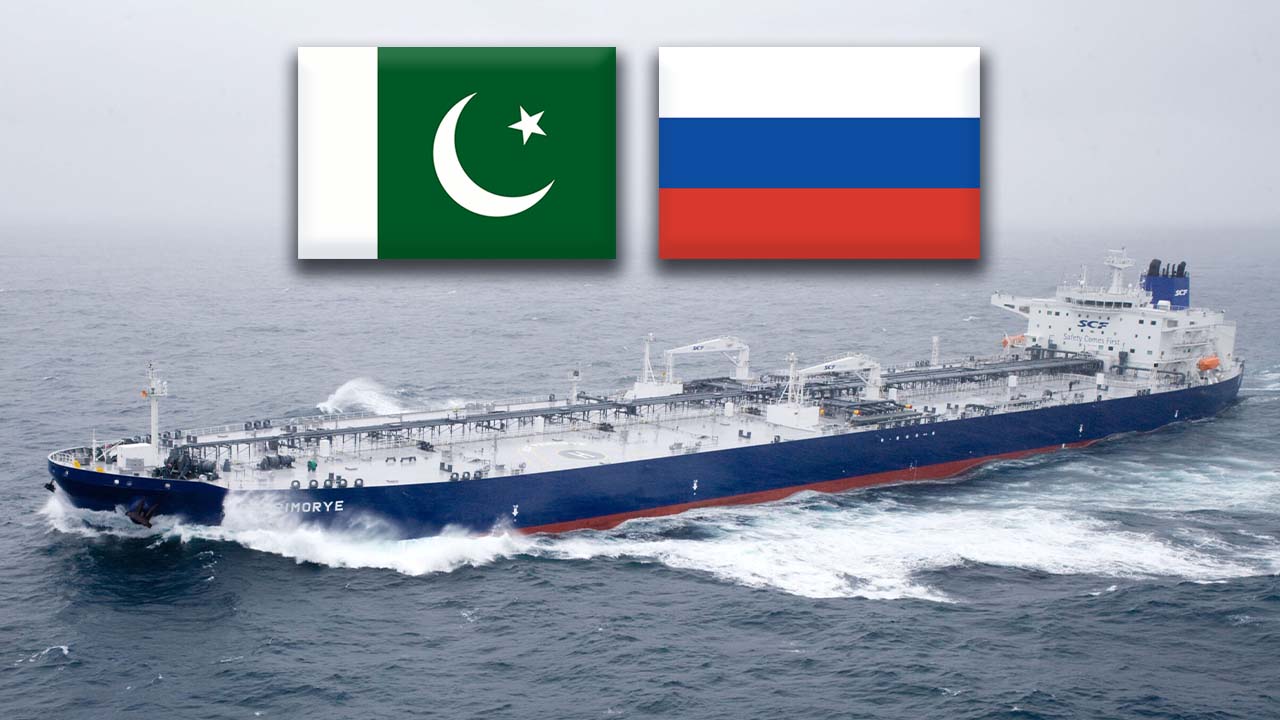
    On Sunday, Pakistan successfully unloaded over 45,000 metric tons of oil from a Russian vessel that arrived at the Karachi port. Another Russian oil carrier is expected to reach the port of Karachi in the coming week.

    It is worth mentioning that earlier this week, the first ship carrying Russian oil had already docked at the Karachi port.

    During a press briefing on June 15, US State Department spokesperson Matthew Miller highlighted that every country has the right to make decisions based on its energy requirements. He further acknowledged that Russian oil was being sold at significantly lower prices compared to global market rates.

    Miller attributed this decrease in price to the limitations imposed by the US and its allies, resulting in Russia losing an estimated $100 billion in revenue that could have been used in the Ukraine conflict. Miller clarified that the US had not imposed any restrictions on Russian oil exports.

  • Pakistan to receive $10 billion investment in refinery sector soon

    Pakistan to receive $10 billion investment in refinery sector soon

    Minister of State for Petroleum, Musadik Malik, announced that Pakistan will soon receive a $10 billion investment in its refinery sector. The investment, to be inaugurated by Prime Minister Shehbaz Sharif, holds significant details that cannot be disclosed at this time, according to Malik’s statement at a ceremony.

    This development follows the approval of a new refinery policy by the current government, which aims to incentivise greenfield investment.

    Malik emphasised the need for sustained GDP growth of 5 per cent in Pakistan’s growing population. To achieve this, he stated that an annual energy sector growth rate of 7.5-10 per cent is necessary. As part of this plan, the government aims to establish a comprehensive energy agreement with Central Asian countries and Russia, which will be made public by the end of the year.

    Additionally, Pakistan intends to leverage its historical ties with the Gulf Cooperation Council (GCC) countries for trade and commerce, including meeting energy needs such as LNG and petroleum products.

    The government also plans to open energy corridors with Central Asia and the GCC countries. Malik highlighted the significance of purchasing crude oil from Russia, stating that it will have a transformative impact on Pakistan, leading to industrial proliferation. The goal is to establish small industrial areas in rural regions to promote value addition.

    Malik underscored that Pakistan possesses the necessary infrastructure, labour force, and technology to present itself as an attractive investment destination. He emphasised the government’s efforts to enhance border enforcement to curb oil smuggling from Iran, expressing confidence that the flow of smuggled oil will reduce in the coming days.

    In an off-camera meeting with media persons, the minister revealed that vessels carrying 100,000 tonnes of discounted Russian oil will arrive at Pakistan’s ports in the first week of June as part of the government’s energy security plan. The oil will be transported from Oman port to Pakistan in smaller vessels within seven to ten days. Malik assured that although transportation costs may increase slightly, the impact will be minimal.

  • Iranian minister impeached over rising inflation

    Iranian minister impeached over rising inflation

    Iranian lawmakers have voted to impeach Minister of Industry, Mines and Trade Reza Fatemi Amin over his poor performance.

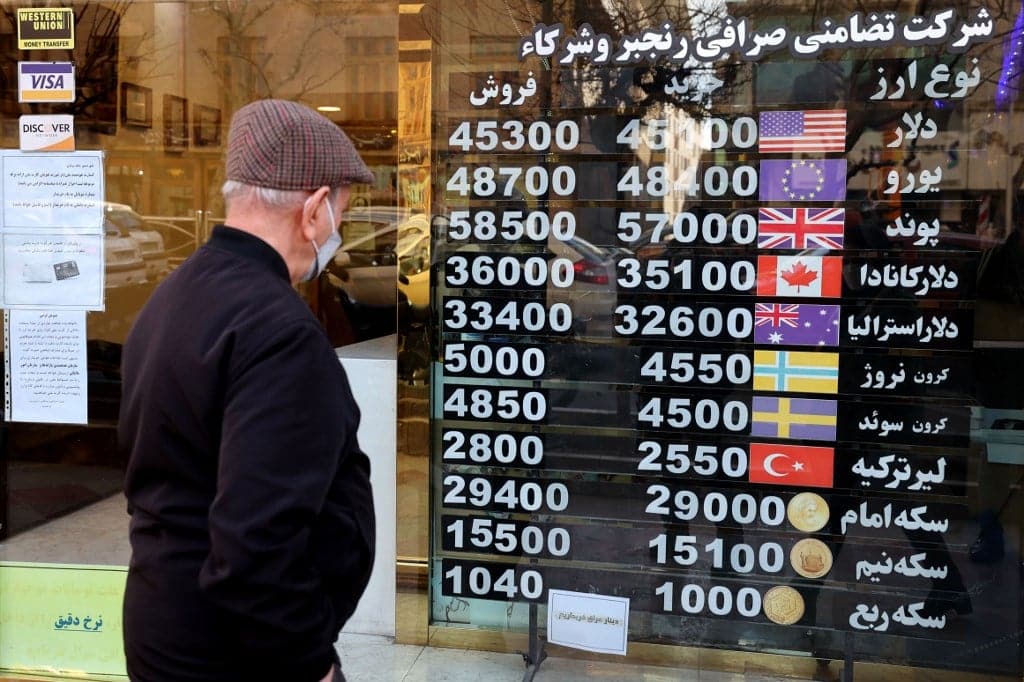
    The country is under a financial crisis because of international sanctions and rising inflation.

    Reza Fatemi Amin failed to gain enough support in a vote of confidence that saw 162 MPs vote in favour of his removal and 102 against it.

    The development took place due to the rising price of domestically manufactured vehicles after foreign imports dried up because of sanctions.

  • Iran to install cameras in public places to catch, punish women not wearing Hijab

    Iran to install cameras in public places to catch, punish women not wearing Hijab

    The police in Iran have announced a new measure to enforce the country’s mandatory dress code for women. Cameras will be installed in public areas and streets to identify and punish women who do not wear veils. Those who violate the dress code will be sent warning messages about the consequences of their actions. This move is an attempt to control the growing number of women who are choosing to not follow the compulsory dress code.
    The violators will receive “warning text messages as to the consequences”, said the police statement. The move is aimed at “preventing resistance against the hijab law”, it said.

    Iran has seen widespread demonstrations since the September 16, 2022, death of 22-year old Mahsa Amini after she was arrested in Tehran. She was taken into custody for not wearing the hijab, thus, breaching Iran’s strict dress code for women.

    Iran has an official law that requires females, including girls as young as seven years old, to wear a hijab. The law was introduced after the year 1979 and has resulted in approximately 40 million women and girls being under continuous observation.

  • Male Iranian pharmaceutical employees start wearing hijabs to protest against sexist govt policy

    Iranian-American journalist Masih Alinejad has shared a clip of male pharmaceutical workers actively resisting a sexist policy introduced by the Iranian Drug & Food Administration which had ordered women to start wearing black veils at their workplaces. Alinejad wrote in a tweet:

    “Iran’s Food & Drug Administration has ordered pharmacies to force their female staff to wear black veils at workplace. Iranian men are mocking this order and supporting their female colleagues by wearing hijab. Compulsory hijab is the main pillar of a religious relationship. Together we will bring this wall down.”

    Alinejad called for international pharmacists to support their Iranian colleagues in their fight for gender equality, as many women have lost their jobs because they protested against compulsory hijab laws:

    “I call on international pharmacists to support their Iranian colleagues. Many women lost their job for the crime of resisting compulsory hijab laws. Forcing women to wear hijab is an insult to all women and men across the globe. Human rights is a global matter. Show your solidarity.”

    Compulsory hijab has been in the eye of the storm in Iran, leading to strikes and demonstrations across Iran after the death of 22 year old Mahsa Amini, who died under custody of the morality police after refusing to abide by the strict hijab rules. Many women continue to remove their hijab in order to protest against the compulsory law, stating that it denies them social and political freedom.

    Speaking to RFE, an unnamed psychologist said: “Women see it as their absolute right, a right they have been denied for years. I’m protesting the status quo.”

  • ‘Not my-self’; wearing Hijab discomforts me, says Iranian chess player

    ‘Not my-self’; wearing Hijab discomforts me, says Iranian chess player

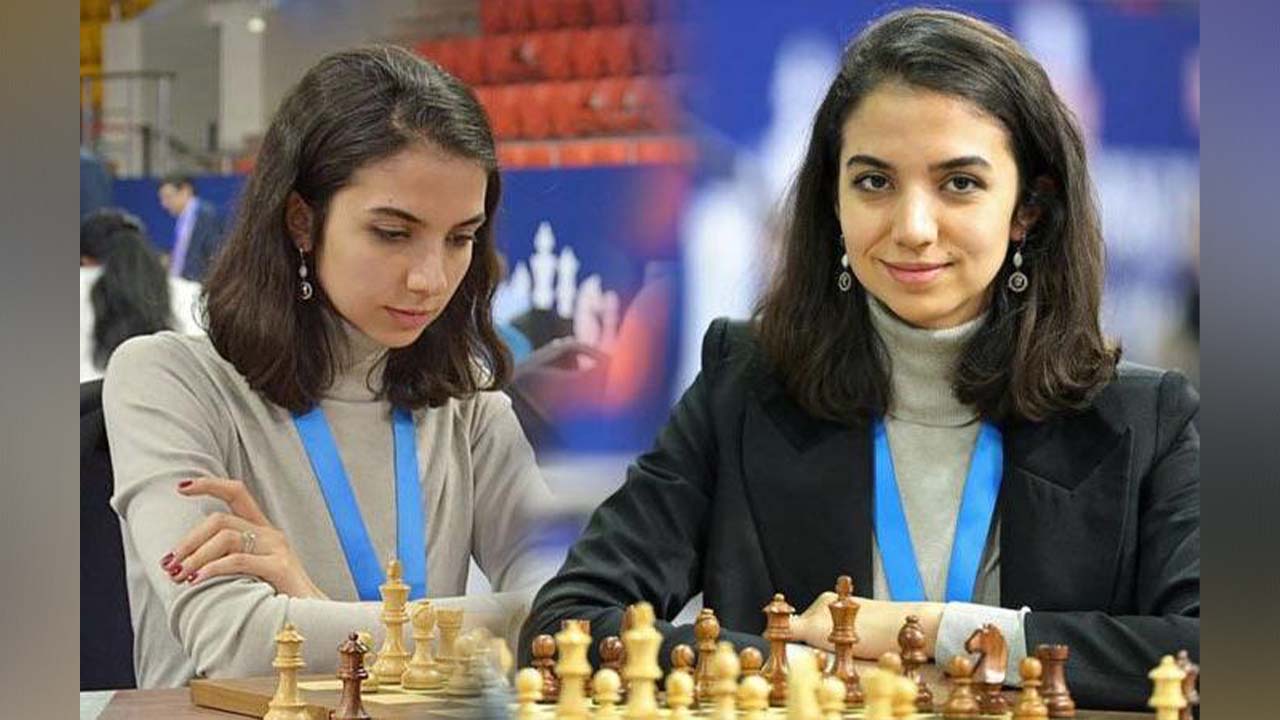
    Iranian chess player Sara Khadem has taken part in an international chess tournament without wearing the hijab.

     As per Iranian Law, it is compulsory for women to wear hijab or cover their head while competing in international tournaments. Sara Khadem has said that she still hopes she will continue representing her homeland in international competitions.

    On September 13 last year in Tehran, Iran, the moral police arrested a 22-years-old woman named Masha Amini from Kurdistan Province for not wearing hijab properly.

    Masha Amini went into a coma when the police assaulted her while she was under arrest. Masha died in the hospital on September 16.

    Sara Khadem’s action is also being seen as support for the protests which have gripped Iran since Amini’s death. Iranian moral police planned to arrest Sara Khadem upon her arrival in the country but the chess player fled to Spain with her husband and 10-month-old son.

    While talking to a Spanish newspaper Sara Khadem said that she is, “not my-self while wearing hijab.” She said that planned to leave Iran after the birth of her son Sam. “I want my son to move freely on roads and play without bothering us. Spain is the only place that pops up in my head and I took refuge here,” she stated.

    Khadem also clarified that she will only wear hijab if there are cameras before an international chess match in Kazakhstan.

    “But I’m not me when I wear hijab. I don’t feel well. So, I decided to put an end to that situation. Because of this, I have decided not to wear the hijab anymore,” she said.