Tag: Iran

  • Iran warns hotels housing US troops will be treated as military targets

    Iran warns hotels housing US troops will be treated as military targets

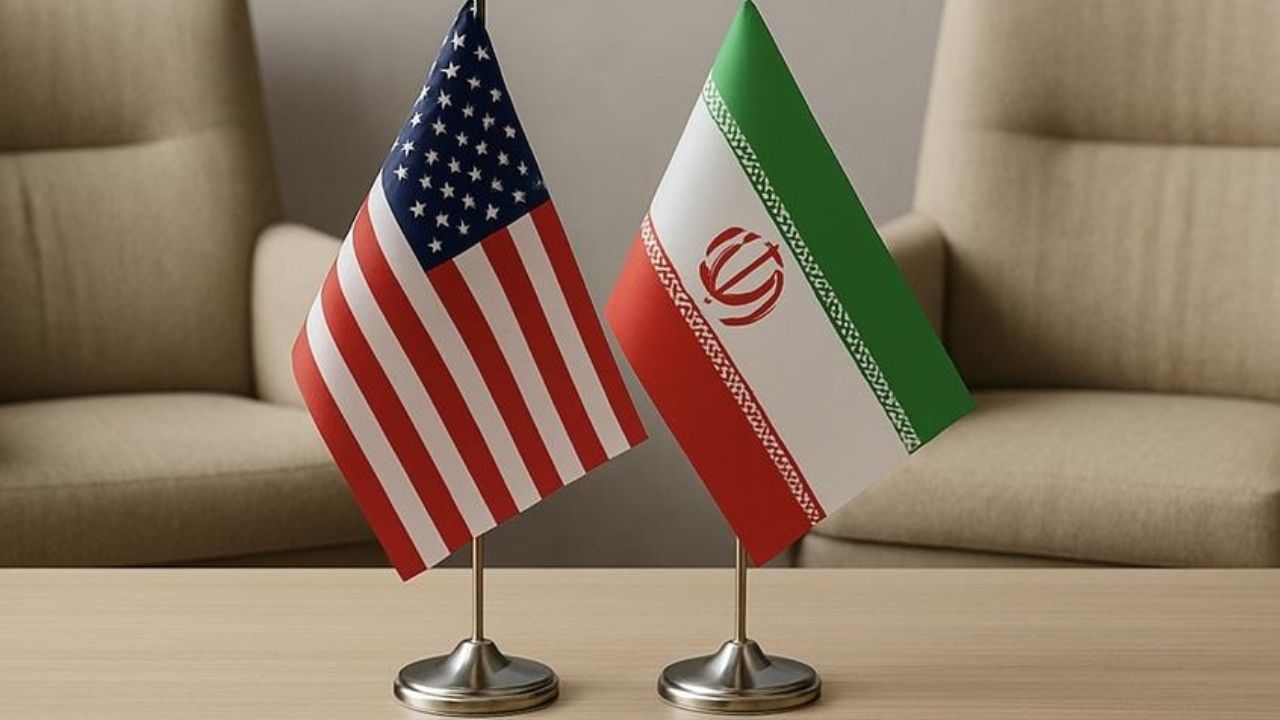
    Iran’s military has warned that hotels housing US troops across the region could be considered potential targets in any escalation with the United States (US) and Israel.

    Armed forces spokesman Abolfazl Shekarchi, speaking to state television, said that facilities accommodating American personnel would fall under the same classification as US military presence.

    “When all the Americans (forces) go into a hotel, then from our perspective that hotel becomes American,” he said. “Should we just stand by and let the Americans strike us? When we respond, naturally we have to strike wherever they are.”

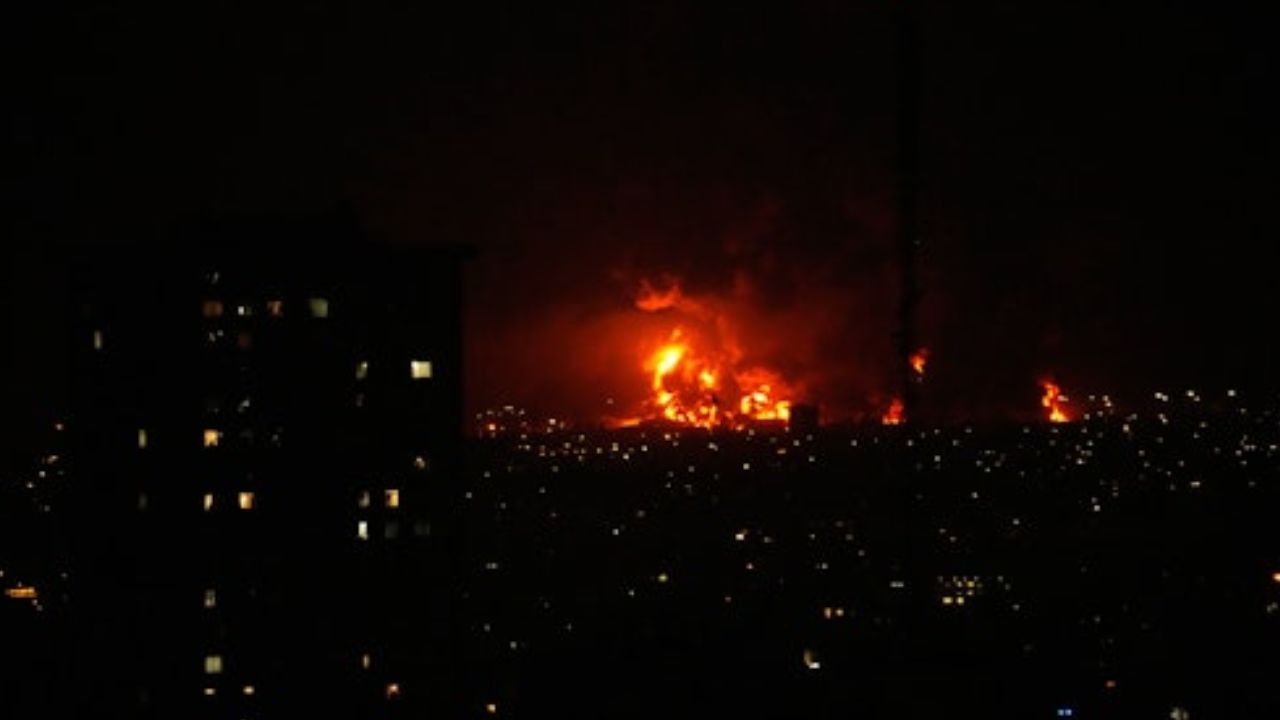
    The statement was released as tensions continue to rise following illegal strikes on Iran carried out by Israel and the United States on 28 February.

    Since then, Iran has launched drone and missile attacks targeting Israel and US-linked interests across the Middle East.

    Around 50,000 US troops are already deployed in the region under what has been described as the Trump administration’s operation “Epic Fury,” with no ground invasion currently underway.

    However, the Wall Street Journal (WSJ) reported that the United States is considering deploying up to 10,000 additional troops to the Middle East to expand available military options. The proposed deployment would add to existing paratroopers and Marine units already stationed in the region.


    According to the report, the additional forces would likely be positioned within range of Iran and Kharg Island, a key oil export hub off Iran’s coast, though exact locations remain unclear.

  • Strait of Hormuz disruptions cost Gulf states $15bn in energy revenue

    Strait of Hormuz disruptions cost Gulf states $15bn in energy revenue

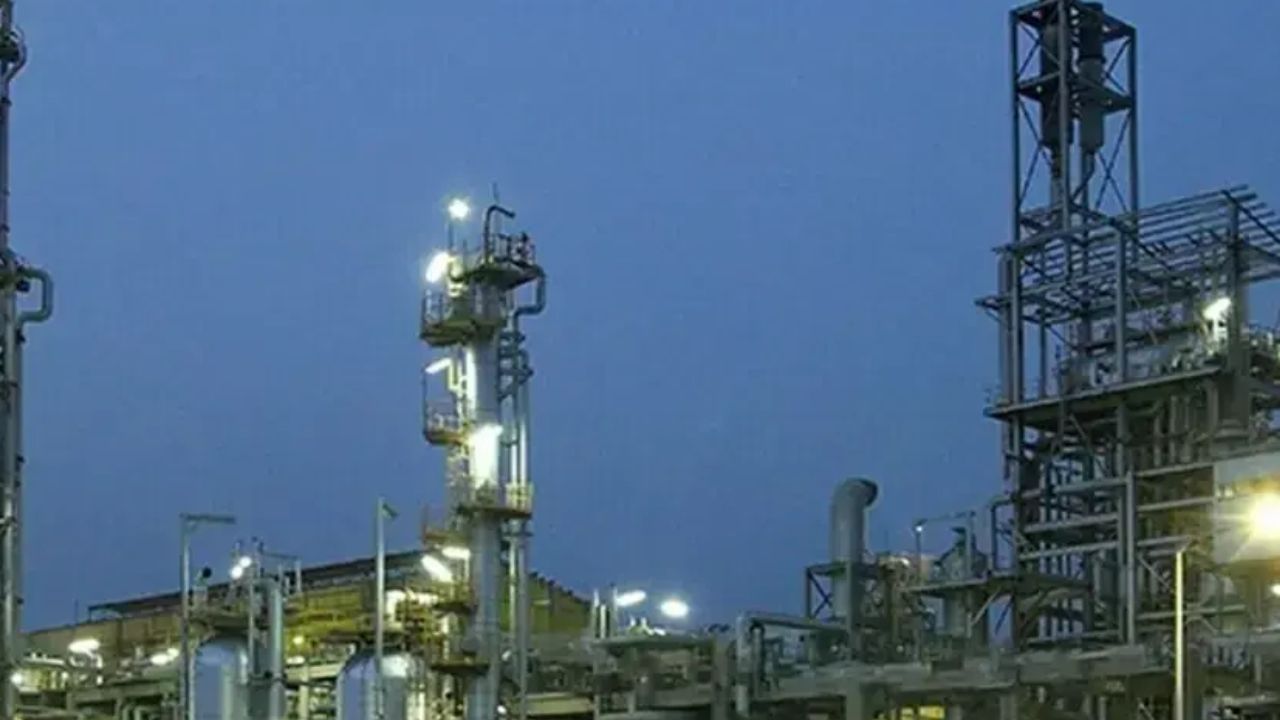
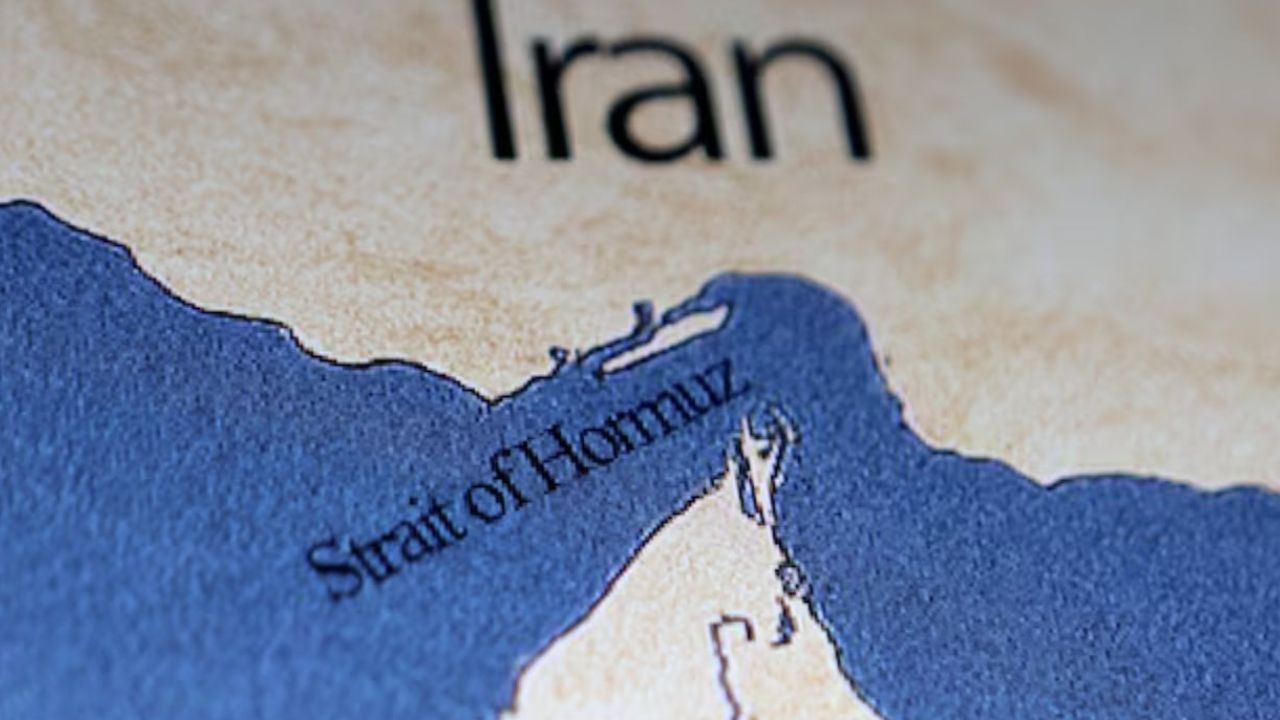
    Gulf oil producers have lost an estimated $15.1 billion in revenue since the start of US and Israeli strikes on Iran, as the near-shutdown of the Strait of Hormuz has trapped millions of barrels of crude, refined products, and liquefied natural gas.


    Data from commodities analytics firm Kpler shows the Strait typically carries around $1.2 billion worth of energy shipments daily, based on 2025 average prices and volumes. 


    Since the escalation of hostilities on February 28, traffic through the critical shipping route has largely halted, with Iranian attacks on vessels and soaring insurance premiums compounding the disruption.

    Florian Gruenberger of Kpler described the current flow as “negligible” compared with prewar levels, with crude oil representing 71 percent of the value of stranded shipments.

    Saudi Arabia, the region’s largest exporter, has lost the most, with Wood Mackenzie (research company) estimating $4.5 billion in missed revenue, though the kingdom plans to boost exports from the Red Sea in the coming days.

    Iraq, which depends on oil for 90 percent of government revenue, is among the most exposed, while Kuwait and Qatar can rely on sovereign wealth funds to offset short-term losses, according to Wood Mackenzie’s Peter Martin.

    At least $10.7 billion worth of crude, refined products, and LNG cargoes remain stranded inside the Strait of Hormuz. Some of these shipments had already been sold under prewar contracts, meaning revenue may still materialize depending on payment schedules, which typically occur 15 to 30 days after loading.

    Saudi Arabia holds additional oil in overseas storage and could continue supplying customers while benefiting from higher prices that may partly offset lost exports, analysts said. While Saudi Aramco has said it could reroute about 70 percent of crude from its eastern oilfields to the Red Sea via its east-west pipeline, experts warn the system has never operated at that capacity.

    Wood Mackenzie estimates that Gulf oil producers — including Saudi Arabia, Iraq, the UAE, Kuwait, and Bahrain — have collectively deferred $13.3 billion in sales and tax revenue. 


    QatarEnergy, Qatar’s state-owned energy company, has lost an estimated $571 million in revenue since halting production on March 2, excluding potential losses from delayed expansions or new plants.

  • ‘False-flag’: Someone is trying to frame Iran with unclaimed strikes on Turkiye, UK base

    ‘False-flag’: Someone is trying to frame Iran with unclaimed strikes on Turkiye, UK base

    Someone is trying to frame Tehran for unclaimed strikes and drone attacks on Turkiye and at least one United Kingdom (UK) military base in Cyprus, it has emerged.

    As per the details, the Islamic Republic News Agency (IRNA) has quoted senior military leadership as saying that Iran did not carry out any missile strikes in Turkiye as the country respects its sovereignty.

    The clarification came hours after the UK’s Ministry of Defence confirmed that a Shahed-like drone that targeted Royal Air Force’s (RAF) Akrotiri base in Cyprus on March 2 was not launched from Iranian territory. 

    The ministry added that RAF Typhoon and F-35B jets continued defensive air operations across the Middle East, supported by Voyager air-to-air refuelling, and that the UK had resupplied air defence systems to British and allied bases.

    Royal Navy Wildcat helicopters armed with Martlet missiles are also expected to arrive in Cyprus in the coming days.

    Amid confusion over unclaimed strikes, American commentator Tucker Carlson has claimed that Mossad operatives were arrested in Qatar and Saudi Arabia while planning bombings, suggesting these operations could be aimed at creating disorder and framing Iran to draw Gulf states further into conflict.

    Saudi experts told Al Arabiya News that Mossad agents had been arrested in both countries and were reportedly planning false-flag bombings to involve the Gulf states in war with Iran.

    Earlier, Iranian officials, quoted by Middle East Eye, also said that some attacks on Gulf energy sites, including oil refineries and ports, were carried out by Israel to provoke Gulf countries. 

    The reports also sent social media intro frenzy as thousands on X claimed Israel was covertly launching suicide drones targeting Gulf countries and NATO, intending to blame Iran.

    Iranian Deputy Foreign Minister Esmail Baghaei also told Drop Site that Israel had historically used such tactics to involve other nations in conflict, citing a high probability of misuse in the current situation. 

    Cypriot officials suggested the Akrotiri drone (an Iranian-designed Shahed type) was most likely launched by Hezbollah from Lebanon rather than Iran.

  • Pakistan halts imported gas supply to fertiliser plants after Hormuz disruption

    Pakistan halts imported gas supply to fertiliser plants after Hormuz disruption

    Gas supply to fertiliser manufacturers in Pakistan has been suspended as pressure mounts on liquefied natural gas (LNG) supplies. According to a report by Bloomberg, the disruption is linked to the war extending to the Strait of Hormuz, which is now, according to Iran, under their control.

    Sui Northern Gas Pipelines Limited (SNGPL), the country’s largest gas distributor, informed customers that it would stop providing regasified LNG to fertiliser plants from midnight on Wednesday. 

    The company said it had been notified of supply disruptions by Pakistan State Oil (PSO) five days after confrontations began in the Gulf.

    Authorities are also reviewing gas allocations for other industrial consumers.

    The disruption follows escalation after Israel and the United States carried out strikes on Iran, with Tehran responding through retaliatory attacks on regional bases. 

    Shipping through the Strait of Hormuz has been affected. The strait is a waterway and a key route for global energy trade, including LNG exports from Qatar’s Ras Laffan facility.

    During the previous energy crisis in 2022, triggered by Russia’s invasion of Ukraine, Pakistan faced difficulties securing LNG cargoes amid high spot prices and payment constraints.

    According to an energy expert, Masanori Odaka, the situation “could be serious” if five or more LNG shipments are affected. Odaka added that current spot prices were beyond what Pakistan was likely willing to pay and that alternatives to sourcing LNG cargoes were limited. He also said a history of deferment and payment difficulties would put Pakistan at a disadvantage.

    An LNG analyst at ICIS (Independent commodity intelligence services), Evan Tan, said Pakistan received two cargoes in March, making it possible to manage any immediate gap through domestic production and coal imports. He said the shortfall in April and May could rise to two or three shipments, which would be difficult to offset through local alternatives.

    The matter was discussed at a meeting of the Petrol Monitoring Committee chaired by Finance Minister Muhammad Aurangzeb. 

    Officials, at fhe meeting, stated that petrol and diesel reserves were at satisfactory levels.

    Aurangzeb said the government was monitoring developments related to the Strait of Hormuz.

    Officials also briefed the committee that contacts were underway with friendly countries to secure additional crude oil supplies.

    Separately, the petroleum ministry said Pakistan had requested Saudi Arabia to route oil supplies through the Red Sea port of Yanbu to ensure steady supply during the war.

    Petroleum Minister Ali Pervaiz Malik raised the issue during a meeting with Saudi Arabia’s ambassador to Pakistan, Nawaf bin Said Al-Malki, according to a ministry statement.

    The minister said most of Pakistan’s energy imports transit through the Strait of Hormuz and that the government was monitoring the situation to maintain supply continuity.

  • Iran hits 27 US bases and Israeli command headquarters

    Iran hits 27 US bases and Israeli command headquarters

    This morning, Iranian state media has confirmed that Supreme Leader Ayatollah Ali Khamenei was martyred at his office in the joint US-Israeli strikes yesterday. His daughter, son-in-law and grandson were martyred in the same wave of attacks and a 40-day national mourning period has been announced.

    Trump made the claim yesterday saying that, ‘one of the most evil people in History, is dead’, adding that, “he [Khamenei] was unable to avoid our Intelligence and Highly Sophisticated Tracking Systems and, working closely with Israel, there was not a thing he, or the other leaders that have been killed along with him, could do…Hopefully, the IRGC [Islamic Revolutionary Guard Corps] and Police will peacefully merge with the Iranian Patriots.”

    Khamenei, 86, had led Iran since 1989, succeeding Ayatollah Ruhollah Khomeini after the 1979 Islamic Revolution. He ruled for more than three decades and held ultimate authority over the government, military and judiciary while serving as the country’s highest religious authority.

    Khamenei consolidated the power of the Islamic Revolutionary Guard Corps (IRGC), endured sweeping sanctions, and repeatedly insisted Iran’s nuclear programme was civilian. His death is the most dramatic rupture in Iran’s leadership since the revolution.

    What happened?

    On Saturday around noon, news of the US-Israel airstrikes in Tehran were confirmed. Multiple cities were targeted, including Tehran, Qom, Esfahan and Khoramabad. The Pentagon confirmed its involvement in the strikes, labeling their operation as “Operaton Epic Fury,” and Trump stated that the US had launched “major combat operations” to eliminate threats from Iran and prevent it from obtaining nuclear weapons.

    Within the hour, Iran confirmed that they would retaliate. Israel soon after, made the first claim, telling Reuters, that Ayatollah Khamenei was killed in the strikes.

    By 2PM, Iran had launched missiles towards Israel and explosions were heard in cities in northern Israel.

    Iran, then, targeted US based in Qatar, Kuwait, UAE and Bahrain and explosions were heard in Doha, Riyadh, Dubai and Abu Dhabi. Dubai was hit in a few areas, including a hotel and the airport, but primarily due to drone debris and faced no major casualties.

    Iran’s Red Crescent said more than 200 killed and 747 were injured across 24 provinces in Iran, the most devastating hit being on a girls’ elementary school in Minab, a city in the Hormozgan province of southern Iran, killing 108 people.

    A UN emergency session was called and Iran’s ambassador told the UN Security Council that civilians were killed in the Israeli strikes including 100 children in school. Pakistan became the only Muslim country to condemn the US-Israel attack on Iran at the UN session, alongside Russia and China, while also condemning Iran’s retaliatory attacks on the Gulf nations.

    The biggest question remained as Iran kept denying the news: Was Khamenei dead? Iran said no, adding that Khamenei was alive and ‘commanding the field’.

    Earlier this morning, Iranian state media confirmed that Ayatollah Ali Khamenei was martyred in the strikes.

    What is happening now and expected?

    The latest updates right now is that Iran has announced attacks on 27 US bases in Middle East. Reuters is reporting that the sounds of explosions were heard in Dubai.

    According to the Iranian state media, the IRGC has said that it is carrying out a ‘sixth wave of attacks’, with an “extensive missile and drone” attacks on Israel and US military bases in the region.

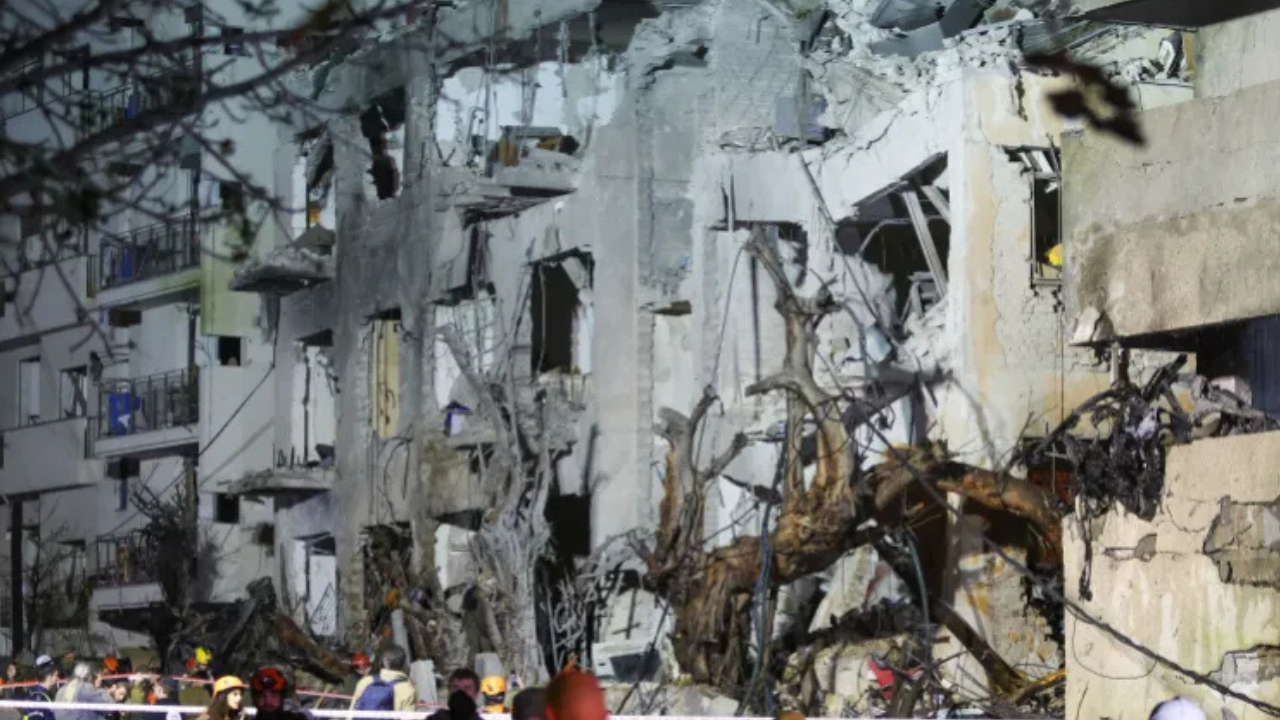
    Iran has claimed that 27 US bases, as well as the Israeli Tel Nof airbase, the Israeli army’s command headquarters at HaKirya in Tel Aviv, and a large defence industrial complex in the same city, were attacked. The forces added that they will, “implement a different and harsh step of revenge, with successive, regrettable slaps”.

    Meanwhile, the Israeli military has warned its residents not to share the locations of areas hit in Israel by Iran. In a post on X, the Israeli military also said that they should remain in their ‘protective bunkers’ unless told to leave.

    New leadership in Iran

    A three-person transitional council (president, judiciary chief, Guardian Council jurist) will assume leadership duties as Iran also confirmed that senior Iranian official Ali Shamkhani and the chief of the IRGC, Mohammad Pakpour were also killed.

    US-Israel position

    Trump has announced “major combat operations” in Iran and that bombing will continue “uninterrupted throughout the week or as long as necessary.” He also said that diplomacy may now be “much easier,” with new Iranian leadership. At home, Trump is being severely criticised over bypassing Congress before launching attacks with Israel.

    Global reaction

    Several countries have shut their airspace amid missile exchanges as the UN calls for immediate de-escalation. China has called for a halt to military action, Oman says that the negotiations were going well and were undermined and Russia has criticised the US negotiations as a “cover”.
  • Iranian Nobel laureate Narges Mohammadi sentenced to over seven years in prison

    Iranian Nobel laureate Narges Mohammadi sentenced to over seven years in prison

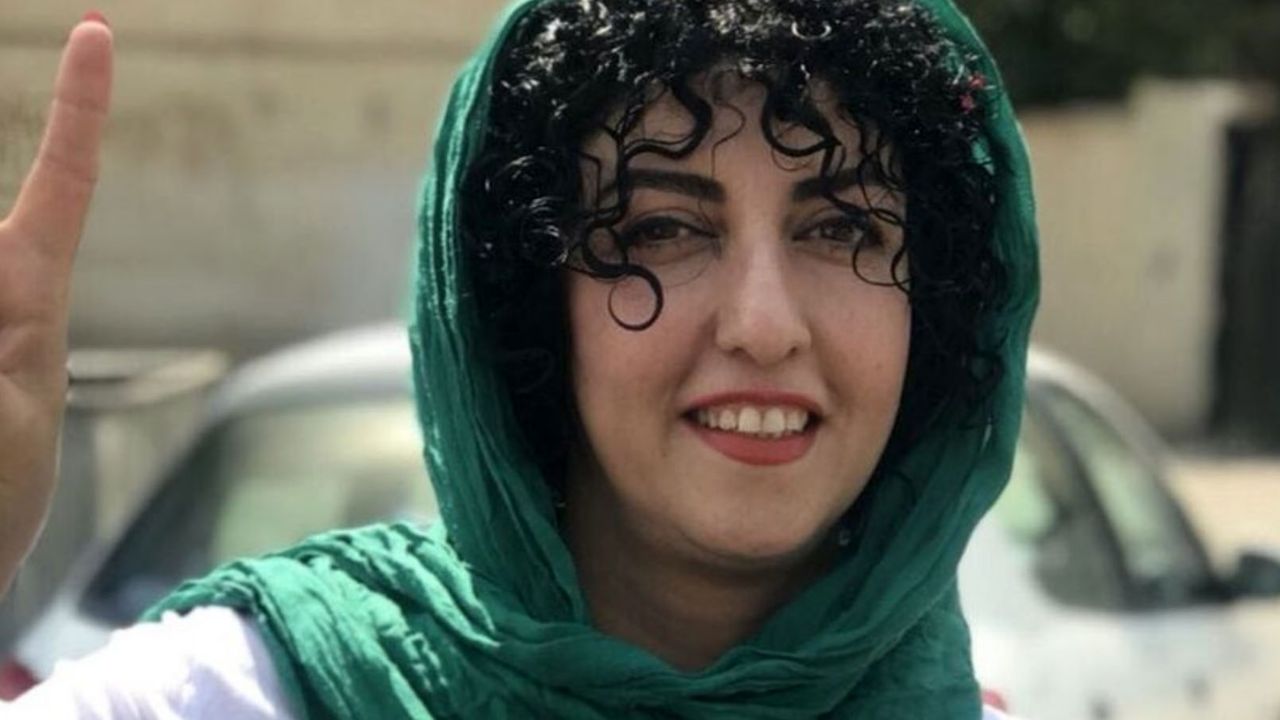
    Iranian human rights activist and 2023 Nobel Peace Prize winner Narges Mohammadi has been sentenced to more than seven years in prison, her lawyers and supporting organizations confirmed.


    Mohammadi, 53, had been on a week-long hunger strike that ended Sunday, according to the Narges Foundation. She informed her lawyer, Mostafa Nili, in a phone call from prison that she received her sentence on Saturday.


    “She has been sentenced to six years in prison for gathering and collusion to commit crimes,” Nili told AFP. In addition, she received a one-and-a-half-year sentence for propaganda activities and will be exiled for two years to Khosf, in the eastern province of South Khorasan. A two-year ban on leaving the country was also imposed.


    Nili noted that the verdict is not final and could be appealed. He expressed hope that Mohammadi could be temporarily released on bail to receive medical treatment due to her health concerns.


    The activist began her hunger strike on February 2 to protest prison conditions and the restrictions preventing her from contacting lawyers and family. “Narges Mohammadi ended her hunger strike today on its 6th day, while reports indicate her physical condition is deeply alarming,” the foundation said.


    Mohammadi was reportedly transferred to a hospital three days ago because of her deteriorating health but was returned to the Ministry of Intelligence’s detention center in Mashhad before completing her treatment.


     “Her continued detention is life threatening and a violation of human rights laws,” the foundation said.


    Mohammadi is the second Iranian woman to receive the Nobel Peace Prize, following Shirin Ebadi in 2003, recognized for her work promoting democracy and human rights.

    A prolific writer and journalist, Mohammadi serves as deputy director of the Defenders of Human Rights Center (DHRC), an organization dedicated to defending political prisoners and advancing human rights reforms in Iran. 


    She has been a vocal campaigner against the death penalty and corruption and has spent two decades fighting for women’s rights, earning her recognition as a symbol of freedom by the Nobel Committee in 2023.


    Mohammadi was arrested on December 12 after criticizing the suspicious death of lawyer Khosrow Alikordi. Prosecutor Hasan Hematifar stated that Mohammadi made provocative remarks at Alikordi’s memorial in Mashhad, encouraging attendees “to chant norm-breaking slogans” and “disturb the peace.”

  • US tells citizens to ‘leave Iran now’ amid escalating tensions

    US tells citizens to ‘leave Iran now’ amid escalating tensions

    The United States has issued a fresh security warning for its citizens in Iran, urging them to leave the country immediately as diplomatic tensions between Washington and Tehran escalate ahead of planned talks in Oman.


    In an alert released early Friday, the US Virtual Embassy in Iran advised American nationals to arrange departures without relying on US government assistance, underscoring growing concerns about the security situation on the ground.


    The warning comes hours before US and Iranian officials are due to hold talks in Muscat, though expectations for progress remain low amid unresolved disagreements over the meeting’s scope and agenda.


    US Special Envoy Steve Witkoff and Jared Kushner, US President Donald Trump’s son-in-law, are expected to represent Washington, while Iran’s delegation will be led by Foreign Minister Abbas Araghchi, according to officials on both sides.


    If held as planned, the meeting would mark the first formal engagement between the two countries since tensions surged last June, when a brief but intense conflict with Israel prompted US airstrikes that damaged Iran’s key nuclear facilities.


    However, lingering disputes over the venue and substance of the talks have raised doubts about their outcome, with the possibility of US military action still looming.


    Washington has reportedly pressed Tehran to dismantle its stockpile of enriched uranium, curb its ballistic missile program, and halt support for armed groups across the Middle East. US President Trump has repeatedly warned that failure to meet US demands could trigger military strikes.


    Iran has rejected the conditions, calling them a violation of its sovereignty, and has warned it would retaliate against any attack by targeting US forces in the region as well as Israel.


    The diplomatic push unfolds against a backdrop of heightened regional tension, with the US significantly reinforcing its military presence in the Gulf. Trump has described the deployment led by the aircraft carrier Abraham Lincoln as a “massive armada” sent ahead of the talks.


    The negotiations were initially planned for Istanbul, with Turkey playing a mediating role and several regional foreign ministers expected to attend. 


    Tensions have also been fuelled by domestic unrest in Iran following nationwide protests earlier this year. Human rights groups say security forces responded with lethal force, killing thousands of demonstrators.


    While Trump had earlier threatened to intervene in support of protesters, the US ultimately refrained from taking direct military action, opting instead for diplomatic engagement amid growing international scrutiny.

  • ‘Life with dignity’: Malala speaks out for Iranian girls amid deadly protests

    ‘Life with dignity’: Malala speaks out for Iranian girls amid deadly protests

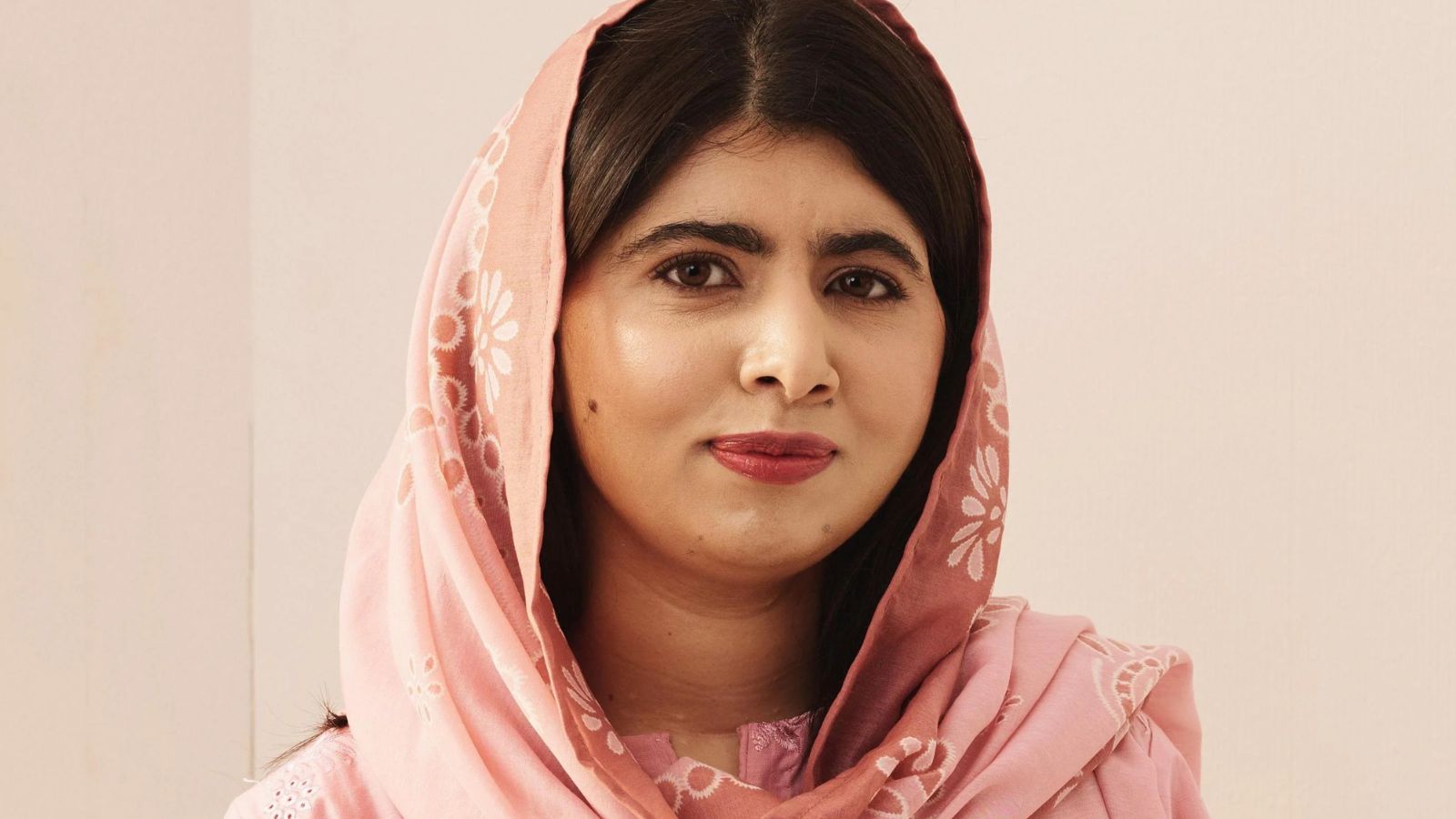
    Nobel laureate Malala Yousafzai has expressed her support for the women and girls of Iran amid ongoing nationwide protests.


    The activist said that the demonstrations sparked initially by economic distress and the rapid devaluation of the Iranian rial “cannot be separated from the long-standing, state-imposed restrictions on girls’ and women’s autonomy, in all aspects of public life, including education.”

    Malala stated: “Iranian girls demand a life with dignity”. 

    Yousafzai highlighted the personal risks Iranians have taken to raise awareness about the repression, noting that “their voices have been silenced for decades.” She described the restrictions on women as part of a broader system of gendered control marked by “segregation, surveillance, and punishment.”

    “The women of Iran demand their voices be heard and the right to determine their political future,” Yousafzai said. 

    She emphasized that this future should be shaped by the leadership of Iranian women and girls rather than by outside forces or oppressive regimes.


    She concluded her statement by saying, “I stand with the people and girls of Iran in their call for freedom and dignity. They deserve to determine their own future.”


    Yousafzai has previously spoken out on Iran, most recently in December when she joined the Norwegian Nobel Committee in condemning the arrest of fellow laureate Narges Mohammadi.

    She has also shared Amnesty International’s criticism of the UK for detaining Greta Thunberg during her protest against Israeli actions in Gaza.

    In recent months, Yousafzai has increasingly focused on the Middle East. In September, her Malala Fund pledged $100,000 to assist Palestinian refugees, and the organisation has since committed another $300,000 to support girls’ education and provide emergency relief in Gaza, Sudan, and the Democratic Republic of Congo.

  • Iranian supreme leader’s senior advisor suggests joining Pak-Saudi defence pact

    Iranian supreme leader’s senior advisor suggests joining Pak-Saudi defence pact

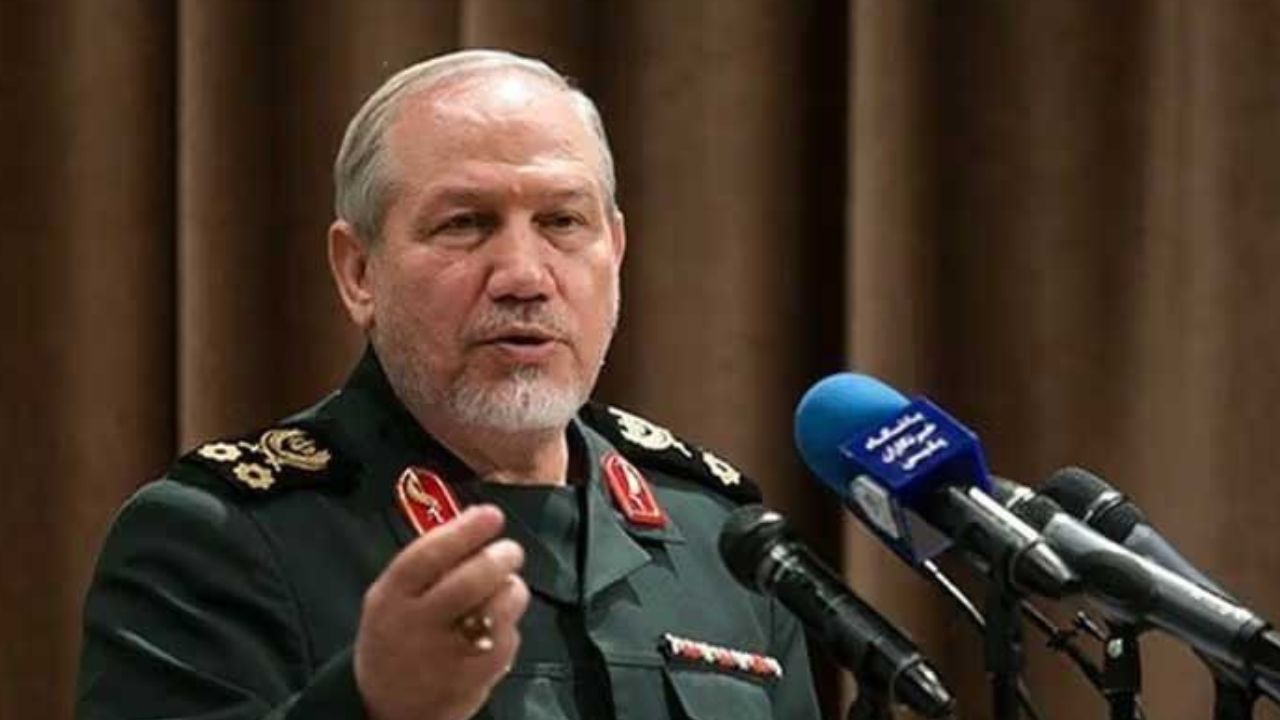
    Iranian Supreme Leader Ayatollah Ali Khamenei’s senior advisor Major General Yahya Rahim Safavi has said that Tehran should also join the mutual defence agreement between Pakistan and Saudi Arabia.

    “Iran, Saudi Arabia, Pakistan and Iraq can reach a collective defence pact,” Iran International quoted Iranian Revolutionary Guard Corps’ (IRGC) General Safavi as saying.

    Terming the pact a positive development, Gen Safavi claimed that the United States’ influence in the region was diminishing as it was now shifting its focus to the Asia-Pacific region.

    He also said that in this situation, countries could establish a regional Islamic alliance.

    Safavi’s remarks refer to the “Strategic Mutual Defence Agreement” signed between Islamabad and Riyadh on Sept 17, as per which an attack on either country would be treated as an act of aggression against both.

    The agreement was inked days after Israel struck in Qatar’s capital Doha, which raised security concerns among Gulf countries.

    The word “strategic” in the agreement prompted several international media outlets to speculate that Pakistan’s nuclear programme had been made part of the pact, a claim that quickly drew attention and fuelled debate. 

    Pakistan’s Defence Minister Khawaja Asif has, however, rejected the claim that Pakistan would sell nuclear weapons to the Kingdom under said agreement.

  • Iranian President hails Pak-Saudi defence pact as step towards regional security

    Iranian President hails Pak-Saudi defence pact as step towards regional security

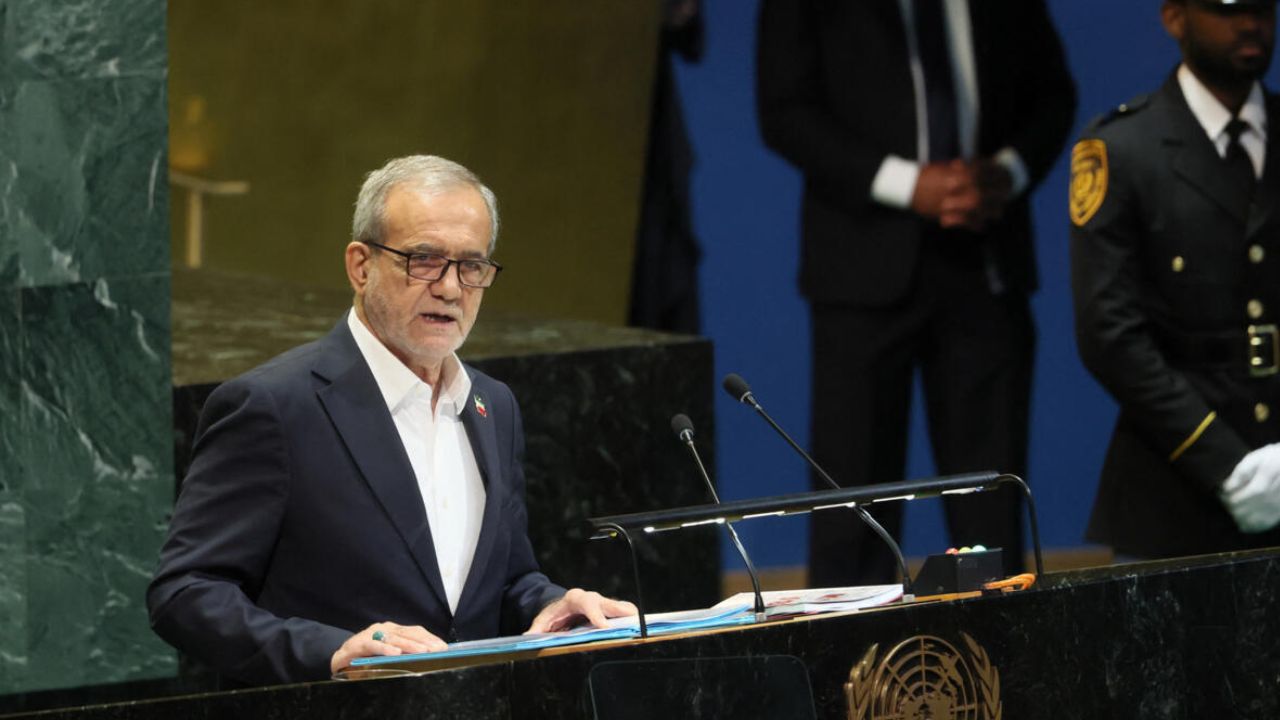
    Iranian President Masoud Pezeshkian on Wednesday praised the landmark mutual defence deal signed between Pakistan and the Kingdom of Saudi Arabia (KSA) describing it as a step towards regional security.

    Islamabad and Riyadh entered into the mutual defence agreement last week, under which “any aggression against one state will be considered an attack on both”. The pact was signed by Prime Minister (PM) Shehbaz Sharif and Saudi Crown Prince Mohammad Bin Salman at the Al-Yamamah Palace in Riyadh.

    The pact was signed days after the Israeli attack on Qatar’s capital Doha and months after Pakistan shot down six Indian fighter jets, including three French-made Rafales, in the May 6-7 conflict that erupted after the April 22 Pahalgam incident in Indian Illegally Occupied Jammu and Kashmir (IIOJK). 

     “Iran welcomes the defensive pact between the two brotherly Muslim countries, the Kingdom of Saudi Arabia and the Islamic Republic of Pakistan, as a beginning for a comprehensive regional security system with the cooperation of the Muslim states of West Asia in the political security and defence domains,” said Pezeshkian, addressing the General Debate of the 80th Session of the United Nations General Assembly (UNGA).


    ‘We do not seek nuclear weapons’

    Pezeshkian clarified that Iran has no intention of building nuclear weapons, just days before international sanctions could be reimposed on his country over Tehran’s nuclear ambitions. “I hereby declare once more before this assembly that Iran has never sought and will never seek to build a nuclear bomb. We do not seek nuclear weapons,” Pezeshkian added.

    On August 28, Britain, along with France and Germany, launched a 30-day process to reimpose UN sanctions, accusing Tehran of failing to abide by a 2015 deal with world powers aimed at preventing it from developing a nuclear weapon.

    Pezeshkian criticised the move by European powers as “illegal”, saying it was made at “the behest of the United States of America”.

    While the US, its European allies and Israel accuse Iran of using its nuclear programme as a veil for efforts to try to develop the capability to produce weapons, Tehran says its nuclear programme is for peaceful purposes only.