Tag: Israel

  • Saudi crackdown on anti-Israel social media comments intensifies

    Saudi crackdown on anti-Israel social media comments intensifies

    In recent months, Saudi Arabian authorities have arrested a growing number of citizens for criticising Israel on social media.

    This surge in arrests comes amid Israel’s ongoing military campaign in Gaza, which has triggered widespread condemnation and protests across the Middle East.

    According to a report by Bloomberg, among those detained is a high-ranking executive involved in Crown Prince Mohammed bin Salman’s economic development initiatives, including the ambitious Vision 2030 project.

    Another detainee is reported to have urged Saudi citizens to boycott American brands operating in the Gulf Kingdom, while a third is a media figure who publicly stated that Israel should never be forgiven for its actions in Gaza.

    A source close to the Saudi government, who requested anonymity, stated that these arrests are driven by concerns about national security and the potential influence of pro-Iranian groups in Saudi Arabia.

    However, there are no official figures indicating how many individuals have been arrested since the Israeli offensive in Gaza began on October 7, 2023.

    The crackdown on dissent coincides with efforts by the United States to broker a deal for the normalisation of ties between Riyadh and Tel Aviv.

    During a recent visit to Saudi Arabia, US Secretary of State Antony Blinken noted that negotiations have brought both parties “potentially very close to completion.”

    However, Saudi Arabia has repeatedly emphasised that it will not establish diplomatic relations with Israel until an independent Palestinian state is recognised.

    Meanwhile, Israel’s ongoing military offensive in Gaza has had devastating consequences.

    According to the Wafa news agency, more than 34,500 Palestinians have been killed and over 77,000 wounded since the start of the conflict.

    The United Nations reports that 85 per cent of Gaza’s population has been internally displaced due to the violence, and 60 per cent of the enclave’s civilian infrastructure has been severely damaged or destroyed.

    Critical shortages of food, clean water, and medical supplies have compounded the humanitarian crisis.

    Israel has been accused of genocide at the International Court of Justice (ICJ). In January, the World Court issued an interim ruling ordering Israel to halt genocidal acts and ensure the delivery of humanitarian aid to Gaza’s civilians.

    South Africa, which initiated the case against Israel, has since accused the country of disregarding the court’s ruling. Israel has denied all allegations against it.

    As tensions continue to rise, the arrest of Saudi citizens for criticising Israel reflects the broader geopolitical complexities in the region.

    The outcome of US-led negotiations and the humanitarian situation in Gaza will likely have significant implications for the future of Saudi-Israeli relations and the stability of the Middle East.
  • More war debris in Gaza than Ukraine: UN

    More war debris in Gaza than Ukraine: UN

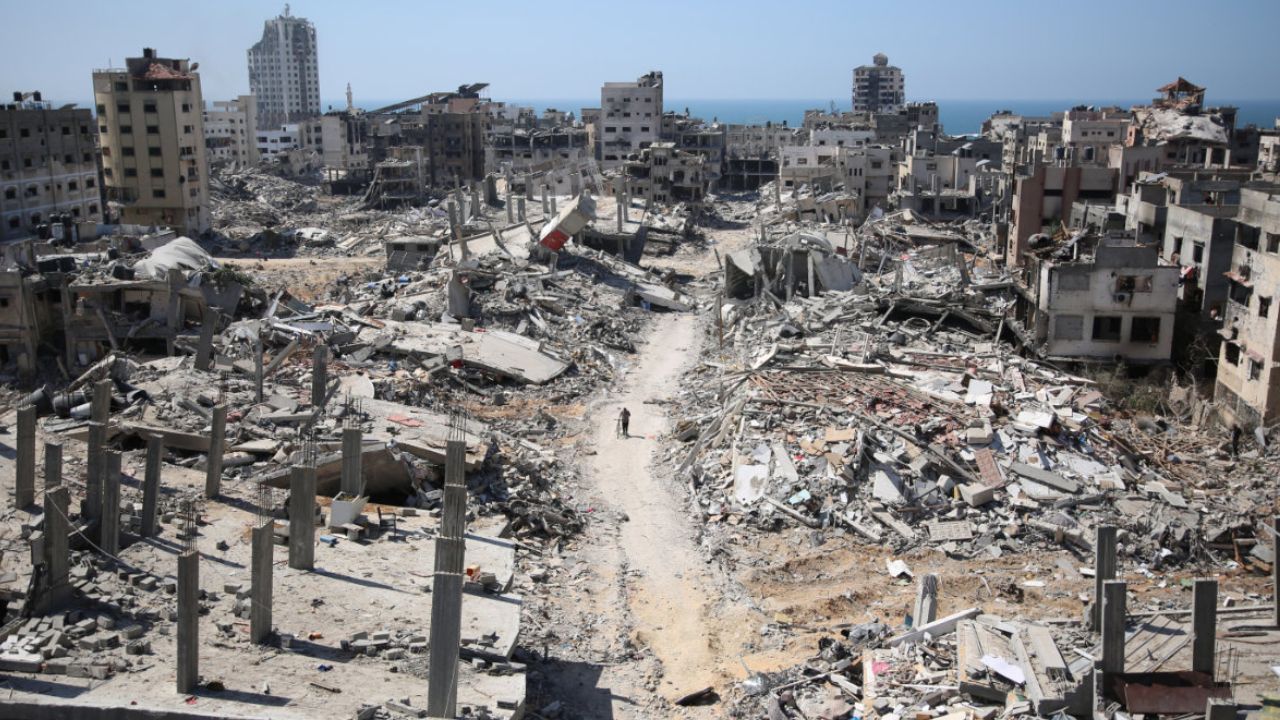
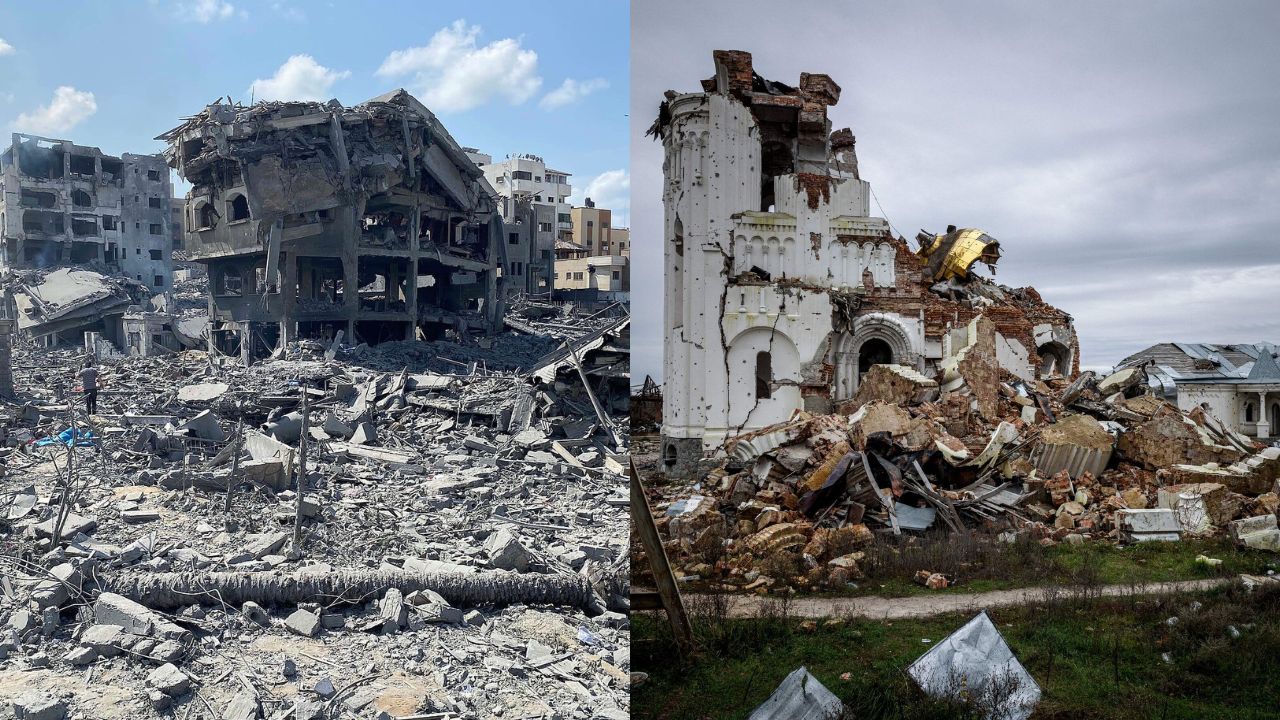
    Geneva (AFP) – The Gaza Strip is filled with more war debris and rubble than Ukraine, the head of UN demining operations for the narrow Palestinian territory said Wednesday.

    And the danger for clearance work is restricted not just to unexploded ordnance but includes possible exposure to toxic substances such as asbestos.

    The United Nations Mine Action Service (UNMAS) estimated the amount of debris in Gaza at 37 million tonnes in mid-April, or 300 kilogrammes per square metre.

    “Gaza has more rubble than Ukraine, and to put that in perspective, the Ukrainian front line is 600 miles (nearly 1,000 kilometres) long, and Gaza is 25 miles (40 km) long,” said Mungo Birch, head of the UNMAS programme in the Palestinian territories.

    But the sheer volume of rubble is not the only problem, said UNMAS.

    “This rubble is likely heavily contaminated with UXO (unexploded ordnance), but its clearance will be further complicated by other hazards in the rubble,” Birch told journalists.

    “There’s estimated to be over 800,000 tonnes of asbestos, for instance, alone in the Gaza rubble.” The cancer-causing mineral used in construction requires special precautions when handling.

    Birch said he hoped UNMAS, which works to mitigate the threats posed by all types of explosive ordnance, would become the coordination body for mine action in Gaza.

    It has secured $5 million of funding but needs a further $40 million to continue its work in Gaza over the next 12 months.

    However, “the sector as a whole will need hundreds of millions of US dollars over multiple years in order to make Gaza safe again for the population”, Birch added.

    Israel’s retaliatory offensive has killed at least 34,568 people in Gaza, mostly women and children, according to the health ministry.

  • Brown University reaches deal with student protesters

    Brown University reaches deal with student protesters

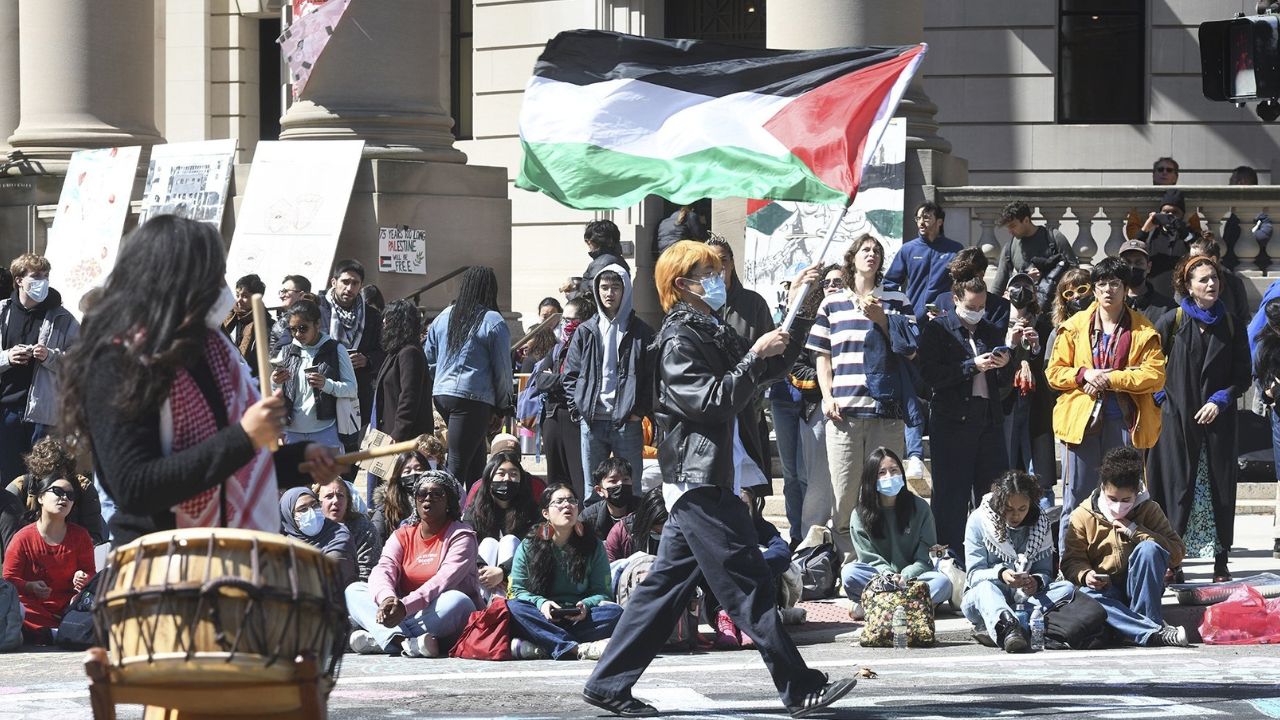
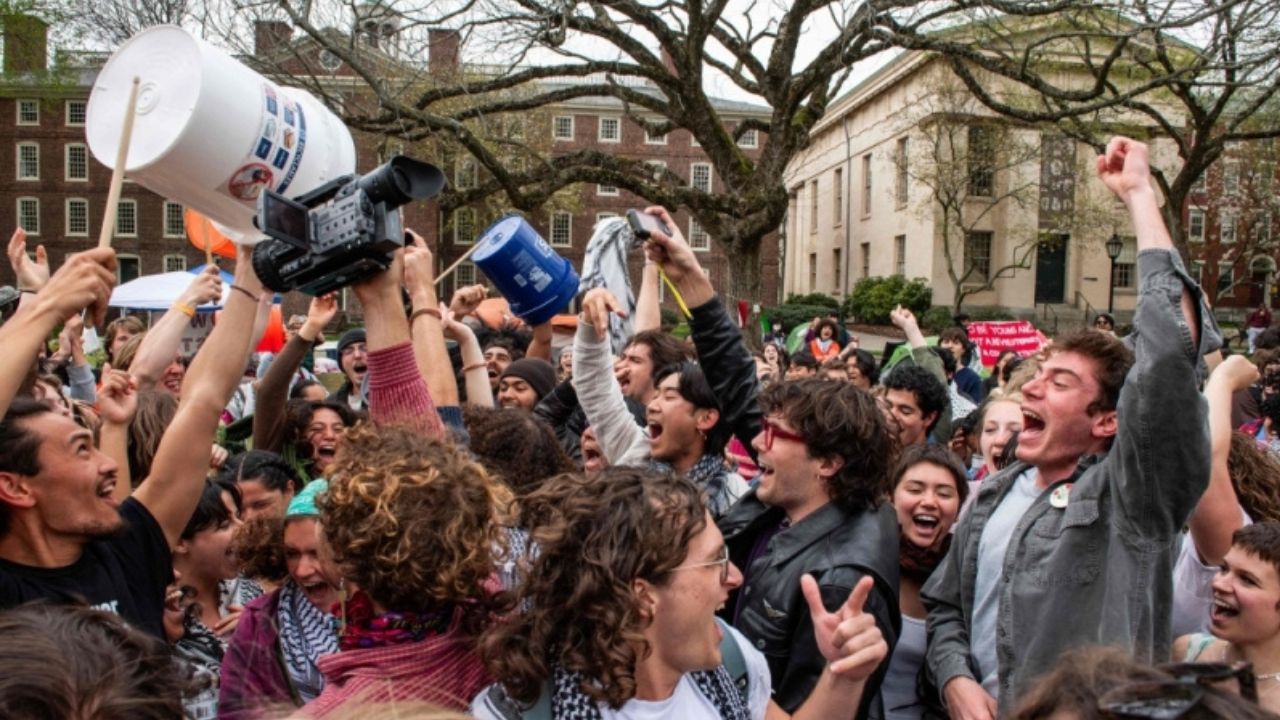
    Brown University on Tuesday reached an agreement with students protesting the genocide in Gaza that would see them remove their encampment from school grounds in exchange for the institution considering divesting from Israel.

    The move represents a first major concession from an elite American university amid student protests that have taken over campuses across the country, divided public opinion and led to hundreds of arrests.

    In a statement, Brown President Christina Paxson said students had agreed to end their protests and clear their camp by 5:00 pm local time Tuesday and “refrain from further actions that would violate Brown’s conduct code through the end of the academic year.”

    In turn, “five students will be invited to meet with five members of the Corporation of Brown University in May to present their arguments to divest Brown’s endowment from ‘companies enabling and profiting from the genocide in Gaza’.”

    The board will vote on the proposal in October.

    Student protesters jumped for joy upon hearing the news of the deal and chanted “with love not fear, divestment is getting near” before beginning to remove their tents.

    “We are ending (the encampment) knowing that we made a huge victory for divestment at Brown, for this international movement and a victory for the people of Palestine,” said Brown student Leo Corzo-Clark.

    The university, located in Providence, Rhode Island, “has come to the table to listen to our demands and to listen to its students and to consider divesting from war, divesting from death, divesting from occupation,” said Sam Theoharis, another student protester.

    In her statement, Paxson said “the devastation and loss of life in the Middle East has prompted many to call for meaningful change, while also raising real issues about how best to accomplish this.”

    But she added: “I have been concerned about the escalation in inflammatory rhetoric that we have seen recently, and the increase in tensions at campuses across the country.”

  • Palestinian prisoner in Israel wins top fiction prize

    Palestinian prisoner in Israel wins top fiction prize

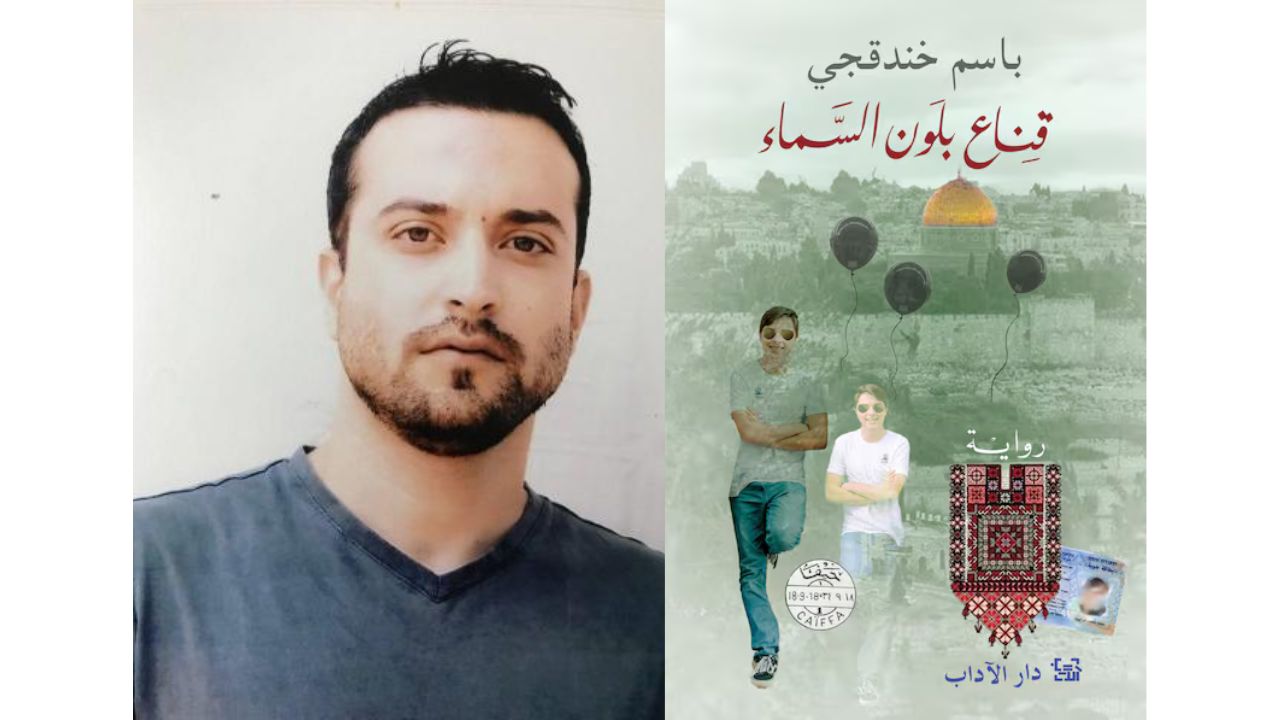
    Palestinian writer Basim Khandaqji, jailed 20 years ago in Israel, won a prestigious prize for Arabic fiction on Sunday for his novel “A Mask, the Colour of the Sky”.

    The award of the 2024 International Prize for Arabic Fiction was announced at a ceremony in Abu Dhabi.

    The prize was accepted on Khandaqji’s behalf by Rana Idriss, owner of Dar al-Adab, the book’s Lebanon-based publisher.

    Khandaqji was born in the Israeli-occupied West Bank city of Nablus in 1983, and wrote short stories until his arrest in 2004 at the age of 21.

    He was convicted and jailed on charges relating to a bombing in Tel Aviv, and completed his university education from inside jail via the internet.

    The mask in the novel’s title refers to the blue identity card that Nur, an archaeologist living in a refugee camp in Ramallah, finds in the pocket of an old coat belonging to an Israeli.

    Khandaqji’s book was chosen from 133 works submitted to the competition.

    Nabil Suleiman, who chaired the jury, said the novel “dissects a complex, bitter reality of family fragmentation, displacement, genocide, and racism”.

    Since being jailed Khandaqji has written poetry collections including “Rituals of the First Time” and “The Breath of a Nocturnal Poem”.

    He has also written three earlier novels.

    bur-srk/srm

    © Agence France-Presse

  • 37 million tonnes of debris in Gaza could take years to clear: UN

    37 million tonnes of debris in Gaza could take years to clear: UN

    There are some 37 million tonnes of debris to clear away in Gaza once the Israeli offensive is over, a senior official with the UN Mine Action Service said Friday (Apr 26).

    And unexploded ordnance buried in the rubble would complicate that work, said UNMAS’ Pehr Lodhammar, who has run mine programmes in countries such as Iraq.

    It was impossible to say how much of the ammunition fired in Gaza remained live, said Lodhammar.

    “We know that typically there is a failure rate of at least 10% of land service ammunition,” he told journalists in Geneva.

    “What we do know is that we estimated 37 million tonnes of debris, which is approximately 300 kilos of debris per square metre,” he added.

    Starting from a hypothetical number of 100 trucks, that would take 14 years to clear away, he said.

    Lodhammar was speaking as UNMAS launched its 2023 annual report Friday.

    The war in Gaza between Israel and Hamas erupted when the Palestinian militant group Hamas launched an unprecedented attack on Israel on Oct 7.

    The attack resulted in the deaths of 1,170 people in Israel, according to an AFP tally based on official Israeli figures.

    Israel vowed to eliminate Hamas, and its ensuing military offensive in Gaza has killed at least 34,356 people, most of them women and children, according to the health ministry in the Hamas-run territory.

  • Student demonstrations against Gaza genocide take world by storm

    Student demonstrations against Gaza genocide take world by storm

    Anti-Zionist students in the US have taken to their campuses to call out the blatant atrocities being committed by Israel in the besieged strip and the West Bank, and asking the universities to divest from investing in Israel.

    The demonstrations have now expanded beyond US borders.

    French police broke up a pro-Palestinian protest by dozens of university students in Paris, officials said Thursday, as Israel’s bombardment of Gaza sparks a wave of anger across college campuses in the United States.

    AFP reports that according to witnesses, the protesters were demanding that Sciences Po university “cut its ties with universities and companies that are complicit in the genocide in Gaza” and “end the repression of pro-Palestinian voices on campus”.

    Similarly, students in Sydney, Australia, have also set up a camp at Sydney University and carried out demonstrations.

    Background:

    The mass protests started from Columbia University on April 17 which then spread across colleges and universities in America.

    The US has been openly supporting and financing Israeli genocide against the Palestinians in Gaza. And while many people have lost their jobs and students have been expelled due to their support for Gaza, the demonstrations on university campuses are getting bigger by the day.

    Top universities such as Yale, NYU, and Columbia are facing heightened tensions as pro-Palestinian demonstrators are being arrested amid escalating conflicts between the two sides of the genocides.

    Columbia granted students protesters an extension to disassemble their encampments twice, citing ongoing negotiations aimed at resolving the tense situation. All classes will be conducted virtually on Monday due to mounting tension.

    On Monday, 60 individuals at Yale, including 47 student protesters, were arrested for trespassing after blocking traffic around the campus. Additionally, several protesters were also arrested at NYU.

    Other American colleges and universities with Gaza encampments include Emerson College, MIT, Tufts, Michigan, Vanderbilt, Brown, Rice, and more.

    It is a big moment in the midst of a genocide, a point in time where we all must decide to stand on the right side of history.

  • Malala reiterates Gaza support after criticism on collaboration with Hilary Clinton

    Malala reiterates Gaza support after criticism on collaboration with Hilary Clinton

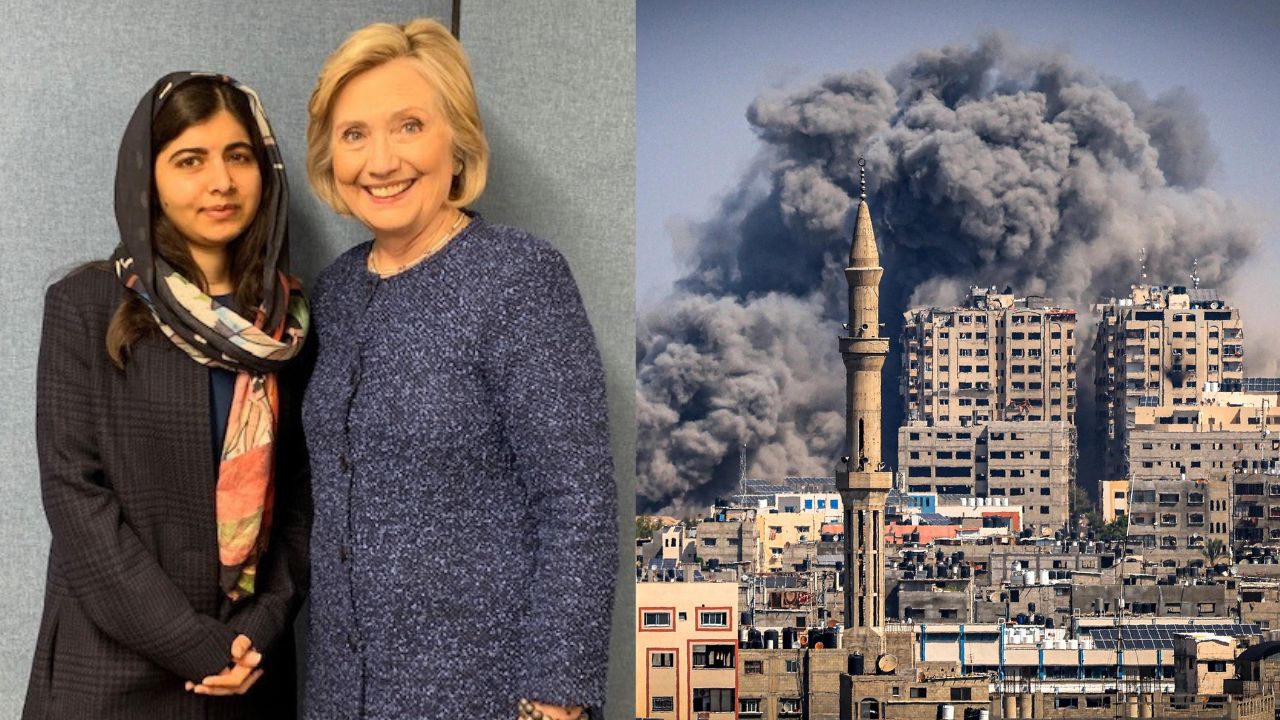
    Education activist Malala Yousafzai has issued a statement on social media, reiterating her support for Palestine and calling out Israel for committing a genocide in Gaza.

    Earlier this week, she faced severe criticism, even from those who have always defended her, after it was revealed that she was partnering with former US First Lady Hilary Clinton, who has actively spoken against a ceasefire in Gaza.

    While Malala has issued a statement in support of Palestine now, her collaboration with a warmonger remains unaffected.

    As co-producers for a new Broadway production titled “Suffs,” they will mark their debut on the Broadway stage.

    “Suffs” is a musical that depicts the suffrage movement in the United States, chronicling the campaign for women’s right to vote from 1913 to 1920, culminating in the ratification of the 19th Amendment.

    The collaboration has become questionable for the Pakistani public in the light of on-going Israeli genocide in Gaza that is financed by the US and above all, supported by Hilary Clinton herself. And people are asking: what exactly is Malala thinking by doing this collaboration at this time.

  • No freedom of speech in American universities

    No freedom of speech in American universities

    Many people have lost jobs for views that contradict mainstream US approach towards Israel and Palestine, despite a strong movement of solidarity with Palestine.

    Palestinian solidarity activists faced monitoring and restricted mobility on campus as administrators heightened security measures. Many felt unwelcome, with reports of harassment against Muslim women, including spitting and hijab removal.

    Students for Justice in Palestine, the leading pro-Palestinian campus group, has been suspended from several universities, including Columbia, Brandeis, George Washington, and Rutgers since October 7. Accusations against the group include alleged support for Hamas, disruption of classes, and intimidation of other students. None of the charges have been proved.

    In late October, the chancellor of the State University System of Florida issued a letter to school presidents, directing them to “deactivate” chapters of Students for Justice in Palestine across the state. Civil rights groups assert that this directive blatantly violates the First Amendment.

    At Brandeis University, known for its public endorsement of free speech, a pro-Palestinian student group was prohibited from campus due to statements made by its national leadership.

    Meanwhile, at the University of Vermont, plans for a Palestinian poet Mohammed el-Kurd to speak were canceled after students raised concerns about alleged antisemitism, prompting the school to withdraw the venue.

    The board of the Harvard Law Review in mid-Nomber, 2023, decided against publishing an article by Rabea Eghbariah – Palestinian scholar and human rights lawyer – who had asserted that the situation in Gaza should be considered under the framework of genocide as laid down by the United Nations.

    At the University of Pennsylvania, the progressive Jewish student group Penn Chavurah planned to screen the documentary “Israelism” since July but postponed it in October due to proximity to a Hamas attack. The film, made by American Jews reevaluating their views on Israel after visiting the country, has sparked controversy on campuses. Although initially denied approval for a late November screening, the group attempted to secure space through the university’s Middle East Center. However, administrators warned of potential disciplinary action if they proceeded with the screening of “Israelism.”

    Hunter College too, cancelled the screening.

    In December 2023, University of Pennsylvania President M. Elizabeth Magill stepped down following a widely criticized congressional hearing.

    Magill, along with her counterparts from MIT and Harvard, consistently emphasized that their response would be contingent on the “context.” However, they faced criticism for failing to outright condemn any expressions advocating for the genocide of Jews.

    Students at Harvard have reportedly expressed their concern of the consequences of speaking out for Palestinians – even if it is expressing their views in class.no freedom of speech in maerican unis etc.

  • A hundred pro-Palestinian protesters arrested at New York’s Columbia University

    A hundred pro-Palestinian protesters arrested at New York’s Columbia University

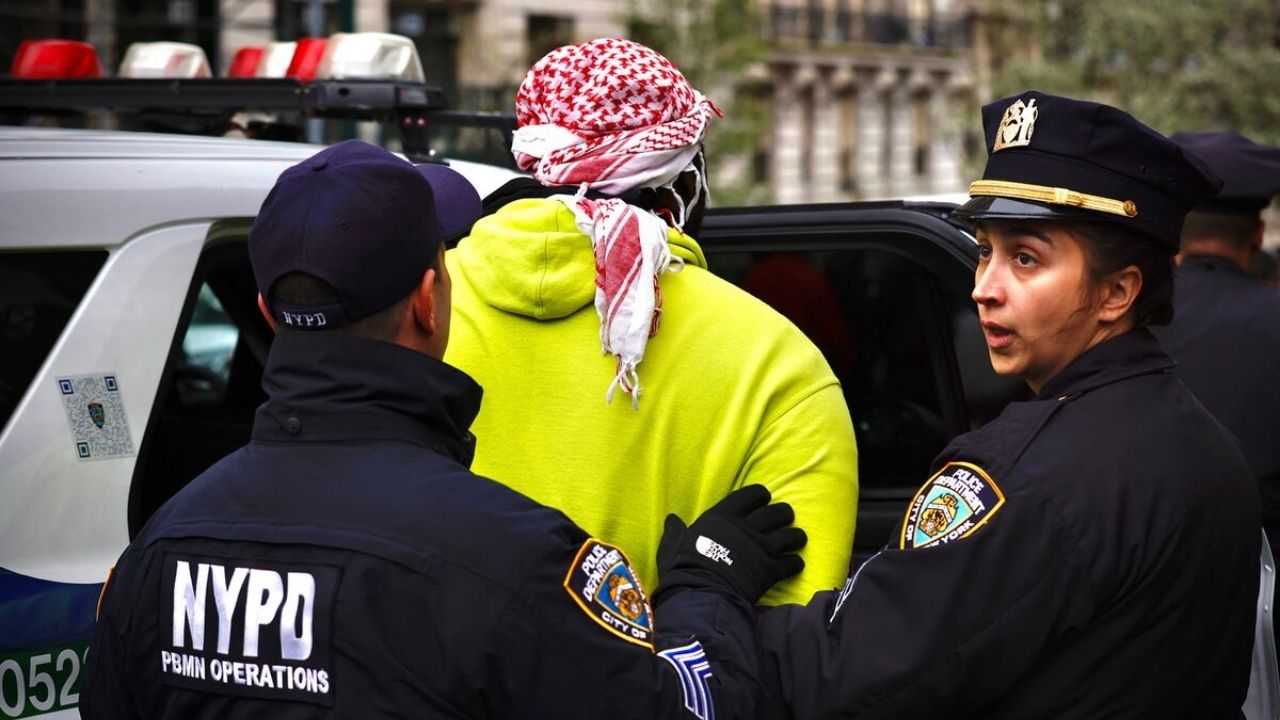
    Police arrested more than 100 pro-Palestinian student protesters at New York’s Columbia University Thursday, a day after the president of the prestigious school was grilled in Congress over accusations of anti-Semitism on campus.

    “NYPD officers moved in to ensure the safety of the campus, the students and the staff made more than 108 arrests, and the NYPD ensured that there was no violence or injuries during the disturbance,” New York Mayor Eric Adams said during a press conference.

    The arrests and dismantling of tents that had been erected Wednesday also attracted a crowd of other demonstrators in support, according to an AFP journalist.

    According to The New York Times, the daughter of Democratic Representative Ilhan Omar was among those detained and she has been ordered to appear in court.

    The students were calling for the school, which has an exchange program with Tel Aviv University, to boycott all activities associated with Israel in light of the country’s war with Hamas and the ensuing humanitarian crisis in Gaza.

    University president Nemat Shafik requested police intervention to disperse the protesters, who she said had violated campus security regulations.

    Universities have become the focus of intense cultural debate in the United States since the October 7 attack and Israeli genocide in Gaza, as many students’ pro-Palestinian sentiments drew accusations of anti-Semitism.

    Congressional Republicans have taken up the issue, calling the presidents of the University of Pennsylvania and Harvard University to testify, and Harvard’s president Claudine Gay resigned shortly after.

    Shafik herself appeared in Congress Wednesday, where she said “anti-Semitism has no place on our campus.”

  • Oil jumps, equities fall as Israeli attacks fan MidEast fears

    Oil jumps, equities fall as Israeli attacks fan MidEast fears

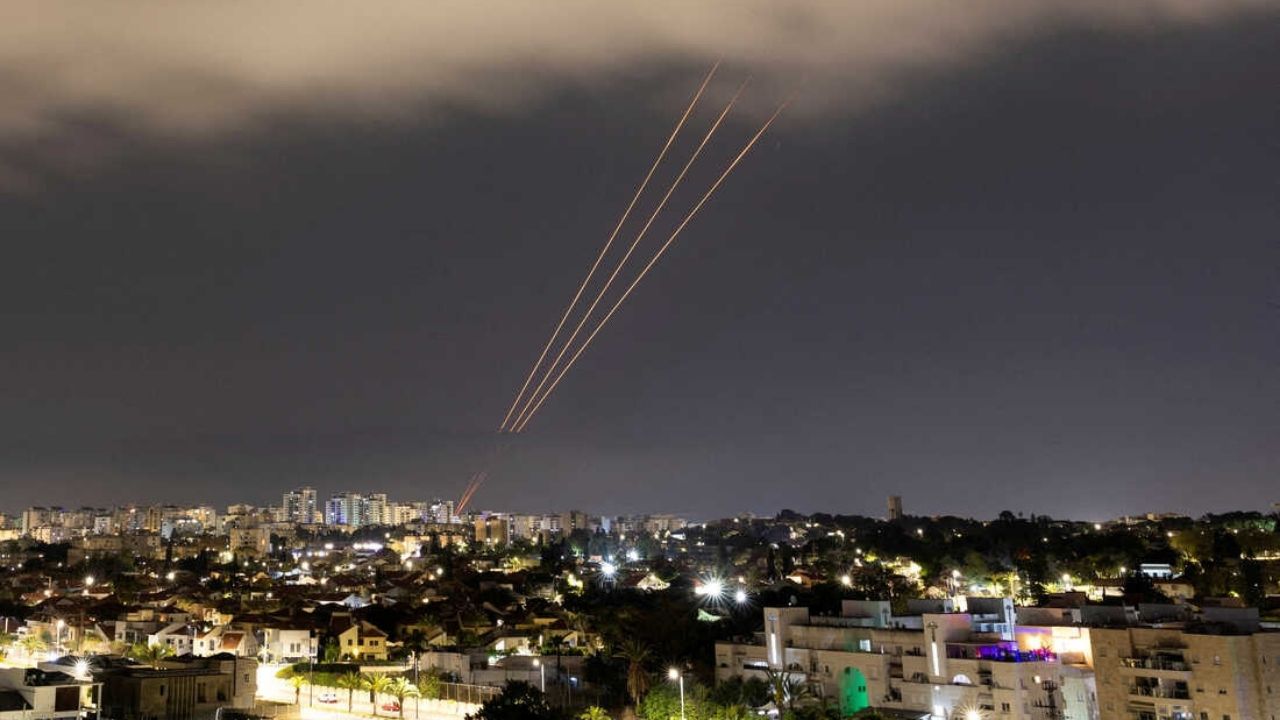
    Hong Kong, China – Oil prices rallied and equities fell Friday as reports said explosions had been heard in Iran and Syria, fuelling fears of an escalation of the Middle East crisis after last weekend’s retaliatory missile attack on Israel by Tehran.

    The reports followed another batch of data indicating the US economy remained in rude health and compounded concerns that the Federal Reserve will hold off cutting interest rates this year or even hike them again.

    Traders have been on edge since Saturday’s barrage by Iran, which Israel’s army chief General Herzi Halevi warned would be met with a response.

    Leaders in Tehran said the strike was a legitimate response to a deadly attack on an Iranian embassy building in Damascus that it blames on Israel.

    Iran’s Fars news agency reported “three explosions” were heard near Qahjavarestan, near Isfahan airport and the 8th Shekari army airbase, while space agency spokesman Hossein Dalirian said “several” drones had been “successfully shot down”.

    Dalirian said on social media platform X there were “no reports of a missile attack”.

    Nuclear facilities in Isfahan were reported to be “completely secure”, the Tasnim news agency said.

    ABC and CBS News reported the strikes had been carried out by Israel, quoting US officials.

    There was no immediate comment from the White House or Pentagon, and the Israeli military told AFP: “We don’t have a comment at this time.”

    The news sent shivers through markets, with crude briefly surging as much as four percent on worries about supplies from the oil-rich region, while fears of a regional conflict saw equities tumble.

    However, the gains were pared as Iran appeared to play down the matter. Tasnim denied the reports and said the Isfahan nuclear facility was safe, while the International Atomic Energy Agency added that it had not been damaged.

    Asia equities fell but were well off their early lows.

    Tokyo plunged more than two percent and Taipei shed more than three percent, while there were also losses in Hong Kong, Sydney, Shanghai, Singapore, Seoul, Wellington, Manila, Mumbai, Bangkok and Jakarta.

    London, Paris and Frankfurt were also in the red.

    The rush for safety also saw the yen rally against the dollar and gold jump back past $2,400, while US Treasuries climbed.

    “It is now clear that the escalating shadow warfare between Israel and Iran… has finally ignited the powder keg in the Middle East, and we have moved decisively out of the shadows and into the glaring light of open conflict,” said Stephen Innes of SPI Asset Management.

    “It should be noted that this is not a staged response to an Iranian drone attack but rather an indication that we have entered a new phase of this conflict, one that is likely to have significant and far-reaching consequences for Middle East peace and least of all risk markets.”

    The mood among traders was already downbeat as they contemplated the prospect of the Fed staying pat on interest rates this year following data showing jobless claims came in below expectations while a gauge of business activity hit a two-year high.

    Meanwhile, Atlanta Fed boss Raphael Bostic said inflation is “too high” and he felt there was no need to cut borrowing costs until later in the year.

    “I’m comfortable being patient,” he added.

    New York Fed chief John Williams and governor Michelle Bowman also said they saw fewer reductions than expected, if at all, this year.

    Michael Landsberg, of Landsberg Bennett Private Wealth Management, said: “We are firmly in the camp of no rate cuts in 2024.

    “We believe investors should prepare for a higher-for-longer regime when it comes to both inflation and interest rates.”

    Key figures around 0810 GMT

    West Texas Intermediate: UP 1.4 percent at $83.85 per barrel

    Brent North Sea Crude: UP 1.1 percent at $88.10 per barrel

    Tokyo – Nikkei 225: DOWN 2.7 percent at 37,068.35 (close)

    Hong Kong – Hang Seng Index: DOWN 1.0 percent at 16,224.14 (close)

    Shanghai – Composite: DOWN 0.3 percent at 3,065.26 (close)

    London – FTSE 100: DOWN 0.7 percent at 7,825.73

    Dollar/yen: DOWN at 154.40 yen from 154.67 yen on Thursday

    Euro/dollar: DOWN at $1.0643 from $1.0645

    Pound/dollar: DOWN at $1.2429 from $1.2438

    Euro/pound: UP at 85.64 pence from 85.57 pence

    New York – Dow: UP 0.1 percent at 37,775.38 (close)

    – Bloomberg News contributed to this story –

    dan/sco

    © Agence France-Presse