Tag: Israel

  • Israel’s Netanyahu approves new Gaza ceasefire talks

    Israel’s Netanyahu approves new Gaza ceasefire talks

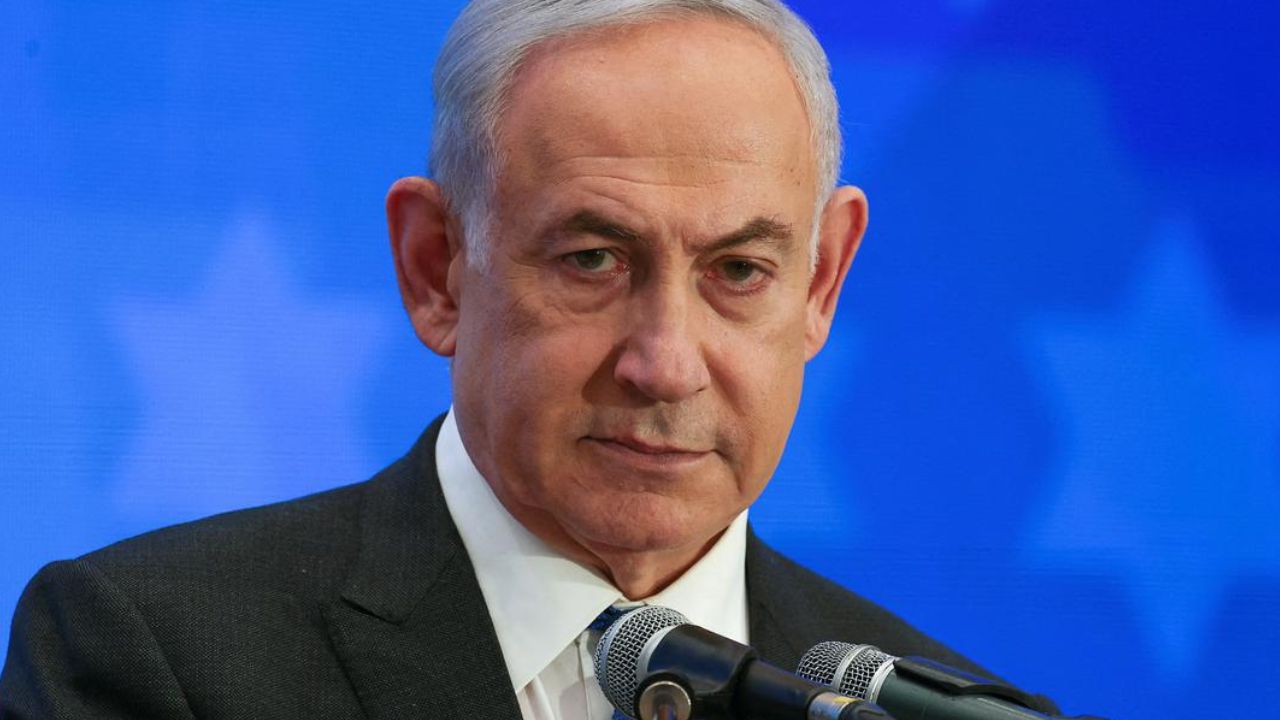
    Palestinian Territories – Israeli Prime Minister Benjamin Netanyahu gave the go-ahead Friday for a new round of talks on a Gaza ceasefire, a day after the world’s top court ordered Israel to ensure aid reaches desperate civilians.

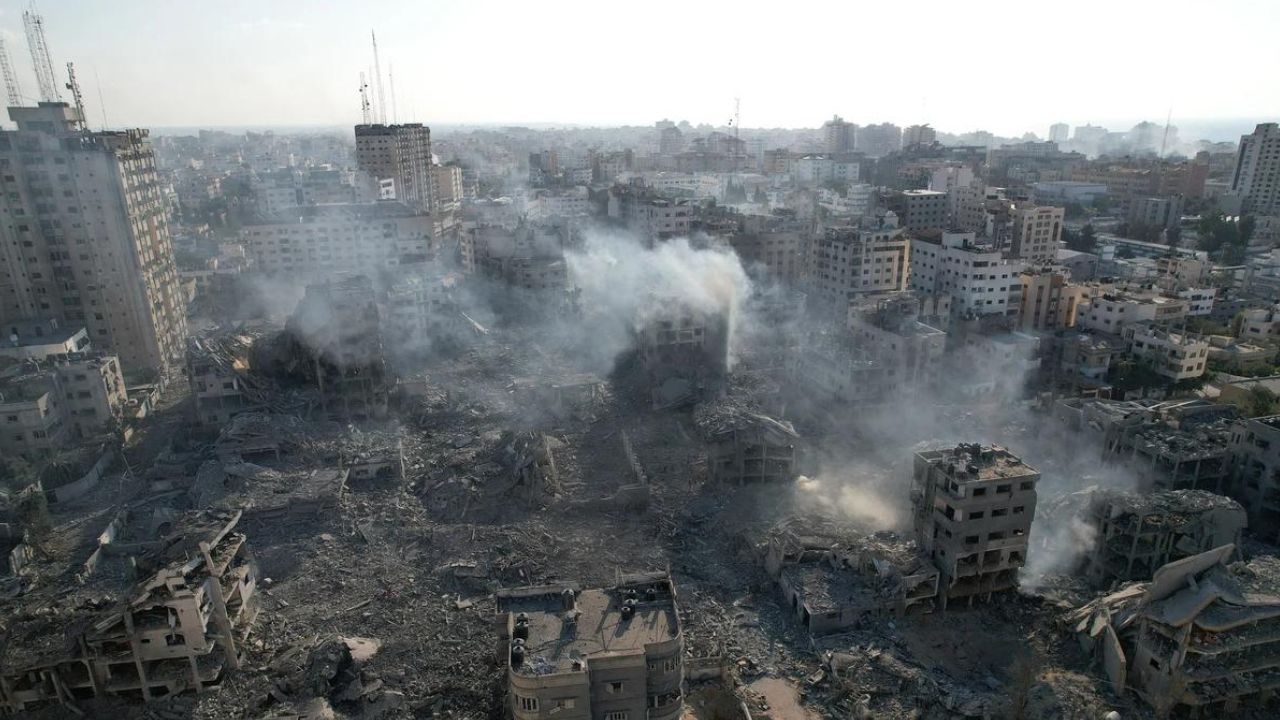
    But despite a binding UN Security Council resolution earlier this week demanding an “immediate ceasefire”, fighting raged on unabated in Gaza Friday, including around its few functioning hospitals.

    The health ministry said dozens of people were killed overnight.

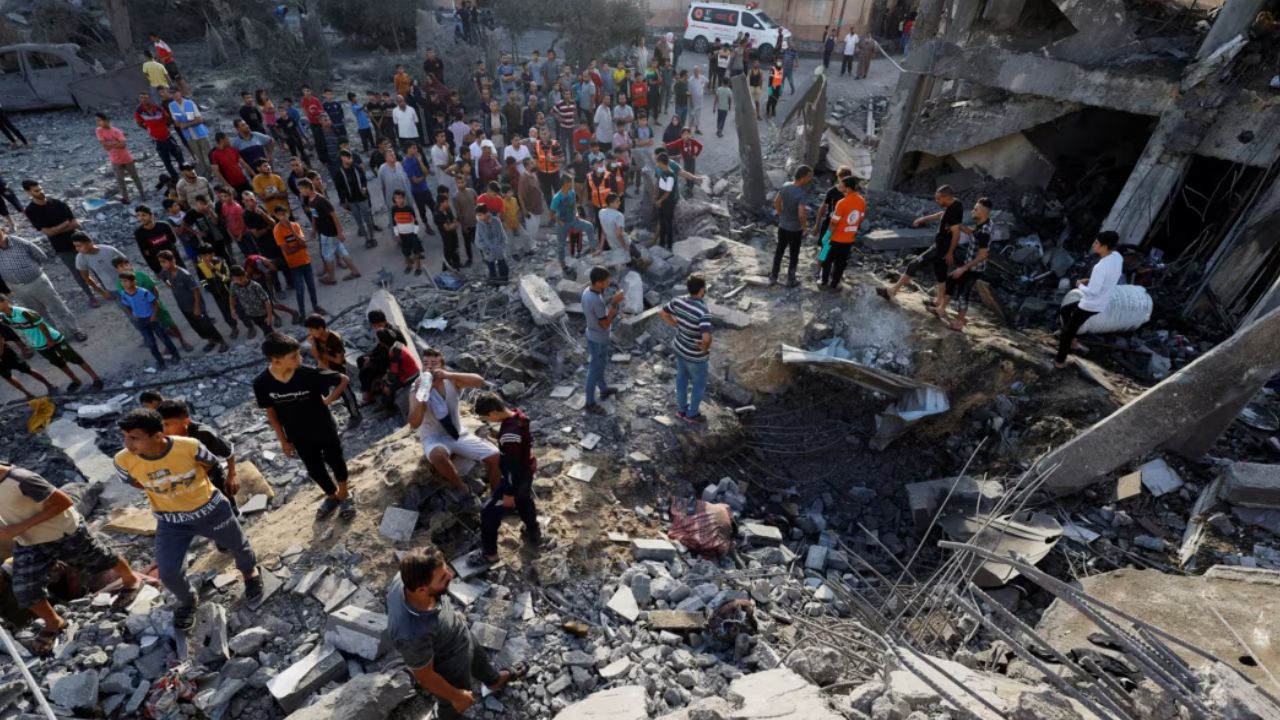
    Among them were 12 people killed in their home in the southern city of Rafah, which has been bombed repeatedly ahead of a threatened Israeli ground operation.

    Men worked under the light of mobile phones to free people trapped under the debris, AFPTV images showed.

    Regional fallout from the conflict also flared, with Israel saying it killed a Hezbollah rocket commander in Lebanon and a war monitor saying that Israeli air strikes killed several Hezbollah fighters in Syria.

    Netanyahu’s office said new talks on a Gaza ceasefire and hostage release will take place in Doha and Cairo “in the coming days… with guidelines for moving forward in the negotiations”.

    Those talks had appeared deadlocked in recent days despite a major push by the United States and fellow mediators Egypt and Qatar to secure a truce in time for the Muslim fasting month of Ramadan, now more than half way through.

    – Famine ‘setting in’ –

    In its ruling, the International Court of Justice (ICJ) in The Hague said it had accepted South Africa’s argument that the further deterioration of the humanitarian situation in Gaza required Israel to do more.

    “Palestinians in Gaza are no longer facing only a risk of famine, but… famine is setting in,” it said.

    Philippe Lazzarini, head of the UN agency for Palestinian refugees, said the ruling was “a stark reminder that the catastrophic humanitarian situation in the Gaza Strip is man-made (and) worsening”.

    A UN-backed report released last week warned that half of Gazans are feeling “catastrophic” hunger and projected imminent famine in the territory’s north.

    The Israeli defence ministry body responsible for Palestinian civil affairs (COGAT) hit back on Friday, alleging the assessment contained inaccuracies and questionable sources.

    The ICJ had ruled in January that Israel must facilitate “urgently needed” humanitarian aid to Gaza.

    The latest binding ruling by the court, which has little means of enforcement, came as Israel’s military said it was continuing operations in Gaza’s largest hospital Al-Shifa for a 12th day.

    Fighting around Gaza hospitals

    The United Nations says Gaza’s health system is collapsing “due to ongoing hostilities and access constraints”.

    Israel’s military accuses Hamas of hiding inside medical facilities, using patients, staff and displaced people for cover — charges the militants have denied.

    On Friday the army said it was “continuing precise operation activities in Shifa Hospital” where it began a raid early last week.

    Troops first raided Al-Shifa in November, but the army says Palestinian militants have since returned.

    About 200 militants have been killed during the latest Al-Shifa operation, it said.

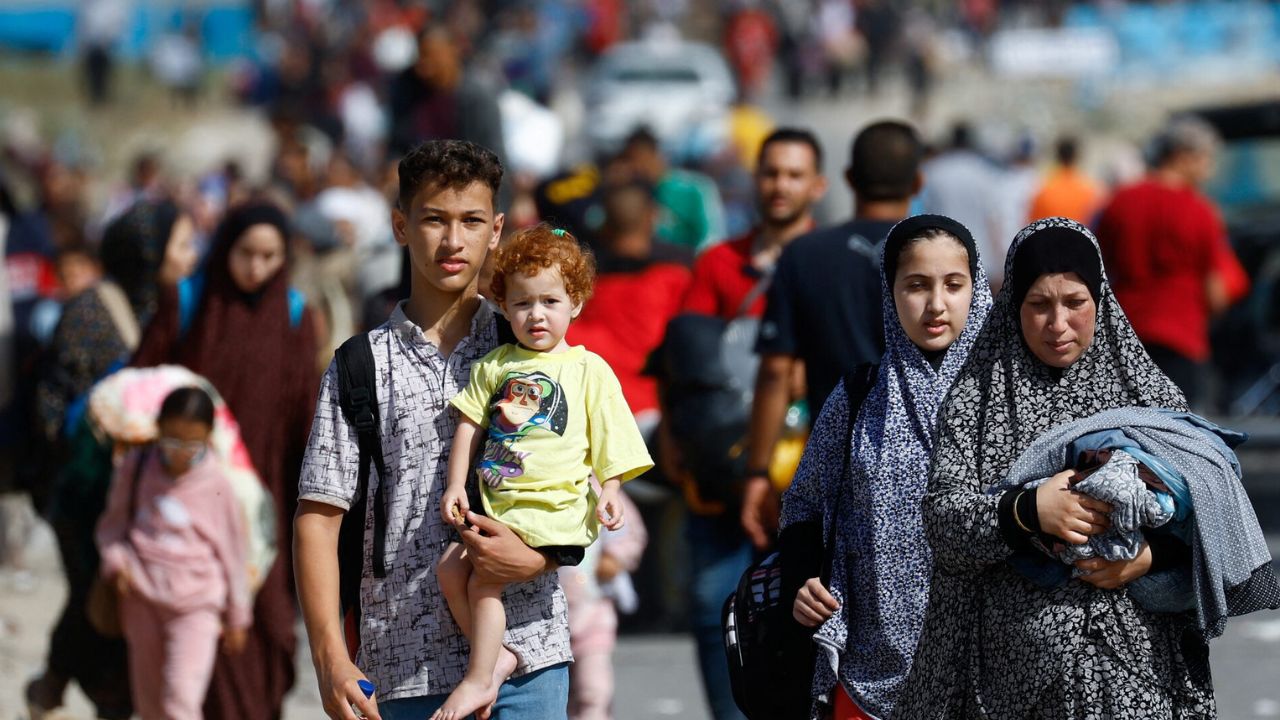
    In north Gaza’s Shati refugee camp, Amany, a 44-year-old mother of seven, described how it felt to live under relentless Israeli bombardment.

    “Explosions and air strikes go on throughout the night, it’s petrifying,” she said. “I feel like I’m living a continuous nightmare that doesn’t want to end.”

    Netanyahu said on Thursday that troops “are holding the northern Gaza Strip” and also the southern city of Khan Yunis, amid heavy fighting.

    Near Al-Amal Hospital in Khan Yunis, troops carried out “targeted raids on terrorist infrastructure”, killing dozens in combat backed by air support, the army said on Thursday.

    Israeli tanks have also surrounded another Khan Yunis health facility, the Nasser Hospital, the Gaza health ministry said.

    Syria, Lebanon strikes

    Israel’s intensified attacks in Gaza have killed at least 32,623 people since October 7, mostly women and children, according to health ministry figures.

    Palestinian militants also seized about 250 hostages. Israel believes about 130 remain in Gaza, including 33 who are presumed dead.

    Since the Gaza war began, Israel has increased its strikes in Syria, targeting army positions and forces including Lebanon’s Hezbollah movement.

    A Britain-based war monitor, the Syrian Observatory for Human Rights, said Israeli air strikes killed seven Hezbollah fighters.

    The Israeli military said it killed the deputy commander of Hezbollah’s rocket unit in south Lebanon, Ali Abdel Hassan Naim, in an air strike.

    Israeli Defence Minister Yoav Gallant toured the army’s northern command on Friday “to closely examine another successful termination like the one that was executed this morning”, he said in a post.

    Gallant said the army would keep up its operations against Hezbollah, and its leader Hassan Nasrallah was to blame for the consequences, including members killed and wounded.

    “We will make them pay a price for every attack that comes out from Lebanon,” he said.

    Recent days have seen an uptick in deadly exchanges, and the White House has called on both Israel and Lebanon to put a high priority on restoring calm.

    burs-kir/hkb

    © Agence France-Presse
  • No change in Gaza since UN ceasefire vote: MSF

    No change in Gaza since UN ceasefire vote: MSF

    The MSF medical charity lamented Thursday that nothing had changed on the ground in genocide ravaged Gaza since the United Nations Security Council resolution this week demanding an “immediate ceasefire”.

    After more than five months of war, the UN Security Council for the first time Monday demanded an immediate ceasefire in Gaza after Israel’s ally the United States, which vetoed previous drafts, abstained.

    That resolution demanded an “immediate ceasefire” for the ongoing Muslim holy month of Ramadan, leading to a “lasting” truce.

    But since then, “we haven’t seen any change after this resolution on the ground,” Christos Christou, MSF’s international president, told AFP in an interview.

    “We haven’t seen any impact in… people’s lives there every day; we haven’t seen an impact in our world, (and the) ways of delivering the humanitarian aid,” he said.

    “The situation remains the same.”

    And Christou stressed that MSF’s demands also remained unchanged.

    What was needed, he said, was an immediate and lasting ceasefire, a halt to all attacks on medical installations and personnel, and “unhindered humanitarian aid in Gaza”.

    For now, he acknowledged that “our efforts are just a little drop in the ocean of needs”.

    MSF still has local and international staff working in the few hospitals that are still functioning in Gaza.

    The organisation is among other things working to care for women after they undergo a caesarian section.

    He pointed out that in many cases, women who gave birth via a caesarian section were “literally kicked out of the hospital after a couple of hours because there were no beds”.

    “MSF has increased the capacity of beds in order to offer at least some quality of care to these women,” he said.

    Israel’s intensified attacks have killed at least 32,552 people, mostly women and children, according to the health ministry in Gaza.

    Christou said MSF was “extremely worried” about Israeli plans to push its ground offensive into Rafah, Gaza’s southernmost city which is packed with some 1.5 million people, many of them displaced from other parts of the territory.

    “This would be really catastrophic.”

  • Teens in Gaza hoping to be killed to end their ‘nightmare’: UN

    Teens in Gaza hoping to be killed to end their ‘nightmare’: UN

    The situation in genocide-ravaged Gaza is so desperate that teenagers are now saying they hope to be swiftly killed to escape the “nightmare”, a spokesman for the UN children’s agency said Tuesday.

    “The unspeakable is regularly said in Gaza,” said James Elder, spokesman for the United Nations children’s agency UNICEF.

    Speaking to journalists in Geneva via video message from Rafah in southern Gaza, he said the agency had on Monday held a meeting with adolescents.

    Several said they were “so desperate for this nightmare to end that they hoped to be killed”, he said.

    Israel’s intense attacks in Gaza have killed at least 32,333 people, most of them women and children, according to the health ministry.

    The UN has warned that Gaza is facing a looming famine, spurring increasingly urgent appeals for Israel to open up more border crossings and to stop hampering the movement of aid through the Palestinians territory.

    The Israelis “have a right to control. They inspect every single gram, litre, kilo of whatever goes into Gaza,” Jens Laerke, spokesman for the UN humanitarian agency, told reporters.

    “But they cannot say that once it’s inside, we leave it with you. They must create this enabling environment that allows us to move it around.”

    “We need to dispel this notion that their obligation with getting aid in somehow stops with getting a few trucks, a fraction of what is needed, across the border,” he said.

    “That is not correct.”

    Elder meanwhile pointed out that the Israelis had denied a quarter of the 40 mission requests to the north since the beginning of the month.

    “Now there is an existing old crossing point that could be used in the north 10 minutes from where those people are putting their hands to their mouth pleading for food,” he said, referring to the Erez Crossing.

    “10 minutes. Open that and we could turn this humanitarian crisis around in a matter of days. But it remains closed.”

    “Let’s be clear, life-saving aid is being obstructed, lives are being lost, dignity is being denied.”

  • Countries at UN rally behind expert who accused Israel of ‘genocide’

    Countries at UN rally behind expert who accused Israel of ‘genocide’

    GENEVA: The UN expert who concluded Israel was committing acts of genocide in the Gaza Strip received broad support at the United Nations on Tuesday, with countries speaking up to back her and her report.

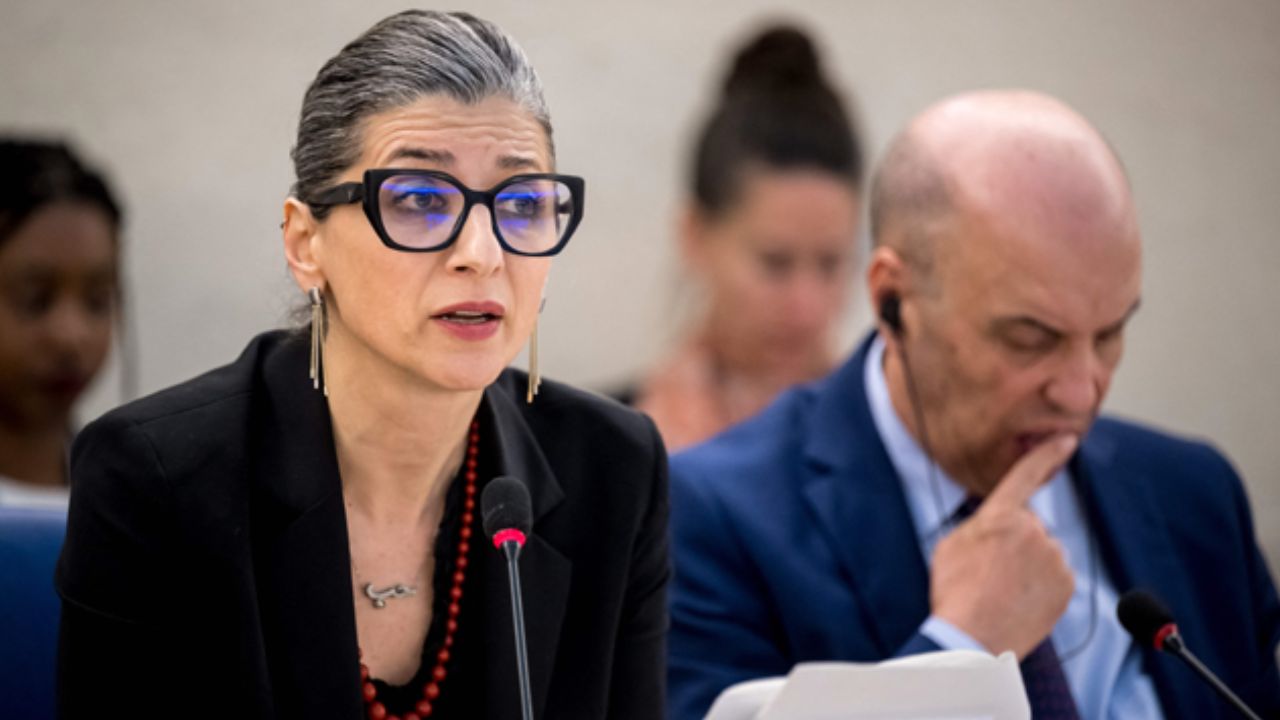
    Francesca Albanese, the special rapporteur on human rights in the Palestinian territories, told the UN Human Rights Council that countries should impose an arms embargo and sanctions on Israel.

    Expanding in person on her report released on Monday, Albanese said Israel was characterising the entire Gazan population as “targetable, killable and destroyable,” and had ostentatiously laid bare its “genocidal intent” to “rid Palestine of Palestinians.”

    Dozens of diplomats, mostly representing Arab and Muslim countries but also Latin America, took the floor to defend her mandate and her work.

    Pakistan, speaking for the Organization of Islamic Cooperation, backed her call for sanctions and an arms embargo.“We commend your courage in documenting… acts amounting to genocide in Gaza,” Islamabad’s representative said.

    “The occupation force’s dangerous and ruthless push for a final solution to the Palestinian question is plain for all to see, as its forces encircle Rafah like vultures and its ravenous land grab continues unabated in the West Bank.”

    Egypt, speaking for Arab group countries, affirmed their support for Albanese’s mandate and said they were gravely concerned about Israel’s “structured and systematic attack to make the Gaza Strip uninhabitable.”

    And Qatar, on behalf of the Gulf Cooperation Council, thanked Albanese for her report and demanded the international community “put an end to genocide being perpetrated by the Israeli war machinery.”

    In her speech, Albanese told the top UN rights body that Israel had “destroyed Gaza.”

    “When genocidal intent is so conspicuous, so ostentatious, as it is in Gaza, we cannot avert our eyes: we must confront genocide, we must prevent it and we must punish it,” she said.

    “The genocide in Gaza is the most extreme stage of a long-standing settler-colonial process of erasure of the native Palestinians.”

    Special rapporteurs are independent experts appointed by the Human Rights Council, although they do not speak on behalf of the UN.

    In response, Russia said it was “horrified” by Israel’s military operation that had seen “civilian infrastructure targeted” while China said it was was ready to facilitate peace talks.

    The European Union called for “proper and independent investigations on all allegations” and while appalled by the civilian death toll it recognized Israel’s right to self-defense.

    Albanese’s speech concluded to applause in the chamber. Israel was not present, nor was its chief ally the United States.

    Israel has long been harshly critical of Albanese, and on Monday immediately rejected her report as an “obscene inversion of reality.”

    The United States called her mandate “biased against Israel.”

    In the rights council on Tuesday, the only firm support for such positions came from non-governmental organizations.

    The World Jewish Congress said Albanese’s mandate “seeks to entrench divisions and a one-sided narrative instead of pursuing a balanced and inclusive approach.”

    The European Union of Jewish Students said Albanese’s “resignation is imperative” for the council to retain any credibility on issues concerning Israel and the Palestinian territories.

    Israel’s genocide in Gaza has killed at least 32,400 people in the besieged Strip, most of them women and children, according to the health ministry in the territory.

  • Israel furious at US abstention on Security Council ceasefire vote

    Israel furious at US abstention on Security Council ceasefire vote

    Israel reacted angrily on Monday to the first UN Security Council vote to demand an “immediate ceasefire” in the Gaza war, after its closest ally the United States abstained, while fighting raged in the Palestinian territory.

    Immediately after the resolution passed, Israel cancelled the visit of a delegation to Washington, which the United States had requested to discuss concerns over a mooted Israeli invasion of Rafah, in crowded southern Gaza.

    Israel said the US abstention “hurts” both its war effort and efforts to release hostages.

    It was “a clear retreat from the consistent position of the US,” Prime Minister Benjamin Netanyahu’s office said.

    While diplomatic attention turned to New York, fighting continued across the Gaza Strip, with Israeli forces battling Hamas militants around at least two major hospitals.

    Washington insisted that its Security Council abstention did not mark a shift in policy, although it has taken an increasingly tougher line with Israel in recent weeks.

    The United States had repeatedly vetoed Security Council resolutions calling for an immediate ceasefire, but on Friday it put forward its own unsuccessful text mentioning one, before abstaining on Monday’s resolution drafted by non-permanent Council members.

    Applause

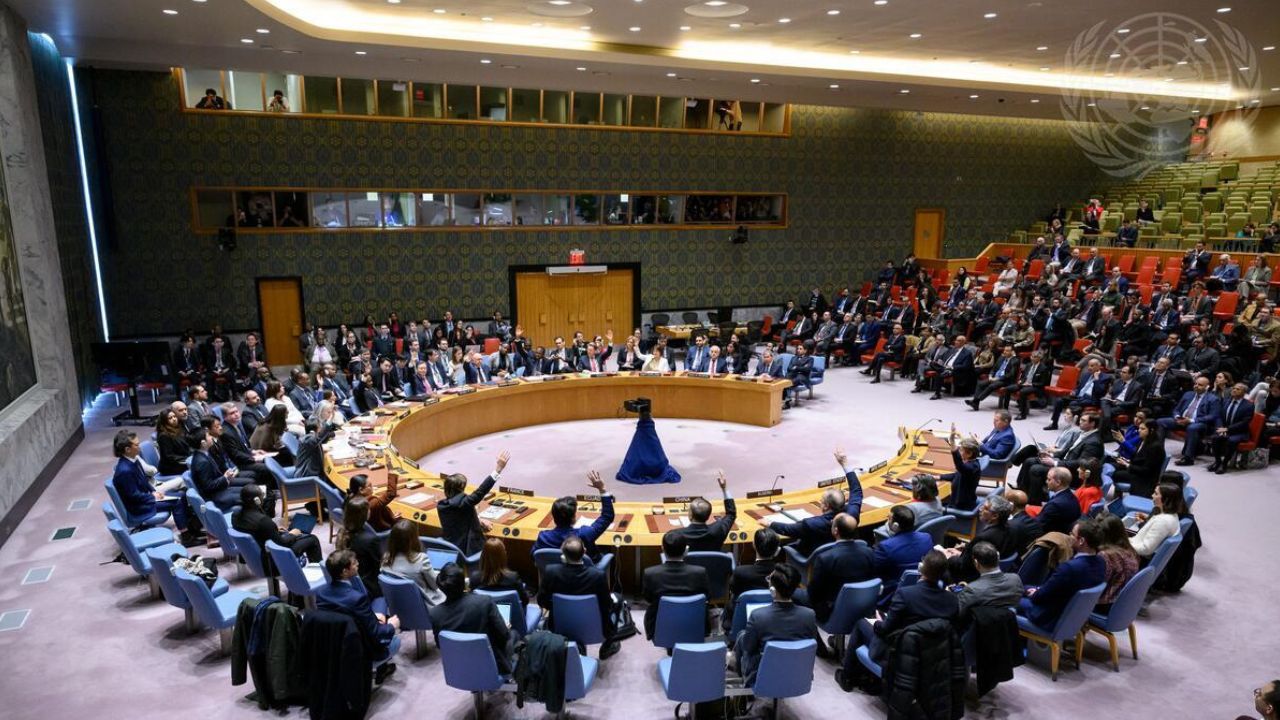
    It meant that the resolution, which demands an “immediate ceasefire” for the ongoing Muslim holy month of Ramadan that leads to a “lasting” truce, went through with all other 14 Security Council members voting yes.

    The resolution drew applause in the usually staid council and also demands that Hamas and other militants free hostages they seized, though it does not directly link a release to the ceasefire.

    The Gaza war broke out with Hamas’s unprecedented attack of October 7 which resulted in about 1,160 deaths in Israel, mostly civilians, according to an AFP tally based on official Israeli figures.

    Militants also seized about 250 hostages, of whom Israel believes around 130 remain in Gaza, including 33 presumed dead.

    Netanyahu’s failure to bring home the hostages has led to regular protests in Israel.

    Vowing to destroy Hamas and free the captives, Israel has carried out a relentless bombardment of the coastal territory and a ground invasion that began in Gaza’s north before moving southward.

    The health ministry in the Hamas-run Gaza Strip on Monday put the total Palestinian death toll at 32,333, most of them women and children.

    Hamas welcomed the Security Council resolution and said it was reaffirming its readiness to negotiate the release of hostages in exchange for Palestinian prisoners held by Israel.

    Member states are obliged to comply with resolutions passed by the Security Council, whose vote came while Israeli Defence Minister Yoav Gallant visited Washington.

    After the UN decision, Gallant said the war will go on.

    “We have no moral right to stop the war while there are still hostages held in Gaza,” he said.

    Tensions between the two allies have grown alongside US concerns about the humanitarian crisis in Gaza, where the UN says famine is imminent.

    Netanyahu’s determination to launch a ground operation in Rafah, the city on Gaza’s southern border where most of the territory’s population is sheltering, has become a key point of contention.

    Prior to the UN vote, US Vice President Kamala Harris told ABC TV that a Rafah invasion would be “a huge mistake”. Asked hether she would rule out “consequences” for Israel, Harris said: “I am ruling out nothing”.

    Before heading to Washington, Gallant said his focus would include “our ability to obtain platforms and munitions”.

    Hospital battles

    Troops and tanks have encircled Gaza City’s Al-Shifa Hospital, the territory’s biggest, for a week and more recently moved on Al-Amal Hospital in the main southern city of Khan Yunis.

    Israel has labelled its operations “precise operational activities” and said it has taken care to avoid harm to civilians, but aid agencies have voiced alarm about civilians caught up in the fighting.

    The Israeli military said it was battling militants around the two hospitals and reported around 20 militants killed around Al-Amal over the past day in close-quarters combat and air strikes.

    Palestinians living near Al-Shifa have reported hellish conditions, including corpses in the streets, constant bombardment and the rounding up of men who are stripped to their underwear and questioned.

    The Al-Shifa raid was in its eighth day and the military reported having detained a total of about 500 militants “affiliated with” Hamas and Islamic Jihad, another militant group.

    ‘We are suffering’

    Israel has signalled an extended presence at Al-Shifa which troops also raided in November, to an international outcry.

    At Al-Amal Hospital, the Palestinian Red Crescent said Israeli troops ordered staff and patients to evacuate, but the departing convoy got stuck due to debris on the road.

    The charity reported that Israeli troops opened fire on staffers who tried to clear the debris, wounding two — one of whom made it back to the convoy.

    Israel’s military did not immediately respond to a request for comment.

    The military said its Al-Amal operation included “raids on several terrorist infrastructure sites”, where they found explosive devices, rocket-propelled grenades and other military equipment.

    UN chief Antonio Guterres, on a visit to the Middle East, has pleaded for an end to the “non-stop nightmare” for the 2.4 million people trapped in Gaza’s worst-ever war and stalked by starvation.

    According to Gaza’s health ministry, at least 107 people were killed in a 24-hour period into Monday, and the Hamas government press office said more than 50 airstrikes rained down on the Gaza Strip.

    Israel’s armed forces gave a similar number and said its fighter jets and helicopters had struck about 50 targets.

    Food and water shortages have deepened the suffering, especially in northern Gaza where residents, mostly women and children, waited in line to fill up jerrycans and buckets in Jabalia.

    “We don’t even have food to give us the energy to go to collect the water — let alone the innocent children, women and the elderly,” said one man, Bassam Mohammed al-Haou.

  • Countries call for swift implementation of UN ceasefire vote

    Countries call for swift implementation of UN ceasefire vote

    The UN Security Council on Monday called for an immediate ceasefire in Gaza five months into the grinding war, despite Israel’s ally the United States abstaining.

    Here are some reactions to the resolution to halt fighting over the Muslim holy month of Ramadan with an aim for a “lasting” truce, which drew rare applause at the Security Council:

    UN Secretary-General Antonio Guterres called for swift implementation of a ceasefire after Israel voiced anger over the resolution.

    “Failure would be unforgivable,” Guterres wrote on X, formerly known as Twitter.

    Hamas welcomed the resolution to halt fighting in Gaza while saying it was ready to negotiate the release of hostages in exchange for Palestinian prisoners.

    “We also affirm our readiness to engage in an immediate prisoner exchange process that leads to the release of prisoners on both sides,” the militant group said.

    Israeli Prime Minister Benjamin Netanyahu’s office said the UN vote “hurts both the war effort and the effort to release the abductees”.

    “It gives Hamas hope that international pressure will allow them to accept a ceasefire without the release of our abductees,” the statement said. It also took aim at the US abstention, calling it a “clear retreat” from its earlier position.

    Hussein al-Sheikh, minister for civilian affairs of the Palestinian Authority which has partial administrative control in the Israeli-occupied West Bank, hailed the resolution in a post on X.

    “We call for a permanent cessation to this criminal war and Israel’s immediate withdrawal from the Gaza Strip,” he wrote.

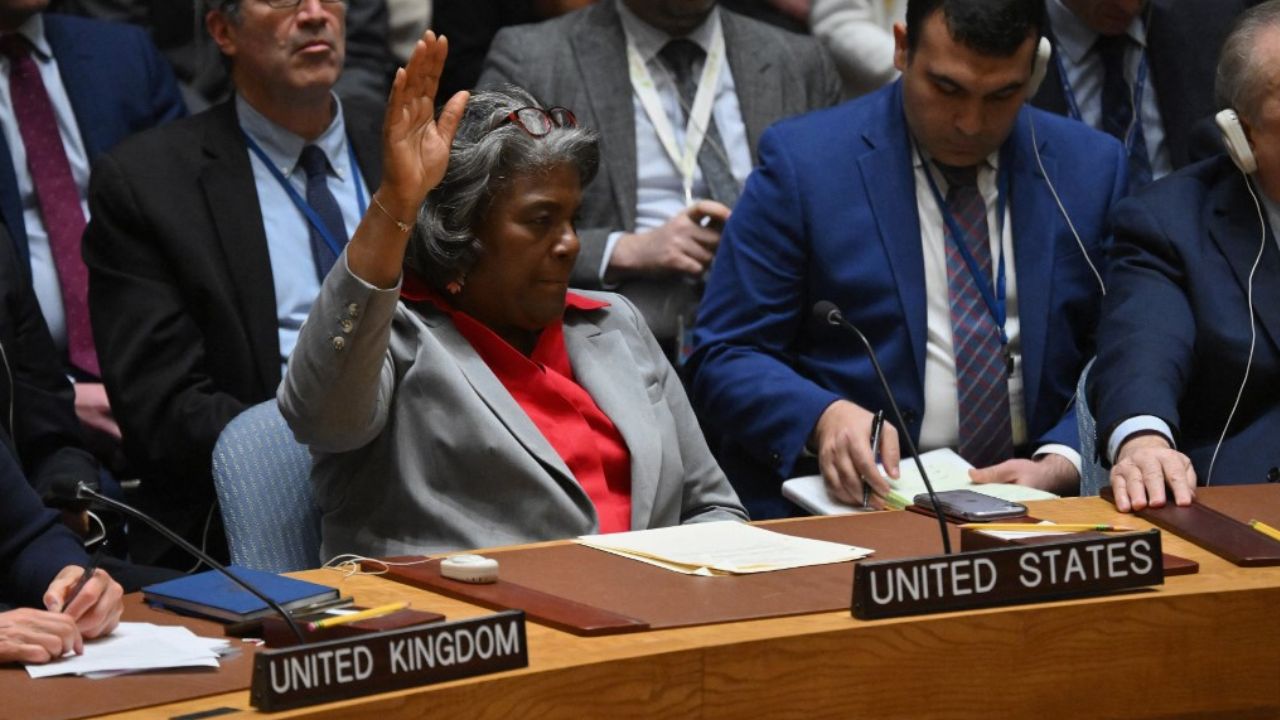
    Following the vote, the United States said a ceasefire can “only” be implemented once Hamas begins releasing hostages it still holds.

    “A ceasefire can begin immediately with the release of the first hostage,” US ambassador to the UN Linda Thomas-Greenfield said.

    After the United States vetoed previous drafts, National Security Council spokesman John Kirby told journalists that the US decision to abstain from Monday’s vote does not represent a “shift in our policy”.

    The Arab League’s Secretary-General Ahmed Aboul Gheit said the decision “comes late”.

    “The lesson now is to implement the decision on the ground, stop military operations and Israeli aggression immediately and completely,” he added.

    Top European Union officials welcomed the resolution, calling for a ceasefire and the unconditional release of all hostages.

    “Implementation of this resolution is vital for the protection of all civilians,” European Commission President Ursula von der Leyen wrote on X.

    The resolution “represents the first important and necessary step to stop the bloodshed,” the Egyptian ministry of foreign affairs said in a statement to the UN.

    The Brazilian government said it “hopes that the ceasefire will be implemented immediately, as stipulated by the resolution, and reiterated “the urgency of ensuring the effective entry of an expanded and regular flow of humanitarian aid into Gaza, as well as the release of all hostages”.

    France’s UN representative called for a sustained truce between Israel and Hamas beyond the ongoing month of Ramadan.

    “This crisis is not over,” said Nicolas de Riviere. “After Ramadan, which ends in two weeks, it will have to establish a permanent ceasefire.”

    German Foreign Minister Annalena Baerbock said she was “relieved by the adoption of the resolution”. “Every day counts,” she added.

    Baghdad’s foreign minister applauded the resolution in a statement and stressed “the importance for the parties to respect their obligations under international law”.

    Jordan’s foreign ministry expressed hope that the UN and international community would “take action to safeguard the two-state solution and ensure the establishment of an autonomous and sovereign Palestinian state”.

    Lebanese Prime Minister Najib Mikati hailed the “first stage in the process of ending Israeli aggression against the Gaza Strip.”

    He also called for a political solution “to end the conflict and give the Palestinians their rights”.

    Qatar said it hopes the resolution “represents a step towards a permanent cessation of fighting in the Strip”.

    The gas-rich emirate has been engaged in weeks of mediation between Israel and Hamas to secure a truce in Gaza and an exchange of hostages and prisoners.

    Foreign minister Naledi Pandor welcomed the resolution on public radio but stressed that “the ball is in the court of the Security Council”.

    Spanish Prime Minister Pedro Sanchez on X applauded the resolution, and said that “the realisation of two states, Israel and Palestine, living side-by-side in peace and security is the only realistic and viable solution for the region”.

    Outgoing Dutch Prime Minister Mark Rutte said the next step was “to stop the violence, free the hostages, immediately send in vastly more humanitarian aid to Gaza and find a lasting solution”.

    The country’s far-right leader, Geert Wilders, who swept to victory in recent polls, on X voiced support for Israel “against the dark forces of hate and destruction called Hamas”.

    Turkey called the resolution and prospective return of humanitarian access to Gaza “a positive step”.

    “We hope that Israel will comply with the requirements of this resolution without delay,” Turkish foreign affairs spokesman Oncu Keceli wrote on X.

    Chile’s foreign office said it was “necessary to progress the two state solution, in which Palestine and Israel can live in peace inside internationally recognised borders.”

    “I invite the world’s nations if Israel breaks this ceasefire to break diplomatic relations with this country,” said Colombian President Gustavo Petro on X.

    Amnesty International’s Secretary General Agnes Callamard said the resolution is “long overdue” and called for “an immediate and comprehensive arms embargo”.

    Human Rights Watch’s UN lead Louis Charbonneau called for Israel to halt “unlawful attacks”, for Palestinian armed groups to “immediately release all civilians held hostage”, and for the US and others to suspend “arms transfers to Israel”.

    Oxfam’s UN representative Brenda Mofya said the resolution should provide “much-needed respite from the relentless and devastating Israeli violence”.

  • UN expert accuses Israel of several acts of genocide in Gaza

    UN expert accuses Israel of several acts of genocide in Gaza

    A UN rights expert on Monday said there were “reasonable grounds” to determine that Israel has committed several acts of “genocide” in its war in Gaza, also warning of “ethnic cleansing”.

    Francesca Albanese, the UN special rapporteur on the rights situation in the Palestinian territories, said there were clear indications that Israel had violated three of the five acts listed under the UN Genocide Convention.

    “The overwhelming nature and scale of Israel’s assault on Gaza and the destructive conditions of life it has inflicted reveal an intent to physically destroy Palestinians as a group,” she said in a report, which was immediately rejected by Israel as an “obscene inversion of reality”.

    Albanese, an independent expert appointed by the UN Human Rights Council but who does not speak on behalf of the United Nations, said she had found “reasonable grounds to believe that the threshold indicating the commission of… acts of genocide against Palestinians in Gaza has been met”.

    The report, entitled “Anatomy of a Genocide”, listed those acts as: “killing members of the group; causing serious bodily or mental harm to the group’s members; and deliberately inflicting on the group conditions of life calculated to bring about its physical destruction in whole or in part”.

    Israel’s diplomatic mission in Geneva said the country “utterly rejects the report”, describing it as “simply an extension of a campaign seeking to undermine the very establishment of the Jewish State”.

    “Israel’s war is against Hamas, not against Palestinian civilians,” it said in a statement, slamming Albanese’s “outrageous accusations”.

    Israel has long been harshly critical of Albanese and her mandate, which the United States on Monday called “biased against Israel.”

    Washington is “aware” of Albanese’s report but has “no reason to believe Israel has committed acts of genocide in Gaza,” a US official told AFP.

    Last month Israel slapped a visa ban on her after she made comments denying that Hamas’s October 7 attack, which sparked the war in Gaza, was anti-Semitic.

    Israel’s relentless bombardment and ground offensive in Gaza has since killed more than 32,300 people, mainly women and children, according to the health ministry in Gaza.

    South Africa has already filed a complaint against Israel before the International Court of Justice, alleging its assault on Gaza amounts to a violation of the genocide convention.

    The court has yet to rule on the underlying issue, but earlier this year ordered Israel to do everything it could to prevent genocidal acts during its campaign and also to allow in humanitarian aid.

    In Albanese’s report, which she is due to present to the Human Rights Council on Tuesday, she maintained that Israel’s “genocidal acts” followed “statements of genocidal intent”.

    Statements by some senior Israeli officials spelling out an intent to forcibly displace Palestinians and replace them with Israeli settlers, she said, indicated that “evacuation orders and safe zones have been used as genocidal tools to achieve ethnic cleansing”.

    The report also found that Israel was treating all Palestinians and their infrastructure “as ‘terrorist’ or ‘terrorist-supporting’, thus transforming everything and everyone into either a target or collateral damage”.

    “In this way, no Palestinian in Gaza is safe by definition,” it said.

    “This has had devastating, intentional effects, costing the lives of tens of thousands of Palestinians.”

    The report also stressed that Israel’s mistreatment of the Palestinians had not begun on October 7.

    “Israel’s genocide on the Palestinians in Gaza is an escalatory stage of a longstanding settler colonial process of erasure,” it said.

  • Singapore makes Israeli embassy delete ‘insensitive’ Palestinian post

    Singapore makes Israeli embassy delete ‘insensitive’ Palestinian post

    Singapore made the Israeli embassy in the city-state take down an “insensitive” social media post about the Palestinians over the weekend after warning it could inflame tensions, the interior minister said Monday.

    The Israeli genocide in Gaza and deepening humanitarian crisis in the besieged strip since October 7 have divided opinion across the world.

    The post reportedly said Israel was mentioned 43 times in the Koran but Palestine — the name Palestinians give to what they hope will become their independent, sovereign state — was not, according to local media.

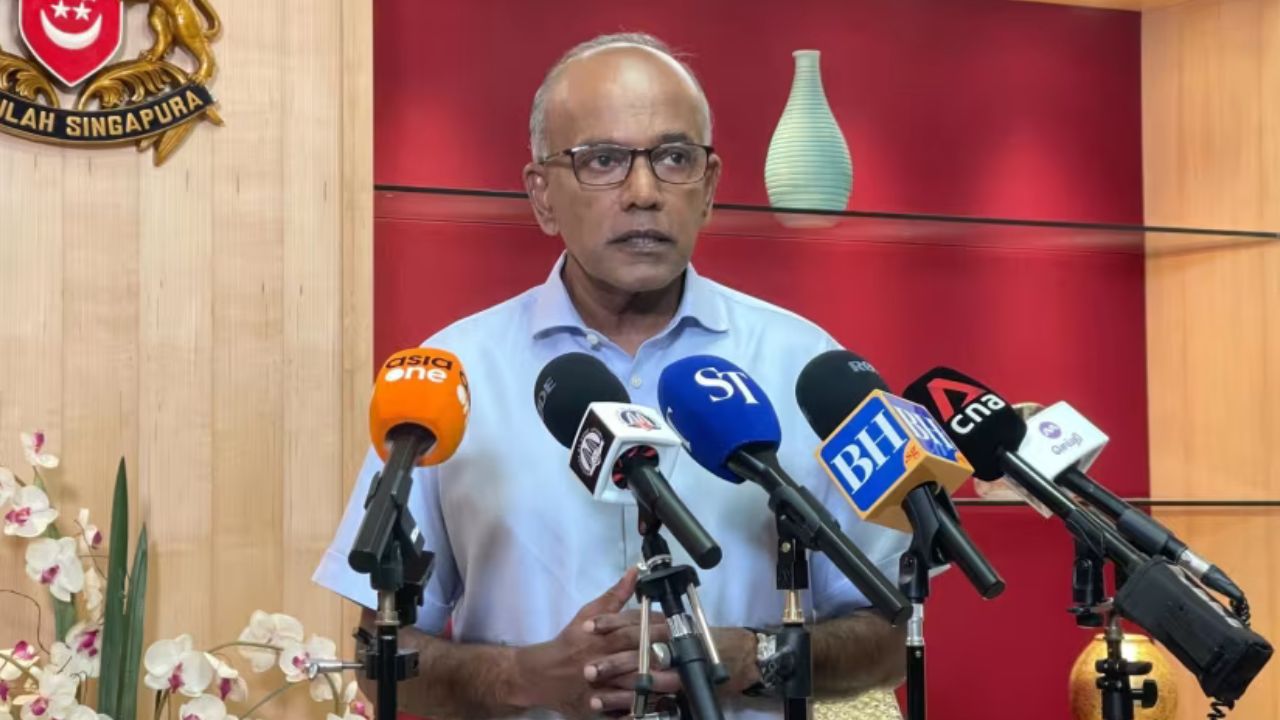
    Minister for Home Affairs K. Shanmugam said he asked Singapore’s foreign ministry to tell the Israeli embassy to remove the post made on Sunday after learning about it, which the mission immediately did.

    “That post on the Israeli embassy social media page is completely unacceptable. I was very upset when I was told about it,” Shanmugam told reporters, according to a transcript.

    “It is insensitive and inappropriate. It carries the risk of undermining our safety, security and harmony in Singapore.”

    Shanmugam said the post had been taken down.

    “Posts like these can… inflame tensions, and can put the Jewish community here at risk. The anger from the post can potentially spill over into the physical realm,” he added.

    The Israeli embassy was not immediately available for comment.

    Singapore has condemned the Hamas attacks on Israel but has also said that Israel’s military response “has now gone too far”.

    The health ministry in the Gaza Strip on Sunday put the total death toll in the territory at 32,226, most of them women and children.

  • Gaza cancer patients fear Israel move to force them back ‘to hell’

    Gaza cancer patients fear Israel move to force them back ‘to hell’

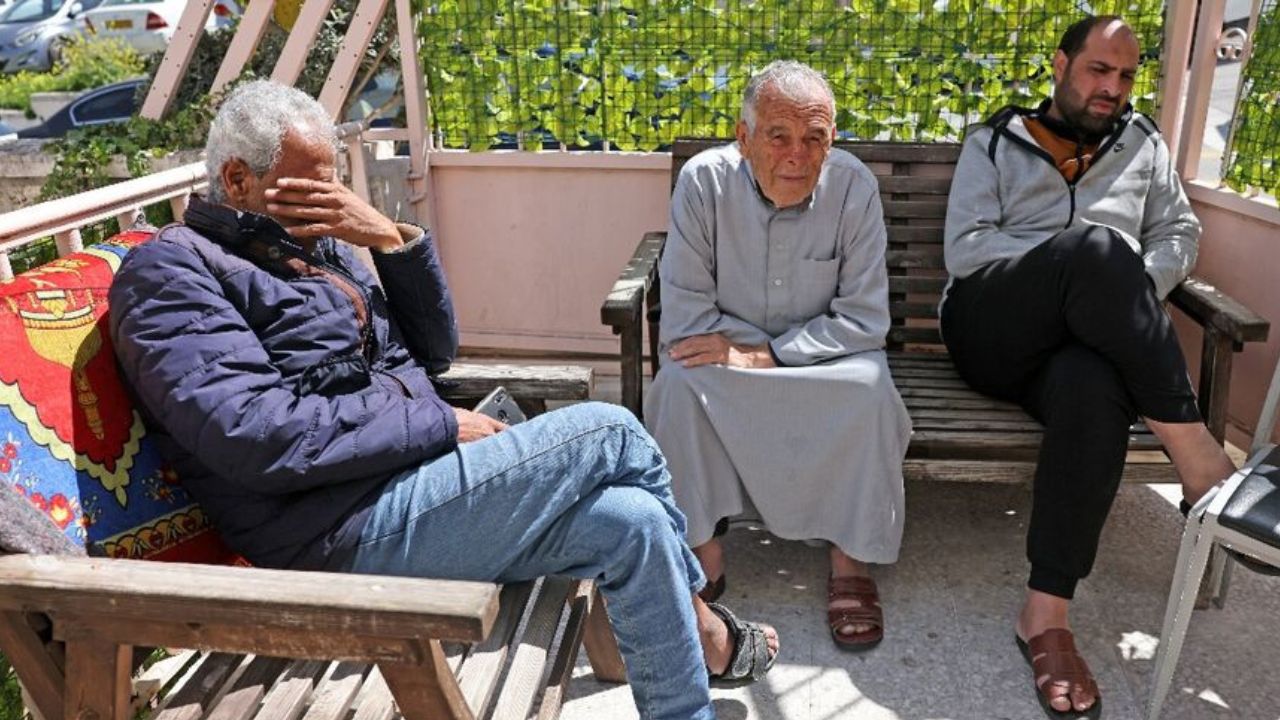
    JERUSALEM: In a small hotel near the Augusta Victoria Hospital in Israeli-annexed East Jerusalem, where she received radiation therapy for breast cancer, Palestinian Rim Abu Obeida waits anxiously.

    She is among a group of Palestinian patients living in limbo while a top Israeli court weighs whether they can be sent back to war-torn Gaza now that their treatment is completed.

    Like dozens of Gazans before Israel began its intensive military operations after October 7, she was granted permission to leave the territory for care because hospitals in the Gaza Strip did not have the necessary equipment.

    “This week, we were suddenly told we had to return to Gaza. This is sending us to hell, to death!” Abu Obeida said.

    If she is forced to leave, she will not have much to return to — her house in southern Gaza’s Khan Younis has been destroyed in Israeli’s offensive.

    The roughly 20 patients from Gaza, most of them battling cancer, have been receiving treatment in Tel Aviv and East Jerusalem for the past six months.

    COGAT, the Israeli Defense Ministry body that governs civilian affairs in the occupied Palestinian territories, said this week that because the patients “don’t need any continued medical treatment, they are being returned to the Gaza Strip.”

    But at the last minute, the Israeli Supreme Court, responding to a petition by the NGO Physicians for Human Rights, suspended COGAT’s order.

    The court is expected to rule on the case, though the timeline is unclear. The government has until April 21 to file its arguments.

    In the next room, along with Abu Obeida, Manal Abu Shaaban was busy stashing food into her bags.

    “I have rice, sugar, everything they are deprived of there. I hope they won’t stop me from bringing them in,” she said.
    Abu Shaaban, a breast cancer patient like Abu Obeida, said she was not opposed to returning.

    Still, she knew the security situation meant she would be unable to reach her home in Gaza City, in the besieged territory’s north.

    “I want to go back. But to my home, in my house! Not in Rafah, in the south, where they want us to go, I don’t know anyone there,” she said.

    Large swaths of the north have been flattened by Israeli bombardment, and a UN-backed assessment said the area faces famine by May unless substantially more aid reaches it.

    Meanwhile, in Gaza’s south, up to 1.5 million displaced Palestinians are crammed into Rafah and live under the threat of a full-scale Israeli ground offensive.

    Asked about the fate of the patients who face being returned to Gaza, Augusta Victoria Hospital director Fadi Mizyed paused for a few seconds.

    “I don’t know. They will go back in a war zone, they will be at risk, they will be living in catastrophic conditions,” he said.

    “The situation in Gaza is beyond description, with no guaranteed healthcare services that can do what is needed for any cancer patients.”

    “We said we don’t think it’s the right thing to do but at the end of the day it’s not our call,” he added.

  • Hamas welcomes China, Russia veto of US-backed Gaza resolution

    Hamas welcomes China, Russia veto of US-backed Gaza resolution

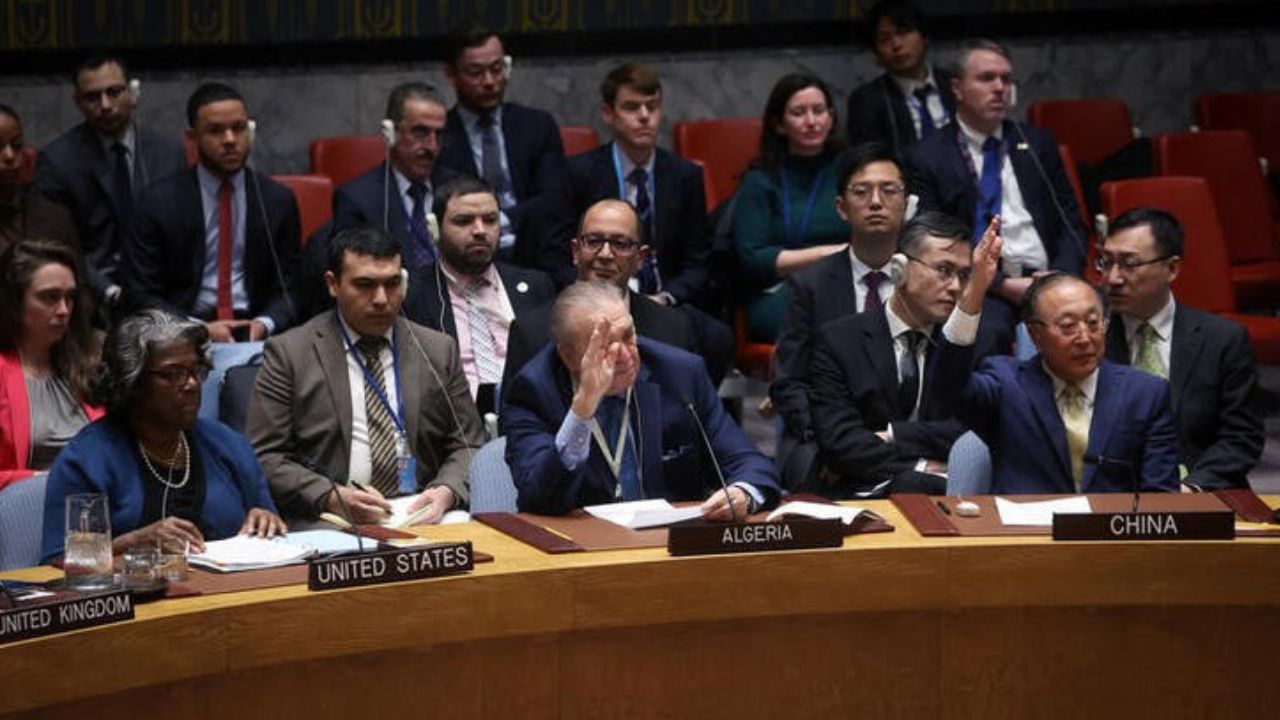
    Hamas has reportedly shown “appreciation” as Russia and China vetoed a US-led draft resolution on a Gaza ‘ceasefire’ at the UN Security Council on Friday.

    The United States proposed a resolution endorsing “the urgent need for an immediate and enduring ceasefire” and, notably, condemning the October 7 attack carried out by Hamas for the first time.

    “We express our appreciation for the position of Russia, China and Algeria who rejected the biased American resolution of aggression against our people,” the Hamas said in a statement.

    They added that the draft consists of “misleading wording that is complicit” with Israel and “grants it cover and legitimacy to commit a genocidal war against the Palestinian people in the Gaza Strip.”

    On the other hand, prior to the vote, Russia’s ambassador to the UN, Vassily Nebenzia, urged members against endorsing the resolution, deeming it as “excessively politicized” and implying it endorsed Israeli military operations in Rafah, Gaza, where more than half of its 2.3 million residents sought shelter in camps to escape the Israeli offensive in the northern regions.

    Nebenzia asserted that several non-permanent Security Council members had crafted an alternative resolution, which he portrayed as a fair proposal, calling on all members to support it.