Tag: Narendra Modi

  • NYC mayoral candidate calls Narendra Modi ‘war criminal’

    NYC mayoral candidate calls Narendra Modi ‘war criminal’

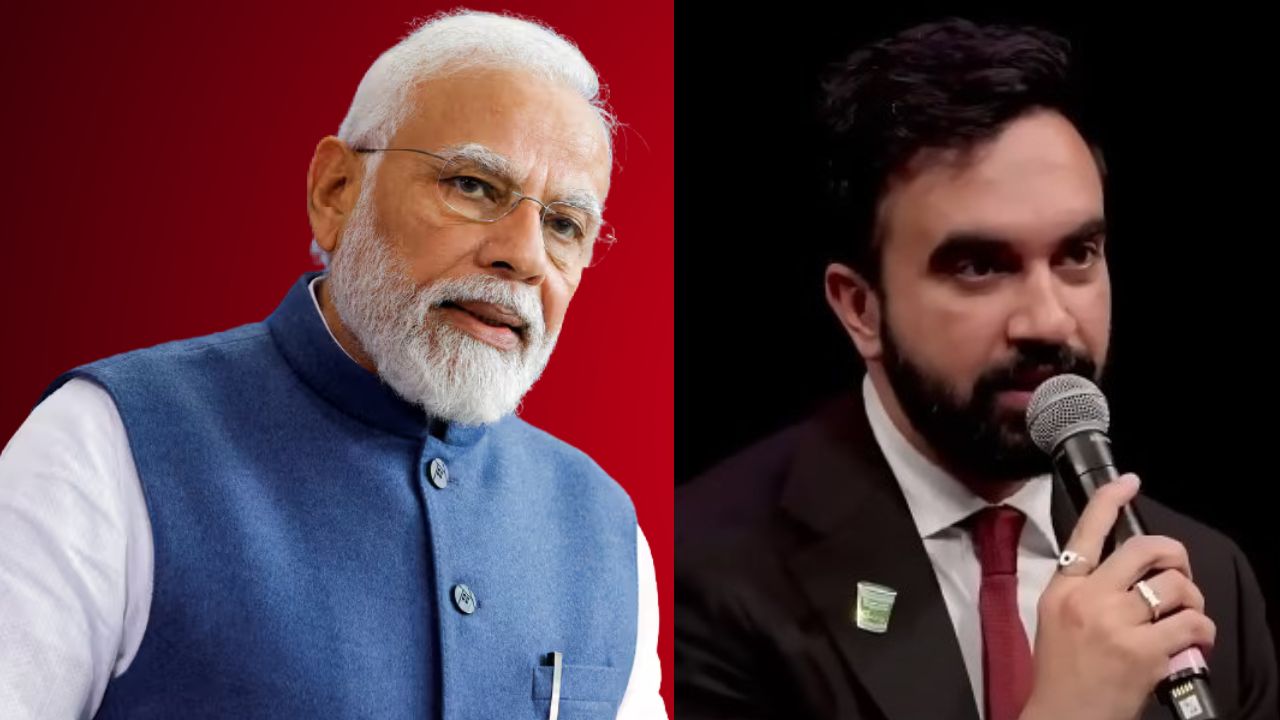
    New York City (NYC) mayoral candidate Zohran Mamdani has said that Indian Prime Minister (PM) Narendra Modi is a “war criminal,” citing his alleged involvement in the anti-Muslim violence in Gujarat in 2002, where more than 750 Muslims were killed.

    “Indian PM helped orchestrate what was the mass slaughter of Muslims in Gujarat,” the Indian-origin Mamdani said at the May 15th New York Focus/HellGate NY mayoral forum, adding that the pogrom was severe enough that “we don’t even believe that there are Gujarati Muslims anymore.”

    Mamdani’s statement came about in response to a question asked by a guest at the event, “The Indian PM is holding a rally in Madison Square Garden. He wants to hold a joint press conference with you afterwards, reaffirming the strong bond between India and New York. Do you agree to the event?”

    Mamdani said that when he tells people that he hails from Gujarat, and that he’s a Muslim, it’s a “shock” to them.

    The Gujarat riots erupted when, on February 27, 2002, a fire ripped through a train at Godhra station, burning 59 Hindu pilgrims alive.

    Accusing Muslims of the blaze, enraged Hindu mobs rampaged through Muslim neighbourhoods in several cities in Gujarat, seeking reprisals during three days of bloodshed, killing hundreds of Muslims.

    The then chief minister of Gujarat, Modi, a Hindutva hypernationalist, was widely accused of turning a blind eye to the violence. One senior policeman testified that Modi directed officers not to intervene as the killings spread.

    India’s premier has denied any wrongdoing and has never been convicted over the violence.

    However, the bloody riots tarred Modi’s international image, leading him to be blacklisted for a decade by the US and the European Union. Official probes also absolved the state police and government of any collusion in the violence, which left 200,000 people homeless. Many Muslims never returned to the state. 

    Zohran maintained that Modi should be categorised as is Israeli PM Benjamin Netanyahu, adding that these are “war criminals”.

  • ‘Reckless provocation’: Pakistan hits back at Modi for terror allegations

    ‘Reckless provocation’: Pakistan hits back at Modi for terror allegations

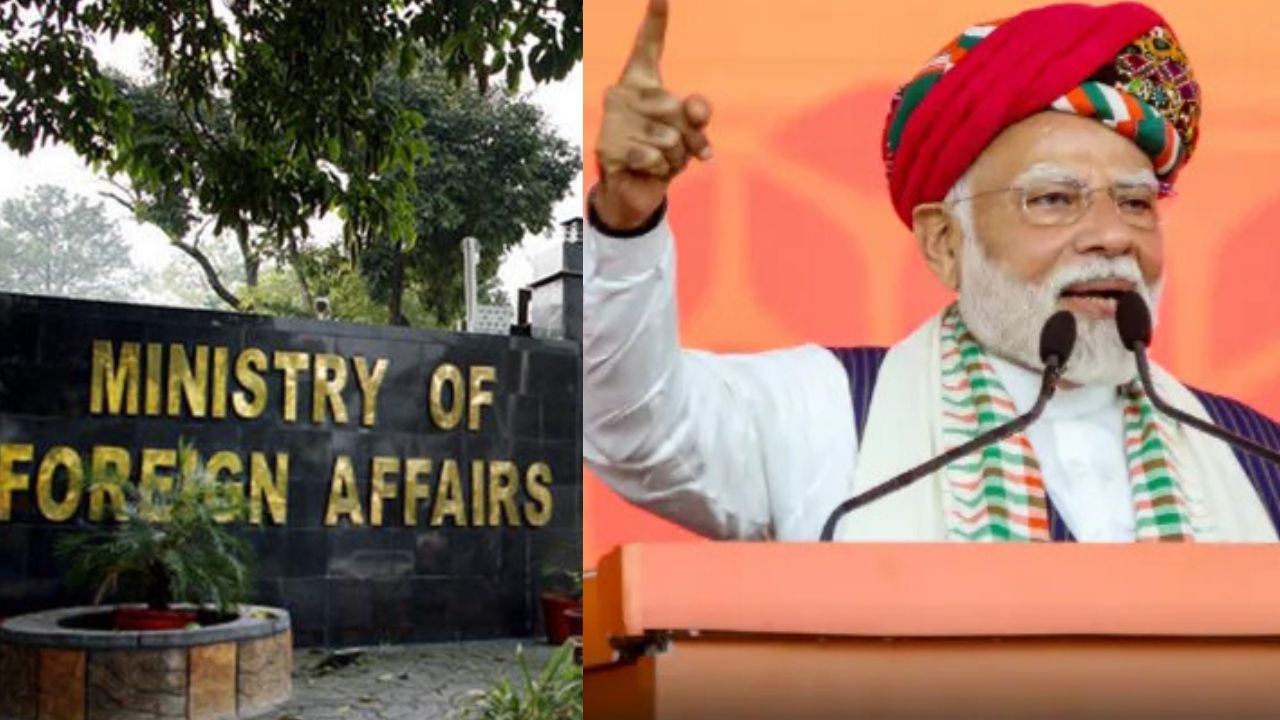
    Pakistan has hit back at Indian Prime Minister (PM) Narendra Modi, terming his remarks from a recent political rally “reckless provocations.”

    “To end terrorism in Pakistan, the people of Pakistan need to step forward. Live peacefully and eat your bread, or else my bullet is ready,” the Indian premier Monday said at a rally in his home state of Gujarat’s Bhuj.

    He said that those who “fanned terror had not even imagined in their dreams how difficult it was to face Modi”.

    “Ever since Pakistan was born, it has focused on enmity with India, while we in India have focused on removing poverty, growth and development,” he said while addressing a public rally in Dahod later in the day.

    Strongly reacting to Modi’s reckless statements, Islamabad described the remarks as hate-driven. In a statement, the Foreign Office (FO) said the remarks were a “theatrical flourish of a campaign rally rather than the sobriety expected from the leader of a nuclear-armed state”.

    “The hate-driven invocation of violence in his remarks is deeply disturbing, not only for its content but for the dangerous precedent it sets in a region already burdened by volatility,” the statement added.

    Stressing that the Indian leader’s remarks were deeply disturbing, the FO said, “This kind of inflammatory rhetoric goes against the core principles of the United Nations Charter.”

    Additionally, the FO underscored that all member states were obliged to resolve disputes peacefully and refrain from the threat or use of force against the sovereignty and political independence of other nations

    .

    It merits a mention that the Indian premier’s rhetoric comes following Pakistan’s swift and befitting response to New Delhi’s cross-border aggression. In retaliation to unprovoked missile strikes, Pakistan, earlier this month, destroyed multiple Indian airbases.

    Separately, PM Shehbaz Sharif on Monday said that for the sake of regional peace, Pakistan was prepared to hold talks with India, reiterating that the country desired peace and stability in South Asia.

    “We want peace… we are ready to engage in dialogue for the resolution of all disputes, including the issue of Kashmir,” the Pakistani premier said while addressing a joint press conference along with Iranian President Dr Masoud Pezeshkian in Tehran.

    During the presser, PM Shehbaz also emphasised that Pakistan was a peaceful country that sought harmony in the region, however, any act of aggression would always be met with a strong and effective response.

  • VIDEO: Indian soldier trains guns at Modi govt

    VIDEO: Indian soldier trains guns at Modi govt

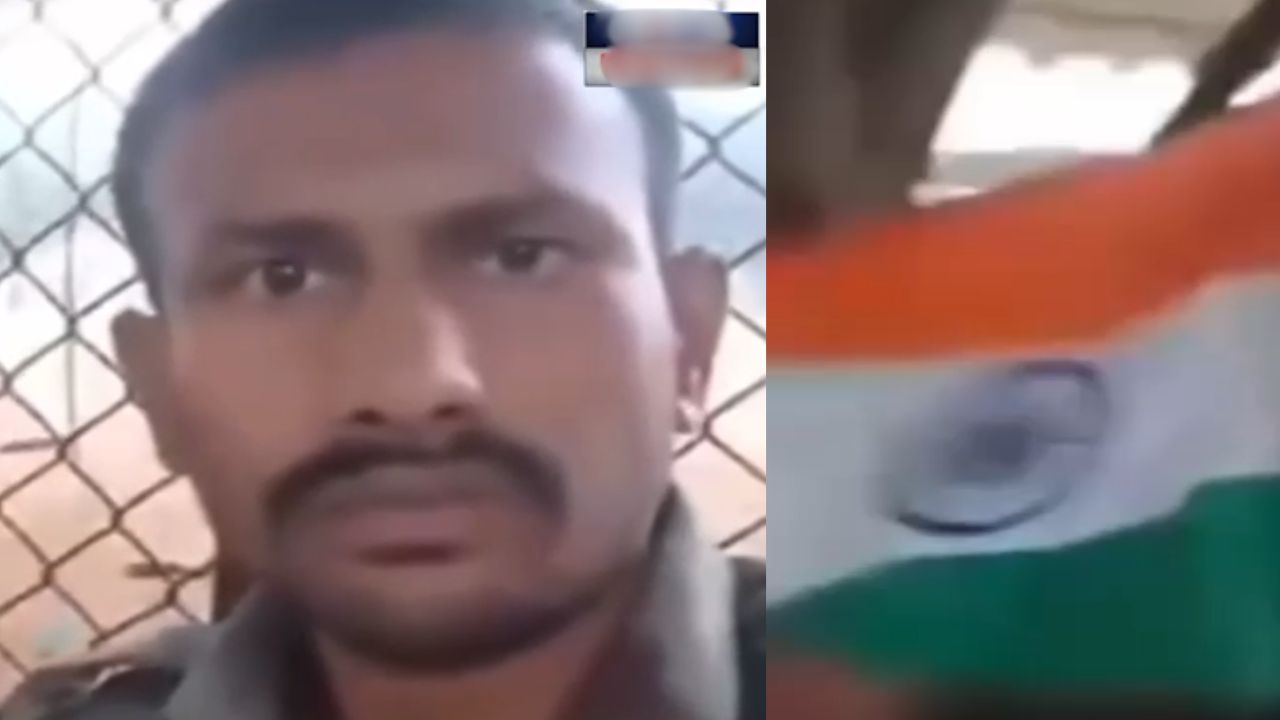
    An undated video of an Indian soldier accusing Prime Minister (PM) Narendra Modi of ignoring the worsening conditions faced by soldiers across the country has surfaced online.

    In the viral video, the soldier asserts that the Indian PM has rendered them powerless and without support in their own country.

    He goes on to express frustration over the media’s silence on the plight of soldiers, stating, “When you (Modi) went to Pakistan, every news channel in India covered your visit… we don’t have a free or living media.”

    The soldier questioned, “If the Indian government could not provide them justice, would he ask for it from the Pakistan government?”

    Lashing out at the government’s leadership, the soldier argued that if Indian Home Minister Amit Shah and PM Modi cannot govern the country effectively, soldiers could take charge and do it better. “Amit Shah is controlling the whole Central Reserve Police Force (CRPF) and paramilitary,” the soldier accused.

    “Any soldier who speaks the truth is just thrown in jail. You went to meet Donald Trump, but you don’t meet us to hear our grievances,” he added.

  • VIDEO: French president’s Modi handshake snub goes viral

    VIDEO: French president’s Modi handshake snub goes viral

    A viral video has shown French President Emmanuel Macron ignoring a handshake with Indian Prime Minister (PM) Narendra Modi, sparking mixed reactions online.

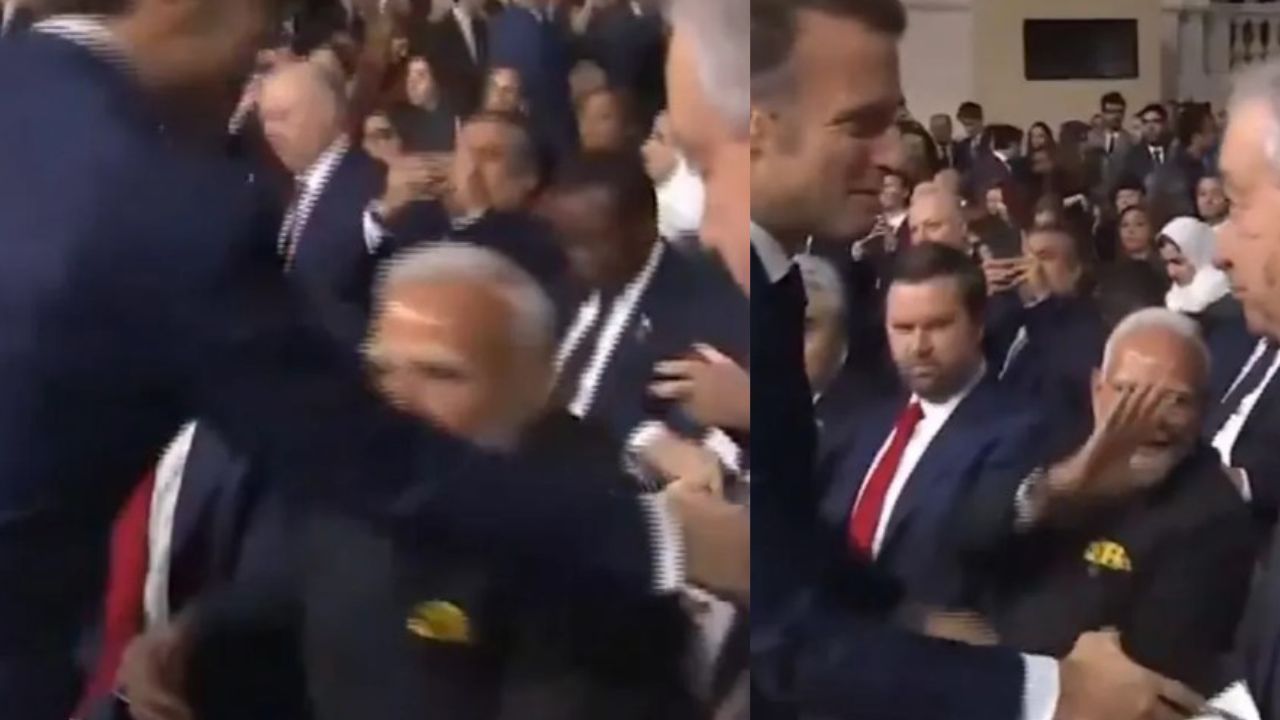
    As per the details, the footage showed Macron greeting foreign leaders with a handshake at the Artificial Intelligence (AI) Action Summit in Paris. However, he ignored Modi despite the latter’s attempts to shake his hand.

    Macron was seen shaking hands with leaders in the row right behind Modi while the rather confused Indian premier looks on, abruptly starting to wave moments later. To counter the awkwardness, Modi was then seen turning to European Commission President Ursula von der Leyen, who shook his hand.

    While some internet users call it an embarrassment for Modi, others seem curious about the alleged snub. A user on X (formerly Twitter) asked, “French President Macron ignored Modi while Modi offered a handshake while sitting! Isn’t this an international embarrassment?”

    “French President Emmanuel Macron didn’t shake hands with PM Modi despite being attempted multiple times by him. This is a blatant disregard of PM at the world forum [sic],” said another user.

    A third user wondered if the snub was related to any diplomatic tensions or was simply an awkward moment.

    “Emmanuel Macron shouldn’t have done this with World Number 1 leader Narendra Modi G tried three times to shake hands with him, but he intentionally ignored. Sh@me on you, Macron [sic],” wrote a user.

    Another opined that it was diplomatic blunder by Modi. “Macron greets leaders but skips Modi’s handshake. A telling moment on the world stage! India’s global image under BJP keeps taking hits.”

    “French President Macron shook hands with world leaders but blatantly ignored Indian PM Modi. Macron’s software refused to detect Modi,” quipped one.

    Meanwhile, some tweeted that the Indian PM had already shaken hands before the clip was recorded, and the two later entered the conference hall together, greeting other leaders.

    “Why was Modi getting up to shake hands again, then? Emmanuel Macron ignored him for the second time and met other leaders. If he already met with Modi, then why did he try for the second time? Don’t work like Modi’s PR agency,” replied a user.

  • Kapoor family’s cringe-fawning over Narendra Modi gets slammed on X

    Kapoor family’s cringe-fawning over Narendra Modi gets slammed on X

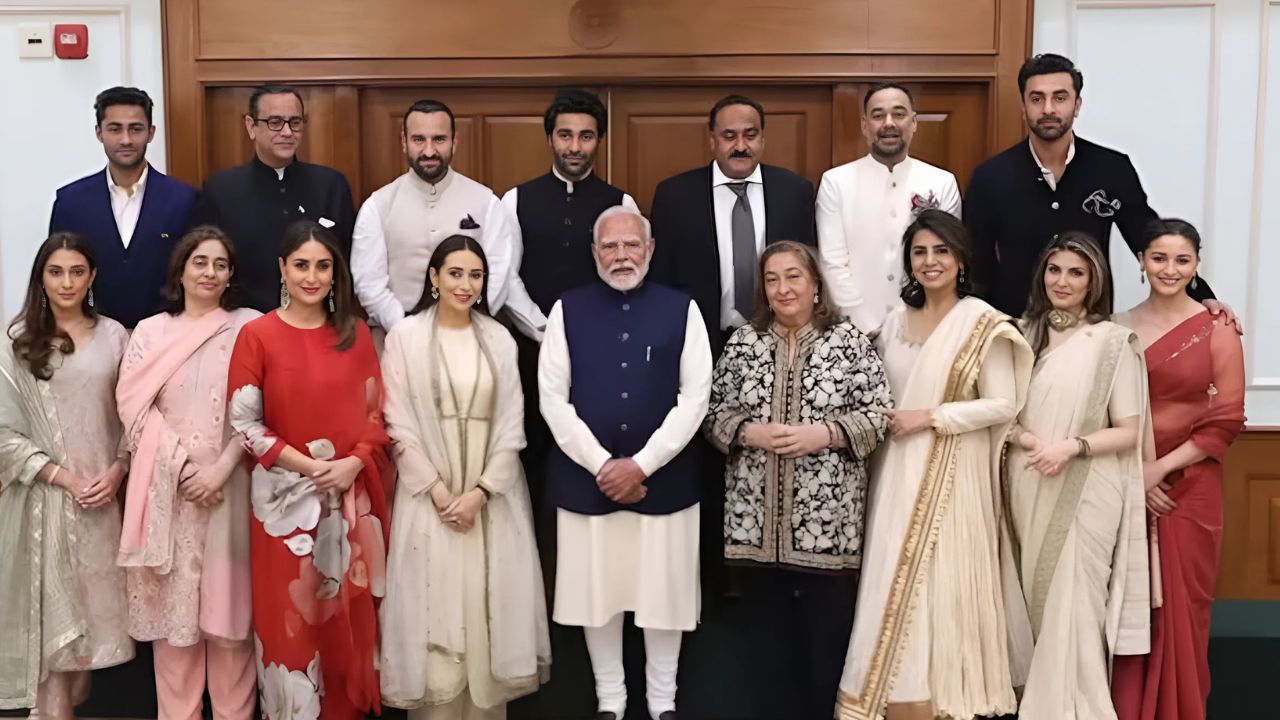
    The Kapoor family, known for their iconic Bollywood legacy, met Indian Prime Minister Narendra Modi, and what was supposed to be a celebration of Indian cinema turned into an X (formerly Twitter) storm, with many questioning the real reason behind this high-profile meeting.

    The meeting, centred on the upcoming Raj Kapoor Film Festival, was intended to honour the legacy of the legendary ‘Showman of Hindi Cinema’ and showcase his films from December 13-15, 2024.

    Social media users quickly criticised the meeting with Prime Minister Narendra Modi, placing the Kapoor family at the centre of controversy.

     In a video circulating online, members of the Kapoor family shared their experience of meeting the Indian Prime Minister, which many X users criticised as an act of “cringe fawning” over Modi. They questioned why Bollywood stars seem to be getting closer to the government.


    Some people pointed out that Bollywood has been making films to please a fan base that judges them for personal things, like their children’s names.

     Critics pointed out that Bollywood stars’ close ties with the BJP, a party accused of promoting anti-Muslim views, have fueled much of the backlash. This is especially relevant given the way BJP supporters targeted Saif Ali Khan and Kareena Kapoor when they named their son Taimoor. The name, tied to the historical figure Taimur, led to harassment from BJP trolls, who accused the couple of supporting a Muslim legacy. Many see the backlash against the Kapoor family’s meeting with Modi as part of a broader issue concerning Bollywood’s relationship with a government often criticized for its stance on religious minorities.  


    One X user wrote, “Bollywood stars have actively and consistently grovelled before the Modi govt, producing a series of films that cater to the same fan base who harass them for naming their children Dua or Taimur.
    Craven is too mild a descriptor for them.”

    Another user asked, “My question is, what’s the effing point of this grovel fest?? Did they get any benefits for the Bollywood industry?? Or, is it just an bhajan programme to inflate the fragile ego of the chai wala?
    ?”


    One mocked the meeting, adding, “Actors meeting greatest actor.”


    Others pointed out, “Why are these people important enough for the PM to spend time with?? What is their contribution to the world in the grand scheme of things?? ZERO.”


    “100 years of Raj Kapoor, so surely the celebrations must be with Modi… that makes total sense,” a user wrote.


    While the Kapoor family continues to celebrate Raj Kapoor’s legacy, many people question the authenticity of Bollywood’s ties with the government and the true motives behind these high-profile meetings.


    Earlier, the Tamasha actor announced a significant tribute to his late grandfather Raj Kapoor, revealing that the Raj Kapoor Film Festival will run from December 13 to December 15.

    The festival will showcase restored versions of 10 iconic films by the legendary actor-filmmaker.

    “We are organizing the Raj Kapoor Film festival across India. It’s a great way to celebrate his legacy and preserve his contribution for future generations,” Ranbir said.

    Ranbir also talked about his plans of  making a biopic on the late Raj Kapoor, a project that he has been “considering for some time”.

    I talk to many people, including director Sanjay Leela Bhansali about how to make a biopic on Mr Raj Kapoor. A biopic is about accurately depicting a person’s life, including their relationships, hardships, and low points, not simply about their achievements.

  • Elon Musk congratulates Modi for most followers; social media says he’s wrong

    Elon Musk congratulates Modi for most followers; social media says he’s wrong

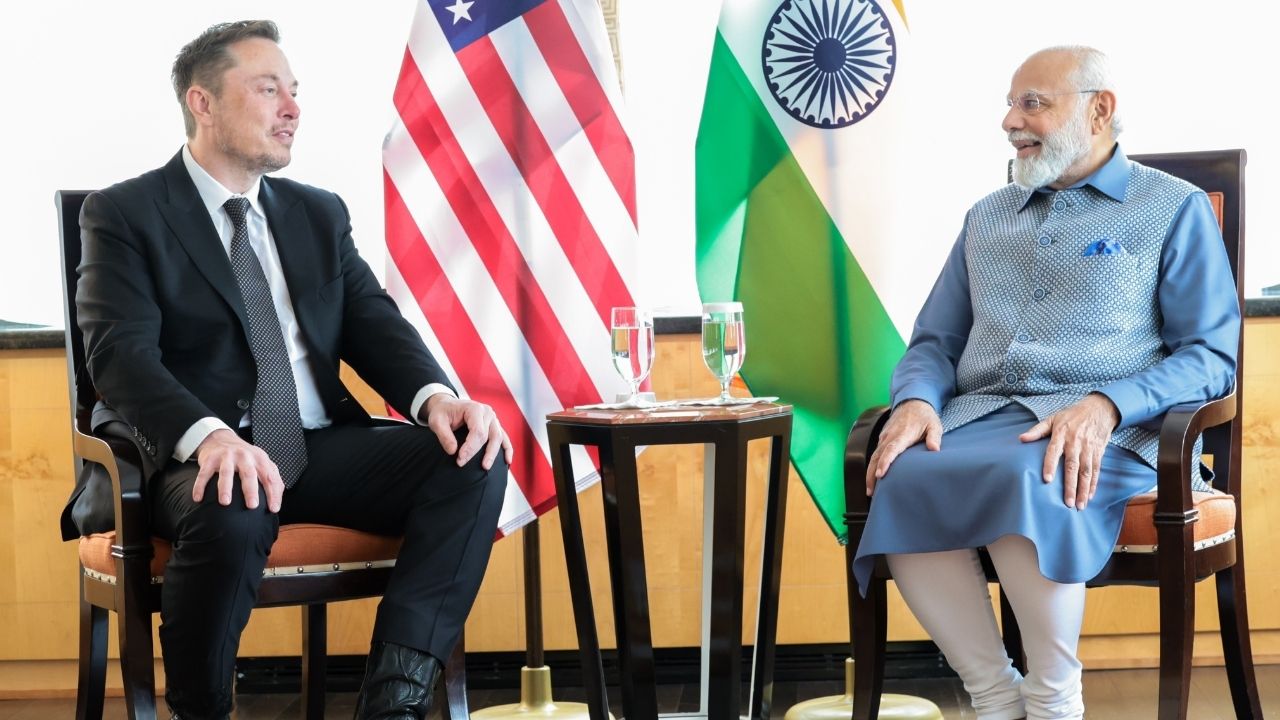
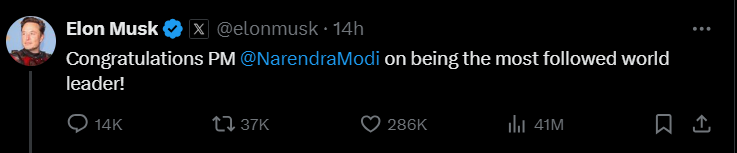
    Elon Musk, the controversial CEO of Tesla and social networking site X (formerly known as Twitter), recently congratulated Indian Prime Minister Narendra Modi on becoming the most followed world leader.


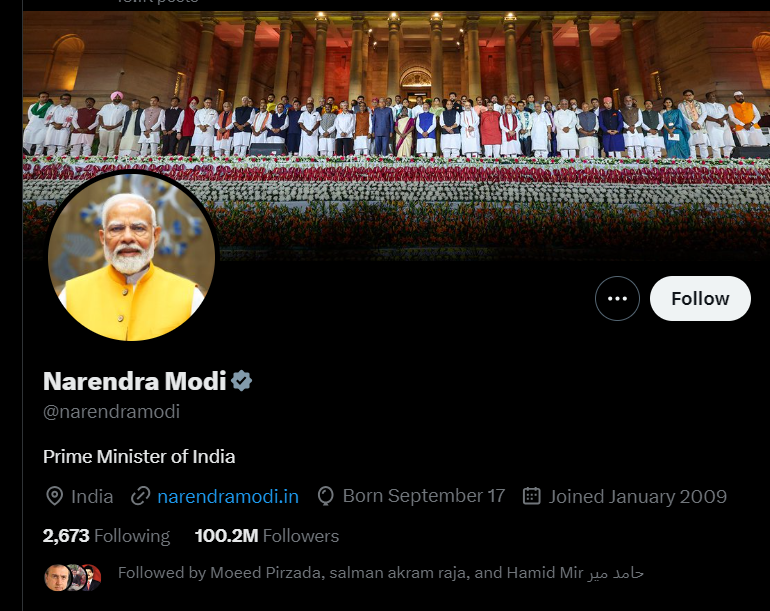
    Modi has 100.2 million followers on X, which are far less than Musk himself, who has 190.2 million.


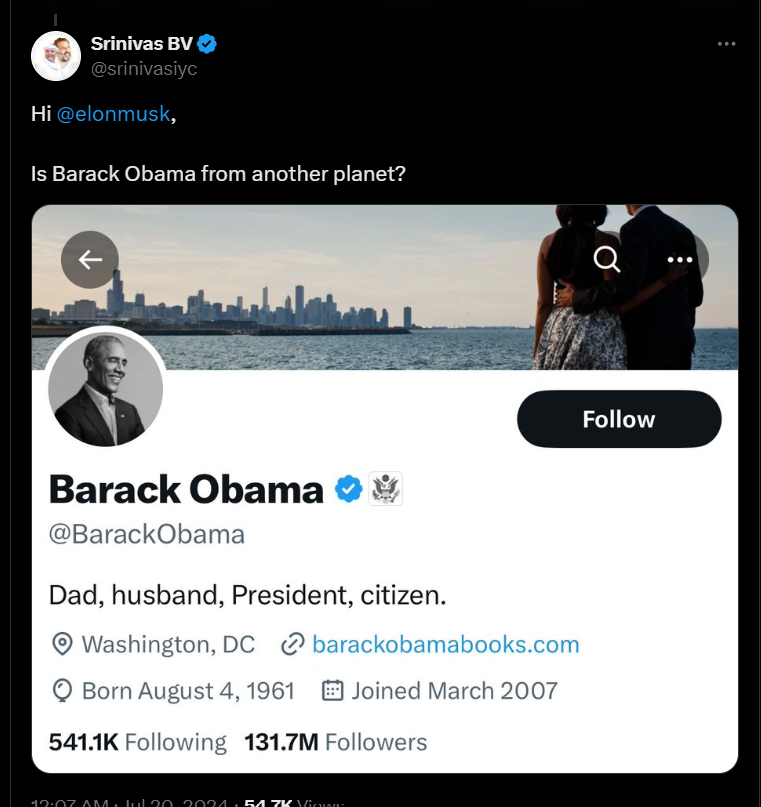
    While Modi’s followers along with Indian Media celebrated the tweet as an honour, many netizens reminded Musk of Barack Obama, former American President, who is far ahead of Modi with his 131.7 million followers on X.


    National President of Indian Youth Congress, Srinivas tagged Elon Musk and wrote, “Is Barack Obama from another planet?”

  • India’s Modi pleads for ‘consensus’ as parliament opens after elections

    India’s Modi pleads for ‘consensus’ as parliament opens after elections

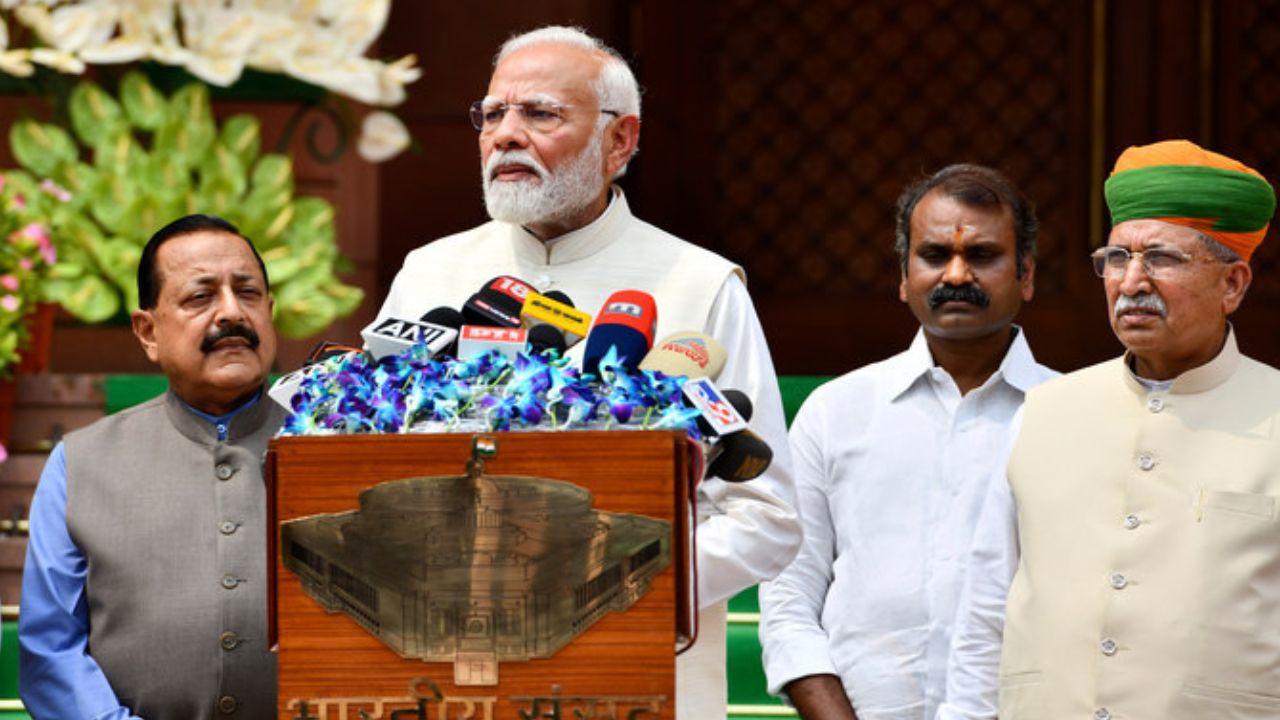
    Indian Prime Minister Narendra Modi appealed to an emboldened opposition for “consensus” Monday, as parliament opened following an election setback that forced him into a coalition government for the first time in a decade.

    Expected in the first session, which will run until July 3, is a preview of Modi’s plans for his third term and the likely formal appointment of Rahul Gandhi as leader of the opposition — a post vacant since 2014.

    Modi’s first two terms in office followed landslide wins for his right-wing Bharatiya Janata Party (BJP), allowing his government to drive laws through parliament with only cursory debate.

    But now analysts expect the 73-year-old Modi to moderate his Hindu-nationalist agenda to assuage his coalition partners, focusing more on infrastructure, social welfare and economic reforms.

    “To run the country, a consensus is of utmost importance”, Modi said in a speech shortly before entering parliament, calling on the opposition to play a constructive role.

    “People expect their representatives to debate and discuss issues which are important to the country […] they don’t expect disturbances or hindrances in the parliamentary proceedings,” he said. “People want substance, not slogans.”

    Modi led lawmakers in taking the oath — as his cheering supporters thumped their desks in support, and opposition members waved the constitution in protest. He said he was “proud to serve” India.

    Minister of Parliamentary Affairs Kiren Rijiju on Monday called for a “peaceful and productive” session, but Indian media said they expected lively debate with a far stronger opposition.

    “All set to spar”, one headline in The Hindustan Times read Monday. “Resurgent opposition set to push government”, The Indian Express front page added.

    Rahul Gandhi, 54, defied analyst expectations to help his Congress party nearly double its parliamentary numbers, its best result since Modi was swept to power a decade ago.

    Gandhi is the scion of a dynasty that dominated Indian politics for decades and is the son, grandson and great-grandson of former prime ministers, beginning with independence leader Jawaharlal Nehru.

    Parliamentary regulations require the opposition leader to come from a party that commands at least 10 per cent of the lawmakers in the 543-seat lower house.

    The post has been vacant for 10 years because two dismal election results for Congress — once India’s dominant party — left it short of that threshold.

    Lawmakers elected behind bars

    The parliamentary session will start with newly elected lawmakers taking their oaths over the first two days. Many will be watching if two lawmakers elected from behind bars, bitter opponents of Modi, will be allowed to join.

    One is Sikh separatist Amritpal Singh, a firebrand preacher arrested last year after a month-long police manhunt in Punjab state. The second is Sheikh Abdul Rashid, a former state legislator in India-occupied Kashmir.

    It is unclear if either will be granted bail to attend the ceremony in person.

    Modi’s decade as premier has seen him cultivate an image as an aggressive champion of the country’s majority Hindu faith, worrying minorities including the country’s 200-million-plus Muslim community.

    But his BJP won only 240 seats in this year’s poll, 32 short of a majority in the lower house — its worst showing in a decade.

    It has left the BJP reliant on a motley assortment of minor parties to govern. Modi has kept key posts unchanged in this government and the cabinet remains dominated by the BJP.

    That includes BJP loyalists Rajnath Singh, Amit Shah, Nitin Gadkari, Nirmala Sitharaman and S. Jaishankar — the defence, interior, transport, finance and foreign ministers, respectively — staying on in their jobs.

    But out of his 71-member government, 11 posts went to coalition allies who extracted them in exchange for their support — including five in the top 30 cabinet posts.

    Many will also be eying the election of the speaker, a powerful post overseeing the running of the lower house, with lawmakers slated to vote on Wednesday.

    Coalition allies covet the post, but others suggest Modi will put forward a candidate from his BJP.

  • Ab ki baar, 400 nahin hua paar; Why did Modi falter in Indian elections?

    Ab ki baar, 400 nahin hua paar; Why did Modi falter in Indian elections?

    Elections in 2024 are surprising, to say the least. Many polls across the globe have given a jolt to political pandits, dismantling their expectations. Be it in Pakistan or in neighbouring India; the results sent a shock wave among observers. In India, particularly, the result defied exit polls and set a precedent of what is called the power of vote.

    While the expected Leader of the Opposition, Rahul Gandhi, was on a country-wide tour titled “Bharat Joro Yatra,” Prime Minister Narendra Modi and the leading party, BJP, were conniving for a change in the constitution.  Campaigning for a third time in the office, “400 paar” was the slogan Modi chanted all along. With more than 65 percent voter turnout and a six-week-long grueling process of polls amid the heatwave, the climax showcased the fruit of the exhaustive exercise. The total number of seats won by the ruling party was 240, far behind the magic number of 272, and it lost 63 seats compared to the election of 2019. Economist and author Parakala Prabhakar called this “a very clear tight slap on PM’s face,” but what led to the results?  

     In the span of the last five years, the BJP government led by Narendra Modi outrightly showed hate against minorities, especially Muslims, and promoted the saffron-tainted movement of Hindutva. It started off with the revocation of the Special Status of Kashmir, followed by the Citizen Amendment Act, and culminated with the inauguration of Ram Mandir. 

    303 seats in 2019 enabled BJP to strip Kashmiris of their statehood on August 5, 2019, because it was seen as the biggest hurdle in the drive for development in the region. However, in the garb of this modernization, the aim was to alter the disputed area’s demographics eventually.  

    With CAA, the Modi government further pushed Muslims to the periphery. This “fundamentally discriminatory” piece of law endangered the citizenship of a large number of Muslims in the country. It declared them illegal immigrants, but the Modi government remained unfazed in the face of all criticism. 

    The mishandling of the pandemic, coupled with the high unemployment rate of eight percent, proved to be a catalyst, but it was the largest farmer’s protest in Punjab that turned out to be a major blow. Millions on the road, the police crackdown on protestors, and the rigidity of the government made headlines all across the globe. Resultantly, Congress dominated the polls in Punjab with a high voter turnout of 62.80 percent.

    Islamophobic rhetoric, anti-Dalit sentiment, a spiraling economy, and unconstitutional motives of the sitting government resulted in the BJP’s defeat in Uttar Pradesh and Maharashtra, the two most significant states. 

    The party of “saffron parakeets” kept on ignoring the pulse of the nation and inaugurated Ram Mandir with glitz and glamour in Ayodhya, above the ruins of the demolished Babri Masjid. Modi proudly claimed that the Mandir will be a “temple of national consciousness”. The voters ironically consciously rejected him. Though the BJP will again form the government under the umbrella of the National Democratic Alliance, this will be a coalition government, weak at its core and unable to execute the idea of changing the system of governance from Parliamentary to Presidential.

    Although it is true to democratic traditions, the credit for this stupendous result goes to the voices of reason, who relentlessly stood in the way of Modi’s aim to establish his “taana shahi”.  YouTuber Dhruv Rathee, who has been named by renowned publications as one of the “factors,” made it his mission to create awareness of all the inconsistencies in the election process, scandals in Modi’s governance, and the wildly objectionable things Modi has said and done. His videos were watched by a whooping number of 476 million people, got screened in some areas while he flexed as the “power of the common man”. Some journalists like Rana Ayuub and Karan Thapar and writers like Arundhati Roy chose to call a spade a spade and will go down in history for being on the right side. 

    With the coalition government in place, will there be a new more introspective Modi or a rather aggressive one? It is yet to be seen, but he surely wouldn’t be the same as he was in the last five years.

  • India’s six-week election ends with vote in Hindu holy city Varanasi

    India’s six-week election ends with vote in Hindu holy city Varanasi

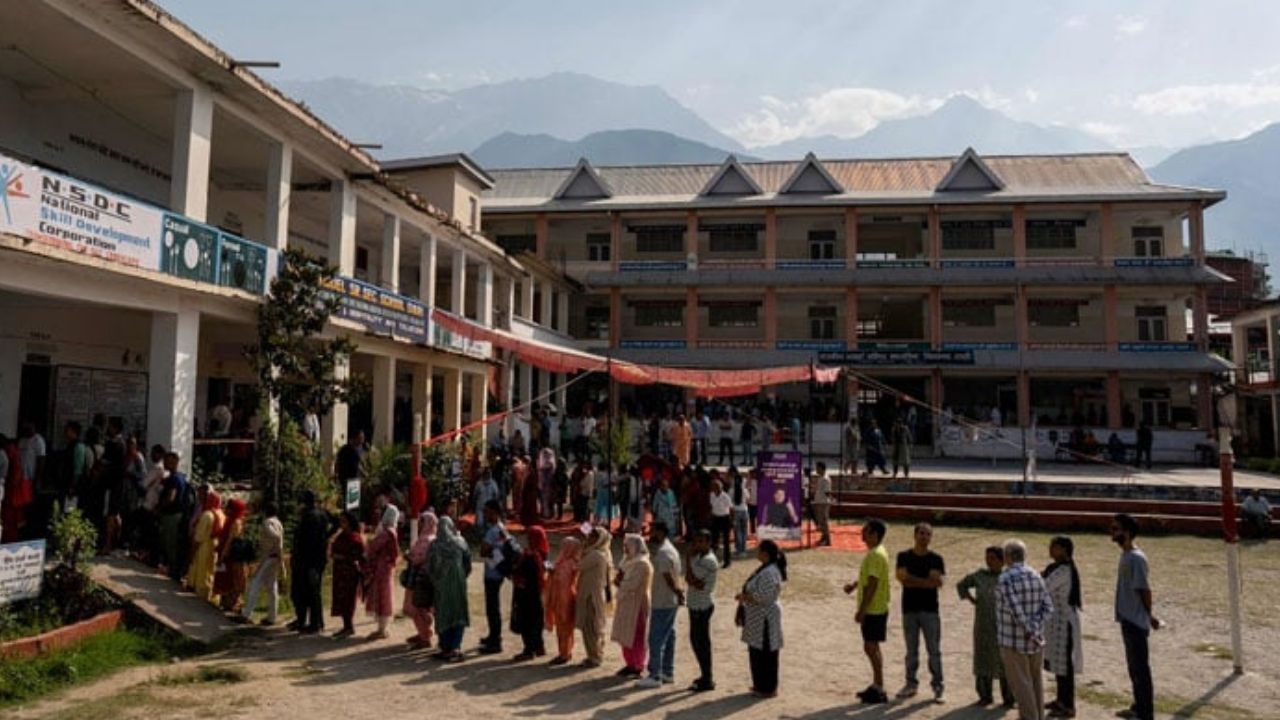
    VARANASI: Indians flocked to the polls under scorching heat in the Hindu holy city of Varanasi on Saturday as a marathon national election reached its final day, six weeks after the voting first began.

    Indian Prime Minister Narendra Modi is widely expected to win a third term in office when results are announced Tuesday, in large part due to his cultivated image as an aggressive champion of India’s majority faith.

    The 73-year-old’s constituency of Varanasi is the spiritual capital of Hinduism, where devotees from around India come to cremate deceased loved ones by the Ganges river.

    It is one of the final cities to vote in India’s gruelling election and where public support for Modi’s ever-closer alignment of religion and politics burns brightest.

    “Modi is obviously winning,” Vijayendra Kumar Singh, who works in one of the popular pilgrimage destination’s many hotels, told AFP.

    “There’s a sense of pride with everything he does, and that’s why people vote for him.”

    Modi has already led the ruling Bharatiya Janata Party (BJP) to two landslide victories in 2014 and 2019, forged in large part by his appeal to the Hindu faithful.

    This year, he presided over the inauguration of a grand temple to the deity Ram, built on the grounds of a centuries-old mosque in Ayodhya razed by Hindu zealots in 1992.

    Construction of the temple fulfilled a longstanding demand of Hindu activists and was widely celebrated across the country with back-to-back television coverage and street parties.

    The ceremony, and numerous other chest-beating appeals to India’s majority religion over the past decade, have in turn made many among the country’s 200 million-plus minority Muslim community increasingly uneasy about their futures.

    Modi himself has made a number of strident comments about Muslims on the campaign trail, referring to them as “infiltrators”.

    He has also accused the motley coalition of more than two dozen opposition parties contesting the poll against him of plotting to redistribute India’s wealth to its Muslim citizens.

    ‘Already so hot’

    India has voted in seven phases over six weeks to ease the immense logistical burden of staging an election in the world’s most populous country.

    Both counting and results are expected on Tuesday, but exit polls published after polls close Saturday are expected to give some indication of the winner.

    Turnout is down several percentage points from the last national election in 2019, with analysts blaming widespread expectations of a Modi victory as well as successive heatwaves scorching India’s northern states.

    Extensive scientific research shows climate change is causing heatwaves to become longer, more frequent and more intense, with Asia warming faster than the global average.

    A scorching sun bore down on Varanasi and its countless temples and riverside crematoriums during Saturday’s vote, with temperatures forecast to peak at 44°C (111 Fahrenheit).

    “It’s already so hot,” Chinta Devi, who arrived to cast her vote at eight in the morning, told AFP.

    “Varanasi has felt hotter than usual over the last few days,” she added. “You see all the streets and markets empty.”

    ‘A lot more respect’

    Analysts have long expected Modi to triumph against the opposition alliance competing against him, which at no point has named an agreed candidate for prime minister.

    His prospects have been further bolstered by several criminal probes into his opponents and a tax investigation this year that froze the bank accounts of Congress, India’s largest opposition party.

    Western democracies have largely sidestepped concerns over rights and democratic freedoms in the hopes of cultivating an ally that can help check the growing assertiveness of China, India’s northern neighbour and rival regional power.

    Modi’s image at home has been bolstered by India’s rising diplomatic and economic clout — the country overtook Britain as the world’s fifth-biggest economy in 2022.

    “As an Indian, I feel that he has ensured a lot of respect and prestige for India during his term,” Shikha Aggarwal, 40, told AFP while waiting to cast her vote.

    “People now look at India and Indians with a lot more respect, something not accorded earlier.”
  • Modi claims to have stopped war in Gaza during Ramzan

    Modi claims to have stopped war in Gaza during Ramzan

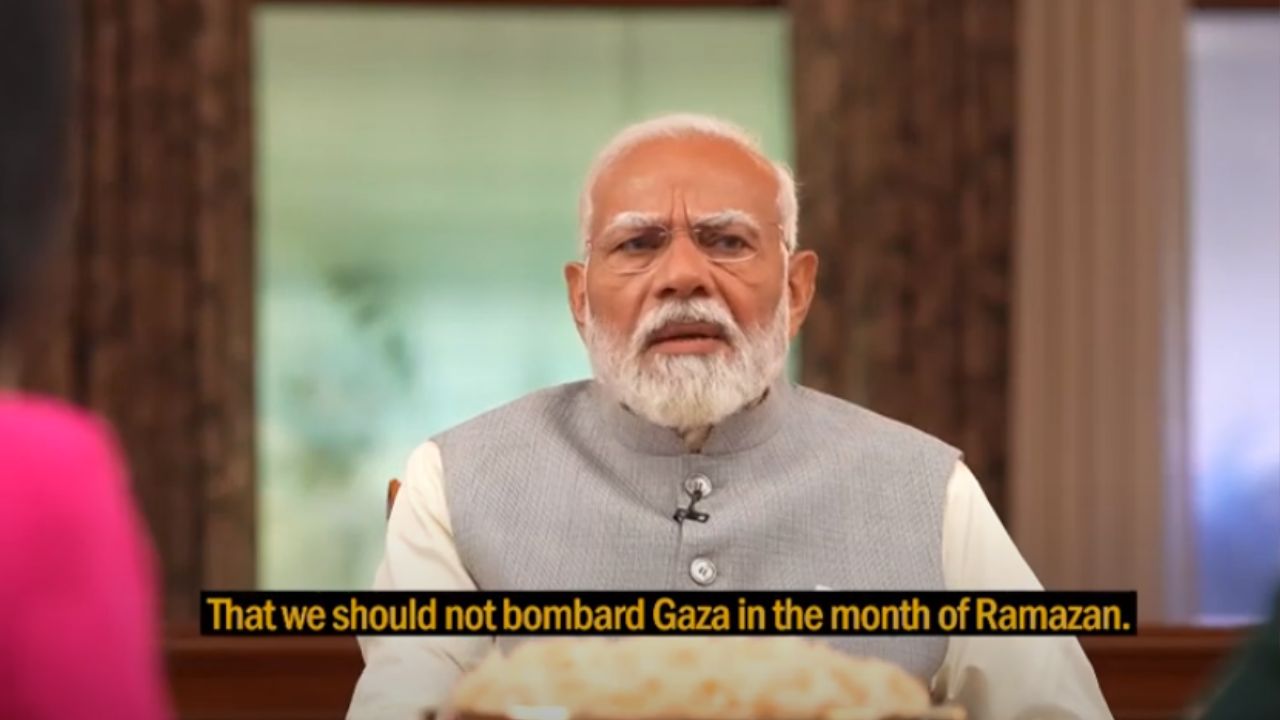
    Indian Prime Minister Narendra Modi recently appeared in an interview with a group of journalists and claimed that he played an instrumental role in stopping the war in Gaza for the month of Ramzan.


    In a video clip that surfaced on X (formerly Twitter), shared by ALT News journalist Muhammad Zubair Modi asserted that in the holy month of Ramzan, he sent a special envoy to Israel in order to convince the Israeli Prime Minister to at least stop the war in Gaza for the month. “Kam se kam Ramzan mein Gaza mein bambari na karein,” Modi stressed. He also stated that the Israeli Premier tried to follow his advice but he did make the effort.


    Modi went ahead to point out that, “Here you guys accuse me of politics against the Muslims but, Modi attempted to stop the bombardment in Gaza. Now I don’t want publicity for this.”

    The claim is being taken with a large pinch of salt by social media users.