Tag: Narendra Modi

  • Jailed Indian opposition politician to run capital from cell

    Jailed Indian opposition politician to run capital from cell

    A senior Indian opposition politician will run the capital from his prison cell, a senior aide said Tuesday, facing down growing calls by rivals demanding he resign.

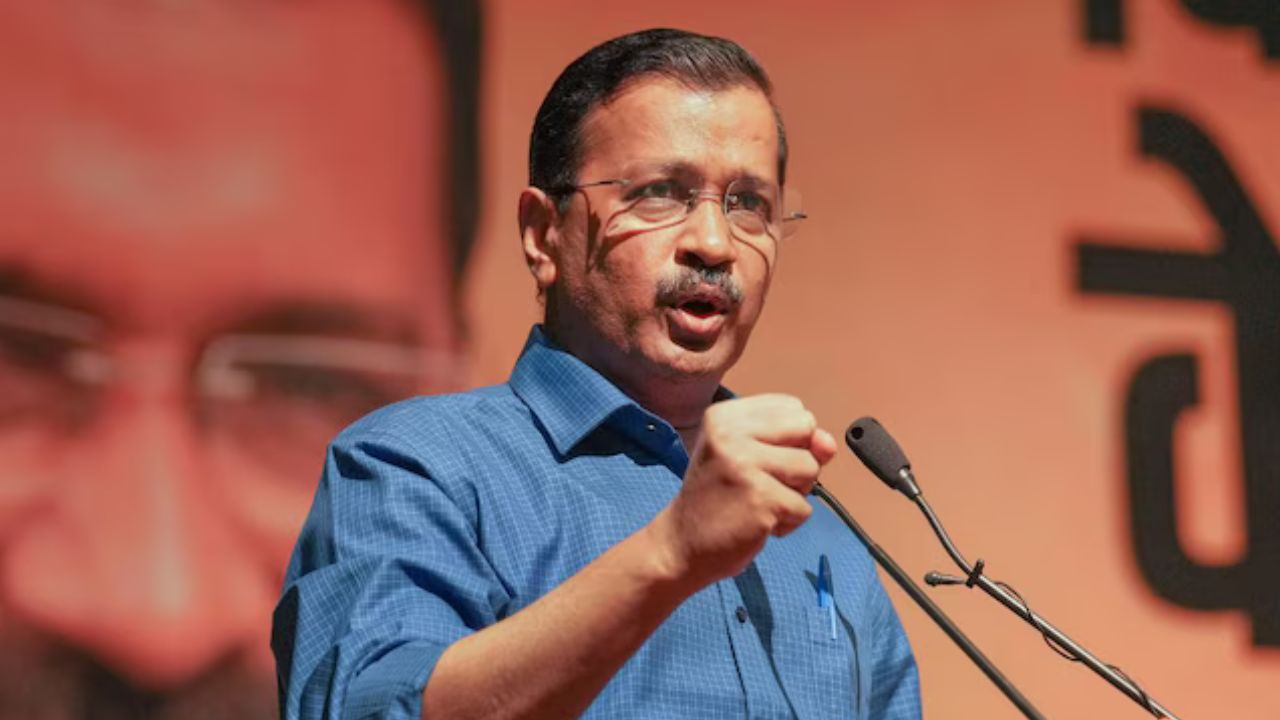
    Arvind Kejriwal, chief minister of New Delhi and a key leader in an opposition alliance formed to compete against Prime Minister Narendra Modi in upcoming elections, was arrested on Thursday in connection with a long-running corruption probe.

    Atishi Marlena Singh, New Delhi’s education minister and fellow member of Kejriwal’s Aam Aadmi Party (Common Man Party, AAP), said “statutory and constitutional provisions” allowed him to remain in his post while behind bars.

    “We are very clear that Arvind Kejriwal will remain the chief minister of Delhi,” Singh, 42, told AFP.

    “If he were to resign when there’s been no trial and no conviction, it opens up the route for other opposition chief ministers to be removed,” she added.

    India’s main financial investigation agency, the Enforcement Directorate (ED), which arrested Kejriwal, has launched probes into at least four other state chief ministers or their family members.

    All the investigations involve political opponents of Modi’s ruling Bharatiya Janata Party (BJP).

    While Modi enjoys high levels of support among his backers, critics accuse him of using law enforcement agencies to intimidate opposition leaders.

    Kejriwal, 55, denies the charges against him.

    His supporters, who held a rally in the city on Tuesday demanding his release, say charges against him are politically motivated and aimed at sidelining challengers of Modi ahead of the polls.

    Modi’s political opponents and international rights groups have long sounded the alarm on India’s shrinking democratic space.

    “All the centre has to do is file some fake cases, and then the ED goes and arrests them”, according to Singh.

    Nearly a billion Indians will vote to elect a new government in six-week-long parliamentary elections starting on April 19, the largest democratic exercise in the world.

    Many analysts see Modi’s re-election as a foregone conclusion, partly due to the resonance of his assertive Hindu-nationalist politics with members of the country’s majority faith.

    Hundreds of BJP loyalists held a rival march through New Delhi on Tuesday, chanting support for Modi and demanding Kejriwal resign.

    “You can run a gang from jail but not a government,” BJP lawmaker Manoj Tiwari told the crowd. “A government cannot be run from prison”.

    In February, Jharkhand state’s chief minister Hemant Soren was arrested and jailed on corruption charges.

    Soren, who denies all charges, resigned and handed power to a colleague.
  • Pakistan to review trade ties with India, says FM Dar

    Pakistan to review trade ties with India, says FM Dar

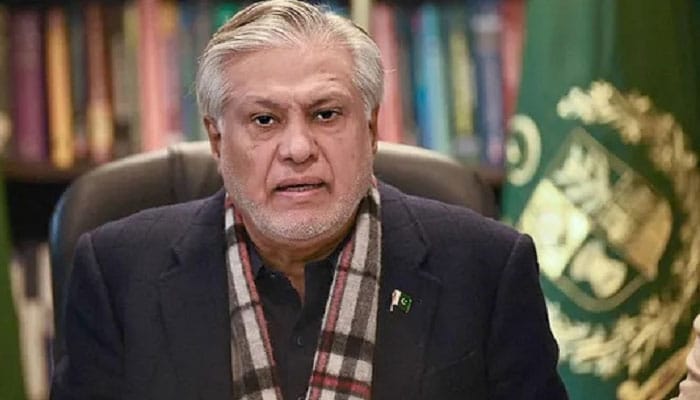
    Foreign Minister Ishaq Dar has stated that Pakistan will think about re-establishing trade relations with India, suspended since August 2019, when the Narendra Modi-led government ended the special status of Indian Illegally Occupied Jammu and Kashmir (IIOJK).

    “Pakistani businessmen want trade with India to resume,” the foreign minister said while addressing the media at the Pakistan High Commission in London at the end of his visit to the UK and Europe on Saturday.

    In August 2019, the Modi-led government unilaterally changed the special status of the occupied valley, causing Pakistan to downgrade its ties with India.

    In February 2021, despite the strained relationship between the two neighbours, Pakistan and India both agreed to renew the 2003 ceasefire agreement along the Line of Control (LoC). Pakistan has connected its choice to improve relations with India to the reinstatement of the special status of the Indian Illegally Occupied Jammu and Kashmir (IIOJK).

    Recently, Indian Prime Minister Narendra Modi congratulated Shehbaz Sharif on becoming of prime minister of Pakistan.

    “Congratulations to [Shehbaz Sharif] on being sworn in as the prime minister of Pakistan,” Modi wrote in a brief message on X, formerly Twitter.

  • Modi’s government accused of freezing Congress funds ahead of elections

    Modi’s government accused of freezing Congress funds ahead of elections

    India’s main opposition Congress party said on Friday that its bank accounts had been frozen by the tax department just weeks before the expected announcement of national elections.

    Critics and rights groups have accused India’s Prime Minister Narendra Modi’s government of using law enforcement agencies to selectively target its political foes.

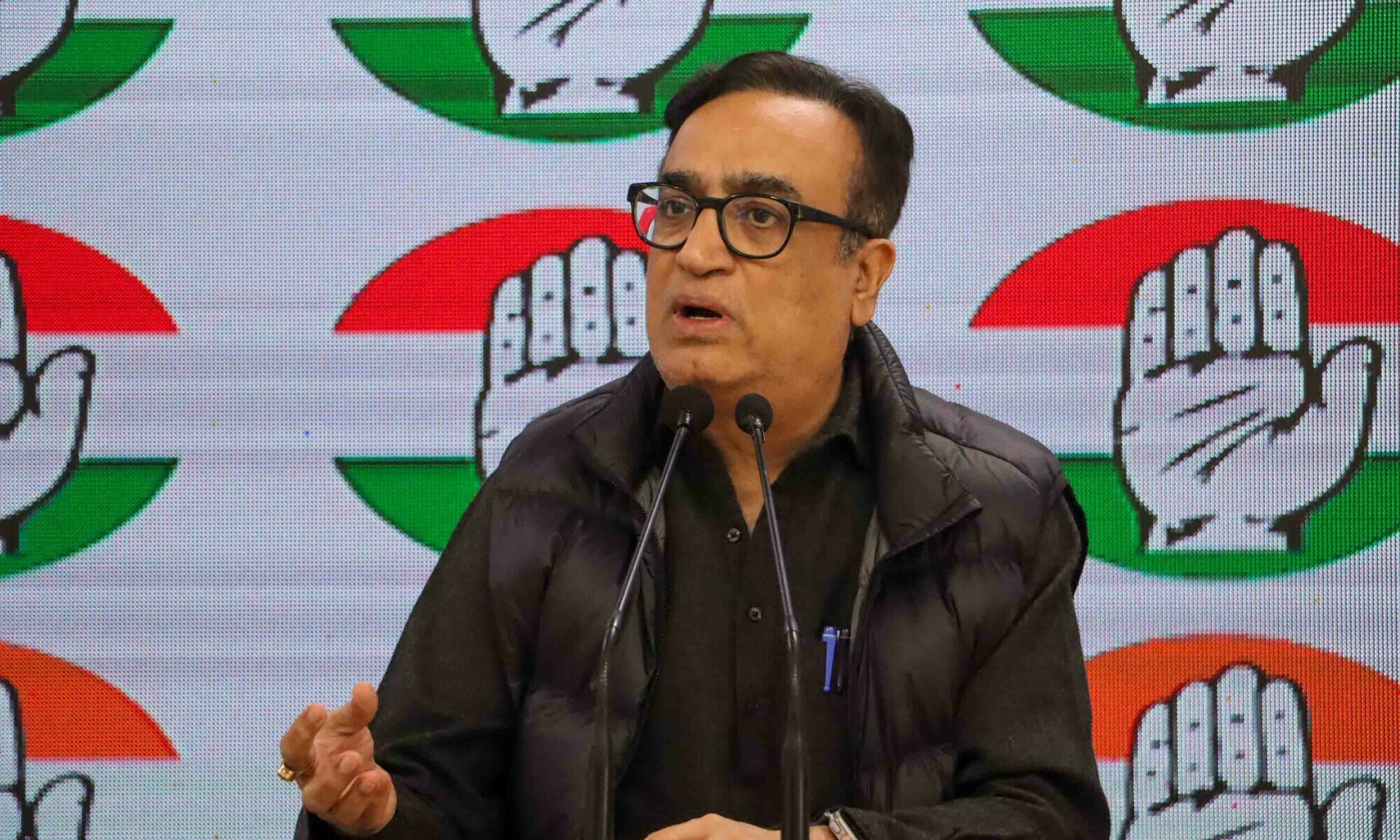
    Congress spokesman Ajay Maken said the action against his party was aimed at sidelining it ahead of the polls.

    “When the principal opposition party’s accounts have been frozen just two weeks before the announcement of the national elections, do you think democracy is alive in our country?” he asked reporters.

    “Don’t you think it is going towards one party system?” he added.

    Four of Congress’s accounts had been frozen after an investigation of the party’s 2018-19 income tax returns, Maken said.

    He added that the tax department had issued a payment demand for 2.1 billion rupees ($25.3 million) in relation to its probe.

    Maken conceded that the party had filed its returns late by up to 45 days but insisted it had done nothing to warrant such a penalty.

    “Today is a sad day for Indian democracy,” he said, adding that the party was appealing the decision in court and would stage public protests.

    India’s Congress party spokesman Ajay Maken addresses a press conference at All India Congress Committee (AICC) headquarters in New Delhi on February 16. — AFP

    Friday’s announcement follows numerous legal sanctions and active investigations against leading opponents of Modi’s ruling Bharatiya Janata Party (BJP).

    Congress party leader Rahul Gandhi, scion of the dynasty that dominated Indian politics for decades, was convicted of criminal libel last year after a complaint by a member of Modi’s party.

    His two-year prison sentence saw him disqualified from parliament for a time until the verdict was suspended by a higher court, but raised concerns over democratic norms in the world’s most populous country.

    ‘Face the consequences’

    Congress is a member of an opposition party alliance hoping to challenge Modi at this year’s polls, and other leading figures in the bloc have also found themselves under investigation.

    Arvind Kejriwal, leader of the Aam Aadmi Party and chief minister of the capital region Delhi, has repeatedly been summoned by investigators probing alleged corruption in the allocation of liquor licences.

    Earlier this month police arrested Hemant Soren, until then the chief minister of eastern Jharkhand state and another leading figure in the opposition alliance, for allegedly facilitating an illegal land sale.

    India’s main financial investigation agency, the Enforcement Directorate, has ongoing probes against at least four other chief ministers or their families, all of whom belong to the BJP’s political opponents.

    Other investigations have been dropped against erstwhile BJP rivals who later switched their allegiance to the ruling party.

    Virendra Sachdeva, president of the BJP’s Delhi branch, said on Friday that Congress had only itself to blame for the freezing of its accounts.

    “It is unfortunate that a big party like Congress is not following government rules,” he told the Press Trust of India news agency.

    “If it is not following the rules, then it has to face the consequences. “

  • Inauguration of Ram Mandir- Modi’s Hindutva in full force

    Inauguration of Ram Mandir- Modi’s Hindutva in full force

    Ram Mandir in India is being inaugurated today (Monday) by Prime Minister Narendra Modi with state-sponsored fanfare.


    “This will be our Vatican City, the holiest site for Hindus across the world,” said Sharad Sharma, spokesperson for Vishva Hindu Parishad (VHP), a rightwing Hindu group, and member of the Hindu trust building the temple. “After 500 years of Hindu oppression, Lord Ram will finally be returned to Ayodhya,” The Guardian cites him as saying.


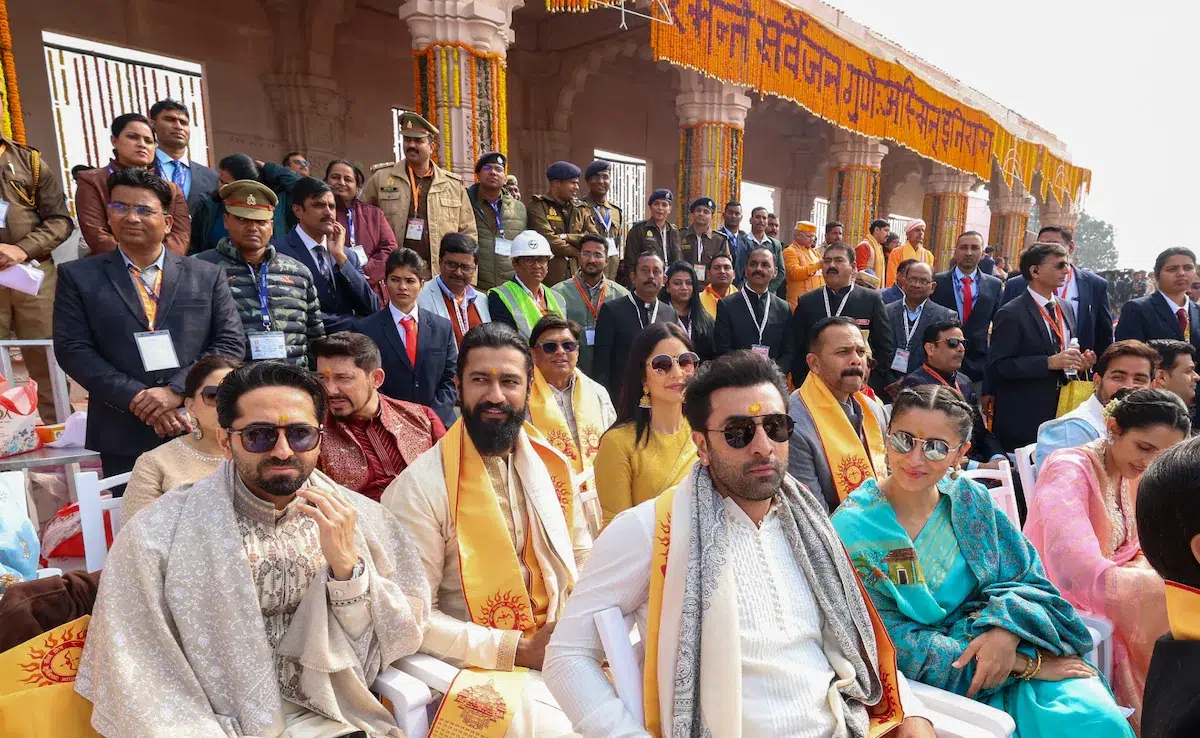
    Considering the importance the event holds, the ceremony is going to be attended by a huge number of Bollywood celebrities, cricketers, politicians and leading businessmen of the country. A newly commissioned airport in Ayodhya is also in the works. Security has been tightened, while the fear of violence has prompted Muslim residents of Ayodhya to send their children and women to relatives in neighbouring towns.

    Bollywood celebrities at the inauguration of Ram Mandir


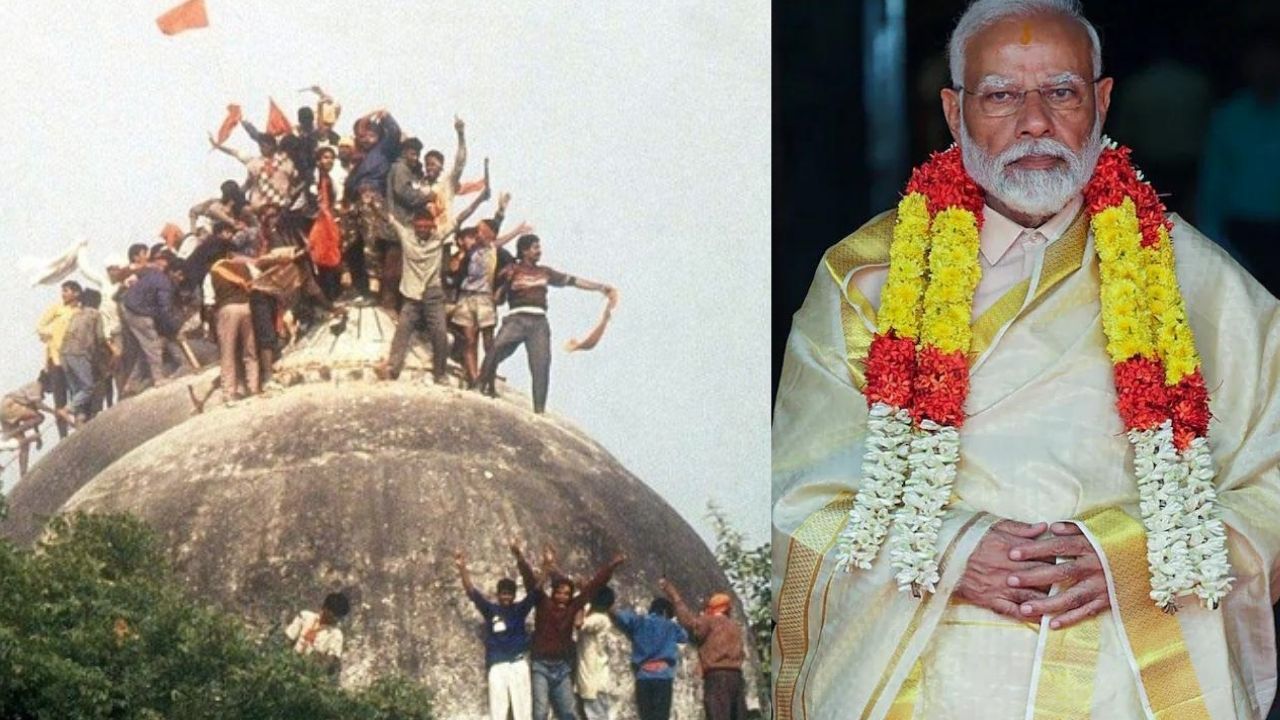
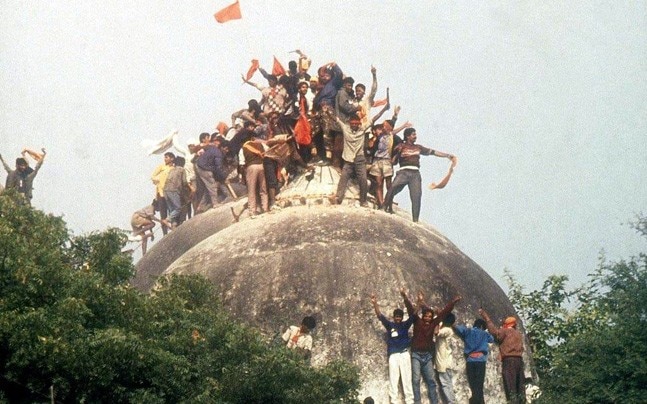
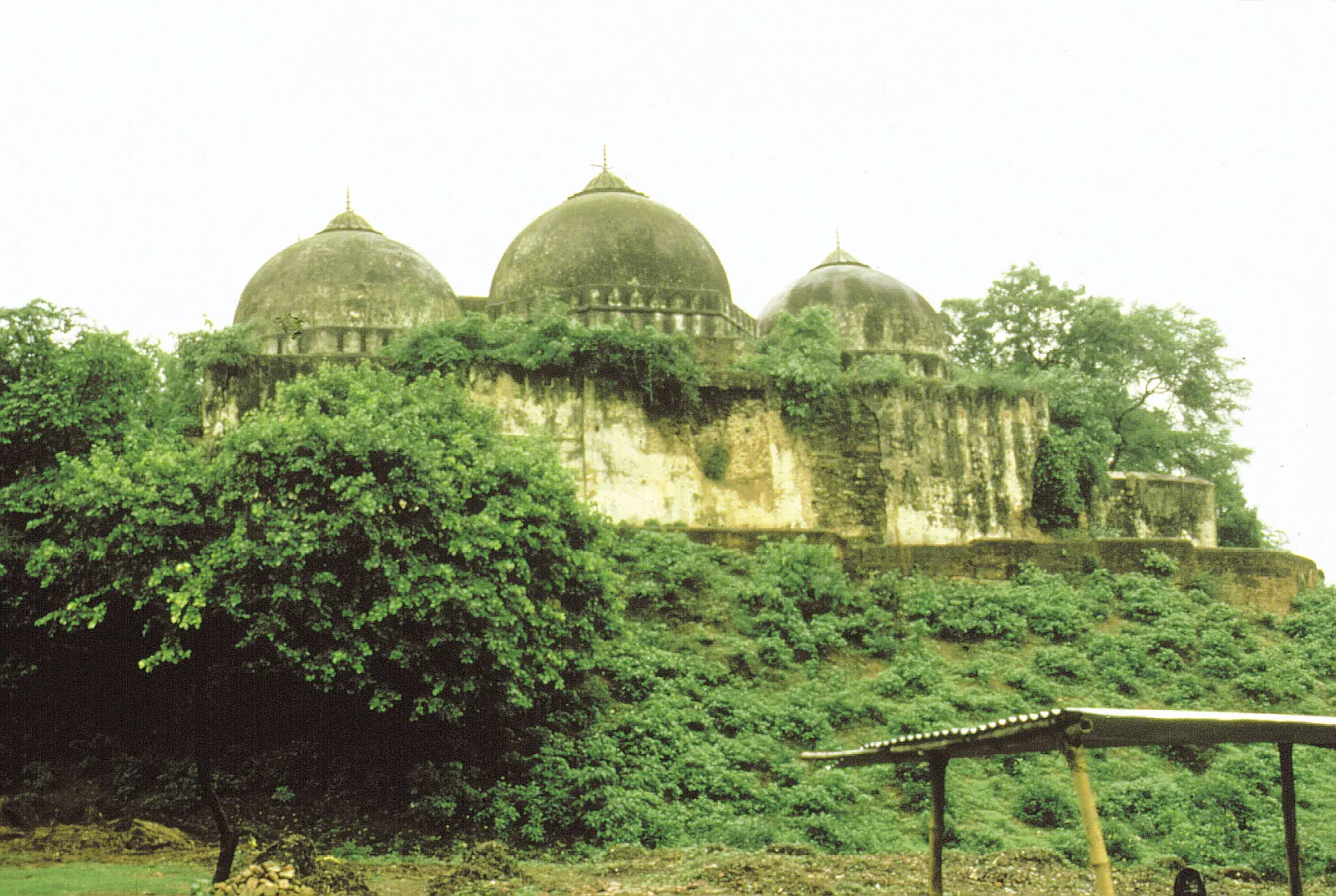
    The temple is a reminder of the very inception of this controversy built on the ruins of 16th-century Babri Masjid. It was demolished by a Hindutva-infused right-wing mob in 1992 after decades of disputes. The riots that happened following the demolition killed more than three thousand Muslims.


    The mosque was built in 1527 by Mughal Emperor Babur and was a rare surviving example of the architecture of the early Mughal Empire, which ruled India from 16th to 19th centuries. Muslims worshipped in the mosque for more than 300 years.


    Summarising the history of the site, Dr. Audrey Truschke wrote in Time: “In the 1850s, when India was largely under British colonial rule, the first signs of trouble arose as the Babri Masjid emerged as a key site of Hindu nationalist attempts to rectify perceived historical wrongs by Muslims, an idea inherited from British colonialists. Hindus claimed that Lord Ram, a major god and mythological hero, had been born at the very spot on which the mosque stood. Competing claims of Ram’s birthplace were once attached to many sites in Ayodhya, but the Babri Masjid drew particular fervor because it was a mosque. Some imagined further historical wrongs associated with the Babri Masjid, including claiming that the mosque was built after Babur’s general destroyed a Hindu temple at that location. None of these claims stand up to historical scrutiny. But in the 1980s, Hindu nationalist groups began tapping into these claims to argue that the mosque needed to be destroyed to clear the way for a new Hindu temple, declaring Mandir wahi banayenge (‘The temple will be built right there!’). After years of agitation, their efforts resulted in an explosion of Islamophobic violence on December 6, 1992, when a Hindu mob numbering at least 75,000 descended on Ayodhya and dismantled the Babri Masjid, brick-by-brick.


    Modi’s BJP benefitted from the situation and came to power in 2014. After the second victory in BJP in 2019, India’s Supreme Court—laden with judges affiliated with BJP- the court called the mosque’s destruction ‘an egregious violation of the rule of law,’ but nonetheless ruled that a Hindu temple could be built on the mosque’s ruins.”


    Modi laid the foundation stone at a groundbreaking ceremony in August 2020.


    Posed as a divine moment this is interpreted as a political gimmick by The Guardian because general elections are going to be held in April in India and by invoking the religious sentiments of the 80 per cent majority of the country, Modi is seeking a third term in power. Prime Minister Modi has also declared that God had chosen him as an instrument to be “representative of all Indians” and he had begun 11 days of “strict vows and sacrifice” to prepare for the event.


    Even though many Indians have given in to the political gimmickry, most are reminded that this Vatican City is nothing but a monument built after demolishing Babri Masjid by force with the help of brute majority.


    Dr. Audrey posted, “Today is a dark day for India”. She was then hugely criticised by Hindu extremists over her tweet and the article she shared.


    A Twitter user commented that this is the win of Jinnah’s two-nation theory.


    Pratesh from India shared a clip from ANI where a teacher was teaching dance steps on bhajans in schools to celebrate the inauguration. He commented, “Now what happened to no religion in school? Was it only applicable for hijab?”


    Someone sarcastically trolled Narendra Modi’s poster by writing, “Very hard to say at this point whose temple is being inaugurated.”


    A user named Sabah counted the Bollywood actors that are attending the event just to appease the government.


    Writer and Educationist Raju Parulekar lamented the state of India has lost its secular spirit in a tweet.

    The most viral is that of a kid schooling the government that a Mandir can’t educate and enable people only a school can.

  • Ustad Rashid Khan passes away at 55, fans pour in heartfelt messages

    Ustad Rashid Khan passes away at 55, fans pour in heartfelt messages

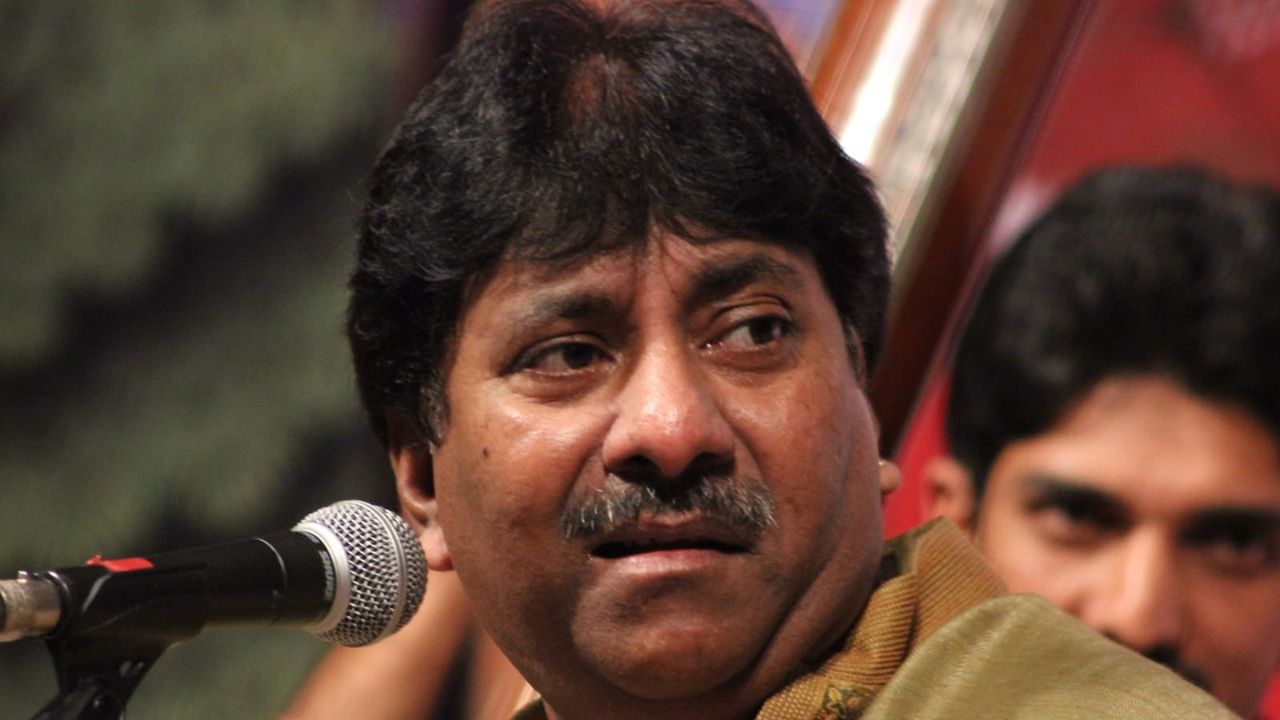
    Hindustani classical singer and music maestro Ustad Rashid Khan died in Kolkata on January 9 at the age of 55. He is survived by his wife Soma Khan, two sons, and a daughter.

    The renowned singer had been battling cancer and was admitted to a private hospital in Kolkata in November 2023.

    He was part of the Rampur-Sahaswan musical tradition and was the great-grandson of its founder, Inayat Hussain Khan.

    He was honored with the Padma Shri in 2006 and the Padma Bhushan in 2022 for his contributions to the field of Art.

    After his demise, social media was filled with heart felt messages by his fans.

    Indian Prime Minister Narendra Modi took to X (formerly Twitter) and said, “Pained by the demise of Ustad Rashid Khan Ji, a legendary figure in the world of Indian classical music.”

    West Bengal Chief Minister Mamata Banerjee posted on X that, “A hugely respected vocalist with unparalleled genius in creating music, he made us proud by settling here and making Bengal his home.”

    User Kanpriya wrote: “Lost count of the number of times I have listened to this master piece. “Aaoge jab tum saajna” is just an intro to the world of Ustad sahab’s music.”

  • Why is Maldives trending on Twitter?

    Why is Maldives trending on Twitter?

    Social media is a big source of arguments, being the quickest source to share information worldwide. A single picture, especially if posted by someone important, can cause chaos between countries.

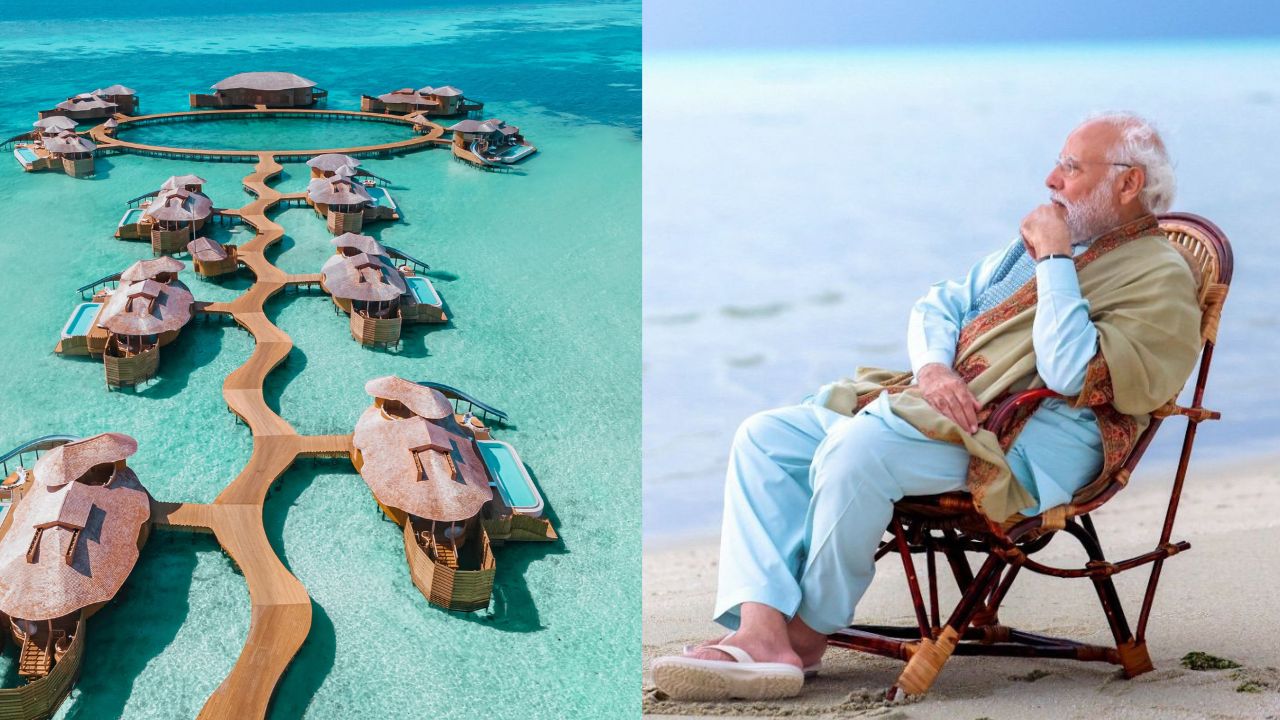
    Prime Minister of India, Narendra Modi, posted about his recent trip to Lakshadweep on X (former Twitter).

    “In addition to the scenic beauty, Lakshadweep’s tranquility is also mesmerising. It gave me an opportunity to reflect on how to work even harder for the welfare of 140 crore Indians,” the caption read.

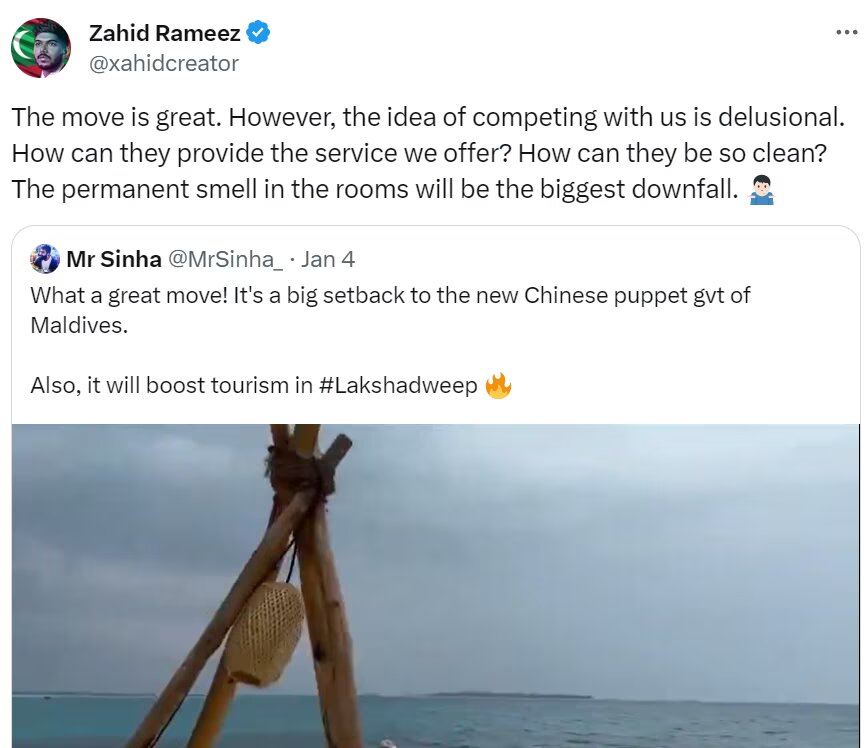
    Social media erupted with calls for boycott of Maldives tours after Maldivian politician Zahid Rameez made objectionable remarks regarding Modi’s visit to Lakshadweep.

    The incident led to the trending of the hashtag #BoycottMaldives on X in India.

    The controversy unfolded when Rameez, a member of the Progressive Party, responded to a claim suggesting that PM Modi’s visit was a setback for the Maldives and would boost tourism in Lakshadweep.

    Rameez mocked Indians, stating that competing with the Maldives for tourism was “delusional.” He questioned how India could match the level of service and cleanliness offered by the island nation, adding that the permanent smell in Indian rooms would be a significant drawback.

    Rameez’s remarks ignited a heated exchange on the microblogging site, with many users sharply criticizing him.

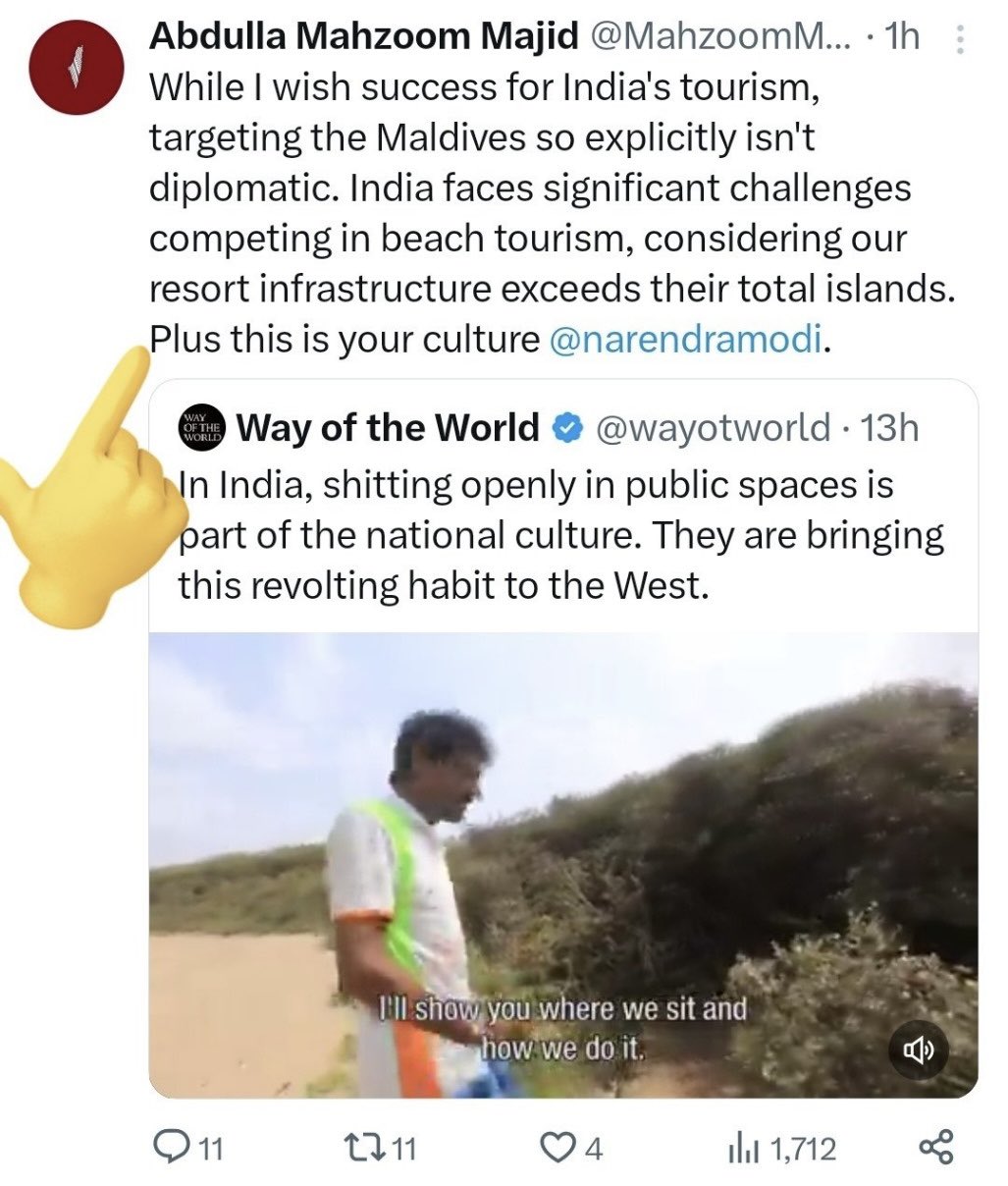
    Deputy Minister of the Ministry of Youth Empowerment Maldives, Abdulla Mahzoom Majid, also criticised Modi and said, “While I wish success for India’s tourism, targeting the Maldives so explicitly isn’t diplomatic. India faces significant challenges competing in beach tourism, considering our resort infrastructure exceeds their total islands. Plus this is your culture @narendramodi.”

    Subsequently, the hashtag #BoycottMaldives gained traction on social media, with influencers joining the call for a boycott.

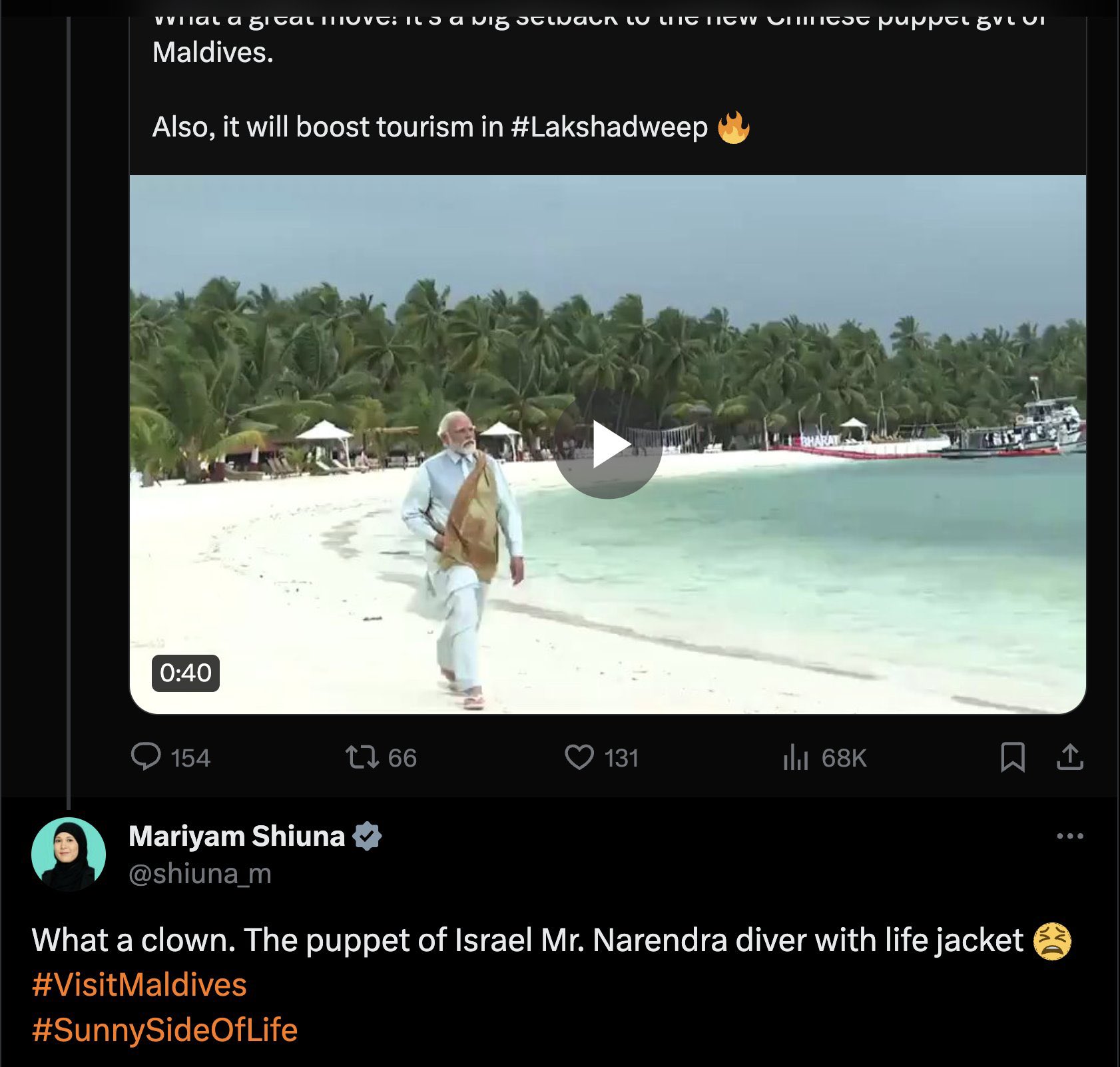
    Adding fuel to the fire, Maldivian minister Mariyam Shiuna also made derogatory comments against Prime Minister Narendra Modi in a now-deleted post, further fueling the outrage.

    Former President Nasheed urged the Maldivian government to distance itself from the offensive comments made by Shiuna and provide clear assurance to India that they do not reflect official government policy.

    “What appalling language by Maldives Government official @shiuna_m towards the leader of a key ally, that is instrumental for Maldives’ security and prosperity. @MMuizzu gov must distance itself from these comments and give clear assurance to India they do not reflect gov policy.”

    In response to the growing calls for a boycott, several Indian celebrities, including Akshay Kumar and Sachin Tendulkar, took to social media.

    They promoted the hashtag ‘#ExploreIndianIslands,’ encouraging fellow citizens to support domestic tourism.

    Former Indian cricketer Akash Chopra urged Indians to choose wisely in light of the political tensions, emphasizing the importance of national dignity.

    Minister of Foreign Affairs of Maldives, Moosa Zameer, said, “The recent remarks against foreign leaders and our close neighbours are unacceptable and do not reflect the official position of the Government of #Maldives. We remain committed to fostering a positive and constructive dialogue with all our partners, especially our neighbours, based on mutual respect and understanding.”

    As the controversy continues to unfold, diplomatic relations between India and the Maldives face a test, with the tourism industry caught in the crossfire of political tensions.

  • Author Arundhati Roy to be prosecuted in India for 2010 speech

    Author Arundhati Roy to be prosecuted in India for 2010 speech

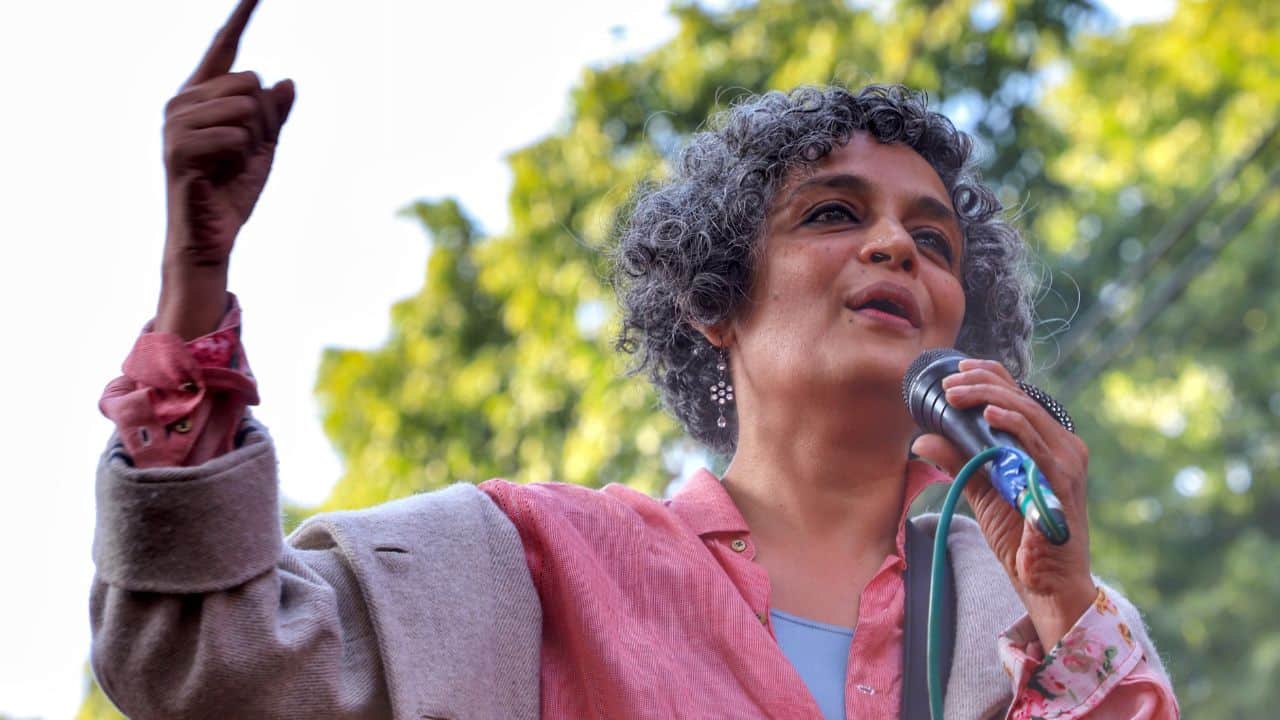
    Prolific writer Arundhati Roy, the only non-expatriate Booker prize winning author of The God of Small Things, is one of the most high-profile critics of Indian Prime Minister Narendra Modi and a voice for the voiceless in her country.

    Amidst the dire situation of press freedom in India, the author may face prosecution for a speech she delivered in 2010 about Kashmir, as per media reports. A top-official in New Delhi, VK Saxena, has given approval for the case to proceed before the courts. According to Saxena’s directive, Roy and her co-defendants were allegedly advocating for the secession of Kashmir from India at a public function and that is enough evidence for a legal case.

    Under the Modi Government, sedition laws are often used to curb the freedom of expression and journalism, raising a question over the so-called biggest democracy’s principles. Added to that are PSA laws exclusive to Jammu and Kashmir which allow detention of individuals “preventively” for up to two years, without a trial or warrant. In IOK, a number of journalists have been held in detention.

    The revocation of Article 370 ensuring the special status of Kashmir on August 6, 2019, has caused voices like Roy to become more loud. “In Kashmir when we wake up and say, ‘Good Morning’ what we really mean is ‘Good Mourning,’” exclaimed one of the characters from her novel, The Ministry of Utmost Happiness. Her house was besieged when the speech became public and the complaint that lodged against her has now proceeded after 13 years.

    Roy, now 61, has always been fearless in her expression and is known for her work as a journalist, activist and a novelist. Her work is a scribbled protest whereas her speeches and the articles she reads in conferences is vocal dissent in the face of oppressors. In one of her famous speeches, she voices out the basic facts of Kashmir’s reality that “it is not an integral part of India and even the Indian Government has accepted this years back in the UN.” Her latest book Azadi Freedom, Fascism, Fiction is an honest account of the situation of minorities, Dalits and activists in India.

  • EU parliament urges Indian PM Modi to protect minorities

    EU parliament urges Indian PM Modi to protect minorities

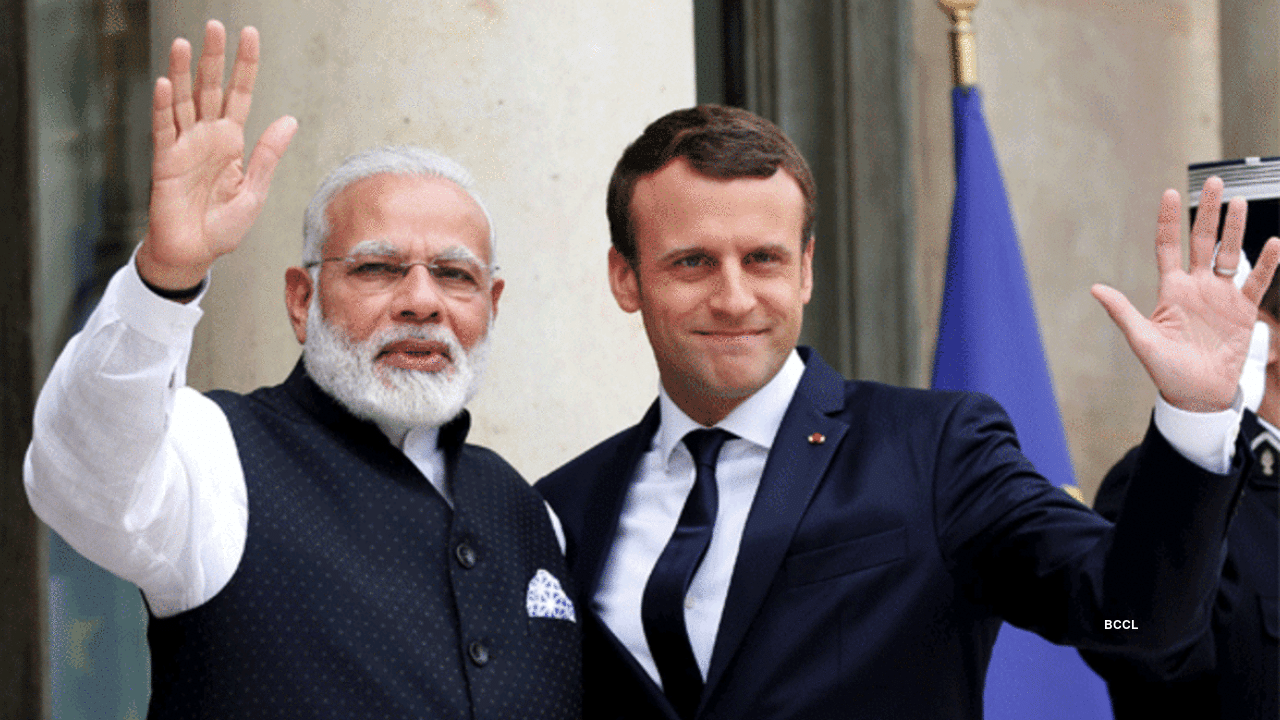
    On Thursday, the European Parliament urged Indian Prime Minister Narendra Modi to end ethnic violence in Manipur, and to do more to protect ethnic and religious minorities in India. Modi is currently on an official visit to France, having been invited to attend the country’s annual Bastille Day national festival as a guest of honour. 

    However, between the ceremony and the diplomatic courting, EU parliamentarians in Strasbourg approved a motion that urged India to end violence in the country’s northeastern Manipur state, and to protect the minorities there. 

    The motion also criticised the ‘national rhetoric’ of the local state government, run by Modi’s right-wing Bharatiya Janata Party (BJP). EU parliamentarian Pierre Larrouturou released a statement on his Twitter, with an accompanying video.

    In his tweet, Larrouturou stated that Modi and Macron can “pretend that everything is going well in India”,however, the EU parliament is recalling facts, and strongly condemns the human rights violations that take place in India.

    “Every day in India, thousands of Muslims, Christians, and members of ethnic minorities see their rights repressed,” the statement read. “To remain silent on the situation would have been a humiliation for all those who fight for their fights and suffer every day from the Hindu nationalism imposed by the Modi government.”

    In May, CNN reported how residents of Manipur say there has been a breakdown of law and order. This was after a spell of violence that left at least 58 dead and tens of thousands more homeless.

    In a speech to the public, Larrouturou went on to point out, “In Manipur, for the past two months, we have seen monstrous violence. Over 120 people have died and 1700 homes have been devastated, 250 churches have been destroyed, 40,000 people have fled for their lives.”

    Despite differences over the war in Ukraine, namely India’s continued support to Russia, as well as tensions over human rights violations in the country, Western democracies are courting Modi and what is currently the world’s most populous country, as a counterweight to China’s influence in Asia.

    India is also one of the largest global buyers of French arms. On Thursday, India approved in principle the purchase of 26 French marine Rafale jets and three Scorpene-class submarines, news agency ANI reported. 

    During Modi’s last visit to Paris in 2015, he announced a landmark deal for 36 Rafale fighter jets worth around €4 billion ($4.48 billion).

  • Modi accuses Pakistan of supporting cross-border terrorism at SCO Summit

    Modi accuses Pakistan of supporting cross-border terrorism at SCO Summit

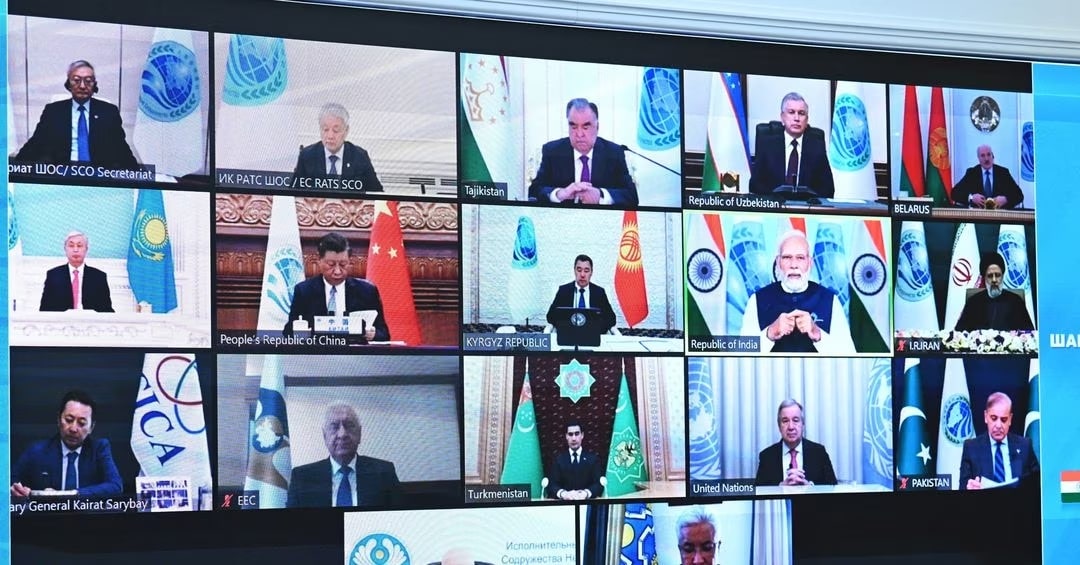
    This year, the Shanghai Cooperation Organisation’s (SCO) summit was hosted by India, where Indian Prime Minister Narendra Modi launched thinly veiled accusations against Pakistan, saying “some countries” are “terror havens“.

    Pakistan’s Prime Minister Shehbaz Sharif was in attendance, along with other SCO member countries leaders, such as Xi Jingping and Vladimir Putin.

    The SCO is a Eurasian political, economic and security organisation, which unites China, Russia, India, Kazakhstan, Kyrgyzstan, Pakistan, Tajikistan, Uzbekistan, and, as of yesterday, Iran. It’s currently the world’s largest regional bloc in terms of geographic scope and population.

    Addressing the online summit, Dawn reports Modi to have said, “Some countries use cross-border terrorism as an instrument of their policies, provide shelter to terrorists. SCO should not hesitate to criticise such nations. There should be no place for double standards on such serious matters.”

    India claims that a part of the China–Pakistan Economic Corridor passage passes through a ‘disputed’ region. Modi told leaders that “terrorism has become a major threat to regional and global peace. Dealing with this challenge requires decisive action. Regardless of its form or manifestation, we must unite in our fight against terrorism.”

    Pakistan PM Shehbaz Sharif responded in turn, saying that the SCO stands for observance of the UN principles of sovereignty, territorial integrity and people’s right to self-determination, considered a reference to the Kashmir dispute.

    “UNSC resolutions offer us a workable framework for the resolution of longstanding disputes in the region,” Dawn reported Shehbaz to have said. “These must be addressed immediately and settled amicably before it is too late.”

    Kashmir has been a contentious point between the two countries since partition, but especially since India abolished Articles 370 and 35A in 2019. These articles were decades-old and provided a measure of autonomy to the disputed Muslim-majority region.

    In the earlier SCO summit in May, Pakistan’s Foreign Minister Bilawal Bhutto criticised India’s decision to scrap the special status of the disputed region of Kashmir, saying New Delhi’s unilateral move in 2019 had undermined the possibility of holding talks between the neighbours.

    India has also accused Pakistan’s military of backing Kashmiri rebels, a claim Islamabad has denied.

  • ‘Epic’: Twitter lauds acapella group for singing song written by Muslim for Modi’s arrival at White House

    ‘Epic’: Twitter lauds acapella group for singing song written by Muslim for Modi’s arrival at White House

    Two days ago, when Indian Prime Minister Narendra Modi arrived at the US White House, a video went viral of the all-Indian acapella group Penn Masala sang ‘Jashn-e-Bahara’ in celebration of his arrival. Many Twitter users interpreted this as a clever diss to the controversial politician over his Islamophobic government, and also as a direct response to Biden who revealed that he will not talk to the Indian Prime Minister about human right violations during his visit.

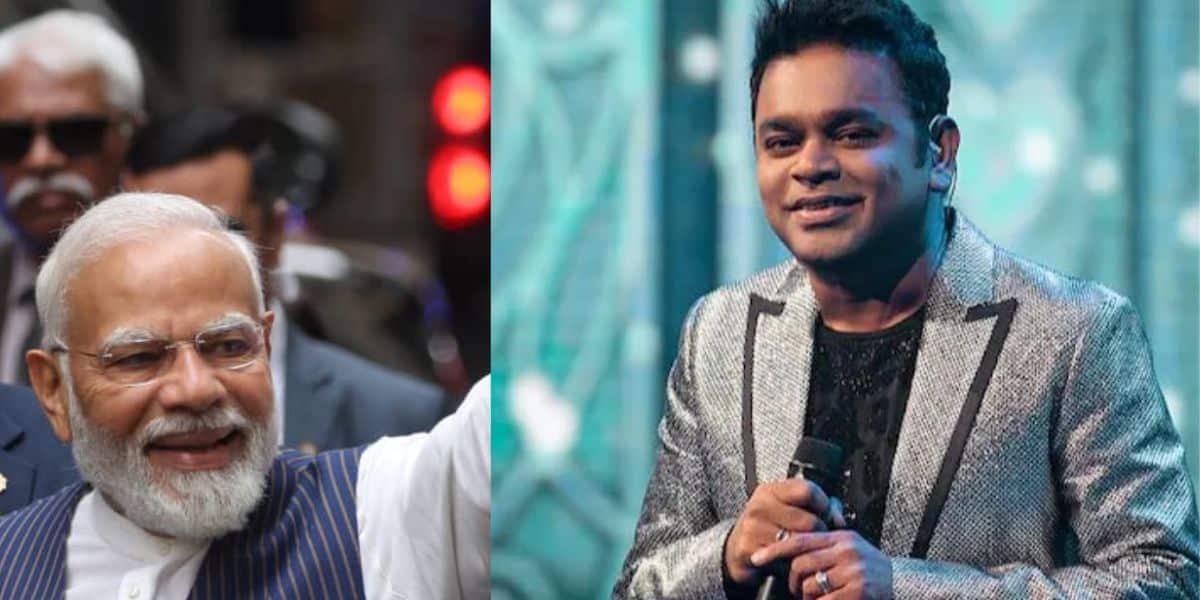
    ‘Jashn-e-Bahara’ is an Urdu song written by the Muslim artists A.R Rehman and Javed Akhtar, and was sung by Javed Ali. The song was featured in the film ‘Jodhaa Akbar’, a movie about the marriage between the Mughal Emperor Akbar and his Hindu wife Jodha.

    Twitter users lauded this discreet but clever way to troll a secular and facist politcian, who has been criticised by American politicians like Alexandria Ocasio-Cortez, Rashida Tlaib and Ilhan Omar, who announced that they were boycotting Modi’s address to Congress, citing the politician’s abysmal human right’s record, as well as his erosion of religious freedom in India.

    Some also felt that the song was an indirect target towards the Indian government’s move to remove chapters from school textbooks on Mughal rulers.

    https://twitter.com/onlynina/status/1671905008017629185?s=20
    https://twitter.com/pramitheus/status/1671894369060933632?s=20

    One user wrote: “The irony of an urdu song from a film glorifying mughal emperor Akbar.”