Tag: Pakistan

  • Tiktokers Maaz Safder, Kanwal Aftab slam Fahad Mustafa

    Tiktokers Maaz Safder, Kanwal Aftab slam Fahad Mustafa

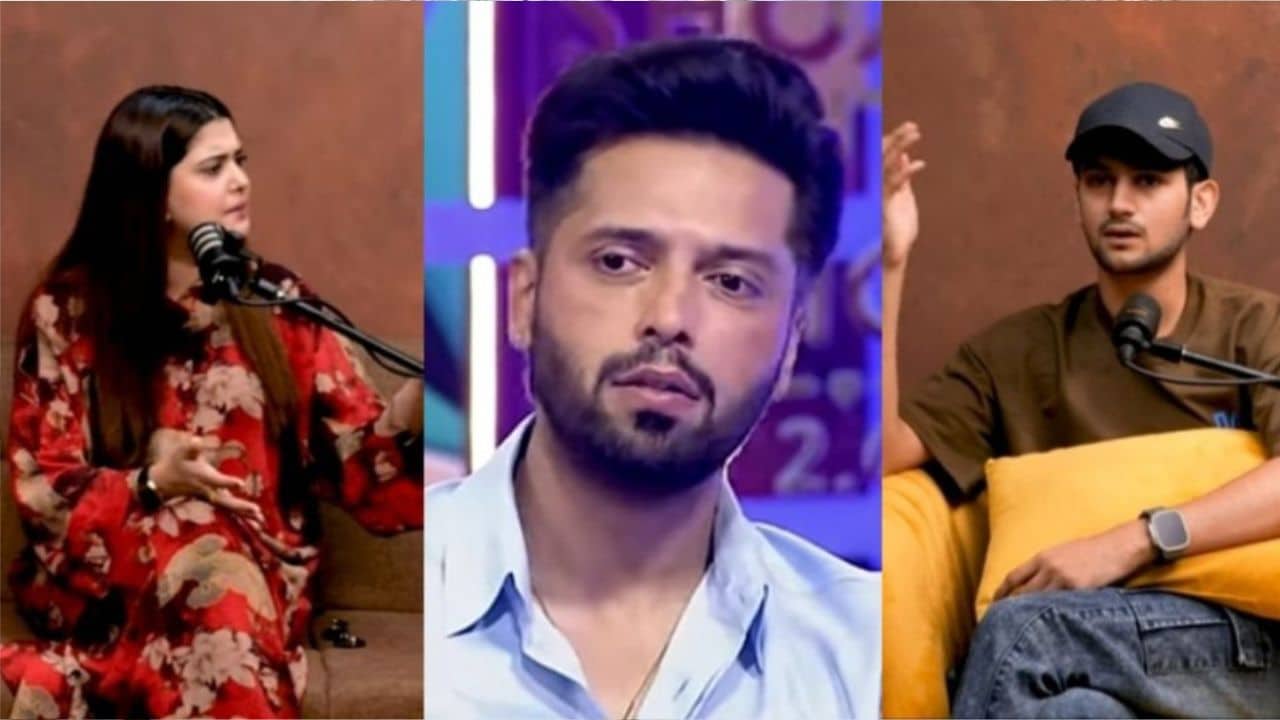
    Popular TikTokers Maaz Safder and Kanwal Aftab have hit back at Fahad Mustafa’s recent criticism of YouTubers and lifestyle vloggers.


    In a recent episode of the “Nonstop Podcast,” Maaz Safder, joined by Kanwal Aftab and Jalal Karim, addressed Fahad Mustafa’s comments. Maaz Safder choose not to react immediately and highlighted the similarity in their work. He mentioned that everyone, including actors in films, have to support their families.


    Kanwal Aftab questioned the difference between selling something on social media and on television, pointing out that people on TV are also selling something. Host Jalal Karim added that family vlogging is usually watched by families, indicating its relatability.
    Maaz Safder further emphasized that normalizing slapping on television is not acceptable. It’s great to see influencers and vloggers standing up for themselves and expressing their perspectives.

  • NAWAZ IS FREE in Al Azizia Steel Mills Case

    NAWAZ IS FREE in Al Azizia Steel Mills Case

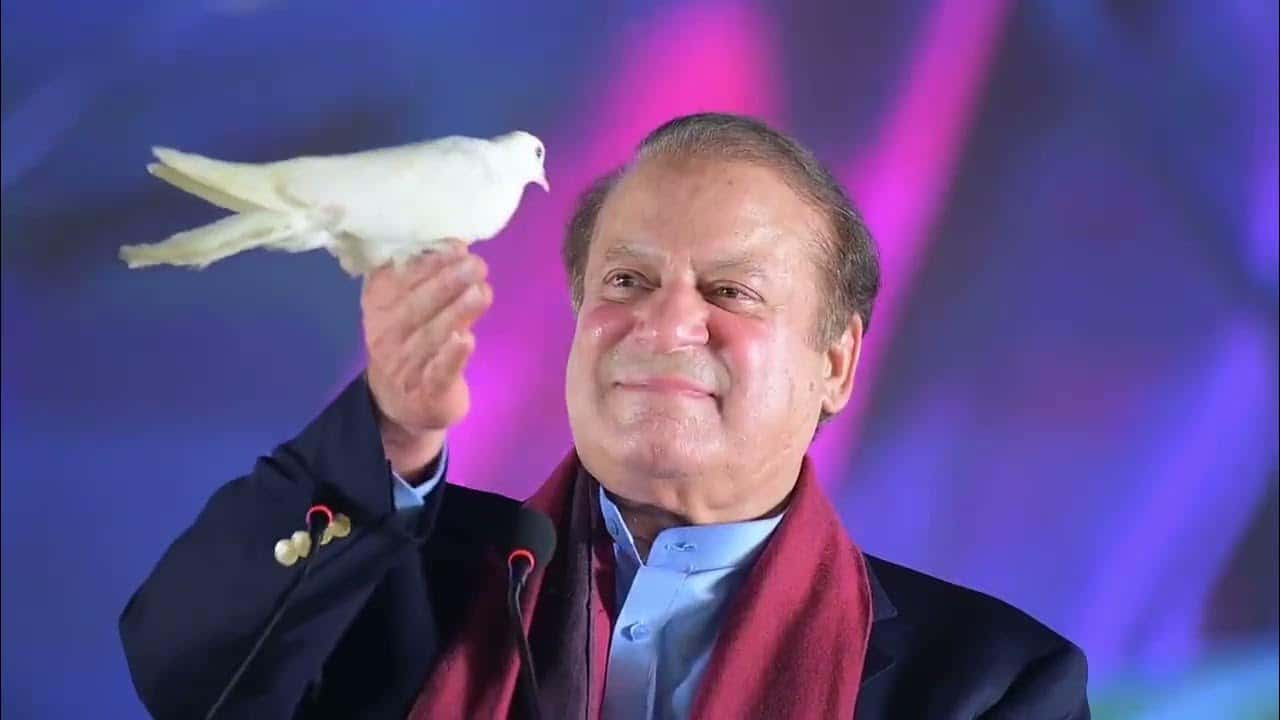
    The Islamabad High Court (IHC) on Tuesday acquitted former prime minister and Pakistan Muslim League-Nawaz (PML-N) supremo Nawaz Sharif in the Al-Azizia reference, the biggest hurdle in the way of him contesting in the general elections.
    The only obstacle now for the former prime minister to contest an election is his lifetime disqualification as a parliamentarian.

    “It is unfortunate that if a former prime minister is facing such sham cases, then [we can’t imagine] what is happening to a common man,” senior lawyer Irfan Qadir told Geo News, calling upon the judges who convicted Nawaz to apologise to the nation.

    He also stated that, in response to the contentious Panama verdict, the Supreme Court had directed the National Accountability Bureau (NAB) to initiate legal proceedings against Nawaz by filing references.

  • 23 soldiers martyred in a terrorist attack in DI Khan: ISPR

    23 soldiers martyred in a terrorist attack in DI Khan: ISPR

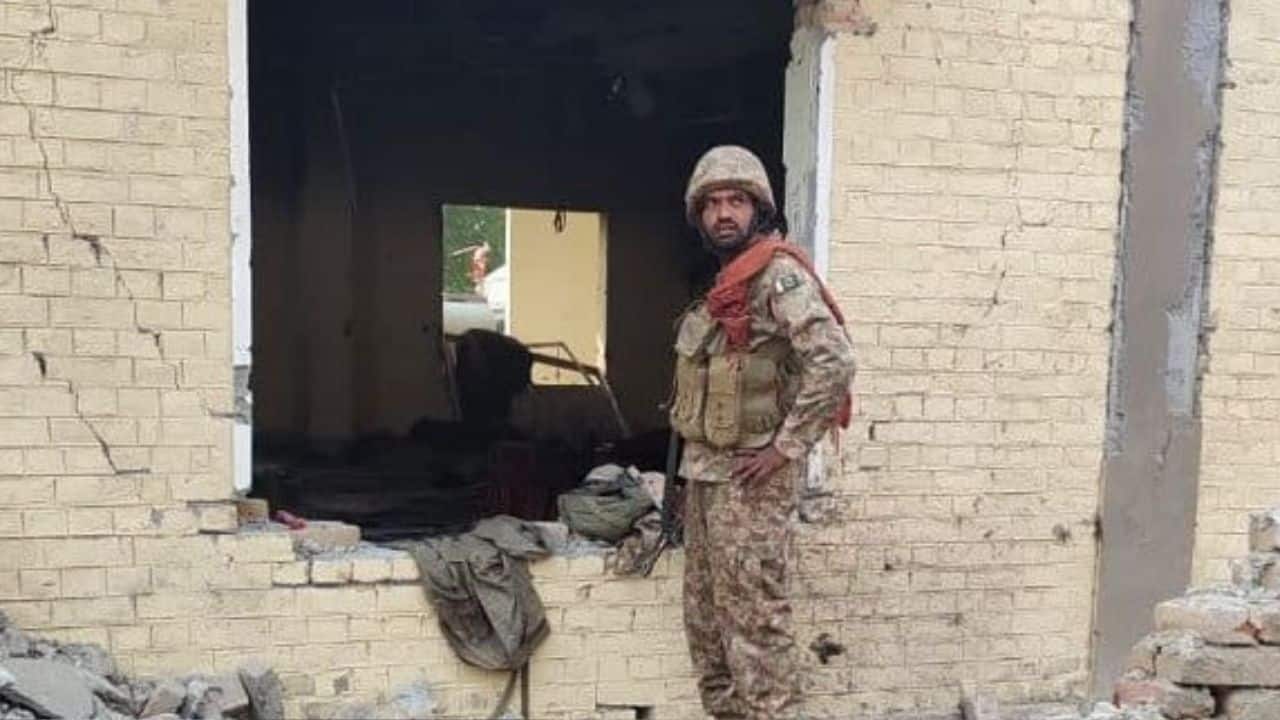
    At least 23 soldiers of the Pakistan army were martyred after militants attacked a checkpost with an explosive-laden truck in Khyber-Paktunkhwa’s Dera Ismail Khan district, the Inter-Services Public Relations (ISPR) said on Tuesday.

    The ISPR added that the terrorists rammed the truck after their attempts to gain entry were “effectively thwarted”.
    “The attempt to enter the post was effectively thwarted which forced the terrorists to ram an explosive laden vehicle into the post, followed by a suicide bombing attack.

    “The resulting blasts led to the collapse of the building, causing multiple casualties; 23 brave soldiers embraced shahadat, while all six terrorists were effectively engaged and sent to hell,” the ISPR said.


    It added that sanitisation operations were being conducted to eliminate any other terrorists present in the area. “Security forces of Pakistan are determined to wipe out the menace of terrorism from the country and such sacrifices of our brave soldiers further strengthens our resolve,” the ISPR said.
    Separately, 17 terrorists were killed in an intelligence-based operation in the Darazinda area of Dera Ismail Khan.


    “During the conduct of the operation, terrorists’ hideout was busted and 17 terrorists were sent to hell,” the military’s media affairs wing said.


    ️ The ISPR further stated that two soldiers embraced martyrdom while four more terrorists were neutralised in another IBO in the Kulachi area.


    “️ The killed terrorists were actively involved in numerous terrorist activities against security forces as well as killing of innocent civilians. Weapons, ammunition and explosives were also recovered during the operations,” it added.


    This is the military’s highest single-day death toll from terrorist attacks reported this year. Before this, 12 soldiers were martyred in separate military operations in the Zhob and Sui areas of Balochistan in July.

  • Women still need men’s permission to exist in Pakistan

    Women still need men’s permission to exist in Pakistan

    Zainab*, 25, has been working as a domestic servant for as long as she can remember. Her father died when she was young and her mother remarried, leaving Zainab and her sister at the mercy of extended family. Every month, she would send her salary back home for safekeeping but when she would ask for it back, it would always be less than what she had handed over. Once she even bought a buffalo with her savings, thinking it would be a safe way to invest her income, but she ended up losing money when she sold the animal. When her current employer suggested she open a bank account to keep her earnings safe, Zainab was intrigued. After jumping through many bureaucratic hoops, she finally managed to open her account. Using her savings, she has built a small house for herself and her sister.

    Unfortunately, Zainab’s story is a unique one in Pakistan. As per the latest Karandaaz Financial Inclusion Survey, only 13 per cent of women in Pakistan have an account with a traditional bank or a mobile money company. In comparison, 47 per cent of men are financially included.

    To open an account with a traditional bank, you have to provide documentation that proves you have a source of income. If you are financially dependent on someone else, then you must provide their documentation instead. This requirement exists regardless of gender but in a country where 75 per cent of women are out of the workforce, we can infer that it puts women at a disadvantage and makes banking less accessible for them.

    Contrastingly, mobile money banking is much more accessible. If you have a mobile phone and an ID card, you can easily open your account. But women’s mobile ownership is also low. In its survey, Karandaaz found that only 38 per cent of women own a mobile phone, compared to 83 per cent of men. In the same survey, they found that 43 per cent of women without access to a phone said that they do not have permission from their spouse or family to own or use one.

    Sabahat Bokhari is the head of diversity and inclusion at Jazz, one of Pakistan’s largest mobile network providers. Jazz also owns JazzCash, which is a leading mobile money banking service in Pakistan and counts women as 29 per cent of its users.

    Bokhari cites the matter of permissions as a major roadblock to meeting their internal inclusion targets. “‘We don’t allow women to have their own sims, we don’t allow women to have phones’ is what we hear on our visits to rural areas,” she said.

    This suggests that the reason for the gender gap in financial and digital inclusion is not just accessibility, but also the deeply unequal power dynamics inside Pakistani homes.

    “One thing that we miss from these conversations — be it digital inclusion, be it financial inclusion, or just generally any kind of gendered inclusion in public spaces — is the fact that Pakistan is a supremely patriarchal country, where most of the women in the country depend on men in the household to ‘allow’ them to have access,” Hija Kamran, a digital rights advocate, said.

    Kamran argues that most women in Pakistan are actually eager to be a part of the digital and financial ecosystems. However, they are not allowed to do so by the men in their households. So when someone from, for example Jazz, visits and offers them a SIM card, they have to refuse for the sake of their own safety.

    This issue of male permissions is pervasive. Non-profits that are working to close the gender gap in financial and digital inclusion confirm that they also face these challenges.

    Circle is a non-profit organisation that has trained more than 7000 low-income Pakistani women in digital and financial literacy this year. During these trainings, women learn how to monetise their existing skills, how to start businesses through social media and how to use digital banking.

    Currently, 1500 of their trainees’ businesses are active but many other trainees lack the motivation to start or continue businesses. Laiba Saleem, a community building coordinator at Circle, says this is often a result of family restrictions, including men of the house “not allowing” women to work or be online.

    “One woman who was enrolled in our training didn’t come the next day because her father beat her and interrogated her about why she was trying to learn how to use a phone,” Saleem said. “Another one had set up her business as a henna artist on Instagram but as soon as her brother found out, he forced her to take down her account.”

    The World Economic Forum’s Global Gender Gap Report 2023 ranked Pakistan as 142nd out of 146 countries in terms of gender parity, with economic participation getting a particularly low score. Despite governments, corporations and non-profits making efforts to include women financially and digitally, gendered power dynamics in Pakistan appear stubborn and slow to change.

    Fiza Farhan is a global development advisor and serves on the United Nations’ high level panel on women’s economic empowerment. In 2018, she worked with the Australian High Commission in Pakistan to launch “Male Champions of Change,” a coalition of male CEOs working on gender parity in their companies.

    “Since decades, its always been women working on women empowerment issues in rooms full of women — whereas 98 per cent of your leadership is men,” she said. “Without involving the male leaders, who have made the system, how are you even trying to change the system?”

    Farhan argues that by bringing influential men on board, including community leaders and mosque imams, significant progress can be made. These influential people will be able to make the business case for women’s inclusion to ordinary men.

    Hija Kamran agrees that involving community leaders has been an effective strategy for reshaping societal beliefs.

    “That has been sort of efficient, in the sense that men have listened to it,” she said. “Because somebody who they trust is talking to them rather than someone who is outside the community and is coming in and telling them how to deal with their own issues.”

    However, she is vocal about the limitations of such interventions. Men may understand the economic benefits to the household of “allowing” women to work, but that doesn’t mean they will permit women to have other freedoms, like opening a bank account or buying a phone.

    “Who is being helped at the end of the day? When women go into the labour force, they are doing the labour, they are putting in the work but who’s getting the fruit,” Kamran asked. “What will happen is that at the end of the month, when the salary comes in, somebody else will be enjoying the independence that comes with women’s labour.”

    Zainab’s story is a practical example of these concerns. She worked hard for her salary but it wasn’t only hers at the end of the month — until she opened a bank account. When she used her savings to build a small house for herself, she was mocked for wasting money. Her relatives questioned why she wasn’t saving it for her dowry instead. What was the point of building your own house when you will inevitably get married off and have to move in to your husband’s house, they asked.

    But perhaps the house she built, and the fragile protection it provides to her from patriarchy, is the only reason Zainab has some semblance of independence, unlike most women in Pakistan.

    *Name has been changed to protect identity.
  • Are Ahmed Ali Akbar and Yumna Zaidi getting married? Ahmed addresses rumours

    Are Ahmed Ali Akbar and Yumna Zaidi getting married? Ahmed addresses rumours

    Ahmed Ali Akbar and Yumna Zaidi are one of the on-screen couples having a huge fanbase all over the world and like many other celebrity on-screen pairs audiences root for them to turn into real-life couples. It was Gauzarish which put the two on the map but their scintillating chemistry caught the attention of fans in Yeh Raha Dil as Zaki and Hayat and in Parizad where Ahmed was playing the titular character and Yumna was his ultimate love interest, Annie.

    Ahmed has been promoting his film Gunjal nowadays and in every other interview he is asked about his chemistry with the leading actress Zaidi. While giving an interview he expressed his desire to do a full-blown romantic drama with Yumna for the fans.

    On ARY Zindagi’s talk show, the actor was asked by the host Ayaz Samo with which colleague he would like the rumours to be spread, to which Ahmed instantly replied with Yumna. Later on, he elaborated that thanks to propaganda YouTubers, the rumours of their marriage were already circulating.

    He revealed that he received congratulatory calls from people who believed in the speculated marriage between him and Yumna. However, he promptly debunked the misinformation, asserting that the news of their alleged marriage was entirely false, crushing the hopes of fans who longed to witness their favourite on-screen couple tie the knot in real life.

    Despite refuting the marriage rumour, Ahmed Ali Akbar left room for playful speculations with Yumna Zaidi, hinting that he ‘wouldn’t mind’ such rumours circulating about them.

  • Zardari accuses Jemima of paying UK bloggers to support Khan

    Zardari accuses Jemima of paying UK bloggers to support Khan

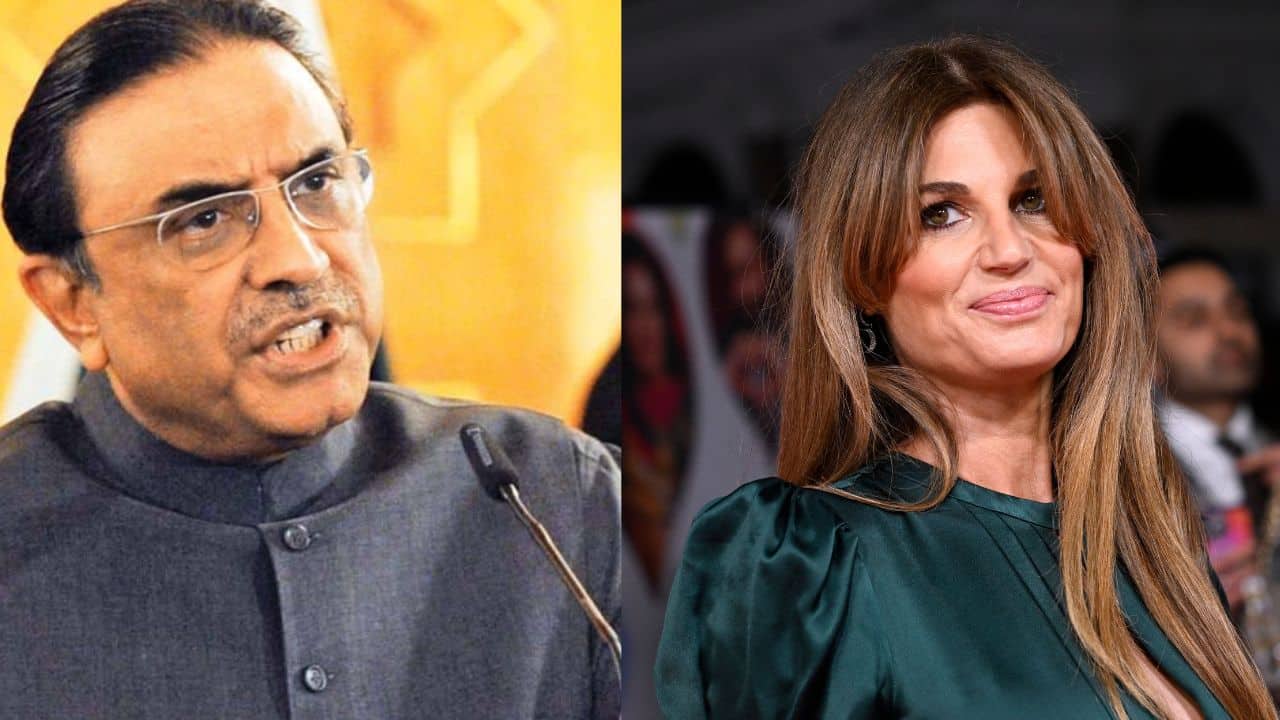
    Pakistan People’s Party (PPP) co-chairman and former president of Pakistan Asif Ali Zardari has accused Jemima Goldsmith, the ex-wife of former Prime Minister Imran Khan, of paying vloggers while sitting abroad.

    In an interview on Aaj News with Asma Shirazi, the former president stated that a lobby with “multiple interests” has been funding and backing vloggers.

    The former president further added that it was a conspiracy to bring Pakistan Tehreek-e-Insaf’s (PTI) ex-Chairman Imran Khan into power, adding that some people wanted to extend his rule until 2035.

    “He [Khan] would have sold Pakistan, and the country would have defaulted if I had not ousted that person… Sometimes a puppet does not know what its handler is doing to it.”

    Asif Ali Zardari also said that “I can be a candidate for prime ministership and Bilawal too. Even Khursheed Shah can be the candidate.”

    On the other hand, PTI supporters are showing support to Jemima on X (previously Twitter), with #StayStrongJemimaKhan trending on the platform.

  • Online learning driving license app launched

    Online learning driving license app launched

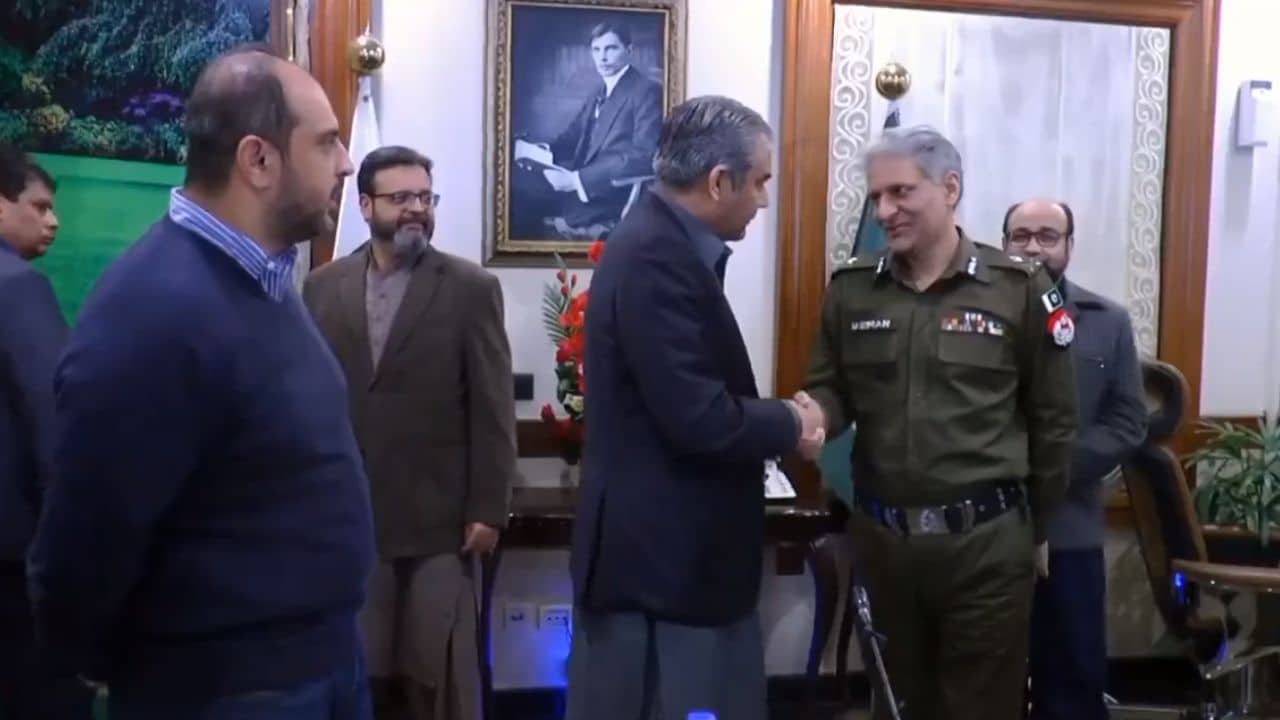
    Caretaker Chief Minister of Punjab, Mohsin Naqvi, has inaugurated an online learning driving license app.

    The inauguration ceremony of the online learning driving license app was held at the Chief Minister Office in Lahore, with Information Minister Amir Mir and Inspector General of Punjab Police Usman Anwar present at the event.

    Chairman Punjab Information Technology Board Faisal Yusuf and related officials were also present in the ceremony.

    Speaking at the ceremony, Chief Minister Naqvi said that learning license facility is being provided at patrol posts, service centers and police stations. Citizens will be able to benefit from the facility of online learning license while sitting at home. Learner license facility has also been started at the front desk of police stations.

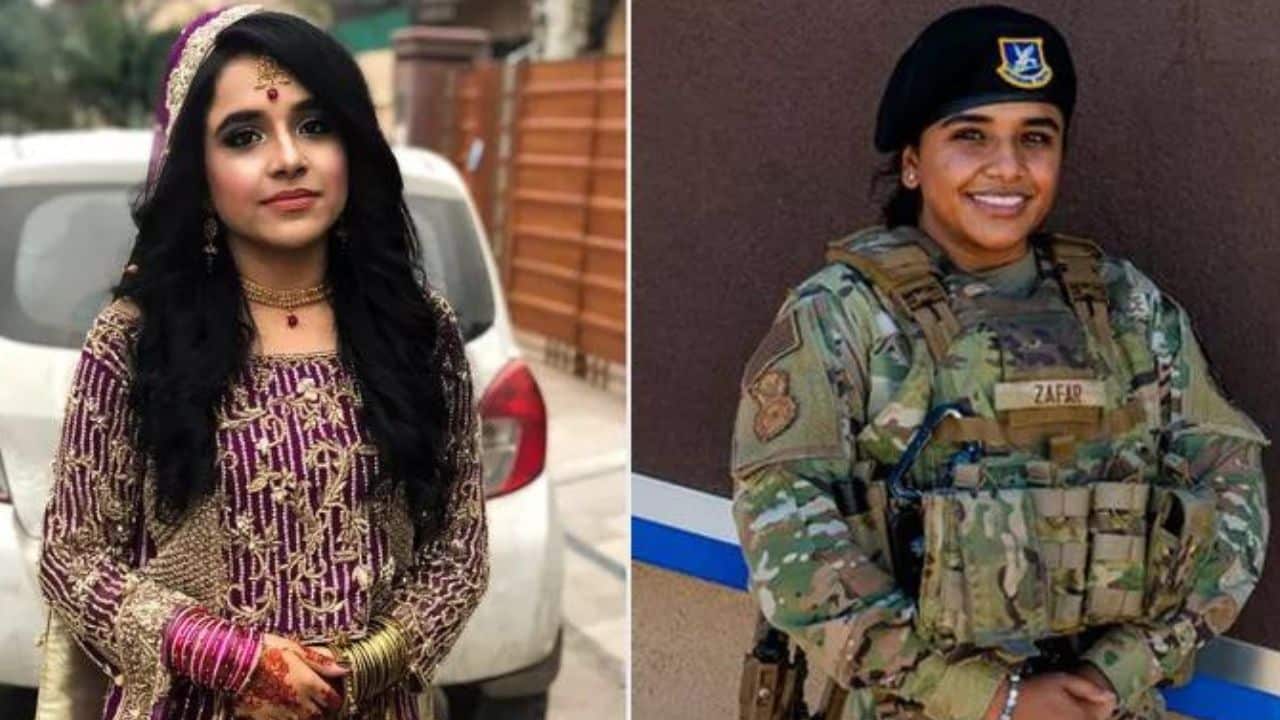
  • I had to leave: Pakistani-American Hamna Zafar escaped forced marriage to pursue dreams in America

    I had to leave: Pakistani-American Hamna Zafar escaped forced marriage to pursue dreams in America

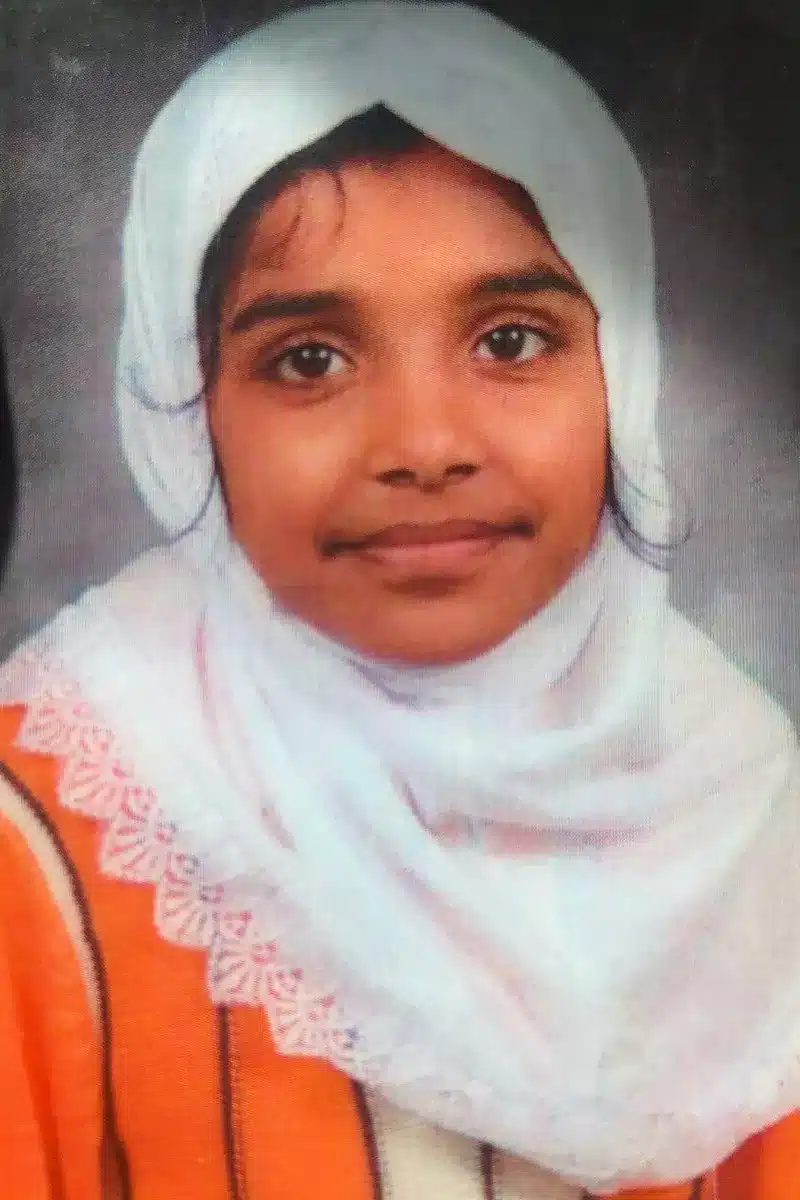
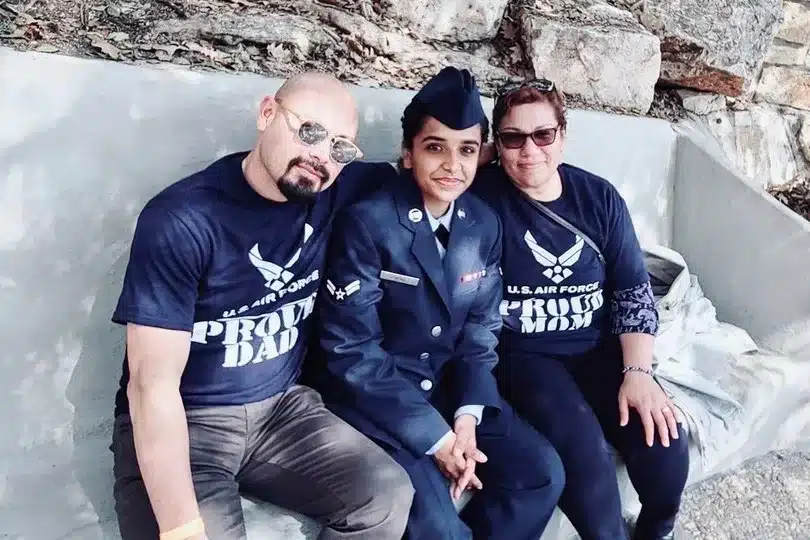
    At age 19, Hamna Zafar knew she would lose her family unless she agreed to an arranged marriage with her cousin in Pakistan. However, the dutiful daughter rebelled and opted to escape to a future in America. She is now serving in the US Air Force.

    Recounting her journey to PEOPLE, Hamna says, “I always thought about my parents. I always thought about my family. I always thought about my sisters, but that night I thought about me.”

    As a child, Hamna Zafar says, her parents didn’t mind her getting an education but insisted that she would eventually settle down as a wife and mother with a husband chosen by them.


    “I was just expecting my family to kind of get used to the culture in the United States,” she says. “Growing up, they never really mentioned arranged marriage.”


    That all changed when the college freshman went to visit Pakistan for a family trip in 2019, only to discover she was there for her engagement.
    On her return to the U.S., Hamna tried to reason with her mom.


    “My parents are very traditional and never adapted to American culture,” Hamna says. “That’s why they took me to Pakistan to get me engaged.”
    When her parents learned of her plan to join the military to escape her fate, Hamna panicked.


    “I was completely dependent on them,” Hamna says. “But I knew I had to leave.”


    Her friend’s family sheltered her and they have been with her to date.


    She knew that by taking that step, she would lose her extended family in Pakistan and that her parents would never forgive her — and deny her contact with her two beloved younger sisters.


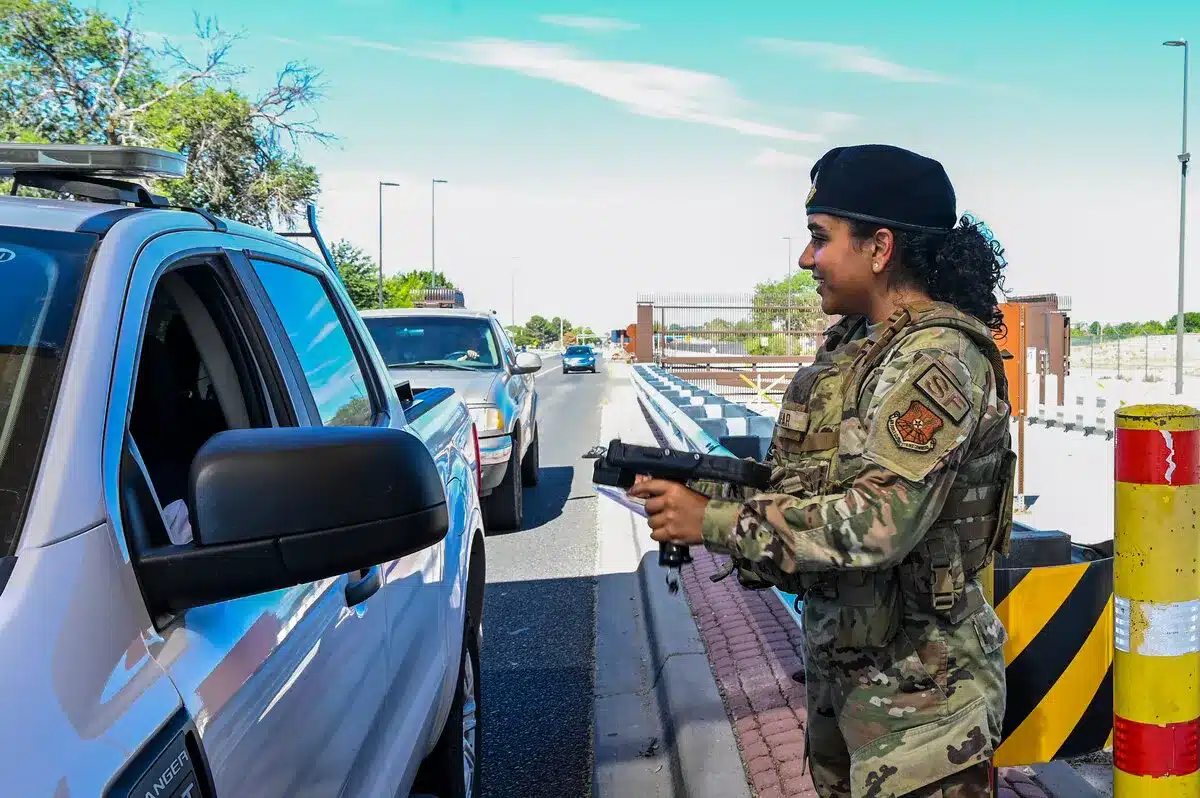
    It was a route that Hamna, who grew up in Maryland in an immigrant family, never thought she would have to take. An obedient child who got good grades, Hamna — who now spends her days protecting the base as an Air Force Security Defender — says she stayed close to home, cared for her sister with autism, and planned on starting a career after college.


    Hamna shares that she faced a culture shock when she started training for the Air Force.


    “I didn’t have any idea of what boot camp was going to look like. I watched a few videos to give myself an image of what was going to happen,” Hamna says. “It was definitely an eye-opening experience.”


    The most difficult point for her was when she graduated from basic training and wanted her family to see her and all that she had accomplished. She says she has tried to contact her family many times, but they have not responded.


    “I wanted them to be proud of me for who I am and share that with them,” Hamna says. “I really wanted them to see that their daughter has so much potential in her.”

  • Samosa recipes, Oppenheimer and Aliza Sahar; Pakistan’s most searched topics on Google in 2023

    Samosa recipes, Oppenheimer and Aliza Sahar; Pakistan’s most searched topics on Google in 2023

    Billions of topics are searched on Google every day and at the end of every year, the search engine releases a list of the most popular searches.

    Google has now released a list of the most searched topics in Pakistan during 2023.

    The eight different categories disclosed include cricket matches, events/occasions, how-to, news, recipes, TV shows and movies, technology and personalities.

    So, what has been searched under these categories?

    Cricket games

    Pakistan vs New Zealand was the most searched match in this category followed by the match between Pakistan and Afghanistan.

    Pakistan versus Australia in third, then India versus New Zealand, followed by Pakistan versus Netherlands in fifth place.

    Events/Occasions

    Pakistan Super League is at the top of this category followed by the Cricket World Cup, Asia Cup, Indian Premier League while the Ashes is on the fifth, respectively.

    Movies and TV shows

    This year in Pakistan the most searched movie was surprisingly from Hollywood rather than a Pakistani or Indian movie.

    Oppenheimer was the most searched followed by Shahrukh Khan’s Jawan (second) and Pathaan (third).

    Hollywood film Barbie was at the fourth position while Bollywood film Tiger 3 came fifth in the category.

    News

    The Gaza war topped the category in news that Pakistanis searched on Google.

    This was followed by Ehsaas program, Aliza Sahar, Akshay Kumar while Kajol came fifth, respectively.

    Recipes

    Forever-food-lovers, Pakistanis searched for samosa recipes followed by kaleji and then sheer khurma.

    Recipes for namkeen gosht and tomato ketchup recipes came in fourth and fifth respectively.

    Technology

    The top search in this category is not surprising as it has attracted people from all over the world over the past year: ChatGPT — chatbot based on artificial intelligence (AI) technology, which was introduced in November 2022 and went global in 2023.

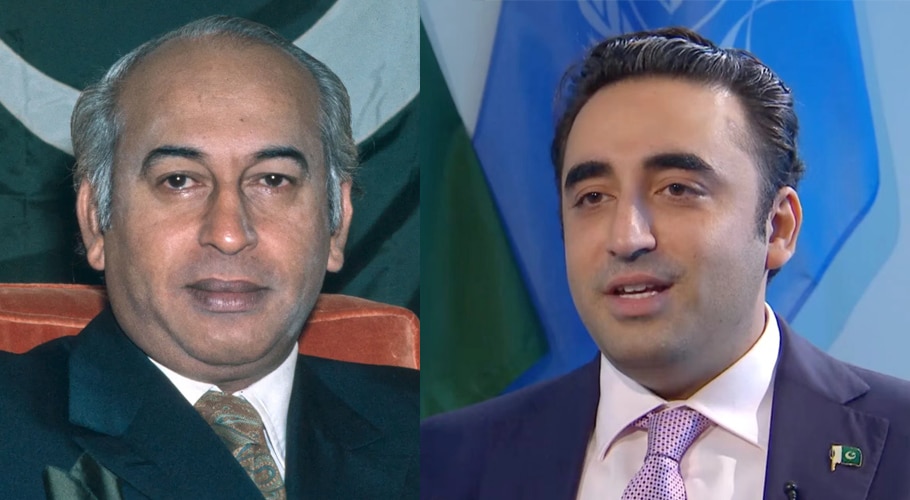
  • Supreme Court approves live telecast of Zulfikar Ali Bhutto reference case

    Supreme Court approves live telecast of Zulfikar Ali Bhutto reference case

    The Supreme Court (SC) has approved a live telecast of a 12-year-old presidential reference regarding the contentious death sentence of former Prime Minister Zulfikar Ali Bhutto.

    On Monday, Pakistan People’s Party (PPP) Chairman and former foreign minister Bilawal Bhutto Zardari requested live broadcast of the hearing of the Zulfikar Ali Bhutto reference.

    The Chief Justice of Pakistan (CJP) Qazi Faez Isa is heading a nine-member, larger SC bench that is going to hear the 12-year-old presidential reference regarding the controversial death sentence awarded to the former prime minister.

    The decision to fix the case was made under Section 2(1) of the Supreme Court (Practice and Procedure) Act, 2023, by a three-member committee comprising CJP Isa, Justice Sardar Tariq Masood and Justice Ijazul Ahsan.

    Last week, the SC appointed a panel of two judges, Justice Athar Minallah and Justice Muhammad Ali Mazhar, to decide on the issue of the live broadcasting of 12-year-old presidential reference after former president Asif Ali Zardari the approached SC in 2011 to revisit the trial of the former prime minister.

    Previously, an 11-member apex court bench headed by Chief Justice Iftikhar Chaudhry conducted five hearings on the presidential reference. The last hearing in the said case was on November 11, 2022.