Tag: Pakistan

  • Who was Zainab Market named after? Twitter has a hilarious discussion about road names

    Who was Zainab Market named after? Twitter has a hilarious discussion about road names

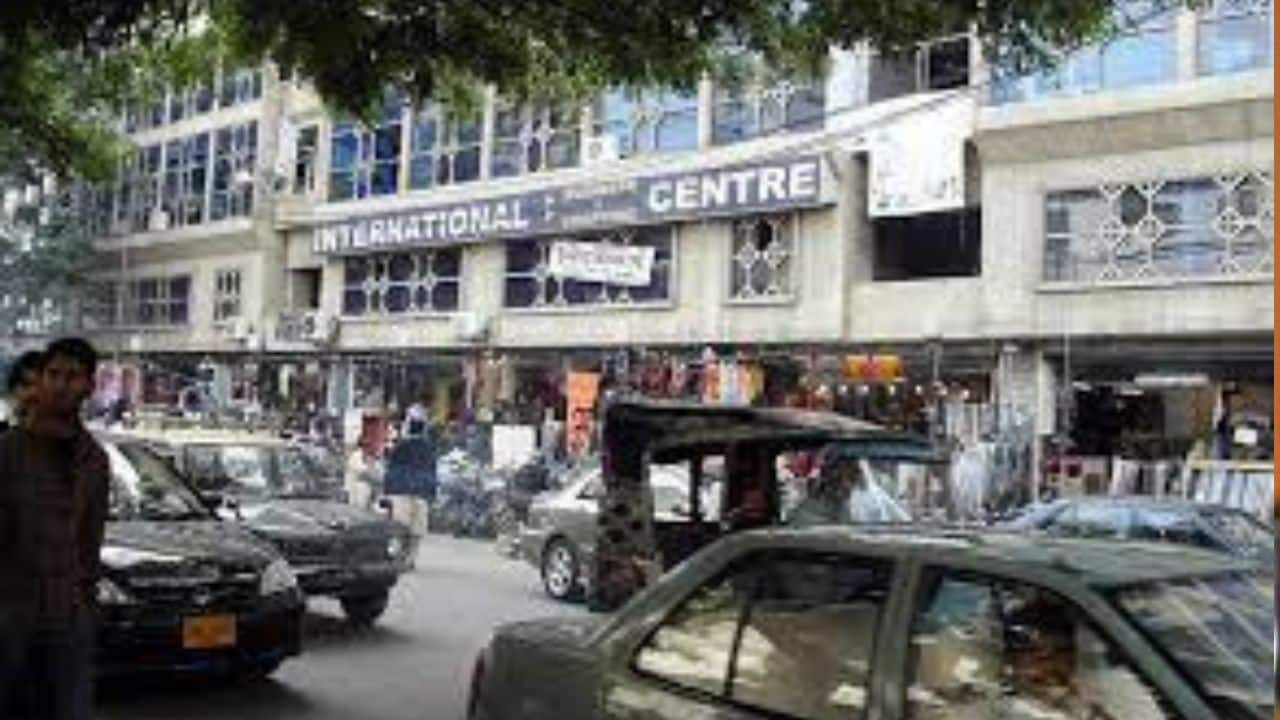
    Ever thought about what was the meaning behind names of popular roads like Tariq Road in Karachi or Abdul Rehman Road in Lahore? A Twitter user decided to finally decode the question, posting a Tweet on X (formerly Twitter) asking who were the people after whom these roads were named.

    “Anyone ever wonder who the Zenab behind Zenab market, Tariq behind Tariq Road, Hasan behind Hasan Square really are? Who are these people? How did they become so iconic and important to Karachi?”

    A user was kind enough to explain Zainab Market’s name, and it turns out because that’s the name of the owner’s daughter.

    Soon, people brought up some hilarious road names and attempted to decode what they had really meant. For instance, there’s really a road in Karachi called Anda Mor?

    Then there’s another place called Mochi Mor? Kya mochi sirf wahan par baithtay hain?

    And Bandar Road doesn’t actually mean Monkey- but it’s the road that leads to the port.

    Finally we got an explanation behind Tariq road, it’s named after Tariq bin Ziyad, the Muslim General who led the invasion on Iberia.

  • Sanam Javed, three other women arrested again after release

    Sanam Javed, three other women arrested again after release

    Lahore Police has rearrested Pakistan Tehreek-e-Insaf (PTI) activist Sanam Javed and three other women on Tuesday after they were released from jail.

    The other three women have been identified as Afshan Tariq, Ashma Shuja and Shah Noor.

    The court had ordered their release on bail from Kot Lakhpat Jail, Lahore, in the May 9 Jinnah House attack case.

    According to the police, the women have been arrested in the second case related to the Jinnah House attack.

  • Hina Shah surrenders to police in Fatima murder case

    Hina Shah surrenders to police in Fatima murder case

    Hina Shah, one of the central suspects in 10-year-old Fatima Phariro’s murder case has surrendered to police, ARY News has reported.

    Hina Shah is the wife of Pir Asad Shah, the other central suspect in the death of the child.

    According to the Senior Superintendent of Police (SSP) Samiullah Soomro, Hina Shah surrendered due to constant raids and police investigations.

    She has been moved to the women’s police station and will be presented before the court for remand.

    Previously, Fatima’s mother complained that SHO Khanwahin Ghani Dayo issued threats to abduct or kill her. She added that he also used foul language while alluding to Fatima.

    “SHO Khanwahin has been assisting pirs of Ranipur” she claimed and has insisted on protection from Khanwahan police officer.

    When the caretaker home minister of Sindh visited the family last week, he ordered the SHO to hold officials accountable.

    Fatima’s case

    A domestic maid, 10-year-old child Fatima Phuriro, was found dead under suspicious circumstances in Ranipur.

    The child had been working as a domestic worker at a haveli owned by an influential local, Pir Asad Shah Jilani.

    Fatima’s mother, Shabana, was informed about the death by the employer who asked her to remove the body from the premises where two of Fatima’s sisters were also employed.

    According to DIG Sukkur Javed Jiskani, the parents initially did not share the facts of the case with the police and claimed that the girl was suffering from gastroenteritis. While her diagnosis was also confirmed by Dr Abdul Fatah Memon who treated her, the DIG revealed that Fatima was taken to the hospital either by the Pir or his staff and that the SHO was present at the time she was pronounced dead.

    It was not until videos of the child were leaked by an unknown source and circulated in social media that the case caught the media’s eye. By then, the family had buried Fatima on August 15.

    The body was later exhumed and sent for an autopsy which revealed that the girl had been raped both vaginally and anally.

  • Confirmation of polio virus in various cities

    Once again, the presence of polio virus has been confirmed in samples collected from different cities across Pakistan.

    According to officials, two samples from Hangu city of Khyber Pakhtunkhwa and one from Karachi have tested positive for polio.

    These samples were taken from Hangu Civil Hospital and Jani Chowk.

    Reportedly, the polio virus found in Hangu is genetically similar to the virus found in Rawalpindi.

    Similarly, other samples were taken from the Kemari area of Karachi.

    Overall, 27 samples in Pakistan have tested positive for polio virus so far.

    A seven-day anti-polio campaign in Karachi will start from October 2.

    More than 2.6 lakh children will get the vaccine, while children between the ages of 6 months and 5 years will also be given vitamin A.

    During the anti-polio campaign, 3,500 personnel will be on duty.

  • Why doesn’t Imran Khan want to be transferred to Adiala Jail?

    Why doesn’t Imran Khan want to be transferred to Adiala Jail?

    Journalists were left in confusion about the current location of Pakistan Tehreek-e-Insaf (PTI) chief Imran Khan on Monday when officials from Adiala jail denied Khan’s lawyers assertion that Imran had been shifted to their facility.

    A twist in the story has now propped up. According to journalist Saqib Bashir’s sources, Imran Khan has said during the jail hearing that he doesn’t want to be transferred to Adiala jail as he is comfortable in Attock Jail.

    The PTI chief further stated during the hearing that “I will request my lawyers to withdraw the application.

    On Monday, the Chief Justice of the Islamabad High Court (IHC), Justice Aamir Farooq, issued an order to shift the PTI chief from Attock to Adiala jail. The chief justice remarked that Imran Khan deserves a better class in jail as he is the former prime minister of Pakistan.

    His rights should not be violated, Justice Farooq stated.

  • Unleashing the Potential of Energy Efficiency in the Building Industry

    Unleashing the Potential of Energy Efficiency in the Building Industry

    The National Energy Efficiency and Conservation Authority (NEECA) is at the forefront of transforming the building sector in Pakistan by promoting energy-efficient practises. NEECA serves as the federal focal agency mandated for initiating, catalysing, and coordinating all energy conservation activities across all sectors of the economy. In this article, we will delve into NEECA’s initiatives and highlight how organisations can leverage energy efficiency to gain a competitive edge and boost the bottom line.

    The Landscape: Rapid Urbanisation and Economic Growth

    Pakistan is experiencing rapid urbanisation, leading to a surge in construction activities and a growing demand for energy. As the building sector expands, the need for energy efficiency becomes paramount. By embracing energy-efficient technologies and practises, organisations in the building industry can not only contribute to an energy-smart future but also tap into new economic opportunities.

    NEECA’s Solutions: Capitalising on Energy Efficiency

    NEECA is spearheading a range of initiatives to promote energy efficiency in the building sector. One significant intervention is the development and implementation of Energy Conservation Building Codes (ECBC-2023). These codes encompass energy efficiency standards for building envelopes, HVAC systems, lighting, and more. By complying with ECBC-2023, organisations can demonstrate their commitment to efficiency and unlock new business
    prospects.

    NEECA is also driving the adoption of energy-efficient appliances through the introduction of Minimum Energy Performance Standards (MEPS) and Energy Labelling Regime. By complying with MEPS and labelling regimes, organisations can offer energy-efficient products to the market, meet customer demands, and enhance their brand reputation. Moreover, the growing market for energy-efficient appliances presents a lucrative opportunity for organisations to expand their product portfolios and increase profitability.

    Impact: Efficiency Translated into Profitability

    Embracing energy efficiency in the building industry brings forth a myriad of benefits. By implementing energy conservation practises and adopting energy-efficient technologies, organisations can significantly reduce energy consumption, optimise operational costs, and enhance overall profitability. Improved building performance, efficient appliances, and smart energy management systems create a competitive advantage, positioning organisations as leaders in the market.

    Potential for Opportunities in the Building Sector:

    As a leader in the building industry, it’s time to seize the opportunities presented by energy efficiency. Embrace NEECA’s initiatives by complying with Energy Conservation Building Codes, adopting energy-efficient appliances, and integrating smart energy management systems. Collaborate with NEECA to stay ahead of the competition, tap into emerging markets, and drive profitability through efficient practises. By capitalising on energy efficiency, you can unlock new avenues for growth, enhance their market position, and contribute to a more prosperous Pakistan. Let’s embrace energy efficiency as a catalyst for success and shape the building industry’s future.

    #Sponsored

  • Poverty-driven child marriages surge in flood-hit Balochistan

    Poverty-driven child marriages surge in flood-hit Balochistan

    Journalist and storyteller Shahar Baloch has recently reported for BBC about the aftermath of the devastating floods in Balochistan last year. The report reveals that families from lower income backgrounds, impacted by the aftereffects of the floods, are being compelled to sell their daughters due to mounting debts. The dire situation was uncovered in the Chowki Jamali area, one of the regions hit hardest by the 2022 floods.

    Chowki Jamali, a remote area on the border of Sindh and Balochistan, is home to approximately 50,000 people, primarily farmers and daily wage laborers. The 2023 floods displaced over 3.2 million families in 2022, with Sindh and Balochistan experiencing the worst of the brunt.

    As families struggled to recover, the economic downturn pushed many to sell their young daughters to older men, aged between 40 and 60 years, in exchange for money to pay off debts or cover medical expenses. Daily wage laborers, earning as little as 500 rupees a day, say that they are left with no other option.

    Residents of the area say that early marriages have been conducted here in the past as well.

    The Provincial Disaster Management Authority (PDMA) conducted a survey of 14 districts of Balochistan in August 2022. According to the survey, there has been a 13 per cent increase in the number of cases of selling female children.

    Most girls are sold for amounts ranging from three to five lakh rupees, providing relief for financially strained families, who often rely on the transaction to settle debts, access medical treatment, or invest in their son’s education.

    The situation is exacerbated by the fact that in some cases, girls are sold multiple times if they do not “adjust” to their new circumstances. Some girls even run away upon learning of their impending sale, leaving their younger sisters to be married off in their place.

    The term “climate brides” is used to describe these girls, and this alarming practice is not unique to Balochistan; it also occurs in countries like Africa and India where poverty and climate change intersect.

    Climate change and floods have made agriculture increasingly unprofitable in Balochistan, driving families to desperate measures. With little income and food scarcity, many in Chowki Jamali resort to selling their daughters to survive.

    Even though education has made a difference, parents continue to sell their daughters due to extreme poverty.

    Health workers report severe health consequences for young girls married off early, including complications during pregnancy and the development of conditions like fistulas. Despite being aware of this issue, authorities have struggled to curb these marriages.

    Lady health worker Shehzadi told the BBC that in some cases, girls cry in pain, and some die here. “We still make noise, we can say something, but the mothers of these girls cannot say anything in this matter because it is the men of the house who decide to sell the girls.”

    Madad Community, an organization working on climate change in Balochistan, recently said that as a result of climate change and floods, it has become very difficult to earn from the agriculture sector.

    Organizer Maryam Jamali said that most people were forced to migrate, including the middle class of Balochistan. Poor farmers still have nowhere to go. As a result of extreme heat, more droughts and floods have been predicted.

    Fauzia Shaheen, Chairperson of the Government Commission for Women, revealed that Balochistan lacks effective laws to prevent child marriages, and efforts to pass the Child Marriage Restraint Bill have faced obstacles.

    In Balochistan, it is clear that the true cost of flood damage is being borne by the region’s vulnerable young girls, who are forced into early marriages due to dire economic circumstances.

  • Chief Justice Faez Isa cracks down on adjournments

    Chief Justice of Pakistan (CJP) Qazi Faiz Isa has called on his fraternity to stop the practice of seeking adjournments in order to decrease the number of pending cases in the apex court of the country.

    On Monday, during a hearing of an agreement violation case, the CJP stated, “Get this out of our mind that adjournments will be granted [in cases] from now on,” he said, adding that they should now be considered a thing of the past.

    Emphasizing that there are numerous cases before the Supreme Court that are still pending, Qazi Faez Isa said that in every case, a notice will be given to parties on a single hearing, and a decision will be made about the arguments in the next hearing.

    CJP Isa said that by using this case, he was telling everyone that adjournments would no longer be granted.

    The top judge remarked that other courts grant time to submit case-related documents. The Supreme Court is the last resort court where records of all cases have been filed in advance, he added.

  • Noor Mukadam and Sara Inam’s fathers demand speedy trial

    Noor Mukadam and Sara Inam’s fathers demand speedy trial

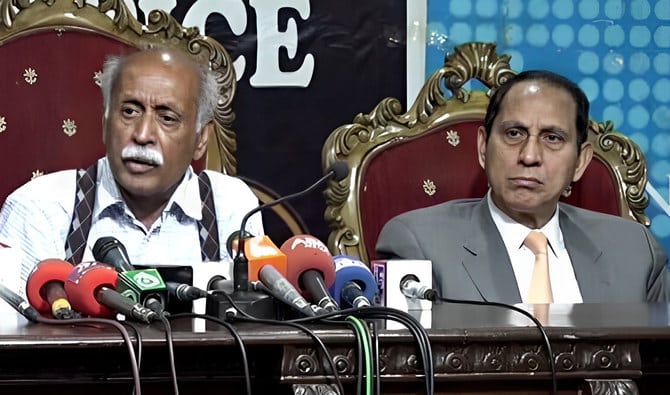
    The fathers of Noor Mukadam and Sara Inam, victims of two high-profile murders, held a news conference in Islamabad on Sunday, demanding that legal proceedings in their daughters’ cases be sped up.

    Sunday also marked a year since 37-year-old economist Sara Inam was found dead after allegedly being killed by her husband, Shahnawaz Amir.

    Both the grieving fathers also stressed on the safety and rights of women in Pakistan.

    Sara Inam’s father, Engineer Inam Rahim, said, “We were hoping this would take about six months since these were open-and-shut cases.”

    He also urged the media to continue highlighting the cases in newspapers and on television channels.

    “We request you to continue to highlight these cases since that will raise our hopes of getting justice,” he said, reminding the press that Sara was victimised by her husband who only wanted her wealth and killed her.

    Similarly, Noor Mukadam’s father, former diplomat Shaukat Ali Mukadam, also urged the authorities to endure prompt action.

    Noor Mukadam was murdered in July 2021 by her friend Zahir Jaffer, who was later sentenced to death. He filed an appeal with the Supreme Court in April this year and the case has remained pending since then.

    “The courts will lose their credibility if such cases continue to remain pending in them,” Noor’s father said.

  • Injection causing vision loss withdrawn from market

    Injection causing vision loss withdrawn from market

    Federal Health Minister Nadeem Jan has banned the sale and usage of Avastin injection that led to severe eye infections and loss of vision.

    On Sunday, Caretaker Chief Minister of Punjab, Mohsin Naqvi, held a meeting with the Health department and doctors to discuss the matter.

    The number of patients affected by the injection across Punjab has increased to more than sixty, with the highest number of cases in Multan. The number of patients affected is expected to increase.

    According to the health minister, diabetic patients in Lahore, Kasur and other districts were given Avastin injections to tackle retinal damage, however, it led to severe infections and loss of sight in a dozen patients.

    Punjab Chief Minister has also halted sales of the injection in question and to remove stock from the market till the inquiry report is finished.

    Moreover, a case has been lodged against the two absconding suppliers of locally manufactured injection Avastin, while Punjab government has formed a five-member committee of experts to look into the matter and submit a report in three days.

    The Chief Minister has stated that strict action will be taken against all concerned drug inspectors for negligence and the affected persons will be treated free of cost.

    The Punjab government has also decided to monitor the supply of eye medicines, forming a committee for the sale of eye medicines and injections to issue licences.

    All the details of medicines and injections will be compiled in the data of the health department and there will be monitoring of surgeons’ procedures.

    The issue was raised by Chaudhary Manzoor Ahmed, member of Pakistan Peoples Party, who had posted on X (formerly Twitter) that his friend got infected and eventually blinded after getting the injection.