Tag: Pakistan

  • Exclusive: ‘I am not against the film’: Actor Shaan Shahid defends his viral comment about Money Back Guarantee

    Exclusive: ‘I am not against the film’: Actor Shaan Shahid defends his viral comment about Money Back Guarantee

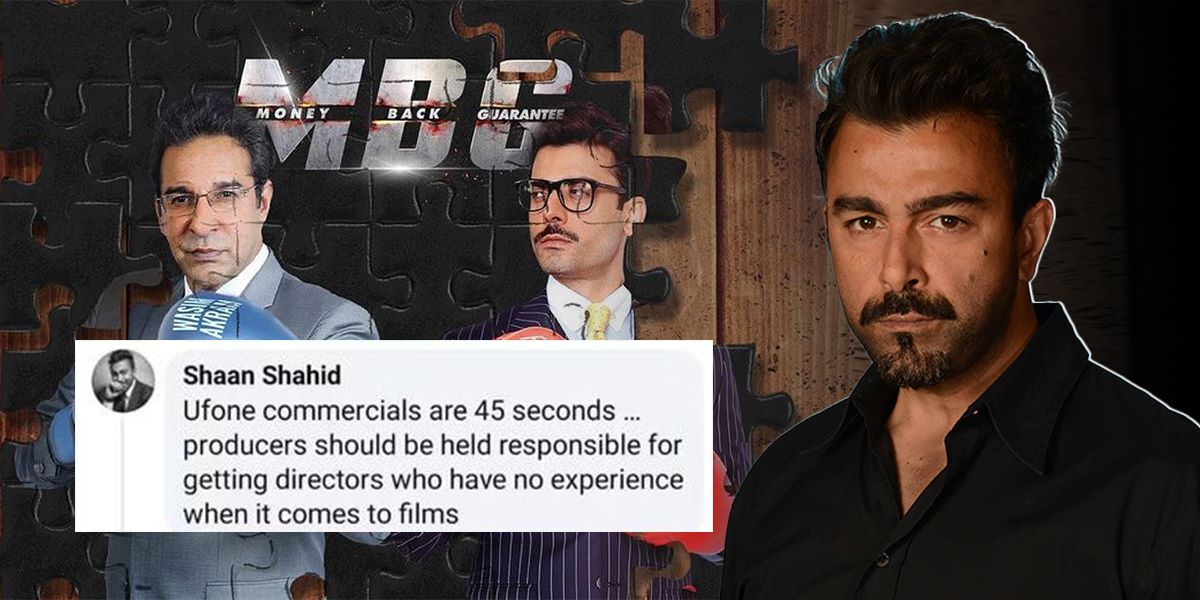
    Veteran actor Shaan Shahid has been criticised by social media users when his Facebook comment went viral where he had slammed the director of ‘Money Back Guarantee’ Faisal Qureshi, saying that Ufone commerical directors should not be allowed to direct films:

    “Ufone commercials are 45 seconds… producers should be held responsible for getting directors who have no experience when it comes to films.”

    The Current spoke to the ‘Waar’ actor about the controversy. He defended his comment by saying that it was not directed targeted towards anyone, in particular, towards Pakistani films because he supports them.

    “This was an exchange between two colleagues. I had made this comment under a Facebook post by Rashid Khawaja, who is the CEO of Entertainment Pakistan.”

    Shahid added that he hoped that the film did well, adding that this was his own personal comment which everyone is allowed to express.

    The central argument made by most social media users was that with an industry that already has limited support, veteran actors like Shahid were further harming it by making such comments about ‘Money Back Guarantee’.

    When we asked Shahid about this, he responded:

    “My comment wouldn’t come across as degrading, because the film is already playing in cinemas and people are watching it. I feel that as a professional actor, you have to be good at executing what you are doing.”

    He further added that this was not only his sole opinion, but the cinema reviews coming out show people also have mixed responses to the film.

    The ‘Khuda Kay Liye’ actor further added that the filmmakers did not make a wise choice to release the film in these timings due to ongoing political instability, especially due to the curfew imposed by the government because of which cinemas shut down at 10 pm, calling it a ‘poor choice’.

  • IMF demands approval for subsidies as Pakistan struggles to secure tranche

    IMF demands approval for subsidies as Pakistan struggles to secure tranche

    Pakistan has been negotiating an agreement with the International Monetary Fund (IMF) since January 2023. The IMF has specified that Pakistan must receive prior approval before providing any additional subsidies.

    Negotiations have hit a snag over a plan announced by Prime Minister Shehbaz Sharif in March to charge wealthy fuel consumers more to subsidise prices for the poor who have been severely impacted by inflation.

    Despite meeting almost all of the Fund’s conditions, the government is struggling to convince the lender to release the tranche. On a separate issue of securing confirmation on the external financing gap of $5 billion by June 2023, the Kingdom of Saudi Arabia and the United Arab Emirates have provided over $2 billion and $1 billion respectively.

    The formal agreements with these countries are expected to be signed soon. The Pakistani authorities are complaining that the IMF has placed prior actions before signing the staff-level agreement, which was not done in the past.

    According to The News, the IMF asks for confirmation from commercial banks before signing the agreement, while banks are asking for IMF’s board approval and the revival of the Fund program to refinance loans worth $2-3 billion.

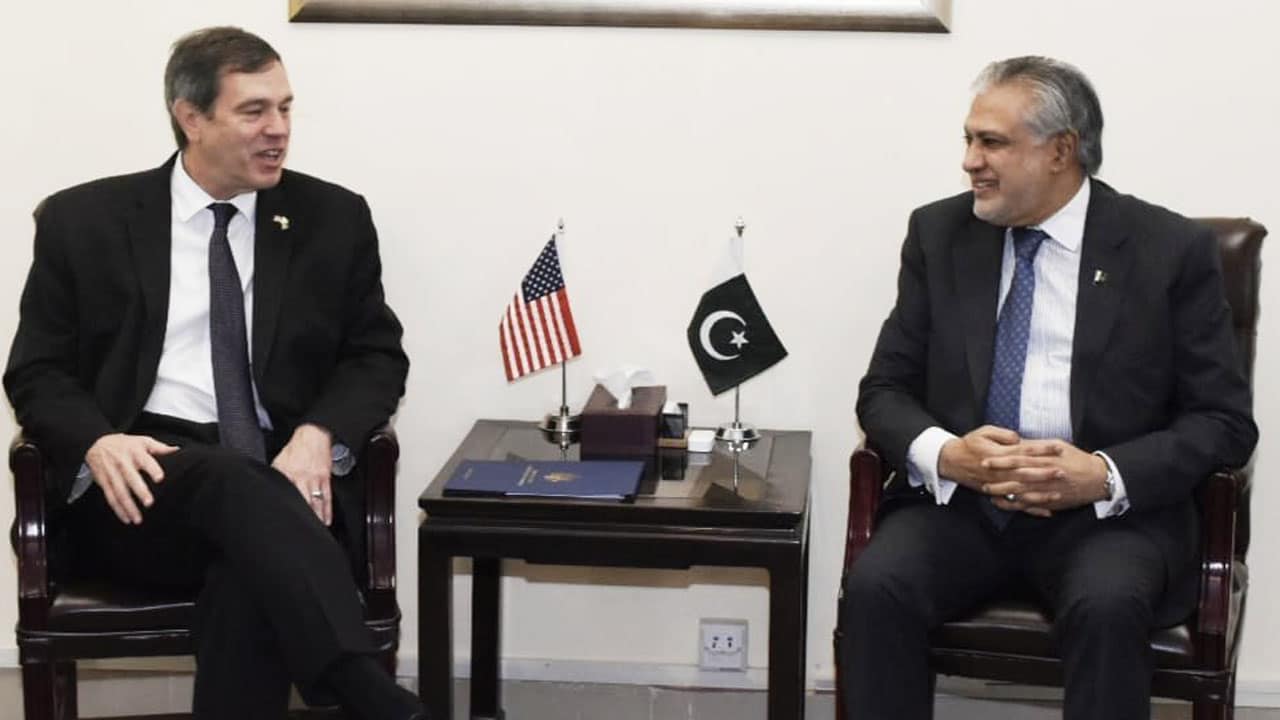
    Finance Minister Ishaq Dar has assured US diplomat Andrew Schofer that the government is committed to completing the ongoing IMF program.

  • Bilawal leaving for India today to attend SCO Foreign Ministers meeting

    Foreign Minister Bilawal Bhutto Zardari is leaving for India today to attend a moot of the Foreign Ministers of the Shanghai Cooperation Organization (SCO) being held in Goa today (Thursday).

    The foreign minister shared a video message on Twitter in which he said that his attendance in the meeting will give a clear message on how much importance Pakistan gives to SCO.


    He added that he is looking forward to engaging bilaterally with the member countries.

    Alongside the CFM meeting, the Foreign Minister will also hold meetings with counterparts from friendly nations. Pakistan became a member of SCO after joining the body in 2017.

  • Pakistan’s history of IMF bailouts: A look at 75 years of economic challenges

    Pakistan’s history of IMF bailouts: A look at 75 years of economic challenges

    Pakistan is currently facing yet another economic crisis, a recurring issue that has caused the country to repeatedly seek help from the International Monetary Fund (IMF) for financial assistance.

    Unfortunately, most of the previous 13 bailouts granted since the late 1980s were left unfinished, as Pakistan failed to implement any meaningful structural changes to rein in government spending or boost revenue.

    The country’s current government, led by Prime Minister Shehbaz Sharif, is currently in talks to revive its latest $6.5 billion loan programme as a result of the ongoing economic downturn, exacerbated by last year’s devastating floods and continued political instability. However, the implementation of the necessary belt-tightening measures may prove to be challenging, given the upcoming national elections planned for later this year.

    Pakistan and the IMF had agreed to a $6 billion bailout program in 2019, but disputes over monetary policies have prevented the release of over $1 billion. Furthermore, donors and lenders have demanded structural reforms before providing any further financial aid to Pakistan.

    Pakistan’s traditional partners have made it clear that their assistance is conditional upon the revival of the IMF program and the successful implementation of reforms, including the expansion of tax collection.

    Based on the prevailing Special Drawing Rights (SDR), also known as XDR, rates, the International Monetary Fund (IMF) has approved loans totaling $31.629 billion for Pakistan.

    It is worth noting, however, that not all of the approved funds have been disbursed, with only one out of 22 loans having been fully transferred to Pakistan. This highlights the complex political and economic dynamics that underlie IMF programs.

    Pakistan’s history of borrowing from the IMF

    Pakistan has a history of borrowing from the International Monetary Fund (IMF), which can be divided into four distinct periods. The early years of borrowing spanned from 1950 to 1988, followed by the Benazir and Nawaz Sharif era from 1988 to 1999. The third period was marked by the Musharraf and Zardari administrations from 2000 to 2013. The current period is led by Nawaz Sharif and Imran Khan.

    During these periods, each government worked with the IMF differently, especially in the past two decades. While the Benazir and Nawaz Sharif administrations alternated in seeking IMF programs in the 1990s, the Musharraf government, despite experiencing substantial foreign currency inflows, also had to turn to Washington for financial assistance.

    The Zardari administration, on the other hand, abandoned the largest-ever IMF program when it deemed it expedient to do so. This trend illustrates how Pakistan’s borrowing from the IMF has been characterised by inconsistency and shifting priorities.

    2013-2022

    Pakistan’s recent history of borrowing from the IMF has been marked by different governments seeking assistance in their own unique ways. While the Imran Khan government initially refused to seek assistance from the IMF, it eventually sought an Extended Fund Facility (EFF) loan worth SDR4.268 billion in July 2019. This was due to the country’s financial deterioration and instability, which had eroded the stability gains made since late 2016.

    Under Imran Khan’s government, the IMF disbursed a total of SDR3,159.5 million to Pakistan in four tranches. However, talks for the fourth tranche proved challenging and the government sought help from the US Assistant Secretary of State Donald Lu. Despite receiving SDR750 million in February 2022, then-Prime Minister Imran Khan announced a subsidy on petrol and diesel, effectively breaking the agreement with the IMF. As a result, the IMF suspended Pakistan’s $6 billion loan programme in March 2022.

    Negotiations for the revival of the fund facility did not commence until May, when Shehbaz Sharif of the PML-N took over the government. Talks on reviving the fund facility were concluded in late June, but only after the government took some harsh decisions, including withdrawing tax relief for salaried individuals. The next tranche will only be released after the IMF Executive Board takes up the combined 7th and 8th reviews.

    2000-2013

    During Pervez Musharraf’s government, Pakistan received significant foreign aid in the form of military and civil assistance, resulting in a low reliance on IMF loans for financial support. However, Pakistan did receive two IMF loans in the first two years of Musharraf’s regime, totaling SDR520 million. The first loan was a stand-by arrangement of SDR465 million, of which SDR150 million were disbursed, and the second was an extended credit facility of SDR1.033 billion, of which only SDR315 million were disbursed. Pakistan did not require IMF assistance from 2001 to 2008, as foreign aid prevented a balance of payment crisis.

    However, the aid failed to boost Pakistan’s forex reserves, which experienced a sharp decline between 2006 and 2008. In 2008, the Pakistan Peoples Party government negotiated with the IMF for the largest-ever loan of SDR7.235 billion, also the largest stand-by arrangement. Only SDR5.2 billion were disbursed between 2008 and 2010 in three tranches. Afterward, the PPP government did not complete the program as it received funds under the Kerry-Lugar program until 2013, when the United States ceased funding. The PPP government was unable to implement tough reforms demanded by the IMF due to impending elections.

    1989-1999

    During the 1990s, Benazir Bhutto and Nawaz Sharif sought eight bailouts from the IMF due to the consequences of the Soviet-Afghan war and political instability in Pakistan. In 1988, Bhutto signed up for two IMF packages, totaling SDR655 million. The IMF made two payments of SDR122.4 million and SDR189.5 million in 1991 and 1992. In 1993, Nawaz Sharif negotiated a loan of SDR265.4 million, with the IMF paying SDR88 million that year.

    Bhutto’s government signed three IMF programs of SDR379 million, SDR606 million, and SDR562 million between 1994 and 1995, with lower disbursements of SDR123 million, SDR133 million, and SDR107 million before being removed in 1996. Sharif then negotiated two loans in 1997 of SDR682.4 million and SDR454.9 million, respectively, with SDR250 million disbursed before his government was toppled in 1999. Bhutto negotiated a total of five programs of SDR2.2 billion, receiving SDR676.26 million, while Sharif signed up for three programs of SDR1.4 billion, with Pakistan receiving only SDR608 million. The instability of the government prevented the implementation of IMF reforms, which often led to increased tariffs and taxes, causing a negative perception of the IMF in the country.

    1958-1988

    The Zia-ul-Haq government received the largest amount of foreign aid from the International Monetary Fund in Pakistan’s history, surpassing the sum of all seven previous programs approved since 1958. In 1980, the IMF granted SDR1.268 billion to the government, followed by another program of SDR919 million in 1981. The Zia-ul-Haq administration received SDR1.079 billion out of the total SDR2.187 billion approved by the IMF.

    Before that, Zulfikar Ali Bhutto signed four loan programs with the IMF between 1972 and 1977 for a total of SDR330 million, of which SDR314 million was withdrawn. In 1958, Ayub Khan initiated Pakistan’s first loan from the IMF, seeking only SDR25 million, and in 1968 and 1969, two more programs of SDR37.5 million and SDR75 million were approved, respectively. The Ayub government received SDR112 million of the total SDR137.5 million approved.

    Pakistan has received a total of SDR23.656 billion in IMF-approved programs, of which SDR14.189 billion was disbursed. Pakistan was offered three long-term Extended Credit Facilities, five medium-term Extended Fund Facilities, at least 12 short-term Standby Arrangement loans, and one Structural Adjustment Facility over 63 years.

    This news story was created by compiling information from various news platforms as well as the IMF website.
  • US expresses confidence in Pakistan’s economic policies and offers support for bilateral relations

    US expresses confidence in Pakistan’s economic policies and offers support for bilateral relations

    On Wednesday, Finance Minister Senator Ishaq Dar reaffirmed the federal government’s commitment to the International Monetary Fund (IMF) programme during a meeting with US Embassy Charge’d Affaires Andrew Schofer at the Finance Division.

    Dar informed Schofer about the ongoing programme and assured him that the government was dedicated to completing it. Schofer expressed his confidence in Pakistan’s economic policies and programs and offered his support to strengthen economic and trade relations between the two nations.

    The finance minister also discussed the current economic challenges and policy decisions taken by the government to stabilize and promote sustainable and inclusive growth. Both parties exchanged their views on the notable bilateral relations between the US and Pakistan.

    Dar thanked the US Charge’d Affaires and reiterated the government’s desire to expand bilateral trade and investment ties. The meeting followed a report published by The News that stated the IMF and Pakistani authorities were holding each other responsible for the delay in reviving the stalled programme.

    It is still uncertain how Pakistan will proceed to accomplish the current IMF programme, which expires on June 30, 2023.

  • Taliban refuse to let women work and go to school

    Afghan Taliban have once again rejected international calls to lift the ban they imposed on women’s work and education, after the United Nations sanctions committee concluded in Doha without formally recognising the administration in Afghanistan.

    Suhail Shaheen, head of the Taliban political office in Doha pointed out that the meeting’s decisions cannot be accepted or implemented when the government in Afghanistan is not part of the process.

    In a meeting where over 20 countries’ representatives were present, the Taliban administration was not invited.

    When asked by a journalist if there will ever be a situation when he will meet the Taliban directly, UN Chief António Guterres said: “If the time is right, I will not deny the possibility.”

    Afghan Foreign Minister (FM) Amir Khan Muttaqi will reportedly visit Pakistan in a couple of days.

  • Fact Check: Is Asia Cup getting delayed?

    Fact Check: Is Asia Cup getting delayed?

    There is no possibility of postponing the Asia Cup or shifting the tournament to a neutral venue, Asian Cricket Council (ACC) sources have confirmed to Dawn News, stating that it did not send any notification to the member countries.

    Pakistani media reports have claimed that if the Pakistan Cricket Board (PCB) does not agree to play the Asia Cup at a neutral venue, the tournament may be out of the hands of the country.

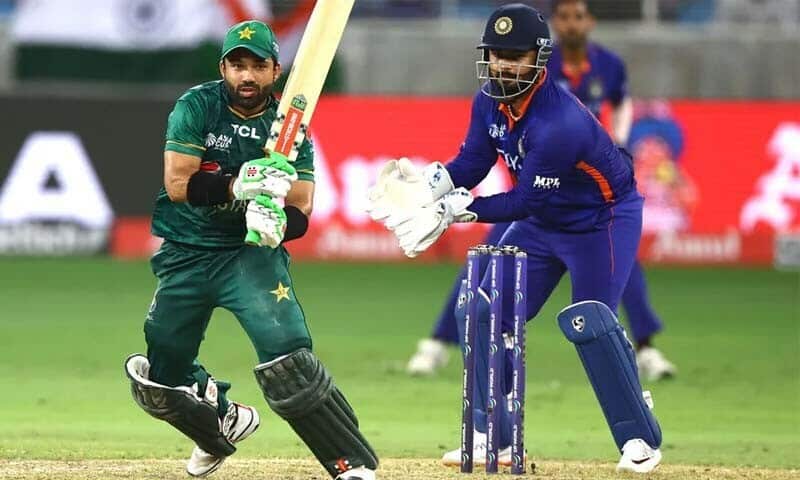
    Board of Control for Cricket in India (BCCI) secretary Jay Shah and the Chairman Asian Cricket Council (ACC) have stated that India will not travel to Pakistan for Asia Cup 2023. The tournament is scheduled to be hosted by Pakistan but BCCI continuously threatens PCB that they will not send their team to the host country and force the Cup to shifted to a neutral venue.

    Asia Cup 2023 is scheduled to be played in September but the final date has not been announced yet.

    PCB management committee has proposed a hybrid model in which Pakistan will play their matches in Pakistan but India will play their matches in Dubai. Najam Sethi had clarified that “We will decide where the Indian team will play their matches, not them. We have the right to decide and we will not back off from the hosting”

    The Indian cricket board is believed to want the entire tournament to be shifted to the UAE, as was done in 2018 and 2022 when India and Sri Lanka hosted the tournament.

    A member of the ACC board said on condition of anonymity that “messages have been exchanged but no discussion or proposal has been made to postpone the Asia Cup”.

    He further said that if the Asia Cup is canceled, the PCB will be informed first, but nothing has happened so far.

    According to him, the ACC will have to convene an executive board meeting to postpone or cancel the event.
    Sources further said that Chairman Jay Shah can call a meeting (virtual or physical) in 7 days, but so far there is no information about any such meeting.

    ACC sources said that to the best of their knowledge, the last official exchange of mail between the PCB, ACC and BCCI was an invitation to assure the Indian team of maximum security and best hospitality.

    He said that however, obviously, it is difficult for India to travel to Pakistan in the current sensitive political environment.

    Another issue is how much money the official broadcaster has promised on contracts, which include at least two guaranteed Pak-India matches and a bonus third match if both teams reach the final.

    “We should remember the media rights and the deal with Star Sports who have paid crores of rupees for at least two Pak-India matches in the Asia Cup,” he said.

    Sources are clear that if the board meeting of ACC will decide to cancel the tournament so it will not only effect the participation of Pakistan in World Cup 2023 but will be a dangerous thing for the bilateral relationships of Pakistan with other countries.

  • SSGC, SNGPL customers face load shedding and low gas pressure

    SSGC, SNGPL customers face load shedding and low gas pressure

    Many households in Pakistan served by the Sui Southern Gas Company (SSGC) and Sui Northern Gas Pipelines (SNGPL) are experiencing low gas pressure or no gas supply in the month of May. SSGC customers are facing seven to eight hours of load shedding, from 10 pm to 5-6 am, while SNGPL residential consumers are encountering a similar situation.

    The SSGC is facing a gas shortfall of 265 mmcfd as its demand is 1,165 mmcfd, but its supply is only 900 mmcfd, including 90 mmcfd of RLNG. The Sui Northern system has also lost 85 mmcfd gas for 12 days due to annual maintenance.

    A spokesperson from SSGC stated that the gas load shedding is being done for seven to eight hours to maintain the gas line pack so that the gas supply can be provided for 16-17 hours. Balochistan is receiving only 109 mmcfd of gas. The Sui Northern system’s situation is also vulnerable due to the suspension of supply from the Nashpa plant for 12 days.

    An official from Sui Northern stated that the gas companies are only providing gas for cooking times as per their agreement with residential consumers and not for 24 hours. However, the gas companies used to supply gas for 24 hours, which was not agreed upon by the domestic consumers.

    According to The News, the Punjab power sector is receiving 605 mmcfd RLNG, while the fertiliser sector is receiving 88 mmcfd. The power sector’s RLNG consumption has reduced to 605 mmcfd due to low temperatures. The government is receiving 900 mmcfd gas, but it has a purchasing capacity of 1,200 mmcfd. Pakistan is receiving RLNG of nine cargoes on long-term agreements, eight from Qatar and one from ENI.

    Despite the decline in RLNG prices to $12-13 per barrel in the international market, Pakistan LNG Limited (PLL) is reportedly unable to purchase spot cargoes due to a dollar liquidity crisis.

  • Imran Khan spent more than 11 billion on foreign tours during his three-year tenure

    Imran Khan spent more than 11 billion on foreign tours during his three-year tenure

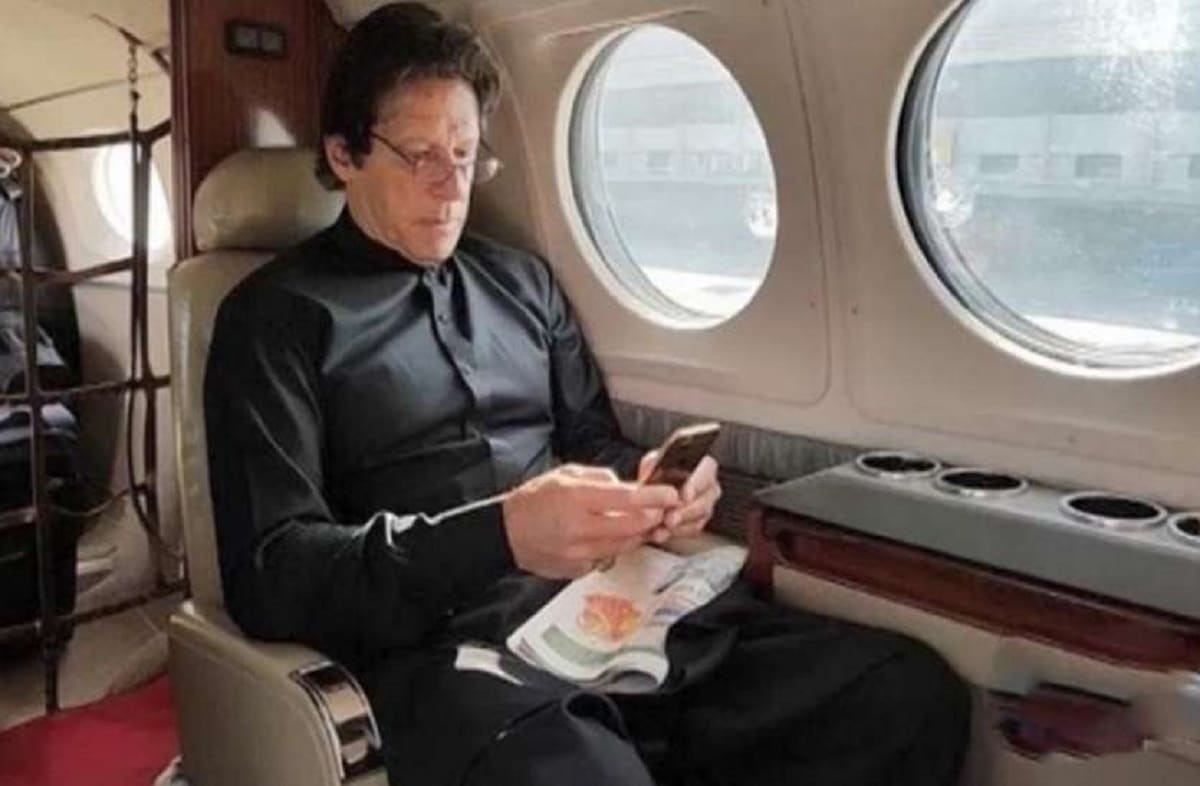
    Former Prime Minister (PM) Imran Khan along with his delegations spent more than Rs11 billion on foreign tours during his three-year term as the head of government.

    The figure includes all foreign trips taken by Khan until March 2022. The total amount spent on these trips adds up to Rs11.15 billion.

    During the first year of Imran Khan’s tenure, he and his delegation spent more than two billion while in the first year in government PM Shehbaz Sharif spent more than one billion.

    The total budget allocation in the financial year 2022-23 for foreign tours is Rs2.86 billion.

  • Sindh Education Ministry denies Fatima Bhutto’s allegations of Sajawal ghost school with photos


    The Ministry of Education & Literacy Department of Sindh has responded to a tweet by Fatima Bhutto that criticised the provincial government for corruption.


    In her tweet, Bhutto had posted a picture of an old and derelict building, referring to it as a ghost school located in Sajawal. She alleged that the ghost school was empty due to the corruption of the Sindh government.


    The Sindh government responded by stating that a new building for the said school has been built 300 meters away from the abandoned building.

    “It is again shared for your record that this is an abandoned structure built around 5 decades back, the new building has been built, some 300 meters near with three rooms and a lavatory block which is functioning smoothly. The pics are given for ready reference,” read the tweet by the Sindh Government. In the attached picture, a school building can be seen while in another photo, two toilets inside the school are visible.

    “In Feb, I posted about the Sajawal govt ghost school that was empty and growing weeds out of its windows thanks to the rampant corruption of the Sindh government -if it can even be called that, since they don’t do even the barest minimum,” alleged Fatima in her tweet.

    “An update: it’s still empty and still a ghost school two months later even though an official came to visit after @BhuttoZulfikar and I wrote about it. Nothing has been done. What teachers are registered as working here? They’re taking government salaries. We should know their names,”she added.

    Fatima Bhutto had further said that It’s still empty and still a ghost school two months later even though an official came to visit after @BhuttoZulfikar and I wrote about it. Nothing has been done. What teachers are registered as working here? They’re taking govt salaries. We should know their names.