Tag: Pakistan

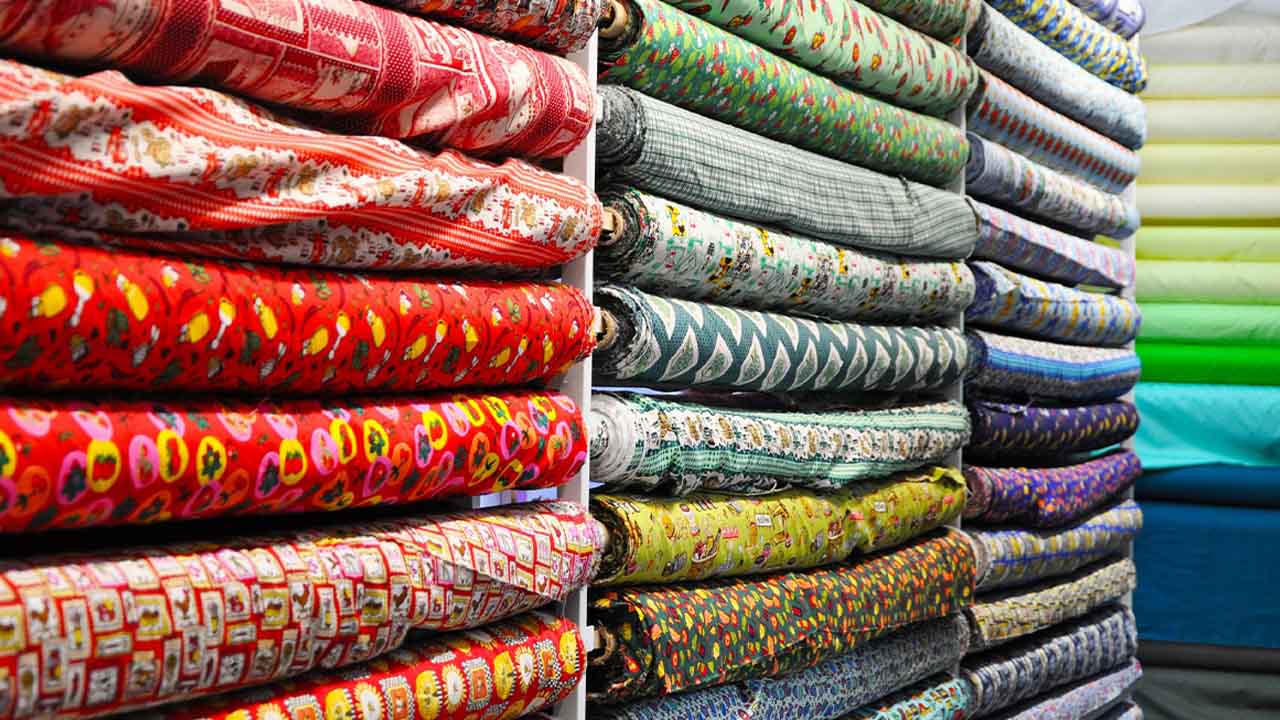
  • Pakistan’s textile industry struggles as exports fall by 28% in February

    Pakistan’s textile industry struggles as exports fall by 28% in February

    On Monday, the All Pakistan Textile Mills Association (APTMA) released provisional data indicating that Pakistan’s textile sector exports declined significantly by 28 per cent, totaling $1.2 billion in February 2023, compared to $1.67 billion in the same month the previous year.

    Additionally, APTMA reported that textile exports for the first eight months of FY23 decreased by 11 per cent to $11.24 billion, down from $12.60 billion in 8MFY22. These declines are alarming for Pakistan, whose economy is already struggling with depleting foreign exchange reserves.

    The country’s central bank has only $3.81 billion in reserves, which is barely enough to cover a month of imports.

    Industrialists in Pakistan have expressed concern about the ongoing slump in the textile sector. Data released by the Pakistan Cotton Ginner’s Association (PCGA) on Friday revealed that cotton arrival in Pakistan also decreased by 34.5 per cent year-on-year.

    Last month, APTMA urged the federal government to implement a uniform gas price of $7 per MMBtu for the export industry throughout the country to ensure a level playing field.

    APTMA also warned that the government’s decision to suspend the regionally competitive energy tariff (RCET) of electricity for Export Oriented Units (EOUs) would harm the textile industry, particularly in Punjab.

    In December, APTMA wrote a letter to Prime Minister Shehbaz Sharif, warning that the country’s textile exports could fall below $1 billion a month from 2023 onwards, highlighting a range of issues affecting the sector, which is currently operating at less than 50 per cent capacity utilization.

  • ‘Hitler ko bhi public support thi’, says Zardari about Khan’s popularity

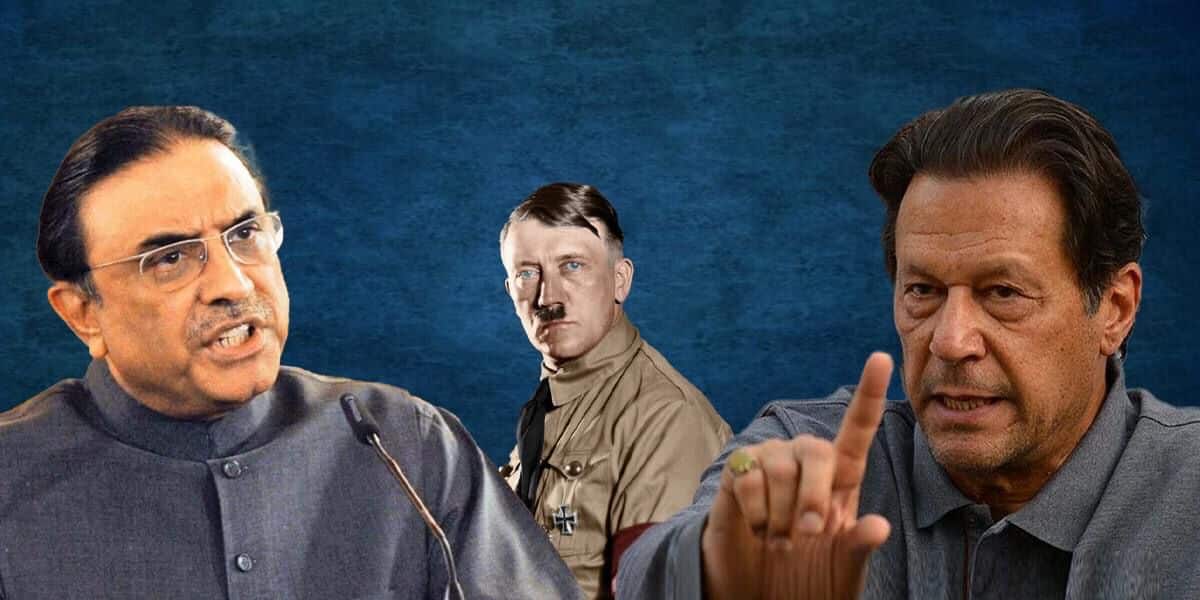
    ‘Hitler ko bhi public support thi’, says Zardari about Khan’s popularity

    Former President and Pakistan People’s Pakistan (PPP) Co-chairperson Asif Ali Zardari has talked about the current political crisis in the country in a wide-ranging interview with Nasim Zehra.

    In the interview, he ruled out the possibility of talks with the PTI Chief Imran Khan. At one point, he called him “too arrogant” for that.

    Zardari again raised questions about Imran’s perception as a politician. When asked about public support towards Khan, he said that even Adolf Hitler had public support when he made the Nazi party.

    https://twitter.com/NasimZehra_at8/status/1632429902422069250?s=20

    When asked about Khan’s refusal to show up at court hearings, Zardari disclosed the difficulties he had to face while he was under the custody of the National Accountability Bureau (NAB) during Imran Khan’s tenure as Prime Minister (PM).

    The former president took a jibe at the PTI head, stating that he always appeared in court whenever he was summoned.

    NAB se mera jhagrah tab hua, jab unhy ne mujhe Eid ki namaz bhi nahin parrhne di” (My fight with NAB started only when they didn’t let me offer Eid prayer).

    He said, “Later, I went to court and complained to them, then they shifted me to Adiala Jail.”

    Talking about the economy, Zardari believed that borrowing money from countries won’t help Pakistan unless the nation expands its resources and stand on its own feet.

    https://twitter.com/NasimZehra_at8/status/1632428810846052353?s=20

    Zardari also said that PPP will not boycott the elections if they take place however it’s a “dangerous mode”.

    https://twitter.com/NasimZehra_at8/status/1632428579018424326?s=20

    He also admitted that there is a law and order problem and lack of money but added that the “Election Commission of Pakistan (ECP) is an independent body and everybody will have to follow their instructions.”

    He also revealed that discussions with PM Shehbaz haven’t taken place yet over this matter.

    https://twitter.com/NasimZehra_at8/status/1632422661639790592?s=20
  • ‘Imran Khan ko mukammal taur par sadiq aur amin nahi qarar diya tha’: Saqib Nisar

    ‘Imran Khan ko mukammal taur par sadiq aur amin nahi qarar diya tha’: Saqib Nisar

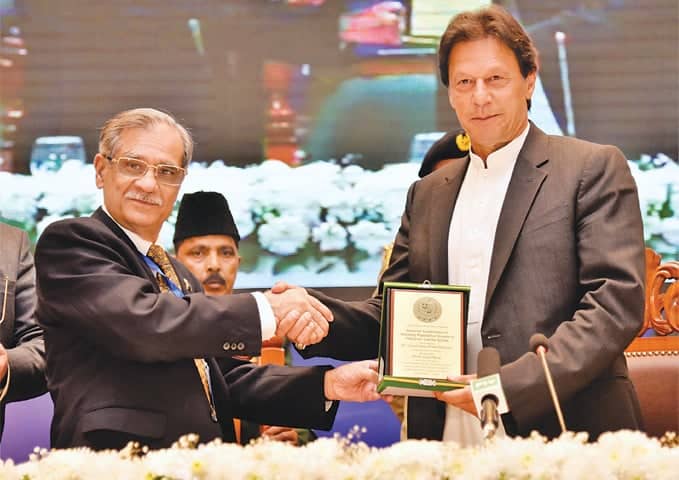
    Former Chief Justice of Pakistan (CJP) Saqib Nisar has said that he did not declare former Prime Minister (PM) Imran Khan Sadiq and Amin [truthful and honest] on all aspects of his conduct.

    Journalist Adil Shahzeb disclosed details about his conversation with Nisar, stating that the former CJP said, “Imran Khan was declared Sadiq and Amin on three points. Akram Sheikh had only asked for a verdict on three points he gave against Imran Khan. On all three points, Imran Khan was found, Sadiq and Amin.”

    Nisar claimed that those talking about the court verdicts today “do not know anything about the law”.

    “The person who is attacking the courts today was a favourite of the courts. Apart from one case, he always got relief from the courts,” the former CJP claimed.

    The former CJP also revealed that his WhatsApp has been “hacked” for two days and the data has not been recovered.

    “I fear that my data may be used for special purpose however, the hackers will be disappointed,” said Nisar. He also claimed that before the hack different recordings were merged and audio was created.

    In the past few weeks, there had been speculation on Twitter that “explosive” audio leaks related to judiciary might surface soon.

    Journalists Azaz Syed and Umer Cheema also talked about possible audio conversation leaks on their YouTube show ‘Talk Shock’.

    Talking about the former spymaster, General (retd) Faiz Hameed, the former CJP was asked if he pressured Nisar to disqualify Nawaz Sharif in the Panama case. “Who is Gen Faiz Hameed, to pressurise me? I am being accused that I am lobbying for Imran Khan in the judiciary, why would I do that, I am worried about the future of my children,” said Nisar in reply.

    He also said that the contact between them was reserved to Lt Gen Hameed messaging him to ask about how he was doing.

    The former top judge said that he would no longer give interviews and a book about his life would be published after his death that would have the “complete story”.

  • Pakistani rupee gains against US dollar amidst hopes for IMF deal

    Pakistani rupee gains against US dollar amidst hopes for IMF deal

    Pakistani rupee on Monday gained against the US dollar due to two key developments: the country secured $500 million from the Industrial and Commercial Bank of China and there was optimism around a potential deal with the International Monetary Fund (IMF).

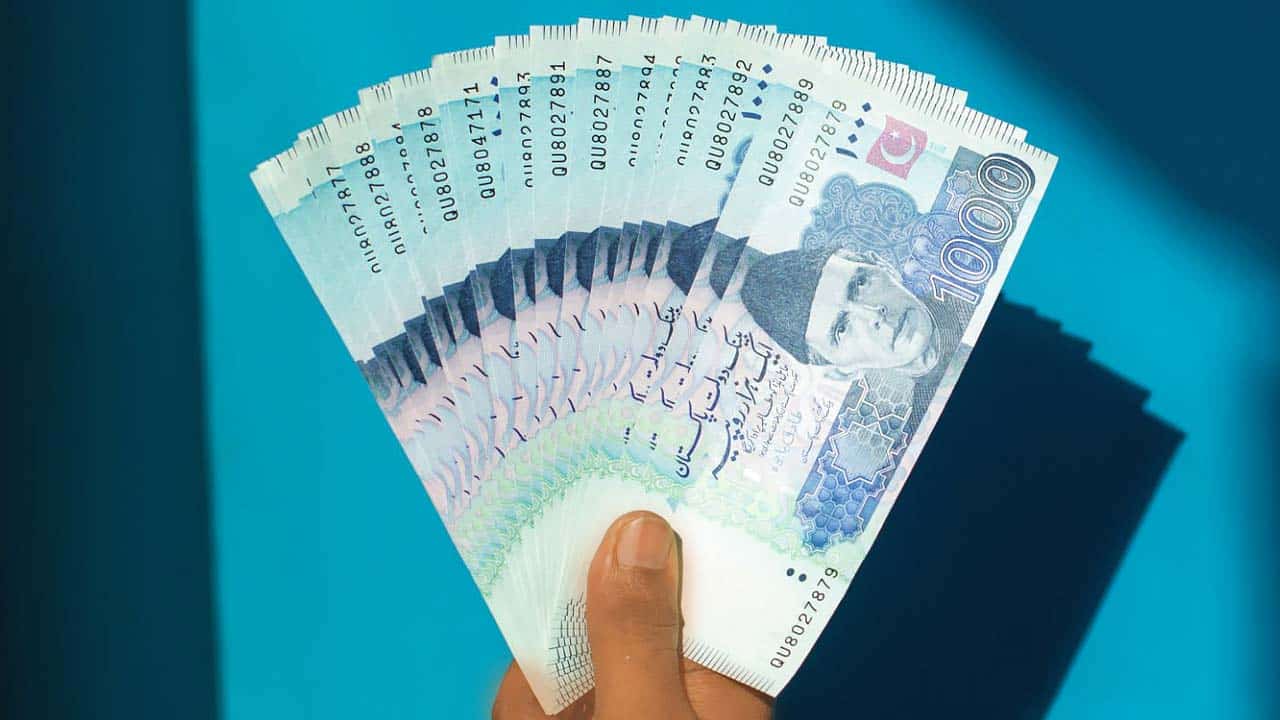
    During intraday trading, the local currency witnessed an increase of Rs3.46 against the greenback in the interbank market, with the exchange rate at around 11:45 pm being Rs275.

    However, last week the rupee made even greater gains against the US dollar. The State Bank of Pakistan reported a 2.38 per cent appreciation, equivalent to Rs6.63, in the interbank market, with the local unit closing at Rs278.46 on Friday.

    According to the General Secretary of the Exchange Companies Association of Pakistan (ECAP), Zafar Paracha, the hype around the earlier dollar appreciation was caused by the country’s financial institutions and international players manipulating rates.

    Paracha noted that the destabilized currency damages Pakistan’s image and discourages foreign direct investment and local investors. He anticipated that with the IMF agreement and inflows from friendly countries, the dollar should remain in the range of Rs260 to Rs265.

    He also highlighted that Pakistan’s political condition has been impacting the dollar rates, which is a new phenomenon. He mentioned that increasing Pakistan’s tax base, not tax rates, is crucial, and the government should reduce expenditures and subsidies given to elites.

    According to Geo, there is hope for a deal with the IMF, with a government official expressing optimism about striking a deal, and another official expecting to reach a staff-level agreement with the IMF in the coming days, although the Fund has not provided a timeframe for finalizing the agreement.

  • ‘Wazaarat rakhna mushkil hoga’: Bilawal warns of leaving PDM

    ‘Wazaarat rakhna mushkil hoga’: Bilawal warns of leaving PDM

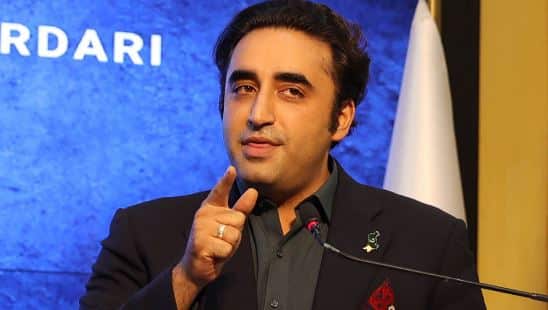
    Pakistan People Party (PPP) Chairman Bilawal Bhutto-Zardari has said on Sunday that it will be difficult for his party to remain part of the federal government if the center does not fulfil its promises of giving relief to flood victims of Sindh.

    Addressing a ceremony at the inauguration of Seed Subsidy programme for flood-affected farmers in Karachi on Sunday, Bilawal said, “Prime Minister [Shehbaz Sharif] and the federal government made promises for the flood victims and those promises and announcements need to be fulfilled. I will be talking to the premier; we [will] take up this issue in the National Assembly.”

    “Wherever these promises were made need to fulfilled, otherwise it will be very difficult for us [PPP] to continue working in the ministry,” added Bilawal.

    However, PPP Co-Chairperson Asif Ali-Zardari has said that they stand with the Shehbaz-led government.

    It is pertinent to mention here that PPP is part of the federal coalition government with Bilawal Bhutto-Zardari holding the Foreign Minister slot while among other portfolios, that of the State Ministry for the same also being held by the party’s Hina Rabbani Khar.

  • Tributes pour in for screen legend Qavi Khan

    Tributes pour in for screen legend Qavi Khan

    On Sunday night, Qavi Khan breathed his last, bringing an end to a long and celebrated career in film and television. The veteran actor who had been regarded as one of the most celebrated performers in the Pakistani entertainment industry, had acted in more than 200 films and dozens of drama serials. He was a fan favourite, gracing screens across the country for many decades in iconic dramas like ‘Aangan’ and ‘Ishq Jalebli’.
    Tributes are pouring in from celebrities and fans alike. Actors who had worked with Khan shared their grief on social media and also shed light on the experience they had while performing with him.

    Actor Nadia Jamil shared a video clip of Khan and a picture of them together, remembering Khan for “his words, his kindness, his work, his talent and his heart.”

    Singer and actor Farhan Saeed termed the actor as an irreplaceable part of the television industry

    Actor Sophia Mirza shared a clip of her first drama serial with Khan, and praised him for being an “academy for actors.”

    Actor Sami Khan sent a tribute to Khan as a ‘great human being’

    Actor Adnan Siddiqui remembered Khan as someone whose ‘stature in the industry will remain unmatched’.

  • Editorial: Are we betraying our culture if we accept something might be different?Bilkul nahi

    Editorial: Are we betraying our culture if we accept something might be different?Bilkul nahi

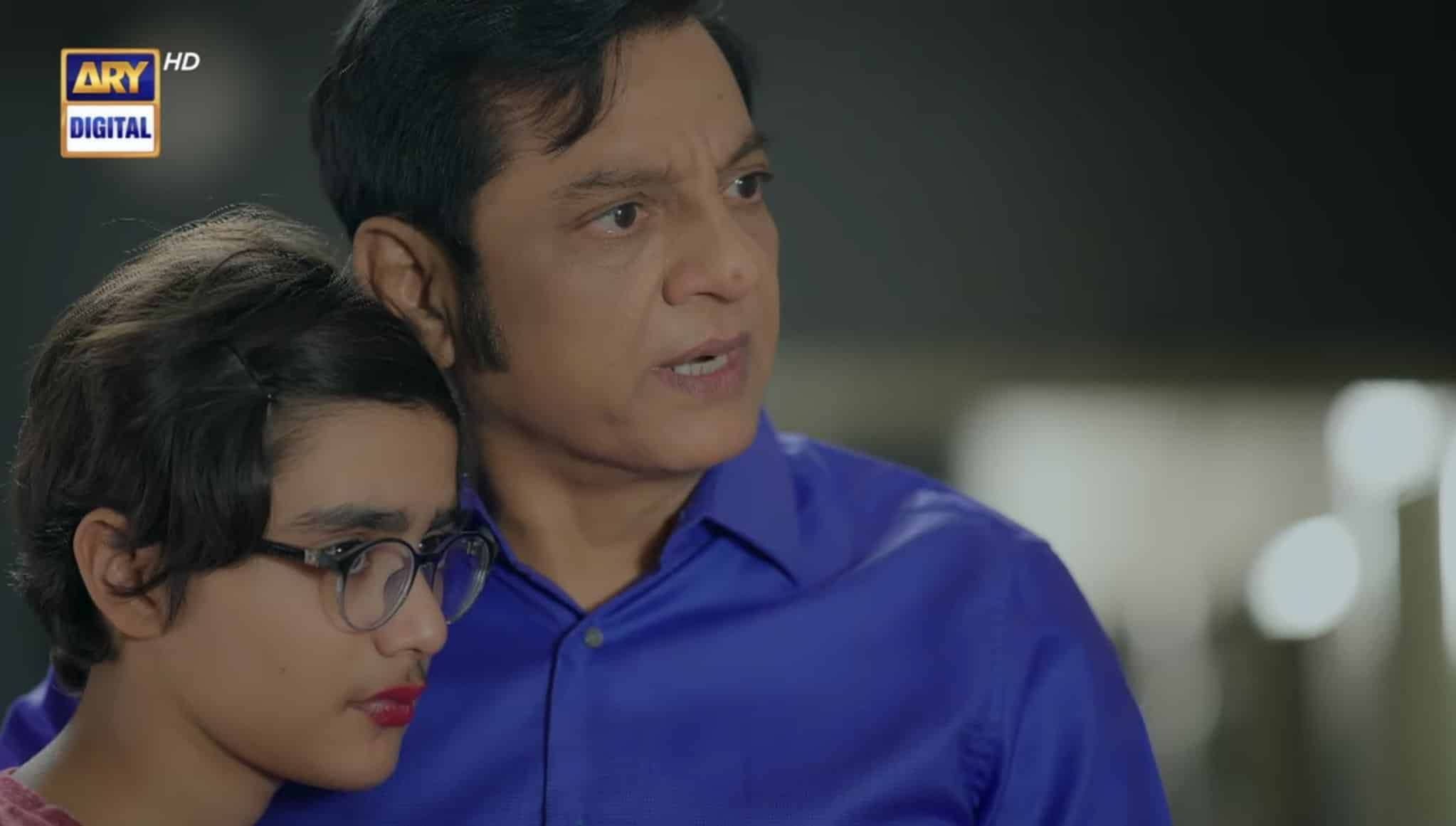
    Sar-e-Rah, a drama well known to the Pakistani audience, recently aired one of its most anticipated episodes that explored the struggles of a transgender boy who tries to gain acceptance from his family by studying hard.

    The episode delved into how Sarim (played by Muneeb Butt) is bullied by his stepmother and brother because of the fact that he is an intersex boy. However, Sarim and his father have a close bond, who encourages him to work hard and is the only one who embraces his true nature rather than hiding it away.


    In a scene that gained massive audience attention and praises on Twitter, the father and son are sitting by the sea where he teaches his son that there is no shame in wanting to be feminine, and he can choose to be whatever he likes because it won’t diminish his father’s love for him.

    Many users praised the way this episode depicted the relationship between the father and son, as portrayed by Nabeel Zafar and Butt’s moving acting. The show was lauded for handling a taboo subject in a delicate manner, and showing how important it is for parent’s to empathise with and support their children.

    In a time when censorship overrules freedom of thought, and many drama creators refuse to engage with the audience, there are creators who are making stories for the audience by taking bold steps in crafting unique stories that tackle social issues in a sensitive yet thorough manner.

    Unfortunately this message did not resonate with everyone, as harsh critics like fashion designer Maria B once again stepped up to criticise the drama for ‘promoting vulgarity’ and encouraging the acceptance of the transgender community. This isn’t the first time Maria B has targeted the transgender community through her hate campaigns and probably won’t be the last time either. But it all comes down to a few questions we really need to ask ourselves: How is being an intersex a bad thing? Why can’t we as people accept everyone for who they are and what they are? Why is it so hard for us to choose kindness? What are we so afraid of? How is accepting a child for what and who they are a problem? At a tender age, a child only needs validation and acceptance. Parents don’t love in categories, their love is unconditional. Then why do we always put conditions on things which only need love and kindness.

    Moving forward to the larger debate, which is about culture and what will people say. We need to understand that the world has massively changed. It’s the 21st century and people have a way of living on their own terms. Why do we always bring society, culture in things we ourselves are afraid to handle? Take the example of the scene in this drama itself, in our society a father is mostly shown as the angry adult, who doesn’t speak much, expresses even lesser and then here was a father, calm, tender and accepting of his son. We should promote such culture where fathers shower their children with kindness and love.

    Kindness and love is the need of the hour. Pakistan already has a lot of problems. Let’s not make acceptability a problem as well. Our children deserve better. They deserve peace, security and assurance that yes our parents have our back. It all starts from home. Children need these little affirmations from a young age. Let’s not disappoint them just because they are different.

  • In Bannistan, slaps get more praises than hugs

    Bannistan: the name that keeps circulating every now and then on social media, because it defines what it means to be a resident of Pakistan.


    In an era of inflation, robberies, the never ending rise of lynch mobs and rape cases, rather than looking for ways to encourage joy and laughter, we’ve pointed our pitchforks towards anything and anyone celebrating to their own beat. Whether it is women dancing in the streets, a bride dancing the night away on her wedding, the most simplest forms of affection and love will irk and anger us because after all, the most important rule in the land of Bannistan is to never let joy prevail.


    In the darkest times of humanity, it is our films and dramas that have sustained us and provided us with a glimmer of joy. Like when the Covid-19 pandemic shut down our lifestyles, we turned to films and movies to cope with the fear of surviving this deadly disease. Another poignant example is shown in the documentary ‘The Romantics’ when Aditya Chopra recalls how when there were a few weeks left before the release of his rom-com ‘Rab Nay Banadi Jodi’, the 26/11 attacks in Mumbai took place which wrecked destruction and fear across India. Terrified of the anticipated backlash, Chopra narrated how despite many of his colleagues insisting him to push the film’s release forward, he refused. Because as he declared: this was a more critical time than ever that people had a reason to find joy.


    Films aren’t just a form of entertainment, but a powerful medium to give solace to those struggling to find joy. It is also a powerful tool that can reach across masses beyond than politicians to spread messages about social issues. In this time more than ever, we need our films to teach empathy and love to their audiences, but the rules are completely opposite in the land of Bannistan. Because here, what gets the most ratings is divorces, crying bahus, slaps, incest and anything that involves fear and oppression.


    A scene from a Pakistani drama ‘Tere Bin’ has been going viral since yesterday because it featured a couple sleeping in the same bed together, along with the caption “Censor board is sleeping?” Because in the land of Bannistan, nothing makes us clutch our pearls more than a man and a woman being happy with each other.


    Mind you, this is the first time this drama began circulating widely among national discourse for literally a five minute scene where the two are soundly sleeping next to each other, but several other instances of violence depicted in the same drama had not received the same amount of rage. In the last 30 episodes of the same show, we watch a woman being forcibly married to her cousin, placed under house arrest and barred from meeting her foster parents, slapped by her fiance, slapped by her mother in law, tried to commit suicide. Did you ever hear about such scenes? Nope, because this consistent oppression and cruel manner of stamping out joy is what keeps Pakistanis happy. We hate joy. We hate watching women in consensual, happy relationships.
    What is a tragedy in this mess is this limited, but moving scene from Tere Bin is just a drop in the thousands of dramas Pakistanis celebrate and champion to promote family values everyday, which are littered with misogynist messages and scenes depicting violence and abuse.


    Our censor board sent several notices to ‘Dil Na Umeed Tou Nahi’ because apparently, it is a sin to depict how vulnerable children from lower class families are easy targets for sex trafficking, but a drama like ‘Mere Pass Tum Ho’ get’s a theatrical screening across Pakistan because it shows us for who we really are, a women-hating nation whose biggest nightmare is a woman getting financially independent and wanting a comfortable lifestyle. Any time there has been an attempt to tell moving stories that championed voices of the oppressed, or tried to encourage dialogues about empathy or love, we stamp it out because it’s alien to us. Label them as ‘un-islamic’ and vulgar because we’re a nation of soul suckers, who can’t thrive properly unless we’re watching the misery of others before us.


    It’s imperative now more than ever that we re-think the success formulae of our dramas and movies, especially the kind of messages they are sending to their audiences. Because if a five minute scene featuring a brief intimate moment between a couple is enough to create a national storm, what does it reveal about the way men and women view each other in Pakistan. Pakistani women deserve better stories than what Pakistani audiences are providing them. Our younger generation doesn’t deserve to grow up knowing that a happy couple is a sinful couple, but should remember that like Chopra said, it’s essential that in times of tragedy we try to look for ways to uplift each other.
  • Customers express frustration over inability to pay for Netflix with Islamic Cards while being charged Sood for late payments

    Customers express frustration over inability to pay for Netflix with Islamic Cards while being charged Sood for late payments

    A Faysal Bank customer expressed his discontent with the bank on Facebook after his credit card was converted into a shariah-compliant card called “Noor Islamic Card”. The customer complained that he is unable to make transactions with Netflix or use the card for any “unislamic” purposes.

    He posted on Facebook, saying, “Just converted my Faysal Bank Credit into Noor Islamic Card. Now I can’t use the card on Netflix, bcoz they have become Islamic, and they cannot allow their customers to use their card on any unislamic things.”

    Other users also commented on the post, with one user pointing out that the bank still charges interest, which they refer to as Musawah payment, if a bill is not paid on time. Another user claimed that their conventional credit card was converted into a Noor Islamic Card without their consent and the bank’s response to their complaint was unsatisfactory.

    Many users expressed their frustration with the bank’s service, with some even stating that they would be closing their Faysal Islamic Card account due to the Netflix payment issue. One user also pointed out that Meezan Bank has the same policy regarding Netflix transactions.

    Another user shared their experience, stating that their Faysal Bank card did not work when they tried to buy movie tickets and food at the bank’s food court on the same day that their card was converted from a conventional card to an Islamic one. It was only then that they realized that their card had been converted.

    The conversion of conventional credit cards into shariah-compliant cards is a growing trend in Pakistan’s banking sector. While this is seen as a positive move by some customers, others are skeptical of the benefits and limitations of shariah compliant cards.

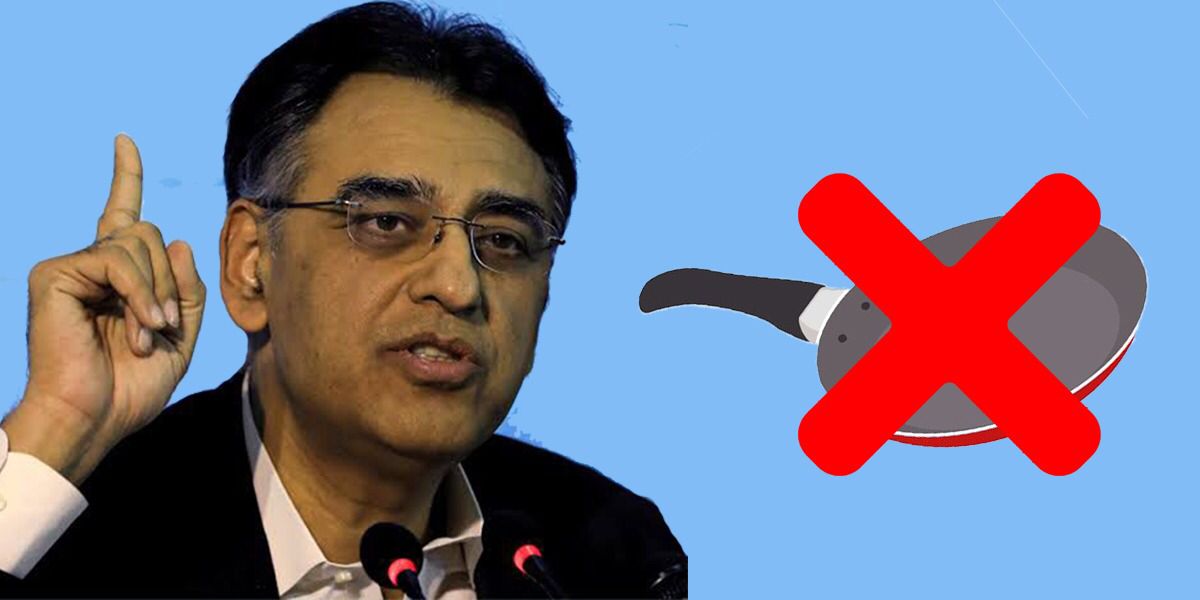
  • ‘Kapray istari karne ke liye frying pan bhi nahin deeya,’ Asad Umar jokes after being released from jail

    ‘Kapray istari karne ke liye frying pan bhi nahin deeya,’ Asad Umar jokes after being released from jail

    Pakistan Tehreek-e-Insaf (PTI) leader Asad Umar has been released from Rajanpur District Jail after he voluntarily got arrested as part of his party’s Jail Bharo Tehreek (voluntary arrest movement).

    After the release, Umar praised party workers for participating in the movement.

    In another tweet, he took a jibe at Pakistan Muslim League-Nawaz (PML-N) Senior Vice-President Maryam Nawaz, joking that jail officials did not provide him with a frying pan to iron his clothes.

    Several other prominent leaders also got released from jail including Shah Mahmood Qureshi, Senator Azam Swati and Zulfi Bukhari.

    Swati, after being released from Raheem Yar Khan district jail, said that “political engineering should stop now”. 

    PTI’s Zulfi Bukhari and Fayyaz ul Hassan Chauhan were released from Sargodha jail, while former Punjab Governor Umar Sarfaraz Cheema, Azam Khan Niazi, Sadaqat Abbasi, Ejaz Khan and others were also among the released PTI workers.

    The movement had been announced by PTI Chairman Imran Khan in the wake of the coalition government’s spree of arrests of key PTI leaders. However, after the Supreme Court’s verdict about the elections, the PTI chief called off the movement.

    LHC orders release of arrested PTI leaders during Jail Bharo Tehreek

    Earlier, Lahore High Court (LHC) ordered the release of the arrested leaders of PTI during Jail Bharo Tehreek.

    Justice Tariq Saleem Sheikh issued the order on the application of Fawad Chaudhry. The court suspended the detention orders of Shah Mahmood Qureshi, Asad Umar and other party leaders..

    The court also asked the parties, including the Punjab government, to respond on March 7.

    It is pertinent to mention here, that PTI leaders Shah Mahmood, Asad Umar and other leaders and activists were arrested from Lahore and transferred to other jails in the province.