Tag: Pakistan

  • Pakistani student builds first voice-operated wheelchair

    Pakistani student builds first voice-operated wheelchair

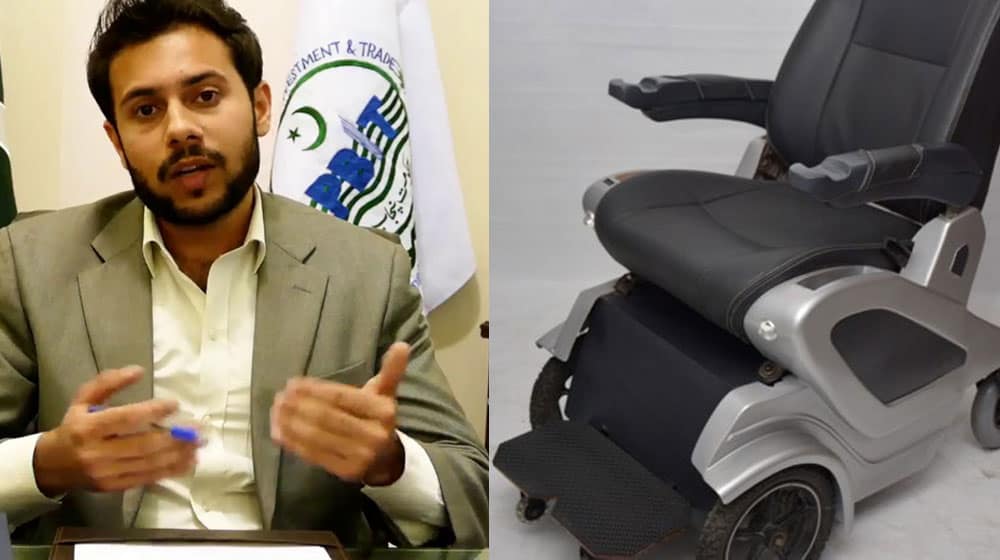
    A student of Lahore University of Management Sciences’ (LUMS), Faaiz Arbab has developed a voice-controlled electric wheelchair that can be operated through a smartphone application.

    Faaiz is a graduate of electrical engineering program from LUMS and invented the voice-operated smart wheelchair, named ‘GOBEE’, in collaboration with the National Incubation Center (NIC) Lahore and AYEco.

    It operates with the help of a smartphone application which has a ‘Call N Go’ feature in it. The wheelchair responds to the voice commands of the user, being able to turn left or right and move forward or backward. It can also be summoned from a distance of 15 kilometers.

    Faaiz aims to assist people with disabilities through the use of technology. The smart wheelchair offers Bluetooth, Wi-Fi, and a remote control which goes over the range of a 100 feet.

    GOBEE is water repellent, anti-rusting, and has alloy rim wheels combined with an anti-sweat technology sofa seat.

    National Design Awards (NDA) Pakistan also awarded Arbab with the best Consumer Product Design Award (2018) for his Voice Operated Smart Wheel Chair.

    Pakistan Tehreeke Insaf’s (PTI) MNA Asad Umar shared lauded the Arbab’s efforts on Twitter and shared a video of the wheelchair.

    “This is just the kind of work that needs to be projected,” Asad wrote.

  • Zartaj Gul under fire for seeking credit for global ‘Climate March’

    Zartaj Gul under fire for seeking credit for global ‘Climate March’

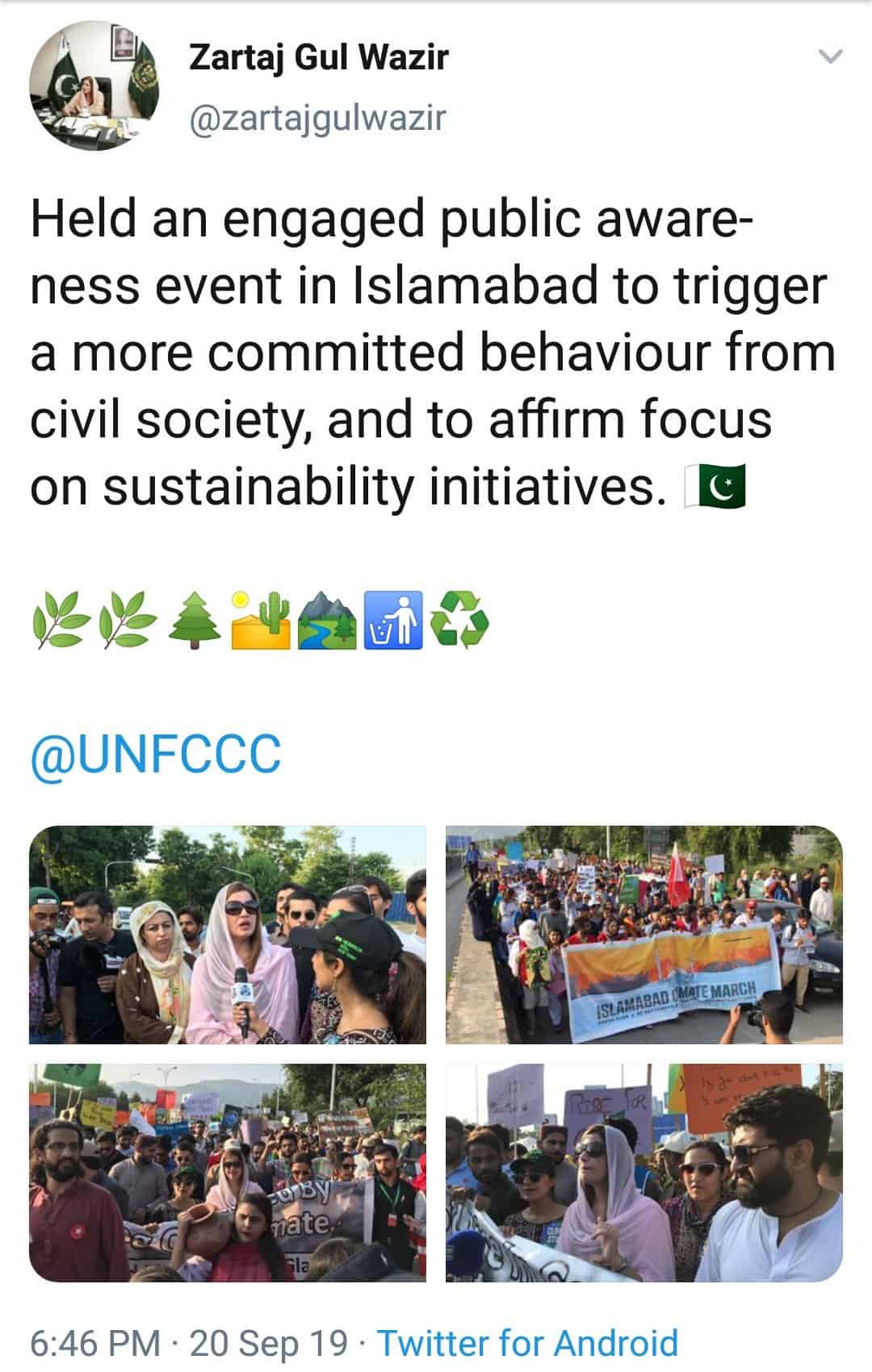
    Minister of State for Climate Change Zartaj Gul has drawn ire of hundreds of activists for “taking credit for Friday’s Climate March” in various cities of Pakistan and around the world.

    The minister, from her Twitter account, posted pictures of the march and wrote, “Held an engaged public awareness in Islamabad to trigger a more committed behaviour from civil society, and to affirm focus on sustainability initiatives.”

    But since the march was actually a citizens-led global event organised by Climate Action Now to help stop global warming in a call answered by Pakistanis as well, Twitterati didn’t let go of Gul’s claim easy.

    The ruling Pakistan Tehreek-e-Insaf (PTI) minister faced severe criticism for her claims from participants of the march, including environmentalists, journalists and lawyers, as she didn’t really have much to do with the demonstrations.

    Gul’s tweet has since been deleted.

  • Misbah announces squad for Sri Lanka ODI series

    Misbah announces squad for Sri Lanka ODI series

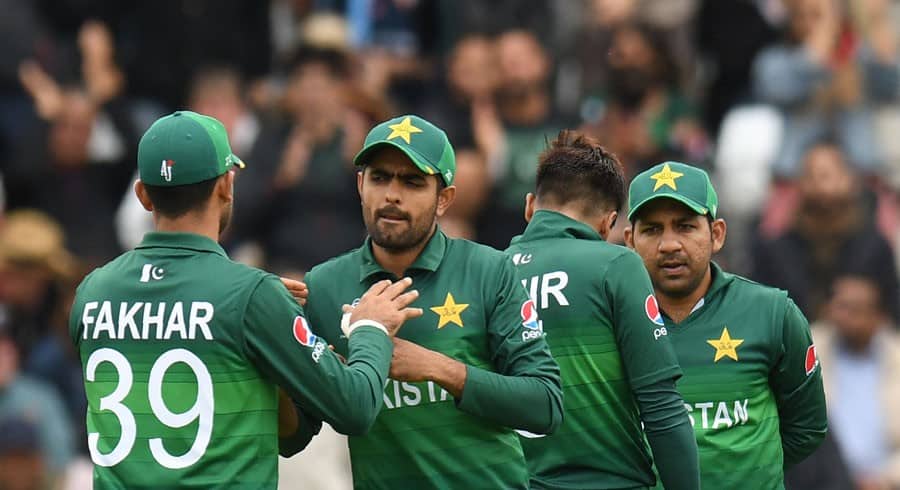
    Pakistan head coach-cum-chief selector Misbahul Haq has named a 16-member squad for the upcoming One-Day International (ODI) series against Sri Lanka, Cricket Pakistan reported.

    According to the details, Abid Ali, Iftikhar Ahmed, Usman Shinwari, Mohammad Nawaz and Mohammad Rizwan have made a comeback in the ODI side, while fast-bowlers Hasan Ali and Shaheen Shah Afridi have been left out of the team due to back spasm and dengue fever, respectively.

    All-rounder Mohammad Hafeez has been dropped from the squad, while Shoaib Malik has already announced retirement from the 50-over format.

    The squad for the T20 matches to be held in Lahore will be announced later. Until then, other players will continue training at the National Cricket Academy (NCA).

    “After thorough discussions with the members of the selection committee and meticulous planning, I feel we have put together the best possible squad,” Misbah said Saturday and added how his experience told him that “there are no easy games or opponents”.

    Following are the players included in the ODI squad:

    Sarfaraz Ahmed (captain), Babar Azam (vice-captain), Abid Ali, Asif Ali, Fakhar Zaman, Haris Sohail, Mohammad Hasnain, Iftikhar Ahmed, Imad Wasim, Imamul Haq, Mohammad Amir, Mohammad Nawaz, Mohammad Rizwan, Shadab Khan, Usman Khan Shinwari and Wahab Riaz.

  • Crippling state: Striving for a polio-free Pakistan

    The commitment to eradicating polio from Pakistan is now a national cause led by the prime minister himself.

    The question that I ask myself every day since assuming office is that Pakistan’s polio programme is 25 years old, but why haven’t we been able to eradicate polio till this day?

    The answer is complicated, to say the least.

    My days and nights are consumed in brainstorming strategies and constructing innovative methodologies on how to reach all the children of Pakistan consistently, so one day in the near future I can hand over the keys of the Emergency Operation Centre (EOC); the headquarters of the polio eradication in Pakistan, to the prime minister and we raise the flag of a polio-free Pakistan.

    To begin explaining the scope of the problem, it’s important to understand the enemy you are dealing with. The poliovirus is ferocious and with evil-intelligence leaves crumbs behind for us to follow. One of our biggest mistakes has been taking its bait, fighting it in territories that it poses to be its home. While it has kept us engaged fighting its proxies, it has multiplied and expanded its arsenal to the extent that we now have to revise our strategy to counter it, more aggressively in it is home. We have had 158 cases of polio in the last five years, and 64 this year alone.

    To me, the number of cases is not mere statistics or a reputation hazard, but these figures represent actual children that have been paralysed for life. We must acknowledge it for what it really is — a daunting and horrific reality of what this virus is capable of, and a stark reminder of just how urgently we need to bring polio to an end.

    But the cases are a mere symptom of the number of children we are missing in every polio campaign — this is where the real problem begins.

    The current outbreak the country is facing was not unpredictable. The Independent Monitoring Board (IMB), one of the highest bodies that evaluate the success of the strategies countering the poliovirus, had predicted the outbreak a year earlier than it actually happened.

    The fact is that the data being collected during polio eradication campaigns had been misleading operational priorities. The number of children recorded as ‘missed’ aided by fake finger markings has had disastrous connotations on campaign quality and in return has not accurately reflected ground realities leaving hundreds and thousands of children unvaccinated and vulnerable to the virus. The root cause of which boils down to the communities resistance to being vaccinated.

    This past year saw an upsurge of anti-vaccine propaganda spreading like wildfire on social media platforms. As time went on, community distrust in the programme fueled by propaganda ended up sparking catastrophic incidents like the one in Peshawar on April 22, 2019. Consequently, motivation levels of polio eradication teams dwindled as refusals to the vaccine continued to spike across the nation.

    I am no newcomer to the programme. I have been associated with polio eradication efforts for over eight years. In all that time I’ve seen people committing the same mistakes over and over again, with my voice unheard. It was immediately clear to me that our traditional approaches had failed. We had to think out of the box and the transformation had to happen soon.

    To this end, I am proud to say that the Pakistan Polio Eradication Programme has worked long and hard over these past few months to adapt to the growing myriad of challenges and to transform and re-vitalise its efforts to bring polio to a halt.

    The commitment to eradicating polio from Pakistan is now a national cause led by none other than the prime minister of Pakistan, Imran Khan, himself. Such is the commitment that the premier asks for text updates on an almost daily basis and this goes all the way down, right to the frontline workers.

    To make the requisite changes for the desired impact, I have been personally involved in the review of the entire programme structure. This review has already identified many of the operational deficiencies embedded within the programme, including issues with programme structures and has reconfirmed the fault-lines that were evident to everyone but were never fixed.

    But, I believe that there needs to be an accountability framework that not only measures our success but also guarantees that everyone is accounted for their assigned role and nobody is allowed to play with the future of our children.

    A 24/7 WhatsApp helpline has also been established to provide direct responses to all parent and caregiver queries, concerns and complaints. Any and all queries, concerns or complaints are logged by the programme, responded to instantaneously, or then forwarded to district officials for remedial follow-up. The Polio Helpline is being initiated in the following months as a 24/7 call centre as well.

    I also believe that one of the biggest hindrances to the success of the polio programme is the way it is perceived in the eyes of the masses. For this, my team is working with the most creative minds in this country to design and launch a Perception Management Initiative which does not only aim to counter propaganda and helps builds trust within the community but aims at creating demand for the polio vaccine, which has been only a topic of several discourses but not been achieved to date.

    I am confident that this transformation of the programme will deliver the results we desperately need. I reassure all Pakistani citizens that I along with my team will not sit idle until Pakistan is certified polio-free.

    The writer is prime minister’s focal person on polio. He tweets at @babarbinatta.
  • Pakistan to swap Jadhav for ex-army officer ‘in Indian custody’?

    Pakistan to swap Jadhav for ex-army officer ‘in Indian custody’?

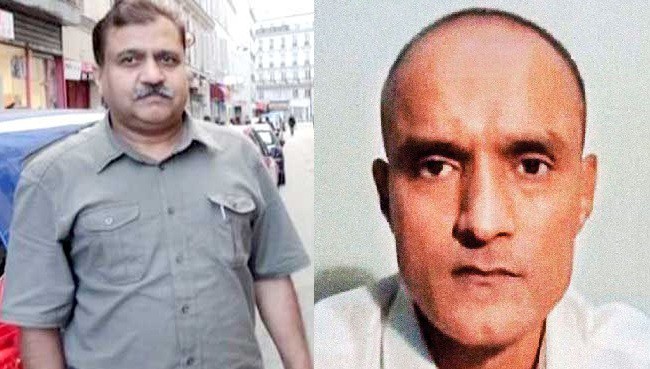
    While Indian spy Kulbhushan Sudhir Jadhav remains in Pakistan’s custody over terror charges, media reports have claimed that a former Pakistan army officer is in Indian custody, raising speculation about a possible prisoner swap.

    “The government is making all-out efforts to locate Lt Col (r) Habib Zahir,” Foreign Office spokesperson Dr Mohammad Faisal said while taking exception to Indian media reports and denying the claims.

    “Pakistan maintains that the involvement of hostile agencies cannot be ruled out,” he was quoted as saying by Dawn.

    Sharing the details of the episode, Dr Faisal said that Zahir was a retired Pakistani officer who went missing in Nepal, where he had gone for a job interview in April 2017.

    The spokesperson added that according to his family, he had posted his CV on LinkedIn and the United Nations (UN) website for a job. “In response, he received a call and email from one Mark stating that he had been shortlisted for the job of vice president.”

    He was asked to visit Nepal and he was sent an Oman Airlines ticket for an interview on April 6, 2017.

    After landing in Nepal, which he visited for the first time in his life, he left Kathmandu airport (from where he had WhatsApped his pictures and boarding pass to his family), for Lumbini airport by Buddha Air.

    At 1300 hours, he messaged his wife from his mobile phone intimating that he had landed safely at Lumbini (a municipality 5 kilometres from the Indian border) after which his mobile appeared switched off and his family lost all contact with him.

    Investigations revealed that Mark’s United Kingdom (UK) cell number was fake and was actually an internet/computer-generated number. The website that he was contacted from was found to be operated from India and was subsequently taken down.

    The government of Nepal constituted a special team to look into his disappearance but there was no progress in the matter so far.

    In view of his disappearance from Lumbini and the involvement of Indian nationals (who reportedly received him at Lumbini, made his hotel reservations and booked his tickets), Pakistan also repeatedly reques­ted the government of India to assist in locating him.

    However, no positive response had been received from the Indian side.

  • VIDEO: Fawad Chaudhry wants to be Deputy Prime Minister?

    VIDEO: Fawad Chaudhry wants to be Deputy Prime Minister?

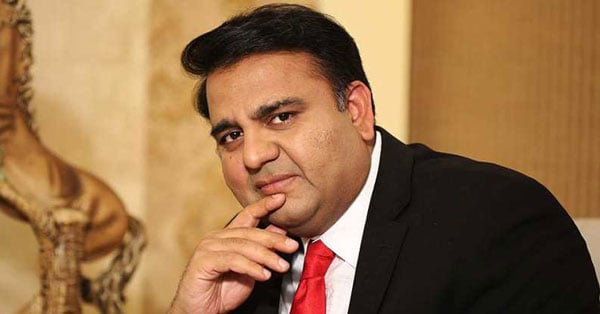
    Minister of Science and Technology Fawad Chaudhry says that he told PM Khan that in countries like Korea, Indonesia, Singapore and Malaysia, the ministers for science and technology are as powerful as a Deputy Prime Minister. (hint hint)

    When we asked Fawad whether he was joking or being serious, he said he meant it as a joke.

    Fawad’s counterparts in the countries he mentioned are:

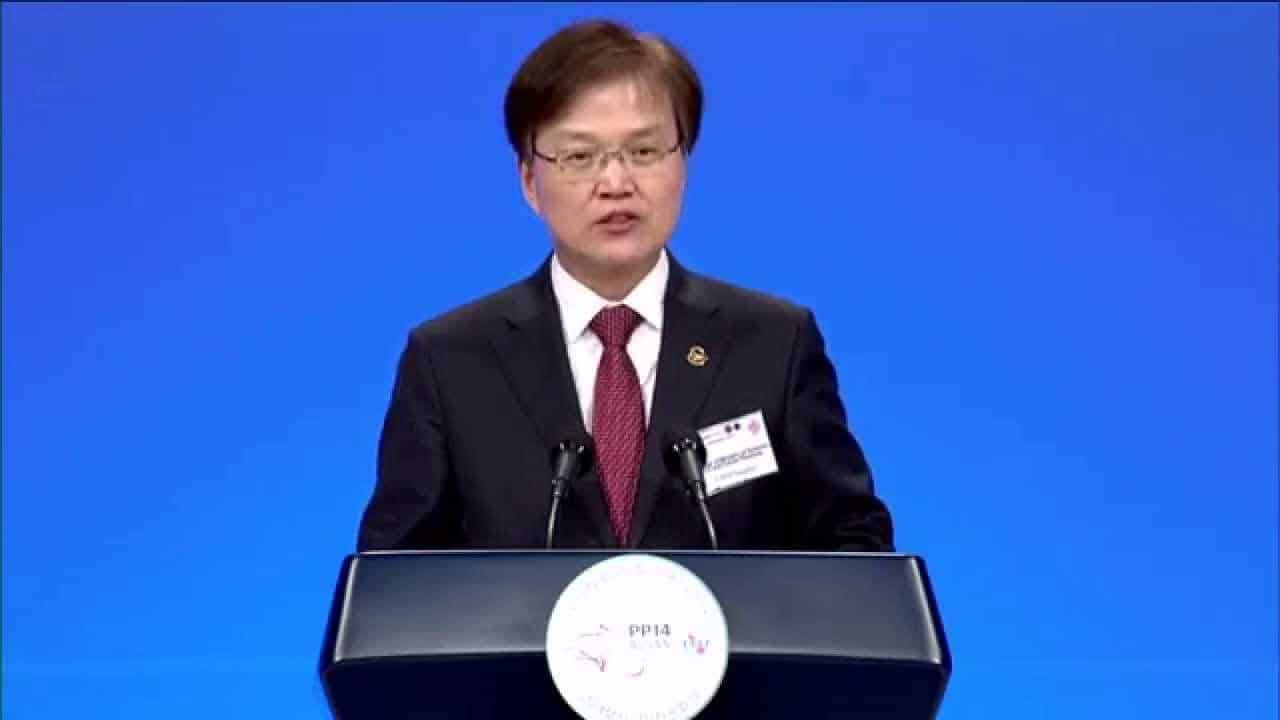
    The Minister of Science and Tech in Korea is Dr Yanghee Choi since 2014 but doesn’t have an active Wikipedia page. He was previously the Chairman of Samsung Science and Tech Foundation.  

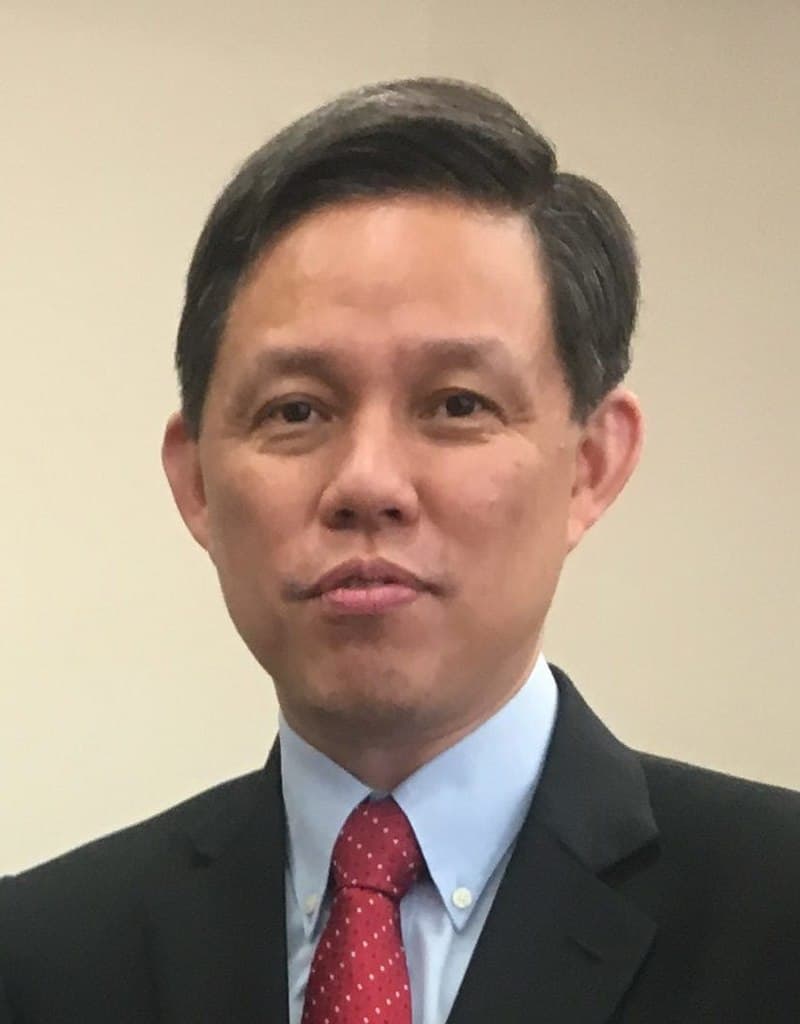
    Minister of Science and Tech in Singapore doesn’t exist. Science and Tech comes under the Ministry of Trade and Industry whose minister is Chan Chun Sing who is a former major general and also served as Singapore’s Chief of Army (Infantry).

    Yeo Bee Yin currently is the Minister of Energy, Science and Tech, Environment and Climate change in Malaysia. A member of parliament, one of her first initiatives was to ban on the import of plastic waste.

    Indonesia’s Science and Tech minister is professor. Mohamad Nasir was also the Dean of the Accounting program at a university and was involved in a major controversy in 2016 when he wanted to ban the Lesbian, Gay, Bisexual and Transgender community on campus.

    Indonesia’s Science and Tech minister is professor. Mohamad Nasir was also the Dean of the Accounting program at a university and was involved in a major controversy in 2016 when he wanted to ban the Lesbian, Gay, Bisexual and Transgender community on campus.

  • Ramiz Raja not happy  with Misbah’s selection

    Ramiz Raja not happy with Misbah’s selection

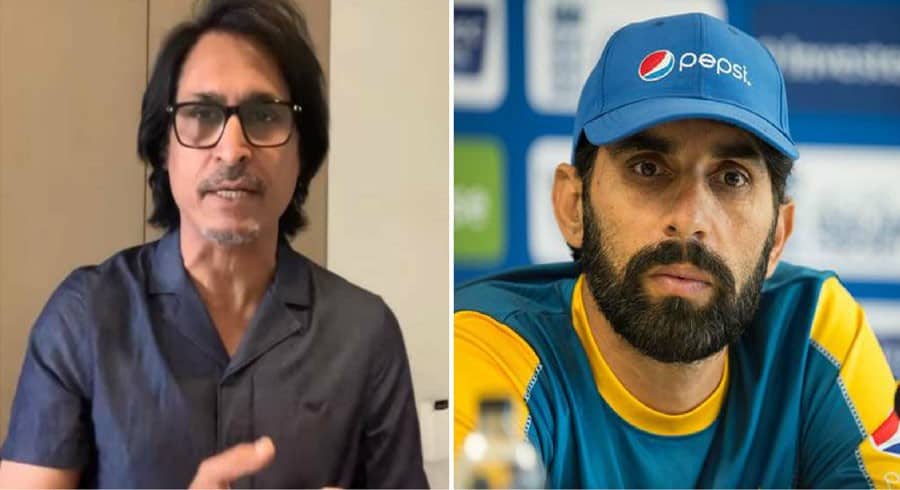
    Former Pakistan cricketer Ramiz Raja is disappointed with the 20 probables selected by head coach-cum-chief selector Misbahul Haq for the upcoming T20 and ODI series against Sri Lanka.

    While speaking in a Youtube video, the famous commentator has criticised Misbah for implementing a safety first approach in his selection.

    He said, “It was disappointing to see no new name or experimentation from Misbah, despite playing against a second-string Sri Lanka side,” adding that Misbah is playing safe as it is his first big assignment and is opting for tried and tested players.

    Ramiz Raja believes that Men in Green needs out of the box thinking with regards to the future.

    “You could have invited around four to five players to this camp, who you think are talented and have what it takes to serve Pakistan in future,” he added. “Instead, those players have been recalled who have been playing for Pakistan for last 10 years and we are aware of their potential and limitations.”

  • India requests Pakistan to let Modi fly through its airspace

    India requests Pakistan to let Modi fly through its airspace

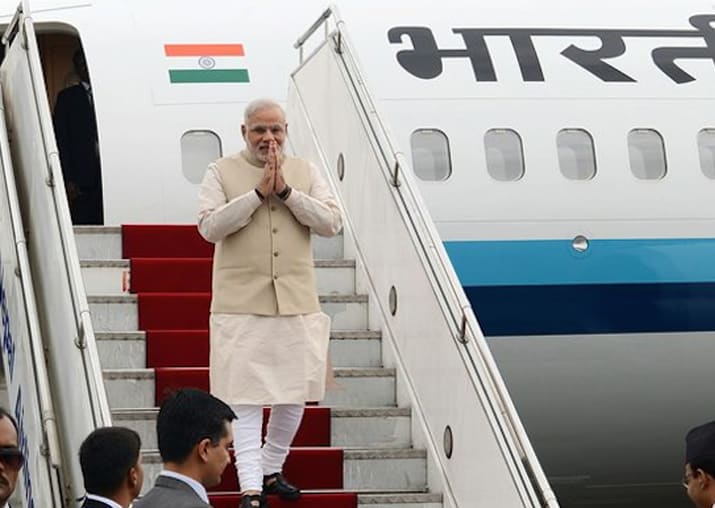
    India has requested Pakistan to let Prime Minister (PM) Narendra Modi’s aircraft fly through its airspace to New York for his week-long trip to the United States (US) from September 21 to 27.

    India has formally requested Pakistan to allow use of its air space for PM Modi’s flight, ANI reported.

    On September 22, Modi will address the Indian community as part of the ‘Howdy Modi!’ event in Houston, Texas. The event will be his third major address to the Indian-American community after he became the prime minister in 2014 and the first after his re-election in May.

    The previous two were at the Madison Square Garden in New York in 2014 and the Silicon Valley in 2016.

    Modi will then visit New York from September 23, where he will address the 2019 Climate Action Summit hosted by UN Secretary-General Antonio Guterres. He is also expected to meet US President Donald Trump.

    Modi had in August used Pakistani airspace for the first time after February’s botched Balakot strike by the Indian Air Force (IAF).

    The flight carrying Modi, callsign Air India One (AI-1), used Pakistani airspace while en route to France from New Delhi.

    Pakistan closed its airspace in February this year after a standoff with India in the wake of an attack on a police convoy in occupied Kashmir that killed 40 paramilitary police.

    In the aftermath, two Indian fighter jets’ were downed. Pakistan also captured one of the Indian pilots who was later released.

    In June, Modi avoided flying over Pakistan during a trip to Central Asia, even though its airspace was opened as a goodwill gesture.

    Islamabad had fully reopened its airspace to civilian flights a month later.

  • Amid tensions with India, Pak to acquire 36 Dassault Mirage-V jets from Egypt

    Amid tensions with India, Pak to acquire 36 Dassault Mirage-V jets from Egypt

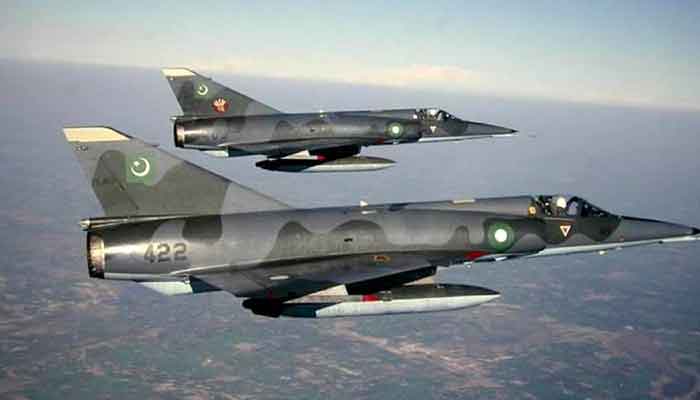
    Amid tensions with India over the Kashmir crisis, Pakistan Air Force (PAF) is expected to soon sign a deal with Egypt for the purchase of 36 upgraded Dassault Mirage-V combat aircraft, The News International has reported.

    According to reports, the two countries have been negotiating the contract for years and now the final one may see the light of day as PAF wants these fighter jets to strengthen its existing squadron of jets.

    The 36 Mirage-V resemble India’s Mirage 2000 in terms of delta wing design and have the ability to perform night strikes with mission pods and helmet-mounted display.

    The Mirage V is a dedicated ground-attack variant of the Mirage-III, with greater space for fuel in place of avionics.

    Pakistan has been acquiring retired Mirage-III and Mirage-V from Egypt and Australia and presses the aircraft into service after upgrading them with modern Italian radars and other electronics.

  • What’s the importance of the leaf behind D.G. ISPR?

    What’s the importance of the leaf behind D.G. ISPR?

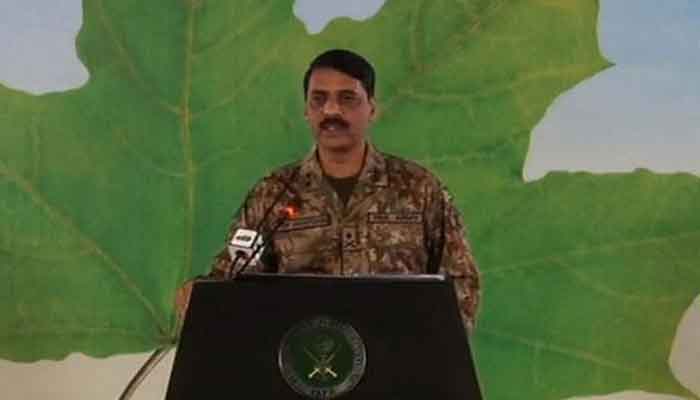
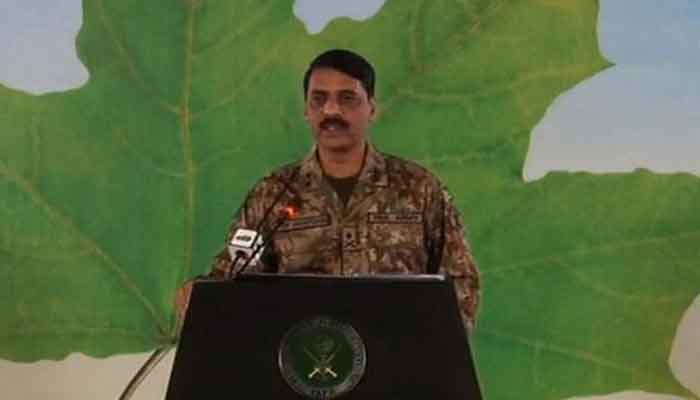
    Military Spokesperson Major General Asif Ghafoor did a briefing yesterday, updating the press of Pakistan’s fight for Kashmir’s rights. He spoke about how Kashmir was Pakistan’s “jugular vein” and how Pakistan would protect it at all costs. He also warned India of any “misadventure” and said that “nuclear countries do not go to war”. During his briefing, the background was of a green leaf.

    D.G. ISPR Asif Ghafoor’s press briefing

    The leaf is a chinar tree leaf and symbolizes Kashmir. The chinar tree is largely found in Kashmir or European countries and it is largely believed that the Mughal Emperor Akbar planted chinars in the Kashmir valley.

    A large chinar tree

    1,200 saplings of chinar were planted at the same time in a ‘Char Chinar’ pattern, which is four chinar trees planted in four corners of a piece of land.

    Chinar leaf in autumn

    The Char Chinar pattern creates overarching shade so a person standing in any part of the area would have shade during the whole day.

    Chinar trees in autumn in Srinagar

    For Indians, visiting Srinagar in autumn, is an attractive holiday since the chinar leaves turn golden before they fall.