Tag: Pakistani dramas

  • In spirit of Aurat March, watch these five dramas that champion powerful women

    In spirit of Aurat March, watch these five dramas that champion powerful women

    Azadi Mubarak, saheliyon.
    Today is Aurat March, the day when women march in the streets to champion social, economic and political issues for females across Pakistan. It’s an important day to celebrate the struggles of the feminist movement that called for equal rights for women everywhere in Pakistan.


    However, the struggles of women weren’t just present on the roads but have been recorded and displayed on our television screens for decades. Pakistani films and dramas are powerful tools to spread awareness on social issues, and have consistently given voice to the demands of women for years. Thanks to powerful women working in the entertainment industry like Bee Gul, Sania Saeed and Haseena Moin, there are several dramas that have spoken about feminist issues and also championed powerful women. So to set up your feminist-themed movie night, here are some dramas you should definitely give a watch!

    1 Dobara

    Pakistani dramas OST

    Penned by Sarwat Nazir and starring the multi-talented Hadiqa Kiana, the drama explores the life of a middle-aged woman who gets a second chance at life after the death of her husband. Forced into marriage when she was only 16 years old, Mehru Nisa decides to take a stand and do everything she was restricted from such as taking tennis classes, jogging in the park and even dancing at her son’s wedding, despite the backlash she faces from her in-laws. This drama was lauded by fans for centering around the life of a middle-aged woman at a time when they are pushed to be relevant only as mothers or grandmothers.

    2 Kitni Girhain Baqi Hain
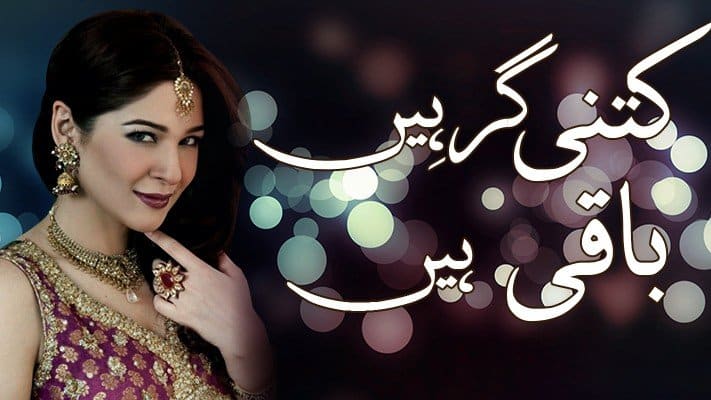
    Bee Gul has been celebrated by Pakistani women for championing the issues women face in her dramas, being upfront about bringing stories told by women to the screen and dismantling misogyny. The anthology series which debuted on Hum TV was a collection of short stories about women and the struggles they faced in Pakistani society, discussing issues like sexual assault, relationships and even homosexuality, which had gotten earned it a notice from PEMRA.

    3 Kuch Ankahi
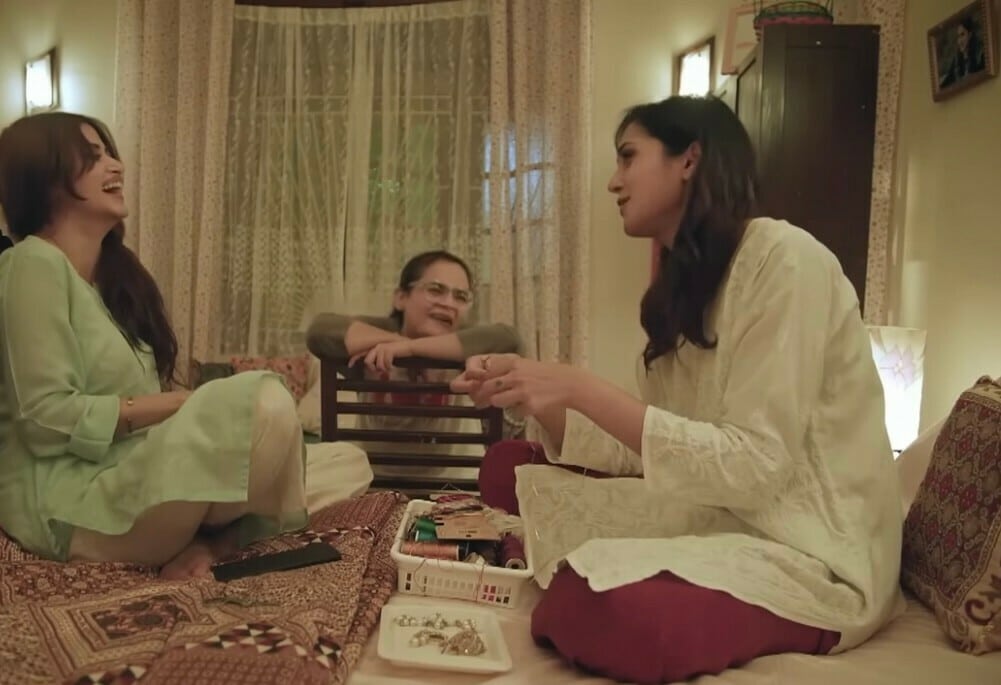
    The powerful drama has been dominating conversations since its release because of how it completely changed how women’s stories are told in the entertainment industry. Focusing on a family living in Karachi, the series doesn’t shy away from discussing issues like forced marriages, child sexual assault, property rights of women and even body shaming.

    4 Sar-e-Rah
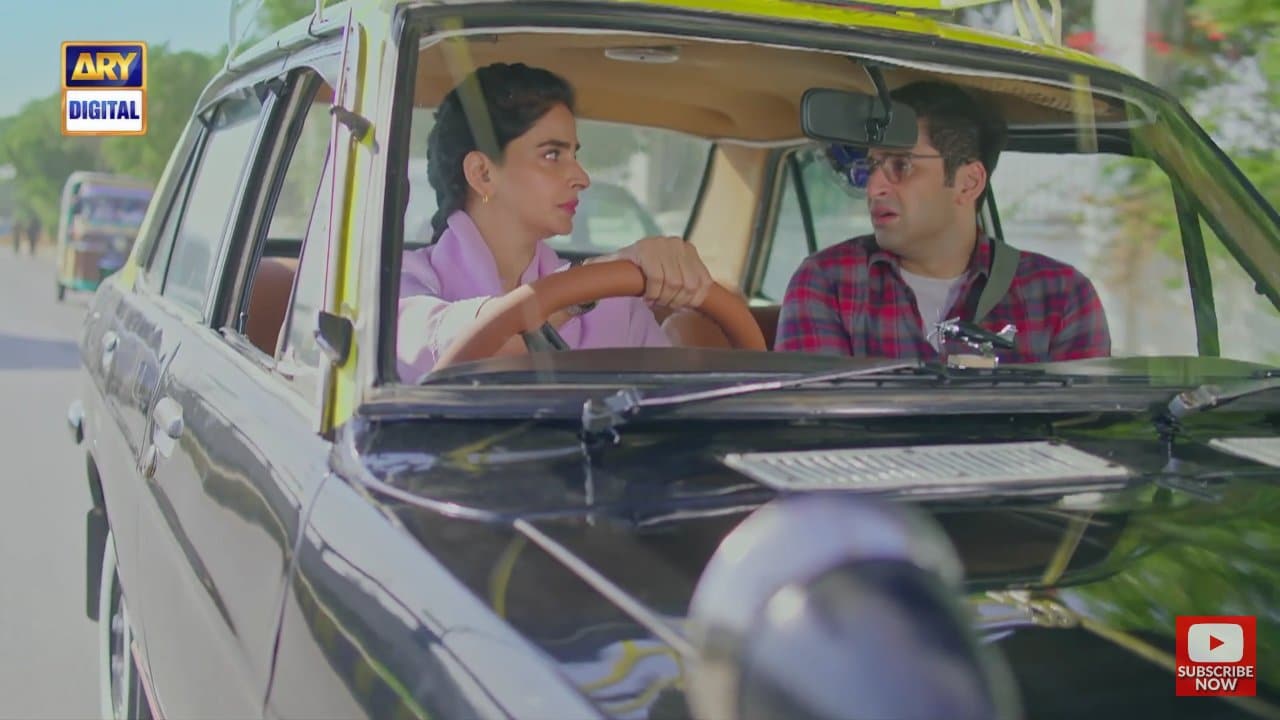
    Sar-e-Rah

    Another drama that has been lauded by women for championing female friendships and showcasing how powerful women can become once they learn to be independent and make their own living. The limited series follows the life of Rabia, who decides to become the breadwinner of the family after her father suffers from a heart attack, and persists through despite being criticized by her family. With her journey, she comes across women from different backgrounds who face issues like infertility, social media trolling or harassment at the workplace, but Sar-e-Rah demonstrates how women can overcome anything with the help of another powerful woman.

    5 Tanhaiyaan
    Haseena Moin will always be remembered in history as a champion for women-centered stories. She did it fearlessly in the era of dictatorship of General Zia. Her drama ‘Tanhaiyaan’ is still celebrated as one of the finest feminist dramas that championed original, independent women on screen who didn’t just obsess around the men in their lives. It explores the lives of two sisters Sanya and Zara, who move in with their aunt after the death of their parents, and lose their house due to their father’s debt.
  • Men, take notes’: Saad standing up for his wife in recent episode of ‘Mujhay Pyaar Hua Tha’ is winning hearts

    A recent episode of ‘Mujhay Pyaar Hua Tha’ is winning hearts across social media because it exemplifies that a real man is not someone who is quick to accuse his wife, but one who truly loves her and stands besides her in every situation.
    If the last episode proved how Maheer and Saad were compatible with each other, then this episode made us swoon because it demonstrated how Saad will never hesitate to stand up to anyone who insults or attacks her with baseless allegations.
    In this scene, when Areeb’s fiance stormed Maheer and Saad’s wedding and began degrading her with slurs and calling her ‘characterless’, Saad was quick to stand up for her and demand she leaves.


    Twitter users are swooning at this display of protection and love how Saad will prove time and time again through his actions how much he adores Maheer.

    Can men take notes on this!!


    Other moments in the episode proved how Maheer is protected and loved by Saad at all costs and yes, we agree with the rest of Twitter that this type of chemistry hasn’t been displayed in television dramas.


    What users are loving is how despite the fact that they’ve been married for a short time, Maheer and Saad are able to bond faster because they were friends before marrying.

    “SaHeer will be one of the most beautiful ones because even though love is one sided but their is mutual trust & respect which actually builds the foundation of good relationship.I hope they always feel home,” one user wrote.

    https://twitter.com/eastmusings/status/1632807110265417728?s=20

    Whose cutting onions? Not us!


    Users are especially in awe of the upcoming episode when Maheer is being insulted by the entire family, Saad assures her that he will never abandon her or regret standing next to her.

    https://twitter.com/KiranAftab97/status/1633036597611446272?s=20

  • Tributes pour in for screen legend Qavi Khan

    Tributes pour in for screen legend Qavi Khan

    On Sunday night, Qavi Khan breathed his last, bringing an end to a long and celebrated career in film and television. The veteran actor who had been regarded as one of the most celebrated performers in the Pakistani entertainment industry, had acted in more than 200 films and dozens of drama serials. He was a fan favourite, gracing screens across the country for many decades in iconic dramas like ‘Aangan’ and ‘Ishq Jalebli’.
    Tributes are pouring in from celebrities and fans alike. Actors who had worked with Khan shared their grief on social media and also shed light on the experience they had while performing with him.

    Actor Nadia Jamil shared a video clip of Khan and a picture of them together, remembering Khan for “his words, his kindness, his work, his talent and his heart.”

    Singer and actor Farhan Saeed termed the actor as an irreplaceable part of the television industry

    Actor Sophia Mirza shared a clip of her first drama serial with Khan, and praised him for being an “academy for actors.”

    Actor Sami Khan sent a tribute to Khan as a ‘great human being’

    Actor Adnan Siddiqui remembered Khan as someone whose ‘stature in the industry will remain unmatched’.

  • Editorial: Are we betraying our culture if we accept something might be different?Bilkul nahi

    Editorial: Are we betraying our culture if we accept something might be different?Bilkul nahi

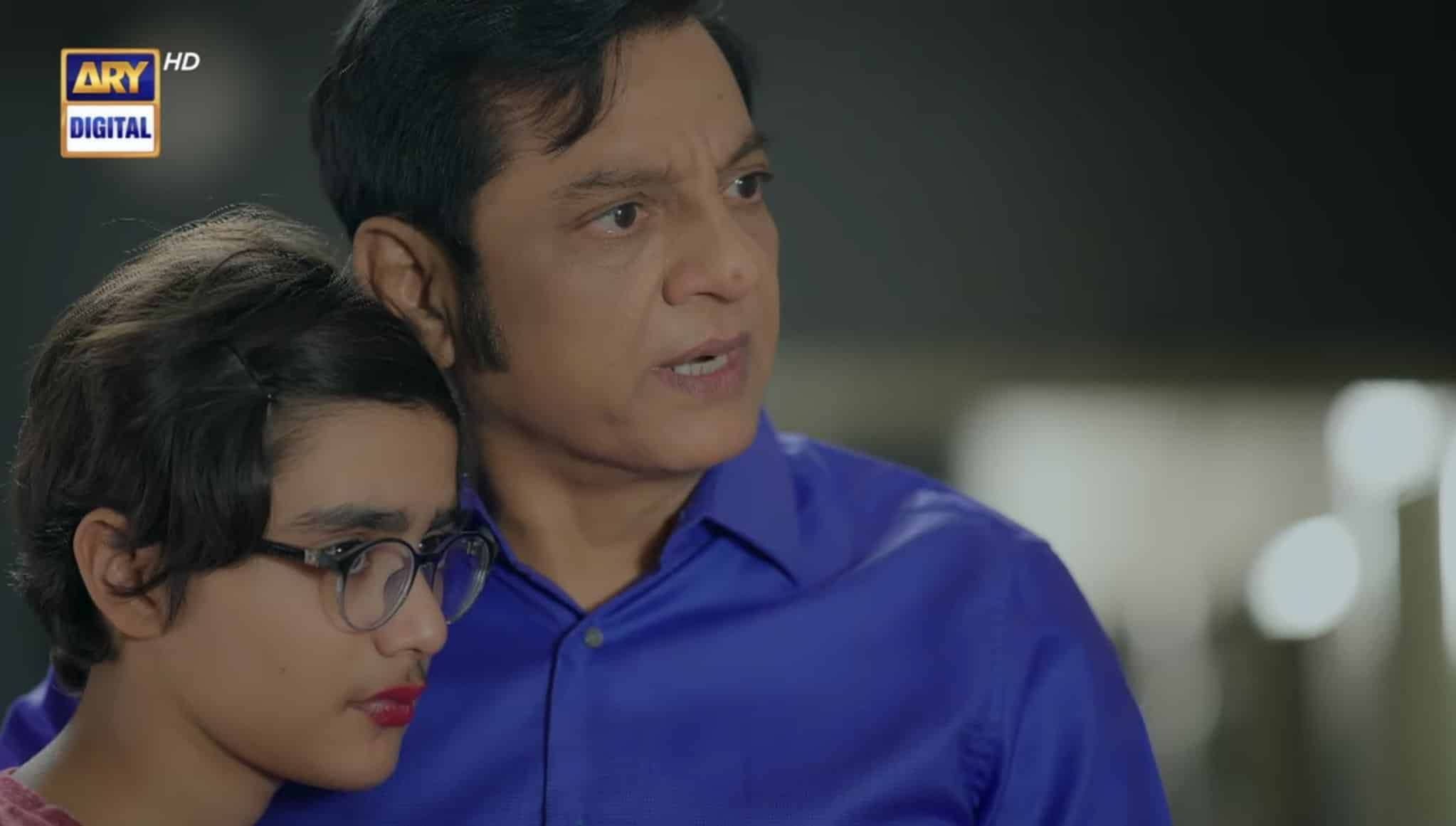
    Sar-e-Rah, a drama well known to the Pakistani audience, recently aired one of its most anticipated episodes that explored the struggles of a transgender boy who tries to gain acceptance from his family by studying hard.

    The episode delved into how Sarim (played by Muneeb Butt) is bullied by his stepmother and brother because of the fact that he is an intersex boy. However, Sarim and his father have a close bond, who encourages him to work hard and is the only one who embraces his true nature rather than hiding it away.


    In a scene that gained massive audience attention and praises on Twitter, the father and son are sitting by the sea where he teaches his son that there is no shame in wanting to be feminine, and he can choose to be whatever he likes because it won’t diminish his father’s love for him.

    Many users praised the way this episode depicted the relationship between the father and son, as portrayed by Nabeel Zafar and Butt’s moving acting. The show was lauded for handling a taboo subject in a delicate manner, and showing how important it is for parent’s to empathise with and support their children.

    In a time when censorship overrules freedom of thought, and many drama creators refuse to engage with the audience, there are creators who are making stories for the audience by taking bold steps in crafting unique stories that tackle social issues in a sensitive yet thorough manner.

    Unfortunately this message did not resonate with everyone, as harsh critics like fashion designer Maria B once again stepped up to criticise the drama for ‘promoting vulgarity’ and encouraging the acceptance of the transgender community. This isn’t the first time Maria B has targeted the transgender community through her hate campaigns and probably won’t be the last time either. But it all comes down to a few questions we really need to ask ourselves: How is being an intersex a bad thing? Why can’t we as people accept everyone for who they are and what they are? Why is it so hard for us to choose kindness? What are we so afraid of? How is accepting a child for what and who they are a problem? At a tender age, a child only needs validation and acceptance. Parents don’t love in categories, their love is unconditional. Then why do we always put conditions on things which only need love and kindness.

    Moving forward to the larger debate, which is about culture and what will people say. We need to understand that the world has massively changed. It’s the 21st century and people have a way of living on their own terms. Why do we always bring society, culture in things we ourselves are afraid to handle? Take the example of the scene in this drama itself, in our society a father is mostly shown as the angry adult, who doesn’t speak much, expresses even lesser and then here was a father, calm, tender and accepting of his son. We should promote such culture where fathers shower their children with kindness and love.

    Kindness and love is the need of the hour. Pakistan already has a lot of problems. Let’s not make acceptability a problem as well. Our children deserve better. They deserve peace, security and assurance that yes our parents have our back. It all starts from home. Children need these little affirmations from a young age. Let’s not disappoint them just because they are different.

  • In Bannistan, slaps get more praises than hugs

    Bannistan: the name that keeps circulating every now and then on social media, because it defines what it means to be a resident of Pakistan.


    In an era of inflation, robberies, the never ending rise of lynch mobs and rape cases, rather than looking for ways to encourage joy and laughter, we’ve pointed our pitchforks towards anything and anyone celebrating to their own beat. Whether it is women dancing in the streets, a bride dancing the night away on her wedding, the most simplest forms of affection and love will irk and anger us because after all, the most important rule in the land of Bannistan is to never let joy prevail.


    In the darkest times of humanity, it is our films and dramas that have sustained us and provided us with a glimmer of joy. Like when the Covid-19 pandemic shut down our lifestyles, we turned to films and movies to cope with the fear of surviving this deadly disease. Another poignant example is shown in the documentary ‘The Romantics’ when Aditya Chopra recalls how when there were a few weeks left before the release of his rom-com ‘Rab Nay Banadi Jodi’, the 26/11 attacks in Mumbai took place which wrecked destruction and fear across India. Terrified of the anticipated backlash, Chopra narrated how despite many of his colleagues insisting him to push the film’s release forward, he refused. Because as he declared: this was a more critical time than ever that people had a reason to find joy.


    Films aren’t just a form of entertainment, but a powerful medium to give solace to those struggling to find joy. It is also a powerful tool that can reach across masses beyond than politicians to spread messages about social issues. In this time more than ever, we need our films to teach empathy and love to their audiences, but the rules are completely opposite in the land of Bannistan. Because here, what gets the most ratings is divorces, crying bahus, slaps, incest and anything that involves fear and oppression.


    A scene from a Pakistani drama ‘Tere Bin’ has been going viral since yesterday because it featured a couple sleeping in the same bed together, along with the caption “Censor board is sleeping?” Because in the land of Bannistan, nothing makes us clutch our pearls more than a man and a woman being happy with each other.


    Mind you, this is the first time this drama began circulating widely among national discourse for literally a five minute scene where the two are soundly sleeping next to each other, but several other instances of violence depicted in the same drama had not received the same amount of rage. In the last 30 episodes of the same show, we watch a woman being forcibly married to her cousin, placed under house arrest and barred from meeting her foster parents, slapped by her fiance, slapped by her mother in law, tried to commit suicide. Did you ever hear about such scenes? Nope, because this consistent oppression and cruel manner of stamping out joy is what keeps Pakistanis happy. We hate joy. We hate watching women in consensual, happy relationships.
    What is a tragedy in this mess is this limited, but moving scene from Tere Bin is just a drop in the thousands of dramas Pakistanis celebrate and champion to promote family values everyday, which are littered with misogynist messages and scenes depicting violence and abuse.


    Our censor board sent several notices to ‘Dil Na Umeed Tou Nahi’ because apparently, it is a sin to depict how vulnerable children from lower class families are easy targets for sex trafficking, but a drama like ‘Mere Pass Tum Ho’ get’s a theatrical screening across Pakistan because it shows us for who we really are, a women-hating nation whose biggest nightmare is a woman getting financially independent and wanting a comfortable lifestyle. Any time there has been an attempt to tell moving stories that championed voices of the oppressed, or tried to encourage dialogues about empathy or love, we stamp it out because it’s alien to us. Label them as ‘un-islamic’ and vulgar because we’re a nation of soul suckers, who can’t thrive properly unless we’re watching the misery of others before us.


    It’s imperative now more than ever that we re-think the success formulae of our dramas and movies, especially the kind of messages they are sending to their audiences. Because if a five minute scene featuring a brief intimate moment between a couple is enough to create a national storm, what does it reveal about the way men and women view each other in Pakistan. Pakistani women deserve better stories than what Pakistani audiences are providing them. Our younger generation doesn’t deserve to grow up knowing that a happy couple is a sinful couple, but should remember that like Chopra said, it’s essential that in times of tragedy we try to look for ways to uplift each other.

  • Child actor Emaan Khan opens up about ‘being dark’ in the entertainment industry

    Child actor Emaan Khan opens up about ‘being dark’ in the entertainment industry

    Emaan Khan is currently winning hearts across Pakistan with her moving perforomance as Neha in the drama ‘Kuch Ankahi’.
    She was recently a guest on Fuchsia Magazine’s talk show where she opened up about being shamed for her skin color when she was in the early stages of her career.
    Khan recalled an instance when a director commented about her dark skin to her mother while she was auditioning.
    “When I came here I had to listen to a lot of hurtful comments about my complexion. My color is a bit dull. When I was young I had gone somewhere for an audition, so they called me in and then ask ‘Is this Eman?’ And my mother said ‘Yes’.
    “‘She’s so dark!’ they said right away. And I remember at that point tears came to my eyes.”
    Khan recalled that the people told her mother that they were looking for fair skinned people for this project, and didn’t want people like her.
    Khan further mentioned how her mother stood up for her at that point:
    ‘I went outside and stood there. From inside, I could hear my mother saying ‘From now onwards, Emaan will never work with you’. And this has happened. Recently, they called me again and my mother refused to allow them to work with me again.”
    Khan said that she will never be ashamed of her own skin color because she likes it so much. She also revealed how makeup artists will try to encourage her to lighten her skin for shoots.
    “They would say to me ‘Tum na thori white base use kya karo’ And I would simply tell them that this is my complexion and this is the base I will keep using. I don’t need any suggestions from you. I know what exactly I have to do here.”
    Khan said directors still do taunt her about not having fair skin, but she refuses to work in the same project and leaves, and finds better opportunities because of these insults.

    Listen to the complete interview here:

  • Celebrities defend Sami Khan after misbehavior on ‘The Fourth Umpire Show’

    Celebrities defend Sami Khan after misbehavior on ‘The Fourth Umpire Show’

    Actor Sami Khan was trending on Twitter yesterday when a clip of his appearance at “The Fourth Umpire”.

    The hosts of the comedy show used inappropriate expressions about Khan’s career. In the clip shared by Galaxy Lollywood, the actor can be seen being asked about his film career, pay grade and other questions that are deemed insulting

    As this clip went viral, celebrities came to defend Khan and criticized the hosts of ‘The Fourth Umpire’ for their cruel behavior.


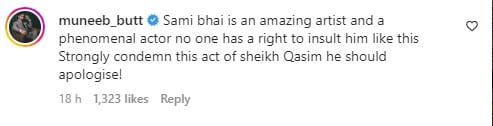
    Muneeb Butt defended Khan as an “amazing artist and phenomenal actor” and called out the host Sheikh Qasim for his misbehavior

    “Sami bhai is an amazing artist and a phenomenal actor no one has a right to insult him like this Strongly condemn this act of sheikh Qasim he should apologise!”

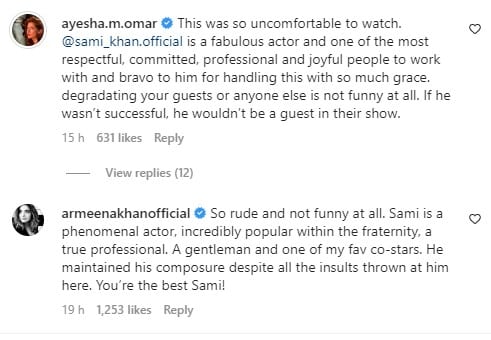
    Actresses Ayesha Omar and Armeena Khan also came to Khan’s defense, by pointing out that the clip was not funny at all and was infact, quite uncomfortable to watch.

    “This was so uncomfortable to watch. @sami_khan.official is a fabulous actor and one of the most respectful, committed, professional and joyful people to work with and bravo to him for handling this with so much grace. degradating your guests or anyone else is not funny at all. If he wasn’t successful, he wouldn’t be a guest in their show” wrote Ayesha Omar.

    Armeena Khan said “So rude and not funny at all. Sami is a phenomenal actor, incredibly popular within the fraternity, a true professional. A gentleman and one of my fav co-stars. He maintained his composure despite all the insults thrown at him here. You’re the best Sami!”

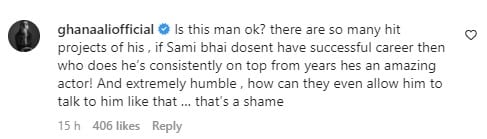
    Actor Ghana Ali shared that Khan had many succesful shows in the past, and because he wasn’t currently the most popular actor doesn’t mean he won’t ever be.

    “Is this man ok? there are so many hit projects of his , if Sami bhai dosent have successful career then who does he’s consistently on top from years hes an amazing actor! And extremely humble , how can they even allow him to talk to him like that … that’s a shame”

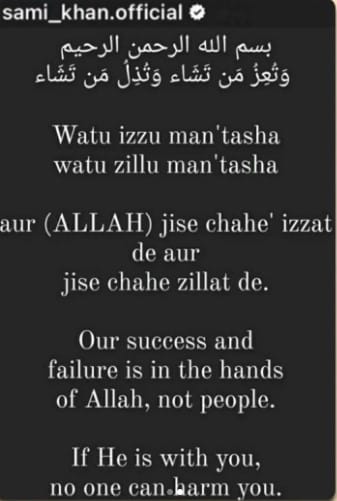
    Sami Khan addressed the controversy on his Instagram stories last night where he shared that success and failure was not in the hands of people, but rather in the hands of God.

  • Five Pakistani dramas with tragic endings that shocked the audience

    Five Pakistani dramas with tragic endings that shocked the audience

    We are all familiar with the token Pakistani drama formulae: boy meets girl, romance begins, saas intervenes, marriage, fights, divorce, forgiveness and then happily ever after. It’s such a prevalent formula that it’s no wonder that audiences crave a change with complex stories that can draw them in.
    However, once in a blue moon we have gotten interesting stories that deviated from the stereotypical shaadi drama to give us a heart-wrenching love story and left their audience completely devastated. Despite the ever-standing belief among drama creators that audiences need to keep being fed the same ‘Humsafar’ formulae, these dramas elevated themselves among the rest because they remind us that despite all our efforts, we never get the happy ending we crave and that is what life is all about. After a lot of careful searching, here are the five Pakistani dramas that deviated from the expected ‘happy ending’ and gave us a heart-wrenching love story audiences will never forget!


    1 Daastan


    Bano and Hassan’s love story was the epitome of what made Dastaan the timeless drama it remains today. Both fell in love when they met at Suraiya’s wedding. Both are engaged and Hassan immediately leaves for Rawalpindi to begin his job, promising that he would bring Bano along. However, this love story is torn apart by the violence of partition, after which Bano is forcibly married and Hassan believes her to be dead. When they meet up after years, Bano has a child, and because of the trauma of the violence she underwent and then at the hands of her abuser at her workplace, she gets admitted in a mental assylum.


    2 Ye Dil Mera


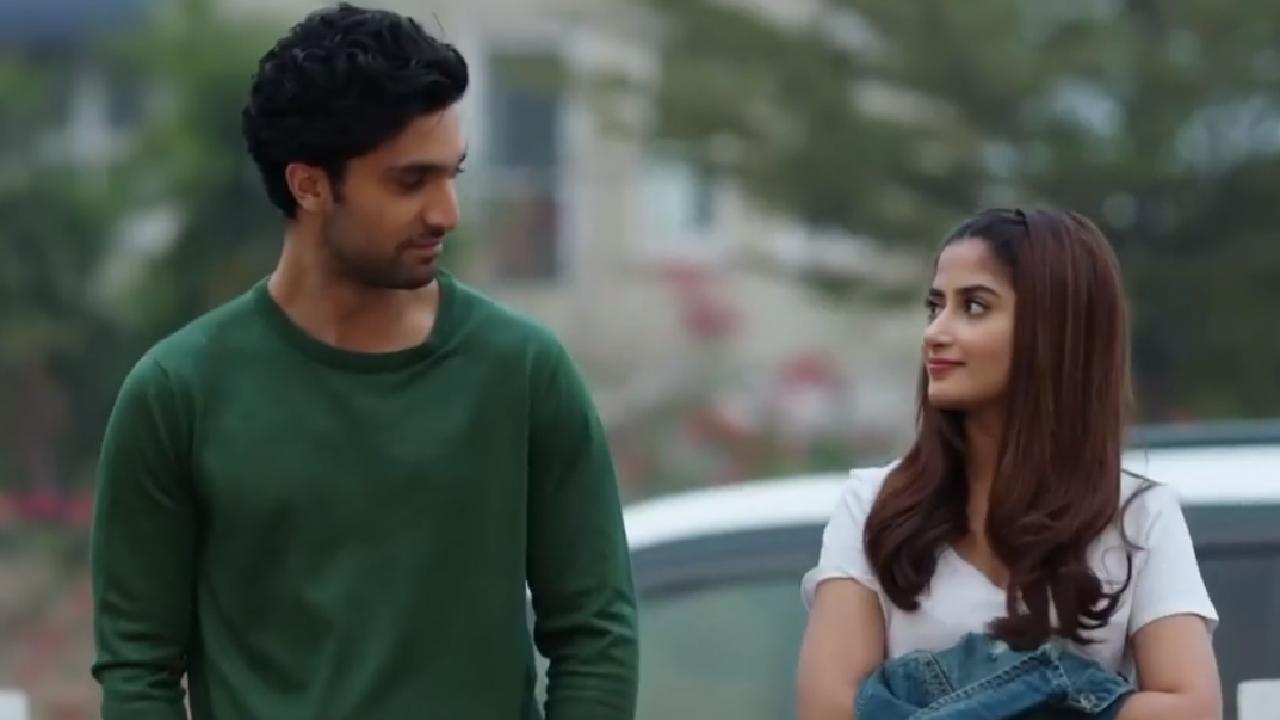
    Sajal Aly and Ahad Raza Mir broke hearts across the country when they chose to part ways, but real fans know that the couple had already been breaking hearts with this tragic drama about family trauma and long lost secrets. Aly plays Noor-ul-Ain, a student who starts interning at AK Oil Industry, whose CEO is Aman-Ullah Khan (Mir). Both get closer and are married in a few days, but are driven apart after Khan realizes that it was Noor’s father who had murdered his family. By the end of the drama, the couple decide to part ways in order to heal from their own wounds, and leave us unsure on whether they would come back together or not.


    3 Pehli Si Muhabbat


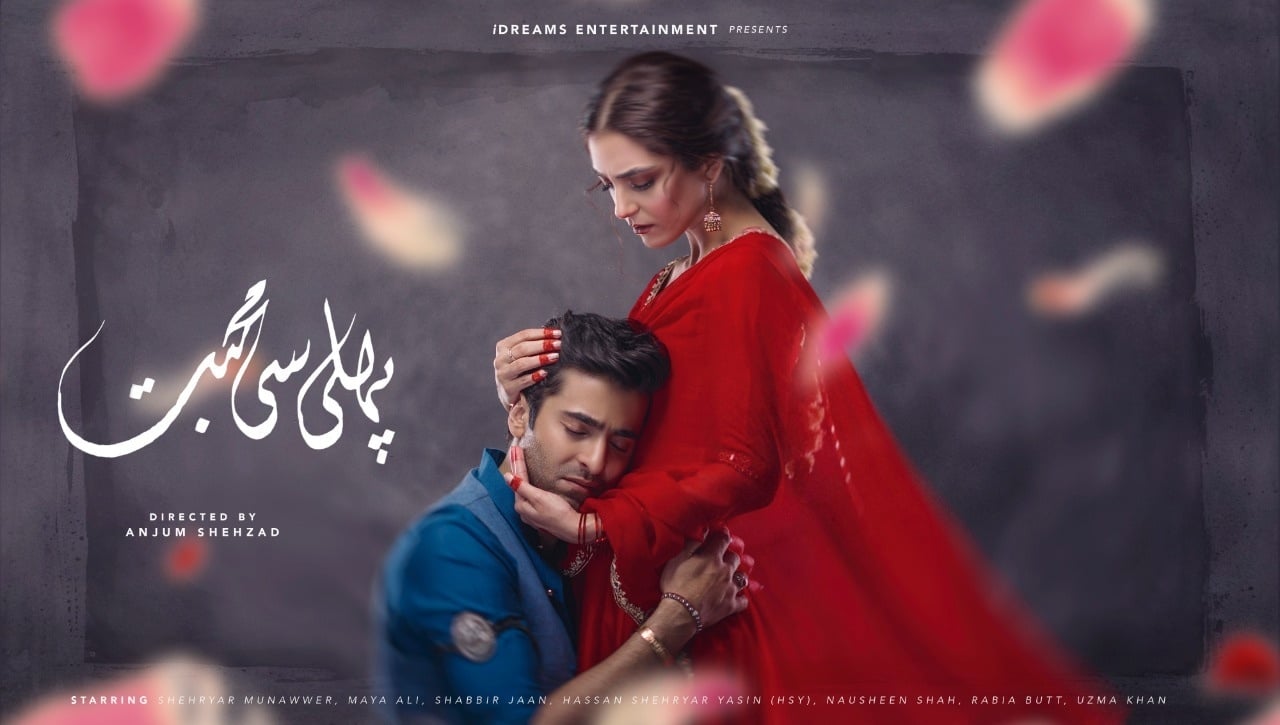
    Rakshi (played by Maya Ali) and Aslam (played by Shehryar Munawar) are childhood friends who start getting closer, but tragedy strikes when Rakshi’s father get’s married for the second time to Nargis, who was a former sex worker. Aslam’s elder brother, Akram, is the one who opposes this relation the most and orders the entire community to ostracize Rakshi and her family. Despite their efforts to convince their families to let them get married, Rakshi and Aslam are married off to other people. When they meet up years later at the marriage of their children, both reminisce their times together and say they were happy being each other’s first love.


    4 Ishq-e-Laa


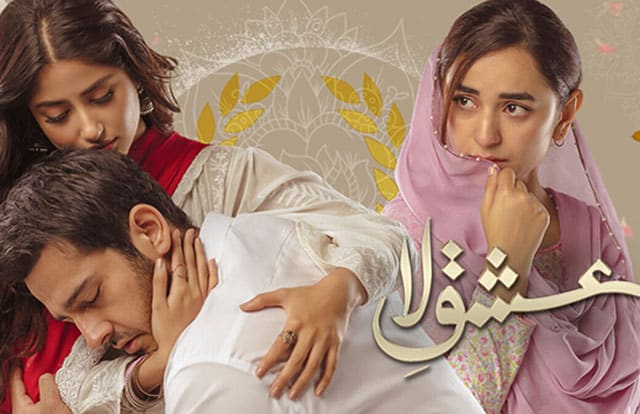
    Shanaya (played by Sajal Aly) is a dedicated journalist who seeks to empower oppressed voices through her work, but her husband Azlan (played by Azaan Sami Khan) is unable to understand her passion for social issues and asks her to quit her job after marriage. However, when Shayana is killed while investigating a murder committed by the son of a rich man, Azlan is heartbroken and decides to fulfil her wish to fund Azka’s medical education. By the end of the series, when Azka and Azlaan are married, he goes to Shayana’s grave to tell her how much he loved her for influencing him to change his mindset.


    5 Mata-e-Jaan Hai Tu


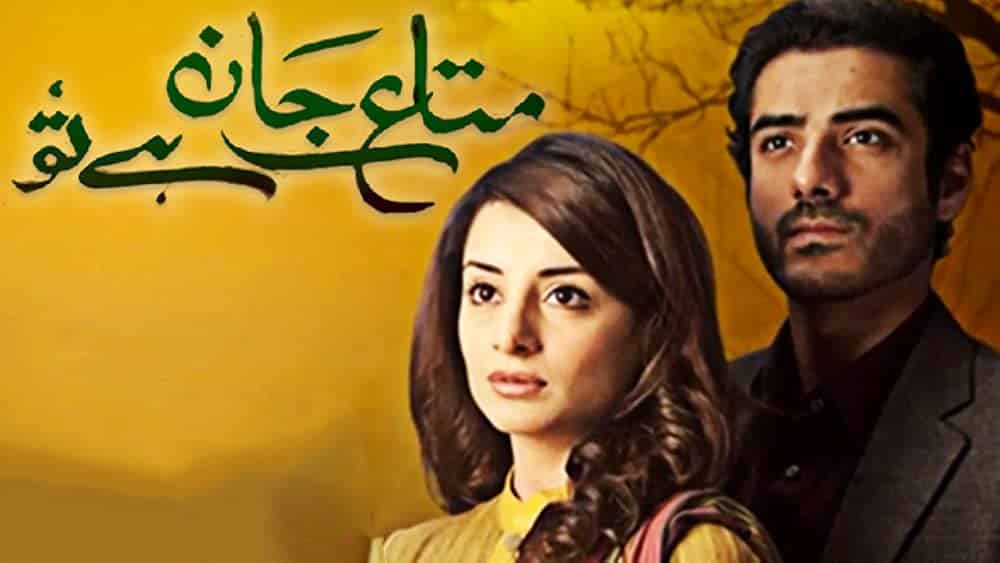
    Haniya (played by Sarwar Gilani) and Ibad Uzar (played by Adnan Sami) are college students in America who fall in love and want to get married Ibad’s parents oppose the marriage. When Haniya’s grandmother passes away and she is distraught, Ibad decides to marry her. To convince his parents, Ibad flies back to Pakistan ten days after his wedding, but is killed on the day he is flying back. Haniya is distraught but decides to go back to Pakistan herself to start working for Ibad’s parents office. By the end of the drama, his parents and Haniya are incredibly close and are able to grieve together over the loss of their loved one.

  • Shaista Lodhi wants more dramas about older people falling in love

    Shaista Lodhi wants more dramas about older people falling in love

    Dr. Shaista Lodhi spoke to BBC Urdu about her on-air drama ‘Samjhota’, which revolves around an elderly man getting married for the second time to a divorcee, after his first wife passes away.


    Lodhi revealed that she wanted to do this drama because it explored the kind of stigma elderly people face, and encouraged them to remember that they can restart their lives after retirement.


    “Whenever I’m offered a project, I try to make sure that it is on a subject that can be relatable for a lot of people…So when I heard about this story, I felt like I should do it because we need to address this issue in our society…It showed that at a certain age when we think our elderly mother and father are only around to take care of our children, but instead you’ll witness the love story between these two main characters in the drama. I thought this was such a great example being set. The other thing is in our society at a certain age our parents are left lonely while we get busy building our own lives. We seem to think that our parents can’t find a new partner after their own spouse and they don’t have a life of their own. We are busy with our own life, we aren’t able to give them any time, or the responsibilities we have as their child. We also can’t imagine if our father gets married for the second time. So I thought this would be food for thought for our society, and I liked the script and decided to take it on.”


    She also talked about the ways ‘Samjhota’ breaks away from formulae drama, and brings the love story between an elderly couple to the forefront.


    “It’s incredibly important that we remind our elderly that life doesn’t end when you grow old. Once they age, we restrict them in a box, and I don’t think any other drama has taken a step to discuss this topic…If our father is coughing, why do we want to send our house help to get him a glass of water and cough syrup? Instead, why don’t we show our father getting up and keeps working in this age so he can prove that he is an active part of the social set up. We snatch this energy from elderly people by telling them that they’re retired so they must sit at home…Don’t you think that as a society we are cruel to the growing segment that we call ‘elderly’ because we completely ignore them? We ignore children the same way we ignore our elderly. We only cater to the middle ground because that is the only way we can get ratings.”

    On the feedback she has been receiving on ‘Samjhota’, Lodhi said a lot of people meet her on planes and continuously ask her questions about her dramas, and have praised her for her performance.

    Listen to the full interview here:

  • Underrated Pakistani dramas that dared to touch upon taboo subjects

    Underrated Pakistani dramas that dared to touch upon taboo subjects

    When one thinks of Pakistani dramas, we all know what comes to our minds: weddings, divorce, the cheap version of 50 Shades of Grey, more weddings etc.
    But to distract ourselves from the current mundane pile of breakups, crying and abuse, we can’t forget that kabhi kabar you can find a gem, a refined drama that accurately reflects the stories we want Pakistani drama creators to tell.
    It’s not often that dramas with original, well crafted stories are brought into the spotlight as they get targeted with endless criticism from right wing critics and are even sent notices for displaying ‘vulgar’ content and soon are forgotten as the next show steps into the spotlight.
    We have found some dramas that were helmed by prominent women like Bee Gul and Angelina Malick, which shone light on taboos.

    1 Kitnay Girhain Baki Hain (2011-2017)

    Produced by Angelina Malick and written by Bee Gul, this series was an anthology of short stories that reflected the struggles of women in our society, and explored topics like homosexuality, infidelity, rape etc

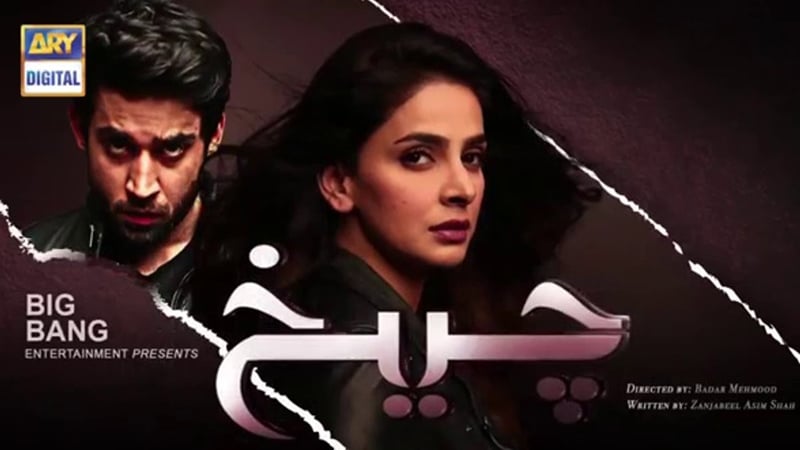
    2 Cheekh (2019)

    When Mannat (played by Saba Qamar) finds out that her closest friend Nayab was raped by her brother-in-law and then murdered for trying to reveal the truth, she strives hard to find justice for her friend in court and in the process, has to face hurdles from her in-laws.

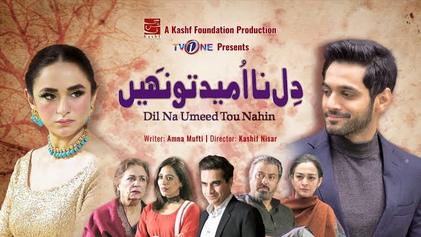
    3 Dil Na Umeed Tou Nahi (2021)

    Penned by Amna Mufti and produced by Kashf Foundation, the show received several notices from PEMRA for ‘vulgarity’, so that’s even more reason to give it a watch. It delves into the lives of child sex workers, who are kidnapped from their homes and forced to work in prostitution in order to make a living.

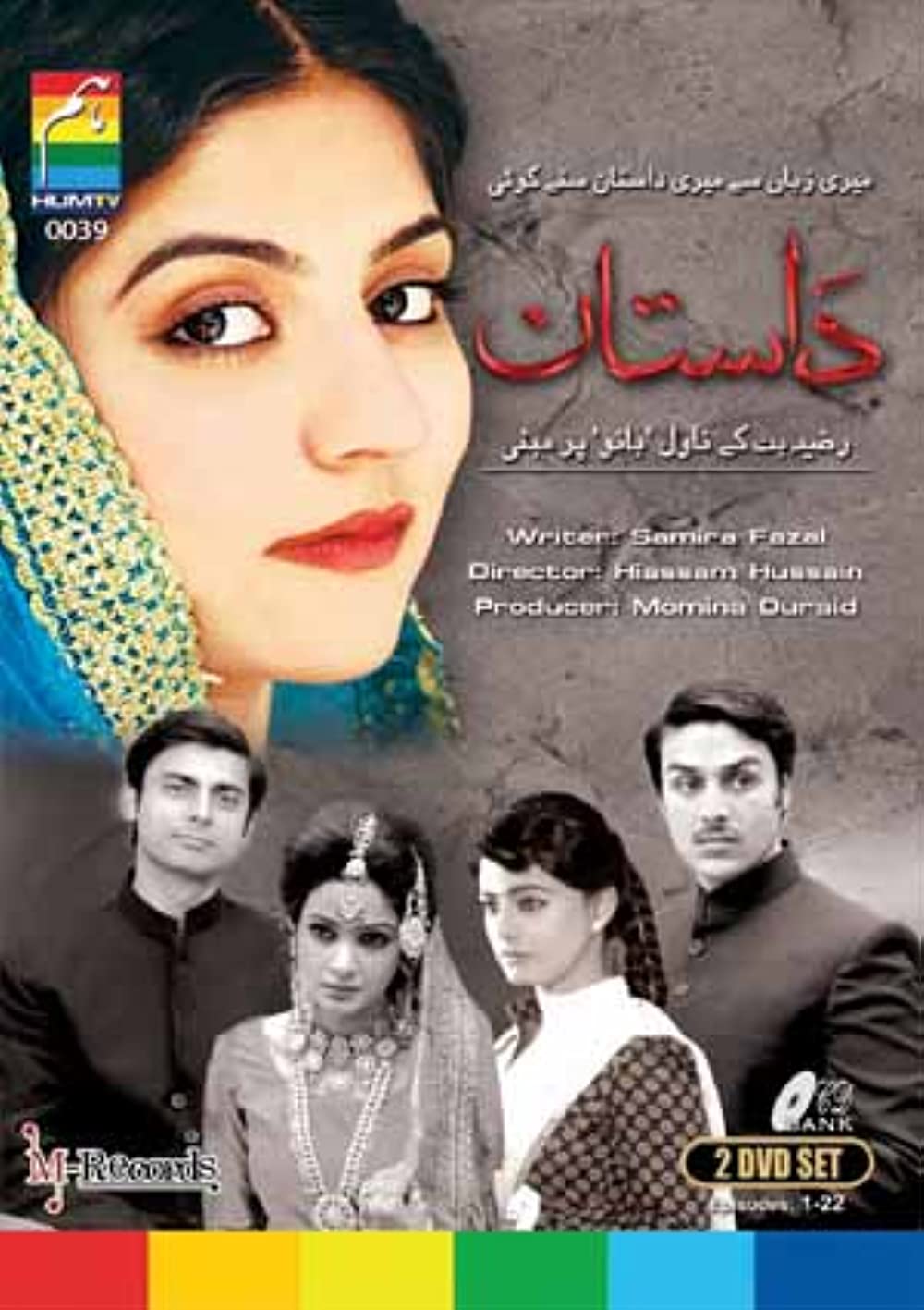
    4 Dastaan (2010)


    Adapted from the novel ‘Bano’ by Rabia Butt, the show explores the trauma caused by Independence, and how it upturned the life of one woman, Bano. Bano and her family lived in India, where her brother supports the cause of the Indian National Congress, and is against the cause of setting up Pakistan. However, when the separation of the two countries was announced in 1947, Bano’s life was completely overturned overnight.

    5 Neeli Zinda Hai (2021)


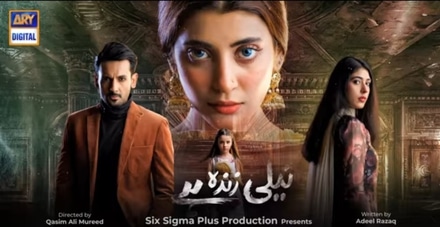
    Aman and Sumbul are a married couple who have had stillbirth, and are now trying to restart their lives in a new home. When they shift with their daughter to a new house, the couple keeps hearing noises at night which convinces them that the house is haunted.

    6 Manto (2017)


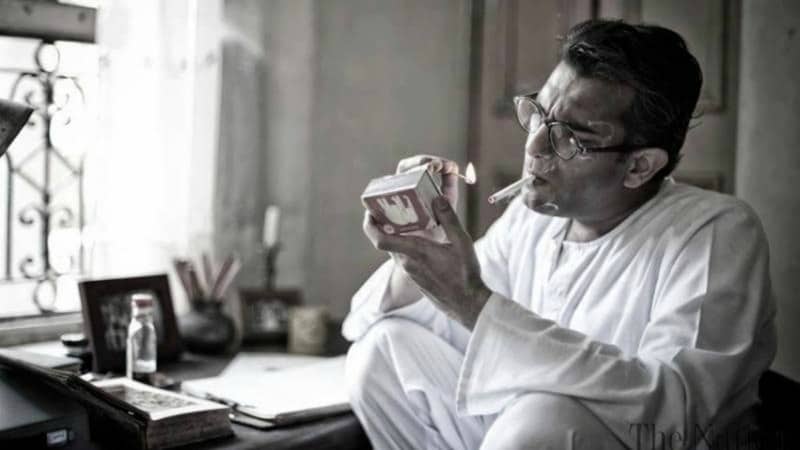
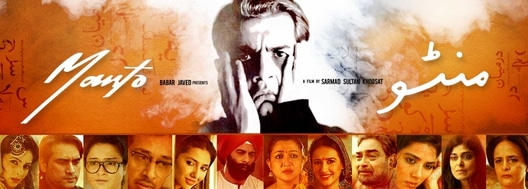
    Directed by and starring Sarmad Khoosat, the series was previously released as a film in 2015, and then as a television drama in 2017. The drama revolves around the popular Urdu writer Saadat Hassan Manto, and the last seven years of his life when he had to face charges of obscenity for his short stories like ‘Thanda Gosht’, ‘Peshawar say Lahore’ and ‘Toba Tek Singh’.

    7 Talkhiyaan (2012)


    Written by Bee Gul, the drama is an adaptation of Arundhati Roy’s acclaimed novel ‘The God of Small Things.’ It revolves around the life of Bibi, who leaves her abusive husband and moves back to her parents home with her two children, Zoya and Jugnu, where her parents criticize her for taking such a stand, but refuse to treat her divorced brother the same way.