Tag: Pakistani dramas

  • Ramsha Khan spills the tea on dream co-star, showbiz survival, and her bold stance on industry misogyny

    Ramsha Khan spills the tea on dream co-star, showbiz survival, and her bold stance on industry misogyny

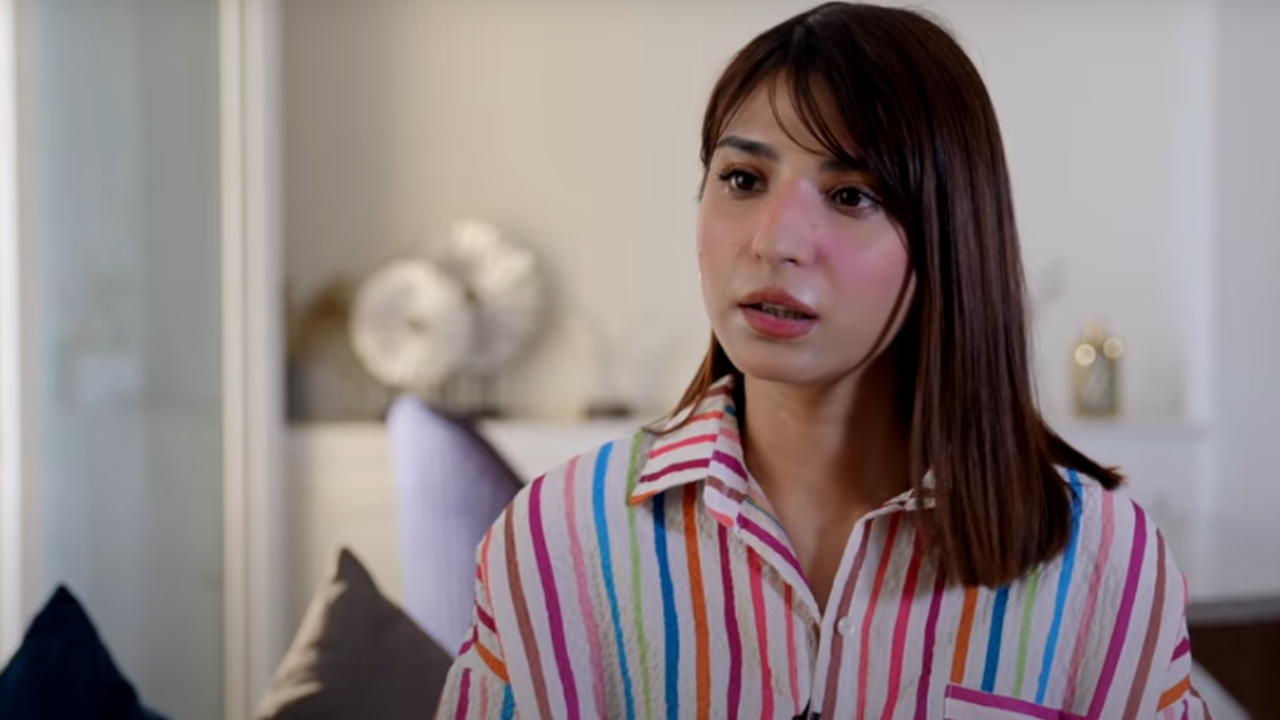
    Pakistani actress Ramsha Khan, known for her versatile performances and strong screen presence, recently sat down for an engaging interview with BBC Urdu, where she didn’t shy away from answering some fiery rapid-fire questions.

    The Luv Guru star gave fans a rare glimpse into her personal views, dream projects, and the harsh realities of Pakistan’s entertainment industry.

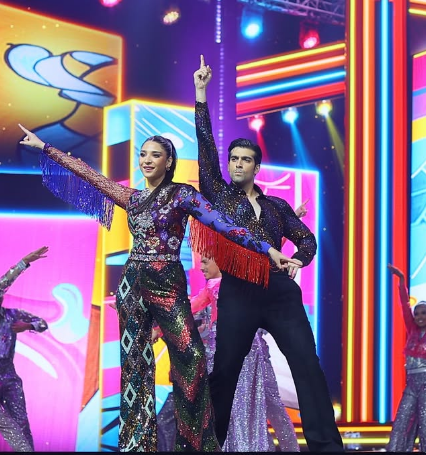
    When asked which actor she would love to be paired with on screen, Ramsha candidly revealed, “Shuja Asad”, making it clear that she has her eyes set on working with rising stars she admires. Her choice comes after her dance performance with Shuja at 10th Hum Awards in Houston. Their chemistry was so good that fans couldn’t stop from gushing about it.
    Taking a bold stand, Ramsha stated that she would never endorse fairness creams, no matter how attractive the offer is.

    In a segment where she was asked to choose between calling Ahad Raza Mir a “good actor” or a “good co-star,” Ramsha kept it short and to the point: “Just a good actor.” The response raised a few eyebrows and sparked curiosity among fans about the dynamic between the two.

    When asked to share a tip for surviving in Pakistan’s showbiz, Ramsha dropped a truth bomb: “Trust no one but be friends with everyone.”

    Ramsha also shared that she wouldn’t want to switch lives with any other actress, no matter how successful. “I love my struggles and miseries,” she said.

    Ramsha didn’t hold back while discussing gender inequality in showbiz. She pointed out that male actors are treated with more leniency and given special treatment on sets.

    “There is misogyny in our industry. If something goes wrong on set, male actors are accommodated, but if it’s a female actor, they’re quick to blame her,” she stated. She also criticized the misogynistic nature of TV scripts, highlighting how women are judged more harshly by viewers:

    “A male character can cheat or smoke, and no one bats an eye. But if a female character wears sleeveless, suddenly she’s immoral. People think we’re just like the characters we play but we’re so much more than that.”

    Ramsha also addressed her recent item number in the film Luv Guru, saying it was director Nadeem Baig who offered her the role.

    “He said ‘See if you want to do it?’ I said okay because I had never done something like this before, so I gave it a shot.”

    The dance performance received mixed reactions, and Ramsha admitted: “It doesn’t feel good when you hear such things about yourself.”

    Beyond the glam, Ramsha revealed a vulnerable side and her struggle with social anxiety. “I get awkward in crowds. I’ve tried to overcome it and become more extroverted, but it just keeps coming back,” she shared. “I don’t want people to think I’m arrogant. I’m just a very anxious person.”
  • Ishq Murshid, Zard Patton Ka Bunn steal the starry 2025 Hum Awards

    Ishq Murshid, Zard Patton Ka Bunn steal the starry 2025 Hum Awards

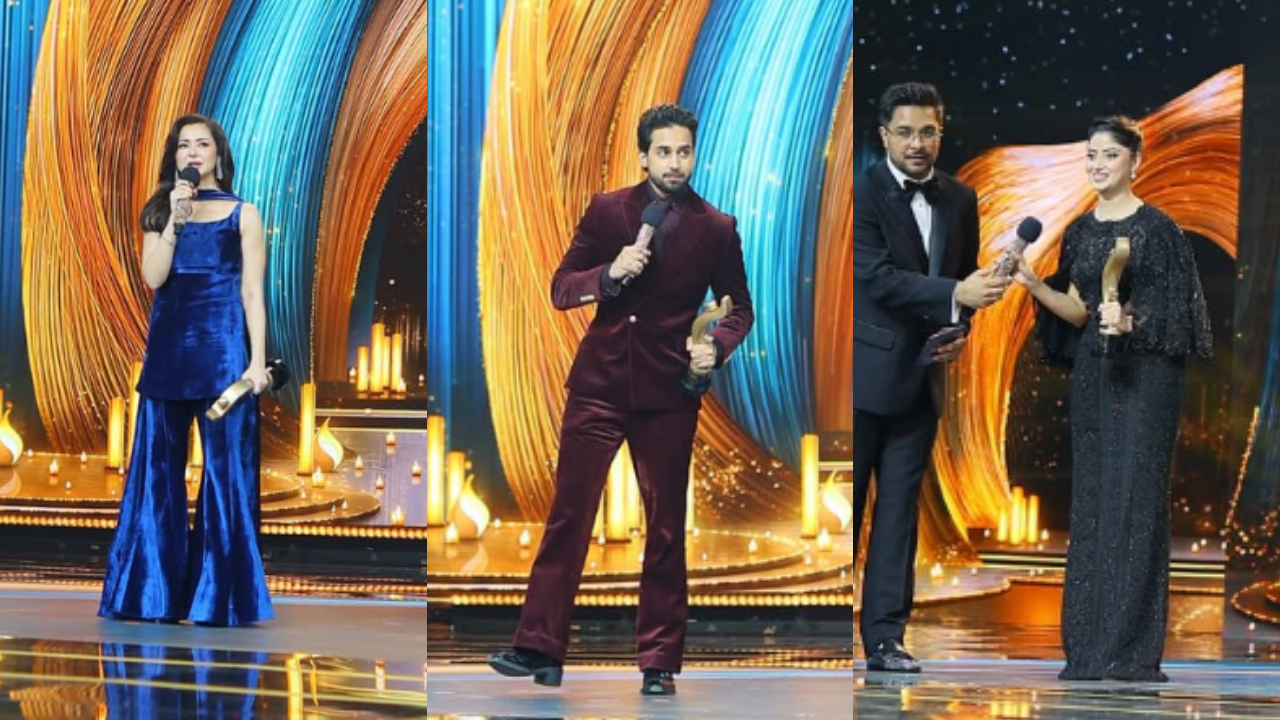
    The star-studded 2025 Hum Awards lit up the city of Houston with a grand celebration of Pakistani talent, honoring outstanding contributions across acting, writing, music, and direction.

    This year’s ceremony was graced by some of the biggest names in the industry, including Sajal Aly, Hania Aamir, Ahad Raza Mir, Faysal Quraishi, Bilal Abbas Khan, Humayun Saeed, Mehwish Hayat and Mahira Khan. It was two standout drama serials Ishq Murshid and Zard Patton Ka Bunn that truly stole the spotlight, bagging five awards each and dominating the evening.

    2025 Hum Awards – Winners List

    Best Drama: Ishq Murshid – Produced by Moomal Shunaid

    A light-hearted romantic drama that offered audiences a refreshing escape from heavier themes. Its widespread popularity and fan love cemented its win.

    Best Actor – Male: Bilal Abbas Khan for Ishq Murshid

    Bilal’s portrayal of dual characters, the suave Shahmeer Sikander and the humble Fazal Bakhsh, was both heartfelt and captivating, earning him well-deserved recognition.

    Best Actor – Female: Sajal Aly for Zard Patton Ka Bunn

    Sajal delivered a powerful performance in a socially driven narrative centered on female empowerment and resilience in a patriarchal society.

    Best On-Screen Couple: Bilal Abbas Khan & Durefishan Saleem for Ishq Murshid

    Their banters, chemistry and cuteness as Shahmeer and Shibra captured the hearts of millions, making them the viewers’ favorite jori of the year.

    Best Director: Saife Hassan for Zard Patton Ka Bunn, Farooq Rind for Ishq Murshid

    Both directors masterfully brought their respective stories to life, one rooted in romance, the other in social commentary, showcasing their versatility and vision.

    Best Writer: Mustafa Afridi for Zard Patton Ka Bunn

    Afridi’s script bravely addressed themes of gender inequality, child labor, and societal oppression, making a significant impact with its thought-provoking storytelling.

    Best OST: Ahmed Jahanzeb for Ishq Murshid

    The soulful original soundtrack became an anthem during the show’s run, perfectly capturing the emotional essence of Shahmeer and Shibra’s love story.

    Best Supporting Actress: Nadia Jamil for Khushbu Mein Basay Khat

    A seasoned performer, Jamil’s emotional depth and powerful screen presence earned her this award.

    Best Supporting Actor: Ali Tahir for Zard Patton Ka Bunn

    Tahir’s nuanced performance brought authenticity to the screen, resonating strongly with audiences.

    Most Impactful Character: Syed Tanveer Hussain for Zard Patton Ka Bunn

    Playing the role of Meenu’s father, Hussain’s character was both compelling and central to the drama’s emotional core.

    Best Actor in a Negative Role: Faysal Quraishi for Zulm

    Faysal Quraishi is known for his range and intensity and delivered a chilling and memorable performance as the villian in this drama.


    Best Debut – Actress: Sahar Hashmi for Zulm

    In her breakout role as Esha, Hashmi impressed critics and viewers alike with her confident and emotive screen presence.

    Best Debut – Actor: Zarrar Khan

    Transitioning from modeling to acting, Zarrar made a promising start to his drama career and is already being hailed as a rising star.


    Global Star Award: Hania Aamir

    Hania’s charm and popularity have transcended borders, making her a beloved figure in Pakistan, India and now in Bangladesh as well. Her charm is unmatchable and she is called by many as the ‘Queen of hearts’.

    Hum Special Golden Plate Award: Adnan Siddiqui

    In recognition of his enduring contributions to the industry, Siddiqui received this special honor, celebrating his legacy and continued relevance in Pakistani entertainment.

    Meanwhile, Humayun Saeed and Mahira Khan were honored for their contribution in Pakistan’s film Industry. The Recognition Award was presented to the movie Love Guru.

    While Ishq Murshid captivated audiences with its light-hearted storytelling and endearing romance, Zard Patton Ka Bunn struck a chord with its strong feminist narrative and social relevance. With both shows shared the spotlight equally, the 2025 Hum Awards successfully honored a wide spectrum of storytelling from the dreamy world of love to realism and resilience.

  • Zeeshan gets his just rewards on Jama Taqseem and viewers are loving it

    Zeeshan gets his just rewards on Jama Taqseem and viewers are loving it

    Jama Taqseem has become the most discussed drama of the town, receiving widespread acclaim for its bold and thought-provoking storyline.

    Written by Sarwat Nazir and directed by Ali Hassan, the series dives deep into the often-ignored and silenced taboos of Pakistani society, particularly within the framework of joint family dynamics.

    With a stellar cast including Mawra Hocane, Talha Chahour, Javed Sheikh, Deepak Perwani, and Madiha Rizvi, the show is being lauded not only for its performances but for its powerful message of accountability and justice.

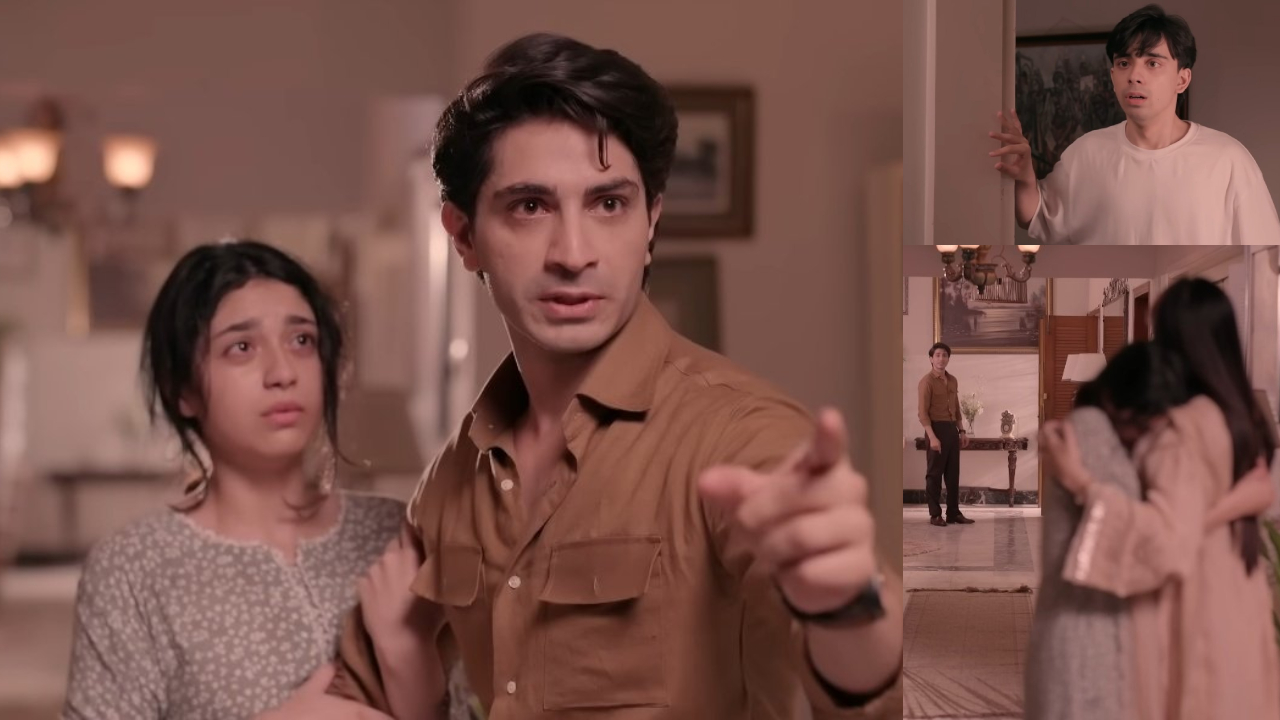
    A recent storyline involving the characters Sidra and Zeeshan has sparked intense conversations across social media. In a gripping episode, viewers witnessed a harrowing scene where Zeeshan attempted to assault Sidra when she was home alone. The situation was intercepted just in time by her uncle, Qais (played by Talha Chahour), who arrived on the scene and confronted the predator.

    What stood out to audiences was the very next episode, where the drama swiftly delivered what many are calling a form of “poetic justice.” Zeeshan, after fleeing his home post-incident, ends up in a hostel where he himself becomes a victim of harassment at the hands of his roommates. This narrative turn is being viewed as a stark reflection of the principle “what goes around, comes around.”

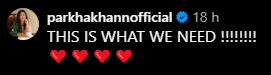
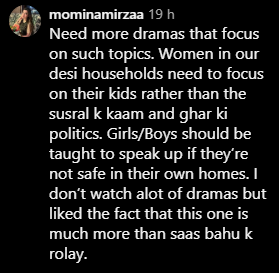
    Social media platforms lit up with reactions, with users praising the drama’s unflinching portrayal of karma and justice. One user wrote, “THIS IS WHAT WE NEED!!!!!!!!!” while another noted, “Need more dramas that focus on such topics. Women in our desi households need to focus on their kids rather than the susral ki politics. Girls and boys should be taught to speak up if they’re not safe in their own homes.”

    Another comment read, “This is called karma.” Many praised the creators for addressing sensitive subjects often swept under the rug in mainstream entertainment, especially the realities of abuse, family negligence, and the consequences of silence.

    However, the episode has also sparked some critical discussions. Some viewers questioned whether sending Zeeshan to a hostel was an appropriate response from his family. Others debated whether the character’s fate was a fitting punishment or merely a narrative shortcut.

    Still, Jama Taqseem continues to receive accolades for being more than just another “saas-bahu” drama. It has boldly taken on serious social issues and turned them into meaningful conversations, showing the audience the repercussions of ignoring early signs of abuse and emphasizing the importance of speaking up.

    The drama stands as a powerful reminder that actions have consequences — a lesson captured perfectly in the age-old adage: “Jaisa karo ge, waisa bharoge” (You reap what you sow).

  • Jama Taqseem’s latest episode leaves viewers shaken with harrowing depiction of abuse

    Jama Taqseem’s latest episode leaves viewers shaken with harrowing depiction of abuse

    The hit series Jama Taqseem used to be all about a girl married to a person who lives with a joint family. But the latest episode has switched gears, leaving audiences heartbroken with its intense and emotional portrayal of harassment within a joint family system.

    The drama, featuring Mawra Hocane as Laila and Talha Chahour as Qais, follows a newlywed couple trying to navigate life under one roof with Qais’ extended family. While the show began with a focus on Laila’s struggle to adjust to her new traditional environment, the narrative took a gut-wrenching turn in episode nine.

    The long-hinted storyline about Sidra, a young girl in the household, being harassed by her cousin Zeeshan came to a head when she was left alone at home with him. The disturbing scene ends with Qais walking in just in time to stop Zeeshan’s assault.

    Fans took to social media to praise the cast’s powerful performances, especially the younger actors. But beyond acting, the episode also sparked a wider discussion about the dangers young girls face within families and how often their voices are silenced.

    “Such a gut-wrenching episode! Heart goes out to all the girls who are brought up in the shadows of silence and suffocation & who are never told that there’s a way out,” one user wrote on X.

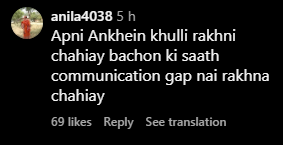
    Another one commented on the video on Instagram, “Apni Ankhein khulli rakhni chahiay bachon ki saath communication gap nai rakhna chahiay.”

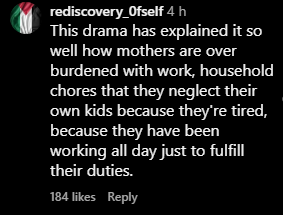
    “This drama has explained it so well how mothers are over burdened with work, household chores that they neglect their own kids because they’re tired, because they have been working all day just to fulfill their duties,” a comment read.

    Another fan wrote on X: “They are really showing the horrors of joint family and what happens when you don’t listen to your kids and overlook the things that are troubling them! Also the breakdown scenes of the girl and her mother blaming herself was good!”

    “Man when Rashida cried, I cried with her,” one user wrote while adding the makers should have run trigger warning graphics before airing the scene.

    “Just finished watching the latest episode of Jama Taqseem, and felt so sad for Sidra, I wish no girl has to experience this ever. This scene is a reminder that danger doesn’t always come from strangers, it can live quietly behind familiar faces.”

    Viewers were particularly struck by how Sidra’s earlier attempt to speak up was ignored by her mother, a sadly common experience for many.

    “LISTEN TO YOUR KIDS,” one user wrote on X. While one added: “The episode was already tear-jerking, and now that I’ve noticed Sidra cried herself to sleep, got even sadder.”

    The show subtly pointed out how other characters, like Qais’ nephew and even Laila, had sensed something was wrong with Zeeshan but their concerns were brushed off.

    One viewer noted that if Laila had been the one to catch Zeeshan in the act, no one would have believed her, underscoring the pervasive culture of disbelief around such claims.

    The episode resonated deeply with audiences, many of whom said it brought them to tears. It also opened up conversations about the importance of educating boys, listening to children, and creating safe spaces at home. While viewers are applauding the show’s thoughtful handling of the topic.

  • Jinn Ki Shadi Unki Shadi: A supernatural ride with chills, suspense, and side-splitting comedy

    Jinn Ki Shadi Unki Shadi: A supernatural ride with chills, suspense, and side-splitting comedy

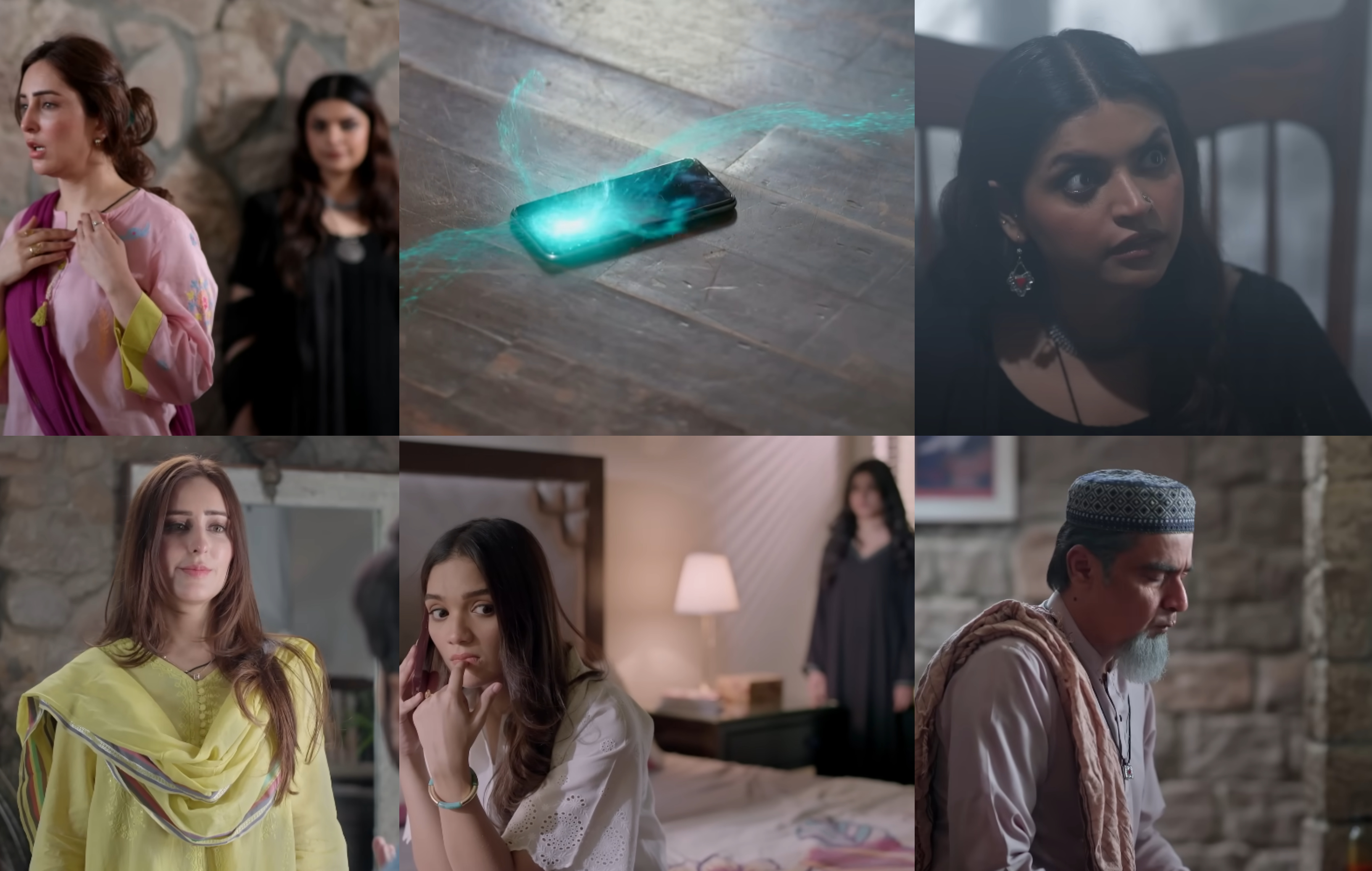
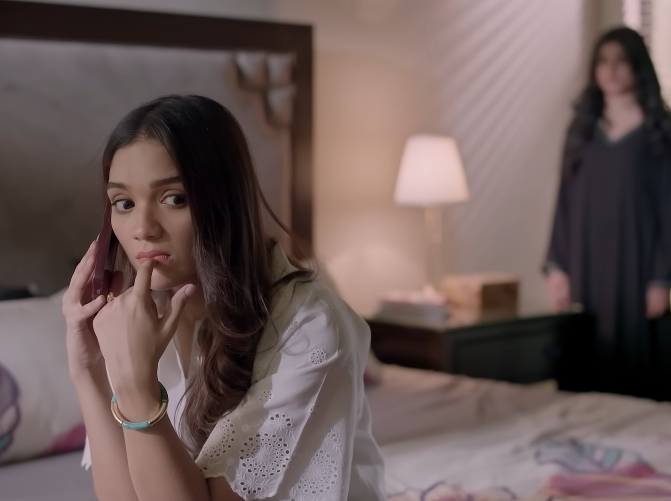
    If there’s one drama that has managed to blend horror, comedy, and suspense with perfect madness, it’s Jinn Ki Shadi Unki Shadi. Episode 9 has outdone itself and if you’ve been following the show, you’ll know exactly what I mean when I say this drama is not just a story, it’s an experience.

    STORYLINE


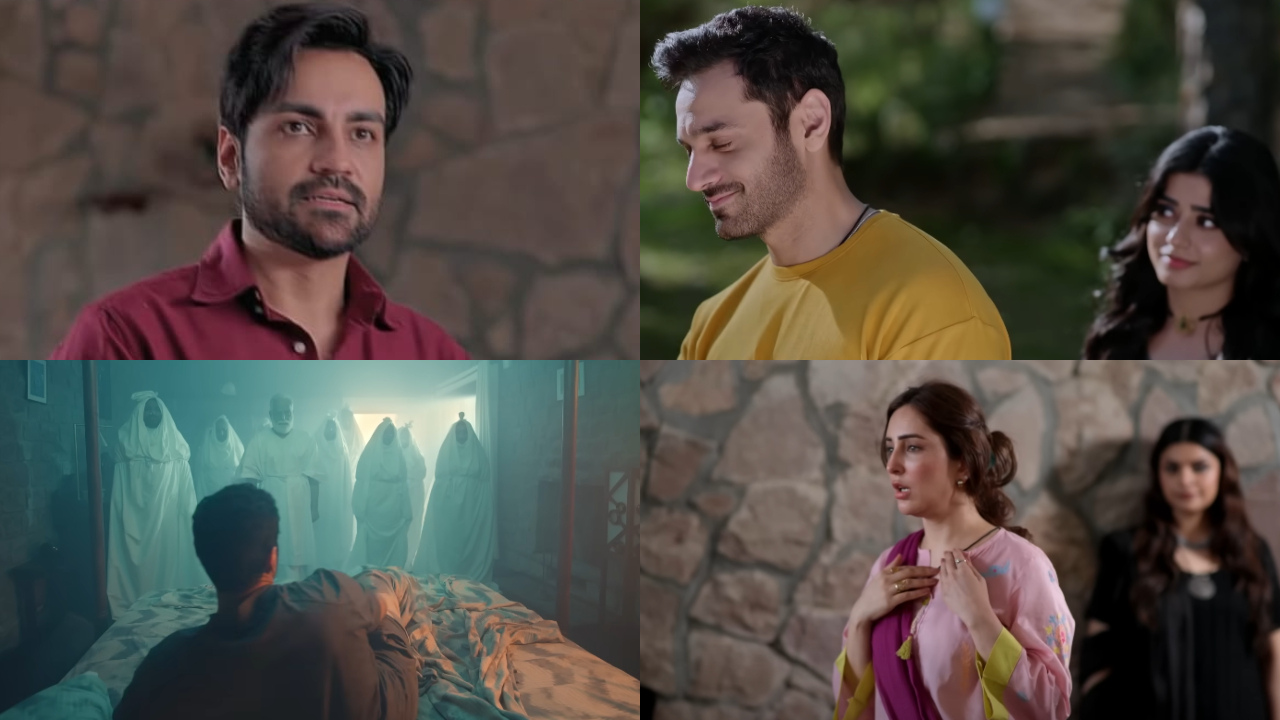
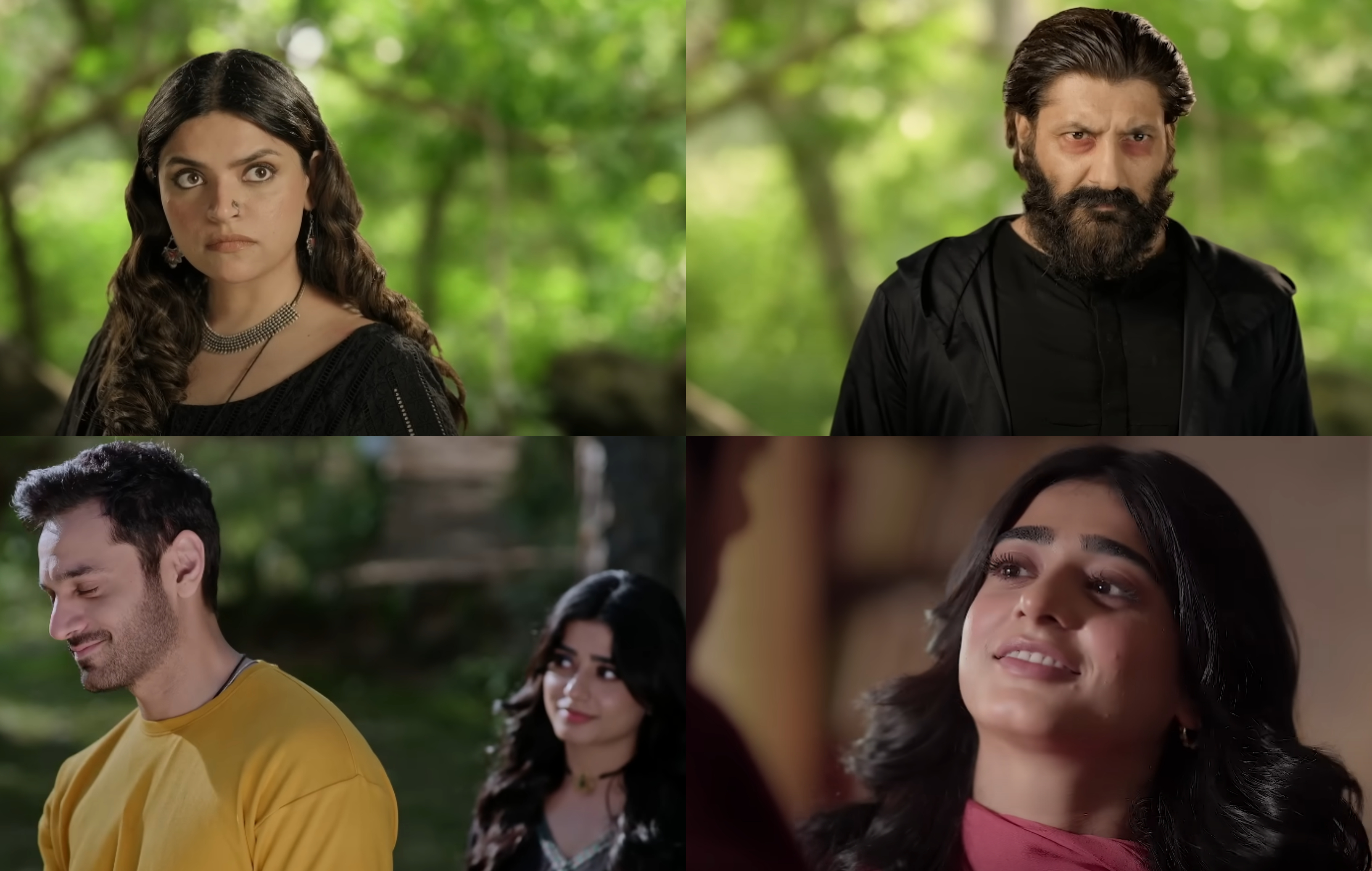
    Directed by veteran director Saife Hasan and written by the witty Syed Nabeel, Jinn Ki Shadi Unki Shadi is a masterclass in sharp storytelling. It tells the bizarrely entertaining story of Zara (Sidra Niazi) and Asad (Arsalan Naseer), a couple who move into a haunted haveli after the sudden death of Asad’s father. The catch? They can only inherit the Rs. 800 million property if they survive six months living in the haunted mansion and get Asad’s younger brother Ali (Wahaj Ali) married during the period. And, of course, they do it, not because they’re brave, but because Zara convinces Asad to risk it all for the money.

    They arrive at the mansion and the house is very much alive with the presence of some highly vengeful jinns, including sister jinns, Chamki (Tamkinat Mansoor) and Khushi (Sehar Khan), Chamki’s husband Aazar (Syed Jibran). These aren’t your average traditional spirits either, they’re modernized. They’ve evolved with the times, going so far as to jam cell signals in the house. Yes, jinns using jammers… now that’s something new and clever from the writer.

    Other characters that play a central role include Ali’s friend Nadia (Romaisa Khan), who has feelings for him and visits the family at the mansion with her mother, Farida (Nadia Afghan).

    Asad and Zara are also accompanied by their staff member Changaiz Chacha (Irfan Motiwali). Changaiz Chacha gives them the four amulets that Asad’s father had passed down to them for protection from the jinn. One for each member of the family and one for him. The amulets had to be rotated between other characters when protection was required, which left other characters vulnerable to the jinn. We saw this take place in previous episodes when jinns entered Changaiz chacha’s body to make him a dancing lady, totally opposite to his character and Nadia, who was on verge to end her life.

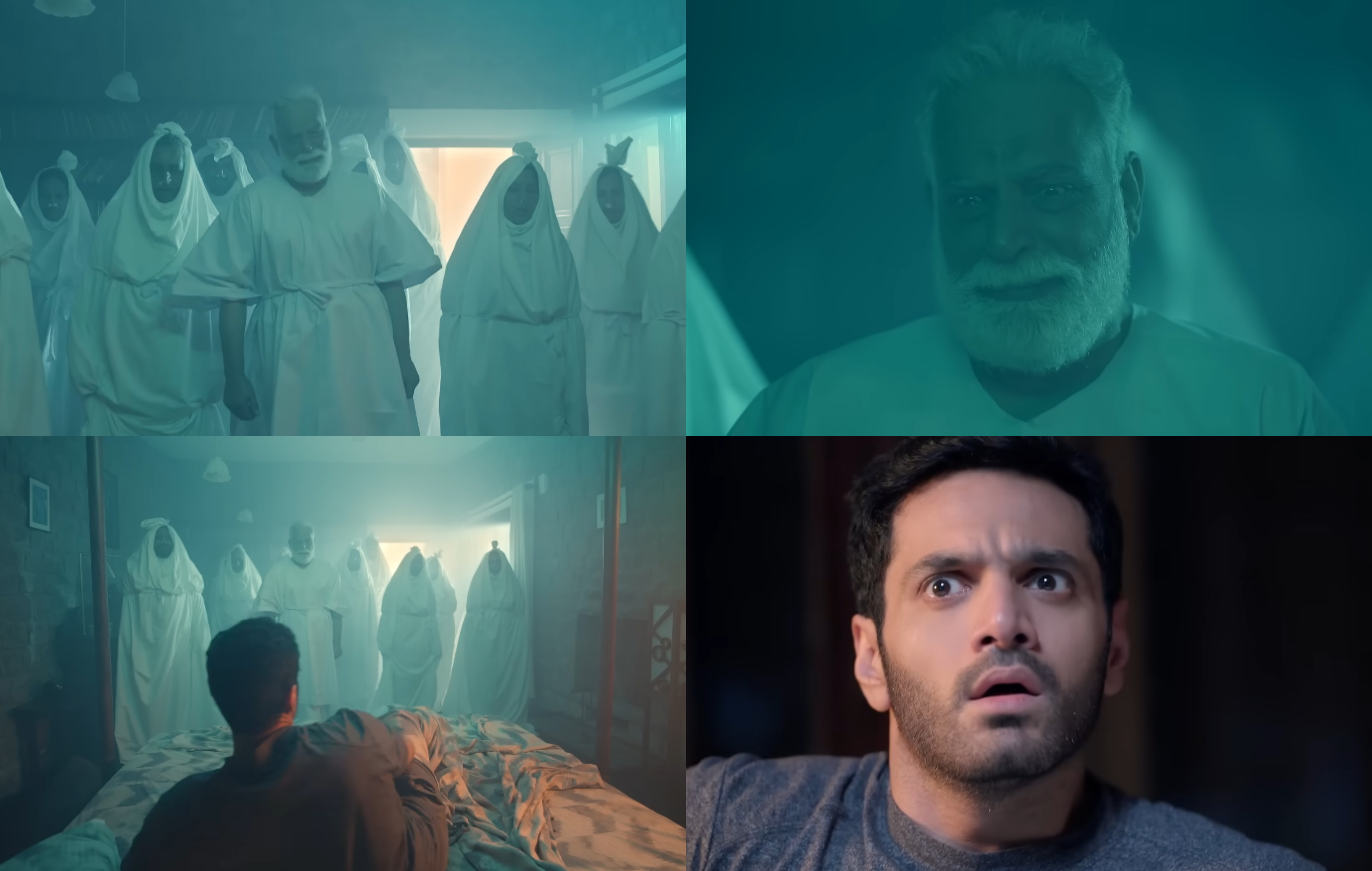
    The tension the amulets bring and who gets them is a brilliant tension-building mechanism. And it doesn’t stop there. Asad and Ali’s father’s old diary reveals dark secrets. Jinns killed their ancestors and trapped their souls in a mysterious basement room. Now, Ali is seeing those ancestors in his dreams, being called towards that room and the suspense is building and it’s hard to wait to find out what will happen next.

    The romantic subplot is also heating up in this haunted chaos. The single jinn sister Khushi is madly in love with Ali, to the point of obsession. While Nadia is also nursing her own one-sided love for Ali, it’s clear that Ali has a soft spot for Khushi (even though only he can see her). The love triangle is juicy enough on its own, but adds the supernatural twist that Khushi is actually a jinn, destined to marry Jazim, which she is not interested in. In one of the scenes khushi gave me all that Aashiq Bhootni vibe that gave me chills.

    CHARACTERS THAT KILLED IT

    Let’s start with the exceptional performance of Asad (Arsalan Naseer) in episode 9 aired on Monday. The man has truly come into his own, showing an impeccable sense of comic timing and expressive delivery that had me in fits of laughter. If there was ever any doubt about his ability to lead a comedy, this episode shuts it down for good. He should seriously consider focusing on comedy more, as his energy lights up the screen in a way few actors can match.

    On the other hand, Zara (Sidra Niazi) had a bit of a slow start earlier in the show, but she’s now embodying her character with remarkable flair. Zara is meant to be a woman who thinks she’s highly intelligent, but ends up doing hilariously silly things, and Sidra is portraying that contrast to perfection. Her character feels alive, and her chemistry with Arsalan as his wife is only getting stronger.

    And how can we not mention Changaiz Chacha (Irfan Motiwali)? Though he wasn’t largely present in Episode 9, his performance in Episode 8 is hilarious. The scene with Farida (Nadia Afgan), who was unconscious after eating poisonous chicken from their mansion, where he sneakily takes the taweez, had me laughing so hard, my family thought something was wrong with me. His comedic timing and eccentricity are priceless, and his role is clearly a vital part of the ensemble cast.

    EPISODE 9 AND WHAT TO EXPECT NEXT


    Episode 9 had several stand-out scenes. The one where Asad and Zara are chasing Ali was a masterstroke, a perfect blend of comedy, suspense, and chaos. It was shot brilliantly, with each actor in sync, and the way the scene weaves in Ali’s haunted visions after reading the diary added real depth to the storyline.

    Another hilarious scene was Chamki (Tamkinat Mansoor) tossing Zara’s phone, not just for laughs, but to show how the jinns are blocking tech as Zara managed to record Ali talking with Khushi. In the scene, khushi was only visible to Ali in human form but Zara was not able to see her and the phone also showed Ali talking to the air.

    The jinn characters also get their emotional arcs. One touching (and strangely relatable!) moment showed Chamki and Aazar (Syed Jibran) lamenting how hard they’re trying to drive the humans out, but it’s just not working. Even the jinns are tired.

    Now, with Nadia and her mother like moving into the haunted haveli, tension is only ramping up. What will happen when Chamki and Aazar set their sights on them? Will Khushi reveal her true jinn identity to Ali, and how will he react? Can Ali decode the mysterious visions of his deceased father and find out what’s really hidden in that basement room?

    These are the questions keeping me on edge and I can’t wait for tonight’s episode.

    The writing of the drama is sharp, the performances are improving with every episode, and the direction makes the entire package incredibly watchable. If you’re not watching this horror-comedy, you’re seriously missing out on one of the most unique dramas on air right now.

    The show airs on Monday and Tuesday at 8 pm on Hum TV.

    CLICK TO WATCH EPISODE 9

  • Sarah Khan, Danish Taimoor’s drama ‘Sher’ ends with star-studded finale screening

    Sarah Khan, Danish Taimoor’s drama ‘Sher’ ends with star-studded finale screening

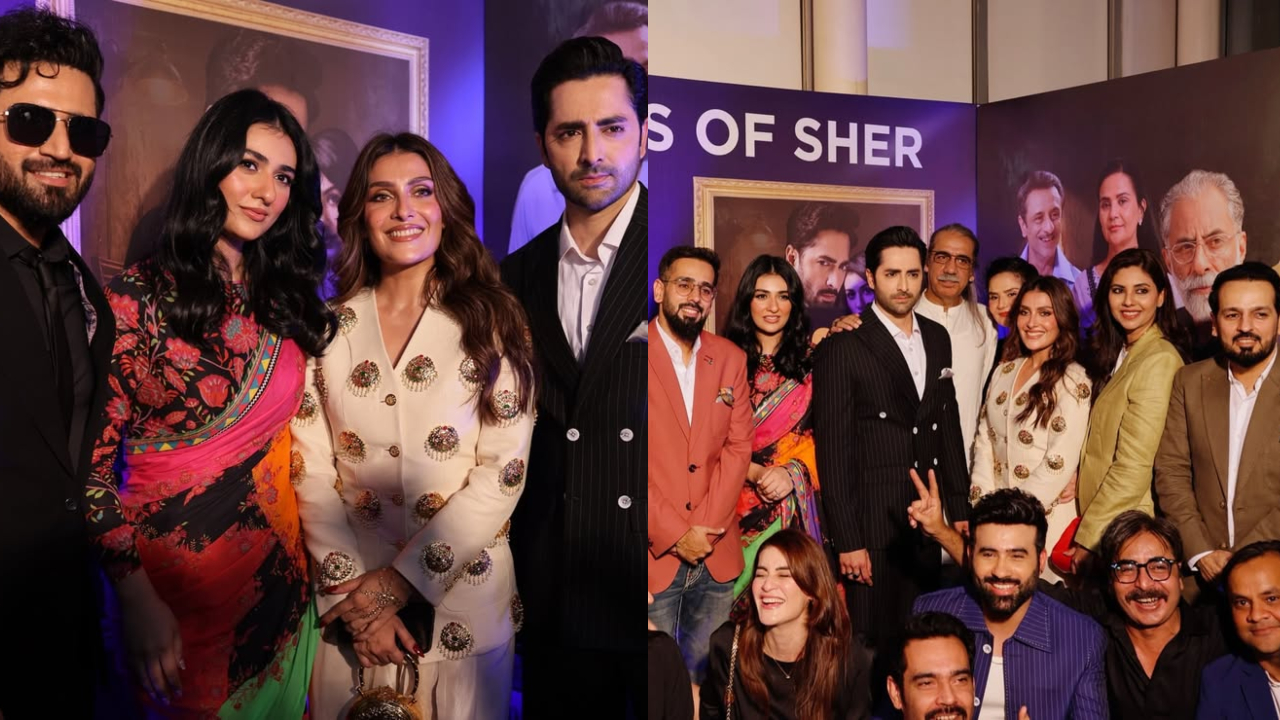
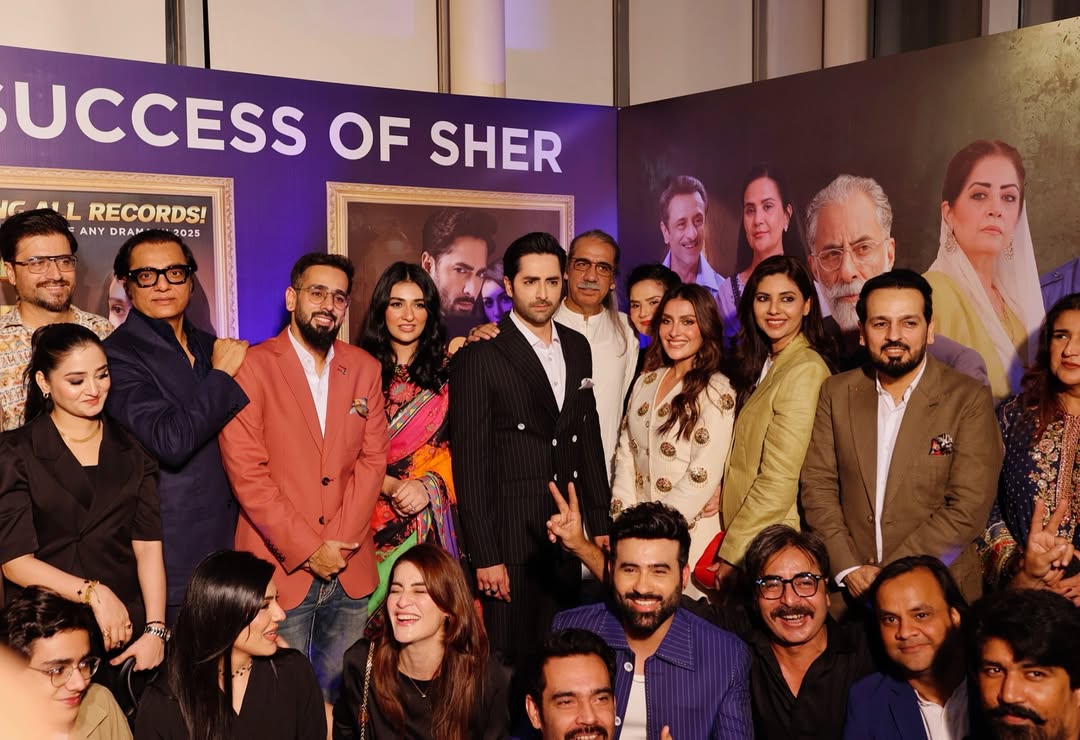
    One of Pakistan’s most talked-about dramas, Sher, starring Sarah Khan and Danish Taimoor, came to an emotional and powerful close with a glitzy, star-studded premiere night in Karachi.

    The final episode screening was nothing short of a celebration, drawing some of the biggest names in the entertainment industry.

    Sher, a high-stakes family and revenge saga, had gripped audiences with its intense storyline, powerful performances and cinematic direction. Directed by Aehsun Talish and produced by Abdullah Seja, the drama has been praised for its impactful storytelling and strong character arcs.

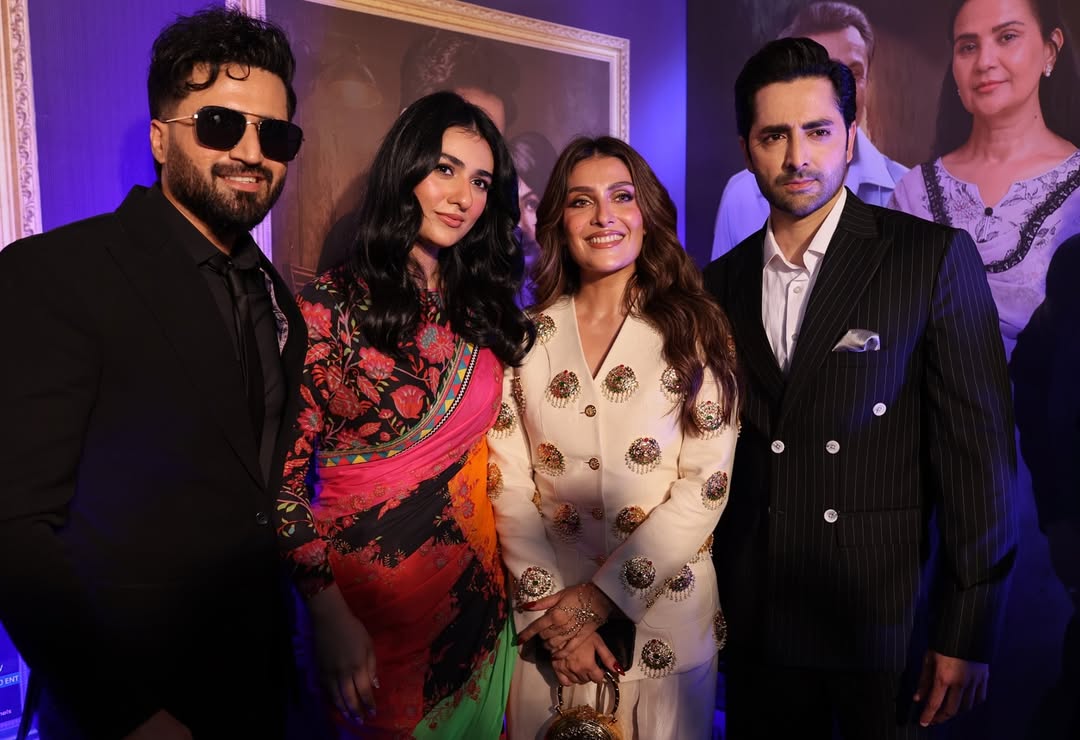
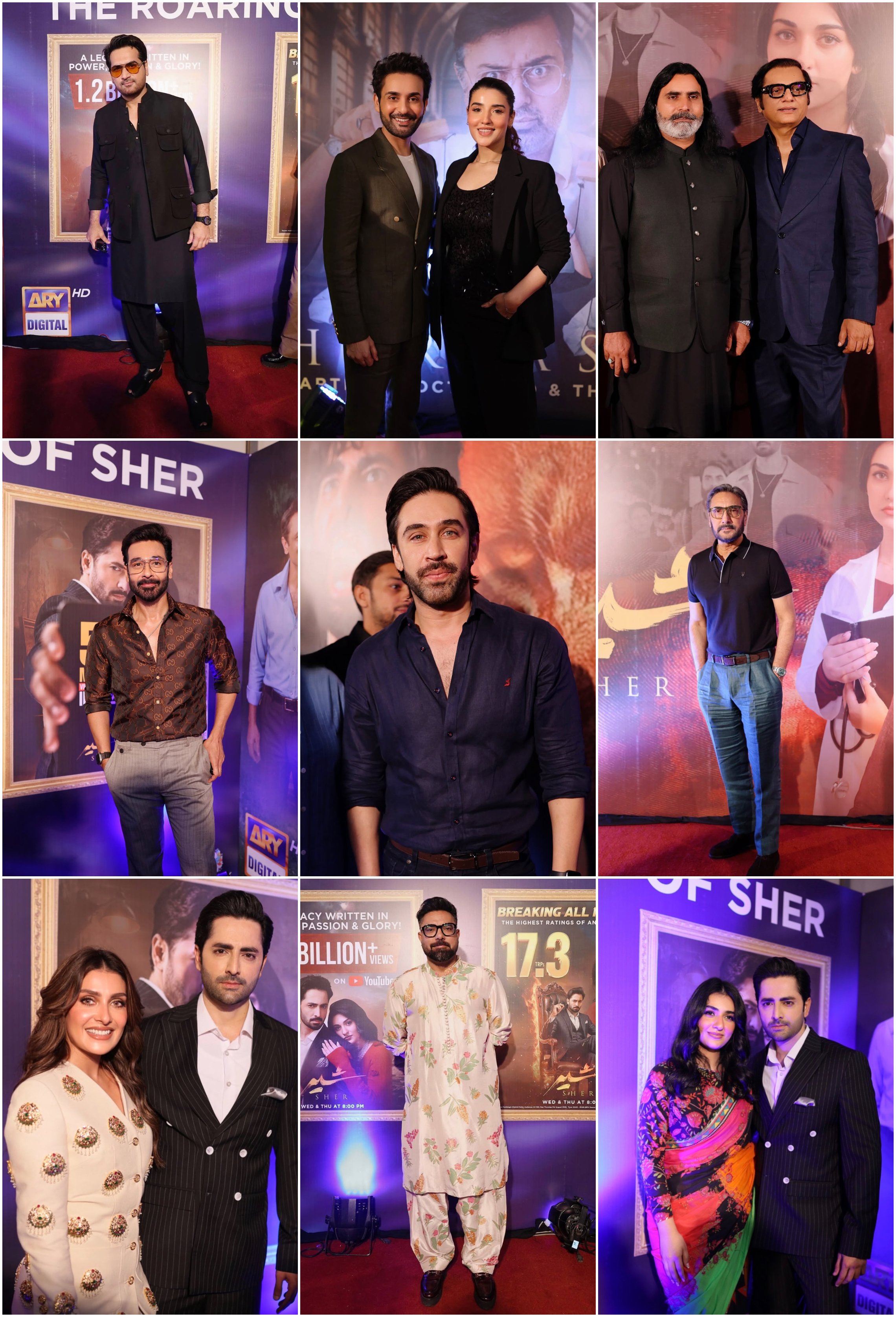
    The lead stars, Sarah Khan and Danish Taimoor, arrived at the premiere alongside their spouses, singer Falak Shabbir and actress Ayeza Khan.

    Sarah turned heads in a vibrant saree exuding a desi elegance while Danish kept it classic in a sharp, striped suit. Ayeza Khan also impressed with a white suit adorned with multi-coloured embroidery.

    A-list celebrities, including Humayun Saeed, Adnan Siddiqui, Faysal Quraishi, Aijaz Aslam, Hareem Farooq, Affan Waheed, Ali Rehman Khan, Yasir Hussain, Faizan Sheikh and Nabeel Zafar, also attended the event to celebrate the finale, creating a dazzling night of glamour and camaraderie.

    The entire cast and crew of Sher was also present.


    Taking to Instagram after the premiere, Sarah expressed her gratitude, writing, “Big love to my producer @sejaabd for trusting me with this project… Massive shoutout to @aehsuntalish bhai… And of course, @danishtaimoor16 — what a wonderful co-actor you are… To the entire cast — it honestly felt like family on set… And lastly, to everyone who came out last night — #SHER roared louder because of you!”

    She also thanked her husband, Falak Shabbir, calling him her biggest support system, and paid tribute to fans for making Sher a success. “You’re the real reason the roar gets louder each time!”

    With its memorable performances and gripping plot, Sher has undoubtedly left a lasting mark on Pakistani television, ending on a high note celebrated by fans and stars alike.

  • ‘They told me to lose weight, get surgery’; Faiza Hassan on beauty standards in industry

    ‘They told me to lose weight, get surgery’; Faiza Hassan on beauty standards in industry

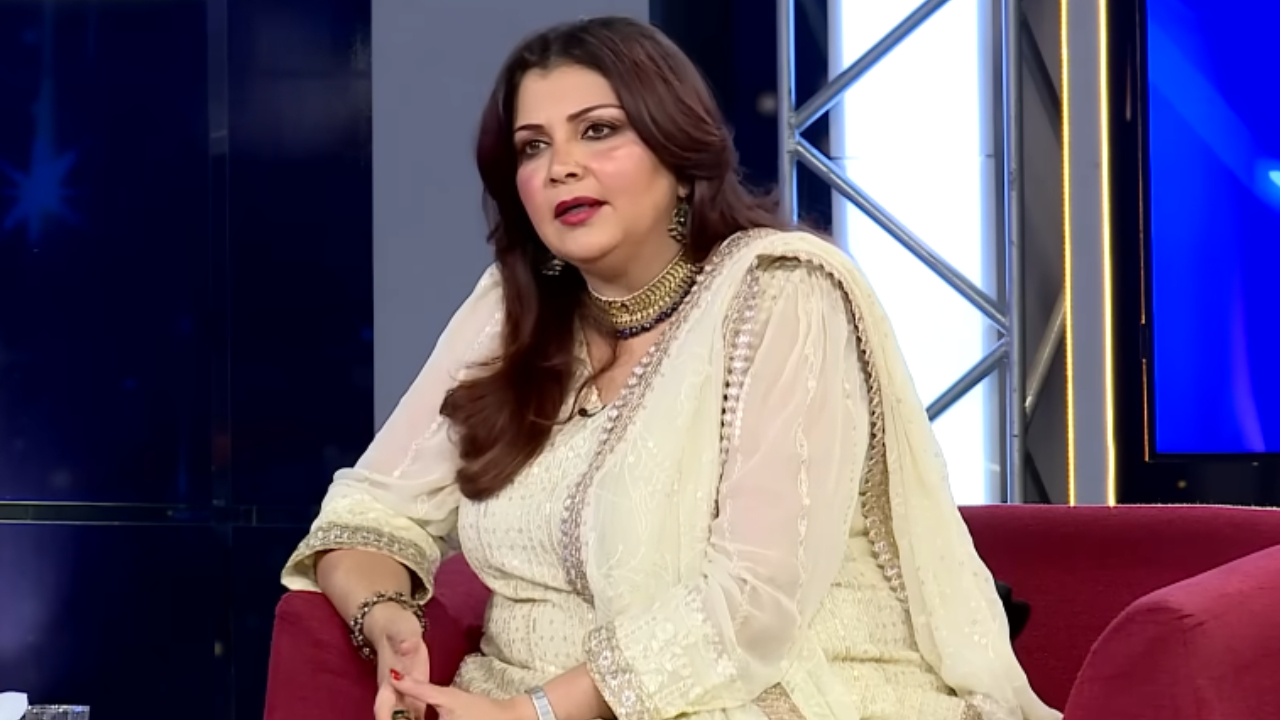
    Veteran Pakistani actress Faiza Hassan recently shared insights into her early career, personal challenges, and experiences in the entertainment industry and body-shaming.

    During a talk show appearance, Faiza revealed that she began her career by taking on small roles, including one in Raheemm Shah’s iconic music video Kabhi Payal Bajay.

    Faiza discussed how rejection was a frequent part of her journey. “There was a time when someone told me to get plastic surgery on my nose,” she said. “I used to be very slim, but even then people would tell me to lose weight. When I watch my old dramas now, I think I looked very fit.”

    Speaking about the emphasis on beauty in the entertainment industry, she compared it to marketing tactics. “It’s like when you go to the market and see a soap with beautiful packaging. You buy it, but when you use it and don’t like the texture, you don’t buy it again. Acting is similar, beauty might get you work once, but only good performance will bring you back.”

    Faiza also revealed that she works selectively and appears in very few dramas. “I don’t take up many projects because I don’t have the capacity for it. What’s the point of working so hard in extreme heat if the drama doesn’t even do well?” she asked, adding that she only accepts roles that truly touch her heart.

    On the topic of one-sided love, Faiza admitted, “Yes, one-sided love does happen. It has happened to me several times, actually.” She recalled her first experience with love when she was just 17 or 18.  “He was in my college, and I really liked him — but then I realized that I tend to fall in love every three to four months. After him, there was someone else. There have been so many now, I’ve lost count,” she added with a laugh.

    During the show, Faiza also acted out her memorable dialogues from two of her most popular dramas, Nand and Burns Road ki Neelofar.

    Faiza Hassan is a versatile and acclaimed Pakistani actress known for her powerful performances in television dramas. She rose to prominence with her standout roles in hit serials like Nand and Burns Road ki Neelofar, earning praise for her strong screen presence.

  • Some actors don’t let go of hands even after the scene cuts: Anoushay Abbasi

    Some actors don’t let go of hands even after the scene cuts: Anoushay Abbasi

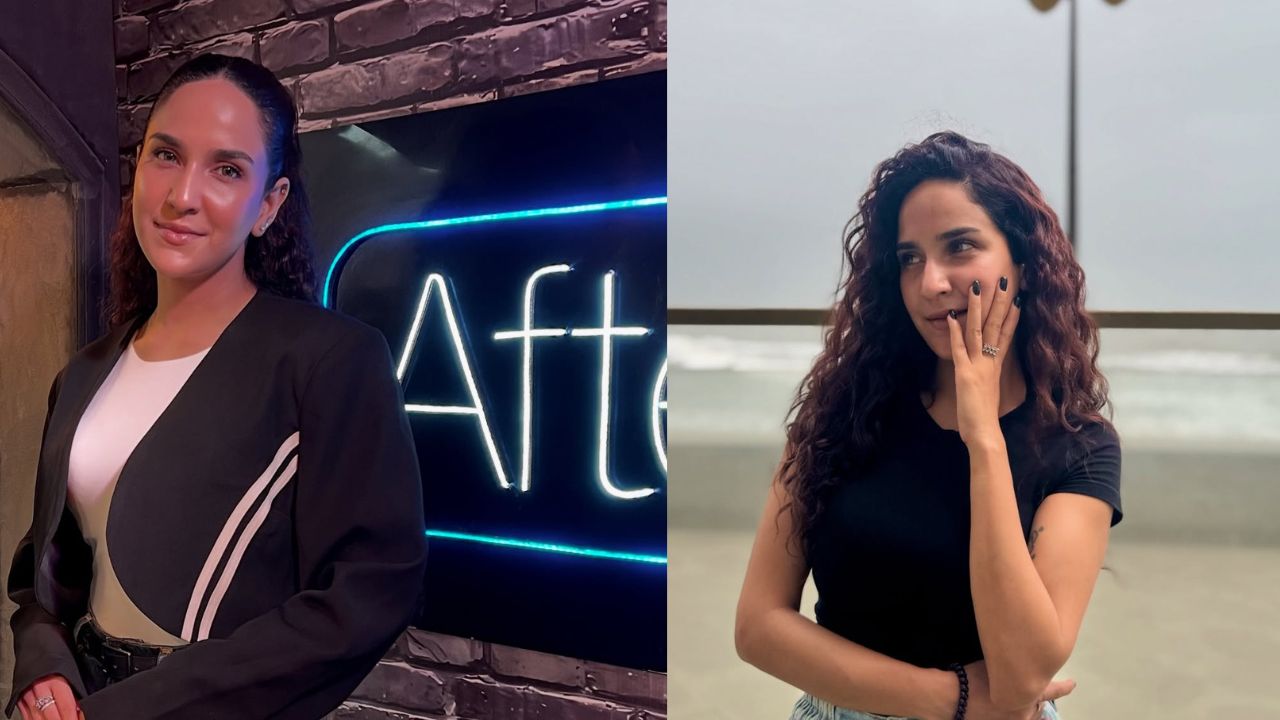
    Pakistani actress Anoushay Abbasi has revealed that some actors become uncomfortably affectionate on set, even after romantic scenes are over.

    In a recent interview with Ushna Shah, Anoushay shared that there have been instances where co-actors did not let go of her hand even after the director had called “cut,” forcing her to remind them that the scene was over and they needed to maintain distance.

    The Raqs-e-Bismil actress said: “I had to perform romantic scenes with actors I didn’t personally like and at times, even after the scene was completed, some actors wouldn’t let go of my hand, and I had to explicitly tell them, the scene is done, please let go.” Similarly, after the director called “cut,” she often had to ask them to maintain some physical distance.

    She added that sometimes it’s not the heroes but the actors playing fatherly roles who show excessive concern or affection, which in her opinion can become more problematic than dealing with the lead actors.

    She shared that she has been acting since childhood, and at the age of four, appeared in a music video, making film and drama sets feel like a second home to her.

    Anoushay revealed that when her mother was seriously ill, she was working on a project. On the day her mother passed away, she was on set when she received the emergency call from home. Despite this, she was asked to return to set the very next day.

    According to her, even after her mother’s death, both she and her sister, actress Javeria Abbasi, continued receiving phone calls from production staff, and unwillingly had to return to work and complete their scenes.

    “I took on very few projects after that because I found it all incredibly cruel. Everyone knew how ill my mother was at the time, and even when I had to leave urgently, they still reminded me to be back on set the next day at 10 a.m.”

    Abbasi talked about her personal life and marriage, saying that she was divorced six years ago. “I got divorced in 2019 and have not been in a relationship since then. I did not tell anyone about this because my mother was very ill at the time and I didn’t want people to come and ask her about it and bother her,” she said.

  • Old Pakistani drama clip goes viral, prompts audiences to slam new serials

    Old Pakistani drama clip goes viral, prompts audiences to slam new serials

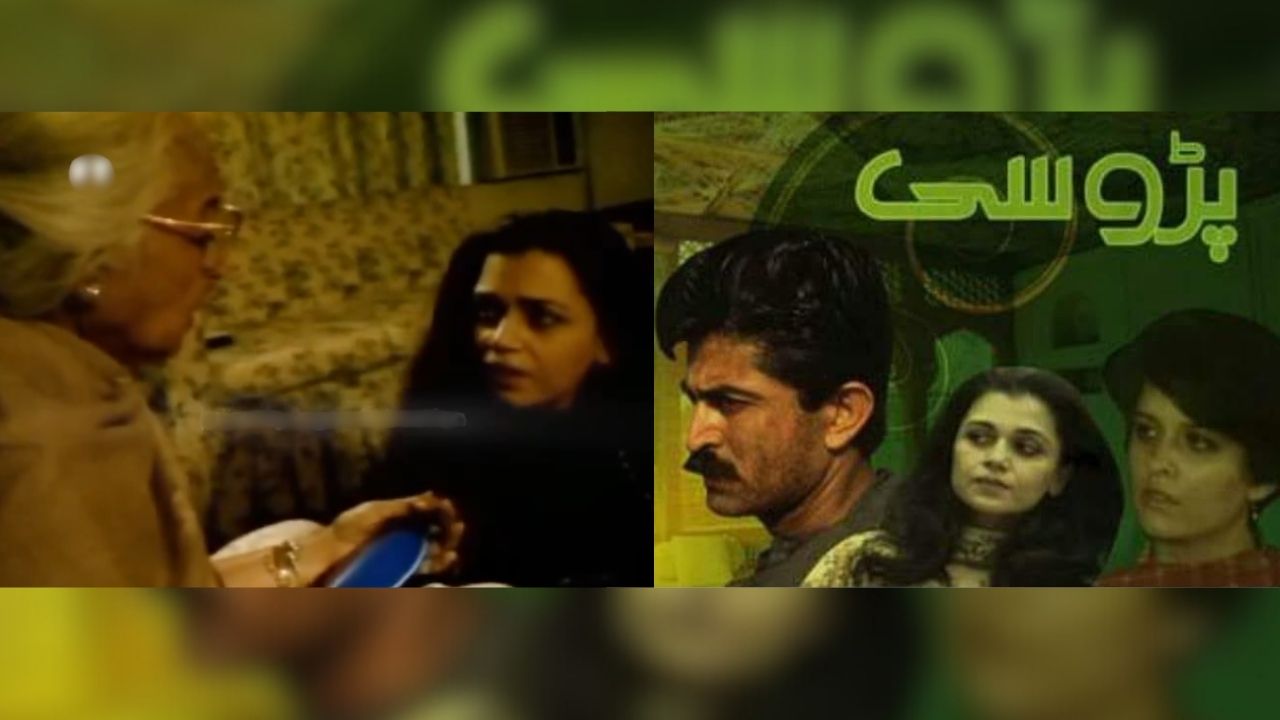
    A clip from a classic television serial staring the late Khalida Riyasat has gone viral on X (formerly Twitter), giving birth to the realisation that current serials are just not as good as the oldies.

    The viral clip from the serial Parosi features a conversation between the legendary Khalida Riyasat and her on-screen grandmother in a scene that has deeply resonated with audiences for its emotional depth and powerful dialogues.

    Social media users are showering praise on the drama’s writing, acting, and direction, calling it a true representation of meaningful storytelling that once defined Pakistani television. “Writers, actors, directors… it was wholesome all round,” one user commented. Another added, “These were real dramas; what we see today is complete trash.”

    Many users expressed their admiration for the way old dramas like Parosi reflected cultural values, taught moral lessons, and left a lasting emotional impact. “Life was so serene and restful. PTV dramas were at the pinnacle of glory. Every dialogue carried a deep thought,” one viewer wrote, reminiscing about a bygone era.

    “Beautiful and meaningful script,” added one user while another said: “Now we have a cringe content creators.”

    Parosi, which originally aired in 1990 on NTM, was written by the iconic Haseena Moin and directed by Raana Sheikh. The show featured an impressive cast, including Khalida Riyasat, Marina Khan, and Badar Khalil, among others. It is widely remembered for its relatable characters, witty dialogue, and strong storytelling, elements that many feel are missing in today’s television landscape.

    “In a time when stories touched the soul and characters felt like family, Parosi remains a beautiful reminder of when drama was not just entertainment — it was art,” one user said.

  • Awkward on-screen moment: Tara Mahmood recalls playing second wife of father’s close friend

    Awkward on-screen moment: Tara Mahmood recalls playing second wife of father’s close friend

    Actress Tara Mahmood has opened up about her career struggles, going on to share an emotionally bizarre experience because of an awkward acting role.

    During a podcast with Ahmed Ali Butt, Tara revealed that she once played the role of the second wife of veteran actor Usman Pirzada in a drama. “[It was] a role that made me feel extremely uncomfortable as he is a close friend of my father”.

    She admitted feeling unsure about how to address him on set, “Should I call him uncle or something else?” she recalled with a laugh, describing the awkward position she found herself in.

    Also reflecting on the early days of her career, Tara said she used to work on just one or two projects at a time due to limited opportunities. “At that time, delayed payments were a major source of stress, especially since I was living alone in Karachi with high living expenses”.

    What hurt the most, she added, was having to constantly chase after her own money.

    Fortunately, things have improved. “Today, I am involved in multiple projects simultaneously, so if one payment is delayed, it doesn’t create as much trouble”.

    However, she expressed dissatisfaction with the entertainment industry’s attitude toward supporting actors, saying they don’t receive the respect or recognition they deserve even though they’re essential to any production.

    Tara also opened up about her personal life, revealing that five years ago she had no intention of getting married. But now, she’s open to the idea. “If the right person will come to life, I will go for it,” she said.

    It merits a mention here that Tara is the daughter of retired Pakistani bureaucrat-turned-politician Shafqat Mahmood, who served as the federal minister for education and professional training, as well as for national history and literary heritage, from August 2018 to April 2022.

    During the show, she also admitted that she, for a long time, did not tell anyone in the industry that she was Mahmood’s daughter.

    Tara Mahmood is known for her roles in the popular Pakistani drama serials Mere Humsafar, Suno Chanda, Chupke Chupke, Anaa and Diyar-e-Dil. She also appeared in the film Seedlings in 2013 and the drama Altered Skin in 2018.