Tag: petrol prices

  • ‘Our patience won’t last long’: Imran Khan wants early elections

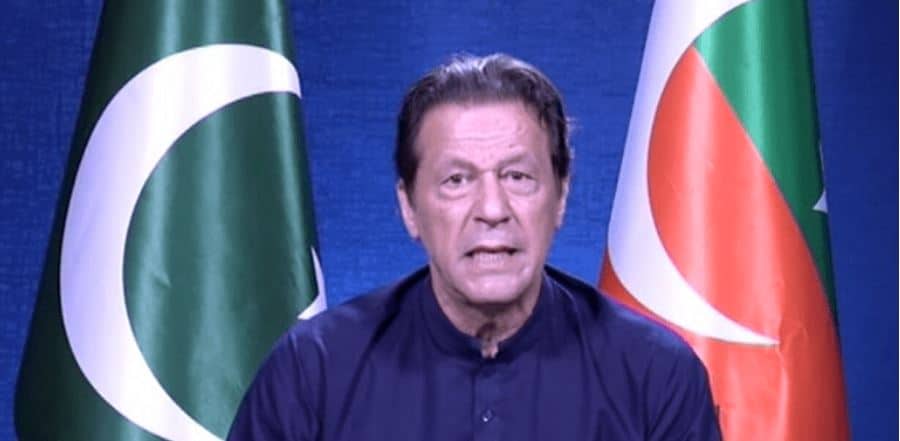
    ‘Our patience won’t last long’: Imran Khan wants early elections

    Pakistan Tehreek-e-Insaf (PTI) Chairman Imran Khan, in an address to the nation has once again demanded early elections, warning that PTI’s patience was wearing thin.

    “If we want to save the country from discord and chaos, free and fair elections need to be announced immediately,” he said.

    “Our patience won’t last long if you continue like this, we will have to give a call to the nation,” said Khan, addressing the government.

    “If there is no political stability, the economy won’t stabilise. So I want to tell my people today that we need to have elections quickly to save Pakistan from this quagmire,” the former Prime Minister insisted, adding that it was his fear that there will be no economic progress without political stability.

    “The incumbent government does not have any credibility, both inside and outside Pakistan, especially in the financial markets,” alleged Khan, mentioning that the prices of fuel and electricity across Pakistan had reached an all-time high and warned that they would further increase in the near future.

    Unemployment is increasing, inflation is rising, and businesses are closing down, Imran said. “The danger I am seeing right now […] Our credit rating has fallen to negative […] do you know what this means? They think Pakistan doesn’t have the ability to repay and due to this, the cost of loans will increase,”‘ he warned.
  • Petrol price may go down by Rs9.63 per litre for the next fortnight

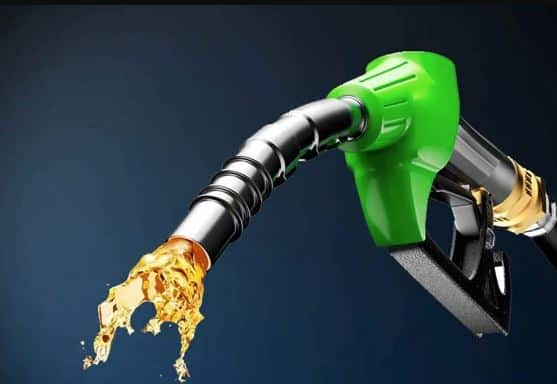
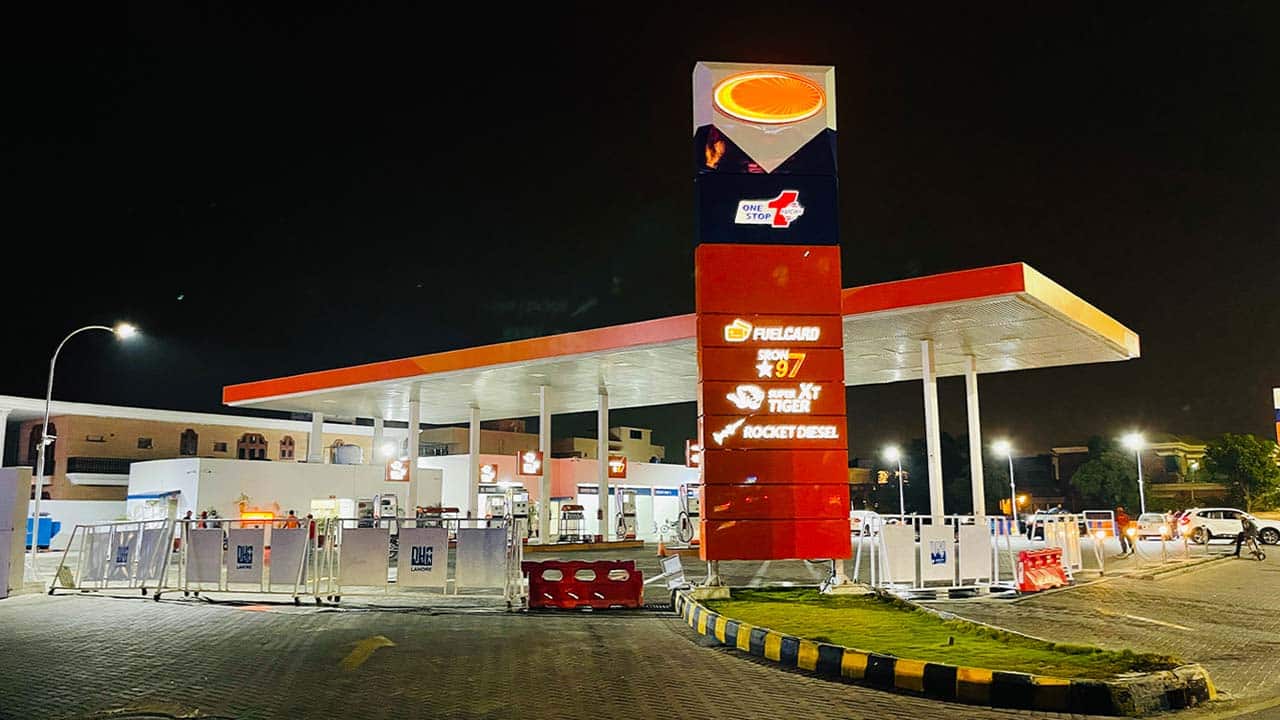
    The price of petrol is expected to decrease by Rs9.63 per litre for the next two weeks, while diesel prices are anticipated to increase.

    According to reports, the Oil and Gas Regulatory Authority (OGRA) has advised lowering gasoline prices for the final fifteen days of the current month, September.

    However, a final decision about increased petroleum pricing would only be made after receiving Prime Minister Shehbaz Sharif’s approval.

    For the specified period, the cost of diesel is probably going to go up by Rs3.04 per litre, bringing the price from Rs247.26 per litre to Rs250.30.

    The federal government announced an increase in the price of gasoline and diesel for the first two weeks of September on August 31.

    The price of gasoline increased by Rs2.07 to reach Rs235.98 per litre, while the price of high-speed diesel increased by Rs2.99 to reach Rs247.43.

    According to Express Tribune, various strategies have reportedly been used by the government and OGRA to maintain low petroleum prices in order to avert political reaction.

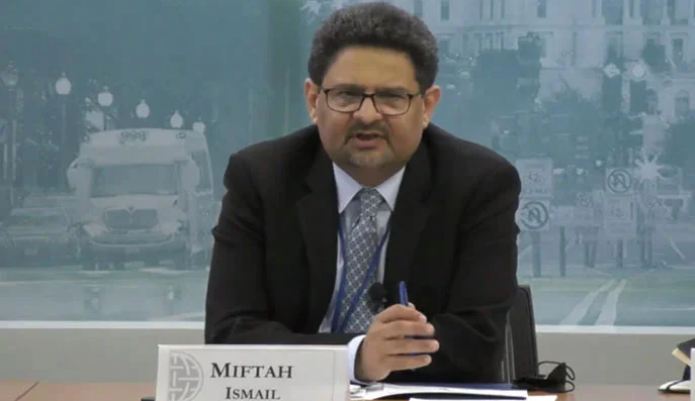
  • ‘I am an easy target’: Miftah Ismail reacts to criticism after another petroleum hike

    ‘I am an easy target’: Miftah Ismail reacts to criticism after another petroleum hike

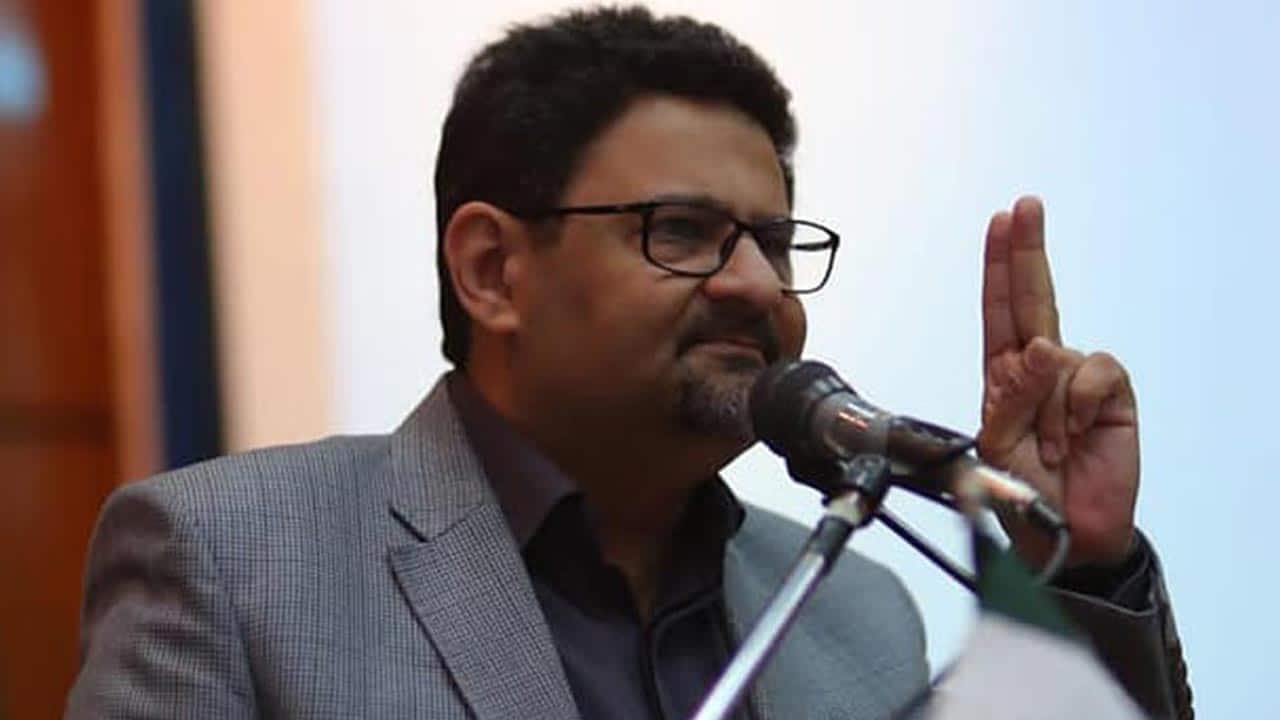
    Finance Minister (FM) Miftah Ismail once again explained how the petrol prices are calculated after receiving criticism for the increase in petroleum prices.

    Responding to senior journalist Hamid Mir on Twitter, he said the government has not imposed any tax on petroleum products.

    Clarifying his position, the minister said that he did not say that the price will not be increased.

    “Mir sahib I said I will not add one penny of new taxes or levies to the price. And I have not. But you know Hamid sahib that the fuel price summary is moved by OGRA and sent to Finance division through the Petroleum division. We get it only a few hours before prices are set.”

    “I am an easy target. Which is fine. But this price change only reflects the change in PSO costs and doesn’t have any new taxes,” said Miftah Ismail.

    The finance minister added that people are welcome to critique or criticise him.

    “I know I am sincere to my country and have saved it from default and working to the best of my ability.”

    Zardari unhappy with govt’s decision to increase petrol prices

    Pakistan People’s Party (PPP) Co-Chairperson Asif Ali Zardari distanced himself from the recent increase in the petroleum prices by the government.

    Zardari said the PPP is a part of the government and supports it, but there must be consultations on such decisions.

    “We are all here in this government to give relief to the people and that should be our top priority. We are with the prime minister and will meet him soon and talk about the economic team,” he added.

    ‘I am not involved in this decision’: Nawaz Sharif leaves party meeting over increase in petrol prices

    Pakistan Muslim League-Nawaz (PML-N) leader Maryam Nawaz took to Twitter and said that PML-N supremo Nawaz Sharif was unhappy with the government increasing the petrol prices and as a result left the meeting.

    “Mian Sahib strongly opposed this decision and even said that I cannot burden the people with one more penny. And if there is any compulsion of the government, I am not involved in this decision and he left the meeting,” tweeted Maryam.

    She further tweeted, “I stand with the people. Cannot support this decision.”

    The government increased the price of petrol by Rs6.72 per litre and decreased the price of high-speed diesel (HSD) by Rs0.51 and kerosene oil by Rs1.67 per litre.

    Read more: Govt raises petrol price by Rs6.72 to Rs233.91 per litre

    The price of light diesel oil (LDO) was raised by Rs0.43 per litre by the government.

    Prior to this, the coalition administration had decreased the cost of petrol and LDO starting on August 1 by Rs3.05 and Rs0.12, respectively.

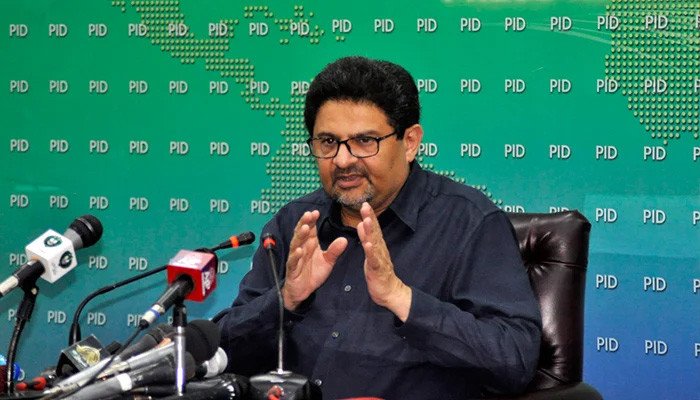
  • Govt may reduce petrol prices before midnight: Miftah Ismail

    Govt may reduce petrol prices before midnight: Miftah Ismail

    The government will lower petroleum prices before midnight, according to Finance Minister Miftah Ismail, who also announced that Prime Minister (PM) Shehbaz Sharif has received a report from the Oil and Gas Regulatory Authority (Ogra) recommending the drop.

    Speaking to the media, he emphasised that the International Monetary Fund (IMF) had no issues with the government’s decision.

    The announcement came the same day the IMF announced that it had reached a staff-level agreement with Pakistan for the conclusion of the combined seventh and eighth reviews of the Extended Fund Facility; the agreement is now awaiting the Executive Board’s approval.

    Additionally, he declared that the government will lower oil prices now rather than wait until July 15th (14 July). “PM Shehbaz wants to announce immediate relief to the people of Pakistan,” he said. “The public stood with the government during difficult times and bore the burden of inflation and now we want to provide relief.”

    In its conclusion, Ogra suggested lowering the cost of gasoline by Rs18 per liter and diesel by more than Rs20 per liter.

    The decision to lower petroleum product prices was made in response to recent sharp declines in the price of crude oil on the world market.

    The government approved a price increase for petroleum products on June 30. The increase brought the new ex-depot price of gasoline to Rs248.74 per liter (up Rs14.85), and diesel to Rs276.54 (after a hike of Rs13.23).

    On July 1, the new rates became effective. In the pricing structure, a petroleum levy of Rs10 had been added to the cost of gasoline, and Rs5 had been added to the cost of kerosene, high-speed diesel, and light diesel oil per liter.

  • No memes: Twitter is angry over another petrol price hike

    No memes: Twitter is angry over another petrol price hike

    The federal government increased the price of all petroleum products yesterday (June 15). This includes an increase of Rs24 per litre for petrol and Rs59.16 per litre for high-speed diesel (HSD). This is the third hike in petroleum prices in less than a month.

    Federal Minister for Finance and Revenue Miftah Ismail criticised the PTI government for reaching an erroneous agreement with the International Monetary Fund (IMF), which tied the incumbent’s hands and forced it to raise oil prices to get the economy back on track.

    Prime Minister Shehbaz Sharif tweeted, “Acutely aware of the impact that a fuel price hike causes. Govt is left with no choice but to raise the prices due to IMF deal that PTI govt signed.”

    Read more-Govt hikes price of diesel by Rs59, petrol by Rs24

    People on social media are expressing their anger and exasperation after the latest petrol bomb was dropped by the government.

    https://twitter.com/Noobiy12/status/1537272865426395136
    https://twitter.com/Zohadtweets/status/1537250462994407424
  • Energy sector to get a massive portion of the Rs699 billion subsidy

    Energy sector to get a massive portion of the Rs699 billion subsidy

    The government has proposed allocating Rs699 billion to multiple sectors in order to provide relief to the masses during the new fiscal year 2022-23.

    According to budget estimates, the government plans to boost subsidies by Rs17 billion to Rs699 billion for the next fiscal year, up from Rs682 billion in the previous fiscal year.

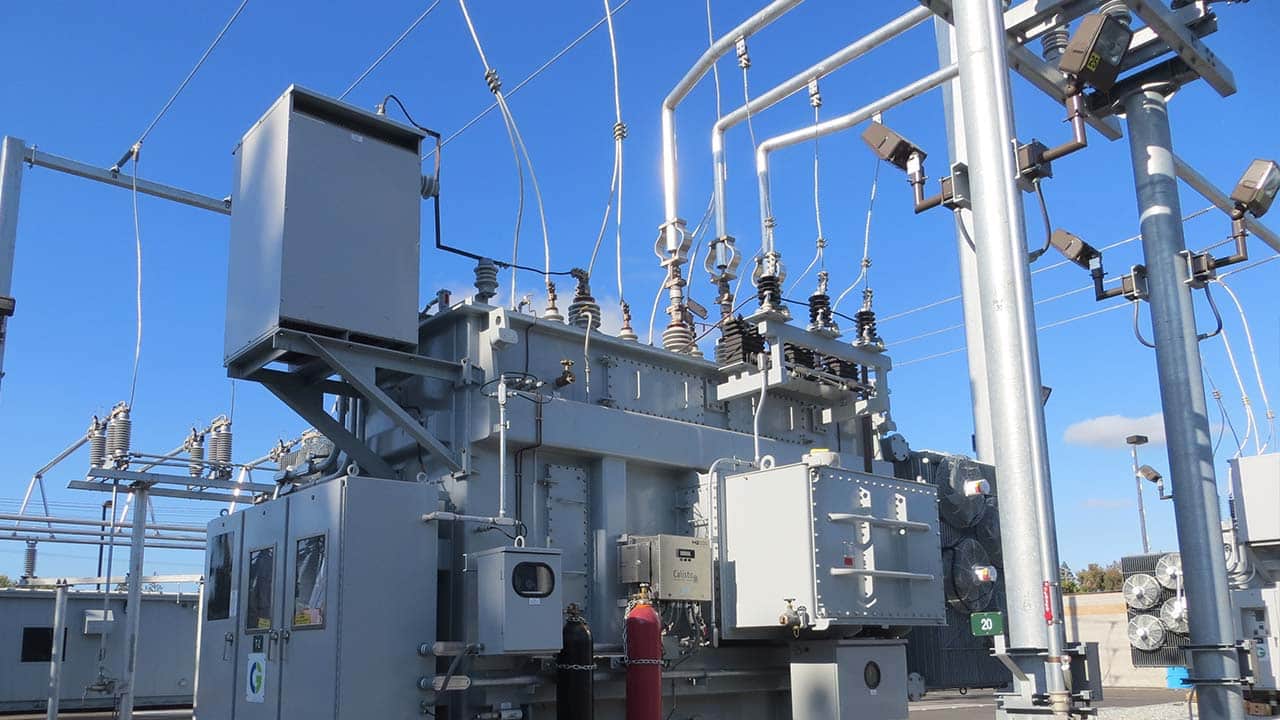
    The government has reduced power sector subsidies by Rs26 billion to Rs570 billion for the next fiscal year, down from Rs596 billion in the previous fiscal year and proposed increasing the total subsidy for the power sector for PEPCO by Rs18 billion to Rs275 billion. The budget 2022-23 proposed reducing the subsidy amount for K-Electric by Rs5 billion to Rs80 billion.

    Moreover, subsidies for Independent Power Producers (IPPs) are slashed by Rs39 billion to Rs215 billion for the coming fiscal year.

    The amount of petroleum subsidy has been upped from Rs51 billion to Rs71 billion. During the next fiscal year, the Utility Stores Corporation (USC) will receive a Rs17 billion subsidy. PASSCO will also receive Rs7 billion subsidy.

    During the next fiscal year, Rs8 billion has been set aside for wheat subsidies to Gilgit-Baltistan. For the coming fiscal year, the subsidy for the metro bus service has been increased to Rs4 billion. Similarly, the fertiliser plant subsidy has been increased to Rs15 billion.

    Read more: Govt unveils Rs9.5 trillion budget 22-23, focused on sustainable growth

    The new government has reduced the Naya Pakistan Housing and Development Authority (NAPHDA) subsidy amount to Rs500 million for the next fiscal year, down from Rs30 billion in the previous fiscal year. NAPHDA’s markup subsidy has also been reduced, from Rs.3 billion to Rs.500 million for the coming fiscal year.

  • No plan proposed to raise petrol prices at pre-budget seminar, clarifies Miftah

    No plan proposed to raise petrol prices at pre-budget seminar, clarifies Miftah

    After a tremendous increase of Rs60 in less than a month, Finance Minister Miftah Ismail announced Tuesday that the price of petroleum goods in the country would rise even more.

    Ismail mentioned in his statement at the one-day pre-budget business conference that if the government had followed ex-prime minister Imran Khan and former finance minister Shaukat Tarin’s contract with the International Monetary Fund (IMF), petrol would have cost Rs300 per liter.

    “The previous government had agreed with the IMF that they would not give subsidies,” the finance minister said, lashing out at the Khan-led government for messing up the economic policies of the country.

    Furthermore, The News reports that the government cannot simply withdraw subsidies without also imposing taxes on petroleum items.

    “The IMF has asked for 100 per cent withdrawal of subsidy on POL products. Once the subsidy is over, then the government will have to impose taxes and petroleum levy,” the publication reported, adding that there is still a subsidy of Rs9.32 per liter on petrol and Rs23.05 per liter on diesel.

    The finance minister had ruled out the potential of a financial emergency in the country the day before, as the government took efforts to address the country’s continued economic upheaval.

    No petrol hike discussed at the pre-budget meeting

    UPDATE: Miftah Ismail, on the other hand, has clarified that he never mentioned a hike in petroleum prices during the pre-budget meeting, despite the fact that social media and known channels have been swamped with headlines of yet another hike, with several netizens sharing images of folks rushing to petrol pumps yet again. “Channels running these tickers are doing a disservice to their viewers,” said the Finance Minister.

    “In the pre-budget seminar I never even spoke about petroleum prices. Channels running these tickers are doing a disservice to their viewers. There will be no increase in prices today and there is no summary or plan to raise prices,” he tweeted.

  • Petrol quota for ministers, govt officials in Sindh lowered by 40 per cent

    Petrol quota for ministers, govt officials in Sindh lowered by 40 per cent

    Sindh Chief Minister (CM) Murad Ali Shah lowered the petrol allotment of ministers and government officials by 40 per cent this week as part of his moderation campaign following another spike in petroleum prices.

    Keeping in view a substantial spike in POL prices within the last few days, the decision was made to limit spending and decrease the strain on the national kitty.

    “The rise in petrol price should not be a burden on the exchequer,” Sindh CM Murad Ali Shah said, increasing the treasury’s load entails intensifying the burden on individuals.

    To meet the International Monetary Fund’s (IMF) conditions, the government has unleashed another big gasoline bomb on the country after another hike of Rs30. In less than a month, the price of petrol has risen by Rs60 to Rs209.86.

    The latest petrol price hike came just hours after the National Electric Power Regulatory Authority (NEPRA) approved a power tariff hike of Rs7.91 per unit.

    The price hike sparked riots in Karachi, with protesters wrecking a petrol pump and torching tyres on University Road. Despite expressing their dissatisfaction with the situation, the general public has requested that the government tightens its belt instead of putting the weight on the populace.

    Senator Mustafa Nawaz Khokar, a top PPP lawmaker, also shared this attitude, suggesting a 50 per cent wage cut for politicians, generals, judges, and senior bureaucrats.

    “Why should common folk shoulder the failures of the political, military and judicial elite? This joke has to end”.

    If the average citizen is compelled to narrow his belt, Khokar believes that politicians, generals, judges, and top bureaucrats’ income should be halved and all amenities, including free utilities, should be removed.

    The administration warned on June 2 that it would raise fuel prices by Rs30 for the second time in ten days, as an attempt to obtain the remaining funds from IMF.

  • PM rules out the removal of fuel, energy subsidies ahead of talks with IMF: Miftah Ismail

    PM rules out the removal of fuel, energy subsidies ahead of talks with IMF: Miftah Ismail

    Finance Minister Miftah Ismail has once again said the government doesn’t plan to increase the prices of petroleum products. Talking to the media at the Karachi airport, he said that Prime Minister (PM) Shehbaz Sharif and Pakistan Muslim League-Nawaz (PML-N) supremo Nawaz Sharif had ruled out the possibility of ending the subsidies.

    “It will not happen. I have refused. Shehbaz Sharif sahib has refused. Nawaz Sharif sahib has refused,” said Ismail. “I am assuring you that I will not agree to [the terms] that Shaukat Tarin agreed to.”

    He said that according to the deal finalised by former finance minister Shaukat Tarin, Pakistan would have to raise the price of diesel by over Rs150 and petrol by Rs100.

    Miftah said that Imran Khan took a loan of Rs20,000 billion, which is 80% of the entire amount of loans taken in 71 years of Pakistan’s history.

    He further stated that former planning and development minister Asad Umar caused Pakistan a loss of 9.1%, which was a record loss in 52 years.

    “Pakistan exported wheat when we [PML-N] left the government but today the country is importing wheat,” Miftah said.

    A team comprising State Bank of Pakistan and Federal Board of Revenue officials, as well as Minister of State for Finance and Revenue Dr Aisha Ghous Pasha and the finance secretary, are already in Doha to negotiate with the IMF.

    The talks began on May 18. At the time, Ismail had told the IMF that the government understood the current economic crisis and agreed that it would have to take “tough decisions” while mitigating the effects of inflation on middle to low-income groups.

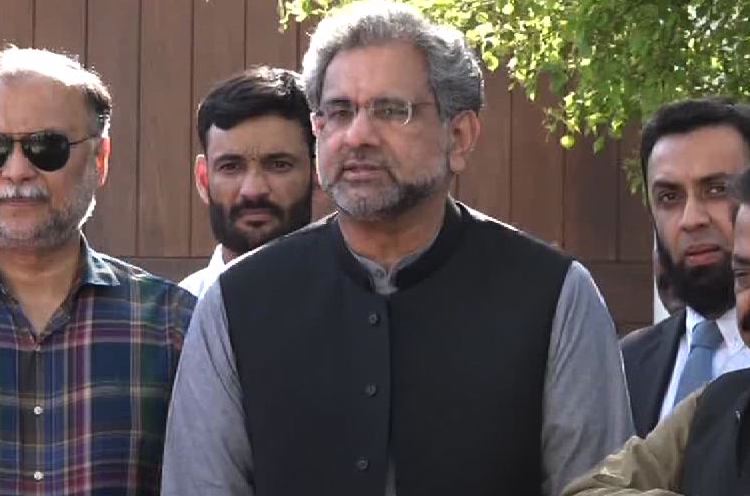
  • ‘Dissolving assemblies is not the solution’: Shahid Khaqan

    ‘Dissolving assemblies is not the solution’: Shahid Khaqan

    Pakistan Muslim League-Nawaz (PML-N) leader and former Prime Minister (PM) Shahid Khaqan Abbasi has said that dissolving assemblies is not the solution to the current economic crisis in the country.

    Speaking outside the National Accountability Bureau (NAB) office in Islamabad, he said, “The government is working hard to get the situation under control” and urged that political parties should sit together to derive a solution.

    Khaqan said that the decisions need the support of institutions and the people because Pakistan is everyone’s responsibility.

    “Our country has always had unconstitutional intervention in politics. That intervention also plays a role in getting us where we are today,” he added.

    “This destruction started four years ago when the PTI government came to power,” he claimed. “Today, Imran Khan is the sole person responsible for the economic turmoil in Pakistan. You cannot expect a government to immediately fix things that he spoiled.”

    The PML-N leader’s statement has come when the dollar rate is at its peak. This spell of the dollar’s persistent rise against the rupee began last week.

    Earlier, it was reported that government would either dissolve the assemblies or increase the petrol prices in the upcoming days.

    It was said that if the government does not increase the fuel prices Pakistan may face a much worse situation than what is happening in Sri Lanka.