Tag: Russia

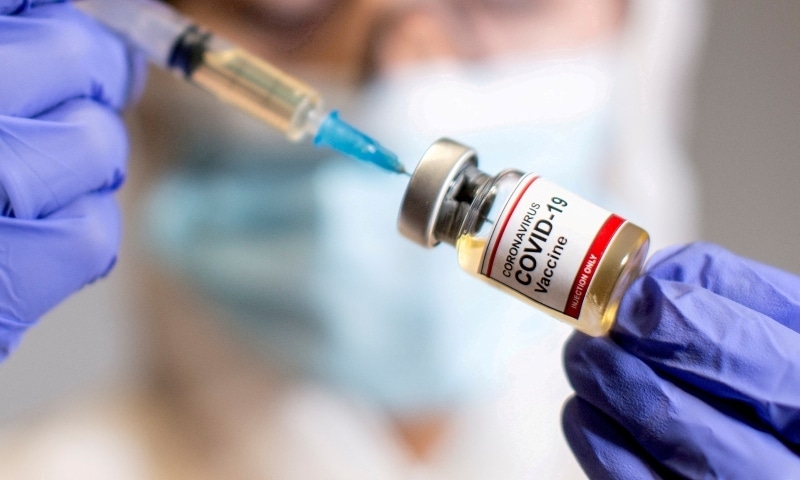
  • COVID-19: Get vaccinated privately for only Rs4,225 per injection

    With the federal cabinet deciding to cap the maximum retail price of Russian and Chinese coronavirus vaccine injections imported by the private sector, the Drug Pricing Committee of Drug Regulatory Authority of Pakistan (DRAP) had proposed the same for two vaccines.

    Only those of 60 years of age or above are currently being vaccinated free of cost by the government in the absence of a wider state-run vaccination programme.

    However, Sputnik V’s GAM-Covid-Vac solution manufactured by the FSBI NF Gamalaya RCEM of the Russian Health Ministry and Convidecia vaccine manufactured by CanSino Biologics Inc will soon be available for Pakistanis seeking to get privately vaccinated against the deadly virus.

    The government has fixed the maximum sale price of Sputnik V vaccine at Rs8,449 for two doses and China’s Convidecia at Rs4,225 per injection, showed the summary of the National Health Services and Regulations Ministry.

    Further details have not yet been disclosed.

  • Russia shows interest in registering its COVID-19 vaccine in Pakistan

    Russia shows interest in registering its COVID-19 vaccine in Pakistan

    Russia has expressed interest in getting their COVID-19 vaccine ‘Sputnik-V’ registered in Pakistan, claiming that it is the first-ever anti-corona vaccine. Sputnik-V was developed last year in August and will be available for public use in the coming few months.

    As per reports, Russia wrote a letter to Pakistan asking for details of the process of vaccine registration as well as the demand in the country for the batch of dozes.

    In the letter addressed to Special Assistant to Prime Minister Dr Faisal Sultan, the Russian Direct Investment Fund’s (RDIF) Head, Kirill Dmitriev has said that the Sputnik-V had an emergency use certificate and it was 91.4% effective.

    The vaccine made by Russia would be available for the public in February 2021.

    The letter has also claimed that the vaccine would be cheaper compared to other vaccines. Its single doze would cost less than $10 (Rs 1605) and it can be stored at -2 to 8 degree centigrade temperature.

    Russia’s vaccine was registered in August 2020 and the country offered to sell it to Pakistan in November. Meanwhile, the country has initiated the limited use of their vaccine from last November.

    Pakistan is currently experiencing the second wave of the virus. In the last 24 hours, the National Command and Operation Centre (NCOC) reported 59 deaths and 1,903 new cases in Pakistan.

    As per the data shared by the NCOC, the confirmed cases reported are 2,118 whereas 4,033 people recovered from the contagion during the last 24 hours.

  • Coin mistakenly stuck in nose surgically removed after five decades

    Coin mistakenly stuck in nose surgically removed after five decades

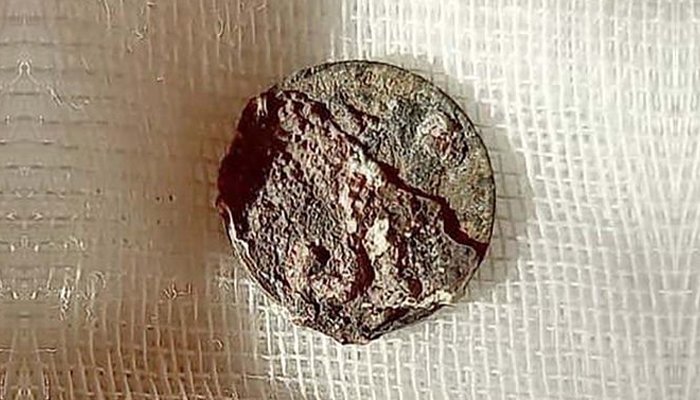
    A Russian man had mistakenly put a coin in his nose when he was only six years old. It was surgically removed from his nose when he complained of a breathing problem at the age of 59.

    Doctors in Russia said they recently faced a unique case when the patient told them he was unable to breathe through his right nostril for the past several months.

    CT scan of the patient showed his nose was blocked by some object. Following an endoscopy, doctors were surprised to discover that a coin was stuck in the man’s nose.

    When they discussed it with the patient, he remembered how he had mistakenly put the coin in his nose when he was six and did not tell anyone about it because he was afraid of his strict mother.

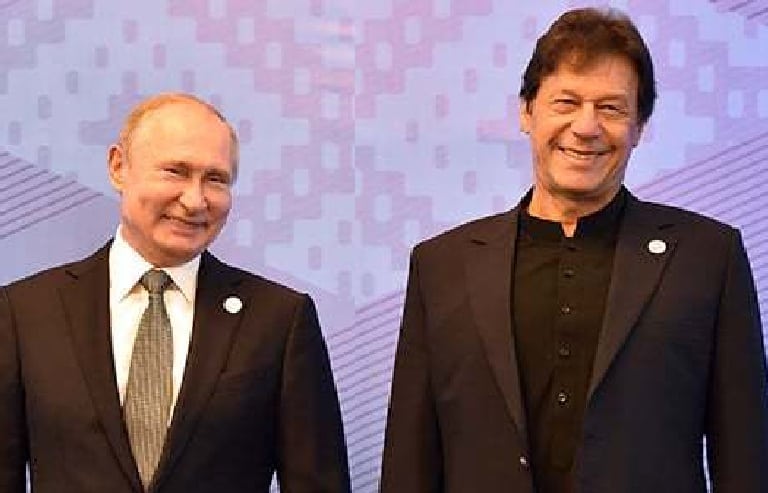
  • Modi invites Imran Khan to New Delhi

    Indian Prime Minister (PM) Narendra Modi has invited his Pakistani counterpart, Imran Khan, to participate in the Shanghai Cooperation Organisation (SCO) heads of government meeting being held in New Delhi on November 30.

    According to reports, the Indian premier invited all the eight members and four observer countries on Tuesday during the online summit of the organisation held in Moscow, chaired by Russian President Vladimir Putin.

    The News quoted sources as saying that the Russian president appreciated Pakistan’s proposals on various counts.

    Modi, who tried to demean the objectives of the SCO, tried to take on Pakistan and China in the same stroke without naming them under the garb of respect of sovereignty and said in muffled words that India believed that to enhance connectivity it was important that we move forward while respecting one another’s sovereignty and territorial integrity.

    He boasted that India had always been resolute in working in sync with principles laid out in the SCO charter, but it was unfortunate that there had been repeated efforts to unnecessarily bring bilateral issues in the SCO agenda which was in violation of the SCO spirit.

    It was an assault on Pakistan and China’s policies of enhancing connectivity in the region.

    Modi referred to the Shanghai spirit and SCO charter, but he conveniently forgot that it was India that had humiliated the two documents by its actions and inactions.

    Diplomatic sources told the English daily that none of the significant member countries’ premiers will attend the New Delhi virtual meeting except Russian PM Mikhail Mishustin while the Chinese premier, Li Keqiang, and PM Imran might not be available to attend the heads of government meeting.

    Foreign Secretary Sohail Mahmood or Additional Foreign Secretary Syed Faisal Tirmizi are likely to represent Pakistan at the huddle.

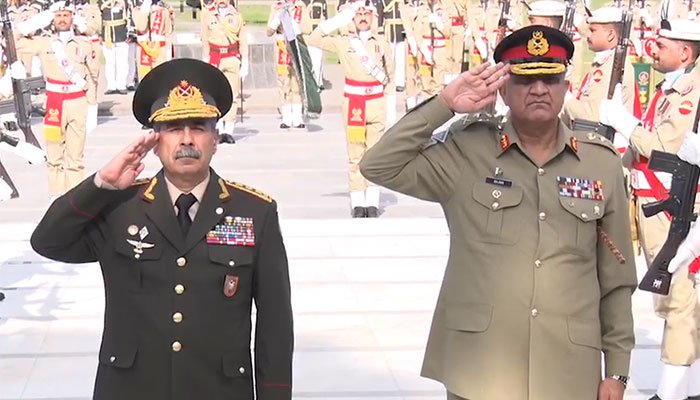
  • Pakistan breaks silence on reports claiming its army is fighting Armenia alongside Azerbaijan

    Pakistan breaks silence on reports claiming its army is fighting Armenia alongside Azerbaijan

    Pakistan has refuted “irresponsible” reports claiming that Pakistan Army is fighting alongside Azerbaijani forces against Armenia in the Nagorno-Karabakh conflict.

    According to reports, Foreign Office (FO) spokesperson Zahid Hafeez Chaudhri said the reports were “speculative and baseless”.

    “Pakistan is deeply concerned over the deteriorating security situation in the Nagorno-Karabakh region,” Chaudhri said while reiterating Pakistan’s position on the conflict.

    The spokesperson also said that intensive shelling by Armenian forces on the civilian populations of Azerbaijan is reprehensible and most unfortunate.

    “This could compromise peace and security of the entire region. Armenia must stop its military action to avoid further escalation,” the spokesperson said.

    Chaudhri said that Pakistan supports Azerbaijan’s position on Nagorno-Karabakh, adding that the position was in line with the “several unanimously adopted United Nations Security Council (UNSC) resolutions”.

    The statement comes as tensions between Armenia and Azerbaijan forces continued to heighten despite the world’s calls for ceasefire.

    Armenia and Azerbaijan have been locked in a simmering conflict for decades over the region and new fighting that erupted on Sunday has been the heaviest in decades. Nearly 200 people, including 30 civilians, have died amid fears of a multi-front war that could suck in regional powers Turkey and Russia.

  • China, Russia, Italy make Pakistan 11th largest arms importer in world

    Pakistan is the 11th largest arms importer in the world, a report by Stockholm International Peace Research Institute (SIPRI) — an institute that tracks arms deals around the world — has revealed.

    As per the figures released by SIPRI, China, Russia and Italy are the main suppliers of arms to Pakistan, with Beijing accounting for 73% of the total imports during 2015-2019, and Moscow as well as Rome accounting for 6.6% and 6.1%, respectively.

    The actual share of Pakistani imports in the world has, however, decreased by 39% during the said period, the report revealed. The overall decrease in Pakistan’s arms imports over the latest five-year period was linked to the United States’ (US) decision to stop military aid to the country.

    The institute further noted that Pakistan was among the top three buyers of arms from top weapons exporters like Italy and Turkey. Pakistan had a 7.5% share in arms imports from Italy between 2015-2019, and 12% share in Turkish arms over the same period.

    SIPRI also identified a significant drop in arms sales to South Asia by the US, which was listed as the largest arms exporter in the world between 2015-2019. The institute noted that US arms imports to Pakistan declined by 92%, and to India by 51% over this period. The US, which had accounted for 30% of Pakistan’s arms imports in 2010–14, was responsible for only 4.1% in 2015–19.

    Meanwhile, Islamabad was identified as the largest buyer of Chinese arms between 2015-2019, accounting for 35% of the arms exported by Beijing — the fifth largest exporter of weapons in the world in the five-year period.

    According to SIPRI, China accounted for 51% of Pakistan’s arms imports in 2010–14 and for 73% in 2015–19. SIPRI also noted that Pakistan continued to import arms from Europe, strengthening relations with Turkey with orders for 30 combat helicopters and four frigates in 2018.

    India, on the other hand, has retained its position as the second-largest arms importer in the world followed by Saudi Arabia that now imports 12% of its arms (2015-19) as against 5.6% in 2010-14 — a jump of 130%, the report said.

  • Russia to invest $8 billion in Pakistan as both countries resolve 40-year-old dispute

    Russia to invest $8 billion in Pakistan as both countries resolve 40-year-old dispute

    Russia has decided to invest $8 billion in Pakistan as both the countries finally agreed to settle a four-decade-old trade dispute, The Express Tribune reported.

    According to reports, during the 1980s, some companies in the Union of Soviet Socialist Republics (USSR) were importing textile products from Pakistan. For facilitating the trade process, USSR had opened two bank accounts in the National Bank of Pakistan (NBP).

    The Economic Affairs Division (EAD) deposited funds in these bank accounts through the State Bank of Pakistan (SBP). After the collapse of the USSR, numerous exporters didn’t get paid. The Pakistani companies claimed to have paid large sea freight fees for the unshipped goods.

    The exporters and Pakistani companies had to move their dispute to the Sindh High Court (SHC) that later issued a stay order stopping NBP from transferring $104.93 million to Russian banks.

    Since then, every effort to resolve the issue between the two countries was in vain.

    In November 2015, both countries initiated a dialogue at the 3rd Pakistan-Russia Inter-Governmental Commission session. Both governments reached an agreement that Islamabad will return $93.5 million in 90 days after officially signing the agreement.

    Chairman of Board of Investment negotiated a deal with the exporters in October 2016. However, the Pakistani companies never withdrew their petitions from the SHC. As a result, the agreement was never officially signed.

    In 2017, the Pakistani companies reached an agreement with the government and withdrew their cases. This included Tabani Group, Mercury Group, ABS Group, Fateh Industries/Fateh Sports and Fateh Jeans.

    On October 4, 2019, SHC dismissed the case as the involved parties reached an out of court agreement, paving way for the agreement to be officially signed.

    Pakistan’s ambassador to Russia will now sign the agreement on behalf of Islamabad. Under the agreement, Russia will get the pending $93.5 million within 90 days, while exporters and companies will receive $23.8 million as agreed.

    After this agreement, Russia will go ahead with its plan of investing $8 billion in different energy projects and Pakistan Steel Mills. Russia was unable to invest in Pakistan during the dispute since Russian laws prohibit investment in countries with pending disputes.
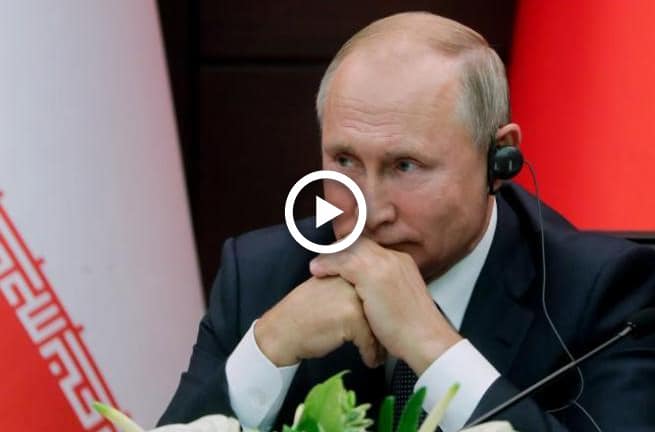
  • VIDEO: Putin quotes Quran to urge Muslim countries for peace

    VIDEO: Putin quotes Quran to urge Muslim countries for peace

    Russian President Vladimir Putin has called for an end to the conflict in Yemen by quoting from the Holy Quran to urge Muslim countries for peace.

    According to RT, the Russian president was speaking in Turkish capital Ankara alongside President Recep Tayyip Erdogan and Iranian President Hassan Rouhani when he quoted a verse from Surah al-Imran.

    “And remember the favour of Allah upon you — when you were enemies and He brought your hearts together and you became, by His favour, brothers,” he quoted.

    WATCH VIDEO:

    The Russian president’s references to the Holy Quran were noted with approval by both Erdogan and Rouhani, the report said.

    Tens of thousands of people have been killed in Yemen’s civil war and millions face the threat of starvation.

    The war in Yemen is an ongoing conflict that began in 2015 between two factions: the Abdrabbuh Mansur Hadi-led Yemeni government and the Houthi armed movement, along with their supporters and allies.

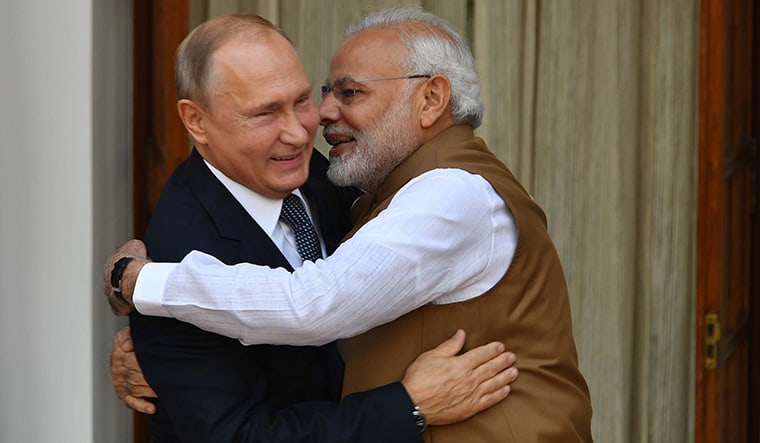
  • Kashmir crisis: Russia steps up to support India

    Kashmir crisis: Russia steps up to support India

    Russia has come out in support of India’s move to revoke Article 370 of its constitution and integrate occupied Kashmir, which can lead to the ethnic cleansing of Muslims and transform the region into majority-Hindu.

    According to media reports, Moscow has become the first among the permanent members of the United Nations Security Council (UNSC) to formally state that abrogation of the provision is “an internal matter for India”.

    “Moscow expects that Pakistan and India will not allow aggravation of the situation in the region due to the change by New Delhi in the status of the state of Jammu and Kashmir,” Russian Ministry of Foreign Affairs was quoted as saying.

    “We proceed from the fact that the changes associated with the change in the status of the state of Jammu and Kashmir are within the framework of the Constitution of the Republic of India,” it said.

    The ministry further said that Russia was a consistent supporter of peace between the two neighbouring countries.

    “We hope that the differences between them will be resolved by political and diplomatic means on a bilateral basis in accordance with the provisions of the Shimla Agreement of 1972 and the Lahore Declaration of 1999.”

    Tensions are soaring between Pakistan and India after New Delhi on Monday revoked Article 370, which gave special status to held Kashmir and moved a separate bill to split the state into two union territories of Jammu and Kashmir and Ladakh.

    Pakistan believes the move, other than snatching away occupied Kashmir’s autonomy, can pave way for a Muslim genocide as it allows people from all over India to settle in the disputed territory which could result in a massive demographic shift.