Tag: Russia

  • Russia moves to restrict WhatsApp, Meta claims

    Russia moves to restrict WhatsApp, Meta claims

    Russia is going to block Meta Platforms-owned WhatsApp, the company said on Wednesday, as authorities increase control over foreign technology services and promote a state-backed alternative.

    A WhatsApp spokesperson said the move appeared aimed at directing users toward a “state-owned surveillance app.” Russian authorities are promoting a rival messaging service called MAX, which critics claim could enable monitoring of users. State media has rejected these claims as false.

    “We continue to do everything we can to keep users connected,” WhatsApp said in a statement. The app has an estimated 100 million users in Russia and 3 billion monthly users globally.

    Kremlin spokesperson Dmitry Peskov said Meta could resume operations if it complies with Russian law and engages in dialogue with authorities. “Then we have the possibility of reaching an agreement,” he said, adding that without such cooperation, there is “no chance.”

    The Financial Times reported that Russian authorities have removed WhatsApp from an online directory maintained by the communications regulator, Roskomnadzor.

    The dispute over WhatsApp is part of a broader tension between Moscow and foreign technology firms. Authorities have previously restricted services on messaging apps including Signal and Telegram, citing non-cooperation in investigations related to fraud and terrorism. In December, Apple’s FaceTime video calling service was also blocked.

    Reports on Tuesday indicated that Russian users of Telegram experienced slow traffic and lagging downloads. Roskomnadzor issued a warning over violations that had not been addressed.

    Telegram founder Pavel Durov, who was born in Russia, responded to the pressure, stating the app “stands for freedom and privacy, no matter the pressure.”

  • PM Shehbaz, President Putin eye new high for Pak-Russia relations

    PM Shehbaz, President Putin eye new high for Pak-Russia relations

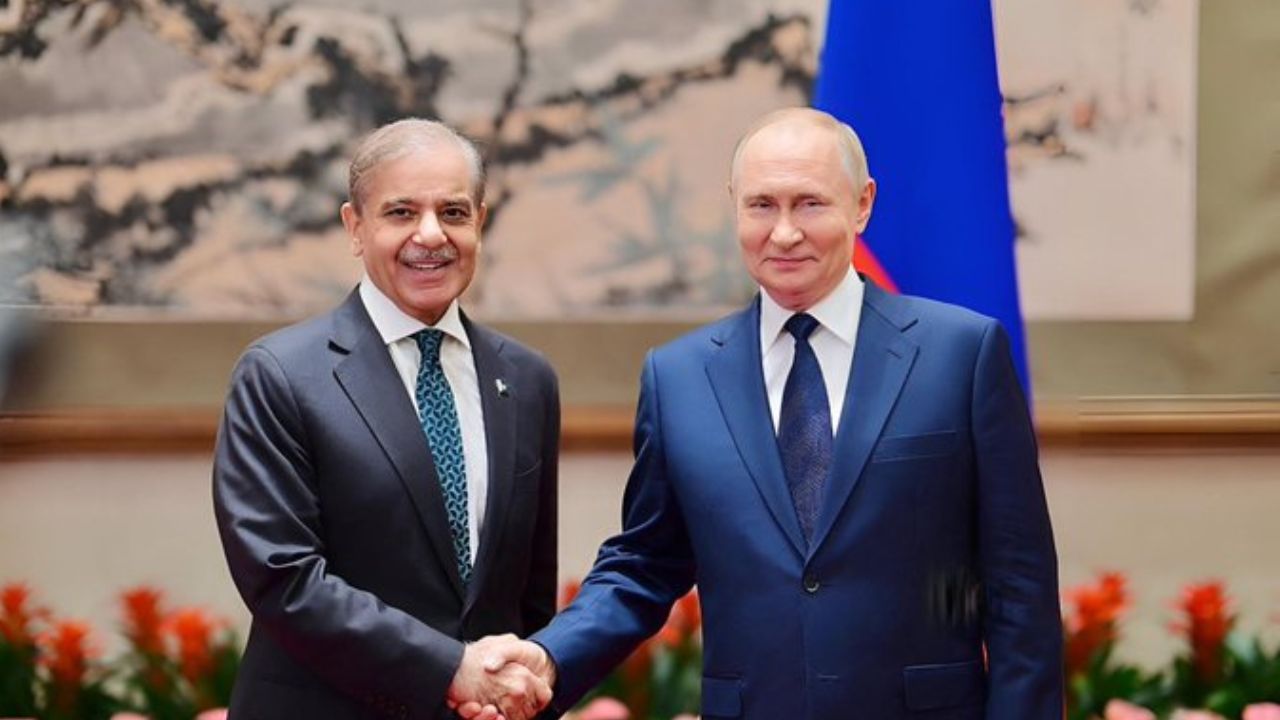
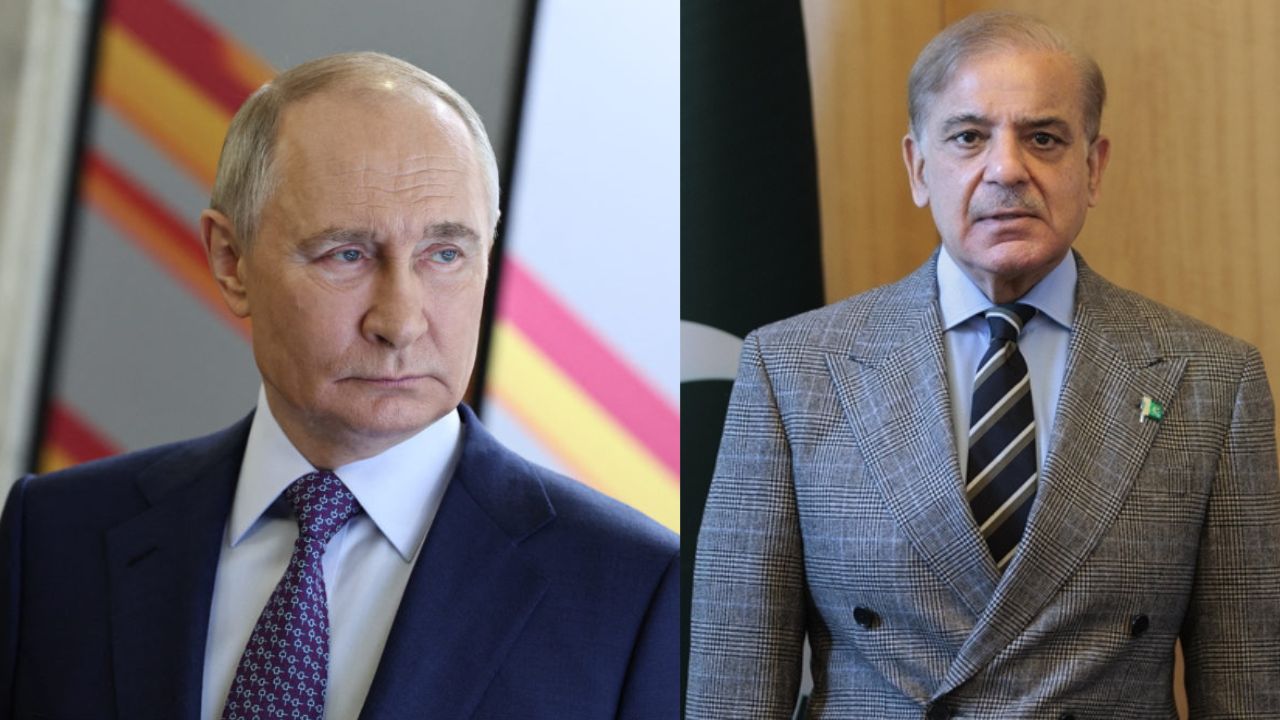
    Prime Minister (PM) Shehbaz Sharif has met Russian President Vladimir Putin in Beijing, emphasising that Islamabad seeks to build a strong relationship with Moscow.

    “We respect your relation with India… but we also want to build very strong relations, and these relations will be supplementary and complementary for the good and for the progress and prosperity of the region,” PM Shehbaz told the Russian president as the two leaders met on the sidelines of the Shanghai Cooperation Organisation (SCO) Council of Heads of States (CHS) summit Tuesday.

    The premier highlighted that relations between Islamabad and Moscow have improved in recent years due to President Putin’s personal commitment and interest. He expressed the resolve that Pakistan was also keen to strengthen the bilateral relations further, adding that they were moving in the right direction.

    Underlining the significance of the trade corridor connecting Belarus, Russia, Kazakhstan, Uzbekistan, Afghanistan and Pakistan, the premier said that the initiative would boost regional connectivity and prosperity.

    He also expressed gratitude to the Russian president for supporting Pakistan, which was viewed as “a balancing act in the region”.

    Responding to Putin’s invitation to attend the SCO Heads of Government Summit in November, the premier said he was looking forward to it.

    Meanwhile, President Putin maintained that Pakistan has “always been a traditional partner” and remains as such in Asia, and Moscow “cherishes these ties”.

    He said that both sides had agreed to further their mutual relations, and bilateral trade needed to be enhanced.

    President Putin also extended his condolences to the people and the government of Pakistan on the losses suffered from catastrophes and natural disasters, including recent flooding.

  • India slams ‘unjustified’ action by US, EU over its Russian oil purchases

    India slams ‘unjustified’ action by US, EU over its Russian oil purchases

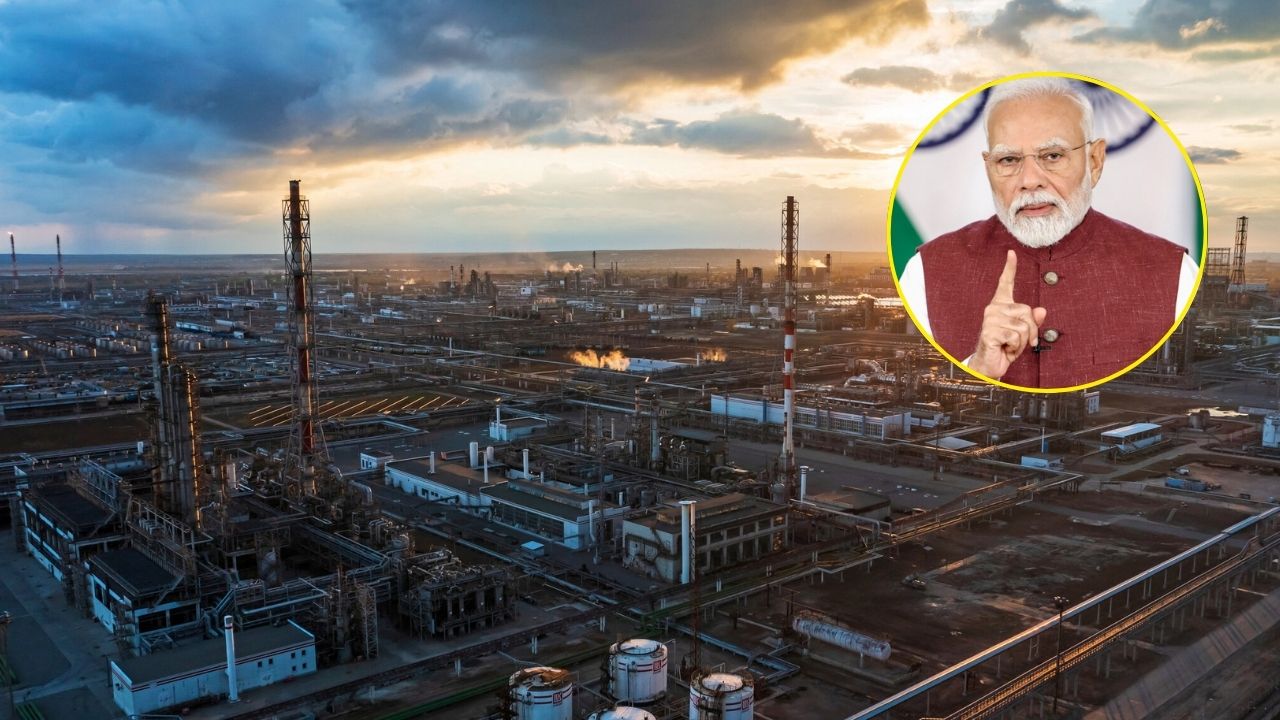
    India’s foreign ministry said Monday that the United States and European Union were “targeting” it due to its buying of Russian oil, adding that the moves were “unjustified” and that it would protect its interests.

    “The targeting of India is unjustified and unreasonable,” India Foreign Ministry spokesman Randhir Jaiswal said in a statement, after US President Donald Trump vowed to raise tariffs on the country over its oil purchases from Russia.

    “Like any major economy, India will take all necessary measures to safeguard its national interests and economic security.”

    It did not provide further details on the measures.

    India became a major buyer of Russian oil, providing a much-needed export market for Moscow after it was cut off from traditional buyers in Europe because of the Ukraine war.

    New Delhi saved itself billions of dollars while bolstering Moscow’s coffers.

    But India on Monday argued it “began importing from Russia because traditional supplies were diverted to Europe after the outbreak of the conflict”.

    It also noted that Washington at that time had “actively encouraged such imports by India for strengthening global energy markets stability.”

    It pointed to what it suggested were double standards of EU and US trade with Moscow.

    “It is revealing that the very nations criticising India are themselves indulging in trade with Russia,” Jaiswal added.

    “Unlike our case, such trade is not even a vital national compulsion.”

    Jaiswal singled out examples of where deals were being done with Moscow.

    “Europe-Russia trade includes not just energy, but also fertilisers, mining products, chemicals, iron and steel and machinery and transport equipment,” the statement added.

    “Where the United States is concerned, it continues to import from Russia uranium hexafluoride for its nuclear industry, palladium for its EV industry, fertilisers as well as chemicals.”

    India, the world’s most populous country, was one of the first major economies to engage the Trump administration in broader trade talks.

    The United States is India’s largest trading partner, with New Delhi shipping goods worth $87.4 billion in 2024.

    India’s protectionist trade policies, however, saw it run up a surplus of nearly $46 billion the same year.

    On Monday, Trump said in a post to his Truth Social platform that India was “buying massive amounts of Russian Oil” and selling it for “big profits.”

    “Because of this, I will be substantially raising the Tariff paid by India to the USA,” he wrote.

    But he did not provide details on what tariff level he had in mind.

    For now, an existing 10 percent US tariff on Indian products is expected to rise to 25 percent come Thursday.

    Last month, the EU and Britain sought to ramp up economic pressure on Russia to halt the war in Ukraine by slashing a price cap meant to choke off revenues from key oil exports.

  • Russia to sell nuclear weapons to Iran?

    Russia to sell nuclear weapons to Iran?

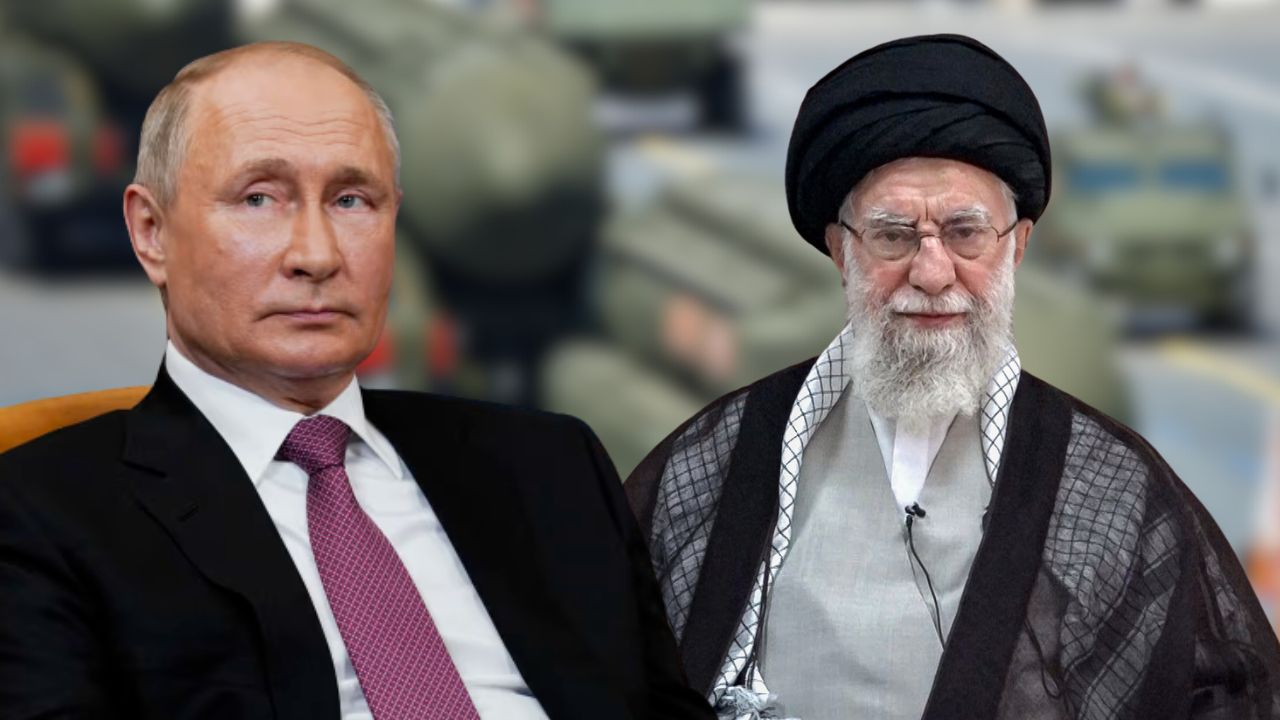
    Social media has been rife with claims that Russia is ready to sell its nuclear weapons to Iran, after the United States (US) bombing of key Iranian nuclear sites on Sunday.

    Taking to Truth Social on Sunday, US President Donald Trump wrote, “We have completed our very successful attack on the three Nuclear sites in Iran, including Fordow, Natanz, and Isfahan,” adding that the military planes were now on their way home.

    In retaliation, Tehran launched two volleys of 27 missiles, targeting Israel’s main Ben Gurion airport near Tel Aviv, research facilities in the city, and command centres, an Iranian state news agency reported on Sunday.

    After the US attack, which escalated tensions in the Middle East, claims spread on the internet that Moscow was set to sell Tehran its nuclear warheads, provided its strategic partnership with the latter.

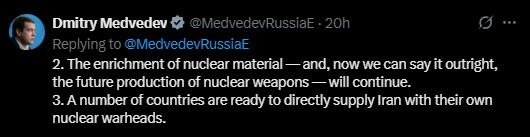
    The confusion stems from the former Russian Prime Minister (PM) and Deputy Chair of the Security Council of the Russian Federation, Dmitry Medvedev’s 10-part threads on X (formerly Twitter). In one of his tweets, Medvedev wrote, “A number of countries are ready to directly supply Iran with their own nuclear warheads.” 

    The tweet was taken out of context to assert that Russia will sell its nuclear warheads to Iran, despite Medvedev’s tweet explicitly indicating that Russia has not named any country nor mentioned its own name. 

    Hence, the claim of nukes being given to Iran is false and highly improbable.

    It should be mentioned here that Russia is a signatory to the Non-Proliferation Treaty (NPT) and one of recognized nuclear-armed states. The treaty prohibits nuclear- states from transferring nuclear weapons or other nuclear explosive devices, or control over such weapons or explosive devices, to any non-nuclear-weapon state. 

    Transferring nukes would be a catastrophic violation of international law and would have immense, immediate consequences for Russia, including severe global isolation and sanctions far beyond anything they currently face.

    While Russia is a strong critic of US foreign policy, officially, Russia maintains its commitment to the NPT.

    Russian President Vladimir Putin had repeatedly stated in the past that Iran has a right to a civilian nuclear energy program; however, he has also emphasized Russia’s opposition to the proliferation of weapons of mass destruction. 

    Transferring nuclear warheads is an incredibly complex and risky undertaking, requiring immense security, transport, and integration into a delivery system. It would be virtually impossible to keep it secret.

  • Ukraine drones strike deep in Russian territory on eve of new talks

    Ukraine drones strike deep in Russian territory on eve of new talks

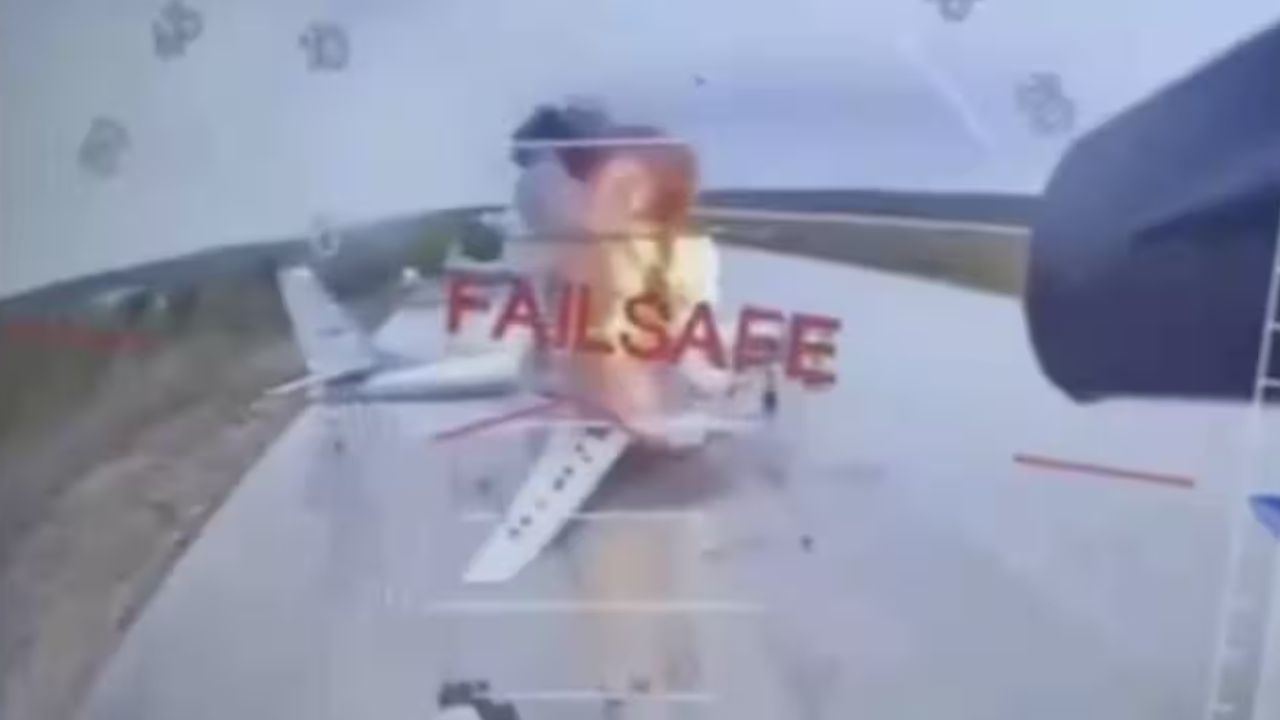
    Ukraine said Sunday that its drones destroyed Russian bombers worth billions of dollars as far away as Siberia in its longest-range assault of the war, as it geared up for talks on prospects for a ceasefire.

    In a spectacular claim, Ukraine said it damaged $7 billion worth of Russian aircraft parked at four airbases thousands of kilometres across the border, with unverified video footage showing aircraft engulfed in flames and black smoke.

    A source in the Ukrainian security services (SBU) said the strikes hit 41 planes that were used to “bomb Ukrainian villages”.

    The drones were concealed in the ceilings of transportation containers that were opened remotely for the assault, the source added.

    Ceasefire talks

    The long-planned operation came at a delicate moment three years into Russia’s invasion.

    Ukraine’s President Volodymyr Zelensky said Sunday that he was sending a delegation to Istanbul led by his Defence Minister Rustem Umerov for talks on Monday with Russian officials.

    Turkey is hosting the meeting, which was spurred by US President Donald Trump’s push for a quick deal to end the three-year war.

    Zelensky, who previously voiced scepticism about whether Russia was serious in proposing Monday’s meeting, said priorities included “a complete and unconditional ceasefire” and the return of prisoners and abducted children.

    Russia, which has rejected previous ceasefire requests, said it had formulated its own peace terms but refused to divulge them in advance.

    Russian Foreign Minister Sergei Lavrov and his US counterpart Marco Rubio spoke by telephone Sunday about “several initiatives aimed at a political solution to the Ukraine crisis”, including Monday’s talks, the Russian foreign ministry said in a statement carried by the TASS news agency.

    ‘Spider’s Web’

    Zelensky on Sunday hailed “brilliant” results of the coordinated attack, code-named “Spider’s Web”, which he said had used 117 drones and was the country’s “most long-range operation” in more than three years of war.

    Russia’s defence ministry confirmed on Telegram that several of its military aircraft “caught fire”, adding that there were no casualties.

    Rybar, an account on the Telegram message platform that is close to the Russian military, called it a “very heavy blow” for Moscow and pointed to what it called “serious errors” by Russian intelligence.

    The SBU source said the strikes targeted Russian airbases in the eastern Siberian city of Belaya, in Olenya, in the Arctic near Finland, and in Ivanovo and Dyagilevo, both east of Moscow.

    The operation was prepared for over a year and a half, the SBU source said, and aimed to destroy “enemy bombers far from the front”.

    Zelensky said one of the targeted locations was right next to one of the offices of the FSB Russian security services.

    ‘First such strike on Siberia’

    Russia said it had arrested several suspects, including the driver of a truck from which a drone had taken off, state agencies said.

    But Zelensky said people involved in preparing the attacks were “extracted from Russian territory in time”.

    Igor Kobzev, governor of Russia’s Irkutsk region, which hosts the Belaya airbase, said it was “the first attack of this sort in Siberia”.

    He called on the population not to panic and posted an amateur video apparently showing a drone in the sky and a large cloud of grey smoke.

    Russia drone strikes

    Russia has been announcing Ukrainian drone attacks on a near-daily basis, usually saying they had all been shot down.

    At the same time, Russia has been carrying out constant attacks on Ukraine.

    On Sunday, Ukraine’s air force said it was hit by 472 Russian drones and seven missiles overnight, a record number since the beginning of the invasion in February 2022.

    In a rare admission of its military losses, the Ukrainian army said Russia’s “missile strike on the location of one of the training units” had killed a dozen soldiers, most of whom had been in shelters during the attack, and wounded more than 60.

    The attack led Ukrainian ground forces commander Mykhailo Drapaty to announce his resignation, saying he felt “responsibility” for the soldiers’ deaths.

    Separately on Sunday, the Russian army said it had captured another village in Ukraine’s northern Sumy region, where Kyiv fears Moscow could mount a renewed ground assault.

  • Russia says willing to help resolve Pakistan-India differences over Kashmir

    Russia says willing to help resolve Pakistan-India differences over Kashmir

    Amid the simmering stand-off between nuclear-armed neighbours Pakistan and India in the wake of the April 22 Pahalgam attack in Indian Illegally Occupied Jammu and Kashmir (IIOJK), Russian Foreign Minister Sergei Lavrov spoke to his Pakistani counterpart on Sunday and offered Moscow’s help in resolving tensions, the foreign ministry has said.

    “Particular attention was paid to the significant rise in tension between New Delhi and Islamabad,” the foreign ministry said in a statement while referring to Lavrov’s conversation with Deputy Prime Minister and Foreign Minister Ishaq Dar.

    The Russian foreign minister’s telephonic conversation followed two days of talks with the Indian External Affairs Minister, Subrahmanyam Jaishankar. He called for a settlement of differences between the two neighbouring countries.

    During the conversation, Dar stressed that Pakistan would safeguard its sovereignty and national interest and conveyed Pakistan’s offer for a transparent and independent probe.

    Emphasising deep concern over the situation, Lavrov also stressed for diplomacy to resolve the issue, adding that both states should exercise restraint and avoid escalation.

    It merits a mention that Russia exports fighter jets, tanks, and nuclear submarines to India, as India is the world’s largest arms importer and New Delhi and Moscow have had close ties since Soviet times.

    Pakistan and India have locked horns after last month’s attack when militants opened fire on tourists in IIOJK in Pahalgam, a tourist spot, resulting in the death of 26 individuals, including a Nepalese citizen.

    New Delhi linked Islamabad to the attack without offering any evidence. Pakistan has strongly denied the accusations and offered a transparent and credible investigation into the matter.

    Meanwhile, Director General Inter-Services Public Relations (ISPR) Lieutenant General Ahmed Sharif Chaudhry and Information Minister Ataullah Tarar on Sunday briefed senior political leaders from various parties on national security.

    A media outlet quoted sources as claiming that during the in-camera briefing at state TV headquarters in Islamabad, DG ISPR warned, “If aggression is imposed on Pakistan, the armed forces are fully prepared to deliver a befitting response.”

    During the briefing, the media outlet quoted sources as further reporting that the session focused on Pakistan’s security position in light of the evolving situation, particularly following India’s baseless accusations after the Pahalgam incident.

    A large number of political representatives including Pakistan Muslim League Nawaz (PML-N) leaders Khurram Dastgir, Abid Sher Ali, Mohsin Shahnawaz Ranjha, Adviser to PM on Interior Pervez Khattak, Muttahida Qaumi Movement (MQM) leader Dr Farooq Sattar, Jamiat Ulema-e-Islam Fazl (JUI-F) Noor Alam Khan, Senator Abdul Shakoor, Balochistan Awami Party (BAP) Senator Abdul Qadir, Sindh ministers Nasir Hussain Shah, Sharjeel Memon, and Saeed Ghani attended the crucial security briefing.

  • Trump optimistic about potential Ukraine ceasefire

    Trump optimistic about potential Ukraine ceasefire

    President Donald Trump expressed optimism that US negotiators could secure a ceasefire in the Ukraine war, even as Kyiv and Moscow launched fresh aerial attacks early Thursday.

    The United States wants Russia to agree to an unconditional halt to hostilities, officials said Wednesday.

    The Kremlin said it was awaiting details of a US-Ukrainian proposal agreed this week, and gave no indication of its readiness to stop fighting that has left tens of thousands dead in the past three years.


    President Vladimir Putin visited Russian troops who have made gains against Ukrainian forces battling to keep Russian territory seized in an offensive last year.

    Ukraine’s President Volodymyr Zelensky said his country was ready to embrace a deal, and the United States had indicated it would issue a “strong” response if Putin refuses an accord.

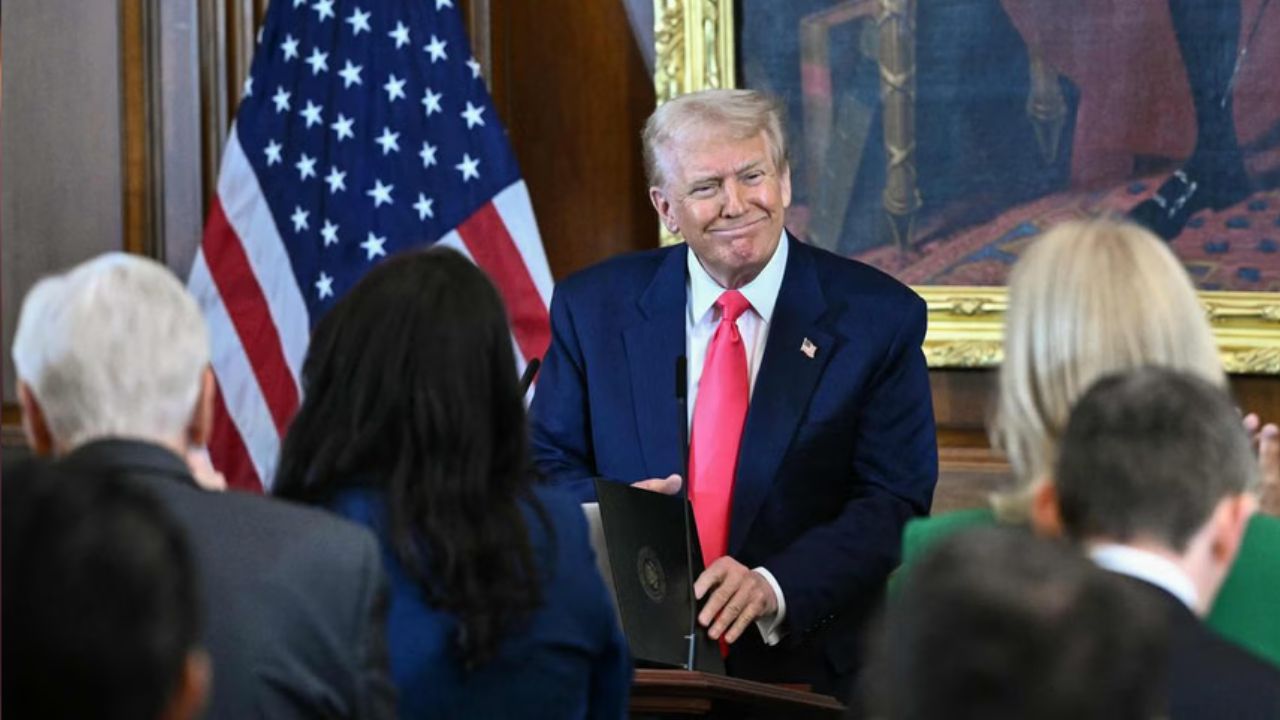
    “People are going to Russia right now as we speak. And hopefully we can get a ceasefire from Russia,” Trump told reporters during an Oval Office meeting with Ireland’s prime minister Micheal Martin.

    The White House said that Trump’s envoy Steve Witkoff, a mediator in the Gaza and Ukraine wars, would be in Moscow this week.


    Trump on Wednesday did not mention whether he would speak with Putin, but added that there had been “positive messages” from Moscow, saying: “I hope he’s going to have a ceasefire.”

    ‘Horrible bloodbath’

    Trump said that if the fighting could be halted, “I think that would be 80 percent of the way to getting this horrible bloodbath finished.”


    US Secretary of State Marco Rubio said Washington wanted Moscow’s agreement with no strings attached. “That’s what we want to know — if they’re prepared to do it unconditionally,” Rubio said on a plane heading to a G7 meeting in Canada.


    “If the response is, ‘yes’, then we know we’ve made real progress, and there’s a real chance of peace. If their response is ‘no’, it would be highly unfortunate, and it’ll make their intentions clear,” he added.

    Russian news agencies reported earlier that the heads of the CIA and Russia’s SVR foreign intelligence agency had held their first phone call in several years.

    Rubio was to give an update on the initiative at the G7 meeting in Charlevoix, Canada.

    The defense ministers of France, Britain, Germany, Italy and Poland met in Paris to discuss how they could support Ukraine, and any ceasefire.

    While the Kremlin made no immediate comment on the US-Ukraine proposal — agreed at a meeting in Saudi Arabia on Tuesday — the Russian foreign ministry said earlier this month that a temporary ceasefire would be unacceptable.

    Trump said “devastating” sanctions were possible if Russia refused a deal.

    “I can do things financially that would be very bad for Russia. I don’t want to do that because I want to get peace,” Trump said.

    ‘None of us trust the Russians’ 

    The latest dramatic diplomatic swing came less than two weeks after Trump kicked Zelensky out of the White House complaining about the Ukrainian leader’s lack of gratitude for US assistance.

    Trump halted military aid and intelligence sharing with Kyiv, but that resumed after the truce proposal was agreed on Tuesday.

    Trump had previously said he was ready to welcome Zelensky back to the White House and speculated he could speak with Putin this week.

    In Kyiv, Zelensky said the United States would pile pressure on Moscow if it did not accept a ceasefire.

    “I understand that we can count on strong steps. I don’t know the details yet but we are talking about sanctions and strengthening Ukraine,” Zelensky told reporters.

    “Everything depends on whether Russia wants a ceasefire and silence, or it wants to continue killing people,” the Ukrainian leader added.

    He said Ukrainians had no confidence that fighting would stop. “I have emphasized this many times, none of us trust the Russians.”

    Ukraine is increasingly suffering on the battlefield, losing ground in the east and south of the country, where officials said eight people were killed on Wednesday.

    Russia has also reclaimed territory in its western Kursk region, pushing back Ukrainian troops who staged a shock offensive last August.

    Putin was shown on Russian television visiting troops in Kursk on Wednesday.

    “I am counting on the fact that all the combat tasks facing our units will be fulfilled, and the territory of the Kursk region will soon be completely liberated from the enemy,” Putin said.


    Russian chief of staff General Valery Gerasimov said that 430 Ukrainian troops had been captured and Putin called them “terrorists.”

    Ukraine military commander-in-chief General Oleksandr Syrsky indicated that some forces in Kursk were pulling back to “more favorable positions.”

    Russia downed 77 Ukrainian drones overnight, its defence ministry said Thursday, two days after Kyiv carried out its largest direct strike on Moscow during the three-year war.

    Multiple Ukrainian cities were also under attack Thursday morning, with a 42-year-old woman killed in Kherson, according to regional military administration head Roman Mrochko.

    Authorities in Kyiv and Dnipropetrovsk also reported coming under attack.

  • Russia supports Pakistan’s bid to join BRICS

    Russia supports Pakistan’s bid to join BRICS

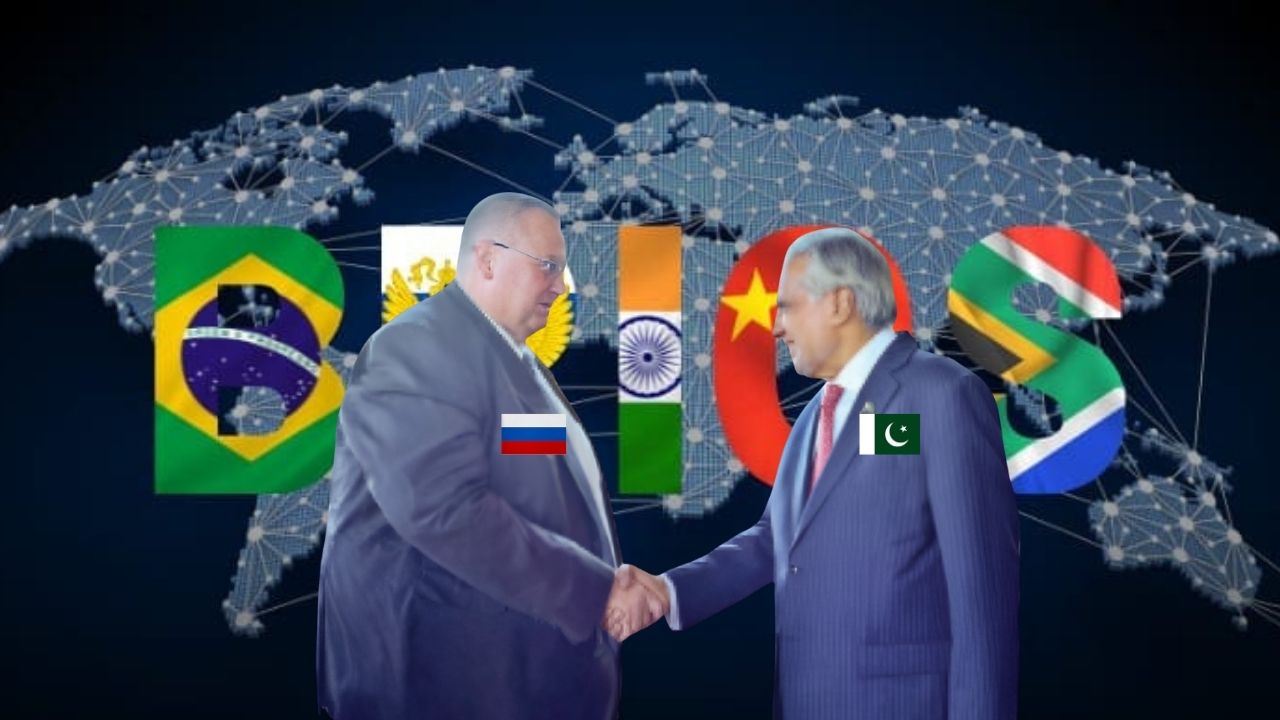
    Russian Deputy Prime Minister Alexei Overchuk on Wednesday said that his country will back Pakistan’s endeavour to join BRICS, a bloc of the world’s five major emerging economies.

    Speaking at a press conference along with Deputy Prime Minister Ishaq Dar, Overchuk said, “We would be supportive of Pakistan’s request to be part of BRICS.”

    Responding to Overchuk’s statement, Foreign Minister Ishaq Dar remarked, “Pakistan is extremely grateful for Russian support in our bid for BRICS membership.”

    Commenting on Russia’s visit to the Shanghai Cooperation Organisation (SCO) scheduled in Islamabad next month, Overchuk confirmed that Russian President Vladimir Putin will attend it.

    He also wished Pakistan to join the North-South Transport Corridor (NSTC), a Russian initiative to connect its economy with Asian countries.

    BRICS is an acronym for five of the world’s emerging economies: Brazil, Russia, India, China, and South Africa. Last year, the bloc also invited Saudi Arabia, Ethiopia, Iran, Egypt, Argentina, and the United Arab Emirates.

  • Opposites don’t attract in Russia as politics makes its mark on dating

    Opposites don’t attract in Russia as politics makes its mark on dating

    Sitting at a cafe in Moscow, Yulia swiped through a carousel of men on her phone’s dating app, trying to guess if the people in the pictures shared her views.

    “I started to include the artists that I listen to in the bio. It’s kind of a hint at my thinking,” the 21-year-old freelance photographer said, choosing her language carefully.

    Since Russia launched its full-scale military operation in Ukraine in February 2022, thousands of people have been denounced, fined or thrown in jail for expressing opposition to the conflict.

    According to opinion polls, only a minority of young people living in Russia disapprove of the offensive.

    A June poll by the independent Levada centre suggested 30 percent of 18-24 year-olds disapprove, compared with 59 percent who approve.

    For young, liberal Russians who want to avoid hooking up with hardline pro-army patriots, dating has become a minefield.

    “After 2022, I stopped giving links to any publications that I read,” Yulia said of her online dating profile.

    Gone were any articles expressing tolerance towards LGBTQ people or opposition to the Ukraine conflict — opinions that can land you in jail.

    Instead, she listed her favourite musicians as Zemfira and Monetochka, singers who have criticised Russia’s offensive in Ukraine and have been declared “foreign agents” by Moscow.

    ‘Very classy’

    The dating scene can also be tricky to navigate for those who back the offensive.

    Several groups on social media organise “patriotic meetings” for supporters of the Kremlin and military to search for potential matches offline.

    Arseny Blavatsky, a 24-year-old PR manager and self-confessed admirer of President Vladimir Putin, said he was looking for “an ideologically close partner”.

    “Since February 2022, nobody can be apolitical,” he told AFP at a speed-dating event held in a Moscow restaurant, his fourth so far.

    For Arseny, avoiding ideological conflict in a relationship is a must.

    He recalled his frustration after meeting one girl whom he called “very classy” but politically incompatible.

    “I was getting on very well with this one girl, everything was cool. On the same wavelength, the same language,” he said.

    But after Russian opposition leader Alexei Navalny died in prison in February, she became extremely upset — to his dismay.

    “She was in absolute hysterics. I told her that changed nothing between us. And she says, ‘Well, that’s it, we can’t go on’. I mean, that’s a bit rubbish, isn’t it?” he told AFP.

    After meeting a dozen girls at the speed-dating event, Arseny chose two to follow up with.

    Arseny said he doesn’t know if it’s going to work out this time.

    ‘Unexpected joy’

    To avoid encountering such differences, other young people have found partners within political movements.

    Katya Anikievich and Matvei Klestov, both 21, met in January while campaigning for Boris Nadezhdin, an opposition politician who wanted to challenge Putin in March’s presidential election.

    “Thousands of people, often my age, spoke freely. It was an unexpected joy,” Matvei said of the campaign.

    In the end, the authorities blocked Nadezhdin from running.

    But life changed for Katya and Matvei.

    Hand in hand, they have gone on to support jailed anti-offensive activists in court and taken part in gatherings to write letters to prisoners.

    “Katya shares my opinions, it makes me want to go on living,” Matvei said.

    ‘I’ll follow him’

    Maria Smoktiy and Mikhail Galyashkin also found love through politics.

    They met at a demonstration organised by the “Other Russia” party, an offshoot of the far-left National Bolshevik movement founded by the late activist and writer Eduard Limonov.

    The party backs Russia’s military operation in Ukraine. But its politics is generally more hardline than that of the government, which has sometimes brought it into conflict with the authorities.

    Maria, 18, said she gave up her Arabic studies to deliver aid to parts of eastern Ukraine controlled by Russia with the 24-year-old Mikhail, whom she called “an accomplished adventurer”.

    “When some turbulent historical events happen, you immediately realise who’s on your side and who’s on the other side,” she said, speaking to AFP in the kitchen of their small Moscow flat.

    The couple have travelled a lot in Russia and organised unauthorised demonstrations that have often landed Mikhail in prison for a few days.

    “Setting up barricades, having a family, I want to do everything with him,” Maria said, stroking a bust of Lenin on the table with one hand.

    “I’ll follow him all the way to Siberia,” she added.

    “Maria is a diamond like no other in the world,” Mikhail replied, unabashedly proud.

    But for some in Moscow, the adage that opposites attract still applies.

    Lev, a 28-year-old salesman at a patriotic bookshop in Moscow, and Yevgenia, а 20-year-old English teacher, say they found love even though they are ideologically opposed.

    A “stubborn conservative” by his own admission, Lev said he was about to marry a “liberal open to the West”.

    “She contradicts me and I often take her side,” he confessed, surprised.

  • Gunmen attack Churches, Synagogues in Russia

    Gunmen attack Churches, Synagogues in Russia

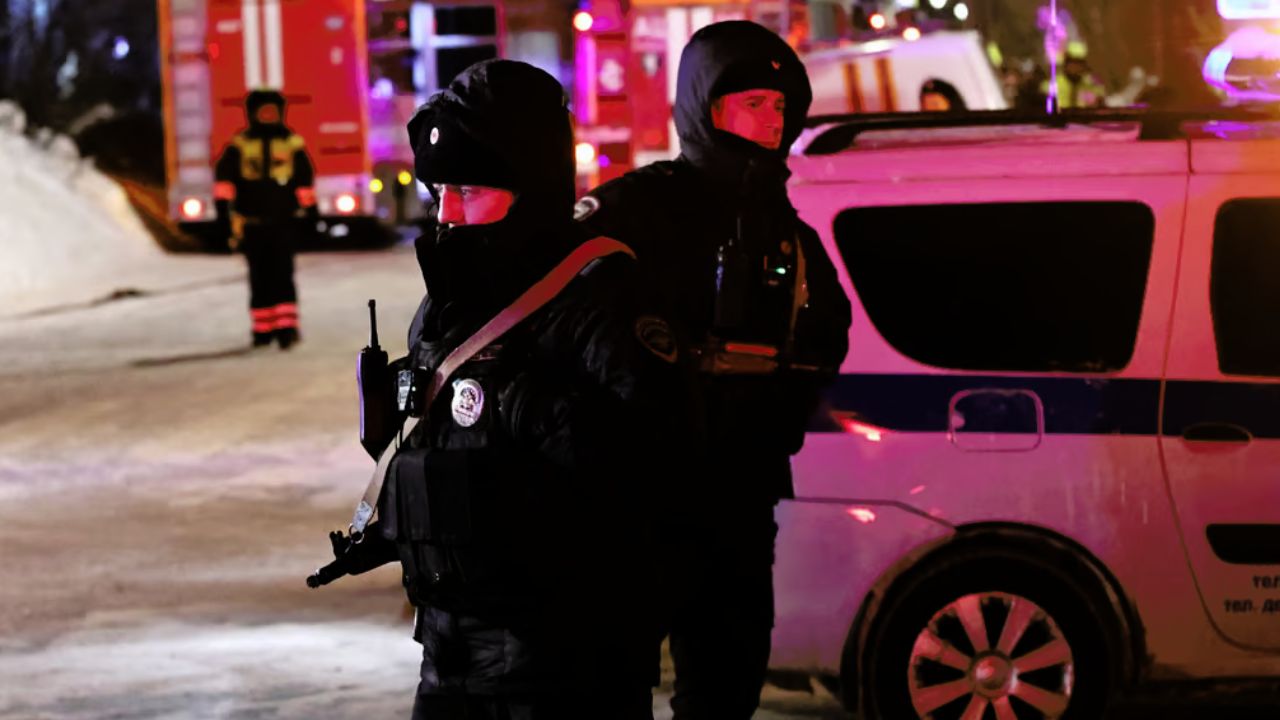
    Gunmen attacked churches and synagogues in Russia’s North Caucasus region of Dagestan on Sunday, killing at least eight police and national guard officers and a priest, officials said.

    The unidentified gunmen launched simultaneous attacks in Dagestan’s largest city of Makhachkala and in the coastal city of Derbent.

    Russia’s Investigative Committee said it had opened criminal probes over “acts of terror” in Dagestan, a largely Muslim region of Russia neighbouring Chechnya.

    The leader of Dagestan, Sergei Melikov, wrote on Telegram: “This evening in Derbent and Makhachkala unknown (attackers) made attempts to destabilise the situation in society.”

    “We know who is behind these terrorist attacks and what objective they are pursuing,” he added later, without specifying but referring to the war in Ukraine.

    “We must understand that war comes to our homes too. We felt it, but today we face it,” he said.

    Melikov said the “active phase” of operations in Derbent and Makhachkala had ended and that “six bandits have been liquidated”.

    The authorities will try to find “all the members of these sleeper cells who prepared (the attacks) and who were prepared, including abroad”, he added.

    Russian officials said police had killed four gunmen in Makhachkala and two in Derbent.

    Patriarch Kirill, head of the Russian Orthodox Church and a fervent supporter of the Kremlin, said the “enemy” was seeking to destroy “inter-religious peace” in Russia, without naming who was responsible.

    The attacks targeted “two Orthodox churches, a synagogue and a police checkpoint”, the National Anti-terrorism Committee said in a statement to RIA Novosti news agency.

    “As a result of the terrorist attacks, according to preliminary information, a priest from the Russian Orthodox Church and police officers were killed.”

    The Russian Orthodox Church said archpriest Nikolai Kotelnikov was “brutally killed” in Derbent.

    In all, six officers were killed and 12 wounded in the attacks, the spokeswoman for Dagestan’s interior ministry, Gayana Gariyeva, told RIA Novosti.

    The ministry later added that a local police chief had died from his wounds.

    Russia’s National Guard meanwhile said one of its officers had been killed in Derbent and several others wounded.

    The Dagestan interior ministry said a total of 16 people, including 13 police officers, were wounded in the attacks.

    In a separate incident, the ministry said gunmen had also shot at a police car in the village of Sergokal, 65 kilometres (40 miles) from Makhachkala, wounding one officer.

    Synagogues on fire

    Sunday is a religious holiday, Pentecost Sunday, in the Russian Orthodox Church.

    Dagestan’s interior ministry said 19 people took shelter inside a church in Makhachkala and were later led out to safety.

    Gunmen also attacked synagogues in both cities.

    “The synagogue in Derbent is on fire,” the chairman of the public council of Russia’s Federation of Jewish Communities, Boruch Gorin, wrote on Telegram.

    “The synagogue in Makhachkala has also been set on fire and burnt down,” he said.

    The rabbi of Makhachkala, Rami Davidov, later told RIA Novosti that no one was killed or injured there.

    The Russian Jewish Congress said on its website the Derbent synagogue was attacked about 40 minutes before evening prayers.

    Gunmen fired at police and security guards and threw in Molotov cocktails, it said, adding that the attack in Makhachkala was similar.

    State news agency TASS cited a law enforcement source as saying the “gunmen who carried out attacks in Makhachkala and Derbent are supporters of an international terrorist organisation”, without naming it.

    Russia’s FSB security service in April said it had arrested four people in Dagestan on suspicion of plotting the deadly attack on Moscow’s Crocus City Hall concert venue in March, which was claimed by the Islamic State group.

    Militants from Dagestan are known to have travelled to join IS in Syria, and in 2015, the group declared it had established a “franchise” in the North Caucasus.

    Dagestan lies east of Chechnya, where Russian authorities battled separatists in two brutal wars, first in 1994-1996 and then in 1999-2000.

    Since the defeat of Chechen insurgents, Russian authorities have been locked in a simmering conflict with Islamist militants from across the North Caucasus that has killed scores of civilians and police.