Tag: Saudi Arabia

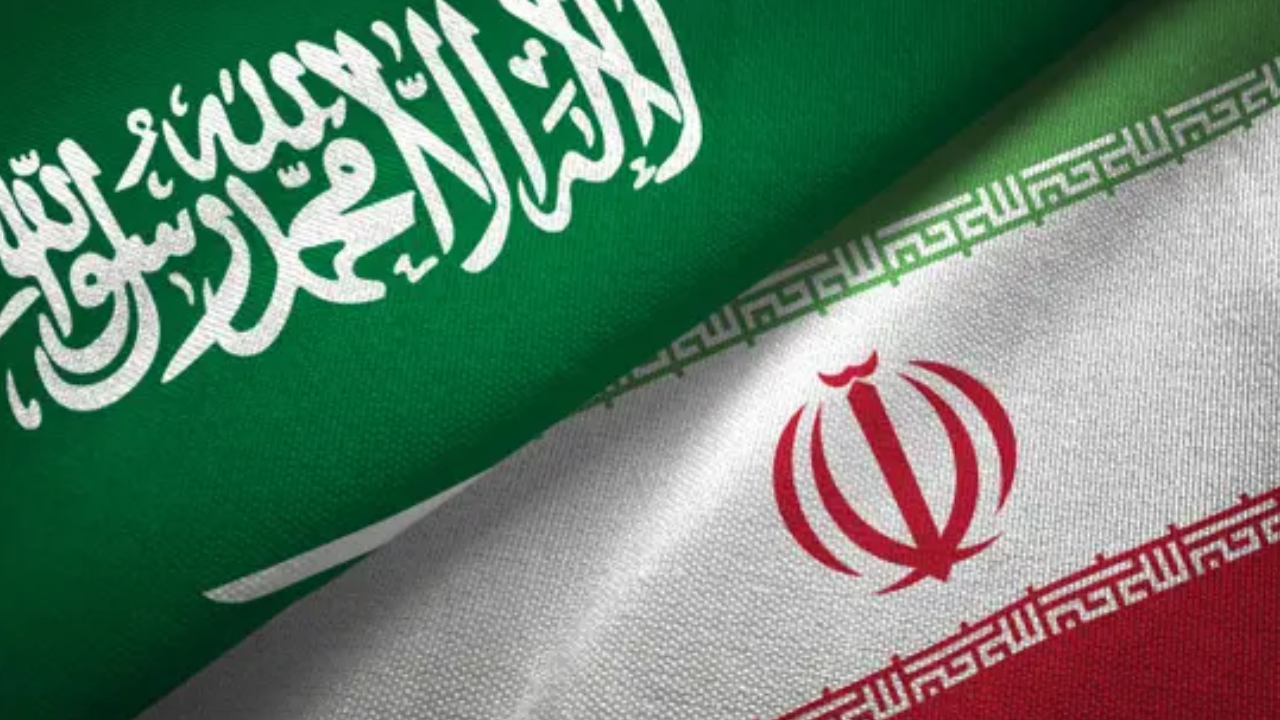
  • Multiple American soldiers injured as Iran strikes US base in Saudi Arabia

    Multiple American soldiers injured as Iran strikes US base in Saudi Arabia

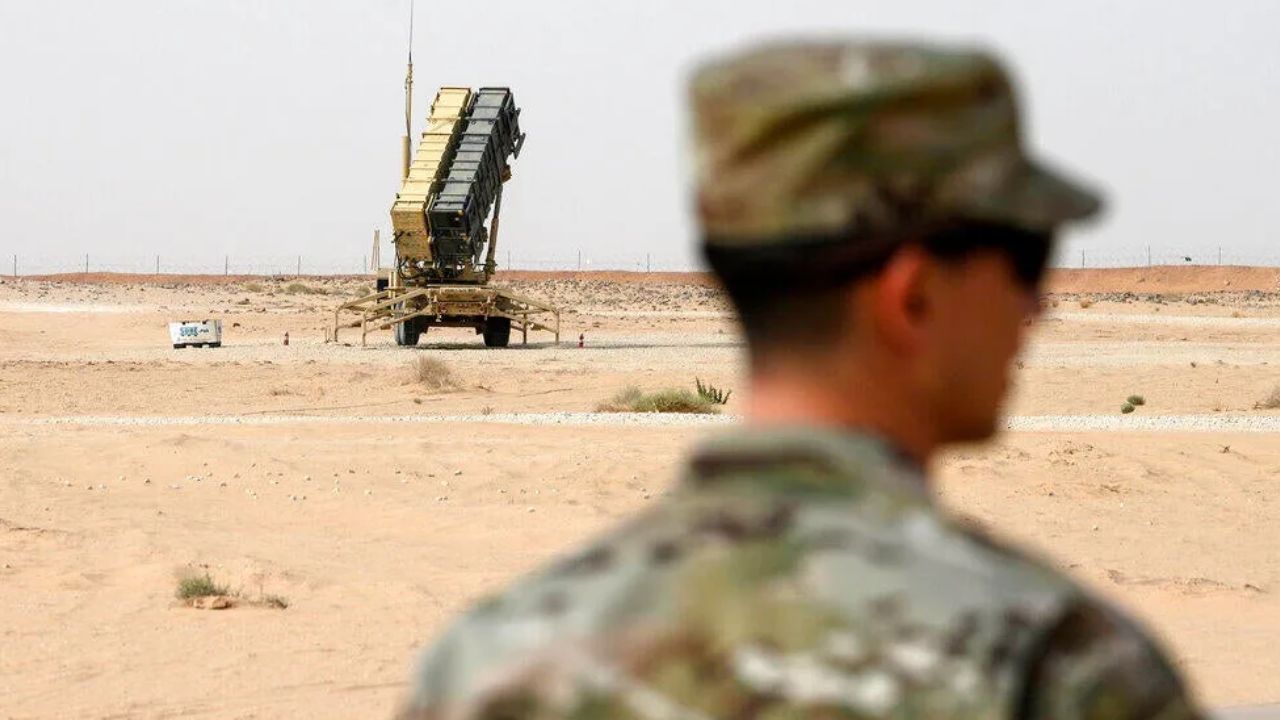
    At least 12 American troops were wounded after an Iranian missile strike targeted Prince Sultan Air Base in Saudi Arabia, an international news outlet has reported, citing officials.

    Two of the injured personnel sustained serious wounds, while several US refueling aircraft were also damaged in the attack.

    Officials stated that the strike involved both missiles and unmanned aerial vehicles.

    The development comes as hostilities between the United States (US) and Iran continue, with US Central Command reporting that more than 300 American troops have been injured over four weeks of fighting.

    US Secretary of State Marco Rubio said that the war could continue for “another two to four weeks,” and maintained that preventing Iran from imposing tolls on ships crossing the Strait of Hormuz would remain a challenge after the conflict.

    He described such a move as “illegal” and “dangerous to the world.”

    Separately, Israel carried out attacks inside Iran.

    Following the escalation, oil prices crossed $100 per barrel, while US stock markets declined after President Donald Trump paused strikes on Iran’s energy sector.

    In Yemen, the Houthis signalled the possibility of entering the conflict. The group said its “fingers are on the trigger for direct military intervention” if more countries join operations against Tehran or if the United States or Israel uses the Red Sea for military activity.

    Iran said that it had warned three ships against passing through the Strait of Hormuz, a day after Trump extended a deadline for Tehran to reopen the route.

    Iran retains control over the Strait, a route used for global oil and gas shipments, following illegal strikes by the United States and Israel.

  • PM Shehbaz assures Saudi Arabia of support in meeting with Mohammed bin Salman

    PM Shehbaz assures Saudi Arabia of support in meeting with Mohammed bin Salman

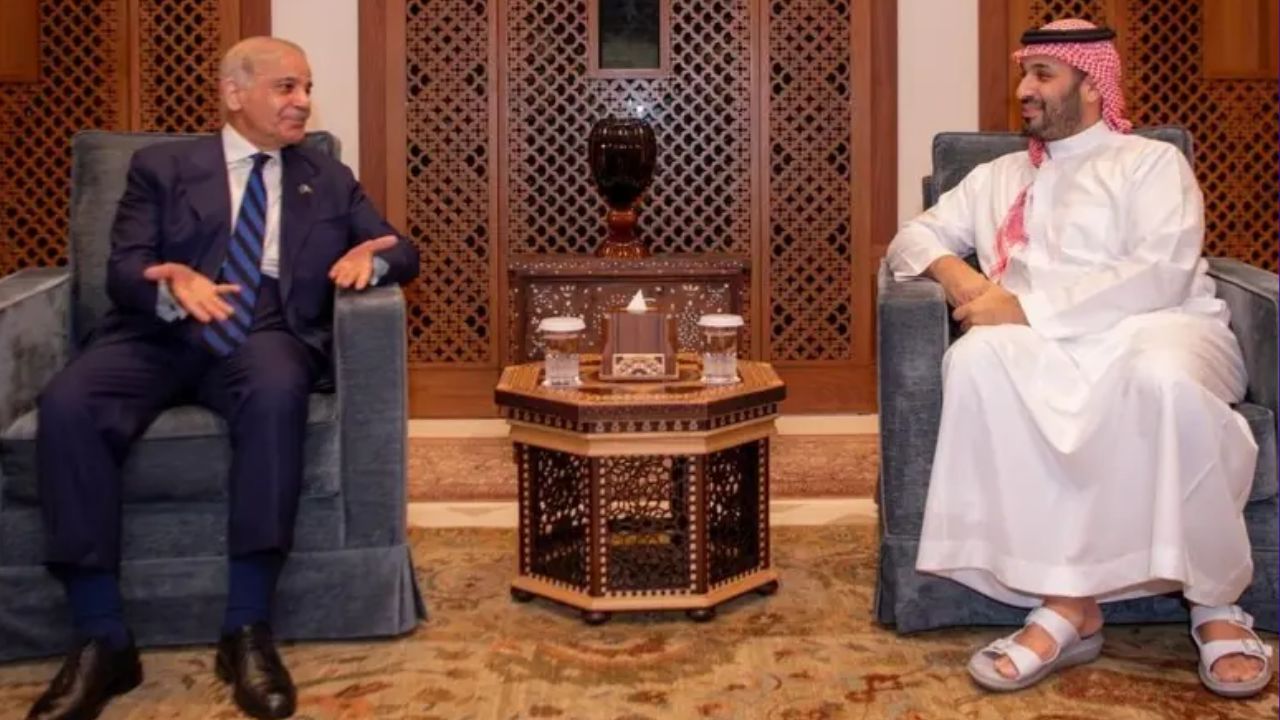
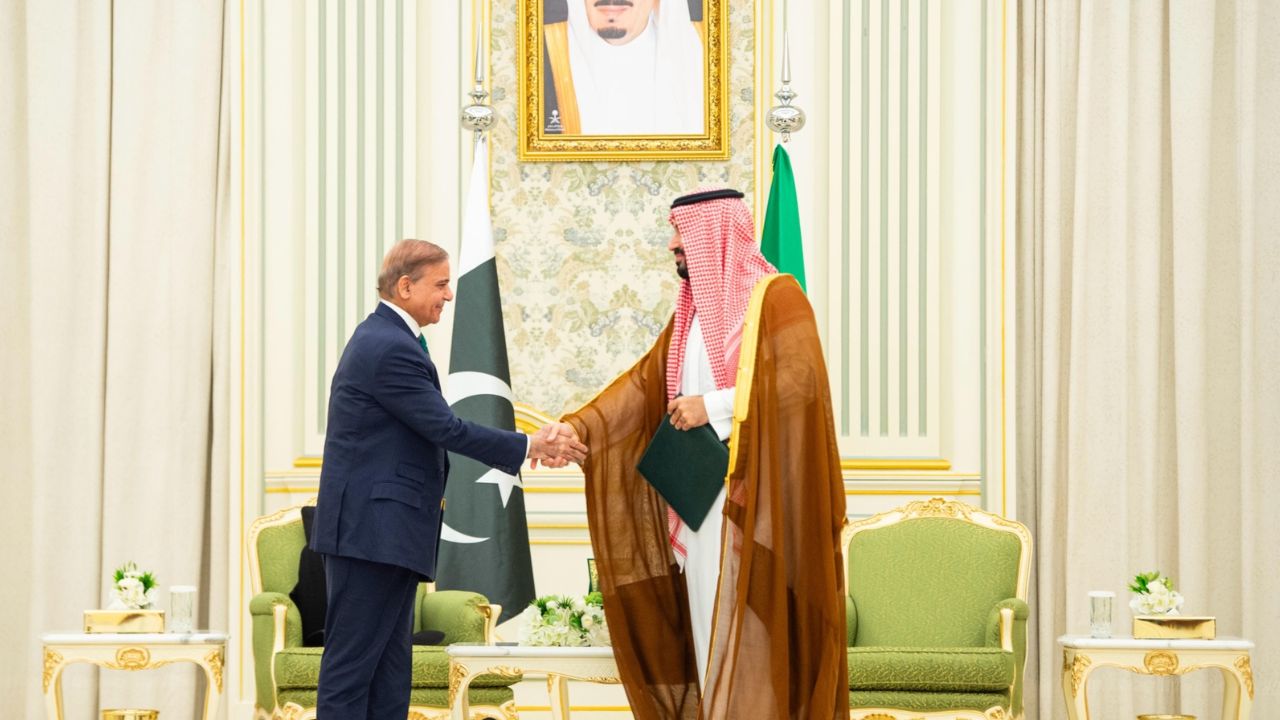
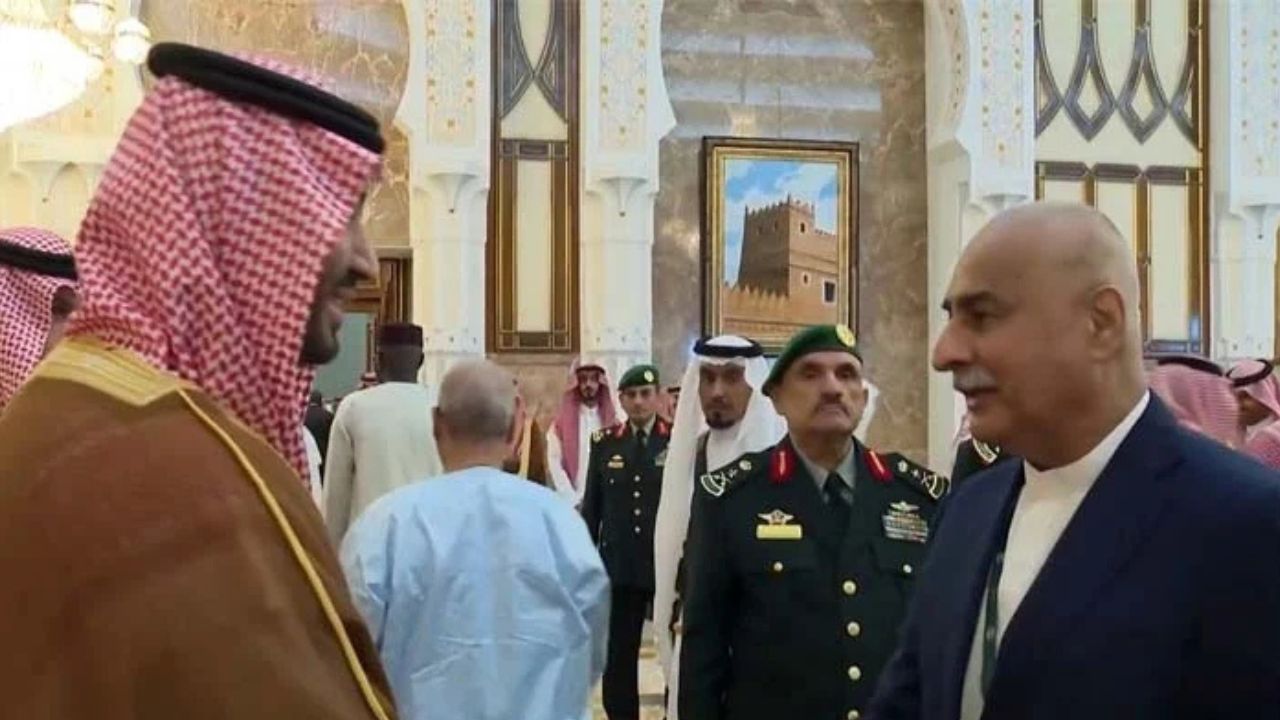
    Prime Minister (PM) Shehbaz Sharif met Saudi Crown Prince Mohammed bin Salman in Jeddah on Thursday evening, conveying Pakistan’s “full solidarity and support” to Saudi Arabia as tensions in the Middle East continue amid Iranian missile and drone strikes in the Gulf region. 

    According to a statement issued by the Prime Minister’s Office (PMO), the two leaders held a restricted meeting during the prime minister’s one-day visit to the kingdom. Deputy Prime Minister and Foreign Minister Ishaq Dar and Chief of Army Staff Syed Asim Munir were also present.

    The statement said that Shehbaz conveyed his regards and best wishes to Salman bin Abdulaziz Al Saud and acknowledged the Kingdom’s support for Pakistan.

    “At the outset of the meeting, Shehbaz conveyed his respectful regards and best wishes to Saudi King Salman bin Abdulaziz Al Saud and expressed appreciation for the kingdom’s longstanding support to Pakistan,” the PM Office said.

    The prime minister also expressed Pakistan’s “full solidarity and support” for Saudi Arabia during what the statement described as challenging times.

    Both leaders exchanged views on developments in the region and agreed to work together for regional peace and stability.

    “The prime minister assured His Royal Highness that Pakistan would always stand firmly with the Kingdom of Saudi Arabia and strive for their mutual desire for peace in the region,” the statement added.

    Officials said the visit was part of Pakistan’s diplomatic engagement as tensions between Iran and Gulf states continued to rise.
    The trip took place on the same day Saudi authorities reported intercepting missiles and drones launched from Iran.

    The visit followed a phone call a day earlier between Shehbaz Sharif and Iranian President Masoud Pezeshkian during which the two leaders discussed the regional situation.

    Reports quoted diplomatic sources as stating that Pakistan had increased contacts with regional capitals amid concerns that continued strikes on Gulf states could lead to a wider conflict.

    According to officials familiar with the discussions, Islamabad has urged Tehran to avoid targeting Gulf countries, particularly Saudi Arabia, warning that such actions could escalate tensions.

    Foreign Office (FO) spokesperson Tahir Andrabi stated that the prime minister’s visit was part of coordination between the two countries on issues related to regional peace and security.

    “The Prime Minister’s visit should be seen in the broader context of Pakistan’s efforts to advocate and facilitate an early cessation of hostilities and violence in the region, with the aim of paving the way for dialogue and diplomacy,” Andrabi said.

    He added that Pakistan had condemned attacks against Iran but also denounced Iranian strikes on Gulf countries.

    “As you know, Pakistan had condemned the unwarranted attacks against the Islamic Republic of Iran,” Andrabi said.

    “At the same time, Pakistan also strongly condemned the attacks by Iran against the brotherly countries of Saudi Arabia, Bahrain, Jordan, Kuwait, Qatar and the UAE, and stands in solidarity with all these countries,” he added.


    The spokesperson also expressed concern over attacks targeting other regional states including Türkiye and Azerbaijan.

    Officials said Pakistan had maintained communication with several regional capitals while Deputy Prime Minister Ishaq Dar held discussions with his Iranian counterpart and remained in contact with officials in Gulf states, Oman and the United Arab Emirates (UAE).

    Andrabi said Pakistan was encouraging restraint and maintaining communication between regional capitals.

    “Our principal position on issues regarding sovereignty, international law and the UN Charter, and on dialogue and diplomacy, is respected in regional capitals,” he said.


    “This allows us to maintain channels of communication between the relevant capitals.”

  • Israel thinks Saudi defence pacts with Pakistan, Türkiye mean ties will not be normalised: report

    Israel thinks Saudi defence pacts with Pakistan, Türkiye mean ties will not be normalised: report

    Israel believes Saudi Arabia’s recent defence partnerships including pacts with Pakistan and talks involving Turkey have reduced the likelihood of normalising ties between the two countries, an international trade publication has reported. 


    Israeli officials are increasingly concerned that Riyadh’s expanding security alliances and more assertive regional posture signal a strategic shift that sidelines normalization with Israel. According to the report, Israeli policymakers are weighing whether Saudi Arabia’s moves are temporary or part of a longer-term realignment that could permanently alter the region’s balance of power.


    While Israeli leaders have avoided public comment, a confidant of Prime Minister Benjamin Netanyahu and an Israeli diplomat acknowledged that the developments have triggered unease in Israel. Both requested anonymity due to the sensitivity of the issue.


    From Israel’s perspective, “MBS has withdrawn completely from the idea of normalization,” said Oded Ailam, a former Israeli intelligence officer and researcher at the Jerusalem Center for Security and Foreign Affairs, referring to Crown Prince Mohammed bin Salman. “The Saudis are in a delicate phase and putting their finger to the wind. It’s a huge setback for Israel.”


    Saudi Arabia signed a defence alliance with nuclear-armed Pakistan in September, while Turkey confirmed last month that it was in talks to join the same regional pact. The growing cooperation has reinforced Israeli concerns that Riyadh is broadening its strategic options independently of engagement with Israel.

    Tensions between Saudi Arabia and the United Arab Emirates have further added to Israeli anxiety. The rift became public in December when Saudi Arabia reportedly gave Emirati forces 24 hours to withdraw from Yemen. Saudi media has since intensified criticism of the UAE, which normalised relations with Israel in 2020.

    Saudi commentators acknowledge that the kingdom’s regional posture has evolved but reject Israel’s interpretation of the shift. They argue the moves are driven by Saudi Arabia’s foreign policy priorities and efforts to stabilise conflict-prone states rather than a rejection of normalization.

    “Riyadh is trying to stabilize those fragile states,” said Ali Shihabi, a Saudi author and commentator. “That’s the core of the tension.”


    Saudi Arabia has reiterated that it remains open to normalising relations with Israel, provided there is credible progress toward Palestinian statehood. In a statement, the government said, “Rejecting the two-state solution undermines this historic opportunity and perpetuates the conditions for continued violence and suffering.”


    A spokesperson for the UAE said the country’s policy is guided by respect for the sovereignty of all states and peaceful coexistence. Israeli officials did not respond to requests for comment.

  • US approves $9 Billion sale of patriot missiles to Saudi Arabia

    US approves $9 Billion sale of patriot missiles to Saudi Arabia

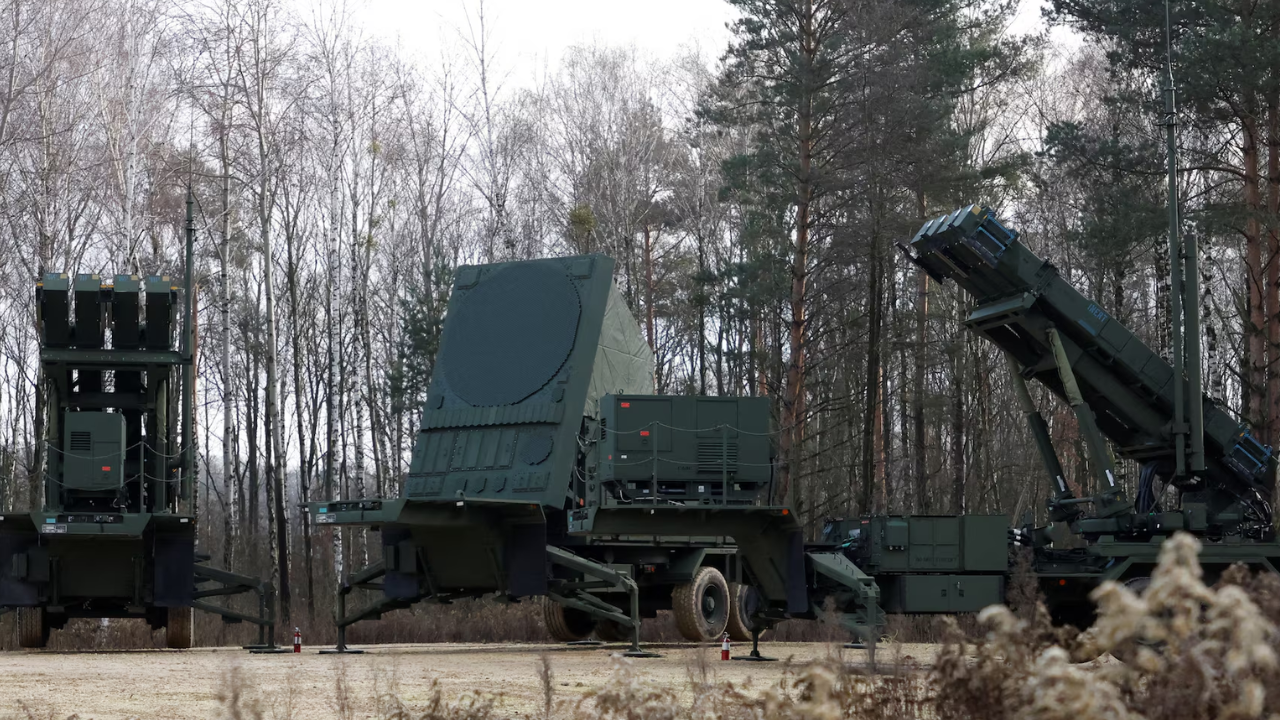
    The U.S. State Department has approved the potential sale of Patriot interceptor missiles and related equipment to Saudi Arabia at an estimated cost of $9 billion. The approval comes after a request by Saudi Arabia to purchase 730 Patriot advanced capability-3 missile segment enhancement missiles, known as PAC-3 MSE. 

    Lockheed Martin Corp will serve as the principal contractor for the sale, which will not result in any adverse impact on U.S. defense readiness.

    According to the State Department, the sale is intended to support the foreign policy and national security objectives of the United States by improving the security of a Major non-NATO Ally that is a force for political stability and economic progress in the Gulf Region.

    The enhanced missile capability is expected to protect land forces of Saudi Arabia, the United States, and local allies. It will also significantly improve Saudi Arabia’s contribution to the integrated air and missile defense system in the region, the department added.

    The announcement of the sale comes amid ongoing security concerns in the Middle East and follows a series of arms agreements by the United States with regional partners.

  • Saudi Arabia will not allow use of its airspace or land  for attack on Iran

    Saudi Arabia will not allow use of its airspace or land for attack on Iran

    Saudi Arabia has informed Iran that its land and airspace will not be used for any military action against Tehran, sources close to the Kingdom’s government said on Wednesday, as tensions continue to rise between Iran and the United States.

    According to two sources cited by an international news agency, the message was conveyed directly to Tehran amid warnings from US that it could respond to Iran’s handling of protests. Iranian officials have previously said they would target US military and shipping assets if any new attack was launched against the country.

    “Saudi Arabia has informed Tehran directly that it will not be part of any military action taken against it, and that its territory and airspace will not be used for that purpose,” a source close to the Saudi military has said.  

    A second source close to the government confirmed that the message had been communicated to Iranian authorities.

    The United States maintains military assets across the Gulf region, including in Saudi Arabia and Qatar. 

    Meanwhile, the US embassy in the kingdom urged its personnel to exercise “increased caution” due to the evolving regional situation.

    Earlier, Qatar said the removal of some personnel from Al Udeid Air Base was linked to what it described as “current regional tensions.” In a statement, Qatar’s International Media Office said the country “continues to implement all necessary measures to safeguard the security and safety of its citizens and residents as a top priority.”

    The statement added that steps were being taken to ensure the protection of critical infrastructure and military facilities.

  • Pakistanis bash Salman Khan for referring to Balochistan as separate country in viral video

    Pakistanis bash Salman Khan for referring to Balochistan as separate country in viral video

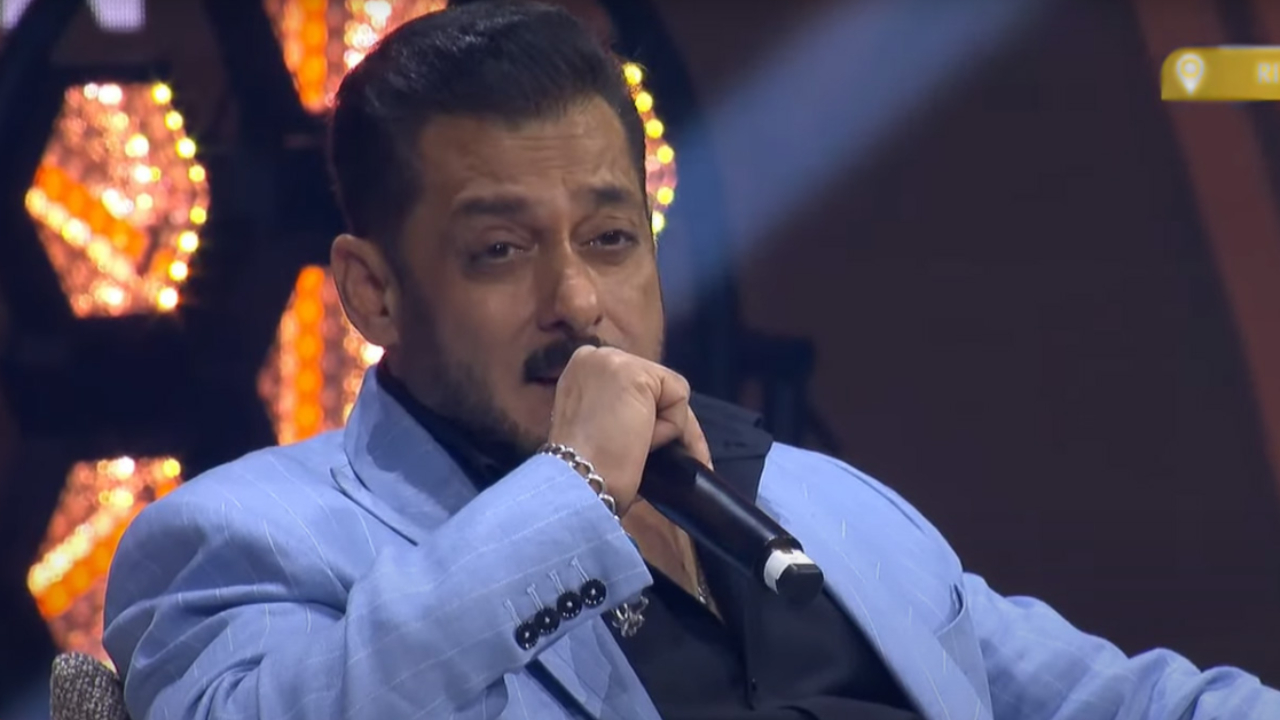
    Bollywood superstar Salman Khan is facing heavy criticism on social media after a viral video surfaced from his recent appearance at the Joy Forum in Riyadh, where he seemingly referred to Balochistan as a separate country. The remark has stirred controversy, with many accusing the actor of making a factually incorrect statement that serves the agenda of the far-right Indian government.

    During an address at the high-profile entertainment conference in the Saudi capital, the Bajrangi Bhaijaan actor was speaking about the global popularity of Indian cinema, particularly in the Middle East. In the now-viral video clip, Salman Khan said: “If you release a Bollywood film or any Tamil, Telugu or Malayalam film and release it here, it will be a super hit and earn hundreds of crores here because many people from our countries come here to work. There are people from Balochistan, people from Pakistan and Afghanistan working here.”

    The reference to “people from Balochistan” as distinct from those from Pakistan was immediately seized upon by Pakistani netizens, who viewed it as a statement implying that Balochistan, a province of Pakistan that is facing increased terrorism from Indian-backed terrorists, was a separate nation.

    The reaction on social media was swift and intense with many users expressing anger over what they perceived as an affront to Pakistan’s territorial integrity.

    One user wrote sarcastically: “Salman Khan – An actor turned separatist! If you are Salman Khan, you can separate anything from anywhere except the footpath from the main road. Blackbuck from the Bishnoi community. However, Bhai was successful in separating Vivek Oberoi from Bollywood. His only achievement as a separatist so far.”

    Another user commented: “Salman bhai apni khud ki geopolitics khel rahe hai.”

    (Salman Bhai is playing his own version of geopolitics.)

    Others were more dismissive, suggesting the actor simply misspoke or lacked awareness of the geopolitical implications of his words.

    “Acting is his profession. What do you expect from an actor?” another post read.

    The Joy Forum, hosted annually in Riyadh, is a major entertainment event that brings together global stars, producers, and influencers from the film, music, and gaming industries. Khan was among several international celebrities invited to attend this year’s edition, which aims to boost Saudi Arabia’s emerging entertainment sector under its Vision 2030 initiative.

    It remains unclear whether Salman Khan’s comment was a genuine mistake or a poorly worded attempt to attack Pakistan.

  • Saudi Arabia, US in talks over defence deal: reports

    Saudi Arabia, US in talks over defence deal: reports

    Weeks after it signed a mutual defence pact with Pakistan, Saudi Arabia is reportedly in discussions with the United States (US) over a defence deal that both sides hope to finalise when Crown Prince Mohammed bin Salman visits the White House next month.

    According to the Financial Times, a senior Trump administration official told the publication that there were “discussions about signing something when the crown prince comes, but the details are in flux”.

    The proposed agreement, reports said, is similar to the US-Qatar pact, which commits Washington to treat any armed attack on Qatar as a threat to the US. That deal follows Israel’s attempt last month to target Hamas leaders in Doha with an airstrike.

    The State Department was quoted as saying that defence cooperation with Saudi Arabia remained a “strong bedrock of regional strategy”.

    When contacted by Reuters, the State Department, the White House and the Saudi government did not comment on the report that also said the Kingdom has been seeking defence guarantees as part of Washington’s wider efforts to normalise relations between Riyadh and Israel.

  • NA speaker thanks Saudi Arabia for its support to Pakistan during ‘difficult times’

    NA speaker thanks Saudi Arabia for its support to Pakistan during ‘difficult times’

    National Assembly (NA) Speaker Ayaz Sadiq met Saudi Crown Prince Mohammed bin Salman and thanked Riyadh for its ongoing support to Pakistan during “difficult times”, a statement released by the NA Secretariat said.

    As per the details, the Saudi crown prince hosted a luncheon in honour of Muslim leaders visiting the Kingdom for Hajj, which was also attended by NA Speaker Ayaz Sadiq and Sindh Governor Kamran Tessori.

    Mohammad Bin Salman expressed his commitment to addressing the challenges being faced by the Muslim world.

    The speaker, during his interaction with the crown prince, said that Saudi Arabia had always stood by Pakistan during difficult times, adding that the country was grateful for the clear stance of the Kingdom’s leadership on matters concerning Pakistan.

    Sadiq expressed hope that bilateral ties between the brotherly nations would be further enhanced.

    In a post on X (formerly Twitter) on Sunday, the Sindh governor said, “I am deeply grateful to the Saudi leadership, especially the crown prince, for inviting me as a royal guest on the sacred journey of Hajj.”

    Commending the exemplary arrangements for the pilgrims and the services rendered for the Muslim Ummah, Tessori added that he also extended an invitation for the Saudi crown prince to visit Pakistan.

    The event took place two days after Prime Minister Shehbaz Sharif and Army chief Field Marshal Asim Munir visited Saudi Arabia.

    During the visit, the crown prince personally welcomed PM Shehbaz and even drove him to a royal luncheon held in his honour at the Royal Court.

  • With AI and more shade, Saudi set for a searing hajj

    With AI and more shade, Saudi set for a searing hajj

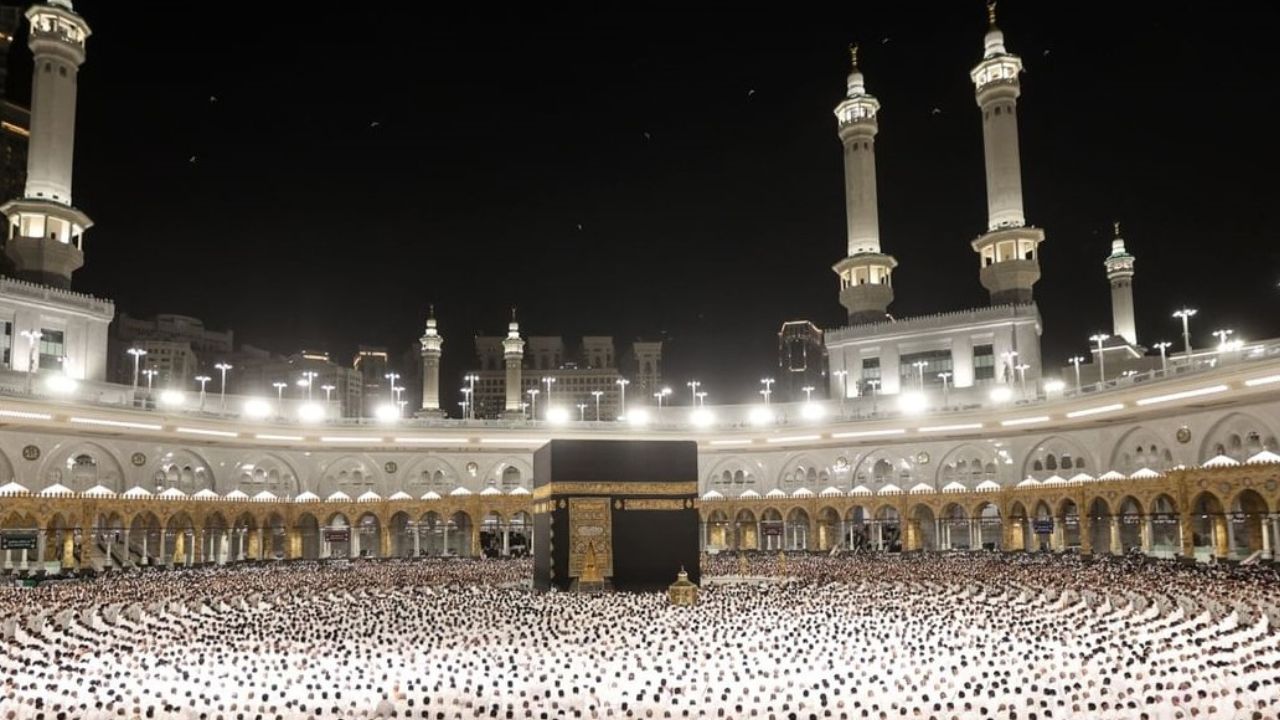
    With artificial intelligence, more shade and misting machines, Saudi authorities are preparing to welcome more than a million hajj pilgrims amid punishing summer heat that has a deadly history in the holy city of Mecca.

    Saudi Arabia’s hajj minister Tawfiq al-Rabiah told AFP on Thursday that efforts to mitigate the searing desert heat remained a top focus among authorities and organisers ahead of this year’s pilgrimage.

    “One of the big challenges that we always face is the increasing temperature across the different years and this is an issue that we give top priority,” he told AFP during an exclusive interview in Riyadh.

    The issue is all the more pressing as officials work to prevent a repeat of last year’s hajj, which saw more than 1,300 pilgrims die as temperatures reached 51.8 degrees Celsius (125.24 degrees Fahrenheit).

    This year, Rabiah said authorities have mobilised more than 40 government agencies and 250,000 officials and doubled their efforts to mitigate heat-related risks.

    Shaded areas have been expanded by 50,000 square metres (12 acres), thousands more medics will be on hand, and more than 400 cooling units will be deployed for the duration of the hajj, he added.

    Such efforts build on the work of previous years that have seen renovations to areas around the Grand Mosque and asphalt areas covered with a special layer to help reduce surface temperatures.

    “These new changes will definitely ensure the safety and the better experience of pilgrims when they perform their hajj,” said Rabiah.

    He said this week that more than a million people from across the globe had already arrived in Saudi Arabia for the hajj, with more still pouring in.

    In 2024, 1.8 million pilgrims gathered in Mecca during the pilgrimage.


    – Permit crackdown –

    The latest artificial intelligence software will help monitor the deluge of information and footage, including video from a new fleet of drones, from across Mecca.

    “We use advanced AI technologies to do this monitoring and get fast feedback,” the minister said.

    Crowd management has proved perilous in the past, notably in 2015 when a stampede caused about 2,300 deaths.

    Along with expanding infrastructure and deploying more personnel, Saudi officials have been cracking down to prevent pilgrims without the right paperwork from entering Mecca.

    Officials say more than 80 percent of the deaths during last year’s hajj were among pilgrims who lacked official permits, which prevented them from accessing services including air-conditioned tents.

    Hajj permits are allocated to countries on a quota system and distributed to individuals by lottery.

    But even for those who can obtain them, the steep costs spur many to attempt the hajj without a permit — though they risk arrest and deportation if caught.

    To head off a flood of illicit pilgrims entering Mecca, authorities have launched raids, mounted a widespread media campaign and increased fines for those found violating the rules, which includes a potential 10-year ban from the kingdom.

    “Therefore, having a permit is very crucial, very important for the safety of all,” said Rabiah.

    “We count on all Muslims to come only with permits and also we count on all countries to support us to ensure that only those with permits come to hajj.”

    This year’s pilgrimage will begin on June 4 and take place over at least four days, mostly outdoors.

    The hajj is one of the five pillars of Islam and must be undertaken at least once by all Muslims who are able to do so.

    For the past several years the mainly outdoor rituals have fallen during the sweltering Saudi summer.

    “The hajj pilgrimage is a sacred journey that the leadership of the kingdom and the whole people of the kingdom take it seriously,” the minister told AFP.

    “They see it as a duty to work hard to ensure the spiritual fulfilment and safety of pilgrims.”

  • Donald Trump starts Gulf trip in Saudi Arabia seeking big economic deal

    Donald Trump starts Gulf trip in Saudi Arabia seeking big economic deal

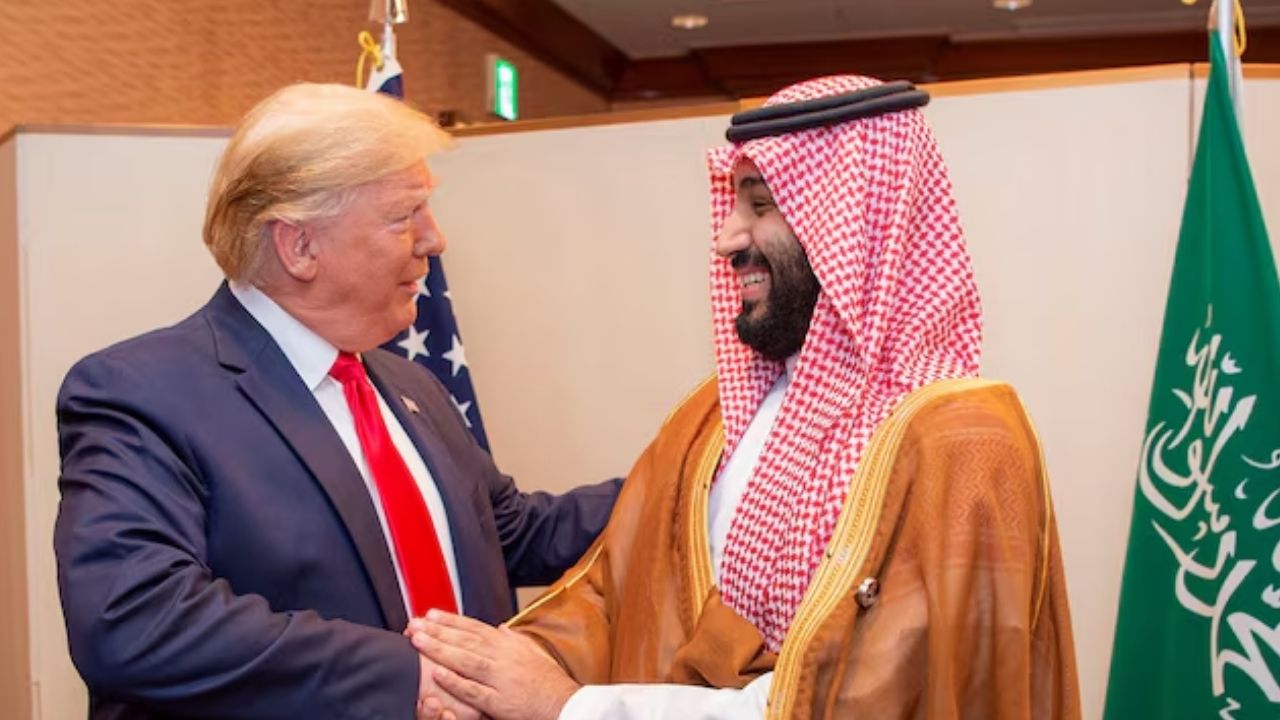
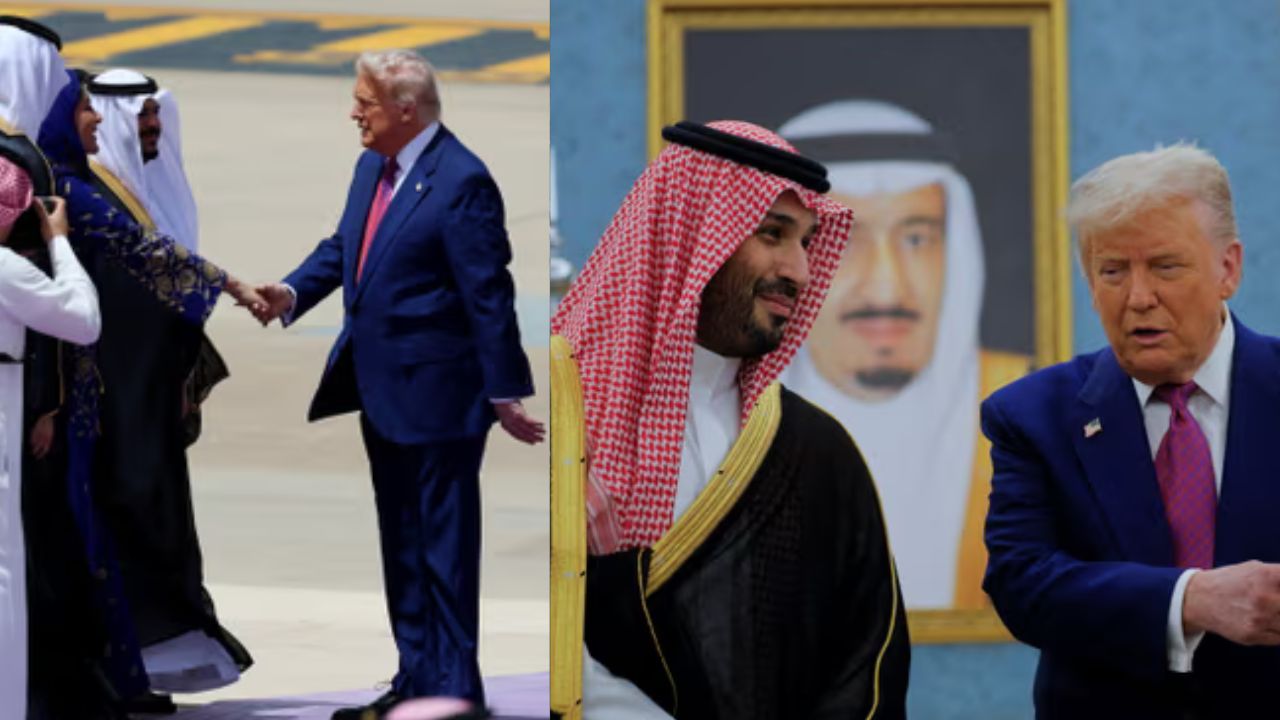
    US President Donald Trump received a cordial and royal welcome in Saudi Arabia on Tuesday on the first state visit of his second term, with the US president foremost focused on business deals at the start of a Gulf tour.

    Saudi Arabia escorted Air Force One with fighter jets before bringing out long-stretching honour guards both at the airport and a palace decked out with imposing chandeliers.

    With cameras rolling, a lengthy procession of Saudi royalty and business figures waited their turn to shake hands with Trump and Saudi Arabia’s de facto ruler, Crown Prince Mohammed bin Salman, who stood by his side.

    Trump brought along top members of his cabinet as well as US business figures including his adviser Elon Musk, the world’s richest person, who made a rare appearance in a suit as he chatted to the prince.

    Trump will address an investment forum in Riyadh and later in the week head to Qatar and the United Arab Emirates, fellow oil-rich Arab monarchies with long ties to the United States.

    In choosing the Gulf, the 78-year-old billionaire is again bypassing traditional first presidential stops in Western allies, some of which have been unnerved by his norms-shattering diplomacy.

    Eight years ago Trump also chose Saudi Arabia for his first overseas trip — when he memorably posed with a glowing orb and participated in a sword dance.

    Trump’s embrace of the Saudis contrasts with a more hesitant initial approach by former president Joe Biden, who had vowed to punish the crown prince after US intelligence found that he ordered the murder of Saudi dissident and US resident Jamal Khashoggi.

    Since Khashoggi’s gruesome 2018 killing, Saudi Arabia has worked aggressively to change its image, from easing restrictions on women to pursuing initiatives in new areas such as artificial intelligence.

    Saudi Arabia has also increasingly exercised diplomatic clout, serving as a venue for the United States to pursue talks with Ukraine and Russia.

    Qatar and the United Arab Emirates have also sought outsized international roles, with the Qataris serving as the go-between for US-brokered diplomacy between Israel and Hamas.


    Trump’s ‘happy place’ 

    But the focus during the tour of the Gulf will likely be locking down business rather than diplomatic agreements.

    Jon Alterman, senior vice president at the Center for Strategic and International Studies, said that for Trump, the Gulf “is his happy place”.

    “His hosts will be generous and hospitable. They’ll be keen to make deals. They’ll flatter him and not criticise him. And they’ll treat his family members as past and future business partners,” he said.

    Saudi Arabia has pushed hard to be first on Trump’s diplomatic schedule, with de facto ruler Prince Mohammed vowing to pour $600 billion into US trade and investments.

    “I’ll be asking the crown prince, who’s a fantastic guy, to round it out to around one trillion. I think they’ll do that because we’ve been very good to them,” Trump said in response to the offer.

    According to a Saudi official close to the defence ministry, Riyadh will push for securing the latest US F-35 fighter jets along with state-of-the-art air defence systems worth billions of dollars.

    “We will condition that the deliveries take place during Trump’s term,” the source told AFP.


    Navigating hotspots 

    Both Trump and Biden have been eager for Saudi Arabia to take the landmark step of recognising Israel.

    But Israel normalisation is not likely to feature high on the agenda on Trump’s trip, with Riyadh insisting a Palestinian state must be established before a deal can be brokered.

    Israel has cut off all food and other supplies to Gaza for more than two months as it pursues a new offensive against Hamas militants.

    The United States, which has quietly been frustrated with its ally, negotiated directly with Hamas to secure the release Monday of a hostage with US citizenship, Edan Alexander.

    Iran is also likely to feature prominently during the visit, following the Trump administration’s fourth round of talks in Oman at the weekend.

    Both sides have voiced hope but the United States on Monday imposed fresh sanctions targeting Iran’s suspect nuclear programme.

    Controversy is also swirling over Trump’s plans to accept a luxury Boeing jet from the Qatari royal family for use as Air Force One.

    Trump called the deal “a very public and transparent transaction” and said: “I would never be one to turn down that kind of an offer.”