Tag: Saudi Arabia

  • Bilateral ties to witness boost after Pak-Saudi talks

    Bilateral ties to witness boost after Pak-Saudi talks

    In a bid to strengthen bilateral ties, a high-level delegation from Pakistan met with key officials from the Kingdom of Saudi Arabia (KSA). As per credible reports, both sides have agreed to stay committed to improving joint efforts to address regional challenges.

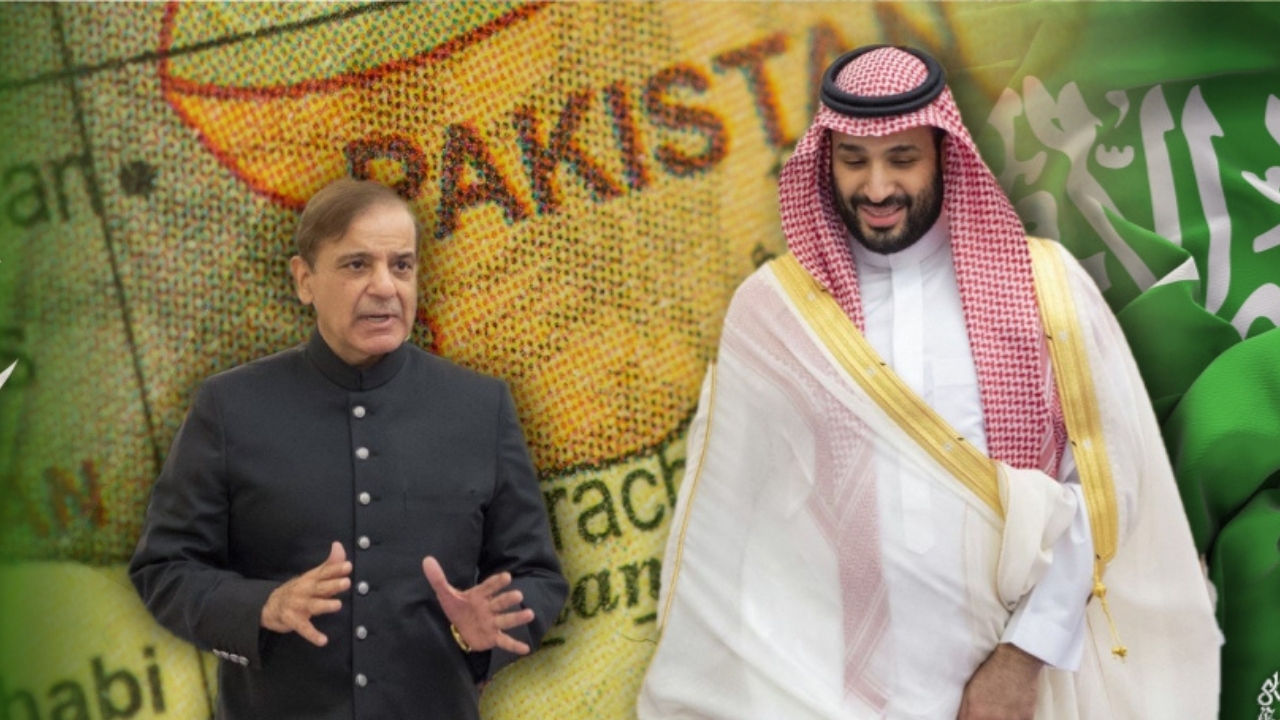
    Leading the Pakistani delegation, Prime Minister (PM) Shehbaz Sharif landed in Jeddah for a four-day visit to KSA. According to reports, he intends to discuss further avenues of collaboration with his Saudi counterparts across a vast range of sectors.

    As per reports, the Pakistani delegation comprises various high-profile members including Chief of Army Staff General Asim Munir, Deputy Prime Minister and Foreign Minister Ishaq Dar, Chief Minister of Punjab Maryam Nawaz, along with a slew of federal ministers and notable high-ranking state officials.

    In a meeting with KSA’s Crown Prince Mohammed bin Salman (MBS), Shehbaz Sharif outlined the cooperation between both countries while highlighting the importance of economic ties. The Pakistani premier, in a post on X (formerly Twitter), discussed the successful nature of his meeting with MBS and revealed that both leaders had gone over ways to improve security collaboration and boost trade and investment levels.

    Shehbaz Sharif’s statements regarding boosting ties with the Middle Eastern kingdom represent the gravitational pull KSA has on Pakistan’s economy. According to reports, PM Sharif aims to take Pakistan-KSA “relations to new heights and transform them into a mutually beneficial economic partnership.”

    Aside from sharing a common religion, both countries are largely on the same page when it comes to matters pertaining to geopolitics and military coordination. However, this codependence isn’t just limited to economic cooperation, as both sides have interests vested in the other’s economy.

    Analysts believe that Pakistan-KSA ties have disproportionately benefitted cash-strapped Pakistan – which frequently finds itself on the receiving end of Saudi aid. Moreover, Pakistan has historically sourced a great deal of petroleum from the Middle Eastern country, allowing for a steady supply of fuel in the country.

    In exchange, Pakistan has worked with KSA on joint military ventures. Both leaders have outlined the need to concentrate on enhancing bilateral trade and investment. This spells great news for Pakistan, which witnessed its foreign direct investment (FDI) levels plummet by a staggering 45 percent in February 2025.

    In an effort to boost inflows of FDI into Pakistan, Shehbaz Sharif outlined Pakistan’s investment-friendly climate and policies, which would facilitate investors from the KSA. Reports reveal that Pakistan’s delegation invited Saudi businesspersons to consider investing in Pakistani initiatives under the Special Investment Facilitation Council (SIFC).
  • $1 trillion: Trump says he will visit Saudi Arabia for major business deal

    $1 trillion: Trump says he will visit Saudi Arabia for major business deal

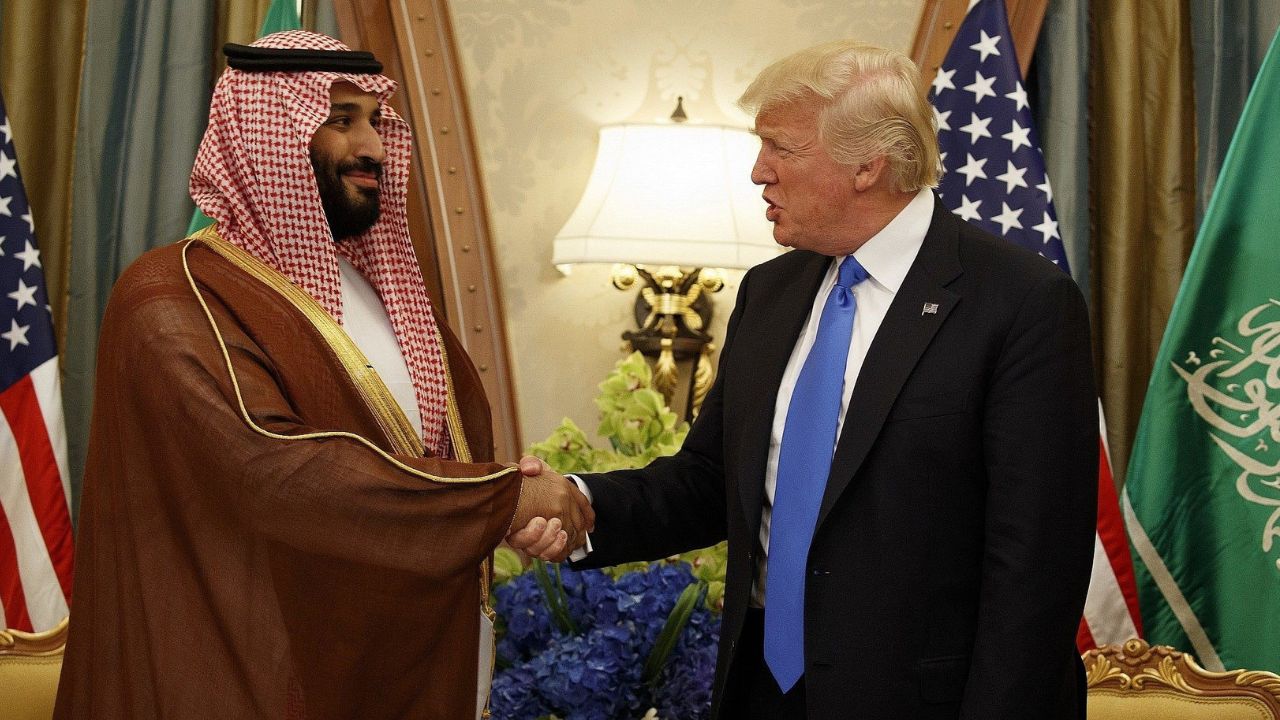
    US President Donald Trump said Thursday he planned to visit Saudi Arabia, suggesting a deal for major investment from the kingdom that has become the key venue for US diplomacy with Russia and Ukraine.

    Trump, asked if he would meet Russian President Vladimir Putin in Saudi Arabia, confirmed his intention to visit the oil-rich Gulf nation but suggested that business was the main motive.

    “I’m going to Saudi Arabia,” Trump told reporters, without mentioning a date.

    “I said, I’ll go if you pay a trillion dollars, $1 trillion to American companies, (spreading) the purchase over a four-year period, of a trillion dollars,” he said, referring to the duration of his presidency.

    “They’ve agreed to do that, so I’m going to be going there.”

    Trump, who has yet to travel overseas since returning to the White House, made Saudi Arabia his first foreign destination after he took office in 2017.

    He said recently that he decided to visit Saudi Arabia rather than Britain on his first trip in 2017 because the Arab kingdom promised to buy $450 billion worth of US products.

    Trump has forged close business ties with Saudi Arabia, with the Trump Organization in December announcing a Trump Tower in Jeddah.

    In his last term, Trump boasted of shielding Crown Prince Mohammed bin Salman from consequences over the killing of US-based Saudi dissident journalist Jamal Khashoggi, with the president citing the importance of Saudi purchases of US weapons.

    Former president Joe Biden initially vowed to make the crown prince a “pariah” due to human rights but his administration later courted Saudi Arabia, including with a draft defense agreement, as it sought to encourage it to recognize Israel.

    The Trump administration has vowed to move full-speed with trying to persuade Saudi Arabia to normalize with Israel, in what would be a landmark step as the kingdom is home to Islam’s two holiest sites.

  • Saudi art biennale seeks to modernise Islamic tradition

    Saudi art biennale seeks to modernise Islamic tradition

    Under a vast canopy of tents in the Saudi city of Jeddah, religious artefacts are on display alongside contemporary art pieces, part of the kingdom’s bid to transform its ultraconservative image.

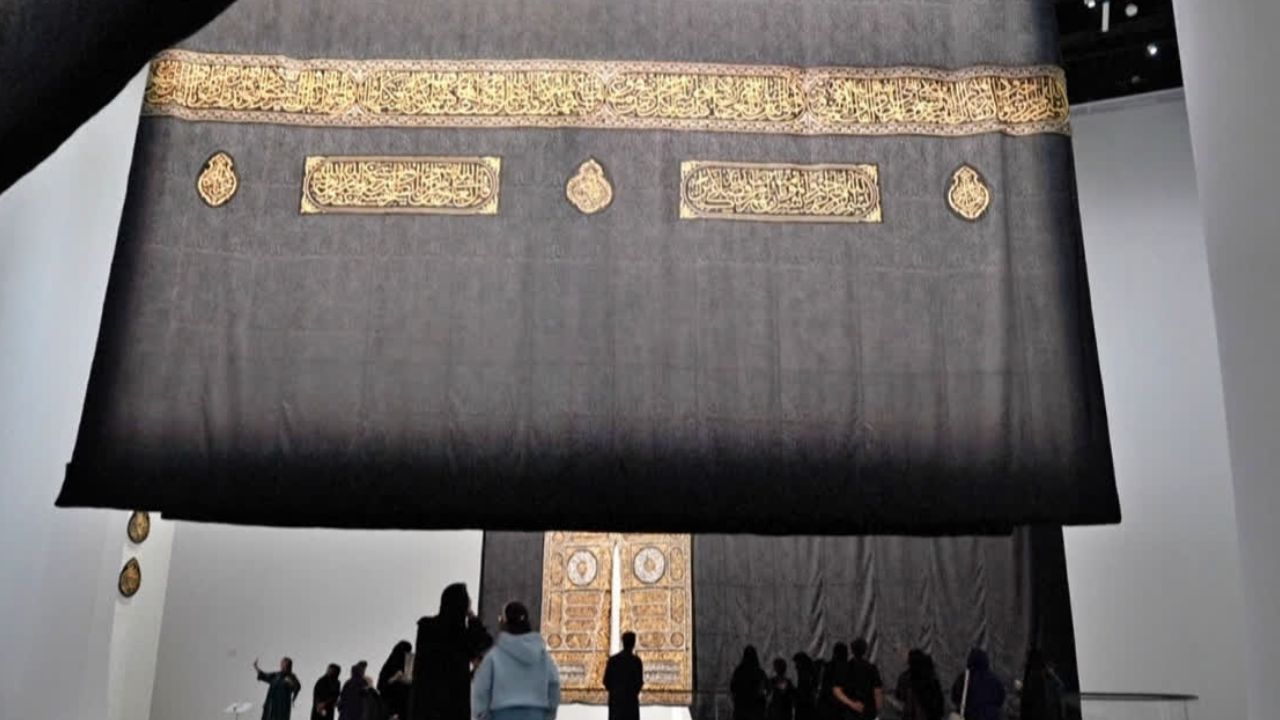
    The second edition of the Islamic Arts Biennale, titled “And All That Is In Between”, features as its centrepiece segments of the “kiswa”, the black cloth embroidered with gold and silver that covers the Kaaba, the cubic building towards which all Muslims pray.

    Hundreds more works are on display at the west terminal of King Abdulaziz International Airport in the coastal city, including valuable objects on loan from London’s Victoria & Albert Museum and the Louvre in Paris, and rare artefacts from the Vatican Library such as a medieval Quran in Hebrew script.

    “This bringing together of the contemporary and the past really emphasises the change that Saudi Arabia is going through,” said Saudi artist Muhannad Shono, curator of the exhibition.

    Home to Islam’s holiest sites, the kingdom has long been dominated by Wahhabism, a strict interpretation of Islam that prohibits the representation of human and animal figures.

    As a result of the prohibition of such depictions in most Sunni Muslim schools of thought, geometric patterns came to be widely prevalent in Islamic art.

    But the biennale in Jeddah features medieval Persian illuminations, including royal portraits, as well as a fountain designed by Yemeni-Indonesian artist Anhar Salem whose mosaic tiles, assembled by colour using artificial intelligence, are made up of avatars sourced online.


    ‘Traditional conceptions’

    “We have traditional conceptions of Islam and its history, which I feel we should begin to re-examine from a new perspective,” said visitor Abdelelah Qutub, a 31-year-old architect from Mecca.

    A few metres (yards) away, Franco-Lebanese artist Tamara Kalo had recreated the camera obscura, the precursor to the modern camera invented in the 11th century by Muslim philosopher Ibn al-Haytham (Alhazen).

    Kalo told AFP her installation, made out of copper, sought to raise the question of “what it means to see and what it means to be a witness”.

    The exhibition has also encouraged artists to be bold with scale, as can be seen from a massive disc covered in petrol — a nod to Saudi Arabia’s position as the world’s leading crude exporter — that spins endlessly.

    Its creator, Italian artist Arcangelo Sassolino, said: “For me it represents time… it’s something that keeps evolving while we’re watching the piece.”

    Under his “Vision 2030”, de facto Saudi leader Crown Prince Mohammed bin Salman has sought to transform the kingdom’s image, weighed down by decades of repression and ultraconservative.

    According to James Dorsey of the National University of Singapore, Saudi authorities are seeking to address what he described as a “reputation deficit”, having long been considered a “secretive, ultraconservative kingdom”.

    Efforts to project “openness”, including the biennale, are “key to the success of Vision 2030”, he said.


    ‘Share space with the West’

    Strategically located in a terminal adjacent to the one reserved for Muslims on a pilgrimage to Mecca, the Jeddah biennale attracts a mix of both art enthusiasts and pilgrims.

    “We had pilgrims coming from over the road here to see the Mecca and Medina pavilions last time,” said art historian Julian Raby.

    The first edition in 2023 attracted 600,000 visitors — approaching the Venice Biennale’s 700,000 visitors in 2024.

    Now, the Islamic Arts Biennale aims to exceed a million visitors, many from abroad.

    “That internationalism is exactly the opposite of how many people consider Saudi Arabia. They look at Saudi Arabia and consider it as a cloistered country,” said Raby.

    In front of her monumental sculpture, a black steel bush of roses floating above a fountain, Jordanian artist Raya Kassisieh was proud to benefit from the platform provided by the biennale.

    “We are able and at the level to converse and share space with the West,” she said.

  • Saudi Arabia forms coalition to push for Palestinian statehood

    Saudi Arabia forms coalition to push for Palestinian statehood

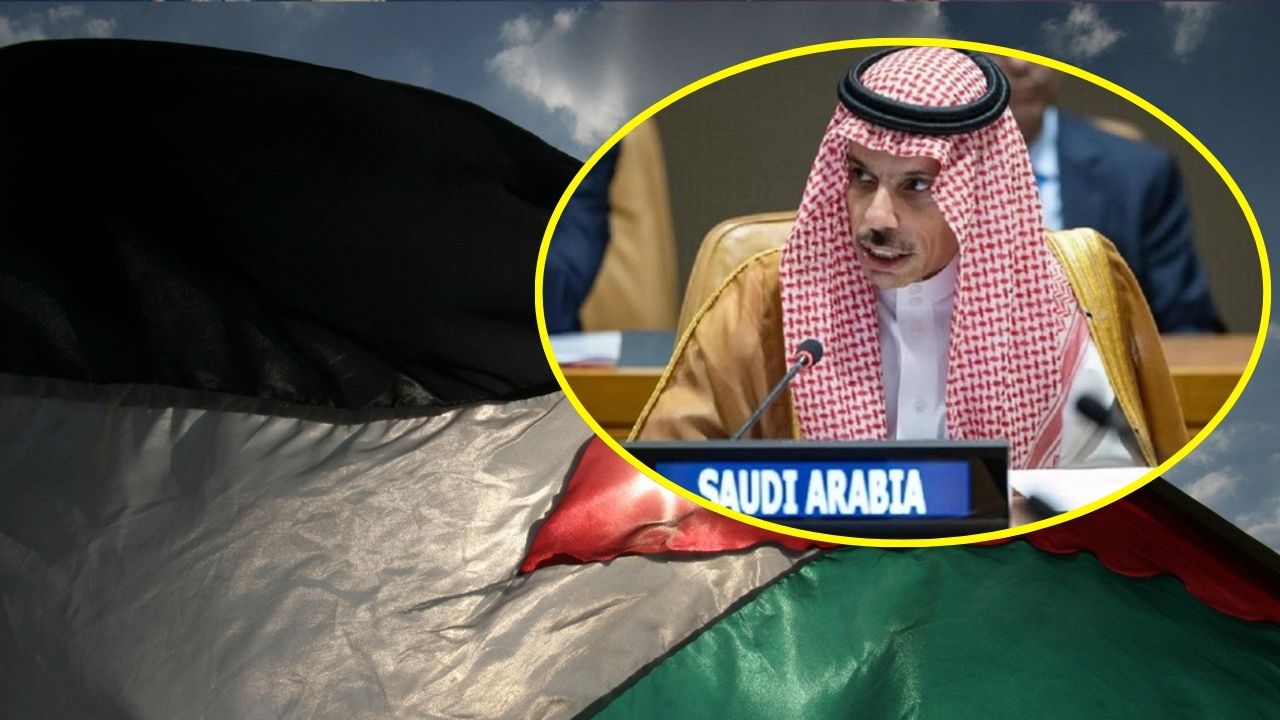
     Saudi Arabia’s foreign minister on Friday announced an “international alliance” to press for Palestinian statehood, on the sidelines of the United Nations General Assembly.

    Prince Faisal bin Farhan said the “International Alliance to implement the two-state solution” included Arab and Islamic countries, as well as European partners, the Saudi Press Agency said.

    The Gaza crisis has revived talk of a “two-state solution” of Israeli and Palestinian states living in peace side by side, but analysts said the goal seems more unattainable than ever.

    The hard-right Israeli government of Prime Minister Benjamin Netanyahu remains implacably opposed to Palestinian statehood.

    Saudi Arabia, the world’s biggest oil exporter, paused US-brokered talks on recognising Israel after the Israeli invasion of Gaza in October last year.

    Earlier this month, Crown Prince Mohammed bin Salman toughened his tone, explicitly saying that an “independent Palestinian state” is a condition for normalisation.

    A senior official of the Saudi-based Organisation of Islamic Cooperation (OIC) said the new coalition “consists mainly of Islamic and Arab members of OIC plus some European countries”.

    “There will be meetings in Arab and European countries to discuss the practical execution of the initiative and a conference later this year in Riyadh,” added the official, who asked to remain anonymous.

    Prompting Israeli anger, Ireland, Norway and Spain announced their recognition of a Palestinian state in May. Slovenia followed, bringing the number of countries that recognise a Palestinian state to 146 out of the 193 United Nations member states.

    Prince Faisal said the nearly year-long Gaza conflict could not be justified by Israel as “self-defence”.

    “Self-defence cannot justify the killing of tens of thousands of civilians, the practice of systematic destruction, forced displacement (and) the use of starvation as a tool of war,” Prince Faisal told a ministerial meeting on the Palestinian crisis, on the sidelines of the UN General Assembly.

  • No more bhikaaris; Saudi Arabia tells Pakistan to control beggars

    No more bhikaaris; Saudi Arabia tells Pakistan to control beggars

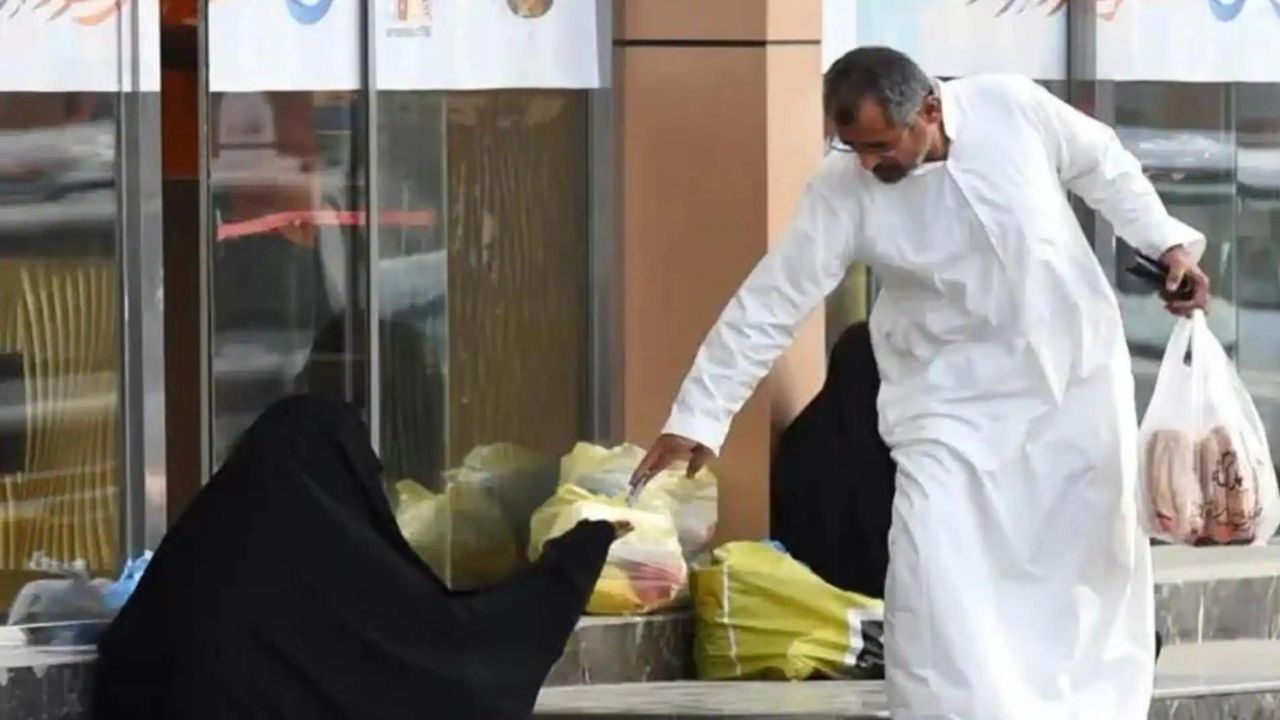
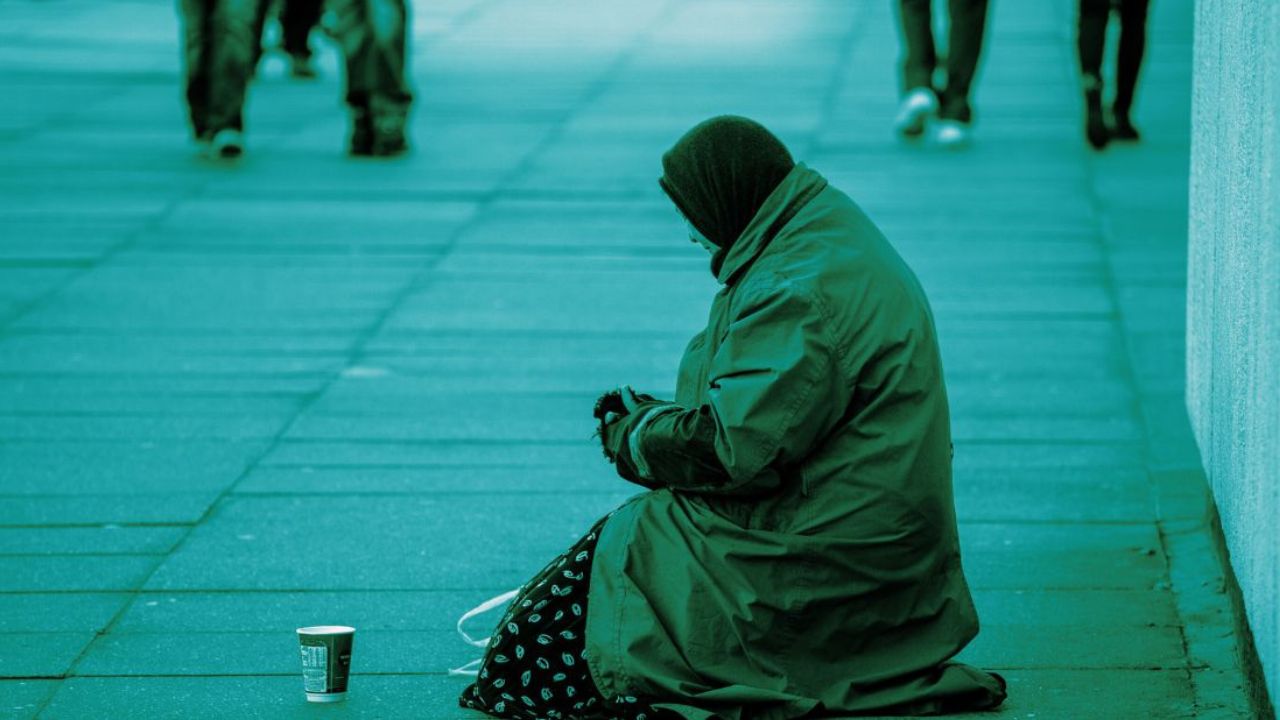
    The Kingdom of Saudi Arabia has expressed serious concern over the growing number of Pakistani beggars coming to the Kingdom on Hajj and Umrah visas.

    Geo reports that sources in Pakistan’s Ministry of Religious Affairs have stated that Saudi authorities have warned about the beggars who come under the guise of Umrah and Hajj. If they are not controlled, it will have a negative impact on Pakistani Umrah and Haj pilgrims going to the Kingdom in the future.

    Local media reports suggest that the Saudi Ministry of Religious Affairs has asked the Pakistani government to take action against the beggars entering the country under Umrah and Hajj visas, or it will severely affect normal Pakistani pilgrims.

    Consequently, Pakistan’s Ministry of Religious Affairs has decided to bring an Umrah Act, according to which the government will regulate travel agencies conducting Umrah and Hajj and bring them under legal supervision.

    Earlier, it was reported that Pakistani beggars go to Saudi Arabia on Umrah visas and then take part in activities like begging there, which infuriates the governments of the Gulf countries. In turn, the Pakistani government also decided to block the passports of the people involved.

    Read more: Pakistanis involved in 50% of crimes in Gulf; shocking revelation in Senate

  • PM Shehbaz Sharif credits ‘friendly nations’ for securing IMF deal

    PM Shehbaz Sharif credits ‘friendly nations’ for securing IMF deal

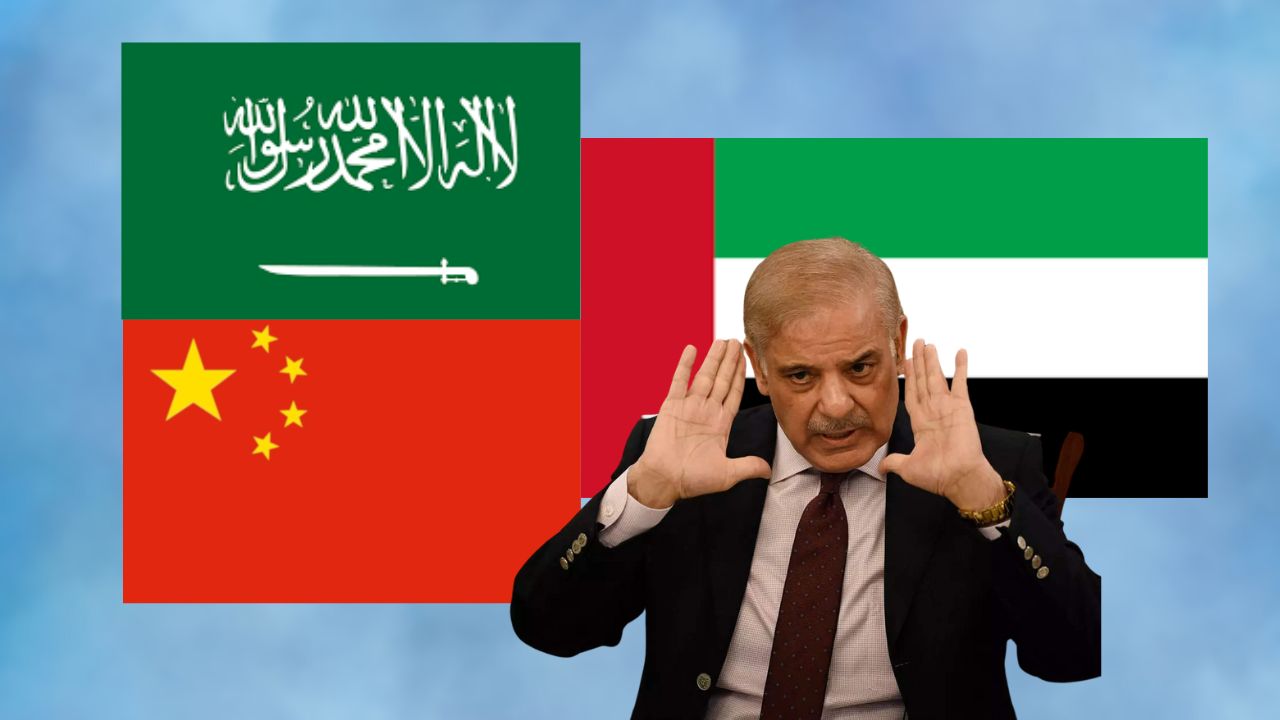
    Prime Minister (PM) Pakistan Shehbaz Sharif has acknowledged the efforts of friendly countries for facilitating Pakistan in securing the International Monetary Fund (IMF) loan programme.

    Speaking to young parliamentarians of the Pakistan Muslim League (PML-N), he lauded the efforts of China, the United Arab Emirates (UAE), Saudi Arabia, the Army Chief and the incumbent government’s economic plan team.

    PM Sharif said that he hoped the upcoming IMF programme would be the last.

    He clarified that there will be no tolerance for tax evasion and stressed extending tax collection.

    Journalist Fakhar Durrani revealed in Talk SHOCK, a YouTube channel, that the IMF demanded two things from the Pakistan government before approving a seven-billion-dollar loan.

    He claimed that the first demand was a two billion dollars guarantee, which the government fulfilled by securing it from Standard Chartered Bank; the second demand was also fulfilled by securing a guarantee from Saudi Arabia on the deferred oil payment.

  • July remittances post significant hike

    July remittances post significant hike

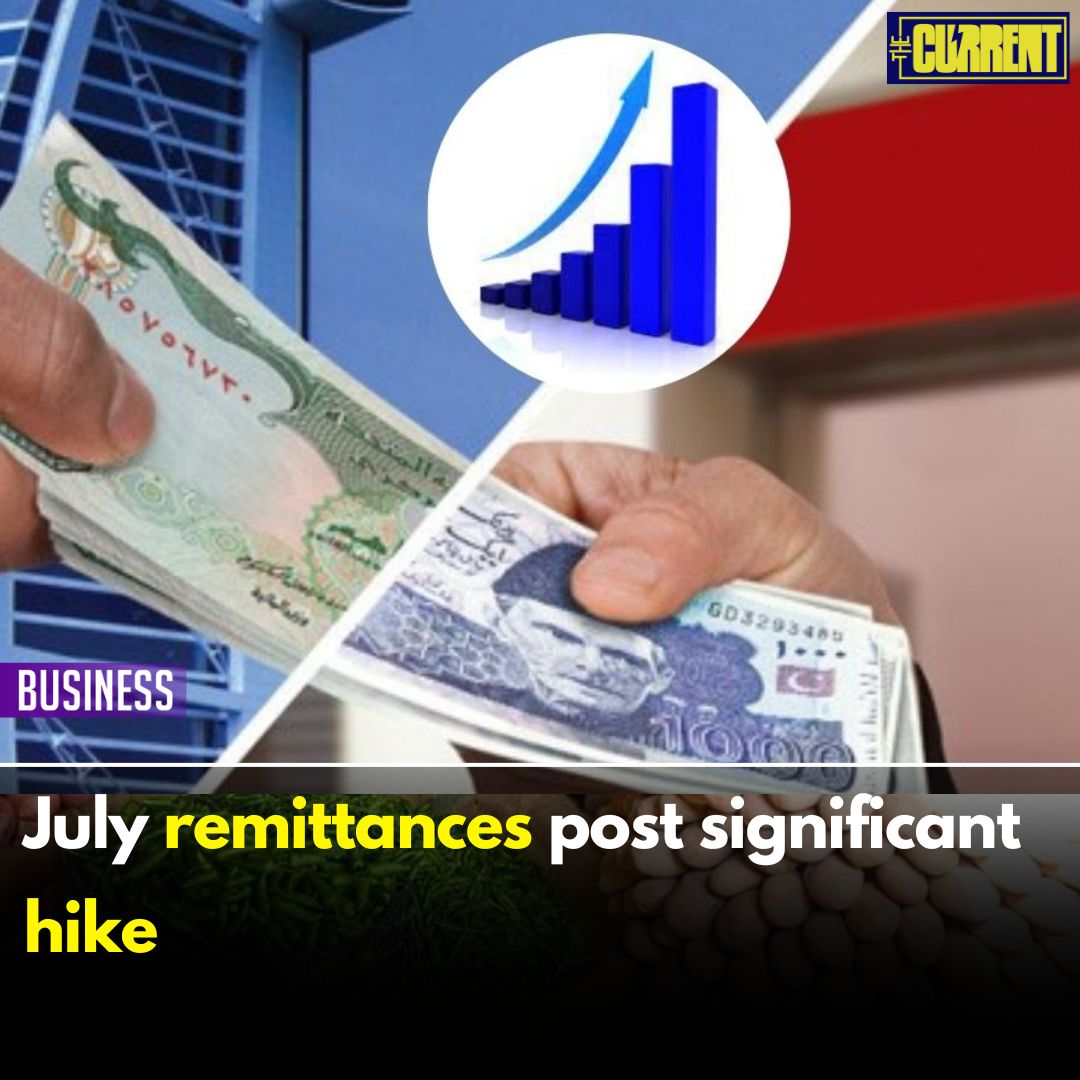
    The Pakistani diaspora has sent $3 billion back home in July, 48 percent higher than the previous year, The News has reported.
    State Bank Pakistan (SBP) data shows that remittances from Saudi Arabia increased by 56 percent to $761 million in July, while those from the United Arab Emirates increased by $611 million.
    The percentage reflected a 94 percent surge from the UAE compared to July 2023.

    Remittances from the United Kingdom totaled $443 million, a 45 percent increase from the previous year. Workers also sent $300 million from the United States, a 24 percent hike from last July.
    The research director at AKD Securities Limited, Awais Ashraf said, ‘’This increase is mainly due to the movement of worker remittance into the formal channel, spurred by the reduced rate difference between exchange companies and the interbank market’’.

    Throughout FY24, Pakistan posted a current account deficit of $681 million, equivalent to 0.2 percent of the gross domestic product.

  • Beggar found unconscious in Sargodha with over Rs 5 lakhs in pocket

    Beggar found unconscious in Sargodha with over Rs 5 lakhs in pocket

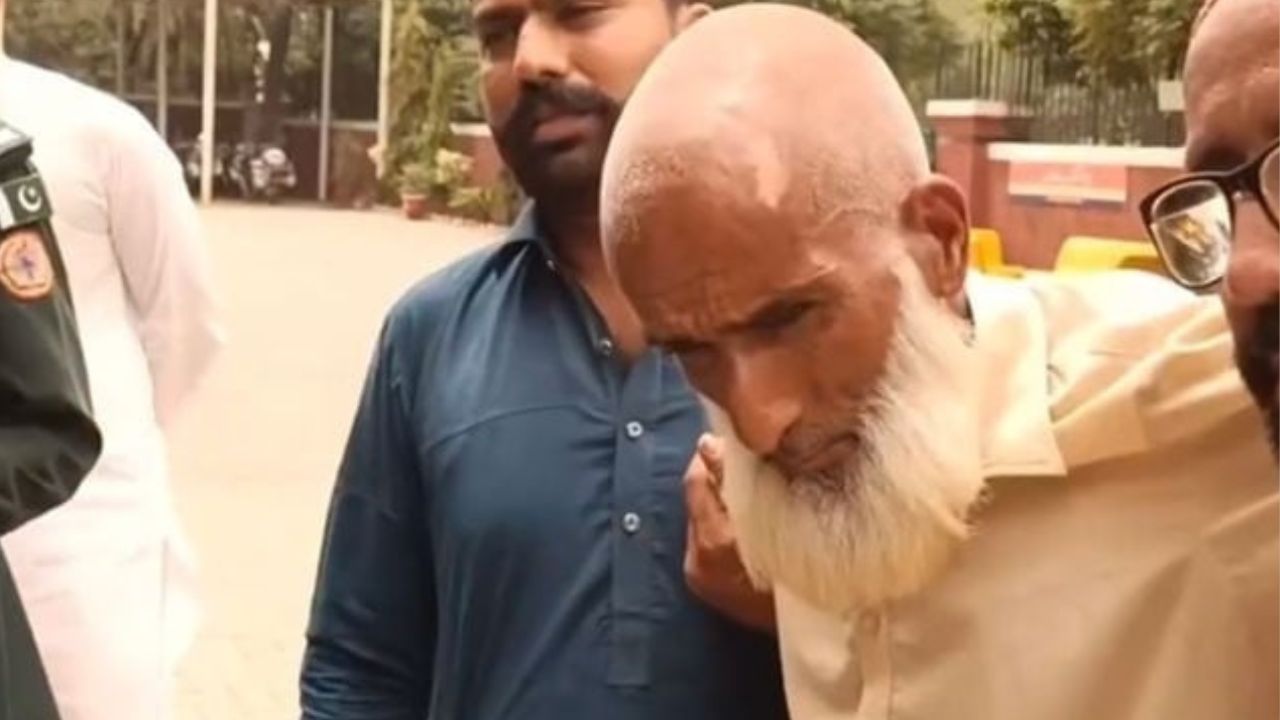
    An unconscious man, allegedly a beggar, was found in Sargodha with more than Rs 5 lakhs in his pocket.

    Rescue officials received a call reporting an unconscious person lying on Khushab Road.

    District Emergency Officer Mazhar Shah stated that during the rescue operation, locals informed them that the individual was known for begging in the area. While transferring the elderly person to DHQ Hospital, Rs 534,000 was discovered in his pocket. A passport was also recovered from his possession, which contained multiple Saudi Arabian visas, indicating frequent travel to Saudi Arabia.

    Officials confirmed that after providing medical aid and discharging him from the hospital, rescue personnel returned the money and passport to the man.

  • 20 year sentence for Saudi teacher over social media posts

    20 year sentence for Saudi teacher over social media posts

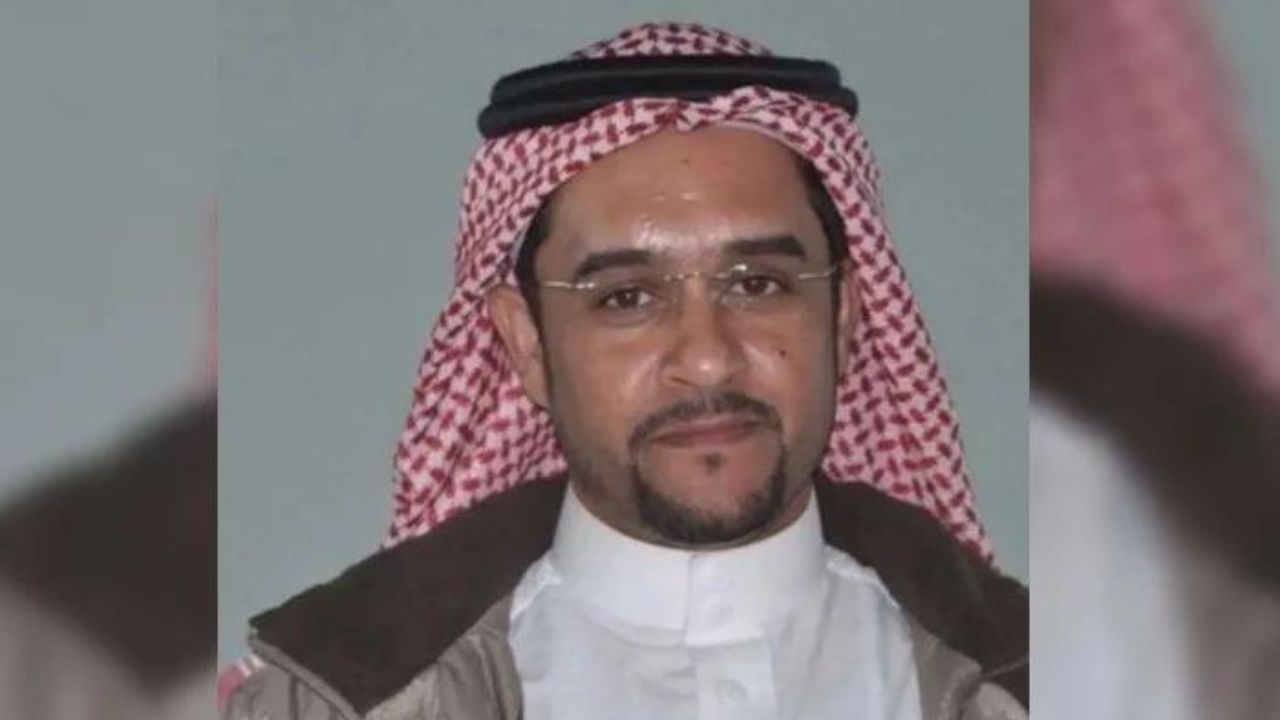
    Saudi Arabia has sentenced a teacher to 20 years in prison over critical social media posts, Human Rights Watch and the convicted man’s brother said Tuesday.

    Asaad al-Ghamdi, 47, was arrested in November 2022, in a nighttime raid on his home in the Saudi city of Jeddah, according to HRW.

    He was convicted on May 29 by Saudi Arabia’s Specialised Criminal Court, which was established in 2008 to try suspects accused of terrorism, the New York-based rights group said.

    He was sentenced “to 20 years in prison on charges related to his peaceful social media activity”, HRW added, calling it “yet another escalation in the country’s ever-worsening crackdown on freedom of expression”.

    Court documents reviewed by HRW showed that Ghamdi was charged with “challenging the religion and justice of the King and the Crown Prince” and “publishing false and malicious news and rumors”.

    According to HRW, the posts used as evidence against him criticised projects related to the Vision 2030 reform agenda.

    One post mourned Abdallah al-Hamed, a leading Saudi human rights figure who died in prison following his conviction on charges relating to his activism.

    Ghamdi faces the same charges as his brother Mohammad, a government critic who denounced alleged corruption and human rights abuses on social media.

    Mohammad was sentenced to death last year based on his social media activity.

    Their third brother, Saeed, an Islamic scholar and government critic living in exile in the United Kingdom, condemned the latest move by Saudi authorities.

    “The accusations are arbitrary and unjust because they are all based on tweets,” Saeed told AFP, commenting on the verdict against Asaad.

    “Maybe I am the target,” he added.

    Over the past two years, the Saudi judiciary has convicted and handed down lengthy prison terms to dozens of individuals for their social media posts, according to rights groups.

    They include Nourah al-Qahtani, who was sentenced to 45 years in prison in 2022, largely over social media posts criticising the government

    Salma al-Shehab, a member of the Sunni-ruled kingdom’s Shiite minority, was sentenced to 34 years behind bars in 2022 for aiding dissidents seeking to “disrupt public order” in the kingdom by relaying their tweets.

    Manahel al-Otaibi, a 29-year-old blogger and fitness instructor, was arrested in November 2022 for challenging Saudi male guardianship laws and requirements for women to wear the customary body-shrouding abaya robe.

    The Specialised Criminal Court sentenced her to 11 years in prison on January 9, but the sentence was only made public later in a Saudi submission to United Nations special rapporteurs enquiring about the case.

  • Government to block passports of over 2,000 ‘beggars’

    Government to block passports of over 2,000 ‘beggars’

    The federal government has decided to block the passports of more than 2,000 Pakistani beggars operating in foreign countries.

    The Director General (DG) of Immigration and Passports has requested details from the Ministry of Foreign Affairs regarding these beggars. The Ministry will obtain lists of these beggars from its missions worldwide.

    Passports of Pakistanis engaged in begging in foreign countries will be blocked for seven years.

    The government has also decided to block the passports of agents who facilitate the movement of beggars abroad.

    Most beggars travel to Saudi Arabia, Iran, and Iraq for Umrah and pilgrimage purposes.

    Data on individuals travelling abroad for begging purposes has been compiled.

    The Ministry of Interior and the Ministry of Foreign Affairs are developing a coordinated policy.