Footballing star Cristiano Ronaldo has reportedly rejected a $6 million-a-year (Rs96 crores-a-year or Rs8 crores-a-month) offer to be the face of Saudi Arabian tourism.
But the Middle Eastern country has not given up hope of attracting a world-class footballer to help them out, with Lionel Messi in their sights.
According to The Telegraph, the deal on offer is understood to include the player making visits to the Kingdom and his image being used in all promotional material. But the 35-year-old Juventus striker has decided to “pass” on the offer.
Concerns have been raised over Saudi Arabia’s human rights record as the country tries to attract world-class sport to its shores. Sports and entertainment have formed part of Saudi Arabia’s Vision 2030 strategy to diversify the economy and improve its international reputation.
However, groups such as Amnesty International have long campaigned against what it says is the Kingdom’s use of such connections to distract from its human rights violations.
Meanwhile, Messi’s views on the deal are not yet known.
Representatives of both Ronaldo and Messi, however, have refused to discuss the matter when approached by The Telegraph.
Saudi Arabia staged the Spanish Super Cup in Jeddah in 2020, with Messi’s Barcelona competing for the trophy alongside Real Madrid, Atletico Madrid and Valencia.
In October, a coalition of human rights groups called for a boycott of the first Ladies European Tour golf event being held in Saudi Arabia over concerns it would be used to “sportswash” Riyadh’s record on women’s rights.
Also last year, Amnesty cautioned against Saudi Arabia’s Public Investment Fund’s attempted takeover of Newcastle United FC of the English Premier League.
The takeover ultimately failed after several months of waiting to pass the league’s owners and directors test.
Amnesty International has also raised concerns over this year’s Saudi Formula One race planned for Jeddah.
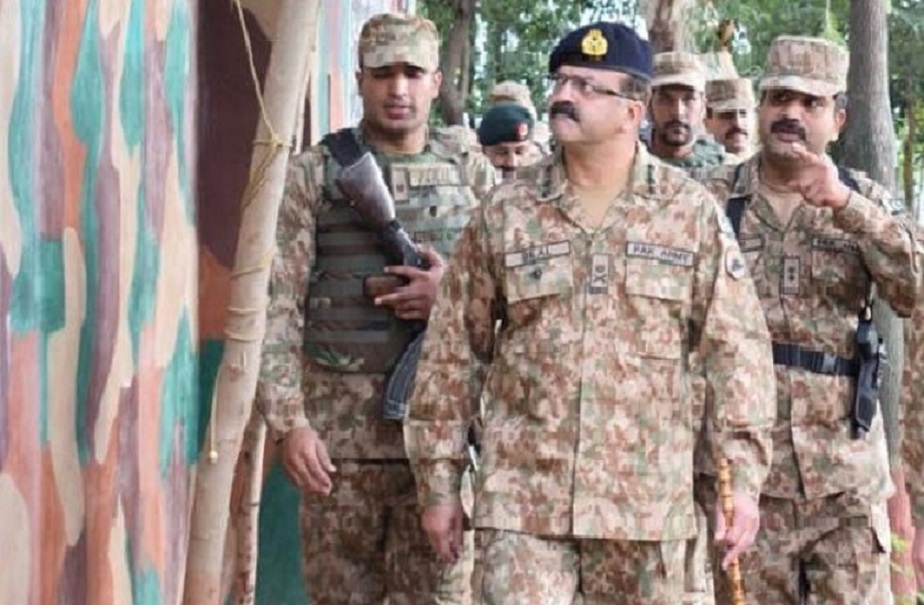
The Ministry of Foreign Affairs has appointed Lt Gen (r) Bilal Akbar as Pakistan’s ambassador to Saudi Arabia, removing Raja Ali Ejaz, a career diplomat.
The outgoing Ejaz, who was on his first ambassadorial posting, had been given the assignment around two years ago.
The latest change has brought Islamabad at par with Riyadh in one term that now both countries have envoys with a military background in each other’s capitals.
The Saudi ambassador in Pakistan Nawaf bin Saeed Al-Maliki was from the Royal Saudi Navy and retired as Rear Admiral. He had been appointed as the defence attaché of the Saudi mission in Islamabad and later elevated as the ambassador here four years ago.
The sudden shuffling by Pakistan is being seen as significant amid reportedly weakening bilateral ties at a time when India’s relationship with the Kingdom is improving.
Amid the present scenario, key task of Lt Gen (r) Bilal Akbar, who retired as Pakistan Ordnance Factories chairman, would be saving the ties from further deterioration.
The former three-star rank lieutenant general also served as X Corps Rawalpindi commander, chief of general staff (CGS) at GHQ, Pakistan Rangers Sindh director general and the general officer commanding (GOC) of the 11th Infantry Division Lahore.
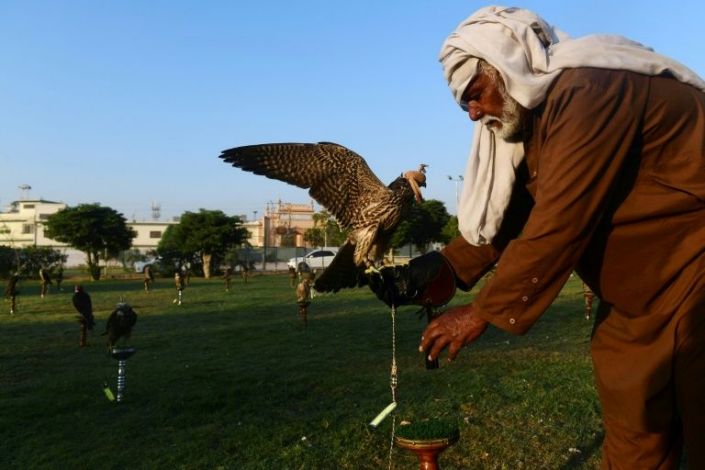
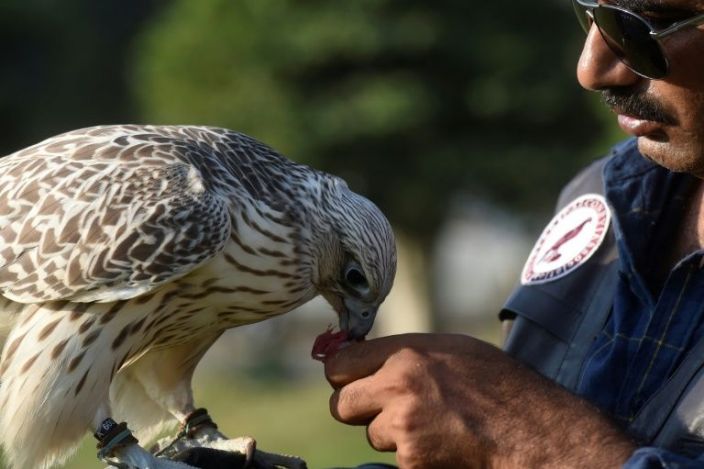
Since learning to capture birds as a teen, Muhammad Rafiq has amassed a small fortune in Pakistan trapping and trafficking falcons — including some endangered species — for wealthy Gulf Arabs.
A single falcon can fetch up to tens of thousands of dollars on the black market, which allowed Rafiq to renovate his family home.
“Every season, dealers come from Karachi and leave their contacts with us, and we call them back if we catch something,” said the 32-year-old, from a nearby coastal village.
He recently trapped a peregrine falcon on a one-week hunting mission.
“I desperately needed money,” he told AFP. “And God has listened to me.”
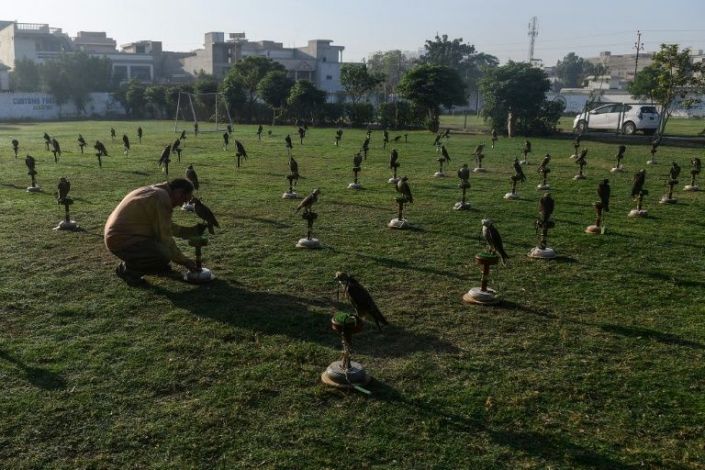
For years, Pakistan has stood at the nexus of the falcon trade, both as a source of the birds of prey, and then as a destination to hunt with them.
Falcon poaching is officially banned, but demand for the birds is rising, according to the World Wildlife Fund in Pakistan.
It estimates that up to 700 falcons were illegally smuggled out of the country last year alone, often by organised criminal networks.
Their destination is normally Gulf countries, where falconry is a treasured tradition.
Owners treat the birds “like their own children”, said Margit Muller, the director of Abu Dhabi’s falcon hospital, which treats 11,000 falcons annually, a number that has more than doubled in the past 10 years.
One conservationist told AFP an Arab falconer usually owns around five to six hundred birds, most of which will be captured in the wild in Pakistan or Mongolia.
Wild birds are prized over those bred in captivity because they are believed to be better hunters, though there is no evidence to support those claims.
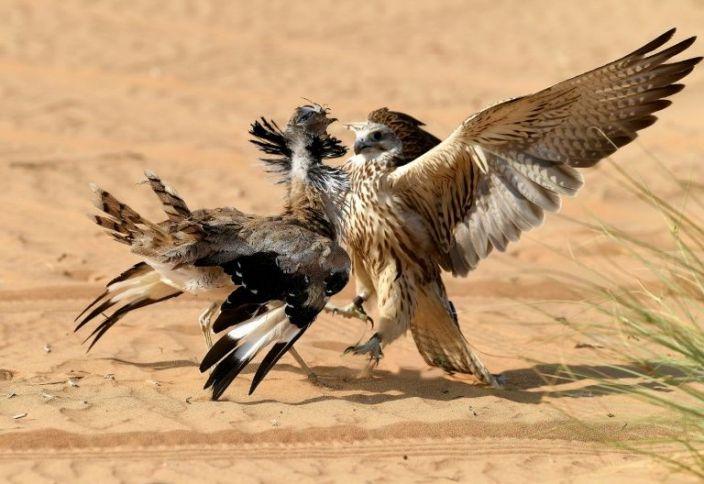
Every winter, lavish hunting parties from the Gulf flock to Pakistan’s sprawling deserts, where they are given permits to use their falcons to hunt the houbara bustards, a migratory bird wrongly prized as an aphrodisiac and classified as vulnerable by conservationists.
These excursions have cast a spotlight on the deep ties between Pakistan and its allies in the Gulf. For decades, the Gulf states have propped up Islamabad’s ramshackle finances with generous loans, with one of the expectations being that they can continue to use Pakistan as a hunting playground.
Saudi Crown Prince Mohammed bin Salman and two other royals were granted permission to catch bustards by Prime Minister Imran Khan’s government in December last year, a soft diplomacy tactic that Khan had openly disagreed with when he was in the opposition.
The government also presents falcons as gifts to world leaders.
“Our officials are working like pimps for the Arabs,” a government official requesting anonymity told AFP.
A brief ban on the bustard hunts was overturned in 2016 by the Supreme Court, but conservationists are now pushing for the export of falcons to be regulated in an ongoing case at the Islamabad High Court.
Every year, falcons escape the harsh Siberian winter and fly thousands of miles to warmer regions, including southern Pakistan.
During the migratory season, wildlife traffickers descend on villages along the Arabian Sea coastline, offering fishermen cash to briefly abandon their boats and try their hand at poaching.
“We pay them in advance, send food to their families and if they catch a bird that is precious, we happily give them motorbikes,” said one trafficker who spoke to AFP on the condition of anonymity.
A range of tactics can be employed — sticky liquids, net traps or, most commonly, using smaller birds as bait.
Poachers especially target the peregrine falcon, whose populations remain stable — but also the saker, which is endangered.
Bob Dalton, a veteran falcon conservationist, helped oversee the rehabilitation of dozens of falcons seized by Pakistani authorities in October, with officials estimating the cache to be worth well over $1 million.
“The illegal trade is growing, there is more money being spent, more pursuit from the Gulf,” he told AFP.
“With the exception of one or two species, most falcon populations are in decline or on the point of being unstable.”
With ongoing efforts to curtail rampant poaching failing, some officials in Pakistan have suggested regulating the falcon trapping market, inspired by a scheme involving another rare native species, the markhor — an elusive mountain goat with striking twisted horns found in Pakistan’s mountainous north.
Every year, foreigners shell out tens of thousands of dollars for a handful of trophy hunting permits, providing a financial incentive for communities to prevent poaching. Naeem Ashraf Raja, the director of the biodiversity at the ministry of climate change, said markhor numbers have rebounded as a result of this controversial conservation method.
With hunting parties set to descend on Pakistan again over the next few months, Kamran Khan Yousafzai, the president of Pakistan’s Falconry Association, said the country desperately needs to implement a sustainable wildlife programme.
“Arab falconers can’t resist coming to Pakistan. They have been coming to these hunting grounds for generations, and unless they face any real problems, they are not going to search for new destinations.”
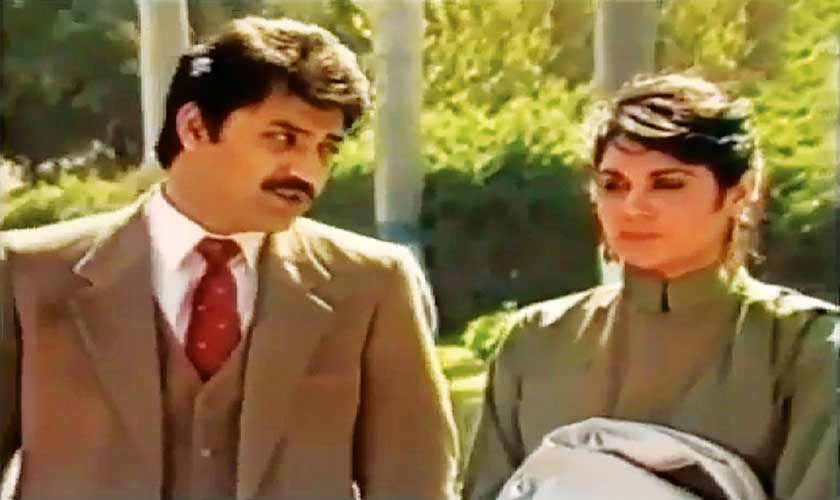
Federal Minister for Information and Broadcasting Shibli Faraz has said that Pakistan is working to speed up work on joint entertainment productions with Saudi Arabia. Three serials – Dhoop Kinare, Tanhaiyan and Aahat – have been selected for dubbing in Arabic.
According to a report in Arab News, Faraz said that Islamabad wanted to enhance cultural cooperation with Riyadh, which is why the government aims to ‘speed up’ work on joint film and television productions to bring the people of the two countries closer.
“Some dramas and films have been dubbed and sent there [Saudi Arabia],” said Faraz, adding that a few were even watched by the royal family, including Hareem Farooq and Ali Rehman Khan’s Parchi.”
Parchi was the first Pakistani film ever to release in Saudi Arabia in 2018 and one of the first international releases in the Kingdom after a nearly 40-year ban on cinemas came to an end.
In April 2019, the then Information Minister Fawad Chaudhry, in a press conference in Riyadh, had announced that Pakistan and Saudi Arabia were in talks for increasing cultural exchange between the two countries.
Chaudhary confirmed Pakistan’s wish to participate in Saudi Arabia’s cultural revival and said it was willing to support its newly established performing arts academies by sharing the expertise of its actors, directors and other artists like calligraphers.
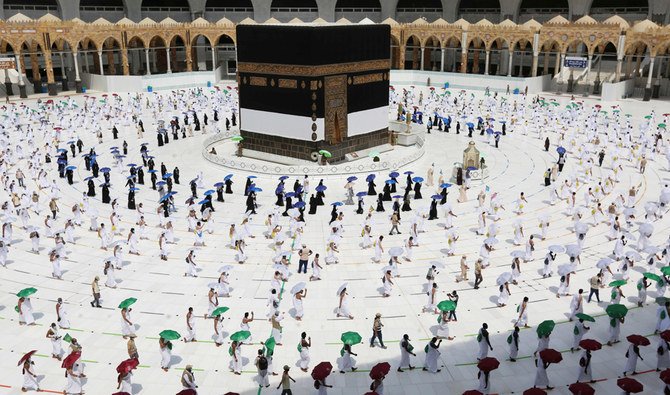
The female workforce has been increased in the Grand Mosque in Makkah. As per details, 1,500 females have been appointed in different departments to serve female visitors.
A total of 600 women have been recruited in the Technical and Service Affairs Agency while other staff will be appointed in electric vehicles department, Zamzam watering unit, guidance and intellectual affairs, administrative affairs, public relations, media and communication and the General Department of Internal Auditing.
Dr Al-Anoud bint Khaled Al-Aboud, deputy president for women’s development affairs, said the step is part of the General Presidency for the Affairs of the Two Holy Mosques’ transformational initiatives 2024. The move aims to increase the level of services provided in the Two Holy Mosques,
It is also a part of the Saudi leadership’s plans to empower women and to provide the best possible services to all female pilgrims visiting the Grand Mosque in line with Saudi Vision 2030.
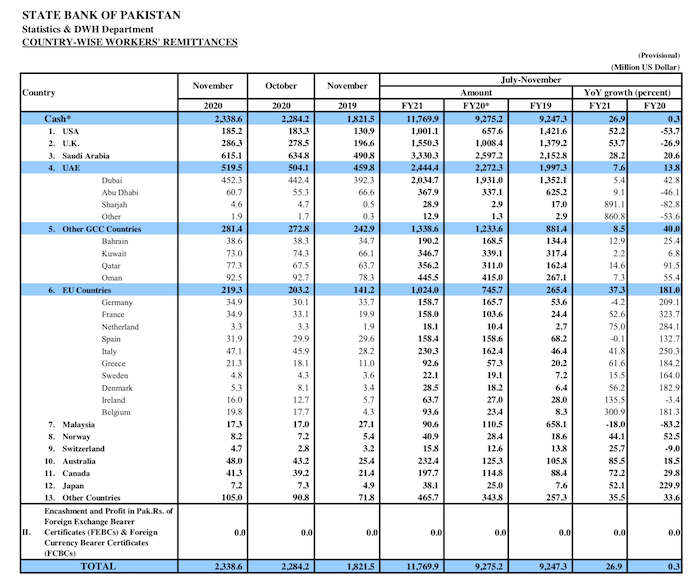
Pakistan has maintained a strong momentum in workers’ remittance for the sixth consecutive month in November with over $2 billion, the State Bank of Pakistan (SBP) has reported.
Workers’ remittance increased 28.4% year-on-year in November 2020, pushing the cumulative flows to $11.8 billion during the July-November FY21 with a rise of 26.9% compared to same period last year.
“This significant growth reflects continued government and SBP efforts to formalise remittances under Pakistan Remittances Initiative (PRI), growing use of digital channels amid limited international travel, orderly exchange market conditions and improved global economic activity,” said the central bank.
The top four countries that contributed to the highest inflows are Saudi Arabia ($3.3 billion), United Arab Emirates ($2.4 billion), United Kingdom ($1.6 billion) and the United States ($1 billion).
Pakistan has joined the Digital Cooperation Organization (DCO) as a founding member.
The organisation has been established under an initiative of the Kingdom of Saudi Arabia that has also invited other countries to join as founding members, including Bahrain, Egypt, Jordan, Kuwait and the UAE.
The organisation was launched at a virtual event on Thursday, hosted by Saudi Arabia Minister of Communication and Information Technology Abdullah Al-Swaha. Foreign Minister Makhdoom Shah Mahmood Qureshi participated with a video statement.
The foreign minister noted that the creation of DCO would cater to the growing need for international cooperation and collaboration in the digital domain at a time when the digital economy is estimated to be worth over $11 trillion and set to expand further in the aftermath of the COVID-19 pandemic.
The organisation will offer a platform to promote the global digital agenda in the scientific, health, educational, commercial, social, agricultural, investment and security spheres.
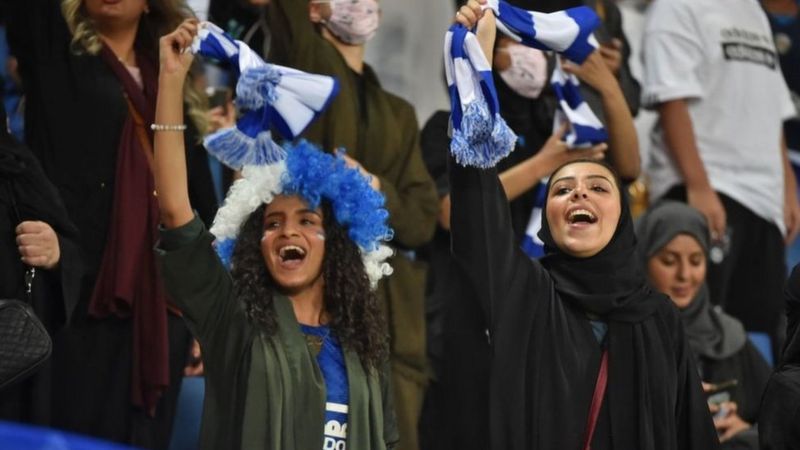
Saudi Arabia’s first-ever Women’s Football League tournament kicked off on Tuesday with 24 teams across Jeddah, Riyadh, and Dammam competing for a championship cup and a cash prize of $133,000.
According to reports, more than 600 players are competing in the tournament. The teams will have to win matches in their local cities to qualify for the nationwide championship stage.
However, the matches of the championship won’t be televised.
Seven matches took place in the capital Riyadh and the Red Sea city of Jeddah on the opening day of the Saudi Women’s Football League (WFL), which had been due to kick off in March but was postponed due to the COVID-19 pandemic.
It was only in 2018 that Saudi authorities first allowed women to watch football matches in stadiums.
Meanwhile, the first international women’s golf tournament also took place in Saudi Arabia this week.
The step is the part of one of many reforms happening in Saudi Arabia under the patronage of Crown Prince Mohammed bin Salman. Several social reforms including concerts, movie theaters, a lift on the ban on women driving have been introduced in the ultraconservative kingdom in a bid to improve its reputation.
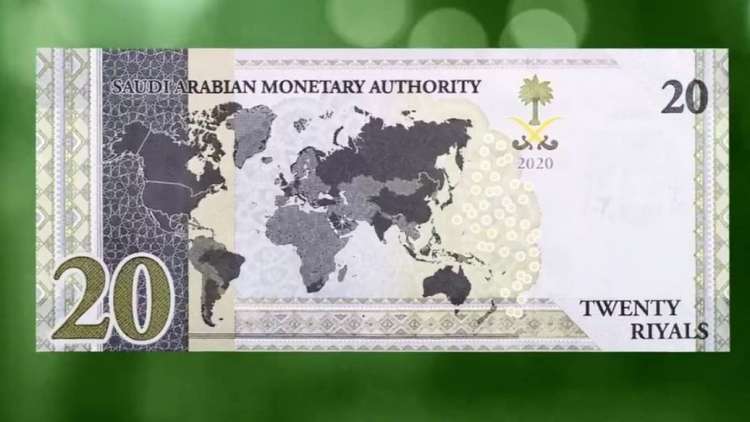
India has lodged a protest over the issuance of Saudi Arabia’s new currency notes that do not feature Jammu and Kashmir as a part of India.
The 20 Riyal bank note was issued by the Saudi Arabian Monetary Authority on October 24 to mark the Kingdom’s presidency of the upcoming G20 summit in November. The note, with an image of the world map, has shown Kashmir as separate states and not belonging to any of the rival Asian states of Pakistan and India.
Anger erupted in India because of the map, even though the country has illegally occupied the territory of Kashmir and there is a United Nations Security Council (UNSC) decree recognising it as an international dispute.
External Affairs Ministry spokesperson Anurag Srivastava is reported to have said that New Delhi has raised “serious concerns” about the banknote both at the Saudi Embassy in India, as well as at India’s embassy in Riyadh.
“We have taken up this gross misrepresentation of India’s external territorial boundaries on an official and legal banknote of Saudi Arabia… we’ve asked the Saudi side to take urgent corrective steps in this regard,” he said.
Additionally, it was found that the distortion was in the Pakistani map as well.
"India is outraged over a new bank note issued by Saudi Arabia to mark the upcoming G20 summit which shows Kashmir as a separate state". Is Pakistan happy on this new development by the KSA for showing KASHMIR as independent state? We need guidance from @ForeignOfficePk. pic.twitter.com/e6WswADutD
The G20 summit is set to be held from November 21-22 this year in Saudi Arabia and India is a part of it. Although the relations between Saudi Arabia and India are seen as healthy, with Saudi crown prince Mohammed bin Salman referring to India’s Narendra Modi as his “elder brother” during a meeting last year, the new developments might create some hurdles.
Earlier, India put a ban on Qatar-based broadcaster Al Jazeera in 2015 for publishing a map of the country that excluded Kashmir. Also, the country has frequently censored the Economist magazine for showing Kashmir as a disputed region.
A driver rammed his car into the outer-perimeter gate of Masjid al-Haram — the Grand Mosque in Makkah — late on Friday in an incident that did not cause any casualties, local media reported.
Videos posted on social media showed the car plowing through plastic barricades in the outer courtyard of the mosque before driving straight into one of the large outer doors.
Saudi newspaper Okaz reported that no civilians were injured in the crash, while other videos posted on social media showed a number of people pushing the vehicle away from the mosque complex.
WATCH VIDEO:
A driver rammed his car into Door 89 of the Grand Mosque in Mecca (Masjid al-Haram) at 22:25pm Saudi time.
The driver was arrested and based on video footage posted on social media, local media reports, there were no casualties. https://t.co/CzNKWq5OO5