Tag: social media

  • Tweets or ‘terrorism’?: Saudi’s jailed online activists

    Tweets or ‘terrorism’?: Saudi’s jailed online activists

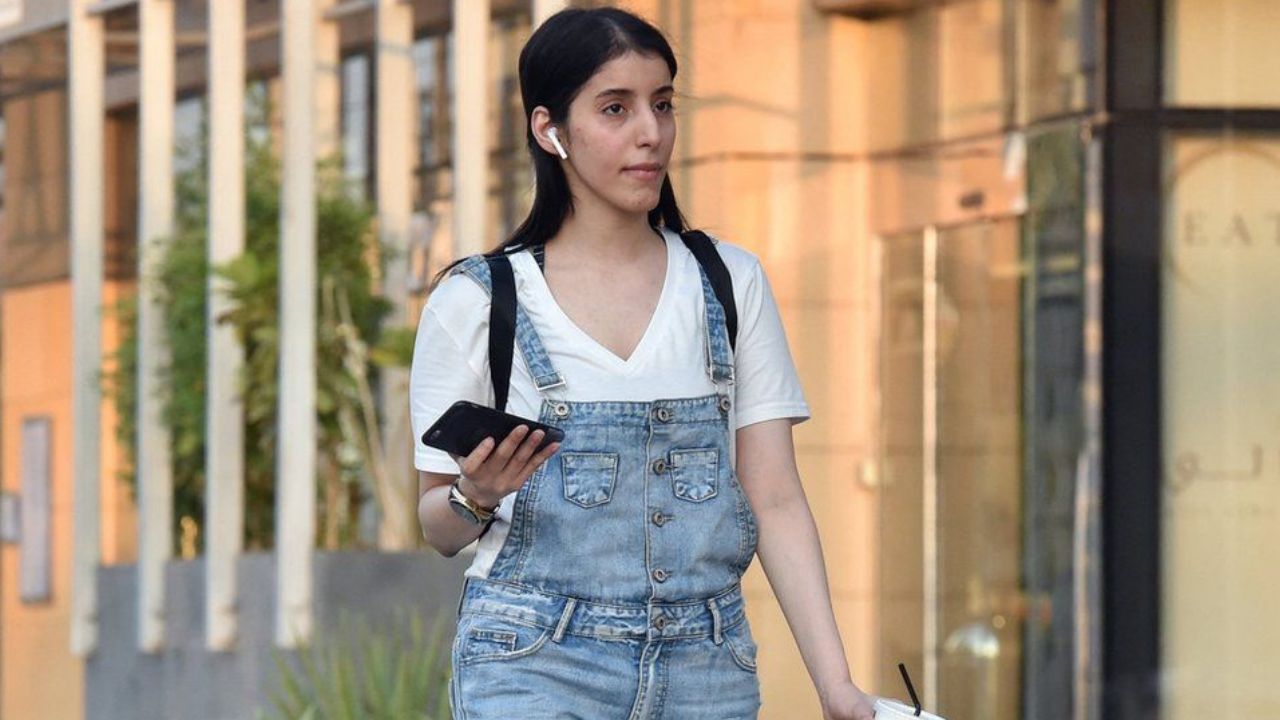
    A Saudi court’s decision to sentence fitness influencer Manahel al-Otaibi to 11 years in prison highlights what activists describe as a fierce crackdown on even vaguely critical online speech.

    In the past two years the Saudi judiciary has “convicted and handed down lengthy prison terms on dozens of individuals for their expression on social media”, the human rights groups Amnesty International and ALQST said in a joint statement on Tuesday.

    These cases are generally handled by the Specialised Criminal Court, which was established in 2008 to try suspects accused of terrorism, and Saudi authorities do not often comment on them.

    Here are some of the most high-profile recent examples:

    Nourah al-Qahtani

    A mother-of-five, Qahtani was arrested in July 2021 largely in connection with critical posts on Twitter, since rebranded as X, according to a sentencing document provided by Democracy for the Arab World Now (DAWN), a Washington-based rights group.

    She initially received a prison sentence of six-and-a-half years, however prosecutors appealed for a harsher sentence and got their wish: a 45-year term issued in mid-2022.

    Qahtani’s Twitter account, as identified in the sentencing document, features numerous posts criticising the government and others warning of attempts to arrest those behind public protests, which are not tolerated in Saudi Arabia.

    The court found Qahtani had used Twitter “to challenge the religion and justice” of King Salman and Crown Prince Mohammed bin Salman

    Get info without
    leaving the page., the kingdom’s 38-year-old de facto ruler, according to the sentencing document.

    It also says she incited “the activities of those who seek to disturb public order and destabilise the security of society and the stability of the state” by “publishing false and malicious tweets”.

    Qahtani did not have a large public profile and it is not clear how her anonymous Twitter account, which has fewer than 600 followers, attracted the attention of Saudi authorities.

    Salma al-Shehab

    A member of Sunni-ruled Saudi Arabia’s Shiite minority, Shehab had been studying for a doctorate in Britain and was arrested in January 2021 while visiting on holiday.

    In August 2022 she was sentenced to 34 years behind bars for aiding dissidents seeking to “disrupt public order” in the kingdom by relaying their tweets.

    The mother-of-two, who mostly posted about women’s rights to an account with just a few thousand followers, was also banned from travelling abroad for a further 34 years.

    Both the sentence and travel ban were later reduced to 27 years each, according to Amnesty.

    After Shehab’s sentence was made public, the University of Leeds, where she was studying, said in a statement it was “deeply concerned” and trying to find ways to support her.

    Mohammed al-Ghamdi

    A government critic who denounced alleged corruption and human rights abuses on social media, Mohammed al-Ghamdi was sentenced to death last year.

    The charges include conspiracy against the Saudi leadership, undermining state institutions and supporting terrorist ideology, sources briefed on the details of the verdict said.

    The case against him was at least partly built on posts criticising the government and expressing support for “prisoners of conscience” like the jailed religious clerics Salman al-Awda and Awad al-Qarni, Mohammed’s brother Saeed al-Ghamdi told AFP at the time.

    Mohammed al-Ghamdi, a retired teacher in his 50s, was arrested in June 2022.

    Human Rights Watch said in August 2023 it had seen court documents contending that Ghamdi “targeted the status of the King and the Crown Prince” and that the “magnitude of his actions is amplified by the fact they occurred through a global media platform, necessitating a strict punishment”.

    In an interview with Fox News that aired in September 2023, Prince Mohammed said he disapproved of the judgement and raised the possibility that Ghamdi might be spared death.

    “I’m hoping that in the next phase of trials, the judge there is more experienced. And they might look at it totally different,” Prince Mohammed said.

    Manahel al-Otaibi

    Otaibi, a 29-year-old blogger and fitness instructor, was arrested in November 2022.

    Rights groups contend that law enforcement targeted her for challenging Saudi male guardianship laws and requirements for women to wear the customary body-shrouding abaya robe.

    The Specialised Criminal Court sentenced her to 11 years in prison on January 9, but the sentence was only made public later in a Saudi submission to United Nations special rapporteurs inquiring about the case.

    That document, dated January 24 and seen by AFP on Tuesday, says Otaibi “was convicted of terrorist offences that have no bearing on her exercise of freedom of opinion and expression or her social media posts”.

  • India’s ‘Don’t guess the age’ is the trend we want to see in Pakistan

    India’s ‘Don’t guess the age’ is the trend we want to see in Pakistan

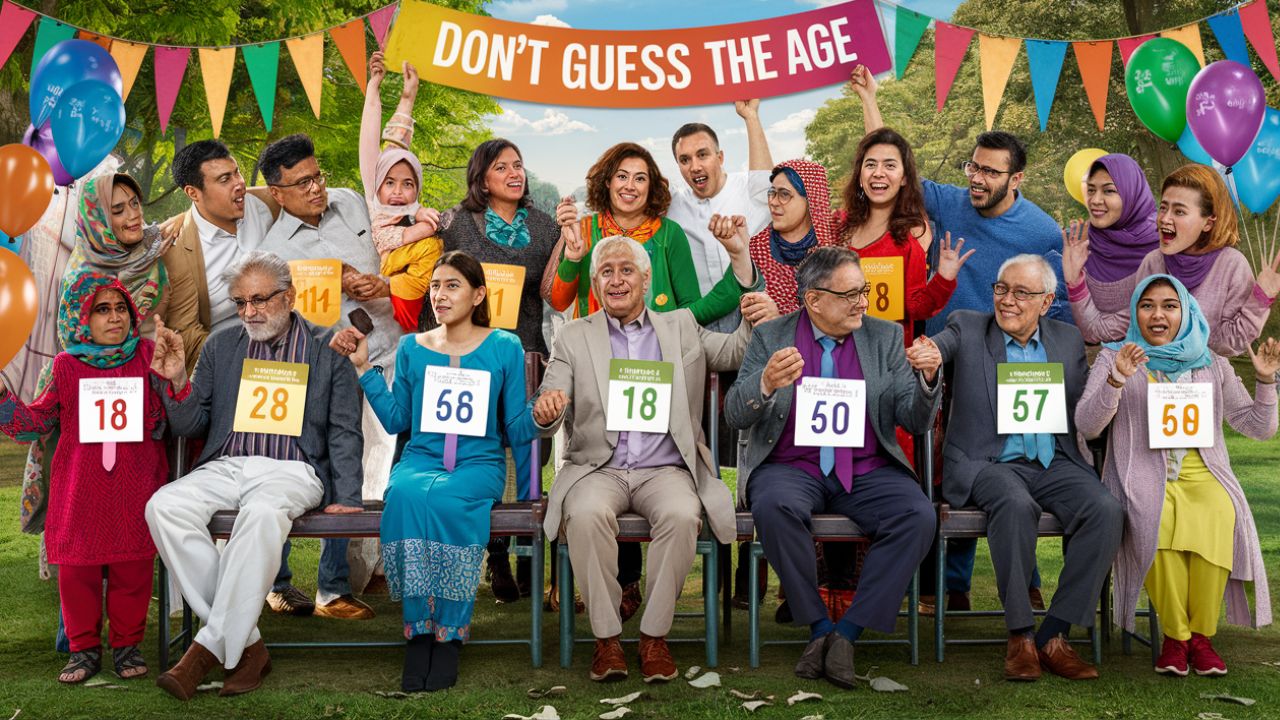
    ‘Don’t guess the age’ is a new trend seen on Indian Twitter, and it has caught our eye. We sure want to see it in Pakistan.

    We despise the very common age-shaming in our desi culture, it is high time that we start embracing that age is just a number. It’s not creases on the face but the coolness of the spirit that matters the most.

    It all started with activist Viji Venkatesh posting an uber-cool and stylish picture of hers on X that prompted people to appreciate their own age and the coolness that comes with it.


    She captioned it, “Don’t guess the age, I’m 72 and killing it. #nofilterneeded”

    Her friends and other X users started posting pictures of themselves. Author Rana Safvi posted a picture with the caption, “Don’t guess the age, I’m 67 and trying to emulate dear Viji as far as the coolness quotient is concerned.” She also stressed it by adding #nofilterneeded

    Filmmaker and human rights activist Onir posted a picture of him smiling at an event and reiterated the point of no filter needed with the caption, “Don’t guess the age, I am 55.”

    The thread kept on expanding as an academician Latika posted a picture of hers playing basketball with the caption, “Don’t guess the age, I am 53 and some more.”

    Climate activist Natasha Ramaratham embraced the #nofilterneeded trend by posting a picture of her carrying a poster and telling the world that she is 52.

    AI product designer Subbakrishna Rao joined the trend, posted a picture of him receiving an award and smiling ear-to-ear. His caption was “53 and rocking it”.

    Sandeep Roy posted a picture of him holding the camera and quipped in the caption, “Don’t guess the age, but 56 in a few months. Mom would have sworn it was “Bao ki teo” (old bong joke)”.

    Humans grow, evolve, change and this should be considered an absolutely normal thing. While physicality isn’t in anyone’s control the spirit is very instinctual. We hope to see people embracing this in our own society.

  • Aiman Khan’s remarkable lookalike takes social media by storm

    Aiman Khan’s remarkable lookalike takes social media by storm

    Aiman Khan has charmed audiences with her talent and charisma over the years.
    Recently, social media was buzzing with surprise over a viral video showing a girl dancing at a wedding. What caught everyone’s eye was how much she looked like Aiman Khan.
    Dressed in a traditional pink outfit, she wowed the crowd with her dance moves, leading many fans to mistake her for the famous actress.
    After the video spread online, people quickly noticed the striking similarity between the girl and Aiman Khan. Fans even tagged Nida Yasir under the video, suggesting to her to invite the girl on her morning show for being Aiman Khan’s lookalike.

  • Meta shouldn’t force users to pay for data protection: EU watchdog

    Meta shouldn’t force users to pay for data protection: EU watchdog

    Brussels, Belgium – Facebook owner Meta and other online platforms must not force users to pay for the right to data protection enshrined in EU law when offering ad-free subscriptions, the European data regulator said Wednesday.

    “Online platforms should give users a real choice when employing ‘consent or pay’ models,” the European Data Protection Board (EDPB) chair Anu Talus said in a statement.

    “The models we have today usually require individuals to either give away all their data or to pay,” she said. “As a result, most users consent to the processing in order to use a service, and they do not understand the full implications of their choices.”

    Meta in November launched a “pay or consent” system allowing users to withhold use of their data for ad targeting in exchange for a monthly fee — a model that has faced several challenges from privacy and consumer advocates.

    Meta has long profited from selling user data to advertisers but this business model has led to multiple battles with EU regulators over data privacy.

    The latest announcement came after the data protection authorities of The Netherlands, Norway and the German state of Hamburg went to the EDPB for an opinion regarding the pay-or-consent model used by Meta.

    The Silicon Valley company allows users of Instagram and Facebook in Europe to pay between 10 and 13 euros (around $11 and $14) a month to opt out of data sharing.

    Meta pointed to an EU court ruling last year that it said opened the way for subscriptions as a “legally valid” option. “Today’s EDPB opinion does not alter that judgment and subscription for no ads complies with EU laws,” a Meta spokesperson said.

    Meta is waiting for a decision on its model by the data privacy regulator in Ireland where the company is headquartered.

    ‘Binary choice’

    All digital platforms must comply with the European Union’s mammoth general data protection regulation (GDPR), which has been at the root of EU court cases against Meta.

    The EDPB in its opinion argued that Meta’s model was at odds with the GDPR’s requirement that consent for data use must be freely given.

    “In most cases, it will not be possible for large online platforms to comply with the requirements for valid consent if they confront users only with a binary choice between consenting to processing of personal data for behavioural advertising purposes and paying a fee,” the opinion read.

    The EDPB also warned the type of subscription service put forward by Meta “should not be the default way forward” for platforms.

    It suggested that platforms should consider an alternative that would give users the right to reject being tracked for advertising purposes without the need to pay.

    Privacy defenders welcomed the opinion.

    “Overall, Meta is out of options in the EU. It must now give users a genuine yes/no option for personalised advertising,” said prominent online privacy activist Max Schrems.

    “We know that ‘Pay or Okay’ shifts consent rates from about three percent to more than 99 percent — so it is as far from ‘freely given’ consent as North Korea is from a democracy,” said Schrems.

    Tech lobby group CCIA however warned the EDPB risked “opening a Pandora’s Box”.

    “Forcing businesses to offer services at a loss is unprecedented and sends the wrong signals,” said CCIA Europe’s senior policy manager, Claudia Canelles Quaroni.

    “All companies should be able to offer paid-for versions of their services.”

    raz/gv

    © Agence France-Presse

  • X blocks India election posts after takedown orders

    X blocks India election posts after takedown orders

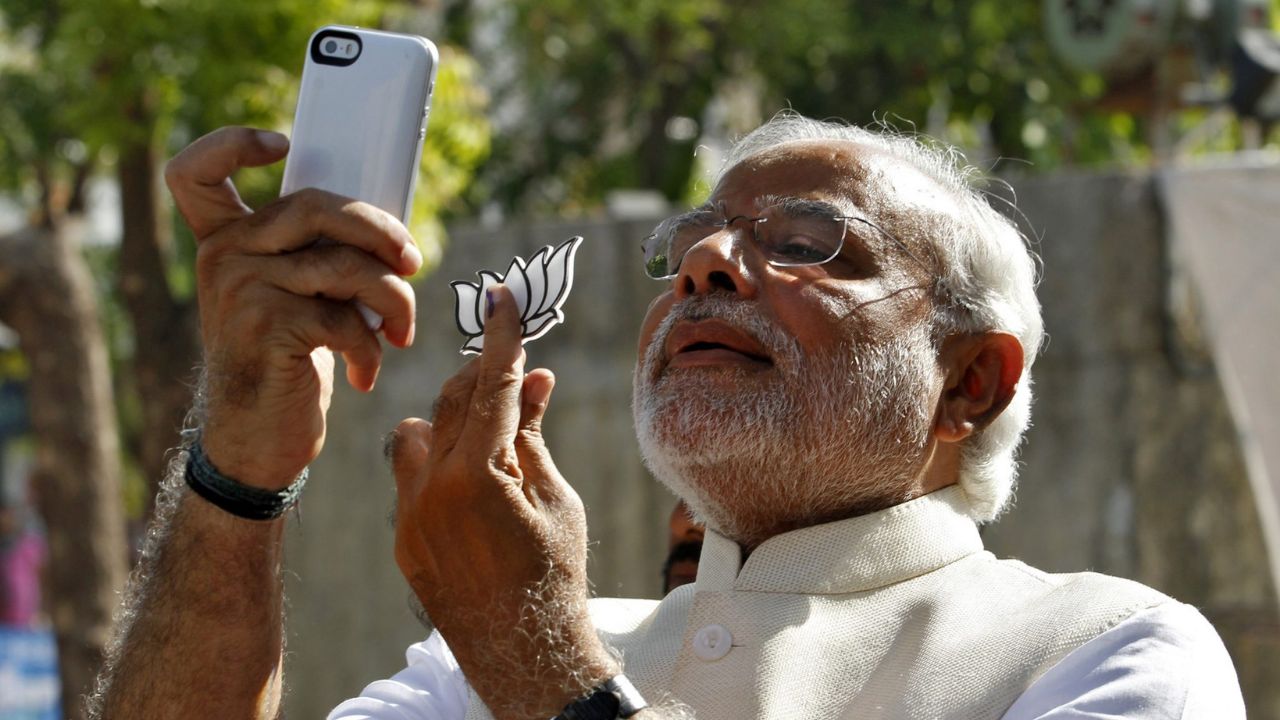
    Social media platform X has blocked several posts in India containing political speech after authorities ordered their takedown ahead of a six-week general election that starts Friday.

    X, owned by Tesla boss Elon Musk and formerly known as Twitter, said the posts would be withheld from Indian audiences until the election was over despite its disagreement with the order.

    “In compliance with the orders, we have withheld these posts for the remainder of the election period,” X said in a statement posted to the platform late Tuesday.

    “However, we disagree with these actions and maintain that freedom of expression should extend to these posts and political speech in general.”

    The posts by elected politicians, political parties and candidates made unverified claims about the private lives of their opponents, which India’s election commission said violated its code of conduct.

    The platform’s announcement of its compliance with the order came the same day X’s Brazilian office said it would abide by a court direction to block disinformation-spreading users in that country.

    Musk had earlier threated to disregard the Brazilian court’s order.

    The billionaire is expected to meet Prime Minister Narendra Modi in India this month to discuss major investment plans in the country.

    India, the world’s biggest democracy, regularly ranks among the top five countries globally for number of requests made by a government to remove social media content.

    Last year, an Indian court hit X with a $61,000 fine after the platform unsuccessfully challenged orders to remove tweets and accounts critical of Modi’s government.

    Rights groups say freedom of expression is under threat in India, which has fallen 21 spots to 161 out of 180 countries in the World Press Freedom Index since Modi took office in 2014.

    Indian authorities have regularly imposed blanket internet shutdowns during periods of unrest.

    That includes a months-long outage in the northeastern state of Manipur last year in the wake of ethnic violence.

    The government says internet cuts curb disinformation by stemming rumours from spreading on social media or mobile messaging applications.

    A total of 968 million people are eligible to cast a ballot in the election, with the final round of voting on June 1 and counting three days later.

  • Interior Minister Mohsin Naqvi supports stricter rules on social media use

    Interior Minister Mohsin Naqvi supports stricter rules on social media use

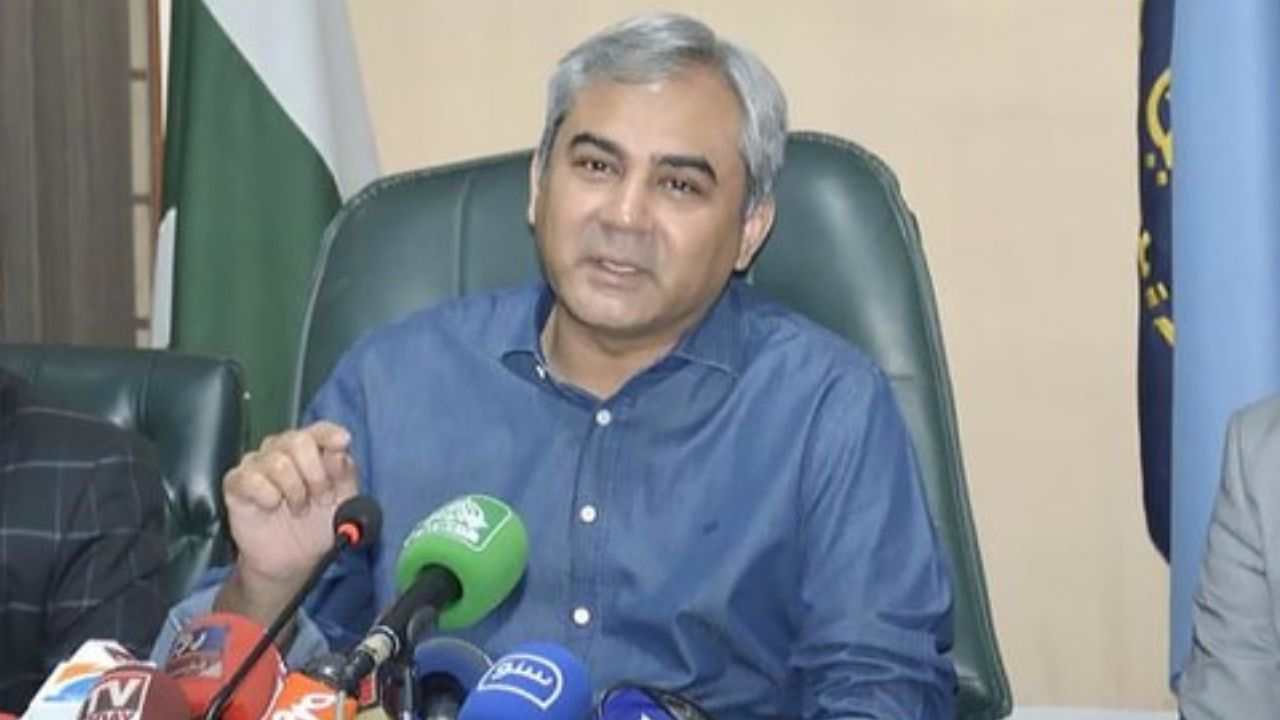
    During a press conference in Lahore held on Monday, federal Interior Minister Mohsin Naqvi pointed out that everyone knows how people who share fake videos in the United Arab Emirates or the UK are treated by those countries.

    He added that while there should be freedom of speech in Pakistan, there must also be a law under which a person making a false accusation can be arrested.

    As for the issue of the increased street crime in Karachi, the Interior Minister acknowledged the fact that the crimes are taking place in the city, but he also asserted that the police are fighting there on a daily basis.

  • Social media roasts Israel for calling emergency meeting of UN after Iran attack

    Social media roasts Israel for calling emergency meeting of UN after Iran attack

    The world may be at the brink of a very dangerous war but social media’s trolling of Israel continues unabated.

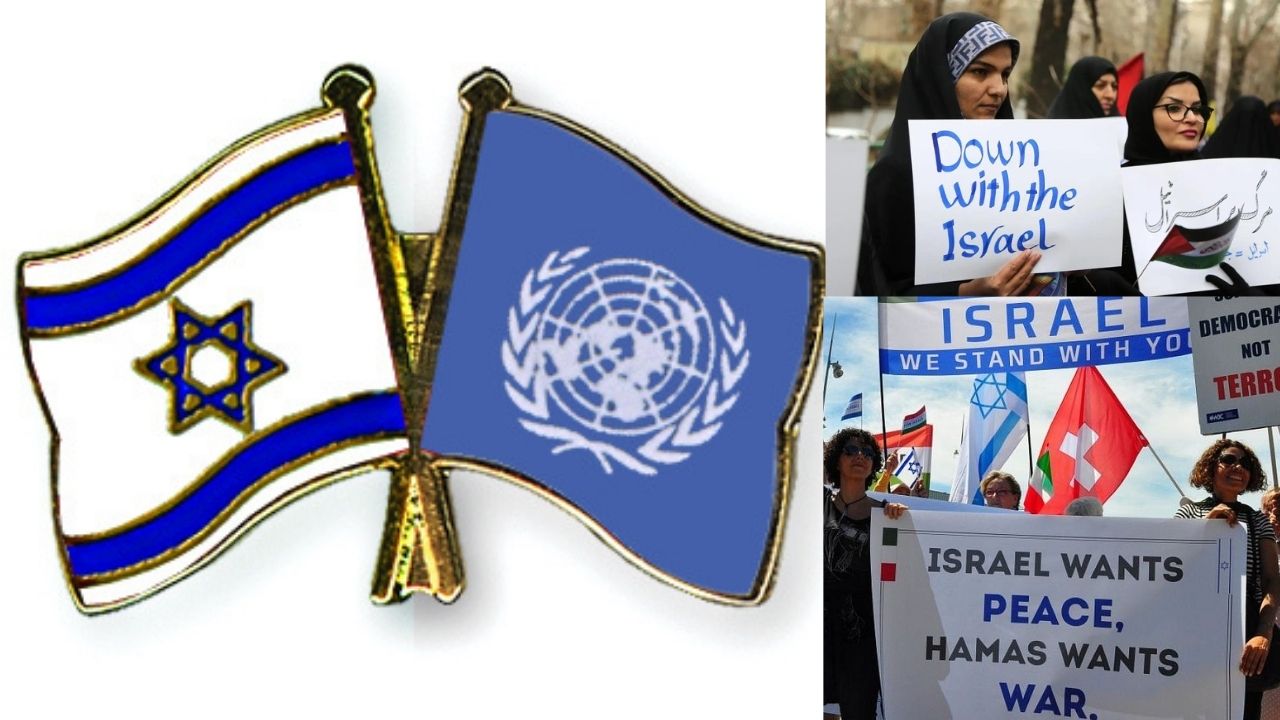
    Right after Iran retaliated against Israel on Saturday night for destroying its embassy in Syria, Israel hurriedly called for an emergency meeting of the UN Security Council. Social media users did not fail to roast the country for its own recent actions.

    This user reminded Israel that it has ignored Security Council’s calls for a ceasefire in Gaza.

    Another user recalled how Israel had called the UN “anti-semitic” for telling it to stop killing Palestinians.

    A political analyst picked up on Israel’s continuous violations of all international laws and UN conventions.

    Others launched their meme games:

  • Army, Punjab police will investigate Bahawalnagar incident together: ISPR

    Army, Punjab police will investigate Bahawalnagar incident together: ISPR

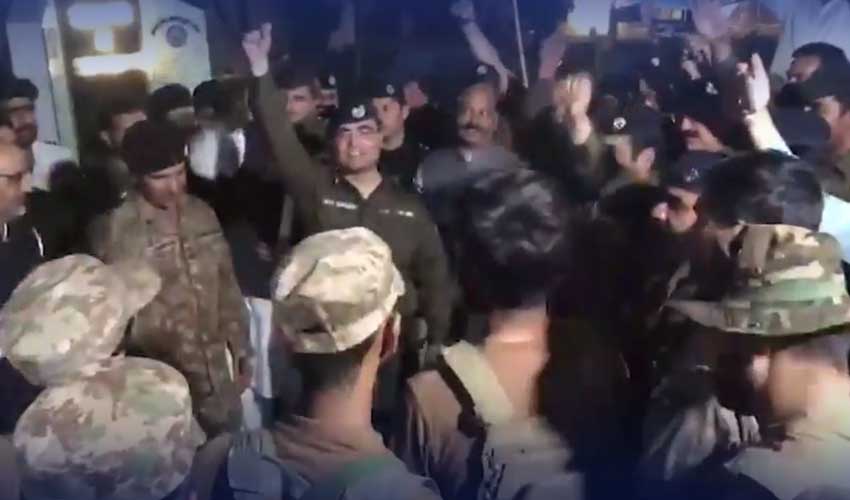
    Pakistan Army and Punjab Police announced on Friday that they will work together to investigate the incident where masked men in military clothing attacked cops in Bahawalnagar. The decision came after short video clips of the incident went viral on social media.

    The military’s media wing stated that a recent unfortunate incident happened in Bahawalnagar. The military and police authorities worked together to promptly address and resolve the situation.

    “Despite this, certain factions with vested motives started fanning vitriolic propaganda on social media to create divisions between state institutions and government departments,” the statement read.

    “To ensure a fair and deliberate inquiry, and to determine responsibility for violations of laws and misuse of authority, a joint inquiry comprising security and police officials will be conducted for ascertaining the facts and apportioning responsibility,” it concluded.

    Earlier, on Wednesday, the Punjab Police condemned the “fake propaganda” being spread on social media websites after videos emerged showing cops being assaulted by Pakistan Army officers in Bahawalnagar.

  • X gives free blue check to big follower accounts

    X gives free blue check to big follower accounts

    Users with big followings will receive a free subscription to X, formerly Twitter – and the platform’s famous blue check, the company said in another policy U-turn.

    Before Musk, the blue check mark was used as a verification system for major accounts including celebrities, institutions and journalists.

    But Musk saw the system as unfair to regular users and overhauled the blue checks so that they went only to paying subscribers, which meant thousands of holders were stripped of the feature.

    Late Wednesday, some users were surprised and even angry to find the blue tick reinstated.

    A message from the platform explained that they were given free subscriptions because they were an “influential member” of X.

    The site added that it “reserves the right to cancel the complimentary subscription in its sole discretion.”

    Musk said last week that “going forward, all X accounts with over 2,500 verified subscriber followers will get Premium features for free and accounts with over 5,000 will get Premium+ for free.”

    Premium or Premium+ perks include reduced ads and higher placement in the platform’s feeds, as well as access to Grok, X’s AI chatbot.

    Some users who received the blue check saw it as a bid by Musk to revitalize the struggling platform.

    “Translation: Pay $8? Kidding. Help me. But don’t say anything too free speechy about me or my Garbage Tower of Babel,” actor Jeffrey Wright, who received an unsolicited check, said in a post on X.

    Since Musk bought Twitter for $44 billion in 2022, the platform’s advertising business has collapsed as marketers soured on his leadership and the mass firings at the company that gutted content moderation.

    X on Tuesday named company veteran Kylie McRoberts as the new head of safety in an effort to shore up income from advertising, still the site’s main source of revenue.

    According to most industry-accepted metrics, X has lost users since Musk took ownership, but the company says activity on the site has grown.

  • Who Banned X (former Twitter) in Pakistan? We finally have an answer

    Who Banned X (former Twitter) in Pakistan? We finally have an answer

    Pakistan Telecommunication Authority (PTA) disclosed to the Sindh High Court (SHC) that the nationwide ban on the social media platform X, implemented on February 17, was executed upon directives from the Ministry of Interior, citing intelligence agency reports.

    Since February 17, the X website and application have remained predominantly offline, with sporadic service restorations, primarily occurring following statements made by former Rawalpindi commissioner Liaquat Ali Chatta alleging election irregularities.

    PTA Chairman Hafeezur Rehman announced his intention to address the disruption of X with the interior ministry during a telephonic conversation with Dawn.com.

    Rehman emphasized the need for clarity or accountability regarding the platform’s closure, highlighting that such actions are typically directed by the Interior Ministry.

    During a hearing, a two-member SHC bench, comprising Chief Justice Aqeel Ahmad Abbasi and Justice Abdul Mubeen Lakho, consolidated four petitions filed by lawyer Jibran Nasir, journalist Zarrar Khurho, and others concerning internet disruptions at various instances.

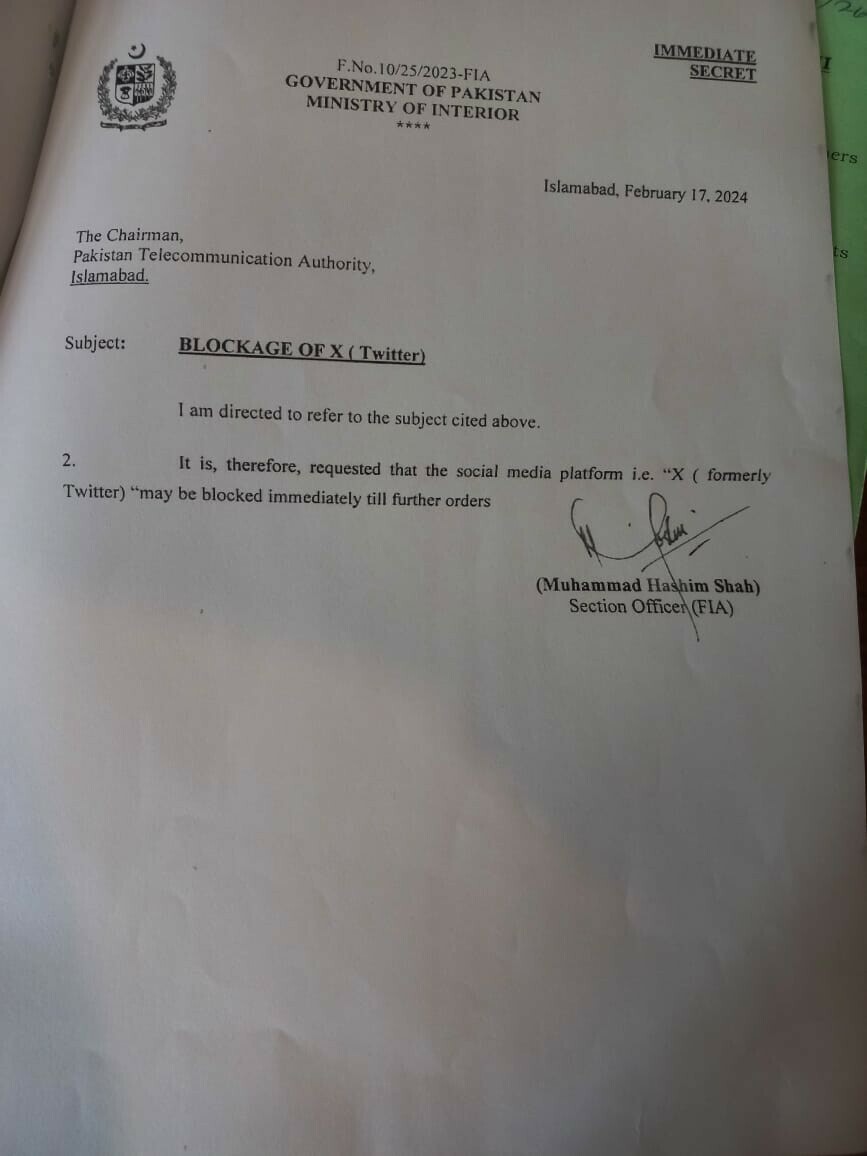
    In court, the PTA presented a copy of a letter dated February 17 from the Ministry of Interior instructing the telecommunication authority to block social media platform X.

    The letter sent by Muhammad Hashim Shah, section officer FIA, to The Chairman PTA stated, “It is, therefore, social media platform i.e. X (formerly Twitter) may be blocked immediately till further orders.”

    The PTA further revealed that these orders stemmed from intelligence agency reports.

    Expressing dissatisfaction over the interior ministry’s failure to provide a written response, Chief Justice Aqeel Ahmad Abbasi urged Deputy Attorney General Khaleeq Ahmed to submit a “serious response,” prompting the latter to later present a written reply on behalf of the interior ministry. The response stated that services were disrupted on May 9, following orders from all provincial governments, citing concerns for state and citizen security. However, it refrained from commenting on other aspects of the case.

    Following the inclusion of the ministry’s response in the case record, the bench adjourned the hearing until April 17, awaiting further proceedings.