Tag: State Bank of Pakistan

  • Pakistani rupee depreciates for the 5th day in a row, settles at Rs222.67

    Pakistani rupee depreciates for the 5th day in a row, settles at Rs222.67

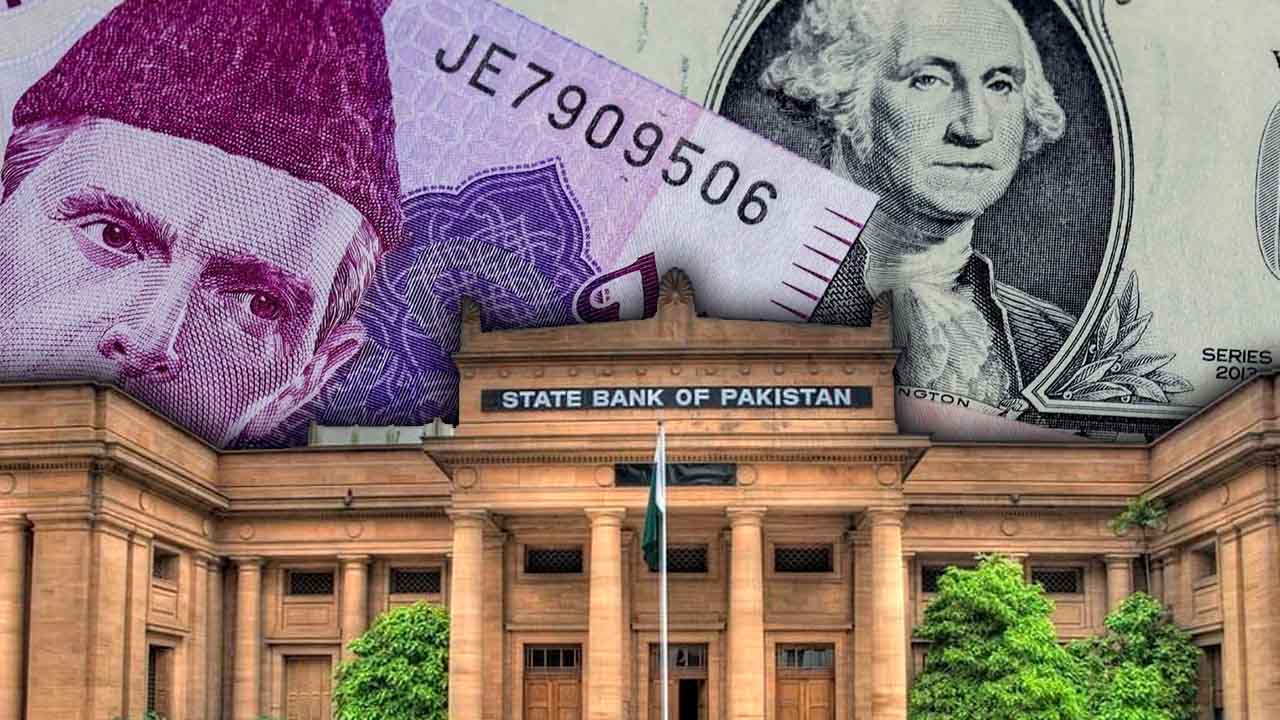
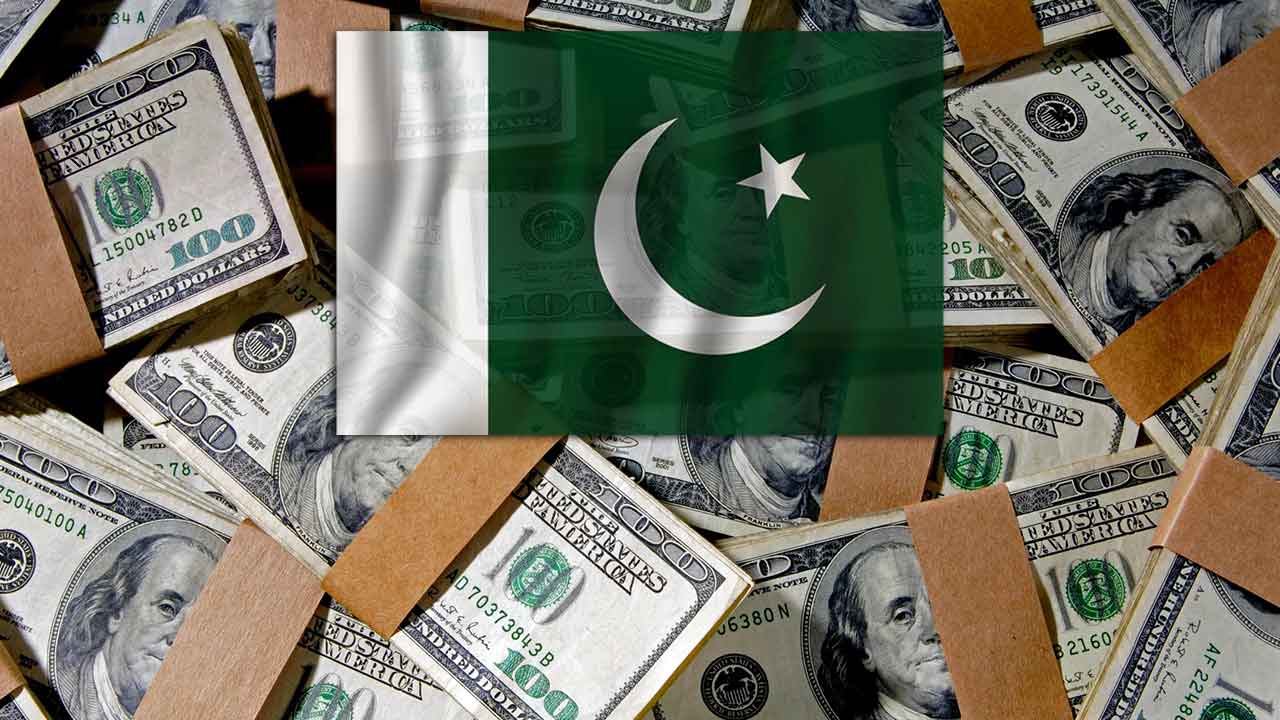
    The Pakistani rupee (PKR) lost 0.12 per cent on Thursday in the inter-bank market, continuing its downward trend against the US dollar.

    The rupee dropped by Rs0.26 and ended the day at Rs222.67. The rupee has decreased by Rs1.25, or 0.56 per cent, over the last five trading sessions.

    PKR continued to lose value against the US dollar on Wednesday, falling Rs0.50 (0.22 per cent) to settle at Rs222.41.

    In a significant breakthrough on Wednesday, the State Bank of Pakistan (SBP) promised the Standing Committee on Finance of the National Assembly that action would be taken against banks by the end of the month for allegedly overcharging importers when establishing Letters of Credit.

    The SBP informed the banks in person about the practise and counselled them to rationalise the margins they were charging customers, according to information provided to the committee.

    Additionally, Pakistan’s external debt and liabilities reduced by $3.282 billion from $130.196 billion as of June 30, 2022, to $126.914 billion at the end of September 2022.

    The dollar recovered globally on Thursday as strong US retail data challenged the recent narrative that inflation is declining and US interest rates do not need to increase significantly more.

    The US reported overnight that retail sales increased 1.3 per cent in October, exceeding economists’ expectations of 1.0 per cent, a positive sign but one that dashed expectations for a pause in rate increases.

    The dollar index, which compares the value of the dollar to six important peers, increased 0.18 per cent to 106.46.

    A key indicator of currency parity, oil prices fell on Thursday due to easing geopolitical tensions and worries about Chinese demand, though signs of tighter supply, such as lower US inventories, provided support.
  • SBP reduces cash-carrying limits by 50% for international travel

    SBP reduces cash-carrying limits by 50% for international travel

    The State Bank of Pakistan (SBP) said in a statement that the cash-carrying limitations on foreign currency for international travel have been cut in half to $5,000 (or equivalent in other foreign currencies) each visit and $30,000 per year for individuals aged 18 and over.

    Under-18s (minors) will be subject to a 50 per cent reduction in both ceilings, or $2,500 per visit and $15,000 per year.

    The cap on withdrawing foreign currency in cash, however, will continue to be $1,000 per visit and $6,000 per year for visitors to Afghanistan.

    Now, overseas debit and credit card transactions are also subject to the same annual cap ($30,000).

    To curb speculation and the grey market, the SBP and the Federal Investigation Agency (FIA) have independently decided to work together against illegal foreign exchange businesses.

    The yearly trip cash limits, according to the central bank, won’t take effect until January 1, 2023, but the per-visit limits will be effective right away.

    A $30,000 yearly restriction on overseas transactions was also imposed by the SBP after it discovered that debit and credit cards were being used for transactions that “are not linked with the profile of the individual or are meant for commercial purpose.”

    SBP advised banks to “ensure that the use of debit and credit cards for international transactions was aligned with the profile of cardholders and for their personal needs only”.

    “It is emphasised that the purpose of debit/credit cards is to facilitate individuals in making payments for transactions that are of personal nature. The limits on these cards as well as payments through them, both domestic and international, should therefore be aligned with the profile of the cardholder,” it said.

    It continued by stating that it was the customer’s duty to make sure that their annual quota was never exceeded. However, banks are required to track these caps for every person on a combined basis.

  • Pakistan’s total liquid foreign reserves increases to $14.68 billion

    Pakistan’s total liquid foreign reserves increases to $14.68 billion

    The Asian Development Bank (ADB) contributed to an increase of $1.517 billion in Pakistan’s foreign exchange reserves during the week ending October 28 to bring them to $14.679 billion, the central bank reported on Thursday.

    The State Bank of Pakistan’s foreign exchange holdings increased by $1.473 billion to $8.912 billion.

    “This increase is attributed to the receipt of US$ 1,500 million from ADB,” the SBP said in a statement.

    The SBP has enough reserves to cover imports for 1.29 months. Additionally, commercial bank reserves increased by $44 million to $5.766 billion.

    When the government is dealing with a balance of payments issue, the increase in foreign reserves is encouraging for the nation’s finances. At least $30 billion has been lost as a result of the country’s devastating floods this summer.

    A $500 million deal between Pakistan and the World Bank has been signed. The $200 million investment will be used to support an agricultural transformation project in Punjab.

    According to The News, another project in Khyber Pakhtunkhwa for $300 million in climate change projects will be funded by the World Bank.

  • Pakistani rupee continues to fall against USD for the third consecutive session

    Pakistani rupee continues to fall against USD for the third consecutive session

    For the third session in a row, the Pakistani rupee lost 97 paise in the interbank market on Friday as it fell against the dollar.

    The local currency depreciated by 0.44 per cent from yesterday’s finish of Rs221.5 to settle at Rs222.47 per dollar, according to the State Bank of Pakistan.

    Data gathered by Mettis Global show that the value of the PKR has decreased by Rs16.64 or 7.52 per cent since the beginning of this fiscal year.

    This week’s first day saw the sovereign default risk rise to its highest level since November 2009. On October 25, the country’s five-year credit default swap (CDS), which functions as a form of insurance against the risk of sovereign default, climbed by more than three per centage points, reaching 52.8pc, a 13-year high.

    Investors’ decreasing confidence in Pakistan’s capacity to repay its international loans is reflected in the growing CDS level.

  • Rupee resumes downward trend against US dollar

    Rupee resumes downward trend against US dollar

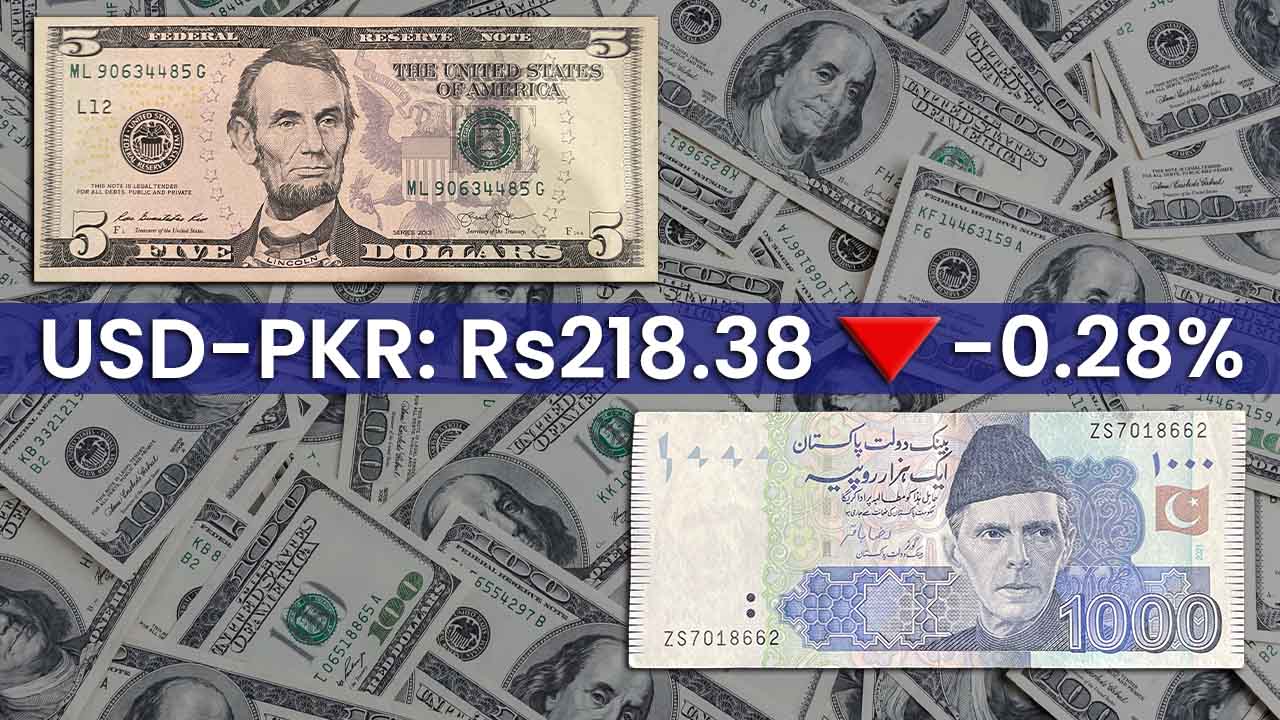
    Pakistani rupee suffered a marginal loss of Rs0.50 against the US dollar in the interbank market, extending its losses for a second straight session.

    State Bank of Pakistan (SBP) reports that the local currency lost Rs0.50 against the dollar in the interbank market and ended the day at Rs218.38.

    The Forex Association of Pakistan (FAP) said that banks were trading US dollars for Rs218.78 at the time. The exchange rate for the dollar in the open market was between Rs220 and Rs222.

    This is the second time, the rupee has registered a loss in its value after Federal Finance Minister Ishaq Dar’s return to office. The local currency appreciated by almost Rs22, or 10.1 per cent, against the greenback in the last 13 sessions.

    Earlier, Federal Minister For Finance and Revenue Ishaq Dar vowed to bring back Pakistani rupee at its original value which is less than 200 against US dollar. “I can genuinely prove that dollar’s actual value is below Rs200,” he added.

  • Pakistani rupee continues to rise for 13th consecutive session

    Pakistani rupee continues to rise for 13th consecutive session

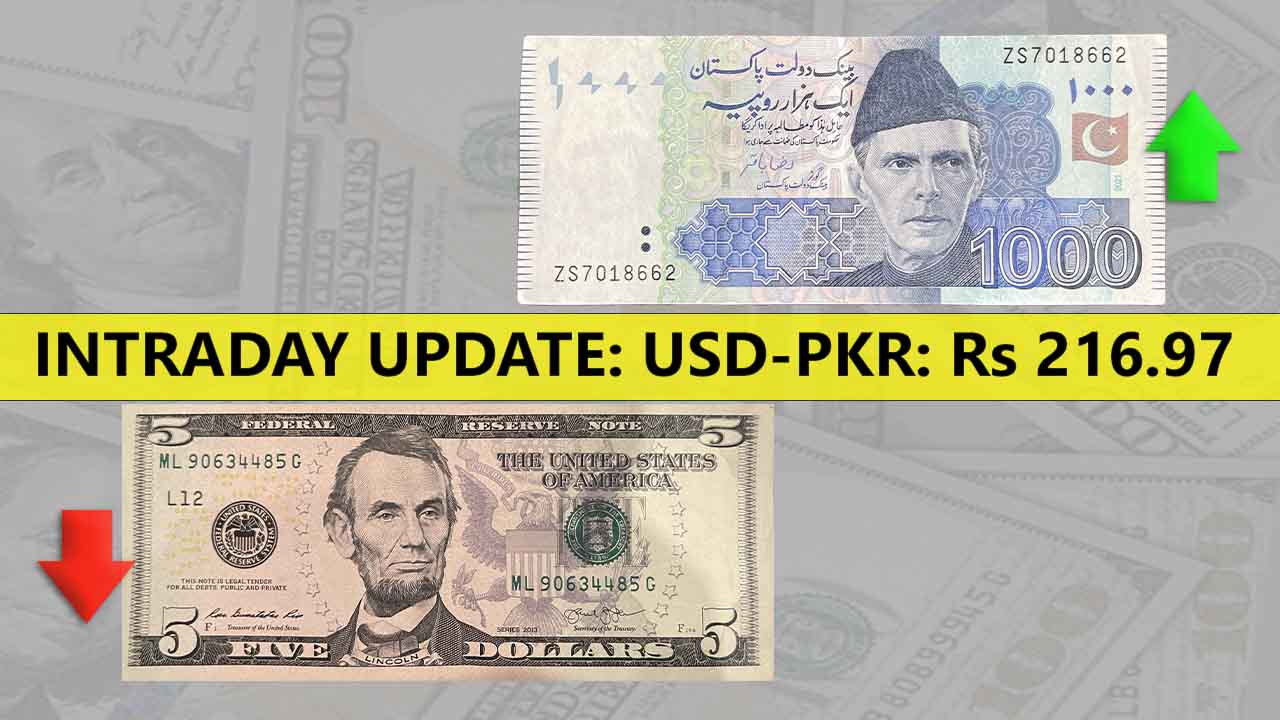
    The Pakistani rupee is strengthening versus the US dollar in the interbank market and increased by more than 0.4 per cent on Tuesday morning.

    During intra-day trading, the rupee was quoted at Rs216.97 at around 10:40 am, up Rs1 or 0.46 per cent against the US dollar.

    On Monday, the rupee continued its upward trend against the US dollar for the 12th straight session and appreciated Rs1.95 or 0.89 per cent to settle at Rs217.97.

    The Monetary Policy Committee (MPC) of the central bank maintained its benchmark policy rate at 15 per cent on Monday, which was a significant development.

    However, market observers attribute the rupee’s recent increase to the central bank and other authorities’ efforts to curb market speculation.

    According to Brecorder, the United Nations Development Programme issued a grim warning on Tuesday, stating that there was a debt problem that was rapidly worsening in a number of developing countries, including Pakistan.

    Without prompt assistance, the poverty rate in at least 54 countries would increase, according to UNDP, and “critical investments in climate adaptation and mitigation will not happen.”

    Sri Lanka, Pakistan, Tunisia, Chad, and Zambia are the nations most at risk right now, according to UNDP head economist George Gray Molina.

    In other countries, the dollar loomed big over precarious financial markets on Tuesday, worrying investors with concerns about rising interest rates, global growth, and geopolitical tensions.

    The 20-year high of Rs114.78 that it reached late last month was not far away; the US dollar index was up 0.053 per cent at Rs113.12 at the time.

    An increase in COVID-19 cases in China and a stronger US dollar contributed to Tuesday’s decline in oil prices, a major measure of currency parity, as they sparked worries about a faltering global economy.

  • LC payments up to $50,000 to be released by SBP

    LC payments up to $50,000 to be released by SBP

    Federal Finance Minister Ishaq Dar said that $50,000 in letters of credit (LC) payments that are overdue will be settled this week.

    According to Geo, the decision was made following a discussion with the Governor State Bank of Pakistan (SBP) Jameel Ahmed Dar said that the SBP chief will convey these instructions to clear LCs as a “first step” towards growth next month before departing for Washington DC to meet with International Monetary Fund (IMF).

    Almost 4,400 requests for opening LCs, a payment mechanism used in international trade to provide an economic guarantee from a creditworthy bank to an exporter of goods, will be deducted after these decisions, according to the speaker, who revealed that there were a total of 7,952 cases still pending.

    For certain imports, including completely knocked down (CKD) vehicles, telephones, and various types of machinery, the SBP previously required prior approval before opening LCs or registering contracts. However, these directives were given on May 20.

    The Finance Minister also made it clear that Pakistan will not be refinancing its loans through the Paris Club. According to him, Pakistan will make sure to make timely payments to multilateral organisations for its national sovereign debt obligations. He claimed that in this regard, a strategy had been developed.

  • Pakistani rupee crashes against US dollar for 11th day in a row

    Pakistani rupee crashes against US dollar for 11th day in a row

    For the eleventh session in a row, Pakistan’s rupee has lost value versus the US dollar, falling 0.41 per cent on Friday in the interbank market as the dollar gained momentum throughout the world and investors’ concerns about the increasing trade imbalance intensified.

    The rupee dropped by Rs0.96, according to the State Bank of Pakistan (SBP), and ended the day at Rs236.84. The rupee has lost Rs18.24, or 7.7 per cent, overall over the last 11 trading sessions against the US dollar.

    In the interbank market on Thursday, the Pakistani rupee declined against the US dollar for the tenth straight session as investors expected funding from allies and foreign creditors. It ended the day down 0.66 per cent at Rs235.88.

    The local currency increased in value last month as a result of Pakistan fulfilling all previous IMF requirements, which allowed the programme to resume. This development enabled Pakistan to receive $1.17 billion under the Extended Fund Facility (EFF).

    The local currency has recently, however, been under intense pressure once more and is currently hovering close to its all-time low as funding anticipated from allies has not yet materialised.

    Additionally, the State Bank of Pakistan’s (SBP) foreign exchange reserves decreased by $176 million, reaching $8.62 billion as of September 9, 2022, according to information made public on Thursday.

    According to the SBP, the nation possessed $14.32 billion in liquid foreign reserves. Commercial banks held $5.7 billion in net foreign reserves.

    Globally, the dollar remained close to recent highs on Friday as Treasury yields rose and the demand for the currency persisted on expectations that the Federal Reserve would need to raise rates further to control inflation.

    The US dollar index, which compares the value of the dollar to a basket of other currencies, increased to Rs109.69, which is not far from its two-decade high of Rs110.79.

    In the meantime, oil prices—a crucial factor in determining currency parity—were largely stable on Friday, but they were headed for a weekly decrease due to worries about sudden interest rate hikes that would likely slow global economic growth and fuel demand.

  • Pakistan’s current account deficit shrinks to $1.2 billion, reflecting decline in imports

    Pakistan’s current account deficit shrinks to $1.2 billion, reflecting decline in imports

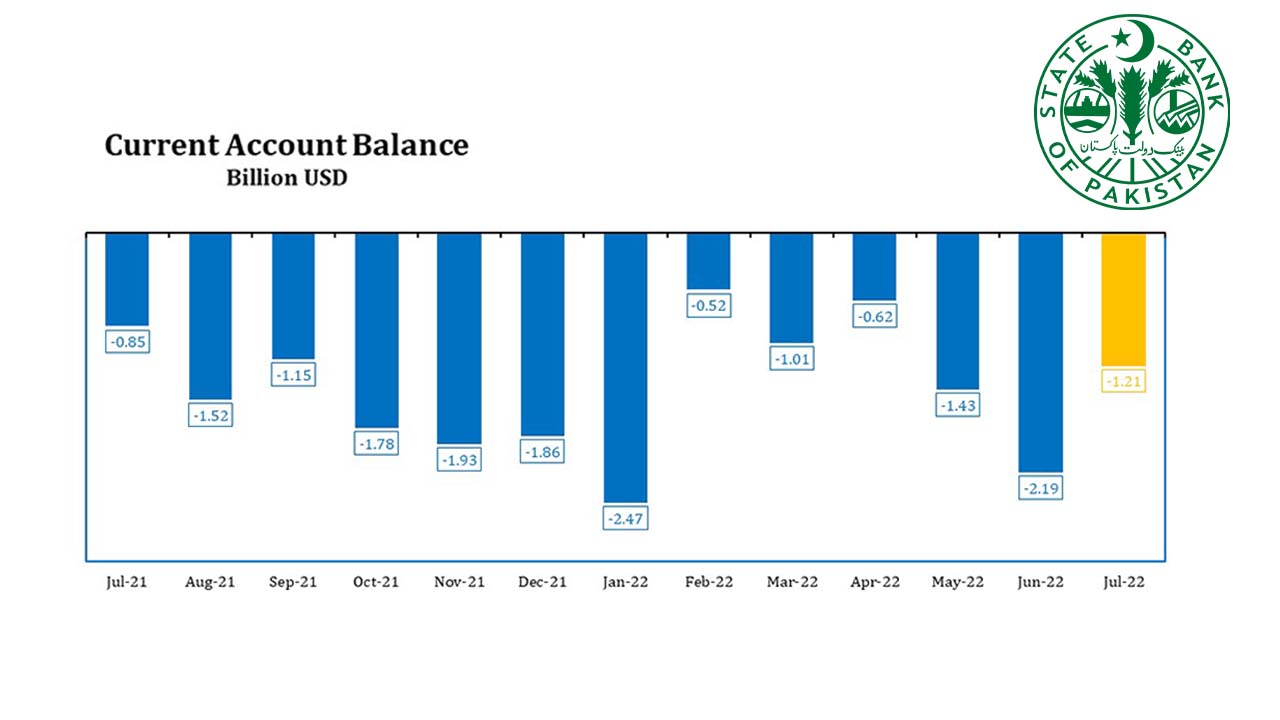
    According to figures provided by the State Bank of Pakistan (SBP) on Wednesday, Pakistan’s current account deficit (CAD) decreased to $1.2 billion in July from $2.2 billion in June, reflecting a 45.45 per cent month-over-month decrease.

    The SBP ascribed the dip to a significant reduction in energy imports and ongoing moderation in other imports.

    “The narrower deficit is the result of wide-ranging measures taken in recent months to moderate growth and contain imports, including tight monetary policy, fiscal consolidation & some temporary administrative measures,” it said in a tweet.

    But the current account deficit widened by 42 per cent year over year. In July 2021, a deficit of $851 million was reported as opposed to a deficit of $1.1 billion this year, according to the online financial statistics and analytics portal Mettis Global.

    The trade deficit in services, which is still negative, decreased by 62 per cent month over month as a result of a 40 per cent decline in imports and a 17 per cent decline in exports. According to the figures, the trade balance in services was $260 million in July as opposed to $682 million in June.

    The Mettis Global study showed a 9 per cent reduction in the trade deficit year over year.

    It also pointed out that worker remittances, which it referred to as the foundation of the economy, fell by 9 per cent from one month to the next, coming in at $2.52 billion in July as opposed to $2.76 billion in June.

  • Govt appoints Jameel Ahmad as Governor SBP for 5 years

    Govt appoints Jameel Ahmad as Governor SBP for 5 years

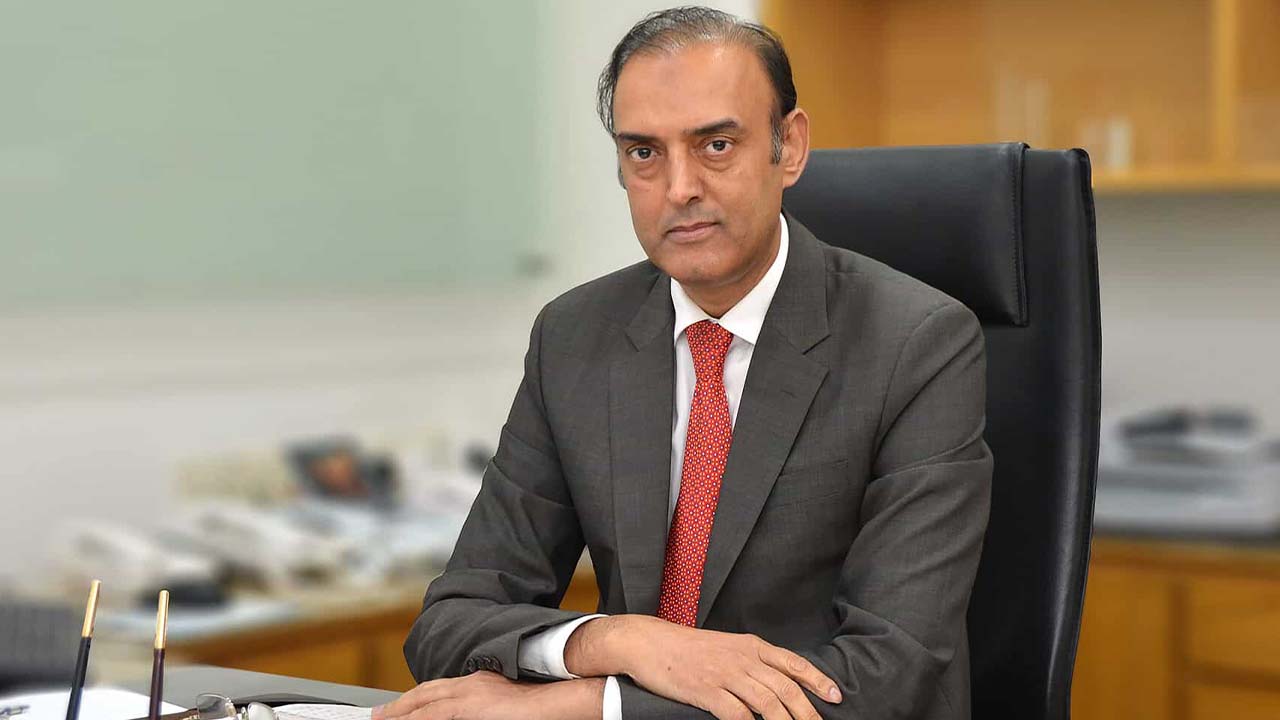
    According to a Finance Division announcement on Friday, the government has appointed Jameel Ahmad as Governor of the State Bank of Pakistan (SBP) for a tenure of five years, effective immediately.

    “In exercise of powers conferred under Section 11A (1) read with Section 14(1) of the State Bank of Pakistan (SBP) Act 1956 (Amended 2022), Jameel Ahmad is appointed as Governor State Bank of Pakistan for a term of five (5) years with the approval of the President of Pakistan, upon the recommendation of Federal Government, with immediate effect,” read the notification.

    Jameel Ahmad was the deputy governor of the central bank and was reappointed by the government on October 25, 2018, for a three-year term. From April 11, 2017, to October 15, 2018, he also held the position of Deputy Governor (Banking & FMRM).

    “Jameel Ahmad has an illustrious career as an accomplished central banker span over 30 years at various senior positions at the State Bank of Pakistan and the Saudi Central Bank (SAMA),” read information available on the SBP website.

    Mr Jameel Ahmad did his MBA from University of Punjab at Lahore and is a Fellow Member of the Institute of Cost & Management Accountants of Pakistan (FCMA), an Associate Member of the Institute of Bankers Pakistan and a Fellow Member of the Institute of Corporate Secretaries of Pakistan (FCIS).