Tag: State Bank of Pakistan

  • Why do businesses not grow in Pakistan?

    Why do businesses not grow in Pakistan?

    CEO Maple Leaf Capital, Waleed Saigol, has said that businesses grow in Pakistan but at a slow pace, and the problem lies within the policies and mindset of the country’s power groups.

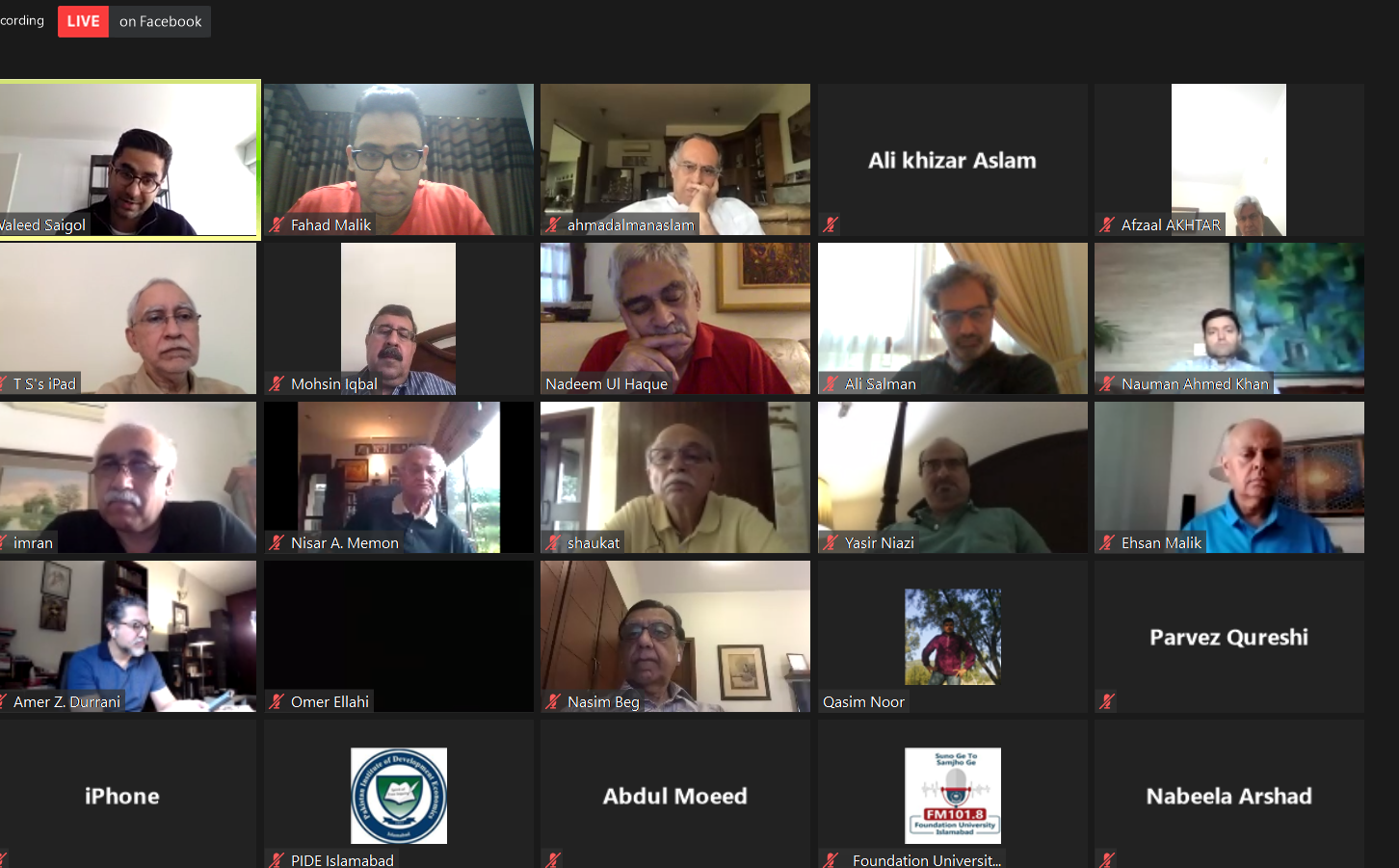
    Speaking at a virtual conference hosted by Pakistan Institute of Development Economics (PIDE) on Thursday, with prominent businessmen, including over a hundred chief executive officers (CEOs) and leaders of the business community, in attendance to discuss “Why Businesses Do Not Grow in Pakistan?”, he said that ironically, Pakistan had developed nuclear bombs under pressure, however, state institutions “didn’t prioritise economic and business growth”.

    “The role of media is also questionable… our news anchors do not bring these issues to the public, besides, we as a nation like to discuss controversies to malign each other. If we want to see business growth in Pakistan, we have to sort out interference by the country’s institutions,” Saigol maintained.

    In response to Saigol, Dr Nadeemul Haq, the vice chancellor of PIDE, said, “Undoubtedly, Pakistan is a talent-repellent state. All our talented people go and serve in big companies around the world rather than working here.”

    While moderating the conference, Dr Haq took the conversation to Alman Aslam, who is a business advisor to local and foreign companies.

    “We need to understand why all this is happening in Pakistan. A businessperson here has to do many things that have nothing to do with business growth, but for the mere survival of his or her company,” Aslam said.

    “Company owners are harassed by corrupt tax collection authorities of Pakistan,” he alleged, adding that it reminded him of centuries-old tax collection practices.

    “The court system is flawed, take a matter to court and you will not get justice in 20 years. Besides, how can private companies excel when the government is intervening in every business? We have authorities like the Lahore Development Authority (LDA) that bully and interfere in the matters of private companies. If you want companies to grow, just allow them to grow.”

    An argument was raised in the discussion that Pakistani businessmen cannot think globally, in response to which Saigol said, “We cannot think globally because we are not allowed to think globally.”

    “The illogical policies of the government don’t let businessmen make viable investments here in Pakistan or anywhere abroad. Similarly, no foreign company will come here to invest. It took Lucky Cement Group two years to send $50 million to Africa to set up their plant,” Saigol added, lamenting that to transfer $1 million, you needed an approval from the State Bank of Pakistan (SBP), and to make a payment of more than $10 million, you needed an approval from the Economic Corridor Committee (ECC).

    “Just imagine the level of regulations here,” he concluded.
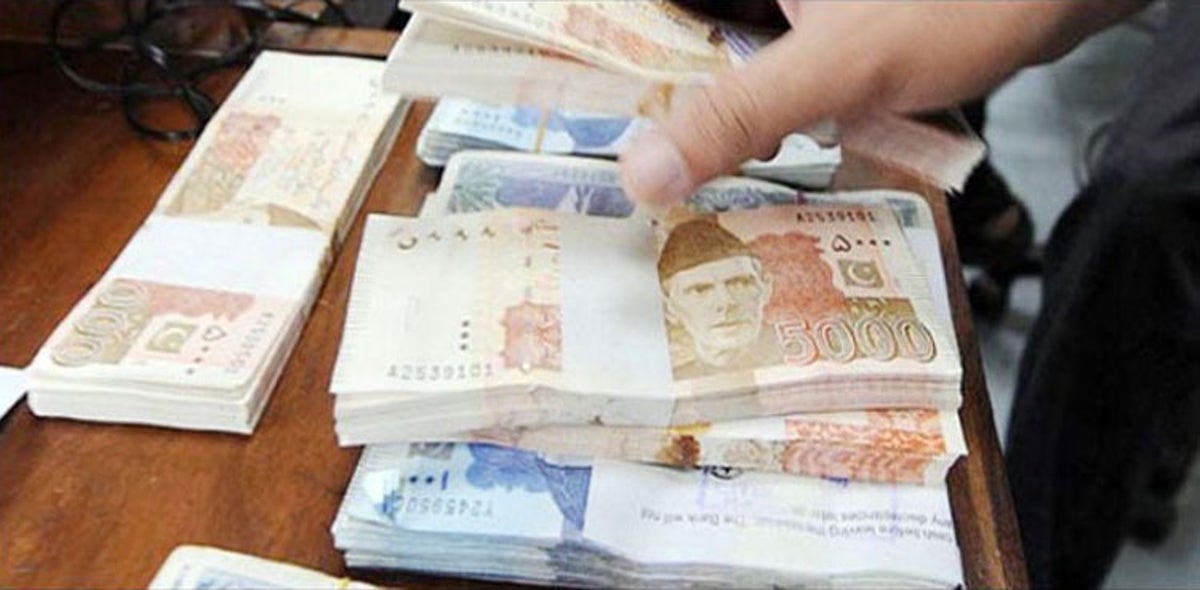
  • SBP to provide disinfected cash during coronavirus pandemic

    SBP to provide disinfected cash during coronavirus pandemic

    The State Bank of Pakistan (SBP) on Monday announced that banks will provide fit, authenticated and disinfected cash during the coronavirus pandemic.

    While there is no conclusive scientific study that links the spread of the current strain of coronavirus to contaminated currency notes, the World Health Organisation (WHO) has advised taking measures to maintain proper hygiene post-handling of notes.

    SBP tweeted a series of tweets:

    “Banks will provide fit, authenticated and disinfected cash. SBP will ensure to clean, disinfect, seal and quarantine all cash being collected from hospitals and clinics and to block circulation of such cash in the market.

    ”Banks will ensure continuous availability of ATMs 24/7. Also call centers and helplines will be operative 24/7.

    ”Large scale closure of branches may cause rush and congestion in the operative branches, which may be counterproductive to efforts to contain the spread of the disease. Banks may close branches where the staff is infected and for which requisite human resource is not available.”

  • SBP waives off online transaction charges amid coronavirus outbreak

    SBP waives off online transaction charges amid coronavirus outbreak

    The State Bank of Pakistan (SBP) on Wednesday waived all charges on fund transfers through online banking channels to avoid the use of cash. The national bank’s decision comes after health experts urge the public to practise social distancing in order to prevent the virus from spreading.

    As per reports, the SBP made this move to minimize the use of cash to contain the spread of virus amongst bank staff and customers.

    Furthermore, under the guidelines issued by the central bank, customers using ATMs or visiting bank branches for transferring large amounts will not incur any charges.

    The state bank further advised the financial sector “to immediately facilitate education fee and loan repayments through internet banking or mobile devices.”

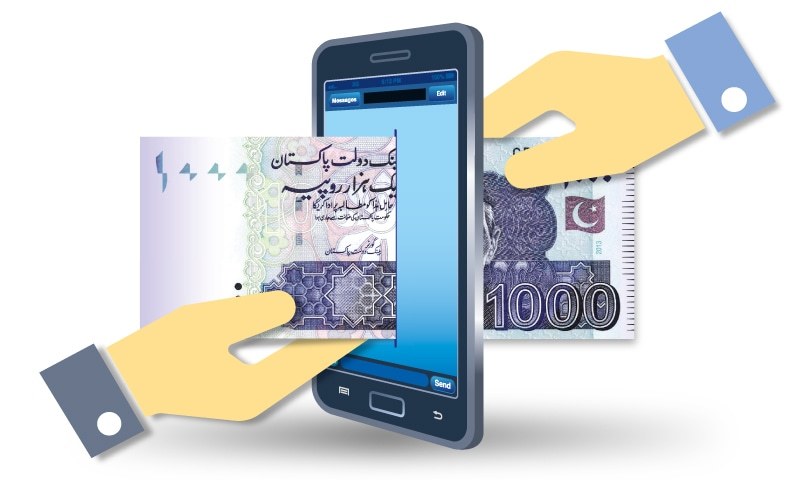
    The SBP in a statement said, “The objective of these measures is to reduce the need for visiting bank branches or the ATMs and to promote the use of Digital Payment Services such as internet banking, mobile phone banking, etc”.

    For this, the SBP has advised all banks to ensure availability of the alternate delivery platforms including ATMs, POS, payment gateways, internet banking, mobile banking and call centers for customers at all times.

  • ‘Pakistan ready to boost tech-enabled financial inclusion,’ says Queen Maxima

    ‘Pakistan ready to boost tech-enabled financial inclusion,’ says Queen Maxima

    United Nations (UN) Secretary General’s Special Advocate for Inclusive Finance for Development (UNSGSA) Queen Maxima has said that Pakistan is in a good position for a boost to the technology-enabled financial inclusion, Express Tribune reported.

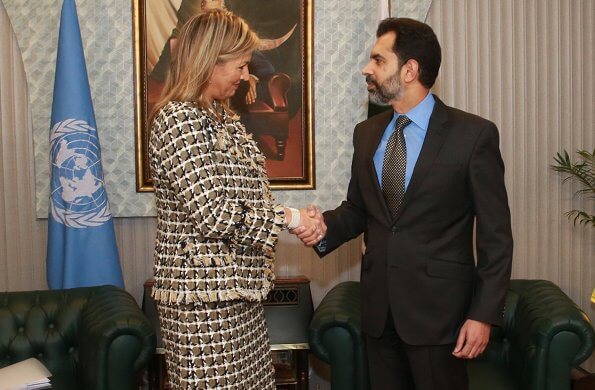
    According to the details, Queen Maxima in a meeting with State Bank of Pakistan (SBP) Governor Reza Baqir said that in the last five years, the country’s start-up tech and fintech ecosystems had made some notable progress in relation to improving their supporting networks.

    She also appreciated the progress made by the SBP and Pakistan with respect to financial inclusion while focusing on gender mainstreaming and digital financial services.

    The queen said it could be helpful to establish a pro-poor gateway for the wider acceptance of micropayment methods and introduce consumers to micropayments on a large scale and supported the steps taken by the SBP for creating a micropayment gateway in 2020.

    She, however, added that while resolving the technical issues was important, it was more challenging to encourage people to engage in digital modes of payment.

    The UNSGSA emphasised that in this regard the inclusion of new players was important, whereby they should not only be competing but also participating in expanding the delivery of services as well.

  • State Bank’s foreign exchange reserves jump to $8.46 billion

    State Bank’s foreign exchange reserves jump to $8.46 billion

    The foreign exchange reserves held by the State Bank of Pakistan (SBP) increased 2.2 per cent on a weekly basis, data released by the central bank has revealed.

    According to The Express Tribune, the reserves had earlier spiralled downwards, falling below the $7 billion mark, which raised concern over Pakistan’s ability to meet its financing requirements. However, financial assistance from the United Arab Emirates (UAE), Saudi Arabia and other friendly nations helped shore up the foreign exchange reserves.

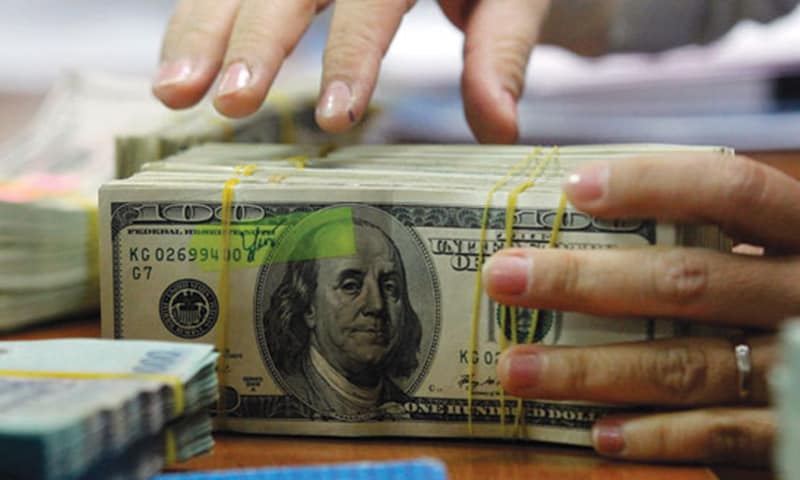
    On September 6, the foreign currency reserves held by the SBP were recorded at $8,462.3 million, up by $181.8 million compared with $8,280.5 million in the previous week. The central bank cited official inflows as the reason for the increase in reserves.

    Overall, liquid foreign currency reserves, held by the country, including net reserves held by banks other than the SBP, stood at $15,751.7 million. Net reserves held by banks amounted to $7,289.4 million.

    Pakistan received the first loan tranche of $991.4 million from the International Monetary Fund (IMF) on July 9, which helped bolster the reserves. Previously, the reserves had jumped on account of $2.5 billion in inflows from China.

    Over time, the declining reserves have forced the central bank to let the rupee depreciate massively, sparking concern about the country’s ability to finance a hefty import bill as well as meet debt obligations in coming months.