Tag: UAE

  • China and UAE expected to inject $500 million into Pakistan’s LNG projects 

    China and UAE expected to inject $500 million into Pakistan’s LNG projects 

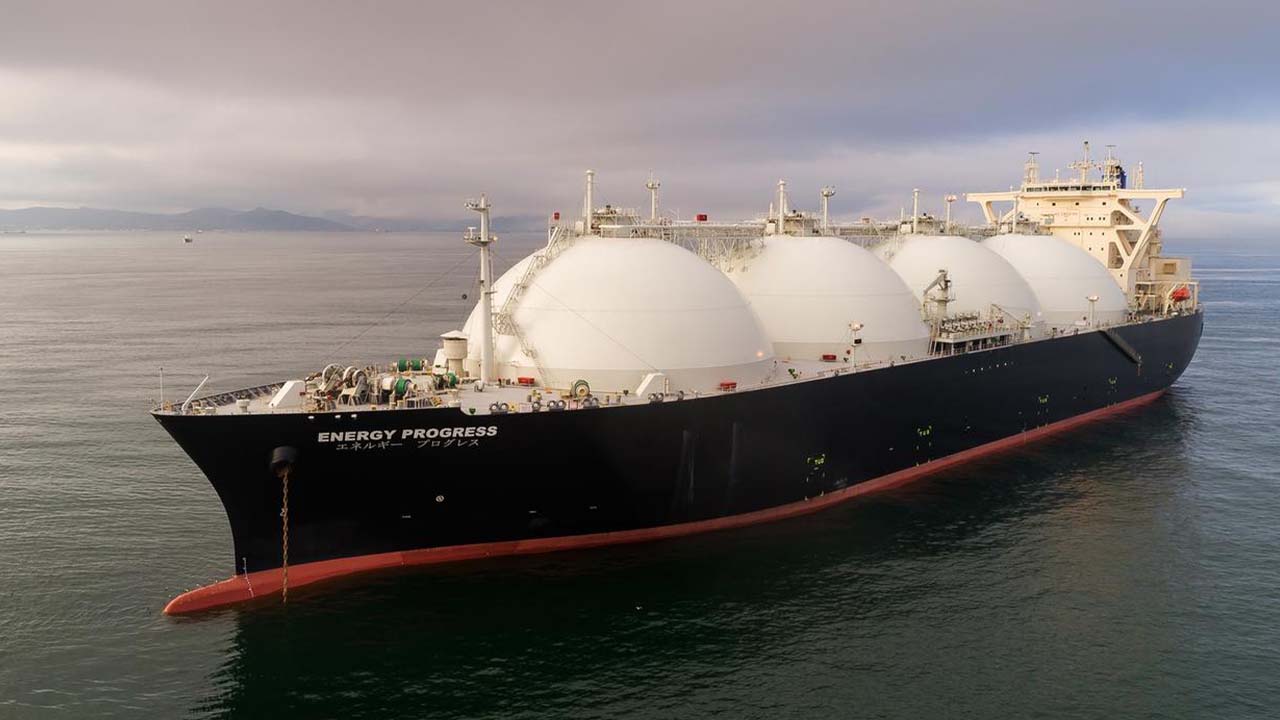
    China and the United Arab Emirates (UAE) are considering investing $500 million in two liquefied natural gas (LNG) projects in Pakistan.  

    The China National Chemical Engineering Company (CNCEC) and LNGFlex, a subsidiary of Bison in the UAE, are expected to contribute to the development of LNG terminals and supply infrastructure. 

    Sources reveal that these companies have outlined plans for both virtual and non-virtual projects. The aim is to establish a virtual LNG project, which includes a receiving terminal and storage facility at Karachi port. 

    Earlier, Pakistan and the UAE inked several multi-billion-dollar Memoranda of Understanding (MoUs) to enhance economic and strategic cooperation between the two nations. 

    It’s worth noting that in June, Bloomberg reported that Pakistan faced challenges in securing liquefied natural gas (LNG) from the spot market.  

    The attempt to purchase six shipments for October to December through Pakistan LNG Limited (PLL) was unsuccessful, as no suppliers responded to the offer.  

    Overseas banks were reportedly unwilling to accept letters of credit from Pakistani counterparts, contributing to suppliers’ reluctance to provide LNG cargoes. 

    The failure to secure gas may worsen energy shortages in Pakistan, leading to more frequent blackouts and limiting fuel supply to industrial consumers. 

  • Pakistan and UAE forge multi-billion dollar partnerships for economic cooperation

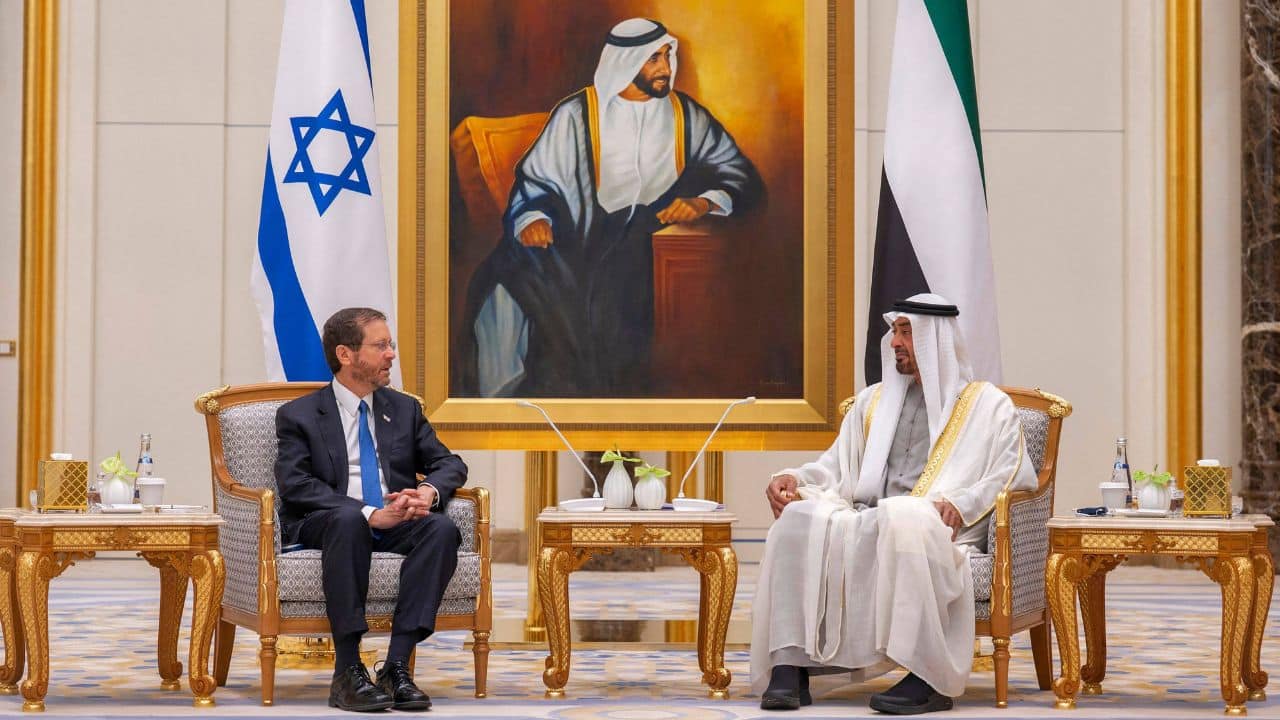
    Pakistan and the United Arab Emirates (UAE) signed several multi-billion dollar Memorandum of understanding (MoUs) in a range of areas on Monday.

    According to the press release issued by the Prime Minister’s office, Caretaker Prime Minister Anwaar-ul-Haq Kakar and the President of the UAE Sheikh Mohammed bin Zayed Al Nahyan witnessed the signing of MoUs between Pakistan and UAE.

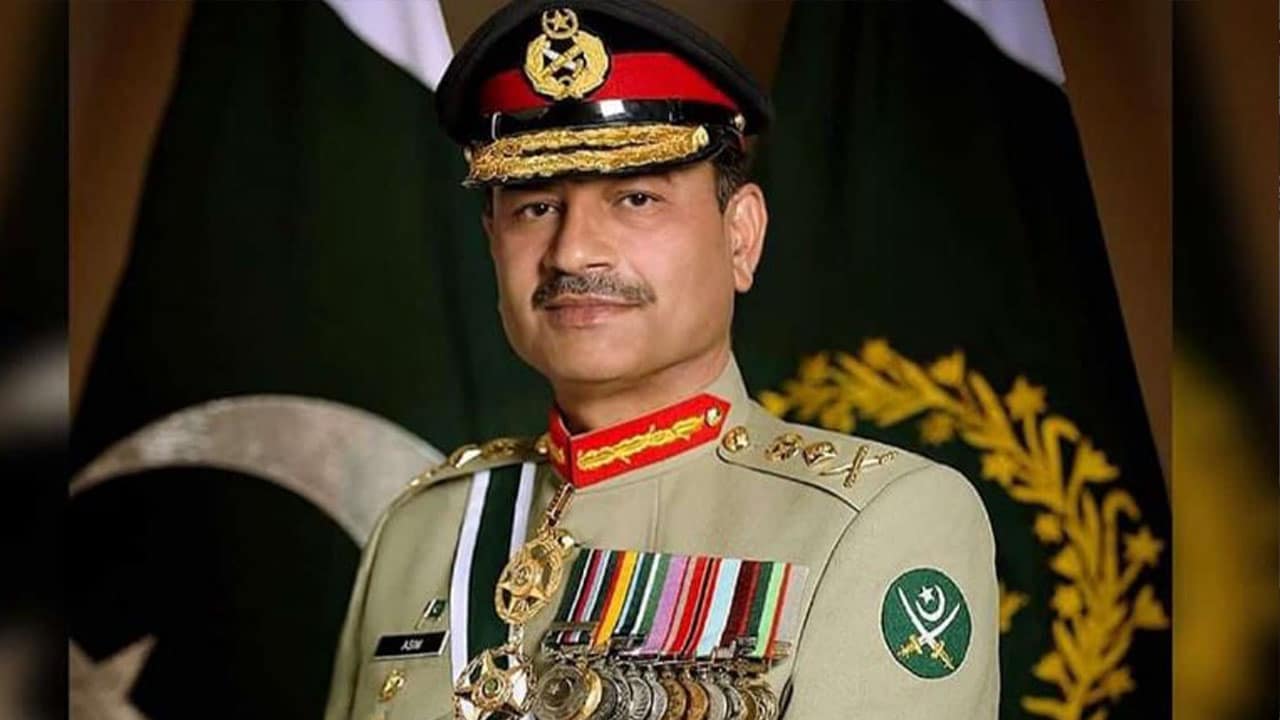
    Chief of Army Staff (COAS) General Syed Asim Munir was also present at the meeting.

    In a video message, Kakar said that the goal of MoUs is to enhance economic, regional, and strategic cooperation between both nations.

    https://twitter.com/PakPMO/status/1729173407332466874?ref_src=twsrc%5Etfw%7Ctwcamp%5Etweetembed%7Ctwterm%5E1729173407332466874%7Ctwgr%5Eaddee714f32d7b43fa9911635f92c991472709f4%7Ctwcon%5Es1_&ref_url=https%3A%2F%2Ftribune.com.pk%2Fstory%2F2448174%2Finvestment-worth-billions-of-dollars-unlocked-as-pakistan-uae-sign-key-deals

    The interim prime minister extended congratulations to the people of Pakistan and the UAE, highlighting that the foundation of friendship with Pakistan was established by Sheikh Zayed bin Sultan Al Nahyan in the 1970s. He further said that this legacy has been advanced by his son, ushering in a new era of bilateral cooperation.

    In a separate statement, the Prime Minister’s Office (PMO) reported that interim PM Kakar engaged in a bilateral meeting with His Highness Sheikh Mohamed bin Zayed Al Nahyan, the President of the United Arab Emirates, in Abu Dhabi. The meeting was also attended by the Army chief.

  • Pakistan’s forex reserves surge by $67 million to reach $7.7 billion

    Pakistan’s forex reserves surge by $67 million to reach $7.7 billion

    The State Bank of Pakistan (SBP) reported a notable weekly surge in foreign exchange reserves, with an increase of $67 million, reaching $7.7 billion as of October 13, as per the latest data release on Thursday.

    In total, the nation’s readily available foreign reserves amounted to $12.9 billion, with commercial banks holding $5.2 billion in net foreign reserves. The central bank did not provide a specific explanation for this increase.

    During the week concluding on October 13, 2023, the SBP’s reserves climbed by $67 million, reaching a total of $7,714.0 million, according to the SBP’s statement. This follows a previous week’s increase of $31 million.

    Notably, in July of this year, the central bank’s reserves received a significant boost when Pakistan received an initial disbursement of approximately $1.2 billion from the International Monetary Fund (IMF), following the approval of a new $3-billion stand-by arrangement. Additionally, inflows from Saudi Arabia and the UAE contributed to this increase.

    Nevertheless, the central bank’s reserves have faced pressure due to ongoing debt repayments, increased import expenditures following the easing of restrictions, and a lack of fresh inflows.

  • Israel-Palestine war will not affect any economic agreements, UAE

    Israel-Palestine war will not affect any economic agreements, UAE

    The trade minister of the United Arab Emirates has clarified that the Israel war on Gaza will not affect any economic agreements.

    “We don’t mix economy and trade with politics,” Thani al Zeyoudi told reporters in Dubai on Tuesday.

    Amidst the decades long pro-Palestine policy of the Arab world, UAE was the first Gulf country to establish relations with Israel in 2020. Is also the first Arab state to have a free trade agreement with Israel as in March, as the two countries signed the Comprehensive Economic Partnership Agreement (CEPA).

    The recent claim is followed by a statement issued by UAE on October 8, 2023, in which the country strongly condemned Hamas attacks on Israelis, stating that, “attacks by Hamas against Israeli towns and villages near the Gaza strip, including the firing of thousands of rockets at population centers, are a serious and grave escalation.”

    The ministry of foreign affairs was “appalled” by the reports of the abduction of Israeli civilians, calling for the protection of civilians on both sides

    “The UAE remains in close contact with all regional and international partners to swiftly de-escalate the situation and restore calm in Israel and the OPT and a return to negotiations for a final settlement within the parameters of the two state solution for Palestinians and Israelis, who deserve to live in peace and dignity.”, the statement concluded.

  • Pakistan’s forex reserves decline by $59 million to $7.64 billion due to debt payments

    Pakistan’s forex reserves decline by $59 million to $7.64 billion due to debt payments

    The State Bank of Pakistan (SBP) reported a weekly decrease in foreign exchange reserves, with a decline of $59 million, bringing the total to $7.64 billion as of September 22, according to data released on Thursday.

    The overall liquid foreign reserves of the country amounted to $13.16 billion, with commercial banks holding net foreign reserves of $5.52 billion.

    The central bank attributed this reduction in reserves to debt repayments, stating, “During the week ending on September 22, 2023, SBP’s reserves decreased by $59 million to $7,636.7 million due to debt repayments.”

    Notably, Pakistan’s central bank reserves had increased by $56 million the previous week, following four consecutive weeks of decline, during which SBP reserves had dwindled by a cumulative total of $416 million.

    In July, SBP’s reserves received a boost when Pakistan received approximately $1.2 billion as the first tranche from the International Monetary Fund (IMF), following approval of a new $3-billion stand-by arrangement. Additionally, inflows from Saudi Arabia and the UAE contributed to the increase.

    Despite these positive developments, the central bank’s reserves have come under pressure due to ongoing debt repayments, increased import payments following the easing of restrictions, and a lack of fresh inflows.

  • Govt attributes UAE’s fresh meat export ban to faulty refrigeration systems in containers

    Govt attributes UAE’s fresh meat export ban to faulty refrigeration systems in containers

    The Trade Development Authority of Pakistan (TDAP) has attributed the United Arab Emirates’ (UAE) restriction on fresh chilled meat exports from Pakistan to issues with inefficient or non-functional refrigeration systems.

    The ban, effective October 10, 2023, was enacted in response to substandard fresh beef shipments detected in Dubai. TDAP revealed that subpar meat quality was linked to refrigeration problems in reefer containers, a responsibility of shipping lines. Exporters affected by the ban have filed claims against these shipping entities.

    According to Brecorder, the UAE’s Ministry of Climate Change and Environment revised its list of approved slaughterhouses for meat exports via sea routes, imposing specific requirements on shipments of fresh and chilled meat until October 10. Only vacuum-packed or modified-atmosphere-packed meat, conforming to specific shelf-life criteria, will be permitted via sea transport.

    Notably, this ban does not affect fresh and chilled meat shipments by air. TDAP is actively engaged in resolving the issue, with the Pakistani Consulate in Dubai collaborating with stakeholders to determine the cause. TDAP remains optimistic that constructive dialogue and cooperation will lead to a resolution, allowing the resumption of fresh chilled meat exports from Pakistan to the UAE.

  • Fungus found: UAE bans fresh meat imports from Pakistan

    Fungus found: UAE bans fresh meat imports from Pakistan

    The United Arab Emirates (UAE) has imposed a ban on the importation of fresh meat from Pakistan.

    This decision stems from the discovery of fungal contamination in frozen meat shipments from Pakistan via the sea route.

    As reported by ARY News, the presence of fungus on meat imported by a Karachi-based company prompted the UAE to enact this ban, which will be in effect until October 10.

    It’s worth noting that Pakistan typically exports fresh meat valued at $12 million monthly to the UAE through maritime channels.

    Pakistan primarily directs a significant portion of its meat exports towards the United Arab Emirates, Saudi Arabia, and Bahrain.

  • Business community finds hope as COAS Munir vows to tackle corruption and boost investment 

    Business community finds hope as COAS Munir vows to tackle corruption and boost investment 

     
    In response to the pressing economic crisis facing the country, Chief of Army Staff (COAS) General Syed Asim Munir has pledged unwavering efforts to attract foreign investment and rejuvenate the economy, as reported by The News on Tuesday. General Munir made these assurances during a recent extensive meeting with members of the business community, where he engaged openly and candidly with them. 

    During an appearance on Geo News‘ “Aaj Shahzeb Khanzada Kay Sath” programme on Monday, President of the Federation of Pakistan Chambers of Commerce & Industry (FPCCI), Irfan Iqbal Sheikh, expressed optimism following their meeting with the army chief. He revealed that General Munir had conveyed discussions of a potential $25 billion investment from Saudi Arabia, encompassing sectors such as IT, minerals, agriculture, and defence. 

    Highlighting a pivotal development, General Munir disclosed that Saudi Crown Prince Mohammad Bin Salman had committed to depositing $10 billion of this investment in the State Bank of Pakistan (SBP), to be reimbursed in Pakistani rupees or goods, thereby bolstering foreign exchange reserves. 

    General Munir also acknowledged the bureaucratic obstacles hindering investment and emphasised the establishment of a Special Investment Facilitation Council (SIFC) to streamline processes and eliminate bureaucratic impediments. He assured that this initiative would protect investors from interference, bureaucratic hurdles, or legal complications. 

    Irfan Iqbal Sheikh further mentioned that Saudi Arabia and the United Arab Emirates (UAE) had both pledged $25 billion in investments, with Qatar and Kuwait following suit with similar commitments. 

    General Munir expressed determination to combat corruption, particularly by curbing land-grabbing and extortion mafias. To this end, he announced the formation of four task forces to address issues related to the Federal Board of Revenue of Pakistan (FBR), border control, smuggling, and social media, aiming to improve the overall situation. 

    Sheikh stressed that the business community had grown disillusioned but found renewed courage and hope through the army chief’s commitments. 

    Meanwhile, Business Group Chairman Zubair Motiwala noted the distinct approach of General Munir in engaging with traders compared to his predecessors. He highlighted the COAS’s efforts to revive the economy through engagements in Saudi Arabia, the UAE, and upcoming visits to Qatar and Kuwait. 

    Motiwala reported that General Munir had instructed the corps commander to prevent the influx of Iranian diesel into Karachi and issued directives to address land encroachments, corruption, and law enforcement issues. 

    General Munir also emphasised that only registered Afghan refugees would be allowed to stay in Pakistan, while the rest would need to return to their home country. He conveyed Saudi Crown Prince Mohammad Bin Salman’s concerns regarding corruption and bureaucracy in Pakistan. 

    Motiwala further disclosed discussions about the charter of the economy with General Munir, expressing hope that such substantial investments would significantly improve the economic conditions in the country. 

    He also pointed out that state-owned enterprises were incurring significant losses, amounting to Rs1,300 billion, and stressed the need for action, noting that political governments might not fully embrace privatisation but would seek to relieve this burden. General Munir expressed his understanding of the government’s approach to this issue and its commitment to addressing it comprehensively. 
  • Pakistan’s foreign exchange reserves rise to $8.4 billion

    Pakistan’s foreign exchange reserves rise to $8.4 billion

    Foreign exchange reserves held by the State Bank of Pakistan (SBP) have surged by over $4 billion following a deposit of $1.2 billion from the International Monetary Fund (IMF).

    As per data shared by the central bank, Pakistan has also received $1 billion from the UAE and $2 billion from Saudi Arabia, resulting in a significant increase in the SBP’s foreign exchange reserves, which now stand at $8.4 billion.

    During a televised address earlier today, Finance Minister Ishaq Dar stated that Pakistan’s foreign exchange reserves are projected to reach approximately $13-$14 billion by July 14.

    He emphasised that Pakistan is experiencing a resurgence in development and prosperity. Minister Dar acknowledged the instrumental role played by Prime Minister Shehbaz Sharif in reaching an agreement with the IMF, highlighting the unwavering support provided by the economic team throughout the intricate process.

    It is noteworthy that the International Monetary Fund granted approval for a $3 billion loan to Pakistan, subsequent to the signing of a staff-level agreement last month.

  • UAE-based company to oversee operations and development of Karachi Gateway Terminal for 50 years

    UAE-based company to oversee operations and development of Karachi Gateway Terminal for 50 years

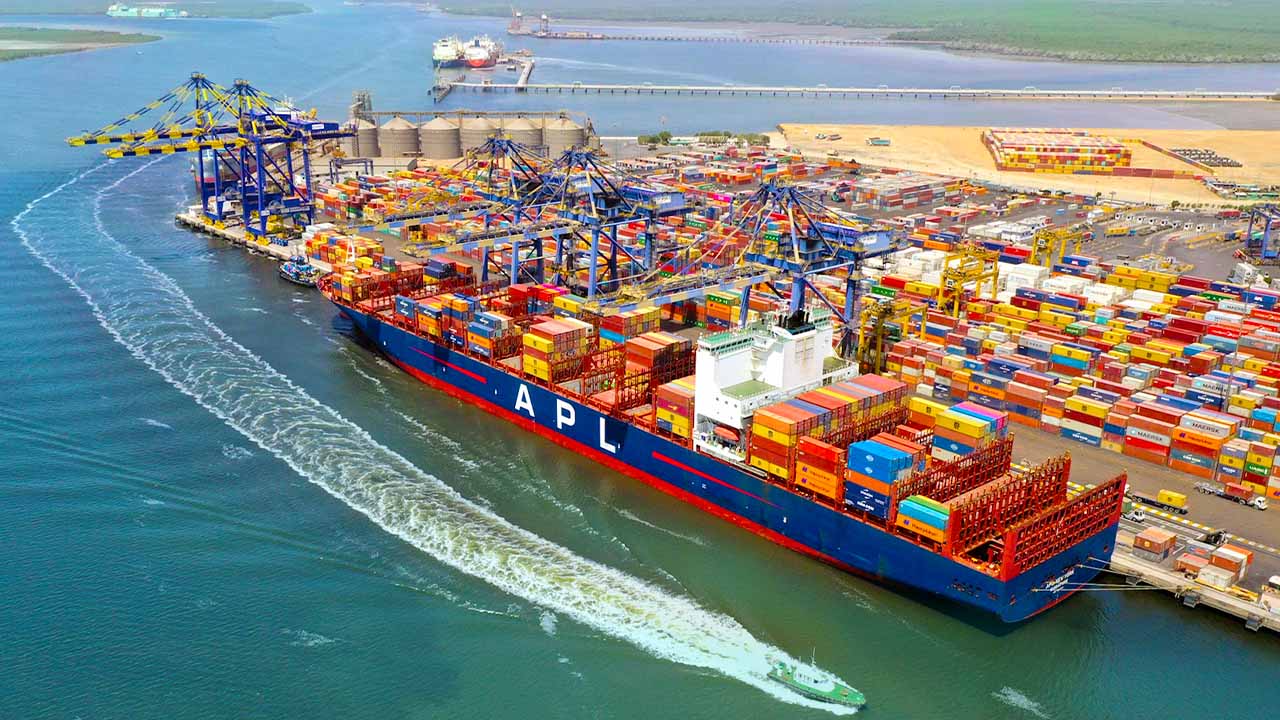
    The AD Ports Group, based in the United Arab Emirates (UAE), has entered into a 50-year concession agreement with the Karachi Port Trust (KPT) to manage and develop the Karachi Gateway Terminal Limited (KGTL).

    The group will invest $220 million in infrastructure development over the first 10 years of the agreement. This agreement is particularly significant as Pakistan seeks external financing to support its struggling economy.

    According to the terms of the agreement, a joint venture has been established between AD Ports Group and Kaheel Terminals, a UAE-based company, with AD Ports Group as the majority shareholder. The joint venture will oversee the management, operation, and development of the KGTL, specifically berths 6-9 at Karachi Port’s East Wharf.

    The infrastructure investment will focus on deepening berths, extending quay walls, and expanding the container storage area. These enhancements will enable the terminal to accommodate larger vessels and increase its annual container capacity from 750,000 to 1 million TEUs.

    Captain Mohamed Juma Al Shamisi, the Managing Director and Group CEO of AD Ports Group, expressed enthusiasm about the concession agreement, stating that it aligns with the group’s strategy of investing in strategic maritime trade routes. He believes that this agreement has the potential to bolster the economies of both the UAE and Pakistan, foster stronger relationships with key trading partners, and drive economic growth and prosperity.

    The terminal’s operations are denominated in US dollars, minimising exposure to fluctuations in the Pakistani rupee. The terminal has historically generated revenues of approximately $55 million and an annual EBIDTA of around $30 million.

    The UAE and Pakistan have a robust trade relationship, with the UAE serving as Pakistan’s leading regional trading partner in 2021. Bilateral trade between the two countries accounted for over 40 per cent of Pakistan’s trade with Arab nations. In 2022, non-oil exports from the UAE to Pakistan amounted to nearly AED 4.8 billion ($1.3 billion), while re-exports from the UAE to Pakistan reached AED 10.6 billion (US$2.9 billion), demonstrating a 7.7 per cent growth compared to 2021.

    According to Geo, the agreement between AD Ports Group and KPT has been hailed as a significant milestone by Syed Syedain Raza Zaidi, Chairman of Karachi Port Trust. Zaidi believes that this collaboration will pave the way for a thriving container terminal, driving efficiency, attracting investment, and stimulating economic development in Karachi.