Tag: WHO

  • UN chief condemns travel restrictions, calls it ‘travel apartheid’

    UN chief condemns travel restrictions, calls it ‘travel apartheid’

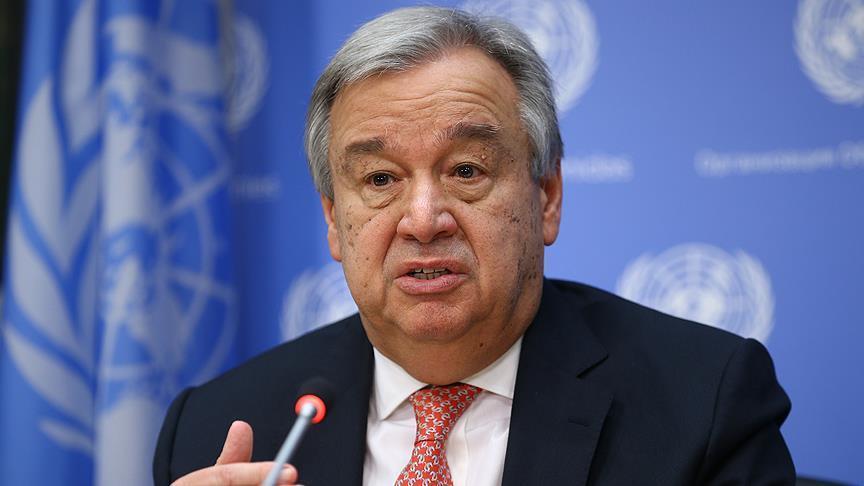
    United Nations (UN) Secretary-General, Antonio Guterres said on Wednesday that a travel ban imposed because of the Covid pandemic that cuts off any one country or region as “not only deeply unfair and punitive – they are ineffective.”, report Geo News.

    Guterres said that tests should continually be performed on travelers to reduce the threat of transmission in other parts of the world.


    He further added, “We have the instruments to have safe travel. Let’s use those instruments to avoid this kind, of allow me to say, travel apartheid, which I think is unacceptable.”

    The new variant of the coronavirus, which was previously identified as B.1.1.529 infection was reported to the World Health Organization (WHO) from South Africa on November 24 and named it Omicron.

    Several countries, including Pakistan, have completely banned flights from some countries in Africa.

    In African countries, the rate of vaccination was recorded as very low which Guterres has previously alarmed the world about. The main reason for the lack of vaccination was the inequality distribution of vaccines and low immunisation rates which became “a breeding ground for variants.”

    The annual meeting was also held between the United Nation and African Union to solve the concern of the travel ban.

    Speaking from the Joint-Conference with UN Secretary-General, African Union Commission Chair Moussa Faki Mahamat also said that the travel ban cannot be justified.

  • Deadly Omicron-new variant of Covid, raises alarm

    The new variant of the coronavirus was reported to the World Health Organization (WHO) from South Africa on November 24. It was declared a new variant “of concern” and named it Omicron, reports the BBC.

    On Friday, this variant was identified as the B.1.1.529 infection which was collected from a specimen on November 9. The cases in the majority of the provinces of South Africa were found to be increasing drastically. Only 24 per cent of the population of South Africa received the vaccination. The situation in the southern Africa region is alarming as the new variant, Omicron also emerged in Botswana, Belgium, Hong Kong, and Israel.
    “This variant has been detected at faster rates than previous surges in infection, suggesting that this variant may have a growth advantage,” the WHO said in a statement.

    Several countries banned or restricted travel to and from southern Africa including Australia, Japan, India, Iran, and Brazil. United Kingdom (UK) also restricted travelers from South Africa, Namibia, Zimbabwe, Botswana, Lesotho, and Eswatini unless they are UK or Irish nationals.

    Experts also claimed that it is too early to confirm the impact of the variant on vaccinated people and the rate of transmission.

    United States of America (USA) Infectious Disease Chief Dr Anthony Fauci said, “Until it’s properly tested. We don’t know whether or not it evades the antibodies that protect you against the virus.”

  • WHO looking forward to oral, nasal Covid-19 vaccines

    The World Health Organization’s (WHO) chief scientist said Tuesday she was looking forward to the “second generation” of Covid-19 vaccines, which could comprise nasal sprays and oral versions, AFP reported.

    Soumya Swaminathan said such vaccines could have benefits over the current crop as they would be easier to deliver than injections and could even be self-administered.

    Swaminathan said there were 129 different candidate vaccines that have got as far as clinical trials and are being tested on humans — while a further 194 are not yet in the phase in their development and are still being worked on in laboratories.

    “This covers the entire range of technologies,” she told a live interaction on WHO social media channels.

    “They’re still in development. I’m sure some of them will prove to be very safe and efficacious and others may not.”

    “There could be advantages to some of the second-generation vaccines… clearly if you have an oral vaccine or an intra-nasal vaccine this is easier to deliver than an injectable.”

    Soumya Swaminathan added, “Ultimately we’ll be able to choose the ones that are most appropriate. If not for Covid-19, we’re going to use these platforms for other infections in the future.”

    “If there’s a local immune response then it will take care of the virus before it even goes and establishes itself in the lungs and starts causing a problem,” she said.

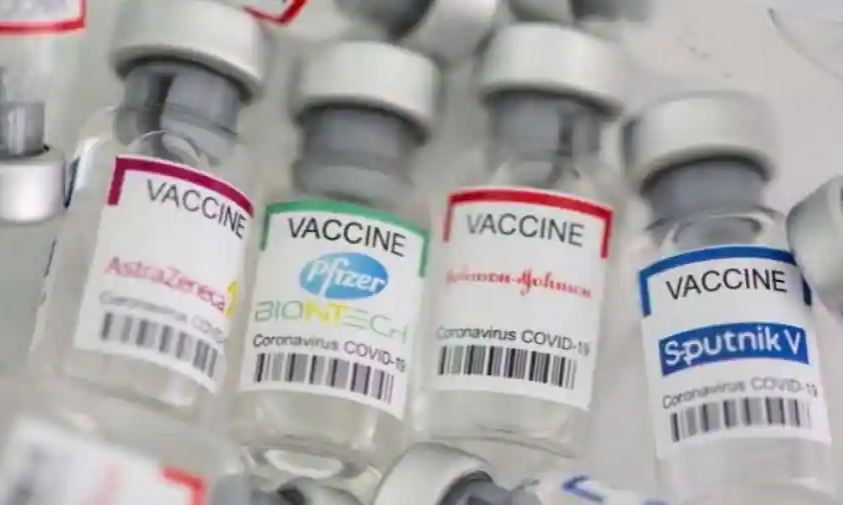
    WHO has only given emergency use authorisation to seven Covid-19 vaccines: those created by Pfizer/BioNTech, Moderna, AstraZeneca, Johnson & Johnson, Sinopharm, Sinovac and last week Bharat Biotech.

    “None of the vaccines are 100%. Nobody has ever claimed that the vaccines are going to be 100% protective. But 90% is a wonderful amount of protection to have, compared to zero,” Swaminathan said.

    “Till now, with the vaccines that we have approved, there has not been any signal which has been so worrying that we need to say, well, we need to re-think this vaccine.”

    More than 7.25 billion vaccine doses have been administered around the world, according to an AFP count

  • WHO approves world’s first Malaria vaccine

    The World Health Organization (WHO) has endorsed the widespread rollout of the first malaria vaccine with the experts hoping that it could save tens of thousands of children’s lives each year across Africa.

    Hailing it as “an historic day”, WHO Director-General Dr Tedros Adhanom Ghebreyesus said that after a successful pilot programme in three African countries, the RTS,S vaccine should be made available more widely.

    The WHO recommendation is for RTS,S – or Mosquirix – a vaccine developed by British drugmaker GlaxoSmithKline.

    “This is a vaccine developed in Africa by African scientists and we’re very proud,” said Ghebreyesus.

    According to European Medicines Agency, Mosquirix is a vaccine that can be administered to children aged 6 weeks to 17 months to help protect against malaria.

     It also helps protect against infection of the liver with the hepatitis B virus, but European Medicines Agency warns that the vaccine should not be used only for this purpose.

    The vaccine was developed by GlaxoSmithKline in 1987. However, it does face challenges: Mosquirix requires up to four doses, and its protection fades after several months.

    Still, scientists hope that the vaccine could have a major impact against malaria in Africa.

    Since 2019, 2.3 million doses of Mosquirix have been administered to infants in Ghana, Kenya and Malawi in a large-scale pilot programme coordinated by WHO.

  • WHO warns against mixing, matching Covid-19 vaccines, calls it ‘dangerous trend’

    WHO warns against mixing, matching Covid-19 vaccines, calls it ‘dangerous trend’

     The World Health Organization’s chief scientist on Monday advised people not to mix and match Covid-19 vaccines from different manufacturers, calling it a “dangerous trend” since there was little data available about the health impact.

    “It’s a little bit of a dangerous trend here. We are in a data-free, evidence-free zone as far as mix and match,” Soumya Swaminathan told an online briefing.

    “It will be a chaotic situation in countries if citizens start deciding when and who will be taking a second, a third and a fourth dose.”

    Read More: Study shows AstraZeneca, Pfizer vaccines effective against Delta Covid-19 variants

    The advice came after a study conducted in the United Kingdom earlier found that adopting a mix-and-match approach to Covid-19 vaccines gives a more robust immune response. 

  • WHO includes Madina among world’s healthiest cities

    WHO includes Madina among world’s healthiest cities

    The holy city of Madina has been acknowledged as the world’s healthiest cities by the World Health Organisation (WHO).

    As per reports, the holy city is believed to be the first city having a population of more than 2 million to be recognised under the organization’s healthy cities program.

    The city’s integrated program included a strategic partnership with Taibah University to record government requirements on an electronic platform for the organisation’s review.

    It gained the authorization after WHO team said that it complies with the global standards required to be included in the list of the world’s healthiest cities.

    Meeting goals set by the Madinah Region Strategy Project and the launch of a “Humanising Cities” program were included in the criteria of the accreditation.

    A total of 22 government, community, charity, and volunteer agencies helped prepare for the WHO accreditation.

    As per the world health organisation, “a healthy city is one that is continually creating and improving the physical and social environment for its citizens”.

    It also works on expanding those community resources which enable people to mutually support each other in performing all the functions of life and developing to their maximum potential.

  • World can start dreaming of pandemic’s end, says UN health chief

    World can start dreaming of pandemic’s end, says UN health chief

    The UN health chief on Friday said that positive results from COVID-19 vaccine trials mean the world “can begin to dream about the end of the pandemic,” but he said rich and powerful nations must not ignore the poor and marginalized “in the stampede for vaccines.”

    In an address to the UN general assembly’s session on the pandemic, World Health Organisation Director-General Tedros Adhanom Ghebreyesus cautioned that while the virus can be stopped, “the path ahead remains deceitful.”

    The pandemic has shown humanity at “its best and worst,” he said, pointing to “inspiring acts of compassion and self-sacrifice, breathtaking feats of science and innovation, and heartwarming demonstrations of solidarity, but also disturbing signs of self-interest, blame-shifting and divisions.”

    Referring to the current increase in infections and deaths, Tedros, without naming any countries, said that “where science is drowned out by conspiracy theories, where solidarity is undermined by division, where sacrifice is substituted with self-interest, the virus thrives, the virus spreads.”

    In his virtual address, he warned that a vaccine “will not address the vulnerabilities that lie at its root” — poverty, hunger, inequality and climate change, which he said must be tackled once the pandemic ends.

    “We cannot and we must not go back to the same exploitative patterns of production and consumption, the same disregard for the planet that sustains all life, the same cycle of panic and meddling and the same divisive politics that fuelled this pandemic,” he said.

    On vaccines, Tedros said, “the light at the end of the tunnel is growing steadily brighter,” but vaccines “must be shared equally as global public goods, not as private commodities that widen inequalities and become yet another reason some people are left behind.”

    Earlier, WHO warned people ‘vaccines do not equal zero Covid’ and asked governments and citizens not to drop their guard over the pandemic and urged people to follow all the virus SOPs.

  • WHO fears spike in deaths after COVID-19 cases surge

    WHO fears spike in deaths after COVID-19 cases surge

    The World Health Organisation (WHO) warned against any complacency in the coronavirus death rate, saying with the increasing number of cases, the death rate would also increase.

    New cases are hitting 100,000 daily in Europe. Nearly 20,000 infections were reported in Britain, while Italy, Switzerland and Russia were among nations with record case numbers.

    While deaths globally have fallen to around 5,000 per day from April’s peak exceeding 7,500, WHO Chief Scientist Soumya Swaminathan said caseloads were rising in ICU (intensive care units).

    “Mortality increases always lag behind increasing cases by a couple of weeks,” Swaminathan said during a WHO social media event. “We shouldn’t be complacent that death rates are coming down.”

    More than 38 million people have been reported infected globally and 1.1 million have died.

    Despite the global push for a COVID-19 vaccine, with dozens in clinical trials and hopes for initial vaccinations this year, Swaminathan reiterated that speedy, mass shots were unlikely.

    “Most people agree, it’s starting with health care workers, and front-line workers, but even there, you need to define which of them are at highest risk, and then the elderly, and so on,” Swaminathan said.

    “A healthy young person might have to wait until 2022.”

    The WHO has said letting infection spread in hopes of achieving “herd immunity” is unethical and would cause unnecessary deaths. It urges hand-washing, social distancing, masks and — when unavoidable, limited and targeted restrictions on movements — to control disease spread.

    “People talk about herd immunity. We should only talk about it in the context of a vaccine,” Swaminathan said. “You need to vaccinate at least 70% of people … to really break transmission.”

    Minister for Planning Development and Special Initiatives Asad Umar, who also chairs the National Command and Operations Centre (NCOC) to deal with COVID-19 in the country, has highlighted the rise in the number of infections in Pakistan. The Minister urged people to take COVID-19 SOPs seriously.

  • Coronavirus: The absurdities Pakistanis believe in

    The outbreak of the new coronavirus – COVID-19 – that affected almost 23,518,343 people worldwide, out of which 810,492 died, and was declared a global pandemic by the World Health Organization (WHO), was hardly taken seriously by the people of Pakistan.

    Even as the virus peaked in June-July, people flouted social distancing guidelines as well as government-introduced standard operating procedures (SOPs), believing that the virus did not even exist.

    And now that both the number of coronavirus cases and fatalities have drastically decreased, many across the country, including those who did take precautionary measures earlier, are under the impression that virus has gone extinct.

    GALLUP SURVEY:

    According to a Gallup Pakistan survey based on the responses of more than 1,300 respondents from all across the country, as many as 70% Pakistanis agree that the risk of the coronavirus is being exaggerated, which shot up from 55% in a previous survey.

    MISINFORMATION:

    But what led to people doubting the gravity of the situation and suspecting exaggeration as the world suffered in the battle against coronavirus?

    The answer is misinformation. From WhatsApp forwards to Facebook posts and tweets… viral conspiracy theories besides fake news by unauthentic sources contributed to the formation of ill-informed opinions of a major chunk of the population being told by the government to not panic because the virus was “no more serious than seasonal flu”.

    Four critical months being followed by the introduction of ‘smart lockdowns’ and the permission to re-open businesses for the sake of the economy and the poor, despite experts’ warnings of a second and even third wave of the virus, also contributed to people the virus less seriously than they should have.

    CONSPIRACY THEORIES:

    Many believed the government was exaggerating the situation on the ground to seek foreign aid and doctors were “secretly killing patients” for the number of virus casualties to soar on the government’s directions. But it wasn’t where the absurdity ended.

    Posts on social media added to the list of conspiracy theories regarding the origin of the coronavirus, leading to chaos as some even took to streets to protest against the government and COVID-19.

    According to the Gallup survey, the number of Pakistanis who consider coronavirus to be a foreign conspiracy has doubled from 23% in March to 55% in July-August while 54% believe that COVID-19 is a lab-made virus to which the world was exposed on purpose.

    Some also believe that coronavirus is a conspiracy against Islam and wearing a mask and following SOPs is nothing but a “Jewish agenda”.

    Another popular theory is that the virus was released as part of an Israeli plan to implant chips in the minds of the people, especially Muslims, while vaccinating them to control their minds.

    ‘COVID-19 NOW UNDER CONTROL’

    The survey also revealed that a sweeping majority — nearly 80% people — believe that COVID-19 is now under control and any there is no need to continue taking precautionary measures. This figure has rose from 32% in a previous survey to 79% within a few months.

    Large gatherings, including religious congregations and family feasts over the Eid weekend, and a large number of people taking to roads on August 14 to express their love for Pakistan, also go on to prove how seriously has the pandemic been taken by a majority that risked their own lives as well as that of others, mistaking the decline for coronavirus eradication.

    But while the number of coronavirus cases in the country has dropped and so has the rate of infections as well as fatalities despite negligence but owing to a number of suspected reasons, Pakistan, like the rest of the world, is still at risk. 

    Winters can also add to the probability of an outbreak from the top, experts say, yet again stressing the need for people to keep on taking precautionary measures.
  • Myth Buster: Can sitting in the sun save you from COVID-19?

    Myth Buster: Can sitting in the sun save you from COVID-19?

    Myths and misinformation related to COVID-19 are abundantly available on social media. This means that every piece of information you read regarding the virus may or may not be true. The best is to go to a trusted source like the World Health Organisation (WHO) to check any remedy or cure that might come up these days.

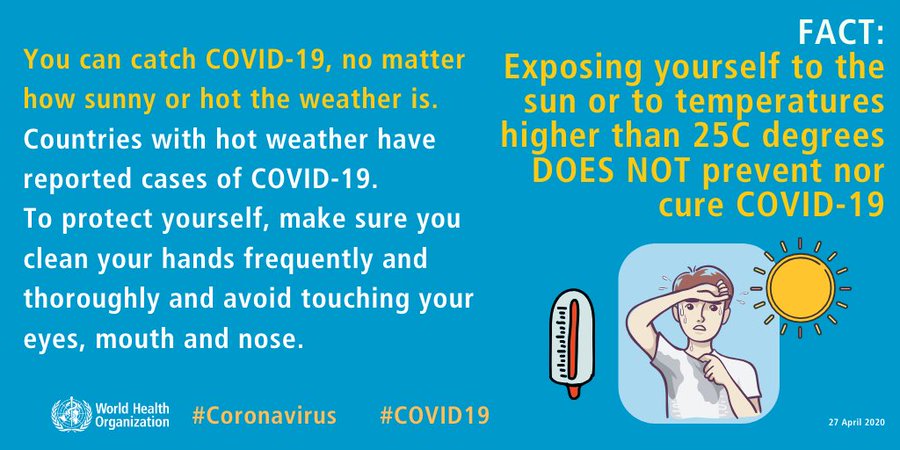
    Fact 1: Exposing yourself to the sun or temperature higher than 25C degrees does not prevent nor cure coronavirus.

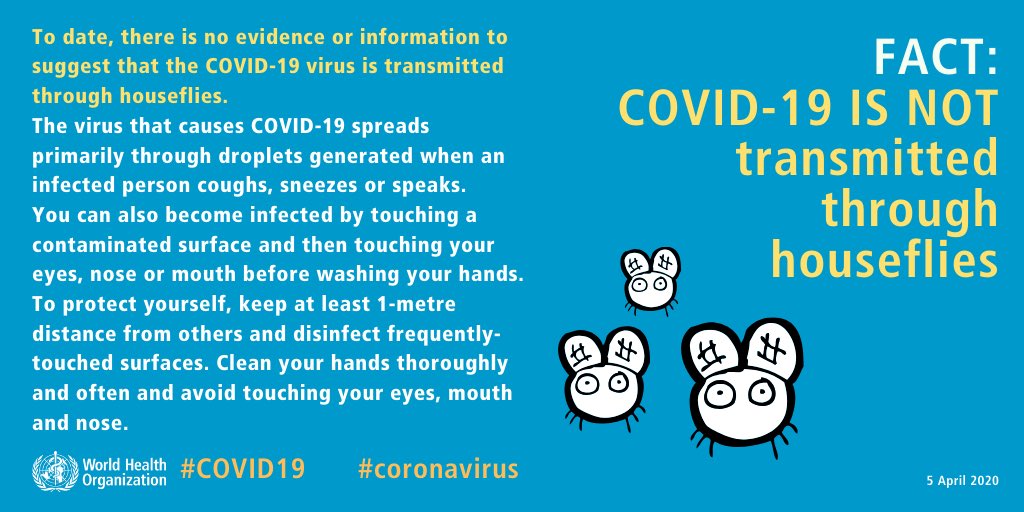
    Fact 2: COVID-19 is not transmitted through houseflies.

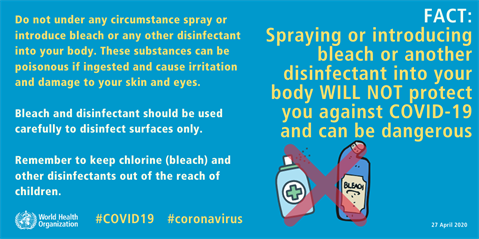
    Fact 3: Spraying or introducing bleach or another disinfectant into your body will not protect you against COVID-19 and can be dangerous.

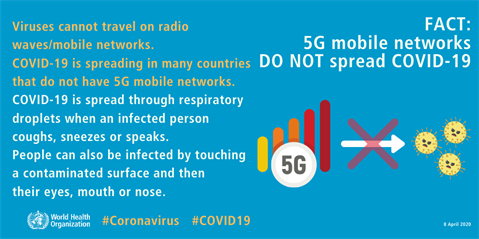
    Fact 4: 5G mobile networks do not spread COVID-19.

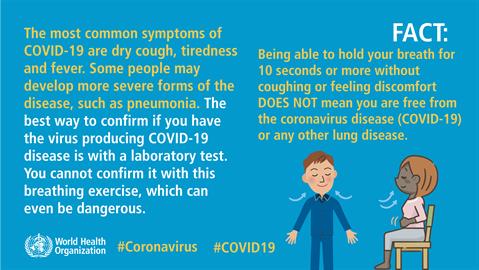
    Fact 5: Being able to hold your breath for 10 seconds or more without coughing or feeling discomfort DOES NOT mean you are free from the infection.

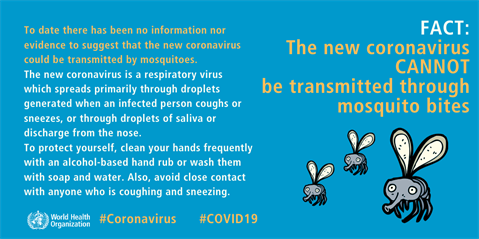
    Fact 6: The new coronavirus cannot be transmitted through mosquito bites.

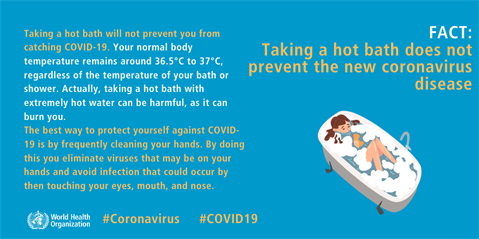
    Fact 7: Taking a hot bath does not prevent the new coronavirus disease.