Tag: World Bank

  • World Bank, Asian Development Bank approve millions of dollar loans for Pakistan

    World Bank, Asian Development Bank approve millions of dollar loans for Pakistan

    The World Bank and Asian Development Bank (ADB) have approved big loans for Pakistan.


    Asian Development Bank


    Pakistan and the Asian Development Bank signed a $250 million policy-based loan agreement to promote sustainable infrastructure and services through Public-Private Partnerships (PPPs).


    The agreement also aims to develop post-flood infrastructure, emphasizing climate resilience and gender considerations in project planning.


    A technical assistance grant of $700,000 was allocated for program implementation, with an additional $950,000 approved for PPP pipeline development and capacity building.


    World Bank


    The World Bank has approved loans of $535 million for Pakistan, focused on two key areas: the Crisis Resilient Social Protection (CRISP) Programme and the Sindh Livestock and Aquaculture Sectors Transformation Project.


    The CRISP Programme includes a $400 million loan to improve security schemes, particularly through the Benazir Income Support Programme (BISP), to build resilience among vulnerable households against economic and climate shocks.


    The World Bank defends criticism against BISP by stressing the need to strengthen social protection despite increasing poverty rates exacerbated by recent economic challenges and climate shocks.


    Additionally, the World Bank approved $135 million for the Sindh Livestock and Aquaculture Sectors Transformation Project, which targets climate-smart practices and enhances competitiveness among small and medium producers in Sindh. This initiative aims to benefit over 940,000 farm families, strongly emphasising gender inclusivity and provincial capacity building.

  • CDWP gives go-ahead to 10 development projects valued at Rs115 billion

    CDWP gives go-ahead to 10 development projects valued at Rs115 billion

    In a key meeting held on Friday, the Central Development Working Party (CDWP) approved a total of 10 development projects, with an overall cost of Rs115.458 billion.

    Out of these, eight projects totaling Rs17.297 billion were given the green light by the CDWP forum, while two projects, valued at Rs98.161 billion, were recommended to the Executive Committee of the National Economic Council (ECNEC) for final approval.

    Deputy Chairman Planning Commission Mohammad Jehanzeb Khan chaired the meeting, attended by Secretary Planning Awais Manzur, Planning Commission members, Additional Secretary Planning, and representatives from federal ministries and provincial governments.

    The meeting’s agenda covered a range of sectors, including agriculture and food, energy, governance, health, higher education, physical planning and housing, science and technology, transport and communication, and water resources.

    A notable project from the agriculture and food sector, the “Sindh Livestock and Aquaculture Development Project,” valued at Rs38.36 billion, was recommended to ECNEC for final approval.

    This World Bank-assisted project aims to improve competitiveness, inclusivity, climate resilience, and sustainability in Sindh’s livestock and aquaculture sectors.

    Another significant project from the energy sector, the “765/500/220/132kV Islamabad West Substation,” worth Rs59.801 billion, was also referred to ECNEC for final approval.

    This World Bank-backed initiative is part of the National Transmission and Modernization Project Phase-I and aims to address increasing power demands in the Islamabad region through a new substation and related transmission lines.

    The governance sector saw approval for the “Modernization and Upgradation of Pakistan Mint Phase-II” project, costing Rs2.48 billion, as well as the “Federal Project Management Unit (FPMU) Post-Flood 2022 Reconstruction Program” project, valued at Rs2.38 billion.

    In the physical planning and housing sector, five projects were discussed, including the “Smart Environmental Sanitation System and Landfill Project” in Gwadar, worth Rs3.277 billion, and the “Construction of Audit House, Lahore,” valued at Rs1,528.931 million. Both projects received approval from the CDWP forum.

    A project related to science and technology, the “Establishment of Regional Nuclear Safety Inspectorate at Lahore,” costing Rs515 million, was also approved by the CDWP. This project aims to enhance nuclear safety and oversight in the region.

    The approval of these projects underscores the government’s commitment to advancing critical infrastructure, promoting sustainable development, and addressing energy needs, among other priorities. The recommendations to ECNEC signal the importance of these projects for the country’s growth and development.

  • Finance Minister Aurangzeb meets Donald Lu in Washington DC

    Finance Minister Aurangzeb meets Donald Lu in Washington DC

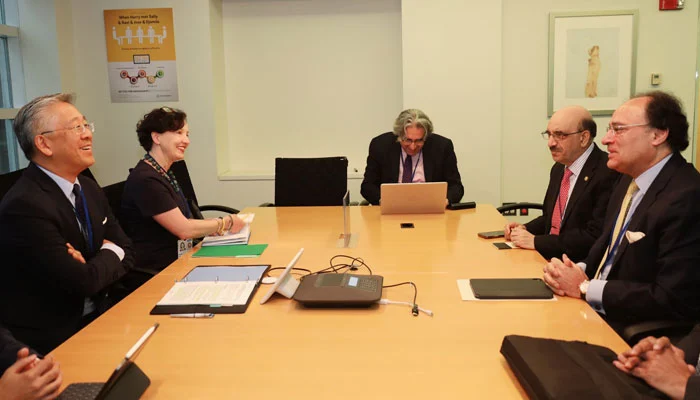
    Finance Minister Muhammad Aurangzeb held a high-level meeting with the United States State Department Assistant Secretary Donald Lu at World Bank headquarters in Washington to discuss financial reforms that Pakistan is planning to implement.

    The meeting was held in the background of the Finance Minister’s visit to Washington in order to finalize talks about the latest International Monetary Fund (IMF) bailout package.

    Aurangzeb and the US official focused on upgrading economic partnerships, with emphasis on alternate energy, agriculture, climate resilience and technology.

    Aurangzeb was positive about the investment opportunities by America in information technology, renewables, agriculture and minerals extraction.

    He also pledged close collaboration with the US International Development Finance Corporation and Exim Bank for mutual development.

    Aurangzeb has been conducting high-level meetings with top officials in the US on the sidelines.

  • Pakistan’s poverty rates may remain elevated: World Bank report

    Pakistan’s poverty rates may remain elevated: World Bank report

    The World Bank’s latest Pakistan Development Update has shed light on the country’s ongoing battle with poverty.

    Despite efforts, the poverty headcount rate, measured at the lower-middle-income country poverty line of $3.65/day in 2017 purchasing power parity (PPP), is anticipated to hover around 40 per cent from FY24 to FY26.

    The report highlights several key factors contributing to this stagnation in poverty reduction. Weak economic growth, stagnant real labor incomes, and persistently high inflation are cited as primary culprits.

    Importantly, the continuation of import management measures and potential cuts in public spending on social sectors are expected to exacerbate the situation.

    This could disproportionately affect poorer households, already struggling with depleted savings and reduced incomes.

    The combination of chronic inflation and policy uncertainty poses additional challenges, potentially leading to social unrest and negative welfare impacts.

    To mitigate these risks, increased targeted transfers are identified as crucial to safeguarding the most vulnerable segments of society.

    Moreover, the report warns of potential consequences on education and healthcare. The escalating cost of living, coupled with rising transportation expenses, may result in an increase in out-of-school children and delayed medical treatments, particularly among disadvantaged families.

    Food security remains a pressing issue, particularly in rural areas affected by natural disasters such as the 2022 floods.

    In 43 rural districts across Khyber Pakhtunkhwa, Sindh, and Balochistan, acute food insecurity is projected to rise from 29 per cent to 32 per cent in the second and third quarters of FY24.

    Lastly, the report underscores the persistent challenge of poor air quality and smog during autumn and winter months.

    With 71 per cent of the population affected nationwide, these environmental hazards continue to pose significant public health risks.

  • World Bank approves $149.7 million financing for key projects in Pakistan

    World Bank approves $149.7 million financing for key projects in Pakistan

    The World Bank’s Board of Executive Directors has greenlit a significant sum of $149.7 million in financing for Pakistan, marking a milestone in bolstering the nation’s development efforts.

    The approval, granted on Friday, will allocate funds to support two vital projects aimed at enhancing the country’s infrastructure and digital landscape.

    According to a press statement released by the international financial institution, a substantial portion of the funding, totaling $78 million, has been earmarked for the Digital Economy Enhancement Project (DEEP).

    This initiative seeks to bolster digitally enabled public services delivery for both citizens and businesses, thereby fostering greater accessibility and efficiency.

    Simultaneously, an allocation of $71.7 million has been designated as second additional financing for the Sindh Barrages Improvement Project. This endeavor aims to fortify resilience against floods while enhancing the reliability, safety, and management of the Sindh barrages, crucial components of Pakistan’s water management infrastructure.

    Najy Benhassine, the World Bank Country Director for Pakistan, emphasised the imperative of fortifying infrastructure in the wake of catastrophic events such as the floods of 2022. He underscored the importance of bolstering barrages and their management to mitigate the impact of such disasters effectively.

    Additionally, Benhassine highlighted the significance of nurturing Pakistan’s burgeoning digital economy. He stressed that fostering connectivity and access to government and financial services is pivotal for economic and social development, particularly for marginalised groups like women and entrepreneurs.

    The Digital Economy Enhancement Project (DEEP) aims to develop robust digital authentication and data-sharing platforms.

    These platforms will enable Pakistan to respond more effectively to shocks, deliver enhanced e-government services, and facilitate regulatory reforms to promote private participation in the sector while strengthening personal data protection and online safety.

    Moreover, the project endeavors to promote financial inclusion, particularly among women, by facilitating access to banking services and credit through smartphone applications. It also seeks to address barriers such as limited mobility and digital literacy, ensuring inclusivity in the digital realm.

    Shan Rehman, Task Team Leader for the project, emphasised the comprehensive nature of the initiative, which adopts a holistic approach to digital transformation. He emphasised the importance of inclusivity and trust in digital platforms to meet the evolving needs of the populace.

    Meanwhile, the second additional financing for the Sindh Barrages Improvement Project (SBIP) aims to complete and commission rehabilitation works for barrages, including Guddu and Sukkur. Additionally, it seeks to enhance the management of three barrages in Sindh, namely Guddu, Sukkur, and Kotri.

    Francois Onimus, Task Team Leader for the SBIP, stressed the critical role of barrages in ensuring the livelihoods and climate-resilience of the Sindh Province. He highlighted the project’s focus on bolstering canal systems fed by these barrages, thereby mitigating the adverse impacts of extreme weather events.

    In essence, the approval of financing for these projects underscores the World Bank’s commitment to supporting Pakistan’s development agenda, spanning both infrastructure and digital innovation, in its journey towards sustainable growth and resilience.
  • World Bank greenlights $350 million for Pakistan’s fiscal reforms

    World Bank greenlights $350 million for Pakistan’s fiscal reforms

    The Board of Executive Directors of the World Bank gave its approval on Wednesday for a financing package of $350 million to support Pakistan’s fiscal and competitiveness reforms.

    This funding is allocated for the Second Resilient Institutions for Sustainable Economy (RISE-II) Operation, with the primary goal of strengthening fiscal management and promoting competitiveness for sustainable and inclusive economic growth, according to a statement from the World Bank.

    Najy Benhassine, the World Bank Country Director for Pakistan, stressed the urgent need for fiscal and structural reforms in Pakistan to restore macroeconomic balance and establish the groundwork for sustainable growth.

    He highlighted that RISE-II builds upon previous phases of tax, energy, and business climate reforms, aiming to generate additional revenues, improve expenditure targeting, and stimulate competition and investment.

    The RISE-II Operation is designed to enhance fiscal management by improving fiscal policy coordination, increasing debt transparency and management, strengthening property taxation, and enhancing the financial viability of the power sector.

    Additionally, the operation seeks to boost growth and competitiveness by reducing the cost of tax compliance, improving financial sector transparency, promoting digital payments, and facilitating exports through reduced import tariffs.

    Derek H. C. Chen, Task Team Leader of the operation, emphasised the crucial opportunity for Pakistan to address long-standing structural distortions in its economy after the upcoming general elections.

    Failing to seize this opportunity, he warned, could lead the country back into stop-and-go economic cycles.

    Recently, the World Bank projected a decrease in remittance flows to Pakistan, estimating a decline to $24 billion in 2023 and a further drop below $22 billion with a 10 per cent decline in 2024.

    The report attributed this trend to growing economic turmoil, a balance of payment crisis, and high debt, resulting in a loss of public confidence and a shift of remittances from formal to informal channels.

    Addressing Pakistan’s economic challenges, Martin Raiser, the World Bank’s Regional Vice President for South Asia, noted difficult situations, floods, and climate change.

    He highlighted that the country is trapped in a low-growth scenario with poor human development outcomes and increasing poverty. Raiser urged Pakistan to make crucial decisions for a brighter future, emphasising the need for difficult but necessary steps.

    In its October report, ‘South Asia Development Update Towards faster, cleaner growth,’ the World Bank projected positive growth for Pakistan in fiscal years 2023–24, albeit at a modest rate of 1.7 per cent.

    The report underscored the country’s dependence on capital inflows to finance substantial fiscal and current account deficits.

  • Pakistan plans to secure $4.5 billion from diverse sources in current fiscal year

    Pakistan plans to secure $4.5 billion from diverse sources in current fiscal year

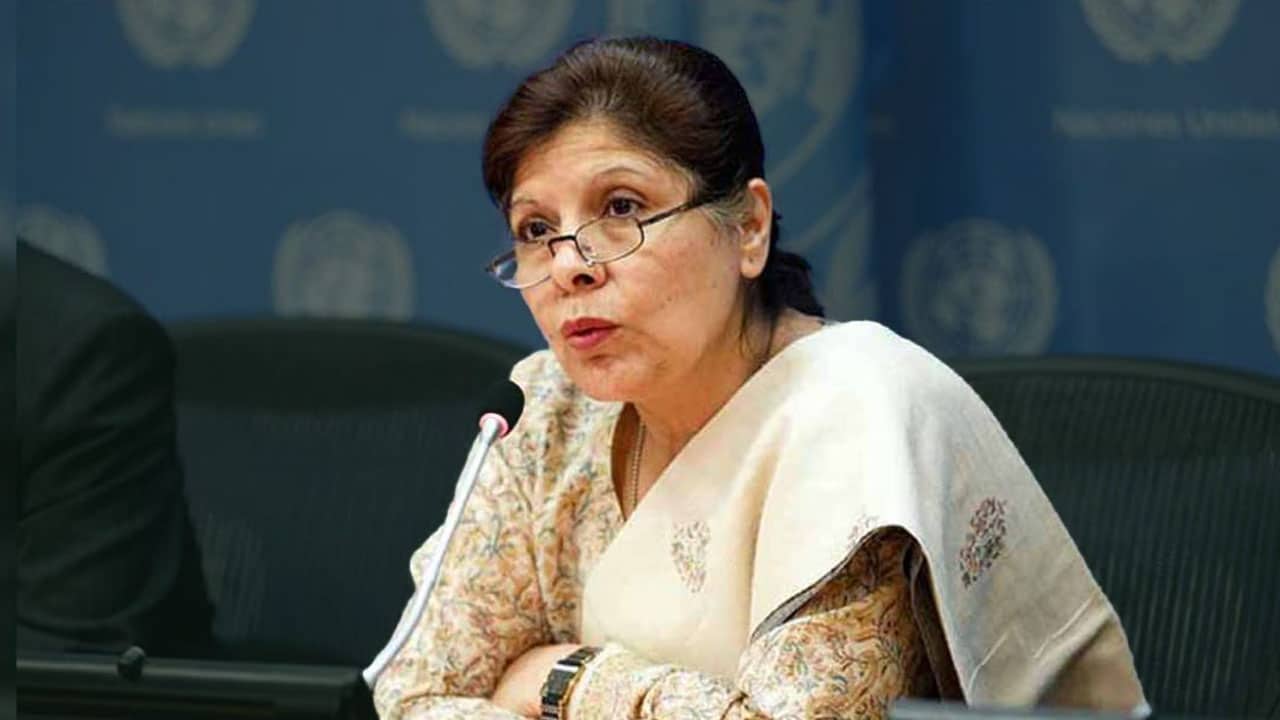
    Caretaker Minister for Finance, Dr Shamshad Akhtar, has outlined Pakistan’s financial projections for the current fiscal year (2023–24), highlighting an anticipated mobilisation of approximately $4.5 billion from both multilateral and bilateral sources, excluding the International Monetary Fund (IMF).

    Minister Akhtar disclosed that the government foresees receiving over $1.6 billion in the second quarter (Q2) from sources such as the Asian Development Bank (ADB), the World Bank, and the Asian Infrastructure Investment Bank (AIIB).

    She clarified that these inflows encompass funds allocated to both project-based and programme-based initiatives.

    Highlighting progress in negotiations, the minister revealed the completion of discussions for certain programme loans, with impending disbursements expected.

    She reassured that Pakistan remains committed to meeting its debt obligations promptly, both currently and in the future.

    Regarding the International Monetary Fund (IMF) programme, Minister Akhtar reported the successful conclusion of the first review of the Standby Agreement, resulting in the attainment of a Staff Level Agreement (SLA).

    Pending approval by the IMF’s Executive Board, this agreement will grant Pakistan access to $700 million.

    Commenting on the prevailing economic situation, Minister Akhtar acknowledged the challenges faced domestically and globally during FY2023.

    Despite these hurdles, she asserted that fiscal and external sector stability have been achieved through the implementation of various stabilisation measures and structural reforms.

  • Govt plans to increase gas and electricity prices in January

    Govt plans to increase gas and electricity prices in January

    The interim Finance Minister, Dr Shamshad Akhtar, announced during a press conference that the caretaker government is planning to increase electricity and gas tariffs in January to address the circular debt issue, in line with the International Monetary Fund’s (IMF) Stand-By Arrangement (SBA). 

    The circular debt in the power and gas sectors, currently exceeding 4 per cent of the Gross Domestic Product, requires urgent action for reduction. 

    Dr Akhtar also discussed tariff revisions with the IMF and the potential imposition of additional taxes on sectors like real estate and retail, emphasizing that final decisions are pending. 

    She highlighted the necessity for a new short-term IMF program and anticipated a medium-term program under the Extended Fund Facility (EFF) after the SBA concludes. 

    Regarding the external financing gap, Finance Secretary Imdad Bosal expressed optimism that a successful IMF review would unlock programme and project loans from multilateral lenders. 

    He anticipated approvals in December for loans from the World Bank, Asian Development Bank, Asian Infrastructure Investment Bank, and Islamic Development Bank. 

    Bosal assured that there is no external financing gap, and the improved ratings post-review would attract foreign loans. 

    Dr Akhtar stated that the World Bank is expected to disburse $2 billion during the current fiscal year, contributing to foreign exchange reserves along with the $700 million tranche approval from the IMF, bringing the total disbursement under the SBA to $1.9 billion out of $3 billion. 

    The approval for the second tranche from the IMF’s Executive Board is anticipated within a month.

  • World Bank projects only 1.7% growth for Pakistan in FY 2023-24 amid economic challenges

    World Bank projects only 1.7% growth for Pakistan in FY 2023-24 amid economic challenges

    The World Bank has issued a cautious outlook for Pakistan’s economy in the fiscal year 2023–24, projecting a modest growth rate of 1.7 per cent.

    The report, titled “South Asia Development Update Towards faster, cleaner growth,” highlights the fragile economic situation in Pakistan.

    Several factors have contributed to this fragility. The US dollar value of imports decreased by 26 per cent in August 2023 due to low demand and import controls, resulting in input shortages and a 15 per cent decline in industrial production by June 2023.

    Additionally, the economy shrank by 0.6 per cent in the fiscal year 2022–23 due to the impact of 2022 floods, high inflation, and balance of payments challenges.

    Import controls, initially aimed at reducing the trade deficit, hindered the supply of industrial materials and stifled growth.

    While these controls have been removed as part of an IMF lending programme, Pakistan still faces inflationary pressures, tight fiscal policies, and extensive flood damage. Foreign exchange reserves remain low, leaving the country vulnerable to external shocks.

    Pakistan is not alone in its economic struggles. Bangladesh, Pakistan, and Sri Lanka are all facing acute crises with ongoing balance-of-payments issues. These countries have begun implementing IMF-supported policies to address capital outflows and debt sustainability.

    Global factors, such as rising prices due to the end of the pandemic and Russia’s invasion of Ukraine, have exacerbated the challenges faced by these nations, leading to increased current account deficits and currency depreciations. To combat this, import controls have been imposed.

    In Pakistan, consumer price inflation stood at 27 per cent in August, down from a peak of 38 per cent in May, thanks to a stabilised exchange rate and a decline in food prices caused by the previous year’s floods. To address high inflation, the central bank raised its benchmark interest rate to 22 per cent in June.

    Pakistan and Sri Lanka are experiencing severe financial stresses, with low foreign reserve coverage and weak asset quality in both banking and non-banking sectors. The report also highlights the need for investment reforms in several South Asian countries to encourage growth.

    Restrictive import measures in Bangladesh, Pakistan, and Sri Lanka, although aimed at stabilising the external sector, have led to import shortages and economic downturns. Lowering these barriers to trade and capital flows could help boost long-term productivity.

    Lastly, despite adopting debt ceilings and deficit targets, many South Asian countries have high government debt-to-GDP ratios, with Pakistan experiencing fluctuations in government spending during election years.

    In summary, the World Bank’s report paints a cautious picture of Pakistan’s economic prospects, emphasising the need for sustained reforms and addressing various challenges to achieve stable and sustainable growth.

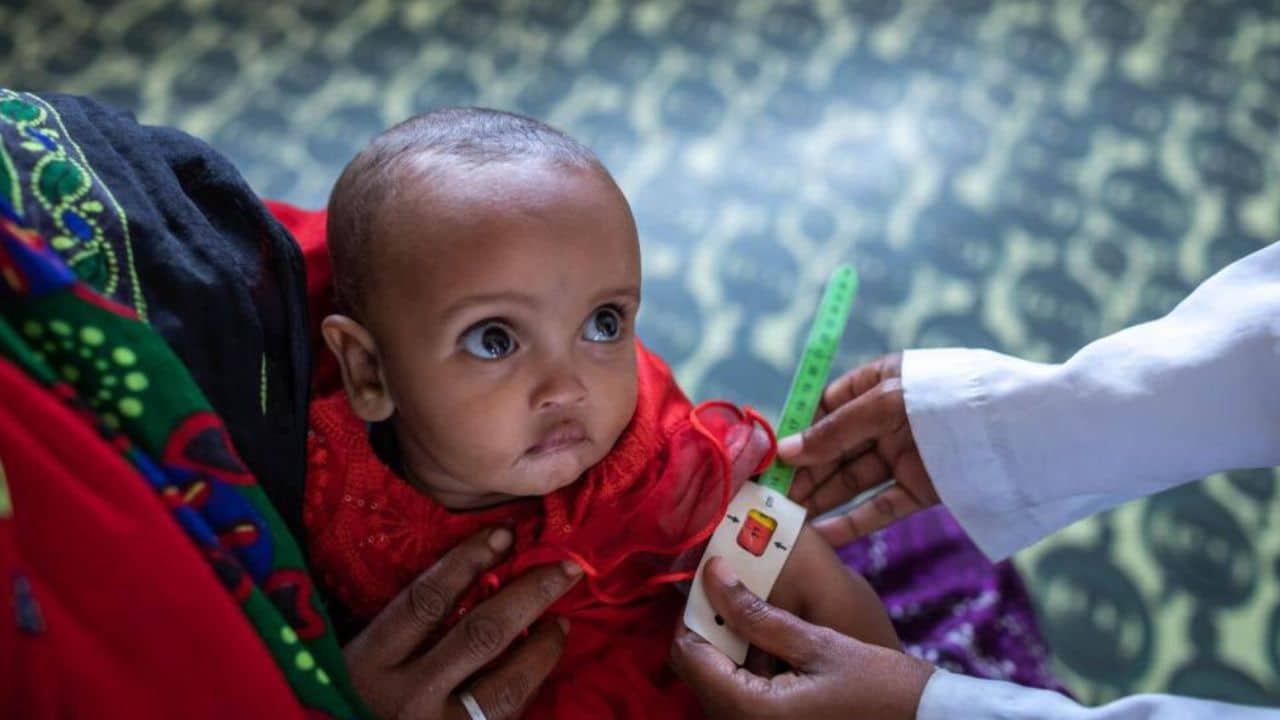
  • 40% children in Pakistan suffer from malnutrition

    40% children in Pakistan suffer from malnutrition

    A recent report by the World Bank has revealed that 40 per cent of children in Pakistan are suffering from food insecurity, adding that most children under the age of five do not have access to clean water and do not have toilet facilities.

    The report also highlights the significance of the first 1000 days after birth that are very important for the mental health of the child because 80 per cent of the child’s mind is formed during this period.

    45 per cent of the Pakistani children who die under five years of age are due to lack of food.

    Additionally, while many children are raised with livestock animals, those who are malnutritioned consume dirt containing livestock waste.

    The World Bank report also reveals that about 50 per cent of the drinking water of Sindh contains bacteria while mothers working with livestock feed their children without washing their hands due to lack of hygiene.

    The World Bank said that comprehensive data on child malnutrition in Pakistan needs to be collected, and programs on child nutrition need to start on an urgent basis.