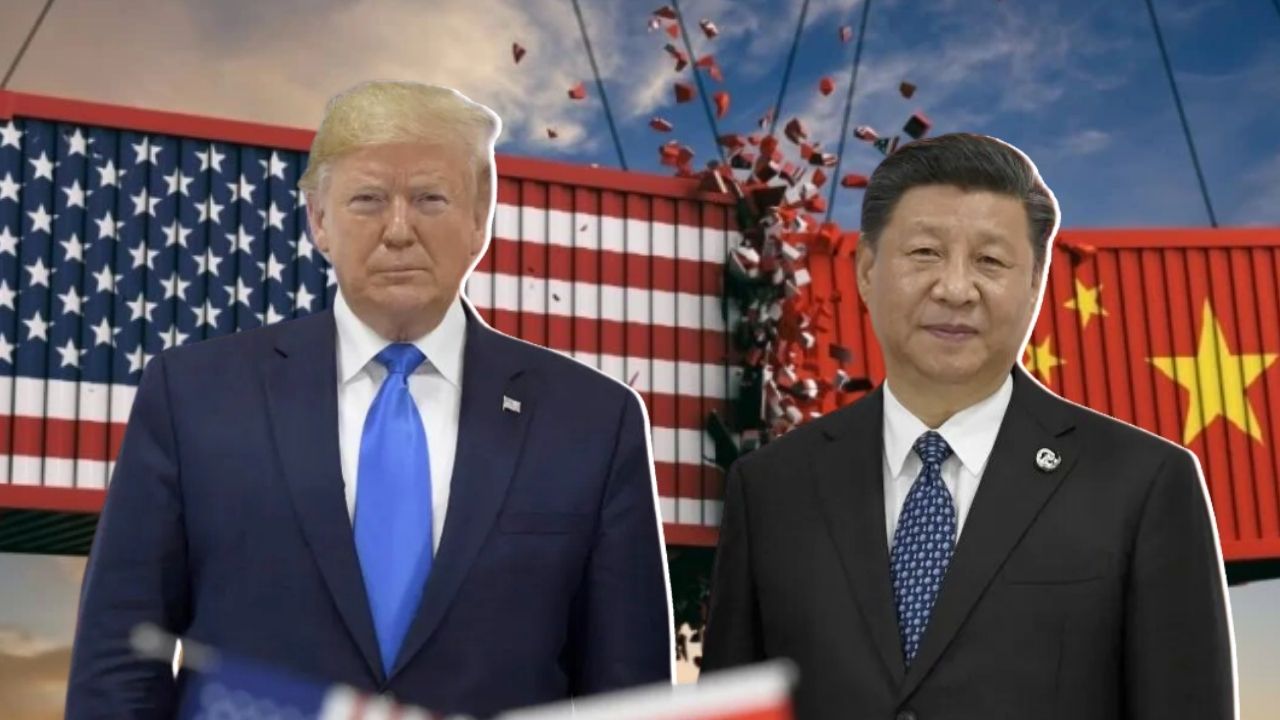
The United States of America and China have began imposing additional port fees on shipping companies on Tuesday, escalating trade tensions between the world’s two largest economies, Reuters has reported.
The new fees targets vessels that transport goods ranging from crude oil to holiday toys, turning maritime trade into a new front in the ongoing economic rivalry.
According to Chinese state broadcaster CCTV, Beijing has started collecting special charges on U.S.-owned, operated, built, or flagged vessels. However, ships built in China will not face these levies. Exemptions also cover empty vessels entering Chinese shipyards for repair. The new Chinese fees will apply either at the first port of entry on a voyage or for the first five voyages within a year, following an annual billing cycle that starts on April 17.
Earlier this year, U.S. President Donald Trump’s administration announced similar port fees on China-linked vessels to reduce China’s dominance in global shipping and strengthen American shipbuilding. The U.S. decision followed an investigation during former President Joe Biden’s term that accused China of using unfair trade practices to control the maritime and logistics sectors.
China responded by introducing its own port fees on U.S.-linked ships, effective the same day as the American charges. Analysts expect Chinese shipping giant COSCO to be the most affected, likely bearing nearly half of an estimated $3.2 billion in related costs by 2026.
Beijing also imposed sanctions on five U.S.-linked subsidiaries of South Korean shipbuilder Hanwha Ocean, accusing them of assisting a U.S. investigation into Chinese trade practices. Additionally, China launched an internal probe into how the U.S. measures have impacted its shipping and shipbuilding industries.
“This tit-for-tat symmetry locks both economies into a spiral of maritime taxation that risks distorting global freight flows,” Athens-based Xclusiv Shipbrokers Inc said in a research note cited by Reuters.
A Shanghai-based trade consultant said the new charges may not heavily disrupt the industry and that any increased costs would likely be passed on through higher prices. “What are we going to do? Stop shipping? Trade is already disrupted, but companies are finding a way,” the consultant said.
The U.S. later announced a temporary exemption for long-term charterers of China-operated vessels carrying U.S. ethane and LPG, delaying the fees until December 10. Still, ship-tracking firm Vortexa said 45 large gas carriers—about 11% of the global fleet—remain subject to China’s new port fees.
Clarksons Research estimated that the measures could affect oil tankers covering 15% of global capacity, while Jefferies analyst Omar Nokta said 13% of crude tankers and 11% of container ships worldwide could be impacted.
In a separate move, President Trump threatened to impose 100% tariffs on Chinese goods and new export controls on critical software by November 1 in retaliation for China’s restrictions on mineral exports. U.S. officials also warned that countries supporting a United Nations plan to cut shipping emissions could face sanctions or port restrictions.
Xclusiv noted that these moves show how global shipping has shifted from a neutral part of trade to a tool of political power.
Meanwhile, shares of Shanghai-listed COSCO rose more than 2 percent on Tuesday. The company said its board had approved a plan to repurchase up to 1.5 billion yuan ($210 million) of its shares within three months to protect shareholder interests. COSCO did not respond to Reuters’ request for comment on the new fees.