Category: Business

  • Kuwait assures continued fuel supply to Pakistan despite Strait of Hormuz closure

    Kuwait assures continued fuel supply to Pakistan despite Strait of Hormuz closure

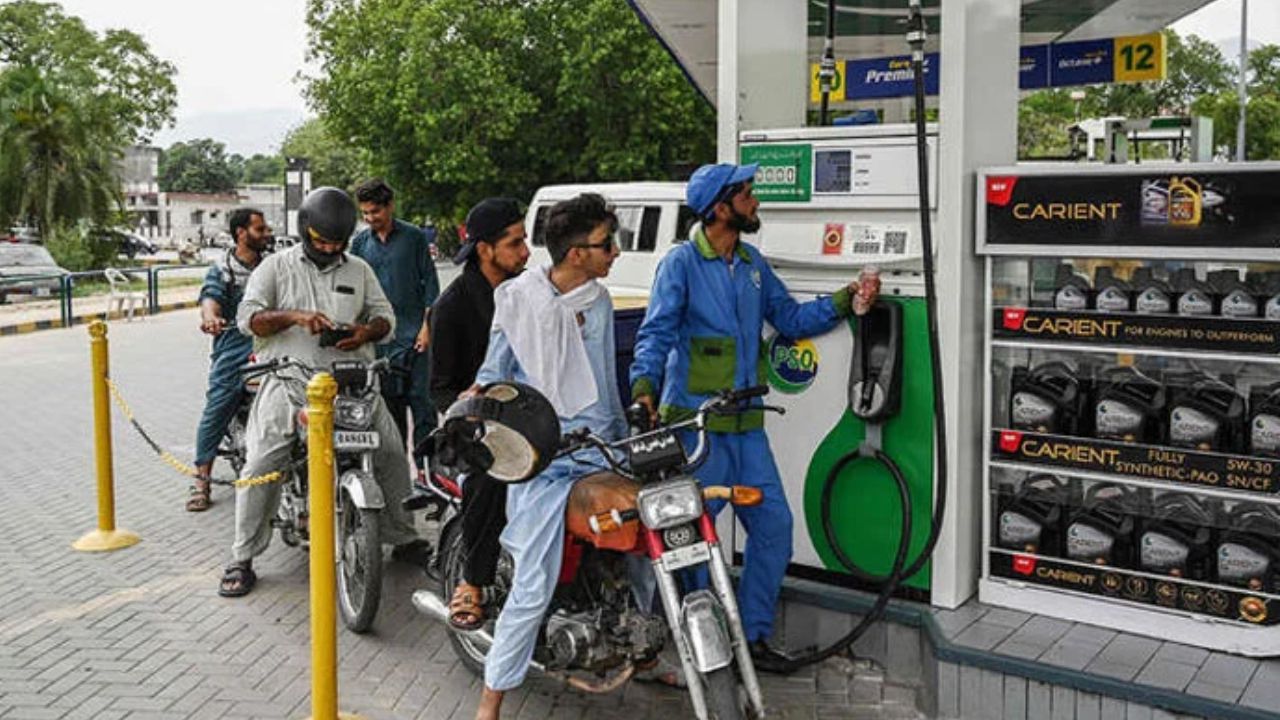
    Kuwait has assured full facilitation in the supply of diesel and jet fuel to Pakistan as shipments remain affected due to the closure of the Strait of Hormuz amid the ongoing US-Israel-Iran conflict.

    Iran has allowed 20 cargoes carrying Pakistani flags to pass through the Strait of Hormuz, an announcement made earlier by Deputy Prime Minister (PM) and Foreign Minister Ishaq Dar.

    Pakistan imports more than 60 percent of its diesel from Kuwait under a long-term contract between the Kuwait Petroleum Corporation (KPC) and Pakistan State Oil (PSO).

    Alternative shipping routes, introduced after the disruption, have increased freight costs for Pakistan, according to officials.

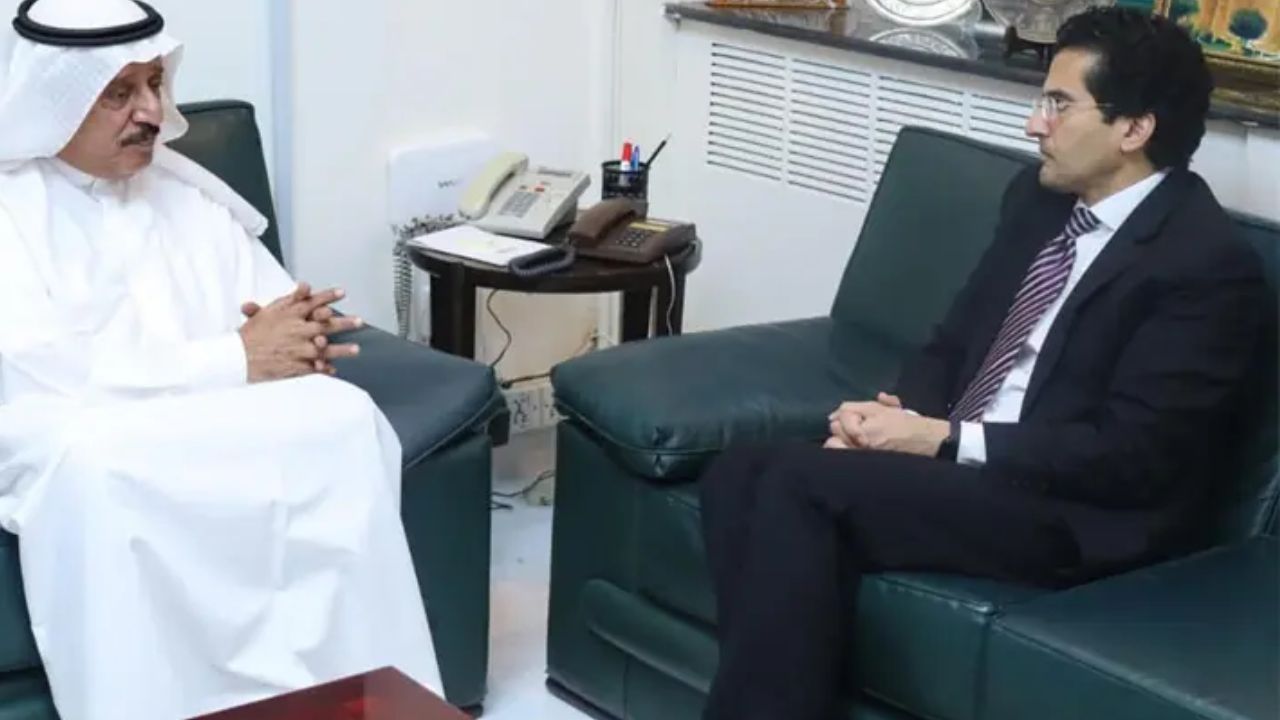
    On Monday, Minister for Petroleum Ali Pervaiz Malik met Kuwait’s Ambassador Nassar Abdulrahman Jasser Almutairi in Islamabad to discuss bilateral relations, energy cooperation and regional developments.


    According to an official statement, the minister expressed gratitude to KPC for assuring full facilitation to Pakistani-flagged vessels for any likely lifting of diesel and jet fuel from Kuwait.

    The statement added that he appreciated Kuwait’s “continued support for Pakistan despite global and regional challenges” and its contribution toward Pakistan’s energy security.

    It further said Malik highlighted that the relationship between the two countries is not only longstanding but also connected by hearts,  referring to decades of petroleum imports from Kuwait.

    The minister noted that Pakistan had been purchasing petroleum products, particularly diesel, from Kuwait for the past five decades, reflecting what the statement described as “enduring trust and partnership”.

    He also said: “Pakistan wishes to see all brotherly countries remain peaceful and secure.”

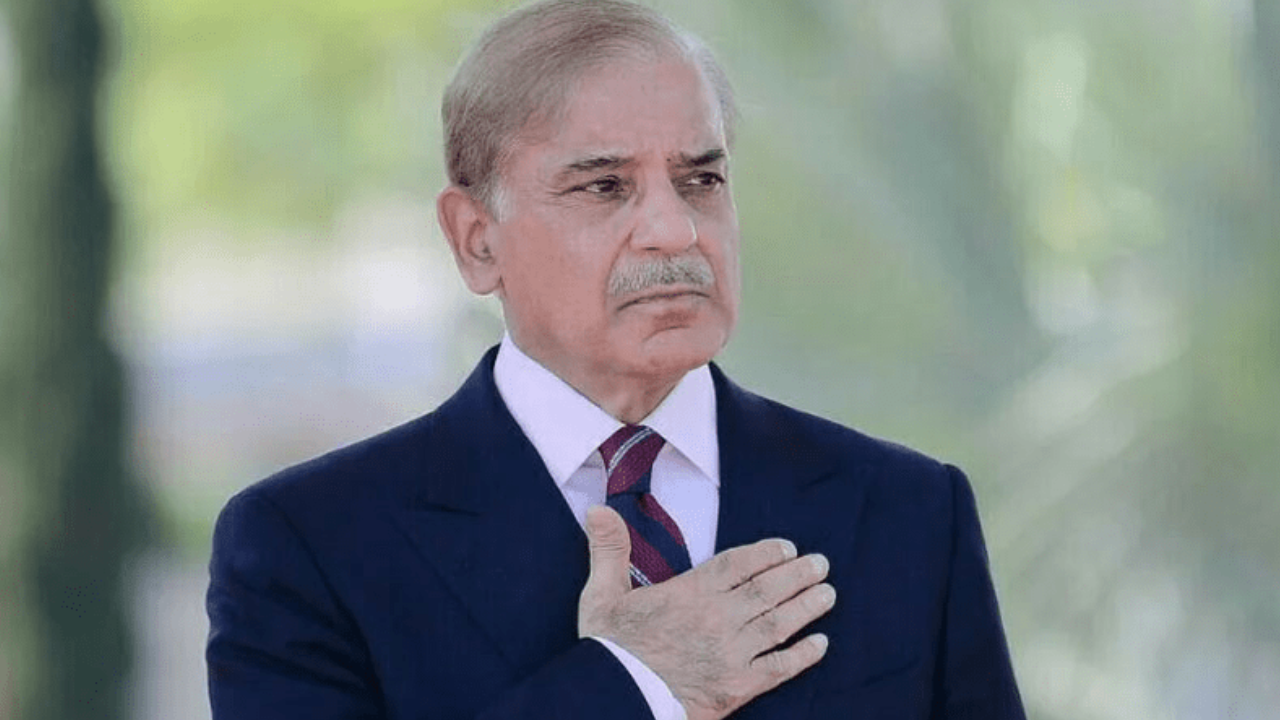
    He added that Prime Minister (PM) Shehbaz Sharif was actively working to facilitate the peaceful resolution of conflict and was “personally overseeing efforts aimed at facilitating the supply of food and essential commodities as required by the Gulf Cooperation Council (GCC) countries.”

    The Kuwaiti envoy, according to the statement, said that he appreciated Pakistan’s role during regional tensions, noting that Pakistan had demonstrated leadership in rejecting the use of force and in promoting peaceful solutions during difficult times.

    Both sides agreed to remain closely engaged to further strengthen cooperation in the energy sector and other areas of mutual interest.

  • PM says fuel stocks sufficient to meet national demand

    PM says fuel stocks sufficient to meet national demand

    Prime Minister Shehbaz Sharif has said that the country’s petroleum reserves are sufficient enough to meet national demand, while calling on citizens to limit non-essential travel and shift to teleconferencing at workplaces to conserve fuel, while chairing a meeting on the implementation of fuel conservation and austerity measures in the context of the ongoing (United states) US-Israel war on Iran. 

    The prime minister said that fuel stocks remained stable “due to timely government decisions” and stressed continued monitoring of the supply chain.

    The statement comes as global oil markets face pressure following the Middle East conflict, which has disrupted supply routes, including concerns linked to the closure of the Strait of Hormuz. The situation has contributed to higher international fuel prices, increasing strain on countries reliant on imports.

    Officials noted that the government had introduced a set of austerity measures in recent weeks. These include cuts in development spending, curbs on non-essential expenditures and steps aimed at managing energy consumption. Petroleum prices were also raised earlier this month, though the government absorbed part of the increase.

    According to the Prime Minister’s Office, the premier said that public relief remained a priority and added that support measures had been extended over the past three weeks. He said that Rs125 billion had been arranged through savings and reductions in development allocations to limit further increases in fuel prices.

    The government is also working on a targeted subsidy mechanism for low-income groups, including motorcycle riders and rickshaw drivers. The prime minister directed provincial authorities to assist owners in registering their vehicles in their own names to improve documentation and allow access to future relief programmes.

    He further instructed officials to strengthen coordination with chief secretaries of all provinces, as well as Azad Kashmir and Gilgit-Baltistan, to ensure uniform implementation of conservation measures.

    During the meeting, officials said that fuel demand and supply were being tracked through a digital dashboard, with the supply chain under continuous observation. They added that import arrangements for April had been finalised to maintain availability.

    A briefing was also given on a proposed mobile application-based fuel support system for two- and three-wheeler users, aimed at digitising subsidy distribution and improving transparency.

  • PM Shehbaz rejects  fuel price hike again

    PM Shehbaz rejects fuel price hike again

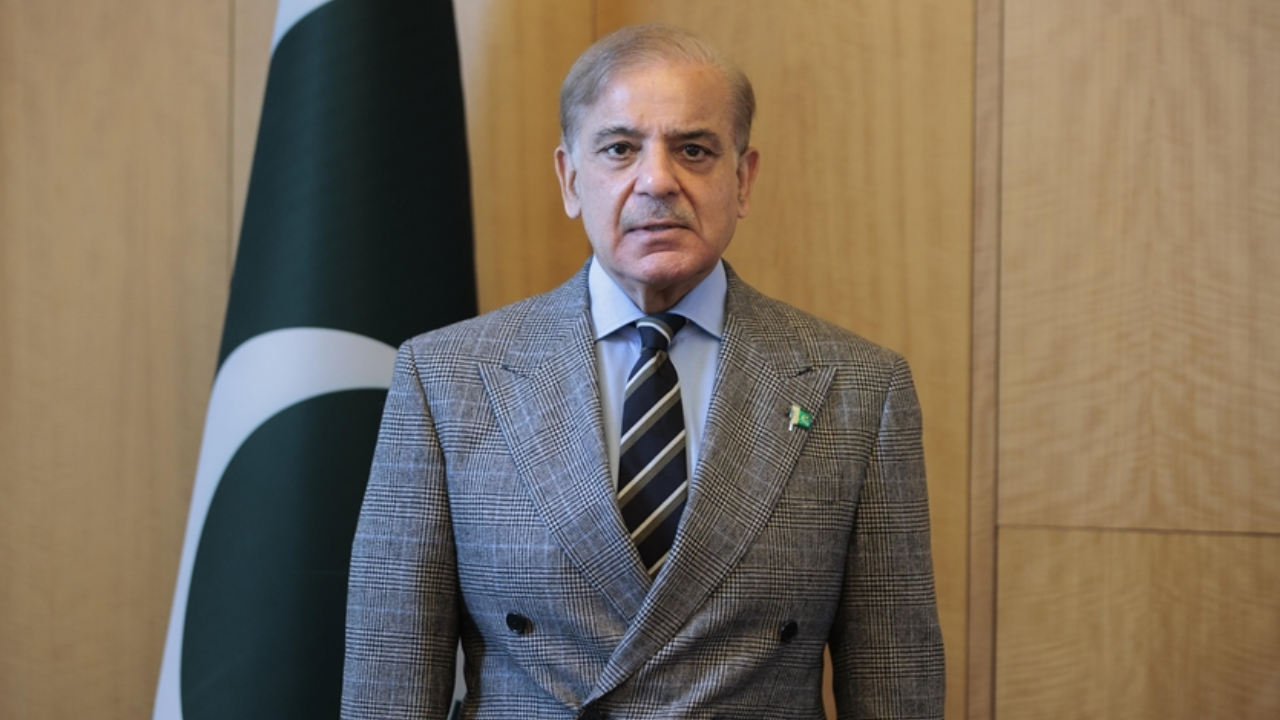
    Prime Minister Shehbaz Sharif has said that he has turned down a summary proposing an increase in the prices of petrol and High-Speed Diesel (HSD), stating that the government will continue to absorb the financial impact.

    Addressing the nation on Friday, the premier said that he was advised to approve an increase of Rs95 per litre in petrol and Rs203 per litre in HSD. “However, I have rejected it,” he said.

    The announcement comes days after he declined a similar proposal involving an increase of Rs76 per litre for petrol and Rs177 per litre for HSD. He had earlier also referred to rejecting another recommendation following a rise in global oil prices on March 13.

    The latest decision comes amid a global fuel crisis linked to the ongoing US-Israeli war on Iran that began on February 28. The government had already introduced austerity measures on March 9 and raised petroleum prices earlier in the month as part of its response.

    During his address, the prime minister said that the country was facing a difficult economic environment. “Even developed countries, which have resources in abundance, are facing an extreme economic crisis,” he said.

    He said that the government had taken advance steps to manage the situation, including reducing development spending. According to him, a Rs100 billion cut in the development budget and other austerity measures had helped limit the burden on the public.

    Shehbaz Sharif said that the government would bear a financial burden of Rs56 billion for the current week to avoid passing the increase on to consumers. He added that based on international market rates, petrol should be priced at Rs544 per litre but was being sold at Rs322.


    Similarly, he said that the price of HSD should stand at Rs790 per litre but was being provided at Rs335. He stated that over the past three weeks, the government had absorbed a total impact of Rs125 billion.

    “These figures may seem mere numbers, but the government has borne the historic burden, so that you don’t have to bear it,” he stated. 

    He also urged citizens to limit fuel consumption, asking them to assess whether travel was necessary. “Think before travelling whether it is necessary,” he advised, adding that austerity required collective participation.

    Separately, the federal and provincial governments agreed to introduce a mobile application-based quota system to provide targeted fuel subsidies to users of two- and three-wheelers.

    At the start of his address, the prime minister also spoke about Pakistan’s diplomatic engagement regarding the Middle East situation. He said that Pakistan was making efforts for de-escalation through dialogue, adding that he had held discussions with leadership in Iran and Gulf countries.

  • Pakistan secures petroleum supply up to April 25 amid regional uncertainty

    Pakistan secures petroleum supply up to April 25 amid regional uncertainty

    Pakistan has secured its petroleum supplies up to April 25, with domestic refineries running at high capacity and imports from multiple sources ensuring uninterrupted fuel availability.

    The News quoted officials from the Petroleum Division as saying that the country is currently facing no shortage of petroleum products.

    They added that “improved inventory management and timely import decisions have strengthened supply chains”, noting the importance of alternative imports, including shipments from Oman.

    In March, Pakistan received three petrol shipments and one diesel shipment from Omani ports. Another two petrol cargoes are expected before the month ends, adding to the country’s reserves.

    Officials said Pakistan State Oil (PSO) is engaged in talks with Oman Trading International to secure additional shipments to meet growing domestic demand.

    Pak-Arab Refinery Company (PARCO), the largest refinery in the country, is operating at 100 percent capacity. Its current crude oil stocks can meet domestic requirements for about 15 days, and incoming deliveries are expected to maintain supplies through April 25. 

    National Refinery Limited (NRL) and Pakistan Refinery Limited (PRL) are operating at around 80 percent of their capacity, up from previous levels of 50-60 percent, reflecting better crude availability.

    The stable supply situation follows swift measures taken after the conflict involving the United States (US) and Israel against Iran started Feb 28, which sparked concerns over possible disruptions in oil shipments through the Strait of Hormuz. Authorities quickly arranged alternative crude deliveries from regional hubs, including Fujairah in the United Arab Emirates (UAE) and Yanbu in Saudi Arabia.

    Officials said that these proactive steps have allowed Pakistan to maintain consistent fuel availability, even as some neighbouring markets, such as India and Bangladesh, face tighter supplies.

  • LPG, petrol shipments arrive at Port Qasim

    LPG, petrol shipments arrive at Port Qasim

    Multiple shipments of liquefied petroleum gas (LPG) and petrol have arrived at Port Qasim as the government moves to stabilise the country’s energy supply, officials told a private media outlet.

    Authorities said that there is no shortage of LPG or petroleum products in the country and added that additional vessels are expected in the coming days to maintain supply levels.

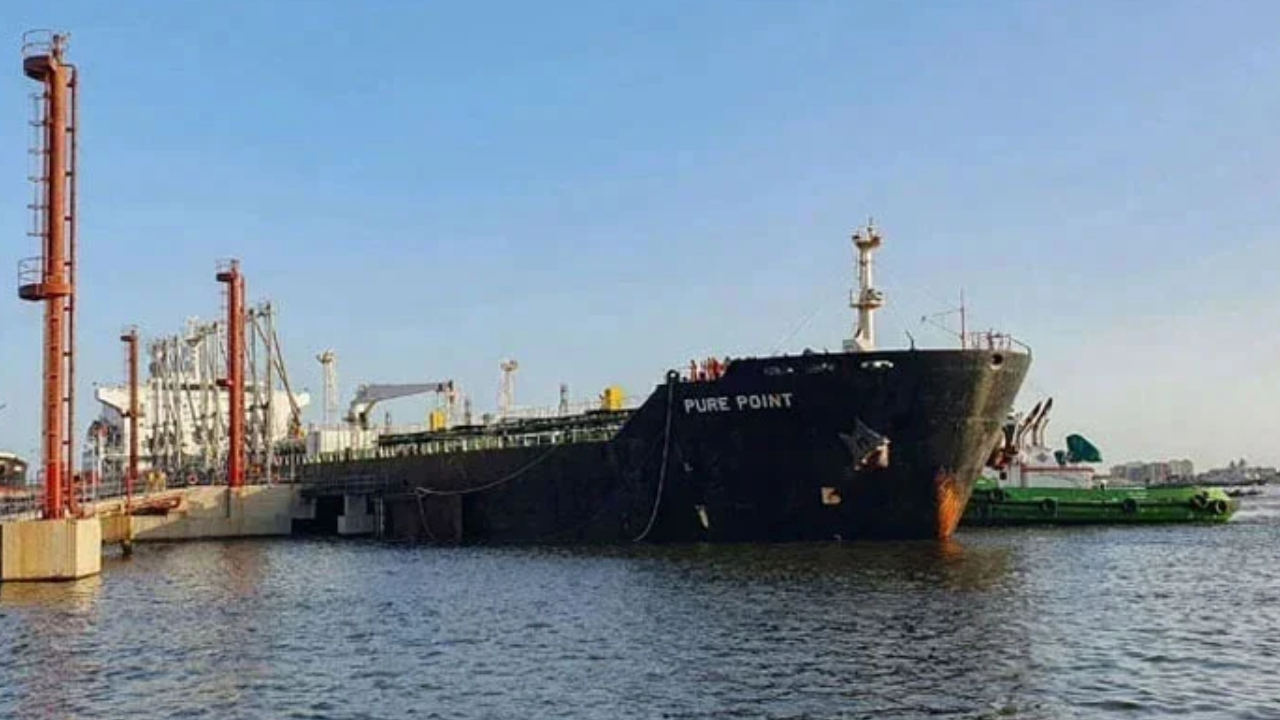
    According to the Port Qasim administration, the vessel PCG Pericles (LPG carrying vessel) arrived from Oman carrying over 3,800 tonnes of LPG and is currently berthed at the outer terminal. Another tanker, MT Virgo, is anchored at the port with around 3,800 tonnes of petrol.

    Officials said that the vessel Navigator Aries also arrived from Iraq with 11,136 tonnes of LPG.

    Separately, the Oil and Gas Regulatory Authority (OGRA) took notice of reported increases in LPG prices and stated that action will be taken against those involved in overcharging. A spokesperson said a nationwide crackdown is being launched.

    Officials reiterated that supply levels remain stable and sufficient to meet domestic demand.

    Earlier, authorities said Pakistan has adequate stocks of petrol and diesel to meet demand through April and beyond.

    The assessment was presented in a meeting chaired by Deputy Prime Minister Ishaq Dar to review petroleum reserves and overall supply conditions.

    The meeting also reviewed preparedness in view of the evolving situation in the Middle East.

    The deputy prime minister directed relevant ministries to maintain coordination, ensure uninterrupted supply and take measures to safeguard fuel availability in the coming weeks.

  • Govt cuts Rs100 billion from development budget to fund fuel subsidies

    Govt cuts Rs100 billion from development budget to fund fuel subsidies

    The federal government has reduced the development budget by Rs100 billion to finance fuel-related payments, with officials confirming that funds were redirected to the Prime Minister’s Austerity Fund instead of utilising contingency allocations.

    Federal Minister for Planning Ahsan Iqbal stated that the Public Sector Development Programme (PSDP) had been cut by Rs100 billion after the finance ministry asked the planning ministry to surrender the amount for fuel support measures.

    The development follows a request by the Ministry of Petroleum to the finance ministry to release Rs71 billion to the Oil and Gas Regulatory Authority (OGRA) for clearing price differential claims for March 14–27, which are to be passed on to oil marketing companies.

    Iqbal stated that the move would increase fiscal pressures, adding that liabilities were being deferred instead of managed through budgetary planning. He further stated that instead of increasing allocations, the development budget had been reduced despite additional funding demands from ministries during the mid-term review.

    For the current fiscal year, the National Assembly had approved Rs1 trillion for development spending, while ministries had sought an additional Rs495 billion to continue ongoing schemes.

    According to officials, allocations across ministries have been reduced proportionally. The largest cut of Rs22.3 billion has been made to the National Highway Authority, followed by Rs12.9 billion in the water resources sector and Rs10.2 billion in provincial project allocations.


    The Power Division’s budget has been reduced by Rs9.1 billion, while Rs7 billion has been cut from schemes recommended under the Sustainable Development Goals programme. Allocations for Azad Kashmir and Gilgit-Baltistan have been reduced by Rs8.2 billion, and Rs6.5 billion has been cut from the merged districts of Khyber Pakhtunkhwa (KP).

    Other reductions include Rs4.2 billion from the Higher Education Commission, Rs3.2 billion from the education ministry, Rs2.2 billion each from the railways and science and technology ministries, and Rs1.4 billion each from the health and interior ministries. The Federal Board of Revenue allocation has been reduced by Rs1.7 billion.

    Prime Minister (PM) Shehbaz Sharif had earlier announced that fuel prices would be kept unchanged, with officials stating that the decision required payments on account of price differentials. The finance ministry stated that an initial Rs27 billion had been released to OGRA from the austerity fund.

    Officials stated that funds for the austerity pool were arranged through expenditure reductions within the federal government.

    Reports quoted sources that the contingency allocations, initially set aside at around Rs389 billion under programme commitments with the International Monetary Fund (IMF), had largely been used to offset revenue shortfalls. They further stated that these funds were not intended to cover inefficiencies in tax collection.

  • Family Festival at PNCA Promises a Day of Fun, Food, and Entertainment for All Ages

    Family Festival at PNCA Promises a Day of Fun, Food, and Entertainment for All Ages

    Get ready for an exciting day of family-friendly entertainment as the Pakistan National Council of the Arts (PNCA) hosts a vibrant Family Festival on March 29th, from 12:00 PM to 8:00 PM.

    The festival is designed to offer something for everyone, bringing together a lively mix of activities, entertainment, and culinary experiences. Families can look forward to interactive play zones for kids, ensuring a fun and engaging environment for younger attendees.

    Adding to the festive spirit, the event will feature a food court showcasing some of Islamabad’s biggest brands, alongside a variety of stalls hosted by well-known vendors, offering unique products and treats.

    The day will be packed with fun activities and entertainment, highlighted by live performances from Bilal Saeed and Annie Khalid, promising an unforgettable musical experience. The event will be hosted by Ahmed Godil, keeping the energy high throughout the day.

    Tickets for the Family Festival are available online via Bookkaru, and can also be purchased on-site at the venue.

    Don’t miss this opportunity to enjoy a day filled with music, food, shopping, and family fun — all under one roof at PNCA.

    For further information and ticket bookings, visit Bookkaru or purchase tickets at the venue on the event day.

  • Petrol supply stable as govt secures cargoes, considers rationing system

    Petrol supply stable as govt secures cargoes, considers rationing system

    A review of the petroleum supply situation on Tuesday showed that fuel cargoes for March and April have largely been secured, while authorities continued discussions on managing demand and introducing conservation measures amid global energy pressures.

    The assessment took place during meetings of the Committee to Monitor Petrol Prices, chaired by Finance Minister (FM) Muhammad Aurangzeb, where officials examined stock levels, import arrangements and international market trends following the Eid holidays.

    According to the finance ministry, participants were informed that cargo inflows were continuing as scheduled and that petrol shipments for March and April had “largely been secured”, with additional cargoes planned to strengthen supply buffers.

    Officials maintained that overall inventories remained at comfortable levels, supported by import arrangements and domestic production. They pointed out that supply chains from ports to refineries, storage facilities and retail outlets were functioning in an orderly manner.

    The committee reviewed stock availability of crude oil and refined products across the supply chain, while refineries were reported to be operating at regular production levels. Authorities stated that efforts were under way to maintain throughput and ensure processing of incoming crude despite changing global conditions.

    Alongside supply, the government also examined demand-side measures. Reports quoted sources that the federal government is working on a digital rationing system for petroleum distribution through a mobile application. Under the proposal, citizens would register their vehicles and identity details, with fuel quotas allocated based on need and availability, allowing access to a fixed daily supply of petrol or diesel.

    Officials also discussed involving provinces in subsidy arrangements, with plans for the prime minister to consult the president on sharing the financial burden as part of broader pricing adjustments.

    At the provincial level, Sindh Local Government Minister Nasir Hussain Shah said the government was considering a “smart lockdown” to conserve fuel in response to the global oil situation. He stated that austerity measures had already reduced fuel allowances for official vehicles by 60 percent and urged citizens to limit unnecessary travel.

    At the federal level, measures introduced earlier include cuts in fuel allocations for government vehicles and adjustments in public sector work routines, along with calls for conservation to avoid supply disruptions.

    During the meeting, officials also briefed participants on international energy markets and emerging price trends, outlining their possible impact on domestic pricing.

    Chairing the session, Aurangzeb said that planning, procurement strategies and coordination had helped maintain supply stability despite global volatility. He directed relevant authorities to continue monitoring international developments, stock levels and supply chains.

    He reiterated that uninterrupted availability of petroleum products remains a priority and called for continued coordination to maintain market stability.

    Officials also noted that fuel consumption has increased despite rising prices, which they said supports the case for tighter management measures, including quota-based distribution and conservation steps.

    Fi

    The meeting was attended by Power Minister Awais Leghari, Food Security Minister Rana Tanveer Hussain, Maritime Affairs Minister Junaid Chaudhary, Minister of State for Finance Bilal Azhar Kayani and senior officials from relevant ministries.

  • The energy map in 2026: OPEC+ and the Custodial crude paradox

    The energy map in 2026: OPEC+ and the Custodial crude paradox

    Oil markets are no longer defined by simple shifts in supply and demand. While physical balances still matter, price formation is increasingly shaped by who controls access to barrels, under what conditions, and for how long. What once moved gradually on inventories and consumption trends now reacts abruptly to geopolitical permissions, sovereign decisions, and headline risk.


    This shift has been building for years, but it has become more visible as OPEC+ combines disciplined supply management with a market environment dominated by geopolitical uncertainty. Prices are held in check not by abundance, but by restraint, until a disruption, or the threat of one, forces a rapid repricing. The result is an oil market suspended between engineered stability and sudden volatility.


    From market share wars to market access control

    But that’s not the first time OPEC has pivoted. In late 2014, the organization repeatedly raised output amid a US shale oil boom to regain market share lost to US producers. The strategy coincided with slowing Chinese demand and triggered a sharp price collapse, with crude losing more than a third of its value in a single quarter.

    The context today is more nuanced. Major players like the US and Russia are engaged in a game of market control that transcends volume alone. Sanctioned regimes, exemptions, shadow fleets, and strategic stockpiling are now the norm. 

    Against this backdrop, rising tensions in the Middle East, the ongoing conflict in Ukraine, and the US administration’s shifting stance on Venezuelan oil have added significant friction to global supply chains. A new element has emerged in this power play: Custodial crude.

    As crude stockpiles return to the center of energy trade, the defining question is: How can OPEC+ stabilize oil prices when supply is governed by sovereignty, exemptions, and conditional permissions? Whoever controls the marginal barrel now defines the market direction.

    The role of custodial crude in the uncertainty equation

    Custodial crude refers to physical oil and refined products held in third-party inventories where ownership or transfer rights are subject to friction. In 2026, this category has come back into focus as geopolitical tensions dominate the debate.

    In normal markets, inventories act as a buffer. When production surpasses consumption, crude and by-products like diesel are stored in pipelines or floating storage. When consumption exceeds demand, these inventories supplement supply. This relationship typically links inventory levels directly to price expectations.

    However, market risk now distorts this link. Geopolitical conflict, sanctions, or major political events—such as recent policy shifts regarding the Venezuelan administration—can damage or freeze custodial transfer points (e.g., pipelines to tanks, tanks to vessels). In such situations, uncertainty dominates, decoupling price from physical availability.

    Another factor driving volatility is measurement risk. Any discrepancies during custody transfers in politically sensitive regions can cause commercial friction, loss, and ultimately, market distrust. Inventory management is crucial for cost stability; while custodial crude provides a physical buffer, the efficiency of holding it is instrumental in the “theory of storage” that underpins futures markets.

    Can OPEC+ still “discipline” the oil market?

    Eight core OPEC+ nations, led by Saudi Arabia and Russia, have maintained production cuts through the first quarter of 2026. This reinforces the stance taken in late 2025 to halt output increases due to seasonally weaker demand.


    Meanwhile, the IEA projects global oil supply to expand by 2.5 million bpd (barrels per day) this year. While OPEC+ strives for discipline, the “human element” of the market remains the most volatile factor. As Quoc Dat Tong, financial markets strategist at Exness, notes, “In an environment so volatile, best practices or any pricing discipline that OPEC+ can or could impose is maintaining price stability, yet the risk remains as geopolitical uncertainty and inflationary pressures loom.” 


    Venezuela, the market’s biggest uncertainty variable

    Nowhere is the definition of “custodial risk” clearer than in Venezuela. Following the seismic political shift in January—and the subsequent installation of an interim administration working with Washington—the market’s focus has moved from regime change to recovery reality.


    The US Treasury’s rapid issuance of General Licenses 48 through 50 in February effectively reopened the door for Western majors like Chevron, Eni, and Repsol to re-engage. On paper, the sanctions wall has fallen. Venezuela boasts the world’s largest proven reserves—over 300 billion barrels along the Orinoco Belt.


    While headlines suggest a flood of new oil, the physical reality is a “rusted pipe” problem. Years of underinvestment have left the custodial transfer points—pipelines, upgraders, and export terminals—in critical disrepair.


    Presently, production hovers near 1 million barrels per day, a fraction of its historical peak. The “sentiment” has shifted: traders are no longer pricing in a political blockade, but an infrastructure bottleneck. The market now understands that while the legal permission to export exists, the physical capacity to move those barrels will take massive capital injection to restore.


    For the remainder of 2026, Venezuela serves as a psychological cap on long-term prices rather than a short-term flood. The barrels are accessible in theory, but until the custodial chain is repaired, they remain trapped in the ground.

    Why risk premiums appear and fade quickly

    The Venezuela dynamic is a microcosm of broader market behavior. Tensions involving Russia, Iran, or South America prompt traders to add a “risk premium” to the spot price. This is the cost of uncertainty. The defining feature of the 2026 market, however, is the speed at which these premiums vanish.


    Because short-term supply and demand are relatively inelastic—you cannot drill a new well or switch a power plant to nuclear in a week—small disruptions in perceived access result in outsized price spikes. But the inverse is also true: when the threat fails to materialize (or in Venezuela’s case, when the “flood” of new oil proves to be a trickle), the premium collapses just as quickly.


    This leaves slow-moving capital trapped. The market doesn’t glide between these states; it gaps.

    Pay attention to curve signals, spreads, and inventories

    Market signals warn of a potential contango structure developing as we head toward mid-year, where future prices trade higher than spot prices—a classic sign of oversupply. With WTI futures currently trading below the breakeven point for many shale wells, US production may face a slowdown. Industry leaders like Vitol and TotalEnergies have signaled that current price levels could trim US shale output by up to 300,000 bpd this year, eventually tightening the balance.


    Against this backdrop, the backwardation that defined 2023–2024 is fading. Monitoring inventory data and curve structure is now the only way to navigate this shifting landscape.

    DISCLAIMER: The views, opinions and market analysis are those of the author and do not constitute financial, investment or legal advice. The Current assumes no liability for any investment decisions made based on the projections or geopolitical interpretations contained herein.
  • ADB approves $10–12bn five-year lending strategy for Pakistan

    ADB approves $10–12bn five-year lending strategy for Pakistan

    The Asian Development Bank (ADB) has approved an indicative $10–12 billion lending programme for Pakistan over five years, covering financing for critical minerals development and upgrades to Pakistan Railways’ Main Line-I (ML-I).

    The decision was taken at an ADB board meeting, where India’s executive director also supported the strategy while raising observations on Pakistan’s governance and debt situation.

    The Manila-based lender launched its Country Partnership Strategy (CPS) for Pakistan 2026–2030, outlining support for the country’s transition towards sustainable and inclusive growth through private-sector-led development, according to its Pakistan office.

    The CPS sets three priority areas: enabling private sector growth, advancing inclusion and empowerment, and strengthening resilience and sustainability.

    While the ADB did not officially confirm the total size of the package, officials and multilateral sources said the indicative lending volume is based on current annual approvals and is estimated at $10–12 billion over five years. Individual projects will be negotiated within the overall framework during the period.

    Officials said the package size could increase if Pakistan’s credit rating improves. Rating upgrades by international agencies were noted, though they remain insufficient to significantly lower long-term borrowing costs.

    Pakistan currently receives around $2 billion annually in ADB financing, roughly half in concessional loans. The ADB approved $2.6 billion in lending for Pakistan last year.


    The CPS states that the bank will provide financing, policy support and technical assistance to develop critical mineral value chains in Pakistan.

    ADB Country Director for Pakistan Emma Fan said the strategy is designed to address structural challenges and support inclusive growth.

    The document says the bank will help develop Pakistan’s mineral sector by supporting governance frameworks, infrastructure integration, and environmental and social safeguards.

    Pakistan holds deposits of copper, barite, chromite, gold, salt and marble, but the mining sector contributes about 2.4 percent to GDP and 0.2 percent to employment.

    Mineral exports remain limited, reflecting gaps in infrastructure, governance and regulation, the CPS noted.

    ADB plans to support the sector through improved geodata systems, regulatory reforms, co-financing arrangements and fiscal policy changes.

    The lender also plans to support the establishment of sovereign wealth funds to improve benefit-sharing and long-term investment planning.

    A proposed $500 million loan will support reforms in pension and insurance systems and development of capital markets to channel long-term savings into productive investment.

    Main Line-I upgrades remain a key component of the strategy, including improvements to tracks, signalling systems and stations to modernise the rail corridor and improve regional connectivity.

    China had initially planned to finance ML-I under the China-Pakistan Economic Corridor (CPEC) framework but later withdrew due to Pakistan’s rising debt concerns.

    The ADB said its future financing will also extend to port modernisation, motorways and highways, along with broader trade and logistics reforms aimed at streamlining cross-border trade procedures.

    The CPS notes that Pakistan’s poverty rate stands at 45 percent, with rural poverty significantly higher than urban levels. It adds that the top 10 percent of households earn 42 percent of national income, while the bottom 50 percent account for 13 percent. 

    The strategy also includes support for disaster risk management, climate governance, and increased climate-related investment for resilience and mitigation.

    The lender said Pakistan’s production base remains narrow, its regulatory environment complex, and its public financial management uneven, with inefficiencies in energy, transport and urban services.

    It noted that more than 200 state-owned enterprises account for assets worth around 48 percent of GDP, contributing to governance and accountability challenges due to overlapping oversight structures.

    The ADB added that Pakistan ranks near the lower end globally on governance indicators across multiple categories.