Author: AFP

  • Some like it not: LA bars demolition of Marilyn Monroe home

    Some like it not: LA bars demolition of Marilyn Monroe home

    The Los Angeles home where Marilyn Monroe died was declared a historic landmark on Wednesday, thwarting plans by its current owners to demolish the property.

    The house was home to the “Some Like It Hot” screen siren for the final six months of her life up to her death from a drug overdose in 1962.

    More than half a century on, Monroe remains one of the most beloved figures in US pop culture, and fans as well as conservationists have closely followed a row over the future of the home.

    Property heiress Brinah Milstein and her reality TV producer husband Roy Bank bought the Spanish Colonial-style home in the swanky Brentwood neighbourhood last summer for $8.35 million.

    The couple owned the house next door and intended to combine the two properties. That construction would have involved razing the Monroe home.

    But when a demolition permit was issued last September, a furore quickly followed, and local politicians moved quickly to designate the building protected status.

    Last month, the owners sued the city of Los Angeles for “illegal and unconstitutional conduct.”

    Their petition noted Monroe had “occasionally” lived in the home for “a mere six months”, and the couple claim that more than a dozen previous owners since 1962 have already changed the building beyond recognition.

    Those objections were overruled Wednesday, as city councillors approved the designation of the house as a historic cultural monument.

    Monroe bought the 3,000-square-foot single-story hacienda in 1962 just after her divorce from playwright Arthur Miller.

    “There is no other person or place in the city of Los Angeles as iconic as Marilyn Monroe and her Brentwood home,” said councillor Traci Park, whose district includes the house in question.

    “Some of the most world-famous images ever taken of her were in that home, on those grounds and near her pool.

    “There is likely no woman in history or culture who captures the imagination of the public the way Marilyn Monroe did. Even all these years later, her story still resonates and inspires many of us today.”

    Monroe’s smouldering looks and breathy delivery made her one of the most bankable movie stars of her era.

    The “Gentlemen Prefer Blondes” star was linked during her lifetime with some of the most eligible men of her era, including president John F. Kennedy, famously singing “Happy Birthday, Mr President” at Madison Square Garden.

  • Bolivian army chief arrested after coup attempt

    Bolivian army chief arrested after coup attempt

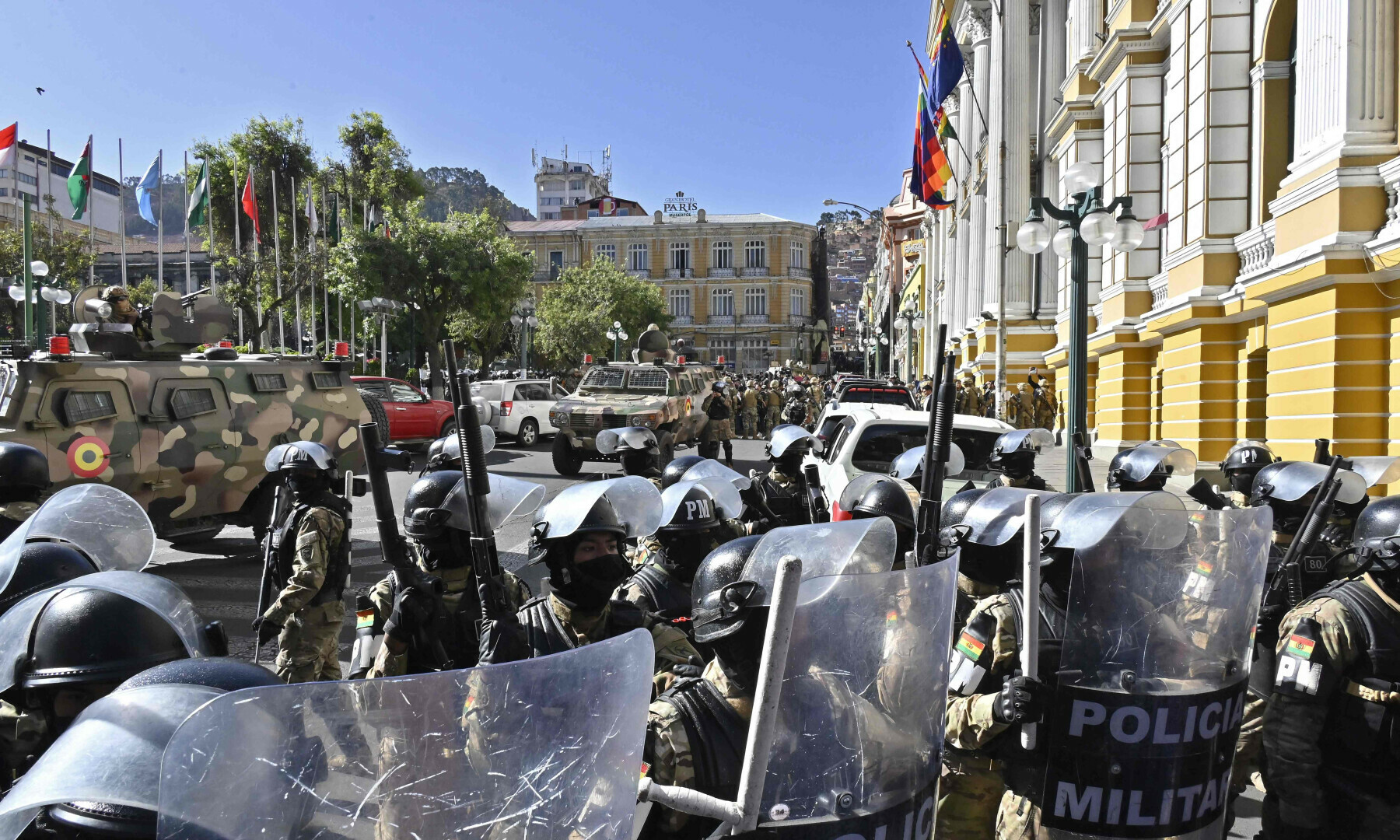
    Bolivia’s army chief was arrested on Wednesday after sending soldiers and tanks to take up position in front of government buildings in what President Luis Arce called an attempted coup.

    The troops and tanks entered Plaza Murillo, a historic square where the presidency and Congress are situated, in the afternoon, prompting global condemnation of an attack on democracy.

    One of the tanks tried to break down a metal door of the presidential palace.

    Surrounded by soldiers and eight tanks, the now-dismissed army chief General Juan Jose Zuniga said the “armed forces intend to restructure democracy, to make it a true democracy and not one run by the same few people for 30, 40 years”.

    AFP reporters soon saw soldiers and tanks pulling back from the square. The uprising lasted about five hours.

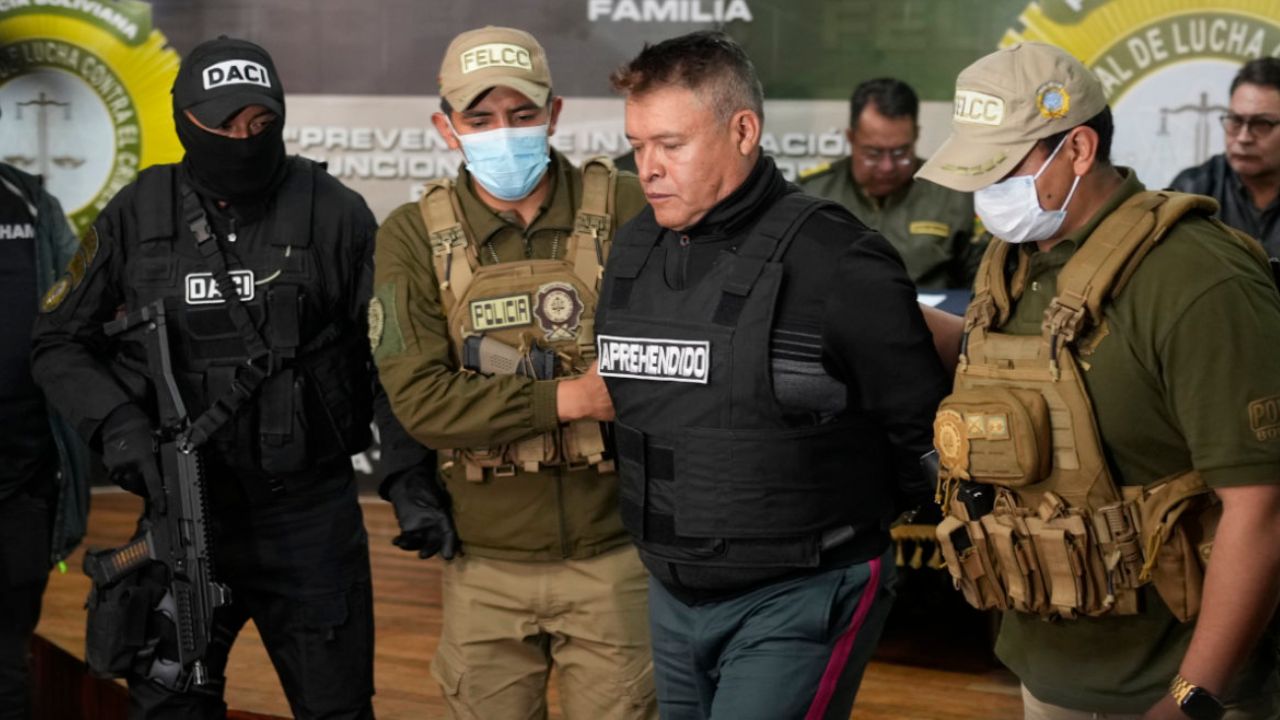
    Later Wednesday, Zuniga was captured and forced into a police car as he addressed reporters outside a military barracks, footage on state television showed.

    “General, you are under arrest,” Deputy Interior Minister Jhonny Aguilera told Zuniga.

    “No one can take away the democracy we have won,” Arce said from a balcony of the government palace in front of hundreds of supporters.

     Military troops are deployed at the Plaza de Armas in La Paz on June 26, 2024. — AFP
    Military troops are deployed at the Plaza de Armas in La Paz on June 26, 2024. — AFP

    Earlier he had urged “the Bolivian people to organise and mobilise against the coup d’etat in favour of democracy”, in a televised message to the country alongside his ministers inside the presidential palace.

    He also swore in new military leaders, firing Zuniga.

    Right before he was arrested, Zuniga told reporters that the president had told him to stage an uprising, thus triggering a crackdown that would make him look strong and boost his sagging approval rating.

    At a meeting Sunday, the general said, Zuniga asked Arce “So we bring out armored vehicles?” He said the president answered, “Bring them out.”

    Arce’s instructions were to “stage something to raise his popularity”, the general said.

    Former president Evo Morales wrote on X that “a coup d’etat is brewing” and also urged a “national mobilisation to defend democracy”.

    Zuniga’s anti-democratic remarks

    Bolivia is deeply polarised after years of political instability and the ruling Movement Towards Socialism (MAS) is riven by internal conflict between supporters of Arce and his former mentor Morales.

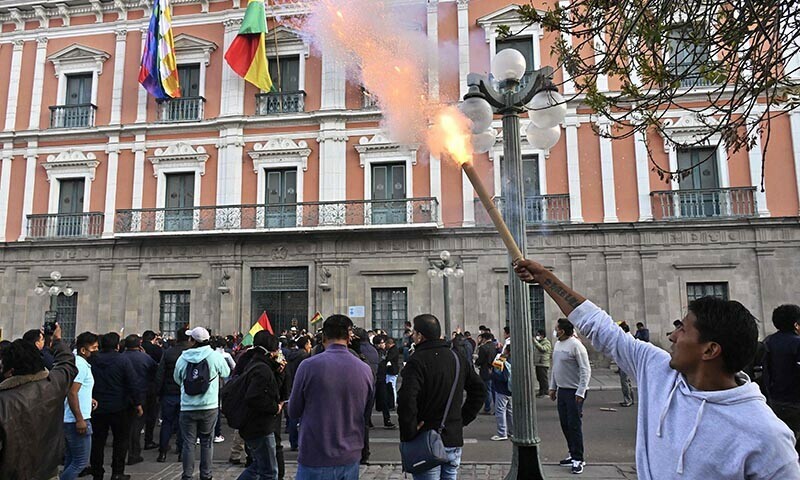
    A supporter of Bolivian President Luis Arce fires a bengal outside Quemado Palace at Plaza Murillo in La Paz on June 26. — AFP
    A supporter of Bolivian President Luis Arce fires a bengal outside Quemado Palace at Plaza Murillo in La Paz on June 26. — AFP

    Morales, who was Bolivia’s first Indigenous president, was extremely popular until he tried to bypass the constitution and seek a fourth term in office in 2019.

    The leftist and former coca union leader won that vote but was forced to resign amid deadly protests over alleged election fraud, and fled the country. He returned after Arce won the presidency in October 2020.

    Since then a power struggle has grown between the two men, and Morales has increasingly criticised the government and accused it of corruption, tolerating drug trafficking, and sidelining him politically.

    Six months ago, the Constitutional Court disqualified Morales from the 2025 elections, however, he is still seeking nomination as the MAS candidate. Arce has not said whether he will seek re-election.

    Zuniga appeared on television on Monday and said he would arrest Morales if he insisted on running for office again in 2025. “Legally he is disqualified, that man cannot be president of this country again,” he said.

    Since that interview, rumours have swirled that Zuniga was on the verge of being dismissed.

    Calls for calm

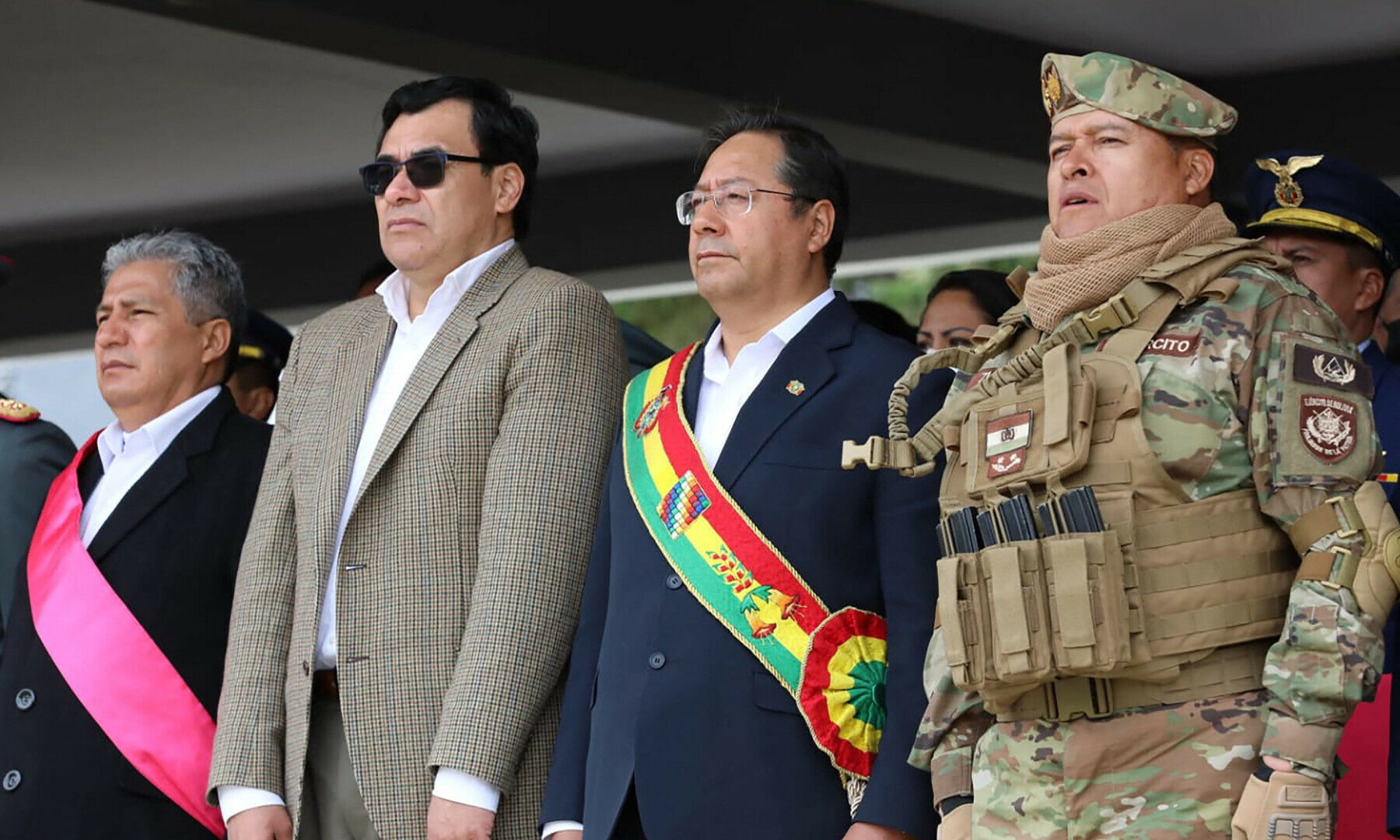
     In this handout picture released by Bolivian Presidency, Bolivian President Luis Arce (2nd R) attends a military event next to Gen. Juan Jose Zuniga (R) in La Paz on April 18, 2024. — AFP
    In this handout picture released by Bolivian Presidency, Bolivian President Luis Arce (2nd R) attends a military event next to Gen. Juan Jose Zuniga (R) in La Paz on April 18, 2024. — AFP

    The US administration of Joe Biden said it was keeping a close eye on events in Bolivia and “calls for calm”, according to a spokesperson for the National Security Council.

    Condemnations of the troop movements also poured in from across Latin America, with leaders of Chile, Ecuador, Peru, Mexico, Colombia and Venezuela calling for democracy to be respected.

    Brazil’s President Luiz Inacio Lula da Silva wrote on X: “I am a lover of democracy and I want it to prevail throughout Latin America. We condemn any form of coup d’etat in Bolivia.”

    Spanish Prime Minister Pedro Sanchez on Wednesday called for “respect for democracy and the rule of law,” in a message on X.

    The Organisation of American States (OAS) said the international community would “not tolerate any form of breach of the legitimate constitutional order in Bolivia”.

  • India’s Rahul Gandhi faces new test in revived fortunes

    India’s Rahul Gandhi faces new test in revived fortunes

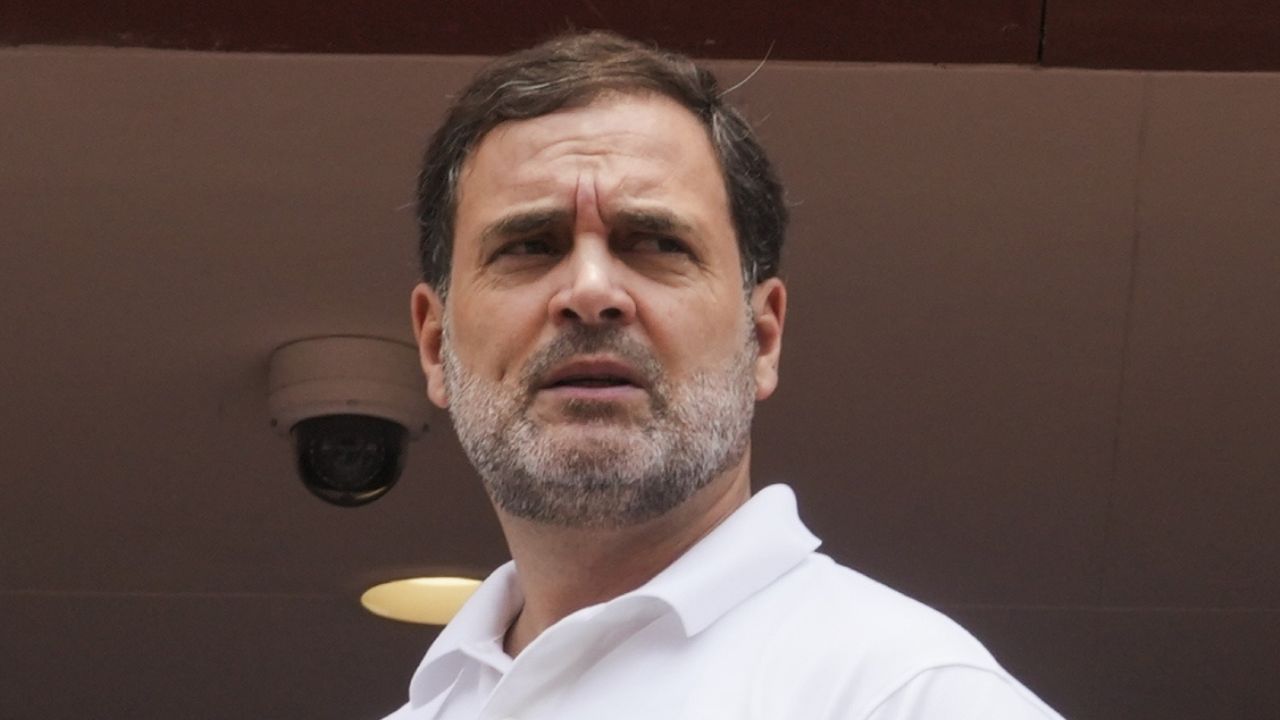
    Once dismissed as an “empty suit”, perennial Indian premier-in-waiting Rahul Gandhi emerged from his third consecutive election defeat with his reputation enhanced and his party back from the political wilderness.

    But analysts are divided on whether the 54-year-old — a scion of a dynasty that has already given India three prime ministers — is ready for the next battle he faces.

    Already the leader of the opposition to Hindu-nationalist Prime Minister Narendra Modi in all but name, Gandhi now takes on the formal position in India’s parliament.

    Congress party general secretary K. C. Venugopal said Gandhi would be “a bold voice for the common people” and ensure the government “is held firmly accountable at all times”, he told reporters in a statement late Tuesday.

    Gandhi’s ascension is significant because, for the previous decade, his once-mighty Congress party did not have enough seats in the legislature to qualify him for the post.

    “It’s a huge thing what he has achieved in this election — he’s been able to get the masses to take him seriously,” Sugata Srinivasaraju, an author of a book on Gandhi, told AFP.

    “But is that sufficient to be a good leader of the opposition inside the parliament? That is a big question.”

    Coalition politics

    Modi’s first two terms in office saw landslide wins for his Bharatiya Janata Party (BJP), allowing his government to steamroll laws through parliament with only cursory debate.

    Dozens of bills were pushed through the legislature hours after they were introduced, including a contentious and far-reaching overhaul of India’s criminal justice code last year.

    Unable to stymie the government’s legislative programme, Gandhi and Congress were reduced to staging regular symbolic walkouts of the chamber and demonstrations outside parliament.

    With the BJP now reliant on coalition allies to govern, and Congress nearly doubling its seats in parliament, the dynamics of Gandhi’s role will necessarily change.

    His new post entitles him to take a role in the composition of parliamentary committees and sit on selection panels for appointing some of India’s most powerful civil servants.

    But Srinivasraju said it remained to be seen if Gandhi could evolve from Modi’s chief gadfly outside parliament to an effective opponent within its walls.

    “He has not been a great speaker inside parliament. He has not been able to sway the crowds,” he said.

    “From that perspective, we don’t know if Rahul is really ready.”

    ‘Missed several opportunities’

    Gandhi is the son, grandson and great-grandson of former prime ministers, beginning with Indian independence leader Jawaharlal Nehru.

    For that reason, he was seen as India’s leader-in-waiting when he first entered parliamentary politics in 2004, but he struggled for years to shed his image as an insubstantial and entitled princeling.

    Leaked US embassy cables disparagingly referred to him as an “empty suit”, and Modi dismissed him as a dynast more interested in luxury and self-indulgence than fighting to helm the world’s biggest democracy.

    For much of the past decade, many voters agreed with that sentiment.

    His stewardship of Congress — once India’s dominant party with a proud role in ending British colonial rule — looked hapless against Modi’s seemingly unassailable rule.

    “Gandhi missed several opportunities to shape up as an effective parliamentarian and politician,” political commentator Rasheed Kidwai told AFP.

    ‘Judging him with interest’

    The seeds of his turnaround were sown in 2022 when he embarked on a cross-country walking tour inspired by his unrelated namesake, independence hero Mahatma Gandhi, to hear the concerns of ordinary people.

    His journey gave him a gravitas that had previously eluded him, and his colleagues credited it with helping reinvigorate the party, delivering an election result that defied exit poll forecasts of another landslide BJP win.

    Gandhi also stayed unruffled through the several ongoing criminal cases arrayed against him, which he and supporters accuse the government of orchestrating to eliminate him as a rival to Modi.

    Last year, he was briefly disqualified from parliament after a conviction for criminal libel in a case brought by a BJP member, and weeks before this year’s election, Congress had its bank accounts frozen as part of a running income tax probe.

    Having pierced Modi’s aura of invulnerability and shrugged off adversity, Kidwai said Gandhi’s new post would give him the opportunity to capitalise on his newfound public esteem and establish himself as an alternative prime minister.

    “Taking up this position is going to do a lot of good for him,” he said.

    “People who didn’t take him seriously will now start judging him with interest.”

  • World not ready for climate change-fueled wildfires: experts

    World not ready for climate change-fueled wildfires: experts

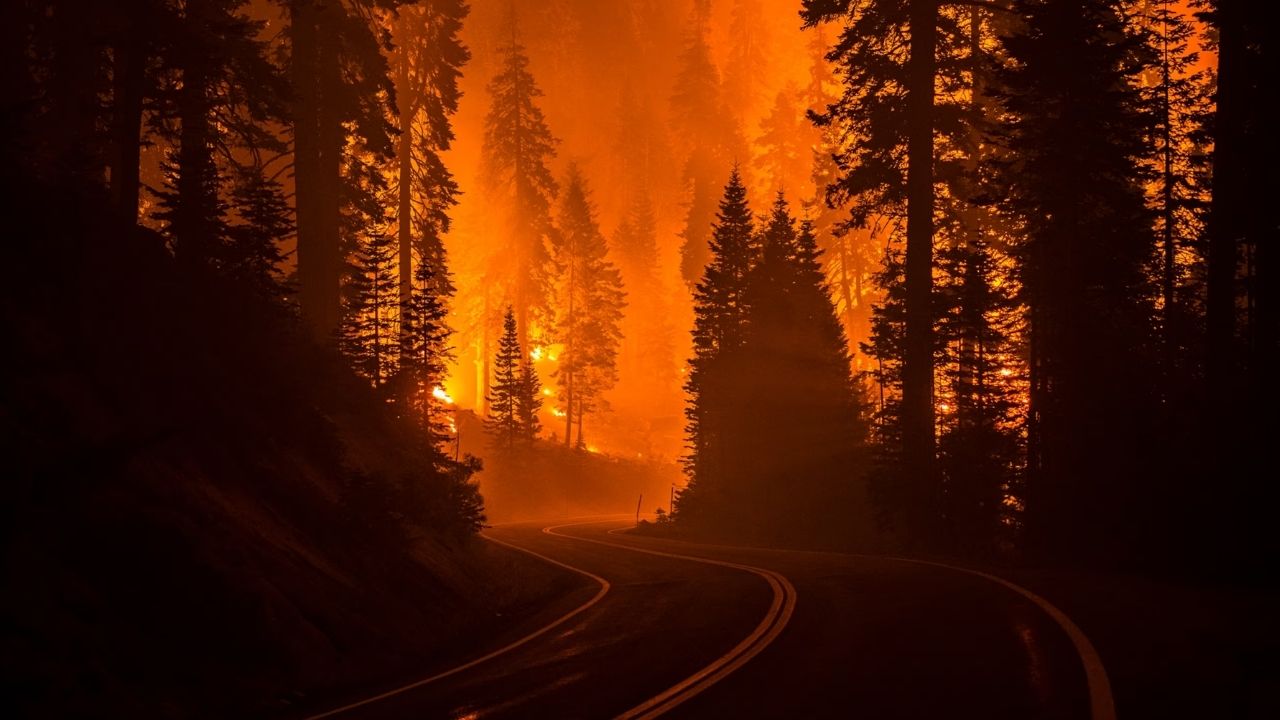
    The world is unprepared for the increasing ferocity of wildfires turbocharged by climate change, scientists say, as blazes from North America to Europe greet the northern hemisphere summer in the hottest year on record.

    Wildfires have already burned swathes through Turkey, Canada, Greece and the United States early this season as extreme heatwaves push temperatures to scorching highs.

    While extra resources have been poured into improving firefighting in recent years, experts said the same was not true for planning and preparing for such disasters.

    “We are still actually catching up with the situation,” said Stefan Doerr, director of the Centre for Wildfire Research at the UK’s Swansea University.

    Predicting how bad any one blaze will be — or where and when it will strike — can be challenging, with many factors including local weather conditions playing into calculations.

    But overall, wildfires are getting larger and burning more severely, said Doerr, who co-authored a recent paper examining the frequency and intensity of such extreme events.

    A separate study published in June found the frequency and magnitude of extreme wildfires appeared to have doubled over the past 20 years.

    By the end of the century, the number of extreme wildfires around the globe is tipped to rise 50 percent, according to a 2022 report by the UN Environment Programme.

    Doerr said humanity had not yet faced up to this reality.

    “We’re clearly not well enough prepared for the situation that we’re facing now,” he said.

    Climate change is a major driver, though other factors such as land use and the location of housing developments play a big part.

    Fires do not respect borders so responses have evolved between governments to jointly confront these disasters, said Jesus San-Miguel, an expert for the European Commission Joint Research Centre.

    The EU has a strong model of resource sharing, and even countries outside the bloc along the Mediterranean have benefited from firefighting equipment or financial help in times of need, San-Miguel said.

    But as wildfires become increasingly extreme, firefighting simply won’t be a fix.

    “We get feedback from our colleagues in civil protection who say, ‘We cannot fight the fires. The water evaporates before it reaches the ground,’” San-Miguel said.

    Wildfires have already burned swathes through Turkey as extreme heatwaves push temperatures to scorching highsMahmut BOZARSLAN

    “Prevention is something we need to work on more,” he added.

    Controlled burns, grazing livestock, or mechanised vegetation removal are all effective ways to limit the amount of burnable fuel covering the forest floor, said Rory Hadden from the University of Edinburgh.

    Campfire bans and establishing roads as firebreaks can all be effective in reducing starts and minimising spread, said Hadden, an expert on fire safety and engineering.

    But such efforts require funding and planning from governments that may have other priorities and cash-strapped budgets, and the return is not always immediately evident.

    “Whatever method or technique you’re using to manage a landscape… the result of that investment is nothing happens, so it’s a very weird psychological thing. The success is: well, nothing happened,” said Hadden.

    Local organisations and residents often take the lead in removing vegetation in the area immediately around their homes and communities.

    But not everyone is prepared to accept their neighbourhood might be at risk.

    ‘People don’t think that it will happen to them, but it eventually will,’ fire expert Jesus San-Miguel saidETIENNE TORBEY

    “People don’t think that it will happen to them, but it eventually will,” San-Miguel said, pointing to historically cold or wet climates like the US Pacific Northwest that have witnessed major fires in recent years.

    Canada has adapted to a new normal of high latitude wildfires, while some countries in Scandinavia are preparing for ever-greater fire risk.

    But how best to address the threat remains an open question, said Guillermo Rein from Imperial College London, even in places where fire has long been part of the landscape.

    Even in locations freshly scarred by fire, the clearest lessons are sometimes not carried forward.

    “People have very short memories for wildfires,” said Rein, a fire science expert.

    In July 2022, London witnessed its worst single day of wildfires since the bombings of World War II, yet by year’s end only academics were still talking about how to best prepare for the future.

    “While the wildfires are happening, everybody’s asking questions… When they disappear, within a year, people forget about it,” he said.

  • Indonesia’s all-girl Muslim metal band heads to Glastonbury

    Indonesia’s all-girl Muslim metal band heads to Glastonbury

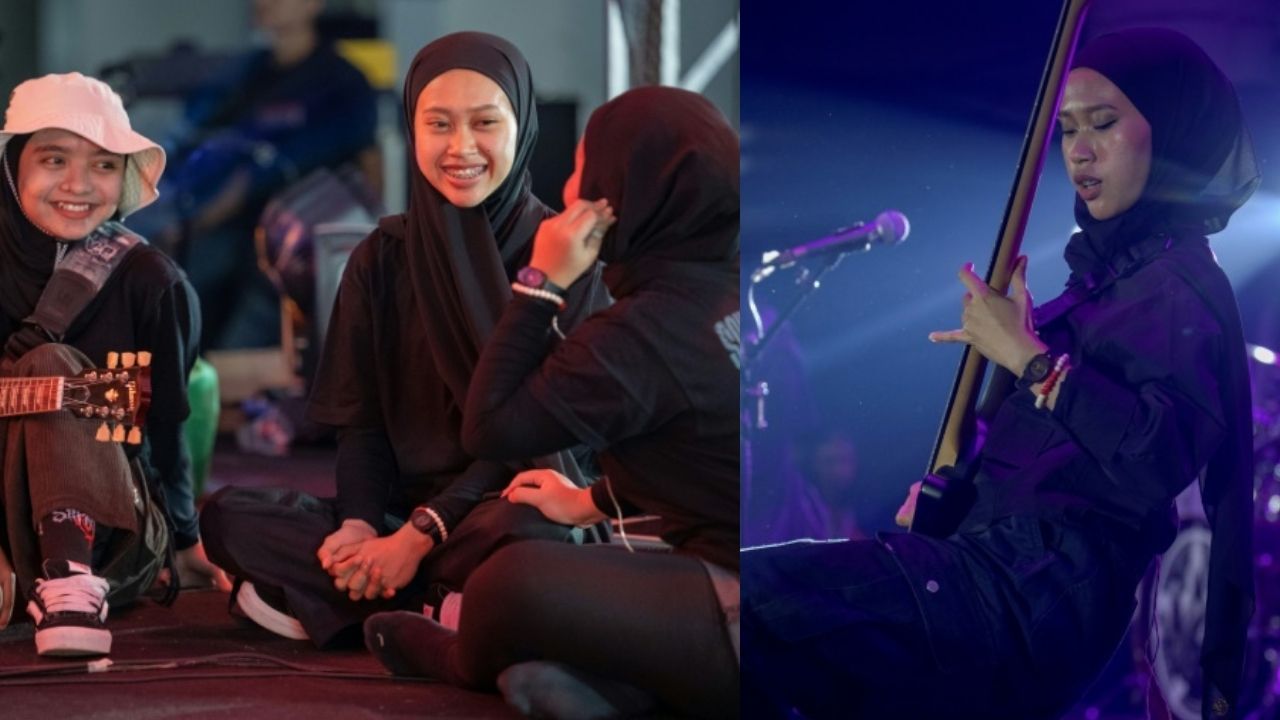
    When three Indonesian teen girls formed a metal band 10 years ago to sing about gender equality and peace over bone-crunching guitars and drums, they could scarcely have dreamed of one day playing at Glastonbury.

    Yet, a decade later, Voice of Baceprot’s three Muslim women will become the first band from Indonesia to perform at the world-famous festival in Britain this week, where the headliners include Coldplay and Dua Lipa.

    Their set will mark the latest highlight in a wild career that has seen Firda Kurnia (guitar and vocals), Widi Rahmawati (bass) and Euis Siti Aisah (drums) amass a huge fanbase while challenging gender stereotypes in male-dominated Indonesian society.

    “Honestly, Glastonbury is not on our wishlist because we feel like it is too high a dream,” Euis, 24, told AFP.

    “(I am) half in disbelief. That is why we keep checking whether it is the official Glastonbury or if someone pranked us.”

    Voice of Baceprot rose from humble beginnings in a village near the West Javan city of Garut.

    They won fans with their raucous Rage Against the Machine covers — the word “baceprot” means noisy in Sundanese, an Indonesian traditional language — and also won fans with their original material.

    Then came wider international attention, including plaudits from some superstars. Red Hot Chilli Peppers bassist Flea once tweeted that he was “so down with Voice of Baceprot”.

    And while the group has previously played in the United States and Europe — including at the famous Wacken metal festival in Germany — there are nerves ahead of Glastonbury.

    “Hopefully my nervousness is a reminder for me to be more prepared,” said Euis.

    – Indonesia tour dream –

    Muslim conservatives in Indonesia have criticised the band over the fact that they are women, and also claimed their clothes are inappropriate.

    But Voice of Baceprot have stuck to their beliefs and shot back through their music.

    Their biggest hit — “God, Allow Me (Please) to Play Music” — has racked up millions of plays on YouTube and Spotify, and takes aim at the conservative detractors who say women should not play such music.

    The band has also written songs about climate change and women’s rights.

    “We create songs based on what we see, hear, read, and experience ourselves,” said Firda.

    The group’s rise has come with a hazard they had not anticipated: “obsessed” fans curious about every aspect of their lives.

    Some have even showed up at their homes to try and meet them.

    “We’re like: ‘OK, maybe this is one of the job’s risks.’ Our families sometimes get confused,” said Firda, 24.

    After forming in 2014, Voice of Baceprot played at small festivals around West Java, one of Indonesia’s most conservative provinces.

    They later moved to the capital Jakarta and also played online concerts during the Covid pandemic.

    They have since returned to their hometown, where they are building their own studio.

    Widi said the band has received “a lot” of offers to play abroad.

    But as they prepare to play the biggest show of their lives at the famous Worthy Farm in southwest England, Voice of Baceprot say one of their dreams is rooted at home.

    “We actually really want to tour Indonesia,” said Widi. “But we haven’t had the opportunity yet.”

  • ‘Julian Assange is free’, has left Britain: WikiLeaks

    ‘Julian Assange is free’, has left Britain: WikiLeaks

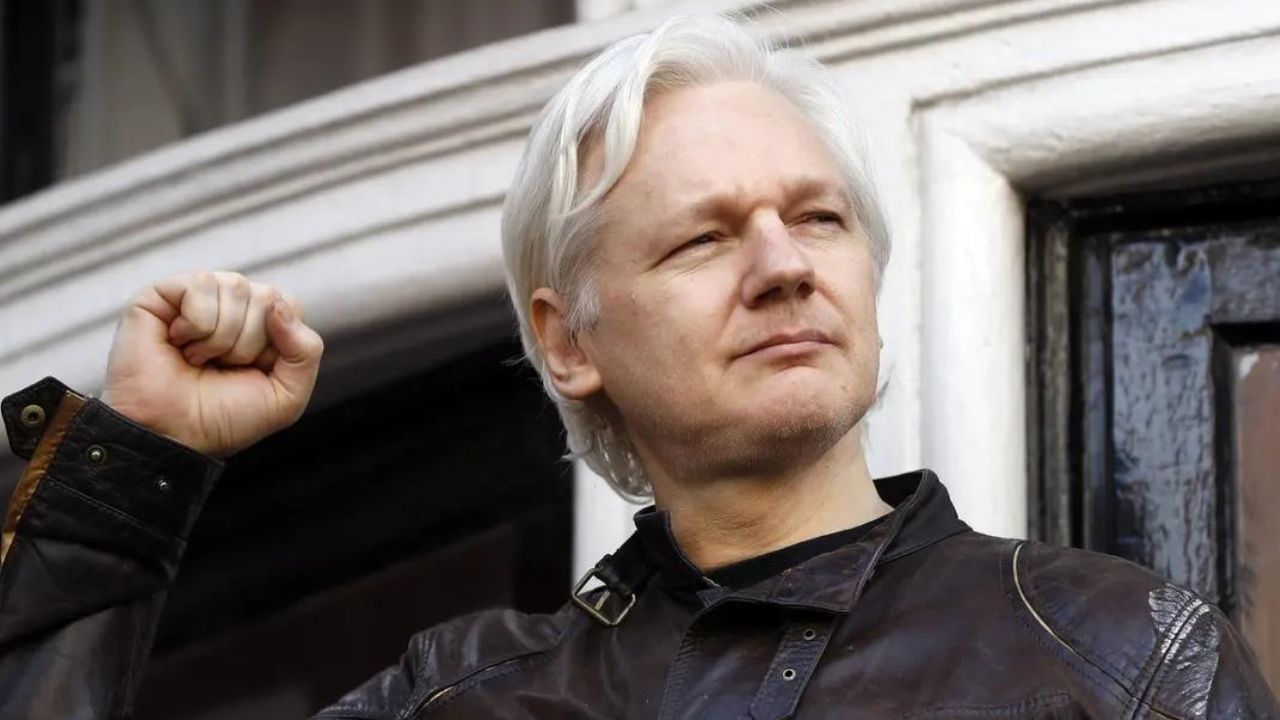
    Julian Assange’s wife Stella on Tuesday thanked campaigners for their support as the WikiLeaks founder was released after five years in British custody.

    “Julian is free!!!!” she wrote on the social media platform X following confirmation that he had left Belmarsh high-security prison in southeast London.

    “Words cannot express our immense gratitude” to everyone who had backed the global push for his release, she added.

    Stella Assange met the Australian publisher while he was holed up in Ecuador’s London embassy to avoid extradition to Sweden on sexual assault charges that were later dropped.

    Assange, accused of divulging US military secrets related to the wars in Afghanistan and Iraq, had been due back in court in London next month after winning an appeal against extradition.

    But WikiLeaks said in a statement: “Julian Assange is free. He left Belmarsh maximum security prison on the morning of June 24, after having spent 1,901 days there.

    “He was granted bail by the High Court in London and was released at Stansted airport during the afternoon, where he boarded a plane and departed the UK.”

    The media freedom group said sustained campaigning, from grassroots supporters to political leaders and the United Nations, “created the space for a long period of negotiations with the US Department of Justice”, leading to a deal.

    The organisation said the deal “has not yet been formally finalised”.

    Assange was initially detained for skipping bail in relation to the Swedish case and held in custody while the US extradition request wound its way through court.

    He will now be reunited with his wife, whom he married at a ceremony in the prison, and their two young children, it added.

    “WikiLeaks published ground-breaking stories of government corruption and human rights abuses, holding the powerful accountable for their actions,” the statement read.

    “As editor-in-chief, Julian paid severely for these principles, and for the people’s right to know.

    “As he returns to Australia, we thank all who stood by us, fought for us, and remained utterly committed in the fight for his freedom. Julian’s freedom is our freedom.”

    spe-phz/rsc

    © Agence France-Presse

  • India’s Modi pleads for ‘consensus’ as parliament opens after elections

    India’s Modi pleads for ‘consensus’ as parliament opens after elections

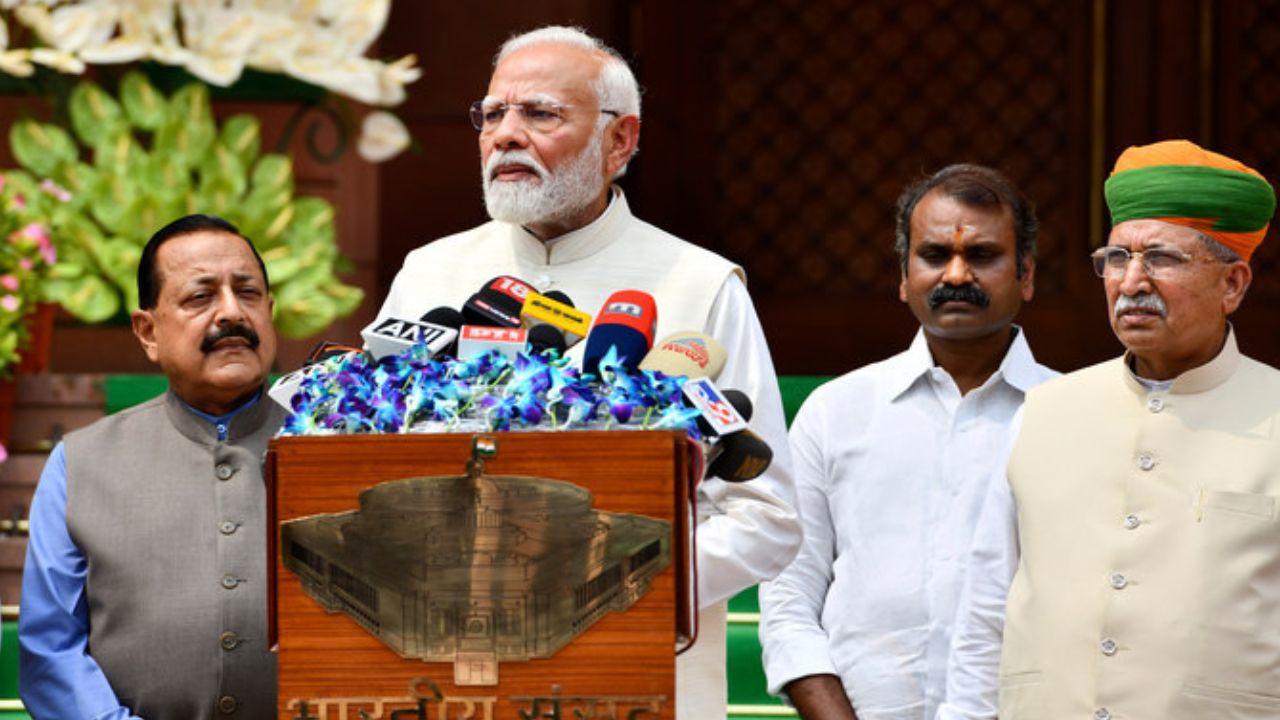
    Indian Prime Minister Narendra Modi appealed to an emboldened opposition for “consensus” Monday, as parliament opened following an election setback that forced him into a coalition government for the first time in a decade.

    Expected in the first session, which will run until July 3, is a preview of Modi’s plans for his third term and the likely formal appointment of Rahul Gandhi as leader of the opposition — a post vacant since 2014.

    Modi’s first two terms in office followed landslide wins for his right-wing Bharatiya Janata Party (BJP), allowing his government to drive laws through parliament with only cursory debate.

    But now analysts expect the 73-year-old Modi to moderate his Hindu-nationalist agenda to assuage his coalition partners, focusing more on infrastructure, social welfare and economic reforms.

    “To run the country, a consensus is of utmost importance”, Modi said in a speech shortly before entering parliament, calling on the opposition to play a constructive role.

    “People expect their representatives to debate and discuss issues which are important to the country […] they don’t expect disturbances or hindrances in the parliamentary proceedings,” he said. “People want substance, not slogans.”

    Modi led lawmakers in taking the oath — as his cheering supporters thumped their desks in support, and opposition members waved the constitution in protest. He said he was “proud to serve” India.

    Minister of Parliamentary Affairs Kiren Rijiju on Monday called for a “peaceful and productive” session, but Indian media said they expected lively debate with a far stronger opposition.

    “All set to spar”, one headline in The Hindustan Times read Monday. “Resurgent opposition set to push government”, The Indian Express front page added.

    Rahul Gandhi, 54, defied analyst expectations to help his Congress party nearly double its parliamentary numbers, its best result since Modi was swept to power a decade ago.

    Gandhi is the scion of a dynasty that dominated Indian politics for decades and is the son, grandson and great-grandson of former prime ministers, beginning with independence leader Jawaharlal Nehru.

    Parliamentary regulations require the opposition leader to come from a party that commands at least 10 per cent of the lawmakers in the 543-seat lower house.

    The post has been vacant for 10 years because two dismal election results for Congress — once India’s dominant party — left it short of that threshold.

    Lawmakers elected behind bars

    The parliamentary session will start with newly elected lawmakers taking their oaths over the first two days. Many will be watching if two lawmakers elected from behind bars, bitter opponents of Modi, will be allowed to join.

    One is Sikh separatist Amritpal Singh, a firebrand preacher arrested last year after a month-long police manhunt in Punjab state. The second is Sheikh Abdul Rashid, a former state legislator in India-occupied Kashmir.

    It is unclear if either will be granted bail to attend the ceremony in person.

    Modi’s decade as premier has seen him cultivate an image as an aggressive champion of the country’s majority Hindu faith, worrying minorities including the country’s 200-million-plus Muslim community.

    But his BJP won only 240 seats in this year’s poll, 32 short of a majority in the lower house — its worst showing in a decade.

    It has left the BJP reliant on a motley assortment of minor parties to govern. Modi has kept key posts unchanged in this government and the cabinet remains dominated by the BJP.

    That includes BJP loyalists Rajnath Singh, Amit Shah, Nitin Gadkari, Nirmala Sitharaman and S. Jaishankar — the defence, interior, transport, finance and foreign ministers, respectively — staying on in their jobs.

    But out of his 71-member government, 11 posts went to coalition allies who extracted them in exchange for their support — including five in the top 30 cabinet posts.

    Many will also be eying the election of the speaker, a powerful post overseeing the running of the lower house, with lawmakers slated to vote on Wednesday.

    Coalition allies covet the post, but others suggest Modi will put forward a candidate from his BJP.

  • Gunmen attack Churches, Synagogues in Russia

    Gunmen attack Churches, Synagogues in Russia

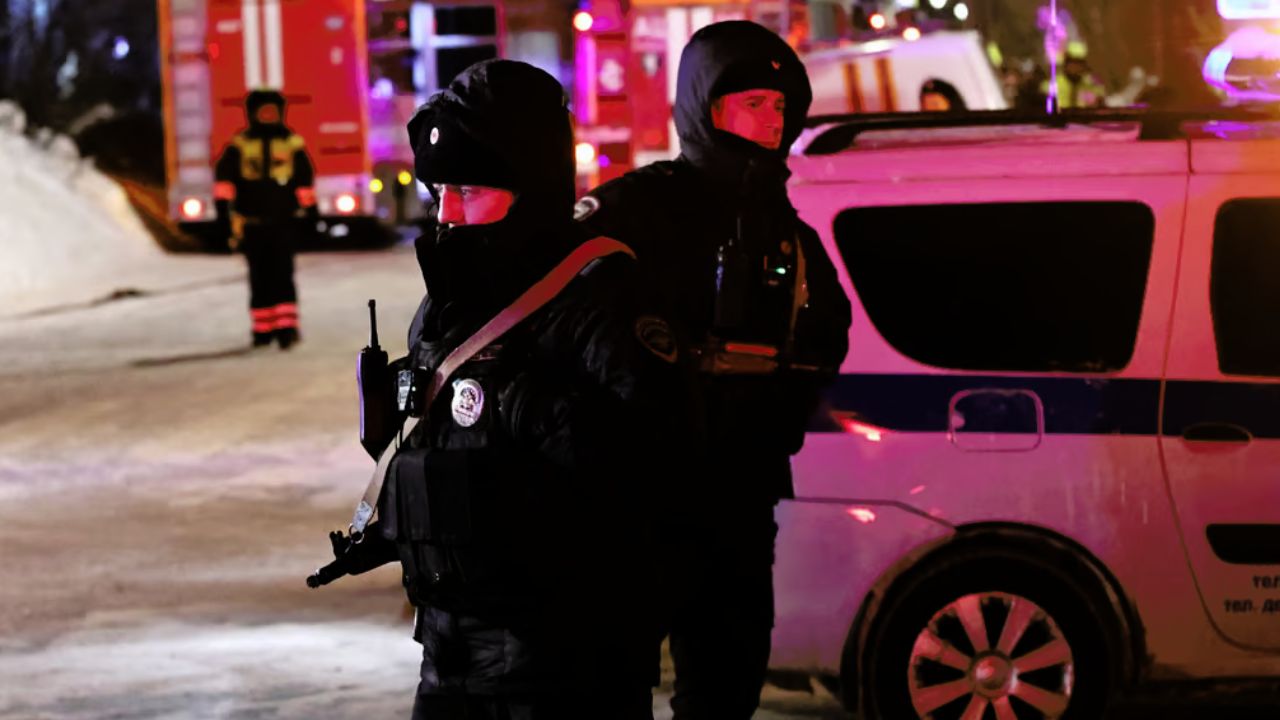
    Gunmen attacked churches and synagogues in Russia’s North Caucasus region of Dagestan on Sunday, killing at least eight police and national guard officers and a priest, officials said.

    The unidentified gunmen launched simultaneous attacks in Dagestan’s largest city of Makhachkala and in the coastal city of Derbent.

    Russia’s Investigative Committee said it had opened criminal probes over “acts of terror” in Dagestan, a largely Muslim region of Russia neighbouring Chechnya.

    The leader of Dagestan, Sergei Melikov, wrote on Telegram: “This evening in Derbent and Makhachkala unknown (attackers) made attempts to destabilise the situation in society.”

    “We know who is behind these terrorist attacks and what objective they are pursuing,” he added later, without specifying but referring to the war in Ukraine.

    “We must understand that war comes to our homes too. We felt it, but today we face it,” he said.

    Melikov said the “active phase” of operations in Derbent and Makhachkala had ended and that “six bandits have been liquidated”.

    The authorities will try to find “all the members of these sleeper cells who prepared (the attacks) and who were prepared, including abroad”, he added.

    Russian officials said police had killed four gunmen in Makhachkala and two in Derbent.

    Patriarch Kirill, head of the Russian Orthodox Church and a fervent supporter of the Kremlin, said the “enemy” was seeking to destroy “inter-religious peace” in Russia, without naming who was responsible.

    The attacks targeted “two Orthodox churches, a synagogue and a police checkpoint”, the National Anti-terrorism Committee said in a statement to RIA Novosti news agency.

    “As a result of the terrorist attacks, according to preliminary information, a priest from the Russian Orthodox Church and police officers were killed.”

    The Russian Orthodox Church said archpriest Nikolai Kotelnikov was “brutally killed” in Derbent.

    In all, six officers were killed and 12 wounded in the attacks, the spokeswoman for Dagestan’s interior ministry, Gayana Gariyeva, told RIA Novosti.

    The ministry later added that a local police chief had died from his wounds.

    Russia’s National Guard meanwhile said one of its officers had been killed in Derbent and several others wounded.

    The Dagestan interior ministry said a total of 16 people, including 13 police officers, were wounded in the attacks.

    In a separate incident, the ministry said gunmen had also shot at a police car in the village of Sergokal, 65 kilometres (40 miles) from Makhachkala, wounding one officer.

    Synagogues on fire

    Sunday is a religious holiday, Pentecost Sunday, in the Russian Orthodox Church.

    Dagestan’s interior ministry said 19 people took shelter inside a church in Makhachkala and were later led out to safety.

    Gunmen also attacked synagogues in both cities.

    “The synagogue in Derbent is on fire,” the chairman of the public council of Russia’s Federation of Jewish Communities, Boruch Gorin, wrote on Telegram.

    “The synagogue in Makhachkala has also been set on fire and burnt down,” he said.

    The rabbi of Makhachkala, Rami Davidov, later told RIA Novosti that no one was killed or injured there.

    The Russian Jewish Congress said on its website the Derbent synagogue was attacked about 40 minutes before evening prayers.

    Gunmen fired at police and security guards and threw in Molotov cocktails, it said, adding that the attack in Makhachkala was similar.

    State news agency TASS cited a law enforcement source as saying the “gunmen who carried out attacks in Makhachkala and Derbent are supporters of an international terrorist organisation”, without naming it.

    Russia’s FSB security service in April said it had arrested four people in Dagestan on suspicion of plotting the deadly attack on Moscow’s Crocus City Hall concert venue in March, which was claimed by the Islamic State group.

    Militants from Dagestan are known to have travelled to join IS in Syria, and in 2015, the group declared it had established a “franchise” in the North Caucasus.

    Dagestan lies east of Chechnya, where Russian authorities battled separatists in two brutal wars, first in 1994-1996 and then in 1999-2000.

    Since the defeat of Chechen insurgents, Russian authorities have been locked in a simmering conflict with Islamist militants from across the North Caucasus that has killed scores of civilians and police.

  • Denmark’s men footballers refuse salary rise to secure equal pay for women

    Denmark’s men footballers refuse salary rise to secure equal pay for women

    Denmark’s male footballers have refused a salary increase for playing for the national side to gain their female counterparts equal basic pay, the players’ union said on Friday.

    “The men’s team chose not to ask for a salary increase … to improve the conditions of the women’s team,” union spokesperson Magnus Hviid told AFP.

    He welcomed “an extraordinary measure to help take this small step in the right direction”, but acknowledged there were “still more glass ceilings to break to ensure equal opportunities and conditions within national teams”.

    Hviid said the action “obtained the same basic salary for the women’s national team and the men’s national team, as well as better insurance coverage for the women’s team”.

    The agreement, signed at the end of May, provides for identical match bonuses for women and men during away matches.

    However for the moment due to no bonus for home matches there remains a disparity in the overall pay between the women’s and men’s national teams.

    The Danish football federation (DBU) and the union have agreed to bring forward negotiations on a new deal for the women’s national team after the summer break.

    Denmark are competing in Euro 2024 and are joint second in Group C after two draws against England and Slovenia.

  • Modi leads yoga day event in Indian-occupied Kashmir

    Modi leads yoga day event in Indian-occupied Kashmir

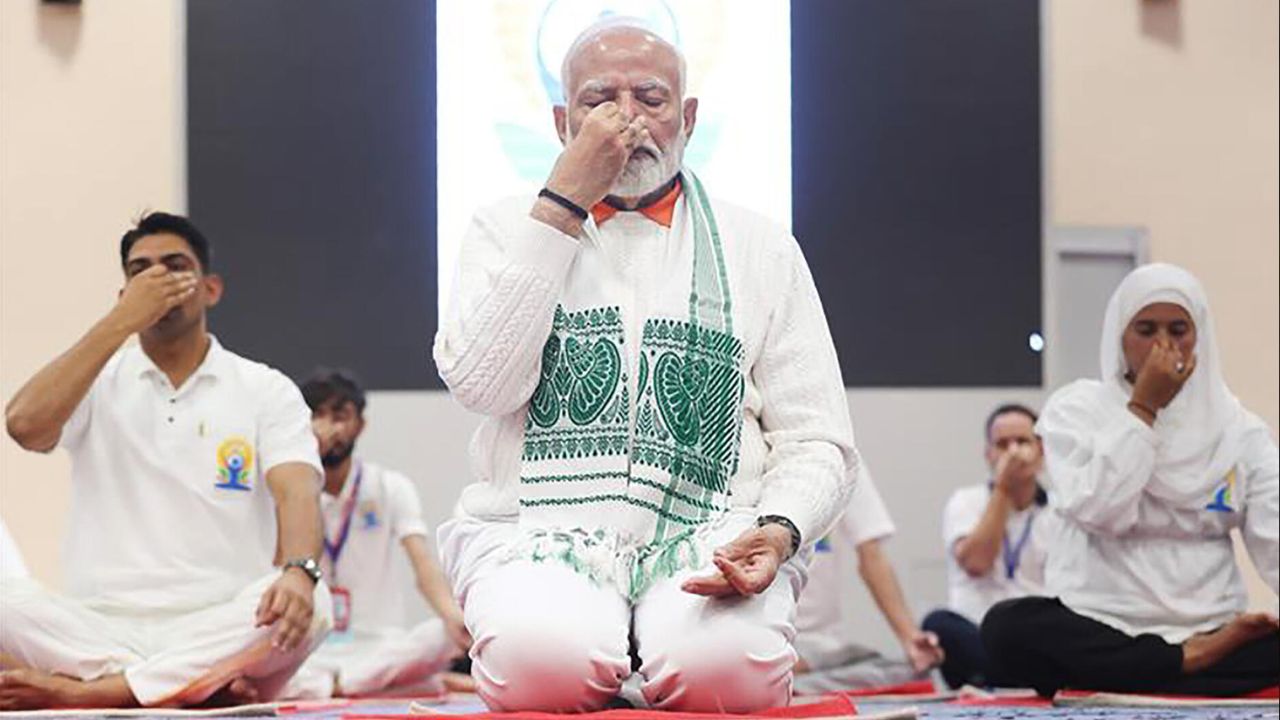
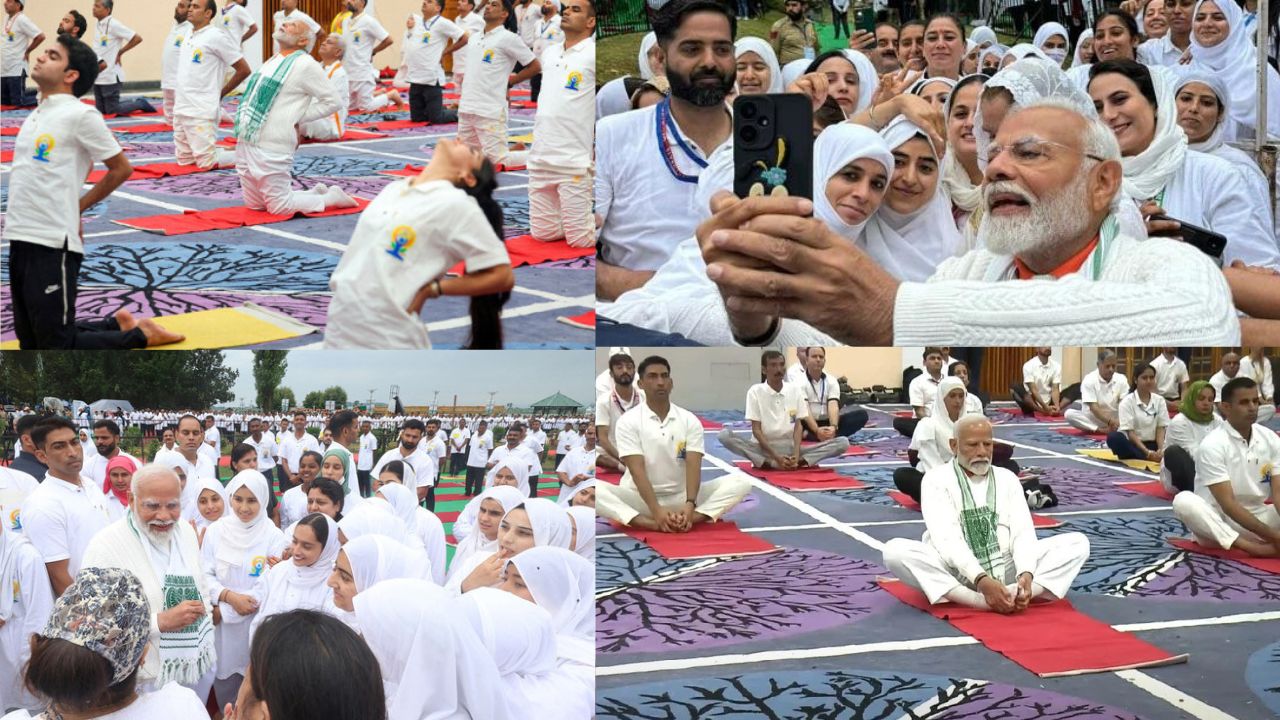
    Stretching, arching his back and kneeling on a mat, India’s Hindu nationalist Prime Minister Narendra Modi led hundreds of people performing yoga in India-held Kashmir on Friday.

    The exercises in Srinagar marked the 10th International Yoga Day, Modi’s own brainchild.

    But while yoga is not itself a religious practice, it has its origins in Hindu philosophy — the god Shiva is said to have been the first yogi — and many Kashmiris are indifferent to the discipline.

    Thousands of government employees, schoolteachers and students from all over the region were brought in for the event, although rain forced Modi’s performance indoors.

    Afterwards, he urged hundreds of people including many police and armed forces personnel on the shores of Dal Lake to make yoga “a part of their daily lives”.

    “Yoga fosters strength, good health and wellness,” he said.

    But one Srinagar resident saw the event as a cultural intrusion.

    “This yoga is being imposed on our children to culturally change the next generations and control their minds,” they told AFP, declining to be identified for fear of reprisal.

    “It’s an imposition on us.”

    Modi’s visit comes after a series of attacks, including one where nine people were killed and 33 injured when a bus carrying Hindu pilgrims plunged into a deep gorge after a suspected attack.

    June 21 was declared International Yoga Day a decade ago and Modi has since led events at emblematic locations across India, and last year at the UN headquarters in New York.