Author: AFP

  • Democracy slides amid wars and political polarisation, study says

    Democracy slides amid wars and political polarisation, study says

    Democratic standards across the world fell in 2023 amid the spread of wars, authoritarian crackdowns and declining levels of trust in mainstream political parties, the Economist Intelligence Unit (EIU) said on Thursday.

    While the number of countries categorized as democracies increased by two last year, the global average index score fell to 5.23 in 2023 from 5.29 the year before, its lowest level since the first study was published in 2006.

    “The world has entered an age of conflict, and the contours of a future major war are already visible,” said the study titled “Age of Conflict.”

    “Today’s wars are concentrated in countries where democracy is absent or in trouble.”

    Western Europe was the only region to improve its score, moving ahead of North America. The study said it was the first time that North America has not placed as the world’s highest-scoring region.

    Joan Hoey, the editor of the report, said scores fell for “not only those nations prosecuting wars (Azerbaijan and Russia), but for those on the receiving end (Armenia and Ukraine).”

    “However, growing democratic resilience and consolidation in EU member states in Central Europe, as well as in Balkan and Baltic countries, ensured that the overall regional score did not significantly fall,” Hoey added.

    “The narrative of democracy in Eastern Europe and Central Asia can be best summed up as a tale of resilience.”

    The London-based analysis group pointed to intensifying anti-immigration sentiment in many countries, saying the political landscape in the Americas and Europe has become increasingly polarised.

    “Three years after the COVID-19 pandemic, which led to a rollback of freedoms around the globe, the results for 2023 point to a continuing democratic malaise and lack of forward momentum.”

    “More countries are experiencing declining levels of trust in mainstream political parties and leaders, and succumbing to ‘culture wars’ of the sort that have long characterised the U.S.,” the study said.

    “Western Europe is plagued by low levels of trust in government.”

    The 27-nation EU holds elections for its European Parliament later this year and polls suggest the far-right could rise to become the third-biggest grouping in the legislature.

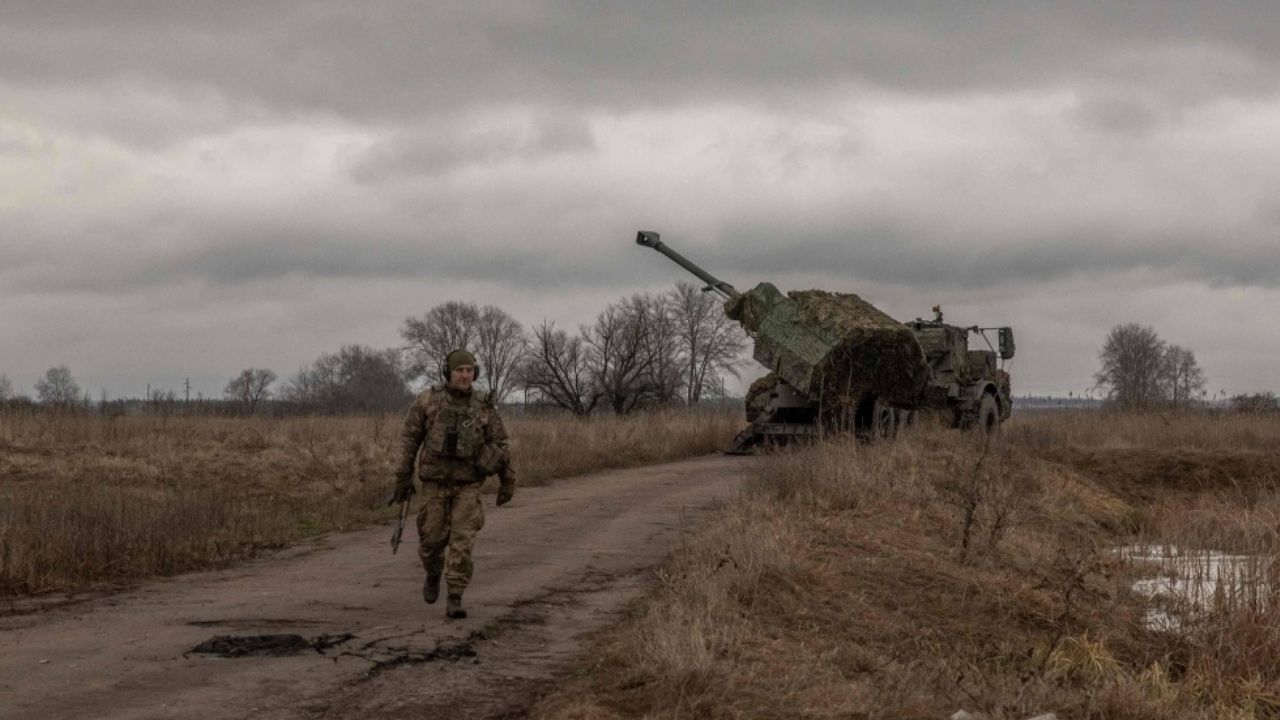
    The report said that Ukraine’s battle to repel Russia’s two-year invasion was taking a toll on its democratic institutions and practices, while Russia continued its steady slide toward “outright dictatorship.”

    Only 7.8% of the global population reside in a “full democracy” and substantially more than one-third live under authoritarian rule.

    The number of democracies increased by two in 2023, with Paraguay and Papua New Guinea being upgraded from “hybrid regimes” to “flawed democracies.”

    Greece became a “full democracy” while Pakistan was downgraded to an “authoritarian regime.” The United States remains a “flawed democracy.”

    The top three places in the index are occupied by Norway, New Zealand and Iceland, while the final three countries are North Korea, Myanmar and Afghanistan.
  • ‘Enough is enough’, Australia wants WikiLeaks founder back home now

    ‘Enough is enough’, Australia wants WikiLeaks founder back home now

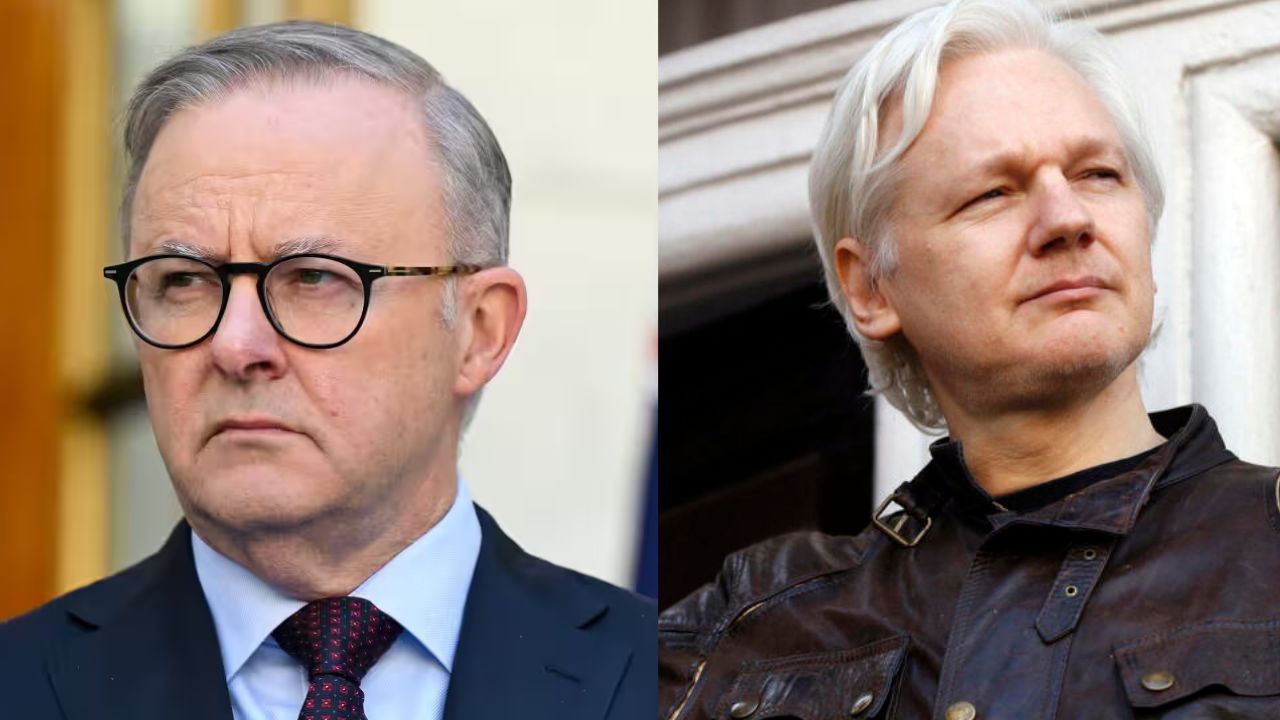
    Australia’s Prime Minister Anthony Albanese on Thursday denounced the years-long US and British legal pursuit of WikiLeaks founder Julian Assange, saying “enough is enough”.

    The country’s parliament passed a motion Wednesday with the prime minister’s support, calling for an end to 52-year-old Assange’s prosecution so that he can return to his family in Australia.

    Assange, an Australian citizen, will go to London’s High Court next week, seeking leave to appeal against his extradition to the United States for trial on espionage charges.

    “People will have a range of views about Mr Assange’s conduct,” Albanese told parliament. “But regardless of where people stand, this thing cannot just go on and on and on indefinitely.”

    Australians from many sides of politics have a common view, he said, that “enough is enough”.

    Albanese said he had raised Assange’s case “at the highest levels” in Britain and the United States.

    The Australian government had a duty to lobby for its citizens, the prime minister said.

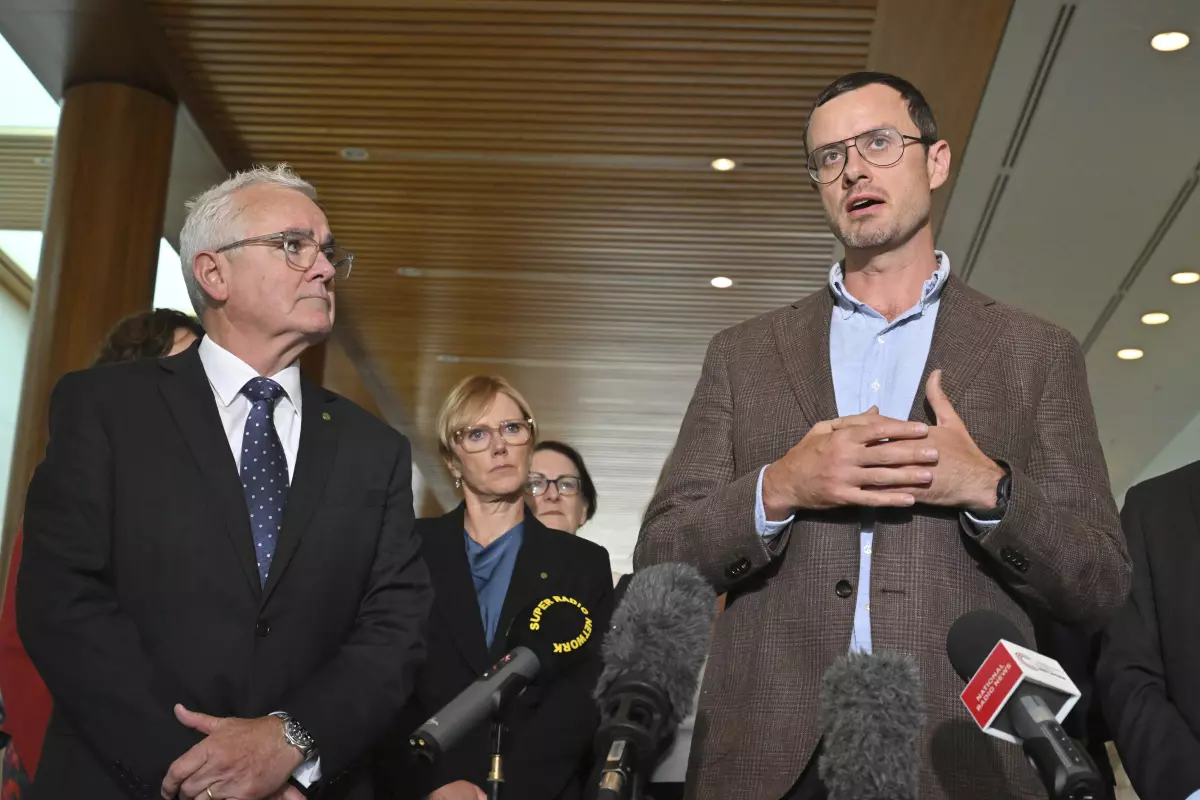
    Independent member of parliament Andrew Wilkie, left, and Julian Assange’s brother Gabriel Shipton, right, speak to the media at Parliament House in Canberra, Thursday, Feb. 15, 2024. Australia’s House of Representatives has passed a motion calling on the United States and the UK to end the prosecution of WikiLeaks founder Julian Assange and for him to be allowed to return to his home country. (Mick Tsikas/AAP Image via AP)
     (Mick Tsikas / Associated Press)

    He cited the case of Chinese-born Australian journalist Cheng Lei, released in October last year after more than three years’ detention in China on espionage charges.

    Albanese also referred to diplomatic “successes” for Australians held in Vietnam and Myanmar.

    Australian economist Sean Turnell was released from a Myanmar jail in November 2022 after being held for 650 days on allegations of spying and gun-running.

    A Vietnamese dissident with Australian citizenship, Chau Van Kham, was freed from jail in Vietnam in July 2023 following his conviction on terrorism charges.

    Australia should not interfere in the legal processes of other countries, Albanese said.

    “But it is appropriate for us to put our very strong view that those countries need to take into account the need for this to be concluded.”

    Assange has been held in the high-security Belmarsh Prison in southeast London since April 2019.

    He was arrested after holing up for seven years in Ecuador’s London embassy to avoid extradition to Sweden, where he faced accusations of sexual assault, later dropped.

    US authorities want to put the Australian on trial for divulging US military secrets about the wars in Iraq and Afghanistan.

    Assange’s legal team will be seeking permission to appeal his extradition to the United States at a hearing listed in London’s High Court for February 20 and 21.

    He is accused of publishing some 700,000 confidential documents related to US military and diplomatic activities, starting in 2010.

  • Cambodia warns students of ‘losing dignity’ on Valentine’s Day

    Cambodia warns students of ‘losing dignity’ on Valentine’s Day

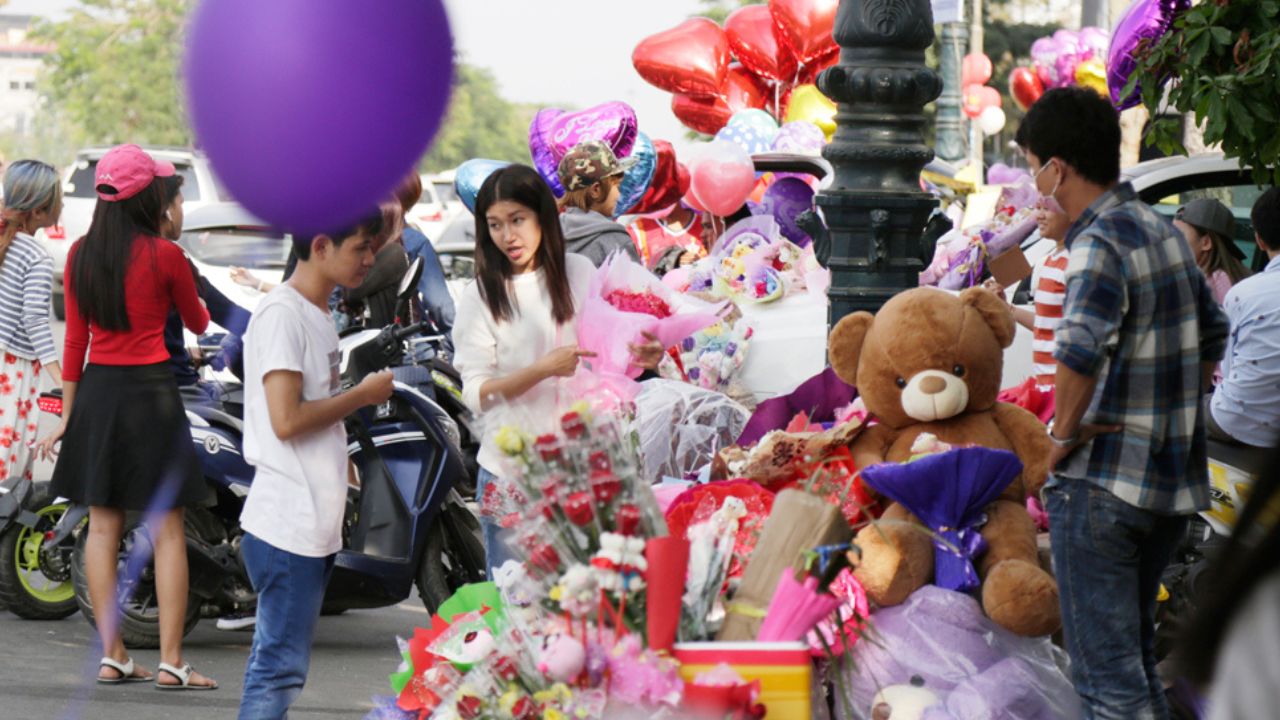
    Authorities in Cambodia have issued a stern rebuke to students to avoid “inappropriate activities” this Valentine’s Day, warning them of the perils of “losing dignity”.

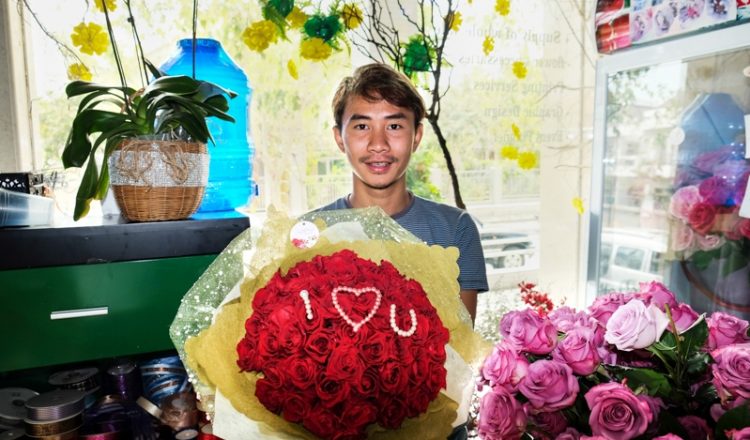
    Valentine’s Day has become popular among young people in many Southeast Asian countries in recent years, with bunches of red roses and heart-shaped chocolates popping up in stores and on street stalls in the days leading up to February 14.

    While some might see the annual celebration of love as a bit of harmless fun, the Cambodian government — which has form for issuing dire warnings about the pitfalls of young love and premarital sex — is rattled.

    The education ministry issued a directive to public and private schools late on Tuesday ordering them to “take measures to prevent inappropriate activities on Valentine’s Day”.

    “It is not tradition of our Khmer nationality,” the statement said.

    The ministry also noted that the event had made “a small number of youths… forget about studying and lose the dignity of themselves and their families”.

    The Ministry of Culture called on authorities and parents “to remind children to use the day in line with the beautiful Khmer tradition for the sake of their honour and dignity”.

    And the ministry of Women’s affairs weighed in, saying some people “misunderstand the meaning of February 14”.

    Cambodia’s National AIDS Authority warned that AIDS was still spreading and that some people, particularly youth, used Valentine’s Day to “show love that leads to possible sexual intercourse”.

    Last year, there were 7,600 people living with AIDS in Cambodia, including 1,400 new cases, it said.

    About 42 percent of the new cases are youths aged between 15 and 24, the authority said.

    Social conservatives see Valentine’s Day as a foreign import that represents a moral threat to traditional Buddhist beliefs.

    Cambodian women in particular are under intense social pressure to retain their virginity until marriage.

  • Elections in Indonesia: Ex-general likely to win

    Elections in Indonesia: Ex-general likely to win

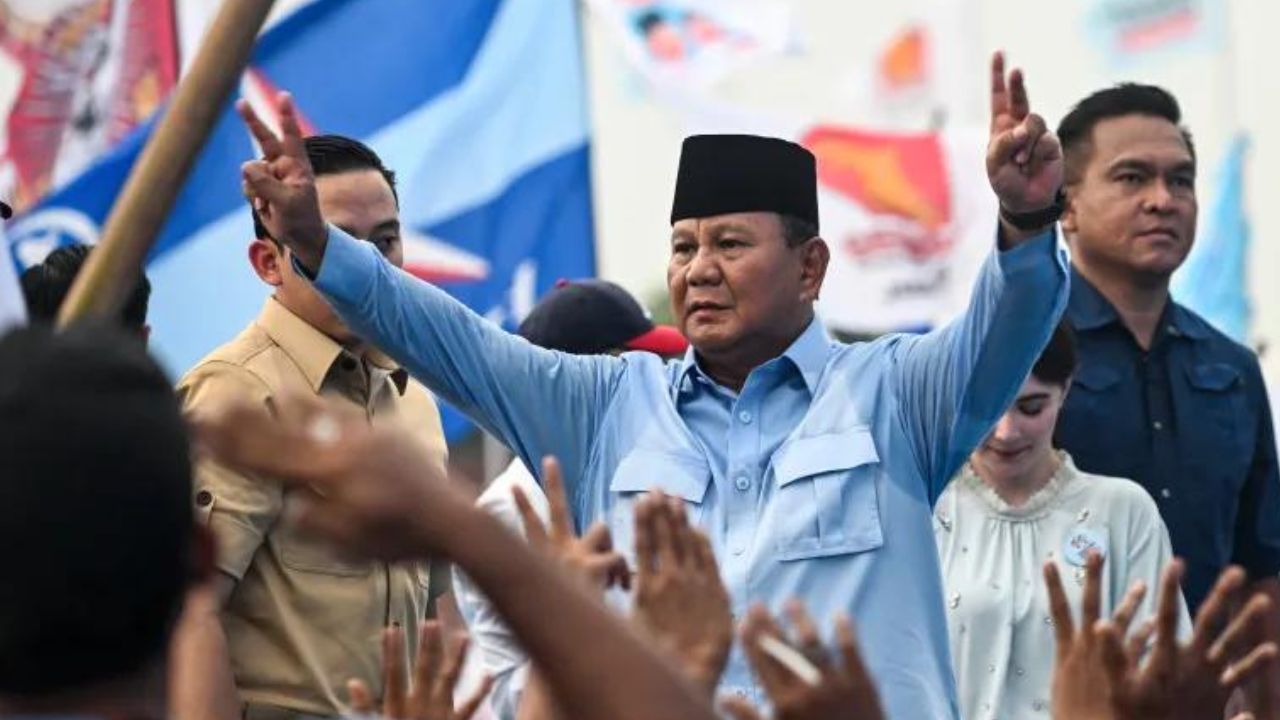
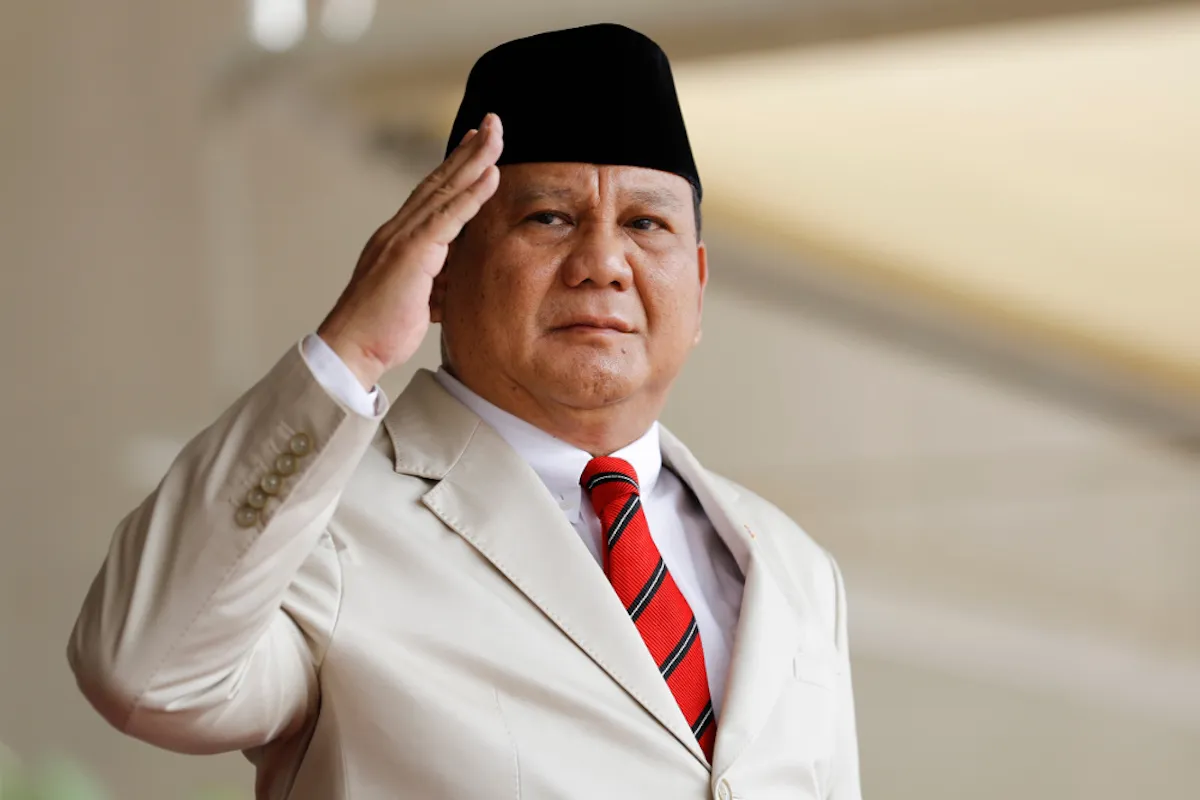
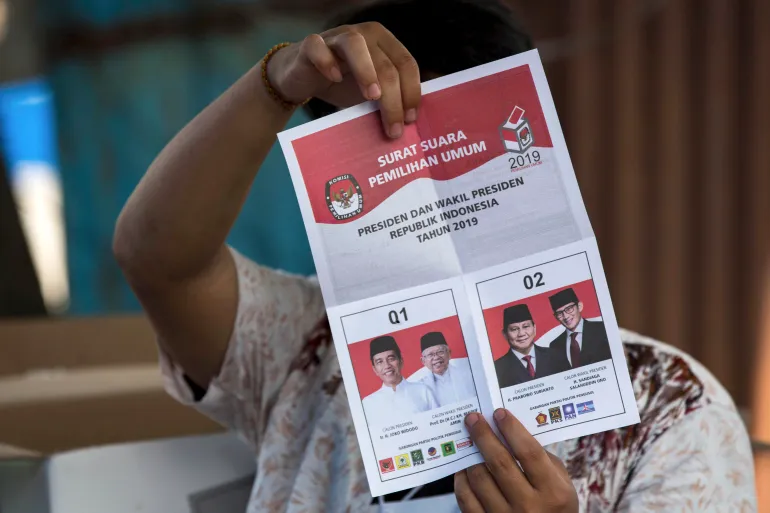
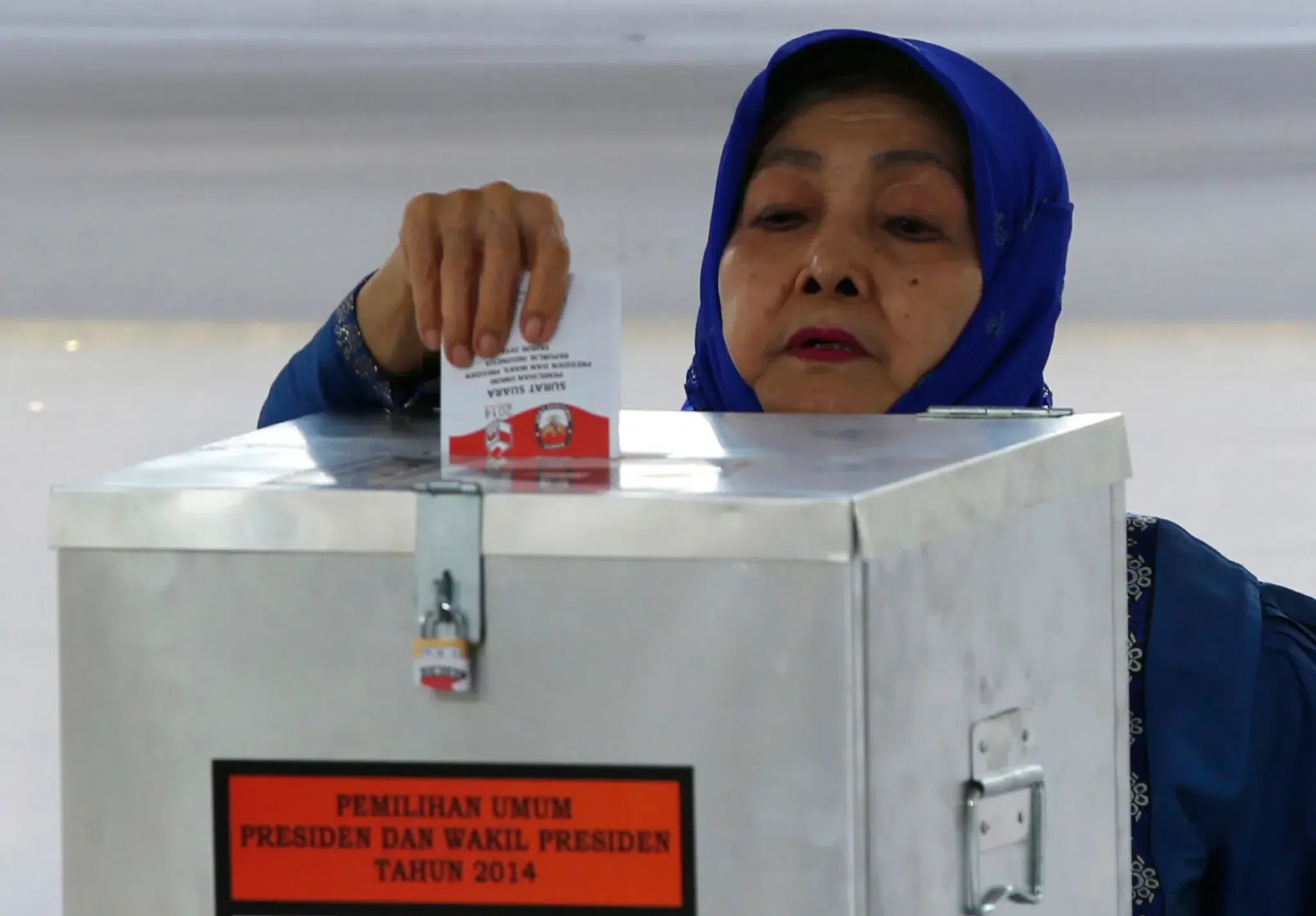
    Indonesians began voting for a new president Wednesday with Defence Minister Prabowo Subianto the frontrunner to lead Southeast Asia’s biggest economy despite concerns over his human rights record.

    Polls project Subianto, a military chief during the Suharto dictatorship a generation ago, to secure a majority and replace popular outgoing president Joko Widodo, who observers claim indirectly supported his campaign.

    The 72-year-old is the clear favourite after a campaign mixing populist rhetoric with pledges to continue the policies of Widodo, who has presided over steady economic growth but reached the constitutional two-term limit.

    “The hope is to win,” Subianto told reporters before voting in Bogor on Wednesday.

    “Come to the voting station… cast your votes according to your conscience.”

    Nearly 205 million people are eligible to vote for Subianto or his rivals, former Jakarta governor Anies Baswedan and former Central Java governor Ganjar Pranowo, in just the fifth presidential election since the end of Suharto’s dictatorship in 1998.

    Polling stations opened at 7:00 am (2200 GMT) in the easternmost region of Papua and were due to close at 01:00 pm (0600 GMT) at the other end of the country in jungle-clad Sumatra.

    A logistical feat involving more than 800,000 polling stations and 20,000 seats up for grabs saw planes, helicopters, speedboats and even cows used to cart ballots around the sprawling archipelago of nearly 280 million people.

    In Papua’s Timika city, officials inspected makeshift polling stations built from logs, metal sheets and palm leaves as voters arrived to eye candidate lists.

    In the capital Jakarta, a thunderstorm deluged 34 polling stations, according to the city’s disaster mitigation agency.

    Workers wearing shirts that read “not voting is not an option” relocated some stations where ballot boxes had been wrapped in plastic, while others used pumps to drain floodwater.

    Official results are not expected until March, but so-called quick counts from government-approved pollsters — shown to be reliable in the past — are expected to indicate the winner later Wednesday.

    ‘Decisive leader’

    Consultant Debbie Sianturi was one of those determined to vote.

    “I want to have a leader that will continue the democracy,” the 57-year-old said.

    Another said Subianto’s experience made him a popular candidate.

    “He has a military background, so I think he will be a decisive leader,” said Afhary Firnanda, a 28-year-old office worker in Jakarta.

    Election commissioner Idham Kholik told AFP all voters should be allowed to cast their ballots if large queues remained when polls closed.

    Subianto needs to claim more than 50 percent of the overall vote and at least a fifth of ballots cast in over half the country’s 38 provinces to secure the presidency.

    If he falls short, a second-round vote will be held in June.

    Baswedan, seen as the favourite to challenge Subianto in that event, told supporters to help ensure a fair vote in the graft-riddled country where voters dip their fingers in halal ink to prevent double voting.

    “Come back to the voting station, monitor the vote count,” he told reporters.

    Pranowo, who entered election day last in polls after once being the front-runner, said he hoped for a clean election.

    “Today is the best time for all to return to the good path of democracy,” he told reporters.

    Commitment to democracy

    Another key factor in Subianto’s popularity is having Widodo’s eldest son, 36-year-old Gibran Rakabuming Raka, as his vice presidential running mate, a move that has raised eyebrows.

    In October, Indonesia’s then-chief justice, who is Widodo’s brother-in-law, changed the rules that had barred candidates below the age of 40 from running for high office.

    Widodo enjoys near-record approval ratings after two terms of solid economic growth and relatively stable politics in the nation’s young democracy.

    However, some legal experts and rights groups have accused Widodo of improperly using government funds to support Subianto.

    Subianto and his aides have rejected accusations of impropriety.

    Subianto was dismissed from the military in 1998 over accusations he ordered the abduction of democracy activists at the end of Suharto’s rule, but he denied the accusations and was never charged.

    He has since rehabilitated his image, thanks in part to a savvy social media campaign targeting Indonesia’s youth that portrayed him as a “cuddly grandpa”.

    But rights groups have expressed alarm that he could roll back hard-won democratic freedoms, pointing to the alleged disappearances.

    “We’ve been always worried about his commitment towards democracy,” said Yoes Kenawas, a researcher at Jakarta-based Atma Jaya Catholic University.

    “If he wins, those questions will always linger.”

  • AI giants to unveil pact to fight political deepfakes in year of crucial elections worldwide

    AI giants to unveil pact to fight political deepfakes in year of crucial elections worldwide

    Tech giants including Meta, Microsoft, Google and OpenAI are working on a pact to jointly crack down on AI content intended to deceive voters ahead of crucial elections around the world this year, companies involved said Tuesday.

    Currently under negotiation by the companies, this so-called “accord” on deepfakes and other dangerous content is set to be announced during the Munich Security conference on Friday.

    “In a critical year for global elections, technology companies are working on an accord to combat the deceptive use of AI targeted at voters,” a spokesperson for Meta said in an emailed statement to AFP on Tuesday.

    “Adobe, Google, Meta, Microsoft, OpenAI, TikTok and others are working jointly toward progress on this shared objective,” the statement added.

    According to the Washington Post, which first reported the existence of the project, the companies will agree to develop ways to identify, label and control AI-generated images, videos and audio that aim to deceive voters.

    The idea comes as big tech companies are under considerable pressure over fears that AI-powered applications could be misused in a pivotal election year.

    Meta, Google and OpenAI have already agreed to use a common watermarking standard that would tag images generated by their AI applications, such as OpenAI’s ChatGPT, Microsoft’s Copilot or Google’s Gemini (formerly Bard).

    Recent examples of convincing AI deepfakes have only heightened worries about the easily accessible technology.

    Last month, a robocall impersonation of US President Joe Biden pushed out to tens of thousands of voters urged people to not cast ballots in the New Hampshire primary.

    In Pakistan, the party of former prime minister Imran Khan has used AI to generate speeches from their jailed leader.

  • Pressure mounts on Israel for Gaza ceasefire

    Pressure mounts on Israel for Gaza ceasefire

    Gaza Strip (Palestinian Territories) (AFP) – Israel faced growing international pressure to agree to a ceasefire, as it planned an incursion into the southern Gaza city Rafah where more than a million Palestinians are trapped.

    CIA Director William Burns was due in Cairo on Tuesday for a new round of talks on a Qatari-mediated ceasefire that would temporarily halt fighting in exchange for Gaza freeing hostages.

    His planned visit comes after Washington and the United Nations warned Israel against carrying out a ground offensive into Rafah without a plan to protect civilians, who say they have nowhere left to go.

    “Wherever we go there’s bombing, martyrs and wounded,” said Iman Dergham, a displaced Palestinian woman.

    On a visit to the White House Monday, Jordan’s King Abdullah II pushed for a full ceasefire to end the four-month-old war.

    “We cannot afford an Israeli attack on Rafah. It is certain to produce another humanitarian catastrophe,” said the monarch whose country hosts a large number of Palestinian refugees.

    “We cannot stand by and let this continue. We need a lasting ceasefire now. This war must end.”

    After rejecting Gazas’s terms for a truce last week, Israel conducted a predawn raid in Rafah on Monday that freed two hostages and killed around 100 people.

    Netanyahu hailed the overnight operation freeing Fernando Simon Marman, 60, and Luis Har, 70, as “perfect”, while the Palestinian foreign ministry said the deaths of dozens of Gazans amounted to a “massacre”.

    The rare rescue mission under heavy air strikes came hours after Netanyahu spoke with US President Joe Biden, who reiterated his opposition to a major assault on Rafah.

    But Netanyahu has defied pressure from key ally and military backer Washington, insisting that “complete victory” cannot be achieved until the elimination of the militants’ last battalions in Rafah.

    While meeting with the units that freed the two hostages, Israeli Defense Minister Yoav Gallant on Monday said there would be “more operations” soon and pledged to see “Gaza destroyed”.

    “In my opinion, the day is not far.”

    No safe place

    Rafah has become a last refuge for over half of Gaza’s population, who are pressed up against the Egypt border in makeshift encampments where they face outbreaks of hepatitis and diarrhoea, and a scarcity of food and water.

    Netanyahu has said Israel would provide “safe passage” to civilians trying to leave, but foreign governments and aid groups — as well as Gazans — wondered where they could go.

    “As it is, there is no place that is currently safe in Gaza,” said United Nations spokesperson Stephane Dujarric.

    When asked about an evacuation mission, he said the UN would “not be party to forced displacement of people”.

    The UN’s human rights chief Volker Turk warned that “an extremely high number of civilians” would likely be killed or injured in a full Israeli incursion into Rafah, which could also spell the end of the “meager” humanitarian aid entering Gaza.

    “It’s almost famine here, we’re almost out of flour in the north region,” said a man in northern Gaza’s Beit Lahia. “We can’t even find food and drinks for the children.”

    ‘Time is running out’

    Israel’s operation to free the two hostages left Rafah with bomb craters and piles of rubble.

    The United States said it was deeply concerned by the reports that around 100 Palestinians, including women and children, were killed in the early Monday raid.

    The State Department also called for Israel to investigate the “heartbreaking” killing of six-year-old Gazan Hind Rajab.

    Her body was recovered on Saturday along with two relatives and two Red Crescent workers who went to find her after her family’s car came under fire while trying to flee an Israeli advance on Gaza City.

    “I will question before God on Judgment Day those who heard my daughter’s cries for help and did not save her,” Hind’s mother Wissam Hamada told AFP.

    At least 28,340 people, mostly women and children, have been killed in Israel’s relentless bombardment and ground offensive in Gaza, according to the health ministry.

    Militants also seized about 250 foreign and Israeli captives from southern Israel, around 130 of whom Israel says are still held in Gaza including 29 who are presumed dead.

    The Hostages and Missing Families Forum campaign group warned that “time is running out for the remaining hostages”, urging the Israeli government to “exhaust every option on the table to release them”.

  • ‘Better than a real man’: Young women turn to AI boyfriends

    ‘Better than a real man’: Young women turn to AI boyfriends

    BEIJING: Twenty-five-year-old Chinese office worker Tufei says her boyfriend has everything she could ask for in a romantic partner: he’s kind, and empathetic, and sometimes they talk for hours.

    Except he isn’t real.

    Her “boyfriend” is a chatbot on an app called “Glow”, an artificial intelligence platform created by Shanghai start-up MiniMax that is part of a blossoming industry in China offering friendly – even romantic – human-robot relations.

    “He knows how to talk to women better than a real man,” said Tufei, from Xi’an in northern China, who declined to give her full name. “He comforts me when I have period pain. I confide in him about my problems at work,” she told AFP. “I feel like I’m in a romantic relationship.”

    The app is free – the company has other paid content – and Chinese trade publications have reported daily downloads of Glow’s app in the thousands in recent weeks.

    Some Chinese tech companies have run into trouble in the past for the illegal use of users’ data but, despite the risks, users say they are driven by a desire for companionship because China’s fast pace of life and urban isolation make loneliness an issue for many.

    “It’s difficult to meet the ideal boyfriend in real life,” Wang Xiuting, a 22-year-old student in Beijing, told the publication. “People have different personalities, which often generates friction,” she said. While humans may be set in their ways, artificial intelligence gradually adapts to the user’s personality — remembering what they say and adjusting its speech accordingly.

    ‘Emotional support’ 

    Wang said she has several “lovers” inspired by ancient China: long-haired immortals, princes and even wandering knights. “I ask them questions,” she said when she is faced with stress from her classes or daily life, and “they will suggest ways to solve this problem”. “It’s a lot of emotional support.”

    Her boyfriends all appear on Wantalk, another app made by Chinese internet giant Baidu. There are hundreds of characters available — from pop stars to CEOs and knights – but users can also customise their perfect lover according to age, values, identity, and hobbies.

    “Everyone experiences complicated moments, loneliness, and is not necessarily lucky enough to have a friend or family nearby who can listen to them 24 hours a day,” Lu Yu, Wantalk’s head of product management and operations, told the outlet. “Artificial intelligence can meet this need.”

    ‘You’re cute’ 

    At a cafe in the eastern city of Nantong, a girl chats with her virtual lover. “We can go on a picnic on the campus lawn,” she suggests to Xiaojiang, her AI companion on another app by Tencent called Weiban. “I’d like to meet your best friend and her boyfriend,” he replies. “You are very cute.”

    Long work hours can make it hard to see friends regularly and there is a lot of uncertainty: high youth unemployment and a struggling economy mean that many young Chinese worry about the future. That potentially makes an AI partner the perfect virtual shoulder to cry on. “If I can create a virtual character that… meets my needs exactly, I’m not going to choose a real person,” Wang said.

    Some apps allow users to have live conversations with their virtual companions — reminiscent of the Oscar-winning 2013 US film “Her”, starring Joaquin Phoenix and Scarlett Johansson, about a heartbroken man who falls in love with an AI voice. The technology still has some way to go. A two- to three-second gap between questions and answers makes you “clearly realise that it’s just a robot”, user Zeng Zhenzhen, a 22-year-old student, told AFP.

    However, the answers are “very realistic”, she said. AI might be booming but it is so far a lightly regulated industry, particularly when it comes to user privacy. Beijing has said it is working on a law to strengthen consumer protections around the new technology.

    Baidu did not respond to AFP’s questions about how it ensures personal data is not used illegally or by third parties. Still, Glow user Tufei has big dreams. “I want a robot boyfriend, who operates through artificial intelligence,” she said. “I would be able to feel his body heat, with which he would warm me.”

  • Decades-old Mass Grave Unearthed In Afghanistan

    Decades-old Mass Grave Unearthed In Afghanistan

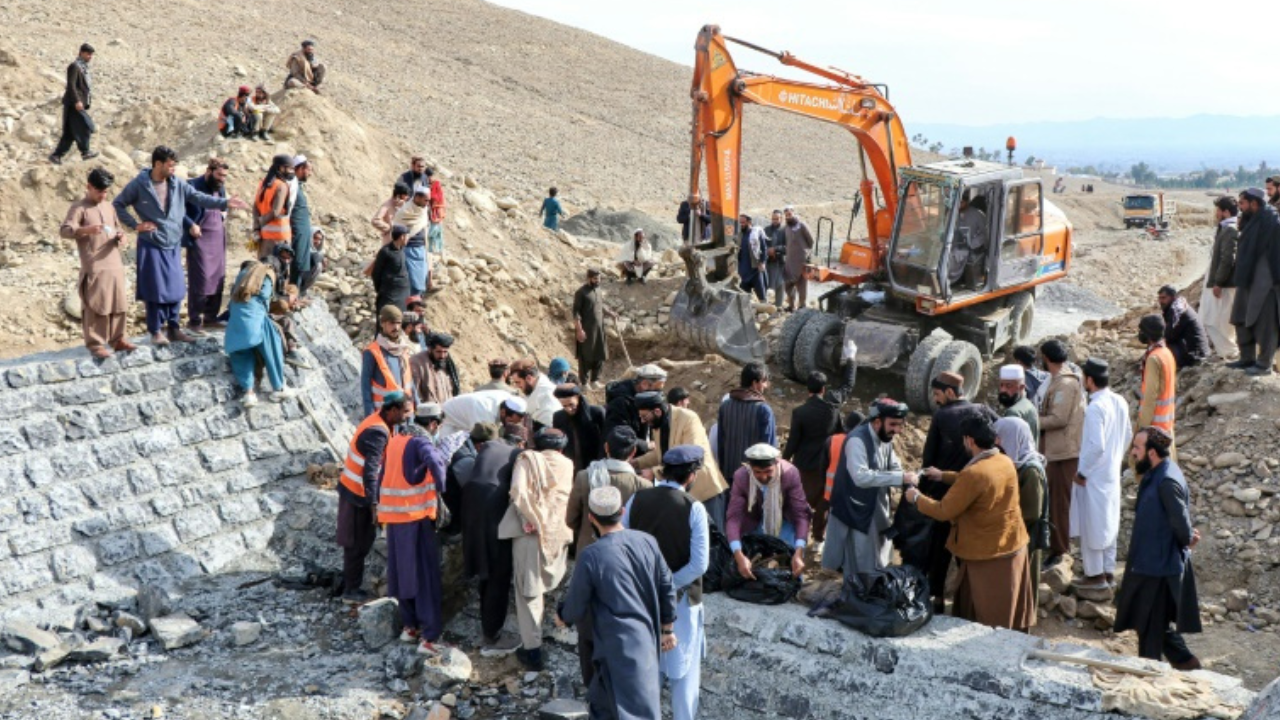
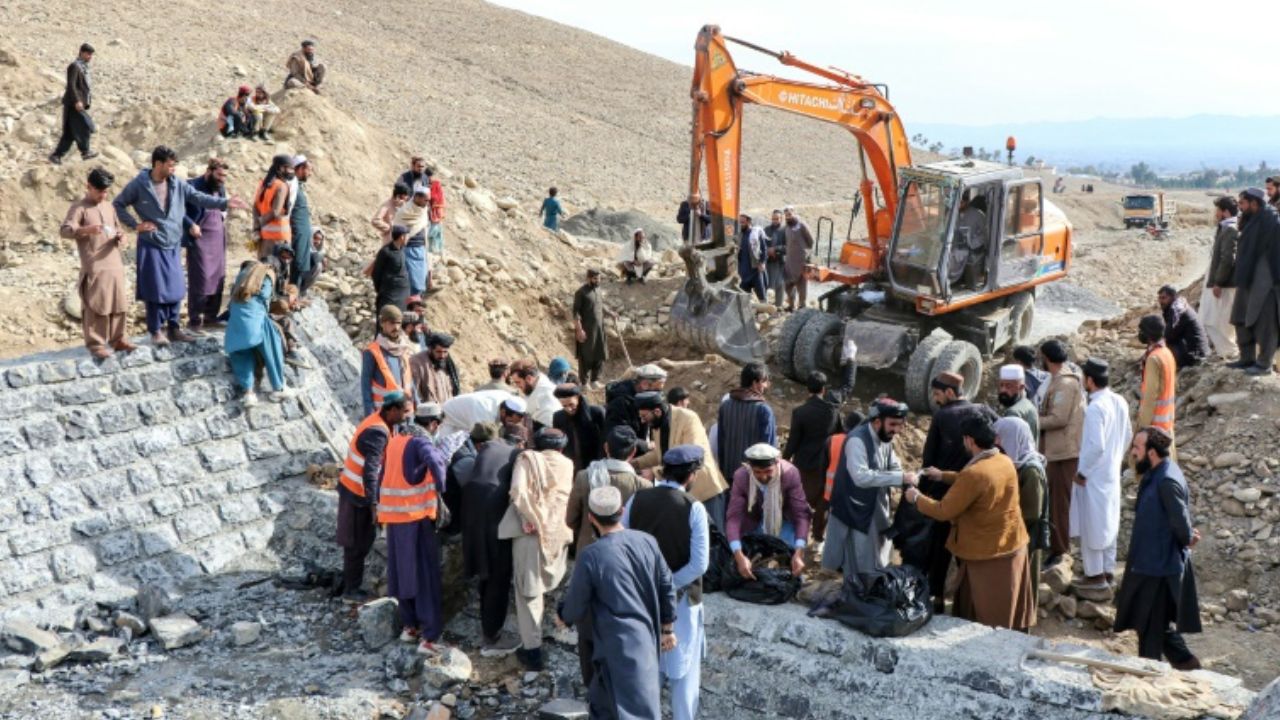
    A mass grave containing around 100 bodies believed to date from Afghanistan’s Soviet-backed government era has been discovered in the country’s eastern Khost province, local officials said on Monday.

    The grave was found Saturday during construction of a small dam in the Sarbani area of central Khost, mayor Bismillah Bilal said.

    “According to the initial information, these people were buried here after being killed in 1358” in the Afghan calendar, corresponding to April 1979 to March 1980, he told AFP.

    “At least 100 bodies were discovered” in the grave, Bilal added, noting that some remains bore women’s clothing and that all appeared to be civilians.

    Local residents said the remains belonged to victims of the violence that followed the 1978 Soviet-backed communist coup in Afghanistan.

    “In 1358, these people were brought here in a merciless, barbaric way by the cruel communist authorities without trial,” said Salam Sharifi, whose father disappeared under the communist government, his remains never found.

    “They were martyred and we are their descendants. This is a cruelty that history will never forget,” Sharifi told AFP.

    A committee has been appointed to relocate the remains, with residents helping municipality workers to remove the bodies from the site, piling the dry bones into bags that lined the excavated grave on Monday.

    “No one knows who these martyrs are,” said resident Mandair Mangal. “They were all buried in the earth and we are taking out the bones and sorting them.”

    After decades of conflict — including the Soviet invasion from 1979, the following civil war and the US-led occupation — many mass graves have been found across Afghanistan.

    In 2009, another mass grave of victims of the Soviet-backed government era was discovered, containing at least 20 bodies.

    More recently, in September 2022, a mass grave containing the remains of 12 people was found in Spin Boldak, a site of fierce fighting between former Afghan government forces and Taliban fighters during their two-decade insurgency before they seized power in 2021.

  • Uncertainty ahead for Pakistan after indecisive election

    Uncertainty ahead for Pakistan after indecisive election

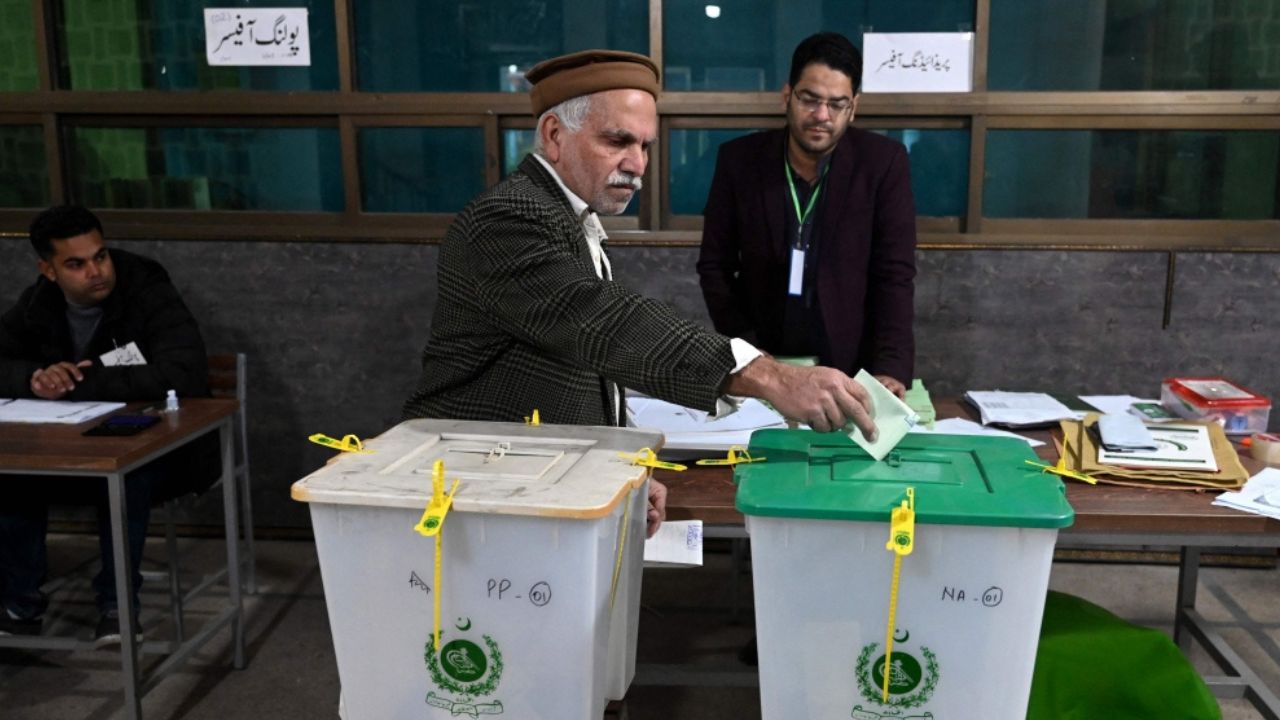
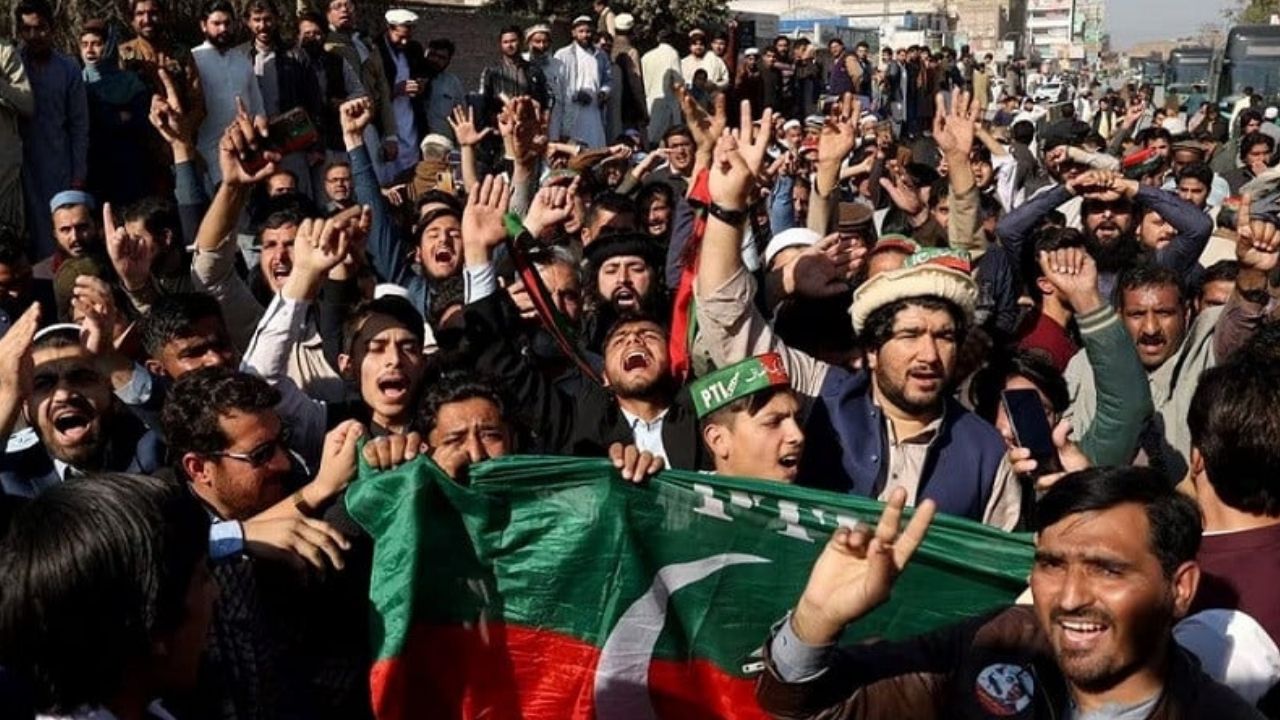
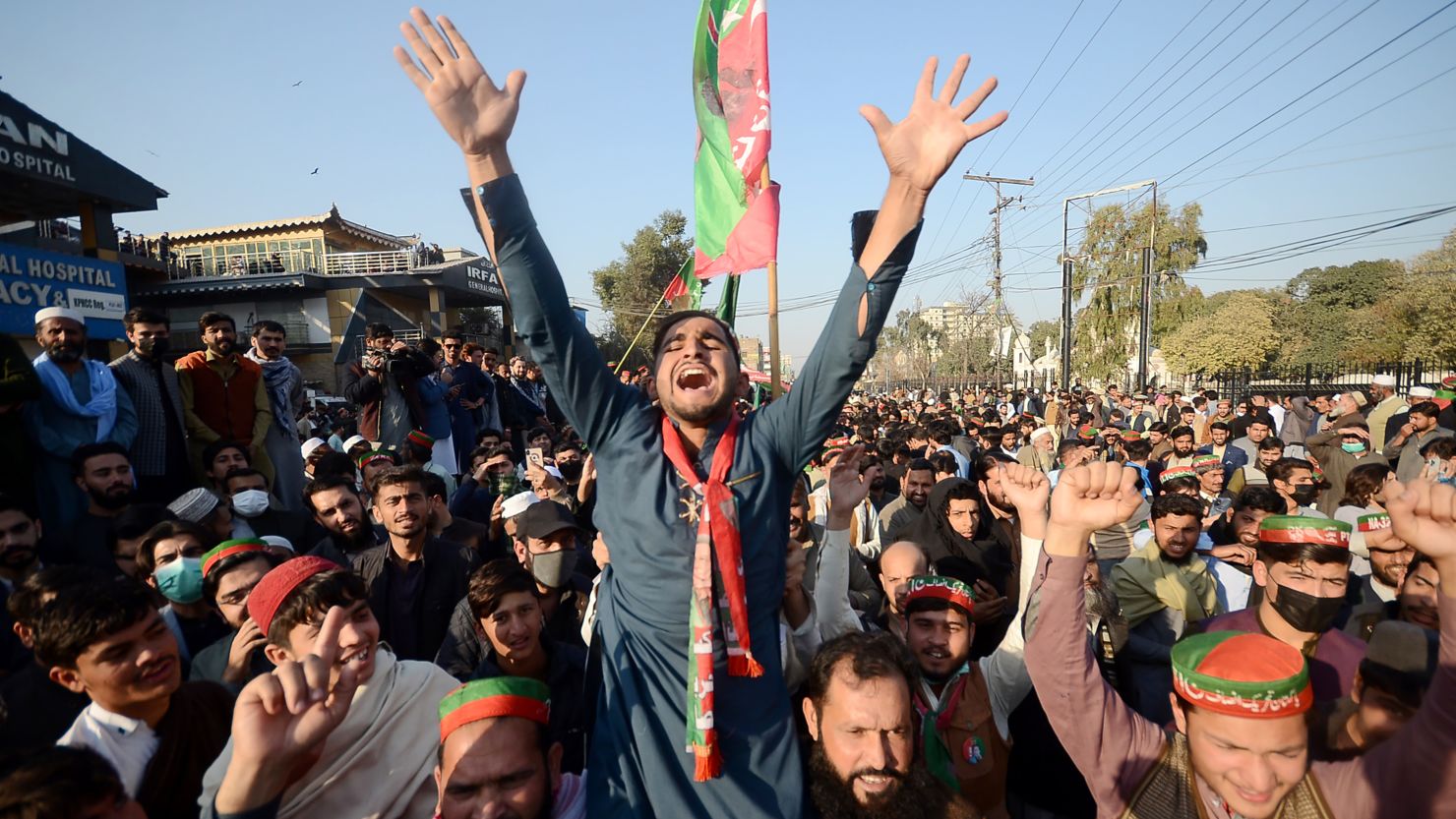
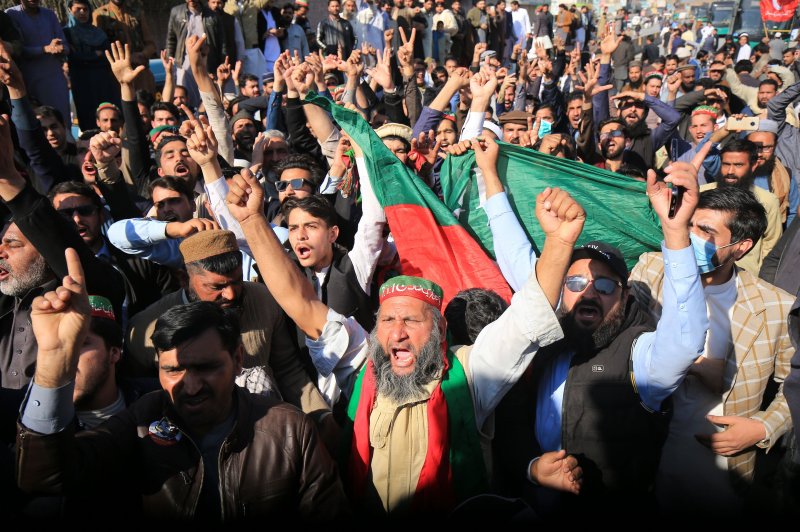
    Pakistan has weeks of political uncertainty ahead following its indecisive election, analysts said Monday, with dozens of constituency results facing challenges in court and rival parties negotiating possible coalitions.

    Independent candidates loyal to jailed former prime minister Imran Khan took most of the seats in Thursday’s polls, scuppering the chances of the army-backed Pakistan Muslim League-Nawaz (PML-N) from securing a ruling majority.

    Khan’s Pakistan Tehreek-e-Insaf (PTI) defied a months-long crackdown that crippled campaigning and forced candidates to run as independents to emerge as the winners of the vote.

    There were widespread allegations of vote-rigging and result manipulation after authorities switched off the nation’s mobile phone network on election day, ostensibly on security grounds, and the count dragged on for more than 24 hours.

    “Three potential challenges are linked to the legitimacy of the elections through prolonged legal proceedings, protests and potential for violence,” said Pakistan-based political analyst Amber Rahim Shamsi.

    Despite independents winning 101 seats in the national assembly, a government can only be formed by a recognised party, or coalition of parties, so they would have to join another group to become an effective bloc.

    Desperately needed reforms


    A coalition between the PML-N and the Pakistan People’s Party — who formed the last government after ousting Khan with a vote of no confidence in April 2022 — still seems a most likely outcome.

    “In the short-term, any coalition birthed through a highly controversial election in a highly charged political environment will find it challenging to enact unpopular reforms that Pakistan desperately needs,” Shamsi told AFP.

    At least half a dozen minor parties won just one or two seats in the election, and would welcome the addition of the independents to their ranks.

    That would give them access to an additional 70 seats reserved for women and religious minorities and allocated according to election results — although it has never been done on this scale before and faces legal challenges.

    “The courts have a very delicate role at this moment,” said legal expert Osama Malik.

    “They will (also) need to decide whether to order recounts in various constituencies. However, recounts in multiple constituencies could also delay the calling of parliament so the courts have to be wary of that as well.”

    PTI leaders insist they have been given a “people’s mandate” to form the next government.

    “The people have decided in favour of Imran Khan,” party chairman Gohar Ali Khan said at the weekend, before urging party supporters to picket election offices where he said rigging had taken place.

    The potential for violent protest is ever present in Pakistan and police fired tear gas to disperse PTI supporters on Sunday after vowing to crack down hard on illegal gatherings.

    Hundreds of party leaders and supporters were picked up last year when Khan was hit with more than 150 criminal cases he says were trumped up by the military-led establishment to stop him from contesting the election.

    Earlier this month he was sentenced to lengthy jail terms after being found guilty of treason, graft and having an un-Islamic marriage.

    Defections common


    But disgrace rarely lasts long in Pakistan politics — the PML-N’s three-time premier Nawaz Sharif was himself sentenced to lengthy jail terms and exile abroad, only to have the convictions quashed when his party’s fortunes improved.

    Dozens of constituencies will have to have by-elections even without the results being challenged.

    Several candidates won in multiple constituencies — a quirk allowed under Pakistan law — so they will have to choose one and have fresh elections in the others.

    And party defections are also common, with at least two winning independents who pledged loyalty to Khan before the election already announcing they were joining the PML-N.

    More are expected to follow.

    Whatever the outcome, the next government faces myriad challenges.

    Deeply in debt, the economy has for decades been propped up by successive bailouts from the International Monetary Fund and loans from wealthy gulf Arab nations that use Pakistanis as cheap labour.

    Inflation is galloping at nearly 30 percent, the rupee has been in freefall for three years — losing nearly 50 percent of its value since 2021 — and a balance of payments deficit has frozen imports, severely hampering industrial growth.

    “No government will have the luxury of time and political security after these elections,” said Shamsi.

    “There are also fears that this political insecurity will continue until the next elections, which could be earlier than five years.”

  • US President Joe Biden makes TikTok debut ahead of elections 2024

    US President Joe Biden makes TikTok debut ahead of elections 2024

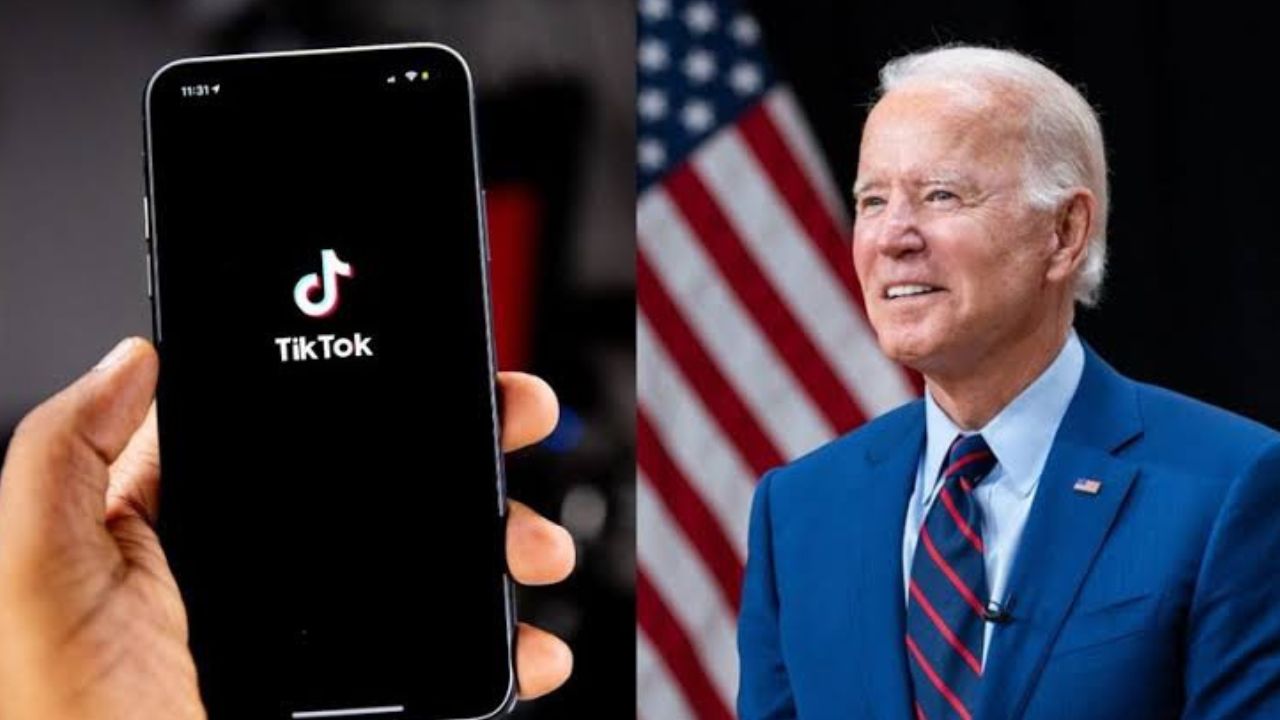
    US President Joe Biden belatedly joined TikTok on Sunday, marking his debut on the social media platform with a 26-second video.

    The move comes after fierce US government criticism of the video-sharing platform in recent years, most notably from Republicans but also from the Biden administration.

    TikTok is owned by Chinese firm ByteDance and has been accused by a wide swath of US politicians of being a propaganda tool used by Beijing, something the company furiously denies.

    In Sunday’s video posted on the @bidenhq campaign account, the 81-year-old Democratic president touches light-heartedly on topics ranging from politics to the National Football League championship game. He was also asked about his preference between the Super Bowl or its famed half-time show, this year headlined by singer Usher, he picks watching the actual game itself.

    Queried if there’s a secret plot to rig the game so that pop star Taylor Swift — who is dating Kansas City Chiefs star Travis Kelce — could use her fame to endorse Biden, the president jokingly leans into the unfounded right-wing conspiracy theory.

    “I’d get in trouble if I told you,” he says.

    Citing security concerns, a slew of individual states and the federal government have banned the app on official government devices.

    In Montana, a state government move to completely ban the app was recently blocked by a judge.

    While the platform remains scrutinized by Washington, further federal action to ban or curtail the use of the app appears to no longer be in motion.

    “It seems now like the idea of a ban was being pushed more so to make political points and less as a serious effort to legislate,” David Greene, a civil liberties attorney, recently told British newspaper The Guardian. 

    As the election approaches, the platform provides a great medium to young voters.

    Sunday’s video ends with the president being asked who he prefers: himself or Republican frontrunner Donald Trump.

    “Are you kidding?” he laughs. “Biden.”