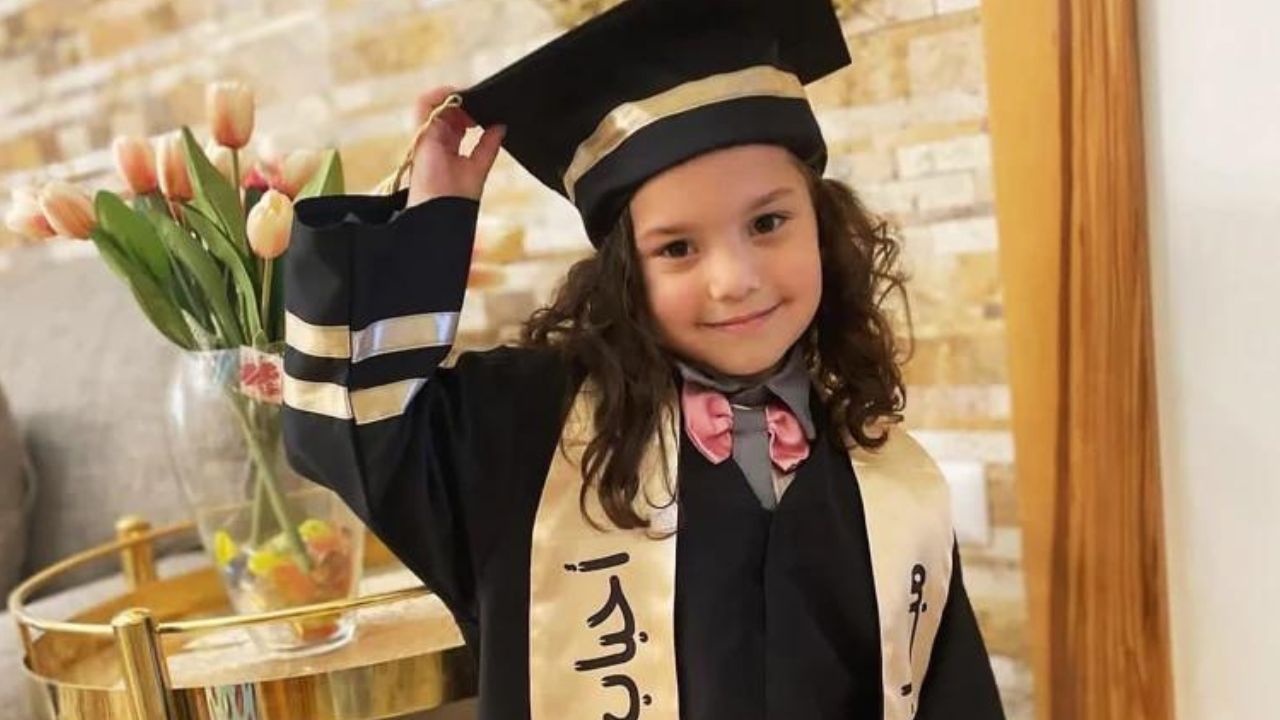
Gaza Strip (Palestinian Territories) (AFP) – A six-year-old Palestinian girl who went missing after the family’s car came under fire in war-ravaged Gaza was found dead Saturday, the health ministry and her relatives said, accusing Israel of killing her.
The last time Hind Rajab had been seen was about two weeks ago when she was surrounded by dead relatives after becoming trapped in the vehicle as they tried to flee Gaza City as Israeli forces advanced.
“Hind and everyone else in the car is martyred,” the girl’s grandfather, Baha Hamada told AFP.
A number of family members made the grim discovery when they went to Gaza City’s Tel al-Hawa area looking for the car near a petrol station where it had last been spotted, he said.
“They were able to reach the area because Israeli forces withdrew early at dawn today,” Hamada added.
The health ministry in the Gaza Strip confirmed Hind’s death.
“She was killed by (Israeli) occupation forces with all those who were with her in the car outside the petrol station in Tel al-Hawa,” the ministry said in a statement.
Earlier this week, family members had said the group found their way in the path of Israeli tanks and were fired on as they tried to flee.
Contacted by AFP, the Israeli military did not comment on the incident.
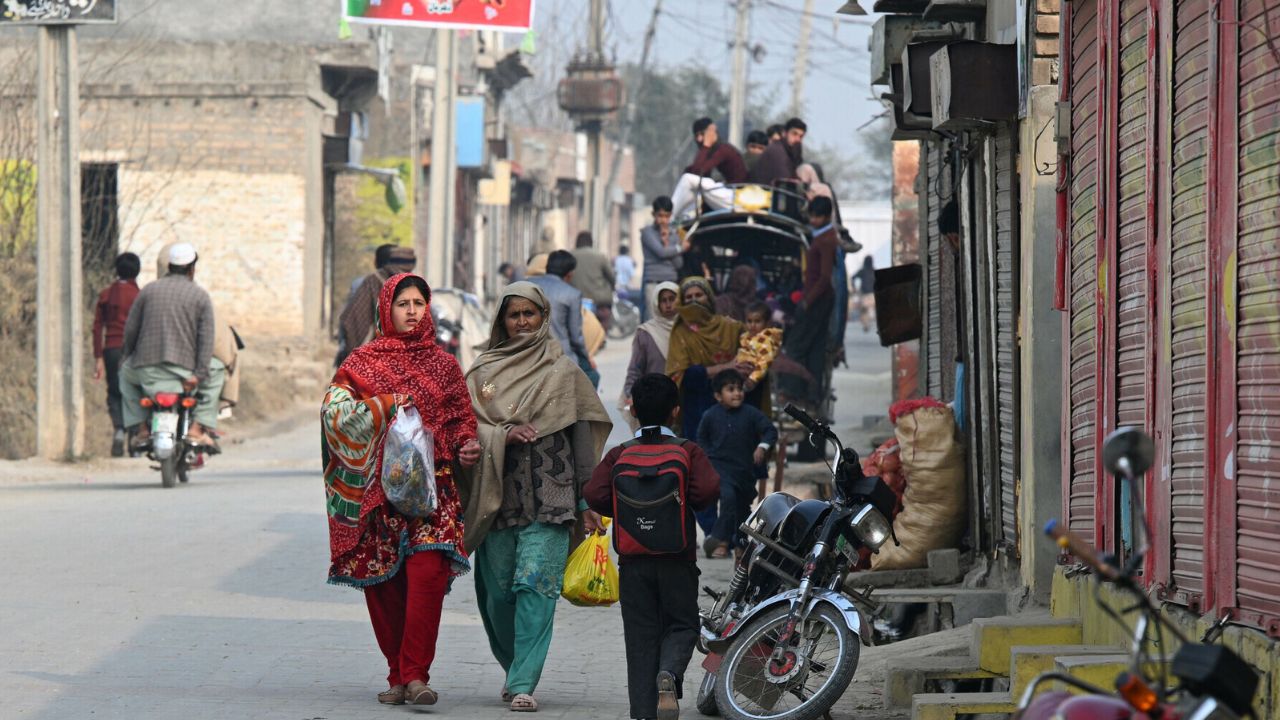
Pakistanis turning out early for Thursday’s election said they believe their votes count, despite allegations of rigging in the nation’s most fractious poll in recent history.
“I believe in democracy and I think my vote matters,” said 22-year-old psychology student Haleema Shafiq, among the first to vote in the capital Islamabad.
“I cast my vote as it’s my duty,” she told AFP inside a polling station. “I wish for a deserving party to come to power.”
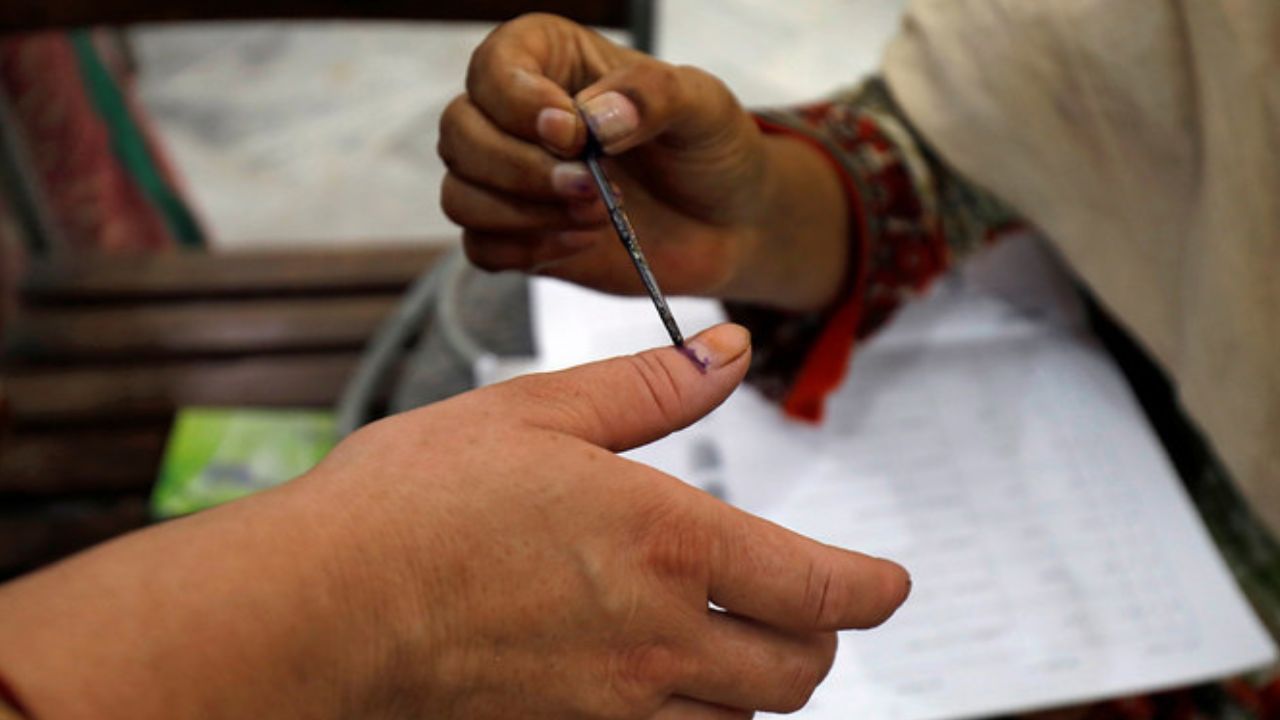
Polls opened at 8:00 am (0300 GMT) for 128 million eligible voters, with the first participants trickling into the Noorpur Shahan girl’s school and inking their fingers to stamp papers in gender-segregated booths.
Early voters were outnumbered by around a dozen armed security personnel staffing the station, a day after twin blasts claimed by the Islamic State killed 28 outside candidate offices in the nation’s southwest.
“I want a government that can make Pakistan safe for girls,” said Shafiq.
Analysts predict a low turnout after a muted campaign overshadowed by the jailing of ex-prime minister Imran Khan and the hobbling of his Pakistan Tehreek-e-Insaf (PTI) party by the military establishment.
“Is this the way an election should be conducted?” asked 40-year-old Imran Khan, a driver who shares his name with the jailed opposition leader.
“Everyone has the right to vote according to their own will,” he said. “Today is not the day to stay at home. Those who choose to sit at home today will do injustice to themselves.”
Monitors say the treatment of PTI amounts to “pre-poll rigging”, and the party has voiced fears that voters would face interference at polling stations.
Ballots were posted into white and green ballot boxes, Pakistan’s national colours, and crowds steadily grew in the first hour after polls opened.
“I arrived 20 minutes early to cast my vote because I believe my vote matters,” said 39-year-old Syed Tassawar. “My only fear is whether my vote will be counted for the same party I cast it for.”
“At the same time, for the poor it does not matter who is ruling — we need a government that can control inflation, that’s the only thing that matters to people like us,” added the construction worker.
Whoever wins Thursday’s election will inherit a divided country with an economy in tatters — with galloping inflation, a rupee in freefall and a balance of payments crisis.
“We have pretty high expectations from the new government to improve our conditions, said 21-year-old first-time voter Zainab Asghar.
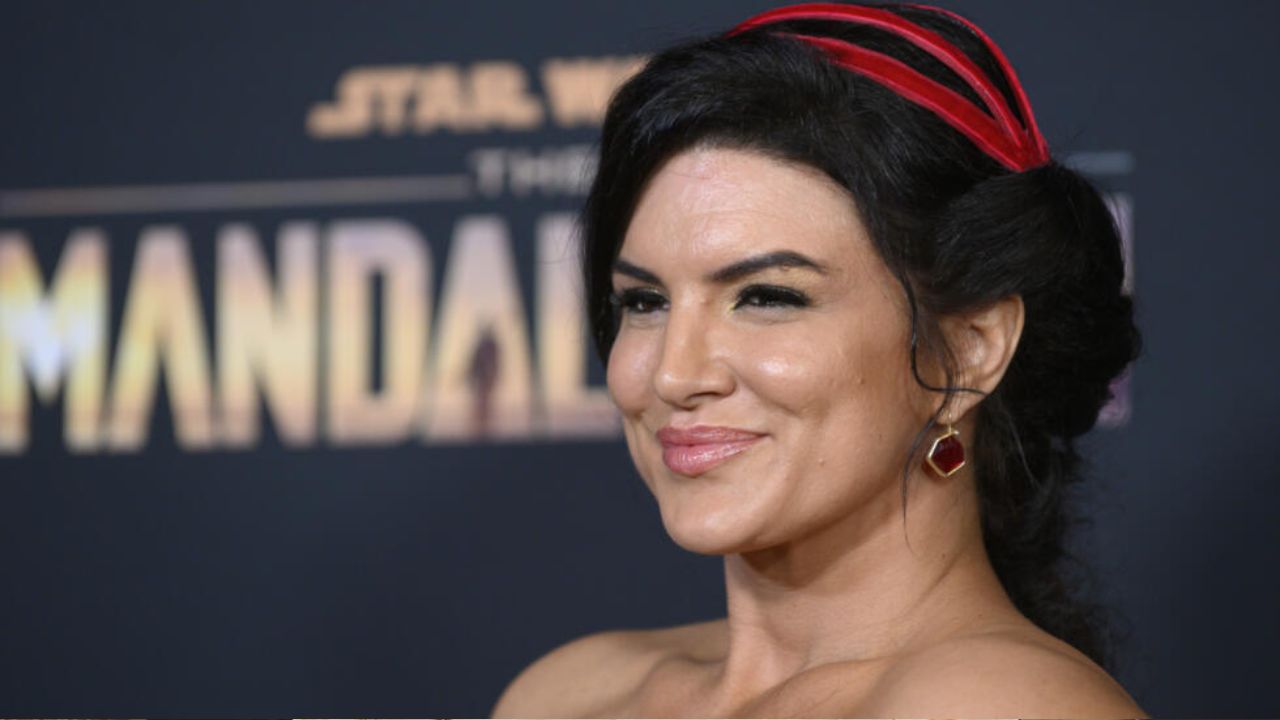
A “Star Wars” actor backed by Elon Musk’s X is suing Disney for firing her over inflammatory social media posts about the Holocaust, the pandemic and trans rights.
Gina Carano, who had a major role in the wildly popular Disney+ series “The Mandalorian” until 2021, filed a lawsuit in California on Tuesday claiming wrongful termination.
The suit says Carano was expressing personal political views but was hounded by an “extreme progressive” online mob, and alleges that Disney’s actions and comments had damaged her reputation and ability to find work in the future.
The lawsuit is being funded by X, a spokesman for the company confirmed to AFP.
Carano, an outspoken former martial arts fighter-turned-actor, was fired by Disney for what the company at the time dubbed “abhorrent and unacceptable” social media posts “denigrating people based on their cultural and religious identities.”
One particularly controversial post shared by Carano appeared to liken being a conservative in the United States to being Jewish in Nazi Germany.
Another post appeared to mock a person for wearing multiple masks during the Covid-19 pandemic in California.
And Carano had earlier drawn the wrath of members of the trans community for adding “boop/bop/beep” as preferred pronouns on her Twitter profile.
In a statement, Carano said she had “never even used aggressive language” but had shared “thought provoking” posts with “respect & the occasional comedy.”
Both her statement and the lawsuit allege that Carano was afforded less right to exercise her freedom of speech than some of her male colleagues.
Carano said she had been contacted by an X lawyer offering to take on her case after she publicly replied to an open offer from Musk to help anyone fired after using X to exercise free speech.
“As a sign of X Corp’s commitment to free speech, we’re proud to provide financial support for Gina Carano’s lawsuit,” said an official post by X on Tuesday.
The lawsuit does not specify the amount of damages Carano is seeking, but claims she lost a role on planned “Mandalorian” spin-off “Rangers of the New Republic” that would have been worth “$150,000 to $250,000 per episode.”
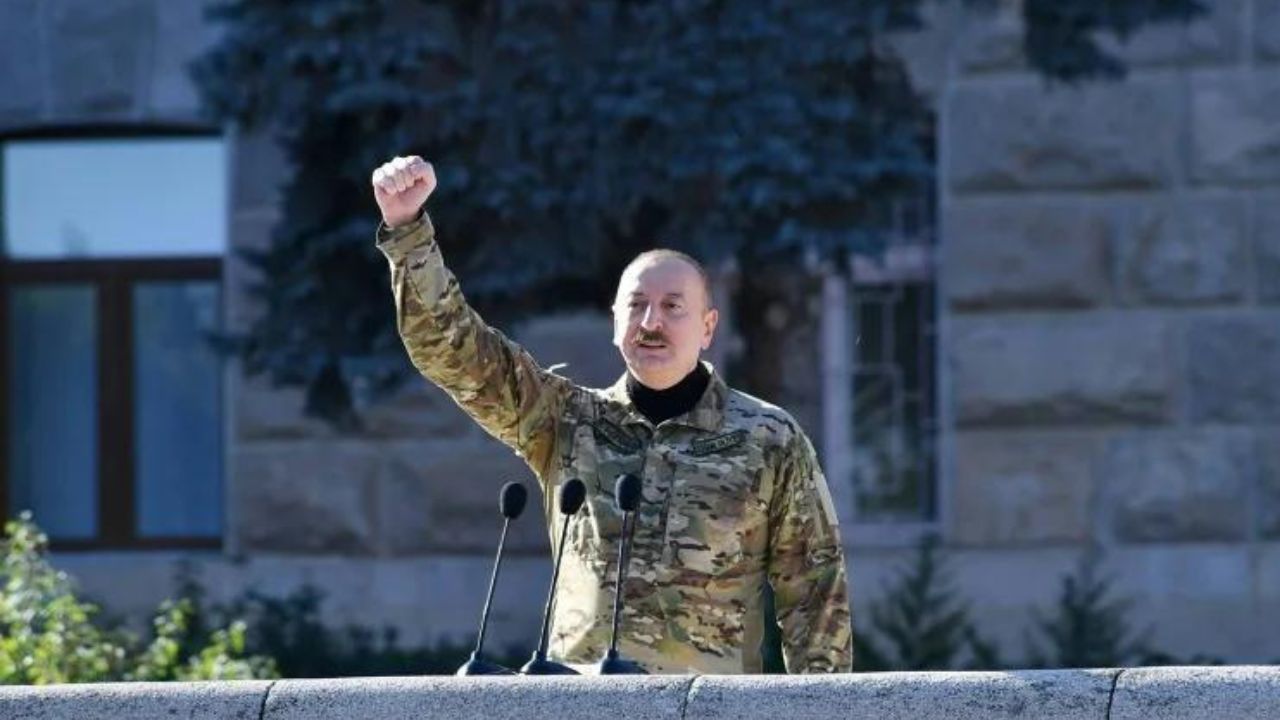
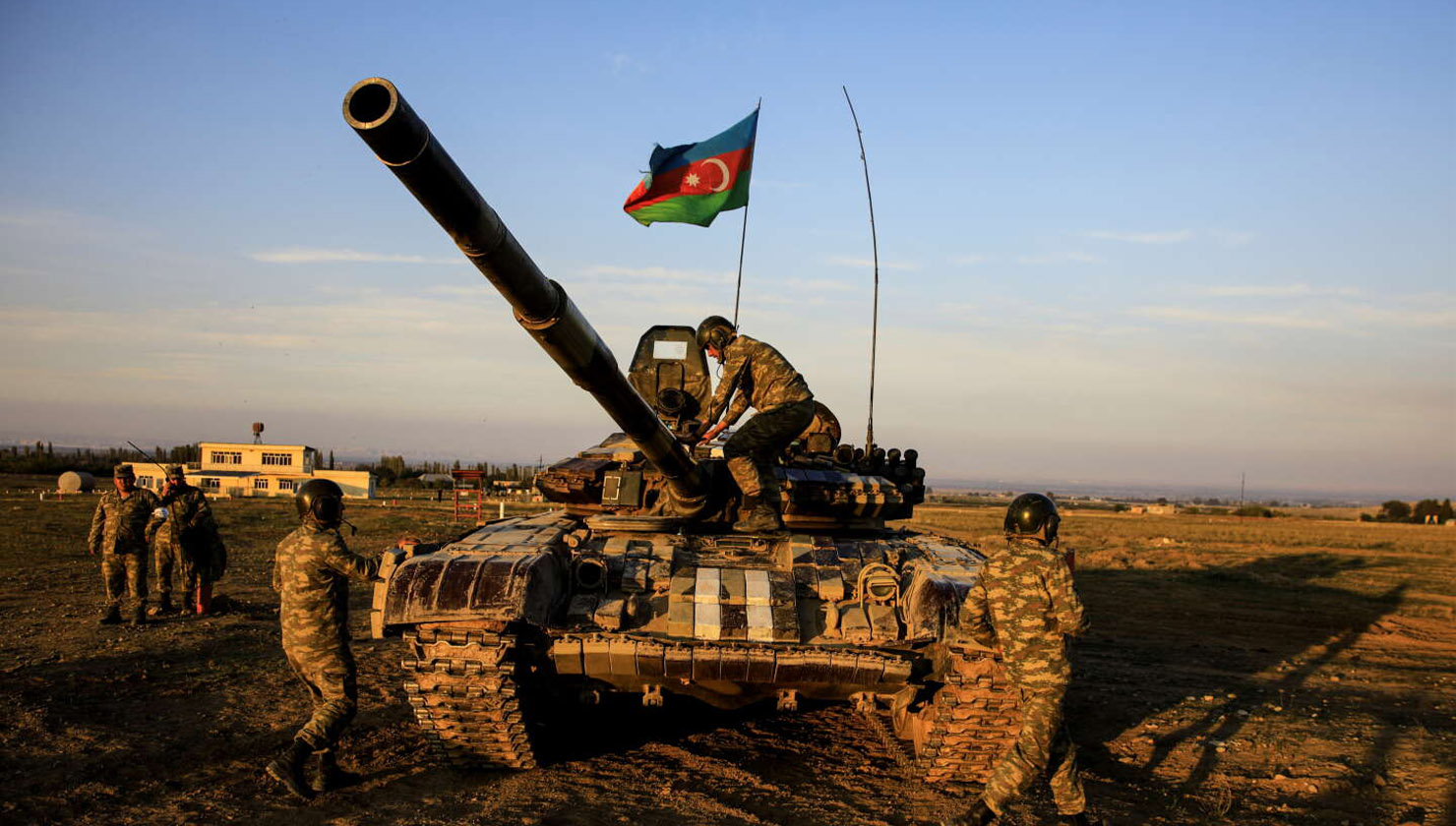
Azerbaijanis were voting in snap presidential elections on Wednesday, with a fifth term for Ilham Aliyev seen as a foregone conclusion after Baku’s historic victory over Armenian separatists.
A crackdown on independent media and the absence of any real opposition have boosted the certainty of an easy win for Aliyev, whose troops recaptured the Nagorno-Karabakh enclave in September.
The oil-rich nation’s main opposition parties are boycotting the vote, which one opposition leader, Ali Kerimli of the National Front party, called an “imitation of democracy.”
“There are no conditions in the country for the conduct of free and fair elections,” he said.
The six other candidates who are running are little-known and have been busy praising Aliyev as a great statesman and a victorious commander-in-chief since he announced the elections in December, a year ahead of schedule.
The country’s Central Election Commission said turnout stood at 38.6 percent by noon, four hours after polls opened.
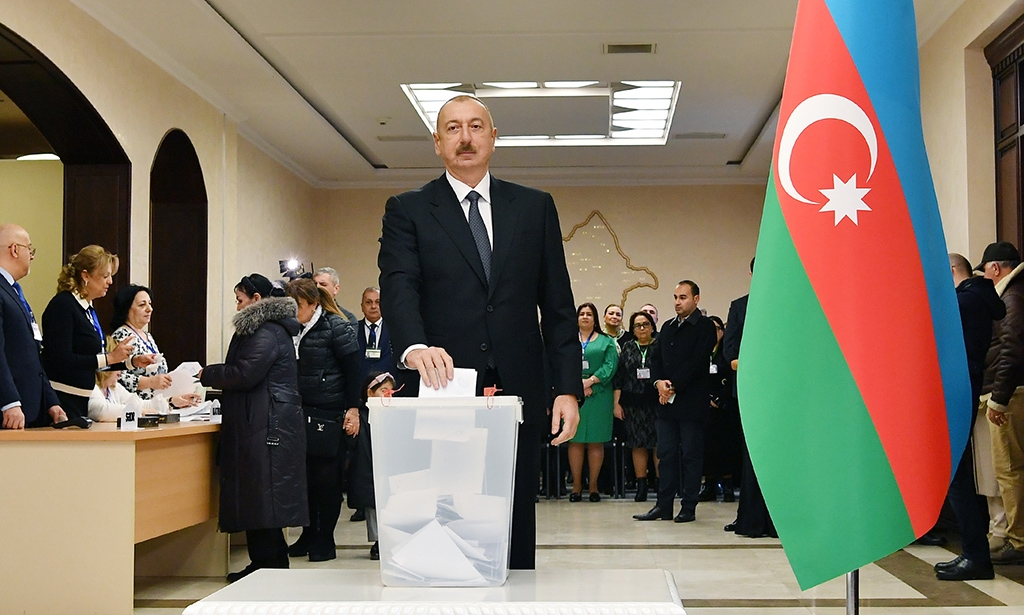
In a symbolic gesture, the president and first lady Mehriban Aliyeva went to Karabakh to cast their ballots in the region’s main city of Khankendi.
For the first time in Azerbaijan’s post-Soviet history, 26 polling stations opened in Karabakh, which has been largely deserted after its entire ethnic-Armenian population — more than 100,000 people — fled to Armenia after Baku’s takeover.
At a polling station in central Baku, pensioner Shalalya Abbasova, 68, said she cast her ballot for Aliyev because he “did what seemed impossible — accomplished our dream, liberated the occupied territories.”
‘Escalating crackdown’
But another Baku resident, 32-year-old IT specialist Ismet Bagirov, said he decided not to vote as “there is nobody to vote for, there are no alternative candidates”.
“I know many will vote for Aliyev today because he liberated Karabakh. I thank him for this, but there are fundamental issues in the country that remain unresolved.”
Last month, Aliyev called the Karabakh victory “an epochal event unparallelled in Azerbaijan’s history”.
“The elections will mark the beginning of a new era” for the country, he said, adding that the country would hold presidential elections on all its territory for the first time.
“The outcome of Wednesday’s elections in Azerbaijan is known beforehand, Aliyev is set to win,” said independent analyst Ghia Nodia of the Caucasus Center for Strategic and International Studies.
“There is no suspense whatsoever in these elections without a slightest sign of competitiveness.”
Supporters have praised Aliyev for turning a country once thought of as a Soviet backwater into a flourishing energy supplier to Europe.
But critics say he has crushed opposition groups and suffocated independent media.
“All fundamental rights are being violated in the country, opposition parties can’t function normally, freedom of assembly is restricted, media are under government pressure, and political dissent is being suppressed,” said Kerimli of the National Front.
In recent months, Azerbaijani authorities have intensified pressure on independent media outlets, arresting several critical journalists who have exposed graft at high levels.
“The escalating crackdown by Azerbaijani authorities ahead of the elections is not just an attack on individual rights, it’s a widespread, coordinated assault on civil society and the rule of law,” Amnesty International said on Tuesday.
Dynastic rule
Aliyev, 62, was first elected president in 2003 after the death of his father Heydar Aliyev, a former KGB officer who had ruled Azerbaijan since 1993.
He was re-elected in 2008, 2013 and in 2018, with 86 percent of the votes.
All the elections were denounced by opposition parties as rigged.
In 2009, Aliyev amended the country’s constitution so he could run for an unlimited number of presidential terms, a move criticised by rights advocates who say he could become president for life.
In 2016, Azerbaijan adopted controversial constitutional amendments that extended the president’s term in office to seven years from five.
Cementing the decades-long dynastic grip on power, the president has appointed his wife Mehriban Aliyeva as first vice president.
Around six million voters are registered for the election monitored by observers from the Organisation for Security and Cooperation in Europe (OSCE).
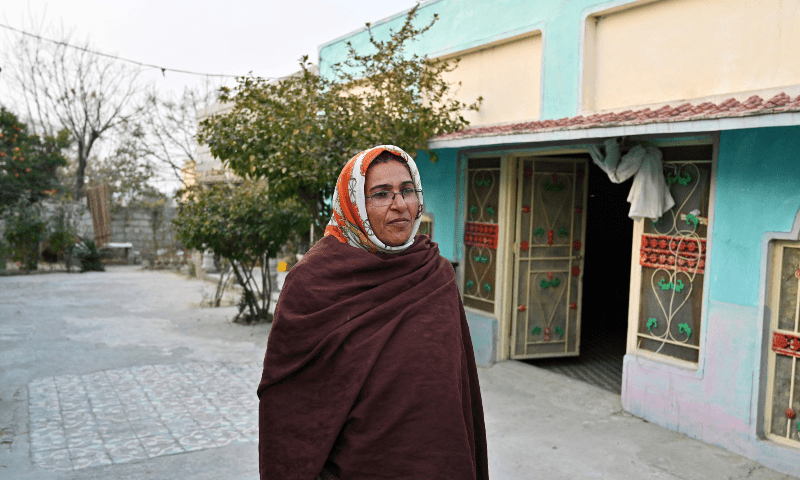
Perched on her traditional charpai bed, Naeem Kausir says she would like to vote in Pakistan’s upcoming election — if only the men in her family would let her.
Like all the women in her town, the 60-year-old former headmistress and her seven daughters — six already university-educated — are forbidden from voting by their male elders.
“Whether by her husband, father, son or brother, a woman is forced. She lacks the autonomy to make decisions independently,” said Kausir, covered in a veil in the courtyard of her home.
“These men lack the courage to grant women their rights,” the widow told AFP.
Although voting is a constitutional right for all adults in Pakistan, some rural areas in the socially conservative country are still ruled by a patriarchal system of male village elders who wield significant influence in their communities.
In the village of Dhurnal in Punjab, spread across crop fields and home to several thousand people, men profess myriad reasons for the ban of more than 50 years.
“Several years ago, during a period of low literacy rates, a council chairman decreed that if men went out to vote, and women followed suit, who would manage the household and childcare responsibilities?” said Malik Muhammad, a member of the village council.
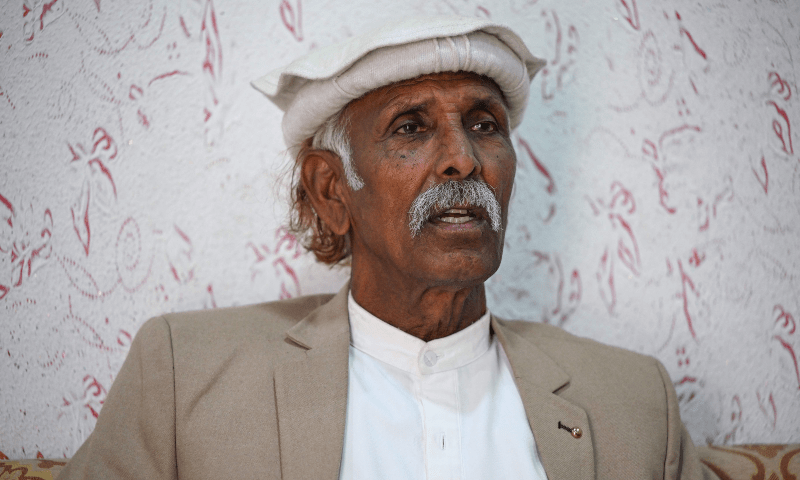
In this photograph taken on January 29, 2024, Malik Muhammad, a member of the village council, speaks during an interview with AFP in Dhurnal of Punjab. — AFP
In this photograph taken on January 29, 2024, Malik Muhammad, a member of the village council, speaks during an interview with AFP in Dhurnal of Punjab. — AFP
“This disruption, just for one vote, was deemed unnecessary,” he concluded.
Muhammad Aslam, a shopkeeper, claims it is to protect women from “local hostilities” about politics, including a distant occasion that few seem to remember in the village when an argument broke out at a polling station.
Others told AFP it was simply down to “tradition”.
The Election Commission of Pakistan (ECP) has stressed that it has the authority to declare the process null and void in any constituency where women are barred from participating.
In reality, progress has been slow outside of cities and in areas that operate under tribal norms, with millions of women still missing from the electoral rolls.
The elders in Dhurnal rely on neighbouring villages to fill a government-imposed quota which maintains that 10 percent of votes cast in every constituency must be by women.
Those who are allowed to vote are often pressured to pick a candidate of a male relative’s choice.
In the mountainous region of Kohistan in Khyber Pakhtunkhwa province home to almost 800,000 people, religious clerics last month decreed it un-Islamic for women to take part in electoral campaigns.
Fatima Butt, a legal expert and a women’s rights activist, said women are allowed to vote in Islam, but that religion is often exploited or misunderstood in Pakistan.
“Regardless of their level of education or financial stability, women in Pakistan can only make decisions with the ‘support’ of the men around them,” she said.
Pakistan famously elected the world’s first Muslim woman leader in 1988 — Benazir Bhutto, who introduced policies that boosted education and access to money for women, and fought against religious extremism after military dictator Zia ul-Haq had introduced a new era of Islamisation that rolled back women’s rights.
However, more than 30 years later, only 355 women are competing for national assembly seats in Thursday’s election, compared to 6,094 men, the election commission has said.
Pakistan reserves 60 of the 342 National Assembly seats for women and 10 for religious minorities in the Muslim-majority country, but political parties rarely allow women to contest outside of this quota.
Those who do stand often do so only with the backing of male relatives who are already established in local politics.
“I have never seen any independent candidates contesting elections on their own,” Zara Butt added.
Forty-year-old Robina Kausir, a healthcare worker, said a growing number of women in Dhurnal want to exercise their right to vote but they fear backlash from the community if they do — particularly the looming threat of divorce, a matter of great shame in Pakistani culture.
In this photograph taken on Jan 29, 2024, Robina Kausir, a healthcare worker, looks on during an interview with AFP in Dhurnal of Punjab. — AFP
She credits part of the shift to access to information as a result of the rising use of smartphones and social media.
“These men instil fear in their women — many threaten their wives,” she told AFP.
Robina, backed by her husband, is one of the few prepared to take the risk.
When cricketing legend Imran Khan swept to power in the 2018 election, Robina arranged for a minibus to take women to the local polling station.
Only a handful joined her, but she still marked it as a success and will do the same on Thursday’s election.
“I was abused but I do not care, I will keep fighting for everyone’s right to vote,” Robina said.
Taylor Swift made Grammys history Sunday by winning her fourth Album of the Year prize, the most of any artist – the crowning moment of a night of electric performances and breakthrough wins.
In taking home the honor at the 66th annual Grammys in Los Angeles, Swift surpassed the likes of Frank Sinatra, Paul Simon and Stevie Wonder, industry greats she previously had been tied with.
It’s a cherry on top for the 34-year-old, who is already one of music’s blockbuster stars.
“For me, the award is the work,” Swift said, who earlier in the night announced she would drop a new album on April 19. “I love it so much.”
“It makes me unbelievably blown away that it makes some people happy who voted for this award too.”
Swift however lost two other top prizes she was up for.
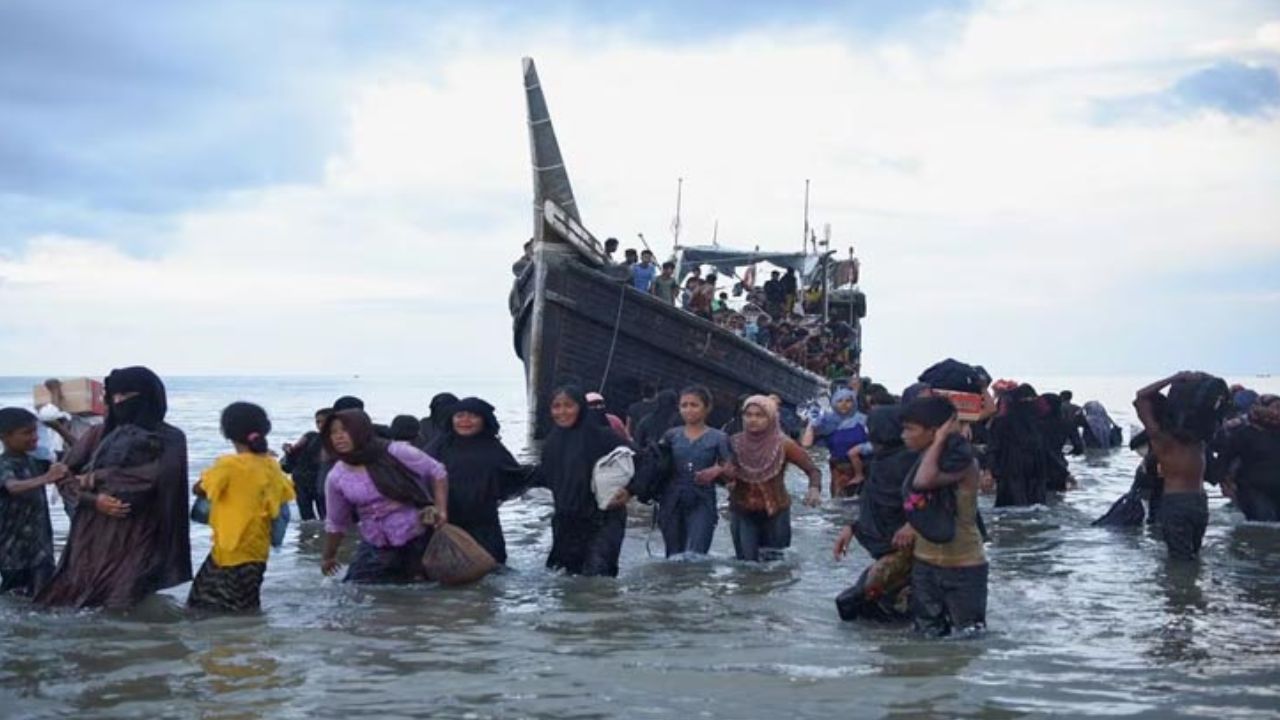
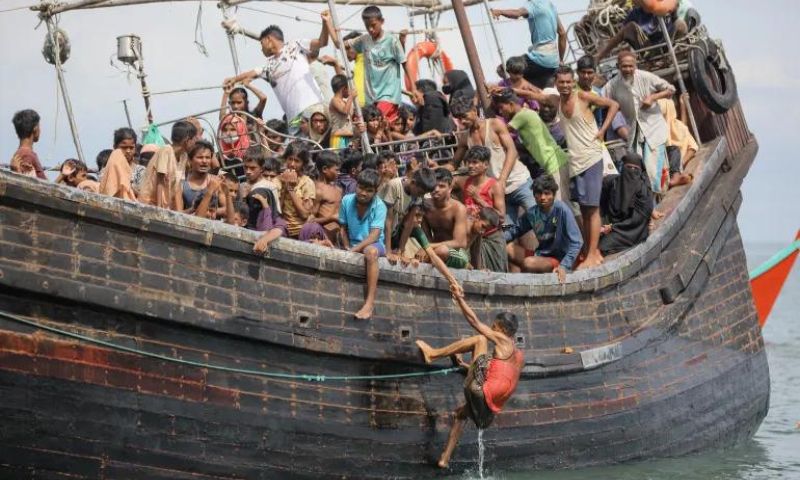
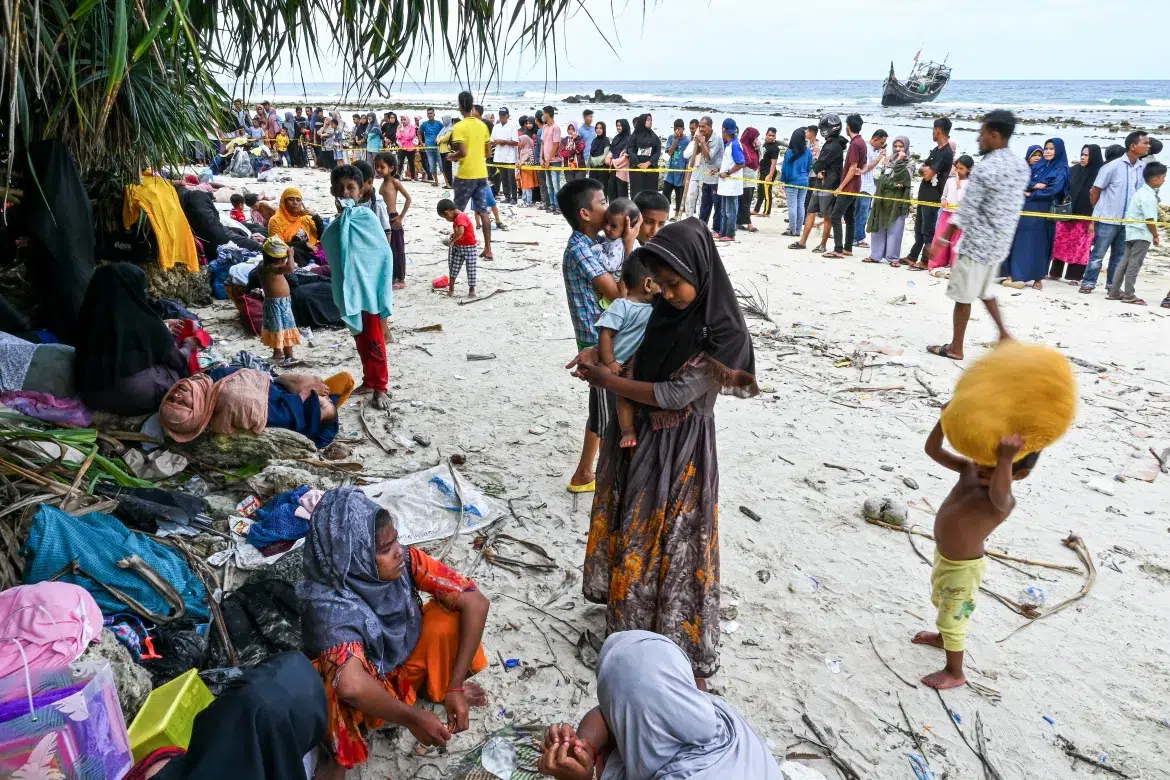
Arriving on a rickety boat in western Indonesia from squalid Bangladesh camps after weeks at sea late last year, hundreds of Rohingya refugees came to shore only to be turned around and pushed back.
The persecuted Myanmar minority were previously welcomed in the ultra-conservative Aceh province, with many locals sympathetic because of their own long history of war. But a wave of more than 1,500 refugees in recent months has been treated differently.
A spate of online misinformation in the world’s most populous Muslim-majority nation has stoked what experts say is rising anti-Rohingya sentiment culminating in pushback, hate speech and attacks.
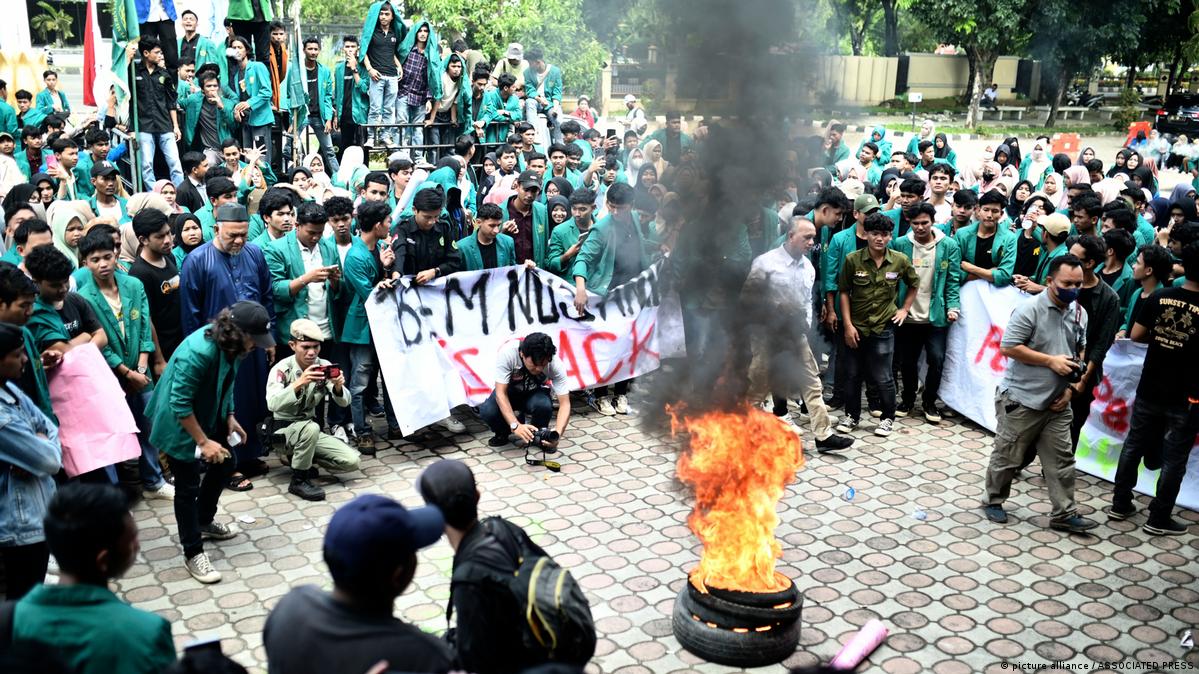
In December, hundreds of university students entered a government function hall in Banda Aceh city hosting 137 Rohingya, chanting, kicking refugees’ belongings and demanding they be deported. The refugees were relocated.
“The attack is not an isolated act but the result of a coordinated online campaign of misinformation, disinformation and hate speech,” the United Nations Refugee Agency (UNHCR) said.
On social media, anti-Rohingya videos have been spreading since late last year, racking up more than 90 million views on TikTok alone in November, according to Hokky Situngkir, TikTok analyst at Bandung Fe Institute.
It began after some local media outlets reported the Rohingya’s arrival with sensational headlines, said Situngkir.
The reports have framed the mostly Muslim Rohingya as criminals with bad attitudes and Indonesian community leaders have reinforced this narrative.
Some TikTok users have reshared the sensational articles and videos, which would help generate more views and money.
“Sometimes when the sensation is too big, it turns out to be misinformation,” Situngkir told AFP.
Victims of human traffickers
President Joko Widodo has called for action against human traffickers responsible for smuggling Rohingya and said “temporary humanitarian assistance will be provided” to refugees while prioritizing local communities.
But a few days after the attack on a refugee shelter, the Indonesian navy pushed away a Rohingya boat approaching the Aceh coast.
Jakarta — not a signatory of the UN refugee convention — has appealed to neighboring countries to do more to take in the Rohingya.
On TikTok, dozens of fake UNHCR accounts have flooded Rohingya videos with comments.
“If you don’t want to help, just give them one empty island so they can live there,” one read, presented as if it was written by a real UNHCR account.
A post sharing a report that Indonesia’s Vice President Ma’ruf Amin was considering moving the refugees to an island was viewed three million times.
A verified account wrote underneath: “Big no! It is better to expel them, no use in sheltering them.”
Ismail Fahmi, analyst for social media monitor Drone Emprit, told AFP the narrative “seems coordinated” but presented as if “it was organic.”
The campaign started with posts from anonymous confession accounts, and then several users with large followings replied with anti-Rohingya messages, making the narrative appear to be trending, he said.
Locals say social media is making such anti-Rohingya sentiment appear widespread, but that was not reflected across Aceh day-to-day.
“It seems massive when we observe it on social media,” said Aceh fishermen community secretary-general Azwir Nazar, acknowledging that Rohingya defenders online were treated as a “common enemy.”
But, he said, “In reality, in our daily lives, things seem normal.”
Stoking anti-Rohingya feelings Some of the most viewed videos peddling misinformation showed overcrowded vessels claiming to be ships carrying Rohingya to Indonesia.
The footage, viewed millions of times on TikTok, actually showed ferry passengers on domestic Bangladesh routes, according to an AFP Fact Check investigation.
Another video claimed Rohingya damaged an East Java refugee center — more than 2,300 kilometers (1,429 miles) from Aceh.
Rohingya in Aceh
An AFP Fact Check investigation debunked the claim through interviews with authorities who said the perpetrators were not Rohingya.
The videos were uploaded on TikTok and video platform Snack, then reposted on other social media sites like Facebook and by local media outlets with millions of followers, boosting the misinformation’s reach, AFP’s Fact Check team found.
AFP, along with more than 100 fact-checking organizations, is paid by TikTok and Facebook parent Meta to verify videos that potentially contain false information.
Both organizations declined AFP requests for comment.
Some videos and comments were also related to this month’s presidential election.
Some mocked candidate Anies Baswedan, saying he supports the Rohingya because he recommended they be housed “in a separate place” to avoid conflict. Others praised front-runner and Defense Minister Prabowo Subianto who has said Indonesia should “prioritize our people.”
But in several presidential debates so far, the candidates have not mentioned Rohingya migration.
For some in Aceh, anti-Rohingya feelings have stemmed from frustration at a lack of a government solution.
But the inflated anti-refugee posts have left them wondering if that feeling is genuine.
“Only Allah knows whether (the posts are) all humans,” said Nazar.
“Or perhaps, with the technology now, there might be AI or robots involved.”
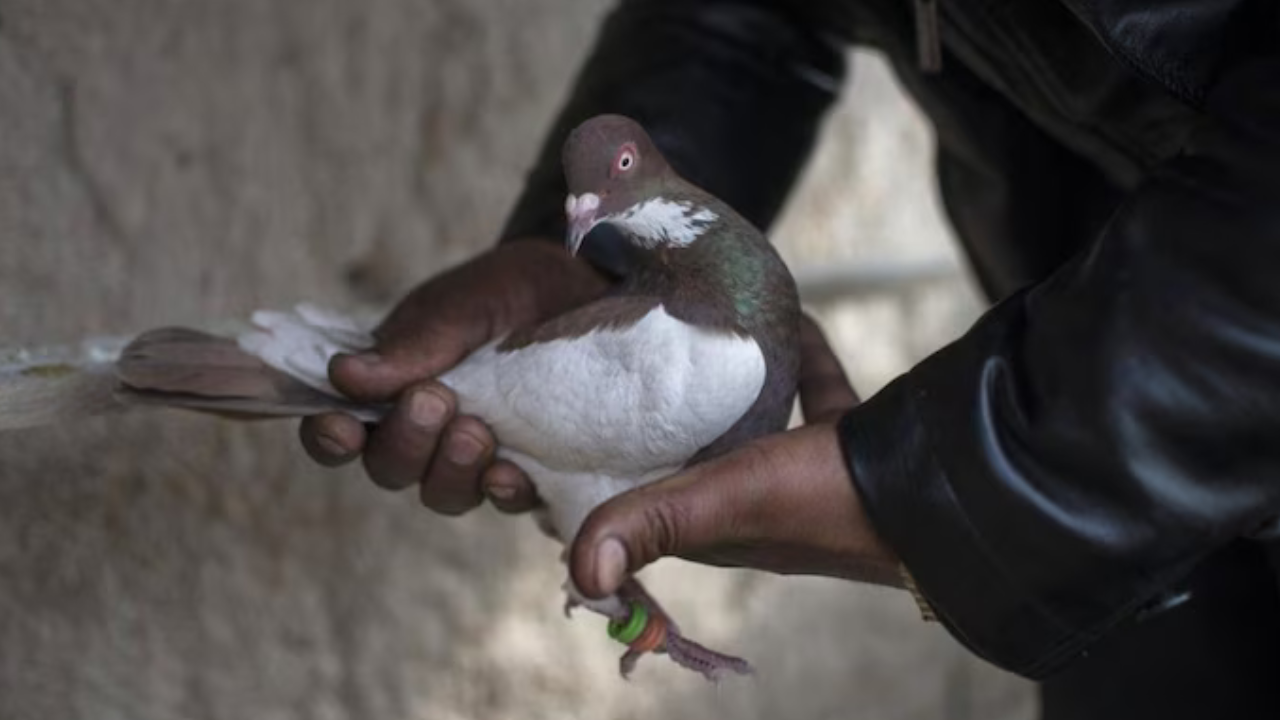
A pigeon that spent eight months in Indian police custody has been released after it was finally cleared of being a suspected Chinese spy.
The bird was caught at a port in the financial capital Mumbai with “messages written in a Chinese-like script” on its wings, the Times of India newspaper reported.
“Initially, the police had registered a case of spying against the bird, but after completing their inquiry, they dropped the charge,” the report added.
The unnamed bird was held under lock and key at a city hospital while police carried out an investigation.
That probe took an “astonishing eight months”, the India office of the People for the Ethical Treatment of Animals (PETA) said in a Thursday statement.
PETA India said police had granted “formal permission for the hospital to release the pigeon” on Wednesday.
Local media reports said the bird fluttered away in good health.
The pigeon is the latest of several detained by Indian authorities on suspicion of espionage.
Border security officers took a pigeon into custody in 2016 after it was found carrying a threatening message to Prime Minister Narendra Modi close to India’s border with arch-rival Pakistan.
In 2020, police in Indian-controlled Kashmir released a pigeon belonging to a Pakistani fisherman after a probe found that the bird, which had flown across the heavily militarized border between the nuclear-armed nations, was not a spy.
BOGOTA: Authorities in Colombia seized 130 poisonous frogs being trafficked through the Bogota airport on Monday and arrested the Brazilian woman carrying them.
The woman was transporting the colorful harlequin poison frogs (oophaga histrionica) inside film containers while travelling to Sao Paulo with a stopover in Panama.
She “claimed that a local community had given them as a gift,” Bogota Environment Secretary Adriana Soto said in a video shared with media.
Harlequin frogs are venomous, measure less than five centimetres (two inches) and live in damp forests along the Pacific coast between Ecuador and Colombia, as well as in other countries in Central and South America.
“This endangered species is sought after in international markets,” said Bogota Police Commander Juan Carlos Arevalo, adding that private collectors might pay up to $1,000 for each.
The police reported that the woman carrying the frogs was arrested “for the crime of wildlife tracking” before being handed over to the prosecutor’s office.
Animal trafficking is common in Colombia — one of the most biodiverse countries in the world — especially of amphibians, small mammals and marine animal parts, such as those of sharks.
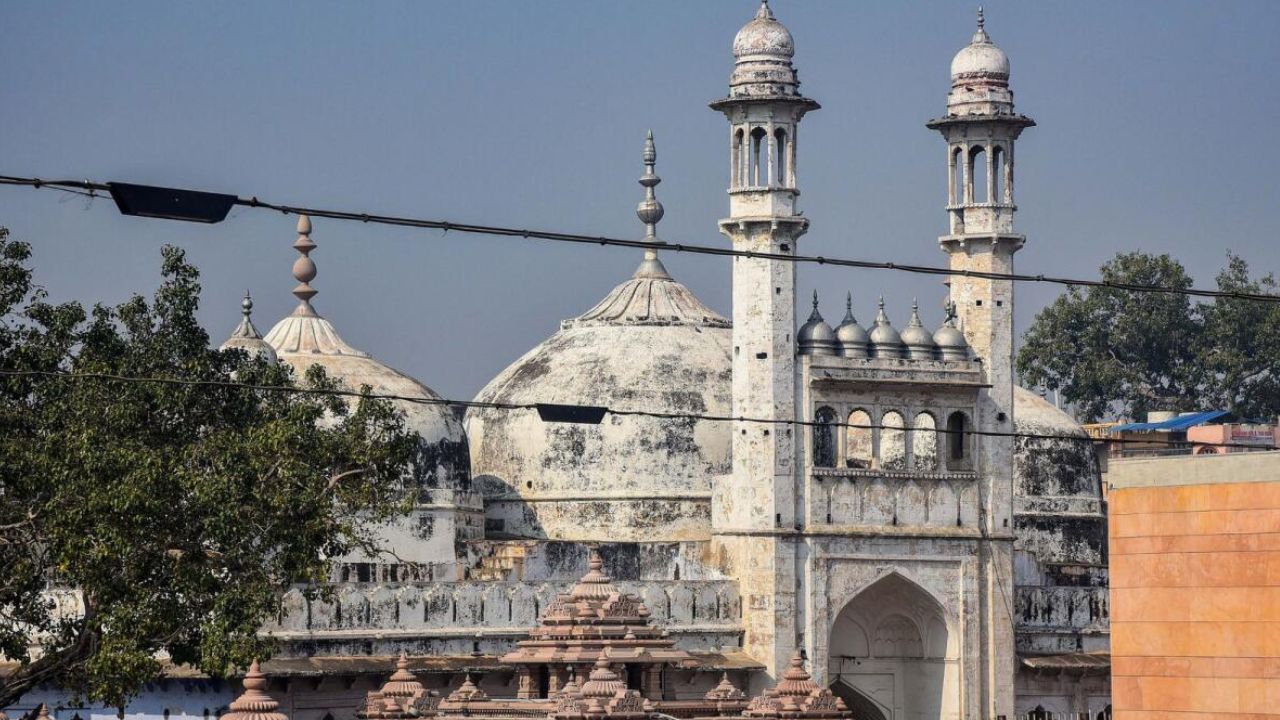
An Indian court weighed in on one of the country’s most sensitive religious disputes Wednesday by permitting Hindu worshippers to pray inside a mosque in the city of Varanasi.
The Gyanvapi mosque is one of several Islamic houses of worship that Hindu activists, backed by Prime Minister Narendra Modi’s party, have sought for decades to reclaim for their religion.
It was built in the 17th century by the Mughal empire in a city where Hindu faithful from across the country cremate their loved ones by the Ganges river.
The court in Varanasi ruled that Hindu worshippers — who believe the mosque replaced a destroyed temple to the deity Shiva — could pray in the building’s basement.
Its verdict ordered district authorities to “make proper arrangements within the next seven days” to facilitate worshippers.
The decision is the latest in a long-running legal saga over Gyanvapi’s future.
This month, India’s official archaeological agency said a survey of the site appeared to corroborate the belief that it was originally home to a temple, according to local news reports.
Emboldened right-wing Hindu groups have laid claim to several Muslim sites of worship they say were built atop ancient temples during Mughal rule.
Last week, Modi presided over a grand inauguration ceremony in the nearby city of Ayodhya for a Hindu temple built on grounds once home to the centuries-old Babri mosque.
Hindu zealots had torn down that mosque in 1992 in a campaign spearheaded by members of Modi’s party, sparking sectarian riots that killed 2,000 people nationwide, most of them Muslims.
The decades-long court battle that ensued over the future of the Babri site ended in 2019 when India’s top court permitted the construction of a temple to the deity Ram, who according to Hindu scripture was born in the city.
Members of Modi’s party routinely refer to India’s history of Muslim rule under the Mughal emperors as a time of “slavery”.
The prime minister described last week’s opening of the temple as “the advent of a new era”.
Calls for India to enshrine Hindu supremacy have rapidly grown louder since Modi took office in 2014, making its roughly 210-million-strong Muslim minority increasingly anxious about their future.