Author: News Desk

  • Unable to verify your fingerprints with NADRA? Here’s how you can use facial recognition instead

    Unable to verify your fingerprints with NADRA? Here’s how you can use facial recognition instead

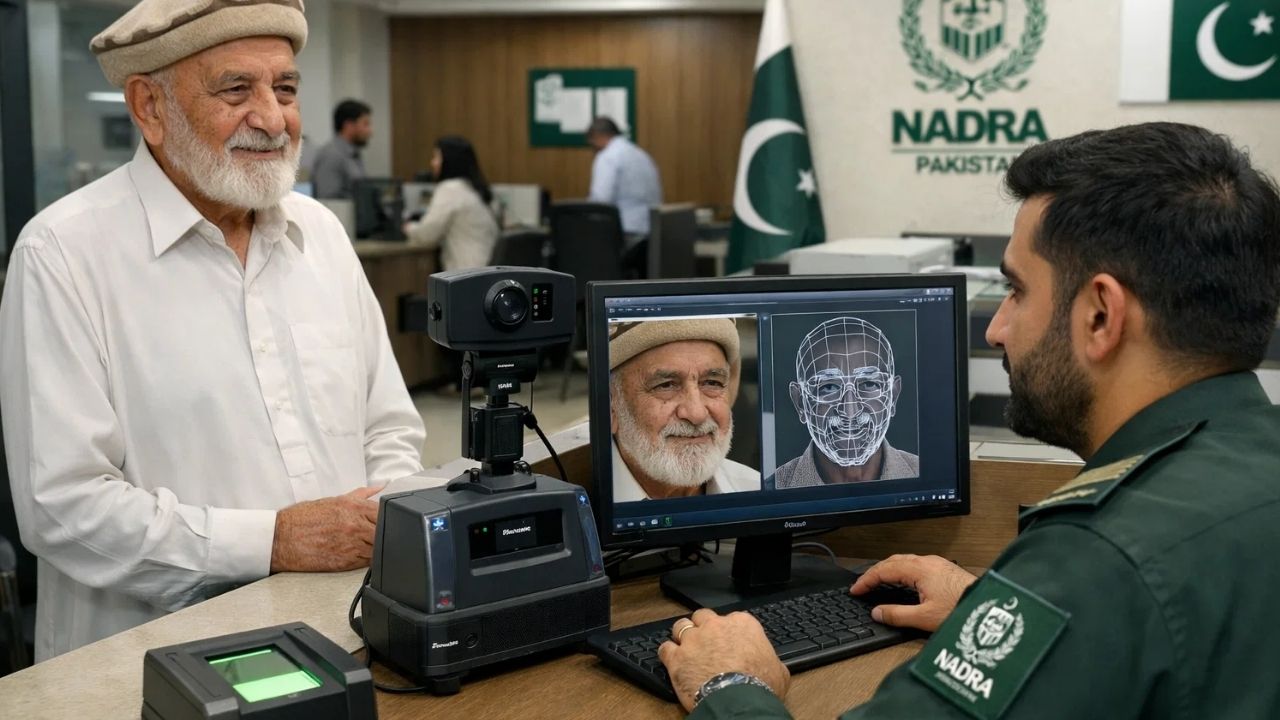
    National Database and Registration Authority (NADRA) has introduced a new facial recognition based biometric verification system to help citizens who face difficulties with fingerprint verification due to old age or medical conditions.

    Despite facilitation policies by the State Bank of Pakistan (SBP) and the Pakistan Telecommunication Authority (PTA), many people, especially senior citizens, struggle to verify their fingerprints when visiting banks, telecom franchises, housing societies or during property transfers.

    In several cases, poor quality fingerprint machines at service points also cause repeated verification failures. 

    To address this issue, the federal government has directed NADRA to introduce an alternative biometric solution, and amended the National Identity Card Rules to expand the definition of biometrics.

    Under new rules, facial recognition and iris scans now hold legal recognition as valid biometric identifiers.

    Based on this legal change, NADRA has rolled out technical upgrades that allow biometric verification through facial recognition and contactless fingerprints. The system already works at NADRA Registration Centres and on the Pak ID mobile application for services under NADRA’s control.

    While authorities are currently using it for Islamabad registered vehicle transfers and online passport applications, NADRA also plans to issue proof of life certificates for federal pensioners under this system in the near future.

    From January 20, NADRA will start issuing facial recognition based biometric verification certificates at all its registration centres for citizens whose fingerprints cannot be verified. Any citizen can obtain this certificate from a NADRA Registration Centre by paying a fee of Rs20.

    The process works in a simple way. If fingerprint verification fails at a bank or any other institution, the citizen will visit the nearest NADRA centre. NADRA staff will take a fresh photograph and match it with the photo already stored in NADRA’s database. Once verification is successful, NADRA will issue a certificate that includes the citizen’s recent photo, the photo on record, CNIC number, name, father’s name, purpose of verification, a unique tracking ID and a QR code. The certificate will remain valid for seven days.

    The citizen will submit this certificate to the institution concerned, which can verify it online through NADRA and keep it as part of its records. 

    In the future, NADRA will also offer this service through e-Sahulat franchises. After the formal launch of Digital ID, citizens will be able to access the facility directly through the Pak ID mobile application for all services.

    NADRA has confirmed that it is fully ready to implement the system. However, the authority has asked regulators, government departments and private institutions to upgrade their software and hardware to support facial recognition verification.

    In later stages, service points will need to install cameras or integrate them into existing biometric machines.

    If citizens face any issues with the availability of this service after January 20, they can file complaints with the relevant institution.
  • UAE to withdraw forces from Yemen as PM Shehbaz meets president Al Nahyan

    UAE to withdraw forces from Yemen as PM Shehbaz meets president Al Nahyan

    The United Arab Emirates (UAE) announced on Tuesday that it would withdraw its remaining forces from Yemen, describing the move as voluntary and aimed at ensuring the safety of its personnel. 

    The announcement followed Saudi Arabia’s backing of a call demanding the UAE exit the country within 24 hours.

    “In light of recent developments and their potential implications for the safety and effectiveness of counterterrorism missions, the Ministry of Defence announces the termination of the remaining counterterrorism personnel in Yemen of its own volition, in a manner that ensures the safety of its personnel and in coordination with the concerned partners,” the UAE Ministry of Defence said on X.


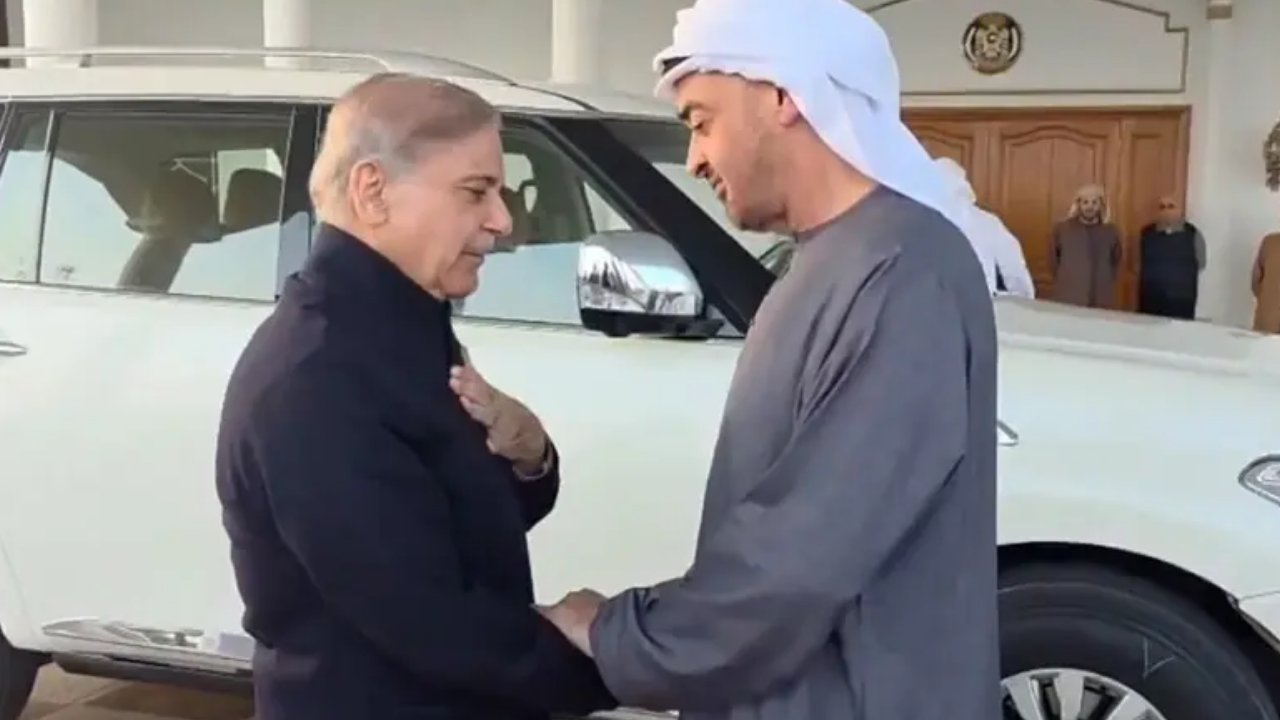
    On the same day, Prime Minister Shehbaz Sharif met UAE President Sheikh Mohamed bin Zayed Al Nahyan in Rahim Yar Khan. The meeting was held at Sheikh Zayed Palace, with Deputy Prime Minister and Foreign Minister Ishaq Dar, Information Minister Attaullah Tarar, and other officials present.

    According to a press release from the Prime Minister’s Office (PMO), the leaders carried forward discussions from Al-Nahyan’s first official visit to Pakistan last Friday.

    They reviewed cooperation in trade, IT, energy, minerals, and defence. PM Shehbaz emphasized the need for a significant increase in bilateral trade and thanked the UAE for hosting 2.1 million Pakistanis, who contribute to relations between the two countries.

    Meanwhile, tensions between the UAE and Saudi Arabia intensified. The UAE rejected Saudi claims that it had supplied weapons to a Yemeni separatist group, stating, “The shipment in question did not contain any weapons, and the vehicles unloaded were not intended for any Yemeni party.” 

    Saudi Arabia described a UAE-backed separatist advance as a threat to its national security, calling Abu Dhabi’s actions “highly dangerous.”

    The Saudi-led coalition carried out airstrikes on what it described as a UAE weapons shipment for separatist forces in Yemen, targeting combat vehicles and equipment at the port of Al-Mukalla. 

    Following the strikes, Yemen’s presidential council declared a 90-day state of emergency and annulled a security pact with Abu Dhabi after forces of the Southern Transitional Council (STC) seized territory. 

    The STC opposed the decision, warning it could lead to “new confrontations.” Riyadh urged Abu Dhabi to cut off support for Yemeni groups. 

    Amid these regional developments, Pakistan continued its diplomatic engagement with the UAE. The two countries share close diplomatic, economic, and cultural ties, strengthened by historical connections and a large expatriate community. 

    This week, Pakistan and the UAE carried forward discussions from recent leadership-level meetings, including multiple memoranda of understanding signed this year.

  • Russian man pays $68,000 to hunt Kashmiri markhor in Chitral

    Russian man pays $68,000 to hunt Kashmiri markhor in Chitral

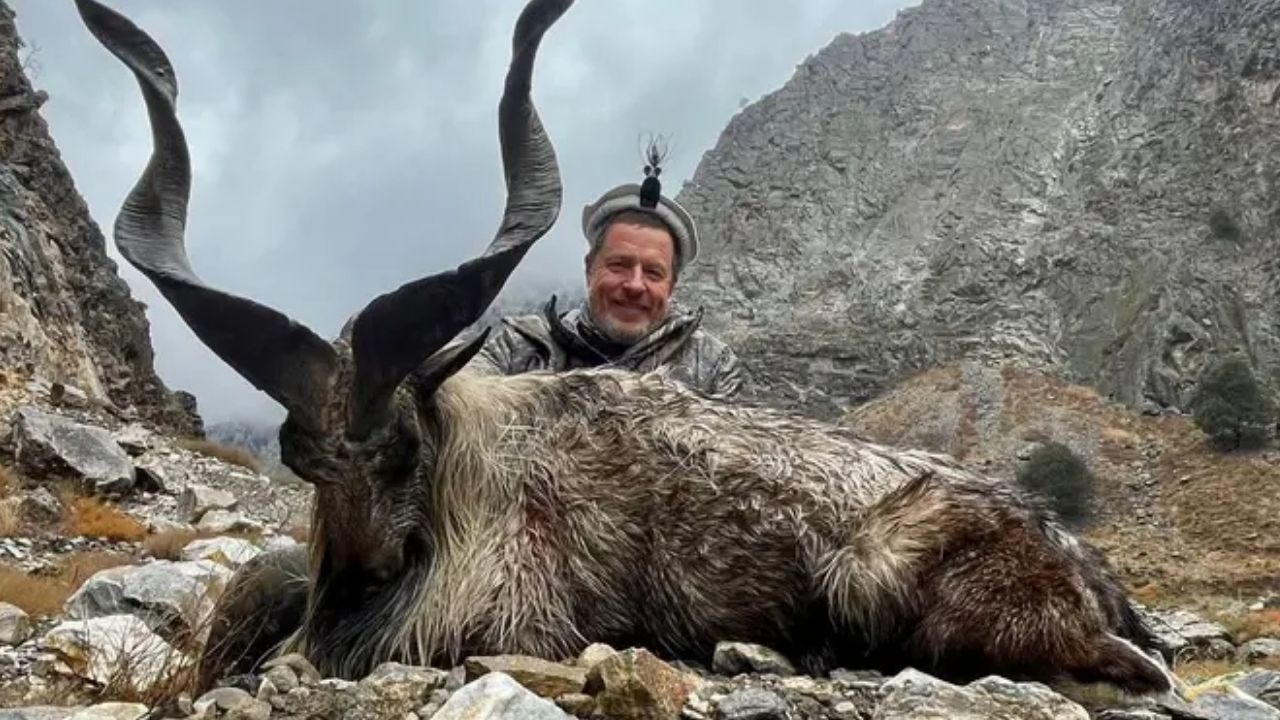
    A Russian man has hunted a Kashmiri markhor in the Gahrait Gol area of Chitral, after purchasing a hunting license for a whopping $68,000.

    The Wildlife Department confirmed the markhor’s horns measured 41 inches in length, and the hunt was conducted under the Community-Based Trophy Hunting Program, which aims to balance wildlife conservation with local economic development.

    The department said that authorities will spend a major portion of the hunting programme’s revenue on the welfare and development of the local population.

    According to the Wildlife Department, the programme aims to protect wildlife and provide economic benefits to local communities.

    Earlier, in December 2024, an American hunter, Thomas Garrick, carried out the most expensive trophy hunt in Chitral’s history by paying Rs68 million ($243,000) to hunt a Kashmir markhor. Divisional Forest Officer Wildlife Chitral, Farooq Nabi, said the hunt took place in the Shasha Thoosi Game Reserve. The markhor had 55-inch-long horns and was approximately 13.5 years old. The hunter shot the animal from a distance of around 250 meters.

    In January this year, Spanish citizen Cristian Pablo Abilo Gamezo hunted a Kashmiri markhor in Gahiret Gol under the supervision of the Gahiret Conservatory Committee. The Spanish hunter paid $219,000 (PKR61.25 million) for the permit. The hunted markhor was nine years old with horns measuring 41.5 inches in length.

    In September 2024, an 80-year-old American hunter, Ronald Joe Whitton, successfully hunted an 11-year-old Kashmir markhor with 49.5-inch horns in the Toshi-Shasha community-managed game reserve. He obtained the hunting permit at a cost of $271,000.

    Wildlife officials confirmed that 80 percent of the revenue from trophy hunting goes toward local community development projects, while 20 percent is deposited into the government treasury. 

  • PCB in talks with England’s Joe Root for PSL 11: reports

    PCB in talks with England’s Joe Root for PSL 11: reports

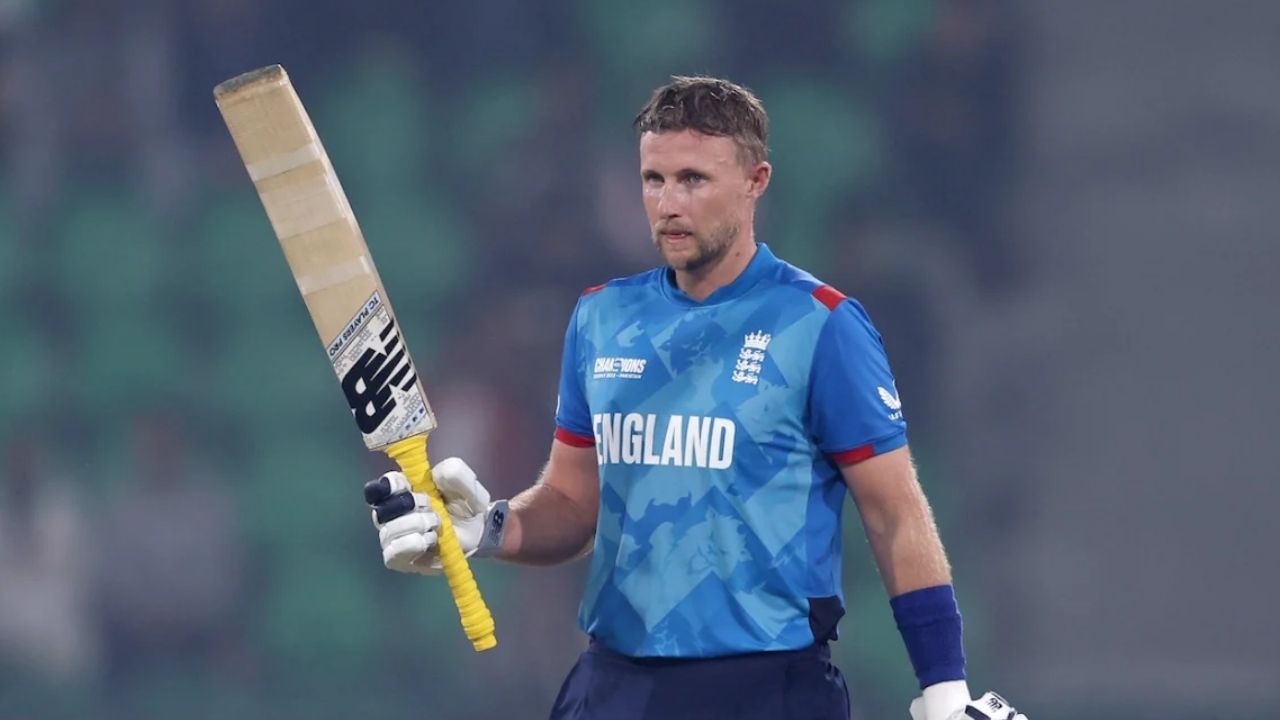
    The Pakistan Cricket Board (PCB) is reportedly negotiating with England’s star batter Joe Root to sign him for the 2026 Pakistan Super League (PSL).

    According to reports, multiple franchises want to secure the prolific batter to strengthen their squads ahead of the expanded tournament, though officials have not finalised an agreement as of yet.

    The reports come as the league attracts growing interest from international players with English all-rounder Moeen Ali and South Africa’s Faf du Plessis already confirming their entry into the draft for the upcoming season, generating excitement among fans and teams.

    The PCB has also introduced discussions around direct player signings alongside the traditional draft system, which could allow franchises to secure up to two marquee players outside the draft pool, sources said.

    Root, 34, has enjoyed a stellar international career and continues to deliver consistent performances for England. He recently surpassed 22,000 international runs, cementing his status as one of modern cricket’s greats.

    The PCB has also received 12 bids from investors across five countries for two new franchise slots ahead of PSL 11, demonstrating the league’s growing commercial appeal.

    Bidders from the United States (US), Australia, Canada the United Arab Emirates (UAE) and Pakistan have submitted proposals after the board conducted promotional roadshows in London and New York.

    The PCB has shortlisted 10 bidders for the auction scheduled for January 8 at the Jinnah Convention Centre in Islamabad. Successful bidders will select their franchise team names from six cities: Rawalpindi, Hyderabad, Faisalabad, Gilgit, Muzaffarabad and Sialkot.

    The 11th edition of PSL will be played from March 26 to May 3, 2026, featuring eight teams for the first time in the tournament’s history.

  • Rajab Butt claims he earned over Rs9 crores from TikTok live during YouTube break

    Rajab Butt claims he earned over Rs9 crores from TikTok live during YouTube break

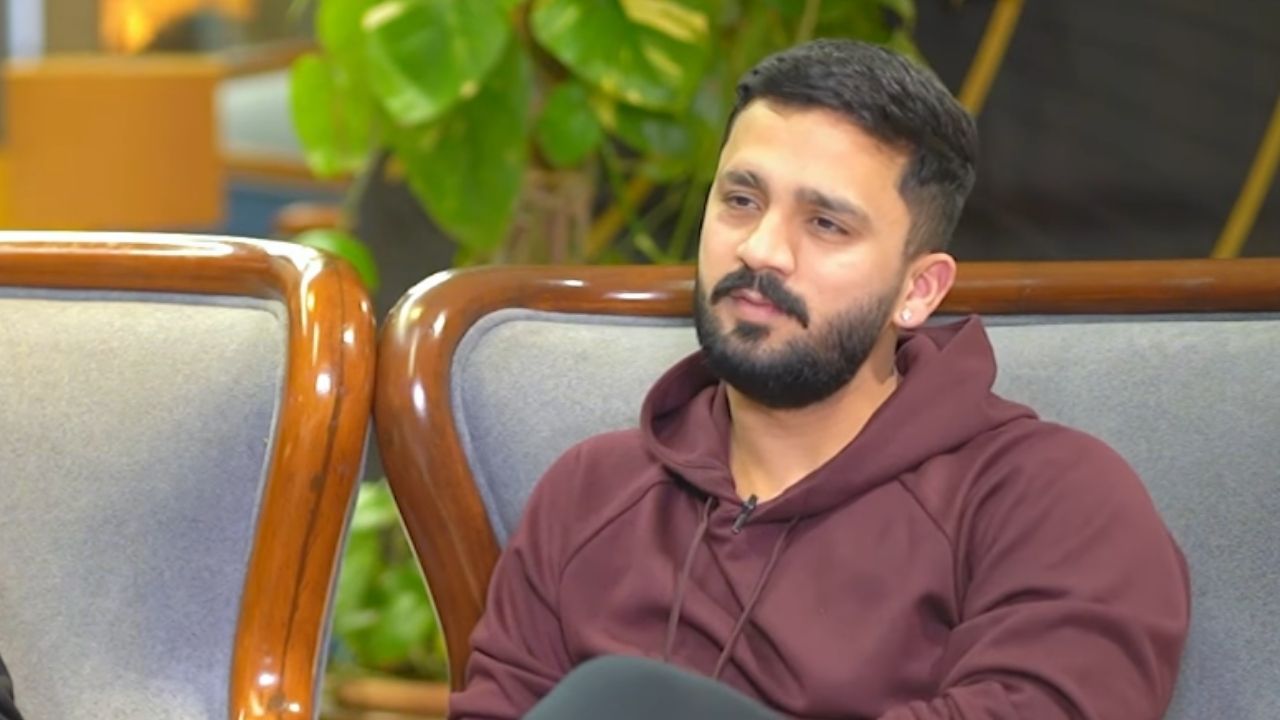
    YouTuber Rajab Butt has revealed he earned over Rs9 crores through TikTok live sessions during his extended absence from YouTube.

    In a recent podcast appearance, Butt disclosed he lost two to three crores during the two-and-a-half months he stayed away from vlogging while in the United Kingdom (UK).

    “I didn’t do YouTube for one and a half months. I didn’t appear in a single vlog. I was completely cut off,” Butt said. “In one and a half months, I did TikTok live heavily, and I made significant money from it.”

    The YouTuber explained his absence from vlogs stemmed from severe depression caused by UK weather conditions.

    “I was depressed as hell. I go outside, it’s raining. UK weather ruined my mental health. I said, I’m not vlogging,” he explained, adding that his family and friends continued creating content without him.

    Butt noted his viewership dropped dramatically during his absence, falling from three million to one million views. However, he claimed the numbers bounced back to four million immediately after his return to Pakistan.

    “The day I landed in Pakistan, it directly went back to four million, three million again, because Rajab family belongs to Rajab,” he stated. 

    Despite his minimal presence on TikTok, Butt claims he earned substantial amounts through live streaming on the platform.

    “I made over nine crores in one and a half months through TikTok live. I didn’t even come on TikTok much,” he claimed. 

    The British government expelled Butt in the second week of December after discovering he concealed criminal cases when applying for his visa approximately 18 months ago.

    His return to Pakistan brought fresh controversy when lawyers allegedly attacked him during a court appearance at Karachi City Court on Monday.

    Barrister Mian Ali Ashfaq, Butt’s lawyer, filed an FIR against Advocate Riaz Ali Solangi and his associates. The charges include sections 147, 148, 382, 506 and 337 A(1) of the Pakistan Penal Code (PPC).

    The lawyers reportedly attacked Butt because he insulted their profession in a viral video where he mocked Karachi lawyers who claimed they got him placed on the Exit Control List and brought him back from the UK.

    Multiple cases currently hang over the YouTuber, including allegations related to cybercrime filed across various jurisdictions.

    The National Cyber Crime Investigation Agency filed an FIR against Butt in September, accusing him of using his social media accounts to promote illegal gambling apps including Binomo, 1xBet, Bet365 and B9 Game. Investigators claim these platforms deceived users by collecting money without delivering promised returns.

    Butt had appeared in court to attend a hearing in a blasphemy case filed by Haideri Police Station. The court had already granted him interim bail in the matter.

    The YouTuber previously faced controversy over his “295 Perfume” launch, where critics accused him of making light of blasphemy laws by naming a product after Section 295 of the Pakistan Penal Code, which deals with blasphemy offenses.

    In December 2024, police and the Wildlife Department arrested Butt for illegally keeping a lion cub he received as a wedding gift.  Authorities also recovered an illegal firearm from his residence in Lahore’s Chuhng area.

    The lion cub was presented to him in a gold-chained cage during his wedding celebrations, and videos of the gift went viral with nearly 10 million views. A Lahore court sentenced him to one year of community service, directing him to produce monthly vlogs on animal rights starting February 2025. 

    The court ordered the confiscated lion cub to be permanently housed at Lahore Safari Zoo.

  • Petrol, diesel prices expected to fall from January 1

    Petrol, diesel prices expected to fall from January 1

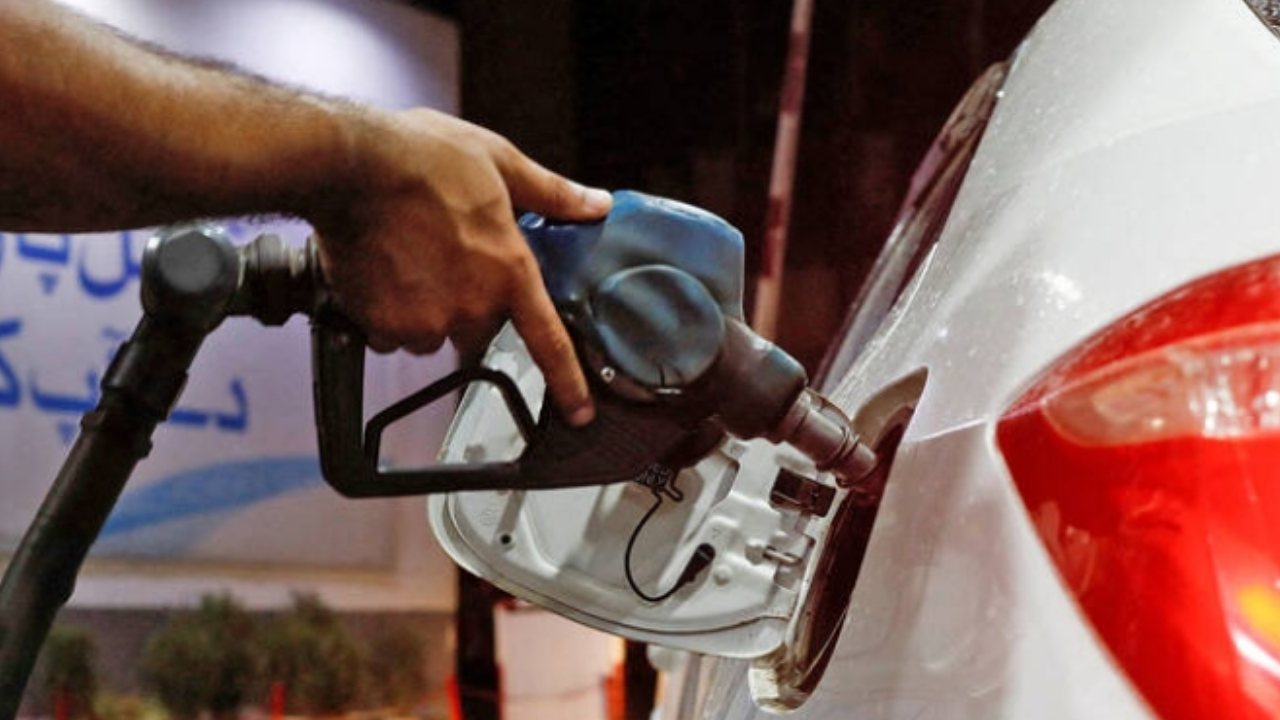
    Petrol and other petroleum products may become cheaper from January 1, 2026, following a decline in international crude oil prices. Officials say a plan has been prepared to reduce rates for the first fifteen days of the month.

    Petrol prices are expected to fall by up to Rs10.60 per litre, while high-speed diesel could decrease by up to Rs8.59 per litre. 

    Kerosene oil may drop by Rs8.92 per litre, and light diesel oil by Rs6.62 per litre.

    If the plan is approved, petrol would cost around Rs252.85 per litre, down from Rs263.45. High-speed diesel would fall to approximately Rs257.06 per litre from Rs265.65, and kerosene oil could decrease to Rs171.62 from Rs180.54.

    Officials say the revisions are part of measures to align domestic prices with the drop in international crude oil rates. The reduced rates will apply for the first half of January, after which prices may be reviewed again.

  • Australian cricket legend Damien Martyn fights for life in ‘induced coma’ with meningitis

    Australian cricket legend Damien Martyn fights for life in ‘induced coma’ with meningitis

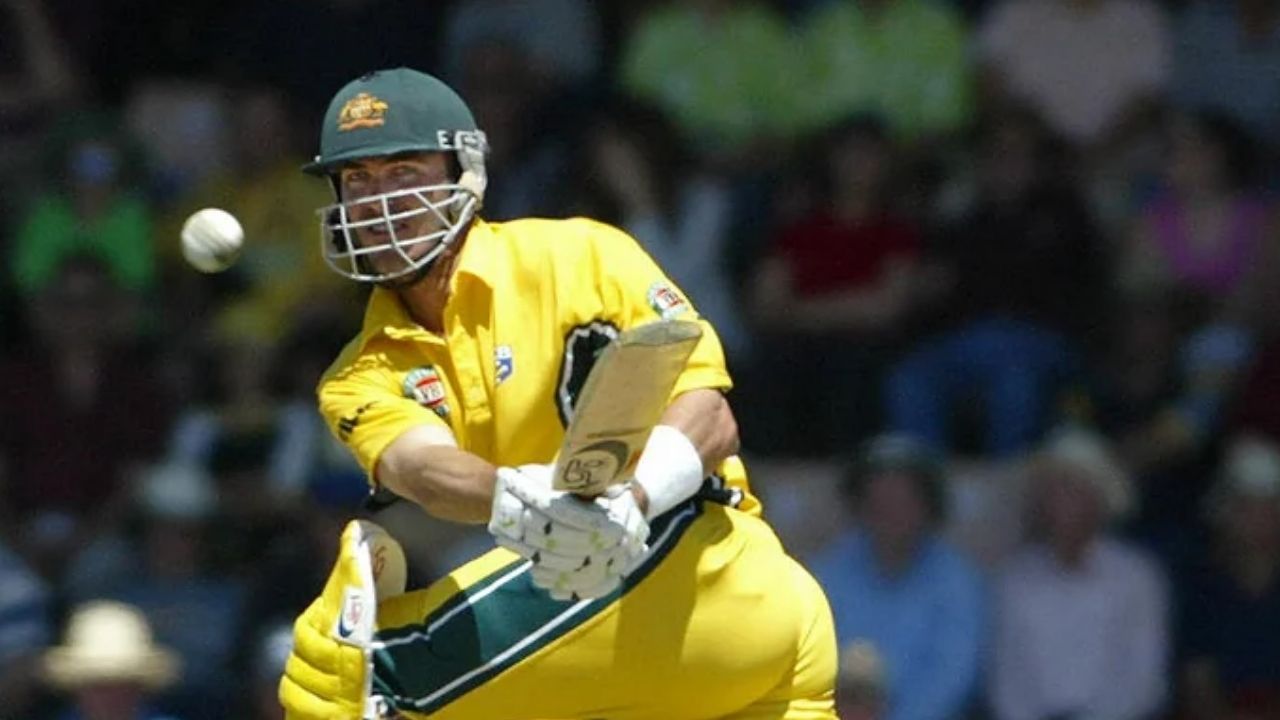
    Former Australian Test batsman Damien Martyn has been put in an induced coma after being diagnosed with meningitis, foreign media reports said on Wednesday.

    The 54-year-old fell ill while lying down on Boxing Day last week and required immediate hospitalisation. Australian media confirmed he is receiving treatment for meningitis, a potentially deadly inflammation of the membranes surrounding the brain and spinal cord.

    “He is getting the best of treatment,” Test great and close friend Adam Gilchrist told The Australian newspaper. “Amanda (his partner) and his family know that a lot of people are sending their prayers and best wishes,” he added.

    Former Australian coach Darren Lehmann, who played alongside Martyn for years, also offered his support.

    “Lots of love and prayers… keep strong and fighting, legend. Love to the family,” he wrote on X.

    Martyn represented Australia in 67 Tests between 1992 and 2006 and played 208 one-day internationals. 

    The elegant batsman scored 13 Test centuries and maintained an impressive average of 46.37 throughout his career. 

    He played a crucial role in Australia’s 2003 ODI World Cup victory, smashing 88 not out in the final against India in a match-winning partnership with Ricky Ponting.

    Martyn retired during the 2006 Ashes series and has maintained a low profile since leaving professional cricket.

  • Celebrity scandals & controversies: A 2025 recap

    Celebrity scandals & controversies: A 2025 recap

    As 2025 comes to an end, we take a look back at the controversies that made it a turbulent year for Pakistan’s entertainment and influencer community, capturing public attention month after month.

    The year began with the Punjab government imposing a lifetime ban on stage actresses accused of promoting vulgarity, setting the tone for a year of moral and legal scrutiny. January also saw Rajab Butt sentenced to posting animal rights videos for receiving a lion cub as a wedding gift, which was transferred to Lahore Safari Zoo.

    In February, the son of actor Sajid Hasan was arrested in connection with the murder of Mustafa Aamir in Karachi, highlighting celebrity links to criminal investigations and drugs trafficking.

    March brought the Nadia Hussain–FIA controversy, intensified by her husband’s financial fraud case, sparking debates on cybercrime and celebrity accountability. 

    April saw India block Pakistani entertainment content, alongside the widely discussed date-fix ceremony of TikTok couple Rabeeca Khan and Hussain Tareen.


    While rising cross-border tensions between Pakistan and India overshadowed any celebrity controversies in May, several actors, primarily known for their roles in Indian projects, faced criticism for remaining silent and not immediately expressing support for Pakistan.


    June and July were marred by tragedy as teen influencer Sana Yousaf was murdered by a stalker and actress Humaira Asghar Ali was found dead in her Karachi apartment after months of isolation.

    August and September brought legal battles for online personalities, with Ducky Bhai arrested for promoting gambling apps and Rajab Butt fleeing to the UK to avoid arrest, only to return in December.

    In October, an episode of the online reality show Lazawal Ishq sparked backlash after a male contestant hugged and kissed a female participant on the head while she cried. The clip from episode 14 went viral on social media, with many calling it inappropriate. After weeks of criticism, Lazawal Ishq was finally removed from YouTube for Pakistani audiences in December. 


    High-profile media clashes also dominated the year. In November, Nadia Khan publicly grilled rapper Talha Anjum for waving the Indian flag during his Nepal concert, generating debate over lack of journalistic conduct by celebrities on news channels.

    December closed the year with backlash against morning show host Nida Yasir over insensitive remarks toward Foodpanda delivery riders and tipping culture.

    From bans and arrests to viral controversies and tragic deaths, 2025 underscored the fragility of celebrity status in Pakistan, highlighting the intense scrutiny, public accountability and occasional legal entanglements that define the country’s entertainment landscape.

  • Pakistan will enter 2026 as fifth most populous country

    Pakistan will enter 2026 as fifth most populous country

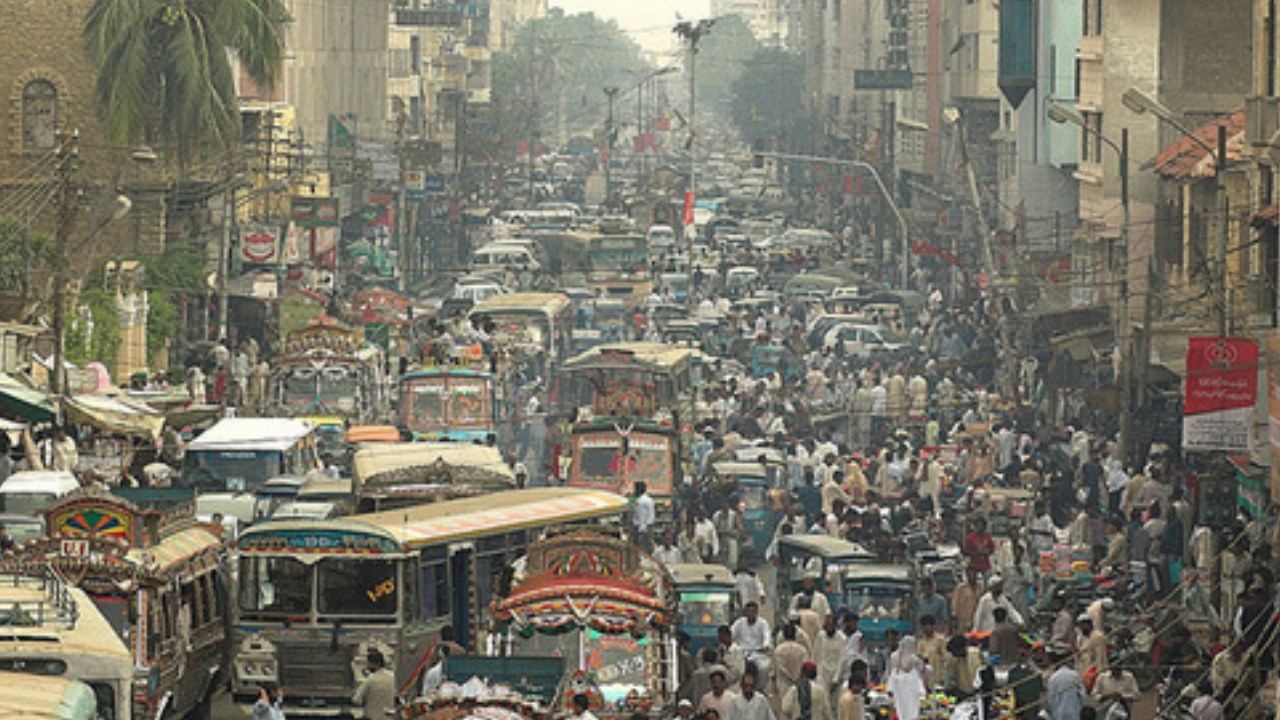
    According to the United Nations Population Fund (UNFPA), Pakistan will have more than 225  million people by 2026, making it the fifth most populous nation in the world. 


    UNFPA stated in a statement that the country’s demographic outlook is being shaped by population growth, fertility rates, gender disparity, and climate vulnerability, putting further strain on planning and governance systems. According to the organization, population dynamics has become a key policy concern as a result of these causes.


    Population should be seen as a development factor rather than a burden, according to UNFPA Pakistan, emphasizing its role in inclusive and sustainable outcomes. According to the organization, as Pakistan approaches 2026, planning frameworks need to change to reflect this strategy.


    The National Finance Commission (NFC) formula and other national planning and finance mechanisms should interpret demographic statistics differently, according to the agency’s demands. It said that the distribution of resources among provinces should no longer be primarily determined by population size. 

    According to UNFPA, these adjustments would promote accountability across provinces and match financial incentives with human development outcomes. It further stated that tying funding to quantifiable results would promote service delivery innovation and enable population policies to be implemented at the local level.


    “A forward-looking approach should reward provinces for measurable progress in gender equality, climate resilience, balanced population outcomes, and improvements in the quality of health and education services,” the statement said.

    According to UNFPA, these adjustments would promote accountability across provinces and match financial incentives with human development outcomes. It further stated that tying funding to quantifiable results would promote service delivery innovation and enable population policies to be implemented at the local level.

    The Council of Common Interests’ suggestions, which called for accountability systems, clear deadlines, and ongoing domestic funding, were also recommended to be implemented by the UNFPA. It stated that population statistics and evidence-based planning were required to support these actions. 


    While acknowledging progress in some areas, UNFPA said several population-related challenges remain unresolved. These include maternal mortality, unmet demand for family planning, early marriages, gender-based violence and unequal access to reproductive health services.


    The statement noted that these issues are more visible in remote communities and are connected to stalled fertility decline and uneven development outcomes.

  • Hardliner Hindutva activist vows to beat up Bangladeshi players in IPL, Shah Rukh Khan

    Hardliner Hindutva activist vows to beat up Bangladeshi players in IPL, Shah Rukh Khan

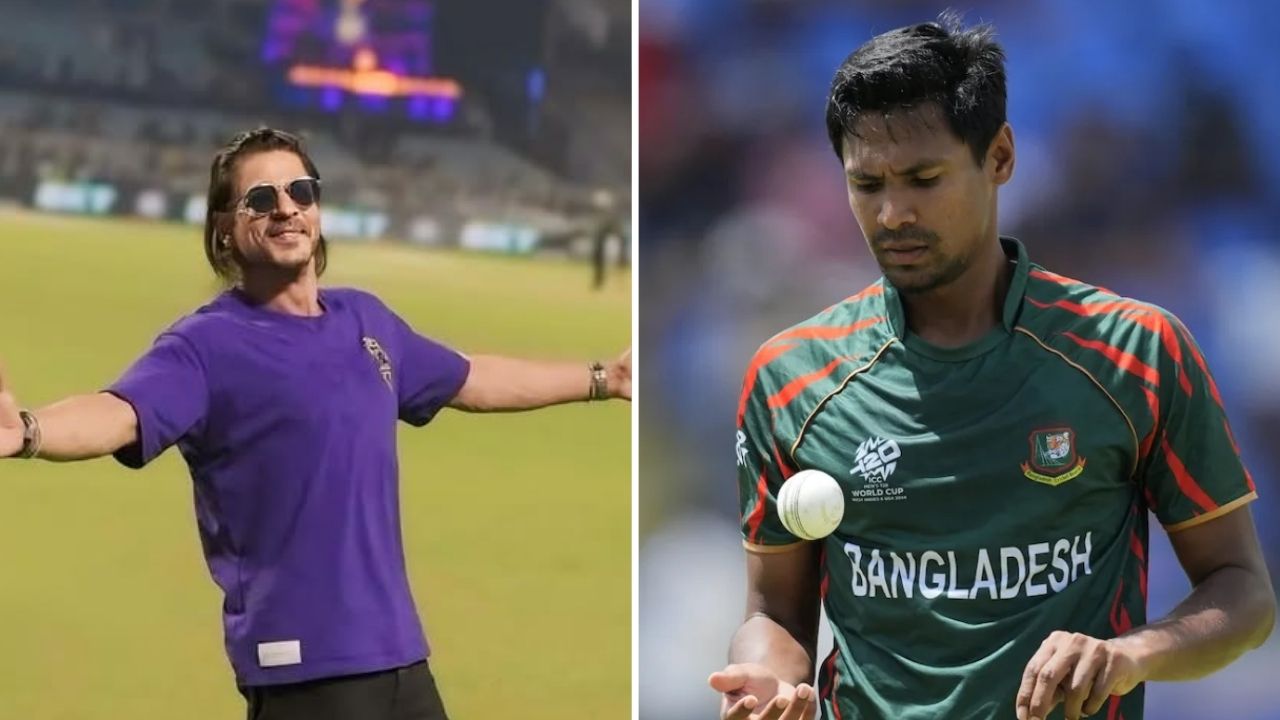
    A hardliner Hindutva activist has threatened to beat up Bangladeshi cricketers if they participate in the Indian Premier League (IPL), going on to warn Bollywood star and Kolkata Knight Riders owner Shah Rukh Khan against allowing Bangladeshi players to play for his team.

    “We will beat up Bangladeshi players if they come to play in the IPL. We will even beat SRK if he lets them play in his team,” the activist said in a video that has now gone viral over the internet.

    The activist also referenced a previous attack to establish his group’s credibility. “Sanjay Leela Bhansali is the biggest director. We even beat him for 8 hours when he insulted Karni Mata in the Padmaavat movie.”

    The threats come after Shiv Sena leader Neeraj Sethi from Haryana announced that his organisation has decided Bangladeshi players will not be allowed to play IPL matches in India. 

    Indian sports journalist Sushant Mehta also ridiculed the purchase of Bangladeshi players, calling Mustafizur Rahman a “2 kori ka [cheap] player”.

    Rahman was the only Bangladeshi player to be sold in the IPL 2026 auction held in Abu Dhabi on December 16. He was bought by KKR for Rs9.2 crores.

    While social media users condemned the discriminatory rhetoric by Mehta, questioning his integrity as a journalist, a majority of Indian netizens called on IPL franchises to ban Bangladeshi players and not include them in the auction at all.

    Relations between Bangladesh and India have deteriorated sharply in recent weeks. Dhaka suspended visa and consular services at its missions in New Delhi and Agartara on December 22 following protests outside the facilities.

    India also suspended visa services at its Chittagong visa application center in Bangladesh after widespread violent protests erupted following the death of prominent Bangladeshi activist Sharif Osman Hadi. 

    The 32-year-old critic of India died on December 18 in a Singapore hospital after being shot in the head by masked gunmen in Dhaka a week earlier. 

    Hadi played a key role in the 2024 uprising that ended former prime minister Sheikh Hasina’s 15-year rule.

    Tensions escalated further after the killing of Dipu Chandra Das, a 25-year-old Hindu man who was lynched and burned in Bangladesh’s Mymensingh district over blasphemy allegations. 

    New Delhi and Dhaka summoned each other’s envoys earlier this week in a tit-for-tat move. The visa freeze affects tens of thousands of Bangladeshis seeking medical treatment in India.