Author: News Desk

  • Solar, smartphone users dodge higher taxes as shortfall lags behind FBR expectations

    Solar, smartphone users dodge higher taxes as shortfall lags behind FBR expectations

    The Federal Board of Revenue (FBR) missed its revised tax collection target for the first half of the fiscal year by Rs330 billion, a smaller shortfall than official estimates, reducing the immediate risk of a mini-budget that could have affected users of solar panels and smartphones among others.

    Provisional figures show the FBR collected Rs6.16 trillion during July to December. The amount was Rs545 billion lower than the original target for the period, but remained below the shortfall the tax authority had projected in briefings to the prime minister, where the gap was estimated at Rs564 billion.

    The reduced gap has eased pressure on the government to introduce additional tax measures in January that could have affected users of solar panels, mobile phones and banking services. However, the option of a mini-budget remains available under commitments made with the International Monetary Fund (IMF).

    Revenue collection in December was supported by Rs391 billion gathered on the last day of the month after banks were kept open until 10pm. The FBR also paid Rs38 billion in refunds during December, 47 percent less than the amount paid in the same month last year. 

    Despite these efforts, the authority missed the monthly target by Rs20 billion, though the shortfall was lower than in previous months.

    Tax collection during the first six months increased by 10 percent compared to the corresponding period last year, a rate well below what is required to achieve the annual revenue target of nearly Rs14 trillion.

    During the IMF programme review, the Fund reduced the FBR’s annual revenue target by Rs214 billion to account for lower inflation, weaker economic growth and the impact of floods. Both sides agreed that if revenue slippages widened, the government would introduce additional tax measures of at least Rs200 billion.

    Sources said Pakistan had informed the IMF that proposed measures could include increasing sales tax on solar panels, raising withholding tax on cash withdrawals, and increasing taxes on mobile and landline phone usage. Another proposal involved extending federal excise duty to confectionery and biscuits.

    Under one option, the withholding tax on cash withdrawals by non-filers could be raised from 0.8 percent to 1.5 percent. Another proposal involves increasing withholding tax on landline phones from 10 percent to 12.5 percent, which is expected to generate Rs20 billion annually. The withholding tax on cellular calls could also be increased from 15 percent to 17.5 percent, generating an estimated Rs24 billion per year.

    The government has also agreed to raise sales tax from 10 percent to 18 percent, while a proposal to impose a 16 percent federal excise duty on confectionery and biscuits could generate Rs70 billion annually.

    Tax-wise data shows income tax collection reached Rs3.03 trillion against a target of Rs3.3 trillion, recording nine percent growth. Sales tax collection stood at Rs2.09 trillion, reflecting a 10 percent increase. 

    Federal excise duty collection amounted to Rs400 billion, up 11 percent from last year, while customs duty collection reached Rs642 billion, showing an eight percent increase but remaining below the target.

    Meanwhile, exporters raised concerns with Prime Minister Shehbaz Sharif over the FBR’s decision to scrutinise income tax returns. Pakistan Retail Business Council Chairman Ziad Bashir wrote to the prime minister, warning that the move could “easily be misconstrued as an attempt to provoke friction between the business community and the elected leadership.”

    Earlier this week, the FBR issued instructions to its field formations to examine tax returns of exporters on the grounds that taxable incomes may have been understated following changes in the export taxation regime.

    The directives asked field formations to closely review declarations of major exporters within their jurisdictions to identify any abnormal reduction, inconsistency or change in reporting patterns following the amendment. 

    Bashir said the export sector was already operating under high effective tax rates, energy tariffs, interest rates and financing costs, adding that broad and open-ended scrutiny instructions sent a troubling signal to businesses. 

    “If this trajectory continues, one is compelled to ask whether the system is inadvertently or otherwise signalling that exporters should simply wind up their businesses,” Bashir stated.

    The FBR management has maintained that exporters will not be targeted and that cases selected for scrutiny will be monitored to avoid undue hardship.
  • France reveals plans to ban social media for children under 15

    France reveals plans to ban social media for children under 15

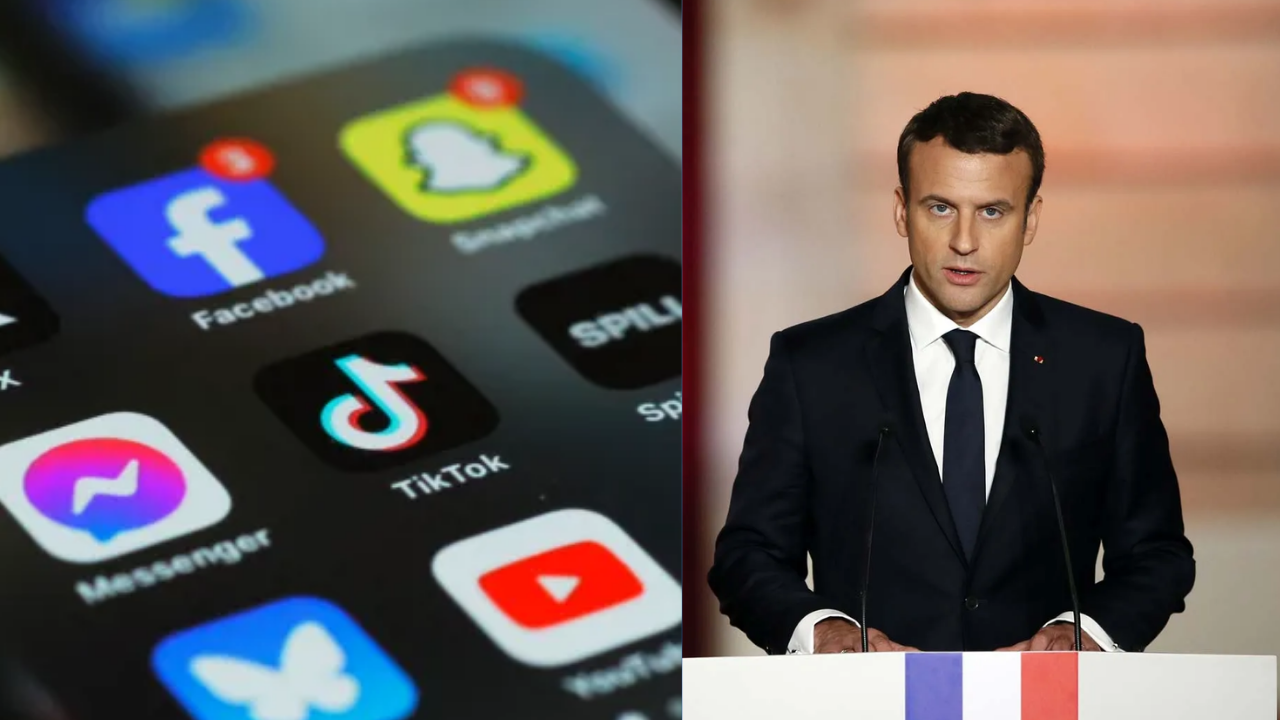
    France is preparing a social media ban for children under 15, following Australia’s world-first restriction on platforms for those under the age of 16.

    As per the details, a draft bill outlining the measure will be submitted for legal review before being debated in parliament, under which Facebook, Snapchat, TikTok and YouTube will be banned.

    The proposal will also include a ban on mobile phones in high schools for students aged 15 to 18, while phones have already been restricted in primary and middle schools. 

    The draft bill cites “the risks of excessive screen use by teenagers”, including exposure to inappropriate content, online harassment and changes in sleep patterns. It states the need to “protect future generations” from dangers that threaten their ability to thrive in society.

    President Emmanuel Macron has expressed support for the ban in recent weeks. At a public debate in Saint Malo, he said, “The more screen time there is, the more school achievement drops, the more screen time there is, the more mental health problems go up.” 

    He used the analogy of a teenager in a Formula One car, stating, “If a child is in a Formula One car and they turn on the engine, I don’t want them to win the race, I just want them to get out of the car. I want them to learn the highway code first, and to ensure the car works, and to teach them to drive in a different car.”

    Anne Le Hénanff, the minister in charge of digital development and artificial intelligence, told Le Parisien that the social media ban for under-15s is a government priority. She added that the bill would be “short and compatible with European law”, referencing the EU’s Digital Services Act, which aims to combat hateful speech, misinformation and disinformation.

    It merits a mention that other countries are also considering restrictions for young users. Denmark and Malaysia are aiming to introduce a ban for under-15s and under-16s, respectively, whereas Norway is reviewing similar measures for 2026.

    The government in the United Kingdom (UK) has also said that “nothing is off the table” but emphasised that any ban must be “based on robust evidence”.

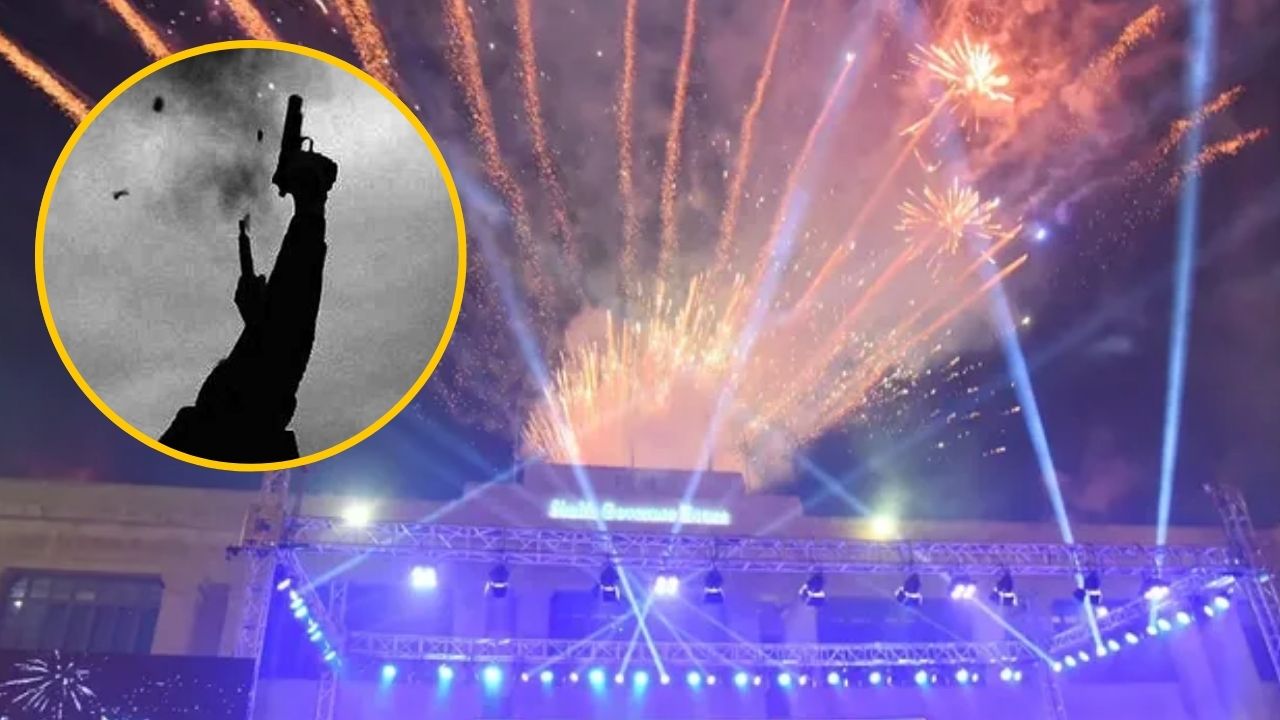
  • Women, children among 28 injured in Karachi aerial firing on New Year’s Eve

    Women, children among 28 injured in Karachi aerial firing on New Year’s Eve

    At least 28 people, including six women and two young girls, were injured as a result of aerial firing on New Year’s Eve in different parts of Karachi, hospital and rescue officials said.

    According to officials, the injured were shifted to Jinnah Postgraduate Medical Centre, Civil Hospital Karachi and Abbasi Shaheed Hospital for treatment.

    The injured women and girls were identified as eight-year-old Fareeha near Safora, 11-year-old Mah Jabeen in Korangi’s Area Market, 18-year-old Wajiha in Mahmoodabad No. 5 and 40-year-old Aleena in Qayyumabad’s D Area.

    Other victims included 55-year-old Shameem Umar in Gulzar-e-Hijri Scheme 33, 53-year-old Meraj Bano in Lines Area, 24-year-old Ajwa near Chandni Chowk in Azam Basti and 35-year-old Drees Shafiq in Gulistan-e-Jauhar Block 2.

    Reports said that one Mukhtiar also suffered injuries in Chanesar Goth while 33-year-old Nabeel received gunshot wounds in Golimar.

    Stray bullets also hit 40-year-old Naik Muhammad near New Sabzi Mandi and 20-year-old Ahmed sustained injuries in Korangi No. 5.

    In Pak Colony, 30-year-old Muhammad Aslam was injured in aerial firing. In Azam Basti, 35-year-old Khaliq Masih received injuries. Near Five Star Chowrangi, 16-year-old Kaasham Kumar was struck by a bullet while 65-year-old Zaheer sustained injuries at Johar Mor.

    In Liaquatabad near Sindhi Hotel, 18-year-old Faizan suffered bullet injuries while 40-year-old Jan Bahadur was injured in Lea Market. Stray bullets also hit 35-year-old Safdar Shah near Kala Pul and 25-year-old Azmat Ali received injuries in Musa Colony, Gulberg.

    Other victims were identified as 26-year-old Mubeen near Jona Mosque in Lyari, 18-year-old Hassan in Korangi No. 4, 40-year-old Aasim in Mauripur, Salamat Masih in Manzoor Colony and Shehzad on Kashmir Road.

    As many as 56 suspects have so far been arrested from different parts of the port city.

  • Telecom sector surpasses PKR 1 trillion revenue in FY2024–25: PTA

    Telecom sector surpasses PKR 1 trillion revenue in FY2024–25: PTA

    Pakistan’s telecom sector maintained strong growth in FY2024–25, achieving significant milestones in connectivity, revenues, and digital infrastructure, according to the Pakistan Telecommunication Authority (PTA) Annual Report 2024–25.


    The report shows that total telecom subscribers in the country have surpassed 200 million, while broadband connections exceeded 150 million, highlighting continued digital adoption nationwide. 

    Telecom coverage now extends beyond 92 percent, with broadband penetration above 60 percent, reflecting the sector’s expanding reach in both urban and underserved areas.


    Financially, the sector generated revenues of over PKR 1 trillion, representing a 12 percent increase compared to the previous year.

     Contributions to the national exchequer rose to PKR 402 billion in 2025, up from PKR 336 billion in 2024, underscoring the sector’s growing fiscal impact.


    Investments in the telecom sector also grew by nine percent, reaching $838 million during the reporting period.

    Infrastructure expansion supported a significant rise in data consumption, with total usage reaching 27,727 petabytes in 2025. 

    The report notes that 95 percent of cellular networks are now 4G-enabled, backed by 17.21 Tbps of international bandwidth. Pakistan further strengthened regional and global connectivity with the addition of four new high-capacity submarine cable systems.


    PTA played a central role in supporting infrastructure development and connectivity initiatives across Pakistan, Azad Jammu and Kashmir (AJK), and Gilgit-Baltistan (GB), including the rollout of the National Roaming initiative to improve service availability in remote and less profitable areas.


    On the manufacturing side, the report highlights significant progress in local device production, with over 95 percent of mobile devices including 68 percent smartphones now produced locally, contributing to import substitution and industrial growth.


    Pakistan’s global cybersecurity position also improved, with PTA addressing threats through operations at the National Telecom Security Operations Center (nTSOC). Consumer protection efforts showed positive results, with a 13 percent decline in complaints during the year.


    According to report, PTA remains focused on 5G readiness, strengthening cybersecurity frameworks, and supporting the development of a future-ready digital economy.

  • Babar, Rizwan celebrate ‘new year’ together before facing off in BBL clash

    Babar, Rizwan celebrate ‘new year’ together before facing off in BBL clash

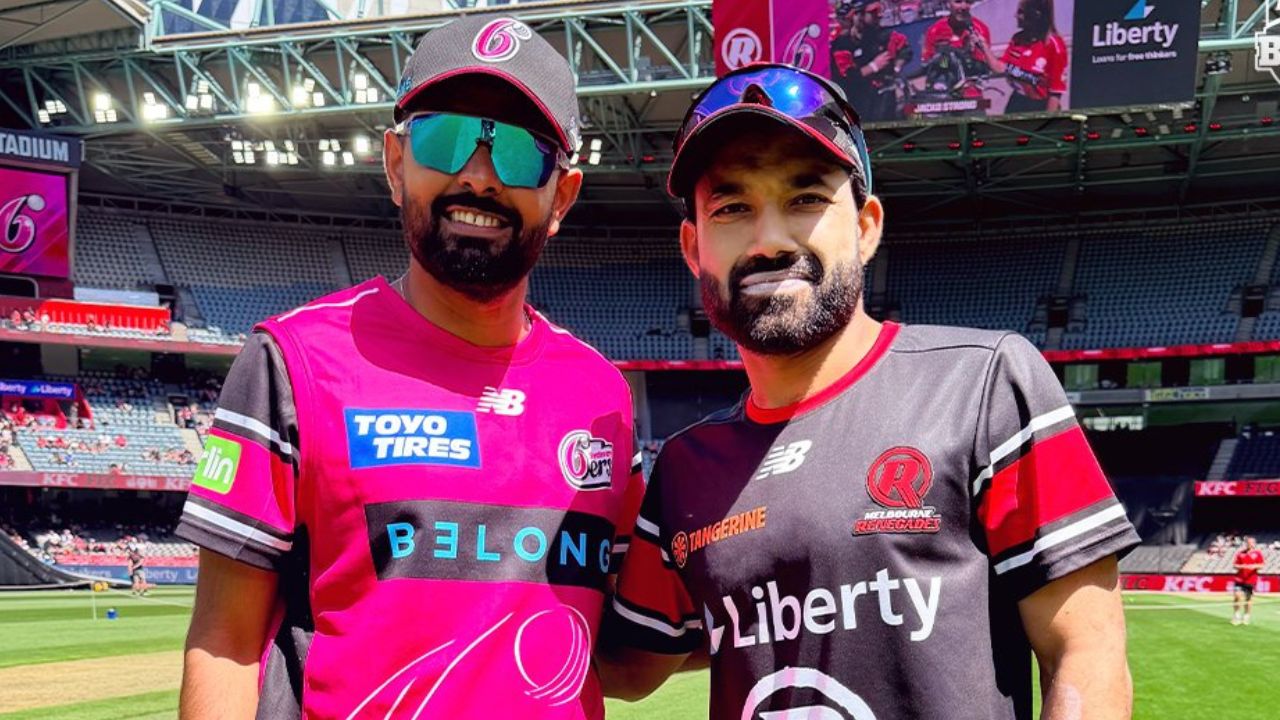
    Pakistan cricket stars Babar Azam and Muhammad Rizwan spent New Year’s Eve together before turning into opponents in the Big Bash League (BBL) match between Sydney Sixers and Melbourne Renegades on Thursday.

    In a pre-match video, a presenter caught up with Rizwan before the match at Marvel Stadium in Melbourne. During the conversation, Rizwan revealed he spent the previous night with Babar and called him over for a chat.

    “I also was with Babar Azam as well last night,” Rizwan said before calling out, “Bobzy, come here.”

    When Babar joined them, the presenter asked if they spent New Year’s Eve together.

    “Yeah, last night we were together. Happy New Year. Lovely to see you,” Babar said.

    The presenter then asked if their families celebrated together as well.

    “No, we were together last night, but his family stayed in a hotel. But we had a lot of discussion last night about the conditions,” Babar explained.

    The presenter pointed out the unusual situation where they celebrated together the night before but now will play against each other, with Rizwan keeping wicket and chattering behind the stumps as Babar bats.

    “To be honest, yes, I’m not used to that. But today I will be doing my stuff when I’m fielding and when he’s batting. So let’s see,” Babar responded with a smile.

    Rizwan also spoke about the challenge of facing his teammate and friend.

    “I always give him respect because he’s a very nice guy. But now he’s in opposition, so at least we will do all the things that the team requires,” Rizwan said.

    Fans on social media praised the friendship between the two cricketers, with comments like “Good luck both of you,” “Bobzyy the king,” and “Kaptanaa” flooding the video.

    The match marked the 18th game of BBL 2025-26 at Docklands Stadium. Sydney Sixers won the toss and chose to field first. Melbourne Renegades posted 164 for 9 in their 20 overs, with Rizwan keeping wickets for the side.

    Sydney Sixers has chased down this total in 19.1 overs with Babar Azam scoring 58 not out on 46 balls.

    Both teams entered the match desperately needing a win. The Renegades had won one match and lost two, suffering consecutive defeats to the Hobart Hurricanes. The Sixers had also won just one of their four matches heading into this contest.

    The Sixers hold a dominant head-to-head record against the Renegades, having won their past nine BBL matches against them.

  • Rawalpindi doctors issue death certificate for baby who’s alive

    Rawalpindi doctors issue death certificate for baby who’s alive

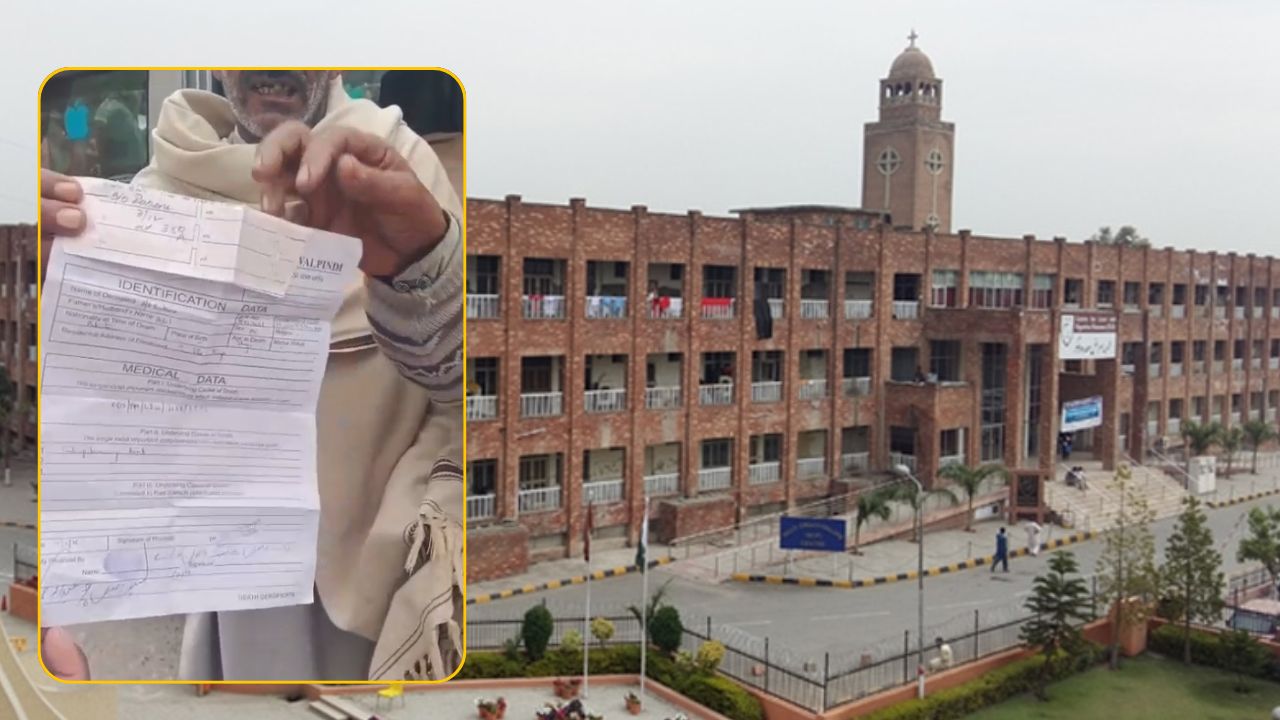
    Doctors at Holy Family Hospital in Rawalpindi have reportedly issued a death certificate for a two-day-old baby who was still alive. The family confirmed that the child is alive after receiving the death certificate.

    A woman named Rubina gave birth to a baby at Holy Family Hospital on Tuesday. The newborn’s condition was critical, and doctors hastily issued a death certificate. 

    The certificate clearly states that the body was handed over to the family and bears the stamp and signature of Doctor Tayyaba Sadaf.

    The Medical Superintendent (MS) has formed an inquiry committee headed by Dr. Hana Sattar, Head of the Pediatrics Department, to investigate the incident.

    Dr. Akhtar Mahmood Malik, MS of Holy Family Hospital, said the hospital will take action against whoever is found responsible in the inquiry. 

    However, he noted that medical history contains cases where a patient’s breathing becomes extremely faint and doctors cannot confirm signs of life.

    Dr. Malik explained that the baby suffered from Lazarus syndrome, a condition where breathing becomes very faint. 

    The child is alive and has been hooked on to a ventilator.

  • Mali, Burkina Faso announce reciprocal travel curbs on U.S citizens

    Mali, Burkina Faso announce reciprocal travel curbs on U.S citizens

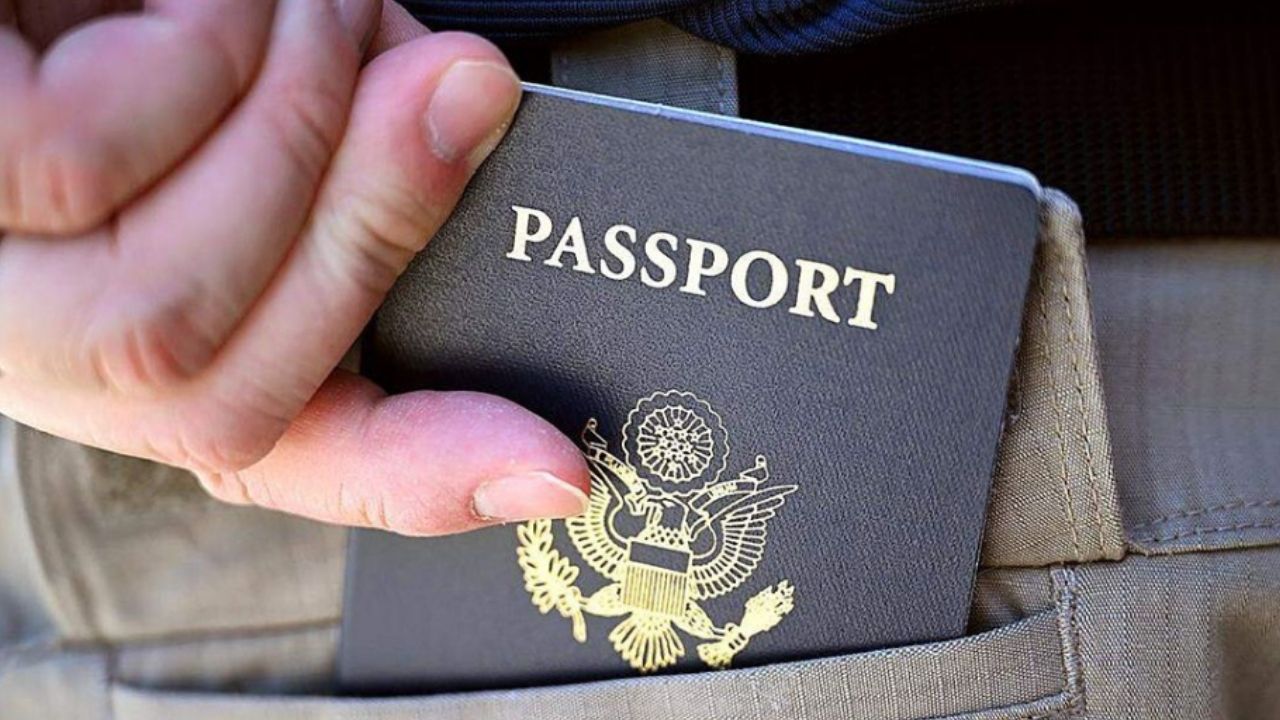
    Mali and Burkina Faso have announced reciprocal travel restrictions on US citizens after both countries were placed under a sweeping US travel ban imposed by the Trump administration.

    Both West African states were recently added to the list of countries facing full entry bans under an expanded policy introduced by US President Donald Trump.

    In separate statements, they said American nationals would now face the same restrictions.

    Burkina Faso’s Foreign Affairs Minister Karamoko Jean-Marie Traoré said the decision was taken on the basis of reciprocity, while Mali’s foreign ministry stressed the need for mutual respect and sovereign equality.

    Mali also said it regretted the US decision, noting that it had been taken without prior consultation.

    The move follows reports by Niger’s state news agency that the country has imposed a similar ban on US citizens, though Niger’s foreign ministry has not issued an official statement.


    Mali, Burkina Faso and Niger are all governed by military juntas that took power in coups.

    The three countries have since formed their own regional bloc and shifted closer to Russia after ties with other West African states and Western countries deteriorated.

    Earlier this month, the White House announced full-entry restrictions on nationals from Mali, Burkina Faso and Niger, along with South Sudan, Syria and Palestinian authority passport holders.

    The measures are due to take effect on January 1 and were described by the administration as necessary to protect US (United States) security.

    The U.S also moved Laos and Sierra Leone from partial restrictions to the full ban list and imposed limited restrictions on 15 other countries, including Nigeria, Tanzania and Zimbabwe.

    According to the White House, the measures will remain in place until affected countries demonstrate credible improvements in identity management, information-sharing and cooperation with US immigration authorities.

    The restrictions include several exemptions and will not apply to lawful permanent residents, many existing visa holders, diplomats or athletes attending major sporting events.

    Officials said waivers may also be issued on a case-by-case basis when travel is deemed to be in the national interest.

  • PM Shehbaz stresses Ummah unity in call with Saudi crown prince

    PM Shehbaz stresses Ummah unity in call with Saudi crown prince

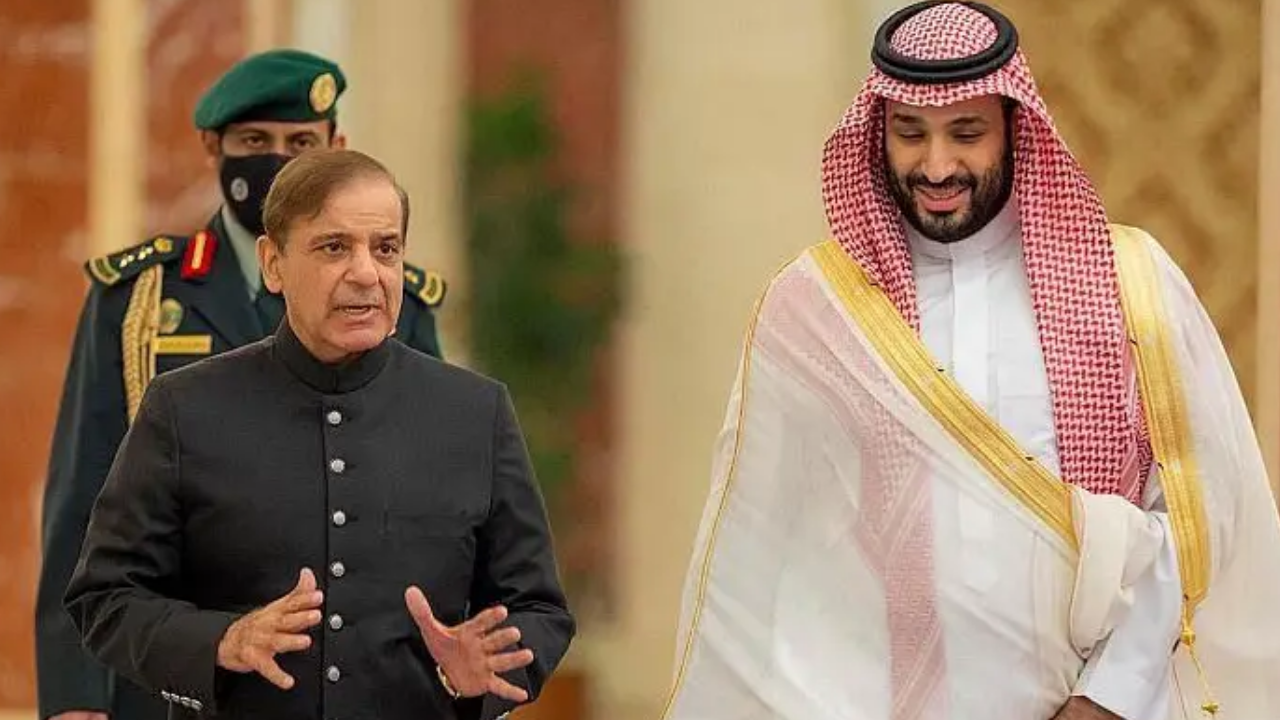
    Prime Minister Shehbaz Sharif has stressed the need for unity within the Muslim Ummah during a phone call with Saudi Crown Prince Mohammed bin Salman, according to a statement issued by the Prime Minister’s Office (PMO).


    Prime Minister Shehbaz greeted Saudi King Salman bin Abdulaziz Al Saud and Crown Prince Mohammed bin Salman during the conversation. According to the PMO, both leaders reiterated their commitment to deepening bilateral ties, and the prime minister thanked the crown prince for his support of Pakistan.

    “Both leaders reaffirmed their shared commitment to further strengthening the long-standing fraternal bonds between both countries, that had attained new heights during recent months,” the statement said.

    The discussion also covered regional developments, during which the prime minister emphasised the need to maintain unity among Muslim countries amid ongoing challenges.

    “While expressing Pakistan’s complete solidarity with the kingdom, the prime minister said that it was imperative to maintain regional peace and stability through dialogue and diplomacy,” the PMO added.

    The Saudi crown prince thanked Prime Minister Shehbaz for the call and reiterated Saudi Arabia’s desire to expand cooperation with Pakistan in areas of mutual interest. He also shared his intention to undertake an official visit to Pakistan in the coming year.

    Prime Minister Shehbaz later shared details of the conversation in a post on X, calling it a “warm and most cordial telephone conversation”.

    Earlier, Prime Minister Shehbaz met Saudi Ambassador Nawaf bin Saeed Ahmad Al-Malkiy at the Prime Minister’s House, where regional and global developments were discussed.

  • Govt rolls out Pakistan’s first skills impact bond

    Govt rolls out Pakistan’s first skills impact bond

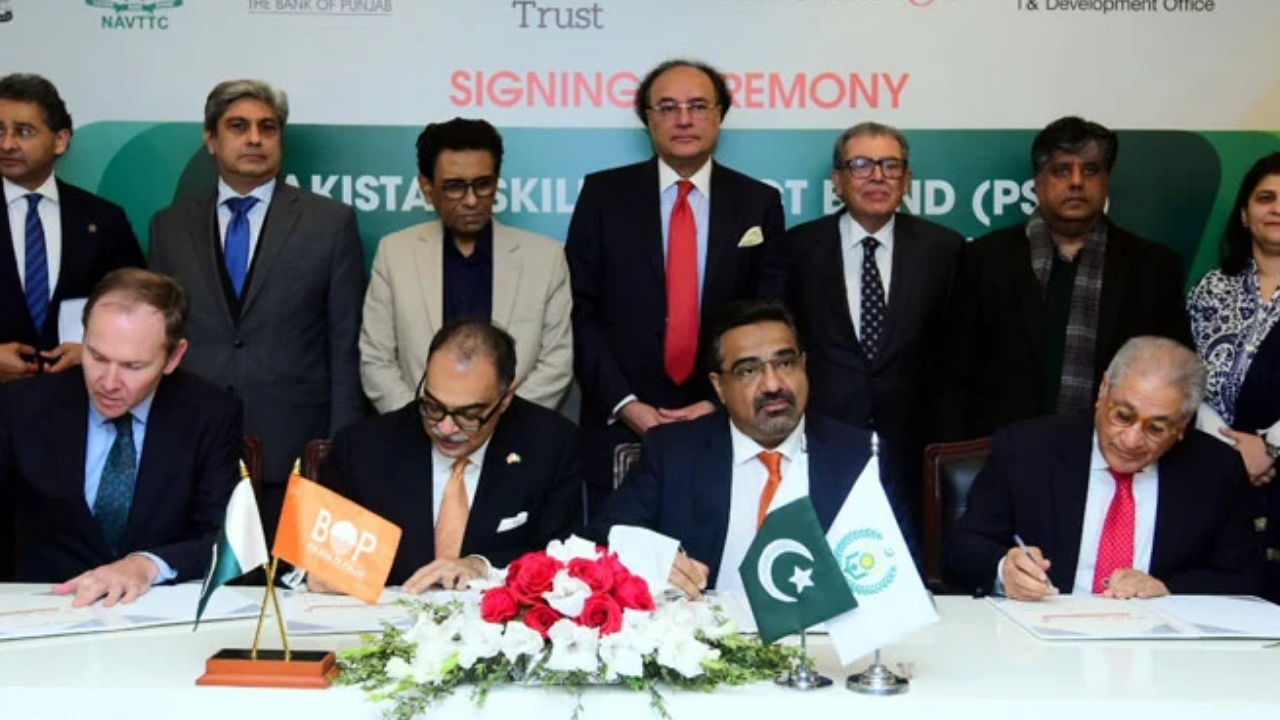
    Pakistan on Tuesday launched its first private-capital-funded Pakistan Skills Impact Bond (PSIB), backed by a Ministry of Finance guarantee, to support technical skills training through a results-linked financing model.

    According to reports, the bond will operationalise a Rs1 billion pilot tranche under a three-year instrument aimed at funding a scalable Technical Skills Development Programme.

    The launch ceremony included the signing of financing documents, such as investor and issuer agreements, and was attended by senior government officials, development partners, private sector representatives and international organisations.

    According to officials, the PSIB introduces a shift in how skill development initiatives are financed in Pakistan by moving away from traditional public expenditure models toward a structure tied to outcomes.

    The bond is designed to link funding to measurable indicators, including certification, job placement and a minimum six-month employment retention period for trainees.

    Under the proposed framework, the model is expected to evolve over time. Subsequent tranches may connect repayment to a nominal share of trainee salaries, a mechanism intended to create a longer-term funding cycle while supporting workforce participation in domestic and overseas markets.

    Finance Minister Muhammad Aurangzeb, speaking at the event, said the launch marked “an important moment focused on education and training”. He linked the initiative to Pakistan’s economic reform agenda and broader human capital strategy.

    The minister said Pakistan’s demographic dividend could only be realised through large-scale efforts to upskill and reskill young people, adding that skills development required structured financing and accountability.

    He highlighted the role of the National Vocational and Technical Training Commission (NAVTTC) in advancing this objective.

    Referring to global labour trends, the finance minister said the international shift toward digital skills, including blockchain-related work, had opened earning opportunities for Pakistani youth.

    He also noted that Pakistan already has one of the largest freelance workforces globally.

  • Tax evasion: FBR could soon be going after a top actress who got married this year

    Tax evasion: FBR could soon be going after a top actress who got married this year

    The Federal Board of Revenue’s (FBR) Lifestyle Monitoring Cell has detected suspected tax evasion involving a prominent Pakistani actress with around 10 million social media followers who got married early this year.

    According to preliminary findings, the Lahore-based film and television star spent approximately Rs67.7 million on her lavish wedding from allegedly undeclared funds, media reports have stated.

    The FBR discovered a significant mismatch between her declared income and her lifestyle.

    Reports added that the actress registered with the FBR nine years ago, but her income tax declarations show she does not have the declared financial health to afford a wedding costing Rs 67.7 million and frequent international travels, including a reported trip to Dubai for her birthday celebration.

    The FBR’s investigation revealed that open-source evidence from social media videos, reels, and posts documents expenditures on venues, catering, attire, jewelry, and production totaling around Rs 67.7 million. The actress did not declare any of these outlays on her tax returns.

    The Lifestyle Monitoring Cell found that the actress failed to disclose substantial wedding expenditures in her wealth statements or expense summaries. This suggests she paid these expenses from unreported income sources.

    The FBR declared that the evidence strongly supports that huge amounts of concealed income financed the wedding. The pattern observed across multiple years with consistent, high-value expenses suggests intentional avoidance of taxation rather than oversight.

    The tax authority has proposed several actions under the Income Tax Ordinance 2001. These include conducting a comprehensive audit of tax years 2020-2025 to scrutinize income sources, bank statements, credit card records, and expenditure patterns.

    The FBR also recommends issuing a notice under Section 111 for unexplained income or assets. If the actress cannot satisfactorily explain where the wedding and travel expenses came from, the amounts should be treated as concealed income and added to her taxable income.

    The board may amend assessments and recover tax under Section 122, impose penalties for concealment under Section 182, and consider prosecution under Section 192A for willful tax evasion if deemed appropriate.

    The actress has established herself as a prominent figure in the entertainment industry with roles in popular television dramas and films. 

    She has around 10 million followers on Instagram, over 30,000 subscribers on YouTube, around two million followers on Twitter, and over 2.54 million followers on Facebook, reports added.

    While there is no official confirmation as of yet, it is worth mentioning that actress Mawra Hocane is among the very few celebrities who got married earlier this year. She also has 9.9 million followers on Instagram, 31,000 subscribers on YouTube, 2.4 million followers on Facebook and 1.9 million followers on X.