Author: News Desk

  • PPP blocks Fixit volunteers from covering open manhole as another child falls to death

    PPP blocks Fixit volunteers from covering open manhole as another child falls to death

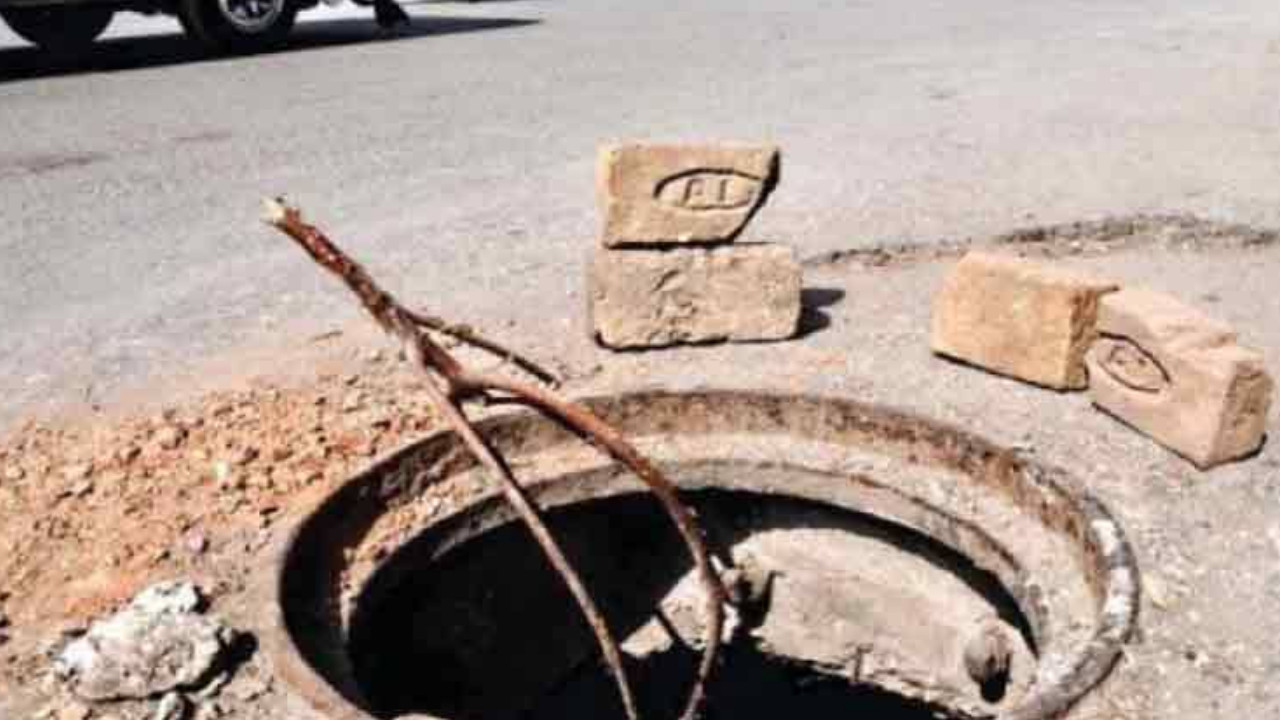
    Karachi’s Korangi witnessed a confrontation between Pakistan Peoples Party (PPP) workers and Fixit volunteers over an open manhole after the death of eight-year-old Dilbar Ali, who became the second child to fall to his death due to civic negligence in the port city within a month.

    As per the details, volunteers from Fixit – a non-profit organisation highlighting and fixing social, civic and political issues faced by the people – on Monday arrived at the site with a vehicle carrying manhole covers. Their intention was to place a cover on the open sewer where the incident occurred.

    Witnesses reported that PPP workers objected to the installation, leading to a dispute between the two groups. The volunteers were reportedly stopped from installing the cover and left the site.

    Residents of Korangi described the clash as part of a “politics of manhole covers” where responsibility for civic issues is contested rather than addressed. Several locals also expressed frustration that efforts to secure the area were blocked, especially after multiple fatalities linked to uncovered sewers.

    While no official statement has so far been released by the Karachi administration regarding the clash or the installation of manhole covers at the site, Dilbar’s father, in conversation with journalists, blamed civic authorities for his son’s death.

    He said the manhole cover had been removed about a month ago for sewer cleaning but was never replaced. The father also appealed to the government to ensure all open manholes in Karachi are covered to prevent further accidents.

    It merits a mention that the incident comes just weeks after three-year-old Ibrahim also tragically died in Karachi after falling into an uncovered manhole near NIPA Chowrangi in Gulshan-e-Iqbal.

    His body was recovered after a 15-hour search as authorities concerned continued with a blame game or politicisation of the incident.

  • Pakistan hopeful direct flights between Karachi–Dhaka will begin in January

    Pakistan hopeful direct flights between Karachi–Dhaka will begin in January

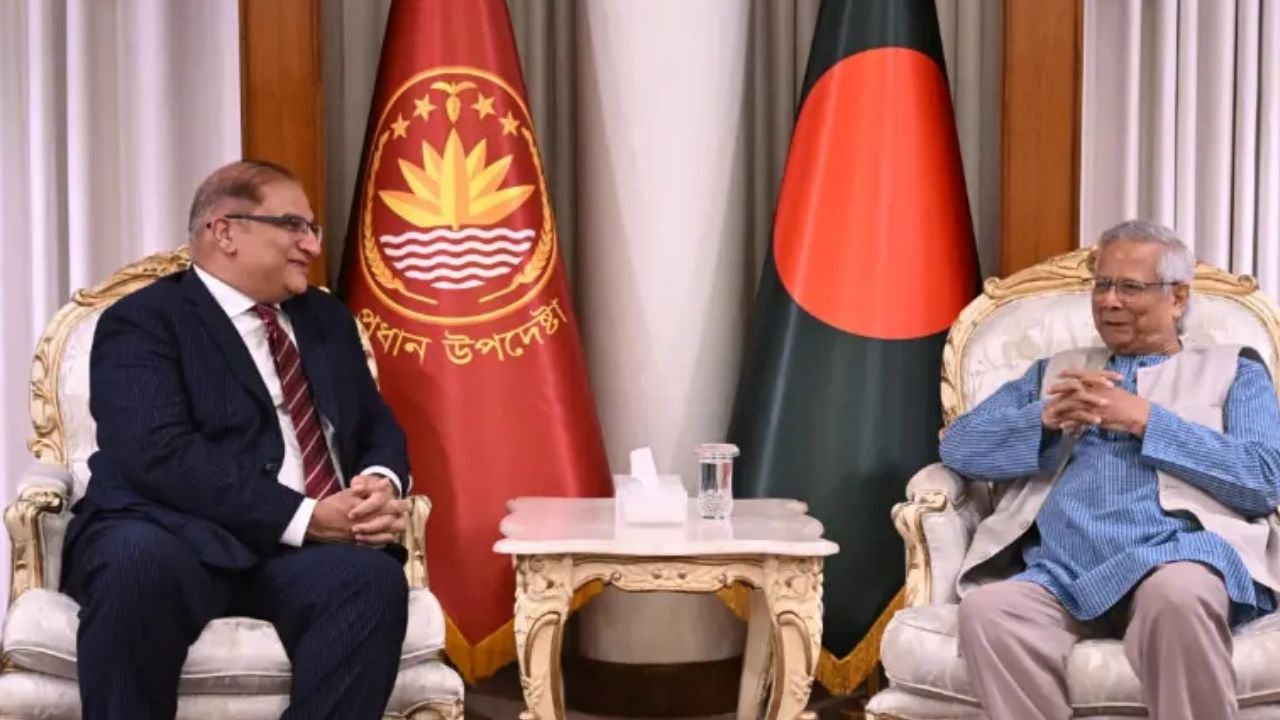
    During a Monday meeting with Bangladesh’s Chief Advisor Professor Muhammad Yunus, Pakistan’s High Commissioner Imran Haider expressed optimism about launching direct flights between Karachi and Dhaka in January.

    Pakistan-Bangladesh relations remained tense under Sheikh Hasina’s tenure. However, under Professor Yunus’s interim administration in Dhaka, bilateral ties have significantly improved since the popular uprising that resulted in her removal and exile.

    A statement shared on X by Bangladesh’s interim leader noted, “During the meeting, both sides discussed ways to expand cooperation in trade, investment, and aviation, as well as scaling up cultural, educational, and medical exchanges to further strengthen bilateral relations between the two South Asian nations.”

    Haider emphasized that companies in both nations are actively looking for new investment opportunities, and bilateral trade has increased by 20 percent from the previous year.


    The high commissioner also said that there has been a “significant increase” in cultural exchanges and that Bangladeshi students are very interested in studying in Pakistan, particularly in medical sciences, nanotechnology, and artificial intelligence.


    “Pakistan has witnessed a rise in patients travelling to its leading hospitals for liver and kidney transplants,” the envoy added.

    The statement further reported that Pakistan is prepared to provide “training and academic opportunities in transplantation-related medical fields.”

    Bangladesh’s interim leader welcomed the “growing interactions between the two countries” and emphasised the “importance of increased visits, as well as cultural, educational, and people-to-people exchanges among SAARC (South Asian Association for Regional Cooperation) member states.”

    “Professor Yunus also underscored the need to further boost Bangladesh–Pakistan trade,” the statement continued.


    The interim leader expressed hope that during the current high commissioner’s tenure, both countries would be able to “explore new avenues for investment and joint venture businesses.”


    Professor Yunus also met with Ishaq Dar, Pakistan’s Foreign Minister and Deputy Prime Minister in August. Both countries underlined the significance of reviving regional collaboration under the South Asian Association for Regional Cooperation (SAARC) during the historic visit to Dhaka.

    The Foreign Office (FO) described Dar’s two-day trip the first visit by a Pakistani foreign minister to Bangladesh in 13 years as a “significant milestone” in bilateral relations.


    A month prior, Pakistan and Bangladesh had agreed to allow visa-free entry for holders of diplomatic and official passports.

  • Gold drops by Rs5,500 as international rates fall

    Gold drops by Rs5,500 as international rates fall

    Gold prices in Pakistan fell on Monday following a decline in the international market.

    The price of gold per tola dropped by Rs5,500 to reach Rs470,162, according to the All-Pakistan Gems and Jewellers Sarafa Association (APGJSA).

    Ten-gram gold also saw a decrease, trading at Rs403,088 after falling by Rs4,715. On Saturday, the price per tola had reached Rs475,662 after gaining Rs2,300 during the day.

    The decline in local gold rates mirrored the international market, where the price of gold dropped by $55 to $4,478 per ounce, with a premium of $20.

    Silver prices also saw a decrease on Monday, falling by Rs332 to reach Rs8,075 per tola.

  • FIR against lawyers for ‘assaulting’ YouTuber Rajab Butt

    FIR against lawyers for ‘assaulting’ YouTuber Rajab Butt

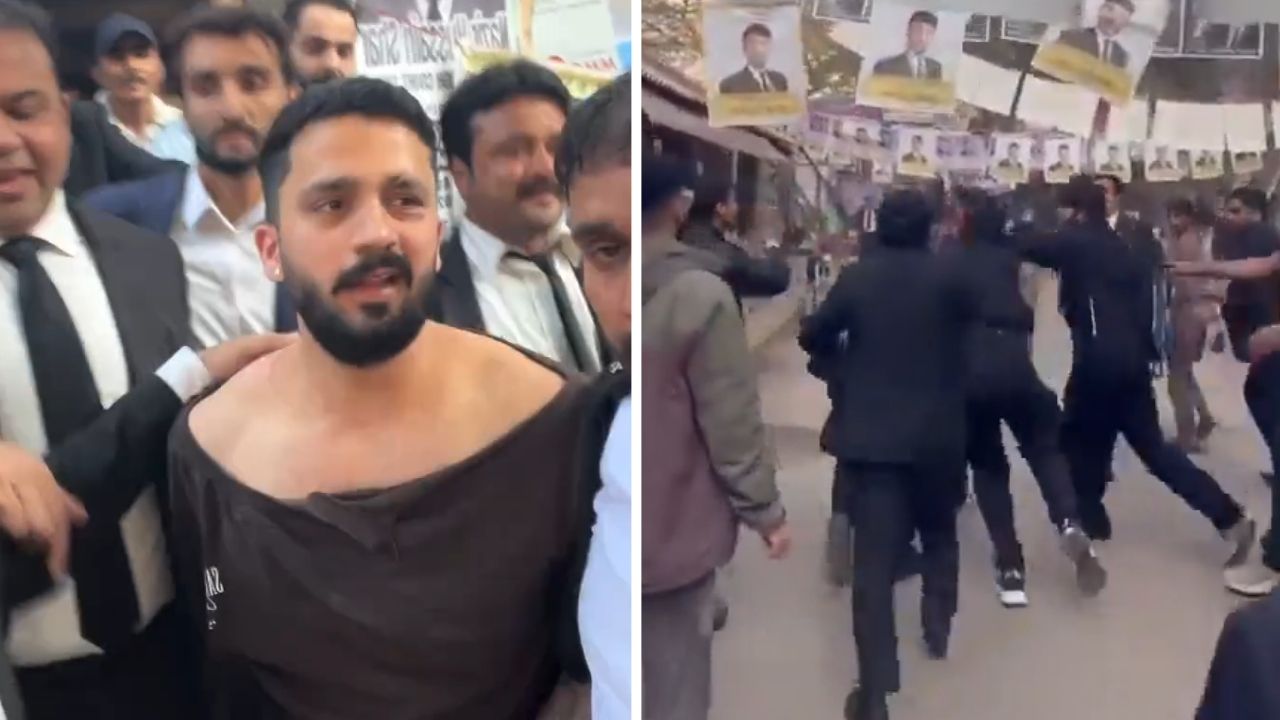
    Police have registered a case against several lawyers who allegedly attacked YouTuber Rajab Butt during his court appearance at the Karachi City Court.

    According to reports, Barrister Mian Ali Ashfaq, Butt’s lawyer, filed the First Information Report (FIR) against Advocate Riaz Ali Solangi and his associates.

    The charges include sections 147, 148, 382, 506 and 337 A(1) of the Pakistan Penal Code (PPC).

    In his statement, Barrister Ashfaq said he had accompanied his client to the court to seek interim bail. When they arrived, Advocate Riaz Ali Solangi, Abdul Fatah and 15 to 20 other individuals attacked Butt and left him injured.

    “He was also harassed and threatened with death. His bag, which contained three lakh rupees in cash, was snatched from him,” said Ashfaq.

    Butt had come to court to attend a hearing in a blasphemy case that Haideri Police Station filed against him. The court had already granted him interim bail in the matter.

    The lawyers reportedly said they attacked Butt because he insulted their profession in a viral video.

    Butt had earlier responded to Karachi lawyers who claimed they had gotten him placed on the Exit Control List (ECL), blocked his passport and brought him back from the United Kingdom (UK) to Pakistan.

    “I have seen the video of Karachi lawyers saying they have put my name in the ECL, they blocked my passport, they summoned me from the UK to Pakistan. However, my name is in the Pakistan’s Passport Control List (PCL),” Butt said in the video.

    “Let me tell you one thing: you don’t have that much worth, nor do you possess the caliber to bring me from the UK to Lahore. You don’t even look like lawyers to me. The way you dress, you sit there chewing gutka. You don’t even know whether my name is in the ECL or PCL,” he added.

    The assault occurred as soon as Butt, along with fellow TikToker Nadeem Mubarak entered the court compound on Monday.

    Eyewitnesses reported that the attackers beat the YouTuber and inflicted injuries to his jaw and mouth, which led to bleeding. They also tore his clothes during the assault. His legal counsel tried to intervene and stop the attack.

    Court staff and police personnel arrived at the scene and dispersed the attackers.

  • Fahad Mustafa, Mahira Khan reveal first look of upcoming film ALBM

    Fahad Mustafa, Mahira Khan reveal first look of upcoming film ALBM

    Fahad Mustafa and Mahira Khan have unveiled the first look of their upcoming film ALBM, ahead of its teaser release. The actors shared a short clip on Instagram, announcing that the teaser will drop on January 3, 2026.


    Mustafa and Khan are shown in close-up in the 10-second clip, with cloth masks partially covering their faces. The camera glides over what looks to be a locker full of money and coins, revealing only their eyes. 


    “Behind the masks are faces you know… and a story you don’t,” Mustafa wrote as the post’s caption.


    Bilal Altaf Khan is the writer and director of the movie, which stars Tabish Hashmi alongside the main actors. Big Bang Films, Salman Iqbal Films, and ARY Films are the producers of ALBM. 


    Mustafa posted a picture of the movie’s schedule on Instagram a few days prior to the first look, signifying the conclusion of production. “That’s a wrap on ALBM,” he wrote. Months of dedication, accuracy, and narrative documented on film. The countdown is now underway. There will be much more in the near future.


    The film marks Mustafa’s return to the big screen after more than a year. He has remained active in the entertainment industry through television, hosting, and his clothing brand Nine Figures.

    Mahira Khan was last seen during promotions for her film Neelofar, which released on November 28. 

    The two actors previously appeared together in Nabeel Qureshi and Fizza Ali Meerza’s action comedy Quaid E Azam Zindabad. ALBM will bring them back on screen together.

  • 11 injured after bus driver suffers heart attack while driving in Gujranwala

    11 injured after bus driver suffers heart attack while driving in Gujranwala

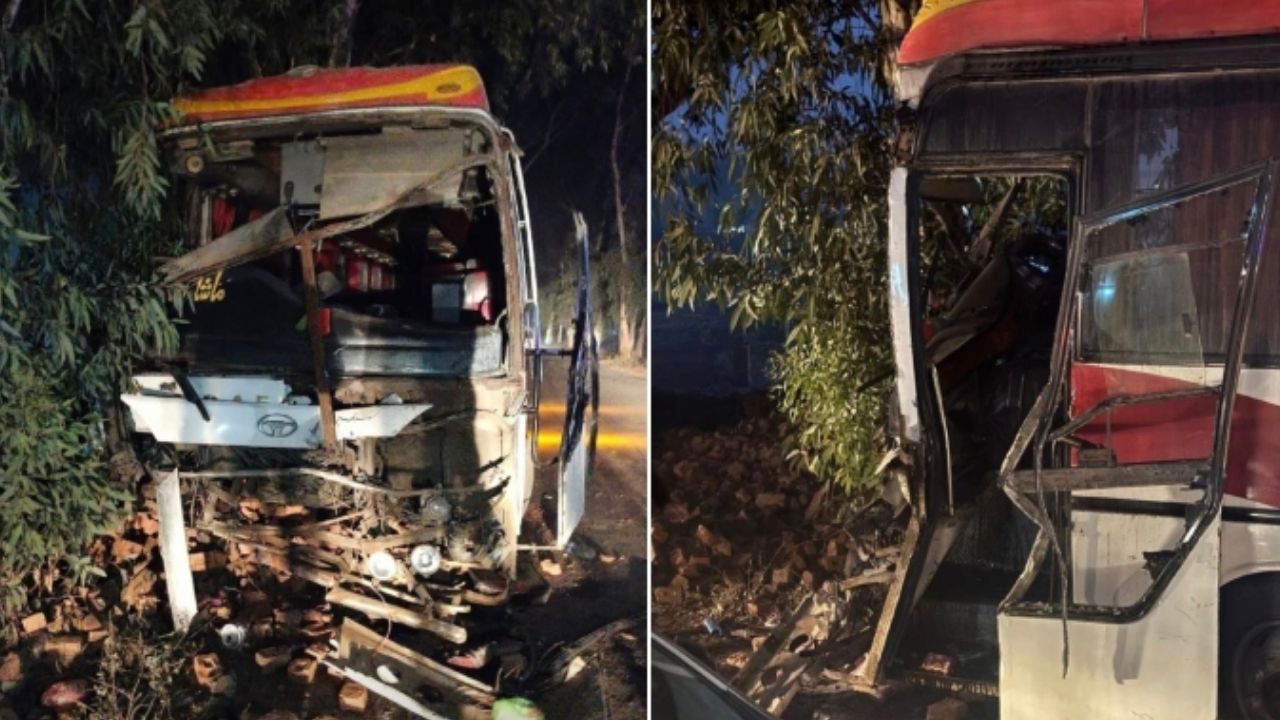
    A bus driver in Gujranwala suffered a heart attack while driving, causing the vehicle to collide with another bus and injuring 11 people.


    Rescue sources reported that the incident occurred near Saroki, when the driver of a moving bus had a heart attack and lost control of the vehicle, crashing into the second bus.


    Both buses belonged to the University of Gujrat and were traveling from Gujrat to Alipur Chatha, rescue officials have confirmed. 


    The accident left 11 people injured, including students and university staff on board both buses. The bus driver died on the spot.

    In another incident that took place earlier this month, a crash involving a bus and a trailer occurred near Khanewal on Motorway M-4, resulting in the death of the bus hostess and leaving four passengers injured. 


    Motorway Police indicated that the bus, en route from Lahore to Multan, crashed after the driver dozed off.
     
     
    Separately, two brothers died while their father was injured in Bahawalpur on Hasilpur-Chishtian Road. Police reported that the family’s vehicle collided with a trailer. 
     
     
    Earlier in Kohat, Khyber Pakhtunkhwa, a passenger coach collided with a car, leaving three people dead and nine injured. Police said the vehicles were moving in opposite directions when the collision occurred.
     
     
    Traffic accidents continue to occur frequently on Punjab’s roads, often involving buses, trailers, and passenger vehicles. Busy highways and long-distance routes remain high-risk areas for drivers and travelers.

  • Major martyred, five terrorists killed in Bajaur IBO: ISPR

    Major martyred, five terrorists killed in Bajaur IBO: ISPR

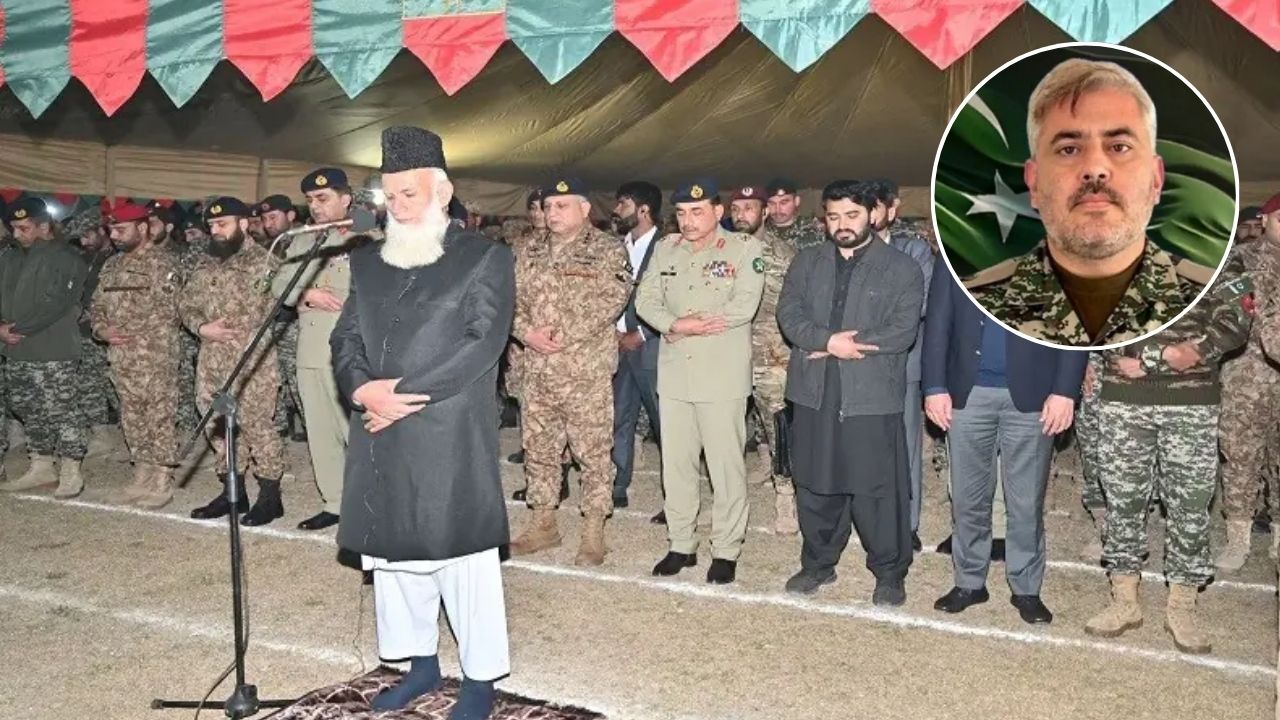
    A Pakistan army major was martyred in Khyber Pakhtunkhwa’s Bajaur district during an intelligence-based operation (IBO), Inter-Services Public Relations (ISPR) confirmed on Monday.


    Major Adeel Zaman of Dera Ismail Khan, 36, was identified as the martyred officer. The statement also stated that five terrorists were killed by security forces during the operation. 


    According to ISPR, on December 29, “security forces conducted an intelligence-based operation in general area Khar, Bajaur district, on reported presence of Khwarij belonging to Indian Proxy, Fitna al Khwarij.” 

    The term Fitna al Khwarij is used by the state for terrorists associated with the banned Tehreek-i-Taliban Pakistan (TTP).


    The statement said: “During the conduct of operation, due to effective engagement by own troops five Indian sponsored khwarij were sent to hell. However, during the intense fire exchange, Major Adeel Zaman (age: 36 years, resident of Dera Ismail Khan District), a brave officer who was leading his troops from the front, having fought gallantly, rendered the ultimate sacrifice and embraced shahadat.”


    Security forces recovered weapons and ammunition from the terrorists, who were “actively involved in numerous terrorist activities against the security forces and law enforcement agencies as well as killing of innocent civilians,” the statement said.

    Troops carried out a sanitisation operation to get rid of any remaining militants in the area after the operation.

    The statement added: “Relentless Counter-Terrorism campaign under vision ‘Azm e Istehkam’ (as approved by Federal Apex Committee on National Action Plan) by Security Forces and Law Enforcement Agencies of Pakistan will continue at full pace to wipe out menace of foreign sponsored and supported terrorism from the country.”

    Funeral prayers for Major Adeel were offered at Peshawar Garrison later in the evening. Chief of Defence Forces and Chief of the Army Staff (COAS) Field Marshal Asim Munir, Interior Minister Mohsin Naqvi, commander of Peshawar Corps, and other senior military and civil officials attended.


    Paying tribute to the officer, Field Marshal Munir said the “Martyrs of Pakistan Army are the pride of the nation and their sacrifices will forever be remembered.”


    “He prayed for the elevation of the Shaheed’s ranks in Jannah and for patience and strength for the family,” the statement added.


    “Major Adeel Zaman Shaheed laid down his life in the line of duty while leading from the front. Pakistan Armed Forces remain resolute in their commitment to eliminate the menace of terrorism from the country, and such sacrifices further strengthen the nation’s resolve,” the statement concluded.


    During a counter-insurgency operation in Bajaur district last month, security forces killed at least 22 militants and wounded dozens more.

    According to security sources, the IBO in Bajaur’s town of Gadar was “based on highly classified information” and was a “major success.”

  • Sahibzada Farhan says Ahmed Shehzad is his cricket idol

    Sahibzada Farhan says Ahmed Shehzad is his cricket idol

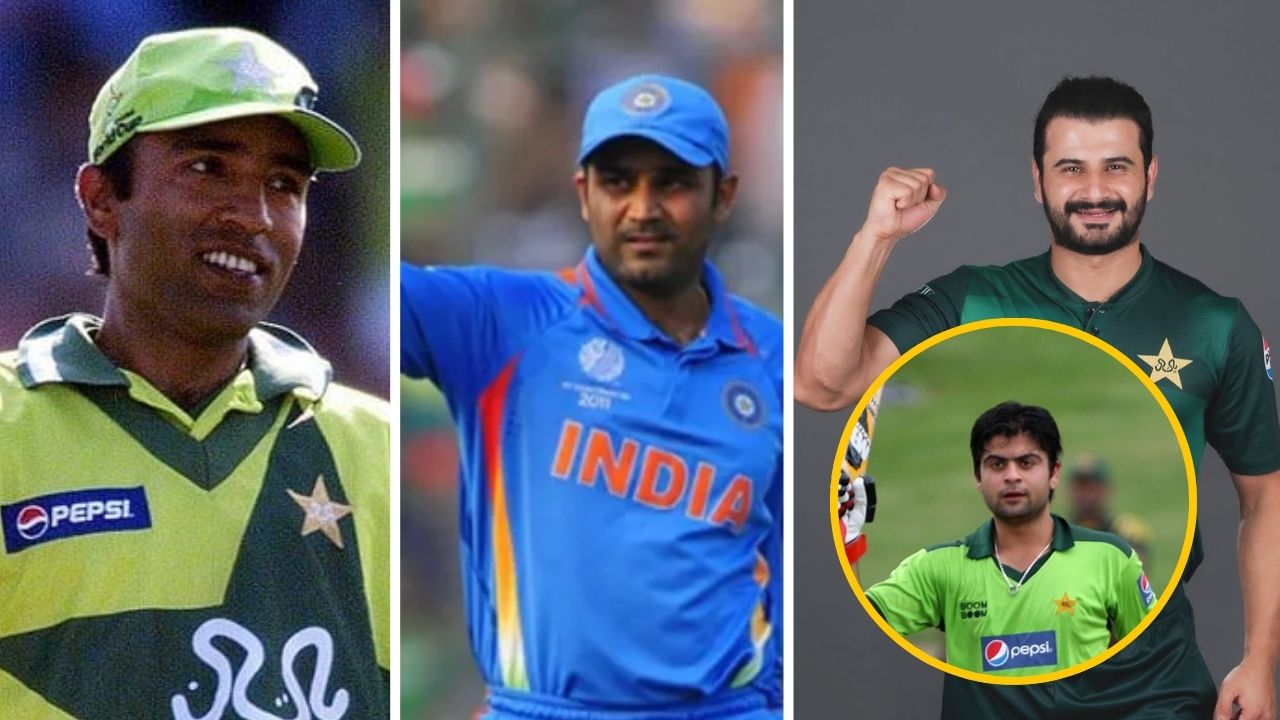
    Pakistan cricketer Sahibzada Farhan made headlines in a recent interview while playing in the Bangladesh Premier League (BPL) when he declared Ahmed Shehzad his cricket idol.

    The host asked Sahibzada Farhan a series of rapid-fire questions, forcing him to choose between Ahmed Shehzad and some of cricket’s biggest names. 

    When asked to pick between Ahmed Shehzad and Saeed Anwar, Sahibzada Farhan chose Ahmed Shehzad without hesitation. The host continued with Ahmed Shehzad or Virender Sehwag, and Sahibzada Farhan again picked Ahmed Shehzad. He stuck with his choice when asked about Ahmed Shehzad versus Rohit Sharma.

    The final question proved more challenging. When asked to choose between Ahmed Shehzad and Sachin Tendulkar, Sahibzada Farhan paused briefly before answering. “As of cricket, Sachin, but my favourite is Ahmed Shehzad,” he said.

    Sahibzada Farhan explained his admiration for Ahmed Shehzad earlier in the interview. “Ahmed Shehzad is my idol, ever since I started playing cricket. I have been watching him for so long. The way he plays, he is a very stylish player,” he said.

    The interview sparked mixed reactions on social media. One user wrote, “I guess he is trolling.” Another user said, “Is k liye aik or documentary,” suggesting the response deserved its own documentary. Some fans respected his view, with one commenting, “His personal opinion.” 

    However, a skeptical user joked, “Shahzad ne paise diye honge,” implying Ahmed Shehzad might have paid for the endorsement.

    Sahibzada Farhan gained fame after his fearless batting in the Men’s Asia Cup 2025, particularly in his innings against Jasprit Bumrah.

    He faced 34 balls from Bumrah, scoring 51 runs including six fours and three sixes. Sahibzada Farhan became the first-ever Pakistan batter to hit India’s speedster Jasprit Bumrah for a six in international cricket.

  • Saudi airstrikes target Yemen port after UAE arms shipment

    Saudi airstrikes target Yemen port after UAE arms shipment

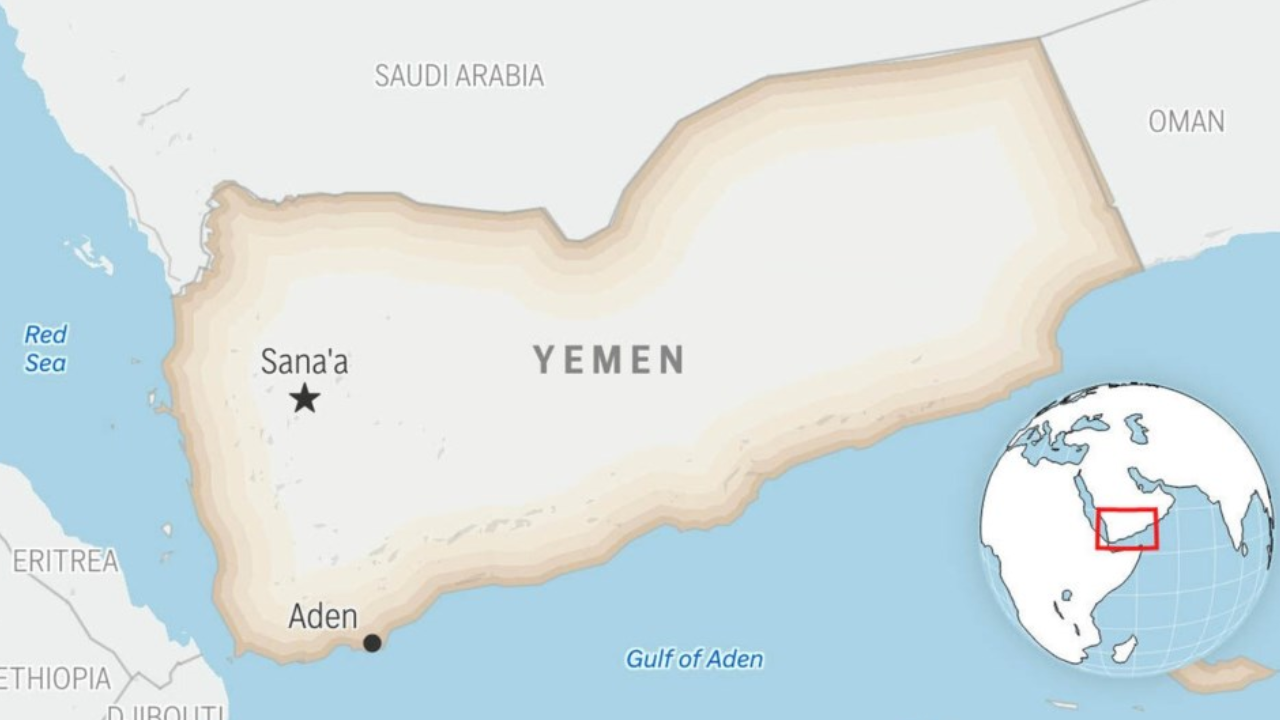
    Saudi Arabia carried out airstrikes on Yemen’s port city of Mukalla on Tuesday, saying the attack targeted a shipment of weapons delivered to separatist forces backed by the United Arab Emirates. The UAE did not immediately comment on the strike.


    The attacks were initiated when ships arriving from Fujairah, a port city on the eastern coast of the United Arab Emirates, unloaded weaponry and military equipment meant for the Southern Transitional Council, according to a military statement issued by Riyadh and reported by the state-run Saudi Press Agency. 


    According to the statement, “the ships’ crew had disabled the tracking devices aboard the vessels and unloaded a large amount of weapons and combat vehicles in support of the Southern Transitional Council’s forces.”


    Saudi forces viewed the package as an immediate threat, it further stated. “The Coalition Air Force carried out a limited airstrike this morning that targeted weapons and military vehicles offloaded from the two vessels in Mukalla, given that the aforementioned weapons constitute an imminent threat and an escalation that threatens peace and stability.” 


    The operation was carried out overnight, according to the Saudi military, to make sure that “no collateral damage occurred.” Whether any other coalition members participated in the strikes was not stated. There was no immediate information on casualties. 


    A request for comment was not answered by the UAE. The strikes were acknowledged by the Southern Transitional Council’s AIC satellite channel, but no other information was given.

    The attack highlights growing tensions between Saudi Arabia and the UAE-backed separatist forces in southern Yemen, despite both countries being part of the coalition fighting the Iran-aligned Houthi movement. Analysts say the strike also reflects strain between Riyadh and Abu Dhabi, which have supported rival groups in Yemen’s conflict.


    The ship arrived in Mukalla on Sunday after being registered in Fujairah on December 22. It was not immediately possible to identify the second vessel.

    The Basha Report’s creator and Yemen expert Mohammed al-Basha referenced social media videos that seemed to show armored vehicles passing through Mukalla after the ship arrived. The ship’s owners, who are based in Dubai, could not be reached for comment.
     

    “I expect a calibrated escalation from both sides,” al-Basha said. “The UAE-backed Southern Transitional Council is likely to respond by consolidating control. At the same time, the flow of weapons from the UAE to the STC is set to be curtailed following the port attack, particularly as Saudi Arabia controls the airspace.”

    Saudi state television later aired footage said to be recorded by a surveillance aircraft. The video appeared to show armored vehicles moving through Mukalla toward a staging area. Analysts said the vehicles shown matched those seen in the social media clips.

    Mukalla is situated in the Hadramout province of Yemen, approximately 480 kilometers northeast of Aden. Since the Houthis took control of Sanaa in 2014, anti-Houthi authorities have made Mukalla their base. Parts of Hadramout have recently come under the hands of the Southern Transitional Council. 


    The strike followed Saudi airstrikes carried out on Friday against Council positions, which analysts described as a warning aimed at halting the group’s expansion in Hadramout and the neighbouring Mahra governorate. 

    Forces aligned with the Council have displaced units affiliated with the Saudi-backed National Shield Forces in those areas.

    Supporters of the Council have increasingly displayed the flag of South Yemen, which existed as a separate state between 1967 and 1990. Demonstrations have been held in recent days in support of renewed calls for southern secession.

    The developments come amid wider regional tensions. Saudi Arabia and the UAE, while close allies and members of OPEC, have competed for influence and economic standing in recent years. Both countries are also backing opposing sides in Sudan’s ongoing conflict.

  • In memorium: Who was Khaleda Zia — Bangladesh’s first woman PM

    In memorium: Who was Khaleda Zia — Bangladesh’s first woman PM

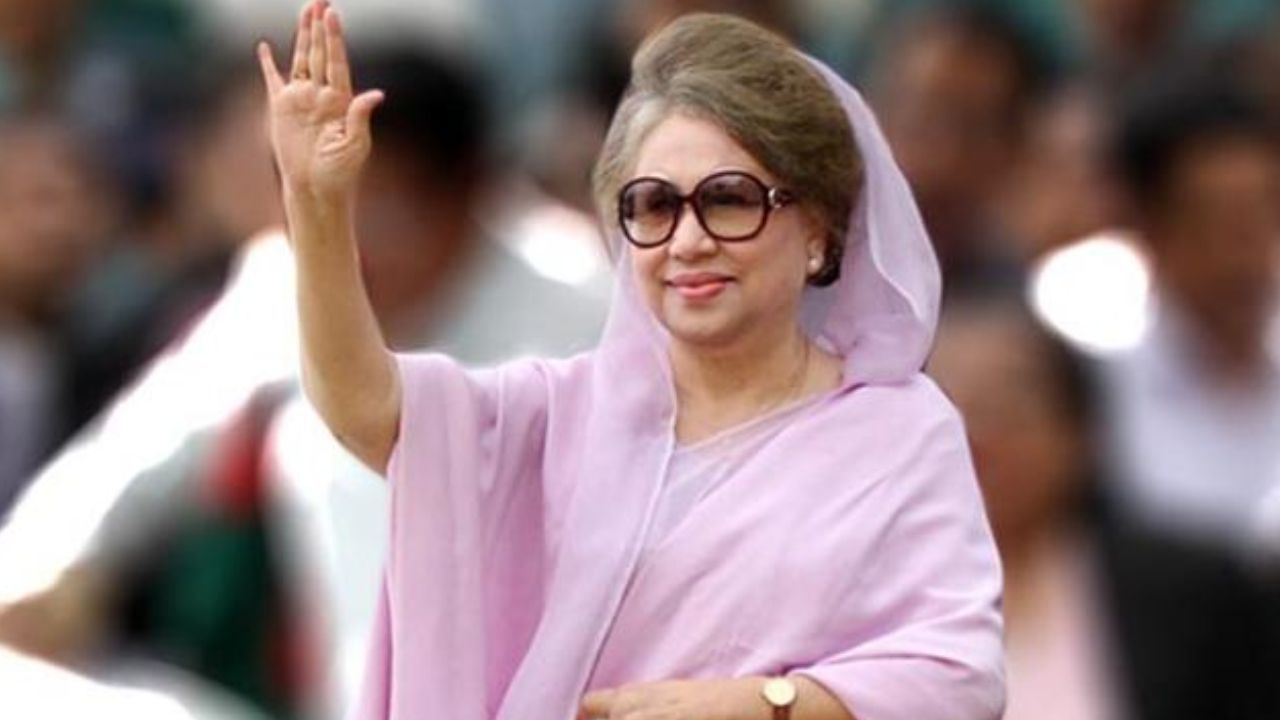
    Khaleda Zia, the first woman to serve as prime minister of Bangladesh, has passed away on 30 December in Dhaka after months of deteriorating health.

    Before entering politics, Khaleda was primarily a homemaker, devoted to raising her two sons while her husband, Ziaur Rahman, a prominent figure in Bangladesh’s independence movement, rose through the military ranks. He became president in 1977. At that time, Khaleda was described as a reserved and family-focused figure.

    Following Ziaur Rahman’s assassination in 1981 by army officers in Chittagong, Khaleda took the reins of his Bangladesh Nationalist Party (BNP). She went on to serve as prime minister twice- first in the early 1990s and again in the early 2000s.

    Born in 1945 in West Bengal, Khaleda was the daughter of a tea merchant. Her family moved to what is now Bangladesh following the 1947 partition of India.

     At 15, she married Ziaur Rahman, who assumed the presidency after the military relinquished power in 1977, overseeing a return to political activity and a freer media environment. His tenure was marked by repeated coup attempts, often suppressed with extreme force.

    Prior to her husband’s death, Khaleda had maintained a low public profile. But after 1981, she became actively involved in the BNP, rising to vice-chairperson and eventually party leader.


    During the nine-year military rule that began in 1982, Khaleda organised campaigns advocating for democratic reforms.


     She rejected participation in the army-controlled elections and was placed under house arrest, yet continued to orchestrate rallies and civic actions that ultimately forced the military to concede.


    In 1991, Khaleda Zia led the BNP to victory in the first post-military general elections, becoming the country’s first female prime minister and only the second woman to govern a Muslim-majority nation democratically, following Pakistan’s Benazir Bhutto. 


    She absorbed significant powers formerly held by the presidency and introduced reforms, including making primary education free and compulsory, at a time when most children received only two years of schooling on average.


    She lost the 1996 election to Sheikh Hasina’s Awami League but returned in 2001 with an alliance of Islamist parties, securing nearly two-thirds of parliamentary seats.


    Khaleda stepped down in October 2006 ahead of scheduled elections, but political unrest and riots prompted military intervention, delaying the vote. The interim government launched a crackdown on high-level corruption, targeting leaders across political lines.


    Both Khaleda and her longtime rival Sheikh Hasina faced arrests. Khaleda was placed under house arrest and later imprisoned on charges of extortion and corruption. 


    Her legal battles continued over the following years, including a 2011 case involving alleged misuse of funds for a charitable trust named after her late husband.


    In 2014, BNP supporters boycotted national elections, citing potential rigging, and widespread arrests of party activists followed. Khaleda herself was confined and barred from organising protests, describing the government as “disconnected” from its people.


    In 2018, she was convicted of embezzling roughly $252,000 intended for an orphanage trust and sentenced to five years in prison, which barred her from holding public office. She denied any wrongdoing, describing the charges as politically motivated.


    Her health deteriorated while in detention. She was hospitalised in 2019 for severe arthritis and uncontrolled diabetes, and later released to house arrest.


    The 2024 popular uprising that toppled Sheikh Hasina’s government led to Khaleda’s release and the unfreezing of her assets. 


    By this point, she was struggling with serious medical conditions, including cirrhosis of the liver and kidney damage. In January 2025, her travel restrictions were lifted, allowing her to seek treatment in London, though her health remained precarious.


    Khaleda Zia’s death marks the end of a complex and often turbulent political career that spanned more than four decades, defined by fierce rivalry, imprisonment, and enduring influence over Bangladesh’s political landscape.


    She is survived by her elder son, Tarique Rahman, who returned to Bangladesh in late December after years in exile in London, is widely expected to lead the party in future elections. Khaleda’s younger son, “Koko,” died in 2015.


    Prime Minister Shehbaz Sharif said he was deeply saddened by Khaleda’s death.


    “Her lifelong service to Bangladesh and its growth and development leaves a lasting legacy,” he said.


    “Begum Zia was a committed friend of Pakistan. My government and the people of Pakistan stand with the people of Bangladesh in this moment of sorrow,” he added.


    “Our thoughts and prayers are with her family, friends and the people of Bangladesh during this difficult time,” Sharif said.
    President Asif Ali Zardari said Khaleda’s “leadership and services will be remembered with respect”.


    Ishaq Dar, the foreign minister and deputy prime minister, also sent his condolences for Khaleda’s passing.