Author: News Desk

  • Islamabad High Court issues notices over petition against ‘inappropriate activities’ at Faisal Mosque

    Islamabad High Court issues notices over petition against ‘inappropriate activities’ at Faisal Mosque

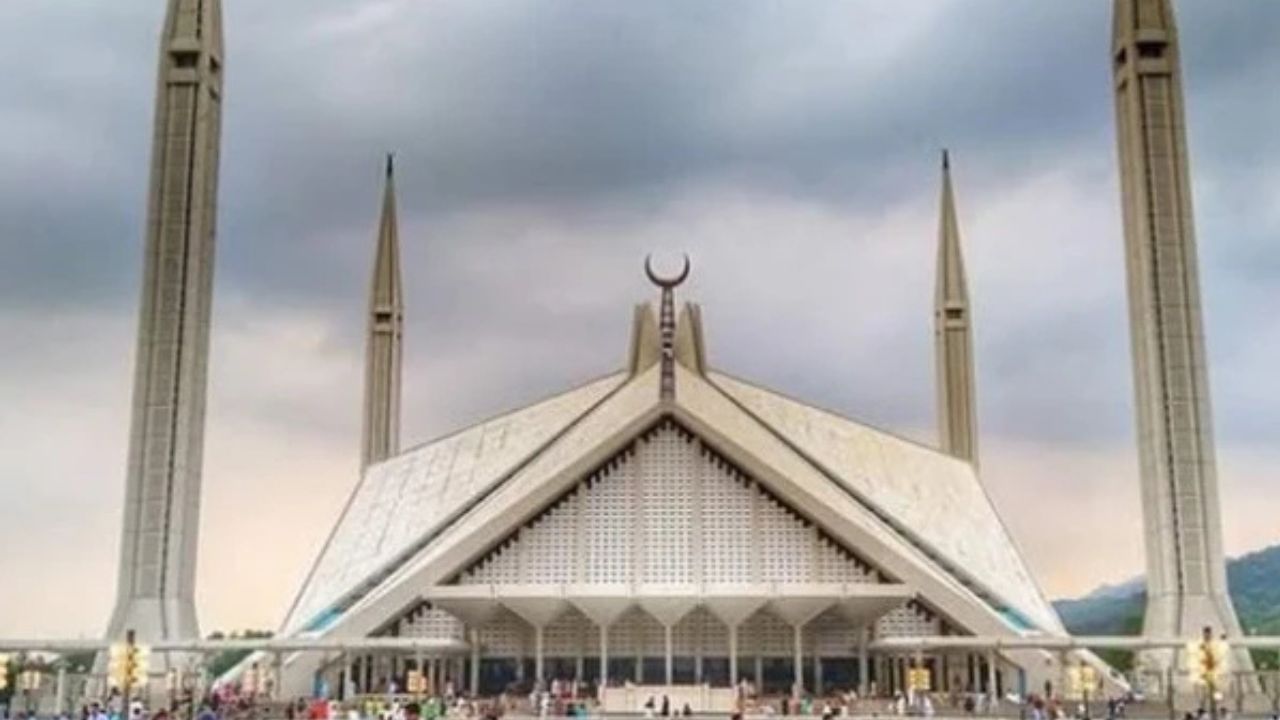
    The Islamabad High Court (IHC) has issued notices to multiple government officials and institutions in response to a petition highlighting “inappropriate” video recordings taking place within the premises of Faisal Mosque.

    According to the petition, various videos circulating on social media show individuals recording content inside the mosque while wearing what he argued were “inappropriate clothes”, and in some cases, dancing.

    The petitioner argued that such acts violate the sanctity and dignity of the mosque and offend the religious sentiments of the public.

    The petitioner emphasised that the recording of such content within a place of worship was also a breach of Article 20 of the Constitution, which guarantees religious freedom and the right to practice one’s faith in peace and respect.

    Despite submitting written complaints to the mosque administration, the deputy commissioner of Islamabad, and the chairman of the Capital Development Authority (CDA), no action was taken to address the issue, the petitioner claimed.

    During the hearing on Monday, the judge asked whom the court should direct for action in this matter.

    The petitioner’s lawyer responded that several parties, including those in charge of Faisal Mosque, had been named in the petition.

    In response, the IHC issued formal notices to all relevant parties and asked them to submit their replies.

  • Top influencer Adnan reveals why he became ‘Ken Doll’

    Top influencer Adnan reveals why he became ‘Ken Doll’

    Social media influencer Adnan Zafar, popularly known as Ken Doll, has shared the interesting story behind his identity and fame.

    Appearing on Tabish Hashmi’s show Hasna Mana Hai, Zafar opened up about how he got his name and public persona.

    According to him, he became Ken Doll due to public demand. While living in Dubai, people would often tell him that his body was well-proportioned, his facial structure, especially the jawline was perfect, and that he looked just like Ken from Barbie movies.

    “People used to say these things to me, and I was really influenced by that. That’s when I decided I wanted to become Ken.”

    He further explained that since he had studied business and was already active on social media, he saw an opportunity. “I thought, why not turn this identity into a business?” he added.

    He chose “Ken” as his username on social media, and as soon as he did, he began gaining immense popularity. His follower count increased rapidly, various brands started contacting him, and he received collaboration offers from different countries.

    He clarified that this was not just a character but a “lifestyle”.

    “To maintain this persona, I have to take special care of my health and lifestyle—what I eat and what I do.”

    According to Ken Doll, when he introduced his inner Faisalabadi humor to the public, it created a unique blend of beauty and comedy, which his fans loved.

    During the show , he was also asked whether he faced criticism from his family or relatives due to this lifestyle.

    “Criticism exists everywhere, and it mostly comes when someone is doing better than others. But I don’t give such things much importance.”

    “I was like that even in school. I used to participate in many activities like skits, dramas, music and everything like that. My school never stopped me, and supported my creative side,” he added.

    His videos are widely shared on Instagram and has over 2.4 million followers on the platform.

  • Internet loses it over ‘bold scene’ between Lazawal Ishq contestants

    Internet loses it over ‘bold scene’ between Lazawal Ishq contestants

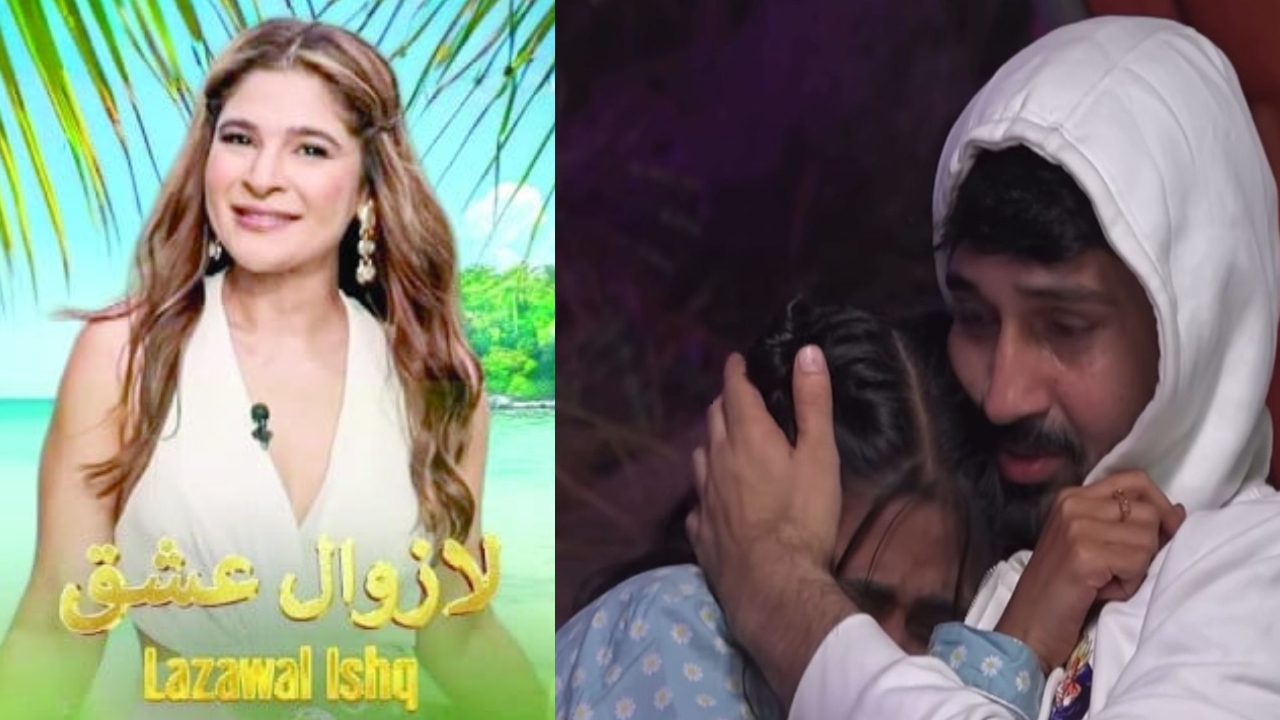
    A recent episode of the online reality show Lazawal Ishq has triggered widespread criticism online after an intimate moment between two participants was shown on screen.

    A male contestant named Junaid can be seen speaking about his late mother while another participant named Jannat, listens and becomes emotional. As she began to cry, Junaid hugged her to comfort her, kissed her on the head multiple times, and held her for a while.

    The clip, taken from the show’s 14th episode, quickly spread across social media platforms, where many users called it inappropriate in the conservative country. Dozens of posts appeared on X and Instagram condemning the moment and questioning why such content was being broadcast.

    One viewer wrote, “I don’t understand why people are watching this crap?” Another user commented, “Such pathetic things are getting common day by day in these stupid Pakistani shows. We should not watch these useless shows.” Several users demanded that the show be banned entirely, arguing that it was against local norms and values.

    The show, filmed in Turkey, features four men and four women living together in a single villa as they try to find potential partners. Promoted as Pakistan’s first dating reality show, Lazawal Ishq has been controversial since its launch. Its first episode, released on YouTube on September 29, immediately drew criticism for copying Western dating formats and being “un-Islamic.”

    From its debut, hashtags calling for the ban of Lazawal Ishq have trended on social media, with users saying that the show promotes behaviour inconsistent with Pakistan’s social and cultural environment. Each new episode has continued to face backlash, with viewers accusing the producers of ignoring public sentiment for the sake of online views.

    The controversy has also drawn responses from celebrities. Actor Mishi Khan criticised the show, saying it went against Pakistani traditions. Fiza Ali also voiced disapproval, warning that such content could negatively influence young viewers.

    Amid the growing criticism, political and regulatory bodies have been dragged into the discussion. Muhammad Faik Shah, Chairman of the Aman Taraqi Party, has filed a petition in the Islamabad High Court demanding action against the show. The petition calls on the Pakistan Telecommunication Authority (PTA) and the Pakistan Electronic Media Regulatory Authority (PEMRA) to take notice of the content.

    In response, PEMRA clarified that because Lazawal Ishq airs exclusively on YouTube, it does not fall under the authority’s jurisdiction. The body stated that its mandate covers content broadcast on licensed television channels, not digital platforms.


    Despite repeated public calls for a ban, new episodes continue to be released on YouTube, with each one attracting both criticism and curiosity. The show’s makers have not issued any official response following the latest controversy.

    The debate around Lazawal Ishq has now expanded beyond entertainment circles, raising broader questions about the limits of content moderation, online regulation, and cultural representation in Pakistan’s growing digital media space.

  • International trips, luxury cars; FBR detects over 20 suspected tax evaders with undeclared assets

    International trips, luxury cars; FBR detects over 20 suspected tax evaders with undeclared assets

    The Lifestyle Monitoring Cell of the Federal Board of Revenue (FBR) has flagged over 20 individuals believed to be hiding their income and assets despite exhibiting a luxurious lifestyle.

    These cases involve taxpayers who possess multimillion-rupee real estate, high-end vehicles, and frequently travel abroad, yet declare very low incomes in their tax returns.

    Official statistics reveal that three prominent cases have been brought to light so far. One case centers on a digital content creator and travel vlogger whose public social media updates displayed extensive international travel from 2020 to 2025. 

    The FBR uncovered through his online posts that he visited numerous countries including Seychelles, the UAE, the Philippines, Spain, the Netherlands, Türkiye, the UK, the Maldives, Georgia, Saudi Arabia, Croatia, Italy, Portugal, Hungary, France, Belgium, Switzerland, Sweden, Denmark, Greece, Austria, and the Czech Republic.

    While the costs related to these travels are significant, the individual reported an annual income averaging less than Rs0.8 million.

    His 2020 tax return indicated earnings of Rs490,800, expenses of Rs390,000, and net assets amounting to Rs1,090,800. In 2021, he reported an income of Rs541,880 and expenses of Rs385,000. For 2022, his declared income was Rs564,040 with expenses at Rs396,000. In 2023, he reported an income of Rs784,600 and expenses of Rs480,000, with net assets of Rs1,672,320. The income reported for 2024 was Rs816,800, while expenses tallied to Rs504,000 and assets totaled Rs1,929,120. These figures do not align with the scale of his travel and lifestyle, suggesting hidden income.

    In a separate case, the FBR discovered undeclared assets totaling Rs180.5 million owned by an individual linked to a political family in South Punjab.

     Public records indicated that he possessed and used four luxury vehicles not documented in either his or his father’s tax filings. These included a Lexus LX 570 valued at Rs80 million, a Toyota Fortuner Legender worth Rs15 million, a Suzuki Hayabusa superbike priced at Rs5.5 million, and a BMW i7 electric car valued at Rs80 million. However, his tax returns only mentioned two motorcycles: a BMW M1000 RR, valued at Rs14.2 million, and a BMW R1250GS worth Rs9.8 million, summing to a declared value of Rs31.28 million. In the subsequent year, only one motorcycle continued to be declared.

    A third instance involved a taxpayer from southern Punjab owning 19 vehicles, which included sports cars, SUVs, motorcycles, and off-road trucks, collectively appraised at Rs624 million. 

    The identified vehicles comprised a Chevrolet Corvette C8 worth Rs80 million, a Yamaha Raptor 700R ATV valued at Rs6.5 million, a Harley Davidson Pan America motorcycle priced at Rs15 million, and a Chevrolet Silverado worth Rs40 million. Other vehicles included two Toyota Hilux Revo double cabins valued at Rs40 million, a Toyota FJ Cruiser priced at Rs15 million, a Ford F-150 Raptor at Rs70 million, along with numerous variants of Land Cruisers ranging from Rs4 million to Rs90 million. Additionally, the taxpayer owned a Range Rover appraised at Rs80 million, an Audi Q7 valued at Rs30 million, a Toyota 4Runner worth Rs60 million, a Toyota Tundra priced at Rs25 million, among several other models. None of these vehicles were reported in the taxpayer’s income declarations.

    The FBR’s investigations revealed a substantial discrepancy between reported wealth and visible assets, indicating substantial tax evasion.

    Inconsistencies between reported income and expenditures have been confirmed, and formal inquiries have commenced against all identified individuals. Officials mentioned that the identities of these taxpayers cannot be disclosed due to confidentiality regulations concerning income tax. 

    The Lifestyle Monitoring Cell functions under the Directorate of Intelligence and Investigation (Inland Revenue) and was created to identify individuals who openly exhibit luxurious lifestyles while reporting minimal or no taxable income. 

    By utilizing social media and other public data sources, the cell observes these inconsistencies and sends intelligence reports to the appropriate Regional Tax Offices for legal measures and recovery actions. Officials have stated that all 20 cases are currently being investigated, and additional action will be taken once the inquiries are concluded.

  • Osman Khalid Butt roasts misogynistic expectations after controversial Jama Taqseem scene

    Osman Khalid Butt roasts misogynistic expectations after controversial Jama Taqseem scene

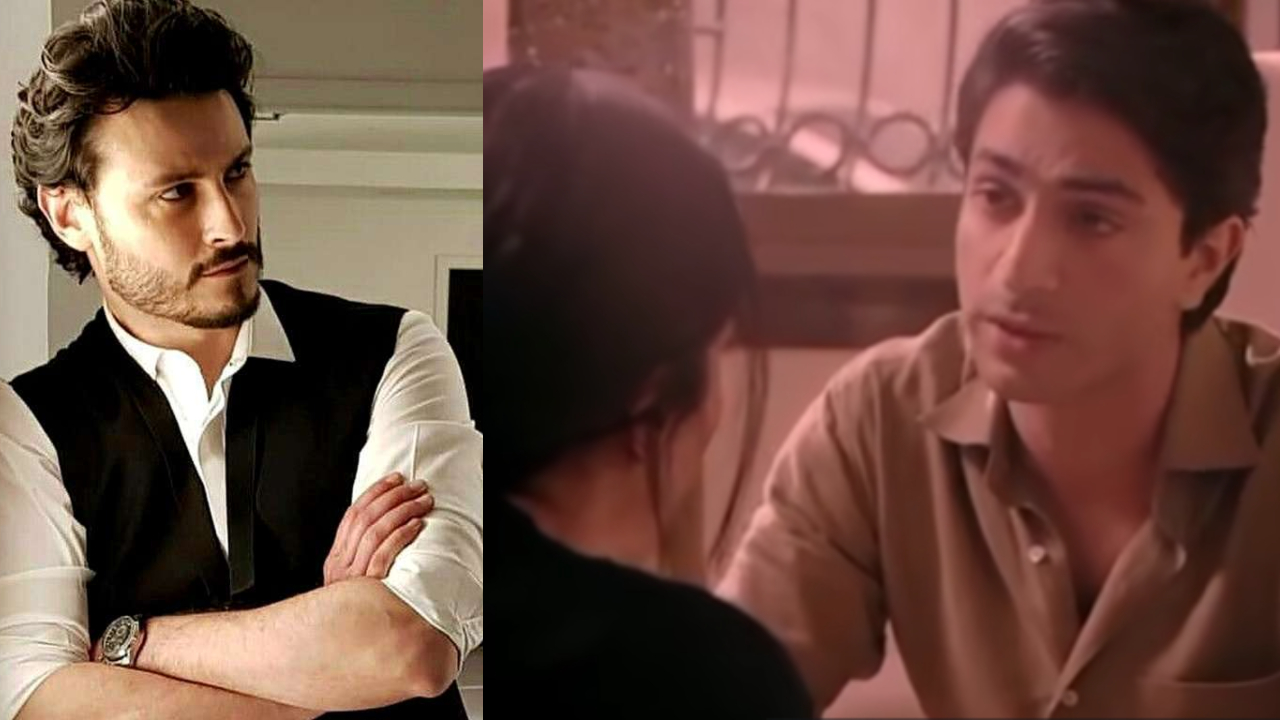
    Actor and writer Osman Khalid Butt has once again used wit and satire to challenge patriarchal norms, this time in response to a controversial tweet that circulated on X (formerly Twitter), following a scene from the most-talked drama Jama Taqseem.

    The now-viral scene features Qais (played by Talha Chahour) asking his wife Laila (Mawra Hocane) to manage his daily essentials including socks, shoes, belt, and underwear because that’s how he was “raised” by his mother and family. The moment sparked widespread debate, prompting one netizen to share a list of “qualities” a woman must possess to be considered marriage material.

    The list read: “Never marry a girl who:

                 Doesn’t make breakfast for you

                 Can’t organize your daily essentials

                 Leaves your shoes and socks dirty

                 Doesn’t know how to tie a tie

                 Lacks basic domestic skills

                 Doesn’t respect traditional household roles”

    Osman Khalid Butt, known for his sharp commentary and progressive views, responded with biting sarcasm, mocking the regressive checklist with his own exaggerated and hilarious “26-point guide” for what some men apparently expect from a wife.

    “This list is weak. Allow me to expand,” he began, before launching into a satirical tirade that highlighted the absurdity of such expectations. His list included gems like: “Won’t whisper Masha’Allah my big strong boy I’m sure your daddy loves you every time you breathe.”

    “Refuses to hand-wash your fragile masculinity in washing powder Nirma. Once said ‘therapy’ instead of ‘dua. Can’t make roti that heals your generational trauma. Doesn’t fold your emotional baggage & Oedipus complex neatly.”

    Butt’s satire struck a chord across social media, with many applauding his ability to expose the underlying misogyny that often goes unchecked in desi households and media.

    His post quickly went viral, with users praising the actor for calling out problematic gender roles with humor and insight.

    Osman Khalid Butt has long used his platform to advocate for gender equality, mental health awareness, and the importance of progressive storytelling in Pakistani media.

    The drama is winning hearts by showing the bitter realities of life and the writer has very aggressively handled the writing with some very harsh lessons taught in previous episodes.

  • Over 1,000 vacated houses demolished at Afghan camp in Sohrab Goth

    Over 1,000 vacated houses demolished at Afghan camp in Sohrab Goth

    Local authorities in Karachi, in collaboration with city police, have demolished more than 1,000 houses vacated by Afghans at the United Nations-designated Afghan Camp in Sohrab Goth over the past five days, officials confirmed on Sunday.

    According to SSP-West Tariq Illahi Mastoi, the operation began on October 15, and so far around 1,200 out of more than 3,000 houses have been torn down.

     He said that over 14,000 Afghan nationals had already departed the camp before the demolition drive started.

    SSP-West Tariq Illahi Mastoi reports that since the operation started on October 15, almost 1,200 of the more than 3,000 houses had been demolished. Before the demolition effort began, he said, more than 14,000 Afghan nationals had already left the camp.

    The clearance operation commenced on Sunday and should be finished in the coming days, he added. Law enforcement officers faced some opposition from a suspected land mafia on the first day, but since then, operations have moved forward without any problems.

    SSP Mastoi explained that the operation was being carried out in line with the federal government’s policy after concerns emerged that certain groups were attempting to seize the land illegally, potentially disturbing public order.


    The land in question is owned by the Malir Development Authority.

    About 15,680 Afghans had previously lived at the camp, according to officials. Of these, 1,384 are being transported back in stages, while 14,296 have made it back to Afghanistan.

    The operation followed a letter from West-Zone DIG Irfan Ali Baloch to the Additional IGP Karachi and other authorities, warning of attempts by the land mafia to occupy the vacated area.

    The DIG also recommended forming a special committee comprising representatives from the city administration, police, and other relevant departments to safeguard the government-owned land from encroachment.

    The Afghan Camp was once considered the largest settlement for displaced persons, with an estimated 30,000 residents at its peak.

  • Saudi Arabia welcomes Pakistan-Afghanistan ceasefire, terms it crucial for regional peace

    Saudi Arabia welcomes Pakistan-Afghanistan ceasefire, terms it crucial for regional peace

    The Kingdom of Saudi Arabia (KSA) on Monday praised the ceasefire agreement between Pakistan and Afghanistan, describing it as an important step toward lasting peace and stability in the region.

    In a statement, the Saudi foreign ministry said the historic deal was achieved during negotiations held in Doha.

    “Saudi Arabia welcomes the signing by the Islamic Republic of Pakistan and Afghanistan of an immediate ceasefire and the establishment of mechanisms to consolidate lasting peace and stability between the two countries, during the round of negotiations held in Doha,” the KSA’s Ministry of Foreign Affairs said. 

    “The Kingdom affirms its support for all regional and international efforts aimed at promoting peace and stability, and its continued commitment to ensuring security that achieves stability and prosperity for the brotherly peoples of Pakistan and Afghanistan.”

    The statement went on to say that it was hoped that the development would reduce tensions along the two countries’ shared border.

    “The ministry also appreciates the diplomatic efforts and constructive role played by the State of Qatar and the Republic of Türkiye in this regard.” 

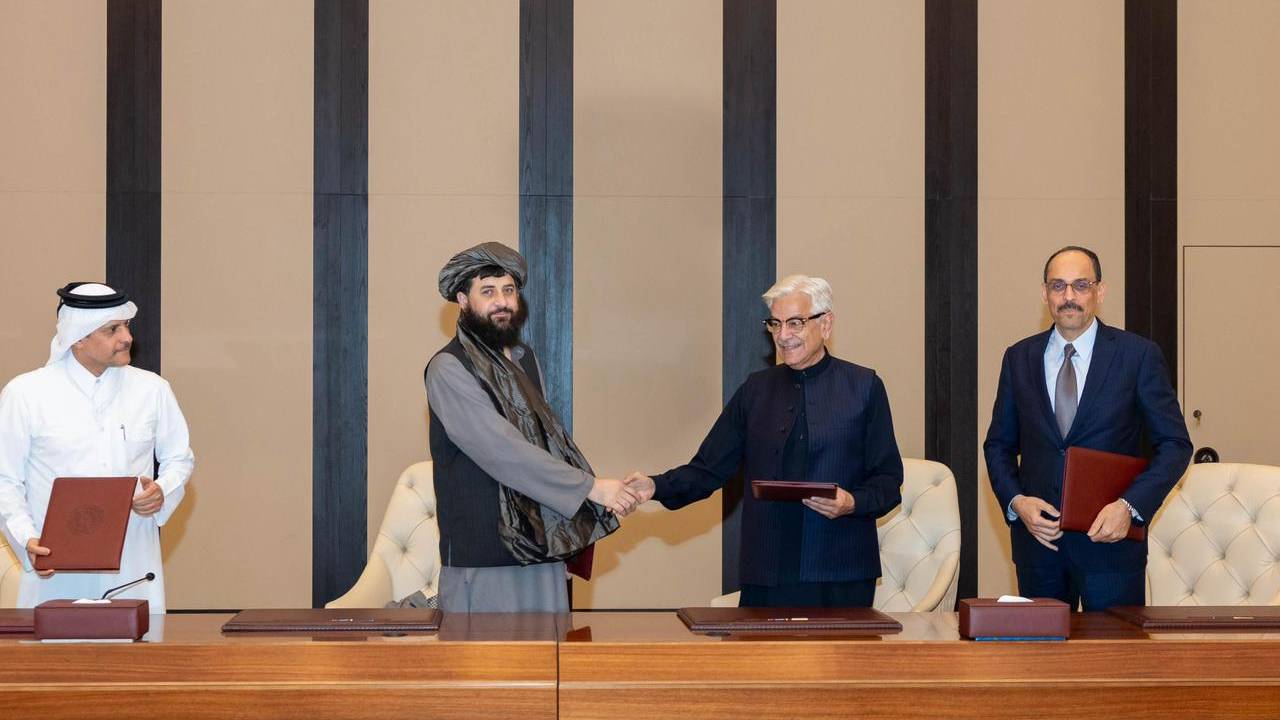
    After a week of fierce border fighting, the deadliest since the Taliban took over Kabul in 2021, Pakistan and Afghanistan said Sunday that they had negotiated an immediate ceasefire during negotiations in Doha.

    The ceasefire “has been finalised”, Pakistan’s Defence Minister Khawaja Muhammad Asif posted on X on Sunday, adding that both sides would meet again on October 25 in Istanbul to discuss “detailed matters”.

    The parties agreed on a comprehensive and significant ceasefire, Taliban spokesman Zabihullah Mujahid stated in a statement.

    Qatar’s foreign ministry, which mediated the talks alongside Turkey, stated that the upcoming meetings aim “to ensure the sustainability of the ceasefire and verify its implementation reliably and sustainably”.

    Asif and Mullah Muhammad Yaqoob, his Afghan counterpart, led the negotiations.

    The recent escalation involved ground battles and Pakistani airstrikes along the contested 2,600-kilometre border. It began after Islamabad accused Kabul of failing to curb militants launching attacks from safe havens in Afghanistan.

    More than 200 Afghan Taliban members and allied militants were killed by Pakistani forces in a fierce retaliation that officials called  a self-defense operation. Inter-Services Public Relations reports that 23 Pakistani soldiers were martyred in the clashes.

    The Taliban, however, denies harbouring militants attacking Pakistan and has accused the Pakistani military of spreading misinformation about Afghanistan and providing refuge to Daesh-linked fighters to undermine its stability and sovereignty. Islamabad has rejected these claims. Militants have long waged an insurgency in Pakistan, seeking to overthrow the state and impose their rigid interpretation of Islamic law.

    The Afghan regime must rein in the proxies who have sanctuaries in Afghanistan and are using Afghan soil to perpetrate heinous attacks inside Pakistan,” the Pakistan Army chief, Field Marshal Asim Munir, said on Saturday, addressing a graduation ceremony of cadets.

    The Taliban spokesperson said that at the Doha talks, “It was decided that neither country will take hostile actions against the other, and support will not be provided to groups operating against the government of Pakistan.”

    In a follow-up post on X, he said it reflected the Taliban’s longstanding position that Afghanistan’s territory will not be used against any other country.

    The spokesperson also clarified that the statements issued regarding the agreement did not amount to a joint declaration.

  • 20 European countries urge EU Commission to repatriate illegal Afghan migrants

    20 European countries urge EU Commission to repatriate illegal Afghan migrants

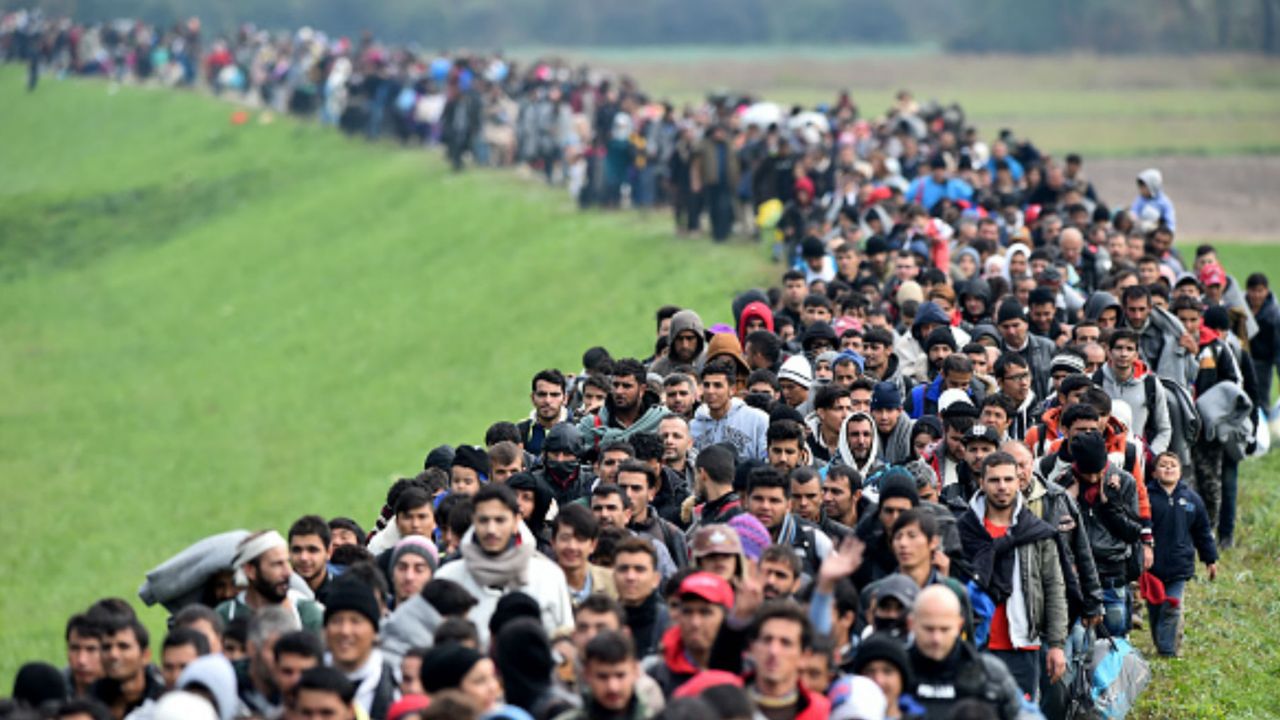
    20 European countries have urged the European Commission to take immediate steps for the return of Afghan nationals living illegally across Europe.

    According to media reports, Belgium’s Minister for Asylum and Migration, Annelies Verlinden, said the countries made the demand in a joint letter to the European Commission, calling for swift action to repatriate Afghan migrants.

    The letter stated that the repatriation process could be voluntary or forced and might require negotiations with the Taliban government.

    The countries that signed the letter include Austria, Bulgaria, Cyprus, the Czech Republic, Estonia, Finland, Germany, Greece, Hungary, Ireland, Italy, Lithuania, Luxembourg, Malta, the Netherlands, Poland, Slovakia, Sweden, and Norway.

    They noted that since the Taliban took control of Afghanistan in 2021, the absence of a formal agreement has prevented European nations from deporting Afghan nationals, even those involved in criminal activities. The countries said this situation poses a security risk and undermines public confidence in asylum policies.

    The countries urged the European Commission to prioritize the issue of Afghan repatriation on its agenda and consider holding talks with the Taliban to facilitate the process.

    The joint letter also proposed giving priority to the return of individuals considered criminals or security threats and suggested that the European Commission, the European External Action Service, and partner countries send a joint mission to Afghanistan to address the matter.

  • Lahore tops global pollution rankings as AQI hits alarming levels

    Lahore tops global pollution rankings as AQI hits alarming levels

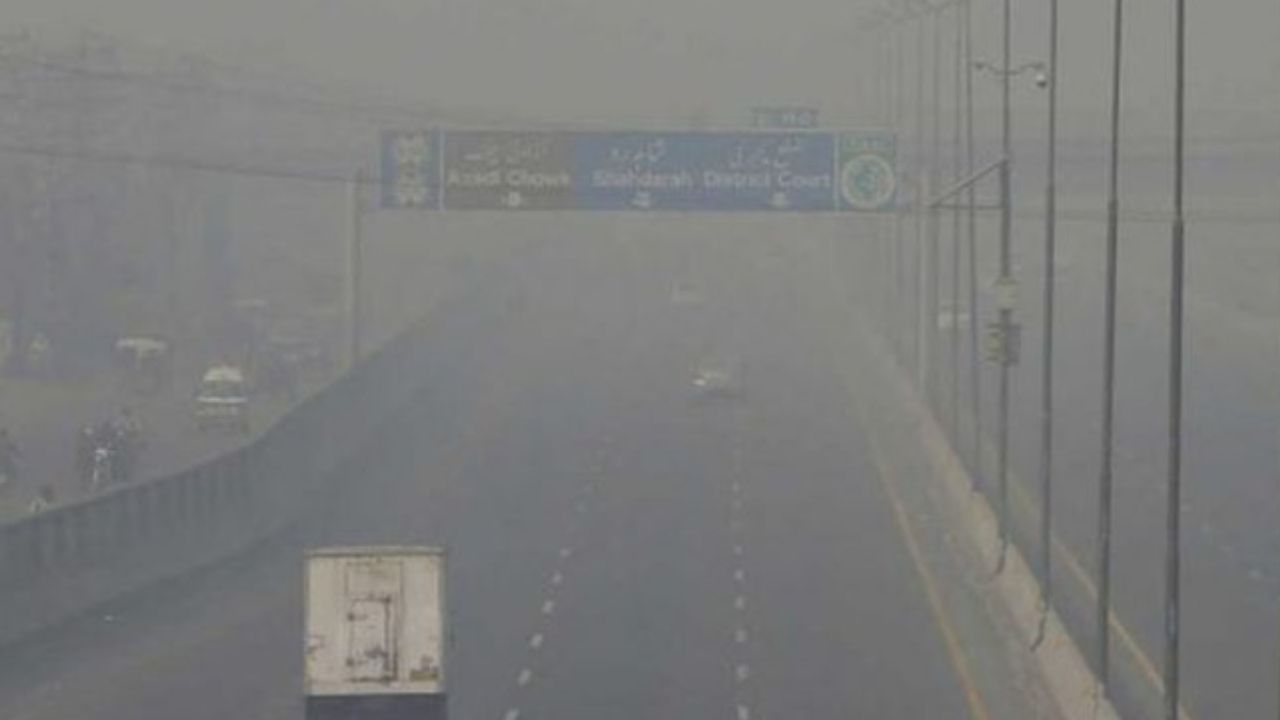
    Lahore was ranked as the world’s most polluted major city on Monday morning as dipping temperatures worsened air quality to “very unhealthy” levels, fata from IQAir has shown. 

    The city’s Air Quality Index (AQI⁺) was 297 at around 8 a.m., and PM2.5 levels were 222.5 micrograms per cubic meter, which is almost 44.5 times higher than the WHO’s recommended annual limit. Children, the elderly, and those with respiratory diseases are especially at risk from fine particulate matter, which is tiny enough to reach the bloodstream.

    Mumbai (182) and New Delhi (287) were also in the top three on the worldwide pollution table. Three Indian cities were in the top five, while other cities in the top 10 were Kolkata (158), Tashkent (158), Jakarta (154), Dhaka (152), and Dubai (152).

    The average AQI in Lahore on Sunday was 160, which is considered “unhealthy.” The most common pollutant, according to IQAir, was PM2.5, which was 13.7 times higher than the WHO guideline value.

     The Lahore Development Authority and Metropolitan Corporation Lahore, among other civic organizations, failed to enforce effective anti-smog measures amid continuous development and construction activities, according to environmental experts, which is why PM2.5 levels remained high.

    They called on Chief Minister Maryam Nawaz to immediately halt major construction and infrastructure projects in Lahore and other cities, warning that without urgent steps, “the situation will continue to worsen.”


    Meanwhile, Punjab Senior Minister Marriyum Aurangzeb said nine provincial departments had launched a “grand operation” to tackle smog. She claimed that coordinated government efforts and public cooperation had helped bring AQI levels “under control.” 

    According to Aurangzeb, environmental protection teams were
    working in the field, drones were monitoring brick kilns, and daily reports were being released.

     She added that smog guns and air quality monitors had been deployed, and for the first time, a unified government strategy was being implemented to manage pollution levels in line with forecasts.

    She further said a modern meteorological data centre was identifying high-pollution areas in advance, allowing targeted action in “smog hotspots.” Construction material was being covered, traffic police were restricting heavy vehicles during the day, and multiple agencies including WASA Lahore, LDA, PHA, C&W, and the Agriculture Department  had begun enforcement operations and a crackdown on crop residue burning across Punjab.

    Lahore’s air quality has been steadily declining every winter in the period between October and February, making it one of the most polluted cities in the world. Burning crop residue, sluggish weather, and emissions from automobiles, factories, brick kilns, and construction projects are all contributing factors to this seasonal surge. 

    Air quality has also gotten worse as a result of trees being cut down for new infrastructure projects.

    Temperature inversion is a climatic phenomena that intensifies smog during the winter by trapping pollutants close to the ground.

    Lahore’s AQI peaked at a dangerous 1,110 on November 14 of last year, according to IQAir, with PM2.5 levels hitting 632 micrograms per cubic meter. The alarming figures led the provincial government to declare a health emergency, close schools, shift university classes online, and impose a construction ban to ease the crisis.

    Experts have warned that this year’s PM2.5 concentrations have already surpassed hazardous levels, marking some of the city’s worst readings in five years.

  • PM Shehbaz Sharif extends Diwali greetings, calls for unity, shared prosperity

    PM Shehbaz Sharif extends Diwali greetings, calls for unity, shared prosperity

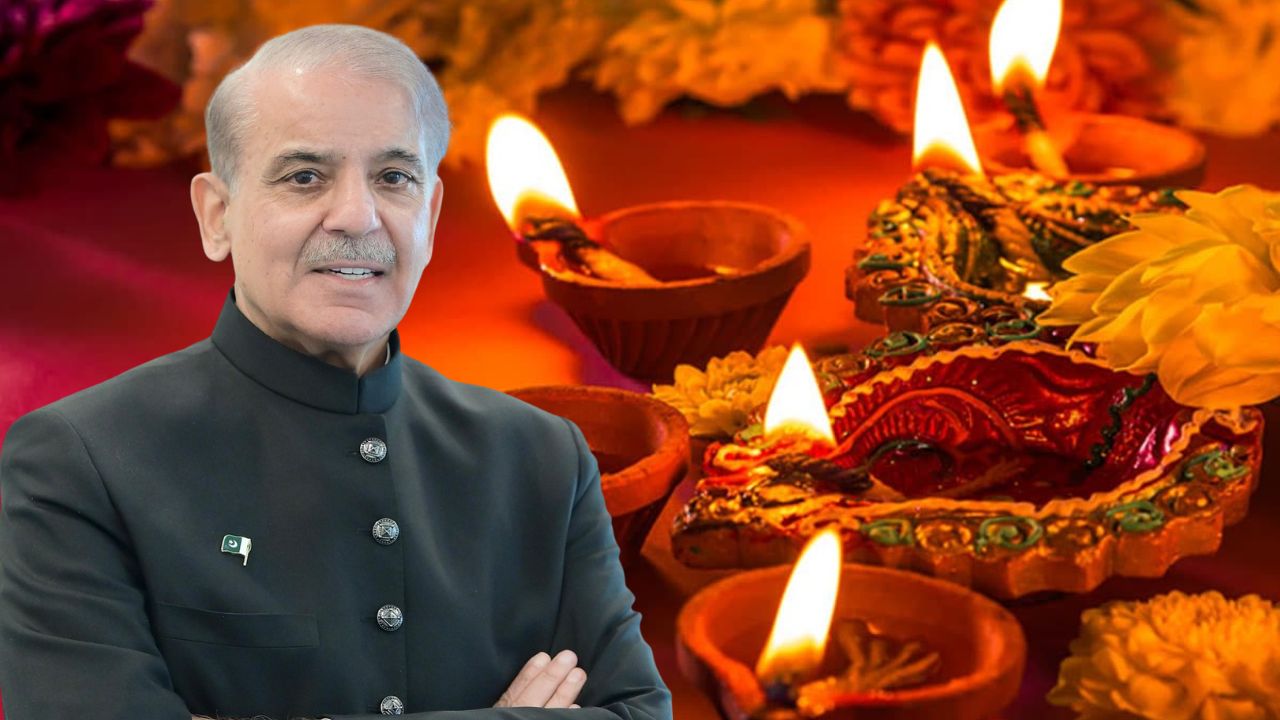
    Prime Minister Shehbaz Sharif extended warm greetings to the Hindu community in Pakistan and around the world on the occasion of Diwali.

    Sharing his message on X, the prime minister said, “On the auspicious occasion of Diwali, I extend my heartfelt greetings to our Hindu community in Pakistan and around the world.”

    He added, “As homes and hearts are illuminated with the light of Diwali, may this festival dispel darkness, foster harmony, and guide us all toward a future of peace, compassion, and shared prosperity.”

    Highlighting the festival’s deeper meaning, Shehbaz Sharif said, “The spirit of Diwali that embodies light over darkness, good over evil, and hope over despair inspires our collective resolve to overcome the challenges confronting our societies, from intolerance to inequality.”

    The prime minister urged unity among all citizens, saying, “Let us work together to ensure that every citizen, regardless of faith or background, can live in peace and contribute to progress.”

    He concluded his message with warm wishes, saying, “Happy Diwali .”