A special audit report has revealed embezzlement worth billions of rupees in accounts of different shrines in Punjab, which are managed by the provincial Auqaf Department.
According to a report by HUM News, the audit revealed that Rs860 million (86 crores) was withdrawn from the accounts of Lahore’s Data Darbar during the financial years 2015 to 2018. The funds were a sum of 33 transactions, but there is no record of how the money was spent.
The report further said that around 48 suspicious transactions amounting to Rs190 million (19 crores) were made from the accounts of Pakpattan Sharif Darbar.
The audit report pointed to alleged fraud involving rental income from more than 600 commercial shops owned by Auqaf in Jhang and Okara, with an estimated loss of Rs 135 million (13.5 crores).
Furthermore, the report uncovered that hundreds of kanals of commercial land had been leased out at a nominal rate of just Rs 1 per year for a 99-year term. According to the report, Rs35 million (3.5 crores) was also withdrawn from the accounts of Baba Farid’s shrine.
With the audit report recommending a thorough investigation into the financial activities of the Auqaf Department, an official statement from the department remains pending.
British travel vlogger Isaac Elam recently shared what he really thinks about travelling in Pakistan and India while answering questions from his Instagram followers in a special YouTube Q&A video.
Isaac admitted that before visiting Pakistan he was nervous because of what he had always heard about the country.
“I think that’s mostly because of the news and the western media,” he said. “A lot of friends and family were actually worried and nervous about me coming over. When you’re shown things like terrorism and danger, of course they say don’t go.”
Isaac did not let the fear stop him. He explored Islamabad, Lahore and the breathtaking northern areas, calling it one of the best trips of his life.
“Pakistan is actually one of the most beautiful places I’ve ever been to,” he said. “I can now quite easily say I’ve recommended Pakistan to every single one of my friends and family. Even family that were scared and nervous about me going now want to visit.”
“I have never experienced hospitality like Pakistan. The taxi drivers refused my money. Restaurants did not want to take money from me. People were so kind, so gentle and generous. That’s something we don’t have back home,” Isaac shared.
One of the questions he was asked was about comparing Pakistan to India. Isaac spent six weeks in India before his Pakistan trip and did not hold back his thoughts.
“Before I visited, I thought India and Pakistan were very similar. But they are not. They are absolutely nothing alike,” he stated firmly.
He described landing in Delhi as an intense and overwhelming experience. Emphasising that he meant no disrespect, he said, “Delhi is very dirty, smells a lot and everyone’s trying to rip you off. It’s quite a busy place to land for the first time and you really need to be prepared.”
On the other hand, Islamabad left him shocked.
“Islamabad is so clean, so quiet and everybody is very gentle. No one’s trying to get money off you. It is peaceful and a really nice introduction to the country,” he said.
Talking about scams, he shared a brutal truth about India. “In India there are a lot of scams. It just seems part of the culture that people are trying to take your money. In Pakistan, maybe a shopkeeper hikes the price a bit but people try to give you things for free. You won’t ever get a free taxi in India. But in Pakistan, it happens.”
Isaac praised both countries for their natural beauty but said Pakistan’s north took the top spot for him.
“The flight into Skardu is unbelievable. You can see K2 out your window. There is a cold desert, rivers, mountains and Fairy Meadows is truly heaven on earth,” he stated with a smile.
He did face one cultural reality check when he wore shorts and a t-shirt in a small northern village and locals reminded him to respect the local customs. Isaac said it was a good lesson in being mindful as a traveler.
In his Q&A, Isaac also spoke about using his voice when he and his friends discovered that a hotel (Lexus Hunza) was allegedly dumping sewage into Lake Attabad.
“This has not changed my opinion on Pakistan at all. Pakistan is an incredible place. Some things just need to be fixed. I am glad we could use our platform in a positive way to speak up,” he said.
Western media tried to keep him away but now Isaac says Pakistan is on top of his list for travelers in 2025.
“If I could, I would take a flight tomorrow,” he said. “Pakistan is one of the best countries I have ever traveled to, potentially number one. The people, the places, the hospitality, it is unmatched. I want to show the world how incredible the Pakistani people are.”
A father from Karachi killed his 21-year-old son in Orangi Town after discovering his friendship within the transgender community.
Police arrested Abdul Ghaffar Khan, the suspect, on charges of killing his son, Ali Khan, in Raja Tanveer Colony, Sector 11½, according to Iqbal Market SHO Sher Mohammed.
The officer told a private news channel that the victim was attacked on Wednesday with a shovel inside the family’s home.
According to the SHO, the father admitted to investigators he was upset over his son’s frequent meetings with people from the transgender community and had warned him several times to stay away.
Despite repeated warnings, the son continued to visit his friends, which allegedly led to the violent incident.
Police said the suspect confessed to first subjecting his son to electric shocks before striking him with a shovel, resulting in his death.
The body was shifted to Abbasi Shaheed Hospital for legal and medical procedures.
SHO Sher Mohammed said the accused has a religious inclination and showed no signs of remorse after the killing.
Police are awaiting medical reports to verify whether electric shocks were administered to the victim prior to the fatal assault.
TikTok influencer Kashif Zameer has issued a public apology after his dramatic arrest for displaying firearms in public. In a video statement, he expressed deep regret over his actions that recently sparked public outrage.
“A few days ago, my video went viral on social media, in which I very foolishly showed off a ‘daala’ [a pickup truck] and weapons, which caused a lot of disturbance for people on the roads and spread fear among people,” he said.
“So I sincerely apologise for that. From now onwards, I will never promote any daala or weapons, so I ask everyone for forgiveness.”
The Crime Control Department (CCD) of Lahore Police had arrested Kashif Zameer along with 13 of his security guards on Wednesday for openly displaying weapons in public. Police officials confirmed that a raid was conducted in Iqbal Town, where firearms were recovered from Zameer and his guards. Multiple cases were registered against him at the CCD police station.
Videos of Zameer moving through the city with heavily armed guards had gone viral on social media. The clips showed him and his men brandishing guns in public, triggering fear and backlash.
His arrest came at a time when Punjab had heightened security due to the holy month of Muharram-ul-Haram. The provincial government had imposed Section 144 from June 27 to July 6, 2025, banning the public display of weapons and flammable materials without official permission. Pillion riding was also banned during this period, except for women, senior citizens, and law enforcement officials.
This was not Zameer’s first brush with the law. In April 2025, he was arrested for allegedly disrespecting the Punjab Police. A controversial TikTok video had shown him handing a tray of money to a man in a police uniform at a wedding. The man was later identified as driver constable Khurram Shahzad.
After backlash, Zameer tried to defend Shahzad by posting another video where the uniform was digitally changed into a black shalwar kameez using AI. He claimed the police uniform had been edited into the original video by “enemies.”
However, during the investigation, Shahzad admitted that he was indeed wearing the police uniform at the event. Both men were accused of disrespecting the police and spreading false information using artificial intelligence. Charges were filed under PECA’s electronic forgery and spoofing laws, along with sections of the Pakistan Penal Code. The Punjab Prosecutor General declared the matter a “high-profile” case and ordered a deeper inquiry.
Zameer insisted that the man in the video was his personal guard, not a police officer, and maintained he had always respected the Punjab Police.
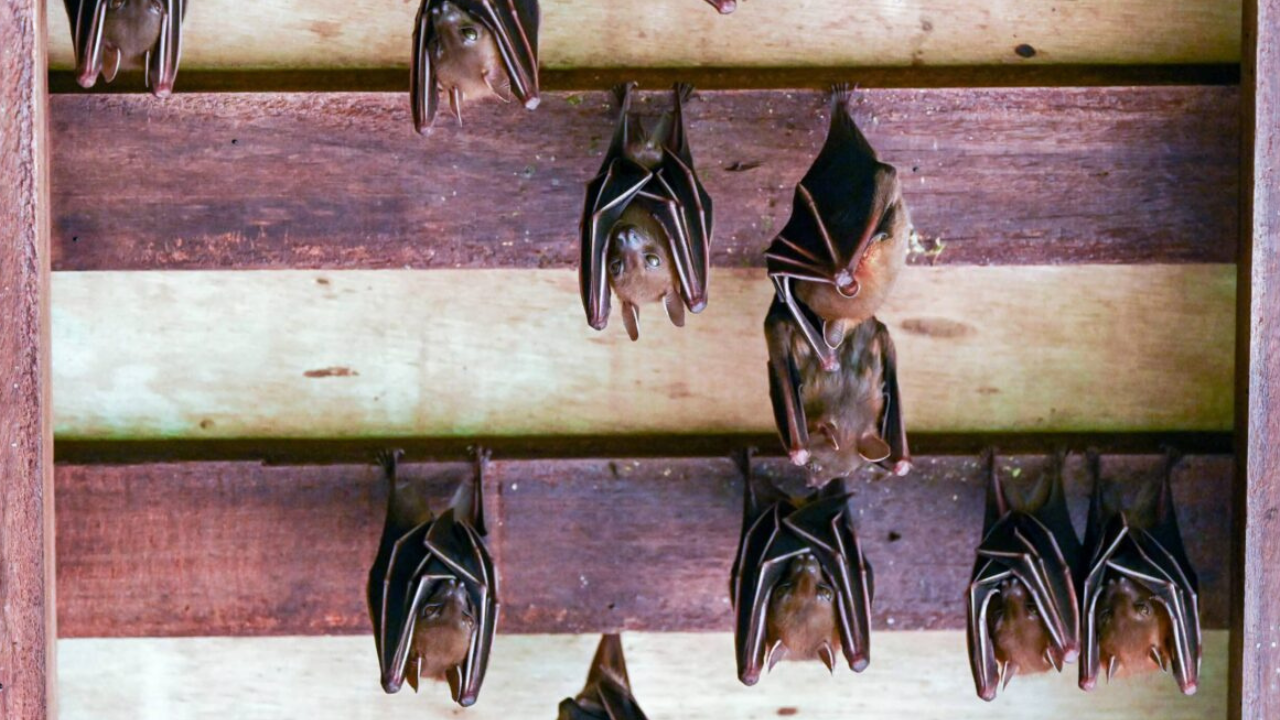
An Australian man has died from an “extremely rare” rabies-like infection transmitted by a bat bite, health officials said Thursday.
The man in his 50s was bitten by a bat carrying Australian bat lyssavirus several months ago, the health service in New South Wales said.
“We express our sincere condolences to the man’s family and friends for their tragic loss,” NSW Health said in a statement.
“While it is extremely rare to see a case of Australian bat lyssavirus, there is no effective treatment for it.”
The man from northern New South Wales, who has not been identified, was this week listed as being in a “critical condition” in hospital.
Officials said he was treated following the bite and they were investigating to see whether other exposures or factors played a role in his illness.
The virus — a close relative to rabies, which does not exist in Australia — is transmitted when bat saliva enters the human body through a bite or scratch.
First symptoms can take days or years to appear.
Early signs of the disease are flu-like — a headache, fever and fatigue, the health service said.
The victim’s condition rapidly deteriorates, leading to paralysis, delirium, convulsions and death.
There were only three previous cases of human infection by Australian bat lyssavirus since it was first identified in 1996 — all of them fatal.
People should avoid touching or handling bats, as any bat in Australia could carry lyssavirus, the New South Wales health service said.
Only wildlife handlers who are trained, protected, and vaccinated should interact with the flying mammals, it warned.
“If you or someone you know is bitten or scratched by a bat, you need to wash the wound thoroughly for 15 minutes right away with soap and water and apply an antiseptic with anti-virus action,” it said.
“Patients then require treatment with rabies immunoglobulin and rabies vaccine.”
The virus has been found in species of flying foxes and insect-eating microbats, NSW Health said.
The type of bat involved in the latest fatality has not been identified.
Australian bat lyssavirus was first identified in May 1996 by scientists at the national science agency CSIRO, who examined brain tissue from a flying fox that had been showing “nervous signs” in New South Wales.
Later that year, a bat handler in Queensland became ill.
“The initial numbness and weakness suffered in her arm progressed to coma and death,” the science agency said in an online document on the virus.
“Two further cases in Queensland — a woman in 1998 and an eight year old boy in 2013 — resulted in death after being bitten or scratched by a bat,” it said.
There are subtle differences between the lysssavirus in flying foxes and insectivorous bats, the science agency has found.
Infected bats can transmit the virus to people, other bats and other mammals.
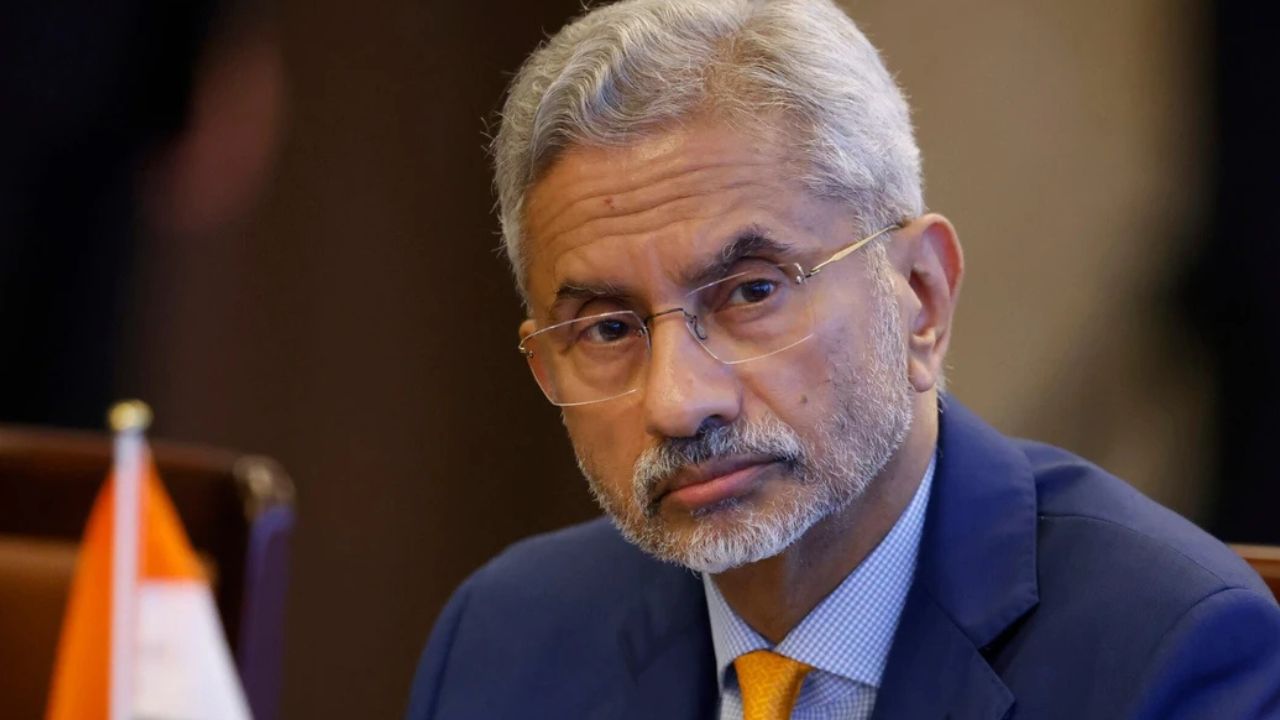
Indian External Affairs Minister Subrahmanyam Jaishankar has revealed that US Vice President JD Vance had warned Prime Minister Narendra Modi of a potential major attack by Pakistan on the night of May 9, urging India to accept certain conditions to prevent escalation.
In an interview with Newsweek on Wednesday, Jaishankar stated that JD Vance directly called PM Modi and conveyed that if India did not concede on certain matters, Pakistan would launch a large-scale attack.
“I was in the room when the US vice president spoke to Prime Minister Modi on the night of May 9, warning that the Pakistanis would launch a very massive assault on India if we did not accept certain things,” he said.
“That night, Pakistan did launch a large-scale attack,” Jaishankar confirmed.
India alleged that Pakistan was behind the April 22 Pahalgam attack in Indian Illegally Occupied Jammu and Kashmir (IIOJK). However, no evidence has been provided to date, whereas Pakistan has also dismissed the allegations.
The tensions between the two countries nonetheless escalated the following month. On the night of May 6–7, India illegally launched strikes in Pakistan, including Muridke and Bahawalpur, killing innocent civilians. In response, the Pakistan Air Force (PAF) acted swiftly and downed six Indian fighter jets, including three Rafales, a Su-30, and a MiG-29.
The tension escalated when both countries directly engaged in a military confrontation.
In response to the Indian aggression, Pakistan’s armed forces launched a large-scale retaliatory military action under Operation Bunyan-um-Marsoos, targeting several Indian military sites across multiple regions.
After at least 87 hours, the conflict between the two nuclear-armed neighbours ended on May 10 with a ceasefire agreement brokered by the US.
The ceasefire was first announced by US President Donald Trump on Truth Social after the US held talks with both sides. However, India has dismissed Trump’s claims that it resulted from his intervention and threats to sever trade talks.
On the contrary, Pakistan has acknowledged the US president’s efforts and formally recommended him for the 2026 Nobel Peace Prize, citing his role in defusing tensions between Pakistan and India last month.
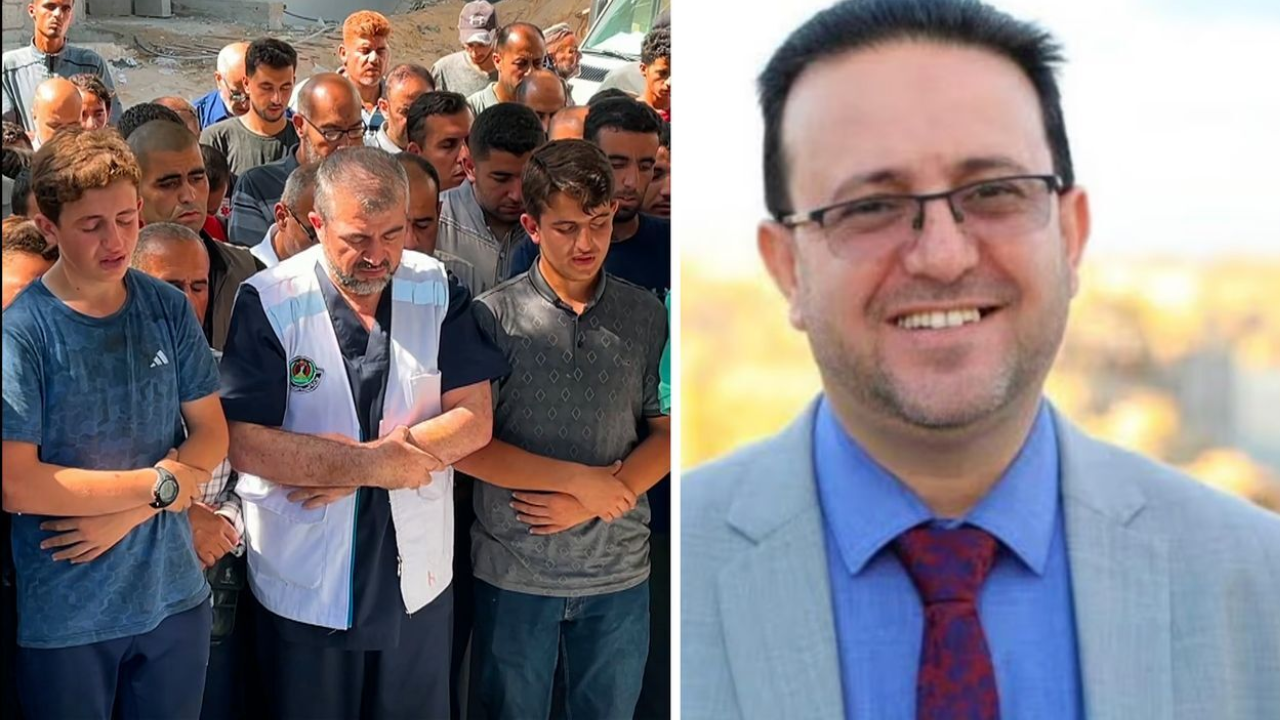
Palestinian officials and witnesses said on Wednesday that an Israeli strike killed the director of the Indonesian Hospital, a key clinic in the north of war-ravaged Gaza.
Doctor Marwan Al-Sultan was killed in his apartment in Gaza City along with his wife, daughters and son-in-law, a relative who said he found them, Ahmed al-Sultan, told AFP.
Gaza’s civil defence agency said seven people were killed in the strike early Wednesday afternoon, including Sultan, his wife and at least three of his children.
The doctor’s body was taken to the Al-Shifa hospital in Gaza City, where mourners gathered around it, AFP journalists reported.
“His face was unrecognisable, we could barely identify him,” the director of that facility, Mohammad Abu Salmiya, told AFP.
Surviving daughter Lubna Sultan paid tribute too her father at the hospital.
“His whole life was devoted to medicine and the struggle to treat patients,” she told AFP.
“There is no justification for targeting him and his martyrdom.”
The killing drew condemnation from Hamas and the health ministry in the Hamas-run territory, where Israeli forces are battling to crush the Palestinian militant group.
“We strongly condemn this heinous crime against our medical personnel, and we ask Allah to grant him and his family mercy, after a long journey of service,” the ministry said.
The Israeli army told AFP: “The claim that as a result of the strike uninvolved civilians were harmed is being reviewed.”
It said it “struck a key terrorist from the Hamas terrorist organization in the area of Gaza City” on Wednesday.
The Medical Emergency Rescue Committee, the group that runs the hospital, called the killing of the doctor and his family “a flagrant violation of humanitarian principles and a grave act of injustice”, saying those responsible “must be held accountable”.
An Israeli military operation targeted the Indonesian Hospital in mid-May, when the Gaza health ministry said the facility’s electricity generators were deliberately destroyed.
Pakistan netball team have made history by reaching the final of the Asian Youth Girls Netball Championship 2025 after a strong 64-39 win over Japan in the semifinal.
The match was played at the Jeonju Hwasan Gymnasium in South Korea. Pakistan started fast, leading by 21-7 by the end of the first quarter. Japan tried to fight back but Pakistan stayed in control and kept increasing their lead.
Players like Leya Raza Shah, Alisha Naveed, Sumayya Kouser, Haleema, Jasmine Farooq, Amani, Parisa, and Farah Rasheed played key roles with good shooting, passing, and defence.
Earlier in the tournament, Pakistan had big wins over Saudi Arabia, Chinese Taipei, South Korea, and Japan in the group stage.
The team will now face either Maldives or Chinese Taipei in the final on Friday. With this win, Pakistan’s girls are just one step away from lifting the trophy and inspiring young players at home.
The 10th edition of Pakistan Super League (PSL) has smashed all previous viewership records, setting new milestones for broadcast ratings and online streaming.
A meeting was held in Lahore between the PSL management and stakeholders on Wednesday, where detailed briefings were given on the League’s latest achievements. The briefing revealed that PSL 10 generated over 500 million rupees in gate money alone.
Compared to the previous season, broadcast viewership for PSL 10 saw a massive jump. Average TV rating stood at an impressive 8.5 percent. Peshawar Zalmi emerged as the most-watched team, while Lahore Qalandars topped overall.
In an extraordinary leap, live streaming for PSL 10 surged by 647 percent compared to PSL 9. Last season recorded 455 million live streaming views, while PSL 10 attracted a staggering 3.4 billion views. The final match was the most-watched game of the season, and Lahore Qalandars recorded the highest team viewership at 1.4 billion.
The data showed that urban areas contributed 53 percent of the live streaming audience, while rural areas made up 47 percent. Male viewers accounted for 67 percent and females 33 percent.
PCB Chairman Mohsin Naqvi said, “PSL stands as a symbol of hope and unity, delivering world-class cricket and unforgettable moments. We will make the League even stronger and more globally active.”
PSL CEO Salman Naseer added that PSL 10 was not just a tournament but a celebration, calling it a movement that continues to bring fans together.
Looking ahead to the eleventh edition, PCB is exploring a major shift in the league’s calendar. Unlike previous seasons in February–March or April–May, PSL 11 is now likely to be scheduled between December 2025 and January 2026, helping avoid clashes with the Indian Premier League and ICC events.
Preparations are underway for expansion with two additional franchises expected to join the PSL, taking the League from six teams to eight.
Pakistan women’s football team pulled off a stunning victory in the AFC Women’s Asian Cup Qualifiers, defeating hosts Indonesia 2-0 in a Group D match.
The win marks a historic moment for Pakistan as they overcame a team ranked significantly higher in FIFA rankings.
Nadia Khan gave Pakistan an early lead by scoring in the 8th minute, registering her fifth international career goal. The momentum continued when Suha Hirani converted a penalty in the 18th minute to double Pakistan’s advantage. Throughout the match, Pakistan’s goalkeeper, Ziyana Jeewraj, made several crucial saves to deny Indonesia any chance of a comeback.
Pakistan’s FIFA ranking stands at 157, while Indonesia holds the 95th position, making this result even more significant for the Green Shirts. The team will now face Kyrgyzstan in their final Group D match on July 5.
The victory is Pakistan women’s first international win since September 2023, when they last defeated Laos in a penalty shootout.