Author: News Desk

  • HSY makes history with Hollywood debut in Disney+ series ‘Deli Boys’

    HSY makes history with Hollywood debut in Disney+ series ‘Deli Boys’

    Pakistani designer and actor Hassan Sheheryar Yasin (HSY) is making waves in Hollywood with his work on Disney+’s new series Deli Boys.

    The ace fashionista has designed costumes for the project and made his acting debut, becoming the first Pakistani designer to achieve the feat. 

    The series, directed by Ahmed Ibrahim and Jenni Konner, premiered on March 6 on Disney+ and Hulu. It is a dark comedy about two spoiled Pakistani-American brothers, Mir and Raj, who face challenges after their father’s sudden death. They uncover their father’s secret criminal life and must deal with his empire, facing issues like tax evasion and smuggling.


    HSY styled actors Poorna Jagannathan, Saagar Shaikh, and Zainne Saleh for the show’s last two episodes, adding a South Asian touch to the costumes. He also appears in those episodes. Talking about his Hollywood debut, HSY said it’s not just about fashion but also about representing South Asian culture globally.


    HSY started acting in 2021 in the TV drama Pehli Si Mohabbat, where he played a strict older brother. In 2022, he appeared as a villain in the film Ishrat, Made in China.


    Deli Boys has been praised for its mix of humor and drama and for showcasing South Asian characters in a fresh and meaningful way.

  • List of banks supported on Google Wallet in Pakistan; how to set it up on your phone…

    List of banks supported on Google Wallet in Pakistan; how to set it up on your phone…

    Google has officially introduced Google Wallet in Pakistan, bringing a new level of convenience for digital transactions. This mobile payment service allows users to make online payments, in-app purchases, and contactless transactions using their smartphones. With this launch, Pakistan’s digital payment system is expected to become safer, faster, and more efficient.

    How to Use Google Wallet in Pakistan

    Getting started with Google Wallet is simple. Just download the Google Wallet app from the Google Play Store. If you already have a credit or debit card linked to your Google account, it will automatically appear in the app. Just follow the on-screen instructions to set it up for contactless payments.

    If you don’t have a saved card, you can add one manually:

    Open the Google Wallet app.
    Tap “Add a card” at the top.
    Accept the issuer’s terms and conditions.
    Complete the verification process.
    Once verified, your card will be ready to use for payments.

    Supported Banks and Cards


    Google Wallet currently supports debit and credit cards from several major banks in Pakistan. These include:

    Bank AlFalah (Visa & Mastercard)
    Bank of Punjab (Mastercard credit cards)
    Faysal Bank Noor (Mastercard debit cards)
    HBL (Visa & Mastercard)
    JazzCash (Mastercard debit cards)
    Meezan Bank (Visa & Mastercard)
    UBL (Visa & Mastercard)

    More banks will be added soon, including:

    Allied Bank (Visa debit cards)
    Easypaisa Digital Bank (Visa debit cards)
    JS Bank (Visa & Mastercard)
    Zindigi (Visa & Mastercard)


    Besides bank cards, Google Wallet also supports loyalty cards and boarding passes, making it a useful tool for travel and shopping.

    Soon, popular Pakistani brands like Onic, Gul Ahmed, Sana Safinaz, J., and K-Electric will accept payments through Google Pay via PayFast. Airlines like Batik Air and Thai Airways will also allow travellers to store boarding passes in Google Wallet, providing real-time updates on flight departures and gate changes.

    Additionally, Safepay’s integration will enable more businesses in Pakistan to accept secure contactless payments in the near future.

    With these innovations, Google Wallet is set to transform digital payments in Pakistan, making financial transactions seamless and more accessible than ever before.

  • Pinealon Peptide: Advancing Research in Cellular and Neural Function

    Pinealon Peptide: Advancing Research in Cellular and Neural Function

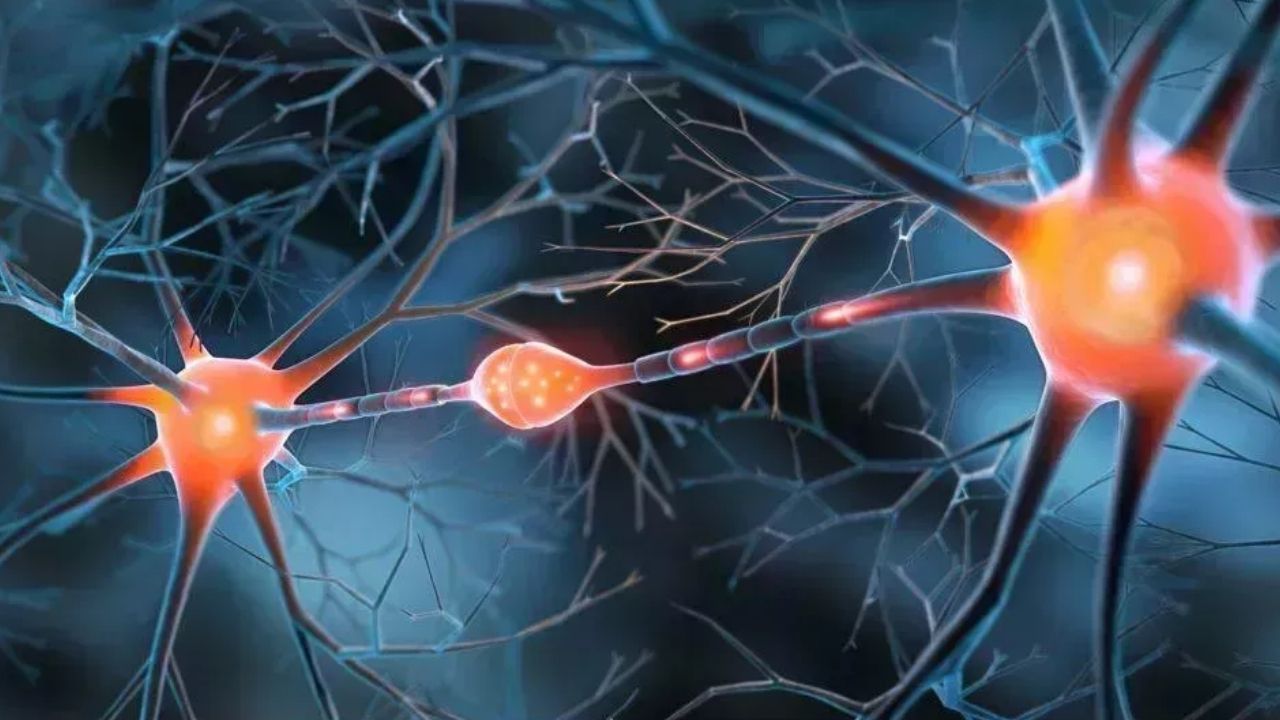
    Pinealon, a short peptide composed of three amino acids (Glu-Asp-Arg), has garnered attention in scientific research due to its intriguing properties and potential implications in the study of cellular processes and neurological regulation. This molecule, classified as a synthetic tripeptide, is believed to mimic endogenously occurring peptide sequences in the research model that play roles in gene expression, cell signaling, and metabolic regulation. The unique structure and characteristics of Pinealon suggest that it may serve as a valuable tool for exploring a range of biological phenomena, particularly within the domains of neuroscience, cellular aging, and cellular homeostasis.


    Molecular Properties and Mechanisms of Action


    Pinealon is a member of the short peptides category, which are molecules believed to be small enough to traverse cellular membranes and interact with intracellular targets. The peptide’s tripeptide sequence (Glu-Asp-Arg) implies potential interaction with nucleic acids or chromatin due to the presence of charged residues. This interaction is hypothesized to impact the expression of specific genes, potentially those involved in oxidative stress responses, cellular repair mechanisms, and protein synthesis.


    Research indicates that Pinealon may function by modulating redox-sensitive pathways within cells. Oxidative stress, characterized by the accumulation of reactive oxygen species (ROS), is a well-regarded driver of cellular dysfunction and is implicated in cellular aging and neurodegenerative disorders. Studies suggest that Pinealon might contribute to maintaining oxidative balance by impacting the regulation of antioxidant enzyme systems. This property positions the peptide as a promising candidate for studies on cellular resilience and adaptation under stressful conditions.


    Another intriguing aspect of Pinealon is its potential to interact with mitochondrial functions. Mitochondria, being central to energy production and cellular metabolism, are sensitive to changes in redox states. It is theorized that Pinealon might support mitochondrial performance by promoting the maintenance of membrane potential and reducing ROS accumulation. 
    Investigations purport that such impacts might improve cellular energy homeostasis, providing a foundation for further exploration in the context of cellular aging and regeneration.


    Implications in Neuroscience Research


    The hypothesized potential of Pinealon to cross the blood-brain barrier makes it an attractive molecule for investigating neural mechanisms. Neural tissues are particularly vulnerable to oxidative stress and metabolic imbalances due to their high energy demands and limited regenerative capacity. Research indicates that Pinealon might contribute to neuroprotection by regulating genes associated with neuronal survival, synaptic plasticity, and stress resilience.


    Pinealon’s potential role in cognitive function has attracted significant interest. It is theorized that the peptide may support the processes underlying learning and memory by modulating pathways involved in synaptic signaling. For example, proteins that regulate long-term potentiation (LTP) and neurogenesis might be impacted by Pinealon through its interaction with intracellular signaling cascades. This makes it a compelling candidate for studying cellular age- related cognitive decline and the underlying mechanisms of neuroplasticity.


    Another promising avenue for research is the peptide’s alleged impact on circadian rhythms and sleep regulation. Pinealon’s potential to impact neural gene expression suggests that it might interact with pathways governing circadian clock genes. Disruptions in circadian rhythms are implicated in numerous neurological and metabolic conditions, and Pinealon is thought to provide a novel tool for exploring these associations.


    Investigations in Cellular Aging and Longevity


    Cellular aging research has increasingly focused on the molecular pathways that govern cellular repair, stress resistance, and metabolic efficiency. Pinealon’s potential to modulate oxidative stress and mitochondrial function suggests that it might play a role in promoting cellular homeostasis during aging. Investigations purport that by impacting the expression of genes involved in protein folding, autophagy, and DNA repair, Pinealon may provide insights into the mechanisms of longevity and tissue maintenance.

    Moreover, cellular senescence a state in which cells cease to divide and accumulate harmful byproducts is a hallmark of cellular aging and various cellular age-related diseases. Research indicates that Pinealon might help maintain cellular proliferation and reduce markers of senescence by supporting the activity of transcription factors that regulate cell cycle progression. These speculative properties open opportunities for exploring the peptide’s role in mitigating the impacts of aging at the cellular level.


    Implications for Metabolic and Stress-Related Research


    Metabolic regulation and stress responses are deeply interconnected processes essential for survival and adaptation. Pinealon’s potential to impact pathways that regulate energy metabolism seems to have implications for studies on metabolic syndromes and disorders. It is hypothesized that the peptide might support glucose uptake and utilization by regulating genes involved in insulin signaling and glycolysis.


    Additionally, Pinealon’s alleged role in stress adaptation might extend to hormonal pathways, particularly those mediated by the hypothalamic-pituitary-adrenal (HPA) axis. Research indicates that by modulating gene expression in response to stress signals, the peptide might offer a new angle for studying how research models adapt to both acute and chronic stressors. This line of research might have broad implications for understanding resilience and the molecular basis of stress-related diseases.


    Pinealon as a Research Tool in Epigenetics


    One of the most exciting possibilities associated with Pinealon lies in its potential impact on epigenetic regulation. Epigenetics, the study of heritable changes in gene expression without alterations in DNA sequence, has become a cornerstone of modern biology. Pinealon’s structure suggests that it might interact with chromatin or histone-modifying enzymes, thereby impacting epigenetic markers such as DNA methylation and histone acetylation. Such interactions might regulate gene expression patterns in response to environmental stimuli or developmental cues.


    By exploring these properties, researchers might gain insights into how Pinealon contributes to cellular programming and adaptation. This may be particularly relevant in fields like developmental biology, where understanding the regulation of gene expression is critical.


    Theoretical Implications in Regenerative Science


    Regenerative science focuses on understanding and harnessing the mechanisms that drive tissue repair and regeneration. Pinealon’s potential to impact oxidative stress and mitochondrial function suggests that it might play a role in promoting the recovery of damaged tissues. For instance, the peptide’s hypothesized potential to support cellular energy production and reduce oxidative damage might also support the survival and proliferation of stem cells in regenerative contexts.


    Future Directions and Challenges


    While Pinealon offers many intriguing possibilities for scientific research, much remains to be understood about its molecular mechanisms and interactions. Future studies may focus on elucidating its precise molecular targets, downstream signaling pathways, and long-term impacts on cellular functions. Advanced techniques such as transcriptomics, proteomics, and molecular docking might provide valuable insights into hypothetical modes of action.


    Conclusion


    Pinealon is an emerging molecule with significant potential for advancing research in cellular regulation, neural function, and regenerative science. Its hypothesized potential to modulate oxidative stress, mitochondrial activity, and gene expression positions it as a versatile tool for exploring fundamental biological processes. While many questions remain, the peptide’s unique properties offer a promising avenue for scientific inquiry, opening the door to novel insights and implications across diverse research domains. Click here to learn more about Pinealon peptide and its research potential.


    References

    [i] Wang, M., & Zhang, H. (2020). The role of peptides in metabolic and stress-related signaling pathways: Implications for metabolic syndromes. Endocrine Research, 45(6), 526-533. https://doi.org/10.1080/07435800.2020.1838423


    [ii] Yang, Y., & Zhang, L. (2021). Epigenetic regulation by small peptides: A focus on gene expression modulation. Cellular and Molecular Life Sciences, 78(8), 3025-3037.https://doi.org/10.1007/s00018-020-03667-3


    [iii] Li, J., & Hu, Y. (2019). The role of peptide-based therapeutics in regulating circadian rhythms and sleep. Frontiers in Neuroscience, 13, 358. https://doi.org/10.3389/fnins.2019.00358


    [iv] Chen, L., & Zhao, Z. (2021). Pinealon peptide and its impact on cellular resilience and aging processes. Aging Cell, 20(5), e13473. https://doi.org/10.1111/acel.13473


    [v] Müller, W., & Reisinger, G. (2020). Peptide-based modulation of oxidative stress and mitochondrial function in aging and neurodegenerative diseases. Journal of Molecular Neuroscience, 72(3), 389-402. https://doi.org/10.1007/s12031-020-01362-4

    Disclaimer: This article contains sponsored content. The details and opinions expressed in this article are solely those of the author.

  • Javeria Saud’s ’emotional water’ theory sparks online frenzy

    Javeria Saud’s ’emotional water’ theory sparks online frenzy

    A video of actress and TV host Javeria Saud from her Ramadan show has gone viral, sparking an online debate over her claim that “water has emotions.”

    During a recent episode, actress Aiman Khan mentioned that while house help usually cooks at her home, her husband, Muneeb Butt, can instantly tell when she prepares a meal. In response, Javeria Saud explained that food tastes different depending on who makes it because “water has emotions and absorbs people’s words and feelings.”

    She supported her claim by referencing a study by a Japanese scientist, saying, “He conducted an experiment with two bottles of water, speaking negative words to one and positive words to the other. Over time, the negatively spoken-to water deteriorated, while the positively spoken-to water remained unchanged.”

    Javeria concluded that since water listens and reacts to human emotions, the feelings of the cook influence the taste of food. Aiman Khan agreed, suggesting this could explain why a mother’s home-cooked meals always taste unique.

    The video quickly went viral, with social media users reacting with a mix of humour, scepticism, and curiosity.

    Javeria Saud was referring to Masaru Emoto, a Japanese researcher who claimed that water molecules change based on human words and emotions. His study suggested that water responds to positivity and negativity, potentially affecting those who consume it. However, his findings have been widely debated in scientific circles.

  • Aftab Iqbal slammed for glorifying Jaffar Express terrorists

    Aftab Iqbal slammed for glorifying Jaffar Express terrorists

    Journalists and social media activists have slammed  YouTuber and former TV host Aftab Iqbal for glorifying the terrorists who had hijacked the Jaffar Express on Tuesday in Balochistan’s Bolan district.

    Speaking on his YouTuber channel on Wednesday, the former TV host, while using the term “neutralise” for the brave Frontier Corps (FC) soldiers, said, “They (militants) were aware that FC personnel were at the top, surveilling the entire area. The way they (FC soldiers) were skillfully neutralised was beyond anyone’s imagination.”

    Iqbal further claimed that the location that the terrorists chose for hijacking the train was an “ideal site”. He said, “Skillfully, tunnel No. 8 was chosen so that the train’s front and rear both remained inside the tunnel when it stopped. The explosion used to stop the train was also executed with exceptional expertise.”

    He described the terrorist attack on the train as a “well-planned military operation” rather than an act of terror by an extremist group, adding, “The incident was not done by some small separatist, militant, or extremist group; there is proper military planning and strategy behind it.”

    Journalists and activists hit out at Iqbal after clips from his vlog went viral. Prominent journalist and political talk show host Muneeb Farooq took to X (formerly Twitter), writing, “Wow, Aftab Sahib, wow. Brilliant selection of words ‘neutralize’, ‘exceptional skill’—such glorification of the BLA animals. The mental state you are in makes a person act this way only when they are completely invested in a particular agenda or ideology. Thank God that your so-called ‘highly skilled’ BLA filth was eliminated like stray dogs yesterday by the brave soldiers of the Pakistan Army and FC.”

    In a post on X, while sharing the short clip of Aftab Iqbal, journalist Waseem Abbasi wrote in the caption, “How delightfully Aftab Iqbal is praising the terrorists… Even the martyrdom of FC personnel is being referred to as ‘neutralised.’… A truly shameful act.”

    A social media activist opined, “So-called journalists like Aftab Iqbal are not only betraying the blood of our martyrs by portraying… terrorists as heroes but are also promoting the enemy’s narrative… They are spewing venom against Pakistan. The time has come to hold these digital terrorists accountable and expose their sinister agendas.”

    Speaking to a private media channel on Wednesday night, Director General (DG) Inter-Services Public Relations (ISPR) Lieutenant General Ahmed Sharif Chaudhry announced the completion of the two-day-long operation against the terrorists.

    He said that security forces eliminated all 33 Balochistan Liberation Army (BLA) terrorists who had hijacked the Jaffar Express, which was carrying more than 400 passengers — who were taken hostage on Tuesday noon.

    “Whoever did this will be hunted down and brought to justice,” said Lt Gen Chaudhry, adding that the suicide bombers using hostages as human shields and were taken out by snipers.

    He revealed that the terrorists martyred 21 passengers before the clearance operation had commenced. Furthermore, four FC personnel were also martyred during the attack in the Mushqaf area of the Bolan district.

  • Nadia Hussain targeted by online scam after husband’s arrest

    Nadia Hussain targeted by online scam after husband’s arrest

    Model Nadia Hussain became a victim of online fraud after her husband Atif Muhammad Khan was taken into FIA custody over financial fraud charges.

    A scammer posing as an FIA officer called Nadia Hussain and demanded a bribe of Rs 30 million in exchange for her husband’s bail. The caller claimed that “all matters had been settled” and pressured her to transfer the money while insisting, “this matter should remain between you and me.”

    Nadia Hussain exposed the fraudulent call on her social media account, stating that an FIA officer “demanded a huge bribe for my husband’s bail.”

    Meanwhile, FIA officials confirmed that the investigation continues and stressed that strict legal action will be taken against the scammer.

    Atif is on a five-day physical remand in a case pertaining to embezzlment of Rs 540 million from the bank that he worked at.

  • National T20 Cup: PCB chief overturns fee cut for domestic cricketers

    National T20 Cup: PCB chief overturns fee cut for domestic cricketers

    Pakistan Cricket Board (PCB) Chairman Mohsin Naqvi has stepped in to halt the planned 75 percent reduction in match fees for domestic cricketers participating in the National T20 Cup.

    According to a PCB spokesperson, the chairman has issued clear instructions to the Director of Domestic Cricket, preventing any cuts to player compensation. The board has also ordered an immediate review of match fees for all players.

    Earlier, the PCB had announced a reduction in National T20 Cup match fees from PKR 40,000 to just PKR 10,000 per match, citing an increase in domestic tournaments as the reason.

    The decision sparked a backlash from players and stakeholders, raising concerns about the financial well-being of domestic cricketers.

    Following the PCB chairman’s intervention, domestic players can now expect a reassessment of their match fees, potentially reversing the drastic pay cut.

  • Punjab proposes inclusion of ‘good touch, bad touch’ awareness in school curriculum

    Punjab proposes inclusion of ‘good touch, bad touch’ awareness in school curriculum

    The Punjab Home Department has sent a letter to the School Education Department, recommending the inclusion of ‘good touch, bad touch’ awareness in the curriculum to protect children from sexual abuse and inappropriate behaviour.

    The letter highlights the rising cases of child abuse in recent months and stresses the need for a comprehensive and effective awareness campaign to educate children about their safety. The initiative aims to help children identify and report inappropriate behaviour.

    The Home Department has suggested that a special module be introduced in early-grade textbooks to educate children about ‘good touch, bad touch’ and equip them with the knowledge to prevent potential exploitation.

    The Punjab government has directed relevant authorities to take immediate action on this sensitive issue to ensure child protection. The Child Protection Bureau has also been instructed to collaborate with the School Education Department to launch an awareness campaign and educate as many children as possible on the subject.

    Child Protection Bureau Chairperson and Punjab Assembly member Sarah Ahmed emphasised the importance of educating children on this critical issue, stating, “It is essential to teach children about inappropriate behaviour so they can recognise and report it.”

    She further mentioned, “The Child Protection & Welfare Bureau has already been running a ‘Good Touch, Bad Touch’ awareness campaign, and after Ramadan, we will intensify our efforts.”

    Sarah Ahmed stressed, “Victims of sexual abuse suffer from lifelong psychological and emotional trauma, making early awareness crucial. Through this initiative, we are committed to protecting children and bringing a positive change in society.”

  • Sarfaraz Ahmed takes on new role at Quetta Gladiators

    Sarfaraz Ahmed takes on new role at Quetta Gladiators

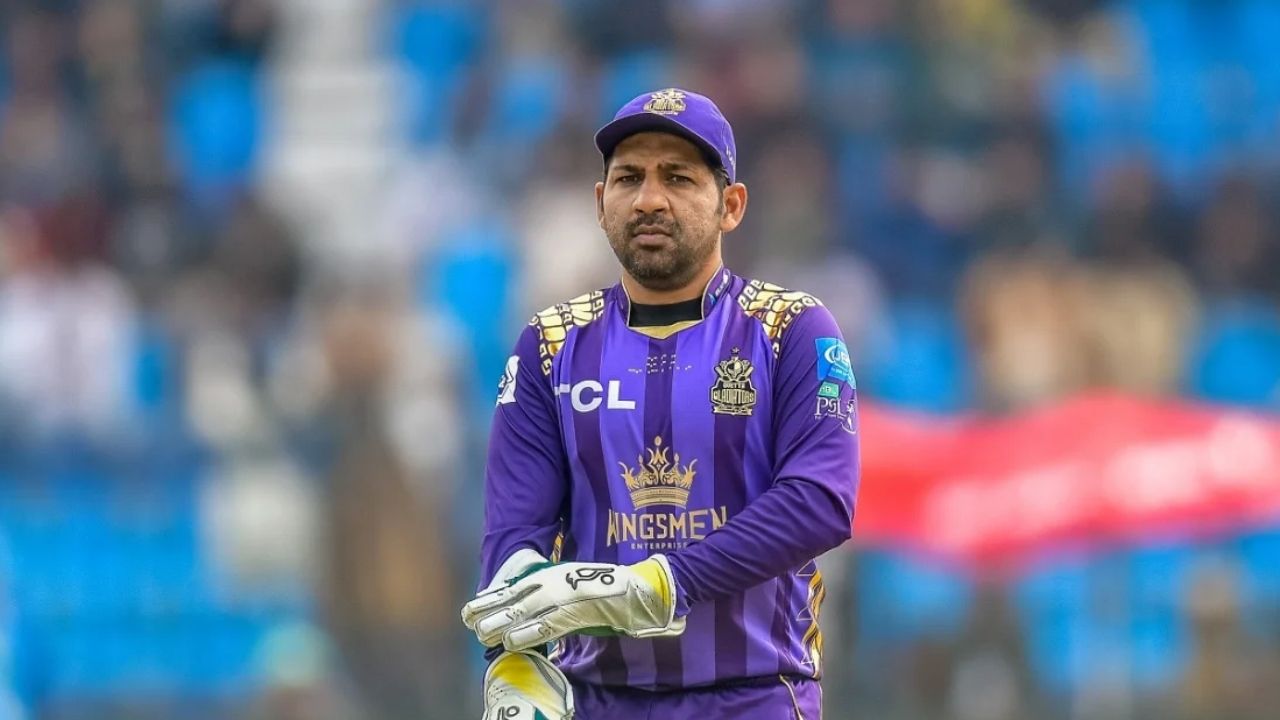
    Pakistan’s Champions Trophy-winning former captain Sarfaraz Ahmed has been appointed as the Team Director of the Pakistan Super League (PSL) franchise Quetta Gladiators.

    Franchise owner Nadeem Omar praised Sarfaraz, stating, “Sarfaraz, who led Quetta Gladiators to their PSL 2019 title victory, has been a key part of the team since the league’s inception. He led the franchise brilliantly as captain, and we hope he will continue to do so in his new role as well.”

    He further added, “Former Test captain Moin Khan will continue as head coach, while Sarfaraz’s appointment as team director will strengthen the team’s management. Sarfaraz is the heart of Quetta Gladiators, and we could not have chosen anyone better for this role.”

    Sarfaraz Ahmed had earlier announced his departure from Quetta Gladiators ahead of PSL 10 and was part of the players’ draft for the first time. However, he went unsold, after which Quetta decided to bring him back into a coaching role.

    Sarfaraz has been associated with Quetta Gladiators since PSL’s inception, leading the team to the finals in 2016 and 2017 and securing the championship in 2019.

    During his PSL career with Quetta Gladiators, he played 86 matches, scoring 1,525 runs at an average of 29.32, including seven half-centuries.

  • Bangladesh’s Mahmudullah Riyad bids farewell to international cricket

    Bangladesh’s Mahmudullah Riyad bids farewell to international cricket

    Bangladeshi cricketer Mahmudullah Riyad has officially announced his retirement from international cricket.

    He was part of Bangladesh’s squad in the ICC Champions Trophy and decided to bid farewell following the team’s exit from the group stage. Mahmudullah shared the news on social media on Wednesday.

    Expressing gratitude to his teammates, coaches, fans, and family for their unwavering support, he wrote, “I have decided to retire from international cricket.”

    Mahmudullah made his international debut in 2007 and went on to represent Bangladesh in 50 Test matches, 239 One Day Internationals (ODIs), and 141 T20 Internationals.

    Over his career, he scored more than 11,000 runs across all formats, including nine centuries and 56 half-centuries, while also taking 166 wickets.