Author: Zaynab Zya

  • HPU Website Hacked: What It Means for India’s Cybersecurity

    HPU Website Hacked: What It Means for India’s Cybersecurity

    On a quiet day in Himachal Pradesh, India, the official website of HPU (Himachal Pradesh University) was suddenly hacked. The homepage showed a threatening message and a disturbing image of the Indian flag being burned. These visuals were shocking and deeply offensive to many people. The site was immediately taken down.

    This hacking incident has started an important conversation about the rising number of cyberattacks on Indian institutions and the urgent need for stronger online protection.

    Let’s break down what happened, why it matters, and how this may affect future cybersecurity actions in India.


    What Is HPU?

    Before diving deeper, let’s understand what HPU is.

    HPU stands for Himachal Pradesh University, located in the Indian state of Himachal Pradesh. It is a respected public university offering education in various fields like science, arts, commerce, law, and education. Students from different parts of India attend this university, making it a major educational hub in northern India.

    The university also runs an official website, which gives students access to admission details, exam updates, and course materials. Hacking this site doesn’t just affect the university. It disrupts the lives of thousands of students and staff.


    The Hacking Incident: A Closer Look

    The hacking of the Himachal Pradesh University website is not just an ordinary cyberattack. It carried a political message, showing an image of the Indian flag being burned and derogatory remarks against the country.

    Here are some key facts:

    • Unknown attackers hacked the site.

    • A threatening message appeared on the homepage.

    • A picture of the burning Indian flag shocked users.

    • The site was taken offline immediately.

    • Cyber experts from Delhi were called in to investigate.

    • Himachal Pradesh Police’s cybercrime team is now involved.


    Who Is Behind the HPU Hack?

    So far, the identity of the hackers is still unknown. According to Deputy Inspector General (DIG) Mohit Chawla from the Himachal Pradesh Police, two cyber commandos will visit the university to study the attack in detail.

    While the investigation continues, some experts believe the attack could be linked to post-Operation Sindoor, which saw an increase in cyber threats to Indian institutions.

    It’s important to note that the university filed no official complaint at the time of the report. However, authorities are taking the matter seriously.


    Why This Matters for India and the World

    Cybersecurity is no longer just about personal data or credit cards. Attacking a university website like HPU may seem small, but it’s part of a bigger pattern. Educational institutions, government websites, and hospitals have all been targeted recently in India.

    Here’s why the Himachal Pradesh University attack is serious:

    1. It’s a soft target: Hackers often choose smaller websites to test their methods before hitting bigger targets.

    2. It spreads fear: Burning a national flag and posting threats sends a strong political message.

    3. It exposes weak systems: If a public university website can be hacked, what about critical sectors like banking or defense?


    The Bigger Picture: India’s Cybersecurity Struggles

    India is one of the world’s fastest-growing digital economies. But with growth comes risk. Recent years have seen a rise in cyberattacks on:

    • Government websites

    • Hospitals and healthcare systems

    • Power and water supply systems

    • Educational institutions like HPU

    Despite efforts, many systems still use outdated technology and weak security protocols. The Himachal Pradesh University hack is a wake-up call for both the public and private sectors.


    What Can Be Done to Prevent Such Attacks?

    India needs to take cybersecurity more seriously. The following steps are essential:

    1. Regular Security Audits: Universities and public organizations should check their websites often for weaknesses.

    2. Strong Firewalls and Encryption: These are basic tools to block hackers.

    3. Employee Training: Many hacks happen due to human error. Staff should be trained to spot phishing and malware.

    4. Quick Response Teams: Like the cyber commandos visiting HPU, every state should have a quick response team for online attacks.

    5. Clear Laws and Complaints Process: Victims must be able to report hacks easily and quickly.


    How the U.S. and Other Nations Can Relate

    People in the USA are also familiar with these challenges. American universities, city governments, and even major companies have been hacked in recent years.

    The Himachal Pradesh University case serves as a reminder that cyber threats are global, and all countries must work together to improve safety. Like in India, U.S. schools and colleges are often vulnerable. Small websites or local systems are easy targets. The lesson here is clear: every system matters.


    What Will Happen Next for HPU?

    Right now, the investigation is still going on. The university has taken the hacked website offline, and a team of experts is trying to find out:

    • Who hacked the site?

    • How did they get access?

    • What can be done to stop future attacks?

    The university may also upgrade its web security and launch a new version of the site. The authorities will likely state once the investigation is complete.


    Final Thoughts: A Wake-Up Call

    The Himachal Pradesh University hack may seem like a small event, but it highlights a much bigger issue. As India becomes more digital, so do its risks. From education to national security, cyber protection is no longer optional.

    This event also connects people across borders. From the U.S. to India, hackers do not care about borders. They care about weaknesses. That’s why every country must invest in better digital defense.

    A recent comparison by a British travel vlogger between Pakistan and India has sparked thoughtful reactions.


  • Train Smarter, Not Harder: Build Engaging Training Modules 4X Faster with Vidnoz AI

    Train Smarter, Not Harder: Build Engaging Training Modules 4X Faster with Vidnoz AI

    Training videos are an invaluable tool for teaching, engaging, and empowering the audience. A well-made training video can save time, improve learning outcomes, and make a lasting impact. What if you could create professional training videos in minutes? Vidnoz AI is a powerful AI video creation tool that allows you to create high-quality videos 4X faster than the traditional method. In this guide, we’ll provide a complete overview of Vidnoz AI and how this tool can personalize training modules up to 4X faster than conventional methods. Say goodbye to long production cycles and hello to smart, scalable learning, designed for the modern workforce.


    Part 1: Train Like a Pro With Vidnoz AI


    Vidnoz AI is a cutting-edge video creation platform designed to revolutionize the way businesses, educators, and professionals deliver training. Using advanced AI technologies, Vidnoz AI allows you to create high-quality, personalized training videos in minutes – no need for a camera, actors, or editing software. The standout feature of this tool is that it is certified with ISO/IEC 27001, providing a safe and secure environment to create high-quality training videos. Further, various AI tools are available for users to create splendid videos for learning, business, news, and social media. With its intuitive interface, customizable templates, and lightning-fast production capabilities, Vidnoz AI helps users save time, cut costs, and boost learner engagement — all without sacrificing quality.

    Part 2: Top Features of Vidnoz AI for Rapid, Personalized Training 

    With the help of this tool, users can create personalized training videos within minutes. Here’s what sets Vidnoz AI apart when it comes to creating high-impact training content: 


    1. 2800+ Video Templates 

    Vidnoz AI allows users to create different types of videos, including how-to guides, training, corporate, tutorials, and more. Using 2800+ video templates, users can generate professional-looking videos immediately with no hassle. 


    1. Realistic AI Avatars 

    The program provides over 1600+ lifelike avatars from different industries and roles such as doctors, hosts, customer supporters, students, and teachers. All avatar available on this program comes with “Head Pose and Expression Control” features. Further, Avatar Lite allows you to create a digital twin, and Avatar Pro provides advanced customization. 


    1. High-Quality Voices 

    With Vidnoz AI, you will get 1830+ AI voices in over 140+ languages, including English and Spanish. The standout feature of this tool is that all voices are powered by ElevenLabs, Google, and Microsoft. Vidnoz AI offers a huge voice library of singers, celebrities, musicians, and more. 


    1. AI Video Wizard

    The program allows you to create videos without any technical expertise or editing experience. Simply input text or any source material, and this program will generate high-quality videos using your data. 


    1. Free and User-Friendly Interface 

    It offers a free version, which includes advanced features such as Avatar Lite, Online Video Editor, Text-to-Video, and more. With the free version, you can create a 3-minute video daily. Plus, it boasts a simple and user-friendly design with an intuitive interface that allows even those with no editing experience to create full videos effortlessly. 


    Part 3: Types of Training Videos You Can Create With Vidnoz AI

    Vidnoz AI allows users to create a wide range of training videos tailored to different audiences, industries, and learning goals. Below are the most popular types of training videos you can create: 

    • Employee Onboarding Videos: With the help of this tool, you can create videos that introduce your company, culture, and processes to new hires. 

    • Product Training Videos: Teach employees or customers how to use your product through step-by-step walkthroughs, demos, and features. 

    • Skill Training: The program enables you to create skill-based training videos and seamlessly share them on popular platforms like YouTube, Instagram, and more. 

    • Health & Safety Training: Deliver essential safety procedures and workplace health guidelines in an easy-to-understand visual format. 


    Part 4: How to Create High-Quality Training Videos With Vidnoz AI? 

    Looking to create high-quality training videos? Look no further! Below, we’ve mentioned the step-by-step guide for creating high-quality training videos with Vidnoz AI: 

    • Open your web browser and go to the Vidnoz AI official site. Log in with your free account and select the Video Templates and Avatars. 

    • Enter your video script and choose the AI voice for your avatar. The program offers 140+ languages. Select the language of your video. 

    • Next, use Online Video Editor to personalize training videos. It allows you to customize video templates, add background music, insert text, and more. 

    • After customization, click on the “Generate” button to begin the video creation process. Within a few seconds, your video will be generated. Preview it and click on “Download” to export it in a popular format. 


    Part 5: Conclusion

    If you’re looking for a faster way to create training videos, you’re in the right place. In this guide, we have introduced you to the best AI video generator known as Vidnoz AI. This tool allows you to create high-quality training videos at 4X speed. 

    Read Also: Hina Khan Joins Laughter Chefs 2 With Rocky Jaiswal

  • AirPod Max 2: What to Expect from Apple’s Next Headphones

    AirPod Max 2: What to Expect from Apple’s Next Headphones

    The AirPod Max 2 is one of the most anticipated tech products in Apple’s lineup. Since the first AirPods Max launched in December 2020, fans have waited years for a true upgrade. With top-tier audio, a sleek build, and the iconic Apple design, these over-ear headphones made waves, but a second generation has yet to appear.

    As tech enthusiasts and music lovers alike ask, “When AirPod Max 2 release?”, the buzz is growing. Let’s dive into everything known, expected, and rumored about the AirPod Max 2, and whether holding out for them is really worth it.

    Why the Wait? A Quick Look at the First-Gen AirPods Max

    The first AirPods Max brought premium features: Active Noise Cancellation (ANC), Spatial Audio, and a stunning design. But time hasn’t been kind to the tech inside. The headphones still run on Apple’s H1 chip from 2019, and they lack newer features like Adaptive Audio and the H2 chip found in the AirPods Pro 2.

    Even after four years, the price remains high at $549, making people wonder, “Are AirPods Max still worth it in 2025?” Apple hasn’t made a major hardware change, aside from new color options and the USB-C port added last year.

    Latest Updates: What Apple Has (and Hasn’t) Done So Far

    Here’s what’s new with the current version, even though they’re still considered first-generation AirPods Max:

    • USB-C charging port added in 2024.

    • New color choices introduced.

    • Firmware update enabled lossless audio and ultra-low latency.

    Still, no change to the chip, battery life, or ANC performance. That’s why the buzz around AirPod Max 2 is heating up.


    When AirPod Max 2 Release? Here’s What Analysts Say

    According to trusted Apple analyst Ming-Chi Kuo, the AirPod Max 2 release won’t happen until 2027. That’s a long wait, seven years after the original model. Kuo also noted that the AirPod Max 2 will be lighter, but did not share more technical details like weight, battery life, or audio chip upgrades.

    This delay has raised eyebrows. With tech moving quickly, why would Apple wait so long to refresh a flagship audio product?

    What Features Could the AirPod Max 2 Include?

    While Apple hasn’t confirmed anything yet, here’s what industry insiders and leaks suggest might arrive in the AirPod Max 2:


    Lighter Design

    Kuo mentioned this specifically. The current model weighs 0.85 pounds, hefty for long listening sessions. A lighter version would be more comfortable for extended use.


    H2 Chip Upgrade

    It’s expected that the AirPod Max 2 will include Apple’s H2 chip, bringing support for:

    • Adaptive Audio

    • Improved noise cancellation

    • Better Siri response

    • Longer battery life


    Lossless Audio (Built-In)

    Although current models support lossless audio via firmware, a native setup in AirPod Max 2 could offer studio-quality sound without tweaks.


    USB-C and Smart Charging

    Already added to the current model, this feature will likely be standard in the AirPod Max 2, possibly paired with faster charging.


    New Materials or Textures

    Apple may use lighter alloys or recycled materials to reduce weight and increase sustainability appeal.


    AirPod Max 2 Review Expectations: What People Hope For

    While a full AirPod Max 2 review can’t happen until the product launches, early expectations are high. Based on community feedback and what’s missing today, reviewers will likely focus on:

    • Comfort improvements

    • Sound quality upgrades

    • Battery life enhancements

    • Real-world ANC performance

    • Value compared to competitors like Sony WH-1000XM5 and Bose 700

    Tech fans want the AirPod Max 2 to finally close the gap between luxury design and future-ready performance.


    Are AirPods Max Still Worth It in 2025?

    That depends. Here’s a simple breakdown:


    Buy Now If:

    • You find them on sale or refurbished.

    • You want excellent ANC, Spatial Audio, and iOS integration today.

    • You don’t need Adaptive Audio or H2 chip features.


    Wait for AirPod Max 2 If:

    • You want the latest tech and best long-term value.

    • You’re already using H2-powered AirPods Pro 2 and want a full upgrade.

    • You want lighter headphones for long wear.

    •  

    With rumors of a 2027 launch, some may prefer other brands or hold off until Apple gives an official update.


    Final Thoughts: Should You Wait for the AirPod Max 2?

    The AirPod Max 2 is shaping up to be a game-changer, but only if Apple delivers meaningful upgrades. A lighter build, new chip, and better audio features could make them the best over-ear headphones on the market. However, the long wait until 2027 means today’s buyers must decide between convenience now or innovation later.

    In the meantime, current AirPods Max remain a solid (if pricey) choice for iPhone users who value seamless integration and immersive audio. But for those asking, “Are AirPods Max still worth it in 2025?”, the answer depends on patience, budget, and how badly you want Apple’s latest.

  • PS6 Release Date: What to Expect from Sony’s Next Console

    PS6 Release Date: What to Expect from Sony’s Next Console

    The PS6 release date is one of the most searched gaming topics right now, even though Sony hasn’t made an official announcement yet. While the PlayStation 5 still feels relatively new, conversations around the PlayStation 6 are heating up. With rising interest and growing rumors, the big question on every gamer’s mind is: Is the PS6 coming out?

    According to analysts and past PlayStation trends, the PS6 release date could fall between late 2027 and 2028, aligning with Sony’s usual 6- to 7-year console cycle. But this timeline isn’t set in stone, and there’s more to the story.


    Looking at History: When Do New PlayStations Usually Launch?

    Sony follows a fairly predictable rhythm. Here’s how the major PlayStation consoles have rolled out over the years:

    • PS1: Released in 1994

    • PS2: Released in 2000 (6 years later)

    • PS3: Released in 2006 (6 years later)

    • PS4: Released in 2013 (7 years later)

    • PS5: Released in 2020 (7 years later)

    If history repeats itself, the PS6 release date will likely land in November 2027 or 2028, right in time for the holiday shopping season. That’s also when Microsoft is rumored to drop its new Xbox release date, which could intensify the console wars once again.


    PS5 and PS5 Pro: Still Center Stage

    Sony isn’t rushing to release the PS6 just yet, and for good reason. The PlayStation 5 continues to perform strongly, and the company recently launched the PS5 Pro, a powerful mid-generation upgrade expected to ship widely in 2025 or early 2026.

    With that in mind, Sony is clearly planning to extend the PS5’s life for a few more years. Mark Cerny, the lead architect behind several PlayStation consoles, recently told Tom’s Guide that his current focus is software advancements like AMD’s FSR 4 upscaling, which will improve visuals on the PS5 Pro by 2026.

    In his words:

    “What I’m trying to do is prepare for the next generation of consoles, so my timeframe is multi-year here.”

    Translation? Don’t expect the PS6 release date before 2027. Sony is prioritizing smoother gameplay and enhanced visuals on current systems before making a giant leap forward.


    Is the PS6 Coming Out?

    Yes, the PS6 is definitely coming out, eventually. Sony has a clear track record of innovating every few years, and there’s no indication they’re abandoning the console model anytime soon. In fact, mentions of future hardware have already surfaced in Sony’s internal documents and investor meetings.

    There’s even chatter that Sony may release two versions of the PS6, based on leaks involving two custom chips (SoCs) currently in development. One could be a standard model, while the other might be a handheld or portable variant, similar to the Nintendo Switch or Steam Deck. This could mean that PlayStation is gearing up for a more flexible gaming future.


    PS6 Trailer Release Date: What to Expect

    One of the biggest questions out there is: When will we see a PS6 trailer? Right now, there’s no official PS6 trailer release date. If the console really is set for late 2027 or 2028, a teaser trailer or reveal event might arrive in 2026, just like the PS5 teaser did a year before launch.

    Gamers should keep a close eye on major Sony events like:

    • PlayStation Showcase

    • Gamescom

    • The Game Awards

    • E3 (if revived)

    These global platforms are often used to build hype and reveal next-gen consoles, so a PS6 trailer release date could be tied to one of these events.


    PS6 Release Date and Price Predictions

    The PS6 release date and price are tightly connected. As the console nears production, manufacturing costs, tech components, and market trends will influence how much it costs. Here’s a breakdown of possible pricing:

    • Expected Launch Price: $599 to $699 USD

    • Higher-End Variant (if dual models exist): Up to $799 USD

    Given inflation and the rising cost of components like GPUs and SSDs, it wouldn’t be surprising if the PS6 arrives with a slightly higher price tag than the PS5, especially if it includes advanced hardware for ray tracing, AI upscaling, and 8K gaming.


    Competition With Xbox: A Key Factor

    Sony is likely keeping a close eye on Microsoft’s plans. Rumors suggest a new Xbox release date around 2027, which could directly impact when Sony chooses to launch the PS6.

    The rivalry between PlayStation and Xbox has shaped every generation, and the PS6 will be no exception. If Microsoft announces its next-gen console early, Sony may speed up its PS6 plans, or wait to outperform them with stronger specs.


    What Features Might the PS6 Offer?

    While there’s no official spec sheet yet, the PS6 is expected to deliver:

    • Ray tracing at higher frame rates

    • 8K resolution support

    • Built-in AI for smarter gameplay

    • Advanced haptic feedback in controllers

    • Seamless cloud gaming integration

    • Possibly a portable console option

    And if rumors about two SoCs are true, this might be the most versatile PlayStation ever made.

    Final Thoughts: When Should You Expect the PS6?

    To sum it up:

    • The PS6 release date is likely in 2027 or 2028

    • Sony hasn’t officially confirmed anything yet

    • Mark Cerny and the PS5 Pro roadmap suggest a slow rollout

    • Gamers can expect a teaser or PS6 trailer by 2026

    • Price could range from $599 to $799

    • New Xbox competition will influence timing

    So, is the PS6 coming out? Yes, but it’s still several years away. In the meantime, keep enjoying your PS5 and stay tuned for PS5 Pro news, software upgrades, and official PlayStation Showcase events.

  • Zinnias: America’s Favorite Summer Flower for Bold Color & Easy Growth

    Zinnias: America’s Favorite Summer Flower for Bold Color & Easy Growth

    What Are Zinnias? The Summer Garden’s Brightest Star

    Zinnias are some of the easiest and most colorful flowers to grow in the summer garden. These annual plants are beloved across the U.S. for their drought tolerance, low maintenance, and brilliant blooms. Whether tucked into a backyard border, grown in containers, or scattered in wildflower beds, zinnias deliver fast and reliable beauty.

    The zinnia scientific name is Zinnia elegans, though other varieties like Zinnia angustifolia offer compact, heat-loving options for tighter spaces. Their native habitat includes Mexico, the southwestern United States, and South America, making them naturally tough and perfect for American summers.


    Why Gardeners Love Zinnias


    Easy to Grow

    If there’s a flower that defines low effort, high reward, its zinnias. They grow quickly from seed, even in basic garden soil. Many gardeners simply sprinkle zinnia seeds on sunny patches and water for a few days, seedlings pop up fast, and flowers follow within weeks.


    Fast Blooming

    When do zinnias bloom? In most U.S. zones, they begin blooming 3–4 weeks after planting and continue until the first frost. No perennial can compete with that speed or the length of the blooming period.

    Great for Beginners

    Zinnias tolerate poor soil, require minimal fertilizing, and often resist pests and diseases, making them ideal for first-time gardeners and kids.


    Zinnias Add Instant Color to Any Garden

    Zinnias are available in an incredible range of colors and shapes. From single-petal blooms to dahlia-like domes, they brighten borders, beds, and bouquets.

    Some popular varieties include:

    • Benary’s Giant – Tall with large blooms; ideal for cutting.

    • Zahara™ Series – Compact and disease-resistant.

    • Thumbelina – Dwarf-sized, perfect for pots.

    • Zinnia angustifolia – Ground-cover style; great for dry, sunny spots.

    Color choices span from hot pinks, reds, oranges, and yellows to softer pastels. The only shade missing from the zinnia palette? Blue.


    The Science Behind the Flower

    The zinnia scientific name tells a story of resilience and adaptability. Originally found in wild fields, zinnias have been bred over generations into garden staples that resist heat, pests, and mildew.

    They also help pollinators: butterflies, bees, and even hummingbirds love zinnias. Their open centers and bold hues act like neon signs to hungry pollinators.


    Caring for Zinnias: Tips for Healthy, Vibrant Blooms


    Sunlight & Soil

    Zinnias crave full sun, at least 6–8 hours a day, and well-drained soil. If you’re planting zinnia seeds, place them directly in the garden after the last frost.


    Watering

    Zinnias prefer deep watering at the base of the plant. Wet leaves can lead to mildew, especially during humid summers.


    What Temperature Will Kill Zinnias?

    Zinnias are not frost-hardy. Temperatures below 32°F (0°C) will kill them. Protect them in early spring and late fall if frost threatens.


    Deadheading

    Removing spent blooms encourages more flowers. Some varieties like Zahara™ are self-cleaning, meaning they drop dead flowers on their own.

    Disease Tips

    To prevent powdery mildew, avoid overhead watering, space plants properly, and choose disease-resistant varieties like Profusion or Zahara.


    Zinnias: Nature’s Hardest-Working Flower

    Zinnias aren’t just beautiful, they’re workhorses in the garden. They:

    • Shade out weeds

    • Require minimal care

    • Bounce back after heatwaves

    • Keep blooming for months

    • Attract butterflies and hummingbirds

    Tall types like Benary’s Giant make excellent cut flowers, holding up well in vases and bouquets. For longest vase life, cut stems at an angle and remove excess leaves before placing them in water.


    Real-Life Zinnia Wisdom from the Garden

    Across the U.S., gardeners turn to zinnias when summer hits hard. Why? Because zinnias work fast and look fantastic doing it.

    One gardener in Texas skips soil prep altogether, she sprinkles zinnia seeds in dry patches, waters a bit, and lets nature take over. In days, seedlings emerge, and in just a few weeks, color explodes across the yard.

    Another in Illinois pairs Zahara Yellow zinnias with dwarf sunflowers for an entry-bed masterpiece. The plants thrive even when rain threatens disease, thanks to their built-in resistance.


    When and How to Collect Zinnia Seeds

    Saving seeds ensures you get zinnias year after year. Let some blooms dry on the stem, crush the flower heads gently, and remove the arrowhead-shaped zinnia seeds. Store in a cool, dry place.

    Tip: Label envelopes by color and type, it makes spring planting easier and more organized.

    How to Use Zinnias in Your Garden Design

    Try these creative ideas:

    • Butterfly Border: Combine zinnias with milkweed and coneflowers.

    • Cutting Garden: Plant rows of tall zinnias for fresh summer bouquets.

    • Heat-Tolerant Pots: Mix dwarf zinnias with ornamental grasses.

    • Pollinator Patch: Cluster different heights and colors to attract bees and birds.


    Final Thoughts: Why Zinnias Belong in Every American Garden

    Zinnias are bold, bright, and built for summer. From fast germination to endless flowering, they outperform many flowers without demanding constant care. Whether you’re a seasoned gardener or just planting your first bed, zinnias offer instant success.

    They teach resilience, reward patience, and bring joy with every bloom. For another stunning low-maintenance option, explore the Peace Lily: Easy Indoor Plant Care & Lasting Beauty.

  • Non Toxic Air Fryers: Safe, Smart & Healthier Cooking for Home

    Non Toxic Air Fryers: Safe, Smart & Healthier Cooking for Home

    Air fryers have become a staple in modern kitchens, offering crispy meals with little oil. But not all models are created equal, some contain harmful materials like Teflon and PFAS that release toxic fumes when heated. That’s where a non toxic air fryer comes in. Designed with safer materials like ceramic, stainless steel, or glass, these air fryers support healthier cooking without compromising on taste or performance.

    Why Choosing a Non Toxic Air Fryer Matters

    Air fryers have changed the way meals are made, crispy fries, roasted veggies, and even baked desserts, all with little to no oil. But not every air fryer is created with your health in mind. Many popular models still use materials that can release harmful chemicals when heated.

    That’s why more families in the U.S. are switching to a non toxic air fryer. These models are made without dangerous coatings like Teflon (PTFE), PFAS, BPA, or other harmful compounds. Instead, they use safe alternatives like ceramic, stainless steel, or glass, giving you peace of mind along with delicious food.


    Hidden Dangers: What Makes Some Air Fryers Toxic?

    Most consumers don’t realize that their favorite kitchen appliance might contain:

    • Teflon (PTFE): A common non-stick coating that can release toxic fumes when overheated.

    • PFAS (Per- and Polyfluoroalkyl Substances): Often called “forever chemicals,” these can linger in your body and have been linked to cancer, fertility issues, and immune dysfunction.

    • BPA: Found in some plastics, known for its hormone-disrupting effects.

    • Lead and Cadmium: Heavy metals sometimes found in poorly manufactured products.


    New Study Confirms Health Risks of PFAS in Cookware

    In 2023, a study from Mount Sinai’s Department of Public Health revealed that high levels of PFAS in the bloodstream may reduce fertility by up to 40%. This echoed warnings from the International Agency for Research on Cancer, which labeled PFOA, a common PFAS chemical, as carcinogenic to humans.

    Even the FDA has admitted that while PFAS are tightly bound in cookware, “very little is capable of getting into food,” they still pose long-term health risks.

    Dr. Bruce Jarnot, a toxicologist with over 30 years of experience in product safety, recommends:

    “Select an air fryer marketed as PFAS-free.”


    What to Look For in a Safe, Non Toxic Air Fryer

    To make a smart choice, here are the safest materials you should look for:


    Ceramic

    Durable, non-stick, and free from PTFE and PFOA. Ideal for people avoiding synthetic coatings.


    Stainless Steel

    Perfect for long-term use and free from chemical leaching. Look for non toxic air fryer stainless steel models for durability and safety.


    Glass

    Naturally free of toxins, excellent heat resistance, and easy to clean.


    BPA-Free Plastic

    If the air fryer includes any plastic parts, ensure they are clearly labeled BPA-free.


    Best Non Toxic Air Fryer Models Worth Buying

    Looking for a safe upgrade? Here are the best non toxic air fryer models trusted by U.S. families:

    Model

    Material

    Key Features

    Ninja Pro Air Fryer

    Ceramic-coated basket

    PTFE/PFOA-free, powerful crisping

    FEEKAA Glass Air Fryer

    All-glass body

    Fully non-toxic, sleek design

    GreenPan Elite Convection Oven

    Ceramic + stainless steel

    Great for larger families

    Instant Omni Pro 14-in-1

    Ceramic-coated basket

    Multifunctional with clean materials

    Cuisinart Air Fryer

    Ceramic non-stick

    Trusted brand, clean interior

    Café Couture Oven with Air Fry

    PTFE & PFOA-free

    Stylish and completely toxin-free

    Breville Smart Oven Air Fryer Pro

    Stainless steel

    Top-tier safety and performance

    These are among the top non toxic air fryer brands currently available, each offering peace of mind with every meal.


    Materials to Avoid When Buying

    To ensure you’re not exposed to dangerous chemicals, avoid air fryers that use:

    • Non-stick coatings unless specifically labeled PFAS-free

    • Unverified plastics

    • Cheap imports without certifications

    Always check the product specs or packaging for terms like:

    • PFAS-free

    • PFOA/PTFE-free

    • BPA-free

    • FDA-approved materials


    Tips for Safe and Healthy Air Frying

    To get the most from your non toxic air fryer, follow these safety tips:

    • Avoid overheating: Stay within recommended temperature ranges.

    • No metal utensils: Prevent scratching any coating, even ceramic.

    • Clean regularly: Wipe down after each use to prevent residue buildup.

    • Use certified appliances: Always look for third-party safety verifications.


    Final Thoughts: Why Going Non-Toxic Is the Right Move

    For anyone prioritizing health and safety in the kitchen, investing in a non toxic air fryer is a simple but powerful step. It’s not just about cooking fast, it’s about cooking clean. With concerns around PFAS and other toxic materials rising, smart shoppers are choosing brands that value both safety and performance.

    Whether you’re looking for a non toxic air fryer stainless steel model or a sleek ceramic option, make sure your next air fryer supports a healthier lifestyle, not just a crispy snack.

    Tragic incidents like this recent case of food poisoning highlight the urgent need for safer cooking choices at home.

  • Peace Lily: Easy Indoor Plant Care & Lasting Beauty

    Peace Lily: Easy Indoor Plant Care & Lasting Beauty

    The Peace lily is more than just a pretty plant, it’s a symbol of serenity, a natural air purifier, and one of the easiest indoor plants to care for. With its deep green leaves and striking white blooms, the peace lily has earned a permanent place in homes across the U.S. Whether you’re new to houseplants or looking to expand your collection, this graceful beauty offers low-maintenance charm and real health benefits. From understanding peace lily care to exploring its price, flowers, seeds, and indoor uses, this guide covers everything needed to keep your peace lily thriving year-round.


    What Is a Peace Lily?

    The Peace lily (Spathiphyllum) is one of the most beloved indoor plants across American homes, and for good reason. With deep green leaves and elegant white blooms, this low-maintenance beauty is more than just decor. It symbolizes peace, purity, and tranquility, making it a popular choice in bedrooms, offices, and living spaces.

    Unlike typical flowering houseplants, peace lily flowers are not technically petals. They are modified leaves called spathes that surround a central spike known as a spadix. These graceful white blooms appear several times a year, especially with proper care.


    Peace Lily Indoor Plant Benefits

    Adding a peace lily indoor plant to any room comes with real advantages. NASA’s Clean Air Study lists the peace lily among the top air-purifying plants. It can filter out common indoor toxins like benzene, formaldehyde, and carbon monoxide.


    Key benefits include:

    • Natural air purification

    • Low maintenance for beginners

    • Aesthetic appeal for modern interiors

    • Symbolic significance (often gifted during life transitions or sympathy occasions)

    This plant thrives in both cozy apartments and spacious homes. It’s ideal for busy professionals, students, or seniors who want the look and benefits of greenery without the high upkeep.


    How to Care for a Peace Lily Indoors

    How to care for a peace lily indoors starts with understanding its simple needs, light, water, and potting.


    1. Lighting Needs

    Peace lilies prefer bright, indirect light. However, they tolerate low light areas, making them perfect for dim corners or shaded shelves. Direct sunlight can scorch the leaves, so always avoid placing the plant near a hot window.


    2. Watering Routine

    Proper watering is the most crucial part of peace lily care. These plants like to stay slightly moist, but never soggy.

    • How Often to Water: Use your finger to test the soil. If it feels dry about an inch deep, it’s time to water. In general, every 5–10 days works well, depending on humidity and lighting.

    • Winter Tips: Even in colder months, if your plant sits in a sunny spot or under a grow light, it may need water more often.

    • Watering Methods: Use a watering can or bottom-water in the sink. You can also opt for a self-watering pot for added convenience.

    • Water Type: Tap water is fine. Rainwater is a bonus but not necessary.

    Avoid overwatering, which can lead to root rot. If your peace lily droops, it’s often just asking for a drink, revival is quick, but frequent wilting should be avoided.


    3. Temperature & Humidity

    These plants enjoy average room temperatures (65–85°F). They adjust to indoor humidity levels, but higher humidity helps promote blooms. No need to mist, contrary to myths, misting doesn’t raise humidity in a meaningful way.


    Peace Lily in Grow a Garden: Game Insight

    For gaming fans, the Peace Lily in Grow a Garden was introduced with the Mega Harvest update. Unlike other plants in the game, Peace Lily seeds aren’t available at the usual seed shop. Despite being a single-harvest plant, it ranks high (A-Tier) in performance and yield, offering a generous return in Sheckles. Its limited availability and profitable harvest make it a valuable asset in virtual gardening strategies.

    Peace Lily Seeds: Can You Grow Them at Home?

    In real life, growing peace lily seeds isn’t the most common method for propagation. Most peace lilies are propagated through division of mature plants. Seed propagation is slow and unpredictable.

    However, if you do find peace lily seeds online or from specialty nurseries:

    • Start them in moist, rich soil

    • Keep temperatures warm (70–75°F)

    • Be patient, as germination can take weeks or even months

    For faster results, consider buying a young plant or dividing a mature one.


    Peace Lily Price: What to Expect in the U.S.

    The peace lily price in the U.S. varies depending on the plant’s size, variety, and pot type.

    • Small starter plants: $8 – $15

    • Medium-sized with blooms: $20 – $35

    • Large floor plants in decorative pots: $50 – $100+

    Online platforms, local garden centers, and big-box stores all offer different options. Rare varieties like ‘Domino’ or ‘Sensation’ may cost more.

    Tip: For budget-friendly options, check community plant swaps or local nurseries during spring sales.


    Common Issues and Fixes

    Peace lilies are forgiving, but some issues may pop up:

    • Brown leaf tips? Likely due to dry air or too much fertilizer. Trim affected leaves and adjust care.

    • Yellow leaves? Could mean overwatering or poor drainage. Ensure your pot has holes.

    • Not flowering? Move it to a brighter spot with indirect light and consider a light feeding with houseplant fertilizer in spring.


    Final Thoughts

    Whether you’re a seasoned green thumb or just starting your indoor garden, the peace lily is an ideal choice. It’s not only beautiful but also incredibly easy to maintain, offering both visual charm and health benefits.

    From understanding how to care for a peace lily indoors to discovering its value in both homes and games like Grow a Garden, this plant brings more than just greenery. It brings calm, convenience, and a touch of life to any space.

    For more on what could bring the heavyweight champion back, read Tyson Fury reveals the true reason he would step back into the ring.

  • Stefan Frei: The Heart of Seattle Sounders and a Pillar of MLS Goalkeeping

    Stefan Frei: The Heart of Seattle Sounders and a Pillar of MLS Goalkeeping

    In a recent MLS match between the Seattle Sounders and Columbus Crew at Lumen Field, Stefan Frei suffered a serious head injury in the final seconds of the game. The 39-year-old veteran goalkeeper jumped to intercept a free kick but collided with an opponent’s knee mid-air. He immediately dropped to the ground, prompting urgent calls for medical help from teammates.

    He was stretchered off the field and taken to the hospital in an ambulance. According to Sounders head coach Brian Schmetzer, Frei was “alert” while being transported and is expected to recover after medical evaluation for head and neck trauma. While the incident shocked fans, it also reminded many of Frei’s relentless dedication and bravery on the pitch.


    A Career Built on Grit and Greatness

    Stefan Frei has had a long and decorated career in Major League Soccer. Born on April 20, 1986, in Switzerland, Frei moved to the U.S. at a young age and became a U.S. citizen. He played college soccer at the University of California, Berkeley, before being drafted by Toronto FC in 2009. His professional journey took off from there.

    In 2014, he was traded to the Seattle Sounders, a move that would define the peak of his career. Frei quickly became a cornerstone of the franchise and played a crucial role in elevating the team to championship-level success.


    The 2016 MLS Cup Hero

    One of Frei’s most iconic moments came during the 2016 MLS Cup Final. Seattle faced Toronto FC, and after a 0-0 stalemate in regular time, the game went into penalties. Frei made a legendary save against Jozy Altidore’s header during extra time, considered one of the greatest saves in MLS history. His performance earned him the MLS Cup MVP award and secured the Sounders their first-ever MLS championship.

    This game not only cemented his place in Sounders history but also showcased his mental toughness and sharp instincts.


    Records That Speak for Themselves

    Frei isn’t just a great player, but is emotionally tied to Seattle fans. He’s also a record-breaker. As of now, he holds numerous franchise records for the Sounders:

    • Games started (131)

    • Saves (385)

    • Wins (61)

    • Shutouts (40)

    His consistency, agility, and ability to command the defensive line have made him a fan favorite and a respected figure across the MLS community.


    Concacaf Glory in 2022

    Frei’s career continued to shine on the international club stage. In 2022, the Sounders became the first MLS team to win the CONCACAF Champions League. Stefan Frei was crucial to this victory. He was awarded both the Golden Ball (best player) and the Golden Glove (best goalkeeper) of the tournament. This accomplishment elevated his legacy, proving that he could compete and dominate against top clubs in the North American region.


    Leadership On and Off the Field

    Even at 39, Stefan Frei is more than just a player. He’s a leader, a mentor to younger players, and a strong voice in the locker room. Over the years, Frei has been praised for his professionalism, humility, and sportsmanship.

    During the recent injury incident, both his team and opposing coach, Wilfried Nancy, showed deep concern and respect for Frei, emphasizing the strong relationships he has built throughout the league.


    Injury Raises Questions About Player Safety

    Frei’s head injury has sparked conversations across MLS about player safety and how matches should be handled in such situations. Coach Schmetzer and Crew’s Wilfried Nancy both urged referees to end the match after the injury, especially with the game already deep into stoppage time.

    Fans and commentators alike are now pushing for clearer protocols for head injuries in the MLS, especially considering the long-term risks associated with concussions in sports. Frei’s injury may be a turning point for how the league approaches medical emergencies in high-pressure moments.


    What’s Next for Stefan Frei?

    At 39, Frei is among the oldest active goalkeepers in Major League Soccer. While he continues to deliver solid performances, fans wonder how much longer he’ll remain between the posts. Retirement may be approaching in the next few seasons, but nothing is confirmed yet.

    Given his achievements and leadership qualities, Frei could easily transition into coaching or a front office role after his playing career ends. His deep knowledge of the game, respect from peers, and calm demeanor would make him an asset in any capacity within the sport.


    A True MLS Icon

    What makes Stefan Frei special isn’t just the trophies, the clean sheets, or the awards. It’s his passion. He has always shown up when it matters the most. Whether it’s stopping goals in penalty shootouts or sacrificing his body for the team in critical moments, Frei plays with heart.

    In a league constantly evolving and welcoming new talent, Frei represents longevity, loyalty, and leadership. He didn’t chase fame. He built it through hard work, resilience, and commitment.


    Final Thoughts

    Stefan Frei’s recent injury reminds us just how dangerous and physical soccer can be, especially for goalkeepers. But it also reminds us of his bravery and determination. Whether he returns soon or begins planning his next chapter, one thing is certain: Stefan Frei’s legacy is secure. He is not only a Seattle Sounders legend but also one of the greatest goalkeepers in MLS history.

    Pakistan’s fast-bowling star quits cricket over a dispute with a boy, sparking nationwide debate.

  • BRICS Countries Push for a New Global Order Amid Western Tensions

    BRICS Countries Push for a New Global Order Amid Western Tensions

    Brazil recently hosted the BRICS summit in Rio de Janeiro. But two important leaders did not attend. Russian President Vladimir Putin skipped the trip because of an arrest warrant. Chinese President Xi Jinping also stayed away and sent his prime minister instead. These absences made headlines and raised doubts about unity in the group.

    Still, the BRICS countries showed a strong front. They criticized U.S. trade tariffs introduced during Donald Trump’s presidency. They called them unfair and harmful to the world economy. The leaders at the summit spoke in favor of global cooperation. They said the world should be multipolar, not led by just a few rich countries.

    Global health, artificial intelligence, and climate change were also part of the talks. But the main message was clear. The BRICS countries want more power in global decisions. They want to reduce the control of the West over world affairs.


    What Are BRICS Countries?

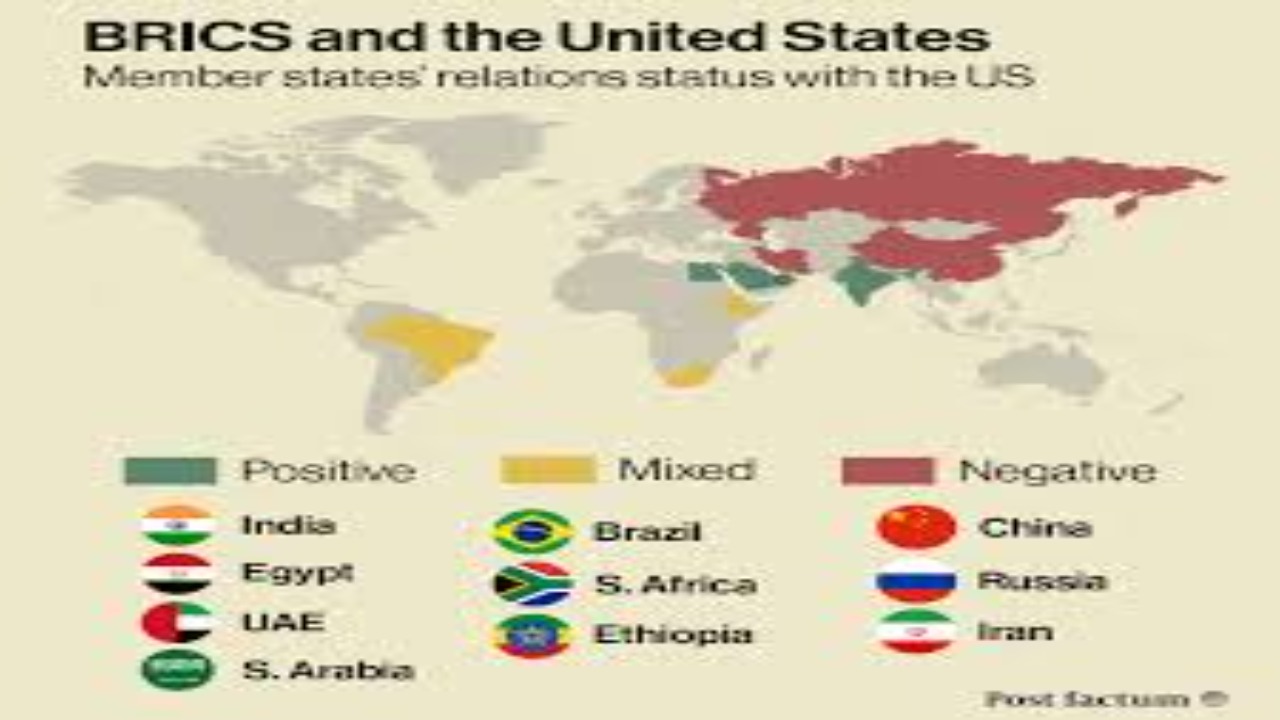
    The BRICS countries include Brazil, Russia, India, China, and South Africa. The name BRICS comes from the first letter of each country. These nations started working together in 2009. They wanted to build a new group outside of Western control.

    The original five members now have new partners. In recent years, BRICS added more countries. These include Egypt, Iran, Ethiopia, Indonesia, Saudi Arabia, and the United Arab Emirates. The group now covers large parts of Asia, Africa, and the Middle East.

    Together, the BRICS countries have almost half the world’s population. They also cover over one-third of the Earth’s land area. Their total economic power is around one-fourth of the global output. This shows how big and important the group has become.


    What BRICS Countries Want

    The BRICS countries believe the current world system is unfair. They say the West, especially the United States and Europe, controls global trade, finance, and politics. The BRICS nations want change. They want equal treatment and a bigger voice.

    One of their key goals is to reduce the power of the U.S. dollar. Many global deals are done in dollars, which gives the U.S. a lot of control. BRICS leaders have discussed creating their currency for trade. They also support using local currencies in deals between themselves.

    BRICS has its bank, too. It is called the New Development Bank. This bank gives loans to help members build roads, power plants, and schools. It is seen as a rival to the World Bank and the International Monetary Fund.


    Tensions Within BRICS

    Even though the group looks strong, there are problems. The BRICS countries are very different. They have different cultures, goals, and political systems. Some are democracies, while others are run by one party or one leader.

    India and China, for example, are not always friendly. They have had border fights and do not always trust each other. Russia is also a special case. Its war in Ukraine makes it harder for other BRICS members to stand by it in public.

    Iran and Saudi Arabia recently joined the group, but they have a long history of conflict, too. These differences could make it hard for BRICS to act as one team. Still, they agree on one thing. They all want to reduce Western control in global affairs.


    The Role of the United States

    The United States is watching the BRICS group closely. For many years, the U.S. has been the leader of the world economy and politics. The rise of BRICS could change that.

    If BRICS countries start trading without the dollar, that could reduce U.S. financial power. If the New Development Bank grows stronger, it could replace the World Bank in many regions. These shifts may affect how the U.S. deals with developing nations.

    At the same time, the U.S. still has strong allies and more global influence. It is not easy for BRICS to match that. The group must first solve its internal issues before it can compete directly with the West.


    Can BRICS Countries Shape the Future?

    The BRICS countries want a new world order. They want fair trade, equal power, and respect for all cultures. They are asking for a system where the Global South has a real voice.

    This is an important goal. For too long, many countries have felt left out of key decisions. BRICS offers them a platform. But change will not be easy. The group must stay united and clear about its goals.

    Some experts say BRICS is more of a message than a real power. It has no army or strict rules. But others believe that even without those things, BRICS can still change the world. Its growing membership and strong message are signs of a shift.


    Final Thoughts

    The BRICS countries are gaining attention around the world. Their leaders are standing up to old powers and asking for fairness. They are building new systems and working with each other more than ever before.

    At the same time, challenges remain. The group is large and diverse. Not all members agree on everything. But their common goal is clear. They want a world where power is shared and all nations have a say.

    For people in the United States, it is important to understand this shift. The BRICS countries are not just distant nations. They are part of a global change that affects trade, money, politics, and peace.

    As BRICS continues to grow, it could shape the future of the world. Whether it becomes a true force or fades over time will depend on how well its members work together. But one thing is certain. BRICS has already changed the conversation about global power.

    Read the full story here: Australian man dies from ‘extremely rare’ bat bite virus.

  • Harvard University Issues Travel Warning for International Students Over Logan Airport Risks

    Harvard University Issues Travel Warning for International Students Over Logan Airport Risks

    Harvard University has issued an urgent travel advisory for its international students, especially those arriving from Iran and China or enrolled in STEM and AI-related programs. The advisory warns against entering the United States through Boston Logan International Airport due to increased scrutiny at that port of entry. Reports from students and legal experts suggest that immigration officers at Logan have been stopping, interrogating, and even denying entry to international students more aggressively than at other major airports.

    This decision by Harvard reflects a broader concern over how international students are being treated at U.S. borders, particularly when their academic focus falls under areas considered sensitive, such as science, engineering, and artificial intelligence. Harvard’s latest guidance provides key insights into current travel challenges and recommends safer alternatives for students seeking a smooth arrival experience in the United States.


    What Prompted the Advisory?

    Over recent months, international students trying to enter the U.S. through Boston Logan Airport have reported being subjected to intense questioning, long detentions, and, in some cases, being turned away. These cases disproportionately affect students from specific regions, especially Iran and China. Many of the students impacted are engaged in advanced research or academic programs related to high-tech fields.

    The increase in these incidents has created a sense of anxiety among international students and sparked Harvard’s decision to release a formal advisory. The goal is not just to inform but to protect. By issuing clear instructions and providing alternatives, the university is working to prevent students from experiencing unnecessary legal trouble or psychological stress upon arrival.


    Safer Airport Options for Entry into the U.S.

    Harvard’s advisory recommends that students avoid Boston Logan and instead arrive through other international hubs that have proven to be less problematic. These include John F. Kennedy International Airport in New York, Chicago O’Hare International Airport, and Los Angeles International Airport. According to reports and university sources, students arriving through these airports have faced fewer invasive searches and fewer complications during their entry process.

    These locations have not entirely escaped federal scrutiny, but the level of intensity and frequency of checks at Logan appear to be significantly higher. Harvard believes that using alternate airports can greatly improve the chances of a smooth and uneventful entry into the country.


    Rising Concerns Over Digital Privacy and Device Searches

    Another key aspect of the advisory involves the treatment of digital devices during the entry process. Harvard has warned that U.S. Customs and Border Protection officers may inspect phones, laptops, tablets, and other electronic devices. This is not a theoretical concern. Students have already reported incidents where their devices were taken for inspection, and some were asked to provide passwords or unlock their phones for review.

    The university has advised students to prepare for such inspections in advance. Rather than wiping their devices clean, which can appear suspicious, students are encouraged to review their content carefully. Any politically sensitive posts, research data, or controversial material should be removed or secured. Deleting everything or encrypting devices might raise red flags and increase the chance of further investigation or denial of entry.

    Furthermore, students are reminded that the U.S. government may review their online presence, including social media activity, even before the visa interview. This means their public online behavior could influence immigration decisions. Harvard urges students to assess their digital footprints early and avoid posting or carrying anything that could be interpreted as political or provocative.


    Special Risk Factors for Students from Iran and China

    Harvard’s advisory is particularly urgent for students from Iran and China because data suggests they are more frequently targeted during border inspections. In recent incidents, some Iranian students were detained for multiple days before being sent back despite holding valid visas and academic appointments.

    Students from China involved in advanced science and technology research also face elevated scrutiny. There is growing concern that international academic collaborations in fields like AI and cybersecurity are being viewed through a national security lens. As a result, students in these disciplines are more likely to be questioned about the purpose of their travel, the nature of their research, and their future academic intentions.

    This pattern of scrutiny has raised human rights and discrimination concerns, with critics arguing that such policies unfairly target individuals based on nationality and academic interests. Harvard’s decision to speak out and guide its students comes at a time when educational institutions are being called upon to take a more active role in defending the rights of international scholars.


    Harvard’s Support System for International Students

    Harvard University is taking a proactive approach to helping students navigate these challenges. Its International Office has been offering continuous updates, legal support, and webinars in partnership with the university’s Law School. These resources are designed to educate students about their rights at the border and provide actionable steps for safe travel.

    For example, students are advised to stay in touch with the International Office both before and during travel. In case of detainment or questioning, students should know that they have the right to ask for written explanations for any decisions made at the border. Legal assistance may also be arranged through university channels if a student experiences unjust treatment.

    Harvard’s actions reflect its deep commitment to creating a welcoming and secure environment for students from all parts of the world. It is not only advising them to make smarter travel choices but also ensuring they are supported with practical tools and legal knowledge every step of the way.


    Broader Context: U.S. Immigration Climate and Academic Freedom

    The timing of this advisory also reflects larger changes in the U.S. immigration and border enforcement climate. The federal government has tightened screening processes in response to growing geopolitical tensions and perceived security threats. These developments are having a direct impact on the free movement of students, scholars, and researchers.

    This is not the first time Harvard has taken a stand for its international community. In 2020, the university challenged federal rules that would have forced international students to leave the country if their classes moved fully online due to the pandemic. Harvard won that legal battle, setting an important precedent for academic institutions nationwide.

    Today, the situation has evolved, but the stakes remain high. With increasing suspicion toward foreign scholars in certain fields, universities like Harvard are working harder than ever to protect academic freedom and human dignity.


    Final Thoughts

    Harvard University’s advisory against using Boston Logan Airport is not just a travel tip. It is a clear signal that the university is watching the legal and political landscape closely and is willing to take meaningful action to support its students. In a time when international travel can be fraught with complications and uncertainty, Harvard is using its voice and resources to guide students through the process safely.

    By offering safer entry options, providing detailed advice on digital privacy, and standing up for students’ rights, Harvard University is demonstrating what it means to be an institution that leads with both knowledge and compassion. For international students looking to begin or continue their academic journey in the United States, this support is helpful and essential.

    Yasir Hussain shrugs off Nadia Khan’s court warning with jokes as the drama between celebrities takes a lighter turn.