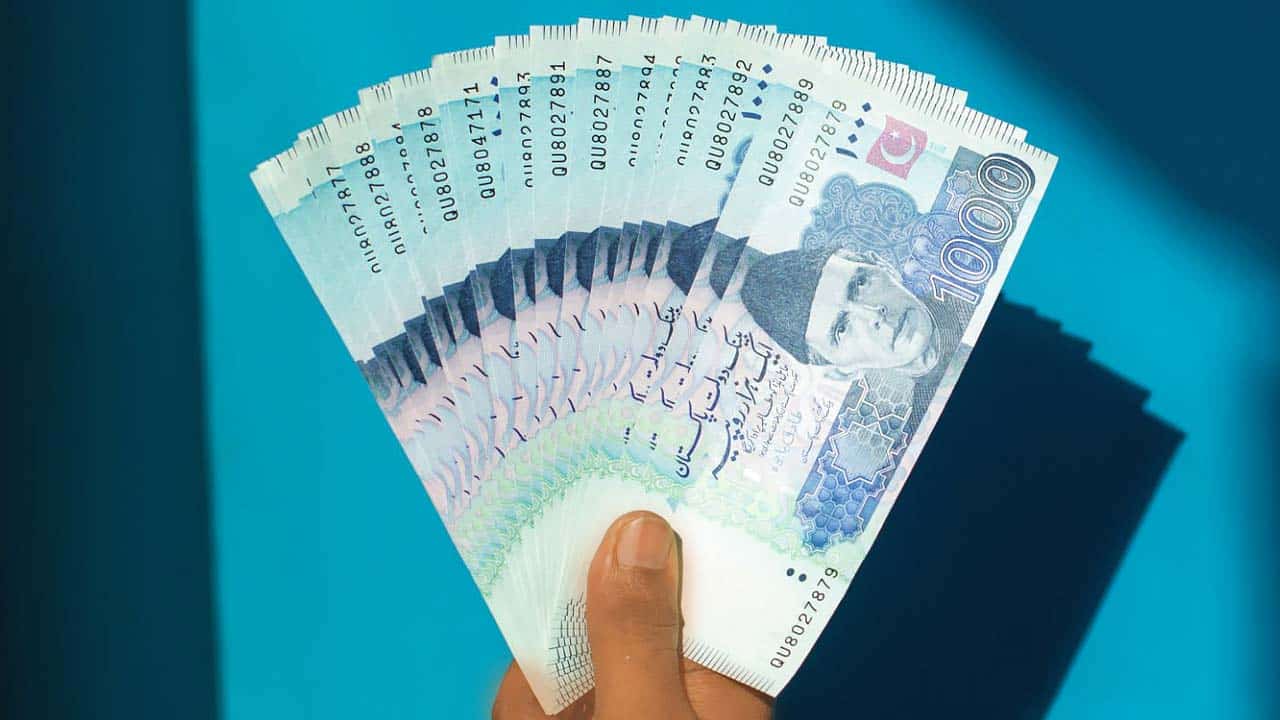
To ease the burden of inflation on the public, the federal government has decided to release salaries to employees of public sector departments before Eid-ul-Fitr. This decision was made after consultations between Prime Minister Shehbaz Sharif and Finance Minister Ishaq Dar.
Pakistan is currently facing historic levels of inflation which resulted in many individuals being unable to afford basic necessities. In addition, the country is struggling to secure external financing, with the threat of default looming over it.
Information Minister Marriyum Aurangzeb has confirmed that the government will also be releasing monthly pensions before the festival. As a result of this decision, Finance Secretary Hamed Yaqoob Sheikh has been directed to make the necessary arrangements.
In a similar move, the Government of Sindh had previously announced the early release of salaries for Muslim government employees ahead of Eid-ul-Fitr. According to a notification from the finance department, full pay and allowances will be paid in advance to all Muslim employees and pensioners of the Provincial Government of Sindh, including work-charged and contingent paid establishment.
The salaries and pensions will be released on April 17, instead of May 2, as Eid is expected to fall on either April 21 or April 22, according to Geo.
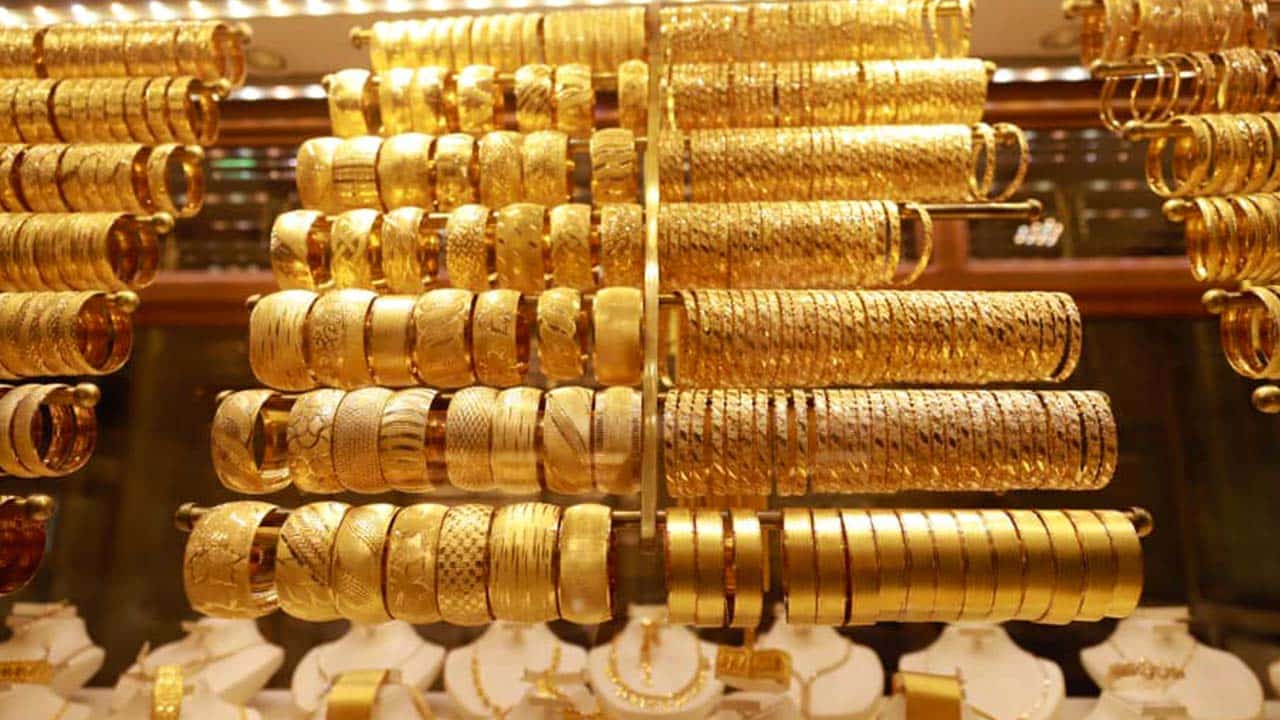
The price of gold in Pakistan has surged to an all-time high, surpassing the Rs218,000 mark, as the country’s local currency slumped to a historic low against the US dollar. The All-Pakistan Sarafa Gems and Jewellers Association (APSGJA) has released data showing that the price of gold (24 carats) rose by Rs600 per tola and Rs514 per 10 grammes, settling at Rs218,300 and Rs187,157, respectively.
The rise in the price of the yellow metal was in line with the movement of the rupee, which fell Rs1.34 or 0.46 per cent to Rs288.43 against the US dollar in the interbank market, and an increase in weekly inflation. Weekly inflation rose 0.92 per cent week-on-week and 44.49 per cent year-on-year during the seven-day period ending on April 6, as the prices of sugar and chicken surged due to Ramadan and likely hoarding.
Gold is often seen as a hedge against inflation and its value increases as the purchasing power of the dollar declines, as well as due to seasonal demand during the holy month of Ramadan. During the week, investors’ attention shifted towards the precious metal as economic tensions continue to rise amid the International Monetary Fund (IMF) reviewing external financing commitments from friendly countries before it releases bailout funds. According to Geo, the delay in the revival of the programme has had a negative impact on the currency market, which in turn is bolstering demand for gold.
The APSGJA also mentioned that the price of gold in Pakistan is Rs5,000 per tola “undercost” as compared to the Dubai market, indicating that the Pakistani gold market is currently cheaper than the global market.
Meanwhile, silver prices in the domestic market have also surged to historic highs, with an increase of Rs40 per tola and Rs34.30 per 10 grams, settling at Rs2,520 and Rs2,160.5, respectively. In the international market, the price of gold dropped by $1 per ounce, settling at $2,001.
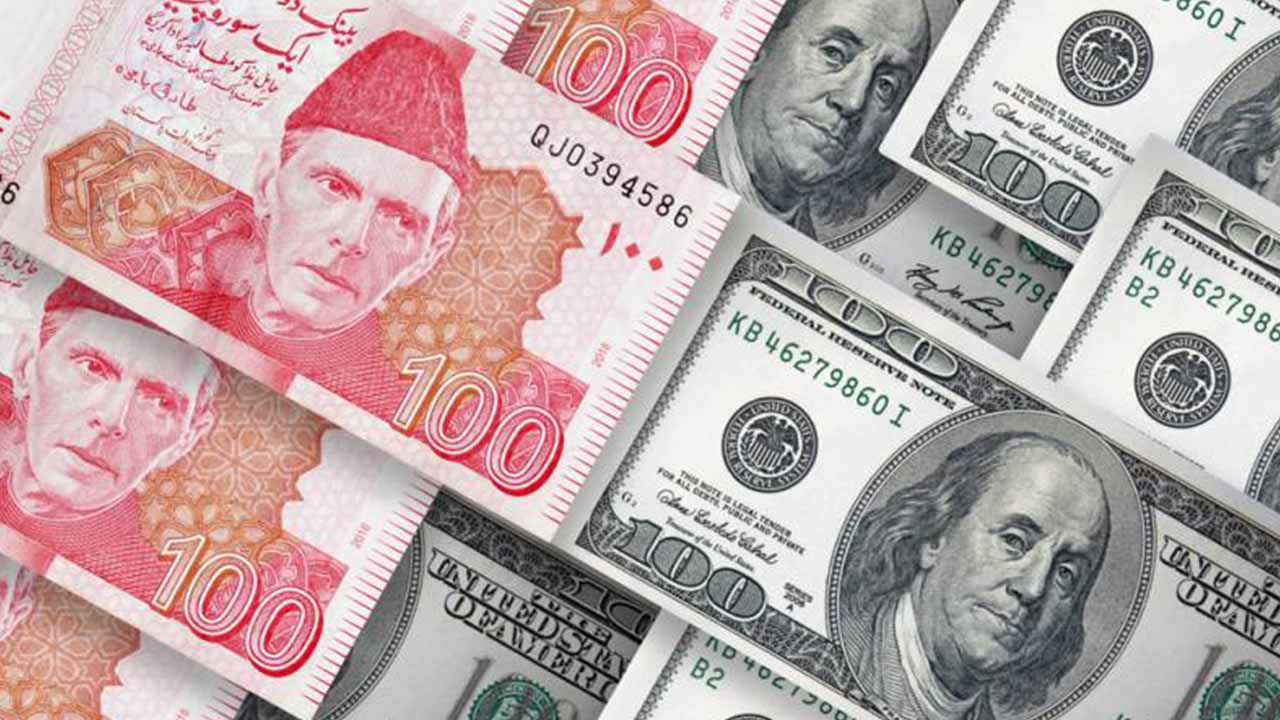
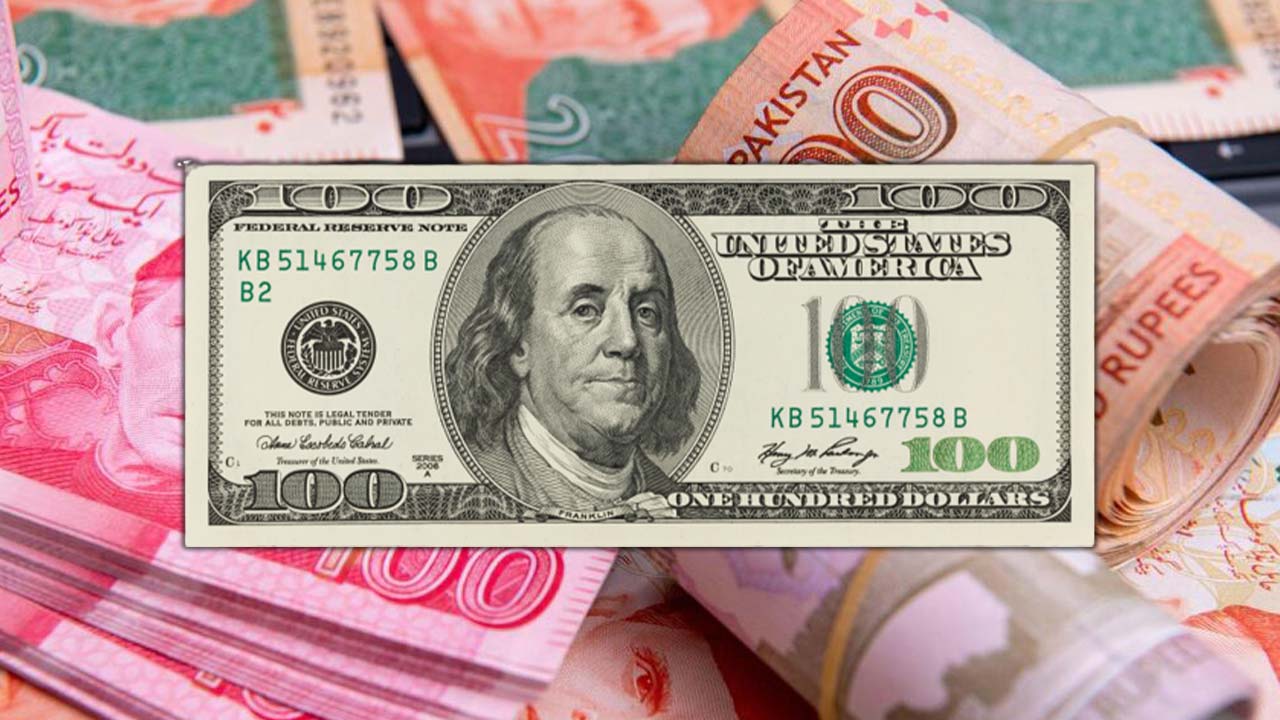
On Wednesday, the Pakistani rupee (PKR) reached a new record low, falling to Rs288.43 against the US dollar in the interbank market.
The State Bank of Pakistan (SBP) reported that the rupee slid by Rs1.34 against the greenback before closing at Rs288.43. Meanwhile, the Forex Association of Pakistan (FAP) has reported that the selling rate of the dollar in the open market was recorded at Rs295.
This comes after the rupee had closed at Rs287.09 per US dollar the day before, with the greenback trading at over Rs291 in the open market. Additionally, on April 5, the rupee had closed at Rs287.85 per US dollar, while the greenback was trading at over Rs293 in the open market.
Experts suggest that the drop in the rupee’s value can be attributed to various factors such as economic challenges, political uncertainty, and depleting foreign exchange reserves.
It is worth noting that a staff-level agreement between the International Monetary Fund (IMF) and Pakistan was scheduled to take place on February 9.
According to an official report from the Federal Board of Revenue (FBR), mobile phones worth $7.19 million have been imported into Pakistan illegally without opening letters of credit (LCs) or using the banking channel.
The report also states that despite an unannounced ban by the State Bank of Pakistan (SBP) on the import of mobile phones and their accessories, 52 Goods Declarations (GDs) worth $8.65m were cleared between December 2022 and February 2023.
The mobile phones were imported in Completely Build Up (CBU) condition and only $1.46m was paid legally out of Pakistan through the banking channel. The remaining $7.19m was illegally transferred out of Pakistan. The FBR report does not provide details about the mode of payment made to suppliers in Dubai for the import of these mobile phones.
The Pakistan Telecommunication Authority (PTA) has stated that manufacturers imported over 190,000 mobile phones in CBU condition under a facility allowed to them. However, despite restrictions set by the banking sector on imports, some companies are still reportedly importing mobile phones under their manufacturing license.
The import of smartphones has increased, especially after at least 30 manufacturing units in Pakistan halted production due to import restrictions.
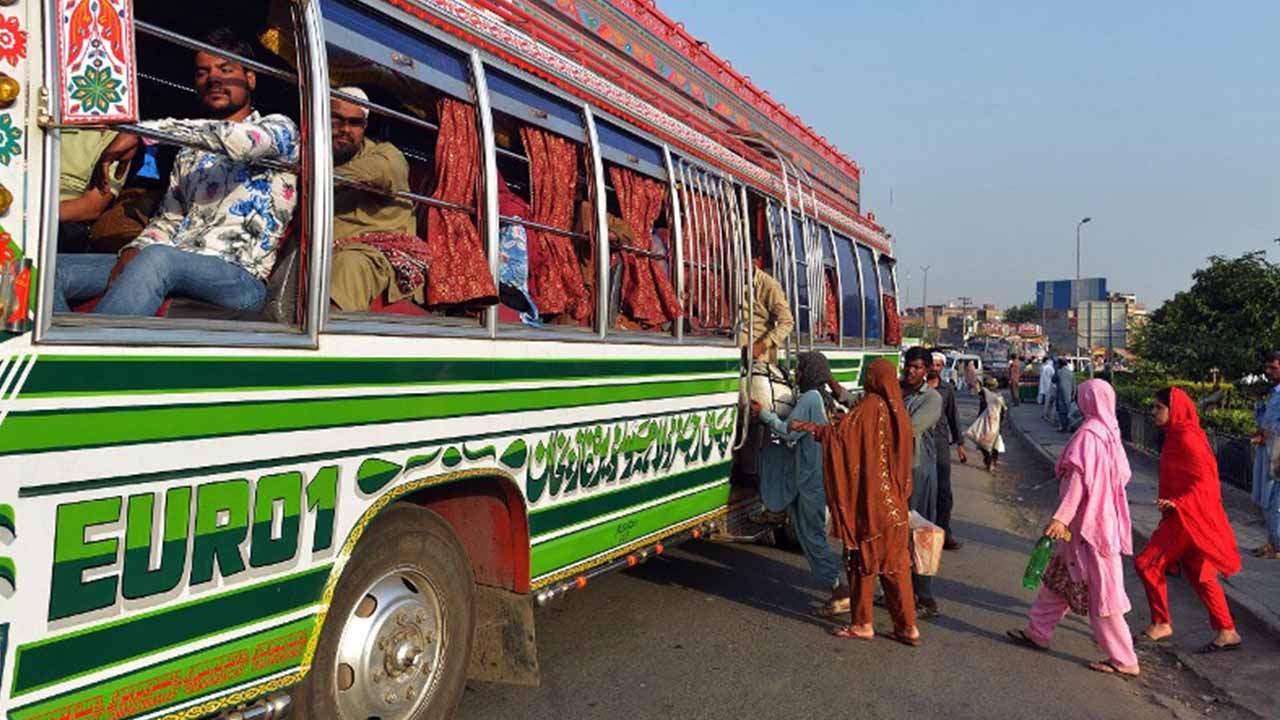
The Punjab Transport Department (PTD) has announced that it will increase the fares of non-AC buses in response to the rising prices of diesel and petrol.
This decision will place an additional burden on the poor, as fares will increase by more than 250 per cent. The new fares for both inter and intra-city non-AC bus services will be implemented from April 25th.
The fare for non-AC bus services operating between different cities will increase by 233 per cent to 267 per cent. Additionally, an increase of up to 267 per cent in the fares of non-AC buses and wagons has also been approved.
Under the new policy, passengers travelling one to four km will see an increase from Rs14 to Rs47, a difference of Rs33.
This fare hike will also make it more expensive for passengers to return to their cities from native towns, particularly after Eid-ul-Fitr.
The price of gold has soared to an all-time high following a significant slump in the rupee against the dollar, with the country struggling to secure external financing. The data released by the All-Pakistan Sarafa Gems and Jewellers Association (APSGJA) shows that the price of gold (24 carats) has spiked by Rs3,100 per tola and Rs2,656 per 10 grammes, settling at Rs217,700 and Rs186,643 respectively.
The gold rush is in line with the movement of the rupee, which has fallen 2.44 or 0.85 per cent against the US dollar in the interbank market, and an increase in weekly inflation. Inflation has shot up 0.92 per cent week-on-week and 44.49 per cent year-on-year during the seven-day period that ended on April 6th. Prices of sugar and chicken have surged due to Ramzan, and hoarding has caused a likely uptick in inflation.
Gold is often seen as a hedge against inflation, increasing in value as the purchasing power of the dollar declines. Plus, it’s the season of Ramzan, which brings with it a surge in demand for the precious metal. Investors’ attention has shifted towards gold as economic tensions continue to rise, with the International Monetary Fund (IMF) reviewing external financing commitments from friendly countries before it releases bailout funds. The delay in the revival of the program has negatively impacted the currency market, which is boosting demand for gold.
The APSGJA also noted that the price of gold in Pakistan is Rs5,000 per tola “undercost” compared to the Dubai market. Thus, the Pakistani gold market is cheaper than the global market. Meanwhile, silver prices in the domestic market have also jumped to historic highs, increasing by Rs30 per tola and Rs25.72 per 10 grams to settle at Rs2,480 and Rs2,126.20, respectively.
In the international market, the price of gold dropped $6 per ounce, settling at $2,002. Nevertheless, gold’s rise in Pakistan is set to bring a lot of excitement to the local market.
In Monday’s interbank market, the Pakistani rupee experienced a substantial decrease against the US dollar. The State Bank of Pakistan (SBP) reported that the local currency closed at Rs287.09, down by Rs2.44 or 0.85 per cent.
Last week, the rupee had already depreciated by 0.3 per cent, closing at Rs284.65. During the week, the currency fell in four of the five sessions, with the only gain on Thursday, the day when an official from the finance ministry announced that the International Monetary Fund (IMF) had received a financing assurance from Saudi Arabia.
The recent drop in the value of the Pakistani rupee is partially due to the delay in the confirmation of funding from a friendly country. The staff-level agreement between Pakistan and the IMF is taking time solely because of this delay. The financing confirmation is crucial to bridge
Pakistan’s external account gap and meet the last condition of the IMF. Until then, the currency is likely to remain under pressure.
Meanwhile, globally, the US dollar began the week strongly after the release of US jobs data indicating a tight labour market. This firming up of expectations has led to predictions that the Federal Reserve will again raise interest rates at its meeting next month.
In the currency market, the dollar index, which measures the US currency against six major peers, rose 0.225 per cent to 102.25, recovering from the two-month low of 101.40 that the index touched last week.
Additionally, oil prices, a key indicator of currency parity, stabilised on Monday after rising for three consecutive weeks. This was due to looming supply cuts from Saudi Arabia and other OPEC+ producers, which balanced concerns about weakening global growth that may dampen fuel demand.
According to data from the State Bank of Pakistan (SBP), remittances sent by overseas Pakistanis to their home country hit a seven-month high of $2.5 billion in March, which is attributed to Ramadan and Eid-ul-Fitr.
Compared to the prior month of February, the inflow of workers’ remittances increased by 27 per cent, but it was 11 per cent lower than March 2022. The legal channels for sending funds to family members were used more frequently, resulting in comparatively high inflows as the difference between the interbank and open market rates decreased.
Samiullah Tariq, the head of research at Pakistan-Kuwait Investment Company, described the increase as a positive sign. He explained that the kerb and interbank rates have minimal differences. Furthermore, the historical trend suggests that overseas Pakistanis send record-high remittances ahead of Eid festivals each year. The Ministry of Finance predicts that remittances will “further improve due to positive seasonal and Ramadan factors.”
The central bank reported that the cumulative inflow of $20.5 billion during the first nine months of the fiscal year 2022-23 led to a 10.8 per cent decrease in remittances compared to the same period last year. In addition, it is important to note that this month’s remittances have surpassed the trade deficit data of the Pakistan Bureau of Statistics (PBS), increasing the possibility of a current account surplus.
The Ministry of Finance also highlighted in its monthly outlook report that the current account deficit is expected to remain on the lower side due to the economic factors contributing to the figures. It should also be noted that the SBP trade deficit data point is usually even lower than the PBS trade deficit.
On Monday, the 2023 spring meetings of the World Bank Group and the International Monetary Fund (IMF) commence in the US capital to examine the “uncertainties and risks weighing heavily” on the global economy. The meetings, which run from April 10 to 16, will take place at the IMF and World Bank headquarters and will focus on the impact of climate change, which is endangering lives and livelihoods worldwide.
Finance ministers and central bank governors from around the world will attend the meetings to reconnect with international financial leaders, and some may hold one-on-one meetings with officials from the US Treasury and State Department. Pakistan will be represented at the meetings by the secretaries of finance and economic affairs, as well as the State Bank governor, in place of Finance Minister Ishaq Dar.
An official statement outlining the issues to be discussed at the meetings indicated that “stubborn inflation, the cost-of-living crisis, and slower growth effects” are causing harm to the poor and most vulnerable. The statement further highlighted that record-high debt is impeding the progress of developing countries, and that the consequences of climate change are threatening lives and livelihoods globally. According to Dawn, experts are urging the World Bank and the IMF to create a comprehensive strategy to address the challenges that developing nations are facing.
A picture on the UN Foundation’s website illustrates the widespread devastation caused by last year’s floods in Pakistan, prompting international financial institutions to devise a new mechanism to “assist communities affected by (climate change) catastrophes.” The caption beneath the photo emphasised that “many lives were lost, and millions lost their homes, with one-third of the country submerged.”
According to a World Bank study released shortly after the floods, “Pakistan urgently requires substantial investment in climate resilience to safeguard its economy and reduce poverty.”
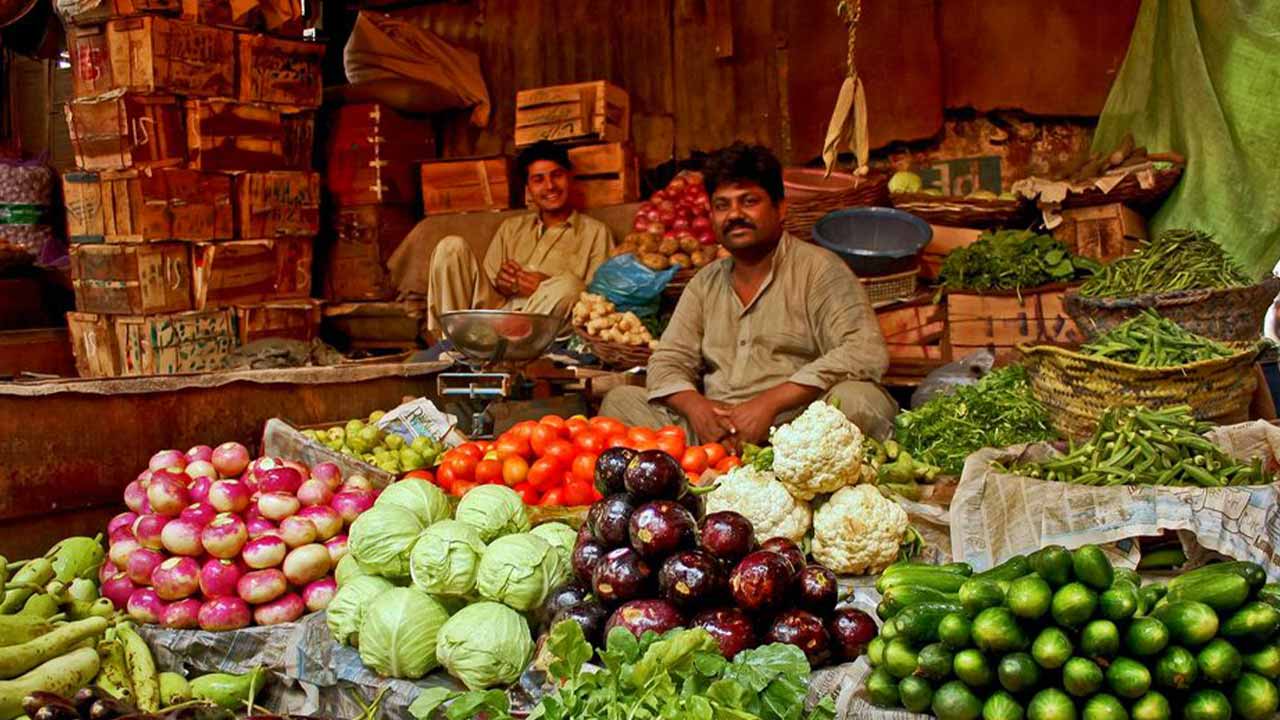
The Pakistan Bureau of Statistics (PBS) has reported that for the week ending on April 6, 2023, the Sensitive Price Indicator (SPI) based inflation has increased by 0.92 per cent. This rise is mainly due to an increase in the prices of food items such as chicken (15.87 per cent), sugar (13.48 per cent), potatoes (5.11 per cent), bananas (4.95 per cent), wheat flour (3.10 per cent), gur (2.12 per cent), eggs (1.26 per cent), fresh milk (1.24 per cent), and non-food item long cloth (1.95 per cent).
The year-on-year trend indicates an increase of 44.49 per cent, which is primarily due to a surge in the prices of cigarettes (165.88 per cent), wheat flour (131.72 per cent), gas charges for q1 (108.38 per cent), diesel (102.84 per cent), eggs (98.34 per cent), Lipton tea (97.63 per cent), broken basmati rice (84.92 per cent), bananas (82.23 per cent), petrol (81.17 per cent), irri-6/9 rice (80.61 per cent), moong (68.14 per cent), potatoes (65.95 per cent), maash (56.70 per cent), and onions (55.75 per cent). However, a decrease in prices has been observed for tomatoes (50.39 per cent) and powdered chillies (6.48 per cent).
The SPI for the week under review has been recorded at 252.06 points compared to 249.75 points in the previous week, as per the latest data released by PBS on Friday. During the week, out of 51 items, prices of 27 (52.94 per cent) items increased, seven (13.73 per cent) items decreased, and 17 (33.33 per cent) items remained stable.
The average prices of commodities that have increased during the week over the previous week include chicken (15.87 per cent), sugar (13.48 per cent), potatoes (5.11 per cent), bananas (4.95 per cent), wheat flour (3.10 per cent), gur (2.12 per cent), long cloth 57” Gul Ahmed/Al Karam (1.95 per cent), eggs (1.26 per cent), fresh milk (1.24 per cent), irri-6/9 rice (0.80 per cent), shirting (0.75 per cent), beef with bone (0.71 per cent), broken basmati rice (0.69 per cent), curd (0.60 per cent), toilet soap Lifebuoy (0.56 per cent), lawn printed Gul Ahmed/Al Karam (0.55 per cent), prepared tea (0.44 per cent), powdered salt (0.39 per cent), Georgette (0.36 per cent), Sufi washing soap (0.31 per cent), mutton (0.18 per cent), moong (0.16 per cent), masoor (0.15 per cent), maash (0.09 per cent), cooked beef (0.04 per cent), cooking oil Dalda or other similar brand (sn), 5 litre tin each (0.04 per cent), and cooked daal (0.02 per cent).
The commodities that have recorded a decrease in their average prices are tomatoes (14.96 per cent), onions (12.66 per cent), LPG (3.73 per cent), pulse gram (1.20 per cent), vegetable ghee Dalda/Habib 2.5 kg tin each (0.71 per cent), garlic (0.16 per cent), and mustard oil (0.03 per cent).
Commodity
Year-on-Year Change
Week-on-Week Change
Cigarettes
165.88 per cent
N/A
Wheat flour
131.72 per cent
3.10 per cent
Gas charges for q1
108.38 per cent
N/A
Diesel
102.84 per cent
N/A
Eggs
98.34 per cent
1.26 per cent
Lipton tea
97.63 per cent
N/A
Broken basmati rice
84.92 per cent
0.69 per cent
Bananas
82.23 per cent
4.95 per cent
Petrol
81.17 per cent
N/A
Irri-6/9 rice
80.61 per cent
0.80 per cent
Moong
68.14 per cent
0.16 per cent
Potatoes
65.95 per cent
5.11 per cent
Maash
56.70 per cent
0.09 per cent
Onions
55.75 per cent
12.66 per cent
Tomatoes
-50.39 per cent
-14.96 per cent
Powdered chillies
-6.48 per cent
N/A
Chicken
N/A
15.87 per cent
Sugar
N/A
13.48 per cent
Gur
N/A
2.12 per cent
Long cloth 57” Gul Ahmed/Al Karam
N/A
1.95 per cent
Fresh milk
N/A
1.24 per cent
Shirting
N/A
0.75 per cent
Beef with bone
N/A
0.71 per cent
Curd
N/A
0.60 per cent
Toilet soap Lifebuoy
N/A
0.56 per cent
Lawn printed Gul Ahmed/Al Karam
N/A
0.55 per cent
Prepared tea
N/A
0.44 per cent
Powdered salt
N/A
0.39 per cent
Georgette
N/A
0.36 per cent
Sufi washing soap
N/A
0.31 per cent
Mutton
N/A
0.18 per cent
Masoor
N/A
0.15 per cent
Cooked beef
N/A
0.04 per cent
Cooking oil Dalda or other similar brand (sn), 5 litre tin each