Category: Business

  • NEPRA hikes power tariff by Rs2.86 per unit

    NEPRA hikes power tariff by Rs2.86 per unit

    The National Electric Electricity Regulatory Authority (NEPRA) has increased the power price by Rs2.86 per unit for the month of March 2022 due to Fuel Charges Adjustment (FCA) and also issued a notification in this regard.

    As per NEPRA’s notice, power consumers of Ex Wapda Distribution Companies (DISCOS) will be charged an increase of Rs2.86 per unit on account of FCA for March 2022 in their electricity bills for May 2022, resulting in an added strain of Rs29 billion on consumers, along with General Sales Tax (GST).

    The Central Power Purchasing Agency (CPPA) had urged the administration to raise the electricity tariff by Rs3.16 per unit. Except for lifeline and K-Electric (KE) customers, the hike will apply to all consumer categories.

    Read more: Pakistan starts oil and gas production from Dhok Sultan DS X-1

    Moreover, the authority also announced Rs1.38 per unit increase for K-Electric customers. For the month of February 2022, Karachi Electric (KE) requested an increase of Rs3.45 per unit. The hike will be billed to electricity customers in May 2022, according to the announcement. Except for lifeline customers who use less than 100 units per month, the tariff increase would affect all KE customers.
  • State Bank announces a five-day work week for banks

    State Bank announces a five-day work week for banks

    The State Bank of Pakistan (SBP) on Friday announced bank timings with five working days. The notification from the State Bank came after the federal government decided not to reinstate the Saturday weekly off, and decided to go with six working days with decreased working hours.

    According to a notification issued in this regard, banks will observe office hours from 9am to 5:30pm Monday to Thursday with a prayer/lunch break from 1:30pm to 2:15pm.

    On Friday, banks will observe timings from 9am to 6pm with a prayer/lunch break.

    The Securities & Exchange Commission of Pakistan (SECP) offices will be open on Saturday, but the stock market and the business sector will operate on a five-day schedule and will be closed on Saturday.

    The Pakistan People’s Party (PPP) government implemented two-day weekly holidays in 2011 with the goal of conserving energy.

  • Pakistan’s foreign exchange reserves dropped by $115 million

    Pakistan’s foreign exchange reserves dropped by $115 million

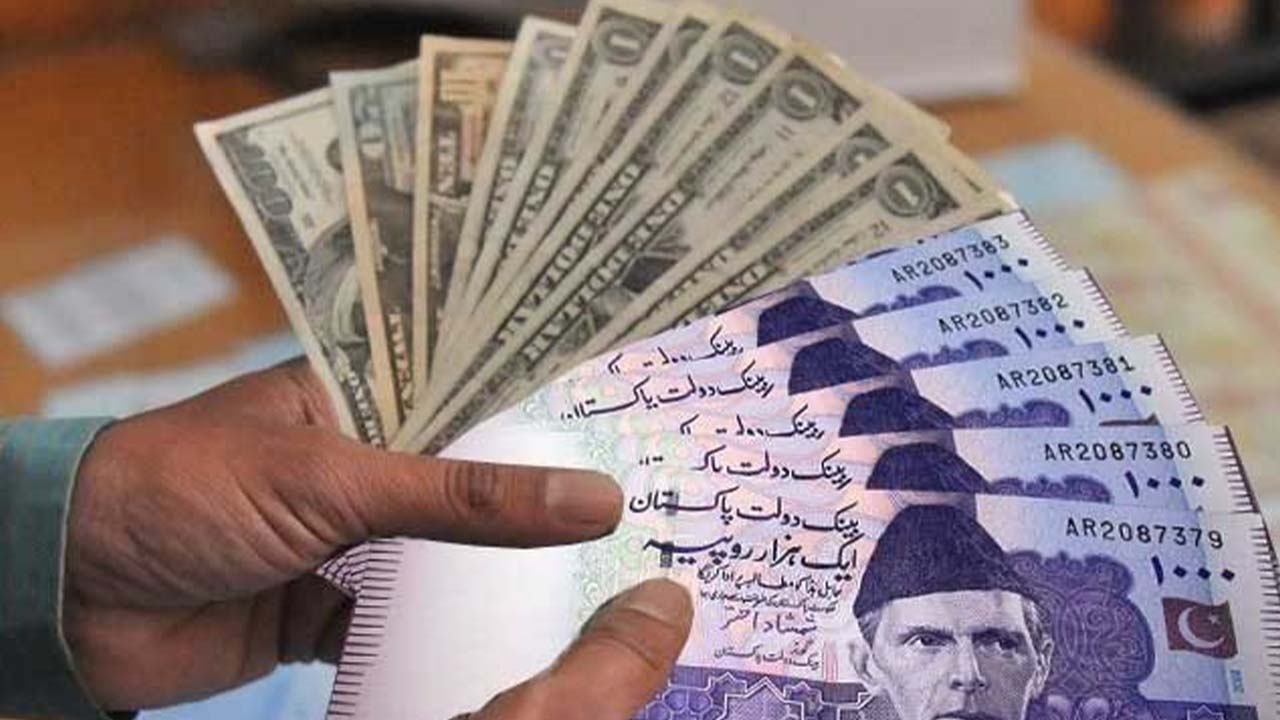
    Pakistan’s liquid foreign reserves were depleted by $115 million in the week ending April 30, 2022, a 0.7 per cent drop from the previous week.

    According to the SBP weekly report unveiled on Friday, Pakistan’s total liquid foreign exchange reserves declined by $115 million (-0.7 per cent) to $16.553 billion on April 30, 2022, from $16.668 billion the previous week.

    Due to external debt payments, the SBP reserves fell by $59 million to $10.499 billion (-0.6 per cent) from $10.558 billion a week earlier.

    Read more: Dr Murtaza Syed assumes charge as the new Governor State Bank of Pakistan

    Furthermore, commercial banks’ net foreign reserves stood at $6.05 billion, down $56 million (-0.9 per cent) on a weekly basis.

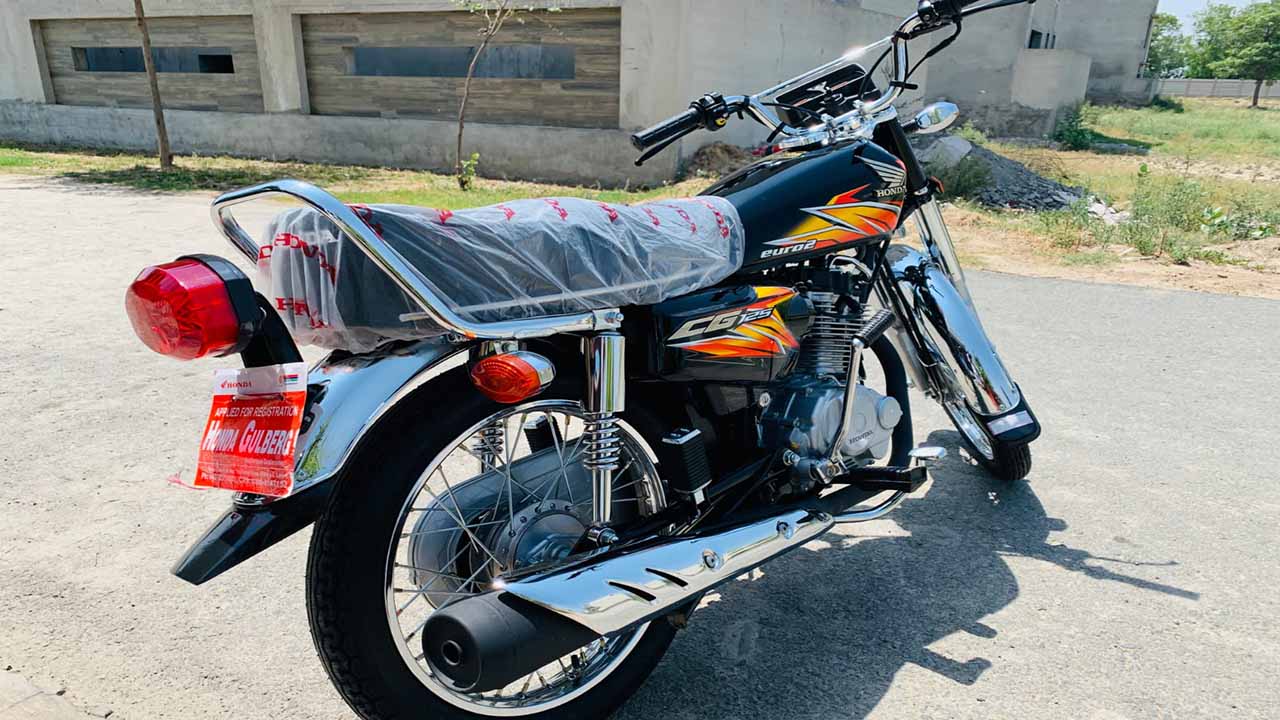
  • Honda announces third price hike, Honda 125 is now priced at Rs163,500

    Honda announces third price hike, Honda 125 is now priced at Rs163,500

    Pakistan’s top two-wheeler manufacturer, Atlas Honda has announced another significant price hike for its motorcycles which is Honda’s third price increase in less than five months.

    Honda CD70, the country’s most popular two-wheeler, is now priced at Rs102,900, after an increase of Rs3000. The 100cc Honda Pridor following the increase will be sold for 139,000 after an increase of Rs3000 in its old price of Rs136,900, while the iconic Honda 125 is now priced at Rs163,500 after a hike of Rs4000 in its prior cost.

    The price of the Honda CB 150 SE increased by Rs8,000, bringing the total price to Rs303,900, up from Rs295,900 previously.

    Pakistan’s two-wheeler industry has achieved over 90 per cent localization, according to the Ministry of Industries and Production’s (MOIP) latest report. This means that the majority of a motorbike’s structural and mechanical components are manufactured in Pakistan, with only a few foreign parts.

    Read more: Honda Atlas announces price hike instead of fixing delivery issues

    Despite this, all companies continue to raise their bike pricing without introducing or incorporating any advancement, putting them out of reach for the majority of local consumers.

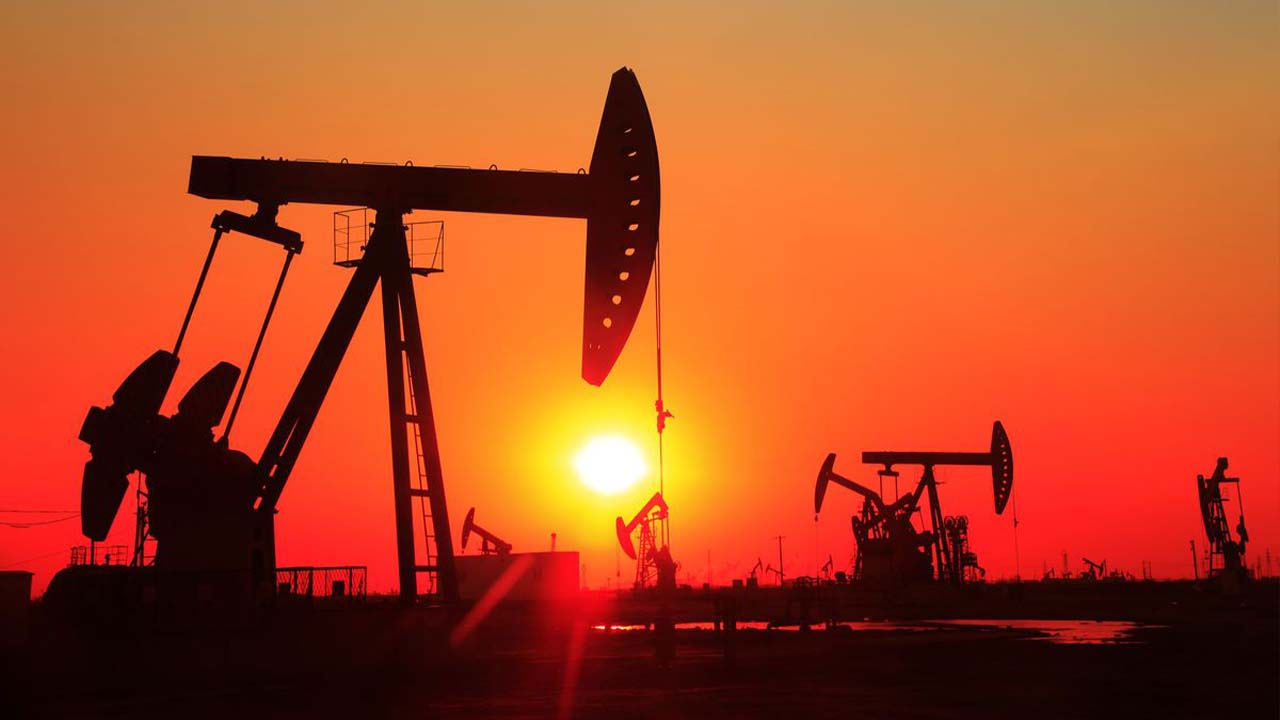
  • Pakistan starts oil and gas production from Dhok Sultan DS X-1

    Pakistan starts oil and gas production from Dhok Sultan DS X-1

    Pakistan’s state-owned natural gas and petroleum products supplier Pakistan Petroleum Limited (PPL) has started production from the recently installed Oil Handling Facilities (OHF) in the Dhok Sultan Block in Punjab province.

    The business claimed in a filing on May 6 that it is the operator of the Dhok Sultan Block and owns 75 per cent of the working interest, while Government Holdings (Private) Limited (GHPL) owns 25 per cent.

    As per the filing, The present production figures from DS X-1 are 5 MMscfd gas, 3000 bbls/day oil, and 25 M.Ton/day LPG. The Dhok Sultan OHF is in charge of oil production, while the Meyal Gas Processing Facilities (MGPF) of Pakistan Oilfields Limited (POL) in District Attock is in charge of gas processing.

    The gas production from this facility will go to Sui Northern Gas Pipelines Limited, while the oil will go to Attock Refinery Limited, according to the business.

    This finding is currently in the Extended Well Testing (EWT) production phase, and the data obtained during this phase will aid in its continued development. Through indigenous hydrocarbon production, the start of production from DS X-1 will contribute to increasing energy security and saving significant foreign cash for the country, according to the company.

    Considering the high demand, Pakistan’s economy is significantly reliant on fossil fuels, with petroleum products and other fuels accounting for a large portion of the country’s import bill.

    Read more: Pakistan’s foreign currency reserves down by $328 million

    Due to its surge in the global market, Pakistan’s oil imports have increased dramatically in recent months. The overall petroleum group’s imports were $14.812 billion in the first nine months of the current fiscal year (2021-22), up from $7.553 billion in the same time in 2021.

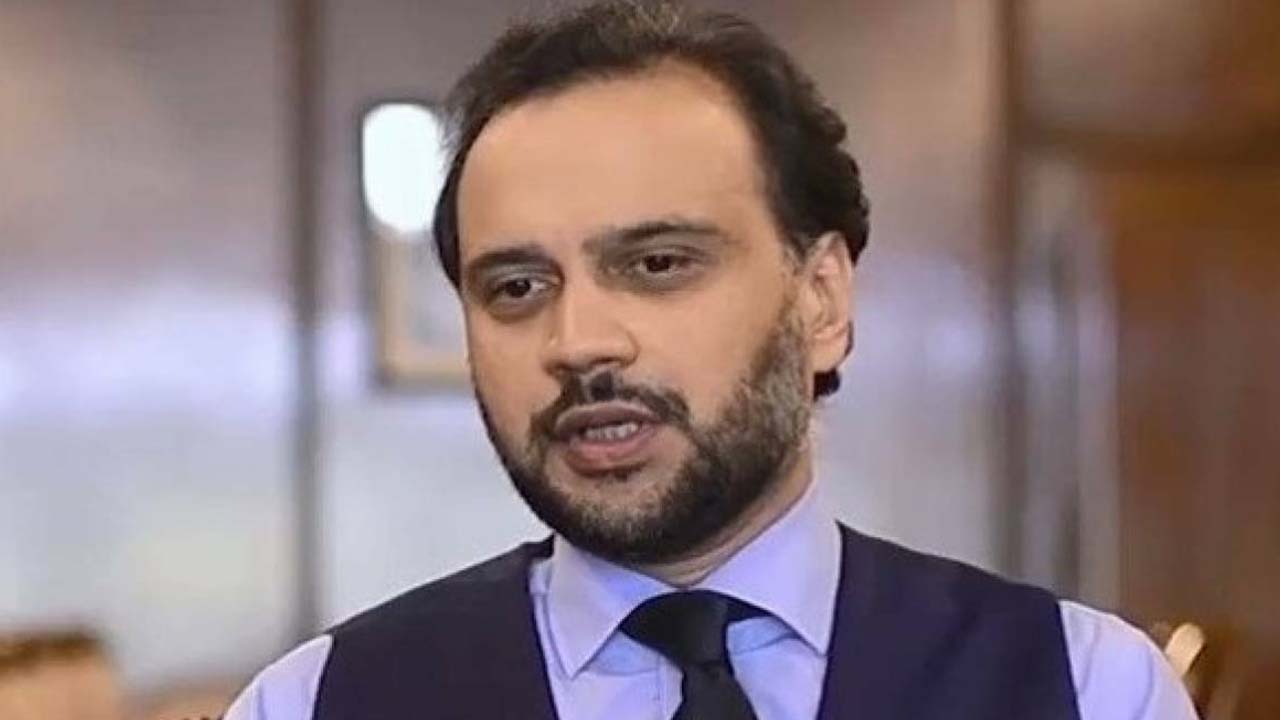
  • Dr Murtaza Syed assumes charge as the new Governor State Bank of Pakistan

    Dr Murtaza Syed assumes charge as the new Governor State Bank of Pakistan

    With effect from May 5, Dr Murtaza Syed, the senior-most Deputy Governor and a former Deputy Resident Representative of the International Monetary Fund (IMF), became the new acting Governor of the State Bank of Pakistan (SBP).

    Prior to this, the federal government named Dr Syed as the Deputy Governor of the SBP for three years on January 27, 2020.

    Dr Syed has taken up the position in light of Section 10(2) of the State Bank of Pakistan (SBP) Act 1956 (amended), and has therefore succeeded Dr Reza Baqir, whose term ended on May 4, according to the notification.

    He holds a Ph.D. in Economics from the University of Oxford’s Nuffield College and has more than 20 years of experience in macroeconomic research and policymaking, including 16 years at the IMF. He worked on IMF initiatives and monitoring of emerging markets and advanced economies such as the Eurozone, Japan, and Korea. Dr Syed also handled IMF training and technical support projects around the world, and between 2010 and 2014, he was the IMF’s Deputy Resident Representative in China.

    Dr Syed started his career as a Senior Policy Analyst at the Human Development Center in Islamabad, where he worked under former Finance Minister D. Mahbub ul Haq. Afterward, he worked for the Institute for Fiscal Studies (IFS), a London-based public policy think tank, where he did research on company investment and employment behaviour, as well as evaluating Latin American anti-poverty programmes.

    Read more: Pakistan’s foreign currency reserves down by $328 million

    Dr Syed has produced papers on a multitude of macroeconomic topics, including fiscal and monetary policy, financial stability, economic crises, investment, demographics, poverty, and inequality, in addition to teaching public policy at the universities of Cambridge and Oxford.

  • Turkey: Food prices surged by 89 per cent, transportation costs increased by 106 per cent

    Turkey: Food prices surged by 89 per cent, transportation costs increased by 106 per cent

    Turkey’s inflation rate skyrocketed to almost 70 per cent last month, creating a substantial challenge for President Recep Tayyip Erdogan, whose unusual economic strategies are frequently blamed for the country’s economic woes.

    Erdogan, defying economic conventional wisdom, insists that major interest rate cuts are essential to reduce spiralling consumer costs.

    Turkey’s consumer price index (CPI) climbed by 69.97 per cent on a year-on-year (YoY) basis in April 2022, compared to 61.14 per cent in March 2022, according to the national statistics agency, indicating a massive increase.

    The transportation industry saw the largest price rises in April, up 105.9 per cent, while food and non-alcoholic drinks cost increased by 89.1 per cent.

    Likewise, lira’s depreciation has quadrupled the cost of energy imports, and international investors are progressively fleeing the formerly emerging economy. Energy price hikes and production constraints have been worsened by Russia’s invasion of Ukraine and the coronavirus outbreak.

    According to economists, Turkey’s yearly inflation rate – the highest since Erdogan’s ruling AKP party took office in 2002 – is entirely due to Erdogan’s unusual economic thinking.

    Read more: Transporters continue to overcharge ahead of Eid-ul-Fitr

    Erdogan has pushed the supposedly independent central bank to reduce interest rates. Despite strong inflation, the bank maintained its benchmark interest rate for the fourth month in a row in April, yielding to criticism.

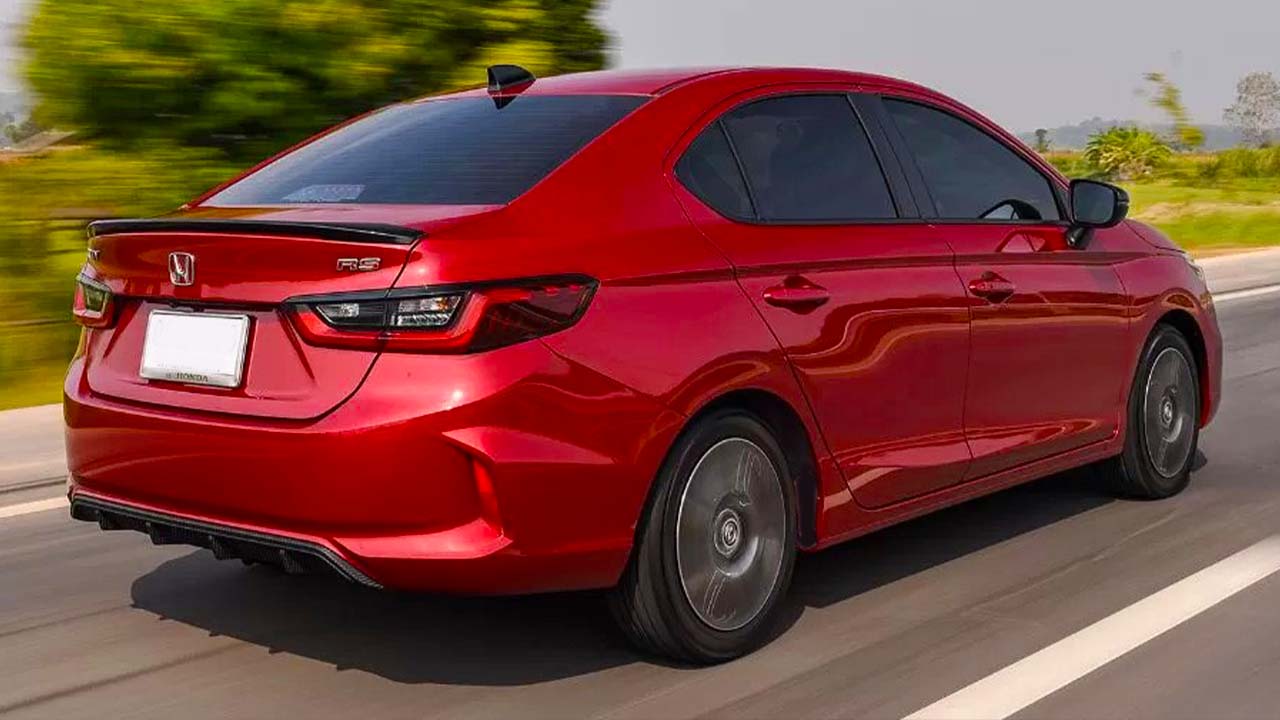
  • Honda City Hybrid 7th gen launched, Pakistan continues with retired 6th gen

    Honda City Hybrid 7th gen launched, Pakistan continues with retired 6th gen

    Honda has finally debuted the long-awaited City hybrid sedan in the Indian market. The ex-showroom price of the 2022 Honda City Hybrid e:HEV is 1.9 million INR (PKR 4.7 million). It’s only available in a single ZX model with all of the bells and whistles.

    Last year, the new City Hybrid made its global premiere, and it is India’s first mainstream segment automobile to have robust hybrid technology.

    Powertrain

    The City e:powertrain HEV’s consists of a 1.5-liter Atkinson-Cycle DOHC i-VTEC petrol engine combined with two electric motors. One serves as an electric generator, while the other serves as a propeller. The combined output of this powerplant is 124 horsepower, with a peak torque of 253 Nm. It also comes with three driving modes: EV Drive, Hybrid Drive, and Engine Drive, as well as Regeneration mode for slowing.

    Fuel economy

    The new Honda City Hybrid e:HEV is India’s most fuel-efficient sedan, with a stated economy of 26.50 kmpl. Honda has also included 37 high-tech Honda Connect features in the vehicle. Honda’s Sensing Technology is also being introduced for the first time in India.

    Safety technologies such as Collision Mitigation Braking System, Adaptive Cruise Control, Lane Keeping Assist System, and more are included in the City e:HEV.

    Read more: Honda Atlas announces price hike instead of fixing delivery issues

    Arrival in Pakistan

    After the 6th generation, Honda City was retired globally, Honda Atlas Cars Pakistan Limited (HACPL) introduced the latter into the Pakistani auto market, and given the history of Pakistani manufacturers, the car may continue for years, as the 5th generation Honda City was sold by Honda Atlas for more than a decade.

  • Rawalpindi: Transporters continue to overcharge ahead of Eid-ul-Fitr

    Rawalpindi: Transporters continue to overcharge ahead of Eid-ul-Fitr

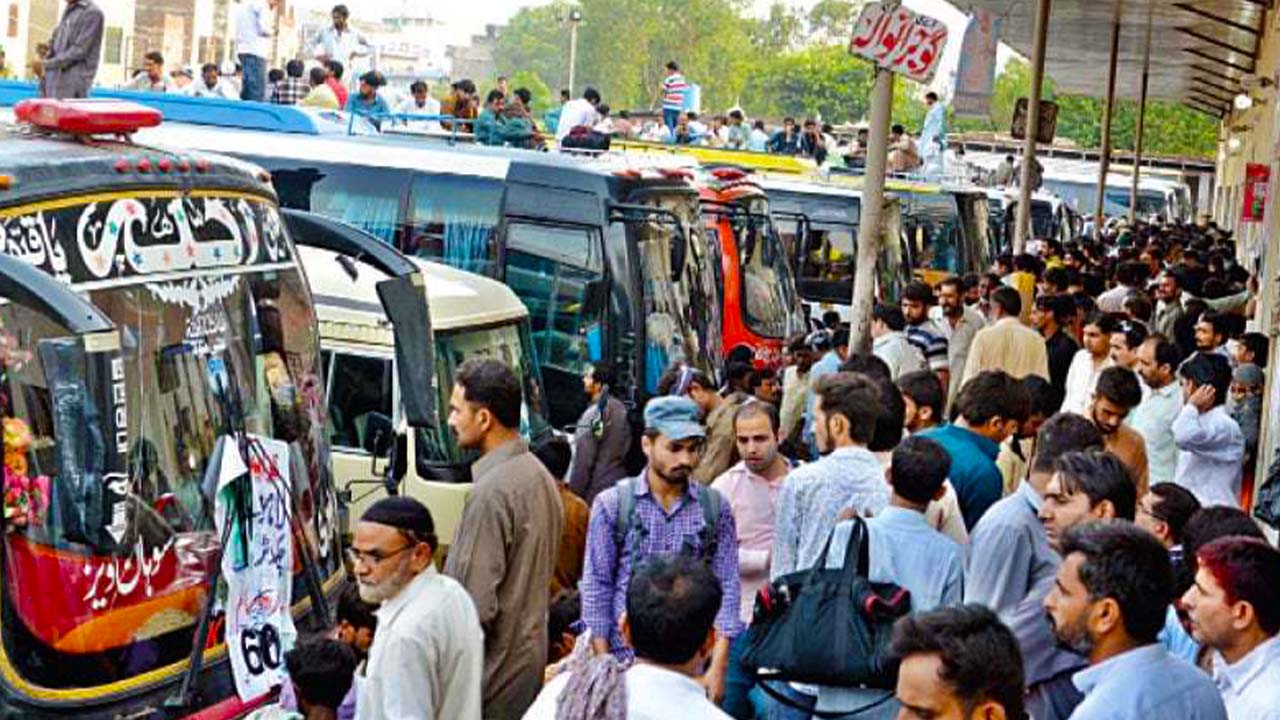
    The transporters have doubled fares ahead of Eid-ul-Fitr, as they do every year, causing trouble to travellers who are heading to their hometowns to spend Eid with their loved ones and family.

    A massive influx of passengers was observed at all bus terminals as well as the Rawalpindi Railway Station. On May 1, both bus and wagon stations, as well as the railway station, were packed with folks heading back to their hometowns to celebrate Eid-ul-Fitr with their families.

    Transporters at the Pirwadhai, Faizabad, Rawat, Humrahi and Soan Bus/Wagon Terminals were majorly involved in overcharging customers.

    Passengers were spotted frantically sprinting from one bus stop to the next in search of tickets, while transporters took advantage of the situation and asked for higher charges.

    Read more: City Traffic Police Lahore to check overcharging, overloading by transporters on Eid

    Long-distance transporters, on the other hand, were blatantly plundering poor travellers by demanding increased fares in addition to luggage charges.

  • Open market: Lemon being sold at Rs1,100 per kg in Lahore

    Open market: Lemon being sold at Rs1,100 per kg in Lahore

    The local price of lemon increased by Rs105 per kg, to Rs770 to 775 per kg, and was sold at an unbelievable price of Rs1,100 per kg in open markets and a few online stores with available stock.

    Due to the district administration’s inability to impose official rates at Ramazan bazaars, consumers are unable to get relief from overbilling and skyrocketing rates of fruits and vegetables in Lahore. 

    High prices of perishable commodities are massively affecting the urban population due to rising production costs and transportation costs from rural production centers to urban areas.

    Read more: Shopkeepers fined in Islamabad for not adhering to DC rates

    Senior administrators and Prime Minister Shehbaz Sharif paid surprise visits to Ramazan bazaars, but shoppers were not relieved. Containing volatility and successfully administering official rate lists to bring inflation relief to the public is a task for the new government.