Category: Business

  • Global oil prices climb to highest in three weeks

    Oil prices increased on Monday as fears of limited global supply intensified, with the developing crisis in Ukraine raising the risk of more penalties from the West against Russia, the world’s leading exporter.

    Brent futures were up $1.50, or 1.3 per cent, at $113.20 a barrel, while US West Texas Intermediate futures were up 98 cents, or 0.9 per cent, at $107.93 per barrel. Both contracts surged more than 2.5 per cent on April 14, ahead of the Easter weekend holidays, on news that the European Union would phase in a ban on Russian oil imports.

    Last week, EU governments said that the bloc’s executive was working on ideas to ban Russian oil, but officials said Germany was not actively backing an immediate ban.

    Those remarks came before the Ukraine situation escalated over the weekend, with the Ukrainian military defying a Russian demand to lay down arms in the pulverised port of Mariupol on Sunday. Moscow, which refers to its efforts in Ukraine as a “special operation,” said its soldiers had nearly entirely captured the city, with no sign of a truce in sight.

    Read more: Oil prices jump following Russia’s biggest production decline

    Due to sanctions or importers voluntarily rejecting Russian shipments, the International Energy Agency has warned that around 3 million barrels per day (BPD) of Russian oil might be shut in from May onwards.
  • Textile exports soared 25pc to $14.3b: PBS

    The exports of Pakistan textile commodities soared a 25.43 per cent during the first nine months of the current fiscal year (2021-22) as compared to the corresponding period of last year, according to Pakistan Bureau of Statistics (PBS) report.

    As per PBS data, the textile exports were recorded at $14,242.623 million in July-March (2021-22) against the exports of $11,355.465 million in July-March (2020-21), showing growth of 25.43pc.

    The textile commodities that contributed in trade growth included cotton yarn, the exports of which increased by 25.97 per cent from $721.216 million last year to $908.487 million during the current year.

    Likewise, the exports of raw cotton increased by 1009.03 per cent, cotton cloth by 26.51 percent, from $1,419.181 million to $1,795.457 million, cotton (carded or combed) by 100 percent to $1.632 million from $0.064 million exports last year, yarn (other than cotton yarn) increased by 104.53 percent, from $23.560 million to $48.188 million whereas exports of knitwear increased by 34.12 percent, from $2,780.896 million to $3,729.683 million.

    Meanwhile, on year-on-year basis, the textile exports increased by 19.90 percent during the month of March 2022 as compared to the same month of last year. The exports during March 2022 were recorded at $1,625.253 million against the exports of $1,355.542 million during March 2021.

    On month-on-month basis, the exports of textile from the country however witnessed a decrease of 3.51 percent during March 2022 when compared to the exports of $1,684.313 million in February 2022.

    As per report, the country’s total merchandise exports increased by 24.98 percent during the first nine months of the current fiscal year. The merchandise exports during July-March (2021-22) were recorded at $23.355 billion compared to the exports of $18.687billion during July-March (2020-21).

  • Hyundai Pakistan launches another variant of obsolete Elantra

    Hyundai Pakistan launches another variant of obsolete Elantra

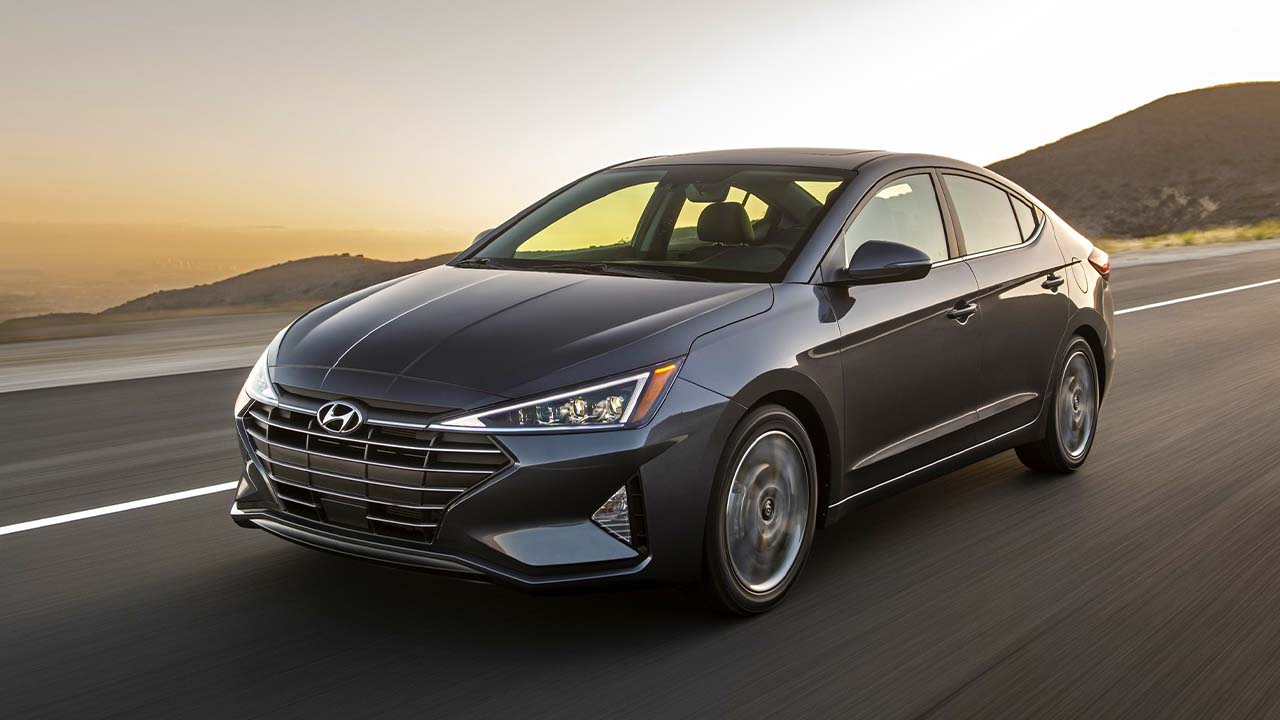
    Hyundai-Nishat has introduced the long-awaited Elantra GL 1.6, with a hefty price tag of Rs4.3 million for the ‘base trim’.

    This model was predicted to compete with the Altis X 1.6, but Rs4.3 million for a base model does not seem to attract much for a car that already existed.

    The ‘latest sedan’ is now available for bookings at Hyundai dealerships for Rs1.2 million. In terms of appearance, the new Elantra GL is identical to the GLS model. The majority of the changes have occurred on the inside.

    GL’s naturally aspirated 1.6-liter 4-cylinder petrol engine produces 127 horsepower (hp) and 155 Newton-meters (Nm) of torque in the new model. It has a 6-speed automatic transmission that drives the front wheels.

    The Toyota Corolla Altis 1.6L, which is priced between Rs3.92 million and Rs4.3 million, will be the Hyundai Elantra GL’s main rival which comes with a 4-year or 100,00 km warranty. Hyundai, as a newcomer to Pakistan’s automarket, appears to be up against a formidable opponent: Toyota Indus, which has been selling automobiles for decades and is known for its sturdiness.

    Read more: Toyota to launch its first electric car with 559 km range next month

    It is too early to comment on its performance at the moment, as its fate will be revealed in the near future when Pakistan Automotive Manufacturer’s Association releases the monthly sales data.

  • Lahore continues to face gas and power outage in Ramzan

    Lahore continues to face gas and power outage in Ramzan

    People in several localities of Lahore have complained of substantial pressure reduction as well as unannounced power cuts, bringing the natural gas and power shortages back in the holy month of Ramzan.

    On Friday, customers reported that natural gas load shedding had resumed in the city, making cooking at home difficult. Natural gas pressure only improved to a limited extent during Sehri and Iftari hours due to micromanagement by Sui Northern Gas Pipelines Ltd (SNGPL).

    As per the gas load management plan, gas supply to Compressed Natural Gas (CNG) filling stations has been a concern in the country, which has yet to be updated to accommodate this sector.

    Shortages, according to experts, are due to a gap in the import of Liquefied Natural Gas (LNG) shipments. After long-term sellers were unable to deliver, the government attempted to negotiate cargoes of spot LNG as a backup plan. Such attempts, however, have yet to show positive outcomes. The same goes for power load shedding.

    Read more: Another hike of Rs4.9 per unit approved in power tariff

    Gas disruptions and load shedding have become the norm, according to residents. Affected locations include Canal Bank Housing Scheme, Bedian Road, Taj Bagh, Mughalpura, Saddar, Johar Town, and many more Lahore neighbourhoods.

  • Another hike of Rs4.9 per unit approved in power tariff

    Another hike of Rs4.9 per unit approved in power tariff

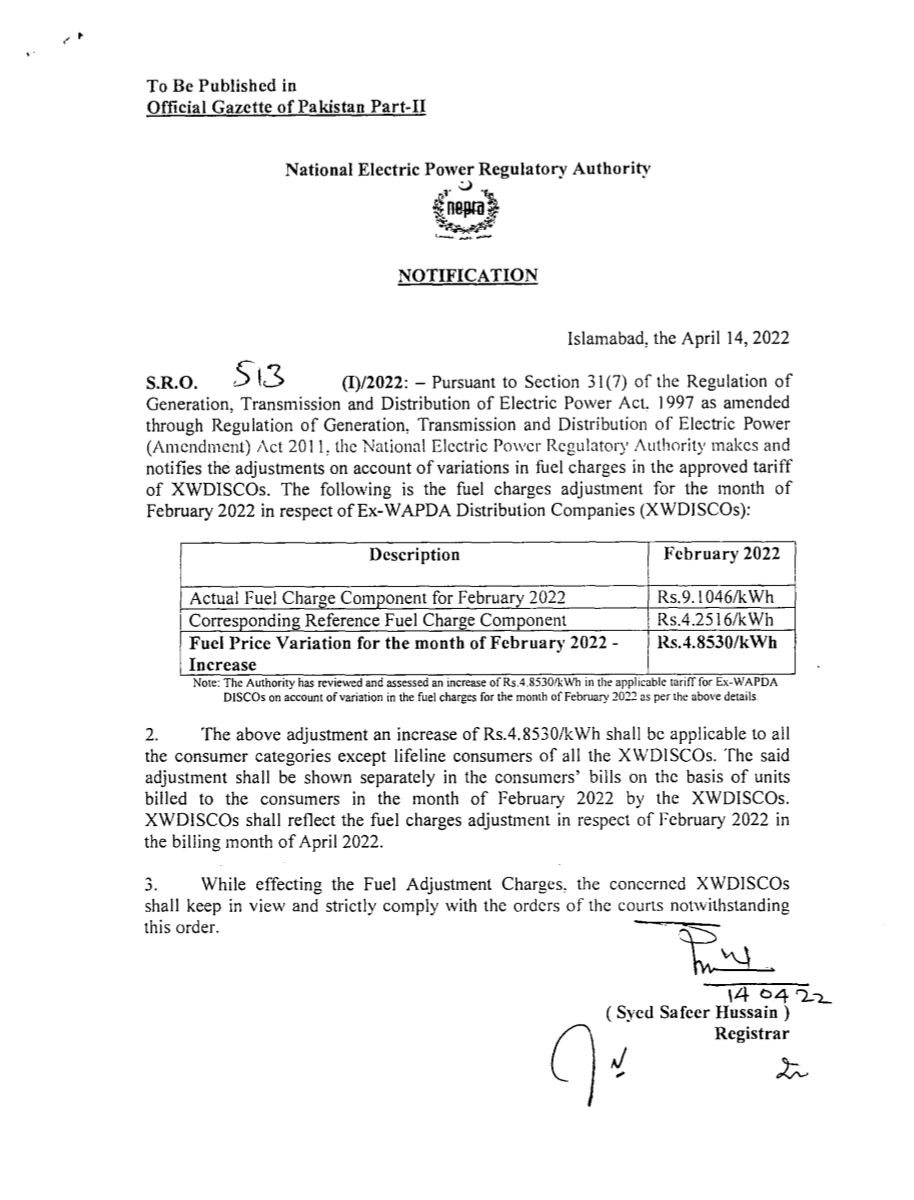
    Owing to the monthly Fuel Cost Adjustment (FCA) for February, the National Electric Power Regulatory Authority (NEPRA) on April 15 increased the price of electricity by Rs4.85 per unit.

    It has also announced an increase in the price of power, stating that the power output in February was more expensive than the previously set fuel price.

    According to the notice, the power distribution companies (DISCOs) will collect the amount from electricity consumers in the April bill. In addition, consumers will be hit with a charge of Rs37.7 billion, excluding general sales tax (GST). However, K-Electric and lifeline customers will be exempt from the hike.

    On March 31, the NEPRA held a hearing to determine the FCA but did not make a decision. The Central Power Purchasing Agency (CPPA) requested that the cost per unit be increased to Rs4.94 by the NEPRA.

    Following the monthly FCA, which only operates for one month, the administration had already hiked the power price to Rs5.95 per unit for the month of January.

    As per NEPRA’s data, the most expensive energy production sources, including High-Speed Diesel (HSD) and Residual Fuel Oil (RFO), were used more than average in the prior months, raising the overall cost of production.

  • PM Shehbaz rejects OGRA’s proposal, petrol price to remain unchanged till April 30

    PM Shehbaz rejects OGRA’s proposal, petrol price to remain unchanged till April 30

    Pakistan’s new Prime Minister (PM) Shehbaz Sharif on Friday dismissed the proposal from the Oil and Gas Regulatory Authority (OGRA) to raise the price of petroleum products for the fortnight. The recent decision is aimed at providing relief to the public affected by inflation.

    It is worth noting that the present government’s choice to maintain the same prices will oblige it to provide another substantial subsidy till the end of April 2022.

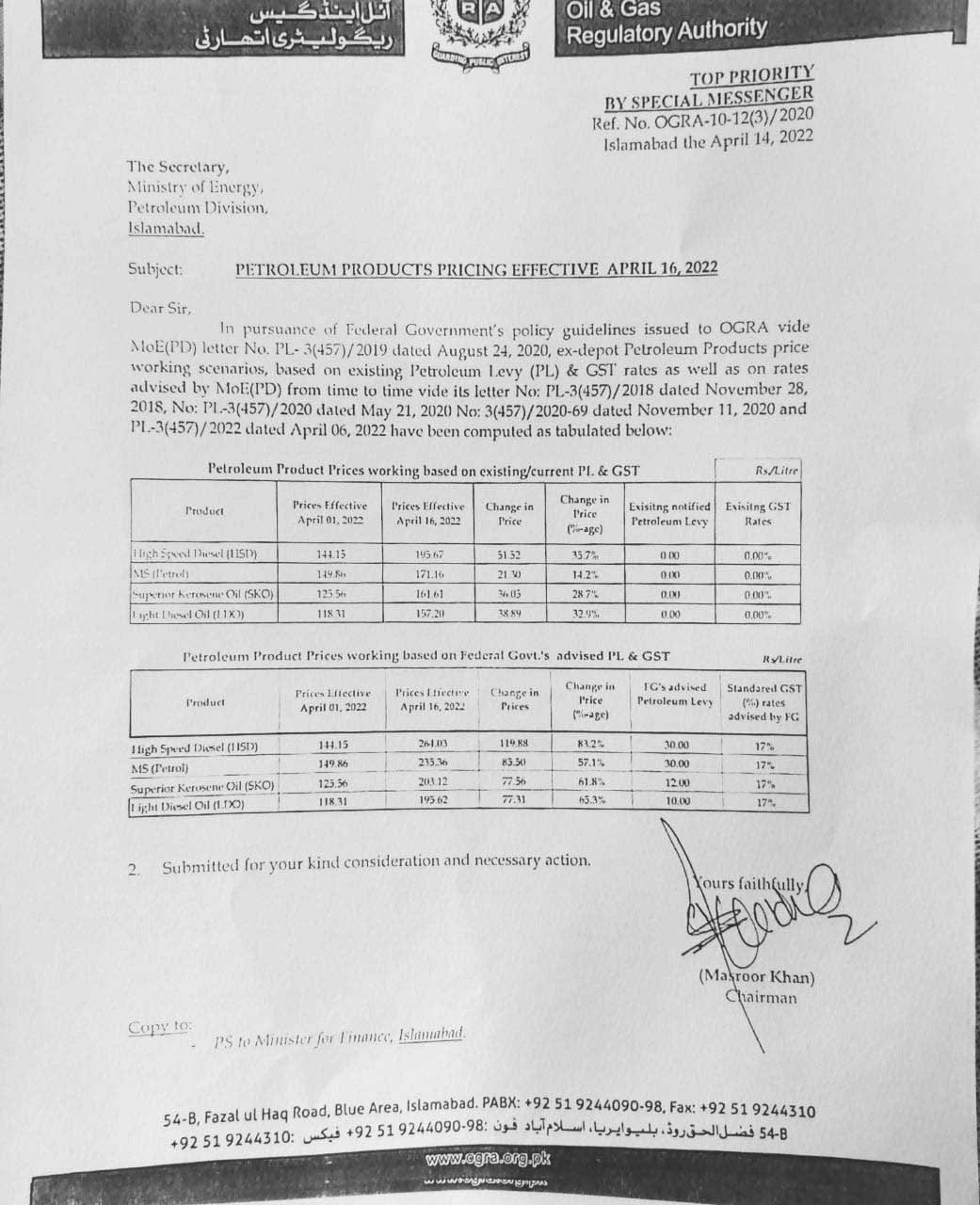
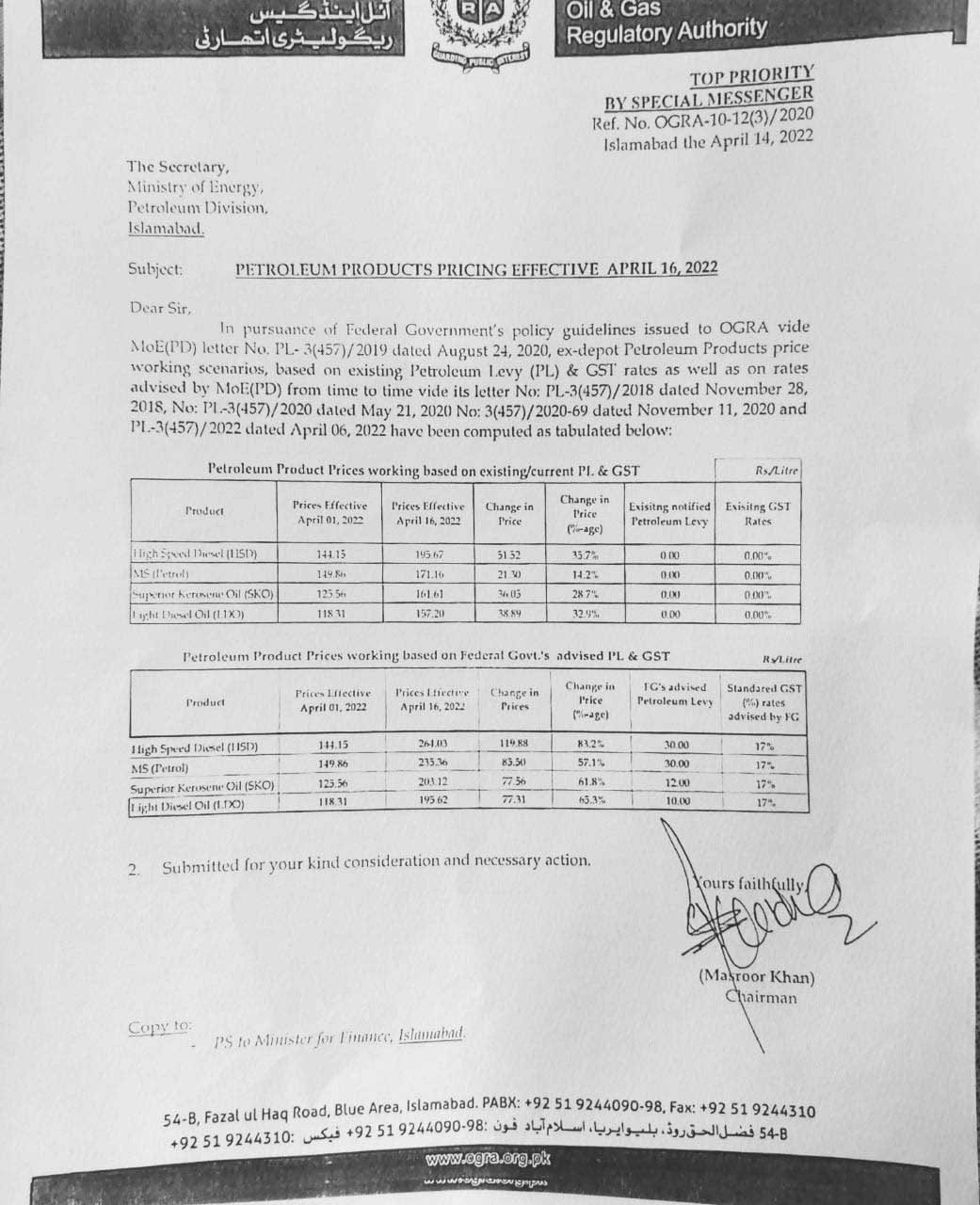
    Earlier, OGRA suggested to the Finance Division that the price of petrol be increased by Rs21.50 and that of diesel be hiked by Rs51.30 in view of the current petroleum levy and general sales tax (GST).

    Read more: Massive hike of Rs83.5 for petrol, Rs119 for diesel proposed by OGRA

    The authority also proposed a hike of Rs83.50 per liter of petrol and Rs119.88 per liter of diesel considering the federal government’s recommended petroleum levy of Rs30 and 17 per cent GST, as per the official statement.

  • Apple to launch new Macs with next-generation M2 chips

    Apple to launch new Macs with next-generation M2 chips

    Apple is planning to release the next-generation Apple Silicon chip for its laptops, almost two years after introducing the first Macs using its own silicon. The company is presently testing third-party programmes on at least nine new Mac models equipped with an M2 processor.

    Unreleased Macs have been spotted in app logs, to sources familiar with the situation, implying that Apple is currently conducting final tests on the new PCs before revealing them to the public. The new M2 processor will be used in all new Macs, which are slated to be released later this year.

    A MacBook Air, MacBook Pro, and Mac mini with an M2 chip; new MacBook Pros with the M2 Pro and M2 Max chips; and a Mac Pro with an Apple Silicon chip ‘successor to the M1 Ultra processor’. Apple has been working on the new Macs for a while now.

    Surprisingly, it appears that Apple is still testing a new Mac mini with the M1 Pro CPU seen in the current MacBook Pro generation. Apple had planned to release high-end versions of the present Mac mini with the M1 Pro and M1 Max CPUs, according to 9to5Mac’s sources, but they were likely canceled to make way for the Mac Studio.

    Read more: Elon Musk offers $43 billion to acquire Twitter

    The Studio Display firmware contains references to a new Mac mini model, thus it’s probable that at least some of these Macs will be released soon. Apple could unveil two new Macs in June at WWDC 2022.

  • Toyota to launch its first electric car with 559 km range next month

    Toyota to launch its first electric car with 559 km range next month

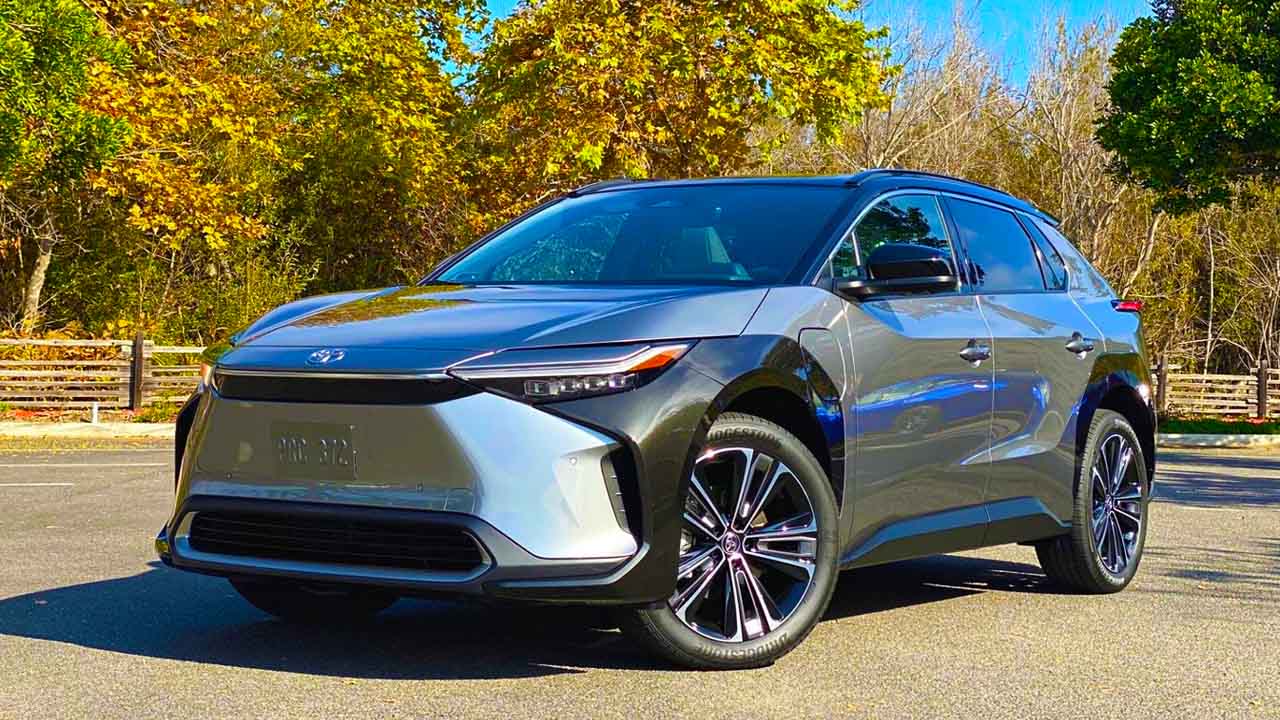
    Toyota announced that it will introduce its revolutionary bZ4X battery-powered SUV in its home market on May 12, as part of a larger push to minimise its carbon footprint.

    The bZ4X is Toyota’s first vehicle built on a specific electric vehicle (EV) platform created in collaboration with Subaru. It’s made at the Motomachi factory, which now employs CO2-free utility power sourced from renewable sources.

    It was also disclosed that the Japanese dealerships would start taking orders for the first batch of 3,000 vehicles in May 2022, with the second batch of about 2,000 vehicles anticipated early in the autumn. This year, the manufacturer plans to create and sell 5,000 units.

    The Japanese manufacturer claims that its new battery electric vehicle (BEV) SUV has a power-efficiency rating of 128Wh/km and a touring range of 559 kilometers (347 miles). It is compatible with rapid DC chargers available all around the world, while its battery can be topped to 80 per cent in just 40 minutes.

    All bZ4X models delivered in Japan will be leased, as per the manufacturer, to alleviate customer concerns about electric cars and allow it to apply its 3Rs (Rebuild, Reuse, Recycle) battery management system. The batteries incorporated in the SUVs will be guaranteed for ten years and 200,000 kilometers (120,000 miles) at 70 per cent capacity retention.

    Read more: Here’s a look at the new Honda Vezel 2023

    The Kinto service will be able to lease the bZ4X models to private clients, while the Rent-a-Lease and Toyota Mobility Services networks will be able to lease the EV to corporate customers.

  • Massive hike of Rs83.5 for petrol, Rs119 for diesel proposed by OGRA

    Massive hike of Rs83.5 for petrol, Rs119 for diesel proposed by OGRA

    The Oil and Gas Regulatory Authority (OGRA) suggested the federal government elevate fuel prices by up to Rs83.5 per liter for petrol and Rs119 for diesel.

    A summary to the petroleum division was presented by OGRA for the huge increase in petroleum rates to come into effect on April 16 in Pakistan.

    The proposed raise was calculated using a 70 per cent GST rate plus a Rs30 per liter levy. It is worth noting that the current duty on fuel and diesel is Rs30 per liter, plus 17 per cent GST.

    On the basis of complete levy and taxes, the body has recommended raising petrol prices by Rs83.5 per liter, while diesel prices should be raised by Rs119 per liter.

    According to reports, the OGRA proposed raising the petrol price to Rs21.53 per liter in line with the current tax rate, Rs51.3 for diesel, and Rs77.56 for kerosine oil on the grounds of full tax and levy.

    Read more: Gold prices go up by Rs350 per tola to Rs130,300

    Concerning other oil products, a full tax rate and levy hike of Rs77.31 was suggested for light diesel, Rs36.5 for kerosine oil, and Rs38.89 for light diesel. According to sources, the finance ministry would make the final decision on the OGRA summary after briefing Prime Minister Shehbaz Sharif.

  • Elon Musk offers $43 billion to acquire Twitter

    Elon Musk offers $43 billion to acquire Twitter

    Elon Musk has submitted a takeover bid for Twitter, offering $54.20 per share, days after becoming the group’s largest shareholder. This is an offer worth more than $43 billion.

    According to a Securities and Exchange Commission (SEC) filing, Mr. Musk described this as a “best and last offer,” reflecting a 54 per cent premium over the day before he commenced investing in the business in late January 2022.

    Musk stated in the filing that “I don’t have faith in the management” and that he could not make the adjustments he desired in the public market.

    As per a letter written to CEO Salesforce and chairman of Twitter, Bret Taylor, Musk stated that if the proposal is not accepted, he will reassess his status as a shareholder as Twitter has a lot of potential which needs to be unlocked.

    The billionaire CEO of Tesla and SpaceX and the world’s richest man, purchased a 9.2 per cent share in Twitter on April 4, according to a regulatory filing. The tech mogul was invited to join Twitter’s board of directors the next day, but he denied the offer by the end of the week.

    Musk wrote to Mr. Taylor on April 13: “I invested in Twitter because I believe it has the potential to be the global platform for free speech, and I believe free speech is a societal requirement for a healthy democracy”.

    Read more: Elon Musk is no longer joining Twitter board as the microblogging network is “dying”

    “However, after making my investment, I’ve come to recognize that the company, in its current form, can neither thrive nor serve this societal need,” he wrote. “Twitter should be turned into a private firm”.

    Considering the tweeted document, Musk’s financial adviser for the proposal is Morgan Stanley.