Category: Business

  • State Bank of Pakistan hikes interest rate to 12.25% in an emergency meeting

    State Bank of Pakistan hikes interest rate to 12.25% in an emergency meeting

    Following an emergency meeting, the State Bank of Pakistan (SBP) raised interest rates by 250 basis points, as mounting political uncertainty and rising worldwide oil prices threaten to drive the country into a full-fledged economic catastrophe.

    The key rate is now 12.25 per cent, as per the latest statement released by the central bank on Thursday. According to the report, this makes the real rate “mildly positive” and will assist maintain external and price stability.

    The judgment came a few hours before the Supreme Court was due to rule on the constitutionality of Prime Minister Imran Khan’s disputed move to dissolve parliament and hold new elections. Pakistan may find it difficult to persuade the International Monetary Fund (IMF) to grant a much-needed loan tranche due to the political limbo.

    At the recent briefing, SBP governor, Reza Baqir, said, “We thought it’s important to take decisive action”.  He added that the body does not intend to do anything else.

    The central bank claimed that intensified domestic political turmoil contributed to the rupee’s 5 per cent loss and caused a jump in local bond rates, as well as Pakistan’s Eurobond yields and Credit Default Swap (CDS) spreads. Oil prices are likely to remain elevated, and the Federal Reserve of the United States is expected to compress sooner than expected, according to the report.

    The PKR broke all records on Thursday, selling at more than Rs189 per dollar in intraday trading in the interbank market, continuing a slump that has witnessed its decline of more than 10 per cent since March 4.

    Read more: Pakistan to import 32.7 million barrels of oil to cover petroleum needs

    Pakistan’s political instability, in addition to money from the IMF, is causing delays in a planned $1 billion green bond offering. A refinancing from China is also expected; the repayment in recent weeks caused Pakistan’s foreign-exchange reserves to plummet to their lowest level since records began in 2010.

    In a meeting last month, SBP cautioned that it might convene earlier than planned to avoid a crisis. It revised its average inflation prediction for the fiscal year ending in June from 9 per cent to little more than 11 per cent.
  • PML-N’s Miftah Ismail fact-checked by PTI’s Hammad Azhar on load-shedding, Miftah acknowledges

    PML-N’s Miftah Ismail fact-checked by PTI’s Hammad Azhar on load-shedding, Miftah acknowledges

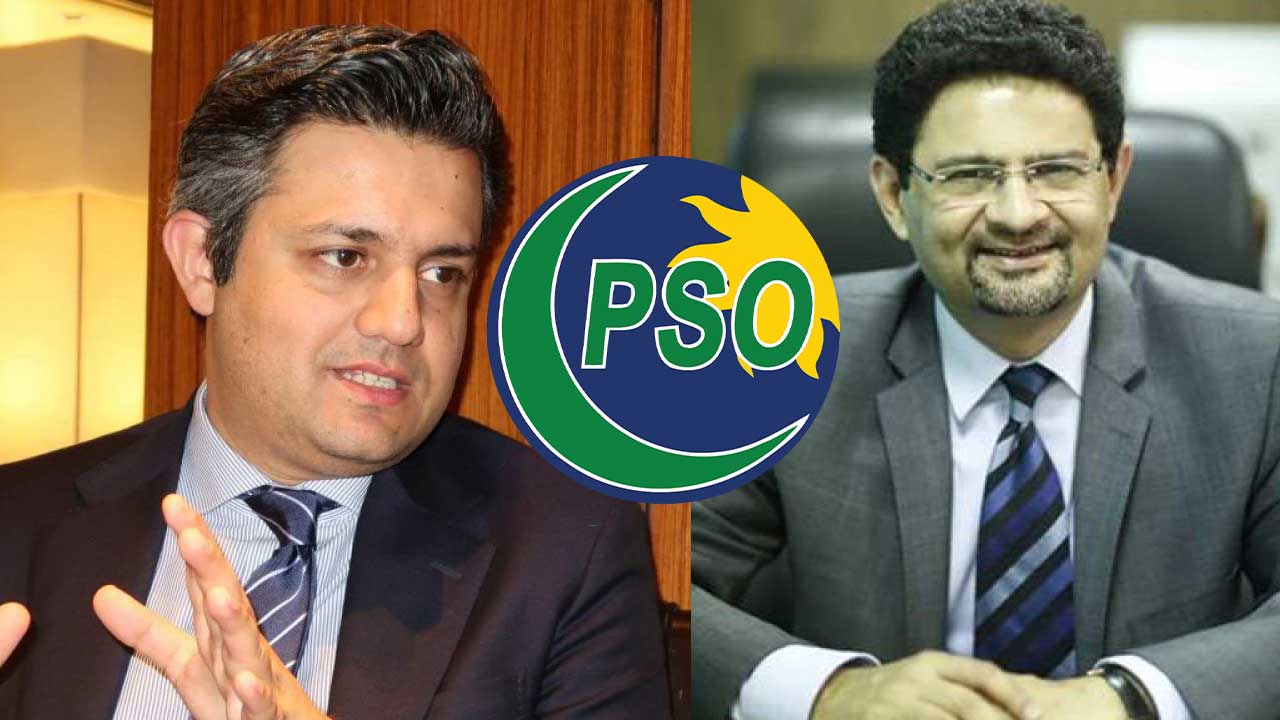
    Miftah Ismail, General Secretary of the Pakistan Muslim League-Nawaz (PML-N) in Sindh, recently took to Twitter, saying that Pakistan State Oil (PSO) has restricted fuel supplies to Independent Power Projects (IPPs), potentially resulting in significant load shedding in the coming week.

    He directly accused Prime Minister (PM) Imran Khan of the impending power outage, writing that it is the result of his incompetence, corruption, falsehoods, and “lust for power: that has gotten the country into such a mess.

    After an hour, Former Energy Minister, Hammad Azhar responded to Ismail’s tweet, calling it “Fake news” and claiming that he had checked with PSO and there had been no such supply cuts notified for IPPs.

    “My statement regarding IK’s corruption (Farah), incompetence (Buzdar), lying (Sh Rasheed) & hunger for power (Suri) is valid,” Ismail responded with a strange tweet to cover up his incorrect finding about PSO.

    It is worth noting that PSO serves a diverse range of customers, including Pakistan’s industrial sector, several power projects, aviation, and maritime sectors. On a daily basis, the company meets the POL needs of millions of clients.

    Apart from selling oil to Pakistan’s power utilities, such as K-Electric and Wapda, PSO is the primary supplier of furnace oil to all IPPs in the country, with a local market share of more than 80 per cent.

  • Toyota Pakistan records highest monthly sales, selling 7,132 vehicles in March 2022

    Toyota Pakistan records highest monthly sales, selling 7,132 vehicles in March 2022

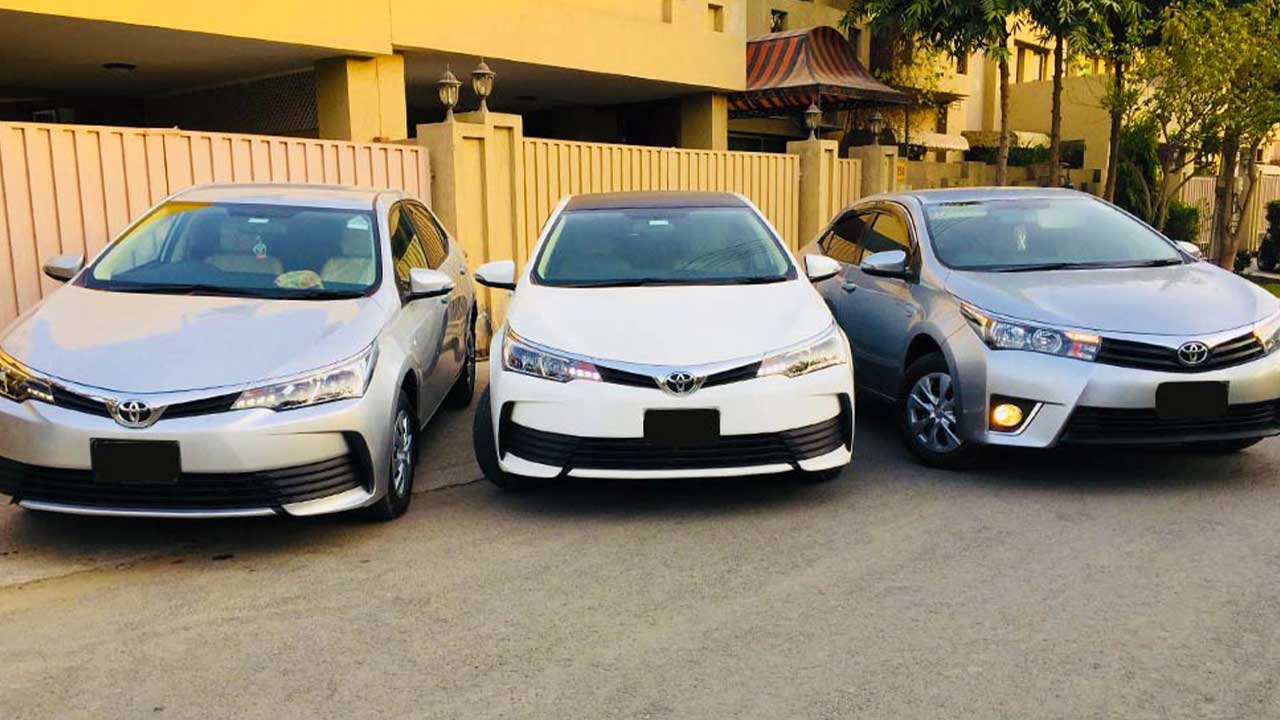
    Toyota Indus Motor Company (IMC) achieved a new monthly milestone in March 2022, selling 7,132 vehicles, exceeding the prior record of 7,001 vehicles sold last year in October.

    It is pertinent to mention that the manufacturer has established a monthly sales record for the third time in the last eight months, which is a remarkable achievement.

    IMC has experienced tremendous growth over almost three decades of competence in producing and marketing Toyota cars in Pakistan. It was also revealed that the recent sales are the biggest since the company’s inception in 1993, for which the business has extended gratitude to its devoted customers.

    As consumer demand has grown over time, the corporation has made significant efforts to expand its capacity in order to satisfy the demands for innovative products.

    One of the most popular models from Toyota Pakistan is the iconic Toyota Corolla, which is also one of Asia’s most popular automobiles. The latter has been quite successful for decades now, accounting for the best sales.

    Due to its relatively faster delivery period than other car brands in Pakistan, the automaker has a broad demand in the nation and appeals to a wider clientele for its durable and trusted offerings.

    Reportedly, the Toyota Yaris has a two-month delivery wait as opposed to the Honda City’s four-month delivery period.

    In order to maintain quality standards, the firm invests heavily in coaching and motivating its qualified personnel. The corporation places a strong emphasis on corporate ethics along with employee and customer safety.

    On the flip side, the corporation may have to raise prices once again due to worldwide logistical issues, rising freight costs, and the depreciation of the Pakistani rupee.

    Imported raw materials have become pricier for automakers as the rupee continues to depreciate against the US dollar. As a consequence, IMC said that overall sales may drop by nearly 15 per cent over the coming years.

  • Motorway Police distribute prizes to the best drivers

    Motorway Police distribute prizes to the best drivers

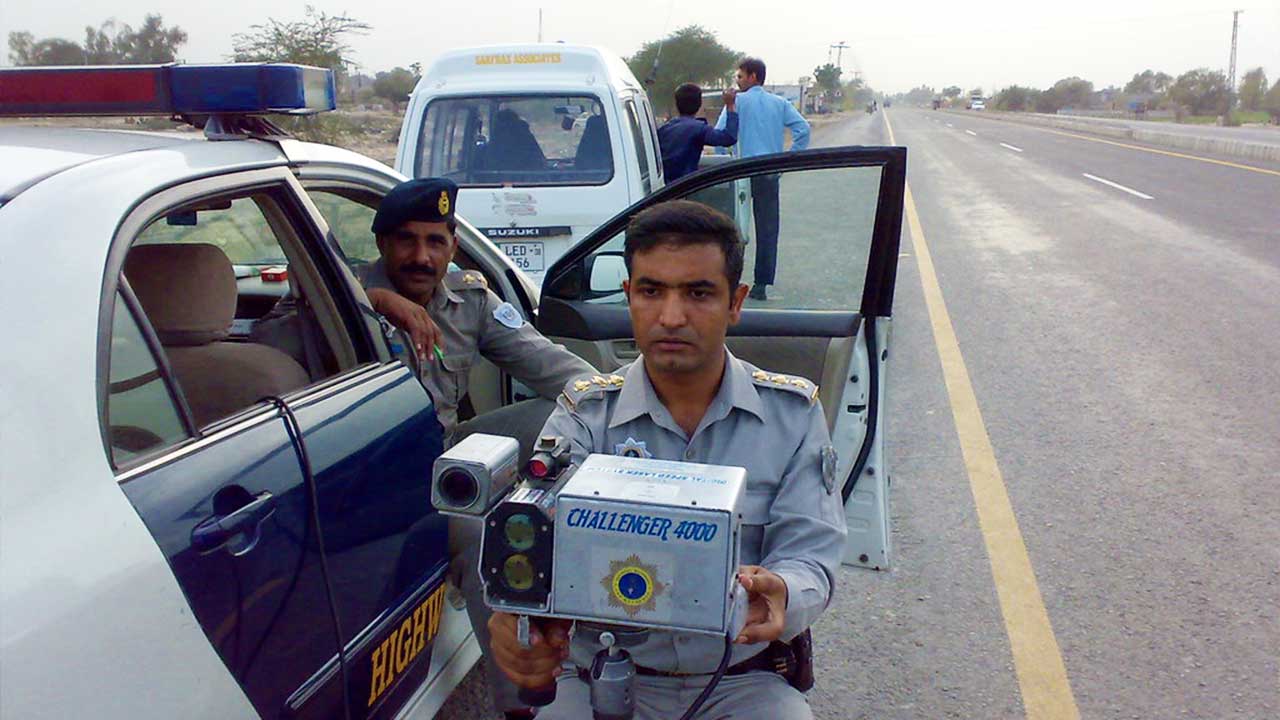
    Inspector-General National Highways and Motorways Police (NHMP), Inam Ghani recently paid a visit to the Public Service Vehicles Management Centre (PSVMC) at the Motorway (M-2) North Toll Plaza.

    IG Inam Ghani presented prizes to the safest drivers on motorways/highways who did not violate any traffic rules including overspeeding, seat belt violations, lane violations while driving 30,000 to 40,000 kilometers, and made strict adherence to traffic rules.

    On the occasion, IG Ghani said that information technology plays a significant role in revamping the Motorway Police.

    He was of the view that linking NHMP’s system with NADRA can also help in arresting prominent offenders besides feeding information regarding vehicle registration, vehicle fitness, driving licenses, and benefitting from contemporary technologies. These advancements would help boost the performance of Motorway Police.

    In order to make motorways/highways safer and more convenient, the purview of information technology is being extended to facilitate motorists and encourage safe driving.

    Read more: Petroleum sales increase by 23% in March, despite hefty oil prices

    Inspector-General (IG) Inam Ghani was joined by the DIG Motorway (M-2) North, DIG Operations, Sector Commander, and other senior personnel at the event.

  • Pakistan to import 32.7 million barrels of oil to cover petroleum needs

    Under a deferred payment agreement with the Saudi Fund for Development (SFD), Pakistan would acquire roughly 32.7 million barrels (MBL) of crude oil in 2022 to cover its petroleum product needs.

    The Pak-Arab Refinery Company Limited (PARCO) and National Refinery Limited (NRL) plan to import 16.89 and 15.81 million barrels of oil in the ongoing year, respectively.

    Crude oil worth $100 million per month may be imported under the terms of the arrangement, with payment deferred for a year. The price will be set in accordance with the existing long-term agreement between Saudi Aramco, PARCO, and NRL.

    The facility will be available for a 12-month period, which may be increased for one year. The withdrawn funds, plus the margin of 3.8 per cent, will be repaid in one annual installment in US dollars.

    Previously, In June 2021, the Saudi government agreed to pay $4.2 billion in providing economic aid to Pakistan, which was legally formalised in November. While the SFD programme has been in effect since March 7, 2022, and oil purchase has now already begun.

  • Nepra approves Rs1.29 hike in cost per unit for Karachi residents

    On account of monthly Fuel Cost Adjustments (FCA), the National Electric Power Regulatory Authority (NEPRA) raised the cost per unit of power for Karachi residents by Rs1.29.

    It held a public hearing at its headquarters on Karachi Electric’s (KE) request to hike the power tariff under the FCA by Rs3.45 per unit for February. Chairman Tauseef H. Farooqi chaired the public meeting, which was also attended by officials Rafiq Ahmed Sheikh and Engineer Maqsood Anwar Khan.

    According to the officials, KE’s monthly FCA is decided at Rs1.29 per unit based on data analysis.

    The Chairman inquired about Karachi’s load-shedding status and if KE has a gas procurement deal with the Sui Southern Gas Company (SSGC) to address the fuel crisis.

    Load management is only done on feeders with a low recovery rate, according to the latter’s officials, and consumers only have to experience one to one-and-a-half hours of load shedding every day.

    Chairman Farooqui stated that KE’s technology needs to be modernised, and that there should be no load-shedding for bill-paying customers and locations where billing is timely.

    He also mentioned that the NEPRA has posted phone numbers on its website for inhabitants of the city to report any forced load-shedding by any power utility.

    According to the briefing delivered at the meeting, KE’s customers were charged Rs3.28 per unit in January under the FCA. Similarly, the FCA for February was decided to be Rs1.99 lesser than the January billing.

    Muhamad Tanveer, who is a representative of the Karachi Chamber of Commerce (KCCI), denied the FCA, citing that customers are already paying for the January hike and that the FCA should not be transferred to them.

    After reviewing the facts, the NEPRA issued a thorough judgment declaring that the FCA is only levied and set for the month in concern and that it is variable with each hearing depending on the fuel costs for that month.

  • Petroleum sales increase by 23% in March, despite hefty oil prices

    Petroleum product sales rebounded in the last month after a dismal February with Oil marketing companies (OMC) witnessing an increase of 23 per cent in sales of petroleum products on a year-over-year (YoY) basis in March 2022.

    Overall petroleum sales in March 2022, increased to 1.82 million tonnes compared to 1.54 million tonnes in March 2021, as per the data released by Arif Habib Limited.

    The stability comeback shows a 19 per cent increase in overall OMC sales on a month-over-month (MoM) basis.

    OMC volume growth was driven by furnace oil, which climbed by 34 per cent on a YoY basis, followed by HSD volume growth of 29 per cent and MS volume growth of 13 per cent. MoM growth in OMC volumes followed a similar pattern, with FO taking the lead.

    Although the increase in furnace oil volumes was driven by increased furnace oil usage in the power sector due to low gas and Re-Gasified Liquefied Natural Gas (RLNG) availability.

    The increase in HSD volumes was driven by increased demand from the transportation and agriculture sectors and increased usage in generators and the power sector.

    Moreover, the government’s price caps and the additional number of days in March compared to February were the main contributors to MoM growth in diesel and gasoline sales.

    Consequently, petroleum sales increased by 19 per cent on a YOY basis in 9MFY22, with double-digit increases for petroleum products.

    Diesel sales grew by 17 per cent, followed by 16 per cent increase for furnace oil and a 10 per cent growth for motor oil.

    While some are expecting a drop in petroleum sales due to the political turmoil and rising commodity prices, others say that higher oil consumption cannot be overturned as the summer is already here and people are likely to consume more electricity, also that the power sector may switch to furnace oil due to RLNG commitment defaults.

  • Tesla’s CEO Elon Musk to join Twitter board after investing $2.9 billion in the platform

    Tesla’s CEO Elon Musk to join Twitter board after investing $2.9 billion in the platform

    Elon Musk, the world’s richest man, has been chosen for Twitter’s board of directors, just one day after it was confirmed that he is the social media platform’s largest shareholder, holding a 9.2 per cent stake.

    On April 5, Twitter’s CEO Parag Agrawal said he was excited to announce Musk’s membership to the company’s board of directors. 

    Tesla’s CEO, whose personal wealth is assessed to be $289 billion, about $100 billion greater than the second richest person on the planet, Amazon founder Jeff Bezos, has a history of publishing controversial tweets.

    Musk was a “passionate believer and intense critic” of the platform, according to Agrawal, and it was exactly what Twitter needed to render it stronger in the long run.

    Surprisingly, Musk has a Twitter following of more than 80 million, and he was already looking forward to collaborating with the company “to make big improvements” to the social media platform in the near future.

    Twitter on Tuesday stated that Musk had agreed to serve as a class two director with a term terminating at the company’s annual meeting of shareholders in 2024.

    Musk bought a nearly $3 billion (£2.3 billion) share in Twitter on Monday, which is more than four times the 2.25 per cent share held by the platform’s co-founder, Jack Dorsey.

    However, Musk would not be able to own more than 14.9 per cent of Twitter’s outstanding shares, either alone or as part of a group, for as long as he was a board member and for 90 days later, according to the firm.

    The CEO of Tesla and SpaceX, who ranks among the Top 10 most popular users on Twitter with 80.4 million followers, paid $2.89 billion for the stake on Friday at Twitter’s closing share price.

    Twitter shares rose another 5 per cent Tuesday morning after soaring more than 27 per cent on Monday after reports of Musk’s stock purchase.

  • Construction work for Swat Motorway Phase-II to begin next week

    Khyber Pakhtunkhwa (KP) Chief Minister Mahmood Khan will lay the foundation stone for Swat Motorway Phase-II in the next week.

    The CM instructed that development on the Dir Motorway project’s PC 1 for land acquisition be quickened so that practical work on the project can proceed.

    He was presiding over a meeting of the Pakhtunkhwa Highways Authority to discuss the status of various road projects, including the Swat Motorway Phase II and the Dir Motorway.

    The meeting was informed on the status of Swat Motorway Phase II, which will be 88 km long and will be built at a cost of Rs58 billion and will run from Chakdara to Fatehpur. It was also revealed that a contractor deal for the project’s construction had been inked.

    It was revealed that Rs6.7 billion had been allocated for the project’s land acquisition. In addition, section four was implemented for the purchase of land.

    Project Plan

    Swat motorway will have four lanes at first and will be expanded to six lanes later. Chakdara Interchange, Shamozai Interchange, Barikot Interchange, Mingora Interchange, Kanju Interchange, Malam Jabba-University of Swat Interchange, Sher Palam Interchange, Matta Khawazakhela Interchange, and Madin-Fatehpur Interchange would be among the nine interchanges.

    On the Swat River, a total of eight bridges will be built. The project also includes the construction of four rest spots in various places, as well as the construction of connection highways if required.

    PHA officials briefed the meeting on Dir Motorway that an Expression of Interest for a 30 km long Dir Motorway from Chakdara to Rabat had been floated. Three interchanges, four flyovers, 24 bridges, two underpasses, and two tunnels will be part of this road project.

    These developments, according to the Chief Minister, would help boost tourism, trade, and economic operations, making them a “milestone” for the long-term growth of the Malakand division. These initiatives will also provide employment chances for locals in addition to improving transportation facilities.

  • Pakistan’s exports grew 25% in the last nine months

    Pakistan’s exports increased by 17.3 per cent in March 2021 to $2.773 billion, up from $2.365 billion in March 2021 and 25 per cent in the last nine months.

    The Prime Minister’s Adviser on Commerce and Investment, Abdul Razak Dawood, said that exports increased by 25 per cent to $23.332 billion in the July-March fiscal year 2021-2022, compared to $18.688 billion in the same period last year, implying a $4.644 billion upsurge.

    On the other hand, according to preliminary data from the Pakistan Bureau of Statistics (PBS), exports fell 2 per cent on a month-on-month (MoM) basis to $2.77 billion in March 2022, down from $2.82 billion in February 2022.

    Dawood said in a tweet, “We are glad to share that Pakistan’s exports for Mar-2022 grew by 17.3 per cent to $2.773 billion as compared to $2.365 billion Mar-2021. For Jul-Mar 2022, our exports grew by 25 per cent to $23.332 billion as compared to $18.688 billion in Jul-Mar 2021. This is an increase $4.644 billion”.

    While talking about the target for exports he added that “We expect to achieve our yearly target. The import figures would be shared when finalised by the PBS. We would like to congratulate our exporters for maintaining the momentum of exports under these testing times in the global market”.

    Pakistan’s current account deficit (CAD) decreased by 78.46 per cent to $545 million in February from $2.531 billion in January, owing primarily to a steep drop in imports.

    Read more: FBR records 29.1% growth during July 2021 to March 2022, despite providing ‘massive tax relief’

    Surprisingly, the CAD crossed the $12 billion level in the first eight months of FY22, showing no signs of improvement in the external account. The CAD was only $34 million in February 2021.