Category: Business

  • 12 luxury vehicles registered under the name of labourer, gatekeeper

    12 luxury vehicles registered under the name of labourer, gatekeeper

    The Anti-Benami Zone of the Federal Board of Revenue (FBR) caught 12 luxury vehicles in Karachi worth millions of rupees under the name of a gatekeeper and a labourer.

    Reportedly, a Land Rover and a BMW are registered under the name of Zahid Iqbal from Faisalabad. Moreover, around ten vehicles are registered under the name of a gatekeeper.

    The officials of the Anti-Benami Zone revealed that the name of a car dealer had also been used for the Benami vehicles, and the purchase of the vehicles had been conducted under the Benami Transaction Act.

    Zahid Iqbal was clueless about ownership of the cars when he was asked by the authorities to provide necessary documents to the revenue board.

    Meanwhile, the Anti-Benami Zone has initiated an investigation of the matter, and notices have been issued to the suspected labourer, gatekeeper, and car dealer.

    What is benami transaction?

    1) When a property is transferred to, or is held by, a person but it has been paid for by another person – a trustee and wife, child, brother or sister

    2) A transaction or arrangement of a property made in a fictitious name, or a transaction or arrangement of a property where the owner is not aware of, or denies knowledge of, such ownership

    3) A transaction or arrangement of a property where the person providing the consideration is not traceable or is fictitious.

    Types of benami properties

    Such properties can be plots, houses, shopping plazas, shops, housing schemes, bank accounts, vehicles, business shares, jewellery, foreign currency, legal documents and intangible properties, having financial value.
  • Govt to pay pensions, salaries via Raast instant payment system

    Govt to pay pensions, salaries via Raast instant payment system

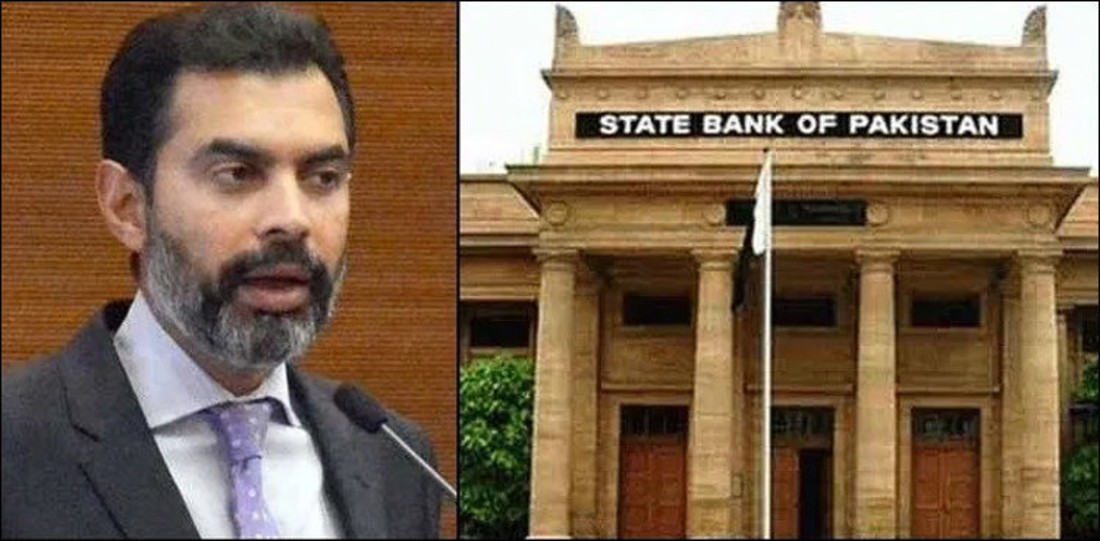
    The State Bank of Pakistan (SBP) and Controller General of Accounts Pakistan (CGAP) have decided to digitise the payment system for salaries/payments of government employees.

    The payments will be made through Raast.

    Raast is an initiative taken by Prime Minister (PM) Imran Khan to promote easy tax collection and move the country towards a cashless economy.

    According to a press release, SBP and CGAP have signed a memorandum of understanding (MoU) to use Raast for payments. The payroll and pension-roll data will be shared from the CGA system to SBP’s Raast through a highly secure interface, and payments to the beneficiaries’ accounts will be made instantly after validating the beneficiaries’ detail.

    To ensure that payments are only credited in the intended beneficiary’s account, the digital payment system will verify the beneficiaries’ details with their banks in real-time before crediting the payment in the beneficiary’s account.

    The central bank further added that they are working to make payments of social security nets like Ehaas Programme, Benazir Income Support Programme (BISP), and other government programmes through Raast.

    Raast is Pakistan’s first digital payment system that will ensure payments instantaneously for individuals, businesses and the government.

    The system can also make payments to multiple beneficiaries at a time to cater to high volume government payments like salaries, pension and social security payments.

  • State Bank clears air surrounding forthcoming legislation; no, it won’t bankrupt Pakistan

    State Bank clears air surrounding forthcoming legislation; no, it won’t bankrupt Pakistan

    Deputy governor of the State Bank of Pakistan (SBP) Dr Murtaza Syed has clarified that repayment of loans isn’t a priority on the list of objectives the central bank plans to achieve if it is granted autonomy under forthcoming legislation.

    He was responding to The Current’s query during a meeting of SBP bigwigs, including Governor Dr Reza Baqir, with digital broadcasters amid widespread rumours about a future with an autonomous central bank in Pakistan.

    Besides opposition members, renowned Economist Dr Kaiser Bengali had earlier warned that “the SBP ordinance, which is likely to be introduced soon, is anti-national and could lead to no accountability of central bank officials besides ultimately resulting in the collapse of the country”.

    “Our objectives are controlling inflation, ensuring financial stability and promoting the government’s policies of development and growth,” he said.

    Earlier, SBP Governor Baqir also clarified the air surrounding what he said was not an ordinance but a bill to be presented before the parliament for discussion.

    He said that it wasn’t the first time that amendments to the SBP Act will be discussed.

    “The SBP Act was previously amended in 1994, 1997, 2012 and 2015. Changing the Act does not mean that it cannot be changed again and the parliament has the power to withdraw amendments to the SBP Act,” the SBP governor said.

    However, he added, that clarity in the bill to avoid any sort of troubles in the future was important.

    “The aim of the proposed law is to limit interference in the operations of the SBP. In turn, the bank will be asked what it did to achieve its objectives. Accountability would not be possible if the goals remain unclear. Excess currency printing and lending to the government causes inflation. With the amendments to the Act, this will not be allowed to happen.”

    He said that discipline would have to be exercised to end borrowing, adding that it was easier to ask the SBP to print more money instead of raising taxes.

    “Relying on the SBP does not solve the government’s problems. In the last year and a half, the government has not taken any loan from the SBP. A country that repays loans by printing notes witnesses increased inflation,” he reiterated.

    The SBP governor said that in the past, governments had repeatedly printed excess money, the effects of which are still seen today. The current inflation is not due to monetary policy, but because of administrative shortcomings.

    “If the current government had made the SBP print more money, inflation would have been even higher.”

    Addressing concerns that under the new law authorities won’t be able to hold SBP officials accountable, Dr Murtaza clarified the only difference would be that anti-graft bodies would require permission from the bank’s board beforehand to proceed on allegations.

    He also vowed that the bank would ensure complete transparency in any such instance, which he maintained was also a common practice across the globe.

    SBP members, including Dr Inayat Hussain and Abid Qamar, as well as Information Ministry officials were also present during the session.

  • Rupee strongest against USD since Feb 2020

    Rupee strongest against USD since Feb 2020

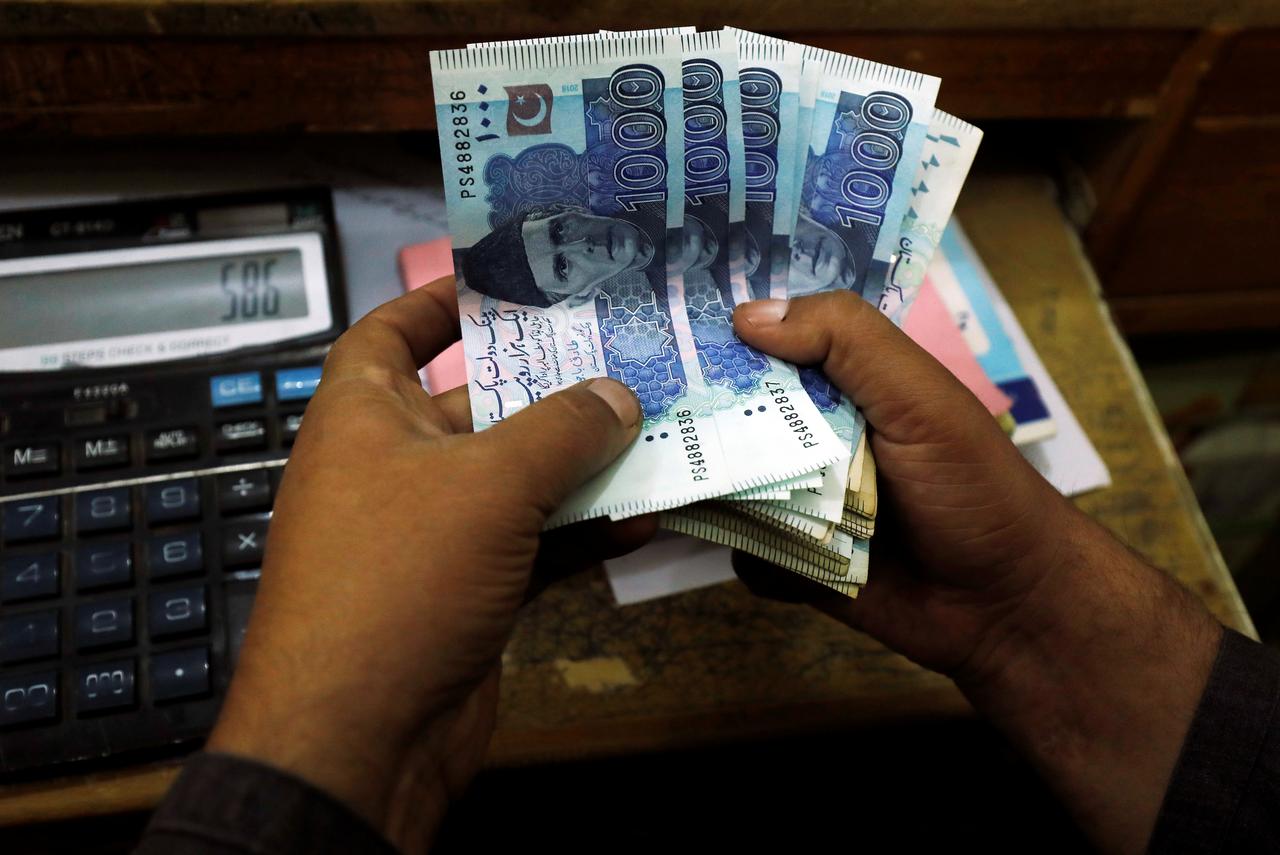
    The rupee continues to strengthen against the dollar and now it has returned to its pre-COVID level. 

    During intraday, the rupee is trading in the range of Rs. 152.83 and Rs. 154.25 against the USD today. This is the strongest since February 17, 2020. PKR closed at nearly Rs. 153 to the USD in the interbank market today, appreciating 95 paisas.

    Senior analyst at Tresmark, Komal Mansoor said, “This was the expected support level. With a spike in covid cases and speculation of lockdowns, this level may not be sustained and the rupee may bounce back to Rs156-157. However, strong Ramzan inflows may lend further support pushing the parity to Rs150-152. Eurobonds are being floated so that works as a positive for the currency as well.”

    Pak Kuwait Investment Company Head of Research, Samiullah Tariq, comments, “There are multiple reasons for the gain in the rupee. Generally, inflows are greater than outflows. Exporters are booking forwards, IMF agreement has resumed inflows from FIFs, and reduced outflows because of reduced tourism, hajj and umrah. In addition, AML/KYC has reduced hawala hundi (informal remittance channels) to a great extent making remittances rise significantly. The sustainability of the rupee on this level, however, relies on the Covid situation and oil prices.”

  • Hammad Azhar to replace Hafeez Shaikh as Finance Minister

    Hammad Azhar to replace Hafeez Shaikh as Finance Minister

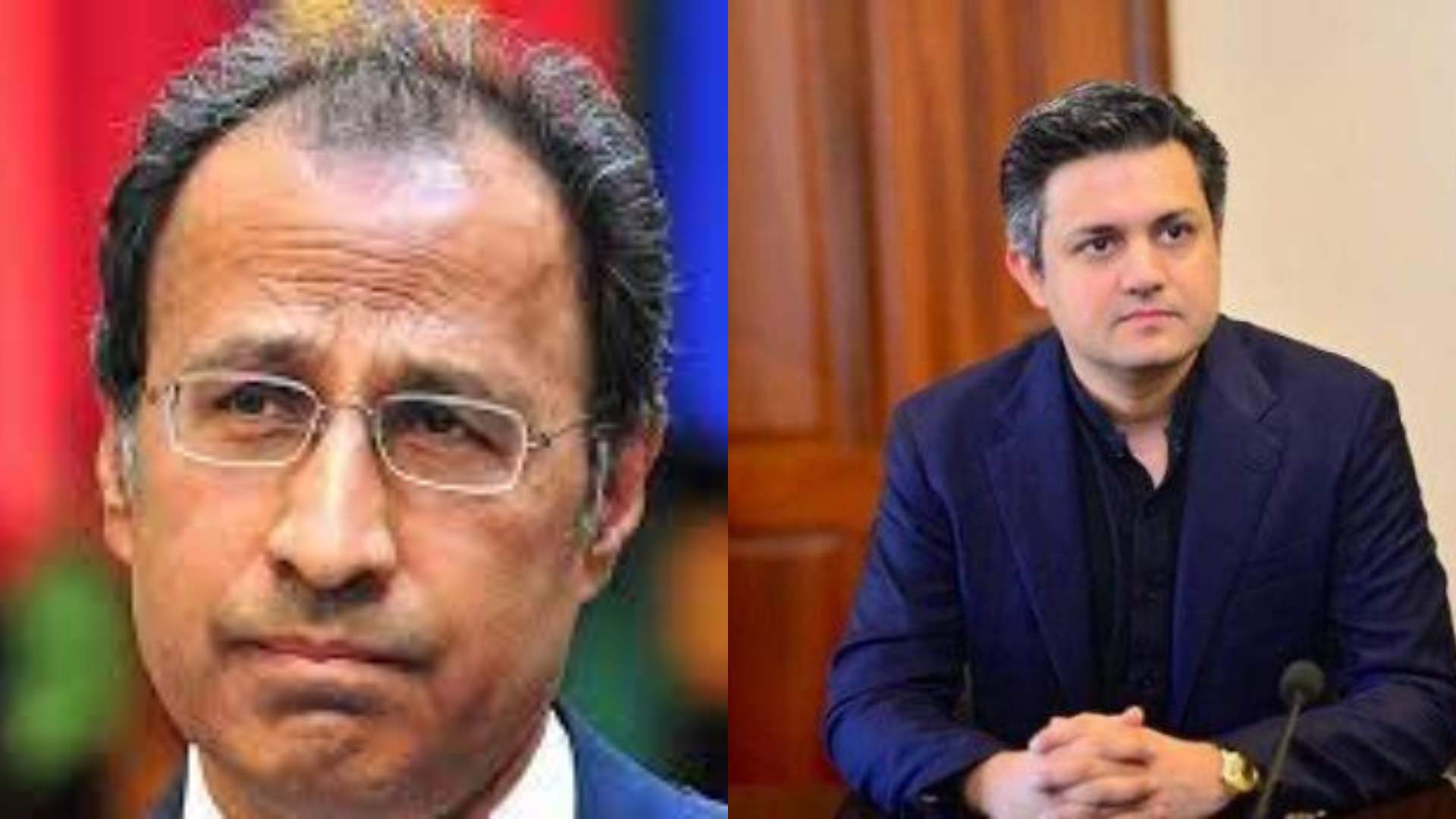
    The federal government has decided to replace Finance Minister Abdul Hafeez Shaikh with Federal Minister for Industries and Production Hammad Azhar.

    Hafeez Shaikh shall be replaced by Hammad Azhar because according to Article 91 (9) of the constitution, a person who is not part of the parliament can be minister for only six months.

    However, to become a minister again, the individual should be elected to one of the two houses of parliament, Senate or National Assembly.

    Hafeez Shaikh had a period of six months to be elected as a member of the assembly. For that purpose, the ruling party, Pakistan Tehreek-e-Insaf (PTI) chose Hafeez as a candidate for Senate elections, which he could not win. Therefore, the government has selected Hammad Azhar as his replacement.

    Hafeez had been serving as an advisor to Prime Minister (PM) Imran Khan on finance before he was appointed federal minister.

    He was given the portfolio after the Islamabad High Court ruled that unelected advisors and special assistants cannot head government committees.

    Muhammad Hammad Azhar has held his current portfolio since April 6, 2020. Previously, he served as Federal Minister for Economic Affairs from July 10, 2019 till April 5, 2020.

    PM Imran reportedly conveyed to Hafeez Shaikh to step down from his role, and a notification in this regard is also expected to be released soon.

    Hammad Azhar tweeted that he is “honoured to be entrusted with the additional charge of Finance by the Prime Minister”.

  • Punjab begins digital mapping of all cities including Lahore

    Punjab begins digital mapping of all cities including Lahore

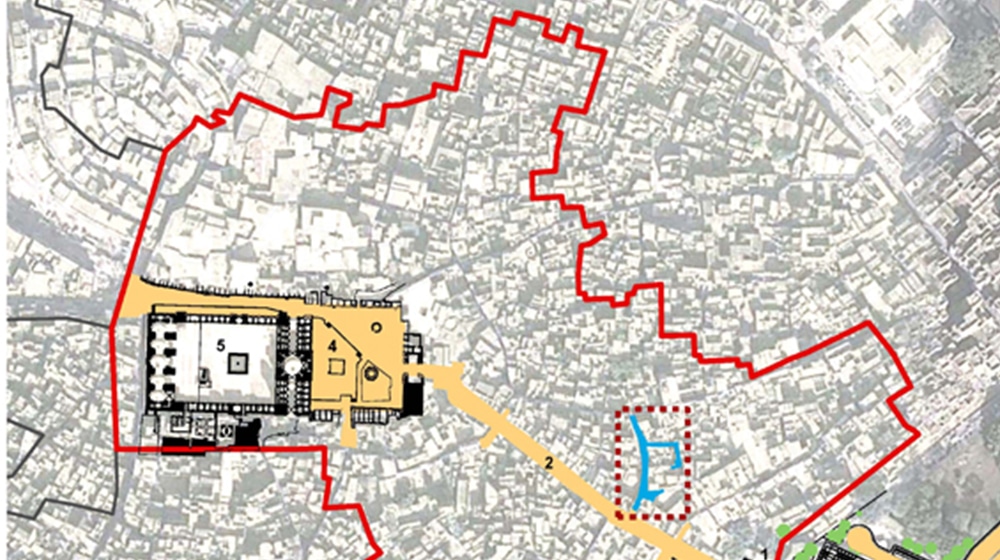
    Punjab Board of Revenue has started a new project called Cadaster of Punjab. Under this project, the provincial government will create a digital map of urban centres all across the province.

    Through this project, the government intends to remove Khasra (the legal Revenue Department document) number linked to real estate assets. The Khasra number has impeded the real estate sector due to several unsolicited factors.

    The project is divided into two phases. In the first phase, the digital maps of all the buildings will be created. In the second phase, unique numbers will be assigned to buildings all across the provinces.

    The urban blueprint of Lahore has also been drafted under the same filing in coordination with the Survey of Pakistan.

    Specifics such as area, value, and ownership details will be made digital to maintain proper records.

    The project has secured foreign investments worth $150 million, which will help in the formation of the digital records within the next few months.

    Before this development, the Punjab Board of Revenue has approved legislations. Under its regulatory framework, the offices of private housing societies will be declared public.

    The new law has also levied strict legal action against the housing societies that regularly evade scheduled audits.

  • Chinese company gets license to produce liquor in Pakistan

    Chinese company gets license to produce liquor in Pakistan

    A Chinese company has received a license to manufacture liquor in Pakistan.

    According to media reports, the Chinese liquor manufacturer Hui Coastal Brewery and Distillery Limited (Ltd.) got a licence and registered with the Securities and Exchange Commission of Pakistan (SECP).

    The Excise, Taxation and Anti-Narcotics Department of Balochistan issued a license to the company for the joint venture at the Lasbela Industrial Estate Development Authority.

    Hui Coastal Brewery has vast experience in liquor manufacturing and is known for producing some of the most famous brands. With its plant in Lasbela, Hui will be the first Chinese company to manufacture liquor in Pakistan.

    https://youtu.be/dEIHb0KK3Fc

    The company plans to produce two famous liquor brands for export purposes. The entire process from manufacturing to packaging will be carried out in this plant.

  • 2,094 illegal appointments at USC, costs Rs17.5m to exchequer

    2,094 illegal appointments at USC, costs Rs17.5m to exchequer

    An audit of the Utility Stores Corporation (USC) revealed that 9,756 employees are working for the organisation, whereas only 7,662 is the authorised strength for the 42 regions.

    The extra 2,094 employees are a burden on the organisation that is already clash-strapped. Besides, USC never shared details of excess (ghost) employees. The auditors recommended an independent inquiry into the matter of the illegal appointments.

    The irregular appointments cost Rs17.5m to the exchequer. It is also an indicates of a weak internal control system at USC.

    “The payment of salary to these un-authorised emplo­yees for the last several years showed that there was no financial discipline/control in USC budgetary matters and the budget under the head of salary and wages was not being allocated to zonal/regional offices as per sanctioned/available strength,” the report said.

    The lack of discipline in budgetary matters has led to such irregularities and false appointments at the regional level. The audit report termed these appointments as “unauthorised.”

    On the contrary, the management of USC defended these appointments and said that the request for regularization was submitted to the USC board of directors (BOD).

    Besides, several appointments were made when there was a ban imposed on recruitments. The management made 11 appointments in BS15 and 16 on consolidated pay ranging between Rs20,000 to Rs40,000 per month.

    These appointments were also not advertised in the newspapers, said the report.

    The USC initially suspended these employees and later their services were terminated, but the employees were reinstated on a court order.

    The management of the USC further said that since the matter was under probe by NAB, therefore, the internal inquiry had been put on hold to avoid legal complications.

  • PM directs banks to ease loan procedure for people under Naya Pakistan Housing Scheme

    PM directs banks to ease loan procedure for people under Naya Pakistan Housing Scheme

    Prime Minister (PM) Imran Khan virtually directed the National Bank of Pakistan (NBP) to simplify loan procedures so that the masses can get loans to own a house under Naya Pakistan Housing Programme.

    PM Imran’s telethon was attended by Senator Shibli Faraz, chairman of Naya Pakistan Housing and Development Authority, Lt. General (r) Anwar Ali Hyder, Governor of State Bank of Pakistan (SBP) Raza Baqir, NBP President Arif Usmani, and SBP Executive Director Samar Hasnain.

    PM also said that NBP should direct its staffers to facilitate the loan applicants now as bankers have never been helpful towards cashless people in Pakistan.

    He further added that the European countries have facilitated their people to own a home. However, it will be a new practice for our country.

    “Once people start building homes, there will a boom in the construction industry which will bring about a revolutionary change in Pakistan. The construction of homes, besides revenue generation, will lead to job creation,” he said.

    The PM further added that the rent that the buyers would pay will be considered as instalments of the total cost of the flat as per the new model of this mortgage system, and the markup rates have been reduced to a maximum of five per cent.

    So far, 3,000 labourers have registered while 1,500 got housing based on open balloting. The project aims at providing accommodation to people with an annual income of less than Rs500,000.

  • Government in 2016 provided inaccurate government guarantees data to IMF

    Government in 2016 provided inaccurate government guarantees data to IMF

    The International Monetary Fund (IMF) has said that the Government of Pakistan provided inaccurate data on guarantees dating back to fiscal year (FY) 2016.

    According to a press release by IMF, the revised data indicates non-observance of the performance criteria given by the government at the end of September 2019 by a margin of Rs347 billion (about 0.9 per cent of the GDP). 

    Deputy Managing Director and Acting Chair of the IMF Antoinette Sayeh, while speaking about the development said: “The non-complying purchase arose as a result of a lack of inter-agency coordination in the compilation of government guarantees provided by the federal government to state-owned enterprises that contributed to incorrect estimates of government guarantees starting as far back as the fiscal year 2016.”

    This act is a non-complying purchase and breach of obligations under Article VIII, Section 5 of the IMF Articles of Agreement. 

    However, the government met the performance criteria with a margin of Rs 55 billion (0.1 per cent of the GDP) by the end of-September 2019

    The IMF also noted that Pakistani authorities had taken strong corrective steps to address the institutional and technical shortcomings that have resulted in the inaccurate reporting of information.

    IMF has created a group to reconcile and cross-check guarantees and debt data, announcing additional functions for the Debt Policy Coordination Office (DPCO).

    The groups will also act as the custodian of all the guarantees issued by the federal government and publishing a semi-annual debt bulletin that consolidates key debt statistics.

    Besides, the authorities are also committed to including a list of all the new guarantees expected to be issued in the FY 2022 budget submitted to Parliament.

    The IMF stated that the Pakistani authorities have continued to make satisfactory progress under its supported program which has been an important policy anchor during an unprecedented period.