Category: Business

  • ‘Shameful’: Yet another old tweet comes back to haunt Imran after fuel prices hike

    ‘Shameful’: Yet another old tweet comes back to haunt Imran after fuel prices hike

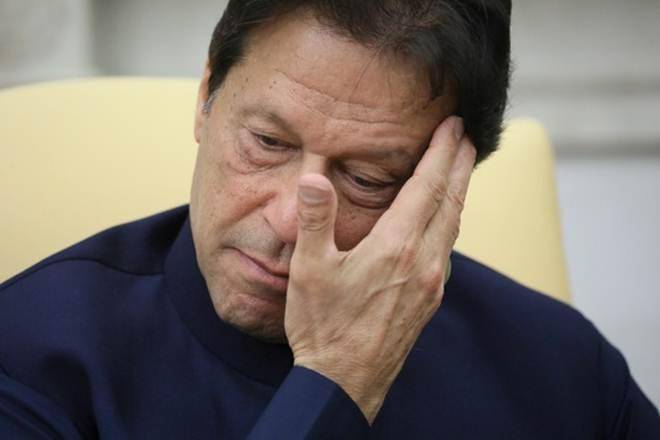
    With Prime Minister (PM) Imran Khan approving a Rs25 hike in petrol price, yet another tweet from the past has come back to haunt the ruling Pakistan Tehreek-e-Insaf (PTI).

    The premier on Friday approved a summary of recommendations to increase the prices of petroleum products “in view of the rising oil prices trend in the global market”, with a notification issued to announce the new rates.

    The notification stated that the new petrol prices would come into effect immediately.

    Petrol prices, according to the recommendation, were to be bumped up Rs25.58 per litre. Similarly, the per-litre prices of high-speed diesel (HSD), kerosene oil, and light diesel were recommended to be increased Rs21.31, Rs23.50, and Rs17.84, respectively.

    The new per-litre prices of petrol, HSD, kerosene oil, and light diesel, therefore, would respectively be Rs100.10, Rs101.46, Rs59.06, and Rs55.98.

    With the hike drawing a strong reaction from the general public as people expressed frustration over the development that could result in yet another inflation bomb amid the coronavirus outbreak, some took to Twitter to retweet a statement by the premier from back when he sat in the parliament on opposition benches.

    “Absolutely shameful how the govt has dropped a petrol bomb on the poor nation at the start of 2018. Instead of undertaking tax reforms and cracking down on money laundering, the govt continues to burden the masses — this time with a big increase in petroleum products’ prices,” the tweet read.

    “Petrol should be sold at Rs58 per litre, demands @ImranKhanPTI [sic],” another tweet from 2015 by PTI’s official handle read.

    This isn’t the first time an old tweet has come back to bite the PTI government.

    While the same tweets were used to criticise the government after a fuel prices hike in July 2019, a separate tweet from August 2014 read, “All over the world, just on an incident of railway accidents, minister resigns. This is real democracy, says Imran Khan [sic].”

    It had started making rounds last month after the tragic train accident in Sadiqabad, which claimed over 20 lives.

    Prior to this, as PM Imran reached China amid Tehreek-e-Labbaik Pakistan’s (TLP) nationwide protests last year, a 2012 tweet of his, went viral. In the tweet, he had criticised the then premier for traveling abroad as the country “burned”.

    It was aimed at criticising former prime minister Yousaf Raza Gillani, who had traveled to China for the Boao Forum while violence linked to sectarian, ethnic and political tensions continued in different parts of the country.

  • PTI’s Pakistan: ‘Govt to achieve Rs4,960 billion revenue target’

    PTI’s Pakistan: ‘Govt to achieve Rs4,960 billion revenue target’

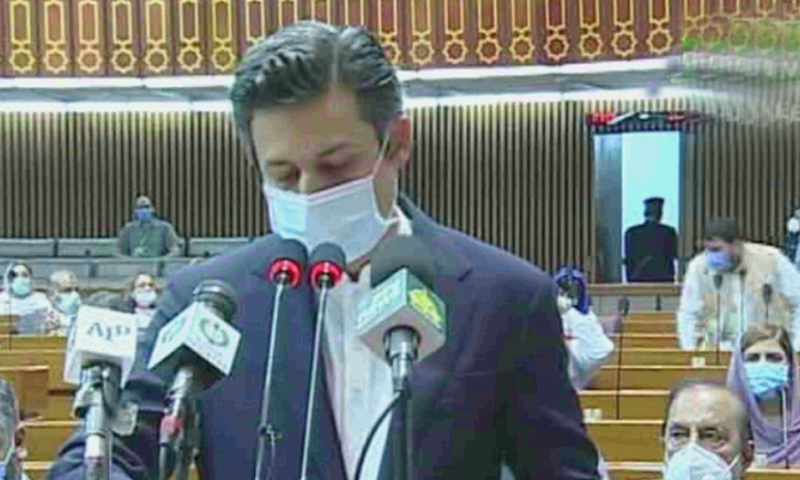
    Federal Minister for Industries and Production Hammad Azhar has said that the government is confident of achieving the tax collection target of Rs4,960 billion set in the 2020-21 federal budget through Federal Board Revenue (FBR).

    Concluding discussion on the Finance Bill 2020-21 in the National Assembly, the minister on the floor of the House pointed out that the present government inherited a weak economy, but due to its concerted efforts, the government succeeded in stabilising it.

    He said that all the international financial institutions are praising Pakistan government’s performance on economic front.

    Hammad said that presenting a tax free budget while enhancing allocations for development shows the true leadership of Prime Minister Imran Khan. He said the government is trying to minimize the impact of Covid-19 on the economy by pursuing a prudent strategy.

    The minister categorically stated that the federal government has not withheld any funds of the provinces under the National Finance Commission (NFC). He said that the recommendations of the Senate for the Finance Bill 2020-21 would be given due consideration.

    Earlier, the National Assembly approved 96 demands for grants pertaining to different ministries, divisions and departments for the next fiscal year.

    Presented by Minister for Industries and Production Hammad Azhar, these demands were related to Climate Change, Commerce Division, Communications Division, Pakistan Post, Defense Division, Survey of Pakistan, Economic Affairs Division, Power Division, Petroleum Division,  Geological Survey of Pakistan, Foreign Affairs Division, Housing and Works Division, Human Rights Division, Information and Broadcasting Division, Information Technology and Telecommunication, Inter Provincial Coordination,  Kashmir Affairs and Gilgit-Baltistan Division,  Law and Justice Division, Federal Shariat Court, Council of Islamic Ideology, National Accountability Bureau, District Judiciary Islamabad Capital Territory, Maritime Affairs, Narcotics Control, National Assembly, The Senate, Overseas Pakistanis and Human Resource Development Division, Parliamentary Affairs Division, Planning Development and Special Initiatives Division, CPEC Authority, Privatization Division, Religious Affairs and Inter Faith Harmony Division, Science and Technology Division, States and Frontier Regions and Water Resources.

    No cut motions were moved on these demands for grants.

  • Google reveals what Pakistanis are searching for

    Google reveals what Pakistanis are searching for

    Google’s maiden “What is Pakistan searching for?” report has revealed what Pakistanis are looking for online.

    According to the report, Pakistanis are looking for ways to connect with new communities, searching for high-quality products and how they can improve their lives and environment. 

    The data can be very useful for seasoned marketeers who’re trying to build businesses, or entrepreneurs looking for ways to engage with potential consumers.

    In the past three years, Pakistan’s digital population has surged by 68 per cent, with over 78 million (seven crores and eight lakhs) users. Understanding the needs and expectations of this growing number of digital consumers is important for brands to remain agile and relevant, especially during these unprecedented times. 

    “Pakistanis and their smartphones are inseparable — always on the lookout for the best experiences and deals within their vicinity and at the same time seeking authoritative information during these trying times,” said Google Asia Pacific Industry Head for South Asia Faraz Azhar. 

    Google has highlighted five key areas that are shaping how Pakistani’s carry out an online search.

    1. Increasingly sophisticated consumers

    Consumers expect search engines to understand the intent behind what they need and deliver the best. They want high-quality products that are available with a convenient digital experience.

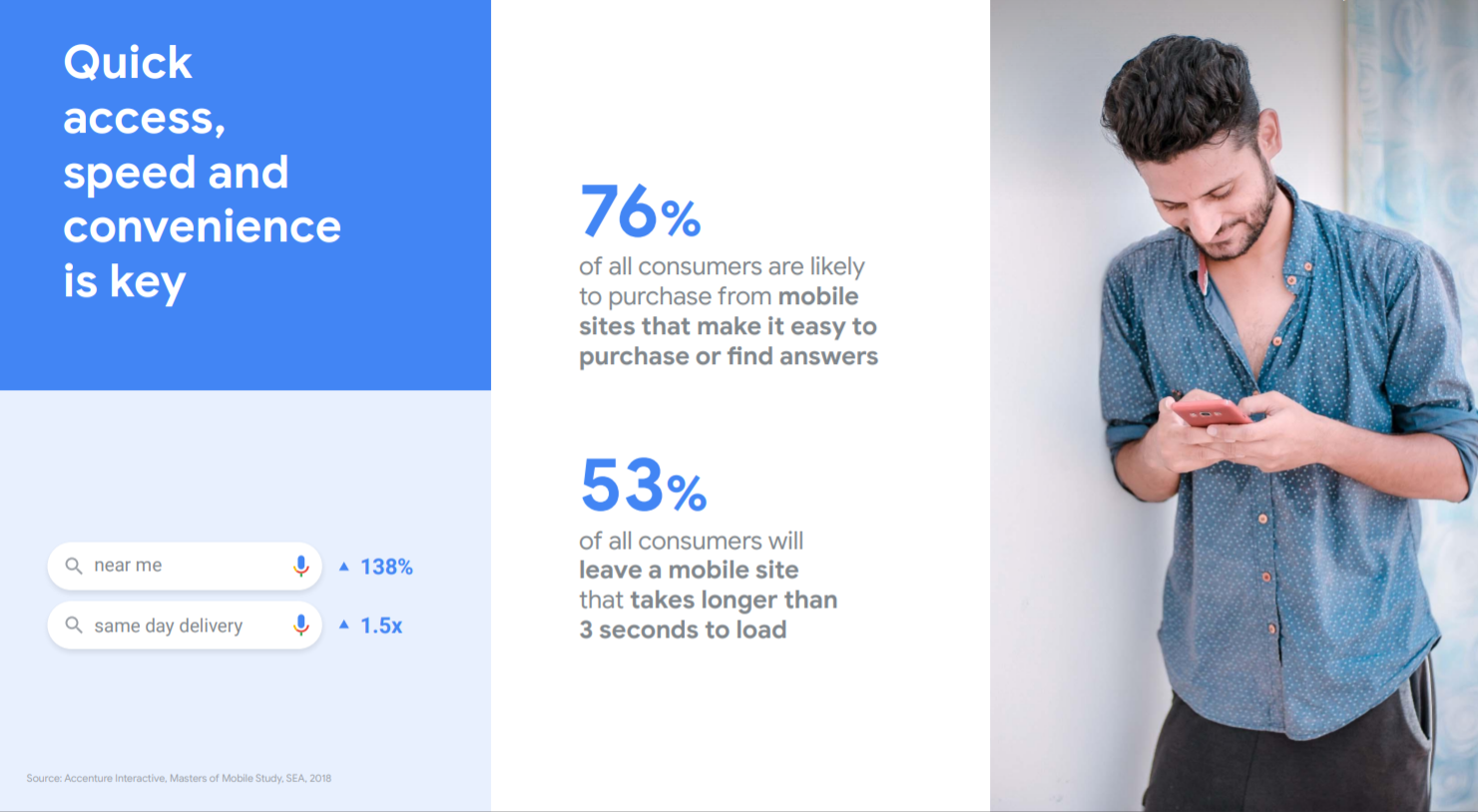
    Four of five Pakistani consumers research products online before a purchase, and they switch between online search and video. They also want quick access to products and services. 

    As per the report, 138 per cent growth in “near me” searches and 1.5 per cent increase in “same-day delivery” queries was reported between the year 2018 to 2019. “Fast delivery” searches increased by a whopping 1300% and online grocery delivery searches increased by 300% since the coronavirus pandemic began.

    2. Towards sustainability and conscious consumption 

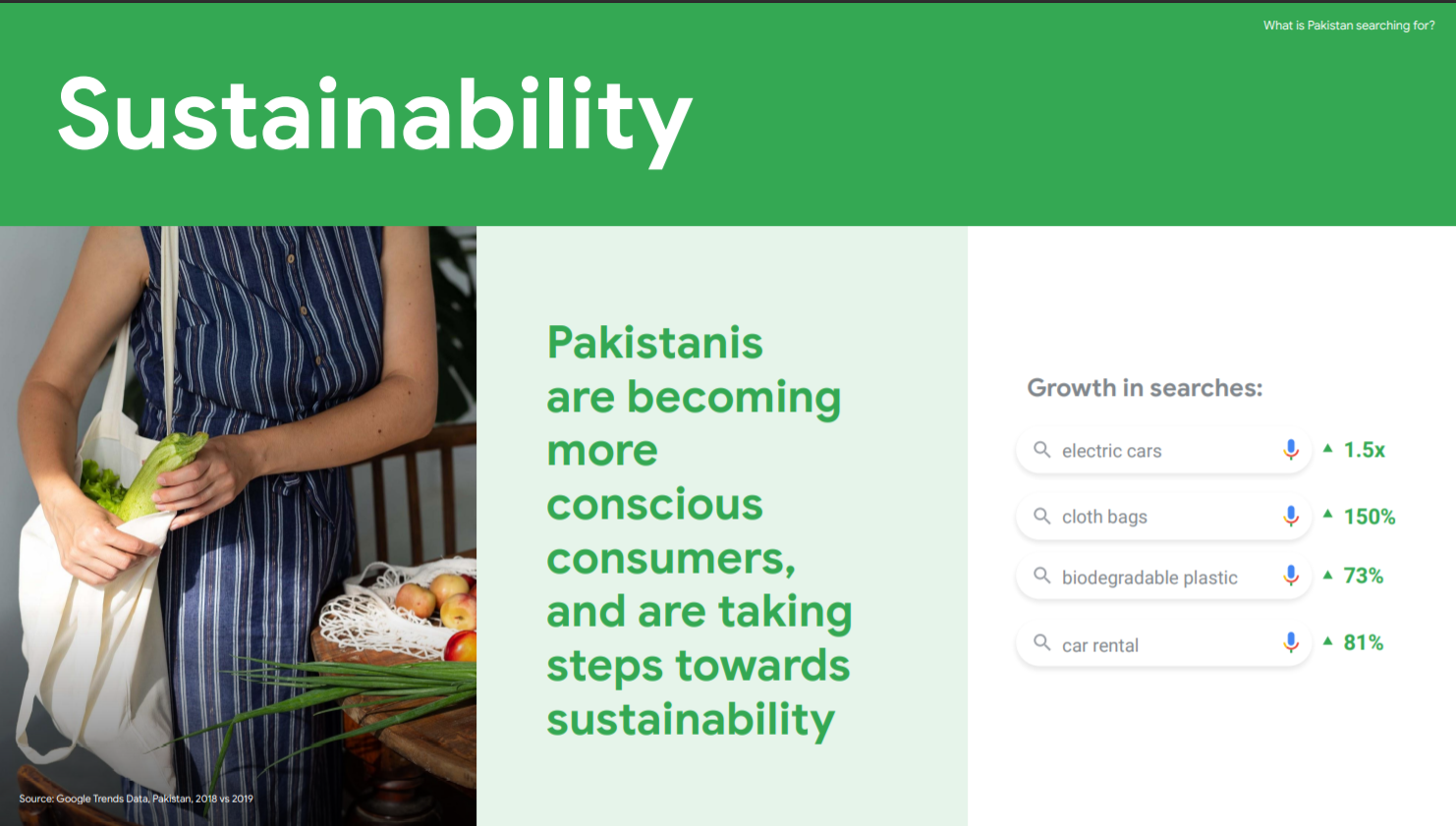
    A combination of the state of the world and an overall rise in awareness has seen the rise of environmentally-conscious consumers. Over the past year, these searches have risen sharply across Pakistan: “climate change” by 1.5x, “electric cars” by 1.5x and “reusable” by 1.3x. 

    Users were also curious about the visible impact on air quality and pollution levels, with searches such as “clear skies” increasing by 300 per cent, “clean air” by 225 per cent and “clear water” by 217 per cent.

    3. Digital video continues to boom

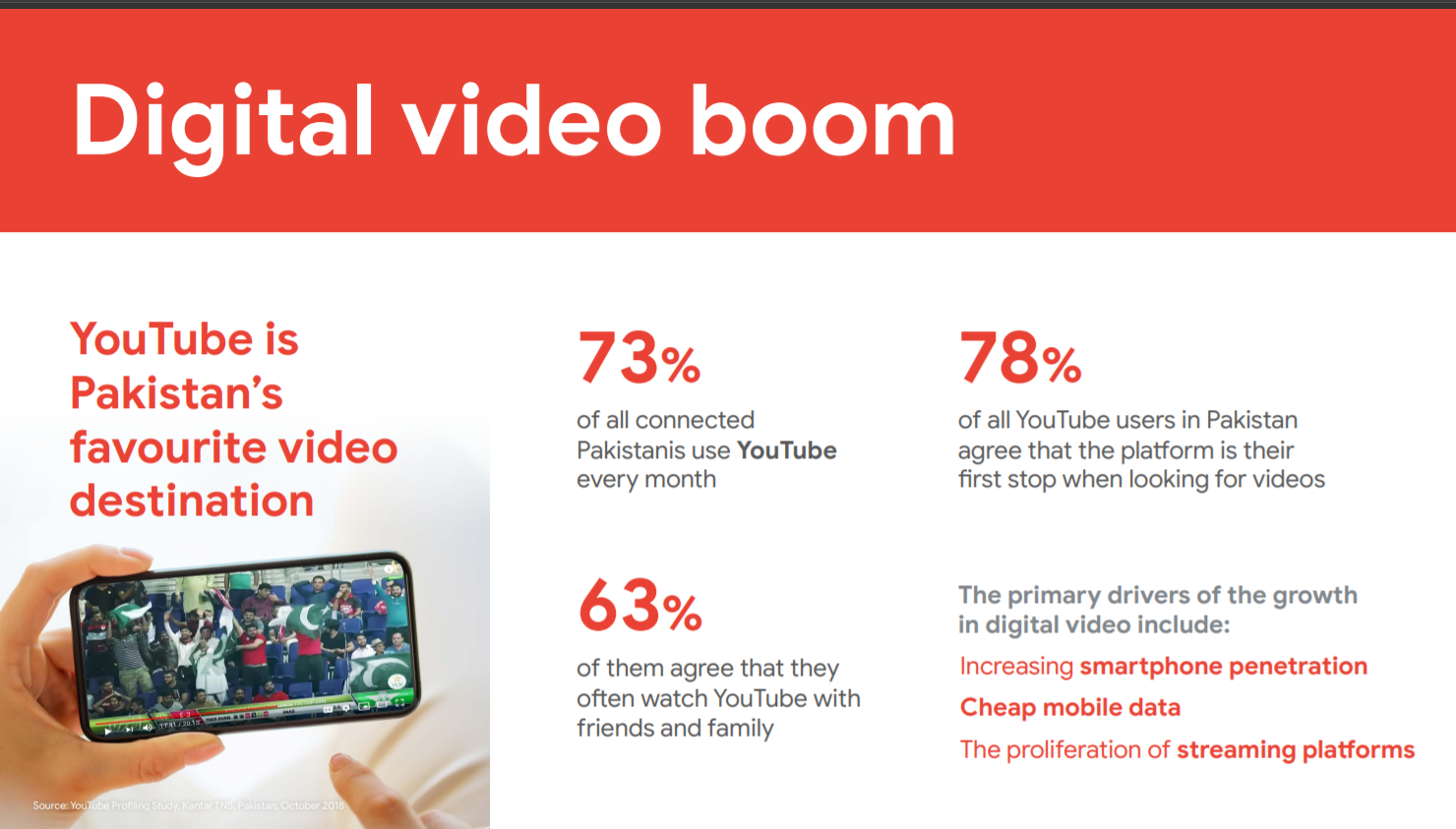
    Video streaming and sharing platforms where Pakistanis get their fix of information, entertainment, news and sports. The primary drivers are a combination of affordable data combined with the proliferation of devices and new platforms. 

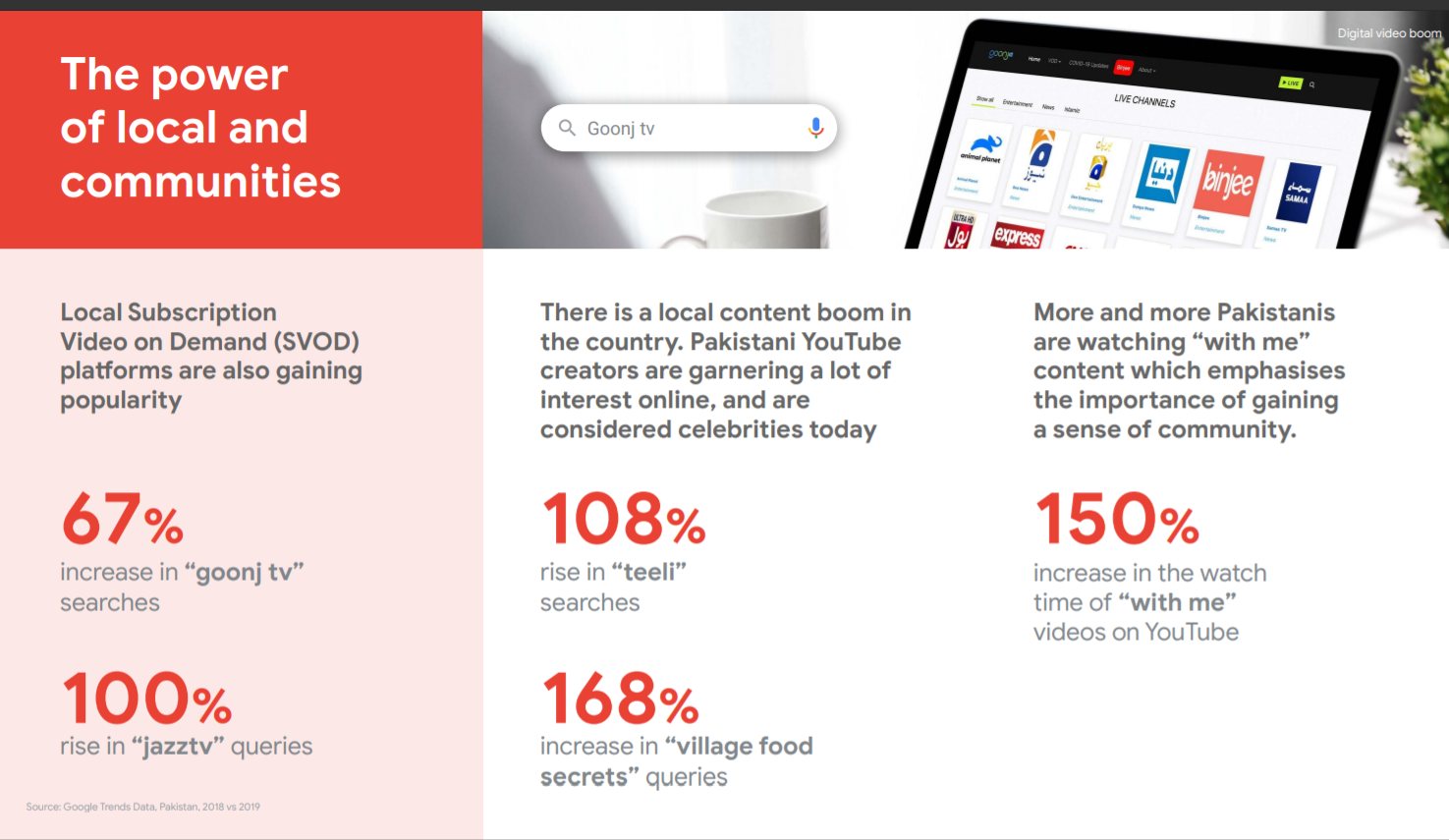
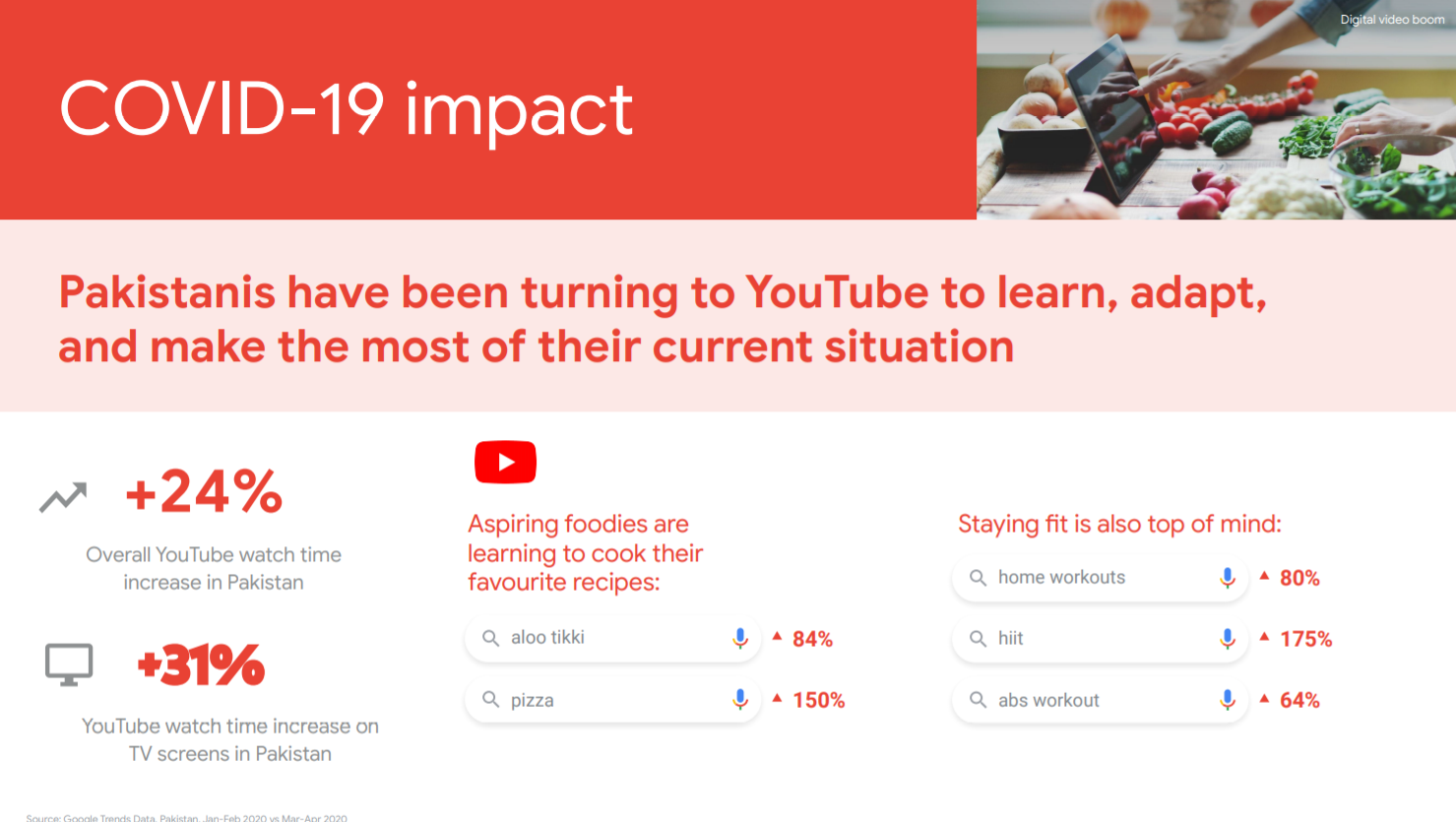
    Every seven in 10 Pakistanis use YouTube every month, with searches related to “with me” increasing by 150 per cent, “Teeli” by 108 per cent and “village food secrets” by 168%.

    4. Healthy lifestyle choice

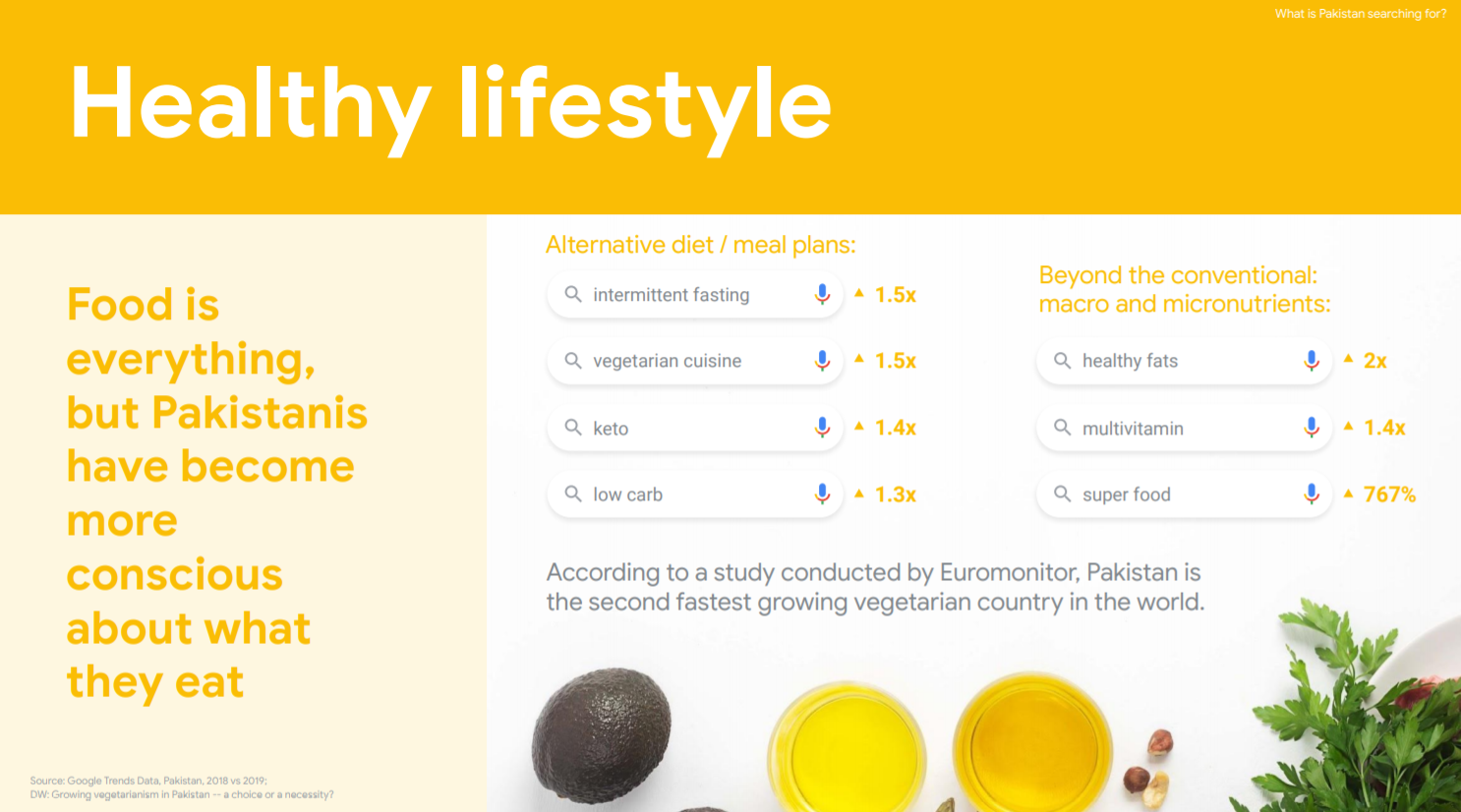
    While Pakistan has a rich and diverse culinary tradition, there has been a rise in searches for alternate diets and meal plans predicated around well-being. 

    Searches for “daily exercise” are up by 1.6x. Searches for “vegetarian cuisine”, “healthy supplements” and “intermittent fasting” have risen by 1.5x. Meanwhile, searches for “superfood” are up by a whopping 767 per cent and “high-intensity interval training (HIIT) workout” by 600 per cent.

    5. COVID-19 implications

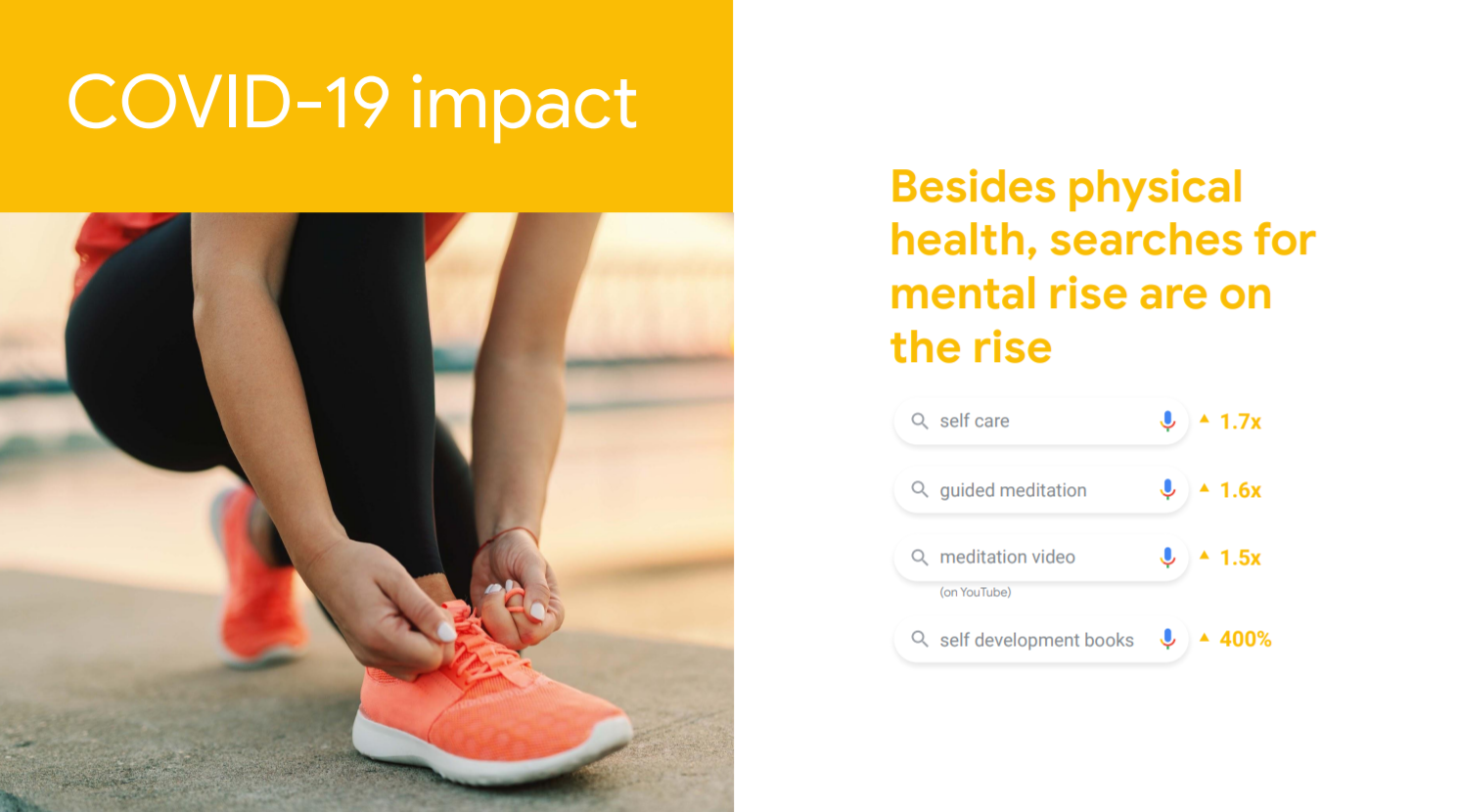
    With COVID-19 restricting the movement of people outdoors, Pakistanis have started looking for ways to start (or continue) their usual physical routines indoors with “HIIT workout” YouTube search growing by 600 per cent, “gym at home” by 125 per cent and “home workouts” by 80 per cent. With more people confined indoors, interest in mental health and well-being has also become an important factor for Pakistanis, with a surge in searches for “meditation” (+56%) in March this year.

    The information was gathered from a web conference organization by Syntax Communications with Google Asia Pacific team.

  • ‘Unrealistic and meaningless’: Economists react to PTI govt’s second federal budget

    ‘Unrealistic and meaningless’: Economists react to PTI govt’s second federal budget

    The Pakistan Tehreek-e-Insaf (PTI) government has unveiled a Rs7.13 trillion budget for the upcoming fiscal year, which was presented before the parliament by Industries Minister Hammad Azhar amid opposition members’ protest against the same for being “anti-people”.

    But while the budget, which Prime Minister (PM) Imran Khan’s team claims will bring relief to the masses in coronavirus times, is drawing mixed reactions from political leaders and the general public, what do economists have to say about it?

    MUZZAMMIL ASLAM:

    “Given the GDP [gross domestic product] projections (2.1%) for next year, it is apparent that the government has failed to provide impetus to the economy. This has highlighted resource constraints the current government is facing. The government is basically relying on the stimulus of 1.2 trillion it provided during COVID-19 and is now consolidating its finances due to [the] IMF [International Monetary Fund] programme.”

    YOUSUF NAZAR:

    “Budget making has been reduced to a meaningless annual ritual given the overall dismal performance in meeting the targets, a performance which had little to do with the pandemic. Given that Pakistan’s economy is contracting for the first time in history, I had hoped that the government will come up with a plan to revive growth. A big near term risk to growth is the locust attack. I don’t see anything in the budget to help the agriculture sector face this threat. On a broader note, the government seems lost and overwhelmed by the economic contraction. I don’t see how it succeed in meeting the revenue target through privatisation when the business confidence is so low and the premier appears to be, honestly, clueless about we need to do to reform the economy, reset spending priorities and revive confidence in the government.”

    FARHAN BOKHARI:

    “It is an unrealistic budget that is based on an unrealistic tax collection target. The budget should have included a bold plan to cut losses in public sector companies and an equally bold plan for tackling losses in the energy sector. Pakistan additionally needs an emergency plan to raise agricultural productivity as agriculture is the only sector of the economy that has recorded some growth. Such big moves require a national political consensus which is missing as the premier refuses to talk to other mainstream political leaders.”

    According to Hammad Azhar, the Federal Board of Revenue (FBR) revenue target for next year has been kept at Rs4.95 trillion, while defence allocations amount to around Rs1.3 trillion.

    READ: Twitter loses it over Rs1.29 trillion budget for defence, Rs83.63 billion for education

    The federal development programme has been budgeted at Rs650 billion to support growth prospects.

    The budget for fiscal year (FY) 2020-21 comes at a time when the country is battling the COVID-19 pandemic that has served a severe blow to the economy. According to reports, it has been formulated considering the impact of the virus and to give relief to the citizens, as part of which no new taxes have been imposed.

    Check out the budget document here.

  • 10 million Pakistanis to fall below poverty line

    10 million Pakistanis to fall below poverty line

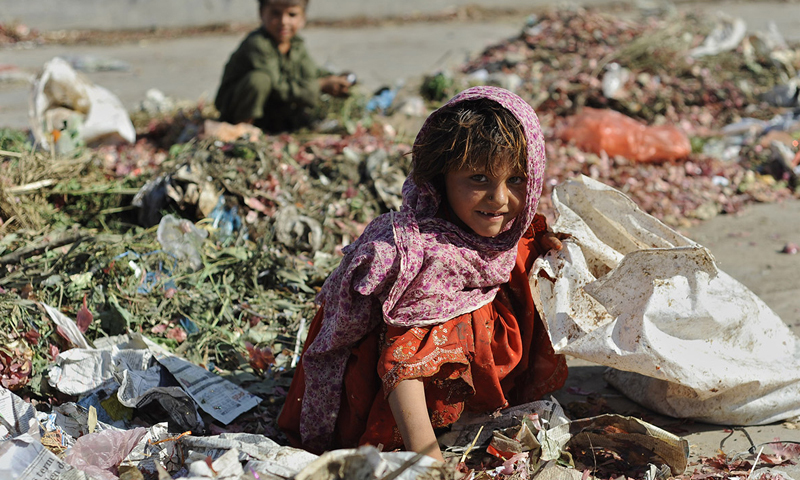
    At least 10 million more Pakistanis will drop below the poverty line because of the toll of the COVID-19 pandemic, the government’s new economic survey estimates.

    Around one in four Pakistanis are currently too poor to meet basic needs, but the figure is predicted to rise closer to 30 per cent of the world’s sixth most populous nation.

    “The COVID-19 outbreak is expected to have a negative impact on Pakistan’s economy, and the number of people living below the poverty line may rise from the existing figure of 50 to 60 million,” the survey says.

    The government’s annual Economic Survey also warned that the economy would contract for the first time in 68 years.

    “The country’s provisional gross domestic product (GDP) growth rate will likely contract 0.4 per cent instead of growing 3.3 per cent as previously forecast,” Adviser to Prime Minister (PM) on Finance Abdul Hafeez Shaikh told a news conference.

    The adviser said the International Monetary Fund (IMF) and World Bank (WB) were making bleaker assumptions keeping in view the severity and duration of the coronavirus pandemic. “In my view, we will have a better estimation when this year ends on June 30.”

    He highlighted the government’s swift and decisive policy actions since the start of the current fiscal year, including resource mobilisation, completion of the IMF programme, austerity measures and monetary policies helping stabilise the economy.

    The adviser stated that these measures helped the economy to reverse large external and internal imbalances. He said that significant improvement in external accounts was made as the current account and trade deficit witnessed a substantial contraction.

    “Foreign reserves steadily improved. There was an increase in foreign direct investment (FDI). The credit rating profile also improved. Fiscal performance remained strong during the first three quarters of the outgoing fiscal year, on the back of consolidation efforts and targeted reforms.”

    “To mitigate the socio-economic impact of the pandemic, the government announced a stimulus package of Rs1.24 trillion and offered further relief measures through the State Bank of Pakistan (SBP). The policy rate was also cut by 5.25pc to 8.0pc,” he said, adding that monetary and fiscal policy interventions had been made to restore economic activity in this difficult time and to reduce negative effects on poverty and unemployment.

  • READ: PTI govt’s ‘corona budget’ for FY2020-21

    The Pakistan Tehreek-e-Insaf (PTI) government has presented its second federal budget in the National Assembly.

    According to Industries Minister Hammad Azhar, who delivered the budget speech on the floor of the house, the Federal Board of Revenue (FBR) revenue target for next year has been kept at Rs4.95 trillion, while defence allocations amount to around Rs1.3 trillion.

    The federal development programme has been budgeted at Rs650 billion to support growth prospects.

    The budget for fiscal year (FY) 2020-21 comes at a time when the country is battling the COVID-19 pandemic that has served a severe blow to the economy. According to reports, it has been formulated considering the impact of the virus and to give relief to the citizens, as part of which no new taxes have been imposed.

    Here’s the complete Rs7.13 trillion budget:

  • Register your VPN with PTA by June 30 or face legal action besides disconnection of services

    Register your VPN with PTA by June 30 or face legal action besides disconnection of services

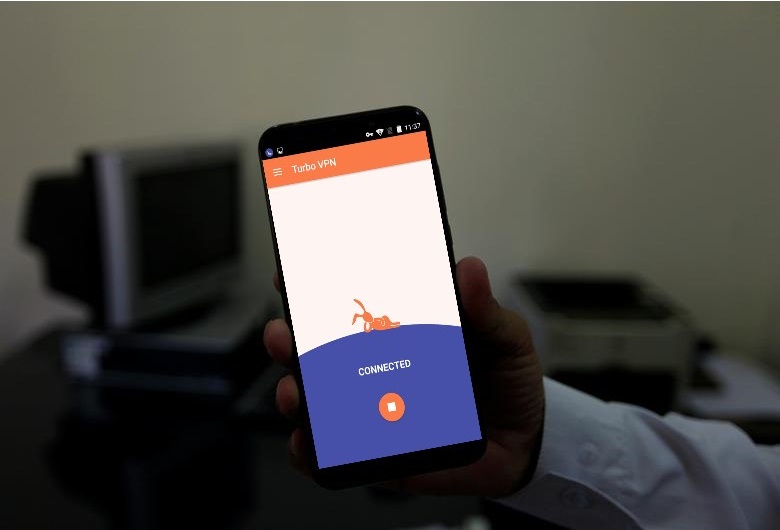
    In a bid to promote legal information and communications technology (ICT) services in Pakistan and for the safety of telecom users, the Pakistan Telecommunication Authority (PTA) is continuing with the long-pending process of registration of Virtual Private Networks (VPNs), the use of which has significantly increased across the country over the past few years.

    A VPN extends a private network across a public network and enables users to send and receive data across shared or public networks as if their computing devices were directly connected to the private network. It is programming that creates a safe, encrypted connection over a less secure network, using tunneling protocols to encrypt data at the sending end and decrypt it at the receiving end.

    Through a public notice, the PTA has declared the use of any mode of communication such as VPN, by means of which communication becomes hidden or encrypted, a violation of its regulations.

    “Users, which are required to use VPN for their legitimate purposes, must register their VPN with [the] PTA through their respective internet service providers [ISPs] till 30-06-2020,” read the notice.

    On top of interruption of services, legal action may also be initiated against those found in illegal use of unregistered VPNs, it added.

    “The step is being taken to eliminate all grey traffic [the use of illegal telephone exchanges for making international calls bypassing the legal routes and exchanges] from Pakistan. It is the case with many companies running call centre services in the country using VPN or unregistered Voice over Internet Protocol (VoIP) services to make international calls appearing as if they’re located somewhere, in most cases, the United States (US),” sources told The Current.

    The authority wants to eliminate grey traffic after registration of VPNs and has already started to blacklist internet protocol (IP) addresses of corporate clients of several ISPs, they said.

    ‘NOT THE FIRST TIME’:

    “It isn’t the first time that the PTA has directed registering VPNs as the process was long-pending,” an official told The Current on the condition of anonymity.

    “Through a similar public notice in 2014, the authority had announced that all unregistered VPNs will be blocked in its continuous efforts against grey traffic. All such users were required to apply to PTA for registration of their VPN connections through their respective service providers latest by May,” they said, adding that not much had, however, followed the announcement back then.

    Speaking to The Current, Digital Rights Foundation (DRF) founder Nighat Dad also said it wasn’t the first time such an announcement had been made by the PTA, but it was very important for the authority to clarify the notice.

    “They need to make it clear if the notice is only for financial institutions and software companies using VPNs or if it applies to individuals as well,” she said while seeking a better interpretation of the announcement.

    Dad also said the authority should be asked as to which provision was invoked for the process to continue. “There is one regulation on grey traffic from 2010 which included a provision on VPN registration, but the PTA should clarify the law and its provision under which the said notification was issued.”

    ‘VPNS ARE NOT PERMITTED’:

    When contacted, PTA Public Relations Director Khurram Mehran said that under applicable rules and regulations, appropriate registration from the authority was required for any mode of communication in which it becomes hidden or encrypted.

    “The process for registration of VPNs is not new and has been in vogue since 2010. Authorised users can register their VPNs with the authority through a swift process initiated through their service provider,” he said, adding that action would be taken only against unauthorised VPNs for terminating illegal traffic, which causes loss to the national exchequer.

    PTA remains committed to serve as per its vision in ensuring that high quality ICT services are available to telecom users in Pakistan, Mehran said.

    “VPNs are not permitted and so are blocked whenever reported or detected. Whoever wants to use one can do so after registration under regulation,” he said when asked if the announcement also applied to individuals.

  • Amid shortage, govt likely to allow petrol stations to set their own prices

    Amid shortage, govt likely to allow petrol stations to set their own prices

    As consumers across the country face difficulties due to petrol shortage, the government is currently contemplating completely deregulating pricing and marketing of petrol. 

    According to a report published in Dawn,  the government is considering doing away with uniform pricing of petrol and deregulating it in line with other petroleum products like hi-octane blending component (HOBC) which are already deregulated. 

    Recently oil marketing companies (OMCs) have come under severe criticism for their alleged collusive behavior that has seen the price of HOBC, to increase to Rs148-160 per litre. 

    While the government slashed petrol prices to Rs74 per litre in line with the decrease in international oil prices, no such reduction was seen in the price of HOBC. 

    According to the report, the government has also decided to deregulate the Inland Freight Equalisation Margin (IFEM) that currently ensures uniform prices throughout the country. As a result, consumers that are close to ports and refineries will be able to buy petroleum products at a cheaper price that may differ anywhere from Rs1 to Rs5 depending on the transportation cost.

    Earlier, on June 4, the Competition Commission of Pakistan (CCP) had taken notice of public concerns and complaints about the shortage of petroleum products in the country and had initiated an inquiry to see whether such a shortage is the result of any anti-competitive activity.

    The CCP’s inquiry will determine the possibility of the existence of any anti-competitive practices causing the shortage of fuel in the country and the undertakings involved in it.

    The inquiry will further examine why the impact of the reduction in the prices of oil have not resulted in the corresponding reduction in the prices of the lubricants and other oil-based products, including the prices of hi-octane, which are primarily deregulated products.

    Similarly, the Oil and Gas Regulatory Authority (OGRA) had also expressed its reservations last week regarding high prices of HOBC and had asked OMC’s to set prices at reasonable levels keeping in view the interests of the consumers. 

  • Pakistan receives export orders of face masks from US, Canada and Europe

    Pakistan receives export orders of face masks from US, Canada and Europe

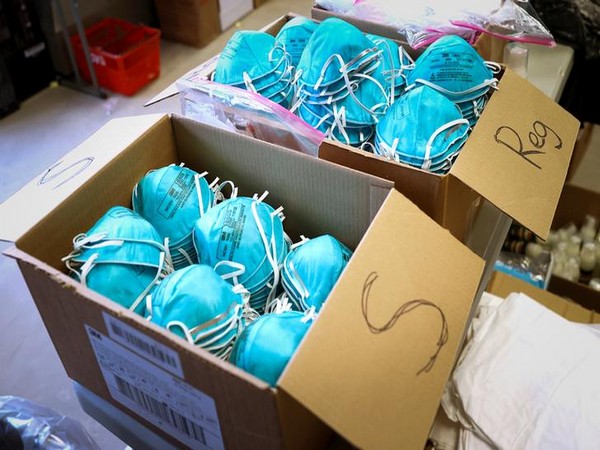
    Adviser to Prime Minister (PM) on Commerce Abdul Razak Dawood has said that Pakistani exporters have received large orders of face masks from the United States (US), Canada and Europe.

    In a series of tweets on Thursday, he congratulated the exporters and termed their achievement a major breakthrough in the country’s export sector.

    “I have received information that some exporters have obtained large orders for face masks from US, Canada and Europe. This is a major breakthrough and I congratulate them for this achievement,” he tweeted.

    He further emphasised the need for Pakistani exporters to diversify into new segments in order to meet the changing global needs.

    “It is part of our strategy to diversify into new segments and this has been achieved by the exporters through their own efforts. I’m sharing this information with others to encourage them to seek more orders from different parts of the world,” he stated.

    Separately, the adviser stated that in order to achieve the target of agricultural exports, the government was striving hard to make space in the rice markets of the Middle East, North America and Africa.

    Talking to APP, he said the government intends to take the exports to the highest-ever level and in this regard, it was taking different measures to reclaim traditional markets besides getting access to new ones.

    “All members of the Rice Exports Association Pakistan (REAP) should prepare themselves for this opportunity so that they could get their orders approved in the Mexican market.”

    He further informed that rice export to Mexico was stagnant for the past few years but after the delegation’s visit, “we are hoping that our rice will be able to enter the Mexican market”.

    Dawood said that rice was the largest agro-export commodity in the country’s export basket, having a total volume of over $2 billion, which would be increased to $5 billion in the next five years.

  • Why do businesses not grow in Pakistan?

    Why do businesses not grow in Pakistan?

    CEO Maple Leaf Capital, Waleed Saigol, has said that businesses grow in Pakistan but at a slow pace, and the problem lies within the policies and mindset of the country’s power groups.

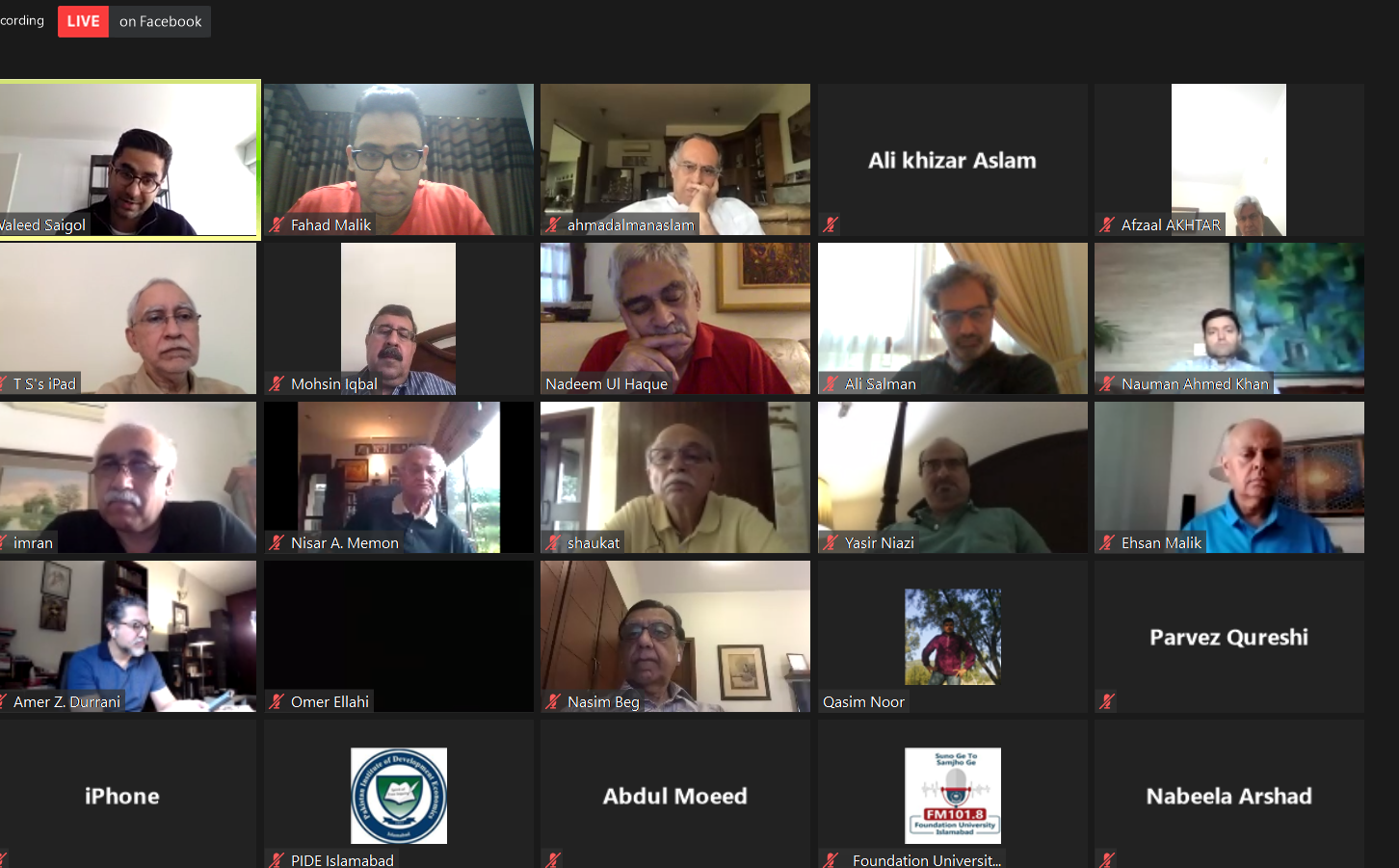
    Speaking at a virtual conference hosted by Pakistan Institute of Development Economics (PIDE) on Thursday, with prominent businessmen, including over a hundred chief executive officers (CEOs) and leaders of the business community, in attendance to discuss “Why Businesses Do Not Grow in Pakistan?”, he said that ironically, Pakistan had developed nuclear bombs under pressure, however, state institutions “didn’t prioritise economic and business growth”.

    “The role of media is also questionable… our news anchors do not bring these issues to the public, besides, we as a nation like to discuss controversies to malign each other. If we want to see business growth in Pakistan, we have to sort out interference by the country’s institutions,” Saigol maintained.

    In response to Saigol, Dr Nadeemul Haq, the vice chancellor of PIDE, said, “Undoubtedly, Pakistan is a talent-repellent state. All our talented people go and serve in big companies around the world rather than working here.”

    While moderating the conference, Dr Haq took the conversation to Alman Aslam, who is a business advisor to local and foreign companies.

    “We need to understand why all this is happening in Pakistan. A businessperson here has to do many things that have nothing to do with business growth, but for the mere survival of his or her company,” Aslam said.

    “Company owners are harassed by corrupt tax collection authorities of Pakistan,” he alleged, adding that it reminded him of centuries-old tax collection practices.

    “The court system is flawed, take a matter to court and you will not get justice in 20 years. Besides, how can private companies excel when the government is intervening in every business? We have authorities like the Lahore Development Authority (LDA) that bully and interfere in the matters of private companies. If you want companies to grow, just allow them to grow.”

    An argument was raised in the discussion that Pakistani businessmen cannot think globally, in response to which Saigol said, “We cannot think globally because we are not allowed to think globally.”

    “The illogical policies of the government don’t let businessmen make viable investments here in Pakistan or anywhere abroad. Similarly, no foreign company will come here to invest. It took Lucky Cement Group two years to send $50 million to Africa to set up their plant,” Saigol added, lamenting that to transfer $1 million, you needed an approval from the State Bank of Pakistan (SBP), and to make a payment of more than $10 million, you needed an approval from the Economic Corridor Committee (ECC).

    “Just imagine the level of regulations here,” he concluded.