Category: Business

  • Gold price surges by Rs600 to Rs241,900 per tola

    Gold price surges by Rs600 to Rs241,900 per tola

    The price of gold in Pakistan saw a notable increase on Wednesday, with 24-karat gold reaching Rs241,900 per tola, marking a rise of Rs600 per tola.

    According to the Karachi Sarafa Association, the price of 24-karat gold per 10 grammes also climbed, now standing at Rs207,390, an increase of Rs514.

    Similarly, 22-karat gold experienced a price hike, with the new rate quoted at Rs190,108 per 10 grammes. In contrast, silver prices remained stable in the domestic market. The price of 24-karat silver held steady at Rs2,750 per tola and Rs2,358 per 10 grammes.

    On the international stage, spot gold traded near $2,314 per ounce, showing little change from the previous session. Investors are keeping a close watch on the upcoming US inflation data, which is set to be released just hours before the Federal Reserve’s decision on interest rates today.

    This data could significantly influence gold prices, as any shifts in interest rates may impact investor sentiment and demand for precious metals.

    The recent surge in gold prices in Pakistan reflects the broader global economic uncertainties and the anticipation of key economic indicators that could sway the market in the coming days.

  • Economic Survey FY24: Pakistan sees economic progress with reduced deficit, stable rupee

    Economic Survey FY24: Pakistan sees economic progress with reduced deficit, stable rupee

    Federal Minister for Finance and Revenue, Senator Muhammad Aurangzeb, announced significant strides in Pakistan’s economic landscape despite numerous challenges.

    Addressing a press conference at the launch of the Economic Survey of Pakistan 2023-24, the minister highlighted a 30 per cent increase in revenue collection, a reduced current account deficit, lower inflation rates, and a stabilised currency.

    Senator Aurangzeb emphasised the remarkable economic turnaround from a previously precarious situation marked by a 0.2 per cent GDP contraction, a 29 per cent rupee depreciation, and dwindling foreign exchange reserves that had dropped to merely two weeks’ worth of import cover.

    He acknowledged the difficulties faced by the large-scale manufacturing sector, primarily due to high-interest rates and energy issues, but noted that the agriculture sector had provided a much-needed boost with bumper crops.

    “The agriculture, dairy, and livestock sectors are poised to remain key drivers of growth in the coming years,” Aurangzeb stated.

    Reflecting on the economic journey of the current fiscal year, Aurangzeb credited Prime Minister Shehbaz Sharif’s leadership and the pivotal decision to engage with the International Monetary Fund (IMF). The signing of a nine-month Standby Agreement with the IMF, he said, was crucial for the country’s progress and economic stability.

    “The decision to approach the IMF has been fruitful, restoring confidence in Pakistan’s economy,” Aurangzeb noted. He underscored the successful conclusion of the IMF’s Stand-By Arrangement (SBA) as evidence of Pakistan’s commitment to economic discipline, which had been acknowledged by the IMF.

    Looking ahead, Aurangzeb mentioned ongoing productive and constructive dialogues with the IMF, focusing on Pakistan’s reform agenda. “This is Pakistan’s program, supported and funded by the IMF,” he said, detailing areas such as tax revenue enhancement, energy sector improvements, power sector reforms, and the privatisation of state-owned enterprises.

    The minister highlighted the dramatic reduction in the Current Account Deficit (CAD) from an estimated $6 billion to just $200 million. He also noted that Pakistan had experienced a current account surplus for three consecutive months, with remittances reaching $3.2 billion in May.

    He attributed the currency’s stabilisation and the decrease in inflation to a series of administrative measures by the caretaker government, including crackdowns on illegal financial activities like Hundi-Hawala, smuggling, and regulating transit trade to Afghanistan.

    Additionally, interventions by the State Bank of Pakistan had curbed market speculation, further contributing to the currency’s stability.

    Senator Aurangzeb concluded on an optimistic note, expressing confidence in the ongoing positive dialogue with the IMF and reaffirming the government’s commitment to achieving Pakistan’s economic goals.

  • Pakistan’s Business Confidence Index increases in May 2024

    Pakistan’s Business Confidence Index increases in May 2024

    The overall Business Confidence Index (BCI) in Pakistan rose to 54.6 in May 2024, according to the 48th wave of the Business Confidence Survey conducted by the State Bank of Pakistan (SBP) and the Institute of Business Administration (IBA).

    This increase was driven by improvements in both the Industry and Services sectors, with the Industry BCI rising by 2.2 points to 52.1 and the Services BCI by 0.7 points to 55.4.

    The headline index, “Overall Business Confidence,” consists of the Current Business Confidence Index (CBCI) and the Expected Business Confidence Index (EBCI). The CBCI, reflecting economic conditions over the past six months, increased by 1.1 points to 51.2 in May 2024.

    Specifically, the Industry CBCI climbed by 2.8 points to 48.3, while the Services CBCI edged up by 0.5 points to 52.1, indicating more positive and neutral views and fewer negative perceptions.

    Looking ahead, the EBCI saw a 1.1-point increase to 58, driven by rises in both sectors. The Industry EBCI grew by 1.6 points to 55.9, and the Services EBCI by 0.9 points to 58.7, with a corresponding shift towards more positive and neutral expectations.

    However, the Purchasing Managers Index (PMI) fell by 0.6 points to 49.3, continuing to stay below the positive zone last seen in June 2022. Four of the five PMI components decreased: total orders by 1.5 points, business activities by 1.0 point, supplier delivery times by 0.6 points, and employment by 0.3 points. Only the quantity of raw material purchases slightly improved by 0.1 points.

    On inflation, expectations significantly dropped by 10.1 points to 56.0, with the Industry and Services sectors both showing decreases of 10.2 and 9.8 points, respectively.

    Employment trends were mixed. The Current Employment Index rose by 1.1 points to 51.2, primarily due to a 1.6-point increase in the Services sector, despite a slight 0.3-point decrease in the Industry sector.

    Conversely, the Expected Employment Index fell by 0.8 points to 55.1, driven by a 1.0-point decline in the Services sector, while the Industry sector showed a marginal increase of 0.1 points.

    Additionally, the Average Current Capacity Utilization (ACCU) in the Manufacturing sector within the Industry sector increased by 4.1 per cent to 67.7 per cent in May 2024.

  • State Bank of Pakistan cuts policy rate to 20.5%

    State Bank of Pakistan cuts policy rate to 20.5%

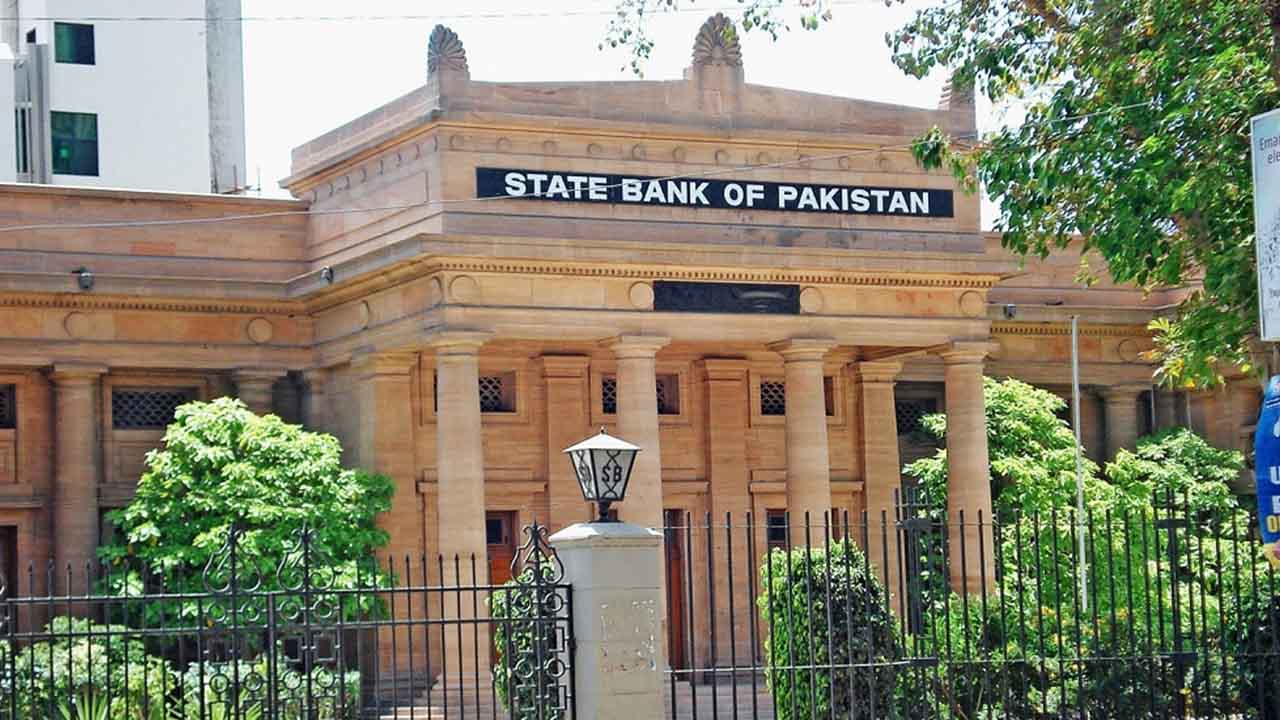
    The State Bank of Pakistan (SBP) has reduced its key policy rate by 150 basis points to 20.5 per cent, marking the first rate cut in nearly four years.

    The move, announced on Monday, aligns with market analysts’ expectations and comes just ahead of the country’s annual budget for 2024-25.

    Since June 2023, the central bank had maintained borrowing costs at a record 22 per cent. The Monetary Policy Committee (MPC) highlighted that while the significant decline in inflation since February was generally anticipated, the inflation figures for May were better than expected.

    The MPC also observed that underlying inflationary pressures are easing due to the tight monetary policy stance and fiscal consolidation efforts.

    This trend is evident from the continued moderation in core inflation and the improvement in inflation expectations among both consumers and businesses, according to recent surveys.

    Despite acknowledging some upside risks to the near-term inflation outlook, particularly from upcoming budgetary measures and uncertainties regarding future energy prices, the MPC remains confident that the cumulative impact of previous monetary tightening will help keep inflationary pressures in check.

  • OGRA reduces LPG price to Rs234 per kg amidst cost-cutting measures by OGDCL

    OGRA reduces LPG price to Rs234 per kg amidst cost-cutting measures by OGDCL

    The Oil and Gas Regulatory Authority (OGRA) has announced a reduction in the price of Liquefied Petroleum Gas (LPG), providing relief to consumers who depend on LPG.

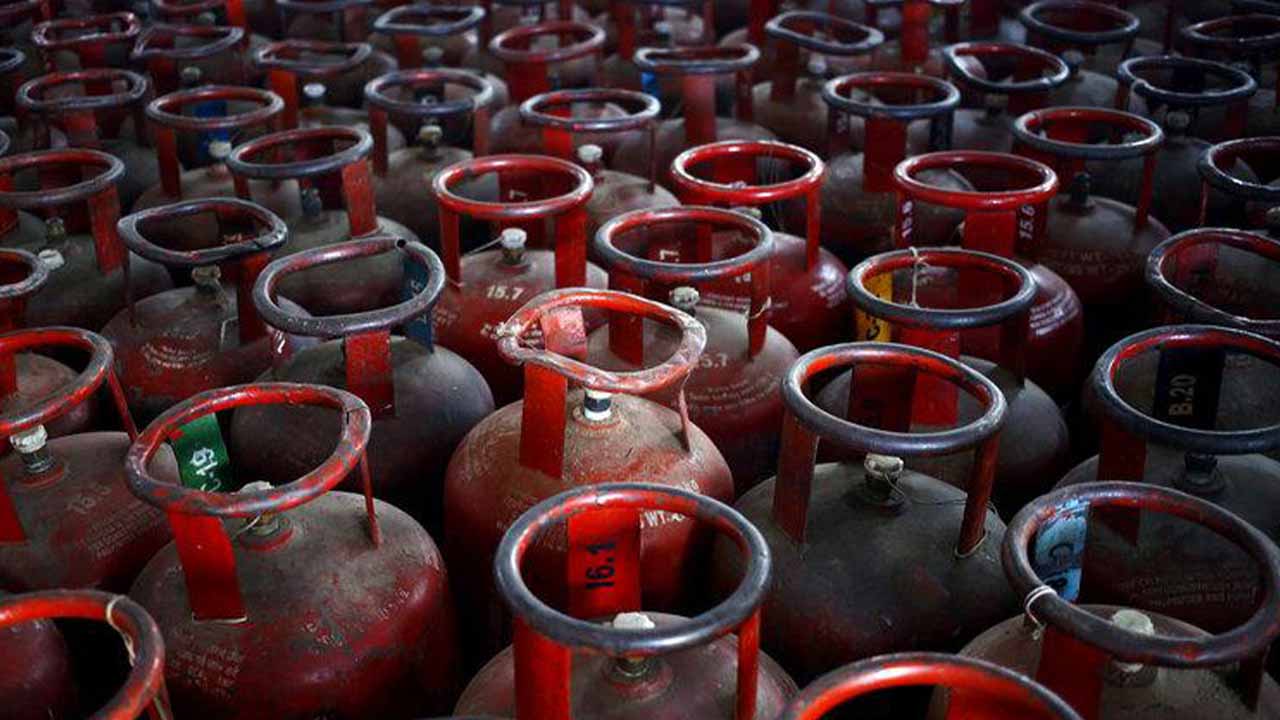
    According to a recent notification, LPG prices have been cut by Rs3.87, bringing the cost down to Rs234 per kilogramme. This new rate is effective immediately.

    This development follows a significant cost reduction in production by the Oil and Gas Development Company (OGDCL), attributed to the arrival of three ships carrying imported LPG.

    The increased supply has enabled OGDCL to lower production costs, subsequently leading to the reduced consumer prices.

    In a related development, the prices of petrol and diesel in Pakistan are also anticipated to drop from June 1. According to sources, petrol prices are expected to decrease by Rs5 per litre, while diesel prices may see a reduction of Rs4 per litre.

    The Ministry of Finance will announce the new rates after consulting with the Prime Minister.

    The OGRA summary proposing the price reductions will be submitted to the Petroleum Division by May 31st, sources added.

    This move is part of a broader strategy to alleviate the financial burden on the public by ensuring affordable fuel prices amidst fluctuating global oil markets.

  • Gold price falls by Rs3,600 per tola to Rs239,400

    Gold price falls by Rs3,600 per tola to Rs239,400

    Gold prices in Pakistan witnessed a significant decrease on Saturday, with the rate of 24-karat gold falling by Rs3,600 per tola. According to the Karachi Sarafa Association, 24-karat gold was priced at Rs239,400 per tola.

    In tandem, the price of 24-karat gold per 10 grammes saw a reduction, now standing at Rs205,247, down by Rs3,086. The decline extended to 22-karat gold, which is now quoted at Rs188,143 per 10 grammes.

    Silver prices also experienced a drop in the domestic market. The rate for 24-karat silver decreased by Rs50, bringing the price to Rs2,750 per tola. Similarly, the price for 24-karat silver per 10 grammes fell by Rs43, settling at Rs2,358.

    On the global stage, spot gold concluded the week at $2,293 per ounce, marking a 1.4 per cent decline over the week. The drop in international gold prices has contributed to the downward trend observed in the local market.

    This decrease in gold and silver prices is reflective of broader economic factors influencing precious metals globally, impacting local market conditions.

  • SBP expected to cut policy rate on Monday

    SBP expected to cut policy rate on Monday

    The Monetary Policy Committee (MPC) of the State Bank of Pakistan (SBP) is scheduled to convene on Monday, June 10, to deliberate on the nation’s monetary policy. This crucial meeting will be closely watched by market participants and economic analysts.

    Following the MPC meeting, the SBP is expected to release its monetary policy statement via a press release later the same day.

    In the most recent MPC meeting held on April 29, the committee opted to maintain the interest rates at a historic high of 22 per cent, marking the seventh consecutive meeting where rates remained unchanged.

    Speculation is rife among market analysts that the SBP may reduce its policy rate by 100 basis points (bps). If this anticipated reduction materialises, it would be the first rate cut in nearly four years, signalling a potential shift in the SBP’s approach after an extended period of stringent measures aimed at combating rampant inflation.

    The MPC’s decision is set to precede the announcement of the federal budget for 2024-25, adding further significance to Monday’s meeting.

    A potential rate cut could indicate a strategic move to stimulate economic growth and provide relief to businesses and consumers alike in the run-up to the new fiscal year.

  • Record high: Overseas workers’ remittances hit $3.24 billion in May 2024

    Record high: Overseas workers’ remittances hit $3.24 billion in May 2024

    In May, overseas workers’ remittances soared by 54.2 per cent compared to the same period last year, reaching $3.24 billion, according to the latest data from the State Bank of Pakistan (SBP).

    This significant increase from $2.1 billion in May last year indicates a substantial boost in remittances.

    Month-on-month, there was a notable 15.3 per cent increase in remittances, totaling $2.81 billion in the previous month.

    Cumulatively, in the 11 months of the fiscal year 2023-24, total remittances amounted to $27.09 billion, showing a 7.75 per cent increase from $25.15 billion received in the same period last fiscal year.

    Saudi Arabia retained its position as the leading contributor, with remittances amounting to $819.28 million, marking a 56.4 per cent increase from the previous year. The UAE followed closely, with remittances of $668.48 million, showing a staggering 99.0 per cent year-on-year increase.

    Remittances from Pakistani workers in the UK surged to $473.22 million, a significant 54.4 per cent increase from the same month last year. Meanwhile, inflows from the USA amounted to $359.55 million, up by 39.8 per cent year-on-year.

    Additionally, remittances from Pakistanis working in EU countries witnessed a substantial 36.4 per cent year-on-year increase, reaching $339.99 million, according to the data provided by SBP.

  • Weekly inflation rises as prices of essential food items increase

    Weekly inflation rises as prices of essential food items increase

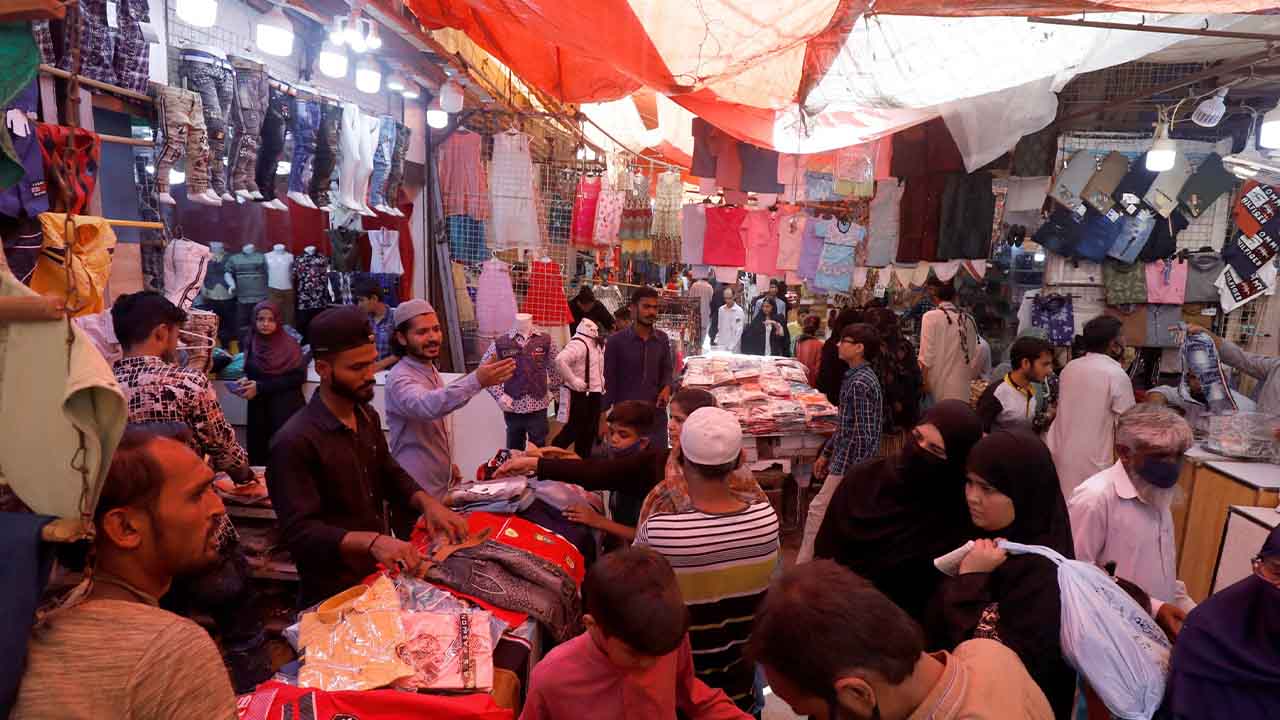
    The Weekly Sensitive Price Indicator (SPI) for the Combined Group witnessed a 0.45 per cent increase week over week (WoW) during the week ending June 6, 2024.

    This surge marks a significant 21.69 per cent rise YoY compared to the corresponding period last year, as per data unveiled by the Pakistan Bureau of Statistics (PBS).

    The Combined Index stood at 309.91, showcasing a slight uptick from 308.52 the previous week, and a notable increase from 254.67 recorded a year ago.

    Among the 51 items monitored, the week saw prices of 19 items (37.26 per cent) soar, 14 items (27.45 per cent) witness a decline, while prices of 18 items (35.29 per cent) remained stable. Notable increases were observed in the prices of Onions (33.21 per cent), Tomatoes (15.34 per cent), Bananas (4.93 per cent), Pulse Gram (3.69 per cent), and Potatoes (2.62 per cent).

    Conversely, significant decreases were noted in the prices of Bread (3.02 per cent), Garlic (2.00 per cent), Wheat (-1.99 per cent), Petrol (1.74 per cent), and Pulse Masoor (1.43 per cent).

    The weekly SPI percentage change across income groups revealed a universal uptick, ranging between 0.33 per cent and 0.81 per cent. The lowest income group experienced the steepest weekly rise of 0.81 per cent, contrasting with a 0.33 per cent rise in the highest income group.

    On an annual basis, analysis of SPI changes across income segments indicated a consistent increase, ranging from 15.26 per cent to 25.04 per cent. Yearly SPI for the Lowest Income Group surged by 15.26 per cent, while the highest income group recorded a 19.45 per cent increase.

    In terms of specific commodities, the average price of Sona urea stood at Rs4,746 per 50 kg bag, marking a marginal 1.04 per cent decline from the previous week, yet reflecting a substantial 56.01 per cent increase compared to last year’s prices.

    Meanwhile, the average Cement price reached Rs1,255 per 50 kg bag, showing a 1.40 per cent increase from the prior week and a noteworthy 9.82 per cent surge compared to last year’s prices.

  • SBP-held foreign exchange reserves rise by $15.8 million to $9.11 billion

    SBP-held foreign exchange reserves rise by $15.8 million to $9.11 billion

    The State Bank of Pakistan (SBP) reported a modest increase in its foreign exchange reserves, rising by $15.8 million or 0.17 per cent week-on-week (WoW) to reach $9.11 billion as of May 31, 2024, according to data released on Thursday.

    The central bank did not provide specific reasons for this increment.

    Conversely, Pakistan’s total reserves saw a decline, falling by $99.8 million or 0.70 per cent WoW to $14.22 billion. This reduction was primarily attributed to a significant drop in reserves held by commercial banks, which decreased by $115.6 million or 2.21 per cent WoW, settling at $5.11 billion.

    Since the start of the current fiscal year, the SBP’s reserves have experienced a substantial increase of $4.64 billion or 103.95 per cent.

    This notable rise is largely due to Pakistan securing the International Monetary Fund’s (IMF) Stand-By Arrangement (SBA) of approximately $3 billion by the end of June last year, which facilitated access to additional multilateral and bilateral funding.

    In the current calendar year, the SBP’s reserves have increased by $888.3 million or 10.8 per cent, reflecting a steady improvement in the country’s financial standing.