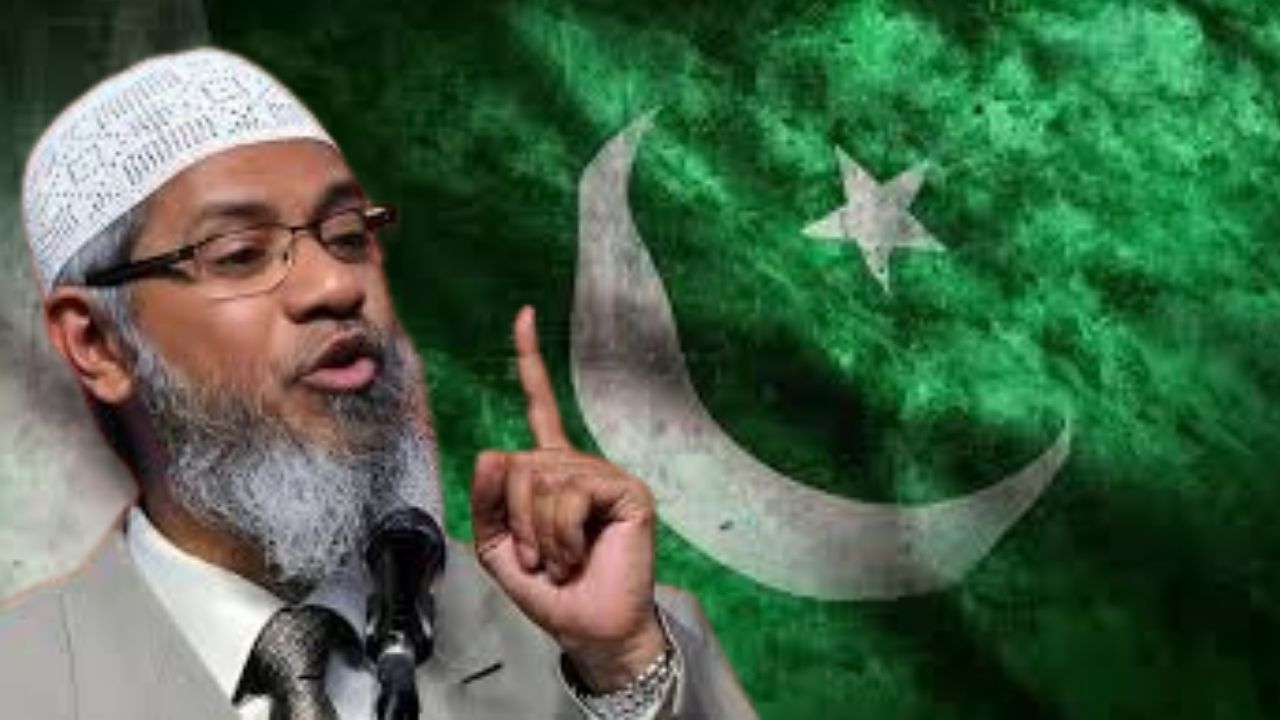
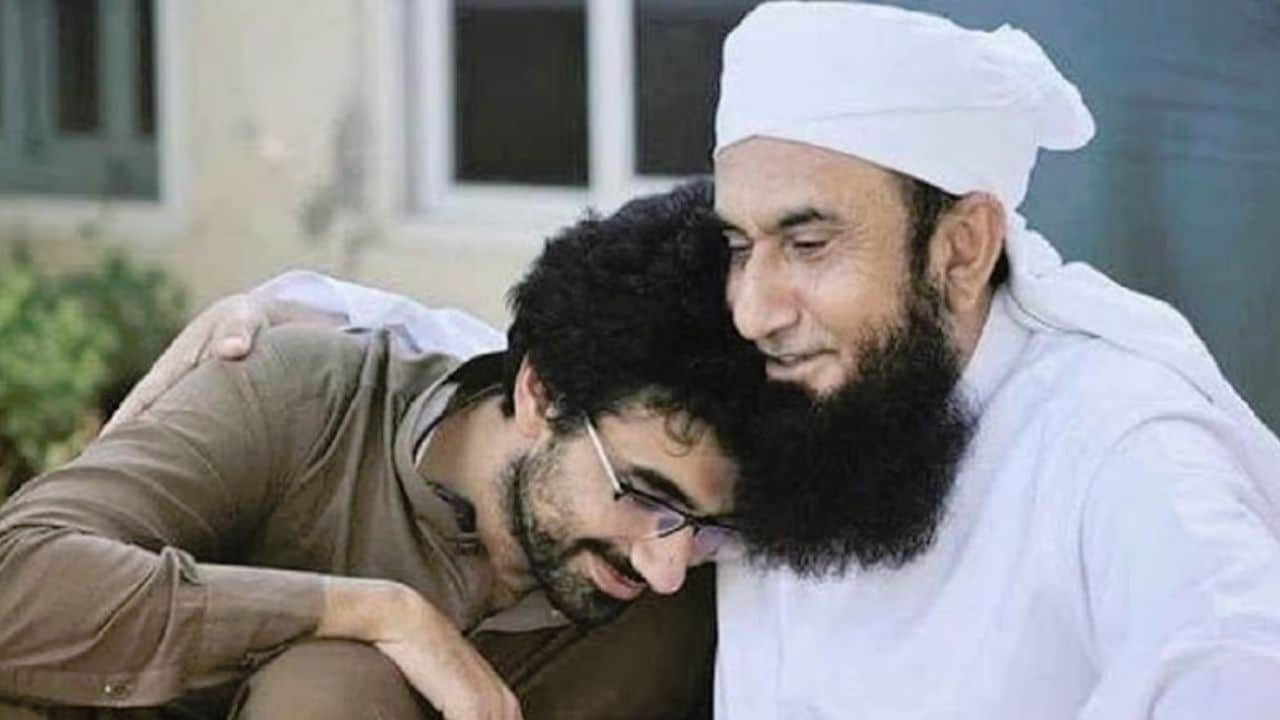
Dr Zakir Naik spent over a week in Pakistan in a tour marred with controversies. It was as if he was not here to deliver lectures but on a spree of giving politically incorrect and problematic statements.
The Indian religious scholar gained respect around the world for his knowledge about comparative religious studies. Seeing him quoting verses and quotations with exact references of different religious texts left people in awe of him. With growing allegations of money laundering and hate speech, he was forced to leave India and take refuge in Malaysia. The irony is that he was so afraid of his government that he said that if he had “moved to Pakistan, India would have labelled me [him] an ISI agent and used false propaganda.” Yet, in the recent visit, he kept comparing Pakistan with India, where he is not even welcome. It all started with him degrading PIA for not giving him a waiver for charges on his team’s 1000 kg luggage. However, a statement by the national flag carrier circulating widely on social media describes that his tour was sponsored by a Pakistani-Malaysian businessman and Dr Naik himself travelled via Qatar Airways, negating his claims of being a “state guest” and having talked to the CEO.
Dr Naik then strongly condemned earning from YouTube, yet he chose to sit with Nadir Ali for a podcast and even appeared in a video with Ducky Bhai. His social media team also posts on socials, also using clickbait headlines like “Pakistani actress Yashma Gill asks Dr Zakir Naik a challenging question” or “Pathan Ladki ne Dr Zakir Naik se Pakistani society ke baray mein contradictory sawaal kia.”
The most bizarre video that sparked a backlash on the internet was when Dr Naik was seen rebuking a young girl for asking a question which he thought wasn’t worded well. Dr Naik, with all the experience in the world, was seen being short with the girl, which left many confused. However, it was his remarks about unmarried women that exposed a chauvinistic mindset. While explaining the core idea behind men having the right to marry more than one woman ‘because they are less in number’, he went ahead to state that women who are left without a man either have to settle for a married one or they will become a “bazaari aurat” which in his words seemed to mean “public property.” He also made a public show of not sharing a stage with orphan girls by saying that they were adults and it is impermissible in Islam to have contact with them. All while standing next to them, making them embarrassingly aware of their gender. Why he could not have told the organisers ahead of time or before going on stage is still unanswered.
Dr Naik gave another example of his misogynistic views in his interview with journalist Fareeha Idrees by saying that women, if they work, should not appear in media uncovered, arguing that this may ‘arouse men’. If seeing a woman for twenty minutes straight doesn’t provoke anything in them, then men, according to him, are “sick” and should seek a psychiatrist. Saying all of this in front of the female anchor sitting opposite him. He reiterated the age-old argument that seeking permission for jobs from men of the house is imperative for Muslim women and that it ‘takes two hands for a clap’, implying that the woman, if not wearing a hijab, prompts a man to harass her, making both of them sinful.
His old videos have been dug out after these statements, where he is seen using controversial arguments, saying things like the marriage of a 13-year-old girl with a man as old as 120 years is viable because both can procreate. In his words, even a rapist will be pardoned if he seeks forgiveness wholeheartedly.
If the government intended to distract Pakistanis from the ongoing situation in the country, as many have assumed was the reason why this controversial orator was invited, the tour has been a success, even though it has clearly ruined the reputation of Dr Naik.
It is 2024 and Dr Naik’s ideologies have not evolved. Consequently, all the reverence he ever garnered is lost for good. It also brings notice to the fact that the recorded, well-prepared lectures were a mask he used to hide under while his actual orthodox ideas are revealed in the impromptu sessions he held in Pakistan. His ideas are obsolete enough to believe that women cannot be leaders and for him it is a “pity” that Muslim countries have more women leaders as ‘their best place is in their homes’. And while it cannot be ignored that a lot of people agree with the fiery preacher’s thoughts, they do not — and should not — have a place in a progressive Pakistan: one that stands on a large female workforce and should promote religious and social harmony.
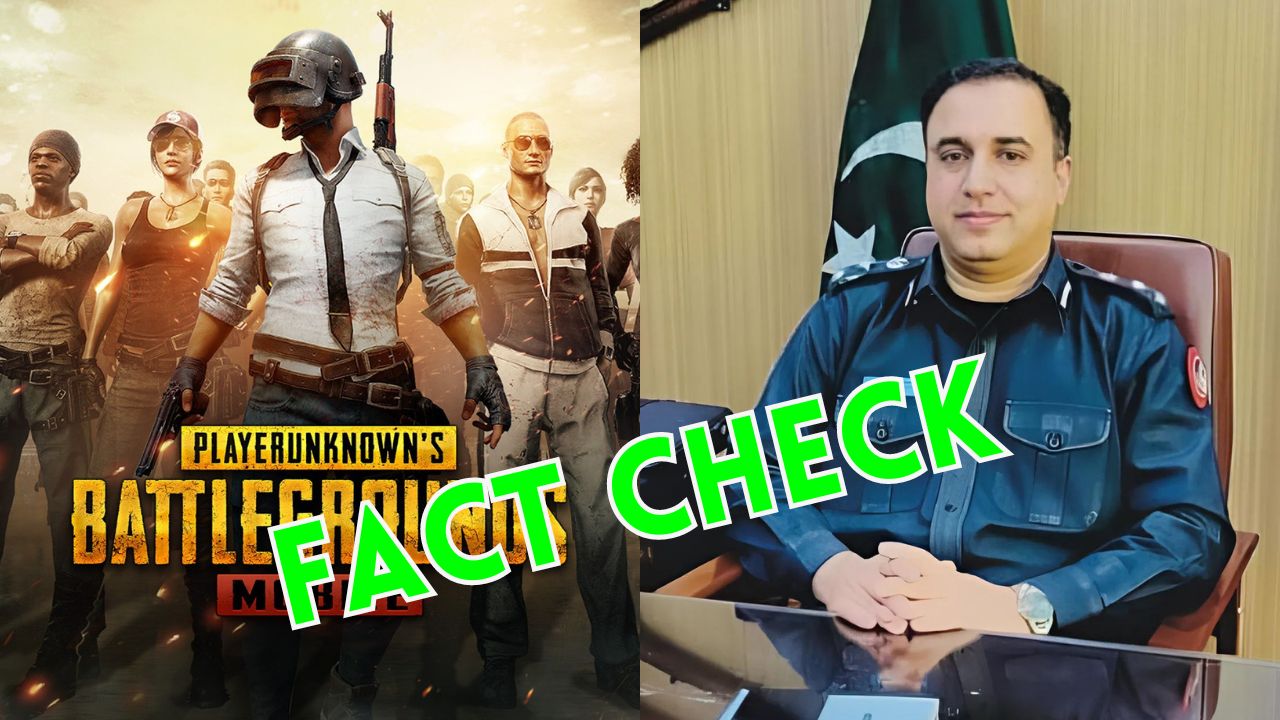
District Police Officer (DPO) Dr Zahid has made a statement that terrorists used PUBG mobile to share information during attacks on a police post in the Swat district of Khyber Pakhtunkhwa.
DPO Swat said, “The three arrested terrorists involved in the police outpost attack have admitted to using PUBG for communication. They had created a chat group in the game to share information that the arrested accused were related to each other.”
On August 28, terrorists attacked the police post with explosives, in which one policeman, Rehmanullah, was killed while two policemen, Shafiullah and Mohammad Ayaz, were injured.
Earlier terrorists used Telegram to communicate, but this is the first time a game’s name has been revealed.
However, we have checked whether creating a chat group in the game and sharing such information is possible.
What’s the reality?
PUBG Mobile is a Chinese game launched in 2018. The Pakistan Telecom Authority (PTA) banned it in June 2020, but the ban was lifted later after meeting with company representatives.
This game has very strict rules and regulations on the use of language. Here are a few of them.
-Use of profanity or offensive slang, etc. -Expressions or behaviours that are sexually harassing, such as obscene words or sexual descriptions -Belittling, mocking or criticizing specific regions, religions, races, or individuals with disabilities, etc. -Expressions or behaviours that are threatening or intend to cause fear -Causing discomfort or aversion to users by using expressions or communicating in a manner prohibited by other terms and conditions of use
You can voice chat with eight people (in an 8v8 arena match) but cannot use offensive language.
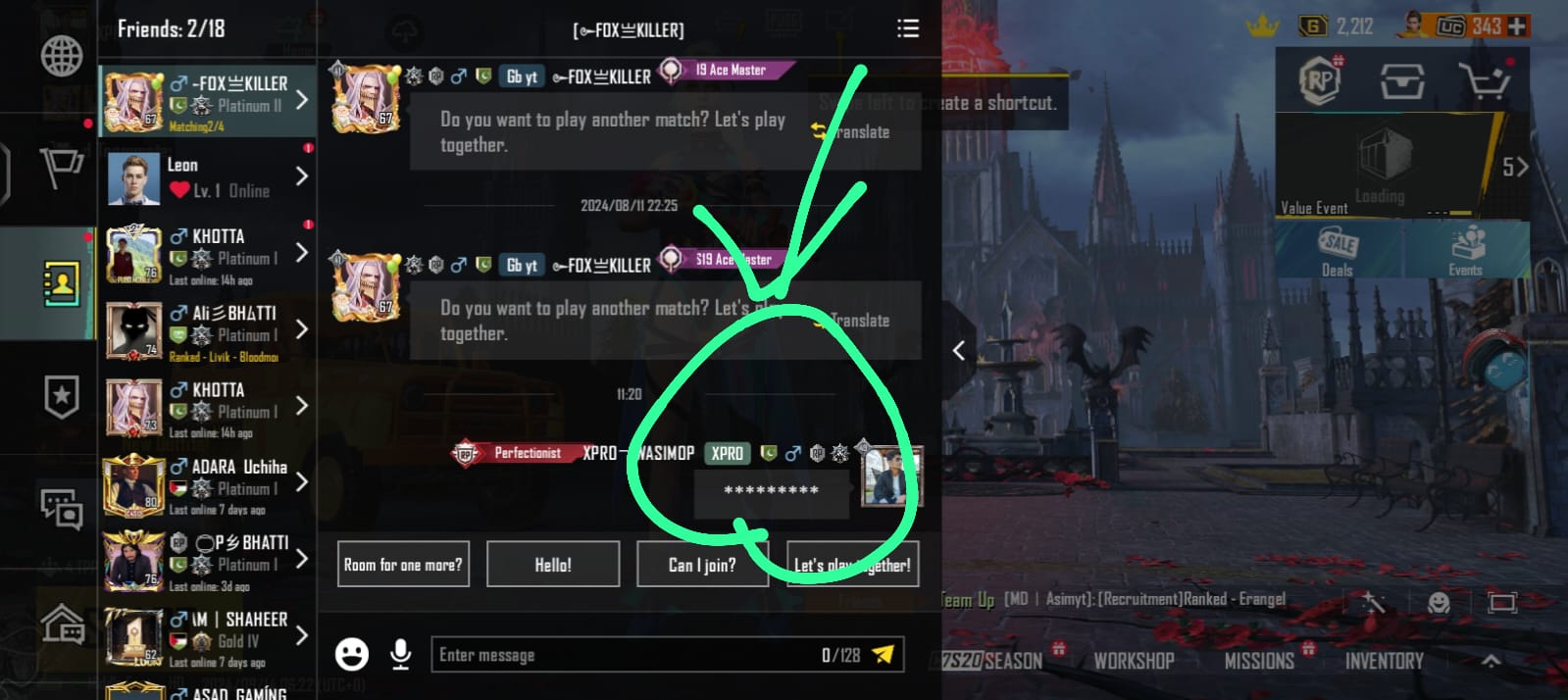
You cannot write any offensive words. You will face a ban of one or more days if you try multiple times. You cannot even type any offensive word. The game system is organized so that it converts offensive words into *****.
Here is an example:
You can’t create groups in the game but can chat in voice or text while playing. You have to make sure you’re in the game to chat.
The game also requires more than 20 GB of memory and high-speed internet, and the internet speed in those areas is unsuitable for playing it properly.
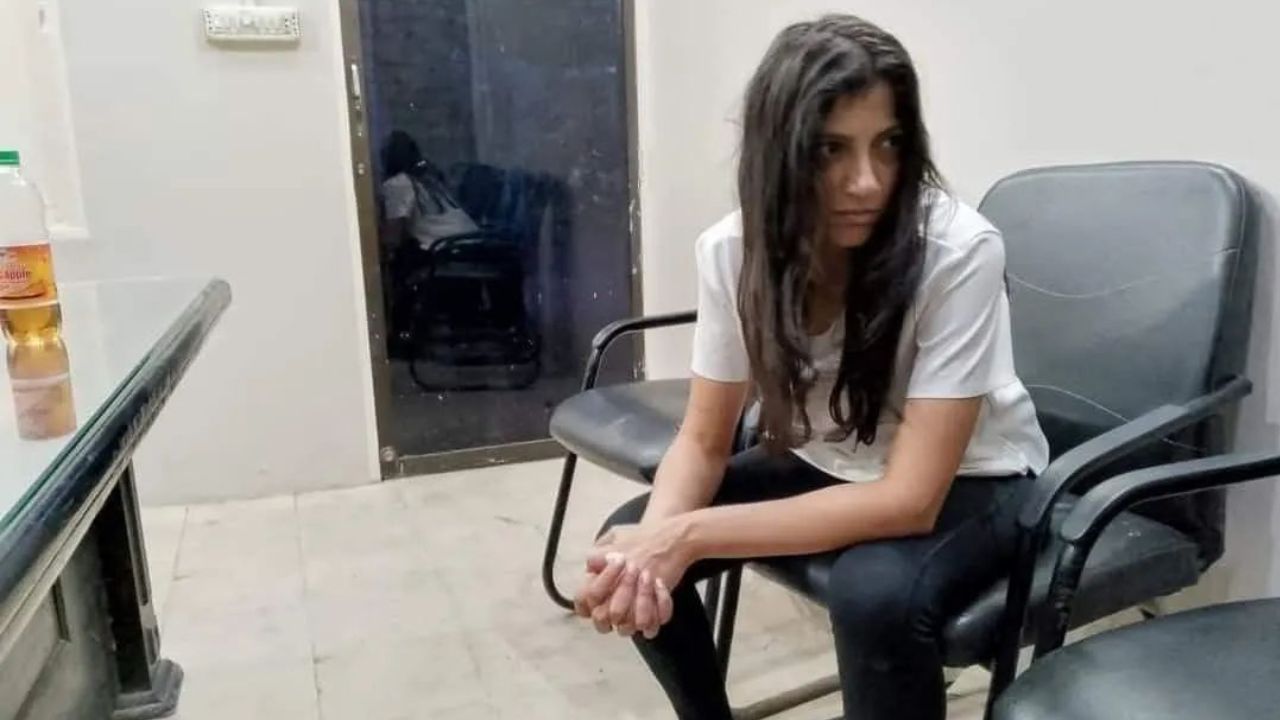
Last week, when the Karsaz incident came to light, waves of outrage swept the internet as people decried another senseless killing — of a father and his daughter on a motorbike — at the hands of an elite driver in a luxury car, identified as Natasha Danish.
People strongly condemned her nonchalant demeanour seen in videos circulating social media which were recorded moments after the accident.
Natasha also injured a few people that day (reported number varying between 2-5), one of whom is currently fighting for his life on a ventilator.
Surrounded by a large mob, people demanded that the police arrest her, but with Rangers encircling her, she was eventually escorted by private security guards.
Some claimed that Natasha was drunk at the time, while others suggested the influence of drugs.
Some demanded the death penalty while others expressed despair over the justice system, recalling all prior cases involving offenders belonging to influential backgrounds who got away with it — including premeditated murders.
The Current’s previous Editorial contented that since the Karsaz accident was not a premeditated murder, the public should wait for Natasha Danish’s medical report, including her psychological check-up, since, according to her lawyer, she had been on medical treatment for the past five years.
The Editorial also posed a question whether it was fair to jump to conclusions based on one’s appearance and means.
To sum it up: avoid reactionary conclusions on stereotypes and let the law take its course.
We were not wrong but Natasha certainly was.
The days that followed proved every stereotype right yet again.
Natasha Danish was deemed mentally healthy, her medical reports detected use of an illegal recreational drug called ice, she has a British driving licence, and above all, she is the wife of an influential businessman, Danish Iqbal, who is the chief executive officer of Gul Ahmed Energy Limited.
This might explain her unapologetic smirk after the accident — that too at the time when the dead bodies of 60-year-old Imran Arif and his 22-year-old daughter, Amna were lying on the road.
It also explains the consequential anger and despondency among the masses who know that they could be next, lying dead on the roadside, with no justice in the end, and their lives reduced to just another number that can be muffled with the exploitation of money.
It has also been reported that the injured man, who is battling for his life on a ventilator, has not been contacted by Natasha’s family, while the deceased victims’ family have not received a visit to express remorse or even offer condolences to the grieving family.
In fact, according to sources, Natasha’s family claims that her medical reports are doctored, persistently defending her while overlooking the loss of lives.
The recent developments also change the case legally as activist and lawyer Jibran Nasir explains, “Now Natasha will still be charged with manslaughter because of rash and negligent driving.” And while charges will be added for driving under the influence, it cannot be termed as murder since “the drugs were not consumed with the intention to run over somebody.”
“We may not have forgiven them in our hearts, but we have pardoned our son’s killers in the name of Allah. We cannot spend our entire lives in fear… we took the decision considering the circumstances.”
These were the words of the mother of 20-year-old Shahzeb Khan who was shot dead by Sharukh Jatoi, son of a feudal lord, in 2012. The case was taken to an anti-terrorism court in 2013, where Jatoi and other culprits were sentenced to death but in the end, Khan’s parents had to pardon them.
Now that another high-profile case has come to light in a country where justice can be forcefully bought instead of served, the final verdict will decide what so many now truly believe: is Pakistan really for the ice-cold rich?
Everyone is watching the aftermath of the Karsaz accident that took place in Karachi earlier this week, when Natasha Danish’s speeding SUV collided with several vehicles, killing a father and his daughter on a motorbike and injuring five others. Post-accident videos circulating on social media show Natasha being surrounded by a large, irate crowd as security guards protected her and took her into custody. Natasha appeared disoriented. Meanwhile, people called for her death as the two victims lay dead on the road—a scene that could have ended differently without police and rangers.
While the case is underway in court, people have started their own speculative investigations, suggesting Natasha’s disorientation might be due to alcohol or drugs, and that because she is married into an affluent family, she will get away with it all. On the other hand, her lawyer states she has been undergoing medical treatment for poor mental health for the past five years, describing her as a “psychological patient.”
Natasha should not have been driving, and the loss of 27-year-old Amna and her father is irreplaceable. But would it have been fair if the mob had taken the law into their own hands?
While the majority believe Natasha, being an ‘ameerzaadi,’ must pay with her life, the legal nature of the accident remains undecided.
What does the law say?
According to the Pakistan Penal Code 1860, anyone committing qatl-i-khata by “rash or negligent driving shall, having regard to the facts and circumstances of the case, in addition to diyat, be punished with imprisonment of either description for a term which may extend to ten years.”
Similarly, under Islamic law, the punishment for murder, homicide, or injury depends on qisas or diyat, i.e., corresponding punishment for the crime or monetary compensation for the victims or their legal heirs.
In this case, it was not pre-meditated murder. No prior connection between the driver and the victims has been established to suggest that Natasha set out to murder Amna and her father. It was a terrible accident, one that took the lives of two valued citizens and Natasha will have to face the law for the crime she has committed.
Why do people feel the need to enforce the law themselves despite existing rules and regulations? Is this a reflection of growing frustration among the masses, who have repeatedly seen the elite evade justice for crimes? Despite the fact that this case is nothing like the murder of Noor Mukkadam and Shahzeb Khan, Noor who was tortured and murdered by Zahir Jaffer, and Shahzeb who was mercilessly shot by Shahrukh Jatoi, comparisons are continuously – and wrongly – being made on social media.
Could the comparisons explain why people have reacted so violently to Natasha, who was driving an expensive car and dressed in gym clothes, visibly disoriented? Would the reaction have been different to a ‘modestly dressed’ individual who might have been – and looked – less affluent?
Until the social and economic divide in our country is addressed, justice will remain questionable. The rich and powerful are often seen as above the law, while others are seen as seekers of elusive justice. Consequently, cries for ‘mob justice’ and demands to ‘hang her in the city center’ in our social media world will persist. Natasha must face the consequences of her actions, whether accidental or not. She must be given a fair trial and be sentenced for her crimes based on her actions but not on her background.
Since the beginning of 2024, there has been an increase in the targeted killing of journalists in Pakistan, where eight journalists have lost their lives so far. Four journalists were killed in May alone, which, according to the Committee to Protect Journalists (CPJ), is the highest number of journalists killed in a single month since 1992.
The topic of discussion in Pakistan is not how to protect those who convey information to the people, but restrictions are being imposed on the sources of information.
Here, we are talking about implementing a system similar to China’s ‘Firewall’ in Pakistan, which will monitor all online traffic.
Details regarding this firewall are kept secret, and authorities are refusing to comment on the matter. Limited data is being made available to the public, so the information regarding the functioning of this system is very limited.
Why is the government of Pakistan implementing the ‘Firewall’?
According to several news reports, the firewall will use Deep Packet Inspection (DPI) and block IP. DPI can monitor objectionable content through online data packets and track the sender’s IP address as soon as such content is found. This will help the authorities determine the location where the controversial content was created and disseminated.
In other countries, such technology is used to prevent serious crimes such as child pornography. In Pakistan, this technology is likely to be used to suppress ‘anti-state sentiments’.
Use of VPN (Virtual private network)
No one was surprised by this latest attack on human rights in Pakistan. After all, we belong to a country that has a long history of violating human rights in the name of ‘national security’.
However, it is surprising that our policymakers lack knowledge of the digital world. The recent ban on social media platform X is the best example.
Although access to X is restricted in the country, many ordinary citizens and almost all government officials access it through VPNs. This has failed the efforts to ban the social media platform.
The ban has significantly increased the business of VPN service providers internationally. According to a Forbes report, the use of VPN services in Pakistan has increased by more than 100 per cent since the ban, while some reports have seen a 400 per cent increase in the number of new VPN users in Pakistan.
According to a report by Technopedia, a leading digital technology platform, the number of VPN users in China has seen a sharp increase of more than 90 percent since 2022. The report said that VPNs have mainly been successful in “crossing the Great Firewall of China”, similar to the type of technology being speculated to be implemented in Pakistan.
How is this technology a threat to freedom of expression?
If we have evidence of how VPNs bypassed the Chinese firewall, why are Pakistani authorities still investing in such technology?
Freedom of expression has historically been a constant issue for the ruling forces in Pakistan, even though it is an integral part of any developing society. They believe the firewall plan is part of the government’s efforts to stifle dissenting voices.
Although it is too early to say how effective this firewall will be, users will crack it. Pakistan’s civil society has a long history of resisting restrictions on freedom of expression. However, such actions will further undermine public confidence in the government.
Now, the question is why the state is moving in a circle, where instead of devoting its energy to taking action for its people, it is creating conflicts with the subjects.
Ultimately, the current government will make the final decision, but these policies will lead to its downfall.
Elections in 2024 are surprising, to say the least. Many polls across the globe have given a jolt to political pandits, dismantling their expectations. Be it in Pakistan or in neighbouring India; the results sent a shock wave among observers. In India, particularly, the result defied exit polls and set a precedent of what is called the power of vote.
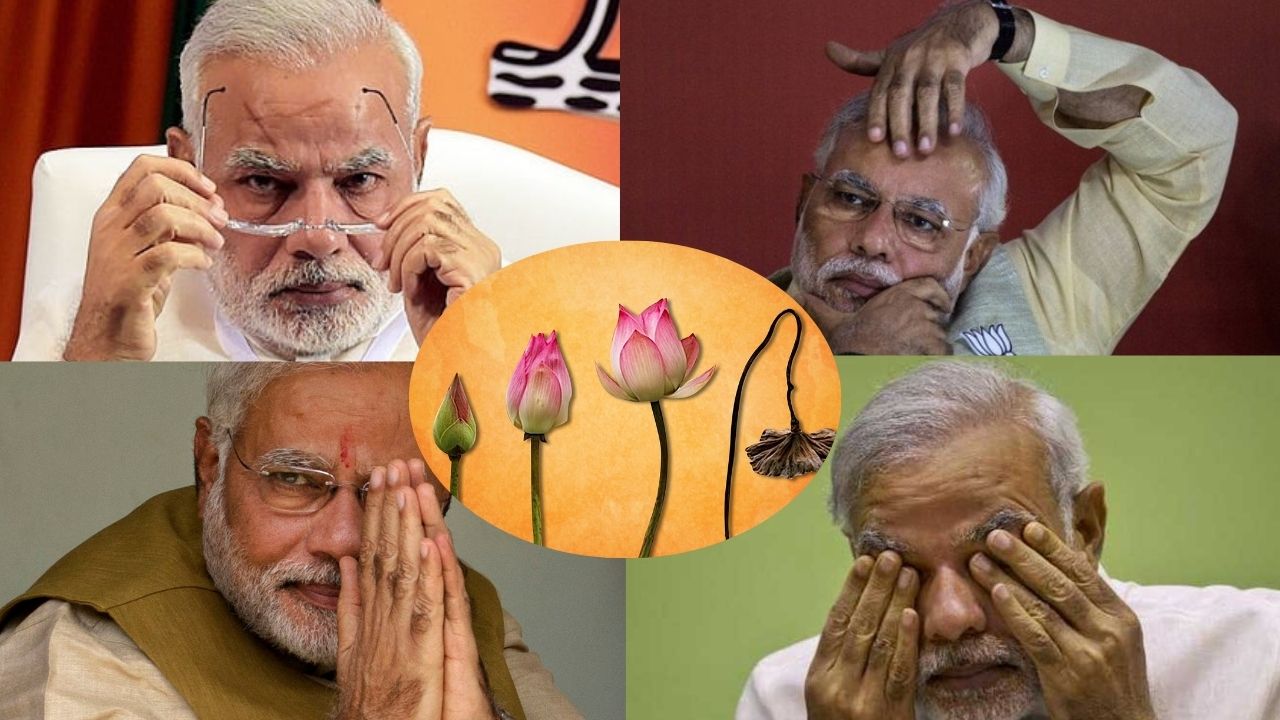
While the expected Leader of the Opposition, Rahul Gandhi, was on a country-wide tour titled “Bharat Joro Yatra,” Prime Minister Narendra Modi and the leading party, BJP, were conniving for a change in the constitution. Campaigning for a third time in the office, “400 paar” was the slogan Modi chanted all along. With more than 65 percent voter turnout and a six-week-long grueling process of polls amid the heatwave, the climax showcased the fruit of the exhaustive exercise. The total number of seats won by the ruling party was 240, far behind the magic number of 272, and it lost 63 seats compared to the election of 2019. Economist and author Parakala Prabhakar called this “a very clear tight slap on PM’s face,” but what led to the results?
In the span of the last five years, the BJP government led by Narendra Modi outrightly showed hate against minorities, especially Muslims, and promoted the saffron-tainted movement of Hindutva. It started off with the revocation of the Special Status of Kashmir, followed by the Citizen Amendment Act, and culminated with the inauguration of Ram Mandir.
303 seats in 2019 enabled BJP to strip Kashmiris of their statehood on August 5, 2019, because it was seen as the biggest hurdle in the drive for development in the region. However, in the garb of this modernization, the aim was to alter the disputed area’s demographics eventually.
With CAA, the Modi government further pushed Muslims to the periphery. This “fundamentally discriminatory” piece of law endangered the citizenship of a large number of Muslims in the country. It declared them illegal immigrants, but the Modi government remained unfazed in the face of all criticism.
The mishandling of the pandemic, coupled with the high unemployment rate of eight percent, proved to be a catalyst, but it was the largest farmer’s protest in Punjab that turned out to be a major blow. Millions on the road, the police crackdown on protestors, and the rigidity of the government made headlines all across the globe. Resultantly, Congress dominated the polls in Punjab with a high voter turnout of 62.80 percent.
Islamophobic rhetoric, anti-Dalit sentiment, a spiraling economy, and unconstitutional motives of the sitting government resulted in the BJP’s defeat in Uttar Pradesh and Maharashtra, the two most significant states.
The party of “saffron parakeets” kept on ignoring the pulse of the nation and inaugurated Ram Mandir with glitz and glamour in Ayodhya, above the ruins of the demolished Babri Masjid. Modi proudly claimed that the Mandir will be a “temple of national consciousness”. The voters ironically consciously rejected him. Though the BJP will again form the government under the umbrella of the National Democratic Alliance, this will be a coalition government, weak at its core and unable to execute the idea of changing the system of governance from Parliamentary to Presidential.
Although it is true to democratic traditions, the credit for this stupendous result goes to the voices of reason, who relentlessly stood in the way of Modi’s aim to establish his “taana shahi”. YouTuber Dhruv Rathee, who has been named by renowned publications as one of the “factors,” made it his mission to create awareness of all the inconsistencies in the election process, scandals in Modi’s governance, and the wildly objectionable things Modi has said and done. His videos were watched by a whooping number of 476 million people, got screened in some areas while he flexed as the “power of the common man”. Some journalists like Rana Ayuub and Karan Thapar and writers like Arundhati Roy chose to call a spade a spade and will go down in history for being on the right side.
With the coalition government in place, will there be a new more introspective Modi or a rather aggressive one? It is yet to be seen, but he surely wouldn’t be the same as he was in the last five years.
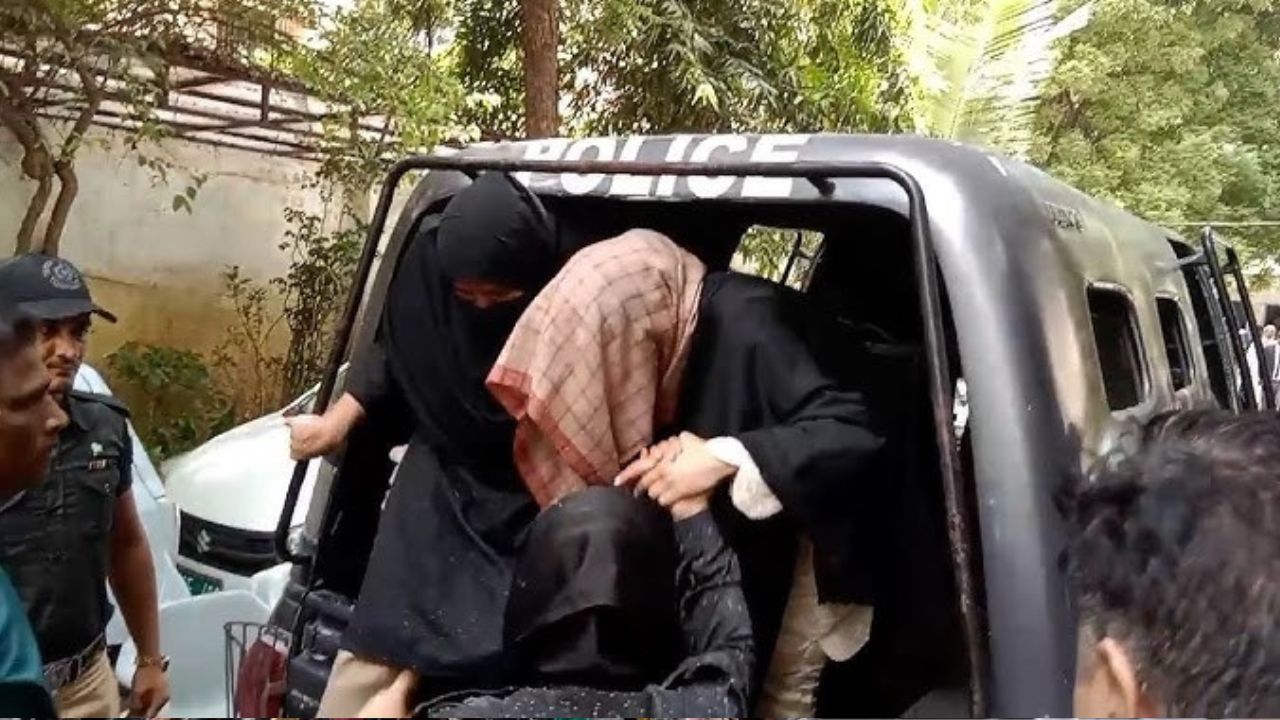
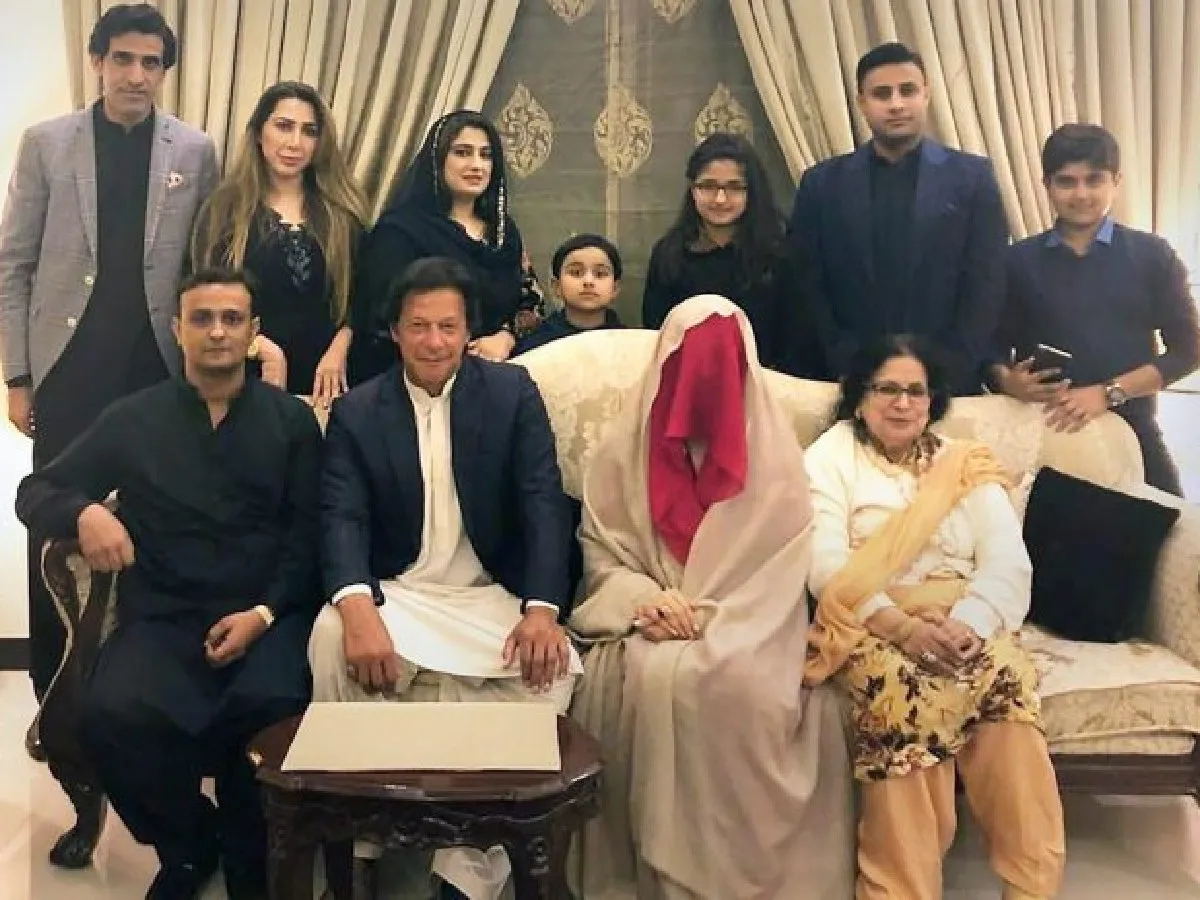
Last week, former prime minister and Pakistan Tehreek-e-Insaf (PTI) founder Imran Khan and his wife Bushra Bibi were handed a seven-year sentence each by a trial court in the iddat or ‘un-Islamic nikah’ case. Senior civil judge Qudratullah pronounced the verdict during proceedings at Adiala jail, on a petition filed by Bushra Bibi’s former husband Khawar Maneka, against the couple’s marriage. The verdict has been termed shameful and an assault on women’s rights by legal experts and civil society.
From The Human Rights Commission of Pakistan (HRCP), Women’s Action Forum (WAF) to Aurat March and legal experts, many have condemned the verdict vociferously. WAF Lahore in its statement said that the verdict “is an assault on women’s autonomy over their bodies, dignity and privacy, setting dangerous precedent for state’s intrusion into the private lives of citizens”. HRCP said that the verdict “could also set a precedent for Section 496 to be weaponised for political purposes”.
Lawyer Reema Omer made a pertinent point that by making a woman’s menstrual cycle the subject of criminal inquiry, “this case has cast a blow to women’s freedom to make decisions about divorce and marriage without fear of being dragged in court”. Aurat March Islamabad will hold a protest tomorrow against this unjust verdict, which has made a mockery of the legal system in Pakistan. This is not the first time that frivolous cases have been made against politicians but it is the first time that a disgusting and vindictive accusation by an ex-husband of a former first lady was levelled and the courts actually gave a verdict in favour of the shameless man while humiliating a woman in the process by taking away her agency. It was good to see that Chairman Pakistan People’s Party (PPP) Bilawal Bhutto-Zardari took a firm stand against the verdict and said that we should not stoop to this level in politics.
He also highlighted how this verdict can impact the efforts made in the past to safeguard women’s rights. Mr. Bhutto is not wrong in his assertion. The low level to which the state has stooped in order to humiliate a politician who has fallen out of favour is a blot on the justice system as well as score-settling. The verdict has set a precedent that judges and courts can now monitor women’s menstrual cycles, with some saying that the country might as well let all gynaecologists go and let the judges and courts give their expertise in this department.
From Fatima Jinnah to Benazir Bhutto to Bushra Bibi, we have seen how men hold the power to slander women for their personal gains and get away with it. No Pakistani citizen should remain silent on this shameful verdict and we all must register our protest at how this has taken our entire struggle and progress years back. It is not the state’s business to declare a marriage null and void in this shameless manner. At the end of the day, this verdict can impact each and every woman with a vindictive ex-husband. We hope that this sham of a verdict will be overturned as soon as possible in a high court. No woman will forgive the trial court that gave this verdict and no woman should ever trust the justice system again if this is not overturned and an apology issued not just to Bushra Bibi but all women of Pakistan.
Cricket is the third most popular sport in the world with approximately 2.5 billion fans spread across the globe. The gentleman’s game, mocked at times for being slow, has morphed into a fast-paced, adrenalin- pumping speedy ride.
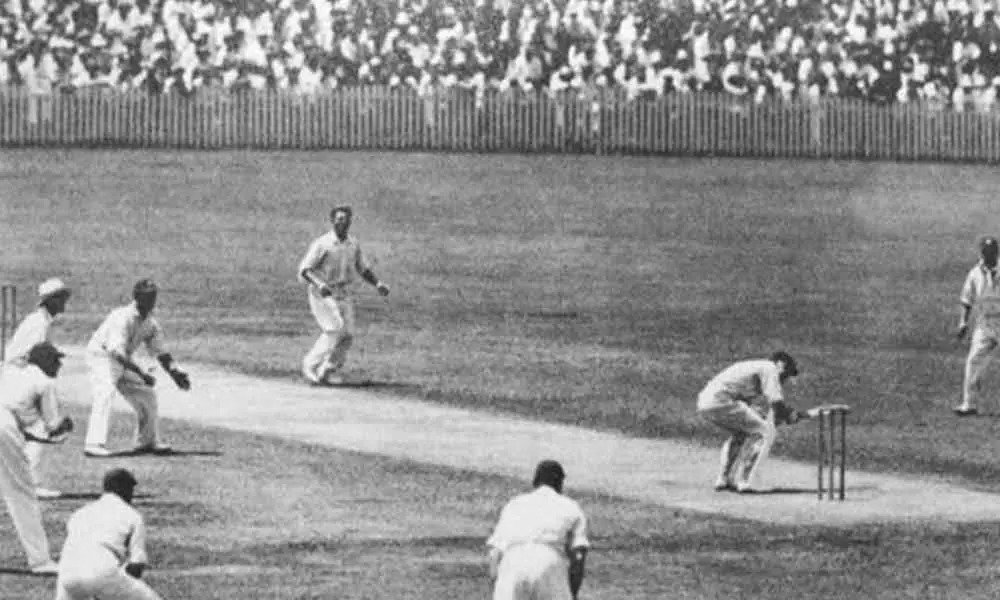
The first international match between two countries was played between United States of America (USA) and Canada in New York in 1844, but the fact that the International Cricket Council (ICC) did not exist in 1844, means this match wasn’t recognizes as an official game. The first official cricket match was played between Australia and England in Melbourne in 1877.
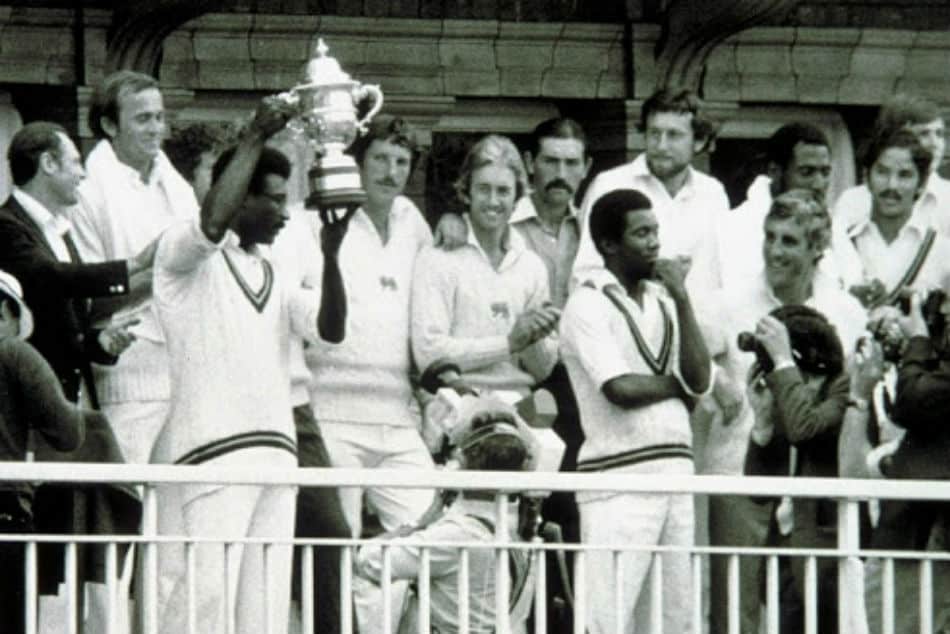
The first cricket World Cup was organized in 1975 in England, with the mighty West Indies walking away with the trophy.
How India destroying cricket for other countries?
India won just two matches in the 1975 and 1979 World Cup tournaments, the weakest team at that time. Wisden Sports magazine’s Chief Editor David Frith had infamously written in an article that a team like India should not play in the tournament if they have not improved and if a team like India wins, “I will eat my words.”
In the 1983 World Cup, India won four out of six matches in the group stage, cementing their place in the semi-finals where they defeated England by six wickets.
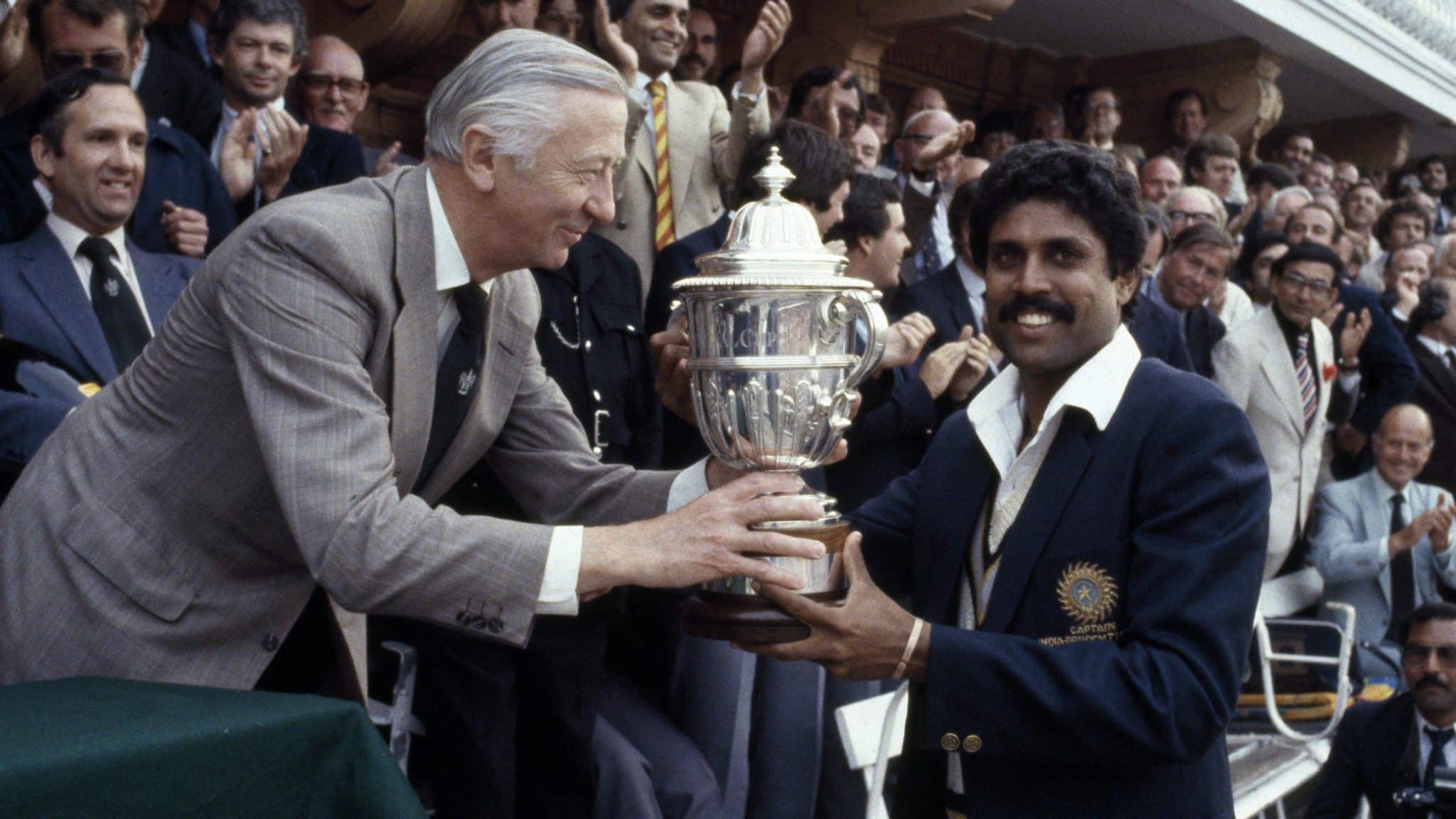
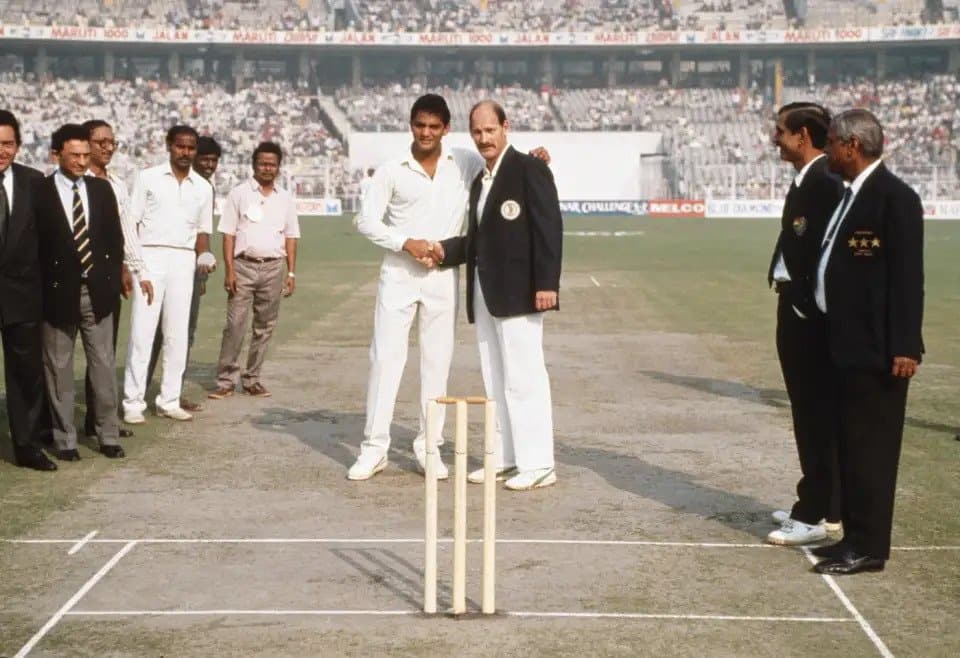
The final was played between India and West Indies, the hot favorite team after winning two World Cups in a row. All the odds were stacked against India, but the country created history on June 25, defeating West Indies at Lords, and lifting the Cup.
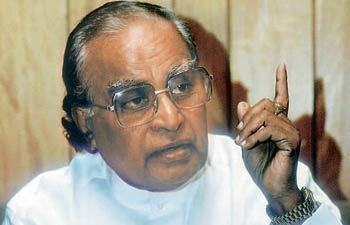
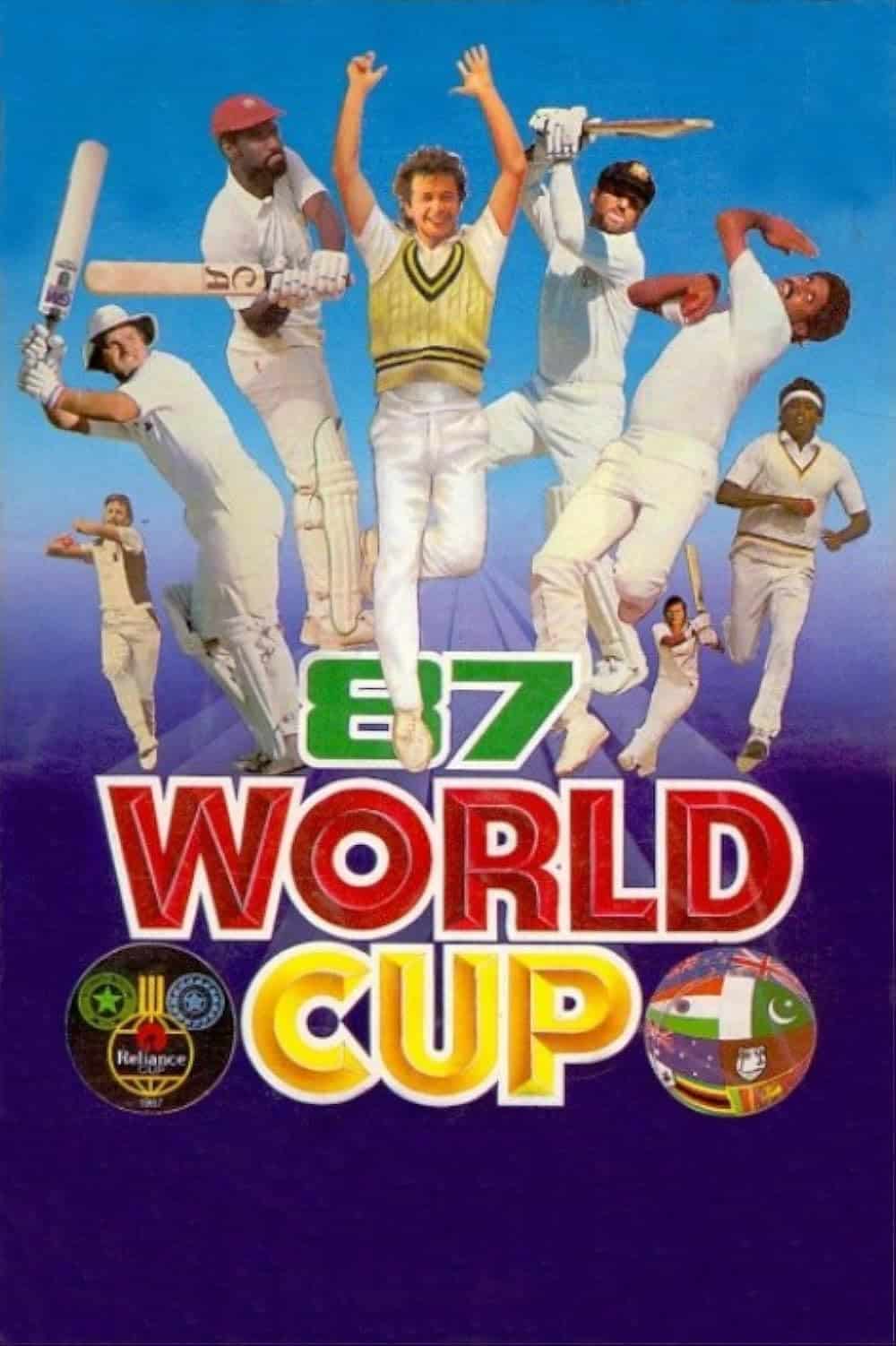
The historic win gave Narendra Kumar Prasadrao (NKP) Salve the confidence he needed to grab the mantle of the British’s own game from them. NKP Salve befriended Sri Lanka and Pakistan Cricket Board (PCB) to form the Asian Cricket Committee, on which ICC had no control in 1984. They arranged a tournament between Asian teams, named Asia Cup. This was Salve’s way of telling Britishers that the southern countries could host tournaments too.
The Board of Control for Cricket in India (BCCI) had no money to host a World Cup at first. Salve asked Pakistan to host the next world cup together. Then Salve contacted Dhirubhai Ambani with the help of Indira Gandhi. When the money was arranged, Mr. Salve put forth his proposal at the next ICC Meeting.
There was no rule before this that a new nation will host a World Cup. NKP Salve proposed a Rotational Policy. According to this policy “A new nation will host the World Cup after every four years.”
Australia and New Zealand agreed, . And when voting took place, India and Pakistan got the hosting of 1987 World Cup.
It was a success, but BCCI didn’t make any money 30 years ago. Even after the 83 tournament, Indian players would get INR 200 per day allowance and 1500 as match fees.
The South African cricket team was returning to international cricket in 1991 after a gap of 21 years and they were going to play their first three match ODI series against India.
At that time Indian television Doordrshan was broadcasting these matches and they were charging money for broadcasting instead of paying, and BCCI was just earning on tickets and on-ground advertisements.
But this time they kept the broadcasting rights in their hand and sold it to South African television channel for $200,000.
On the same year India opened their market for globalization foreign companies. New money started floating into India at the same time, these foreign companies wanted to market their products in India and nothing was watched more than cricket.
Because of satellite television, cricket was now seen even in small villages of India. It was great for these companies and BCCI. In 1993, India sold broadcast rights of England’s tour of India to a broadcasting company TWI for $600,000.
In no time, BCCI became the richest cricket board in the world. However, things change after you get rich. Remember, how NKP Salve grabbed 1987’s World Cup from England. It was decided according to rotational policy that England will host 1996’s World Cup.
But in 1996, a broadcaster named Mark Mascarhanes made an offer to BCCI that if India hosts the tournament, then he would give $ 14 million for broadcasting. BCCI liked the offer and got the hosting of 1996 World Cup.
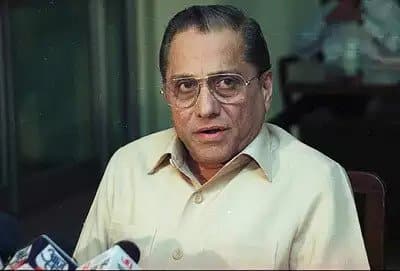
But in 1996, Australia and West Indies refused to play their matches in Sri Lanka. Then a BCCI administrator Jagmohan Dalmiya thought, ICC’s next Chairman should be an Asian.
In 1997, Dalmiya contested ICC elections, and won.
But the question is, how?
Actually Mr. Dalmiya knew one thing, that most of ICC’s full time members would vote for the English Boards favorite candidate. At that time, associate teams had one vote each in these elections, but the representatives of these associate teams had no money to be present in the elections being held in London.
So Mr. Dalmiya bought tickets for representatives of associate teams, booked hotels in London for them, even hosted a dinner party for them before elections and when elections happened these representatives voted for Mr. Dalmiya and he won. Now an Indian was the boss of the world of cricket.
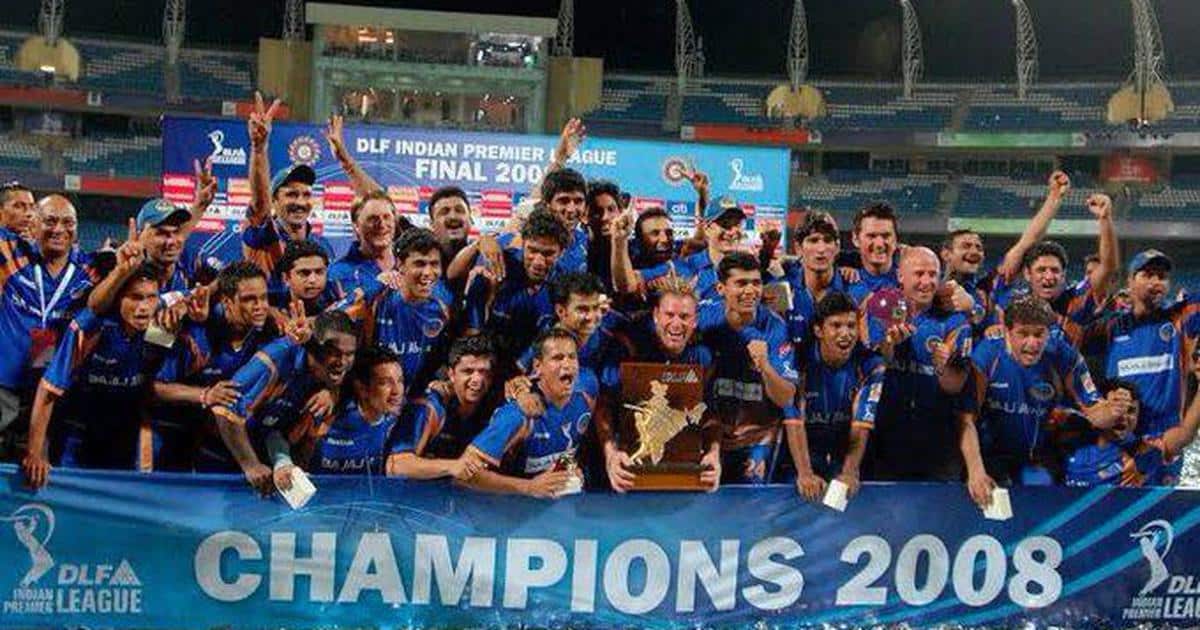
Indian Premier League (IPL) is the second richest sports league in the world, with a net worth surpassing 15 billion dollars but IPL is not the only T20 cricket league in the world. Every cricket Board has made their own cricket leagues, but BCCI does not allow their players to play in these leagues.
BCCI knows, value of these leagues might increase because of Indian viewership and if their value increases it might dilute the power of BCCI. So Indian players are not allowed to participate.
These boards have become so weak that they have to listen everything that BCCI orders because these boards only make money when India tours their countries. BCCI uses this very thing to get their things done in world cricket.
In 2012 England’s former Chief Justice submitted an independent report to ICC In which, he suggested some changes in governance. He felt that ICC shouldn’t be a Member Club Cricket Power is leaning to one side especially towards India. Associate nations aren’t getting enough funds, cricket won’t grow in these countries without funds.
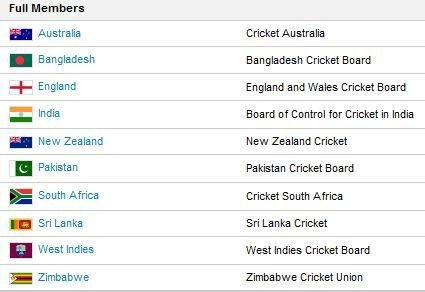
BCCI takes the biggest share, ICC has only 12 full time members and 96 associate members. These members are underfunded. There is no chance that, cricket will grow in these countries without funds. Once $30,000 were given to the Chinese cricket board to improve cricket there. [2008 stats, current stats are not published]. China’s population is around 1.5 billion, how’s that even possible, that cricket will grow in country like China with such a small fund?
It’s not only about associate nations, even full time members are being further weakened. If we see the latest ICC Men’s Future Tours Program India will play most of the matches with top teams and with Zimbabwe and Ireland, India will play three and two matches respectively in five years, when Zimbabwe and Ireland are also full time members.
As far as the administrators of the game are concerned, they don’t care about West Indies Cricket. West Indies Cricket Board is bankrupt today, two times world champion team couldn’t even qualify for World Cup 2023, just because of lack of funds. How will these teams, cricket boards grow without the funds?
ICC is unofficially run by BCCI and instead of growing the game, they are shrinking it. In 2007’s World Cup, 16 teams played the tournament, and in 2023’s, only 10 teams participated. Apart from this there were 26 teams in International Association Football Federation (FIFA) World Cup 2006, and now there are 48 teams participating in 2026 World Cup.
You know why?
In 2007’s World Cup, India was eliminated early from the tournament, they could only play three matches. Broadcasters had to face a loss. If India had played more matches, broadcasters would have benefitted. BCCI reduced the teams and the format is designed in a way that India will definitely play nine matches.
BCCI doesn’t care about winning World Cups, they just want to make money. I feel, this sport should spread like football all around the world. With only 10 teams, it’s becoming boring and I think cricket has power to spread peace and happiness.
HowBCCI is killing Cricket:
You won’t believe it, from 2024 onwards, there will be no international cricket played for 2.5 months, only IPL. Isn’t this the murder of the sport we love so much?
Indian cricket is mostly run by Indian politicians and businessmen. Arun Jaitley’s son is president of Delhi & District Cricket Association (DDCA). Rajasthan’s CM’s Son Vaibhav Gehlot is President of Rajhistan cricket Association (RCA,) Sharad Pawar’s grandnephew is a President of Mumbai cricket association (MCA), Anurag Thakur, BJP politician, was a president Himachal Pradesh Cricket Association (HPCA) from there he became a president of BCCI.
Today his brother is a president of HPCA. Ashok Sigamani is president of Tamil Nadu Cricket Association (TNCA), the son of a Minister Jyotiradhitya Scindia is the president of Madhya Pradesh Cricket Association (MPCA), his father was president of BCCI.
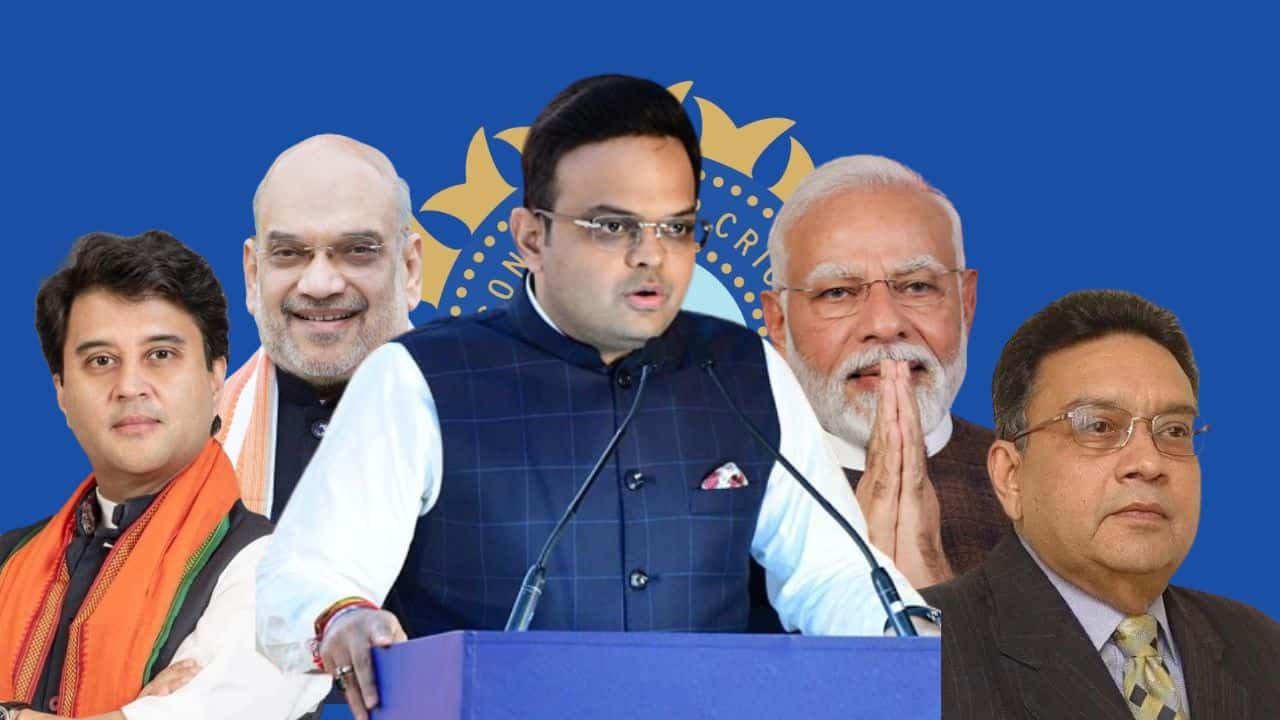
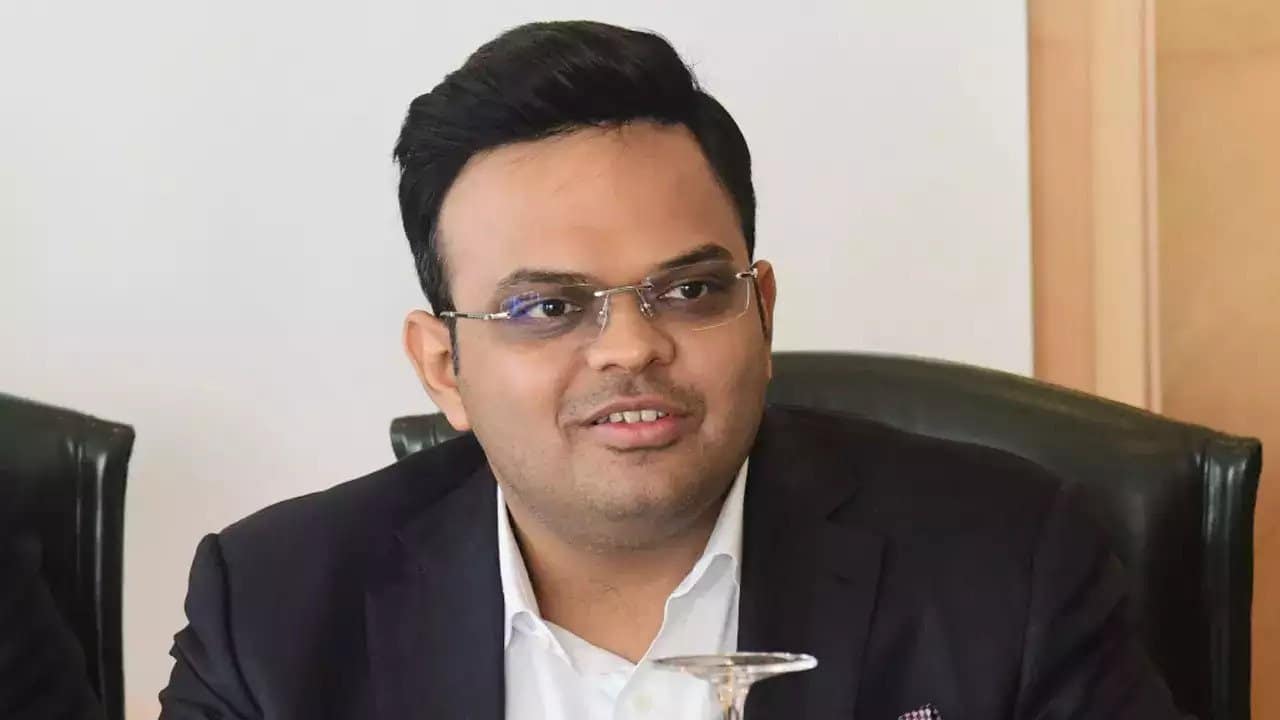
BCCI treasurer Chirayu Amin’s son Pranav Amin is Bihar cricket association (BCA)’s President, Sourav Ganguly’s brother is a President Cricket Association of Bengal (CAB) and the most fun example of this is Gujarat cricket associations former president was Indian Prime Minister Narendra Modi. He gave that post to Amit Shah after becoming Prime Minister and today, Amit Shah’s son Jay Shah is the secretary of BCCI and I’m only talking about a few states here.
Cricket shouldn’t be run by politicians and businessmen, it should be run by former cricketers, that’s it. I’m the biggest fan of cricket, like any Pakistani, I can’t bear to see one private organization is controlling the growth of this game. I want this sport to grow all over the world because this sport can do many good things.
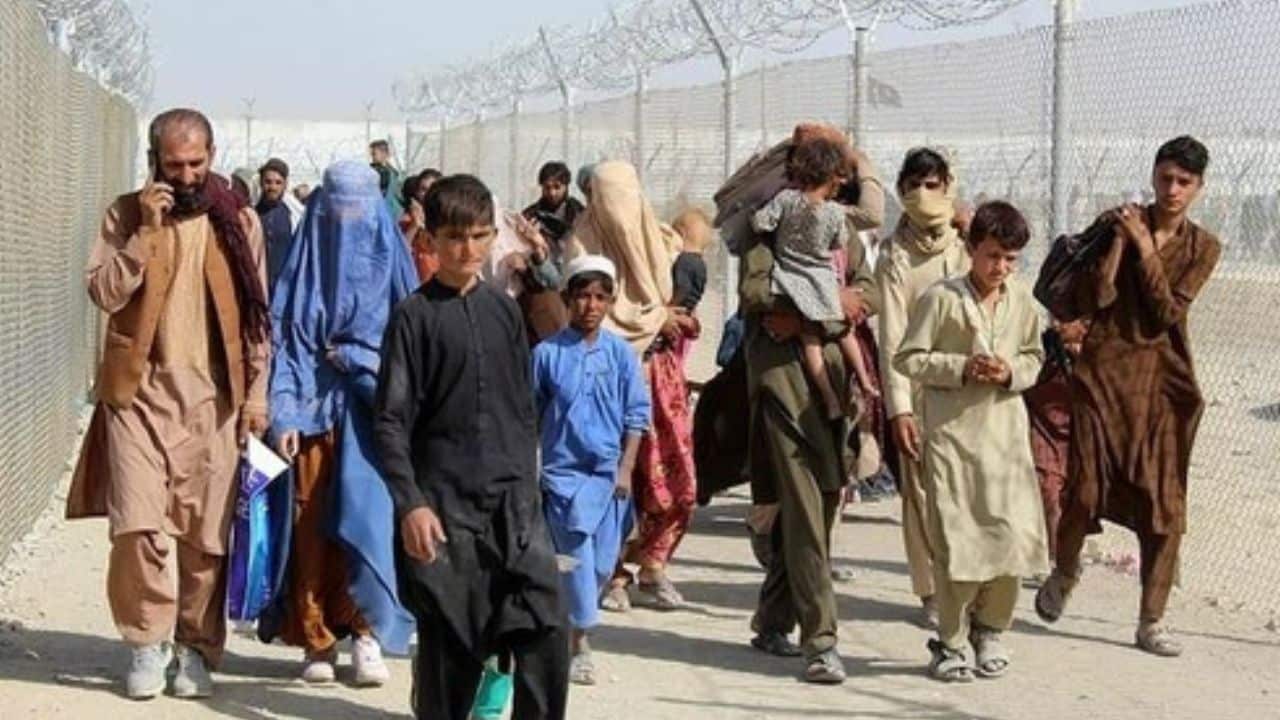
Afghanistan cricket team is one such example, these players initially used to live in refugee camps, they played World Cup in 2015 and you know what, Afghanistan cricket was initially helped by Pakistan.
But it feels like there are people in BCCI who don’t care about the growth of this game. They just want to make money, they just want to keep their power safe, even if they have to kill this centuries old sport to achieve that.
Note: This information is collected from various platform, like cricket websites, YouTube, Facebook etc.
Afghan deportation under the Illegal Foreigners Repatriation Plan launched by the caretaker setup has instigated a huge humanitarian crisis in the country. As people who have called Pakistan home for decades leave unwillingly, their children strapped to their pitiful belongings in small trucks, three sets of views have become prevalent in the country.
The first is propounded by the government: the situation of unrest and civil war has quelled in Afghanistan so it’s time for these refugees to go back. Because the land they come from is contributing to rising terrorism in Pakistan, their exit is inevitable. This narrative is deeply rooted in a superiority complex coming from hosting Afghans for decades, as is evident by the affirmative statements said as a foreword to every such explanation.
The second is the humanitarian stance where it is claimed that people who have lived here for years are not alien anymore, giving them refuge has brought aid of millions of dollars to Pakistan, and that this forceful expulsion is against the rights of refugees.
The third point of view stems from the ground realities. It is about the reality and not the narrative. This view is not just looking at the expulsion of Afghans, it is also seeing latent racism, poor execution of the plan, the rush in which it has been carried out, and the fatal flaws it carries. This view sees that the deportation is being carried out by an unelected government, blind raids are being conducted where people with legal documents are getting arrested, contrary to the claims of the government that only illegal foreigners will be arrested. It also shows video documents of the Pashtun community being targeted, even if they are Pakistani – picked up by the police and deported to foreign lands only because they look like, or talk like, them. It sees families getting harassed, and children being separated from parents even though these guardians are desperately proving their Pakistaniat. It displays the human tragedy that is unfolding before our eyes without any media coverage.
Some experts believe that the policy is part of a broader retaliation for the Afghan Taliban’s failure to rein in the Tehreek-i-Taliban Pakistan (TTP), even as the militant group orchestrates attack upon attack on Pakistani soil.
Videos have emerged where parents are showing the birth certificates of children who do not hold a CNIC yet are sent to the Chaman border for the journey to Afghanistan. Anas, a 16-year-old boy, managed to call his father, pleading with him to save him from being deported while the SHO in front of the holding centre nonchalantly said that people sent by mistake are not going to be reproduced by the authorities. Media presence is already banned in the holding centres and there is no way to question this. The mainstream media is also not giving the matter due attention.
The government is turning a blind eye to the suffering of four million Afghan refugees forced to leave on the brink of a hard winter to a land foreign to them since they were born here.
The government does not need to emulate any country when it is itself setting an unprecedented level of cruelty.
Siding with xenophobia is a xenophobic act in itself.
The recent tragic incident involving the son of a prominent religious scholar, Maulana Tariq Jamil, has once again brought the discussion of mental health to the forefront.
The heartbreaking revelation that Asim Jamil, son of Maulana Tariq Jamil, couldn’t survive due to severe depression and eventually took his own life, highlights the urgent need to address the often-neglected intersection between religion and mental health.
According to the elder son of Maulana Tariq Jamil, Yousaf Jamil, Asim had been grappling with severe depression since childhood. Despite undergoing treatment, including Electroconvulsive Therapy (ECT), his mental illness only deepened in the last six months.
As evidenced by Asim’s case, where even Electroconvulsive Therapy (ECT) proved ineffective, the necessity of professional medical intervention in severe cases of mental illness cannot be overstated.
Despite the claims of certain public figures such as Resham, who said that depression “does not exist” and Feroz Khan, who while responding to a fan’s question regarding curing depression among 21-25 years old girls said: “Obey your men. Give them your responsibility and sit back and enjoy grapes. I’d do that if I was a woman. Be a queen,” it is important to recognise the limitations of this approach.
It is pertinent to mention that the suicide rate in Pakistan has alarmingly crossed eight per cent (per 100,000 people), according to the World Health Organisation (WHO), and this can significantly be associated with mental health problems.
According to WHO, there are only 0.19 psychiatrists in Pakistan per 100,000 inhabitants, one of the lowest numbers in the WHO-EMRO region as well as the entire world. The absence of trained mental health professionals in the country has created a major treatment gap, leaving more than 90 per cent with mental health issues untreated.
Unfortunately, we, as a cultural collective, only end up making fun of people with mental health issues, sweep it under the carpet or pretend as if mental health is not an issue at all. We forget that globally, one in eight people have mental health conditions. We forget that being insensitive to mental health issues only increases the pain and agony of those who are facing these issues.
In a country where we think a mentally troubled young man’s illness will be cured if he gets married, where we think talking about mental illness or seeking therapy or psychiatric treatment means you’re either not ‘man enough’, ‘weak’ or ‘mental’, we must raise awareness about mental health and how medical science can help resolve these issues.
The unfortunate incident involving Asim Jamil highlights the urgency of destigmatising conversations surrounding mental health. It is imperative to foster an environment where individuals feel comfortable discussing their struggles openly without fear of judgement or discrimination.