Category: FOREIGN

  • World not ready for climate change-fueled wildfires: experts

    World not ready for climate change-fueled wildfires: experts

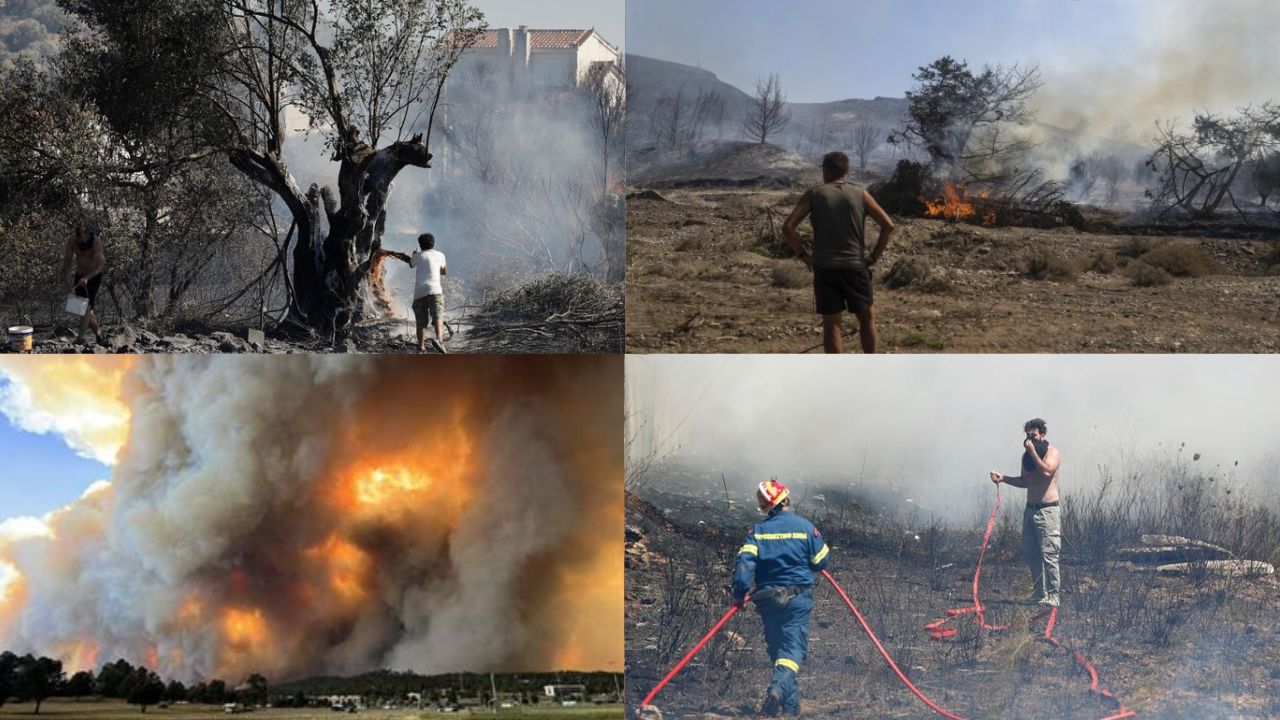
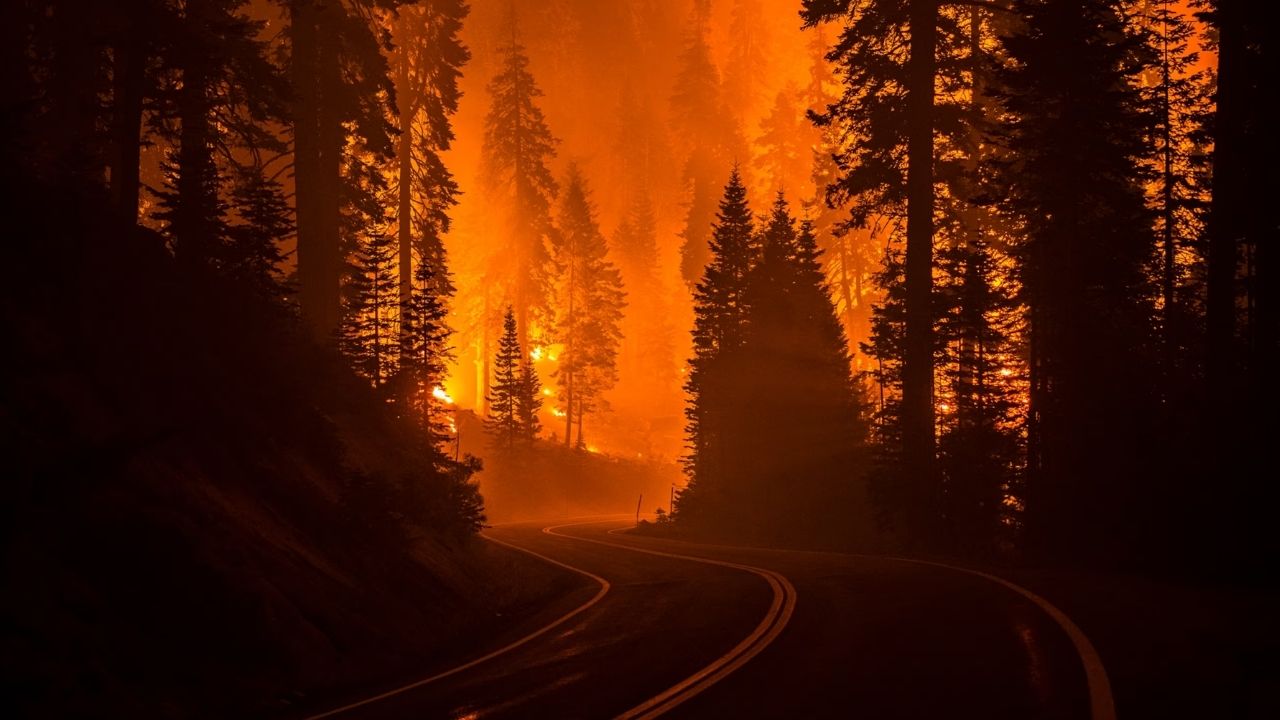
    The world is unprepared for the increasing ferocity of wildfires turbocharged by climate change, scientists say, as blazes from North America to Europe greet the northern hemisphere summer in the hottest year on record.

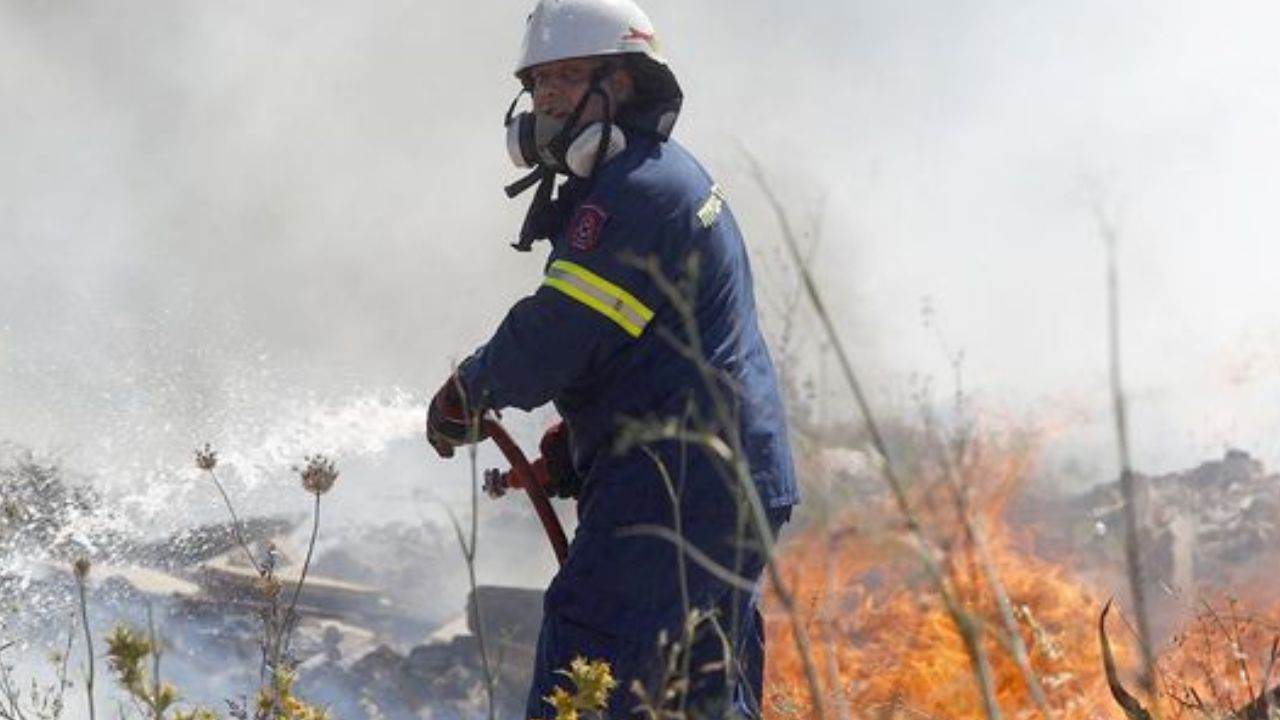
    Wildfires have already burned swathes through Turkey, Canada, Greece and the United States early this season as extreme heatwaves push temperatures to scorching highs.

    While extra resources have been poured into improving firefighting in recent years, experts said the same was not true for planning and preparing for such disasters.

    “We are still actually catching up with the situation,” said Stefan Doerr, director of the Centre for Wildfire Research at the UK’s Swansea University.

    Predicting how bad any one blaze will be — or where and when it will strike — can be challenging, with many factors including local weather conditions playing into calculations.

    But overall, wildfires are getting larger and burning more severely, said Doerr, who co-authored a recent paper examining the frequency and intensity of such extreme events.

    A separate study published in June found the frequency and magnitude of extreme wildfires appeared to have doubled over the past 20 years.

    By the end of the century, the number of extreme wildfires around the globe is tipped to rise 50 percent, according to a 2022 report by the UN Environment Programme.

    Doerr said humanity had not yet faced up to this reality.

    “We’re clearly not well enough prepared for the situation that we’re facing now,” he said.

    Climate change is a major driver, though other factors such as land use and the location of housing developments play a big part.

    Fires do not respect borders so responses have evolved between governments to jointly confront these disasters, said Jesus San-Miguel, an expert for the European Commission Joint Research Centre.

    The EU has a strong model of resource sharing, and even countries outside the bloc along the Mediterranean have benefited from firefighting equipment or financial help in times of need, San-Miguel said.

    But as wildfires become increasingly extreme, firefighting simply won’t be a fix.

    “We get feedback from our colleagues in civil protection who say, ‘We cannot fight the fires. The water evaporates before it reaches the ground,’” San-Miguel said.

    Wildfires have already burned swathes through Turkey as extreme heatwaves push temperatures to scorching highsMahmut BOZARSLAN

    “Prevention is something we need to work on more,” he added.

    Controlled burns, grazing livestock, or mechanised vegetation removal are all effective ways to limit the amount of burnable fuel covering the forest floor, said Rory Hadden from the University of Edinburgh.

    Campfire bans and establishing roads as firebreaks can all be effective in reducing starts and minimising spread, said Hadden, an expert on fire safety and engineering.

    But such efforts require funding and planning from governments that may have other priorities and cash-strapped budgets, and the return is not always immediately evident.

    “Whatever method or technique you’re using to manage a landscape… the result of that investment is nothing happens, so it’s a very weird psychological thing. The success is: well, nothing happened,” said Hadden.

    Local organisations and residents often take the lead in removing vegetation in the area immediately around their homes and communities.

    But not everyone is prepared to accept their neighbourhood might be at risk.

    ‘People don’t think that it will happen to them, but it eventually will,’ fire expert Jesus San-Miguel saidETIENNE TORBEY

    “People don’t think that it will happen to them, but it eventually will,” San-Miguel said, pointing to historically cold or wet climates like the US Pacific Northwest that have witnessed major fires in recent years.

    Canada has adapted to a new normal of high latitude wildfires, while some countries in Scandinavia are preparing for ever-greater fire risk.

    But how best to address the threat remains an open question, said Guillermo Rein from Imperial College London, even in places where fire has long been part of the landscape.

    Even in locations freshly scarred by fire, the clearest lessons are sometimes not carried forward.

    “People have very short memories for wildfires,” said Rein, a fire science expert.

    In July 2022, London witnessed its worst single day of wildfires since the bombings of World War II, yet by year’s end only academics were still talking about how to best prepare for the future.

    “While the wildfires are happening, everybody’s asking questions… When they disappear, within a year, people forget about it,” he said.

  • ‘Julian Assange is free’, has left Britain: WikiLeaks

    ‘Julian Assange is free’, has left Britain: WikiLeaks

    Julian Assange’s wife Stella on Tuesday thanked campaigners for their support as the WikiLeaks founder was released after five years in British custody.

    “Julian is free!!!!” she wrote on the social media platform X following confirmation that he had left Belmarsh high-security prison in southeast London.

    “Words cannot express our immense gratitude” to everyone who had backed the global push for his release, she added.

    Stella Assange met the Australian publisher while he was holed up in Ecuador’s London embassy to avoid extradition to Sweden on sexual assault charges that were later dropped.

    Assange, accused of divulging US military secrets related to the wars in Afghanistan and Iraq, had been due back in court in London next month after winning an appeal against extradition.

    But WikiLeaks said in a statement: “Julian Assange is free. He left Belmarsh maximum security prison on the morning of June 24, after having spent 1,901 days there.

    “He was granted bail by the High Court in London and was released at Stansted airport during the afternoon, where he boarded a plane and departed the UK.”

    The media freedom group said sustained campaigning, from grassroots supporters to political leaders and the United Nations, “created the space for a long period of negotiations with the US Department of Justice”, leading to a deal.

    The organisation said the deal “has not yet been formally finalised”.

    Assange was initially detained for skipping bail in relation to the Swedish case and held in custody while the US extradition request wound its way through court.

    He will now be reunited with his wife, whom he married at a ceremony in the prison, and their two young children, it added.

    “WikiLeaks published ground-breaking stories of government corruption and human rights abuses, holding the powerful accountable for their actions,” the statement read.

    “As editor-in-chief, Julian paid severely for these principles, and for the people’s right to know.

    “As he returns to Australia, we thank all who stood by us, fought for us, and remained utterly committed in the fight for his freedom. Julian’s freedom is our freedom.”

    spe-phz/rsc

    © Agence France-Presse

  • Two American Air Force members to quit as US continues to back Israel

    Two American Air Force members to quit as US continues to back Israel

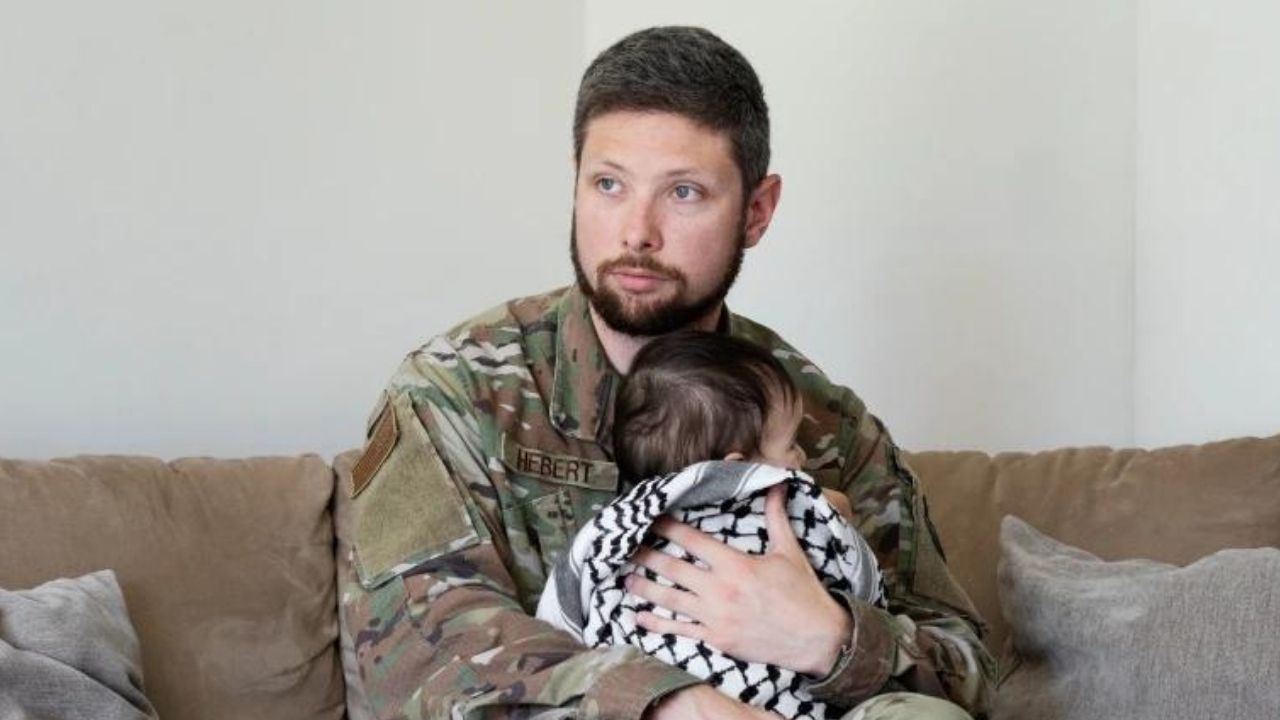
    Two officers currently serving in the United States Air Force are seeking to quit their military roles and declare themselves conscientious objectors in the light of their opposition to Washington’s backing of the Israeli genocide in Gaza.

    The two people in question are Larry Hebert and Juan Bettancourt who are critical of the US-backed genocide in Gaza that has killed over 37,400 Palestinians, predominantly women and children.

    They have formally requested to be recognized as conscientious objectors as per established military procedures — a status granted to individuals who object to engaging in military activities on moral or ethical grounds.

    Al Jazeera spoke to Hebert who is presently serving as a senior airman in the US Air Force. He pointed out that conscientious objection in the US military has historically been seen during protests against the Vietnam and Iraq wars.

    He intends to raise awareness that active-duty soldiers have the option to choose conscientious objection.

    In an earlier interview with NBC News, Hebert revealed the death of six-year-old Hind Rajab in February was a pivotal moment influencing his decision.

  • 13 hospitalized after Korean Air plane faces defect in pressurization system

    13 hospitalized after Korean Air plane faces defect in pressurization system

    A Korean Air flight bound for Taiwan faced a malfunction with the pressurization system, leading to the hospitalization of 13 out of 125 passengers.


    The plane descended from the height of 35,000 feet to 9,000 feet within the span of ten minutes due to sudden uncontrollable decompression just 50 minutes into the flight.


    The pressurization system is responsible for regulating the internal pressure of an aircraft.

    The plane was returned to the Incheon International Airport, where it departed from.


    15 passengers suffered from eardrum pain and hyperventilation during the descent. Among them, 13 were taken to a hospital, reported Yohap News Agency.

  • 21,000 children missing in Gaza since October 7

    21,000 children missing in Gaza since October 7

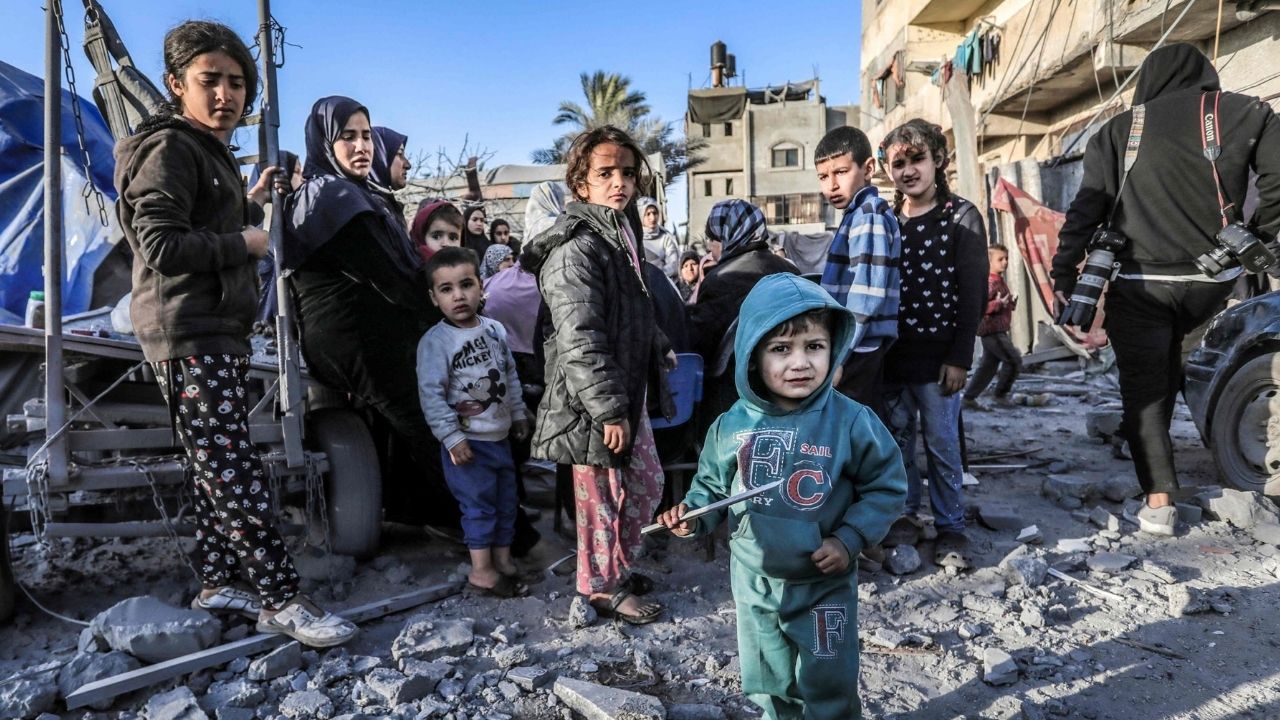
    As much as 21,000 children in Gaza are said to have gone missing since October 7, reports Save the Children, a leading humanitarian organisation for children.

    Israel launched fierce military operations against Palestinians following October 7 attacks which have killed at least 37,598 people and injured 86,032 in Gaza, according to Al Jazeera.

    More than 15,000 children have been killed by Israel in the genocide.

    Additionally, at least 3,000 children are reportedly amputated – the largest population of child amputees in the world.

  • India’s Modi pleads for ‘consensus’ as parliament opens after elections

    India’s Modi pleads for ‘consensus’ as parliament opens after elections

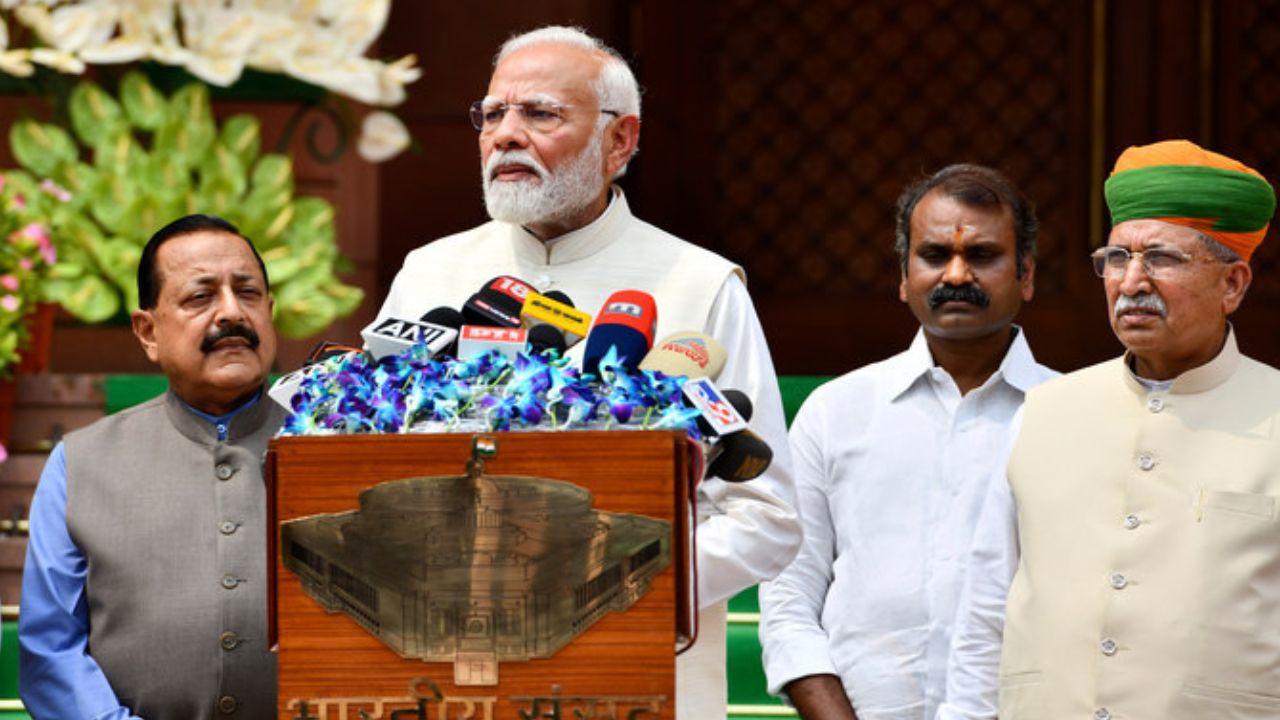
    Indian Prime Minister Narendra Modi appealed to an emboldened opposition for “consensus” Monday, as parliament opened following an election setback that forced him into a coalition government for the first time in a decade.

    Expected in the first session, which will run until July 3, is a preview of Modi’s plans for his third term and the likely formal appointment of Rahul Gandhi as leader of the opposition — a post vacant since 2014.

    Modi’s first two terms in office followed landslide wins for his right-wing Bharatiya Janata Party (BJP), allowing his government to drive laws through parliament with only cursory debate.

    But now analysts expect the 73-year-old Modi to moderate his Hindu-nationalist agenda to assuage his coalition partners, focusing more on infrastructure, social welfare and economic reforms.

    “To run the country, a consensus is of utmost importance”, Modi said in a speech shortly before entering parliament, calling on the opposition to play a constructive role.

    “People expect their representatives to debate and discuss issues which are important to the country […] they don’t expect disturbances or hindrances in the parliamentary proceedings,” he said. “People want substance, not slogans.”

    Modi led lawmakers in taking the oath — as his cheering supporters thumped their desks in support, and opposition members waved the constitution in protest. He said he was “proud to serve” India.

    Minister of Parliamentary Affairs Kiren Rijiju on Monday called for a “peaceful and productive” session, but Indian media said they expected lively debate with a far stronger opposition.

    “All set to spar”, one headline in The Hindustan Times read Monday. “Resurgent opposition set to push government”, The Indian Express front page added.

    Rahul Gandhi, 54, defied analyst expectations to help his Congress party nearly double its parliamentary numbers, its best result since Modi was swept to power a decade ago.

    Gandhi is the scion of a dynasty that dominated Indian politics for decades and is the son, grandson and great-grandson of former prime ministers, beginning with independence leader Jawaharlal Nehru.

    Parliamentary regulations require the opposition leader to come from a party that commands at least 10 per cent of the lawmakers in the 543-seat lower house.

    The post has been vacant for 10 years because two dismal election results for Congress — once India’s dominant party — left it short of that threshold.

    Lawmakers elected behind bars

    The parliamentary session will start with newly elected lawmakers taking their oaths over the first two days. Many will be watching if two lawmakers elected from behind bars, bitter opponents of Modi, will be allowed to join.

    One is Sikh separatist Amritpal Singh, a firebrand preacher arrested last year after a month-long police manhunt in Punjab state. The second is Sheikh Abdul Rashid, a former state legislator in India-occupied Kashmir.

    It is unclear if either will be granted bail to attend the ceremony in person.

    Modi’s decade as premier has seen him cultivate an image as an aggressive champion of the country’s majority Hindu faith, worrying minorities including the country’s 200-million-plus Muslim community.

    But his BJP won only 240 seats in this year’s poll, 32 short of a majority in the lower house — its worst showing in a decade.

    It has left the BJP reliant on a motley assortment of minor parties to govern. Modi has kept key posts unchanged in this government and the cabinet remains dominated by the BJP.

    That includes BJP loyalists Rajnath Singh, Amit Shah, Nitin Gadkari, Nirmala Sitharaman and S. Jaishankar — the defence, interior, transport, finance and foreign ministers, respectively — staying on in their jobs.

    But out of his 71-member government, 11 posts went to coalition allies who extracted them in exchange for their support — including five in the top 30 cabinet posts.

    Many will also be eying the election of the speaker, a powerful post overseeing the running of the lower house, with lawmakers slated to vote on Wednesday.

    Coalition allies covet the post, but others suggest Modi will put forward a candidate from his BJP.

  • Gunmen attack Churches, Synagogues in Russia

    Gunmen attack Churches, Synagogues in Russia

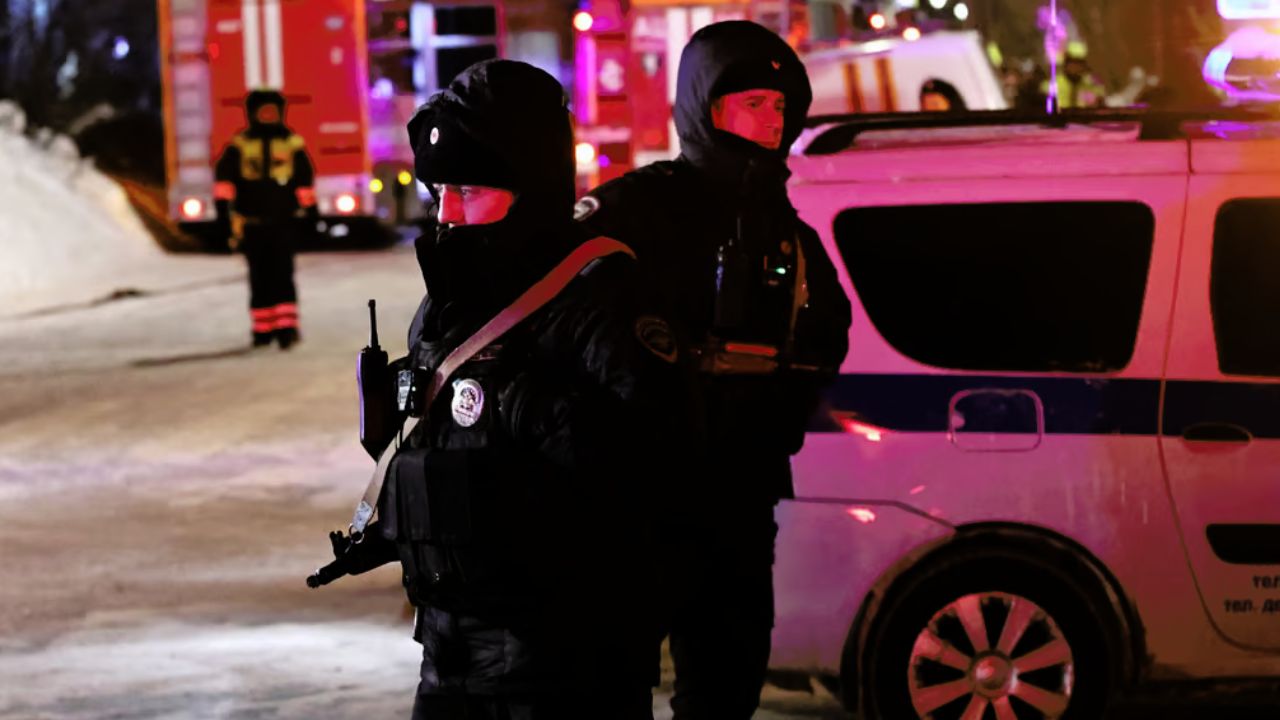
    Gunmen attacked churches and synagogues in Russia’s North Caucasus region of Dagestan on Sunday, killing at least eight police and national guard officers and a priest, officials said.

    The unidentified gunmen launched simultaneous attacks in Dagestan’s largest city of Makhachkala and in the coastal city of Derbent.

    Russia’s Investigative Committee said it had opened criminal probes over “acts of terror” in Dagestan, a largely Muslim region of Russia neighbouring Chechnya.

    The leader of Dagestan, Sergei Melikov, wrote on Telegram: “This evening in Derbent and Makhachkala unknown (attackers) made attempts to destabilise the situation in society.”

    “We know who is behind these terrorist attacks and what objective they are pursuing,” he added later, without specifying but referring to the war in Ukraine.

    “We must understand that war comes to our homes too. We felt it, but today we face it,” he said.

    Melikov said the “active phase” of operations in Derbent and Makhachkala had ended and that “six bandits have been liquidated”.

    The authorities will try to find “all the members of these sleeper cells who prepared (the attacks) and who were prepared, including abroad”, he added.

    Russian officials said police had killed four gunmen in Makhachkala and two in Derbent.

    Patriarch Kirill, head of the Russian Orthodox Church and a fervent supporter of the Kremlin, said the “enemy” was seeking to destroy “inter-religious peace” in Russia, without naming who was responsible.

    The attacks targeted “two Orthodox churches, a synagogue and a police checkpoint”, the National Anti-terrorism Committee said in a statement to RIA Novosti news agency.

    “As a result of the terrorist attacks, according to preliminary information, a priest from the Russian Orthodox Church and police officers were killed.”

    The Russian Orthodox Church said archpriest Nikolai Kotelnikov was “brutally killed” in Derbent.

    In all, six officers were killed and 12 wounded in the attacks, the spokeswoman for Dagestan’s interior ministry, Gayana Gariyeva, told RIA Novosti.

    The ministry later added that a local police chief had died from his wounds.

    Russia’s National Guard meanwhile said one of its officers had been killed in Derbent and several others wounded.

    The Dagestan interior ministry said a total of 16 people, including 13 police officers, were wounded in the attacks.

    In a separate incident, the ministry said gunmen had also shot at a police car in the village of Sergokal, 65 kilometres (40 miles) from Makhachkala, wounding one officer.

    Synagogues on fire

    Sunday is a religious holiday, Pentecost Sunday, in the Russian Orthodox Church.

    Dagestan’s interior ministry said 19 people took shelter inside a church in Makhachkala and were later led out to safety.

    Gunmen also attacked synagogues in both cities.

    “The synagogue in Derbent is on fire,” the chairman of the public council of Russia’s Federation of Jewish Communities, Boruch Gorin, wrote on Telegram.

    “The synagogue in Makhachkala has also been set on fire and burnt down,” he said.

    The rabbi of Makhachkala, Rami Davidov, later told RIA Novosti that no one was killed or injured there.

    The Russian Jewish Congress said on its website the Derbent synagogue was attacked about 40 minutes before evening prayers.

    Gunmen fired at police and security guards and threw in Molotov cocktails, it said, adding that the attack in Makhachkala was similar.

    State news agency TASS cited a law enforcement source as saying the “gunmen who carried out attacks in Makhachkala and Derbent are supporters of an international terrorist organisation”, without naming it.

    Russia’s FSB security service in April said it had arrested four people in Dagestan on suspicion of plotting the deadly attack on Moscow’s Crocus City Hall concert venue in March, which was claimed by the Islamic State group.

    Militants from Dagestan are known to have travelled to join IS in Syria, and in 2015, the group declared it had established a “franchise” in the North Caucasus.

    Dagestan lies east of Chechnya, where Russian authorities battled separatists in two brutal wars, first in 1994-1996 and then in 1999-2000.

    Since the defeat of Chechen insurgents, Russian authorities have been locked in a simmering conflict with Islamist militants from across the North Caucasus that has killed scores of civilians and police.

  • Anger after fireworks trigger Greek forest fire

    Anger after fireworks trigger Greek forest fire

    Firefighters said Saturday that fireworks launched from a yacht started a forest fire on the Greek tourist island of Hydra, near Athens, sparking widespread anger.

    The fire, which started on Friday evening, has been brought under control, authorities said.

    The blaze was “caused by a fireworks launched from a boat and burned the only pine forest on the island in a place that is difficult to access and has no road,” said the island’s seasonal firefighting team on Facebook.

    The island’s mayor, Giorgos Koukoudakis, told public television channel ERT that he was “outraged that certain people are starting fires in such an irresponsible manner.”

    The news also sparked fury on social media.

    Greece has recently toughened penalties for arson, with perpetrators now facing up to 20 years in prison and a fine of up to 200,000 euros.

    The country has been bracing for a particularly difficult summer as authorities warned that strong winds and high temperatures mean there was a “very high risk” of forest fires.

    The Mediterranean country recorded its first heatwave of the year last week, with temperatures passing more than 44 degrees Celsius (111 degrees Fahrenheit) in some locations.

    Greek firefighters on Friday battled wildfires fanned by three days of fierce winds that left at least one person dead.

    Last year, a fierce two-week heatwave was followed by devastating wildfires in which 20 people died.

    Scientists warn that human-caused fossil fuel emissions are worsening the length and intensity of heat waves worldwide.

    Rising temperatures are leading to extended wildfire seasons and increasing the area burnt by the blazes, according to the United Nations Intergovernmental Panel on Climate Change.

  • UAE to allow abortion in cases of rape, incest

    UAE to allow abortion in cases of rape, incest

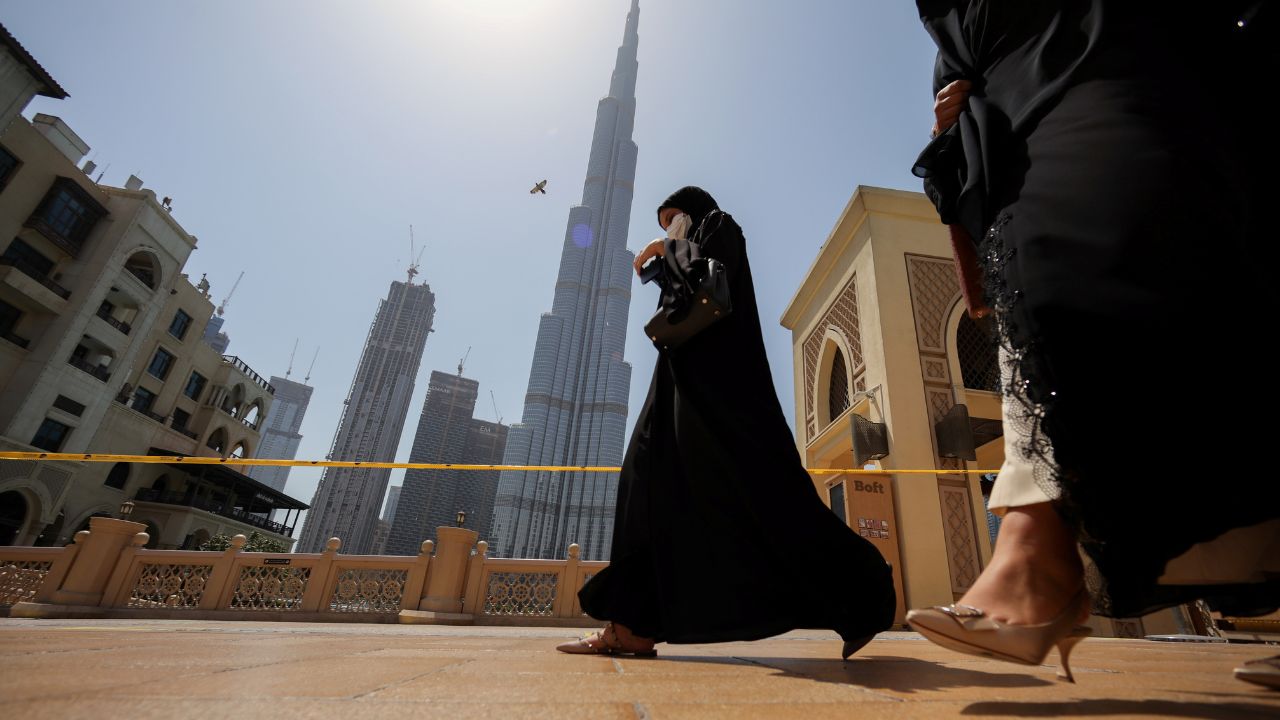
    The United Arab Emirates (UAE) will now legally permit abortion in cases of rape and incest for the first time.

    Under a cabinet resolution, abortions will be permissible in cases where pregnancy stems from rape or incest, contingent upon the incident being reported and validated by public prosecution, and if the fetus is under 120 days old.

    The new resolution states that abortion will be allowed “if the pregnancy is the result of intercourse with a female against her will, without her consent, or without adequate volition” or “if the person who caused the pregnancy is an ancestor of the woman or one of her mahram [ineligible for marriage] relatives”.

    The aims of the new legislation is to safeguard women’s health and well-being, legally tackling the handling of the aftermath of these incidents and allowing abortions to be conducted without endangering the woman’s life.

    Under current UAE law, abortions are only allowed when there is a risk to the mother’s life or serious abnormalities in the fetus.

    The new changes to the UAE’s abortion laws includes permitting emergency abortions without requiring spousal consent.

  • Israeli military spokesman admits Hamas can’t be destroyed, enraging Netanyahu

    Israeli military spokesman admits Hamas can’t be destroyed, enraging Netanyahu

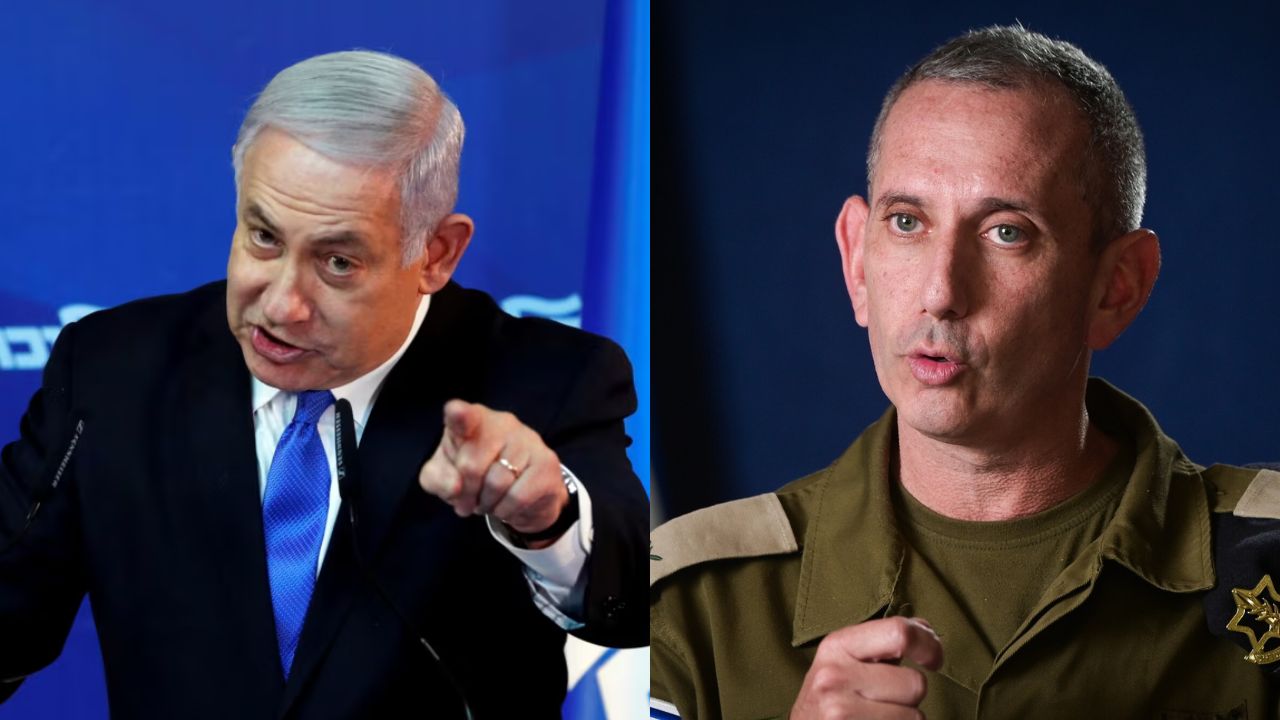
    Israeli military spokesman Rear Admiral Daniel Hagari has acknowledged that the Palestinian resistance organization Hamas is an ideology that cannot be defeated. The statement has exposed the rift between the country’s political and military leadership, as Israeli Prime Minister Benjamin Netanyahu has consistently claimed that only the destruction of Hamas can bring an end to the war on Gaza.

    In an interview with CBS News, the spokesman of the Israeli army, Rear Admiral Daniel Hagari, said that anyone who thinks that we will eliminate Hamas is mistaken. “Hamas is an idea, Hamas is a party. It’s rooted in the hearts of the people – whoever thinks we can eliminate Hamas is wrong,” Hagari was seen saying.

    The statement of Rear Admiral Daniel Hagari is being taken as proof of a conflict between the Israeli army and the government, an example of which is the replacement of the Israeli war cabinet with a reduced kitchen cabinet.

    However, Netanyahu’s office strongly denied the statement of the spokesman of the Israeli army and reiterated his determination to eliminate Hamas completely.


    Al Jazeera’s Hamdah Salhut reported that Netanyahu’s office was “fuming” at Hagari’s remarks.


    “This just gives you an idea of what Benjamin Netanyahu’s policies are in this war, and the army on the ground saying it is actually not realistic,” she stressed.

    On the other hand, the Israeli military said that the statement of Admiral Daniel Hagari is being taken out of context, and he has clearly declared the elimination of Hamas as the ideology of the Israeli army, which we are determined to achieve.


    Hagari’s comments, the statement said, “referred to the destruction of Hamas as an ideology and an idea, and this was said by him very clearly and explicitly,” the military statement added. “Any other claim is taking things out of context.”


    Israeli Prime Minister Benjamin Netanyahu has repeatedly said that it is impossible to end the war without eliminating Hamas, but even though the Zionist forces have martyred nearly 40,000 Palestinians in the ongoing genocide since October 7, they have failed to eliminate Hamas.